

What do you think?

Save Twilight
One of Publishers Weekly's Most Anticipated Books for Fall 2016
World renowned as one of the masters of modern fiction, Julio Cortázar was also a prolific poet. While living in Paris during the last months of his life, Cortázar assembled his life's work in verse for publication, and Save Twilight selects the best of that volume, making his poems available in English for the very first time.
This expanded edition, with nearly one hundred new pages of poems, prose and illustrations, is a book to be savored by both the familiar reader and the newcomer to Cortázar work. Ranging from the intimate to the political, tenderness to anger, heartbreak to awe, in styles both traditionally formal and free, Cortázar the poet and subverter of genres is revealed as a versatile and passionate virtuoso. More than a collection of poems, this book is a playful and revealing self-portrait of a writer in love with language in all its forms.
World renowned as one of the masters of modern fiction, Julio Cortázar was also a prolific poet. While living in Paris during the last months of his life, Cortázar assembled his life's work in verse for publication, and Save Twilight selects the best of that volume, making his poems available in English for the very first time.
This expanded edition, with nearly one hundred new pages of poems, prose and illustrations, is a book to be savored by both the familiar reader and the newcomer to Cortázar work. Ranging from the intimate to the political, tenderness to anger, heartbreak to awe, in styles both traditionally formal and free, Cortázar the poet and subverter of genres is revealed as a versatile and passionate virtuoso. More than a collection of poems, this book is a playful and revealing self-portrait of a writer in love with language in all its forms.
288 pages, Paperback
First published October 12, 1980
About the author
Julio Cortázar
724 books7,683 followersJulio Cortázar, born Julio Florencio Cortázar Descotte, was an Argentine author of novels and short stories. He influenced an entire generation of Latin American writers from Mexico to Argentina, and most of his best-known work was written in France, where he established himself in 1951.
Ratings & Reviews
Friends & Following
Create a free account to discover what your friends think of this book!
Community Reviews
Displaying 1 - 30 of 118 reviews

August 28, 2013
I feel myself dying in you, over taken by expanding
spaces, which feed on me just like hungry
butterflies.
spaces, which feed on me just like hungry
butterflies.

August 30, 2011
When Julio Cortázar died of cancer in February 1984 at the age of sixty-nine, the Madrid newspaper El Pais hailed him as one of Latin America’s greatest writers and over two days carried eleven full pages of tributes, reminiscences, and farewells. Such is the reputation he enjoyed as a giant of Latin American Literature .
I am a fetish of anything Cortazar has written and therefore have over the years accumulated virtually everything he has written and eagerly wait for untranslated works too. Cortazar was a tall man, 6'4". He had a broad chest, was handsome and had a charismatic personality too. People tended to take note of him wherever he went. Here is an endearing episode of an encounter narrated in his ‘Paris Review’ interview:
“Interviewer: Have fame and success been pleasurable?
Cortazar: Ah, listen, I’ll say something I shouldn’t say because no one will believe it, but success isn’t a pleasure for me. I’m glad to be able to live from what I write, so I have to put up with the popular and critical side of success. But I was happier as a man when I was unknown. Much happier. Now I can’t go to Latin America or to Spain without being recognized every ten yards, and the autographs, the embraces . . . It’s very moving, because they’re readers who are frequently quite young. I’m happy that they like what I do, but it’s terribly distressing for me on the level of privacy. I can’t go to a beach in Europe; in five minutes there’s a photographer. I have a physical appearance that I can’t disguise; if I were small I could shave and put on sunglasses, but with my height, my long arms and all that, they discover me from afar. On the other hand, there are very beautiful things: I was in Barcelona a month ago, walking around the Gothic Quarter one evening, and there was an American girl, very pretty, playing the guitar very well and singing. She was seated on the ground singing to earn her living. She sang a bit like Joan Baez, a very pure, clear voice. There was a group of young people from Barcelona listening. I stopped to listen to her, but I stayed in the shadows. At one point, one of these young men who was about twenty, very young, very handsome, approached me. He had a cake in his hand. He said, “Julio, take a piece.” So I took a piece and I ate it, and I told him, “Thanks a lot for coming up and giving that to me.” He said to me, “But, listen, I give you so little next to what you’ve given me.” I said, “Don’t say that, don’t say that,” and we embraced and he went away. Well, things like that, that’s the best recompense for my work as a writer. That a boy or a girl comes up to speak to you and to offer you a piece of cake, it’s wonderful. It’s worth the trouble of having written.”
So when I saw a small collection of his poetry titled “Save Twilight”, I ordered it though the price was exorbitant. Reading this poetry collection was an intensely moving experience . He writes with the ink of his heart and each poem tugs you so much that one rests a while and waft in the beauty of it before moving to the next. A lot of the endearing aspects of his persona as evinced in the above interview can be seen in these poems too. The poet more often converges with the man himself. I am reading it parsimoniously to save some of the poems of “Save Twilight” for my rainy days , afraid that the book would get finished too soon.
The power of eros, enduring beauty of art and bonds of friendship are some of the themes in this book. All the poems have been nimbly translated into English by the distinguished translator Stephen Kessler. Seldom has translated poetry acquired such coruscating brilliance as in this one.
The two poems I have posted below are sensitive, serene and sublime. They need no explanations. Just read it and close your eyes to immerse in it.
A LOVE LETTER
Everything I’d want from you
is finally so little
because finally it’s everything
like a dog going by, or a hill,
those meaningless things, mundane,
wheat ear and long hair and two lumps of sugar,
the smell of your body,
whatever you say about anything,
with or against me,
all that which is so little
I want from you because I love you.
May you look beyond me,
may you love me with violent disregard
for tomorrow, let the cry
of your coming explode
in the boss’s face in some office
and let the pleasure we invent together
be one more sign of freedom.
TO BE READ IN THE INTEROGATIVE
Have you seen
have you truly seen
the snow the stars the felt steps of the breeze
Have you touched
really have you touched
the plate the bread the face of that woman you love so much
Have you lived
like a blow to the head
the flash the gasp the fall the flight
Have you known
known in every pore of your skin
how your eyes your hands your sex your soft heart
must be thrown away
must be wept away
must be invented all over again
Can you imagine the poem if he didn't title it that way? It would have been such an unsightly poem with all the question marks in it:)). This is my favorite poem in the whole collection
I am a fetish of anything Cortazar has written and therefore have over the years accumulated virtually everything he has written and eagerly wait for untranslated works too. Cortazar was a tall man, 6'4". He had a broad chest, was handsome and had a charismatic personality too. People tended to take note of him wherever he went. Here is an endearing episode of an encounter narrated in his ‘Paris Review’ interview:
“Interviewer: Have fame and success been pleasurable?
Cortazar: Ah, listen, I’ll say something I shouldn’t say because no one will believe it, but success isn’t a pleasure for me. I’m glad to be able to live from what I write, so I have to put up with the popular and critical side of success. But I was happier as a man when I was unknown. Much happier. Now I can’t go to Latin America or to Spain without being recognized every ten yards, and the autographs, the embraces . . . It’s very moving, because they’re readers who are frequently quite young. I’m happy that they like what I do, but it’s terribly distressing for me on the level of privacy. I can’t go to a beach in Europe; in five minutes there’s a photographer. I have a physical appearance that I can’t disguise; if I were small I could shave and put on sunglasses, but with my height, my long arms and all that, they discover me from afar. On the other hand, there are very beautiful things: I was in Barcelona a month ago, walking around the Gothic Quarter one evening, and there was an American girl, very pretty, playing the guitar very well and singing. She was seated on the ground singing to earn her living. She sang a bit like Joan Baez, a very pure, clear voice. There was a group of young people from Barcelona listening. I stopped to listen to her, but I stayed in the shadows. At one point, one of these young men who was about twenty, very young, very handsome, approached me. He had a cake in his hand. He said, “Julio, take a piece.” So I took a piece and I ate it, and I told him, “Thanks a lot for coming up and giving that to me.” He said to me, “But, listen, I give you so little next to what you’ve given me.” I said, “Don’t say that, don’t say that,” and we embraced and he went away. Well, things like that, that’s the best recompense for my work as a writer. That a boy or a girl comes up to speak to you and to offer you a piece of cake, it’s wonderful. It’s worth the trouble of having written.”
So when I saw a small collection of his poetry titled “Save Twilight”, I ordered it though the price was exorbitant. Reading this poetry collection was an intensely moving experience . He writes with the ink of his heart and each poem tugs you so much that one rests a while and waft in the beauty of it before moving to the next. A lot of the endearing aspects of his persona as evinced in the above interview can be seen in these poems too. The poet more often converges with the man himself. I am reading it parsimoniously to save some of the poems of “Save Twilight” for my rainy days , afraid that the book would get finished too soon.
The power of eros, enduring beauty of art and bonds of friendship are some of the themes in this book. All the poems have been nimbly translated into English by the distinguished translator Stephen Kessler. Seldom has translated poetry acquired such coruscating brilliance as in this one.
The two poems I have posted below are sensitive, serene and sublime. They need no explanations. Just read it and close your eyes to immerse in it.
A LOVE LETTER
Everything I’d want from you
is finally so little
because finally it’s everything
like a dog going by, or a hill,
those meaningless things, mundane,
wheat ear and long hair and two lumps of sugar,
the smell of your body,
whatever you say about anything,
with or against me,
all that which is so little
I want from you because I love you.
May you look beyond me,
may you love me with violent disregard
for tomorrow, let the cry
of your coming explode
in the boss’s face in some office
and let the pleasure we invent together
be one more sign of freedom.
TO BE READ IN THE INTEROGATIVE
Have you seen
have you truly seen
the snow the stars the felt steps of the breeze
Have you touched
really have you touched
the plate the bread the face of that woman you love so much
Have you lived
like a blow to the head
the flash the gasp the fall the flight
Have you known
known in every pore of your skin
how your eyes your hands your sex your soft heart
must be thrown away
must be wept away
must be invented all over again
Can you imagine the poem if he didn't title it that way? It would have been such an unsightly poem with all the question marks in it:)). This is my favorite poem in the whole collection

April 14, 2011
Cortázar isn't known for his poetry, but his poetry is pretty good. This is a very charming, soft book. It has the childlike playful quality of his prose, and the rhythms of a dream, and can sometimes be endearingly simple without being simplistic.
Every day we're more, we who believe less
in so many things that made our lives more full,
Plato's or Goethe's highest, most indisputable values,
the word, its dove above history's ark,
the work's survival, the family line and our inheritance.
The translator notes in the preface that Cortázar wrote poems his whole life, but never published until the last year of his life. The result was a 339 page book of poems that he insisted be read in a random manner. He didn't want to impose an order to them at all. It's as if he feels uneasy calling it a finished product, to be appreciated in a certain way.
Which isn't to say we fall with the fervor of neophytes
for that science landing its robots on the moon;
the truth of the matter is it leaves us cold,
and if Dr. Barnard transplants a heart
we'd prefer a thousand times over that anyone's happiness
be the exact, essential reflection of life
until their irreplaceable heart might softly say enough.
He injects prose-pieces in the middle of the poems as well as "found graphics and amusing asides on the process of making his selection." Unfortunately for English readers, this has been edited into a 167 page bilingual edition (which means only half that amount of pages in English). I would have loved to see some of those found graphics, since I think that kind of playfulness is integral to appreciating Cortazar's unique aesthetic, but none of them have been included in this smaller version.
Every day we're more, we who believe less
in the utilization of humanism
for the stereophonic nirvana
of mandarins and esthetes.
Still, a lot of his personality comes through in these poems, not only because they are personal, but because the prose pieces put a refreshing light on his thought processes. Cortázar does not hide behind his art. I like to imagine him forever the way he is sitting on this book cover, completely absorbed in communication paw-wise, he looks so at home, so open and relaxed, as if he had just woken up from a long dream refreshed. Many of the poems have this feel too (the prose poem 'Background' about insomnia and dreams is fantastic).
Which doesn't mean
that when there's a moment's peace
we don't read Rilke, Plato or Verlaine,
or listen to the clear clarions,
or look at the trembling angels
of Angelico.
Incidentally, I just learned that his cats names are Calac and Polanco, which suddenly adds charm to those recurring characters who keep resurfacing and inserting their chit-chat in almost all his books.
Every day we're more, we who believe less
in so many things that made our lives more full,
Plato's or Goethe's highest, most indisputable values,
the word, its dove above history's ark,
the work's survival, the family line and our inheritance.
The translator notes in the preface that Cortázar wrote poems his whole life, but never published until the last year of his life. The result was a 339 page book of poems that he insisted be read in a random manner. He didn't want to impose an order to them at all. It's as if he feels uneasy calling it a finished product, to be appreciated in a certain way.
Which isn't to say we fall with the fervor of neophytes
for that science landing its robots on the moon;
the truth of the matter is it leaves us cold,
and if Dr. Barnard transplants a heart
we'd prefer a thousand times over that anyone's happiness
be the exact, essential reflection of life
until their irreplaceable heart might softly say enough.
He injects prose-pieces in the middle of the poems as well as "found graphics and amusing asides on the process of making his selection." Unfortunately for English readers, this has been edited into a 167 page bilingual edition (which means only half that amount of pages in English). I would have loved to see some of those found graphics, since I think that kind of playfulness is integral to appreciating Cortazar's unique aesthetic, but none of them have been included in this smaller version.
Every day we're more, we who believe less
in the utilization of humanism
for the stereophonic nirvana
of mandarins and esthetes.
Still, a lot of his personality comes through in these poems, not only because they are personal, but because the prose pieces put a refreshing light on his thought processes. Cortázar does not hide behind his art. I like to imagine him forever the way he is sitting on this book cover, completely absorbed in communication paw-wise, he looks so at home, so open and relaxed, as if he had just woken up from a long dream refreshed. Many of the poems have this feel too (the prose poem 'Background' about insomnia and dreams is fantastic).
Which doesn't mean
that when there's a moment's peace
we don't read Rilke, Plato or Verlaine,
or listen to the clear clarions,
or look at the trembling angels
of Angelico.
Incidentally, I just learned that his cats names are Calac and Polanco, which suddenly adds charm to those recurring characters who keep resurfacing and inserting their chit-chat in almost all his books.

June 28, 2026
I don’t know what you saw through your lament,
I saw eagles and moss, I had become
that side of the mirror where the serpent sings.
Returned home from holiday and this greeted me. Fretting from age and choked with climate angst I recognize I’m an odd duck. Despite such I smiled when glancing at the cover image. It understood my stiff fatigue. I admit to having sulked before opening this but such was soon swept away, as I was afloat on the foam of caprice and detail which dominates this collection and serves as a ready counterpart to Cortázar’s Around the Day in Eighty Worlds. Both intrigue and delight.
I saw eagles and moss, I had become
that side of the mirror where the serpent sings.
Returned home from holiday and this greeted me. Fretting from age and choked with climate angst I recognize I’m an odd duck. Despite such I smiled when glancing at the cover image. It understood my stiff fatigue. I admit to having sulked before opening this but such was soon swept away, as I was afloat on the foam of caprice and detail which dominates this collection and serves as a ready counterpart to Cortázar’s Around the Day in Eighty Worlds. Both intrigue and delight.
January 3, 2021
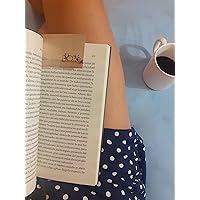
Me gusta tanto este libro que me lo comería

November 13, 2017
Reading the poetry of Julio Cortázar, I sense a fellow who is caught between the culture of his country of origin, Argentina, and the city he lived in, Paris. The reflection of both worlds is prominent in Cortázar's book of poems "Save Twilight." He reminds me of Boris Vian, in that he's a man who loves culture, including the world of jazz, and how that comes into his poetry. The book reads like a snapshot of time here and there. The poems are not in chronicle order, but from different periods in his life. The charm of this book is that I can imagine Cortázar in some cafe or bar and be jotting these poems down. They're not heavy, but light, and therefore more profound to my taste in poetry/literature. Great translation by Stephen Kessler.

November 27, 2022
"D’altra parte come quel che cercava Clarice Lispector,
Non voglio il terribile limite di chi vive solo di ciò che riesce ad avere un senso.
lo no: voglio una verità inventata.
Acqua viva"
Oh, amato Julio ❤️
Potrei riassumere semplicemente così questa raccolta di poesie.
Scrive Marco Cassini nell'introduzione: "Con questo esteso libro di poesie un Julio Cortázar che è allo zenit della propria carriera letteraria e ormai al termine della sua vita decide finalmente di ordinare cinquant'anni di produzione in versi. Ciò che ne risulta non è soltanto una scelta delle poesie «salvate», o ciò che con una frusta espressione - che Cortázar certo detesterebbe - viene di solito considerato «il suo testamento spirituale» (anche se uscirà postumo, in effetti, nel 1984).
L'esordio come autore di racconti (con Bestiario) risale al'51, quello di romanziere (Il viaggio premio) è del 1960; ma un librino intitolato Presencia e firmato da un certo Julio Denis aveva sigillato il vero esordio, era il 1938, di un Cortázar poco più che ventenne che si celava dietro uno pseudonimo: si trattava di un libro di poesia.
Da allora la poesia non abbandona mai Cortázar."
In questa raccolta emerge il genio dello scrittore che alterna giochi di parole a creazioni di nuovi termini (come quella di peosia), in perfetto stile Cortázariano. E questo si intreccia con i temi a lui cari, come quello legato al potere dell'eros, alla bellezza duratura dell'arte, all'importanza dei legami di amicizia, al sentirsi esule nel mondo (significative sono le parti in cui lui comincia a scrivere in una lingua, per poi continuare in francese e concludere in inglese).
Tutta la raccolta è intrisa di Letteratura, usata per lasciare il lettore a bocca aperta dinanzi a delle stoccate d'autore, coem in questa strofa:
"Ma non sono Tiresia,
sono solo l'unicorno
che chiede alle tue mani l'acqua
e si ritrova tra le labbra
una manciata di sale."
Perché in fondo sono solo parole e...
"Non serve a niente
questo modo di sentire. Ma quali occhi, ma quali dita.
E neppure questa cena riscaldata, la memoria, o l'attenzione, come un pappagallino pernicioso.
Si prenda le illazioni e le stampelle su cui pendono parole lavate e stirate.
Si porti via la casa, fuori tutto, mi lasci come un buco o un bastone."
E cosa ne sarà dell'amore e dei sentimenti?
"TEMI DELLA MEZZANOTTE
Ognuna delle verità che ci restituiscono all'amore è la ripetizione di verità passate, appassite. Che verità può esserci nel più inverosimile, in ciò che sempre chiameremo «sentimento»? Quale assurdo, irrinunciabile sentimento orienta una volta ancora il timone del sangue verso la secca che lo aspetta tra spume e naufragi?"
Se non avete mai letto Cortázar, cominciate pure da qui: ne scoprirete l'essenza e non potrà che essere amore, amore senza tempo, amore senza riserve.
Non voglio il terribile limite di chi vive solo di ciò che riesce ad avere un senso.
lo no: voglio una verità inventata.
Acqua viva"
Oh, amato Julio ❤️
Potrei riassumere semplicemente così questa raccolta di poesie.
Scrive Marco Cassini nell'introduzione: "Con questo esteso libro di poesie un Julio Cortázar che è allo zenit della propria carriera letteraria e ormai al termine della sua vita decide finalmente di ordinare cinquant'anni di produzione in versi. Ciò che ne risulta non è soltanto una scelta delle poesie «salvate», o ciò che con una frusta espressione - che Cortázar certo detesterebbe - viene di solito considerato «il suo testamento spirituale» (anche se uscirà postumo, in effetti, nel 1984).
L'esordio come autore di racconti (con Bestiario) risale al'51, quello di romanziere (Il viaggio premio) è del 1960; ma un librino intitolato Presencia e firmato da un certo Julio Denis aveva sigillato il vero esordio, era il 1938, di un Cortázar poco più che ventenne che si celava dietro uno pseudonimo: si trattava di un libro di poesia.
Da allora la poesia non abbandona mai Cortázar."
In questa raccolta emerge il genio dello scrittore che alterna giochi di parole a creazioni di nuovi termini (come quella di peosia), in perfetto stile Cortázariano. E questo si intreccia con i temi a lui cari, come quello legato al potere dell'eros, alla bellezza duratura dell'arte, all'importanza dei legami di amicizia, al sentirsi esule nel mondo (significative sono le parti in cui lui comincia a scrivere in una lingua, per poi continuare in francese e concludere in inglese).
Tutta la raccolta è intrisa di Letteratura, usata per lasciare il lettore a bocca aperta dinanzi a delle stoccate d'autore, coem in questa strofa:
"Ma non sono Tiresia,
sono solo l'unicorno
che chiede alle tue mani l'acqua
e si ritrova tra le labbra
una manciata di sale."
Perché in fondo sono solo parole e...
"Non serve a niente
questo modo di sentire. Ma quali occhi, ma quali dita.
E neppure questa cena riscaldata, la memoria, o l'attenzione, come un pappagallino pernicioso.
Si prenda le illazioni e le stampelle su cui pendono parole lavate e stirate.
Si porti via la casa, fuori tutto, mi lasci come un buco o un bastone."
E cosa ne sarà dell'amore e dei sentimenti?
"TEMI DELLA MEZZANOTTE
Ognuna delle verità che ci restituiscono all'amore è la ripetizione di verità passate, appassite. Che verità può esserci nel più inverosimile, in ciò che sempre chiameremo «sentimento»? Quale assurdo, irrinunciabile sentimento orienta una volta ancora il timone del sangue verso la secca che lo aspetta tra spume e naufragi?"
Se non avete mai letto Cortázar, cominciate pure da qui: ne scoprirete l'essenza e non potrà che essere amore, amore senza tempo, amore senza riserve.

August 13, 2024
RTC later but I think I fucking love this. Didn't think I would be a Cortázar kind of gal, but it is what it is (probably 'speaking' too soon considering I haven't read any of his 'prose').

October 2, 2009
a slim, bilingual collection of cortázar's poetry. published as part of the city lights books pocket poets series, the poems in save twilight were culled by renowned translator stephen kessler from cortázar's posthumously published collected poems of the same name, salvo el crepúsculo. as kessler makes evident in the preface, the selection of poems chosen for this book aim to "represent the range of cortázar's poetic accomplishment, from traditional verse to open forms, romantic lyrics to angry tirades, the surreal to the prosaic, the intimately autobiographical to the social-historical sides of his sensibility." the fifty or so poems in this collection are accompanied by a few interspersed prose pieces, including one about the merits of including a prose piece in a collection of poetry. it is clear cortázar was never short on imagination. many of these poems are quite powerful in their effect, and there are a few that are simply exceptional ("una carta de amor/a love letter", "ándele/get a move on").
time's distribution (distribución del tiempo)
every day we're more, we who believe less
in so many things that made our lives more full,
plato's or goethe's highest, most indisputable values,
the word, its dove above history's ark,
the work's survival, the family line and our inheritance.
which isn't to say we fall with the fervor of neophytes
for that science landing its robots on the moon;
the truth of the matter is it leaves us cold,
and if dr. barnard transplants a heart
we'd prefer a thousand times over that anyone's happiness
be the exact, essential reflection of life
until their irreplaceable heart might softly say enough.
every day we're more, we who believe less
in the utilization of humanism
for the stereophonic nirvana
of mandarins and esthetes.
which doesn't mean
that when there's a moment's peace
we don't read rilke, plato or verlaine,
or listen to the clear clarions,
or look at the trembling angels
of angelico.

April 28, 2019
Nearly every poem included annotations - where and when they were written, notes about readings and inspirations, and some texts/lines even inspired tangos, like the one above. How Argentine! It was interesting to observe (through these annotations) that many of my favorites in the collection were written while Cortazar was in Nairobi, Kenya in 1976.
This was a spectacular collection, published by City Lights as part of their Pocket Poets Series. It's a dual Spanish - English text.
This was a spectacular collection, published by City Lights as part of their Pocket Poets Series. It's a dual Spanish - English text.

January 28, 2019
Queremos tanto a Julio.

August 31, 2022
Reunión de la obra poética de Cortázar, en la que con uso de formas variadas: tanto clásicas, la rima y el soneto, como modernas, el verso libre; desarrolla imágenes y metáforas que reflexionan sobre lo efímero, las pérdidas amorosas, las intermitencias del recuerdo, sus nostalgias de la patria, etc.

July 4, 2024
Cortazar siempre sorprende. Esperas encontrarte con un libro de poemas pero es todo distinto: comentarios, letras propias, tener que girar el libro para poder leer, etc.
Quiero estar leyendo este libro para siempre.
Quiero estar leyendo este libro para siempre.
November 23, 2025
Poem/essay on listening to music using headphones deserves six out of five stars and a celebration on its own. Some others didn’t make much of an impression on me. But that’s okay. So-very-cosy read all throughout.
January 30, 2025
Te amo, Julio.
No puedo ser objetiva.
Había leído un par de poesías que están incluidas acá, anteriormente, como A Song for Nina que parece escrita para mì.
Y siempre recordar Banfield, mi barrio, nuestro barrio.
Amarte siempre.
No puedo ser objetiva.
Había leído un par de poesías que están incluidas acá, anteriormente, como A Song for Nina que parece escrita para mì.
Y siempre recordar Banfield, mi barrio, nuestro barrio.
Amarte siempre.
March 8, 2020
"Mira, no pido mucho,
solamente tu mano, tenerla
como un sapito que duerme así contento.
Necesito esa puerta que me dabas
para entrar a tu mundo, ese trocito
de azúcar verde, de redondo alegre.
¿No me prestas tu mano en esta noche
de fìn de año de lechuzas roncas?
No puedes, por razones técnicas. Entonces
la tramo en el aire, urdiendo cada dedo,
el durazno sedoso de la palma
y el dorso, ese país de azules árboles.
Así la tomo y la sostengo, como
si de ello dependiera
muchísimo del mundo,
la sucesión de las cuatro estaciones,
el canto de los gallos, el amor de los hombres."
Julio Cortázar: “Happy new year”, Salvo el crepúsculo.
solamente tu mano, tenerla
como un sapito que duerme así contento.
Necesito esa puerta que me dabas
para entrar a tu mundo, ese trocito
de azúcar verde, de redondo alegre.
¿No me prestas tu mano en esta noche
de fìn de año de lechuzas roncas?
No puedes, por razones técnicas. Entonces
la tramo en el aire, urdiendo cada dedo,
el durazno sedoso de la palma
y el dorso, ese país de azules árboles.
Así la tomo y la sostengo, como
si de ello dependiera
muchísimo del mundo,
la sucesión de las cuatro estaciones,
el canto de los gallos, el amor de los hombres."
Julio Cortázar: “Happy new year”, Salvo el crepúsculo.
September 8, 2011
Hay poemas inolvidables en este libro de Cortázar, no hay más que leer la sección de Ars Amandi para darse cuenta de ello, estos no son poemas que son buenos en un momento y luego se olvidan, al contrario son poemas que persisten a los avatares de la memoria y que con el tiempo se recitan mentalmente sin haber querido recordarlos, -se vuelven parte de uno-. Lamentablemente esto sucede solo con unos cuantos poemas, mientras que los demás se quedan viviendo para siempre dentro de las páginas de este libro.
July 27, 2022
Esta edición de alfaguara no sé, pero la otra es increíble. Un libro del cual disfruté mucho la mitad, una cara de cortázar que no preví y una variedad inigualable.
No lo llegué a terminar porque lo regalé, en parte porque lo quería compartir con alguien, en parte porque jamás sería capaz de terminarlo.
No lo llegué a terminar porque lo regalé, en parte porque lo quería compartir con alguien, en parte porque jamás sería capaz de terminarlo.

March 24, 2014
I wanted to give this 5 stars but I couldn't.
I think that I really loved it but some poems weren't as good as others.
It's still interesting, his fusion of avant garde with diverse languages and ways to conceive poetry, and that even in France his poetry becomes so familiar and at the same time, searching for that Rimbaud-like form.
Then again, rating poetry is almost impossible, given that in Cortázar's case there's some style interruptions.
I think that I really loved it but some poems weren't as good as others.
It's still interesting, his fusion of avant garde with diverse languages and ways to conceive poetry, and that even in France his poetry becomes so familiar and at the same time, searching for that Rimbaud-like form.
Then again, rating poetry is almost impossible, given that in Cortázar's case there's some style interruptions.

November 18, 2017
La verdad Cortázar nunca me decepciona, hace mucho que no lo leía y necesitaba algo de él. El modelo del libro es muy curioso el mismo te guia, y te dice que va a hacer lo que quiera con su libro y su narración entonces derrepente hay narración, continuad de poemas o poesias y asi la verdad una gran opción sin duda si eres fan de este escritor.
Read
December 3, 2011!!!
What would we do w/o South American writers?
What would we do w/o South American writers?

June 29, 2018
Simple, beautiful, melancholic...with a dream-like quality that mirrors his amazing fiction.

August 26, 2019
"El cielo es más y más azul,
y vos más y más linda."
"Este camino
ya nadie lo recorre
salvo el crepúsculo
Basho"
y vos más y más linda."
"Este camino
ya nadie lo recorre
salvo el crepúsculo
Basho"
September 5, 2026
Qué belleza🥹 canté tango y lloré, todo junto. Qué hombreeeeeee❤️❤️
El futuro
Y sé muy bien que no estarás. No estarás en la calle, en el murmullo que brota de noche de los postes de alumbrado, ni en el gesto de elegir el menú, ni en la sonrisa que alivia los completos de los subtes, ni en los libros prestados ni en el hasta mañana.
No estarás en mis sueños, en el destino original de mis palabras, ni en una cifra telefónica estarás o en el color de un par de guantes o una blusa. Me enojaré amor mío, sin que sea por ti, y compraré bombones pero no para ti, me pararé en la esquina a la que no vendrás, y diré las palabras que se dicen y comeré las cosas que se comen y soñaré las cosas que se sueñan y sé muy bien que no estarás, ni aquí adentro, la cárcel donde aún te retengo, ni allí fuera, este río de calles y de puentes. No estarás para nada, no serás ni recuerdo, y cuando piense en ti pensaré un pensamiento que oscuramente trata de acordarse de ti.
El futuro
Y sé muy bien que no estarás. No estarás en la calle, en el murmullo que brota de noche de los postes de alumbrado, ni en el gesto de elegir el menú, ni en la sonrisa que alivia los completos de los subtes, ni en los libros prestados ni en el hasta mañana.
No estarás en mis sueños, en el destino original de mis palabras, ni en una cifra telefónica estarás o en el color de un par de guantes o una blusa. Me enojaré amor mío, sin que sea por ti, y compraré bombones pero no para ti, me pararé en la esquina a la que no vendrás, y diré las palabras que se dicen y comeré las cosas que se comen y soñaré las cosas que se sueñan y sé muy bien que no estarás, ni aquí adentro, la cárcel donde aún te retengo, ni allí fuera, este río de calles y de puentes. No estarás para nada, no serás ni recuerdo, y cuando piense en ti pensaré un pensamiento que oscuramente trata de acordarse de ti.


December 20, 2023
Dos estrellas porque incluye uno de mis poemas favoritos ("El futuro").
Lo intento, pero Cortázar y yo no nos llevamos bien (con excepciones como el texto anteriormente mencionado y algún que otro poema o relato -"La noche boca arriba" me parece genial, por ejemplo-. Por lo demás, paso.
Lo intento, pero Cortázar y yo no nos llevamos bien (con excepciones como el texto anteriormente mencionado y algún que otro poema o relato -"La noche boca arriba" me parece genial, por ejemplo-. Por lo demás, paso.
October 9, 2024
cortázar var en mye bedre prosaist altzå. ikke min foretrukne stil. noen av diktene (særlig kjærlighetsdiktene) er veldig fine!

September 13, 2023
If I can describe Cortázar's style in one word it'd be (Tasty)
August 3, 2025
se la mamo
July 4, 2025
y diré las palabras que se dicen
y comeré las cosas que se comen
y soñaré los sueños que se sueñan,
y sé muy bien que no estarás,
ni aquí adentro, la cárcel donde aún te retengo
ni allí fuera, este río de calles y puentes.
no estarás para nada, no serás ni recuerdo,
y cuando piense en ti pensaré un pensamiento
que oscuramente trata de acordarse de ti
y comeré las cosas que se comen
y soñaré los sueños que se sueñan,
y sé muy bien que no estarás,
ni aquí adentro, la cárcel donde aún te retengo
ni allí fuera, este río de calles y puentes.
no estarás para nada, no serás ni recuerdo,
y cuando piense en ti pensaré un pensamiento
que oscuramente trata de acordarse de ti
Displaying 1 - 30 of 118 reviews