

What do you think?

Anello intorno al sole
Un giocattolo. Una semplice trottola da bambino. Una cosa semplice, così semplice che pare assurdo possa schiudere la porta di un altro mondo… eppure è così, la serenità di una vita migliore, di un mondo migliore, appare vicina, vicinissima. Nel nostro mondo industrializzato, dominato da gruppi senza scrupoli, inquinato, frenetico, finalmente qualcuno apre uno spiraglio… e il Paradiso della Porta Accanto è alla portata di tutti. Come un anello intorno al sole, mondi senza fine si stendono, separati da sottili diaframmi dimensionali, tante e tante Terre vicine, una collana che offre mille possibilità e mille sogni, ma anche mille pericoli. Per conquistare il nuovo mondo, però, è necessario vincere la resistenza di chi difende il mondo vecchio… il mondo industriale, con le sue regole ferree, con il suo rincorrere freneticamente un futuro nebbioso. E la lotta assume due volti: quello di Jay Vickers, lo scrittore, l'uomo pieno di ricordi, con la mente pervasa dal pensiero di una valle felice che forse appartiene soltanto al sogno; e quello di Crawford, l'industriale, il nemico del mondo nuovo. Ma quale rapporto esiste tra i due? Chi sono i personaggi, umani, mutanti, androidi, che affollano le pagine di questo stupendo romanzo? Qual è il segreto dell'infinita teoria di mondi che si stende ntorno al sole?
279 pages, Hardcover
First published January 1, 1952
About the author
Clifford D. Simak
983 books1,102 followers"He was honored by fans with three Hugo awards and by colleagues with one Nebula award and was named the third Grand Master by the Science Fiction and Fantasy Writers of America (SFWA) in 1977." (Wikipedia)
See http://en.wikipedia.org/wiki/Clifford...
See http://en.wikipedia.org/wiki/Clifford...
Ratings & Reviews
Friends & Following
Create a free account to discover what your friends think of this book!
Community Reviews
Displaying 1 - 30 of 174 reviews

September 13, 2014
Love this SO much! I remember reading it, 20-something years before and loving every moment of it!
To get the full impact of this novel, one has to realise this was one of the very first sci-fi books in my life. I started reading it out of sheer curiousity, just to see what it was about, this book I found stuck on the upper shelves of our home library.
And gradually I grew to love it. The idea that at any point in time there are parallel worlds, which are simply on a different schedule on their move through time seemed pretty much innovative to me then.
And then it blew my mind! The idea that a person might be able to just step back and forth between the worlds, the parallel ones, due to some private quirk of their genetic makeup? Liberating! Imagine that you can just move from the dust and weariness of the city to the nature as it was in the prehistoric times. And not through the paltry means of time-travel, which I found inherently slippery what with all the conundrums of the cause-and-effect ripples through time. Just imagine killing some fly in the Paleo and coming back and not finding your family? And whereever would your physical body go in this scenario? Just exactly how time and space would interact in this and a hundred of other conceivable unpleasant scenarios? And what about the inconceivable ones? Nasty and headache inducing! No, this story was different from all the crude time-fricking. It involved hidden abilities of some humans, born lucky or unlucky, depending on whether they managed to survive in that tumultous world. I loved every minute of this one and came back for a refresher multiple times.
I think this one formed my later prefisposition to sci-fi and even to science altogether. Still love it and cherish those happy memories.
Q:
"A question," Vickers said, "One you didn't answer in there. Why did you spin that top?" (c)
Q:
"I'm suggesting that the knowledge is there and waiting, waiting for us to go out there and get it."
"We haven't even reached the moon yet." (c)
Q:
We might reach out with our minds. ... A mind probing out and searching — a mind reaching out for a mind. If there is such a thing as telepathy, distance should make no difference — a half a mile or a light year, what would be the difference? For the mind is not a physical property, it is not bound, or should not be bound, by the laws that say that nothing can exceed the speed of light. (c)
Q:
Vickers sat on the porch, smoked his cigarettes and stared at the patch of sky he could see between the top of the hedge and the porch's roof… at the sky and its crystal wash of stars, thinking that one could not sense the distance and the time that lay between the stars. ...
He sat alone in the attic, listening to the wind that whispered in the eaves. (c)
Q:
Fifteen years ago he had faced a certain problem and after a time, in his own way, had solved it, without realizing he had solved it, by retreat from the human race. He had retreated until his back was against the wall and there, for a while, he had found peace. Now, in some strange way, his sense of "hunch," this undefined feeling that was almost prescience, seemed to be telling him that the world and the affairs of men had sought him out again. But now he could retreat no further, even if he wanted to. Curiously, he did not seem to want to, and that was just as well, for there was no place to go. He had shrunk back from humanity and he could shrink no farther. (c)
Q:
And Ann?
Ann had within her the life of that girl who had walked the valley with him — the girl he remembered as Kathleen Preston, but who had some other name. For Ann remembered the valley and that she had walked the valley in the springtime with someone by her side.
There might be more than Ann. There might be three of Ann just as there were three of him, but that didn't matter, either. Maybe Ann's name really was Ann Carter as his really was Jay Vickers. Maybe that meant that, when the lives drained back into the rightful bodies, it would be his consciousness and Ann's consciousness that would survive.
And it was all right now to love Ann. For she was a separate person and not a part of him. (c)
Q:
You could not wipe out the years of living, you could not pile them neatly in a corner and walk away and leave them. They could be wiped from out your mind and they would be forgotten, but not forever, and the day would come when they'd break through again. And once they'd found you out you'd know that you had lived not one lie, but two.
That was the trouble, you couldn't hide away the past. (c)
Q:
Queer as it may be, it seems right. This other world and the things we have, those strange abilities and all and the strange remembering. (c)
Q:
More Worlds Than One, Says Savant.
... A sort of continuous chain of words, one behind the other... That is the theory of Dr. Vincent Aldridge. (c)
Q:
"We organized... and we swung a lot of power, as you can well imagine. We made certain representations and we brought certain pressures and we got a few things done. For one thing, no newspaper, no periodical, no radio station, now will accept advertising for any of the gadgets nor give them any mention in the news. For another, no reputable drug store or any other place of business will sell a razor blade or a bulb or lighter." (c)
Q:
He had to be an eight-year-old. He had to go back to childhood once again. He must clear away his mind, sweep out all adult thoughts, all the adult worry, all sophistication. He must become a child.
He thought of playing in the sand, of napping under trees, of the feel of soft dust beneath bare feet. He closed his eyes and concentrated and caught the vision of a childhood and the color and the smell of it.
He opened his eyes and watched the stripes and filled his mind with wonder, with the question of their being and the question of where they went when they disappeared.
...
A child had no conception of time. For the child, time went on forever and forever. He was a little boy and he had all the time there was and he owned a brand new top. (c)
Q:
"How will they take it?" asked the drawling voice. "When they find they're android?" (c)
Q:
"Telepathy?" asked Vickers.
"That's it," said the man. "They don't listen to the stars really, but to people who live on the stars. Now ain't that the screwiest thing you ever heard of — listening to the stars!" (c)
Q:
So here... was the difference from the Earth ahead, the tiny aberration that made a different world. Far back, somehow, there had been a difference that had blocked Man from rising, some minor incident, no doubt; some failing of the spark of intellect. Here there had been no striking of the flint for fire, no grasping of a stone that would become a weapon, no wonder glowing in the brutish brain — a wonder that in later years would become a song or painting or a single paragraph of exquisite writing or a flowing poem… (c)
Q:
"My friend, have you ever thought about the ability of hunch. I don't mean the feeble hunch that is used on the racetrack to pick a winner or the hunch about whether it is going to rain or not, or whether some other minor happening is going to take place… but the ability in the fullness of its concept. You might say it is the instinctive ability to assess the result of a given number of factors, to know, without actually thinking the matter out, what is about to happen. It's almost like being able to peek into the future."
...
"Your hunches don't work... because you don't give them a chance. You still have the world of reason to contend with. You put your reliance on the old machine-like reasoning that the human race has relied on since it left the caves. You figure out every angle and you balance it against every other angle and you add up and cancel out as if you were doing a problem in arithmetic. You never give hunch a chance. That's the trouble with you."
...
"Hunch — the highest, most developed hunch ability that ever has been registered in a human being. The highest eve registered and the most unsuspected, the least used of any we have ever known." (c)
Q:
"Then there's this business of listening to the stars."
"We've gotten many good ideas that way,"
Q:
"Not all of us can do it. Just some of us, who are natural telepaths. And as I told you that night we talked, not all the ideas are ones that we can use. Sometimes we just get a hint of something and we go on from there." (c)
Q:
"Earth Number Two, is it? And what about Number Three?"
"It's there, waiting when we need it. Worlds without end, waiting when we need them. We can go on pioneering for generation after generation. A new earth for each new generation if need be, but they say we won't be needing them that fast." (c)
Q:
THE land lay new and empty of any mark of Man, a land of raw earth and sky; even the wildness of the wind that swept across it seemed to say that the land was untamed.
From his hilltop, Vickers saw bands of dark, moving shapes that he felt sure were small herds of buffalo and even as he watched three wolves came loping up the slope, saw him and veered off, angling down the hill. In the blue sweep of sky that arched from horizon to horizon without a single cloud a bird wheeled gracefully, spying out the land. It screeched and the screech came down to Vickers as a high, thin sound filtered through the sky.
The top had brought him through. He was safe in this empty land with wolves and buffalo.
He climbed to the ridgetop and looked across the reaches of the grassland, with its frequent groves and many watercourses, sparkling in the sun. There was no sign of human habitation — no roads, no threads of smoke sifting up the sky.
He looked at the sun and wondered which way was west and thought he knew, and if he was right, the sun said it was midmorning. But if he was wrong, it was midafternoon and in a few hours darkness would come upon the land. And when darkness came, he would have to figure out how to spend the night.
He had meant to go into «fairyland» and this, of course, wasn't it. If he had stopped to think about it, he told himself, he would have known that it would not be, for the place he had gone to as a child could not have been fairyland. This was a new and empty world, a lonely and perhaps a terrifying world, but it was better than the back room of a hardware store in some unknown town with his fellow men hunting him to death.
He had come out of the old, familiar world into this new, strange world and if the world were entirely empty of human life, then he was on his own.
He sat down and emptied his pockets and made an inventory of what he had. A half a package of cigarettes; three packs of matches, one almost finished, one full, one with just a match or two gone from it; a pocket knife; a handkerchief; a billfold with a few dollars in it; a few cents in change; the key to the Forever car; a keyring with the key to the house and another to the desk and a couple of other keys he couldn't identify; a mechanical pencil; a few half sheets of paper folded together, pocket size, on which he had intended to make notes if he saw anything worth noting — and that was all. Fire and a tool with a cutting edge and a few hunks of worthless metal — that was the sum of what he had.
If this world were empty, he must face it alone. He must feed himself and defend himself and find shelter for himself and, in time to come, contrive some way in which to clothe himself.
He lit a cigarette and tried to think, but all that he could think about was that he must go easy on the cigarettes, for the half pack was all he had and when those were gone, there would be no more.
An alien land — but not entirely alien, for it was Earth again, the old familiar Earth unscarred by the tools of Man. It had the air of Earth and the grass and sky of Earth, and even the wolves and buffalo were the same as old Earth had borne. Perhaps it was Earth. It looked for all the world like the primal Earth might have looked before it lay beneath Man's hand, before Man had caught and tamed it and bound it to his will, before Man had stripped and gutted it and torn all its treasures from it.
It was no alien land — no alien dimension into which the top had flung him, although, of course, it had not been the top at all. The top hadn't had anything to do with it. The top was simply something on which one focused one's attention, simply a hypnotic device to aid the mind in the job which it must do. The top had helped him come into this land, but it had been his mind and that strange otherness that was his which had enabled him to travel from old familiar Earth to this strange, primal place.
There was something he had heard or read…
He went searching for it, digging back into his brain with frantic mental fingers.
A new story, perhaps. Or something he had heard. Or something he had seen on television.
It came to him finally — the story about the man in Boston — a Dr. Aldridge, he seemed to remember, who had said that there might be more worlds than one, that there might be a world a second ahead of ours and one a second behind ours and another a second behind that and still another and another and another, a long string of worlds whirling one behind the other, like men walking in the snow, one man putting his foot into the other's track and the one behind him putting his foot in the same track and so on down the line.
An endless chain of worlds, one behind the other. A ring around the Sun.
...
THE land lay new and empty of any mark of Man, a land of raw earth and sky; even the wildness of the wind that swept across it seemed to say that the land was untamed.
From his hilltop, Vickers saw bands of dark, moving shapes that he felt sure were small herds of buffalo and even as he watched three wolves came loping up the slope, saw him and veered off, angling down the hill. In the blue sweep of sky that arched from horizon to horizon without a single cloud a bird wheeled gracefully, spying out the land. It screeched and the screech came down to Vickers as a high, thin sound filtered through the sky.
The top had brought him through. He was safe in this empty land with wolves and buffalo.
He climbed to the ridgetop and looked across the reaches of the grassland, with its frequent groves and many watercourses, sparkling in the sun. There was no sign of human habitation — no roads, no threads of smoke sifting up the sky.
He looked at the sun and wondered which way was west and thought he knew, and if he was right, the sun said it was midmorning. But if he was wrong, it was midafternoon and in a few hours darkness would come upon the land. And when darkness came, he would have to figure out how to spend the night.
He had meant to go into «fairyland» and this, of course, wasn't it. If he had stopped to think about it, he told himself, he would have known that it would not be, for the place he had gone to as a child could not have been fairyland. This was a new and empty world, a lonely and perhaps a terrifying world, but it was better than the back room of a hardware store in some unknown town with his fellow men hunting him to death.
He had come out of the old, familiar world into this new, strange world and if the world were entirely empty of human life, then he was on his own.
He sat down and emptied his pockets and made an inventory of what he had. A half a package of cigarettes; three packs of matches, one almost finished, one full, one with just a match or two gone from it; a pocket knife; a handkerchief; a billfold with a few dollars in it; a few cents in change; the key to the Forever car; a keyring with the key to the house and another to the desk and a couple of other keys he couldn't identify; a mechanical pencil; a few half sheets of paper folded together, pocket size, on which he had intended to make notes if he saw anything worth noting — and that was all. Fire and a tool with a cutting edge and a few hunks of worthless metal — that was the sum of what he had.
If this world were empty, he must face it alone. He must feed himself and defend himself and find shelter for himself and, in time to come, contrive some way in which to clothe himself.
He lit a cigarette and tried to think, but all that he could think about was that he must go easy on the cigarettes, for the half pack was all he had and when those were gone, there would be no more.
An alien land — but not entirely alien, for it was Earth again, the old familiar Earth unscarred by the tools of Man. It had the air of Earth and the grass and sky of Earth, and even the wolves and buffalo were the same as old Earth had borne. Perhaps it was Earth. It looked for all the world like the primal Earth might have looked before it lay beneath Man's hand, before Man had caught and tamed it and bound it to his will, before Man had stripped and gutted it and torn all its treasures from it.
It was no alien land — no alien dimension into which the top had flung him, although, of course, it had not been the top at all. The top hadn't had anything to do with it. The top was simply something on which one focused one's attention, simply a hypnotic device to aid the mind in the job which it must do. The top had helped him come into this land, but it had been his mind and that strange otherness that was his which had enabled him to travel from old familiar Earth to this strange, primal place.
There was something he had heard or read…
He went searching for it, digging back into his brain with frantic mental fingers.
A new story, perhaps. Or something he had heard. Or something he had seen on television.
It came to him finally — the story about the man in Boston — a Dr. Aldridge, he seemed to remember, who had said that there might be more worlds than one, that there might be a world a second ahead of ours and one a second behind ours and another a second behind that and still another and another and another, a long string of worlds whirling one behind the other, like men walking in the snow, one man putting his foot into the other's track and the one behind him putting his foot in the same track and so on down the line.
An endless chain of worlds, one behind the other. A ring around the Sun.
...
He set off, striding down the hill, heading for the north-west, toward the one hope he had in all the world. ...
He kept going on. There was nothing else to do. (c) I couldn't help quoting this chapter. It's my favvy fav. It reads like something otherworldly. Well, it IS otherworldly.
To get the full impact of this novel, one has to realise this was one of the very first sci-fi books in my life. I started reading it out of sheer curiousity, just to see what it was about, this book I found stuck on the upper shelves of our home library.
And gradually I grew to love it. The idea that at any point in time there are parallel worlds, which are simply on a different schedule on their move through time seemed pretty much innovative to me then.
And then it blew my mind! The idea that a person might be able to just step back and forth between the worlds, the parallel ones, due to some private quirk of their genetic makeup? Liberating! Imagine that you can just move from the dust and weariness of the city to the nature as it was in the prehistoric times. And not through the paltry means of time-travel, which I found inherently slippery what with all the conundrums of the cause-and-effect ripples through time. Just imagine killing some fly in the Paleo and coming back and not finding your family? And whereever would your physical body go in this scenario? Just exactly how time and space would interact in this and a hundred of other conceivable unpleasant scenarios? And what about the inconceivable ones? Nasty and headache inducing! No, this story was different from all the crude time-fricking. It involved hidden abilities of some humans, born lucky or unlucky, depending on whether they managed to survive in that tumultous world. I loved every minute of this one and came back for a refresher multiple times.
I think this one formed my later prefisposition to sci-fi and even to science altogether. Still love it and cherish those happy memories.
Q:
"A question," Vickers said, "One you didn't answer in there. Why did you spin that top?" (c)
Q:
"I'm suggesting that the knowledge is there and waiting, waiting for us to go out there and get it."
"We haven't even reached the moon yet." (c)
Q:
We might reach out with our minds. ... A mind probing out and searching — a mind reaching out for a mind. If there is such a thing as telepathy, distance should make no difference — a half a mile or a light year, what would be the difference? For the mind is not a physical property, it is not bound, or should not be bound, by the laws that say that nothing can exceed the speed of light. (c)
Q:
Vickers sat on the porch, smoked his cigarettes and stared at the patch of sky he could see between the top of the hedge and the porch's roof… at the sky and its crystal wash of stars, thinking that one could not sense the distance and the time that lay between the stars. ...
He sat alone in the attic, listening to the wind that whispered in the eaves. (c)
Q:
Fifteen years ago he had faced a certain problem and after a time, in his own way, had solved it, without realizing he had solved it, by retreat from the human race. He had retreated until his back was against the wall and there, for a while, he had found peace. Now, in some strange way, his sense of "hunch," this undefined feeling that was almost prescience, seemed to be telling him that the world and the affairs of men had sought him out again. But now he could retreat no further, even if he wanted to. Curiously, he did not seem to want to, and that was just as well, for there was no place to go. He had shrunk back from humanity and he could shrink no farther. (c)
Q:
And Ann?
Ann had within her the life of that girl who had walked the valley with him — the girl he remembered as Kathleen Preston, but who had some other name. For Ann remembered the valley and that she had walked the valley in the springtime with someone by her side.
There might be more than Ann. There might be three of Ann just as there were three of him, but that didn't matter, either. Maybe Ann's name really was Ann Carter as his really was Jay Vickers. Maybe that meant that, when the lives drained back into the rightful bodies, it would be his consciousness and Ann's consciousness that would survive.
And it was all right now to love Ann. For she was a separate person and not a part of him. (c)
Q:
You could not wipe out the years of living, you could not pile them neatly in a corner and walk away and leave them. They could be wiped from out your mind and they would be forgotten, but not forever, and the day would come when they'd break through again. And once they'd found you out you'd know that you had lived not one lie, but two.
That was the trouble, you couldn't hide away the past. (c)
Q:
Queer as it may be, it seems right. This other world and the things we have, those strange abilities and all and the strange remembering. (c)
Q:
More Worlds Than One, Says Savant.
... A sort of continuous chain of words, one behind the other... That is the theory of Dr. Vincent Aldridge. (c)
Q:
"We organized... and we swung a lot of power, as you can well imagine. We made certain representations and we brought certain pressures and we got a few things done. For one thing, no newspaper, no periodical, no radio station, now will accept advertising for any of the gadgets nor give them any mention in the news. For another, no reputable drug store or any other place of business will sell a razor blade or a bulb or lighter." (c)
Q:
He had to be an eight-year-old. He had to go back to childhood once again. He must clear away his mind, sweep out all adult thoughts, all the adult worry, all sophistication. He must become a child.
He thought of playing in the sand, of napping under trees, of the feel of soft dust beneath bare feet. He closed his eyes and concentrated and caught the vision of a childhood and the color and the smell of it.
He opened his eyes and watched the stripes and filled his mind with wonder, with the question of their being and the question of where they went when they disappeared.
...
A child had no conception of time. For the child, time went on forever and forever. He was a little boy and he had all the time there was and he owned a brand new top. (c)
Q:
"How will they take it?" asked the drawling voice. "When they find they're android?" (c)
Q:
"Telepathy?" asked Vickers.
"That's it," said the man. "They don't listen to the stars really, but to people who live on the stars. Now ain't that the screwiest thing you ever heard of — listening to the stars!" (c)
Q:
So here... was the difference from the Earth ahead, the tiny aberration that made a different world. Far back, somehow, there had been a difference that had blocked Man from rising, some minor incident, no doubt; some failing of the spark of intellect. Here there had been no striking of the flint for fire, no grasping of a stone that would become a weapon, no wonder glowing in the brutish brain — a wonder that in later years would become a song or painting or a single paragraph of exquisite writing or a flowing poem… (c)
Q:
"My friend, have you ever thought about the ability of hunch. I don't mean the feeble hunch that is used on the racetrack to pick a winner or the hunch about whether it is going to rain or not, or whether some other minor happening is going to take place… but the ability in the fullness of its concept. You might say it is the instinctive ability to assess the result of a given number of factors, to know, without actually thinking the matter out, what is about to happen. It's almost like being able to peek into the future."
...
"Your hunches don't work... because you don't give them a chance. You still have the world of reason to contend with. You put your reliance on the old machine-like reasoning that the human race has relied on since it left the caves. You figure out every angle and you balance it against every other angle and you add up and cancel out as if you were doing a problem in arithmetic. You never give hunch a chance. That's the trouble with you."
...
"Hunch — the highest, most developed hunch ability that ever has been registered in a human being. The highest eve registered and the most unsuspected, the least used of any we have ever known." (c)
Q:
"Then there's this business of listening to the stars."
"We've gotten many good ideas that way,"
Q:
"Not all of us can do it. Just some of us, who are natural telepaths. And as I told you that night we talked, not all the ideas are ones that we can use. Sometimes we just get a hint of something and we go on from there." (c)
Q:
"Earth Number Two, is it? And what about Number Three?"
"It's there, waiting when we need it. Worlds without end, waiting when we need them. We can go on pioneering for generation after generation. A new earth for each new generation if need be, but they say we won't be needing them that fast." (c)
Q:
THE land lay new and empty of any mark of Man, a land of raw earth and sky; even the wildness of the wind that swept across it seemed to say that the land was untamed.
From his hilltop, Vickers saw bands of dark, moving shapes that he felt sure were small herds of buffalo and even as he watched three wolves came loping up the slope, saw him and veered off, angling down the hill. In the blue sweep of sky that arched from horizon to horizon without a single cloud a bird wheeled gracefully, spying out the land. It screeched and the screech came down to Vickers as a high, thin sound filtered through the sky.
The top had brought him through. He was safe in this empty land with wolves and buffalo.
He climbed to the ridgetop and looked across the reaches of the grassland, with its frequent groves and many watercourses, sparkling in the sun. There was no sign of human habitation — no roads, no threads of smoke sifting up the sky.
He looked at the sun and wondered which way was west and thought he knew, and if he was right, the sun said it was midmorning. But if he was wrong, it was midafternoon and in a few hours darkness would come upon the land. And when darkness came, he would have to figure out how to spend the night.
He had meant to go into «fairyland» and this, of course, wasn't it. If he had stopped to think about it, he told himself, he would have known that it would not be, for the place he had gone to as a child could not have been fairyland. This was a new and empty world, a lonely and perhaps a terrifying world, but it was better than the back room of a hardware store in some unknown town with his fellow men hunting him to death.
He had come out of the old, familiar world into this new, strange world and if the world were entirely empty of human life, then he was on his own.
He sat down and emptied his pockets and made an inventory of what he had. A half a package of cigarettes; three packs of matches, one almost finished, one full, one with just a match or two gone from it; a pocket knife; a handkerchief; a billfold with a few dollars in it; a few cents in change; the key to the Forever car; a keyring with the key to the house and another to the desk and a couple of other keys he couldn't identify; a mechanical pencil; a few half sheets of paper folded together, pocket size, on which he had intended to make notes if he saw anything worth noting — and that was all. Fire and a tool with a cutting edge and a few hunks of worthless metal — that was the sum of what he had.
If this world were empty, he must face it alone. He must feed himself and defend himself and find shelter for himself and, in time to come, contrive some way in which to clothe himself.
He lit a cigarette and tried to think, but all that he could think about was that he must go easy on the cigarettes, for the half pack was all he had and when those were gone, there would be no more.
An alien land — but not entirely alien, for it was Earth again, the old familiar Earth unscarred by the tools of Man. It had the air of Earth and the grass and sky of Earth, and even the wolves and buffalo were the same as old Earth had borne. Perhaps it was Earth. It looked for all the world like the primal Earth might have looked before it lay beneath Man's hand, before Man had caught and tamed it and bound it to his will, before Man had stripped and gutted it and torn all its treasures from it.
It was no alien land — no alien dimension into which the top had flung him, although, of course, it had not been the top at all. The top hadn't had anything to do with it. The top was simply something on which one focused one's attention, simply a hypnotic device to aid the mind in the job which it must do. The top had helped him come into this land, but it had been his mind and that strange otherness that was his which had enabled him to travel from old familiar Earth to this strange, primal place.
There was something he had heard or read…
He went searching for it, digging back into his brain with frantic mental fingers.
A new story, perhaps. Or something he had heard. Or something he had seen on television.
It came to him finally — the story about the man in Boston — a Dr. Aldridge, he seemed to remember, who had said that there might be more worlds than one, that there might be a world a second ahead of ours and one a second behind ours and another a second behind that and still another and another and another, a long string of worlds whirling one behind the other, like men walking in the snow, one man putting his foot into the other's track and the one behind him putting his foot in the same track and so on down the line.
An endless chain of worlds, one behind the other. A ring around the Sun.
...
THE land lay new and empty of any mark of Man, a land of raw earth and sky; even the wildness of the wind that swept across it seemed to say that the land was untamed.
From his hilltop, Vickers saw bands of dark, moving shapes that he felt sure were small herds of buffalo and even as he watched three wolves came loping up the slope, saw him and veered off, angling down the hill. In the blue sweep of sky that arched from horizon to horizon without a single cloud a bird wheeled gracefully, spying out the land. It screeched and the screech came down to Vickers as a high, thin sound filtered through the sky.
The top had brought him through. He was safe in this empty land with wolves and buffalo.
He climbed to the ridgetop and looked across the reaches of the grassland, with its frequent groves and many watercourses, sparkling in the sun. There was no sign of human habitation — no roads, no threads of smoke sifting up the sky.
He looked at the sun and wondered which way was west and thought he knew, and if he was right, the sun said it was midmorning. But if he was wrong, it was midafternoon and in a few hours darkness would come upon the land. And when darkness came, he would have to figure out how to spend the night.
He had meant to go into «fairyland» and this, of course, wasn't it. If he had stopped to think about it, he told himself, he would have known that it would not be, for the place he had gone to as a child could not have been fairyland. This was a new and empty world, a lonely and perhaps a terrifying world, but it was better than the back room of a hardware store in some unknown town with his fellow men hunting him to death.
He had come out of the old, familiar world into this new, strange world and if the world were entirely empty of human life, then he was on his own.
He sat down and emptied his pockets and made an inventory of what he had. A half a package of cigarettes; three packs of matches, one almost finished, one full, one with just a match or two gone from it; a pocket knife; a handkerchief; a billfold with a few dollars in it; a few cents in change; the key to the Forever car; a keyring with the key to the house and another to the desk and a couple of other keys he couldn't identify; a mechanical pencil; a few half sheets of paper folded together, pocket size, on which he had intended to make notes if he saw anything worth noting — and that was all. Fire and a tool with a cutting edge and a few hunks of worthless metal — that was the sum of what he had.
If this world were empty, he must face it alone. He must feed himself and defend himself and find shelter for himself and, in time to come, contrive some way in which to clothe himself.
He lit a cigarette and tried to think, but all that he could think about was that he must go easy on the cigarettes, for the half pack was all he had and when those were gone, there would be no more.
An alien land — but not entirely alien, for it was Earth again, the old familiar Earth unscarred by the tools of Man. It had the air of Earth and the grass and sky of Earth, and even the wolves and buffalo were the same as old Earth had borne. Perhaps it was Earth. It looked for all the world like the primal Earth might have looked before it lay beneath Man's hand, before Man had caught and tamed it and bound it to his will, before Man had stripped and gutted it and torn all its treasures from it.
It was no alien land — no alien dimension into which the top had flung him, although, of course, it had not been the top at all. The top hadn't had anything to do with it. The top was simply something on which one focused one's attention, simply a hypnotic device to aid the mind in the job which it must do. The top had helped him come into this land, but it had been his mind and that strange otherness that was his which had enabled him to travel from old familiar Earth to this strange, primal place.
There was something he had heard or read…
He went searching for it, digging back into his brain with frantic mental fingers.
A new story, perhaps. Or something he had heard. Or something he had seen on television.
It came to him finally — the story about the man in Boston — a Dr. Aldridge, he seemed to remember, who had said that there might be more worlds than one, that there might be a world a second ahead of ours and one a second behind ours and another a second behind that and still another and another and another, a long string of worlds whirling one behind the other, like men walking in the snow, one man putting his foot into the other's track and the one behind him putting his foot in the same track and so on down the line.
An endless chain of worlds, one behind the other. A ring around the Sun.
...
He set off, striding down the hill, heading for the north-west, toward the one hope he had in all the world. ...
He kept going on. There was nothing else to do. (c) I couldn't help quoting this chapter. It's my favvy fav. It reads like something otherworldly. Well, it IS otherworldly.
August 22, 2022
В близкото бъдеще започват да се появяват вечни автомобили и супер евтини качествени къщи... Производителите на тези нови стоки обаче запазват пълна мистерия около себе си, а и на всичкото отгоре - даряват храна на хората, останали без работа заради тях. Индустриалците на Земята пък се обединяват, решавайки да започнат война срещу тези загадъчни мутанти, които провалят консуматорския начин на живот и съответно им пречат на бизнеса. Започва се преследване и избиване на евентуални мутанти...
Писателят Джей Уикърс е основен персонаж в „Паралелни светове“. Той се въвлича в голяма опасност, след като отказва бизнес предложение за написване на книга на влиятелния индустриалец Крофърд. Впоследствие Уикърс получава изключително важна роля в събитията, тъй като си спомня, че като дете е посещавал една приказна страна. Успявайки отново да намери този паралелен свят, той открива на него и други тайни, както и решава на всяка цена да се опита да спре войната.
В своята чудесна научнофантастична книга, Клифърд Саймък задълбочено разсъждава върху темите за времето, еволюцията, роботите... и както във всички свои творби - отправя силни хуманни послания. „Паралелни светове“ е изпълнена с невероятна мъдрост и въображение!
„За да напише хубава книга, трябва да седне спокойно, да събере мислите си, да се изолира от света с плътна стена, която пропуска всичко на малки, внимателно подбрани порции, годни за анализ и изобразяване с кристална яснота и безпогрешна точност.“
„Основания, доводи, доказателства — мислеше си той. — И какво още? Обикновени логически разсъждения, помогнали на човека да построи своя свят. Дали човекът има друга мярка, позволяваща му да отнесе системата от причини и следствия към детските забавления, с помощта на които хората са постигали много неща, макар в редица отношения те да са престанали да ги удовлетворяват?“
„Можете да пътешествате във времето, но не в миналото и не в бъдещето. Ако притежавате усет за време, може да преминете от един интервал в друг и тогава се оказвате в друг Свят, а не във вчерашния или в утрешния ден.“
„Почувствува как и двете мисли — за войната и за бедността — като койоти обикалят в мрака около огъня на неговия ум, извън зоната, осветена от интелекта.“
„От време на време го обземаха съмнения. Това ставаше, когато пътуваше из страната и се наслаждаваше на външната страна на живота, който наблюдаваше.“
Писателят Джей Уикърс е основен персонаж в „Паралелни светове“. Той се въвлича в голяма опасност, след като отказва бизнес предложение за написване на книга на влиятелния индустриалец Крофърд. Впоследствие Уикърс получава изключително важна роля в събитията, тъй като си спомня, че като дете е посещавал една приказна страна. Успявайки отново да намери този паралелен свят, той открива на него и други тайни, както и решава на всяка цена да се опита да спре войната.
В своята чудесна научнофантастична книга, Клифърд Саймък задълбочено разсъждава върху темите за времето, еволюцията, роботите... и както във всички свои творби - отправя силни хуманни послания. „Паралелни светове“ е изпълнена с невероятна мъдрост и въображение!
„За да напише хубава книга, трябва да седне спокойно, да събере мислите си, да се изолира от света с плътна стена, която пропуска всичко на малки, внимателно подбрани порции, годни за анализ и изобразяване с кристална яснота и безпогрешна точност.“
„Основания, доводи, доказателства — мислеше си той. — И какво още? Обикновени логически разсъждения, помогнали на човека да построи своя свят. Дали човекът има друга мярка, позволяваща му да отнесе системата от причини и следствия към детските забавления, с помощта на които хората са постигали много неща, макар в редица отношения те да са престанали да ги удовлетворяват?“
„Можете да пътешествате във времето, но не в миналото и не в бъдещето. Ако притежавате усет за време, може да преминете от един интервал в друг и тогава се оказвате в друг Свят, а не във вчерашния или в утрешния ден.“
„Почувствува как и двете мисли — за войната и за бедността — като койоти обикалят в мрака около огъня на неговия ум, извън зоната, осветена от интелекта.“
„От време на време го обземаха съмнения. Това ставаше, когато пътуваше из страната и се наслаждаваше на външната страна на живота, който наблюдаваше.“

May 25, 2025
This was a bit of a wild ride, surprising from the likes of Simak. While it retains his signature low-key style, heavy on exposition and light on action, the story introduces a range of bold and wide-reaching ideas, and is more layered and complex than the other writings of his that I'm familiar with. Far out tropes like parallel worlds, secret conspiracies, mutants with psy powers, androids, clones, mass paranoia and aliens give it a vibe that feels straight out of a Philip K. Dick novel. There is a clear message about the self-destructive nature of mankind and the idea that we are toddlers in need of protection, toying with dangerous technologies that will ultimately prove ruinous. "Underneath the sleek surface one could hear the warning rumble of machines; and the gears and sprockets, the driving chain, the generator, without the leavening of human understanding, were the guideposts to disaster."

December 6, 2024
Ring Around the Sun was serialized in H.L. Gold's Galaxy magazine in December 1952 through February of 1953 and then published in book form by Simon and Schuster with a rather uninspiring Paul Bacon cover. Set in the future world of 1978, it's an intelligent, quiet work, with more discussion than action, and a decided leaning to a pastoral, rural existence as opposed to an urban one. It does have many popular tropes of the field, including mutants, androids, and parallel worlds. Simak's artificial humans rivaled Asimov at times. It has a decided slant towards economic and political satire worthy of Frederik Pohl, and a sweet romance as well. It's a thoroughly enjoyable, thought-provoking book.

September 17, 2012
Simak writes very much like Ray Bradbury. His characters are not superheroes who save universes. They are everymen caught up in extraordinary circumstances. This is why I enjoy the works of Bradbury and Simak more than the modern writers who rely on technology and superheroes to drive their stories.
Much of the 1950s culture can be found in this book. Economic displacement was a hard reality of early 1950s with runaway inflation brought about by the end of World War II and the Korean War. We also see signs of the fear of communism and subversive plots by other countries to undermine our economy and way of life.
The book has a well paced plot until he stops to talk to his friend. There, we must plod through page after page of philosophical babble about the nature of the cosmos before the story gets moving again. It’s as if Simak had to pause to explain what his novel was about rather than revealing it through the plot.
Simak didn’t get much wrong technologically in the book. It is set in 1978 and the year really isn’t that important. The only glaring dated incident is when he had to wait for long distance operators to complete a call. Direct dial long distance was available in 1978.
The long narrative pause is the book’s only glaring weakness. Vickers is a likeable character who makes rational decisions based on the information he is given. This was a pulp novel, published in installments in Galaxy Science Fiction . This type of story telling doesn’t lend itself to complex character development and Vickers is the only character with any development. But he remains that simple man without agenda, just trying to do the right thing.
The plot twist at the end was brilliant. I was convinced the novel was going to end tragically with him and Ann unable to fall in love. I have to admit that I didn’t see the twist coming. That twist dramatically raised my opinion of the book and made reading it worthwhile
Much of the 1950s culture can be found in this book. Economic displacement was a hard reality of early 1950s with runaway inflation brought about by the end of World War II and the Korean War. We also see signs of the fear of communism and subversive plots by other countries to undermine our economy and way of life.
The book has a well paced plot until he stops to talk to his friend. There, we must plod through page after page of philosophical babble about the nature of the cosmos before the story gets moving again. It’s as if Simak had to pause to explain what his novel was about rather than revealing it through the plot.
Simak didn’t get much wrong technologically in the book. It is set in 1978 and the year really isn’t that important. The only glaring dated incident is when he had to wait for long distance operators to complete a call. Direct dial long distance was available in 1978.
The long narrative pause is the book’s only glaring weakness. Vickers is a likeable character who makes rational decisions based on the information he is given. This was a pulp novel, published in installments in Galaxy Science Fiction . This type of story telling doesn’t lend itself to complex character development and Vickers is the only character with any development. But he remains that simple man without agenda, just trying to do the right thing.
The plot twist at the end was brilliant. I was convinced the novel was going to end tragically with him and Ann unable to fall in love. I have to admit that I didn’t see the twist coming. That twist dramatically raised my opinion of the book and made reading it worthwhile

March 4, 2009
Este libro de Simak nos retrotrae a esos clásicos de la Edad de Oro de la ciencia ficción, ingenuos por una parte pero también muy entretenidos, ese tipo de lecturas que se leen con un gran placer. ‘Un anillo alrededor del Sol’ nos relata una historia sencilla a primera vista, pero en realidad toca temas muy interesantes, como son la Teoría de la Relatividad, la existencia de mundos paralelos, la Guerra Fría, la caída del capitalismo, así como una crítica feroz de la sociedad de consumo.
La novela no trata de extraterrestres, galaxias lejanas ni nada parecido, sino que se centra en la misma Tierra, y trata sobre la teoría de la existencia de infinitas Tierras, cada una suspendida en su propio tiempo; digamos que no existe el término tiempo per se, y que cada Tierra permanece en su propio momento, como si de fotografías se tratase. De esta manera es como si hubiese un anillo de Tierras diferentes entre sí. En cuanto la historia en sí mejor no hablar demasiado, ya que la novela está construida de tal forma que la trama da un giro inesperado casi en cada capítulo.
Así que únicamente contaré el comienzo. El protagonista es Jay Vickers, un escritor, a través del cual vamos sabiendo lo que está sucediendo. Resulta que desde hace un tiempo están apareciendo en el mercado una serie de artículos, aparentemente inocuos, cuya durabilidad es eterna, nunca se desgastan: maquinillas de afeitar, mecheros y bombillas. Algo a simple vista insignificante empieza a acarrear problemas en cadena, ya que si uno de estos objetos dura toda la vida, ya no es necesaria su fabricación, así que la fábrica cierra, los trabajadores se quedan sin empleo, etc. El orden mundial peligra...
Con un estilo sencillo, capítulos cortos y bastantes diálogos, la narración se desarrolla sin trabas, y además, Simak no se para en especulaciones innecesarias. Sin duda se trata de una grata lectura, que gustará a quien quiera recordar cómo era la ciencia ficción que se escribía antes.
La novela no trata de extraterrestres, galaxias lejanas ni nada parecido, sino que se centra en la misma Tierra, y trata sobre la teoría de la existencia de infinitas Tierras, cada una suspendida en su propio tiempo; digamos que no existe el término tiempo per se, y que cada Tierra permanece en su propio momento, como si de fotografías se tratase. De esta manera es como si hubiese un anillo de Tierras diferentes entre sí. En cuanto la historia en sí mejor no hablar demasiado, ya que la novela está construida de tal forma que la trama da un giro inesperado casi en cada capítulo.
Así que únicamente contaré el comienzo. El protagonista es Jay Vickers, un escritor, a través del cual vamos sabiendo lo que está sucediendo. Resulta que desde hace un tiempo están apareciendo en el mercado una serie de artículos, aparentemente inocuos, cuya durabilidad es eterna, nunca se desgastan: maquinillas de afeitar, mecheros y bombillas. Algo a simple vista insignificante empieza a acarrear problemas en cadena, ya que si uno de estos objetos dura toda la vida, ya no es necesaria su fabricación, así que la fábrica cierra, los trabajadores se quedan sin empleo, etc. El orden mundial peligra...
Con un estilo sencillo, capítulos cortos y bastantes diálogos, la narración se desarrolla sin trabas, y además, Simak no se para en especulaciones innecesarias. Sin duda se trata de una grata lectura, que gustará a quien quiera recordar cómo era la ciencia ficción que se escribía antes.
March 5, 2026
ENGLISH: This is the first time I have read this novel. Simak not only predicted the multiverse of the M-theory (in "The cosmic engineers"), but also the many-worlds quantum multiverse, although here he wasn't the first.
The story about "mutants" is interesting, although at some point he inserts an unnecessary discussion on the possibility and consequences of reaching immortality, and uses it to predict what I call "the anti-Christ," the theory that we can reach Eden in this life, and God will be the result of evolution, not its cause. This forgets the second principle of Thermodynamics, which, as Eddington says, there is nothing for [your theory] but to collapse in deepest humiliation.
ESPAÑOL: Esta es la primera vez que leo esta novela. Simak no solo predijo el multiverso de la teoría M (en "Los ingenieros cósmicos"), sino también el multiverso cuántico de los muchos mundos, aunque en este no fue el primero.
La historia de los "mutantes" es interesante, aunque en cierto punto introduce una discusión innecesaria sobre la posibilidad y las consecuencias de alcanzar la inmortalidad, y la usa para predecir lo que yo llamo "el anticristo", la teoría de que podremos alcanzar el Edén en esta vida, y que Dios será el resultado de la evolución, no su causa. Pero al olvidar el segundo principio de la termodinámica, como dice Eddington, "no le queda otra [a tu teoría] más que caer en la más profunda humillación".
The story about "mutants" is interesting, although at some point he inserts an unnecessary discussion on the possibility and consequences of reaching immortality, and uses it to predict what I call "the anti-Christ," the theory that we can reach Eden in this life, and God will be the result of evolution, not its cause. This forgets the second principle of Thermodynamics, which, as Eddington says, there is nothing for [your theory] but to collapse in deepest humiliation.
ESPAÑOL: Esta es la primera vez que leo esta novela. Simak no solo predijo el multiverso de la teoría M (en "Los ingenieros cósmicos"), sino también el multiverso cuántico de los muchos mundos, aunque en este no fue el primero.
La historia de los "mutantes" es interesante, aunque en cierto punto introduce una discusión innecesaria sobre la posibilidad y las consecuencias de alcanzar la inmortalidad, y la usa para predecir lo que yo llamo "el anticristo", la teoría de que podremos alcanzar el Edén en esta vida, y que Dios será el resultado de la evolución, no su causa. Pero al olvidar el segundo principio de la termodinámica, como dice Eddington, "no le queda otra [a tu teoría] más que caer en la más profunda humillación".

October 6, 2019
This was another beautifully written, classic science fiction from one of the authors who was instrumental informing the early days of science fiction in America of the 1950 -1960's. Simak's writing is consistent in that it is well crafted and explores ideas rather than expanding on the scientific side of a story. His strengths are in describing an inner journey of realisation and so, Ring Around The Sun would be unlikely to be considered science fiction if written today. More likely, it would have been considered speculative fiction as a lot of Simak's writing would be, and a fair bit of his work would really be closer to the modern understanding of fantasy.
In Ring Around The Sun - A name that mystifies me, incidentally - our leading man is Jay Vikers, an author living in some small town in America 1977, which let us not forget was far in the future when this book first came out in 1952. Vikers is an ordinary man, with nothing especially unique about him or his life. But he is living in interesting times. While it seems to the modern reader like a normal 'old time' setting, the anomalies start to creep in; there are a whole lot of new inventions like 'everlasting razors' and when Jay needs his car fixed, the mechanic says it does not seem worth his while, as he will be buying one of the new 'everlasting cars' soon enough.
There are a few social anomalies as well, the cold war has gone on for a long time, but never quite erupted into actual way. And people are vanishing, sometimes individuals, other times whole families that are just gone. The only common denominator seems to be that most of the people who vanished were poor. Then Jay is given a bewildering proposition, a lot of money for him to write on behalf of a group of industrialists who fear that someone is trying to overthrow the entirely of the earth's economy. Vikers is suspicious of the offer and refuses it, but it is the first step in turning his whole world upside down.
Oh, there will be spoilers in here.
Now I really enjoy Simak's work, I love the old style of writing, the polite phrases, the gentle stream of his books where the plots are always a slow reveal. I suspect that with Simak, he is either your cup of tea or not. His plots are not really that variable, neither are his characters. There is almost always a single, male, independent main character who discovers something going on, or goes on a bit of a quest; this book combines the discovery and the quest. Vikers finds out he is not a straightforward human being, the words 'mutant' and 'android' are thrown around a lot, but they are not being used in the was that a 2019 writer would use them, so a modern reader would need perseverance and tolerance to deal.
The inventions that are trying to modify human society for the better end up being the result of work by a group of 'mutants' . Simak uses the term to philosophise on evolution through natural selection and how mutations could advance a species, in this case, the human race. The musings on this theme are frankly outdated and while I enjoyed reading this as a 'classic' it required a recognition of just how ahead of it's time it would have been in 1952, in order to enjoy it. Reading about Simak's notion of mutants was interesting though. It felt like reading a forerunner of the work that may have influenced the writing and development of The X-men that are so popular today, because, as has been explored in a lot of sci-fi in Ring Around The Sun, common man also takes up arms against the 'threat' of the mutants.
In another part of the novel I found myself wondering if Ring Around The Sun was in any way a source book for The Long Earth series that was Terry Pratchett's last work. In Ring Around The Sun, Vikers finds that some people can 'shift' sideways as it were into other versions of Earth. Physically identical to this world, but in while there are no humans, the vanishing people are heading off to these others earths as colonists. Sound familiar? That is the core principle of The Long Earth, and though it is far expanded and developed in a different direction to this novel, I found myself wondering if it was an early influence.
Anyway, I thoroughly enjoyed reading this one, I love the literary feel of the story, the gentle pace, the cynical outlook on humanity in general and rural towns in particular. The old-world speculation made this feel more like a classic than a science work.
In Ring Around The Sun - A name that mystifies me, incidentally - our leading man is Jay Vikers, an author living in some small town in America 1977, which let us not forget was far in the future when this book first came out in 1952. Vikers is an ordinary man, with nothing especially unique about him or his life. But he is living in interesting times. While it seems to the modern reader like a normal 'old time' setting, the anomalies start to creep in; there are a whole lot of new inventions like 'everlasting razors' and when Jay needs his car fixed, the mechanic says it does not seem worth his while, as he will be buying one of the new 'everlasting cars' soon enough.
There are a few social anomalies as well, the cold war has gone on for a long time, but never quite erupted into actual way. And people are vanishing, sometimes individuals, other times whole families that are just gone. The only common denominator seems to be that most of the people who vanished were poor. Then Jay is given a bewildering proposition, a lot of money for him to write on behalf of a group of industrialists who fear that someone is trying to overthrow the entirely of the earth's economy. Vikers is suspicious of the offer and refuses it, but it is the first step in turning his whole world upside down.
Oh, there will be spoilers in here.
Now I really enjoy Simak's work, I love the old style of writing, the polite phrases, the gentle stream of his books where the plots are always a slow reveal. I suspect that with Simak, he is either your cup of tea or not. His plots are not really that variable, neither are his characters. There is almost always a single, male, independent main character who discovers something going on, or goes on a bit of a quest; this book combines the discovery and the quest. Vikers finds out he is not a straightforward human being, the words 'mutant' and 'android' are thrown around a lot, but they are not being used in the was that a 2019 writer would use them, so a modern reader would need perseverance and tolerance to deal.
The inventions that are trying to modify human society for the better end up being the result of work by a group of 'mutants' . Simak uses the term to philosophise on evolution through natural selection and how mutations could advance a species, in this case, the human race. The musings on this theme are frankly outdated and while I enjoyed reading this as a 'classic' it required a recognition of just how ahead of it's time it would have been in 1952, in order to enjoy it. Reading about Simak's notion of mutants was interesting though. It felt like reading a forerunner of the work that may have influenced the writing and development of The X-men that are so popular today, because, as has been explored in a lot of sci-fi in Ring Around The Sun, common man also takes up arms against the 'threat' of the mutants.
In another part of the novel I found myself wondering if Ring Around The Sun was in any way a source book for The Long Earth series that was Terry Pratchett's last work. In Ring Around The Sun, Vikers finds that some people can 'shift' sideways as it were into other versions of Earth. Physically identical to this world, but in while there are no humans, the vanishing people are heading off to these others earths as colonists. Sound familiar? That is the core principle of The Long Earth, and though it is far expanded and developed in a different direction to this novel, I found myself wondering if it was an early influence.
Anyway, I thoroughly enjoyed reading this one, I love the literary feel of the story, the gentle pace, the cynical outlook on humanity in general and rural towns in particular. The old-world speculation made this feel more like a classic than a science work.

July 21, 2017
The concept of this story is great. the parallel Earths and mutation of the humans, although that part surprised me at first I came to enjoy it. As I was reading this story I realized this was written decades ago and I used to think there are ways to hear the stars as well... didn't know others thought the same, let alone some well before I was born. The story Revs up from there real quick, a little too quick and suddenly ends, I do wish there was more said before left to the imagination but all in all is a good read for a sci-fi enthusiast.

December 22, 2022
Страхът от комунистическата заплаха в САЩ от 50-те е крайно необичайно претопена в сюжета на Саймък. Заедно с нотки от класически американски комикс със супергерои и суперзлодеи, и с онази чаровна простота на писане на старите майстори фантасти от златните години на научната фантастика.
Втората половина ми дойде крайно неубедителна и абсурдна, или може би просто не е остаряла добре.
Втората половина ми дойде крайно неубедителна и абсурдна, или може би просто не е остаряла добре.
October 5, 2025
It turns out that I don't like science fiction
June 7, 2014
Jay Vickers thinks he's a normal guy in a quickly changing world--new 'forever' products (razors! cars!) are coming out that never need to be replaced or maintained. Big Industry is scared and tries to hire Jay to write something negative about the innovations, but he politely declines. Soon Industry has riled up the masses to riot and smash all the forever products--and sometimes their owners. Jay then escapes on a road trip to his childhood home and relearns a forgotten ability that changes his beliefs about himself and the future.
RAtS had some nice scenes and lines, but I thought the underlying premise was thin... or at least the connections between novel ideas was thin.
This was written in an older era (copyright 1952)... there was discrimination (of mutants--and users of their products) to the point of deadly violence. The only women were love interests of the main character men. Nothing very uplifting or inspirational about this society. The mutants were living in a utopian lifestyle, but their goal/solution to society's ills is naively idealistic. I wouldn't dissuade one from reading this, but I won't recommend it either. I do like the author, so I'll probably read another book of his down the line.
RAtS had some nice scenes and lines, but I thought the underlying premise was thin... or at least the connections between novel ideas was thin.
This was written in an older era (copyright 1952)... there was discrimination (of mutants--and users of their products) to the point of deadly violence. The only women were love interests of the main character men. Nothing very uplifting or inspirational about this society. The mutants were living in a utopian lifestyle, but their goal/solution to society's ills is naively idealistic. I wouldn't dissuade one from reading this, but I won't recommend it either. I do like the author, so I'll probably read another book of his down the line.

January 19, 2013
Jay Vickers, living a rural existence in a small town, is a restless writer. There are new gadgets on the market. Everlasting razor blades and lightbulbs are in the shops and then there is the Forever Car, which is guaranteed never to break down.
His agent arranges an interview with a client who wants the writer to investigate and disparage the companies behind the devices, since no one knows where these cheap products are coming from and they are undermining the Capitalist system of America.
He declines the offer. His neighbour, Flanders, is an elderly man who often pops round at odd hours for a chat. When he goes missing someone convinces the locals that Vickers has killed Flanders, and so he is forced to go on the run in one of the Forever cars.
It seems he is being urged by unknown agencies to return to his childhood home, a home where he remembers walking in a valley that was not part of the Earth we knew.
The amnesiac hero was a popular device, arguably if not invented by AE van Vogt then certainly popularised by him in 'The World of Null-A'.
It has been used extensively in SF by authors such as PK Dick, Charles L Harness and Simak who also used the device in 'The Werewolf Principle'. It's a handy plot device since it enables the hero to see the world through our eyes and we learn secrets alongside him or her.
We are again in Simak's idyllic US of the 1950s, or at least it was through Simak's eyes. The hero is inevitably based in a quiet mid west town where everyone knows everyone and it always seems to be the sleepy end of summer.
Vickers has recently come across a scientific theory which postulates that there is another earth, slightly out of phase with ours, a second behind our world, and another a second behind that, and so on, forming a ring around the sun.
And so, our hero, impelled by various 'arranged' factors, returns to the playgrounds of his youth and begins the process of discovering who he really is and the identity of the people behind the Forever Cars and the immortal light bulbs.
Behind the obvious artistry and brilliance of Simak's ring of alternate words strung around the sun like a bracelet, the robots, the android and the mutant humans, there is a deep concern for the future of human society. There is a recurring theme in Simak's work of overpopulation leading to the deterioration of society. In some novels Earth has been depopulated by emigrating humans leaving the Earth to heal itself and cover its wounds.
Simak, unlike some other writers, has never suggested any Malthusian solutions, but only that of leaving the Earth for the stars in order that our planet can replenish itself and return to what it was.
Simak's Paradise on Earth is Man working in harmony with both technology and the planet.
His agent arranges an interview with a client who wants the writer to investigate and disparage the companies behind the devices, since no one knows where these cheap products are coming from and they are undermining the Capitalist system of America.
He declines the offer. His neighbour, Flanders, is an elderly man who often pops round at odd hours for a chat. When he goes missing someone convinces the locals that Vickers has killed Flanders, and so he is forced to go on the run in one of the Forever cars.
It seems he is being urged by unknown agencies to return to his childhood home, a home where he remembers walking in a valley that was not part of the Earth we knew.
The amnesiac hero was a popular device, arguably if not invented by AE van Vogt then certainly popularised by him in 'The World of Null-A'.
It has been used extensively in SF by authors such as PK Dick, Charles L Harness and Simak who also used the device in 'The Werewolf Principle'. It's a handy plot device since it enables the hero to see the world through our eyes and we learn secrets alongside him or her.
We are again in Simak's idyllic US of the 1950s, or at least it was through Simak's eyes. The hero is inevitably based in a quiet mid west town where everyone knows everyone and it always seems to be the sleepy end of summer.
Vickers has recently come across a scientific theory which postulates that there is another earth, slightly out of phase with ours, a second behind our world, and another a second behind that, and so on, forming a ring around the sun.
And so, our hero, impelled by various 'arranged' factors, returns to the playgrounds of his youth and begins the process of discovering who he really is and the identity of the people behind the Forever Cars and the immortal light bulbs.
Behind the obvious artistry and brilliance of Simak's ring of alternate words strung around the sun like a bracelet, the robots, the android and the mutant humans, there is a deep concern for the future of human society. There is a recurring theme in Simak's work of overpopulation leading to the deterioration of society. In some novels Earth has been depopulated by emigrating humans leaving the Earth to heal itself and cover its wounds.
Simak, unlike some other writers, has never suggested any Malthusian solutions, but only that of leaving the Earth for the stars in order that our planet can replenish itself and return to what it was.
Simak's Paradise on Earth is Man working in harmony with both technology and the planet.

April 27, 2013
"Ring around the Sun" by Clifford Simak is by many fans of the genre novel has considered canonical. Noble and almost exemplary embodiment of the principles of the science-fiction convention. However, I regret to have to say that this work has already eaten a worm time or at least well chewed them.
Successful start galloping promises not wonder, too late translated by another slightly jerky movements of the story. We get into the hands of an interesting vision of a world flooded by the "miracle" goods of unknown origin - a mysterious corporation sells ridiculously cheap cars, that never spoils, shavers have never dull even the toughest hairs, homes that themselves generate the energy required for their operation .
Customers are delighted when paying pennies (or cents) radically improve their existence. But the capitalist economy bears it all much worse - bunkrupts energy suppliers, manufacturers razors and factories "normal" cars. It's getting nervous on good old Earth ...
Author protagonist makes a writer who not only gets the job that describe all this madness, it's still the same seems to be involved in the event, which is slowly starting point to explore.
Mutants, Androids, split selves, amazing inventions, traveling in the direction parallel worlds, telepathy - a lot of mushrooms in a soup making "Ring around the sun" work devoid of lightness. Poured through reading hands like a big bag filled with semi-liquid content.
Worst of all, Simak trying to surprise the reader in almost every chapter. He succeeds is great, but pretty quickly sometimes frighteningly boring and, paradoxically, predictable. Again and again reveals the secret machinations of the cosmic scale that quickly dismisses with a shrug. Too many rabbits out of a hat makes this book just tiring.
PS
I was using Google translator, I am sorry. I hope you will understand my point of view...
Successful start galloping promises not wonder, too late translated by another slightly jerky movements of the story. We get into the hands of an interesting vision of a world flooded by the "miracle" goods of unknown origin - a mysterious corporation sells ridiculously cheap cars, that never spoils, shavers have never dull even the toughest hairs, homes that themselves generate the energy required for their operation .
Customers are delighted when paying pennies (or cents) radically improve their existence. But the capitalist economy bears it all much worse - bunkrupts energy suppliers, manufacturers razors and factories "normal" cars. It's getting nervous on good old Earth ...
Author protagonist makes a writer who not only gets the job that describe all this madness, it's still the same seems to be involved in the event, which is slowly starting point to explore.
Mutants, Androids, split selves, amazing inventions, traveling in the direction parallel worlds, telepathy - a lot of mushrooms in a soup making "Ring around the sun" work devoid of lightness. Poured through reading hands like a big bag filled with semi-liquid content.
Worst of all, Simak trying to surprise the reader in almost every chapter. He succeeds is great, but pretty quickly sometimes frighteningly boring and, paradoxically, predictable. Again and again reveals the secret machinations of the cosmic scale that quickly dismisses with a shrug. Too many rabbits out of a hat makes this book just tiring.
PS
I was using Google translator, I am sorry. I hope you will understand my point of view...

April 13, 2022
Τέσσερα βιβλία του Κλίφορντ Ντ. Σιμάκ έχω στη συλλογή μου (όλα όσα έχουν μεταφραστεί στα ελληνικά δηλαδή), αλλά αυτό είναι μόλις το πρώτο του που διαβάζω. Καιρός ήταν να διαβάσω και αυτόν τον τόσο κλασικό συγγραφέα επιστημονικής φαντασίας, αλλά εδώ που τα λέμε, καιρός ήταν γενικά να διαβάσω ένα μυθιστόρημα επιστημονικής φαντασίας: Ούτε θυμάμαι πότε ήταν η τελευταία φορά! Λοιπόν, μου άρεσε πολύ τούτο δω, μπορεί ορισμένα λίγα στοιχεία/κομμάτια της πλοκής να μην με έπεισαν απόλυτα, πάντως οφείλω να πω ότι μου προσέφερε μπόλικη τροφή για σκέψη, σίγουρα ο συγγραφέας με το βιβλίο αυτό θέτει διάφορα ζητήματα φιλοσοφικής φύσεως και βάζει τους αναγνώστες να σκεφτούν κάποια πράγματα, ενώ επίσης η πλοκή με κράτησε στην τσίτα από την πρώτη μέχρι την τελευταία σελίδα (το τέλος ίσως ήταν λιγάκι απότομο, η αλήθεια είναι). Η γραφή είναι πολύ ωραία και απολύτως προσιτή, με ζωντανές περιγραφές και φυσικούς διαλόγους, η ατμόσφαιρα εξαιρετική, πότε ρεαλιστική, πότε ονειρική, πότε νοσταλγική, οπωσδήποτε ωραία. Και μπορώ να πω ότι σαν ύφος, σαν στιλ, ο Σιμάκ μου έφερε λίγο στο νου τον Ρέι Μπράντμπερι. Καλό αυτό, έτσι; Υ.Γ. Η μετάφραση του Μπαλάνου πάρα πολύ καλή και γλαφυρή, όπως πάντα.

June 20, 2023
En una época en que pareciera que todos los libros que se publican deben venir al menos en series de tres, cada tanto encuentro libros de épocas donde no era tan común pero que deberían ser parte de una historia más extensa.
Un anillo alrededor del sol es uno de esos casos, es tan interesante lo que propone y se generan tantas posibilidades infinitas que aprovechar que centrar la historia en una sola novela da la sensación de desaprovechamiento, de que nos quedan cosas por saber.
Fuera de eso es altamente recomendable y me encanto.
Nota:8/10
Un anillo alrededor del sol es uno de esos casos, es tan interesante lo que propone y se generan tantas posibilidades infinitas que aprovechar que centrar la historia en una sola novela da la sensación de desaprovechamiento, de que nos quedan cosas por saber.
Fuera de eso es altamente recomendable y me encanto.
Nota:8/10

May 25, 2012
Simak is one of the most important Science Fiction writers of the early 1960's, mostly because he created novels of marvelous ideas, ones with much potential and meat on them, if you understand. But Simak didn't always create great characters and plots to go along with those ideas (like so many other science fiction novels, the ideas are more important than the story). However, Ring Around the Sun is not one of those. It is a marvelous sci-fi novel, centering around the very idea that Currie used in Everything Matters, that the Earth is only one of millions of Earths existing in multiple space-time planes. This book is mentioned in Stephen King's Hearts in Atlantis and influenced King in his Dark Tower series. It is, in my opinion, a book that should be included in the modern Western Literary Cannon, mainly because it merges literature and science in a way that most high school students could easily understand it and enjoy it.
In the story, Jay Vickers, on his way to a meeting with a Mr. Crawford, sees a shop selling Forever Light Bulbs, as well as a razor that never needs sharpening, a car that runs forever...etc... This, explains Crawford, is crippling the industries of the world, causing chaos and fear. Vickers is supposed to investigate it and expose it in articles to be published. But it's not all that simple, because the people behind the Forever Light Bulb are trying to save the world, not destroy it.
A fabulous book, one that I've read twice now. It's very rare for me to do that. The other books I've read twice include LOTR, Lord Foul's Bane by Stephen R. Donaldson, Dragonriders of Pern by McCaffrey, and Dandelion Wine by Bradbury. Simak's book easily ranks among these.
In the story, Jay Vickers, on his way to a meeting with a Mr. Crawford, sees a shop selling Forever Light Bulbs, as well as a razor that never needs sharpening, a car that runs forever...etc... This, explains Crawford, is crippling the industries of the world, causing chaos and fear. Vickers is supposed to investigate it and expose it in articles to be published. But it's not all that simple, because the people behind the Forever Light Bulb are trying to save the world, not destroy it.
A fabulous book, one that I've read twice now. It's very rare for me to do that. The other books I've read twice include LOTR, Lord Foul's Bane by Stephen R. Donaldson, Dragonriders of Pern by McCaffrey, and Dandelion Wine by Bradbury. Simak's book easily ranks among these.

September 10, 2015
Една страхотна книга на Клифърд Саймък – "Паралени светове". Макар и да няма много екшън действия в нея, тя през цялото време ме държеше нащрек и с любопитство какво ще стане по-нататък. Много добре автора е описал заплахата, която виси над нашият свят и чрез паралелен свят показва реално какво трябва да направи човечеството и за какво си заслужава да се живее. Харесва ми, че в неговата книга виждам моите идеи за един по-добър свят! (Дали това ме прави "мутант"? :D) Ако силата на въображението на един човек е толкова силно, че да умее да вижда вън от кутията, в която живее, и това да означава, че си мутант, то мога да се оприлича като един герой в този науно-фантастичен роман. Едно страхотно четиво. Доста добре написано и времето ми прекарано измежду редовете на сюжета, хич не е загубено. Обратното, доста плодотворно. Давам пет звезди на Клифърд Саймък и книгата му "Паралелни светове"! Затварям книгата с нахранена душа.

March 24, 2021
A very peculiar 1950's take on the havoc (or benefit, depending on where you're sitting) caused by a subgroup of society with supernatural powers trying to break away from the capitalism and greed destroying Earth in the late 1970's. The author would undoubtedly have been labelled as a Commie at the time of writing. Whet my appetite for some more Asimov-era hijinks.

August 2, 2009
I don't remember a lot about it, and I probably read it because I had enjoyed Project Pope by Simak very much. This one wasn't as good.
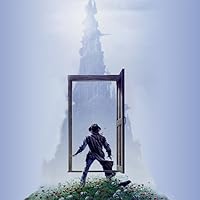
January 8, 2024
Loved this. For a book from the 50’s, this really resonated with me deeply with how I’ve been feeling for a while now in the world. Beautifully written. Ahead of its time. A wonderful escape ;)

January 18, 2023
A visit to the Lifeline Bookfest unearthed this gem for $2.50, first published in 1952, not long after my birth. I love finding the older books in a never-ending search for nostalgia. The problem is that it's hard to recreate the excitement of reading those sf novels in my youth. I know too much now!
I don't recall reading anything in particular by Simak, although I may have.
He wrote stories for the pulps in the Golden Age of SF, but he also wrote in other genres.
His style has been described as "pastoral" - no great space battles, no sex and no direct violence. This story is about mutants who are able to move between dual earths. Wonderful products are starting to appear - a razor blade and a light bulb which never need replacing, a Forever car among others. This causes the existing industries for these items to fail gradually, putting people out of work. Then a range of synthetic carbohydrates began to appear, and the poor could get these for free, no questions asked. Certain people noticed, however, that some people started disappearing without trace.
Seemingly in the centre of this progression is our "hero" Jay Vickers. He's an ordinary guy it seems, but there are clues that maybe contradict this assumption. As the story progresses, Mr. Ordinary finds himself the target of vigilante groups, and he is pitted against the might of a shadowy organisation. That's all I'll say in case someone decides to read the book based on my review.
The language used is typical of the era - no profanity. Feminists with high blood pressure should avoid this book. If you like space shoot - em - ups and bug-eyed aliens, don't bother.
The story develops at a reasonable pace, although certainly some parts are slow. Be patient, it's a virtue as people of that generation used to say.
The ideas are so forward thinking at a time when, as one character says, "we haven't even landed on the moon".
At just on 200 pages it's I'd rate this a 3.7, and recommend it to sf fans of any generation.
I don't recall reading anything in particular by Simak, although I may have.
He wrote stories for the pulps in the Golden Age of SF, but he also wrote in other genres.
His style has been described as "pastoral" - no great space battles, no sex and no direct violence. This story is about mutants who are able to move between dual earths. Wonderful products are starting to appear - a razor blade and a light bulb which never need replacing, a Forever car among others. This causes the existing industries for these items to fail gradually, putting people out of work. Then a range of synthetic carbohydrates began to appear, and the poor could get these for free, no questions asked. Certain people noticed, however, that some people started disappearing without trace.
Seemingly in the centre of this progression is our "hero" Jay Vickers. He's an ordinary guy it seems, but there are clues that maybe contradict this assumption. As the story progresses, Mr. Ordinary finds himself the target of vigilante groups, and he is pitted against the might of a shadowy organisation. That's all I'll say in case someone decides to read the book based on my review.
The language used is typical of the era - no profanity. Feminists with high blood pressure should avoid this book. If you like space shoot - em - ups and bug-eyed aliens, don't bother.
The story develops at a reasonable pace, although certainly some parts are slow. Be patient, it's a virtue as people of that generation used to say.
The ideas are so forward thinking at a time when, as one character says, "we haven't even landed on the moon".
At just on 200 pages it's I'd rate this a 3.7, and recommend it to sf fans of any generation.
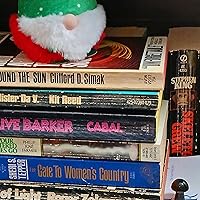
January 4, 2025
2025 Book #1:
Ring Around the Sun (1953) by Clifford D. Simak
Despite some major flaws, this science-fantasy novel is an absorbing read that explores most of Simak’s unique SF predilections. Ring Around the Sun is the story of Jay Vickers, an introverted writer who finds himself entangled in a plan by mutant humans to progress human evolution. The literary critic David Pringle described this book as “a tall tale about the destruction of capitalism,” and that’s mostly accurate. Simak’s anti-capitalism is refreshing and striking for someone writing in 1950s America, a time and place where many SF authors (and the public at large) were toeing the militarist, anti-communist line. Ring Around the Sun imagines what would happen if certain advances led to the possibility of a society without resource scarcity. How would the capitalist system respond if – by an act of almost supernatural intervention – all appliances could work indefinitely and all food and housing could be provided at basically no cost? Simak predicts (correctly, I think) a backlash by businessmen, who insist on keeping things inefficient and scarce in order to maintain their power. Capitalism is portrayed as a kind of illness that alienates humanity and prevents it from achieving the good life. But it’s worth noting that this novel’s anti-capitalism is not stereotypically leftist in flavor. Simak’s post-capitalist utopia is not communist, but rather pastoral-feudal: a parallel earth where people can work, learn, and play at their leisure, under the guidance of benevolent mutants shepherding them into a higher state of being. It’s fantastical and overly naive, but Simak writes with such idealistic conviction that it almost feels like a desirable alternative to the way we live now. As usual, Simak’s prose is understated, wistful, and melancholy. I’ve always found his prose quite beautiful in its simplicity, though others find it dull. On the negative side, this book has too many moving parts that don’t quite congeal for me. Simak is throwing everything at the reader: X-men-style mutants, robots, androids, consciousness transfer, cool gadgets, parallel universes, etc. They’re all supposed to go together in the story, but it makes for a rushed and uneven reading experience. I think I prefer Simak when his concepts and plots are more focused, as in Way Station (1963). Also, the political elements discussed above are not fleshed out nearly enough, even though they are by far the most interesting aspect of the book. Instead, most of the text is dedicated to the onrush of plot points (including a rather ham-fisted romance). But regardless, this is a paradigmatic book by this author. While not a masterpiece, it’s still worth checking out. (low 4/5)
Ring Around the Sun (1953) by Clifford D. Simak
Despite some major flaws, this science-fantasy novel is an absorbing read that explores most of Simak’s unique SF predilections. Ring Around the Sun is the story of Jay Vickers, an introverted writer who finds himself entangled in a plan by mutant humans to progress human evolution. The literary critic David Pringle described this book as “a tall tale about the destruction of capitalism,” and that’s mostly accurate. Simak’s anti-capitalism is refreshing and striking for someone writing in 1950s America, a time and place where many SF authors (and the public at large) were toeing the militarist, anti-communist line. Ring Around the Sun imagines what would happen if certain advances led to the possibility of a society without resource scarcity. How would the capitalist system respond if – by an act of almost supernatural intervention – all appliances could work indefinitely and all food and housing could be provided at basically no cost? Simak predicts (correctly, I think) a backlash by businessmen, who insist on keeping things inefficient and scarce in order to maintain their power. Capitalism is portrayed as a kind of illness that alienates humanity and prevents it from achieving the good life. But it’s worth noting that this novel’s anti-capitalism is not stereotypically leftist in flavor. Simak’s post-capitalist utopia is not communist, but rather pastoral-feudal: a parallel earth where people can work, learn, and play at their leisure, under the guidance of benevolent mutants shepherding them into a higher state of being. It’s fantastical and overly naive, but Simak writes with such idealistic conviction that it almost feels like a desirable alternative to the way we live now. As usual, Simak’s prose is understated, wistful, and melancholy. I’ve always found his prose quite beautiful in its simplicity, though others find it dull. On the negative side, this book has too many moving parts that don’t quite congeal for me. Simak is throwing everything at the reader: X-men-style mutants, robots, androids, consciousness transfer, cool gadgets, parallel universes, etc. They’re all supposed to go together in the story, but it makes for a rushed and uneven reading experience. I think I prefer Simak when his concepts and plots are more focused, as in Way Station (1963). Also, the political elements discussed above are not fleshed out nearly enough, even though they are by far the most interesting aspect of the book. Instead, most of the text is dedicated to the onrush of plot points (including a rather ham-fisted romance). But regardless, this is a paradigmatic book by this author. While not a masterpiece, it’s still worth checking out. (low 4/5)
December 30, 2017
Starting 2018 with a great book. Well, ending 2017 and starting 2018, because it took me a bit longer then I expected while reading this short novel. Though it was priceless!
It was a while since I've read sci-fi, so this was twice as exciting experience.
The story is set in our world on the verge of economical crisis. A strange new products are appearing in the market - "forever" products: razors, that never get dulled; lighters, that never run out of gas; cars, that never break down or require maintenance. In humans consume-replace society this is a beginning of the end. As manufacture stop and factories close down, hundreds of people become workless, poor, without hope for future and then....they disappear. Is it a conspiracy? If so, than who is behind it?
The main protagonist is a middle-aged writer, who never seemed to fit in society. Bit by bit he comes by little disturbing news and facts, that connects to the future world as much as to his own mysterious past: a time when he went to mystic valley, where flowers bloomed in the middle of the winter.
This book is very unique. Slow-paced and bizarre. I could not understand or predict, where the plot is going or how it could possibly end. This wonderful feeling, when you actually have no idea what you will find when you turn the next page. But as the detail of the puzzle assemble in whole picture - it priceless.
There were some deep thoughts here. Of society, of where out world is going. Some passages made my skin crawl, because, even if it was a work of fiction, some parts of it seem all too real.
A definite must-read and simply a great novel.
It was a while since I've read sci-fi, so this was twice as exciting experience.
The story is set in our world on the verge of economical crisis. A strange new products are appearing in the market - "forever" products: razors, that never get dulled; lighters, that never run out of gas; cars, that never break down or require maintenance. In humans consume-replace society this is a beginning of the end. As manufacture stop and factories close down, hundreds of people become workless, poor, without hope for future and then....they disappear. Is it a conspiracy? If so, than who is behind it?
The main protagonist is a middle-aged writer, who never seemed to fit in society. Bit by bit he comes by little disturbing news and facts, that connects to the future world as much as to his own mysterious past: a time when he went to mystic valley, where flowers bloomed in the middle of the winter.
This book is very unique. Slow-paced and bizarre. I could not understand or predict, where the plot is going or how it could possibly end. This wonderful feeling, when you actually have no idea what you will find when you turn the next page. But as the detail of the puzzle assemble in whole picture - it priceless.
There were some deep thoughts here. Of society, of where out world is going. Some passages made my skin crawl, because, even if it was a work of fiction, some parts of it seem all too real.
A definite must-read and simply a great novel.

January 24, 2015
Though I'm a longtime fan of science fiction, I have often found something a little formulaic about most of the novels from the "golden era" of the genre. The problem is not with the premise -- though that can crop up from time to time -- so much as with the plot, which typically functions in the standard pattern of boy-meets-girl, boy-fights-antagonists (usually against seemingly overwhelming but ultimately surmountable odds), boy-gets-girl. For a while, though, I thought that with this novel I had found one of the exceptions. For much of its length Clifford Simak kept me guessing as to who Jay Vickers was and the role he was going to play. Then I got to the end, and the last development -- where the girl Ann Carter, who Simak had hinted might be a fragment of Jay's splintered persona, was actually the long-lost love of his life after all -- just felt like a total cop out. It was as though Simak was at the brink of doing something that would have been incredibly daring and far-sighted for a novel of the early 1950s, then wavered and reverted back to the comfortable clichés of his time. It doesn't mean the novel isn't worth reading, but it left me with a sense of disappointment at having witnessed something that could have been so much greater than it turned out to be.
This entire review has been hidden because of spoilers.

August 8, 2018
Romanzo abbastanza scorrevole, anche se alcuni punti appaiono abbastanza prevedibili. Comunque, ricordiamoci che stiamo parlando di un libro di fantascienza (anche se, in realtà, qui di fantascienza ce n'è davvero poca) scritto nei primi anni '50 del XX secolo. La Seconda guerra mondiale era appena finita e si era agli albori della Guerra fredda, ma l'autore di L'anello intorno al sole, Clifford Simak, è stato molto lungimirante visto che ha scritto di nuovi ed importanti prodotti tecnologici (lampadine ed auto eterne su tutto) e, soprattutto, di una grande crisi economica mondiale (che, per certi versi, ricorda quella tutt'ora in corso) che genera frotte di disoccupati.
Altro elemento che colpisce di questo romanzo è il suo essere una sorta di critica politica ed economica verso la modernità (si ipotizzano già dei robot che tolgono il posto ai lavoratori umani).
[https://lastanzadiantonio.blogspot.co...]
Altro elemento che colpisce di questo romanzo è il suo essere una sorta di critica politica ed economica verso la modernità (si ipotizzano già dei robot che tolgono il posto ai lavoratori umani).
[https://lastanzadiantonio.blogspot.co...]

November 14, 2014
Jesus, this was hard to finish.
I don't remember why I wanted to read this. My shoddy memory makes me think it was mentioned in IMDb trivia, the basis for a movie or Twilight Zone episode. I'm really glad I passed up every opportunity to buy it (which wasn't often, either).
The main character is bland. No personality. Basically walks away from the plot right off the bat but is dragged back in and we're forced to follow him. Maybe it's the writing style, Sorry Clifford, but none of the characters were especially likeable. The basic plot about non-breakable endless gadgets/etc toted on the description is quickly thrown under the bus for twists and turns never settling on one. "Mutants" and "robots" and other Earths, oh my!
I was determined (but not in a hurry) to finish this book since I searched it out. Glad it's over.
I don't remember why I wanted to read this. My shoddy memory makes me think it was mentioned in IMDb trivia, the basis for a movie or Twilight Zone episode. I'm really glad I passed up every opportunity to buy it (which wasn't often, either).
The main character is bland. No personality. Basically walks away from the plot right off the bat but is dragged back in and we're forced to follow him. Maybe it's the writing style, Sorry Clifford, but none of the characters were especially likeable. The basic plot about non-breakable endless gadgets/etc toted on the description is quickly thrown under the bus for twists and turns never settling on one. "Mutants" and "robots" and other Earths, oh my!
I was determined (but not in a hurry) to finish this book since I searched it out. Glad it's over.

August 13, 2019
Представете си свят с вечни продукти (и вечна гаранция, предполагам). Свят, в който работните места намаляват, но ресурсите стават все по-достъпни, в който социалните помощи не са само за мързеливи малцинства, а за всички, изпаднали в нужда. И най-важното: свят, който можеш да напуснеш, ако търсиш нещо по-добро за себе си и за семейството си. А дали новият свят е по-добър и доколко?...
"Паралелни светове" може и да не е най-добрият роман на Клифърд Саймък, може философските размишления да са малко по-дълги от необходимото, но концепцията е вдъхновяваща. Дори след като изминаха дни от прочитане на книгата, въображението ми да продължаваше да се храни от заложените в нея идеи.
"Паралелни светове" може и да не е най-добрият роман на Клифърд Саймък, може философските размишления да са малко по-дълги от необходимото, но концепцията е вдъхновяваща. Дори след като изминаха дни от прочитане на книгата, въображението ми да продължаваше да се храни от заложените в нея идеи.
August 6, 2020
Dumb. I kept waiting for it to get smart but it just got dumber. Pretty shocking, as it is considered one of the 100 best science fictions novels of all time and written by the man who produced "A Choice of Gods," which is the opposite of dumb. Oh well.

March 9, 2012
Classic science fiction - not as good as way station (but then again what is)
There are off course sign of age, everybody smokes, the Cold War is ever present, but you need to be able to overlook these things, if you ever are going to read an older story.
But the story flows quickly and effortless and introduces some very interesting concepts
There are off course sign of age, everybody smokes, the Cold War is ever present, but you need to be able to overlook these things, if you ever are going to read an older story.
But the story flows quickly and effortless and introduces some very interesting concepts
Displaying 1 - 30 of 174 reviews