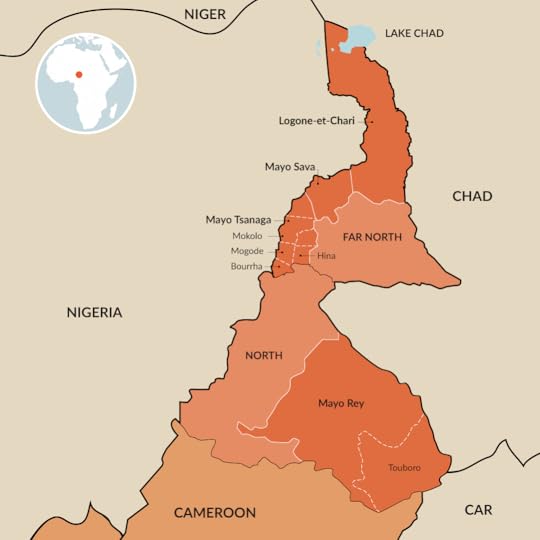
Όταν ο άγγλος ανθρωπολόγος Nigel Barley φτάνει στο Βόρειο Καμερούν για να μελετήσει την ορεσίβια φυλή των Ντοουάγιο, γνωρίζει πολύ καλά πως πρέπει να διεξάγεται η επιτόπια έρευνα. Οι Ντοουάγιο, όμως, δεν έχουν ιδέα... Η καταγραφή της πρώτης εμπειρίας του Nigel Barley στην έρευνα πεδίου συνθέτει μια συναρπαστική εισαγωγή στην αληθινή ζωή ενός κοινωνικού ανθρωπολόγου και ταυτόχρονα μας προσφέρει μια ανεπάντεχη γνωριμία με τα πολλά πρόσωπα της Αφρικής. Η αντισυμβατική αφήγησή του, στην οποία ο Barley εξιστορεί με αφοπλιστική ειλικρίνεια τις περιπέτειες του στη χώρα των Ντοουάγιο, θίγει εύστοχα και με χιούμορ πολλά καίρια ζητήματα της ανθρωπολογικής έρευνας.
Περιεχόμενα Ιδού γιατί Έσο έτοιμος Στους λόφους Ευλογητός ο Μαλινόφσκι Οδηγήστε με στον Αρχηγό σας Είναι ο ουρανός καθαρός για σένα; "Ω Καμερούν, ω λίκνο των πατέρων μας" Στο τελευταίο σκαλοπάτι Αχ, Αφρική Ήθη και λάθη Τα υγρά και τα στεγνά Πρώτοι και τελευταίοι καρποί Ένας Άγγλος ξένος
Update: I had a drink last week with a real live Prince. He was a nurse-anaethetist with an unusual accent. I asked him where he was from and he said the Cameroons, so I said, "Manu Dibango" and he said, how do you know of him? (I was a world music journalist). So that got us off on the good foot. He was the son of a hereditary chief turned diplomat and my friend had grown up all over the French-speaking world. I turned down a second date, but if he'd asked me to marry him, I would have, just think, Princess Petra! Me and Meghan could get to be best friends! ______
If you want a serious anthropology study, or an objective recorder of life in the backwoods of an area of Cameroon that missionaries have yet to sully, then this is not for you. The author has a very British self-deprecating type of humour where he is always having issues, either as unwitting victim or of his own making and is never the hero and never proud of his major accomplishments (only very minor ones) then you will enjoy this. The author very much enjoyed his field work time in Cameroon and communicates this well to the reader, along with the occasional, illuminating flash of insight.
Apropos of nothing, Manu Dibango, the world's greatest sax player comes from Cameroon. If you never listen to anything else by him, listen to Soul Makossa. Michael Jackson sampled it in Wanna be Starting Somethin',
Reviewed 31st Dec, 2018, completely rewritten and updated June 23rd 2019
A bizarrely and unexpectedly funny account of anthropological fieldwork in Cameroon. Not that we get to laugh at the ceramics of another culture but rather the misadventures of Europeans in west Africa.
The author visits a pagan tribe in the back-lands - the Dowayo. He finds a French speaking Christian who works as his translator (disapproving naturally of the pagan ways of his fellow tribesmen) but Nigel Barley's first problem is getting hold of a beer bottle - at the time in Cameroon you could only buy a bottle of beer if you had a bottle to give to the seller.
The Dowayo villagers are charmed to have a visitor, but insist on building him a rectangular hut rather than a round one since after all he isn't one of them, and unlike themselves he is considered to be naturally witch-proof.
What comes to the fore is not so much the research but the accidents that occur. It turns out that monkeys find the author attractive. On a visit to town, one escapes from the zoo, throws its arms around his neck and refuses to let go obliging Barley to cradle the monkey like his own baby to keep it quiet, as it happens this occurs while he is at the cinema with a friend, at the cinema the monkey instigates a mass food fight, much to the amusement of many of the cinema goers. Later his false teeth are broken and an attempt to effect a temporary repair involving glue and a hair-dryer causes them to turn green while a nearby missionary installs a solar panel to power a giant light bulb whose glowing light has the effect of attracting bats.
Despite all this he returns to the Dowayo on another occasion in the hope of finding out more about the circumcision ceremony that Dowayo boys undergo in order to be recognised as adults in the community, and what happens then is described in A Plague of Caterpillars.
Great, if you enjoy this type of humour (which I do, obviously), which I guess is a self deprecating British humour.
Barley starts his book by ridiculing fieldwork, and academic life in general, while explaining that fieldwork is the natural progression from doctorates based on 'library research'. This, along with selecting a location, takes a chapter, and forms the basis for the full extent of the book.
In selecting a location, Barley had narrowed it down to Portuguese Timor, until just as the academic side of things were getting underway, a civil war broke out. Casting around again, he settled on a little known group of mountain pagans in Northern Cameroon - the Dowayos. A few minor references from French colonial administrators, and some missionary contact established that they were interesting: "skull cults, circumcision, a whistle language, mummies and a reputation for being recalcitrant and savage." [P13]
The author then sets about preparing for his fieldwork, getting grants, making contacts, collecting equipment, receiving vaccinations. Finally his travels to Cameroon begin.
From there onwards Barley shares his embarrassing situations, his(frequent) faux pas, and misunderstandings. As well as the amusing interactions, it seems the author is just prone to complications and 'incidents'. He also shares, in a simple form the experiences while undertaking his research.
I can only assume his academic work was in quite a different writing style from the amusing anecdotes here, but it was an excellent for this book - which judged on topic and content might have been a very dry read. This really was anything but a dry read.
There were many excellent anecdotes, but all far longer and more involved than I am motivated to type, so here are a couple of the shorter incidents:
P49/50: The author, with a mild case of Malaria returns to his hut in the village - with the holes in the roof. Much has been written on the excellence of bats' navigation equipment. It is all false. Tropical bats spend their entire time flying into obstacles with a horrible thudding noise. They specialize in slamming into walls and falling, fluttering onto your face. As my own 'piece of equipment essential for the field' I would strongly recommend a tennis racket; it is devastatingly effective in clearing a room of bats. Pastor Brown had taken the time to tell me that bats carried rabies. They occupied a large space in my fevered fantasies.
P64: On the local beer. I had made an early policy decision to drink the native beer despite the undoubted horrors of the process of fabrication. On my very first visit to a Dowayo beer party, this was put severely to the test. "Will you have beer?" I was asked. "Beer is furrowed," I replied, having got the tones wrong. "He said 'yes' ", my assistant replied in a tired voice. They were amazed. No white man, at this time, had ever been known to touch beer. Seizing a calabash, they proceeded to wash it out in deference to my exotic sensibilities. They did this by offering it to a dog to lick out. Dowayo dogs are not beautiful at the best of times; this one was particularly loathsome, emaciated, open wounds on its ears where flies feasted, huge distended ticks hanging from its belly. It licked the calabash with relish. It was refilled and passed to me. Everyone regarded me, beaming expectantly. There was nothing to be done; I drained it and gasped out my enjoyment. Several more calabashes followed.
Five stars - worth seeking out, if you like this type of thing.
Each of us has his or her Deus Ex Machina. A deus ex machina was a handy device for ancient Greek dramaticists to get themselves, and their storyline, out of a jam.
Deus - our faraway God or our private gods - gets us out of and far away from the problematic aporias we invariably fall into, and I mean EACH ONE of us!
And the plotline of our lives runs afoul, or goes astray, or gets too blastedly BORING, that we all need correction or entertainment most of the time.
***
It is for that reason that I personally detest the Messages page on Goodreads!
There, members have the option of asking us leading questions about our lives.
I detest sharing too much info about myself. I am very private.
If our age won't allow it, I say too bad.
Get a life!
***
This book follows the same rules...
The author's deus ex machina is himself, and his circle of Oxbridge confederates.
So his deus is his posh self.
But his resultant wit is to die for! I laughed so hard I HAD to give it five stars! The natives have their deus too - their leader and their clans' age old customs. The French officials have a deus as well - distraction and lucre - and the author, the natives, and officials all end up in peals of laughter and friendly feelings!
A classic funny/upsetting memoir about an effete Englishman who goes out to Cameroon in West Africa in the late 70s to study an almost unknown bunch of people. It was a reread. I have totally conflicted feelings about the whole enterprise of anthropology – doesn’t it have some kind of gruesome quasi-colonial patina, white guys going out to those far flung places and “studying” some exotic tribespeople? Do you ever get tribespeople coming to Cambridge university to study the undergraduates? No you don’t. One way traffic.
So this book is brilliant in demonstrating the queasiness of the whole thing. One of the many creepy features of anthropology is that the more remote, “uncivilised” or “barbaric” a group is, the more the anthropologists want to study it. One of Nigel Barley’s colleagues point out that in Cameroon there is a tiny minority called the Dowayos who are heartily disliked by the majority Fulani
Mountain Dowayos were savage and difficult, they would tell me nothing, they worshipped the Devil. Given such information, the anthropologist can only make one choice : I opted for the mountain Dowayos.
This is like perusing a menu… hmm, this tribe looks tasty, I’ll try it.
Once in Africa we get many pages of brain-exploding inefficient bureaucracy and general madness and then he gets down to business. First he explains that the anthropologists and the (Christian) missionaries who are already there are enemies:
Missions destroy traditional cultures and self-respect, reducing peoples all over the globe to the state of helpless, baffled morons living on charity and in economic and cultural thraldom to the West.
But he is wrong ! Here he is visiting the American mission :
To my great surprise, I was received with much warmth. Far from being rampant cultural imperialists, I found the missionaries to be extremely diffident about imposing their own views…. The mission was not only an emergency support for an anthropologist totally unprepared both materially and mentally for the bush, it was an all-important sanctuary where…one could be with people for whom the simplest statement did not have to be prefixed by long explanations
Now here are some random observations on Dowayo life :
Male and female lives remain largely separate. A man may have a large number of wives but he spends his time with his male friends and she spends her time with co-wives or female neighbours. The pattern is broadly similar to that in the North of England.
Okay, that is quite amusing, not so distressing to read, but a couple of pages later we get this :
At death a Dowayo body is wrapped in burial cloth made from local cotton and the skins of cattle that are slaughtered for the occasion. It is buried in a crouching position. Some two weeks later, the head is removed via a weak spot left in the wrapping for this purpose. It is examined for witchcraft and placed in a pot in a tree. Thereafter male and female skulls are treated differently. Male skulls are placed out in the bush behind the hut where the skulls find their final rest. Female skulls are placed behind a hut in the village where the woman was born: on marriage a woman moves to her husband’s village; at death she moves back. *
The Dowayos had some curious beliefs about white people . One which startled me was that they thought white people were actually black. They had noticed white people’s great desire for privacy, and they figured that this was because of their need to regularly take off their white skin and relax. They also thought white people could hardly walk, believing them to be practically helpless.
Naturally Nigel is always asking the Dowayos why they do this or that but he complains about the quality of their explanations – they leave out the essential part which would make sense of the thing. But then, he reasons –
Some things are too obvious to mention. If we were explaining to a Dowayo how to drive a car, we should tell him all sorts of things about gears and road signs before mentioning that one tried not to hit other cars.
But this drove him crazy :
Things were always described as they should be, not as they were.
He mentions the rosetinted spectacles of many Western writers who were keen to say that non-Western values and lifestyles should be celebrated. He sets out some frankly bizarre facts:
The basic truth about the Dowayos is that they knew less about the animals of the African bush than I did. As trackers they could tell motorbike tracks from human footprints but that was about the pinnacle of their achievement. They believed, like most Africans, that chameleons were poisonous. They assured me that cobras were harmless. They did not know caterpillars turned into butterflies. They could not tell one bird from another…Many of the plants did not have names though they used them quite often, and reference involved lengthy explanations ; “That plant you use to get the bark you make the dye from”.
I could go on and on quoting extraordinary observations like this. As I read this book I was wincing and grinning and wincegrinning and often cringewincelaughing and all the time being mildly or very disturbed….. this book, written by the gentlest, most goodlyhearted Englishman, will ramify your mind.
*See As I Lay Dying by William Faulkner for a similar post-mortem situation.
It's been a while since I read a really fun book. The Innocent Anthropologist is not really a deep anthropological work but it does give an insight into the life of the Dowayo tribe of Cameroon. Nigel Barley, a British anthropologist, makes a journey to Cameroon to study the rituals and lives of the Dowayos. This makes for a humorous, entertaining, and informative narrative.
It is the 1980s and Cameroon is entrenched in a bureaucratic administrative system. Barley exploits it to its full farcical value, which makes for most of the chuckles in the book. His encounters with the Dowayos, the misunderstandings between them, and Barley's preconceived assumptions about life in Africa are all presented in a funny manner.
The book, despite being insanely funny, depicts Dowayo life with its full, rich tapestry of rituals, beliefs, interactions, and customs. I enjoyed learning about this hitherto unknown tribe (for me), which only makes up a very small percentage of Cameroon, dominated by the larger and more powerful Fulani tribe. The Dowayos themselves have developed an inferiority complex and often portray themselves as Fulani in order to be taken seriously.
Barley's style is light and it is easy to finish the book. In no way is this a heavy read but I liked that I got to learn something while enjoying the humorous writing. It is also interesting to note that this Cameroon trip and the study of Dowayos actually made Barley's career and turned upside down the previously held convictions of Western anthropologists on this subject.
What I am curious about now is how the Dowayo are faring now in 2019 and where they stand on the current Anglophone / Francophone dispute in Cameroon. Maybe we need to send Barley back for another installment!
I am not racist, but ... Is one of the most common entries to white supremacy bullshit.
However, after much toil and stress Nigel Barley seems to realize that the lifestyle of the Dowayos, in some aspects, were pretty stress free compared to your average daily life in Western Europe. So many choices to make every day back home, “the noble savages” only, occasionally, worrying about the harvest and otherwise drinking and fornicating the life away.
I not too big a fan of this specific kind of anthropology. You pick a place, as far removed from yourself as possible and aim at deconstructing a culture. Call me ignorant, I simply do not see the purpose. What at first hand seems rather peculiar to a Western eye, does have an inner logic you just fail to understand. It is all about seeing a context and admit that you are trespassing into a cultural framework much different from your own. Such a thing is exotic, exiting, sellable. All to put a feather more into your academic headgear. Not that the book is not well written and will make you chuckle at times and I recall familiar experiences from my travels in Eastern Africa. There is just too much entertainment and too little substance and too much “Waaow…look at those people”.
For people who like reading about researchers who are living in mud huts while they, the reader, live in a modern apartment.
Reasons for going on field trips number one For example, I had a colleague who claimed to have had the most marvelous time with agreeable, smiling natives bringing gifts of fruit and flowers by the basketful. But the inner chronology of the stay was provided by statements of the form, ‘That happened after I got food poisoning’
Are the people available to study...? With delays in documentation, I was now two months into my fieldwork time and had not even seen a Dowayo. I had a nagging fear they might not exist, the word ‘Dowayo’ being a native term for ‘no one’ that had been dutifully noted in answer to some district officer’s question. ‘Who lives over there?’
Money, money, money My financial situation remained acute. I had arranged for my salary to be sent from England to my Cameroonian account. Since it came from England, it was sent to the old capital of British Cameroons, Victoria, thence to Yaounde, thence to N’gaoundere, thence to Garoua. In fact it never made it; the bank at Victoria simply deducted ten per cent ‘expenses’ and returned it to England, leaving me biting my nails and building up an ever larger debt at the Protestant mission. It was impossible to contact the bank at Victoria; they simply ignored letters, and the phones did not work.
Going batty Much has been written on the excellence of bats’ navigation equipment. It is all false. Tropical bats spend their entire time flying into obstacles with a horrible thudding noise. They specialize in slamming into walls and falling, fluttering onto your face. As my own ‘piece of equipment essential for the field’, I would strongly recommend a tennis racket; it is devastatingly effective in clearing a room of bats. Pastor Brown had taken the time to tell me that bats carried rabies.
Tonal errors. I rose and shook hands politely, ‘Excuse me,’ I said, ‘I am cooking some meat.’ At least that was what I had intended to say; owing to tonal error I declared to an astonished audience, ‘Excuse me. I am copulating with the blacksmith.’
Fresh eggs Dowayo chickens, on the whole, are scrawny, wretched things; eating them is rather like eating an Airfix model of a Tiger Moth. They responded to treatment, however. I fed them on rice and oatmeal, which Dowayos who never feed them at all found a huge extravagance. One day, they began to lay. I had fantasies of being able to eat an egg every day. As I sat in my hut, gloating over my first day’s haul, my assistant appeared in the doorway, an expression of bland self-satisfaction on his face. ‘Patron,’ he exclaimed, ‘I just noticed the chickens were laying eggs so I killed them before they lost all their strength!’
Living in harmony with nature As far as ‘living in harmony with nature’ is concerned, the Dowayos are non-starters. They reproached me often for not bringing a machine gun from the land of the white men to enable them to finally eradicate the pathetic clusters of antelope that still persist in their country. When Dowayos began cultivating cotton for the government monopoly, amounts of pesticide were made available to them. Dowayos immediately adopted it for fishing purposes. They would fling it into the streams to be able to recover the poisoned fish that floated to the surface. This poison rapidly displaced the tree-bark they had traditionally used to suffocate fish.
‘It’s wonderful,’ they explained. ‘You throw it in and it kills everything, small fish, big fish, for miles downstream.’
Every year they start vast bush-fires, quite deliberately, to speed the growth of new grass. The resulting conflagrations involve vast slaughter of young animals and considerable risk to human life and limb.
Forms and life I had to fill out a tax form containing the question ‘Number of children. Are any still alive?’ – a sad reflection of rates of infant mortality.
There are two things that separate us from the animals; Pointless superstition Mindless ritual Both were fully described by the author Niel Barley in his studies of the Dowayo people.
Doing field work is, as the author suggests early on, a kind of rite of passage for would-be anthropologists. Not only is it the way to know a particular place and culture in depth, but it helps you to understand how all those other works lining the shelves of college libraries were brought to fruition. But, let's face it, by 1978, when Nigel Barley set off for field work in Cameroon, the pattern of going off to some remote tribe or isolated people and trying to "re-construct" their whole culture for the edification of readers (and Ph.D. committees) back home had tapered off significantly. Lots of people went to urban or agricultural societies, did research on less all-encompassing subjects and still turned up with interesting results. What I mean is that Barley did not have to undergo the difficulties that he did; he could have chosen a less-rigorous location or topic. It wasn't necessary to seek out the Dowayo in northern Cameroon. But, OK, he did choose them. More power to him, sure, but then why complain about it? I felt very irritated at the beginning of his book. It was the usual colonial sort of put-down of non-European societies. "They are just not up to snuff."
Once he gets through the urban bureaucracy, though, I liked the way he honestly sets out the basic problem of field work----you aren't sure what you are doing, you aren't sure where you need to go next, and you wonder if anything you're doing is meaningful. You have to sort out good informants from bad, misleading information and wrong information from good. It's not easy. And in trying physical conditions, when people have absolutely no idea about what you are doing, it's even more difficult. Insects, bad or weird foods, illness, transport problems, heat, lack of sex....it's a lot easier to do research in a library somewhere. But in that case, you won't write a very readable book. At last, after a long time away, you have to re-enter your own culture with a vastly interesting experience behind you which almost no one wants to hear about. In turn, their concerns may seem extremely small and prosaic to you. If you would like to read an honest and sometimes amusing account of doing field work, you could do far worse than get hold of this book.
Nigel Barley se fue a Camerún y en un año tuvo hepatitis, malaria y unos parásitos que ponen huevos bajo las uñas, se tratan rebanando trozos de carne con una navaja y parecen bastante asquerosetes. Perdió 18 kg y los dos dientes de delante. También pasó meses sin hablar con nadie en frases completas y se aburrió (normal). Su vida sexual fue inexistente, por suerte porque sino seguramente habría vuelto con gonorrea, clamidia y sífilis. No creo que hubiese sido capaz de resistirlo. Resistirlo yo, quiero decir, porque ya estaba en plan : los incisivos noooooooo! Y con flashbacks del único otro libro que recuerdo con extracción de incisivos, que es los Miserables. Fantine vive de la prostitución, pero está visto que lo que realmente me impresionó como trágico es que tengar que vender sus dientes. Wtf?
Todo ello (las desgracias de Barley, no las de Fantine) fue para estudiar la tribu dowayo, una población de Camerún, a 15 km de la frontera Nigeriana. Entre ellos y nosotros hay un par de diferencias culturales: 1) Nigel Barley describe unos hábitos higiénicos de hacer aullar de asco a los estómagos débiles (hay una festividad en la que se cogen las calaveras de los antepasados, se llenan de excrementos y se rocian de sangre de cabra, después se baila sobre el conjunto), 2) no hay manera de venir de Europa y no parecer la madrastra de "tu a boston y yo a california" haciendo su primera excursión a la montaña con sombrilla y guantes blancos. Por ejemplo, Barley descubre un nido de escorpiones en su choza y sale chillando y agitando los brazos en dowayo aproximativo "bestias de fuego, bestias de fuego!", que es la reacción que a mi me parece normal. Hay por allí un niño de seis años, que se mete en la choza y aplasta el escorpión con el pie. Probablemente la siguiente palabra que pronuncia es pardillo en dowayo, pero nunca lo sabremos.
Ser antropólogo haciendo trabajo de campo no es ser Indiana Jones, es ser el pesado que chapurrea el idioma, no se entera de nada y no deja de hacer preguntas estúpidas. Dice la contra de mi libro que Nigel Barley hace por la antropología lo mismo que Gerald Durrel por la zoología, volverlo "desopilante". Puede ser, pero Nigel Barley estaba trabajando, no correteando en pos de lagartijas por una isla griega paradisíaca con su familia de británicos excéntricos y acaudalados. Lo que cuenta es mucho más interesante -yo me saltaba las páginas sobre escarabajos de Mi familia, etc- pero yo me he "desopilado" mucho menos de lo que esperaba.
Un antropologo che guarda con occhio ironico (e a volte decisamente comico) e critico il proprio "lavoro sul campo". Con pieno rispetto (e un pizzico di tenerezza) del popolo che è andato a studiare , scoprendo disagi e pregiudizi e – senza negarli ipocritamente – imparando a conviverci. Decisamente esilaranti tutte le descrizioni delle peripezie burocratiche, mentre l'occhio dello studioso fa capolino qua e là, discretamente, dimessamente.
This is an utterly hilarious account of an anthropologist going off into his first field assignment in Cameroon. He has a wittiness that reminds me, oddly enough, of the way that Hugh Grant's characters often poke fun at themselves in movies. It's totally British, totally honest, and utterly candid.
I kept wanting to underline entire paragraphs, for going back and laughing at them again later. Here are a few of my favorites:
"Young anthropologists know all about missionaries before they've met any. They plan a large role in the demonology of the subject, beside self-righteous administrators and exploitative colonials. The only intellectually respectable response to a tin rattled in one's face by someone collecting for missionary work is a reasoned refutation of the whole concept of missionary interference... Missions destroy traditional cultures and self-respect, reducing peoples all over the globe to the state of helpless, baffled morons living on charity and in economic and cultural thralldom to the West. The great dishonesty lies in exporting to the Third World systems of thought that the West itself has largely discarded." And then he goes on to describe how much he enjoyed his time with missionaries, and enjoyed shopping at their store. "To the jaded, ravenous fieldworker this (their store) was an Aladdin's cave of imported goodies at reduced prices."
The book lagged a bit for me near the end, where he wrote about the actual practices of the people he was studying. Then it gets hilarious again when he describes his return home to England:
"The anthropologist traveller... goes away for what seems an inordinately long period to other worlds, ponders cosmic problems, ages greatly. When he returns, on a few months have elapsed. The acorn he planted has not become a great tree; it has scarcely had time to put forth a tentative shoot... Only his closest friends have noticed he has been away at all... It is positively insulting how well the world functions without one. While the traveller has been away questioning his most basic assumptions, life has continued sweetly unruffled. Friends continue to collect matching French saucepans. The acacia at the foot of the lawn continues to come along nicely."
"Being English seems as much a pose as being Dowayo. You find yourself discussing the things that seem important to your friends with the same detached seriousness that you used to discuss witchcraft with your villagers. The result of this lack of fit is a brooding sense of insecurity only heightened by the vast numbers of rushing white people you meet everywhere."
"Anything concerned with shopping seems inordinately difficult. The sight of the shelves of a supermarket groaning with super-abunance of food induces either nauseous revulsion or helpless dithering. I would either go three times round the store and give up the attempt to decide, or buy vast quantities of the most luxurious goods and whimper with the terror that they would be snatched from me."
Too perfect! I highly recommend this book to anyone who has found themselves living in a cross-cultural situation for an extended period of time. While the details might not match, the "feel" certainly will. And the wonderful self-deprecation of the author will keep you in stitches the whole way through.
Nigel Barley es un profesor universitario de antropología que, para sumar méritos a su carrera docente, se embarca en una cada vez menos practicada investigación de campo. Decide observar durante casi dos años al pueblo dowayo, en el profundo Camerún. Ataviado con sus cuadernos, su cámara fotográfica y con un ayudante que conoce la lengua, el hombre blanco se instala en la comunidad con ciertas dificultades iniciales. Cada día que pasa trae nuevas oportunidades para reconocer el terreno, muchas de ellas en forma de anécdota.
El libro está narrado a modo de una vivencia cronológica en primera persona, donde se van citando sus expediciones, las relaciones con el pueblo indígena y sus avances en el conocimiento de las costumbres propias de la tribu. Realmente no hay un orden como tal más que el que marcan las estaciones y los eventos que el antropólogo quiere resaltar.
Aunque el autor da buen detalle de sus penurias - ya sea con el coche, con varias enfermedades, con la escasez de dinero o con las plagas que le dejan sin comida en su cabaña -, consigue realizar un análisis profundo sobre el pueblo, a la altura de sus expectativas. De entrada impaciente, va aprendiendo que el pueblo dowayo no le da importancia al tiempo ni a los compromisos, por lo que se impone la espera. Sus esfuerzos por aprender su lengua dan lugar a divertidos malentendidos al principio, pero a medida que avanza gana soltura y establece buenas relaciones con varios miembros de la comunidad. Su recompensa no es solo el conocimiento que había venido a buscar, sino también el descubrimiento de un nuevo estilo de vida que se le hacía imposible de pensar antes.
Es imposible terminar este libro sin sentir una gran simpatía por su autor, que acaba transformado por completo con la experiencia, y que mantiene un buen humor a lo largo de las páginas, describiendo situaciones bastante surrealistas en las que se ve envuelto. Sin duda, un libro que interesará a los investigadores de las ciencias sociales, pero que está al sano alcance de cualquier lector curioso.
The Innocent Anthropologist: Notes from a Mud Hut [1983] by Nigel Barley – ★★★★
Barley’s “anthropological exploits” in Africa are honestly and humorously presented, even if the book’s more serious observations on the Dowayos should probably now be viewed with a grain of salt.
In the late 1970s, Nigel Barley went to North Cameroon to study the Dowayos, choosing most “ferocious” mountain tribe existing at that time. This is his debut non-fiction account of his travels and exploration in Africa as he embarks on his fieldwork. In this book, Barley is really an “innocent” anthropologist, an idealistic young man who is a bit ignorant about what to expect in the real world outside the academia. Barley tells us how he encountered the mind-boggling bureaucracy, got lost in “the vast range of loose kingship” in the country, overcame malaria, as well as survived a horror-trip to a local dentist, among his other stories. Barley’s style of writing is appealingly “laid-back”, and this concise book turns out to be quite engaging as a result. It may not be the book on the Dowayos, but part of its charm is that it is surprisingly honest and humorous.
In this account, Barley does not hide the fact that he came to Cameroon to do his fieldwork mentally and even physically unprepared. Upon arriving, the young man struggles against financial pressures and has to adapt quickly to very different ways of “breathing and living”. He quickly finds out that having light when it is dark is an absolute luxury, and has trouble learning an impossible language to understand the culture of the Dowayos better. His observations on his environment are fascinating to read because our protagonist is so witty and new to almost everything he encounters. Regarding his first landing in Africa, he recounts: “my camera case was promptly seized by what I took to be an enthusiastic porter”, and “a solicitous taxi driver took me to my hotel for only five times the normal rate” [Barley, 1983: 20]. Even though most of his statements are amusing (amusingly horrifying), such as “by local standards, a car with only six people in it is empty” [Barley, 1983: 41], there is also sometimes an underlying melancholy or even despair in his tone, especially when he writes “there was no hope, this was Africa” [Barley, 1983: 40]. Barley then recounts the life and people’s habits in that part of Africa, making observations on the sexual behaviour, healing procedures and other beliefs of the people he observes. His tone is never judgemental, and he seems eager to find out more, even for the purpose of viewing his own life in a different way.
🍃 The downside is that the book is not as insightful as one would have hoped, and it is still written by a Westerner, who informs us on only what he believes he sees. Even though the account may also now be dated, the book’s relaxed observation on another culture and adaptability to it is also appealing.
Muy divertido, antropología en amoríos con el absurdo. La búsqueda del simbolismo dentro de una irreverente tribu, tratando de no morir en el intento, con personajes estrafalarios, autoridades corruptas, mucho calor, enfermedades varias, todo envuelto en una prosa fatalista desternillante.
Sabiendo que es una crónica real, impacta más el sinfín de extravagancias vividas y el nivel de creencias distintas, lo que hace que todo plan sea fútil y nada salga como se pretenda, para desgracia de Nigel y solaz del lector.
Súper recomendable, aunque vaya propaganda para África.
Mal libro este para aproximarse por vez primera a la antropología. Y un flaco favor que le hace el prólogo de Alberto Cardín, del cual podemos inferir que nos encontramos ante una obra magna que aúna investigación y diversión, ciencia y sentido del humor puesto que, nos dice, “pocas veces se habrán visto reunidos, en un libro de antropología, un cúmulo tal de situaciones divertidas, referidas con inimitable humor y gracia, y una competencia etnográfica tan afinada”. Pues bien, maldita la gracia. Si las situaciones antropológicamente divertidas que se narran, que tan descacharrantes le parecen al prologuista –y lo mismo deben resultarle al autor- son un compendio de lugares comunes relacionados con el sexo, las funciones corporales, los asuntos más escatológicos posibles, y salpicadas con alguna reflexión al más puro estilo inglés, bien puede uno entonces creer, tras la lectura de El Antropólogo Inocente, que en un episodio de la periclitada serie del cómico británico Benny Hill se encuentra, al menos, la misma cantidad de antropología que en dicho libro. Porque el problema no radica en este pésimo mal gusto, sino en que cuando el autor pasa a referirnos el leit motiv del libro, esto es el comportamiento y algunos ritos, la vida de la comunidad dowaya, la lectura resulta plana, tediosa y embarullada, consiguiendo Nigel Barrey que no entendamos ni una palabra del ritual de las calaveras o que acabemos absolutamente hasta la coronilla de la circuncisión, sin llegar a entender nada, porque nada aclara, de ese comportamiento que parece ser clave para los dowayos. Como texto antropológico tiene muy poco recorrido, y mayor calado y rastro encontramos en algunos poemas de Bruno Galindo publicados en su libro África para Sociedades Secretas o en los textos que Ryszard Kapuscinsky –este sí que era un maestro a la hora de entender lo africano- vertió en obras como Ébano. Verdaderamente, comparar a Barley con Durrell, decir que uno hace para con la antropología lo que el otro hizo con la divulgación de la zoología, es hacerle un flaco favor a Gerald, o no haberlo leído nunca. Tras reponerse a la lectura morosa, a ratos inaguantable, del texto de Barry, el lector se preguntará en dónde se encuentra el mal, el crimen primigenio que hace de este texto un texto execrable. La solución a la pregunta se presenta en las primeras páginas, cuando el protagonista –que no cejará de plantar el foco en sus chanzas, en su devenir que presupone interesantísimo y que aturde con su simpleza y poca originalidad al lector- confiesa que acude a África porque no tiene nada mejor que hacer que iniciar una investigación de campo… y de esa idea desganada nace el tedio, que se extiende como un manto, y que abrazará por completo la obra. Consciente del aburrimiento, el autor no duda en apoyarse en sucesos y anécdotas que considera desternillantes –y no solo él, también Alberto Cardín- para hacer más llevadera la narración de su temporada pasada en compañía de los dowayos. Anécdotas con su coche, con la construcción de su casa, con alguna cabra, con los insectos, con sus relaciones al hablar con los dowayos y los malos entendidos y los dobles sentidos, las dobleces del lenguaje, que no son sino la sal gorda de una experiencia que, tras leer el libro, alcanzo a entender interesante –y lamento que lo interesante que haya podido ser se le ha extraviado al autor en algún lugar entre su egocentrismo y la humorada fácil-. El libro destila una autocomplacencia insoportable, una superioridad del protagonista, un estar encantado de haberse conocido que hace difícilmente soportable su lectura. Se presenta así mismo con una falsa modestia muy peligrosa, que le lleva a encarnarse en una especie de súper antropólogo capaz de burlar todos los problemas, ya sean médicos, climatológicos o burocráticos. Y cuando la situación –es decir la narración- parece meterse en un callejón sin salida, siempre puede tirar por los vericuetos de la chocarrería como auxilio. Por mucho que niegue la mayor, Nigel Barrey no puede sacudirse le piel de hombre blanco, con sus prejuicios y su complejo de superioridad, con su larga tradición imperialista de urbanita de la metrópoli, aunque invoque, para erradicar a esos espíritus, las enseñanzas de Malinowski o del sursum corda. Un buen libro es un hacha que quiebra el mar helado que llevamos dentro, dijo Kafka, o es el que silencia el ruido interior –dijo un editor-; no hace falta ir tan lejos: un buen libro es el que hace que algo cambie entre el antes y el después de su lectura y, con El Antropólogo Inocente, eso no me ha ocurrido. El texto, permanentemente asentado en la anécdota, con cierto tono de hipérbole que lo hace poco creíble, no me aportó nada positivo. Bien es cierto que su prólogo, enalteciendo sus cualidades divertidas, sin duda me predispuso a encontrarme con algo que no aparece ni por asomo, multiplicando así mi decepción. Mal libro este para iniciarse en la antropología, salpimentado de unas dosis de humor muy sui generis, de unas dosis de cientificismo muy peculiar, adobado de anécdotas que no lo son y de referencias etnográficas apresuradas y embarulladas que se diluyen entre sus capítulos –la mayoría excesivamente largos-. Una pena, porque a la vista de lo leído me pregunto que tal será acercarse a Malinowski, quizás menos dotado para la gracia; quizás sea mejor, pero eso es algo que de momento no sabré, al menos hasta que me recupere del desastre, del hastío antropológico al que me ha sometido Barley tras su sobiteo de la ciencia. Como lector inocente que se aproximaba con ojos curiosos a la antropología no me merecía este libro. Y los dowayos tampoco.
Graciosete hasta lo idiota del texto que imbeciliza a los lectores; un texto dañino y pleno de ínfulas, porque he visto tratados antropológicos de mayor calado en las solapas de las cajas de cereales. Además, el autor se lanzó a redactar una segunda parte de semejante espanto. Por todo ello (y por mucho que me callo), un enorme y antropológico cero.
In the early 80s, a British anthropologists finds himself in the middle of nowhere Africa, in the small town of Poli, Cameroon in order to study the Dowayo tribe. Twenty-four years later, a California Peace Corps volunteer (yours truly) finds herself in the same town. What has changed? Not much. Still one dirt road. Still pervasive corruption. Still intense frustration. Still intense happiness and belonging.
This book and its companion ("Ceremony") were left in my mud hut (but I had luckily had some modern amenities, like antique plumbing and electricity) in Poli by the previous volunteer. I first devoured it in 1994, the first year of my Peace Corps service. I learned a lot from Barley and has many aha moments. I also learned that I knew personally several people in the book. I recently opened it up again because Poli never really leaves you, even after you leave it.
To write a comprehensive review would take lots of reflection and getting the pit out of my stomach when thinking about two years in a town and surrounding areas that time truly has forgotten. Change comes slowly, although not slowly enough when it comes to the invasion of AIDS and rampant outbreaks of meningitis and other preventable diseases. Death is an everyday occurrence and so common that you don't even ask why someone died. It just happens.
What has changed since Barley and I lived there is the cell phone tower on the hill outside of town. Poli, once completely isolated, without fax, phone, cable, internet, regular postal service, or even regular emergency radio connection, now has cell phone coverage. Texting has come to mud huts.
I loved and, at rare times, dreaded my time in Poli. There only a few nights that I really, really wanted to leave and watch a movie on a big screen while eating a pint of Haagen-Dazs strawberry ice cream. But those times were fleeting and every day, I got up and tried to learn a bit more about "getting" life in Cameroon. There are moments so distinct (and I read that Barley had these too) that you feel like you are finally not learning about a culture, but just being in the culture -- like when you start to understand the local humor, or when you are accepted into a local group as a peer, or when the umpteenth bribery or swindling attempt doesn't phase you anymore and you actually can beat the system.
I will never, never forget my two years there. I return every five years because I'm drawn to it. It's in a strange way, my second home and the place that has taught me the most about who I am and who other people are. Barley seems to still have an attachment to Poli as well; his Facebook page is named "Dowayo."
4.2. Este libro trata de la travesía de un antropólogo inglés que decide explorar y vivir con comunidad primitiva del África.
Más allá de ser un tratado académico, es un diario de viaje que describe cómo fue experiencia. Vista desde la distancia, puede ser muy divertido, pero para él, un blanco, europeo, fue una aventura completa vivir con personas que entienden el mundo de una manera distinta a la occidental.
Hace mucho tiempo no me reía con un libro como lo hice con este. Aunque no es una comedia, supongo que es el humor típicamente inglés el que hace que uno se ría en los momentos más dramáticos.
There comes a point in every anthropologist’s career when they have to stop looking at the academic papers or staring out the window and actually head out into the wide world. For Nigel Barley, a colleague posed the question, Why not go on fieldwork? He wasn’t sure if it was one of the perks of the job or a necessary evil like national service. Speaking to others in the department he would hear tales filtered through rose-tinted spectacles where the full horror of events in the field are tempered by time and probably alcohol…
But where to go? Africa was mentioned, and the island of Fernando Po seemed appealing, but the political situation there was deteriorating to say the least and getting shot at wasn’t on his list of things to do, so someone else suggested North Cameroon. A tribe there called the Dowayo, ticked lots of the boxes, strange coming of age rituals, pagan rituals, skull festivals and mummies. He began the task of doing more research and securing research funding. Barley needed to be stabbed by various medical professionals and two years after he started, he was on a plane to Africa.
On arrival in Cameroon, he had underestimated just how difficult it would be to get from the airport to the village. Forms were needed, lots of forms as well as being ‘aided’ by the officials who were more interested in reading the paper while the recent arrival slowly lost a large proportion of his wallet. Finally allowed entry to the country, he set about getting the provisions, an assistant and other items that he needed and headed off to the village. What he hoped would be a subtle entrance though, wasn’t when the whole village turned out to greet him.
There were lots of things that struck him immediately. Having been used to a more leisurely time of starting work in the UK, finding that the village was up and moving around 5.30 in the morning was a bit of a shock. And there was the language; he could not speak a word to begin with and as it was a tonal language he was going to struggle to do so too. But every so slowly he manages to master some of the words and amazed them by writing them down. The village slowly accepted him, almost to the point where he became an honorary resident. He started to understand more about the people and their way of doing things. Their rituals were quite unusual and one particular ceremony that made me wince quite a lot just reading it.
It is a really enjoyable book about a people that took Barley to heart as much as he did with them. He writes with a sharp wit and genuine warmth. One of the things that he speculates about is how the very act of observing the people you are there to study have an impact on the way they behave and hoehowe anthropologist can never be a passive observer. There are funny moments throughout the book, in particular, the accounts with the officials that he is dealing with and the exasperation at the speed of events in the constant battles against bureaucracy. Can highly recommend this.
Als junger Ethnologe unterrichtet Nigel Barley an einer britischen Universität, bis ihm ein Kollege die entscheidende Frage stellt: “Warum machst Du dann nicht Feldforschung”? Schließlich sind die Feldforscher doch die Obergurus der Ethnologie! Kaum ist die Entscheidung gefällt und das zu untersuchende Volk, die Dowayo im nördlichen Kamerun, ausgewählt, holt die Bürokratie Barley wieder auf den Boden der Tatsachen und jegliche Ethnologenromantik ist schnell dahin. Wie wird es ihm in Afrika ergehen?
Bei der Lektüre dieses humorvollen Buches stellte ich mir schon des Öfteren die Frage, ob Nigel Barley sich damit nicht unter manchen Kollegen unbeliebt gemacht hat. Sein grundehrlicher Bericht entzaubert die Vorstellungen, die Fachfremde von der Feldforschung haben mögen – und sorgt beim Leser für viele Lacher. Etwa bei der Schilderung seines Abschieds von den Dorfbewohnern:
“Es war mir eine gewisse Genugtuung, daß, als ich von den Dowayos wieder Abschied nahm, der Häuptling des Dorfes, in dem ich mich aufgehalten hatte, erklärte, er würde mich liebend gern zu meinem Dorf in England zurückbegleiten, wenn er nicht Angst vor einem Land hätte, in dem es immer kalt sei, in dem reißende Tiere von der Art der europäischen Hunde in der Missionsstation lebten und in dem es, wie bekannt, Menschenfresser gebe.” (Seite 20)
Auch Sprachschwierigkeiten sorgen für viele komische Situationen.
Barley schildert episodenhaft – mit offensichtlichem Erzähltalent – seinen ersten Aufenthalt bei den Dowayos, samt aller haarsträubenden Erlebnisse. Dabei geht er jedoch gegenüber allen Beteiligten auch sehr fair vor, so räumt er bei aller Kritik an der Missionstätigkeit der Kirchen beispielsweise ein, dass viele auch wirklich Gutes leisten, das nichts mit dem Versuch einer religiösen Bekehrung zu tun hat.
Aufgefallen ist mir, dass dem Lektorat ein paar Fehler entgangen sind, einen davon erkannte ich als typischen “Satzumbaufehler”, der häufig beim Übersetzen entsteht. Es sind jedoch wirklich nur ganz wenige Vorkommnisse, die man verschmerzen kann.
Eine vergnügliche, ansprechende Lektüre, die ich gerne weiterempfehle.
Ritka tudományos szöveg az olyan, ami egyszerre informatív és fenemód szórakoztató – Barley kultikus antropológiája viszont pont ilyen. Üdítő ez az irónia, amivel önmagát és környezetét egyaránt vizsgálja. Az Egy zöldfülű antropológus… tulajdonképpen kísérlet arra, hogy lerántsa a leplet a terepmunka romantikus szemléletéről: részletes bemutatása a frusztrációnak, a megalázó betegségeknek, a borzalmas körülményeknek, amiknek a kutató nap mint nap ki van téve. Persze itt van némi ellentmondás, mert bár Barley hitelesen vázolja fel saját szenvedéstörténetét a tudomány oltárán, de ugyanakkor mindezt kommunikációs tőkére váltja, magyarán sztorit csinál belőle, amit el lehet mesélni, mégpedig igen jó sztorit – amitől paradox módon rögtön aranylóbb fényben tündökölnek a megpróbáltatások. De ezt nem kívánom szemére vetni, ha már úgyis annyit szívott Nyugat-Afrikában.
Meg aztán ez a könyv kincs azért is, mert újszerűen fogalmazza meg azt az ambivalens kapcsolatot, ami a nyugati civilizációt a harmadik világgal összeköti – azt a szétbogozhatatlan hálót, ami előítéletekből, szánalomból és durva félreértelmezésekből áll. Kendőzetlen bemutatása annak, ahogy a kameruni politika tévedhetetlenül szemelgette ki a gyarmati örökségből azt, ami a legártalmasabb, hogy ebből létrehozza azt az improduktív és fogalmatlan bürokráciát, ami a régió legnagyobb átka, és mesebeli hegynagy kullancsként szívja ki a javakat az ország testéből. Barley hányattatásait figyelve talán az a benyomásunk támadna, ez a rendszer azért született, hogy kifejezetten őt molesztálja, bosszút állva a fehér ember minden bűnéért, de ne feledjük: ő csak vendég, és végtére is hazamehet. Azokkal viszont mi lesz, akik ott maradnak?
Este es un libro que me sorprendió bastante. Cuando mi profesor de Métodos de etnografía y diseño nos dijo que íbamos a leer un libro de antropología yo me esperaba una lectura pesada, llena de datos y bastante tediosa. Sin embargo, me encontré con una joya. Nigel Barley, el autor de este libro, es un antropólogo inglés que, cansado de su vida como maestro, decide pasar al trabajo de campo de la antropología y viajar a África para estudiar por un año a una pequeña población indígena que nadie conoce: lo dowayos. Después de mucha preparación y recibir los permisos y fondos necesarios parte al continente más pobre del mundo. Nigel nos cuenta todas sus aventuras, sus descubrimientos, la extraña vida que llevan estos personajes que ignoran ser protagonistas del libro. Es una historia real, cruda es incluso algo escalofriante si llegamos a pensar en como viven estas personas. Pero más que nada, es una historia interesante, intrigante, educacional y cultural que te hace reflexionar no solo de lo afortunados que somos viviendo una vida con tantos lujos y comodidades sino también en lo fácil que es feliz cuando se vive simplemente. Me gustó bastante. Si es un libro algo pesado, sobretodo para aquéllos acostumbrados a leer novelas fáciles de leer, pero yo lo recomiendo bastante. Es un pedazo de cultura que todos deberíamos conocer y hay anécdotas bastante peculiares que te hacen reír mucho o quedarte perplejo ante las injusticias que vivió el autor. Que gran aventura. Defintivamente te hace ver el mundo desde otra perspectiva.
Muy divertido libro. Una visión realista, divertida y apasionada del trabajo etnográfico. Abundantes anécdotas sobre los absurdos de los encuentros entre personas de distintas culturas. Se puede ser serio y divertido al mismo tiempo.
Es una lectura fuera de mi zona de confort que me ha recordado a lo que tenía que leer en la universidad para la asignatura de Antropología, es verdad, que es más ligero que otro de otros de este género, aunque no deja de ser trabajo de campo en África, yo no suele conectar mucho con este tipo de historias, también hay que encuadrarlo en la época que fue el los años 70. Aun así se ve muy bien reflejado el modo de vida africano, aunque no me gusta generalizar así, además que disto mucho de ser una experta, aparecen los temas eternos que han aparecido cuando leo algo acerca del país el tiempo para ellos, la burocracia, y la vida mindfulness que ellos si que la tienen instaurada, lo que me resulto desagradable como en otras ocasiones que leo este tipo de libros es la suciedad y la podredumbre, en ocasiones se me revolvió el estomago cierto es que el lo cuenta de una forma más amena que puede hacer otros antropólogos, pero definitivamente no es mi tipo de lectura. También de he de reconocer que la cultura africana no es una cultura que me atraiga especialmente y eso puede hacer que ya vaya predispuesta.
Por un lado, se me estaba haciendo plano y aburrido. El relato es una suerte de diario, muy descriptivo, de las vivencias de Barley durante su estancia en África. Apenas hay reflexiones trabajadas sobre los planteamientos y las metodologías de la antropología (la antropología que aquí se retrata resulta además muy añeja). El hilo constante son las disonancias y los desajustes culturales entre visitante y visitados. Diferente comprensión de asuntos comunes (la privacidad, las obligaciones, el sexo, etc.), dificultades de comunicación y comprensión (tú me dices que nos vemos mañana y no estás allí porque no entiendes que mañana sea mañana), y procesos imperfectos de aculturación (por ejemplo, la adhesión a la burocracia). Todo suena a conocido y bastante tópico.
Por otro lado, también me suena a lugar común el retrato que dibuja de África y de la comunidad dowaya, además de algo patético. Y es que es verdad que Barley ironiza en torno a sí mismo, pero parece ser el contexto -irracional- el que lo vuelve aún más fuera de lugar e idiota. La necesidad de hacer cómico el relato hace que pierda toda profundidad y, además, también la gracia.
Una muestra ilustrativa de lo que en el libro domina:
"Por fin llegamos al coche y emprendimos el regreso, no sin antes recoger a una mujer que pasaba. Apenas habíamos recorrido kilómetro y medio cuando empezó a vomitar, como de costumbre, encima de mí. Mientras estuve con los dowayos, fueron no pocas las personas y los perros que aprovecharon para vomitarme encima. En la estación de lluvias no había problema, te detenías junto a un río y te zambullías totalmente vestido para limpiarte".
"Durante el tiempo que pasé en Camerún conocí a muchos especialistas de este tipo, algunos de los cuales me acusaron amargamente de ser un "parásito de la cultura africana". Ellos estaban allí para compartir conocimientos, para cambiar la vida de la gente. Yo lo único que pretendía era observar, y con mi interés podía alentar las supersticiones paganas y el atraso. A veces, durante las silenciosas vigilias nocturnas, yo también pensaba en ello, lo mismo que en Inglaterra había dudado del sentido de la vida académica. No obstante, en la práctica parecía que los resultados que obtenían eran mínimos. Por cada problema que resolvían, creaban otros dos. Tenía la impresión de que los que afirmaban ser los únicos poseedores de la verdad eran los que más debían inquietarse por el trastorno que causaban en la vida de los demás. Aunque sólo sea por eso, el antropólogo se puede decir que es un trabajador inocuo, pues el oficio tiene como uno de sus principios éticos interferir lo menos posible en lo que uno observa". Nigel Bartley se aburre como una ostra en el mundo académico inglés de finales de los setenta por lo que decide que ya es hora de hacer un trabajo de campo fetén. Acaba en el norte de Camerún, en una zona que hace frontera con Nigeria donde vive el pueblo dowayo. Bartley comparte con nosotros sus dudas, las herramientas de trabajo, el choque cultural y un montón de anécdotas a cual más estrafalaria. A ver, que el señor es británico. Los dowayo son un pueblo único, anclado en su propio tiempo, con unas costumbres y creencias que pueden resultar desconcertantes y que Bartley relata de una forma tierna y divertida, pero nunca condescendiente.
Nigel Barley transmite, es de esas personas que probablemente han tenido la posibilidad de trabajar en algo que les apasiona, sino, de otro modo, es impensable todas las penalidades que ha sufrido.
El viaje a la aldea de los Dowayos de la montaña es una odisea, burocrática y logísticamente. Sin embargo se va adaptando a las situaciones, la escasez de dinero y sobre todo se las va ingeniendo para poder entenderse y empaparse de su cultura y sus tradiciones, sin los prejuicios y perjuicios que habían tenido otros blancos que llegaron previamente a ese territorio fronterizo con Nigeria.
Saber que el concepto del tiempo es diferente al europeo, un mañana puede significar un mes, que los silecios dicen mucho, investigar la realidad tras la brujería, entender que su coche no es suyo, sino de toda la aldea. No juzgar, sino ser un mero espectador que no influya en su cultura y sus tradiciones, es, en definitiva, realizar un buen trabajo de campo.
La novela, está plagada de humor, que lógicamente ocasionan las diferencias culturales por un lado y por otro lo incomprensible que rodea muchas veces al “progreso".
Todo lo que se lleva de Camerún después de un visado de 9 meses, que acaban siendo 18 meses por cuestiones burocráticas, lo pierde en una escala en Roma, su trabajo robado. Al volver a casa en Londres le cuesta entender la vida, tarda 6 meses en volver de nuevo con los Dowayos.
De esos libros altamente recomendables, para reencontrarse con la humanidad, con lo mejor de nosotros e inevitablemente sacar más de una sonrisa.
Aunque los antropólogos "pata negra" digan que Nigel Barley no ha hecho antropología de verdad en este libro, lo cierto es que es un relato divertidísimo sobre las aventuras de un blanco en Camerún, estudiando la tribu de los Dowayo en los años 80. Decenas de anécdotas, que podían haber acabado muy mal, se suceden anter nuestros ojos, pero el protagonista se las apaña para no solo sobrevivir sino sacar un relato divertido de ellas. Es un libro para releer. Muy divertido, muy emotivo.
The sort of exposé which either makes or breaks your career, and fortunately made Barley’s. He set out to write a book containing all the stuff other anthropologists left out, and which he wished he’d known ahead of his first fairly disastrous attempt at fieldwork among the Dowayo of Cameroon. He ended up with something that’s full of laughs for the general reader – a sort of non-fiction Evelyn Waugh, minus the spite. And indeed, it’s hard at times to remember this was written in the eighties rather than the fifties; the closest thing to a sign of the times is a reference to 'New Romanticism', although by this Barley intends not synths and eyeliner but (quite legitimately) a renewed tendency among anthropologists and others to slant their thinking in terms of the ‘Noble Savage’ and suchlike sappy Rousseau-derived nonsense. Whereas the impression one gets from The Innocent Anthropologist is instead that people everywhere are much the same. Which is to say, they’re mostly unreliable arseholes with an eye to the main chance, who like a mucky joke and believe some ridiculous stuff, not least when they draw the wrong conclusions from the given that people everywhere are much the same.
For instance: the passage on the back cover which convinced me I definitely needed to buy this, regarding the widespread assumption that Barley and other whites all took their white skin off in private (thus explaining whites’ strange obsession with privacy). Even more so, the assumption that since he was in any case probably a reincarnated sorcerer, he must surely speak the local language really; the exact mirror of Britons’ assumption re: English, and one which at least has a bit of working to back it up. In fact, Barley had a terrible time with said language, which even by African standards is very reliant on variations in tone almost unrecognisable to the untrained ear: "A shift in tone changes the interrogative particle attached to a sentence, converting it into the lewdest word in the language, something like ‘cunt’. I would, therefore, baffle and amuse Dowayos by greeting them, ‘Is the sky clear for you, cunt?’” Which is far from unique; elsewhere a confusion over verbs sees Barley unwittingly announce to one chap the intention of performing rituals and committing adultery with said chap's wife. And what makes all of this funny, rather than just a nasty exercise in condescension on one hand or a bumbling exercise in Toby Young-style innocent abroad cliche, is that absolutely nobody’s coming out of it well. Barley is bored because he’s not getting to see the rituals or learn the details he wants; the Dowayo are bored because tribal life is mostly pretty boring, and so he’s accepted as much because he’s a novelty as anything else. Though once he does get the hang of the lingo, his ribald insults also win them over, unlike eg his attempts to join in with the everyday toil, which mainly just outrage their sense of social boundaries, as if the Queen turned up down your local and then started cleaning tables. And if Barley and the Dowayo generally come across as two subtly different flavours of chump, everyone else is worse. The national authorities are corrupt and incompetent goons, most other Western visitors are drunks or worse, the British Embassy couldn’t find their arse with both hands, and the Italians make everyone else look like saints. One of the most painfully ironic passages comes when we get a fuller picture of inter-tribal relations; the area’s dominant Fulani look down on the Dowayo as savages (which some Dowayo internalise, dressing in Fulani styles and affecting barely to understand their own language); the Dowayo say much the same about the Koma. And none of them see this as having anything to do with racism which, like some SJWs, they’re convinced is solely what whites do to blacks. It sums this mess of a planet up so painfully well that one of the very things which disproves racist assertions of essential differences is the very ubiquity in so many forms of those same ludicrous assertions…
And so it continues. Circumcision is at the heart of Dowayo culture, and men who were circumcised together share a lifelong bond which is equal parts loyalty and mockery, much like frathouse brothers or uni housemates in the West. Major ceremonies turn out to be an anthropologist’s dream and a missionary’s nightmare – they literally involve flinging shit at skulls – but Barley is painfully aware throughout, and even more so once he returns home, that every culture has stuff like this and it’s always going to look bloody stupid to the outsider. See also this exchange: “Who organised this festival?” “The man with porcupine quills in his hair.” “I can’t see anyone with porcupine quills in his hair.” “He’s not wearing them.” Isn’t that just every time you tried to explain a mate’s nickname?
And to contribute to his field, to be reminded of the deep truth of the platitude about how people are everywhere different and everywhere the same, Barley has to suffer jiggers and hepatitis and malaria and one truly gruesome sequence where even “putative Red Chinese dentists who turned out to be tractor drivers” are not the worst of it, all of which are bad enough to read about but were clearly sheer Hell to experience. And yet he’s come back from that with no thought for his dignity, little for his career, and this treat for his readers. So I suppose maybe he does come out of it best after all.