

What do you think?
Experimental Futures
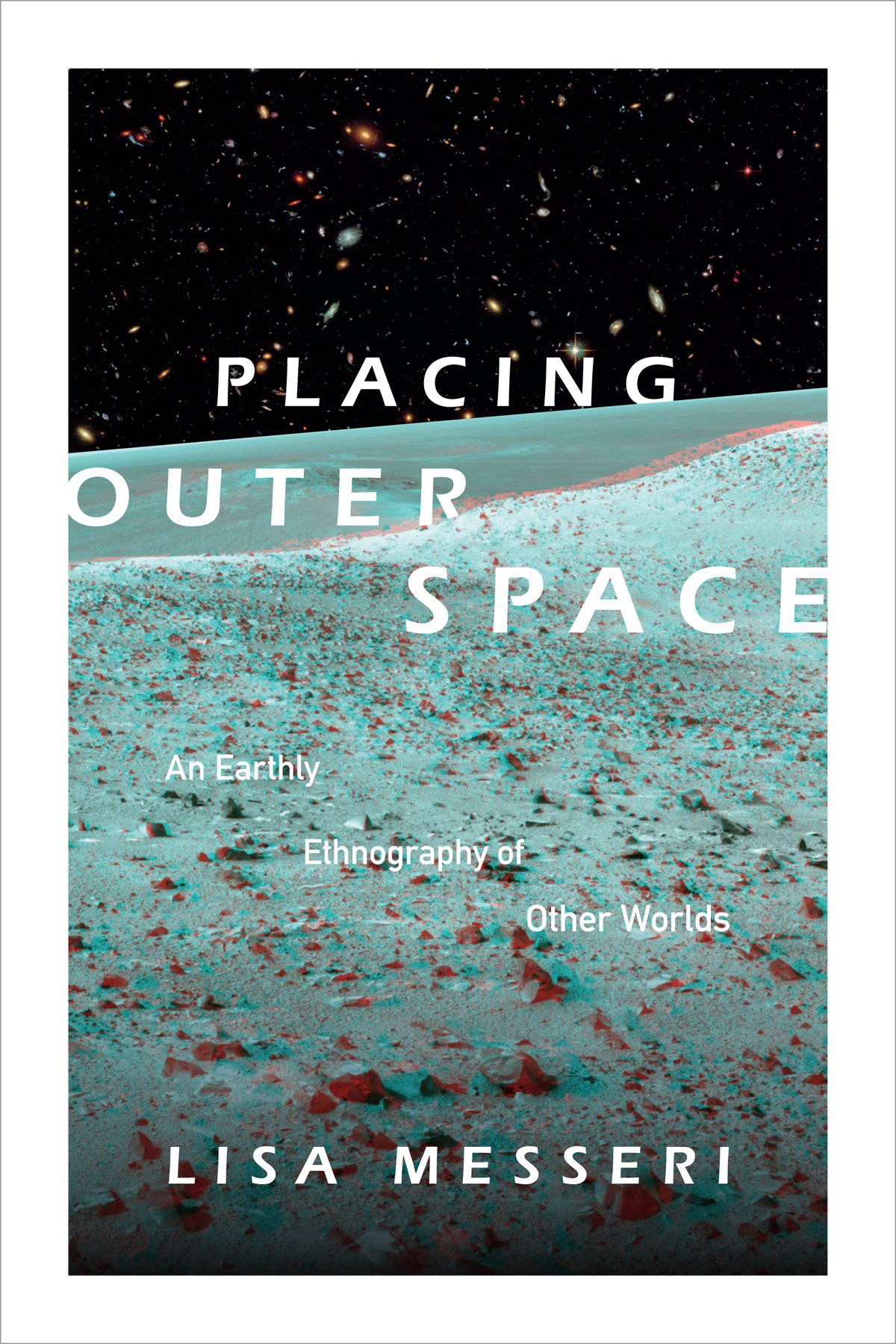
Placing Outer Space: An Earthly Ethnography of Other Worlds
In Placing Outer Space Lisa Messeri traces how the place-making practices of planetary scientists transform the void of space into a cosmos filled with worlds that can be known and explored. Making planets into places is central to the daily practices and professional identities of the astronomers, geologists, and computer scientists Messeri studies. She takes readers to the Mars Desert Research Station and a NASA research center to discuss ways scientists experience and map Mars. At a Chilean observatory and in MIT's labs she describes how they discover exoplanets and envision what it would be like to inhabit them. Today’s planetary science reveals the universe as densely inhabited by evocative worlds, which in turn tells us more about Earth, ourselves, and our place in the universe.
248 pages, Paperback
First published September 9, 2016
About the author
Lisa Messeri
4 books4 followersLisa Messeri is Assistant Professor of Anthropology at Yale University.
Ratings & Reviews
Friends & Following
Create a free account to discover what your friends think of this book!
Community Reviews
Displaying 1 - 5 of 5 reviews

July 20, 2024
Fantastic read. Messeri does a great job at getting us embedded into multiple contexts of researchers studying Mars and exoplanets. She makes a powerful case for the centrality of place making and the desire to connect outer space with our embodied experience of “being in the world” with the goals and motives of planetary science. I highly recommend for anyone interested in STS but beyond that it is also a powerful read for anyone more broadly interested in sociological, psychological, and anthropological issues involving place, space, and embodiment.

November 12, 2016
“If other planets are ‘there’ and Earth is ‘here,’ who, then, is the ‘us’ who occupy the planet?”

May 17, 2020
Short but a good mixture of science and ethnography, starting at Mars and than delving into exo-planets. Highly recommend.

February 7, 2026
I want to learn more about our place in the universe, I really do, but this book was written way above my level of understanding. While it was great to identify the gists of the chapters (using the Utah desert to mimic the surface of Mars; detailing how tech giants in the Silicon Valley can project how the surface of Mars would look like using advanced technological applications; using data and tech to visualize alien worlds; and learning how scientists go about their work at a Chilean observatory to find more habitable plants), I only picked up a couple of memorable tidbits in each chapter. It’s not possible to skim this book, either, because you have to pay attention to grapple with what the author is getting at, as it’s not written in layman’s language.

Read
February 11, 2019LSE: “In Placing Outer Space: An Earthly Ethnography of Other Worlds, Lisa Messeri offers a new ethnographic study of how planetary scientists, geologists and astronomers engage in processes of imaginative place-making to know and explore the spaces of the cosmos. With the book particularly underscoring how these practices are often shaped around colonialist discourses, Taylor R. Genovese praises Messeri’s vivid, absorbing and seamlessly crafted narrative as an excellent addition to the anthropology of outer space. ” http://bitly.com/2DtRxPx
Displaying 1 - 5 of 5 reviews