

What do you think?

Poemas de amor
Poesía para viajar hacia adentro, y hacia el dolor. Conviene detenerse en ese poema para contemplar la profundidad de esa melancolía, tan montevideana, y tan onettiana: "Ya no será / ya no / no viviremos juntos / no criaré a tu hijo / no coseré tu ropa / no te tendré de noche / no te besaré al irme. / Nunca sabrás quién fui / por qué me amaron otros. / No llegaré a saber por qué / ni cómo nunca ni si era de verdad / lo que dijiste que era / ni quién fuiste / ni qué fui para ti / ni cómo hubiera sido / vivir juntos / querernos / esperarnos / estar. / Ya no soy más que yo / para siempre y tú ya / no serás para mí / más que tú. / Ya no estás / en un día futuro / no sabré adónde vives / con quién / ni si te acuerdas. / No me abrazarás nunca / como esa noche / nunca. / No volveré a tocarte. / No te veré morir".
Unknown Binding
First published January 1, 1964
About the author
Idea Vilariño
46 books376 followersIdea Vilariño (Montevideo, 1920-2009) fue una poeta, ensayista y crítica literaria uruguaya perteneciente al grupo de escritores denominado Generación del 45. Dentro de sus facetas menos conocidas se encuentran la de traductora, compositora y docente.
Vilariño was one of the outstanding figures of Uruguayan poetry, with her lyric creations collected in works such as “La Suplicante” (The Supplicant), “Poemas de Amor” (Love Poems) and “Nocturnos” (Nocturnes).
Also known as an essayist and literary critic, she was a member of the writers’ group called the Generation of 45, to which Mario Benedetti, 88, also belonged and who is currently in a Montevideo hospital in critical condition.
Idea Vilariño worked as a high-school literature teacher from 1952 until the 1973 military coup in Uruguay.
Her translations and Shakespearean studies have been hailed throughout Latin America’s academic world.
After the dictatorship in 1985, she became head of Uruguayan literature in the Humanities and Education Sciences Faculty of the University of the Republic.
In her work as a lyricist, two legendary works stand out: “A una Paloma” (To a Dove), set to music by Daniel Viglietti, and “La Cancion y el Poema” (The Song and the Poem), with a melody by Alfredo Zitarrosa.
Vilariño was one of the outstanding figures of Uruguayan poetry, with her lyric creations collected in works such as “La Suplicante” (The Supplicant), “Poemas de Amor” (Love Poems) and “Nocturnos” (Nocturnes).
Also known as an essayist and literary critic, she was a member of the writers’ group called the Generation of 45, to which Mario Benedetti, 88, also belonged and who is currently in a Montevideo hospital in critical condition.
Idea Vilariño worked as a high-school literature teacher from 1952 until the 1973 military coup in Uruguay.
Her translations and Shakespearean studies have been hailed throughout Latin America’s academic world.
After the dictatorship in 1985, she became head of Uruguayan literature in the Humanities and Education Sciences Faculty of the University of the Republic.
In her work as a lyricist, two legendary works stand out: “A una Paloma” (To a Dove), set to music by Daniel Viglietti, and “La Cancion y el Poema” (The Song and the Poem), with a melody by Alfredo Zitarrosa.
Ratings & Reviews
Friends & Following
Create a free account to discover what your friends think of this book!
Community Reviews
Displaying 1 - 30 of 299 reviews

October 13, 2020
Y si me quedo encerrado en este libro, por favor, no me saquen.

October 23, 2023
tú y yo
Chelo
y te quiero
y siento mucho
que no
me hayan gustado
las mujeres
porque habría sido
mucho más
feliz
hemos tenido
una
noche
de amor
Chelo
y te quiero
y siento mucho
que no
me hayan gustado
las mujeres
porque habría sido
mucho más
feliz
hemos tenido
una
noche
de amor
September 8, 2020
Muy bonito. Poesía en apariencia sencilla, y breve, pero... quizá por eso mismo cada verso pega como un balazo.

November 10, 2025
RIP Idea Vilariño. Te habría encantado poder bloquear a Onetti de todas las redes sociales.
"ADIÓS
Aquí lejos
te borro.
Estás borrado"
"ADIÓS
Aquí lejos
te borro.
Estás borrado"

January 5, 2022
amoooOOO la poesía de vilariño ! creo que, junto a castellanos y storni, vilariño es de mis poetas favoritas < 3 sus poemas son simples en apariencia pero siempre logran jalar un hilito desgarrador que me tiene chille y chille
"Por qué
aún
de nuevo
vuelve el viejo dolor
me rompe el pecho
me parte en dos
me cubre de amargura.
Por qué
hoy
todavía."
"Por qué
aún
de nuevo
vuelve el viejo dolor
me rompe el pecho
me parte en dos
me cubre de amargura.
Por qué
hoy
todavía."
July 6, 2023
mi psicóloga sabrá de esto

October 10, 2014
It comes as quite a shock reading Proust's La Prisonnière to discover that, yes, despite his brilliance narrating love with its many pleasures and despairs, the main character Marcel has in fact had "carnal knowledge" of Albertine (as they used to say in the old days). Had Proust not actually described Marcel undressing Albertine (reminiscent of Ovid doing the same with his lover in a similar siesta), I have to admit, it's up for question whether the two have actually made it that far. The impression is that she is more pleasurable described than enjoyed. You look and there she is, standing nude before you. And would you look at that! Tell me, what are words compared to this? Nothing, obviously. But it's Proust, and Proust is a poet. Let's see if she doesn't flummox him, causing him to fail at the one thing he knows how to do well... write well,
Before Albertine obeyed and allowed me to take off her shoes, I opened her chemise. Her two little upstanding breasts were so round that they seemed like...
(Oh no, metaphor alert): Like ripened fruit! That the junction of her thighs were hushed, reposeful and cloistral... Like an altar! Oh dear Marcel, let that innocent be...
But eventually he comes to his senses and explains in his inimitable way the inadequacy of language compared to the body itself, she who inhabits it,
I, who for so many years had sought for the real life and thought of other people only in the direct statements with which they furnished me of their own free will, failing these had come to attach importance, on the contrary, only to the evidence that is not a rational and analytical expression of the truth; the words themselves did not enlighten me unless they could be interpreted in the same way as a sudden rush of blood to the cheeks of a person who is embarrassed, or, what is even more telling, a sudden silence.
Uruguayan poet Idea Vilariño works this theme beautifully in her love poems. In the week that I've been reading her, hoping to read poetry into her Spanish that I do not understand, it is obvious that she has cut her teeth on French poetry. In Mediodía (or "Midday" or "Siesta"), for instance, the echoes of Paul Valéry's L'Abeille ("The Bee") are remarkable.
el mar, a esa hora de miel en que el instinto
zumba como una abeja somnolienta...
sol, amor, azucenas dilatadas, marinas,
ramas rubias sensibles y tiernas
como cuerpos,vastas arenas pálidas.
The idea that we've been asleep until we're stung, equating the sting with instinct, a bee, blond and tender like a lover's body, draws us into a dream state from which we're loathe to escape. Ah, there's the real danger, getting lost in a world we mistake for the real thing. Vilariño sets this instinct for dreaming - being stung by "the bee" - near the sea, the one vast ocean we might trade for another.
Or in Ya en desnudez total ("Already fully nude...") she echoes the great Mallarmé. "Extraña ausencia," strange absence, a dislocation, ecstasies within an atmosphere of silence, detailing the much more exhilarating, enchanting, dream-like moment where poetry originates in a shock. Orgasm, or completion, to these poets, draws no dreams. It's no surprise that Proust's novel never really reaches its end, a Mobius strip circling back on its alternative life.
Vilariño's "Quiero morir. No muero" sounds very much like Beckett's famous quip (in her version "I want to die. And yet I do not die.") but this isn't existential despair she's meditating upon. It's more about the ends of pleasure that eroticism invites - but a fear poetry helps keep away. Seas and silences are pervasive throughout these poems. Distress, anxiety, abyss, being mercilessly placed at the edge of incoherence and profundity, these are the stakes of poetry, and Vilariño writes them.
I am very excited to come across a poet of our age writing in this 19th century French mode, able to update and adapt it to a more accessible late 20th century style (i.e. without the kind of mythologies the 19th century favored). Other Spanish speaking poets have tried to write love poetry this way, mimicking and borrowing strategies from the French. It's not easy. Rubén Darío, for one, who like Borges appears to have discovered literature so that he could write out of literature instead of the kinds of ecstatic states Vilariño has in mind.
To be, then, like one of Vilariño's orientals,
Rebeldes y valientes
se van marchando,
las cosas que más quieren
abandonando
Rebellious and brave, abandoning the things we want most (Vilariño says) - like Marcel with his Albertine - like our lover for that sting we felt last night.
A sampling of her poetry, in Spanish,
http://www.los-poetas.com/d/vilar1.htm
A song written almost as if with Vilariño's Los Orientales in mind,
http://www.youtube.com/watch?v=Ad88C0...
Before Albertine obeyed and allowed me to take off her shoes, I opened her chemise. Her two little upstanding breasts were so round that they seemed like...
(Oh no, metaphor alert): Like ripened fruit! That the junction of her thighs were hushed, reposeful and cloistral... Like an altar! Oh dear Marcel, let that innocent be...
But eventually he comes to his senses and explains in his inimitable way the inadequacy of language compared to the body itself, she who inhabits it,
I, who for so many years had sought for the real life and thought of other people only in the direct statements with which they furnished me of their own free will, failing these had come to attach importance, on the contrary, only to the evidence that is not a rational and analytical expression of the truth; the words themselves did not enlighten me unless they could be interpreted in the same way as a sudden rush of blood to the cheeks of a person who is embarrassed, or, what is even more telling, a sudden silence.
Uruguayan poet Idea Vilariño works this theme beautifully in her love poems. In the week that I've been reading her, hoping to read poetry into her Spanish that I do not understand, it is obvious that she has cut her teeth on French poetry. In Mediodía (or "Midday" or "Siesta"), for instance, the echoes of Paul Valéry's L'Abeille ("The Bee") are remarkable.
el mar, a esa hora de miel en que el instinto
zumba como una abeja somnolienta...
sol, amor, azucenas dilatadas, marinas,
ramas rubias sensibles y tiernas
como cuerpos,vastas arenas pálidas.
The idea that we've been asleep until we're stung, equating the sting with instinct, a bee, blond and tender like a lover's body, draws us into a dream state from which we're loathe to escape. Ah, there's the real danger, getting lost in a world we mistake for the real thing. Vilariño sets this instinct for dreaming - being stung by "the bee" - near the sea, the one vast ocean we might trade for another.
Or in Ya en desnudez total ("Already fully nude...") she echoes the great Mallarmé. "Extraña ausencia," strange absence, a dislocation, ecstasies within an atmosphere of silence, detailing the much more exhilarating, enchanting, dream-like moment where poetry originates in a shock. Orgasm, or completion, to these poets, draws no dreams. It's no surprise that Proust's novel never really reaches its end, a Mobius strip circling back on its alternative life.
Vilariño's "Quiero morir. No muero" sounds very much like Beckett's famous quip (in her version "I want to die. And yet I do not die.") but this isn't existential despair she's meditating upon. It's more about the ends of pleasure that eroticism invites - but a fear poetry helps keep away. Seas and silences are pervasive throughout these poems. Distress, anxiety, abyss, being mercilessly placed at the edge of incoherence and profundity, these are the stakes of poetry, and Vilariño writes them.
I am very excited to come across a poet of our age writing in this 19th century French mode, able to update and adapt it to a more accessible late 20th century style (i.e. without the kind of mythologies the 19th century favored). Other Spanish speaking poets have tried to write love poetry this way, mimicking and borrowing strategies from the French. It's not easy. Rubén Darío, for one, who like Borges appears to have discovered literature so that he could write out of literature instead of the kinds of ecstatic states Vilariño has in mind.
To be, then, like one of Vilariño's orientals,
Rebeldes y valientes
se van marchando,
las cosas que más quieren
abandonando
Rebellious and brave, abandoning the things we want most (Vilariño says) - like Marcel with his Albertine - like our lover for that sting we felt last night.
A sampling of her poetry, in Spanish,
http://www.los-poetas.com/d/vilar1.htm
A song written almost as if with Vilariño's Los Orientales in mind,
http://www.youtube.com/watch?v=Ad88C0...
July 23, 2024
No puedo parar de llorar

March 2, 2024
Idea Vilariño me sorprende. Sabe llenar todos los huecos, decir todo lo que se tiene que decir, suplir todas las carencias. Hermoso.
Verse tan reflejado en un libro mientras se está sufriendo es como un abrazo al alma.
Verse tan reflejado en un libro mientras se está sufriendo es como un abrazo al alma.

January 6, 2022
La noche no era el sueño
era su boca
era su hermoso cuerpo despojado
de sus gestos inútiles
era su cara pálida mirándome en la sombra.
La noche era su boca
su fuerza y su pasión
era sus ojos serios
esas piedras de sombra
cayéndose en mis ojos
y era su amor en mí
invadiendo tan lenta
tan misteriosamente.
era su boca
era su hermoso cuerpo despojado
de sus gestos inútiles
era su cara pálida mirándome en la sombra.
La noche era su boca
su fuerza y su pasión
era sus ojos serios
esas piedras de sombra
cayéndose en mis ojos
y era su amor en mí
invadiendo tan lenta
tan misteriosamente.
September 29, 2024
Noche jodida, finde arruinado, semana de mierda, mes de puto asco y lo que queda de año.
May 3, 2022
"Ya no soy más que yo
para siempre y tú
ya
no serás para mí
más que tú. Ya no estás
en un día futuro
no sabré dónde vives
con quién
ni si te acuerdas.
No me abrazarás nunca
como esa noche
nunca.
No volveré a tocarte.
No te veré morir."
para siempre y tú
ya
no serás para mí
más que tú. Ya no estás
en un día futuro
no sabré dónde vives
con quién
ni si te acuerdas.
No me abrazarás nunca
como esa noche
nunca.
No volveré a tocarte.
No te veré morir."
Read
January 6, 2025[...]
y si ves con mis ojos
y si tanto entendés
cómo no viste en ellos
cómo cómo no viste
no miraste
un pequeño animal que pedía aire
que ardía
se asfixiaba
se moría.
muy bonito, la verdad es que me ha gustado
y si ves con mis ojos
y si tanto entendés
cómo no viste en ellos
cómo cómo no viste
no miraste
un pequeño animal que pedía aire
que ardía
se asfixiaba
se moría.
muy bonito, la verdad es que me ha gustado

December 27, 2021
❞𝙋𝙞𝙚𝙣𝙨𝙤 𝙤𝙩𝙧𝙖𝙨 𝙘𝙤𝙨𝙖𝙨 𝙥𝙞𝙚𝙣𝙨𝙤
𝙦𝙪𝙚 𝙩𝙖𝙡 𝙫𝙚𝙯 𝙨𝙚𝙖𝙨 𝙚𝙡 𝙤𝙩𝙧𝙤
𝙦𝙪𝙚 𝙦𝙪𝙞𝙯𝙖́𝙨 𝙪𝙣𝙖 𝙣𝙤𝙘𝙝𝙚
𝙨𝙚 𝙧𝙤𝙢𝙥𝙖 𝙡𝙖 𝙘𝙤𝙧𝙩𝙚𝙯𝙖
𝙦𝙪𝙚 𝙪𝙣 𝙢𝙞𝙡𝙖𝙜𝙧𝙤 𝙩𝙚 𝙚𝙣𝙩𝙧𝙚𝙜𝙪𝙚
𝙮 𝙫𝙚𝙖𝙨 𝙦𝙪𝙚 𝙚𝙧𝙖𝙨 𝙩𝙪́
𝙚𝙡 𝙦𝙪𝙚 𝙦𝙪𝙞𝙨𝙚 𝙚𝙡 𝙦𝙪𝙚 𝙦𝙪𝙞𝙚𝙧𝙤.❞
Una colección hermosisima de poemas. Ver el desenlace de una relación que nunca empezó, que nunca llegó a ser y nunca iba a poder darse. Me parece maravillosa la manera que Idea tiene con las palabras, con la repetición y el uso de pocas. No puedo esperar a leer más trabajos suyos <3
𝙦𝙪𝙚 𝙩𝙖𝙡 𝙫𝙚𝙯 𝙨𝙚𝙖𝙨 𝙚𝙡 𝙤𝙩𝙧𝙤
𝙦𝙪𝙚 𝙦𝙪𝙞𝙯𝙖́𝙨 𝙪𝙣𝙖 𝙣𝙤𝙘𝙝𝙚
𝙨𝙚 𝙧𝙤𝙢𝙥𝙖 𝙡𝙖 𝙘𝙤𝙧𝙩𝙚𝙯𝙖
𝙦𝙪𝙚 𝙪𝙣 𝙢𝙞𝙡𝙖𝙜𝙧𝙤 𝙩𝙚 𝙚𝙣𝙩𝙧𝙚𝙜𝙪𝙚
𝙮 𝙫𝙚𝙖𝙨 𝙦𝙪𝙚 𝙚𝙧𝙖𝙨 𝙩𝙪́
𝙚𝙡 𝙦𝙪𝙚 𝙦𝙪𝙞𝙨𝙚 𝙚𝙡 𝙦𝙪𝙚 𝙦𝙪𝙞𝙚𝙧𝙤.❞
Una colección hermosisima de poemas. Ver el desenlace de una relación que nunca empezó, que nunca llegó a ser y nunca iba a poder darse. Me parece maravillosa la manera que Idea tiene con las palabras, con la repetición y el uso de pocas. No puedo esperar a leer más trabajos suyos <3

August 11, 2025
4.5 estrellas 🌟
ideas preliminares:
excelente para empezar a leer poesía: versos directos y memorables, pocas metaforas, directo al alma. Creo que nunca he conectado tanto con los versos de una poeta como con Vilariño, fue una genia.
No se si lo recomendaria si es que terminaste recien una relacion, xq te destrozaria; pero si eres masoquista, dale ajjsksksk
ideas preliminares:
excelente para empezar a leer poesía: versos directos y memorables, pocas metaforas, directo al alma. Creo que nunca he conectado tanto con los versos de una poeta como con Vilariño, fue una genia.
No se si lo recomendaria si es que terminaste recien una relacion, xq te destrozaria; pero si eres masoquista, dale ajjsksksk

August 21, 2025
Es demasiado bueno, la forma tan breve e intensa en como están escritos los poemas es simplemente maravilloso. Definitivamente ame como escribe Idea vilariño. Uno de mis favoritos:
POR QUÉ
Por qué
aún
de nuevo
vuelve el viejo dolor
me rompe el pecho
me parte en dos
me cubre de amargura.
Por qué
hoy
todavía.
POR QUÉ
Por qué
aún
de nuevo
vuelve el viejo dolor
me rompe el pecho
me parte en dos
me cubre de amargura.
Por qué
hoy
todavía.

October 8, 2024
Ya no necesito expresarme más, idea lo hizo por mi
May 22, 2025
me parte en dos

September 13, 2026
Os memes colocando Idea Vilariño como uma das grandes escritoras latino-americanas são uma constante no meu feed do Instagram, porém eu nunca havia lido nada dela até esse fim de semana. Minha pretensão é ler sua obra poética completa, mas comecei com esse livrinho que ela dedicou a Juan Carlos Onetti que não só fazia parte da mesma geração de 45 da literatura uruguaia, como fora seu amante.
Na introdução dessa edição a tradutora Jesse Lee Kercheval lembra que Poemas de amor deixou de ser um livro sobre um amor único e singular para se tornar testemunho tanto da necessidade quanto da impossibilidade do amor neste mundo, especialmente para uma mulher apaixonada e independente, decidida a falar com voz própria.
Se pensarmos com Freud o conceito de desamparo originário do bebê humano que estruturalmente dependente do Outro para sobreviver, os poemas de abandono de Vilariño podem ser lidos como reencenações desse desamparo primevo através do vínculo erótico adulto. O amor reativa uma falta que já estava lá antes de qualquer parceiro específico existir. É por isso que o livro perpassa o questionamento da realidade do objeto amado porque num nível mais profundo o que está em jogo nunca foi aquele homem específico, mas a própria estrutura da falta que o amor sempre promete cobrir e nunca cobre e por isso esse livro é tão universal.
Na introdução dessa edição a tradutora Jesse Lee Kercheval lembra que Poemas de amor deixou de ser um livro sobre um amor único e singular para se tornar testemunho tanto da necessidade quanto da impossibilidade do amor neste mundo, especialmente para uma mulher apaixonada e independente, decidida a falar com voz própria.
Se pensarmos com Freud o conceito de desamparo originário do bebê humano que estruturalmente dependente do Outro para sobreviver, os poemas de abandono de Vilariño podem ser lidos como reencenações desse desamparo primevo através do vínculo erótico adulto. O amor reativa uma falta que já estava lá antes de qualquer parceiro específico existir. É por isso que o livro perpassa o questionamento da realidade do objeto amado porque num nível mais profundo o que está em jogo nunca foi aquele homem específico, mas a própria estrutura da falta que o amor sempre promete cobrir e nunca cobre e por isso esse livro é tão universal.

July 16, 2026
Este poemario reconfirma mi predilección por Idea. Gracias al prólogo comprendí el sufrimiento y las sucesivas decepciones amorosas que vivió con Onetti. Cada verso de desamor y fervor surgió de las veces en que fue la elegida y la rechazada, en que fue la verdadera, pero la segunda, en que fue amada cuando brillaba el sol arriba, pero también la descartada cuando Onetti dormía con su esposa. Para variar, un hombre haciendo sufrir a las regias.

November 1, 2025
llego a leer esto entre noviembre y marzo de 2020/21 y me tiro a las vías de Renfe Cercanías

November 27, 2024
Lepe, intimne pesmi, ki z na videz preprostim jezikom povejo veliko.
Slovenska izdaja, z naslovom Ljubezenske pesmi, je dvojezična, kar je čudovito za ljubitelje jezikov in pisane besede. Poleg tega pa vsebuje kar obširne opombe, ki opisujejo tako ozadje nastanka pesmi kot prevajalske izzive in rešitve. Oboje doda nekaj k razumevanju pesmi in mi je bilo zelo dobrodošlo.
Slovenska izdaja, z naslovom Ljubezenske pesmi, je dvojezična, kar je čudovito za ljubitelje jezikov in pisane besede. Poleg tega pa vsebuje kar obširne opombe, ki opisujejo tako ozadje nastanka pesmi kot prevajalske izzive in rešitve. Oboje doda nekaj k razumevanju pesmi in mi je bilo zelo dobrodošlo.

November 8, 2023
these poems mean to me what 20 love poems and a song of despair mean to all of you
October 9, 2024
después de aver leído "Ya No", sabia que tenía que leer la collection de poemas en su totalidad. me duele el pecho
July 19, 2025
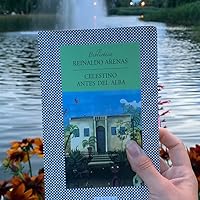
¡Qué manera de rompérseme el corazón! Gracias Onetti por inspirar poemas tan hermosos. Te detesto, Onetti, por tanta crueldad.
Hay algo muy poderoso en estos poemas. A simple vista parecen sencillos, pero tienen una fuerza inesperada que nos revuelca la vida y nos pone a llorar.
Hay algo muy poderoso en estos poemas. A simple vista parecen sencillos, pero tienen una fuerza inesperada que nos revuelca la vida y nos pone a llorar.

January 15, 2018
Que desgarradores poemas escribia Idea. La mayoría me gustaron y me hacian sentir como si me rompieran el corazón una y otra vez. Me encantaría saber más de ella, leer alguna biografía o algo así mas que seguir leyendo sus títulos, cosa que también me anima.

January 15, 2024
jejeje me puso bien chípil, un saludo al desvinculado :(

December 12, 2024
quiero amar y morirme de desamor ya fuee
nadie me entiende como esta mujer 🙏🏻 no puedo explicar lo que me hace sentir !!!! dios
alguien sabe con quién tengo que hablar para que cambien la profecía !!??? 😓😓😓😓
💌 mención a mis poemas favoritos :
- YA NO
- CANCIONES
- SABÉS
nadie me entiende como esta mujer 🙏🏻 no puedo explicar lo que me hace sentir !!!! dios
alguien sabe con quién tengo que hablar para que cambien la profecía !!??? 😓😓😓😓
💌 mención a mis poemas favoritos :
- YA NO
- CANCIONES
- SABÉS
February 26, 2026
Idea alcanza la espesura del sentimiento en poemas brevísimos. Ah la densidad de lo simple, a una le hace sentir que no ha amado lo suficiente o que todavía le faltan algunas roturas de corazón.
January 5, 2022
"Sabes
dijiste
nunca
nunca fui tan feliz como esta noche.
Nunca. Y me lo dijiste.
en el mismo momento
en que yo decidía no decirte
sabés
seguramente me engaño
pero creo
pero ésta me parece
la noche más hermosa de mi vida"
Este libro es HERMOSO. La capacidad que tiene Idea de capturar las emociones más sinceras con pocas palabras me parece impresionante.
Se puede ver el desarrollo de una historia que en realidad nunca pudo ser y, aunque el libro se llame 'Poemas de amor', la mayoría de los versos son sobre lo contrario, el desamor. O es una especie de lado B del amor, el después del amor que tal vez también es parte de lo que es/fue el amor... Pienso#.
En fin, quiero leer más de Idea.
dijiste
nunca
nunca fui tan feliz como esta noche.
Nunca. Y me lo dijiste.
en el mismo momento
en que yo decidía no decirte
sabés
seguramente me engaño
pero creo
pero ésta me parece
la noche más hermosa de mi vida"
Este libro es HERMOSO. La capacidad que tiene Idea de capturar las emociones más sinceras con pocas palabras me parece impresionante.
Se puede ver el desarrollo de una historia que en realidad nunca pudo ser y, aunque el libro se llame 'Poemas de amor', la mayoría de los versos son sobre lo contrario, el desamor. O es una especie de lado B del amor, el después del amor que tal vez también es parte de lo que es/fue el amor... Pienso#.
En fin, quiero leer más de Idea.
Displaying 1 - 30 of 299 reviews