Jump to ratings and reviews
Rate this book

Late Fame

Rate this book

First English publication of a recently rediscovered novella by one of the greatest European writers

One seemingly ordinary evening, Eduard Saxberger arrives home to find the fulfilment of a long-forgotten wish in his sitting room: a visitor has come to tell him that the youth of Vienna have discovered his poetic genius. Saxberger has written nothing for thirty years, yet he now realises that he is more than merely an Unremarkable Civil Servant, after all: a Venerable Poet, for whom Late Fame is inevitable – if, that is, his new acolytes are to be believed…

Arthur Schnitzler was one of the most admired, provocative European writers of the twentieth century. The Nazis attempted to burn all of his work, but his archive was miraculously saved, and with it, Late Fame. Never published before, it is a treasure, a perfect satire of literary self-regard and charlatanism.

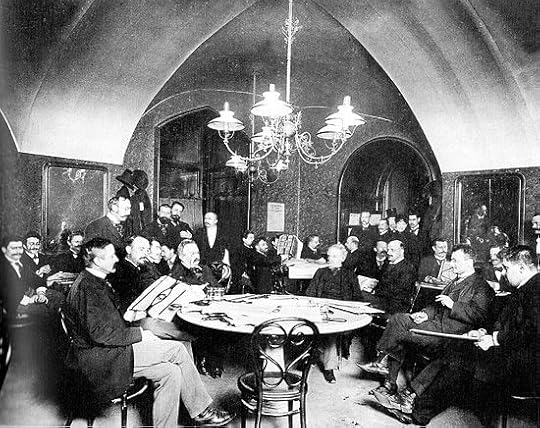
Arthur Schnitzler (b. 1862 in Vienna) was one of the most influential European writers of the twentieth century, perhaps best known here for his novellas Dream Story and Fräulein Else. He qualified as a doctor but was increasingly driven to a career in writing, resulting in several celebrated plays, novellas and novels which explore the great existential subjects of the modern age: relationships, love, sex, ageing and death. Because his work dealt with subjects considered taboo, he frequently attracted the hostility of the authorities, consequently losing his position as Chief Medic in the Reserve Army and being tried for disorderly conduct. Schnitzler was close friends with Stefan Zweig and Sigmund Freud, who both admired him greatly, and a member of the 'Young Vienna' circle of writers who regularly met at a café nicknamed 'Café Megalomania' - the very same clique and café he satirises so deliciously in Late Fame. Schnitzler died in 1931.

Pushkin Press also publishes his novellas Fräulein Else, Dying and Casanova's Return to Venice.

120 pages, Kindle Edition

First published January 1, 1894

20 people are currently reading
1606 people want to read

About the author

Arthur Schnitzler

1,003 books540 followers
Arthur Schnitzler was an Austrian author and dramatist.

The son of a prominent Hungarian-Jewish laryngologist Johann Schnitzler and Luise Markbreiter (a daughter of the Viennese doctor Philipp Markbreiter), was born in Vienna in the Austro-Hungarian Empire, and began studying medicine at the local university in 1879. He received his doctorate of medicine in 1885 and worked at the Vienna's General Hospital, but ultimately abandoned medicine in favour of writing.

His works were often controversial, both for their frank description of sexuality (Sigmund Freud, in a letter to Schnitzler, confessed "I have gained the impression that you have learned through intuition — though actually as a result of sensitive introspection — everything that I have had to unearth by laborious work on other persons")[1] and for their strong stand against anti-Semitism, represented by works such as his play Professor Bernhardi and the novel Der Weg ins Freie. However, though Schnitzler was himself Jewish, Professor Bernhardi and Fräulein Else are among the few clearly-identified Jewish protagonists in his work.

Schnitzler was branded as a pornographer after the release of his play Reigen, in which ten pairs of characters are shown before and after the sexual act, leading and ending with a prostitute. The furore after this play was couched in the strongest anti-semitic terms;[2] his works would later be cited as "Jewish filth" by Adolf Hitler. Reigen was made into a French language film in 1950 by the German-born director Max Ophüls as La Ronde. The film achieved considerable success in the English-speaking world, with the result that Schnitzler's play is better known there under Ophüls' French title.

In the novella, Fräulein Else (1924), Schnitzler may be rebutting a contentious critique of the Jewish character by Otto Weininger (1903) by positioning the sexuality of the young female Jewish protagonist.[3] The story, a first-person stream of consciousness narrative by a young aristocratic woman, reveals a moral dilemma that ends in tragedy.
In response to an interviewer who asked Schnitzler what he thought about the critical view that his works all seemed to treat the same subjects, he replied, "I write of love and death. What other subjects are there?" Despite his seriousness of purpose, Schnitzler frequently approaches the bedroom farce in his plays (and had an affair with one of his actresses, Adele Sandrock). Professor Bernhardi, a play about a Jewish doctor who turns away a Catholic priest in order to spare a patient the realization that she is on the point of death, is his only major dramatic work without a sexual theme.
A member of the avant-garde group Young Vienna (Jung Wien), Schnitzler toyed with formal as well as social conventions. With his 1900 short story Lieutenant Gustl, he was the first to write German fiction in stream-of-consciousness narration. The story is an unflattering portrait of its protagonist and of the army's obsessive code of formal honour. It caused Schnitzler to be stripped of his commission as a reserve officer in the medical corps — something that should be seen against the rising tide of anti-semitism of the time.
He specialized in shorter works like novellas and one-act plays. And in his short stories like "The Green Tie" ("Die grüne Krawatte") he showed himself to be one of the early masters of microfiction. However he also wrote two full-length novels: Der Weg ins Freie about a talented but not very motivated young composer, a brilliant description of a segment of pre-World War I Viennese society; and the artistically less satisfactory Therese.
In addition to his plays and fiction, Schnitzler meticulously kept a diary from the age of 17 until two days before his death, of a brain hemorrhage in Vienna. The manuscript, which runs to almost 8,000 pages, is most notable for Schnitzler's cas

Ratings & Reviews

What do you think?
Rate this book

Friends & Following

Create a free account to discover what your friends think of this book!

Community Reviews

5 stars
166 (19%)
4 stars
379 (45%)
3 stars
232 (27%)
2 stars
53 (6%)
1 star
6 (<1%)
Displaying 1 - 30 of 133 reviews
Profile Image for Ilse.
551 reviews4,435 followers
April 2, 2023
Late fame is a delightful, melancholic novella on the reawakening of dreams and aspirations soothed asleep by the greyness of ordinary life. The story itself has been slumbering for a very long time too: the typoscript, finished in 1895, was saved from the Nazi book burnings and first published in 2014. Such discovery of a literary manuscript easily spurs a reader’s excitement, even when there was some scepsis in the Austrian and German press on the ‘trouvaille’ since the novella was already listed in Schnitzler’s bibliography and so could hardly be called ‘lost’ (as well as a controversy on the quality of the edition and the text).

Turn-of-the-Century Vienna. Saxberger, an almost seventy-year-old civil servant, is calmly settled down in his inconspicuous, neat bachelor life. All expectations, but also all disappointments, lie far behind him. More than 30 years ago, he published an unnoticed collection of poems, Wanderings, a writing that almost completely slipped his mind, until a young author, Meier, comes to visit Saxberger to pay homage to his poetry . Meier cajoles him along to a coffee house frequented by fellow artists, introducing him to an eulogizing group of young writers, a literary circle echoing Schnitzlers own literary circle, Young Vienna, gathering in the coffee house, recalling Schnitzler’s own hangout, Café Griensteidl - which closed down in 2017.

7d71f93f82e5d300e73cab9b74df23dd


A timid and reticent man, he gradually gets carried away by their swaggering enthusiasm. At first incredulous, suspecting them to pull a prank on him, he reluctantly takes their clamorous admiration as his due, accepting to participate in the literary recital they are organizing to spotlight their work.

Amidst those young creative posturing wannabes, the rustling newspapers and the fiery debates in the coffee house resurges the obscured desire for recognition as a poet and writer, the yearning to be noticed and appreciated by his likes and the world for his poetry and for who he really is, a chance for redemption from ordinary life and insignificance: “A civil servant – a man like you!” Even love seems in the air.

37f32fa1c071456155e8d815a300eade


Apart from a delicate psychological portrait of the old man, written with great empathy by Schnitzler, who was 32 then, the novella is a fine observation of the fin de siècle central European coffee house culture, ironizing and satirizing the arty-farty bohemian scene, and could be read partly as a roman à clef: some of the characters are based on some real friends of Schnitzler, e.g. Hugo von Hofmannsthal.

Compassionately, Schnitzler grants the old man some Zenlike catharsis, leaving me slightly more reconciled to life, even smiling, touched.
Profile Image for Mohammad Hrabal.
447 reviews299 followers
May 4, 2023
گرچه نزدیک به ۵۰ سال پیش در «بایگانی آرتور شنیتسلر دانشگاه فرایبورگ» در لیست آثار باقی مانده از این کتاب نام‌ برده شده بود، اما آن را اثری گم‌ شده تلقی می‌کردند...هاینریش شنیتسلر، پسر آرتور شنیتسلر پس‌ از مرگ پدرش در سال ۱۹۳۱ همه‌ی دست‌ نوشته‌های پدر را در خانه‌اش نگهداری می‌کرد. سال ۱۹۳۸، وقتی اتریش به آلمان نازی «ملحق شد»، خطر مصادره و از بین‌ بردن دست‌ نوشته‌ها را تهدید می‌کرد چرا که آثار شنیتسلر نیز در لیست سیاه نازی‌ها قرار داشت. کنسول انگلیس به توصیه‌ی یک دانشجوی ادبیات انگلیسی وارد عمل شد و با مهر دولت انگلیس آن اتاق را مهر و موم کرد. چند هفته پس‌ از آن هفت جعبه پر از دست‌ نوشته‌های باقی‌ مانده از شنیتسلر به انگلستان منتقل و در کتابخانه‌ی دانشگاه کمبریج بایگانی شد. این کتاب تا سال ۲۰۱۳ به دست فراموشی سپرده شده بود و در کتابخانه کمبریج خاک می‌خورد....به‌ نظر برخی منتقدین کمتر نویسنده‌ای مانند شنیتسلر چنین بی‌رحمانه و در عین‌ حال با ملاطفت در برداشتن نقاب از چهره‌ها تبحر دارد و این نشان می‌دهد که لیبیدو آدمی اختیارش را در دست دارد. به همین خاطر است که وقتی پای منافعش در میان باشد، به‌ راحتی دروغ می‌گوید و وقتی تحسین و تشویق دیگران مانع نگاهی واقع‌گرا به خویش می‌شود، به‌آسانی حقیقت خود را از یاد می‌برد. بیهوده نبود که فروید در نامه‌ای به شنیتسلر به حسادتش به او در شناختش از روح و روان انسان اعتراف می‌کند. یادداشت مترجم (ناصر غیاثی). صفحات ۵-۷ کتاب
Profile Image for Adam Dalva.
Author 8 books2,158 followers
August 9, 2018
Sad, spiraling novella about a failed poet who briefly enters an odd sort of fame with a bohemian group. This is most fascinating for its look at the cultural scene of 1920s Germany, which in many ways (the young artists fulminating against commerciality) reminded me of twitter. The first half is very good, but things trend fairly inevitably after that, and the twist is a touch too telegraphed. Fun, afternoon-long read for those who are interested in failure.
133 reviews76 followers
June 2, 2019
آرتور شنیتسلر، فروید ِ نویسنده‌ها

شهرت دیرهنگام، کتابی بود که وقتی قرار شد با چندتا از دوستام بخونیم، تصور ِ خوبی نسبت بهش نداشتم. کتاب، عموما ریت ِ خوبی از دوستان ِ گودریدزیم نگرفته بود، و اولین کاری بود که از این نویسنده‌ی اتریشی می‌خوندم. بنابراین، با تصور ِ اینکه احتمالا کتاب ِ متوسطی خواهد بود، شروع به خوندنش کردم.

آرتور شنیتسلر، در این ۱۰۰ صفحه، روی یکی از مشکلات ِ همیشگی ِ انسان‌هایی دست می‌ذاره، که بسیار تلاش می‌کنند، ولی خیلی کم بهشون توجه میشه. شنیتسلر جوری پروسه‌های ذهنی ِ عدم ِ موفقیت رو میشکافه، که واقعا تحسین‌برانگیزه. به قول ِ خود ِ فروید، شنیتسلر جوری از ذهن انسان‌ها خبر داره و شخصیت‌های کتاب‌هاش به قدری واقعی هستند، که حسادت ِ فروید رو هم برمی‌انگیزه.

شهرت دیرهنگام، یک کتاب ِ ماجرامحور نیست. شهرت ِ دیرهنگام، تلاشی (از نظر من) بسیار موفق، در جهت انتقال ِ حس ِ پذیرفته نشدن در اجتماعه؛ حسی که خیلی سخت با واژه‌ها بیان میشه، اما زمان‌های زیادی انسان رو با خودش همراه می‌کنه. شنیتسلر این اثر رو، در سی و اندی سالگی نوشته، و هیچ‌وقت چاپش نکرده. تا همین چند سال ِ پیش، کسی از وجود ِ این کتاب خبر نداشت. با این‌حال، از نظر بسیاری از آدم‌ها کتاب ِ خاصی نیست و اکثر ِ آدم‌ها (با توجه به تعداد ِ ریت‌دهندگان ِ گودریدز) هنوز از وجود ِ این کتاب اطلاع ندارند.

کتاب ِ شهرت دیرهنگام، جزو کتاب‌هاییه که به ذائقه‌ی خاصی احتیاج داره؛ اما من به همه، مخصوصا کسانی که در حوزه‌ی ادبیات و هنر فعالیت می‌کنند، یا در جمع‌های ادبی-هنری رفت و آمد می‌کنند، خوندنش رو توصیه می‌کنم.
این کتاب به‌طور قطع، یکی از لذت‌بخش‌ترین خوانش‌های من خواهد بود.
Profile Image for Negin.
116 reviews13 followers
June 6, 2023
۴.۵
"حس کرد که دیگر چیز دیگری نمیخواهد، که دیگر به هیچ چیز دیگری نیاز ندارد. فقط یک لحظه دم در ایستاد. بعد با صلابت به میز نزدیک شد، نفس عمیقی کشید و لبخند زنان نشست."
از بین تمام کتاب هایی که خوندم، اونایی که کاملا اتفاقی و تو زمان درست خوندمشون بیشتر از همه بهم چسبیدن. این کتاب یه جواب بزرگ بود به من. به من و خیلیای شبیه به من که دست دست میکنن، خودشون رو جدی نمیگیرن، کار راحت ترو انتخاب میکنن، فقط برای اینکه به خودشون و استعدادشون اعتماد نکنن. از پایانش خوشم اومد؟ راستش در کمال ناباوری آره. شنیتسلر خیلی قشنگ مفموم کار از کار گذشتن، و احساس متعلق بودن رو توی این کتاب نشون داده‌. کاش زنده بود و کاش میشد ساعت ها درباره این کتابش باهم صحبت کنیم.
اگر اعتماد کردن به خودتون رو پشت گوش میندازید، لطفا این کتاب را بخوانید. تمام.
Profile Image for Michael.
1,608 reviews210 followers
November 28, 2018
Diese kleine Novelle hat mich furchtbar deprimiert. Erzählt wird die Geschichte von einem älteren Beamten, der als junger Mensch mal ein paar Gedichte geschrieben hat und dann als Autor in Vergessenheit geriet. Wiederentdeckt wird er von einer Gruppe junger Möchtegern-Schriftsteller und -Künstler, an die sich aus guten Gründen vermutlich auch bald niemand mehr erinnern wird. Diese Truppe spannt den Alt-Dichter vor ihren Karren, auf dass ein wenig seines schmalen Ruhms auf sie abfärben möge. Und der Alte lässt sich mitreißen, schließt sich ihrem Zirkel an, fühlt sich wieder als Poet.
Schnitzler geht mit seinem Personal erbarmungslos um. Komplex fand ich keine der Persönlichkeiten, dafür naiv, böswillig, dumm. Ist die Novelle melancholisch? Ja, vielleicht auch das, aber vor allem scheint Schnitzler mir die Eitelkeit der Menschen vorführen zu wollen, schonungslos, ohne Mitgefühl und Wärme.

Profile Image for Jorge.
301 reviews457 followers
April 16, 2018
¿Se nace con el don de escribir, o éste se puede formar con esfuerzo y dedicación? Creo que ambas posibilidades son viables, pero me inclino a pensar que los más grandes escritores han nacido con esa gracia que la naturaleza les regalo.

Suele suceder entre muchos de los que somos aficionados a la lectura que anhelemos dar el siguiente paso: incursionar en la escritura, crear una obra por pequeña o insignificante que ésta sea. Muchos otros tienen sueños de poder escribir algo digno y que los complazca ampliamente aunque sea solamente a ellos en lo particular; otros más se esfuerzan con constancia y entrega en esa labor sin los resultados a los que aspiran, en ellos la frustración y el desencanto se hacen presentes. Existe otro grupo, los más talentosos y ambiciosos, que desean que sus obras posean calidad suficiente para que se conozcan públicamente, de preferencia cuando ellos estén vivos. Entre todos los aspirantes a escritores, solo pocos, muy pocos, llegan a esta última etapa. Pero me parece que existe otro universo constituido por todos aquellos talentoso escritores que nunca obtuvieron el reconocimiento de absolutamente nadie.

Seguramente hubo muchos Kafkas, Tolstois, Victor Hugos, Dickens que deambularon por el mundo escribiendo obras sorprendentes y valiosas pero que por diversas razones pasaron totalmente desapercibidos. Dentro de estos últimos se inscribe el protagonista de esta historia que es la del poeta emérito Eduard Saxberger, historia que se desarrolla en aquella majestuosa Viena de finales del siglo XIX y principios del XX.

Sobre este tema de la frustración y de la falta de reconocimiento de en la creación literaria versa este pequeño y conmovedor relato que cobra especial importancia para todas aquellas personas que caen en algunas de las categorías mencionadas.

El talentoso Dr. Arthur Schnitzler (1862-1931), que ejerciera como médico y que luego orientara su talento a la creación literaria, nos regala otra pequeña obra cargada de significados y en la cual no necesita extenderse demasiado para darle rienda suelta a sus ejercicios de introspección y plantearnos problemáticas existenciales. Cada frase contiene una idea brillante que desencadena en nosotros algo más de lo que encierra estrictamente dicha frase.

El autor compendia y aborda con maestría los temas que le preocupan y angustian a los que se atreven a dar el paso hacia la creación literaria: la falta de inspiración, la falta del reconocimiento público o al menos de algún sector, la exposición a la burla pública, la dolorosa incomprensión, tanto de su obra como de su ser y el alejamiento del mundo por saberse diferente o asumirse así.

Para concluir, al autor lanza una tenue mirada al paso del tiempo, a la vejez y a las circunstancias en que se ve envuelta esta etapa de la vida, como pueden ser la perdida de facultades físicas, la falta de inspiración para volver a crear algo, la ausencia de aquella vehemencia para para transitar por la existencia; la merma de las facultades mentales y la imposibilidad de alcanzar de nuevo la atención de una mujer, la caricia cariñosa o la sutil admiración que alguna vez se tuvo.

Yo sólo aspiro a continuar como lector y tal vez llegar a ostentar el título de lector emérito.

Profile Image for Hossein.
224 reviews121 followers
March 11, 2024
چند وقت پیش که به یک کتابفروشیِ کوچک و نمور رفته‌ بودم، این کتاب را با آن عطف کوچکش بین بقیه‌ی کتاب‌ها گمشده دیدم. به خاطر رطوبت تقریبا گوشه‌هایش زرد شده بود. تردیدی نکردم و خریدمش. این اثرِ کوچک شنیتسلر برای حدود 120 سال بعد از نوشته شدن چاپ نشد. برای سال‌ها گم‌شده تصور می‌شد و عاقبت همین سال 2013 در گوشه‌ای در حال خاک خوردن پیدا شد.
«شهرت دیرهنگام» هم مثل خیلی دیگر از داستان‌های شنیتسلر اثری روان‌شناسانه محسوب می‌شود. خیلی جاها دقت و ظرافتش من را یاد داستایفسکی می‌انداخت، با این‌حال تفاوت این دو برای من آن‌جاست که شنیسلر برخلاف داستایفسکی دورتر از داستانش ایستاده است، درونیاتِ آدم‌ها را به نمایش می‌گذارد و کمتر قضاوت می‌کند، سردتر است و صرفا به نظاره می‌نشیند. حال‌ آن‌که داستایفسکی آدمی متفاوت از شخصیت‌هایش نیست و در جهنم آن‌ها سهیم است.
ترجمه ناصر غیاثی هم عالی و روان بود، از آن‌هایی که بی‌دلواپسی و بدون تردید می‌خوانی و تنها برای تحسین کردن مکث می‌کنی.
Profile Image for Tony.
1,030 reviews1,912 followers
Read
May 22, 2021
Long ago, Eduard Saxberger wrote a book of poems; published in a slim volume, and forgotten. So long ago. Now he is an old man, retired from office work, alone except for evening drinks with some contemporaries. Almost anonymous he is, a silhouette. But here comes a young man, asking, "Are you Saxberger the poet?"

He is feted, hurrahed, bravoed by a group of young artists. Late Fame, the title says. But is it real?

This is a soulful book, with "awareness" subtly revealed. For Saxberger is old, but not diminished. And there's nothing wrong with his hearing.

Poor devil.

Profile Image for Tosh.
Author 14 books776 followers
April 1, 2018
There are writers out there who make me feel that I'm wearing a bullseye sweatshirt, and through their writing/work, they make a direct hit on the bullseye. The great Austrian author and playwright Arthur Schnitzler is one of the writers that get to me on a personal level on a consistent basis through his narratives. Like Patricia Highsmith, Schnitzler had the ability to get in one's skin, and once placed there, you can't remove the rash. Not saying he's like a disease, but more of a writer who can look at a system or a social group and understand their dynamics. In that sense, he also reminds me of Fassbinder the filmmaker. Still "Late Fame" is a very funny book on a serious subject matter of regret and how one is accepted into a social world.

The main character is Eduard Saxberger, an office worker, who one time in his youth, wrote a book of poems "Wanderings" that was published and equally forgotten. Decades later, he eventually meets a young poet/writer who is a fan of this one book and invited Saxberger to be part of his (or their) literary group. So, after an old man who once was a (failed) poet, has another chance into a literary world, seems promising, but alas, life has its many disappointments.

Both a satire on literary groups in Vienna, as well as how one sees themselves as time goes marching by. It's very much an older man's piece of literature, and now that I have reached a certain age, I really identify with some aspects of Saxberger's existence. But don't we all?
Profile Image for Peyman Talebi.
151 reviews36 followers
June 17, 2022
نوشته‌اند که فروید زمانی در نامه‌ای به شنیتسلر اعتراف کرده بود که به شناخت او از روح و روان آدمی حسادت می‌کند. کتاب حاضر احتمالا یکی از موارد حسادت فروید می‌تواند باشد، هرچند که این اثر جزو آثار شناخته‌شده شنیتسلر نیست و ۸۰ سال پس از مرگ او از میان دست‌نوشته‌هایش پیدا شده است.

داستان این نوول، ماجرای جمعی از هنرمندان است که انجمنی را در وین به راه می‌اندازند و یک شاعر پیر را نیز در جمع خود می‌پذیرند. دقیقا زمان نوشتن این رمان، شنیتسلر خود عضو چنین گروهی - موسوم به انجمن وین جوان - بوده و گویی او در این کتاب روایتگر حالات آن انجمن ادبی - هنری است.

شاعر پیر در داستان، شخصیتی است که در دوران جوانی مجموعه شعری منتشر کرده و حالا بعد از سی سال به تمامی فراموش شده است. چنان که حالا کارمند یک اداره معمولی است و عصرها در کافه-رستورانی وقت می‌گذراند که هیچ‌یک از هم‌پیاله‌هایش در آنجا نمی‌دانند که او سالیانی قبل طبع شاعری نیز داشته است. اما به شیوه‌ای کاملا غیرمنتظره جوانی - از اعضای همان انجمن ادبی - او را کشف می‌کند و با شوق و حرارت بسیار، شاعر فراموش‌شده را استاد خطاب کرده و تحسین می‌کند. به مرور شاعر با اعضای جوان انجمن ادبی آشنا شده و از احترام آنها نسبت به خود سرمست می‌شود.

شنیتسلر در این اثر، فارغ از فرامتن‌های مهمی که به انجمن وین جوان برمی‌گردد، افکار و توهمات یک انسان، تحت تاثیر تعاریف و گرامیداشت‌های دیگران را بررسی می‌کند و بیان می‌دارد که چگونه "حمایت" جمعی می‌تواند منجر به "هدایت" افکار آدمی و اعمال او در زندگی شود.
شهرت دیرهنگام طنز تلخی است که هر هنرمند صاحب‌قلم را عمیقا به فکر فرو خواهد برد.
Profile Image for Mostafa.
433 reviews51 followers
November 3, 2025
3 star

زاکسبرگر در داستان ، شاعری هست که در زمانی دور یک اثر ادبی فراموش شده خلق کرده و حالا جوانانی که نماد حلقه های ادبی المان در دهه 1920 در هستند ، به یک باره تحت تاثیر آثار او قرار می گیرند ( آن هم اینکه کتاب شعر او را از سمساری خریداری می کنند) و او را بسیار تمجید می کنند، زاکسبرگر ، بسیار از این توجه آنها خرسند می شود اما جالب اینجاست که وقتی به اثر ادبی خودش که سالیان دراز در خانه اش خاک می خورده مراجعه می کند اصلا مورد توجه اش قرار نمی گیرد و حتی نمی تواند شعر ساده دوستش( یکی از همان جوان ها که از او تمجید میکند) را نقد کند اما احترام و توجهی که آن گروه ادبی به زاکسبرگر می کند، این توهم را در او به وجود می آورد که حتما ادیب و شاعر بزرگ و قابلی هست، غافل از اینکه نه شعری می تواند بگوید و نه اثر ادبی قابل توجهی از خود به جا گذاشته است... دوستان قدیمی او که نماد واقع بینی هستند، او را تمسخر می کنند ولی او با آنها مبارزه می کند و آنها را محکوم می کند که از هنر سر در نمی آورند و اوست که هنر را می فهمد و این همه مدت عمرش را در تعامل با آنها هدر داده چرا که مورد توجه گروه های ادبی و جوانان با ذوق قرار گرفته
به نظر برخی از منتقدین، کمتر نویسنده ای مانند شنیتسلر چنین بی رحمانه و در عین حال با ملاطفت در برداشتن نقاب از چهره ها تبحر دارد و نشان می دهد که لیبیدوی آدمی( تجلی غریزه جنسی در حیات ذهنی) ، اختیارش را در دست دارد. به همین خاطر که وقتی پای منافعش در میان باشد، به راحتی دروغ می گوید و وقتی تحسین و تمجید دیگران مانع واقع گرایی نسبت به خویش می شود، به آسانی حقیقت خویش را از یاد می برد. بیهوده نبود که فروید در نامه ای به شنیستلر به حسادتش به او در شناختش از روح و روان انسان اعتراف می کند
Profile Image for David Gustafson.
Author 1 book154 followers
August 13, 2021
As a young man, Eduard Saxberger published “Wanderings,” a collection of his poems. And nothing happened. Nothing! So the wannabe poet settles down and gets a gig as an innocuous civil servant. Life goes on.

Thirty years later, Saxberger is approached by a youth belonging to “Enthusiasm,” a Viennese literary circle that considers “Wanderings” to be a masterpiece and its author a genius. Would he please honor them with a visit?

Saxberger suddenly feels a beat in his heart that he had almost forgotten. He is overcome with joy by the unexpected rhythm he is feeling.

So begins Arthur Schnitzler’s cunning novella, “Late Fame.”

Fame? What a curiosity that is. Who is in charge of handing out that prize and who the Hell do they think they are?

The day I finally plucked Schnitzler’s rare bird from its nest on my bookcase to open its wings before my eyes for the first time, several European news outlets had just shelved the pandemic, the satanic wild fires and the biblical floods to swoon over the futbol God, Lionel Messing, who was leaving Barcelona to play for Paris Saint-Germain.

Really?

Almost eight billion souls on the small planet earth and the best the international fame committee can come up with is a jock with an IQ of….well, you get the picture.

That’s how it is when one lives in a time-warp culture that no longer produces any meaningful literature, poetry, theatre, music or cinema…a dumbass jock with an IQ of…oh well, you get the picture.

Not much has changed, really. Messi would be considered an absolute nobody by the 300,000 screaming fans cheering for the Roman charioteer, Gaius Appuleius Diocles as he crossed the finish line in the Circus Maximus about 1,870 years ago.

Diocles won 1,462 of 4,257 races and is considered by historians to be the highest paid athlete of all time winning about 15 billion dollars in today’s currency.


And who, out of the almost 8 billion souls on the small planet earth even remembers Gaius Appuleius Diocles today besides an innocuous history nerd biding his time in Las Vegas, of all places?

So what does a forgotten Viennese poet of the 1890’s know about fame? Nothing, except that he deserves it as much or more than the entertaining cast of “Enthusiasm” inhabiting its favorite coffee house thinks he does.

“Late Fame” is a wonderful short read crammed with the psychological intensity of Stefan Zweig along with an irreverent dash of satire that just might help smother the innocuousness of the current age.
Profile Image for Sinem A..
481 reviews293 followers
August 27, 2016
Nazi iktidarından özenle kaçırılan yazarın ölümünden sonra yayınlanmış psikolojinin derinlerinde gezinen bir kitap. Zeki, özenli ve okunası bir yazar.
Profile Image for Ludmilla.
363 reviews211 followers
November 9, 2016
Zekice yazılmış, tahliller başarılı. Yine de bir Zweig değil, en azından bu kitabı ile değil.
Profile Image for Argos.
1,259 reviews490 followers
June 27, 2020
Viyana 19. yüzyıl sonları, sanatçı olmaya hevesli gençler, kendilerini önemsiyen ancak akılları bir karış havada. Kahramanımız yaşlıca ama kendini bir anda aralarında buluyor. Devamı hiciv ve ruhsal tahlillerle ilerliyor ve klasik bir sonla bitiyor bu novella. Otobiyografik dokunmalar var.
Profile Image for Reza Farshchian.
61 reviews5 followers
March 28, 2024
مجموعه داستان گریز از تاریکی و رویا آثار بهتری نسبت به شهرت دیرهنگام بودند.
April 7, 2019
Greyness. Not a resignation but an ease into it determined by circumstance. A writer not celebrated but poems published and an aspiration of hope in an all but forgotten youth. Then, he watched other youthful writers come into favor; clamoring as he once clamored. Forgotten before known. Unmarried and childless he slipped into a civil service job, its routines, his small grey-aired apartment, nights at a bar, on the periphery of a small loutish poorly educated group of neighbors. He doesn’t belong anywhere, especially to himself until a young man pays him a visit. His small, thin volume of poetry from so many years ago has been discovered at a used book store and a group of young artists want to venerate him as a great overlooked poet who wrote from the truth of his heart and not for the commercial success of the public.

Such a small book. Ninety pages. Yet so much. It read for me as a well dramatized statement of how we define ourselves and what success-worth-value-is. Easy to avoid the entire question by living ones life without questioning it. The absence of scales to weigh it. Is it the opinion of the public often led by the opinion of critics or is it ones opinion of oneself born from the lifelong gathering of self knowledge.

This is the struggle we all face and Late Fame leads us into the sifting greyness of the battle.
Profile Image for Jonathan.
208 reviews71 followers
February 18, 2017
Late Fame was first published by Arthur Schnitzler (1862-1931) in 2014...eh...what? Yes, Late Fame is a 'discovered' book by Schnitzler, although even that's complicated, I mean it was discovered but people sort of knew it existed. I'll start again. Late Fame was completed in 1895 and submitted for publication in the periodical Die Zeit but wasn't published due to the difficulties of serialising it. Why it wasn't then published in another format or as a book is unclear but it was then largely forgotten about. After Schnitzler's death and the occupation of the Nazis his archives were smuggled out of Vienna to Cambridge University by the co-operation of the British Consulate and a visiting PhD student Eric Blackall who was writing his doctorate on Adalbert Stifter. Although other works from the archives were published, Late Fame was not. If you want to know more then the afterword is very informative as well as this page on the Pushkin Press website.

The novella begins with the elderly civil servant Herr Eduard Saxberger returning home after an uneventful day from work. Rather surprisingly he has a visitor, a young man called Wolfgang Meier, who reveals that he and his friends are huge fans of Saxberger's book of poetry, Wanderings, written thirty years previously. Wanderings was Saxberger's only published work and he had nearly forgotten it had existed until his visit from Meier. Meier is a writer who he belongs to a group of young artists called "Enthusiasm" and he invites Saxberger to attend one of their meetings. When he is sent Meier's book of poetry the following day Saxberger finds it difficult reading the poetry of this young man, he just doesn't understand it. He then refers back to his own poems and although he's initially unfamiliar with them they soon evoke his earlier life.
So these—these were the Wanderings for which the youth of Vienna had yesterday sent him their thanks. Had he deserved them? He would not have been able to say. The whole sorry life that he had led now passed through his mind. Never had he felt so deeply that he was an old man, that not only the hopes, but also the disappointments lay far behind him. A dull hurt rose up in him. He put the book aside, he could not read on. He had the feeling that he had long since forgotten about himself.
Saxberger is introduced to Meier's group and is treated reverently as the esteemed author of the Wanderings. Some of the artists of the "Enthusiasm" group, it is explained in the afterword, are based on real people known by Schnitzler but it is not necessary to know any details as the characters are outlined perfectly by Schnitzler. There's Blink the cynical critic, Christian who writes historical plays, young Winder who ends up being most besotted by Saxberger and amongst others there is also the ageing actress Fräulein Gasteiner. Saxberger's life is changed by being introduced to this group of admirers, for the first time he is treated respectfully and as a man of importance.

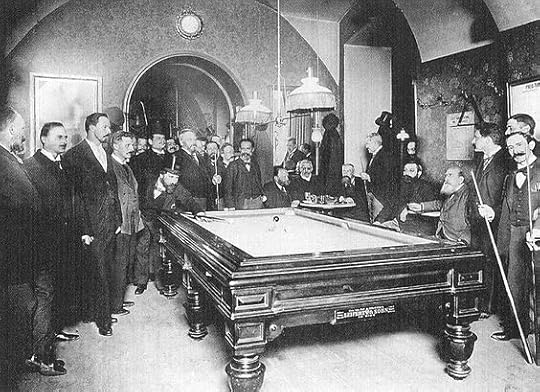
The group decides that they want to put on a poetry event and they want Saxberger to contribute a new poem. But this is where the problems begin because Saxberger has not written anything for over thirty years. He sits at his desk, goes for walks along the canal but he has no inspiration and instead prefers spending time with his old friends watching billiards. In the end it is agreed that Gasteiner will read a couple of his poems from Wanderings at the event. As the book proceeds we experience subtle shifts of Saxberger's mental state and in how he fits in with this new group. As the other characters become more familiar Saxberger feels that he is respected less but reflects that this is not necessarily a bad thing as it means that he has been accepted by them.

Schnitzler handles the poetry event brilliantly; there are no major disasters but the level of public interest is pretty low. But Saxberger realises that the applause he receives is rather meaningless as the audience applauds every act. An event occurs that only he notices when he is onstage being applauded as the author of the poems:
The ovation roared around him. He felt nothing in particular, hardly even the embarrassment he had feared. He had to go up again—this time without Fräulein Gasteiner, and it was a little peculiar to him to hear the noise of clapping hands and the loud shouts of "Bravo". He bowed several times, turned to the door and then, just as the clapping was getting weaker, he heard a voice from slightly behind him, or to the side—he couldn't quite tell—but the words were perfectly distinct, no matter how quietly they had been said: "Poor devil!" He wanted to look around, but he felt that that would seem absurd.
Who said this and what, exactly, did they mean? Saxberger can't understand it.

This is a brilliant little novella and it's surprising that Schnitzler didn't push for its publication in some form or other. I've already revealed too much of the story but the ending is expertly handled; in keeping with the rest of the story it's subtle, effective and, dare I say, heartwarming.
Profile Image for Pascale.
1,366 reviews66 followers
Read
April 11, 2025
Shrewd and utterly delightful. This is the sweet and sour tale of Eduard Saxberger, a civil servant who, in days gone by, published a slim collection of verse and fancied himself a poet. Now 70 years old, he harbors no regrets that he didn't persevere as a writer, until the day young Wolfgang Meier looks him up and convinces him that he is the inspiration for a whole new generation of aspiring bards. Saxberger starts to patronize the coffee house where the young, or rather youngish men, meet of an evening, and is rejuvenated by the reverence with which he is initially met. Soon the would-be writers decide to put on a public reading of their latest efforts, and beg Saxberger to write a new poem as the piece de resistance for the occasion. Poor Saxberger gives it a shot, but finds he can't actually write a single line. Nonetheless, the plan goes forward and a failed actress who passes herself off as the muse of the group, although all she is is the occasional mistress of one or another of its members, volunteers to read extracts of Saxberger's old "Wanderings". In fact, Ludwiga Gasteiner, who has been out of work for a long time and is getting desperate, has set her sights on Saxberger and tries very hard to seduce him. For all his naivety, Saxbeger is both too refined and too attached to his well-ordered life to succumb to Gasteiner's crass flattery and tired coquettish routine. On the day of the reading, an audience made up exclusively of friends and relatives of the young authors gives an apparently rapturous reception to Saxberger's old old poems, but he overhears someone muttering "Poor devil!", and finally understands, or rather admits what he has known all along: the whole thing is a charade and nobody among this crowd really believes he is an unjustly forgotten genius fit to lead a new literary movement. At the following debriefing session in their favorite café, the failed authors nearly come to blows when it transpires that Wolfgang Meier is behind the one lukewarm review they get in the papers. None of the young men has ever read "Wanderings", and they were all using each other to defer the moment of truth when their lack of talent would become obvious. Saxberger is somewhat crushed by the loss of his illusions, but in fact relieved not to have to pretend anymore. Slim and exquisitely written, this novella is such a little gem that it's hard to understand how it could have waited so long to see the light of print. This is no Nachlass but a major piece of the Schnitzler canon.
Profile Image for Erika.
4 reviews4 followers
August 24, 2015
Il signor Saxberg ha una possibilità di riscatto, trent'anni dopo aver pubblicato la raccolta di poesie "Le passeggiate" e non aver avuto il meritato successo. Un gruppo di giovani poeti lo coinvolge nell'allestimento di una serata di letture, tra le quali ci saranno anche "Le passeggiate". Saxberg li aiuta, li consiglia, stando con loro vive una seconda giovinezza,lusingato dai complimenti e dall'ammirazione dei ragazzi per la sua raccolta giovanile di poesie. Quale occasione per il vecchio signore, diventato un abitudinario impiegato per avere tutta l'attenzione che lui crede di meritare, per avere un pubblico riconoscimento anche dai suoi compagni di trattoria che non sanno nulla della sua vita poetica.
Dopo la declamazione in pubblico delle sue poesie la sua vita cambierà?cambierà la vita dei ragazzi?avrà il successo che aspetta da tutta la vita?
Un libro godibilissimo, sulle aspettative, le delusioni, la paura di fallire, la consapevolezza della propria nullità.
A tratti comico(la parte dove Saxberg osserva l'odiata giacca gialla della vecchia attrice teatrale è esilerante)per nulla pesante, ti coinvolge con la minuziosa descrizione dei pensieri e le ambizioni del "vecchio poeta" in una Vienna che sta vivendo il cambiamento industriale delineato in una memorabile passeggiata di Saxberg sulle rive del Danubio, un tempo fonte di ispirazione e ormai diventato immobile, silenzioso, triste.
Profile Image for Veromika.
324 reviews28 followers
November 7, 2025
“While someone’s young, they might manage to get a few things together… and then… then it’s just over and you don’t know how it ended.”

Could there be artistic ambitions without expectations of public appraisal? I wonder how many artists lose their will to create when faced with apathy from the masses. In Late Fame, we explore the hopes and sorrows of a forgotten writer, reawakened by a new generation of literary aspirants who find and revere his work.

Eduard Saxberger once wrote poems in his youth. Now, nearing 70, his life and routine as a public servant are disrupted by the unexpected interest a young literary group takes in his oeuvre. Is it finally his time to shine in the public spotlight?

When Vienna’s new-age literary society seeks Saxberger’s company, singing praises of his forgotten poetry, the old poet gets swept away by this unexpected veneration. A new hope for literary success seduces him. He begins frequenting the coffee shops where the young assemble and eschews his ‘other’ life as a civil servant. It is everything he had never dared to hope for.

The acclaim of these youngsters felt to him like the belated fulfilment of many exhilarating things that he had fervently wished for many decades ago and that he had forgotten in his gray, everyday life.

Eventually, Saxberger is persuaded to present his work at the group’s literary recital. In the throes of the renewal of his youthful dreams, Saxberger begins to yearn for a fame that he now considers rightfully his. In the end, however, Saxberger is forced to confront his own limitations as well as the disillusionment of this new literary scene that had beguiled him. All that is now left is to return to his mundane existence and resign to a life of no fame, but familiar comfort.

...he was returning from a short, troublesome journey to a home that he had never loved but in which he now rediscovered the soft and muffled comforts of before.

Schnitzler keeps Saxberger at the center of the tale to critique the literary circles that exist to denounce the popular first and then contribute to art, if at all. Saxberger’s young entourage heaps praise generously, but how much of it do they truly mean? When he learns that most of them haven’t even read his poems, it shows both him and the reader the truth of the group. They are performers more and writers less.

For me, the tale was more about Saxberger and the late fame that attacks rather than soothes him. Hello, ghost of the future! What kind of writer doesn’t fear fading into obscurity? Both the Saxberger before the late fame finds him, and the one after is disquieting. The aspiring writer in me, with more years ahead of her than behind, was unsettled by the portrait of a forgotten artist that Saxberger presents. It could so easily end up being me in the next few decades.

Reading Late Fame brought forth a question for which I do not have any hope for an answer. ‘The benign procedure of everyday life is enough to keep us busy and engaged, but can it ever be fulfilling?’

Profile Image for Ali Amirian.
14 reviews
February 19, 2019
شاعر فرتوت یا شهرت دیرهنگام؟!
زبان طنز تلخ کتاب در مورد شاعری پا به سن گذاشته حرف میزند ک مدت هاست دست به فراموشی سپرده شده یا بهتر است بگوییم کمی بعد از زمان تولد، فراموش گشته.
گروهی با شور جوانی خود این پیرمرد را پیدا می کنند، او را پرچم دار خود کرده و در پی ترویج و بر سر زبان آوردن خود هستند...توسط فردی ک خود فراموش شده است!
این شهرت دیر هنگام هم دیری نپایید...!
.
کتاب روان و کم حجمیست با ترجمه ای خوب...برای ساعتی خلوت کردن با خود، بسیار مناسب است!
اگر به دنبال پیچیدگی ذهنی، و یک داستان پر پیچ و خم هستید، سراغ این کتاب نروید...!!!
شهرت دیرهنگام تذکریست لحظه ای برای روزمرگی های زندگی...!
شاید رسالت انتشار، بعد از120 سال نوشته شدن، هم همین باشد...
Profile Image for Chuck LoPresti.
199 reviews94 followers
February 17, 2020
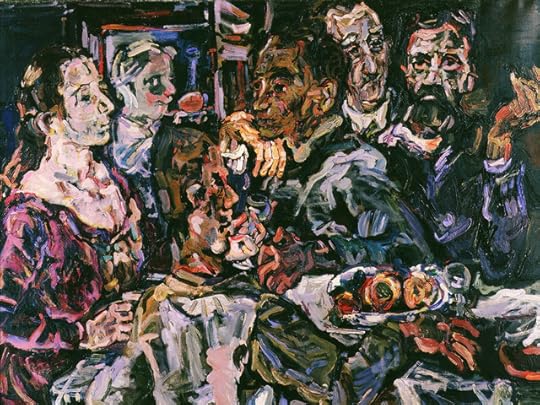
I buy most of what NYRB releases with little hesitation. Add a cover by Kokoschka and I'm all in. This is a brief read that reminded me a bit of Bove in that it's not some grandiose meditation on a great mind - but rather a "small clairvoyance" in the style of Walser - not so much in style but in impact. A aging and forgotten writer is stirred from his banausic existense to "lead" a group of young and ostensibly of moderately talented writers. They have recently unearthed his volume of poems and place him astride an Ensorian donkey to lead them to a reactionary battle against those they deem inferior. They don't belong in any parades whether they are med by mustard-makers, madmen or the meritorious. So it's all damn silly, but there's something of a small shimmering of merit in it. What would great fame be otherwise? When the small boy tugs on your sleeve and manages the courage to task you to read his work...what can you do but try to save him a similar fate? There's something lucid and important here in this small work of dim brilliance.
Profile Image for Chista Rasouli.
68 reviews12 followers
December 14, 2015
- نه که کتاب بدی باشد یا حرف‌اش را قبول نداشته باشم یا با داستان هم‌راه نشده باشم یا طنزش توی ذوق زده باشد یا ترجمه‌ی بدی داشته باشد -که راست‌اش این ترجمه‌ی روان را از ناصر غیاثی انتظار هم نداشتم!-، اما سرراستی زیاده از حد داستان و پایان قابل پیش‌بینی‌اش خوشایندم نبود.
یک‌جور بسیار مسخره‌ای فکر می‌کنم برای خواندن کتابی که پایان قابل‌پیش‌بینی، بسیار واضح و مقدری داشته باشد یا بخواهد نتیجه‌ی اخلاقی روشنی ارائه دهد، بزرگ شده‌ام. و چه‌قدر خنده‌دار است این. و چه‌قدر هم عجیب که از دختری که رودست‌خوردن از راوی/نویسنده را برنمی‌تابید، به این دختر رسیده‌ام. شاید هم فکر می‌کنم دوران این داستان‌ها به سر آمده.
بیش‌تر از همه‌ی این توجیهات؛ این روزها جذب ایده‌های نو و آزمایشی -اگر بشود چنین صفتی برای‌ش گذاشت- در داستان شده‌ام و «شهرت دیرهنگام» قدمت‌اش بیش از این حرف‌ها بود که راضی‌ام کند.

- دقیق‌تر بخواهم ستاره بدهم می‌شود دو و نیم. ولی همان دو بماند فعلن.
Profile Image for Steven R. Kraaijeveld.
559 reviews1,926 followers
April 22, 2023
"In that instant it was incomprehensible to him how many profound interior experiences were extinguished by the mere wretched flow of existence as if they had never been." (51)
Eduard Saxberger is an elderly clerk who once wrote a collection of poetry—Wanderings—but who now spends most of his time quietly at the office, among his colleagues, or dazing in his unprepossessing apartment. Long since forgotten, Saxberger's ambitions as a young poet are reignited when, one day, he is paid a visit by a young man who convinces him that his poetry is highly regarded by a group of young Viennese artists. Sucked into the group's activities, which mostly consist of denigrating others and inflating their own importance, Saxberger grapples with the question of who he really is. Is he a poet? At times it seems that he really is, that he has been a poet all along, that he was merely distracted by his work and colleagues from his true calling, that he can become a famous poet yet. This hope—set against the quiet forgetfulness of his life—begins to take a hit and finally fizzles out as he slowly comes to realize that the group of artists is full of hot air. Humorous and sad, compelling to the end, Late Fame is a kind of Thomas Bernhard lite—a lampooning of artistic pretensions without the scathing bitterness.
Profile Image for Mae.
134 reviews39 followers
Read
March 26, 2023
هر چیزی از شنیتسلر می‌خونم، سخت شگفت‌زده‌م می‌کنه.
Profile Image for Illiterate.
2,774 reviews56 followers
February 5, 2025
A literary satire. A moving portrait of an old man oscillating between disappointment/resignation and hope/vanity.
Profile Image for Nasrina Rezaei.
Author 2 books28 followers
September 24, 2017
این کتاب را دوستی به من پیشنهاد داد که معتقد بود هر شاعر، نویسنده، مولف، مترجم، هنرمند، روشن‌فکر و اهل کتابی باید آن را بخواند. خواندمش، راست می‌گفت!

شهرت دیرهنگام کتابی است از آرتور شنیتسلر که به‌تازگی و 120 سال بعد از نوشته شدنش، در آلمان منتشر شده است. شنیتسلر خود بر این کتاب تقریبا 100 صفحه‌ای که ۱۲۰ سال پس از نوشته شدن و بیش از هشتاد سال پس از مرگ او و برای اولین بار منتشر می‌شود، عنوان «داستان شاعر فرتوت» را انتخاب کرده بود اما ناشر آلمانی عنوان کتاب را تغییر داده و عنوان «شهرت دیرهنگام» را بر روی آن گذاشت. گرچه نزدیک به پنجاه سال پیش در «بایگانی آرتور شنیتسلر دانشگاه فرایبورگ» در لیست آثار باقی‌مانده از این کتاب نام برده شده بود اما آن را اثری گم شده تلقی می‌کردند.
شنیتسلر «شهرت دیرهنگام» را زمانی نوشته بوده که تازه سی سالگی را پشت سر گذاشته و هنوز هیچ یک از آثاری که بعدها شهرت جهانی برای او به بار آورده بودند را ننوشته بود!
.این کتاب را نشر چشمه با ترجمه ناصرغیاثی منتشر کرده است
Displaying 1 - 30 of 133 reviews

Can't find what you're looking for?

Get help and learn more about the design.