

What do you think?

L'Alligatore #8
Per tutto l'oro del mondo
Una delle tante rapine nelle ville delle campagne del Nordest finisce in tragedia con un duplice e brutale omicidio. Nonostante gli sforzi, le indagini non portano a nulla. Due anni dopo Marco Buratti viene contattato per indagare sul crimine e scoprire i responsabili. Il suo cliente è giovane, il più giovane che gli sia mai capitato, ha appena dodici anni ed è il figlio di una delle vittime che lo ingaggia offrendogli venti centesimi di anticipo. Fin dall’inizio la verità appare sconvolgente e contorta, per certi versi inaccettabile. L’Alligatore e i suoi soci, Beniamino Rossini e Max La Memoria si ritrovano ben presto invischiati in una vicenda di oro e di vendetta che li obbliga a scontrarsi con bande di rapinatori e criminali insospettabili. Nulla è facile in questa inchiesta che si trasforma presto in una trappola infernale. Nessuno vuole pagare per i propri crimini, tutti vogliono arricchirsi mentre l’Alligatore e i suoi amici devono tutelare gli interessi del loro cliente. Massimo Carlotto, con questo romanzo, affronta un tema scottante come quello delle rapine nelle ville, nervo scoperto di un intero territorio che spesso reagisce in maniera scomposta. Lo scrittore padovano propone un punto di vista inedito su dinamiche criminali e sociali che si intrecciano in spirali perverse.
192 pages, Kindle Edition
First published November 5, 2015
About the author
Massimo Carlotto
106 books268 followersMassimo Carlotto began his literary career in 1995 with the noir novel The Fugitive, a fictionalized account of his time on the run. In 1998 he published Le irregolari, the semi-autobiographical novel on the Argentine military regime of the Seventies. In 2001 he released Arrivederci, amore ciao, which was adapted into a movie in 2005. In 2004 he published Death's Dark Abyss, a nihilistic noir on the theme of revenge.
Ratings & Reviews
Friends & Following
Create a free account to discover what your friends think of this book!
Community Reviews
Displaying 1 - 30 of 38 reviews

November 5, 2015
DONNA DI JAZZ
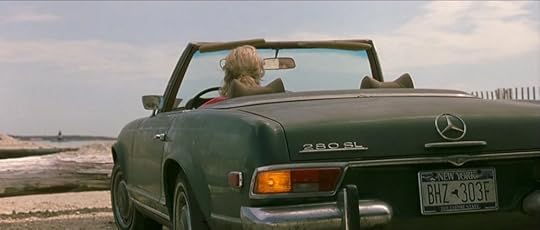
Nordest, terra di traffici d’ogni tipo, legali e non.
Di qualcuno tra quelli meno luminosi finisce sempre per occuparsi Marco Buratti, l’Alligatore, e la sua banda, composta da Beniamino Rossini e Max la Memoria.
In questo caso si parte da una rapina con duplice brutale omicidio. Poi arriva il cliente più insolito del mondo, un ragazzino di dodici anni, che paga nel modo più strano del mondo, venti centesimi di euro, tutto l’oro del mondo: vuole sapere la verità sulla morte di sua madre.
Conti in sospeso con la legge, metodi non proprio ortodossi, ma rispettosi di un loro personale codice, nessuna lacrima da coccodrillo, ogni cuore fuorilegge ha il suo blues.
Il nostro cuore fuorilegge marcava la differenza, rendeva incolmabile l’abisso che ci separava

Mi sedetti su una poltroncina a poppa a godermi la vista del mare del cielo e dell’isola. Dopo giorni di tensione mi sentivo finalmente tranquillo. Non avevo la minima idea di come sarebbe andata a finire, ma avrei condiviso il destino con i miei amici e avremmo tenuto alta la testa. Di meglio non potevo sperare.
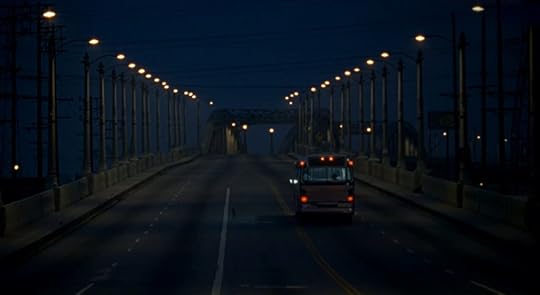
Nordest, terra di traffici d’ogni tipo, legali e non.
Di qualcuno tra quelli meno luminosi finisce sempre per occuparsi Marco Buratti, l’Alligatore, e la sua banda, composta da Beniamino Rossini e Max la Memoria.
In questo caso si parte da una rapina con duplice brutale omicidio. Poi arriva il cliente più insolito del mondo, un ragazzino di dodici anni, che paga nel modo più strano del mondo, venti centesimi di euro, tutto l’oro del mondo: vuole sapere la verità sulla morte di sua madre.
Conti in sospeso con la legge, metodi non proprio ortodossi, ma rispettosi di un loro personale codice, nessuna lacrima da coccodrillo, ogni cuore fuorilegge ha il suo blues.
Il nostro cuore fuorilegge marcava la differenza, rendeva incolmabile l’abisso che ci separava
Mi sedetti su una poltroncina a poppa a godermi la vista del mare del cielo e dell’isola. Dopo giorni di tensione mi sentivo finalmente tranquillo. Non avevo la minima idea di come sarebbe andata a finire, ma avrei condiviso il destino con i miei amici e avremmo tenuto alta la testa. Di meglio non potevo sperare.

February 3, 2018
European Noir/Tough. Reads quick, characters well defined. Does lack a bit of a feel for the setting of Padua/Venice (Padua is the more industrial city, just west of Venice, not on the water). Rather cliched, but still fun enough. Book tips in at about 160 pp after all the blank pages - and the last 12 pages is not so much an "Epilogue" as a teaser for his next novel/caper. And then throw in about 10-15 pages about the boy after the situation is handled.......
And yes, the "honorable criminals" with a code of honor that must be religiously followed is a bit too much.
Oh, and then there is the whole Blues thing - it is bad enough that the Blues is now a genre mostly listened to by white people, but here we throw in that it is white European people! OTOH, thanks to Carlotto for introducing me to Carmen Lundy's music.
I enjoyed it enough to pick up a couple other of his titles - "Poisonville" (Hammett's nickname for Spokane in "Red Harvest") and "Fugitive". The latter sounds interesting - an autobio from author Carlotto about his run in with the law/prison. According to him, trumped-up murder charges (???) for political reasons.
And yes, the "honorable criminals" with a code of honor that must be religiously followed is a bit too much.
Oh, and then there is the whole Blues thing - it is bad enough that the Blues is now a genre mostly listened to by white people, but here we throw in that it is white European people! OTOH, thanks to Carlotto for introducing me to Carmen Lundy's music.
I enjoyed it enough to pick up a couple other of his titles - "Poisonville" (Hammett's nickname for Spokane in "Red Harvest") and "Fugitive". The latter sounds interesting - an autobio from author Carlotto about his run in with the law/prison. According to him, trumped-up murder charges (???) for political reasons.

February 7, 2016
Brevissima avventura dell’Alligatore, in attesa della resa dei conti con Giorgio Pellegrini dal libro precedente. È tutto un po’ frusto: la trama ripropone temi già ampiamente esplorati, con caratterizzazioni appena accennate e piatte. Gli eroi sono i soliti banditi buoni e senza macchia che si confrontano con un mondo di spietati dove vittime e carnefici esercitano la loro crudeltà sugli innocenti. Tema interessante, ricorrente in Carlotto, che qui però lo esplora in modo svogliato.
L’intreccio in sé non offre molto (una guerra tra bande che arriva a lambire i nostri eroi, non si capisce mai bene perché) e viene risolto sbrigativamente. Epilogo da programma, con l’anticipazione della prossima avventura.
Consiglio per i neofiti di Carlotto: non iniziate a leggerlo da questo volume, altrimenti vi farete un’idea sbagliata.
Nota: personalmente trovo stucchevoli i vari intermezzi sul blues che accompagnano le storie dell’Alligatore, e anche i protagonisti stessi, buoni e bravi senz’appello, difensori degli oppressi, privi di sfumature.
L’intreccio in sé non offre molto (una guerra tra bande che arriva a lambire i nostri eroi, non si capisce mai bene perché) e viene risolto sbrigativamente. Epilogo da programma, con l’anticipazione della prossima avventura.
Consiglio per i neofiti di Carlotto: non iniziate a leggerlo da questo volume, altrimenti vi farete un’idea sbagliata.
Nota: personalmente trovo stucchevoli i vari intermezzi sul blues che accompagnano le storie dell’Alligatore, e anche i protagonisti stessi, buoni e bravi senz’appello, difensori degli oppressi, privi di sfumature.

March 24, 2018
(versione illustrata: http://capitolo23.com/2018/03/24/mass...)
Massimo Carlotto è uno dei numi tutelari italiani del genere letterario che frequento di più: un esponente di quella scuola gialla-noiristica molto apprezzata in tutto il continente per la capacità di mescolare solide trame con uno sguardo sociale – oserei dire politico, nel senso più accettabile del termine.
In Per tutto l’oro del mondo Carlotto affronta un nervo particolarmente scoperto nell’immaginario collettivo del suo territorio: ma le rapine nelle isolate ville venete, così presenti nella cronaca nera, sono raccontate attraverso il ritorno in libreria dell’Alligatore, protagonista di una fortunata saga letteraria dell’autore padovano e personaggio in bilico fra legge e criminalità.
Il romanzo è un vero decalogo classico dell’Alligatore: passeggiando sul limite del baratro della retorica ma senza mai precipitarci dentro, Massimo Carlotto racconta una provincia veneta un po’ decadente, presenta personaggi sopravvivono con un filo di rassegnazione e molta rabbia per l’ingiustizia, tra vecchi e infrangibili codici criminali e l’evidenza che a volte chi è oltre il limite della legge non è peggiore di chi ci sguazza apparentemente dentro. Aggiungici una cantante jazz-blues che fugge dalla monotonia casa-lavoro e un bambino che paga la parcella dell’investigatore con una moneta da 20 centesimi e il romanzo volpapagina è pronto per il palato del lettore.
Noir come una stanza buia, tagliente come un coltello da caccia, politico di chi ha passione per l’Altro e i suoi problemi. E c’ho pure la copia autografata con dedica (che non dovrebbe contare nella valutazione ma perché no, poi?)
Massimo Carlotto è uno dei numi tutelari italiani del genere letterario che frequento di più: un esponente di quella scuola gialla-noiristica molto apprezzata in tutto il continente per la capacità di mescolare solide trame con uno sguardo sociale – oserei dire politico, nel senso più accettabile del termine.
In Per tutto l’oro del mondo Carlotto affronta un nervo particolarmente scoperto nell’immaginario collettivo del suo territorio: ma le rapine nelle isolate ville venete, così presenti nella cronaca nera, sono raccontate attraverso il ritorno in libreria dell’Alligatore, protagonista di una fortunata saga letteraria dell’autore padovano e personaggio in bilico fra legge e criminalità.
Il romanzo è un vero decalogo classico dell’Alligatore: passeggiando sul limite del baratro della retorica ma senza mai precipitarci dentro, Massimo Carlotto racconta una provincia veneta un po’ decadente, presenta personaggi sopravvivono con un filo di rassegnazione e molta rabbia per l’ingiustizia, tra vecchi e infrangibili codici criminali e l’evidenza che a volte chi è oltre il limite della legge non è peggiore di chi ci sguazza apparentemente dentro. Aggiungici una cantante jazz-blues che fugge dalla monotonia casa-lavoro e un bambino che paga la parcella dell’investigatore con una moneta da 20 centesimi e il romanzo volpapagina è pronto per il palato del lettore.
Noir come una stanza buia, tagliente come un coltello da caccia, politico di chi ha passione per l’Altro e i suoi problemi. E c’ho pure la copia autografata con dedica (che non dovrebbe contare nella valutazione ma perché no, poi?)

August 22, 2023
Ormai rientrato in Veneto, l'Alligatore, al secolo Massimo Buratti, è ansioso di darsi da fare con un'indagine delle sue, ai limiti della legalità, per non cadere in depressione. Decide così di cercare la refurtiva di una rapina in villa di due anni prima finita male; ma, anziché farlo per la vedova del padrone di casa, sceglie di farlo per il figlioletto dell'innocente governante, che lo ingaggia con una moneta di 20 centesimi. Scopre così una faida tra rapinatori di gioiellerie, gioiellieri e ricettatori.
Sul finire compare Giorgio Pellegrini, un personaggio molto pericoloso del romanzo precedente, La banda degli amanti - lo avevo detto, no, che il romanzo mi sembrava incompiuto!? - che ci anticipa quale sarà il caso del nono e ultimo romanzo della serie (per ora? Lo scoprirò solo leggendo!)
Sul finire compare Giorgio Pellegrini, un personaggio molto pericoloso del romanzo precedente, La banda degli amanti - lo avevo detto, no, che il romanzo mi sembrava incompiuto!? - che ci anticipa quale sarà il caso del nono e ultimo romanzo della serie (per ora? Lo scoprirò solo leggendo!)

May 19, 2018
Ben più incalzante e con più colpi di scena dei precedenti, in cui i finali affrettati ne diminuivano la portata, l’Alligatore torna con una storia che parte quasi in sordina e poi si rivela essere un ritratto del marcio che vive in Veneto - anche se, onestamente, la verità supera la fantasia, ahimè!
Epilogo con sorpresa, che porta a fremere per il successivo romanzo.
Epilogo con sorpresa, che porta a fremere per il successivo romanzo.

July 27, 2016
Massimo Carlotto is undoubtedly one of the most astute observers of the criminal and social dynamics of his native Italy. For All The Gold In The World featuring series regular Marco Buratti aka The Alligator, Carlotto once again takes the opportunity to fix his unique gaze on the complexity of his homeland.
In another taut investigation, unlicensed private investigator Buratti and his shady cohorts Beniamino Rossini and Max The Memory, are drawn into a tale of greed and murder following a particularly violent home invasion leaving the mother of a now vulnerable twelve year old boy dead. What Carlotto so brilliantly achieves in this book is an interesting exploration of his main characters’ barometer of morality. For three men who have indulged in criminal activity themselves and are no strangers to violence, there is something really quite touching about their willingness to take on this particular case, but balanced with the inherent buzz of danger that begins to embroil them as the investigation progresses. The main plot is underscored by the periodic authorial intervention of Carlotto himself, passing comment on the socio-political make-up of Italy, and providing an insider’s view of the layers of corruption that exist between the higher echelons of Italian power through to the world of law enforcement. This adds a richness of detail to the overall book, and works in perfect symmetry with the utterly compelling thriller that Carlotto has constructed.
I am a confirmed fan of both Marco Buratti and Carlotto’s other regular series character Giorgio Pellegrini, so for reasons unexplained this book gives a delicious pointer to things to come. Buratti is a man of contradictions, with his inherent violent masculinity that we see in his ‘day-job’, working in tandem with a sometimes apparent sensitivity in the personal sphere of his life. He has a huge obsession with the Blues, and Carlotto enlivens the book further with musical references and Buratti’s night visits to a local jazz club, whilst investigating the activities of a possibly philandering wife for an anxious husband. With Buratti being Buratti, this spawns an inevitable love interest for him, but once again affords Carlotto the opportunity to explore a deeper emotional side of Buratti’s character. There is also the wonderful dynamic of Buratti with his criminal cohorts Rossini and Max that not only demonstrates the solidity of their masculine fraternity, but also at perfect intervals allows us to witness their easy humour, and the emotional scars that they all bear. This exploration of ‘maleness’ is a recurrent strength of Italian crime fiction I find, and Carlotto is one of the masters.
Quite simply, this is gritty and edgy Italian noir at its best, with its vibrant and unflinching mix of violence and criminality, underscored by superb exploration of character and a wider focus on society as a whole. Highly recommended.
In another taut investigation, unlicensed private investigator Buratti and his shady cohorts Beniamino Rossini and Max The Memory, are drawn into a tale of greed and murder following a particularly violent home invasion leaving the mother of a now vulnerable twelve year old boy dead. What Carlotto so brilliantly achieves in this book is an interesting exploration of his main characters’ barometer of morality. For three men who have indulged in criminal activity themselves and are no strangers to violence, there is something really quite touching about their willingness to take on this particular case, but balanced with the inherent buzz of danger that begins to embroil them as the investigation progresses. The main plot is underscored by the periodic authorial intervention of Carlotto himself, passing comment on the socio-political make-up of Italy, and providing an insider’s view of the layers of corruption that exist between the higher echelons of Italian power through to the world of law enforcement. This adds a richness of detail to the overall book, and works in perfect symmetry with the utterly compelling thriller that Carlotto has constructed.
I am a confirmed fan of both Marco Buratti and Carlotto’s other regular series character Giorgio Pellegrini, so for reasons unexplained this book gives a delicious pointer to things to come. Buratti is a man of contradictions, with his inherent violent masculinity that we see in his ‘day-job’, working in tandem with a sometimes apparent sensitivity in the personal sphere of his life. He has a huge obsession with the Blues, and Carlotto enlivens the book further with musical references and Buratti’s night visits to a local jazz club, whilst investigating the activities of a possibly philandering wife for an anxious husband. With Buratti being Buratti, this spawns an inevitable love interest for him, but once again affords Carlotto the opportunity to explore a deeper emotional side of Buratti’s character. There is also the wonderful dynamic of Buratti with his criminal cohorts Rossini and Max that not only demonstrates the solidity of their masculine fraternity, but also at perfect intervals allows us to witness their easy humour, and the emotional scars that they all bear. This exploration of ‘maleness’ is a recurrent strength of Italian crime fiction I find, and Carlotto is one of the masters.
Quite simply, this is gritty and edgy Italian noir at its best, with its vibrant and unflinching mix of violence and criminality, underscored by superb exploration of character and a wider focus on society as a whole. Highly recommended.

March 3, 2020
Another classic Carlotto testing the reader’s empathy towards a trio of troubled but “good hearted” criminals ... the ending beautifully setting up the next in the series
July 27, 2017
I have enjoyed two of Carlotto's stand alone novels prior to this one, and as I perished the shelves of a lovely bookstore's mystery section I came across this one. As I was in the mood for some good noir I figured this was a safe bet.
This was my first "Alligator" story, which is unusual for me as I try not to read series out of order, or possibly worse pick them up in the middle. In this case I am glad I didn't stay set in my ways.
Carlotto did not disappoint me. This was a terrific noir novel. The story was fast-paced, yet also found a way to develop characters with a brutal efficiency. I found the antagonist to be eminently likable, and thoroughly enjoyed the progression through a mystery that wasn't really much of one, yet it found plenty of ways to present the antagonists and protagonists alike with moral dilemmas.
This may have been my first in the series, but I have a feeling it won't be my last.
This was my first "Alligator" story, which is unusual for me as I try not to read series out of order, or possibly worse pick them up in the middle. In this case I am glad I didn't stay set in my ways.
Carlotto did not disappoint me. This was a terrific noir novel. The story was fast-paced, yet also found a way to develop characters with a brutal efficiency. I found the antagonist to be eminently likable, and thoroughly enjoyed the progression through a mystery that wasn't really much of one, yet it found plenty of ways to present the antagonists and protagonists alike with moral dilemmas.
This may have been my first in the series, but I have a feeling it won't be my last.
March 15, 2020
This is the second book that I've read in the chronicles of Buratti (The Alligator), Beniamino Rossini, and Max the Memory, and I've enjoyed them both.
Once again, our (anti-)heroes set out to right wrongs, in their own way. This time it's for a housekeeper's boy, whose mother was killed during a robbery between thieves. Buratti cannot sit still, he has to involve himself in a pursuit of justice, maybe to make up for his wrongful imprisonment. Along the way, he introduces us to his obsession with the blues, which also turns into an obsession with a (married) blues singer.
The plot itself revolves around double-crosses, honor among thieves, murder - your typical noir elements, with a bit of Italian politics and corruption thrown in for fun.
Once again, our (anti-)heroes set out to right wrongs, in their own way. This time it's for a housekeeper's boy, whose mother was killed during a robbery between thieves. Buratti cannot sit still, he has to involve himself in a pursuit of justice, maybe to make up for his wrongful imprisonment. Along the way, he introduces us to his obsession with the blues, which also turns into an obsession with a (married) blues singer.
The plot itself revolves around double-crosses, honor among thieves, murder - your typical noir elements, with a bit of Italian politics and corruption thrown in for fun.

February 25, 2022
This is a pretty good, stripped down Italian crime series about an unofficial investigator and his 2 friends (all of whom have chequered pasts) who work both sides of the law and have a defined code of ethics, for both criminals and society at large. This one is not the best though as they try to do good for the orphaned son of a maid who was an innocent bystander in a particularly brutal home invasion. There’s a lot of to-ing and fro-ing among rival crews to bring a sort of justice. The subplot of the Alligator’s affair with the (not very good) blues singer is not very interesting.
July 20, 2017
Good mystery. Reasonably fast-paced and compelling plot. This series is set in modern day Italy, where the author provides an interesting backdrop of the Italian underworld. I would recommend this book.

July 30, 2018
The author portrays northern Italy as under a siege of home invasions by Eastern European gangs. Unlicensed PI Marco Buratti gets involved along with his friends Beniamino Rossini and Max the Memory. As dismal as reading today’s newspaper.

November 11, 2018
Carlotto writes of his own experience and I love the Alligator's first person pov. This one concerns a mysterious jazz singer with a secret, murders and mafiosos. Old Rossini strong as a bull and Max always eating. Classic contemporary northern Italian noir.

September 16, 2024
Solita scrittura ad altissimi livelli di Carlotto, solito noir ben congegnato con l'aggiunta di un punta di maliconia per un mondo criminale che l'Alligatore e i suoi amici vedono scomparire. Il finale è una promessa.
Imperdibile.
Imperdibile.

March 27, 2025
Scorrevole, piacevole, a tratti appassionante. Carlotto crea delle situazioni e dei personaggi ai quali faccio fatica ad affezionarmi, ma che tutto sommato ho seguito con piacere.
Ogni tanto i dialoghi sono proprio di plastica.
Ogni tanto i dialoghi sono proprio di plastica.
March 1, 2026
una guerra tra bande di rapinatori coinvolge una ragazza che viene violentata e uccisa. l'allenatore e i suoi amici cercano di fare giustizia e scoprono chi sono le persone coinvolte e riescono ad ottenere un risarcimento a favore del figlio della donna uccisa

August 9, 2017
ok but not great. somehow I did not buy into the modern day Robin Hood avenging angel scheme. but fairly entertaining.

January 2, 2019
Avvincente come sempre, un voto in più per lo stretto legame con la cronaca attuale (Padova, Bitonci, immigrati, tromba d'aria in Riviera). Evitabile l'aggancio finale verso il prossimo libro.

July 8, 2021
Uno dei migliori Alligatori della serie.

September 23, 2025
More hard hitting Italian/Mediterranean noir, as Buratti and his partners in crime/justice, see to unravel violent breaks in and burglaries and jazz singers and just about anything else that annoys them!

September 28, 2025
Rispetto agli altri della serie decisamente sottotono, Però interessante l’epilogo, con la ricomparsa di un personaggio tanto odiato… chissá cosa riserva ll prossimo volume 😉😉

September 10, 2016
Despite my love of both Italy and crime fiction, this is my first Massimo Carlotto novel and my first encounter with L'Alligatore, the unlicensed, blues-loving private investigator; a man with 'an outlaw heart' who, like Carlotto himself, was wrongly convicted of murder and now seeks to right wrongs and injustices. It could, perhaps does at times, fall into cliche but there is an almost mystical, otherworldly nature to the brutality.
Marco Buratti, The Alligator, and his companions, Max the Memory and Beniamino Rossini live by their own code. Criminals themselves, they do not 'fight crime' but do set out to protect the weak, to redress the balance, even if that means killing to do so. Unusually, much of the action happens 'off-screen' being reported by Buratti later but, like a lot great noir, it doesn't really matter, it's not about plot, it's about atmosphere.
It's not without faults - my Italian is not quite good enough to read this in the original, but I do want to find out whether it was the translator's choice to have The Alligator refer to himself as 'yours truly' so many times - but I will be going back to read more of this series and Carlotto's other work. And looking forward to discovering more great blues on the way....
Marco Buratti, The Alligator, and his companions, Max the Memory and Beniamino Rossini live by their own code. Criminals themselves, they do not 'fight crime' but do set out to protect the weak, to redress the balance, even if that means killing to do so. Unusually, much of the action happens 'off-screen' being reported by Buratti later but, like a lot great noir, it doesn't really matter, it's not about plot, it's about atmosphere.
It's not without faults - my Italian is not quite good enough to read this in the original, but I do want to find out whether it was the translator's choice to have The Alligator refer to himself as 'yours truly' so many times - but I will be going back to read more of this series and Carlotto's other work. And looking forward to discovering more great blues on the way....

March 7, 2016
Ho forse sbagliato nel cominciare a leggere Carlotto dal suo ultimo romanzo con l'Alligatore, ma non sono davvero riuscito ad apprezzare completamente questo romanzo. I protagonisti, mi indispongono, specialmente con la retorica del "cuore da fuorilegge" o con le prediche (del protagonista? di Carlotto?) sulla politica che fa leva sulla sicurezza e sulla paura per la crescente delinquenza. La scrittura è in generale abbastanza piacevole, ma la storia appare forse un poco improbabile e lo sviluppo dell'indagine un poco forzato.
Magari proverò a leggere il primo libro della serie, così tanto per dare a Carlotto un'altra possibilità
Magari proverò a leggere il primo libro della serie, così tanto per dare a Carlotto un'altra possibilità

April 7, 2016
Quattro stelline per questa ennesima avventura dell'alligatore. Mi piace come Carlotto ambienti i suoi romanzi in un mondo reale e in un tempo reale. Il nord est e gli eventi specifici di quelle zone, le elezioni, i fatti politici e le reali catastrofi naturali. Allo stesso tempo connota fortemente il protagonista nel suo pensare più ampio politico e sociale. Una buona fusione di realismo e fiction in cui non bisogna mai pensare esista solo una delle deu componenti.
Gradevole anche se i personaggi sono un po' sgonfi e demotivati e questo breve libro sembra operare da traino per qualcosa che verrà.
Gradevole anche se i personaggi sono un po' sgonfi e demotivati e questo breve libro sembra operare da traino per qualcosa che verrà.

December 1, 2015
L'Alligatore è stanco, disilluso, ed il romanzo ne risente. Perso ad inseguire una storia sentimentale affascinante quanto impossibile, il buon Buratti tiene spesso la guardia abbassata. Tuttavia, pur non essendo uno dei migliori della serie, anche questo episodio si fa leggere, abbinando alla storia anche i soliti riferimenti all'attualità sociopolitica ed i soliti ottimi consigli musicali nemmeno troppo nascosti.
La nota positiva è che non finisce qui... attendiamo con ansia la prossima avventura del trio delle meraviglie.
La nota positiva è che non finisce qui... attendiamo con ansia la prossima avventura del trio delle meraviglie.
January 26, 2016
Che dire? Carlotto non si smentisce nemmeno in questo libro. Da amante del blues e delle ambientazioni scure e famose, posso dire che questo libro non delude. Personaggi come sempre molto noir e dannati, ambientazione realistica e attuale che tocca temi oggi molto scottanti (le rapine in villa e l'immigrazione malavitosa) e una scrittura piena di citazioni musicali e frasi profondamente ad effetto.
Libro più che promosso che mette voglia di leggere tutti i libri di Carlotto.
Libro più che promosso che mette voglia di leggere tutti i libri di Carlotto.

Want to Read
March 10, 2016Incipit
Donna di jazz. Quando avvicinava le labbra rosse al microfono per attaccare Good Morning Kiss trattenevo il fiato per godermi ogni singolo istante........
Per tutto l'oro del mondo incipitmania.com
Donna di jazz. Quando avvicinava le labbra rosse al microfono per attaccare Good Morning Kiss trattenevo il fiato per godermi ogni singolo istante........
Per tutto l'oro del mondo incipitmania.com

January 23, 2017
Le idee ormai latitano e la storia è fiacca, con un sacco di situazioni già viste e riviste. Forse dopo otto libri sarebbe il momento di chiudere la serie dell'Alligatore.
2.5/5
2.5/5

November 20, 2015
Un alligatore un po stanco, con quel romanticismo languido e trascinato delle storie che cercano in se stesse un riferimento e un ritmo che non ci sono più.
Ovviamente si fa leggere ma l'entusiasmo è altra cosa.
Ovviamente si fa leggere ma l'entusiasmo è altra cosa.
Displaying 1 - 30 of 38 reviews