Jump to ratings and reviews
Rate this book

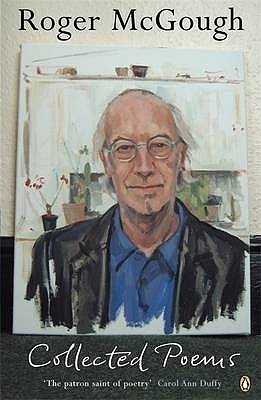
Collected Poems

Rate this book
From the back cover:

“Collected Poems brings together forty years of poetry from Britain’s favourite wordsmith in one volume for the first time. From the quintessential 1960s poems ‘Let Me Die a Youngman’s Death’ and ‘Summer with Monika’ to the recent tender poems of fatherhood, this collection shows exactly why Roger McGough is one of our most celebrated poets.”

418 pages, Paperback

First published January 1, 2013

22 people are currently reading
149 people want to read

About the author

Roger McGough

148 books69 followers

Ratings & Reviews

What do you think?
Rate this book

Friends & Following

Create a free account to discover what your friends think of this book!

Community Reviews

5 stars
89 (40%)
4 stars
96 (43%)
3 stars
31 (14%)
2 stars
4 (1%)
1 star
1 (<1%)
Displaying 1 - 28 of 28 reviews
Profile Image for notgettingenough .
1,080 reviews1,361 followers
October 6, 2013
Rimbaud once said 'I am unknown; what does that matter? All poets are brothers.'

Roger McGough, I gather, once believed that, but it didn't take long to be disavowed of the notion. He talked about it in a Guardian interview:

"When Motion and Morrison edited the Penguin Book of British Poetry, we were totally omitted. There's been a lot of that," he says. "Those years when Motion was editor of Poetry Review, and Craig Raine was poetry editor at Faber ... I felt we were always in the position of having to defend ourselves. We got cheesed off at being referred to as small-town Mantovanis, or the pop brigade. I suppose because we didn't do English at university, or because the poetry I was writing could be appreciated by my mother or my aunties. It came out of a sort of naivety." There is naivety, too, though of a characteristically charming sort, in his stated belief in "the brotherhood of poetry. I felt, with my first poem, that I had entered this brotherhood. Which turned out not to be the case."


What is it about today that makes the definition of poetry such a miserable snobbish thing? If there is any artistic form that should be readily intelligible and accessible it is poetry: historically, after all, it existed as an important form of communication.

For the rest of a rather long post on the wonderful McGough's delightful poetry, go here.

http://alittleteaalittlechat.wordpres...

Honestly. Go there and take a look even if you 'don't like poetry'. I want to change your mind.
Profile Image for Mohammad Ali Shamekhi.
1,096 reviews312 followers
November 23, 2015

نام مگاف را در دو مجموعه ی تو مشغول مردن‌ات بودی و چیزی تو کشو نیست دیده بودم و برای همین وقتی این کتاب را تصادفی دیدم به سراغش رفتم و خواندمش

کتاب اشعار جالبی دارد و به نظرم خواندنی است. در اشعار هم عناصر فکری وجود دارد و هم بازی های ظاهری

اشعاری که پسندیدم:
Profile Image for Mahdi Bigdeli.
58 reviews22 followers
July 3, 2014
هر روز
به مرگ
بیماری ، گرسنگی
خشونت ، تروریسم ، جنگ
و آخر الزمان فکر می کنم
تا
به چیزهای دیگر فکر نکنم
Profile Image for Steve.
20 reviews
May 2, 2025
Best poet ever....especially if you like social commentary and wordplay (which I do).
181 reviews
August 3, 2016
شعر طنز مگاف به لطافت و نابی سروده های شیمبورسکا نیست. زمخت تر است و ساده تر البته نه در حد بوکوفسکی

مشکل آدم برفی ها

یکبار پدرم گفت:
"مشکل آدم برفی ها اینه که
خیلی زودتر از این که بشه درستشون کرد
از بین میرن.

عوضش من برات یه آدم برفی درست می کنم
که حالا حالاها عمر کنه،
یه کم ماسه و سیمان رو قاطی می کنی و
قالب می گیریش."

بعد هم ادامه داد که:
"حالا هر زمستون،
می خواد آفتابی باشه یا برفی،
تو دیگه یه آدم برفی داری."

* * *

با اینکه پدرم سال هاست رفته
آن آدم برفی هنوز
بیرون، توی باغ
مثل یک سنگ قبر بی نام و نشان ایستاده و

زل زده به خانه
با آن هیکل زشت و بدترکیبش،
انگار که منتظر است
اتفاق بدی بیفتد.

همانطور که سالها می گذرند،
من پیرتر می شوم و
تابستان ها کوتاه تر و
زمستان ها سردتر.

بچه ها را که می بینم مشغول بازی توی برف،
به آن آدم برفی ها حسودی ام می شود
که درست شده اند
تا زمانی از بین بروند.


"گیاهخوارن"

گیاه خوارها آدم های سنگدل بی فکری هستند.
همه می دانند هویج که رنده می شود، چه ناله هایی می کند.
که یک هلو وقتی از وسط دو نیم می شود، خون می ریزد.
یعنی فکر می کنید پرتقال به انگشتان شست
حساس نیست، وقتی که گوشتش را قلفتی از جا در می آورند؟
مغز گوجه فرنگی بی هیچ دردی از هم متلاشی می شود؟
یا سیب زمینی ها، این خرچنگ های کوچک خاک، که زنده زنده
پوستشان را می کنند و می پزند؟
نگویید که درد ندارد
نخود فرنگی وقتی که جر می خورد پوسته اش،
یا کلم فندقی که بی رحمانه پوستش کنده می شود،
یا کلم پیچی که پاره پاره می شود و پیازی که بی سر.

بیلچه ات را بگذار کنار
کج بیلت را زمین بگذار.
اینقدر قتل عام نکن،
بگذار مردمان کوچک من راحت باشند.

****

این هم یک شعر مگاف البته با ترجمه ی احمد پوری در وازنا

“کلم”
(به استقبال از شعر “دوست دارم این چیز را” سروده‌ی آدریان میچل)

همفری بوگارت از آن مرد
همه از آن وحشت دارند
سرطان
نفرت دارم از این چیز
پیتر سلرز را آن از پا درآورد
یک نفر از پنج نفر با آن خواهیم مرد
سکته‌ی قلبی
نفرت دارم از این چیز
مونرو زندگی‌اش به خاطر آن تباه شد
هنکاک آخرین نیم ساعت حیات‌اش با آن سپری شد
قرص خواب
نفرت دارم از این چیز
جیم هندریکس له‌له زد به خاطرش
داروخانه‌ها تا نیمه شب به خاطرش باز ماندند
هرویین
نفرت دارم از این چیز
ماماکاس از آن خفه شد
پتوها از آن خیس می‌شوند
استفراغ
نفرت دارم از این چیز
زن‌ها یاد گرفته‌اند با آن کنار بیایند
هیچ کس بدون آن زنده نیست
خون
نفرت دارم از این چیز
بیمارستان‌ها سرشارند از آن
مادرم با آن ویران شد
درد
نفرت دارم از این چیز
کم‌تر می‌خواهند حقیقت‌اش را بپذیرند
همه زنده‌ایم تا ثابت‌اش کنیم
مرگ
نفرت دارم از این چیز
با زور به خورد بچه مدرسه‌ای‌ها می‌دهند
گله را تا خرخره با آن پذیرایی می‌کنند
کلم
نفرت دارم از این چیز
Profile Image for Felix Hayman.
58 reviews21 followers
January 16, 2012
Why give a five star rating to a book of poetry? Why give a five star rating to any poetry? Why, because there is a history in poetry - a history that grows with the reader, particularly as this is one poet who lived and played with the birth of British 60's rock and roll and witnessed an era that, for us in our late 50's, early 60's is very important; because it was the era that high culture crossed over with popular culture in an almost baffling way, where the dreams of the young was contained both in the poetry and also in the music of the times. Mcgough was there to document the time, and at times, simplistically and at other times with a profundity worthy of the best of poets.
He is no Blake (nor would he want to be), no Wordsworth (nor would he want to be), he just expresses a feeling of the times and this is why he is so quoted. here are all his poems, some good, some really bad and some wonderful. But who would expect anything more, cos that is why we read poetry?
Profile Image for ^.
907 reviews65 followers
February 4, 2015
Very, very human, and very, very imaginative and observant verse, which is an absolute delight to read aloud. Actually, I think it imperative to read Mr McGough's poetry aloud.

Nothing pretentious, nothing impenetrably obscure. Yes, he challenges his reader/listener to think 'outside the box; but makes such exercise a pleasure. Definitely one of my 'desert island' books.

I was fortunate to (see and) hear Mr McGough reading his own poetry, old and new, in the Minerva Theatre, Chichester, on 9th November 2010. A truly wonderful evening. He really is an absolute treasure. Humble, but diamond sharp.
3 reviews
June 4, 2014
He is my favourite poetry writer from a very young age and this book, bought for me on my 19th birthday has become my daily bible. Pick it up, pick a random page , and just read and after I'm good for another day.
Profile Image for Richard.
14 reviews
Want to read
April 14, 2013
Poetry touches so many strands of our lives and, for those who are willing to be so touched, a collection of poems means that you can dip in and out as the spirit moves you.
Profile Image for Sean Keefe.
Author 7 books3 followers
June 4, 2023
So good, I couldn't deny my sister when she asked if she could have it. Why deny someone the fun and glory of Roger's wonderful mind? Now of course, I've got to find another copy....
Profile Image for Brian Mortimer.
63 reviews8 followers
April 23, 2020
It's been a few months in the reading(in tandem with novels I've completed). I read the first half of this collection very quickly because of the nature of the poems being very light-hearted, witty and above all else human. It begins with humourous poetry about family life and the Liverpool community during and after wwii; many poems could be likened to caricature as they're about an individual like 'Sad Aunt Madge' or uncle Ted in 'Snipers'. The preface explains that the poems are not in chronological order (spanning over 40 years) and are arranged by theme or genre. It does make the reading the more enjoyable. The humanity remains for the entire collection and though it's an order of theme, I suspect the later half is predominantly his later work for its more mature themes and it's more sophisticated language.
A sharp humour pervades McGough's work. He has a gift for word-play, uses a range of meters and has no fear in using odd line-breaks or creating his own comical portmanteaus. The collection's abound in poems on colourful characters from family and people he knew from his childhood in Liverpool (and in adulthood, all over the world). There are many notable mentions in the first section like the opening poem 'Learning to Read'. The following is a section(SUMMER WITH MONIKA)dealing in poems on love and sex and short but passionate relationships. Then comes SPORTING RELATIONS: a comical selection mostly on sport and activity, accompanied with complimentary doodles. These particular poems entertain children as well as adults. Here you'll find Grandma the cartwheel champion, a matador from Birmingham and Uncle Noah (the best hammer-thrower in Western Samoa) with many more larger than life characters that should raise a laugh.
In UNLUCKY FOR SOME the more mature and experimental poetry I've mentioned develops. Font and line-breaks are toyed with, great examples being Warlock Poems, pantomime Poem or The Stranger. Though McGough's trademark humour is still often present, these poems tackle more sinister aspects of human nature. A few poems seem to be inspired by the works of others (The Wreck of the Hesperus or Cabbage) and the language is still conversational but - dare I say - more poetic. This notion is bolstered where the humour now has the undertones of irony in poems like The Birderman or The One About the Duck. This being said, there is always the lingering feeling - when reading his poems - that a humorous punchline is coming.
He is the master of this human conversationalist poetry. Perfect for a laugh and inspiringly inventive. I don't think it's condescending to suggest that anyone who views poetry as lofty, melodramatic or obscure, should read McGough and they will be instant converts. And poetry snobs might learn a thing or two as well. I will admit he hasn't a great capacity for sorrow(though strikes a chord on occasion) but does indeed provide an abundance of joy. 4 out of 5
Profile Image for Alarie.
Author 13 books90 followers
July 6, 2017
I’m grateful to Roger McGough for producing Poetry Please on BBC4 (I listen online), so I finally checked out his poetry. This collection covers about 400 pages and I’m guessing over 600 poems. Carol Ann Duffy, whom I have read, calls McGough “the patron saint of poetry.” He's also a favorite poet for many Brits. For all these reasons, I’m not going to bash him and irritate his many fans, just say that most of his poems did not engage me. Perhaps his British humor doesn’t translate to my American tastes. That said, he still wowed me with some of his poems.

He chose to order the poems by topic. I wasn’t happy about that, since I prefer chronological order to get a sense of an author’s development and change over time. I prefer his more serious poems, some that will even make you cringe because the topics are painful. I thought I was going to love the whole book because he began with autobiographical poems about being a little boy during WWII. While it may not be his earliest poem, “Learning to Read” is a great introduction to any poet’s work. In the second poem, “My Little Eye,” he captures the innocence of childhood with

“Air raids are so much fun
I wonder why

In the bunk below, a big boy
starts to cry.”

“Unlucky for Some,” subtitled “13 voices from a woman’s hostel in Soho, 1979,” impressed me for his skilled use of form. It’s a collection of 13, 13-line poems, each ending in a couplet, the final line repeating line one. Yet despite all those restrictions, the voices sound conversational and sincere. Here’s the start of one

“4

I’m no good, that’s what I’ve been told
ever since I can remember. So
I try to live up to my reputation,
Or down to it. Thievin’ mainly,
And drugs. You get used to prison….”

Other favorites were “THE ELEMENTS,” a grouping of poems about oxygen, nitrogen, carbon, etc. I also admired his skill in a series about a terrorist attack in a department store that are tense reading. He begins with “The End of Summer,” in which “…soon/A trembling hand will put an end/To an English afternoon.” From there he moves to a more graphic horror of “A Brown Paper Carrierbag,” to the heartbreak of “The Identification” in which a father, asked to identify the body of his son, tries to find reasons it couldn’t possibly be his boy (although he recognizes his son’s scout belt).

It’s good to read some lighter poems after work like that, but McGough’s overall tone is too comic for me. I’ll leave you with one of those.

“Another Brick in the Wall

‘It’s like bashing your head against a brick wall;
said Brother Ryan,
bashing my head against a brick wall.”

Profile Image for Rosa Jamali.
Author 26 books114 followers
August 8, 2019
صف
چند شعر از راجر مگاف به ترجمه ی رُزا جمالی

راجر مگاف شاعر طنز پرداز لیورپول که از سوی ملک الشعرای کنونی انگلستان خانم کارول آن دافی، "قدیس حامی شعر" لقب گرفته است و از پیروان فیلیپ لارکین و شعر حرکت است، شاعری ست که از مفاهیم عظیم و بزرگ می گریزد و به جای تصویرپردازی های پیچیده به طنز زندگی روزمره می پردازد.

1
صف

می رم ته صف
چقدر خوب داریم جلو می ریم
از خانم جلویی می پرسم
برای چی اصلا صف بستیم؟
خانم توضیح می ده:
" که بعدش بریم ته یه صف دیگه،
آخرِ این صف یه صف دیگه است"
من می می گم:
" چه بی معنی!"
خانم جلوی من می گه: " من دارم ازین صف می رم دیگه،
باید برم سر یه صف دیگه
بعدِ من، تو می تونی بیای جای من بایستی."
تو صف هستم الان
و داریم قشنگ جلو می ریم.

2
فقط برای ادامه ی مباحثه

جلد این کتاب زرده
اما فقط برای ادامه ی بحث
بهتره بگیم قرمزه.

لزومی نداره که هی بگی زنده ای
برای ادامه ی بحث
اصلا می تونی بگی مُردی.

و نه اینکه فقط مُردی
بلکه خاک ات هم کردند
و رو سنگ قبرت هم پر از آت و آشغال شده
( ناراحت نشی ها،
داریم یه جورایی بحث می کنیم
ای نیم وجبی تازه به دوران رسیده
نوچه، نوپا
هر چی سعی کنی نمی تونی هیچی بنویسی، بچه جون!)

بیا به خاطر اصل بحث
این مطلب رو اصلا حذف اش کنیم.

*
بین خواننده و نویسنده
یه جایی یه معنی ای جریان داره
و این شعره که در حاشیه جای خودش رو نگه داشته.

3
نویسنده ی کتاب های کلیشه ای کودکان


دارا داره چی کار می کنه؟
- تو باغ دزد وُ پلیس بازی می کنه.
سارا داره چی کار می کنه؟
- خاله بازی می کنه.
مامان چی؟
- مطابق معمول داره می شوره و می سابه...
بابا؟
-مثل همیشه داره کتاب می خونه تو کتابخونه اش!

4
نجات یافته

هر روز
درباره ی مرگ فکر می کنم
درباره ی فقر و قحطی و بیماری
خشونت و جنگ و خونریزی
آخرالزمانی که قراره بیاد
ببین چه جوری دارم ذهنم رو هی مشغول نگه می دارم
که به هیچ چیز دیگه فکر نکنم.
Profile Image for Peter Longden.
684 reviews3 followers
October 27, 2020
For anyone wondering if poetry is for them; or thinking there is something wrong with them because sometimes poems seem unfathomable to them, should take time to read this collection by one of my top most read and enjoyed poets (Carol Ann Duffy and Simon Armitage up there with him). There are poems that are so tinged with irony he could build a ship with them! He is a diamond hewn from the rough end of the docks he had worked in that helped him find a voice: sometimes to pluck at our heartstrings, at others to laugh until we cry which I did several times! Carol Ann Duffy describes him as the ‘patron saint of poetry’ because the art is in safe hands.
This is a marvellous collection from across the years of his work, an example of which should be included in every English syllabus in school to demonstrate what a joy good, accessible poetry can be.
Profile Image for russell barnes.
464 reviews20 followers
November 8, 2019
Oh my god, this took me over a year - A YEAR- to finish. To be fair I've only dipped in and out of it, it's just been sat on my bedside table as an occasional palate cleanser or distraction, because whose day isn't immeasurably improved by a dose of McGough wit and insight?

I should've guessed a whole collected works of a man whose career stretches over 50 years is going to take some time to wade through. However no matter how fab and glorious repeat visits of Summer with Monika (my favourite FYI) and stumbling into new gems makes this tome, I might have to give the collected poems a miss for a while, if only to rebuild my reading confidence.
Profile Image for Antonio Gallo.
Author 6 books54 followers
November 17, 2016
Un poeta dal vivo

"Carpe Diem" - "Cogli l'attimo"
Innumerevoli sono le composizioni poetiche e non che si sono ispirate al famoso invito "Carpe Diem" del poeta Orazio. Forse è l'espressione più famosa al mondo perchè delinea in maniera impietosa, eppure illuminante, la condizione umana. Due parole-trappola, dense di retorica ma elastiche nel loro significato sui valori della possibilità e della futilità. Caratteristiche dell'uomo, dei suoi sentimenti e delle sue aspirazioni.

Di questo noi uomini siamo fatti e se ne fanno continuamente portavoce poeti e scrittori. Ma anche uomini comuni, così come possono, nella loro quotidiana lotta per l’esistenza. Tutta tesa al significato dell’essere. Tutti ricordano John Keating, quello straordinario professore di Inglese nel film del 1989 Dead Poets Society. Le sue terribili parole che scioccarono ed esaltarono i suoi studenti, anche tragicamente per uno di essi: “Siamo cibo per i vermi, signori! Lo vogliate o no, ognuno di noi in questa aula uno di questi giorni smetterà di respirare, si raffredderà e morirà”. La salvezza sembra allora “cogli l’attimo”, che fugge e giammai ritornerà. Ma è bene inquadrare le due parole di Orazio nel loro contesto che è il seguente:

Carminum I, 11

1 Tu ne quaesieris, scire nefas, quem mihi, quem tibi

2 finem di dederint, Leuconoe, nec Babylonios

3 temptaris numeros. Ut melius, quidquid erit, pati,

4 seu plures hiemes, seu tribuit Iuppiter ultimam,

5 quae nunc oppositis debilitat pumicibus mare

6 Tyrrhenum: sapias, vina liques, et spatio brevi

7 spem longam reseces. Dum loquimur, fugerit invida

8 aetas: carpe diem, quam minimum credula postero.

—-

1. Non domandarti – non è giusto saperlo – a me, a te

2. quale sorte abbian dato gli dèi, e non chiederlo agli astri,

3. o Leuconoe; al meglio sopporta quel che sarà:

4. se molti inverni Giove ancor ti conceda

5. o ultimo questo che contro gli scogli fiacca le onde

6. del mare Tirreno. Sii saggia, mesci il vino

7. – breve è la vita – rinuncia a speranze lontane. Parliamo

8. e fugge il tempo geloso: carpe diem, non pensare a domani.

Leuconoe, una delle sue donne, lo consola bevendo. Proprio lei, il cui nome significa “dalla chiara mente”. Ma si capisce bene che con la mente poco lucida non si può dare una risposta alle domande che ti pone la vita. Ogni artista, poeta o scrittore, come del resto ogni comune essere umano, elabora una sua propria condotta, sia per difendersi che per attaccare, per vivere o per sopravvivere.

In una poesia, scritta dal poeta inglese Roger McGough nella sua recente raccolta di poesie intitolata significativamente That Awkward Age, il tema del “Carpe Diem” viene ripreso in quanto presente in “quella strana età tra la nascita e la morte”. Vale a dire lo spazio della vita, l’attimo, il giorno, il momento, appunto. Perchè, tutto considerato, la vita è tale. Un napoletano direbbe: “N’affacciata ‘e fenesta”.

Ecco il testo della poesia di McGough. L’ho tradotta liberamente. Avrò il piacere di incontrare il Poeta alla Summer School di Marlborough nei prossimi giorni.

On reaching sixty, I decided
to live every day as if it were my last.
But it didn’t last.

A sessant’anni ho deciso
di vivere ogni giorno come l’ultimo.
Ma non è durata a lungo.

After three days of lying in bed
in a darkened room, I tore off the oxygen mask,
opened the curtains and sacked the nurse.

Dopo tre giorni a letto
in una stanza buia, mi sono tolto l’ossigeno,
ho tirato le tende e mandata via l’infermiera.

There was more to life, surely,
than worrying about when it would end.
And how. The secret was Carpe Diem.

C’era ancora molto da vivere, certo,
piuttosto che starmene lì ad aspettare la fine,
come e quando. Il segreto era Carpe Diem.

So out I went to seize the day.
To catch the unawares and hug it.
To bathe in its light, to enjoy every minute.

Così uscii per cogliere l’attimo.
Afferrare l’impossibile e carezzarlo.
Immergermi nella sua luce, godere ogni minuto.

But the day kept me at arm’s length.
Didn’t want to be touched
Bobbed and weaved until it dwindled away.

Ma il giorno mi sfuggiva di mano.
Non voleva essere toccato
Scivolava ed ondeggiava fino a svanire.

At 1 a.m. I ended up in the bar of the Carpe Diem
drunk and counting the cost. Another day wasted.
Another chance lost.

All’una di notte sono finito al bar del Carpe Diem
ubriaco e sfinito. Un altro giorno perso.
Un’altra opportunità svanita.

Then who would walk in, looking the worse for wear
but the nurse. We hugged then staggered back home.
She drew the curtain. We climbed into bed.

Ed ecco chi ti vedo entrare in cerca del peggio,
l’infermiera. Ci siamo abbracciati e siamo andati a casa barcollando.
Ha tirato le tende e siamo saltati nel letto.

Durante le tre settimane di svolgimento di una Summer School all’inglese si ha la possibilità di vivere attimi irrepetibili che restano nella memoria e nell’esperienza di chi vi ha preso parte. L’incontro con il Poeta Roger McGough permetterà a chi vi prenderà parte di comprendere quanto sia importante cogliere l’attimo del mondo che è là fuori e che si riflette nel mondo di ciascuno ed ognuno di noi. Nella sua raccolta McGough trascrive momenti e sensazioni fatti di meraviglie e di realtà, di suggestioni e di illusioni, tutte vissute in quella “awkward age” che va dalla nascita alla morte. Una età davvero “strana“, quella dell’attimo della vita vista nell’eternità del mondo.
375 reviews
September 8, 2017
Roger McGough is an excellent poet and I enjoyed this book. The only downside is that it really is too much of a good thing, especially in the earlier poems. Roger McGough develops a wider range in the later poems, but the samey style of the earlier ones is rather relentless.
Profile Image for John Hughes.
19 reviews4 followers
October 7, 2020
One of my all time favourite collections of poetry. It was in this book that I found Last Lullaby which I set to music as part of my Requiem for Rachel, written in memory of Rachel Nickell.
Profile Image for Steve.
1,451 reviews101 followers
June 16, 2010
There are some goods one in here. But too simple, almost prose-like in places. Negative, pessimistic, depressing and too often trivial.
Profile Image for Steve Mitchell.
985 reviews15 followers
July 29, 2011
Some of Roger McGough's poems are brilliant but others are just fantastic. Well worth a read if not just for 'Hearts and Flowers' and 'Bad Day at the Ark'
Profile Image for Lysergius.
3,157 reviews
January 26, 2013
Always been a fan of this man... remember The Scaffold and Lily the Pink, well this is your man. Good stuff. Who said poetry cannot be funny?
Profile Image for Quiver.
1,134 reviews1,354 followers
July 11, 2016
Funny, witty, and sobering. There's a poem of Roger McGough's for every occasion and mood.
Profile Image for Tim Robinson.
1,087 reviews56 followers
August 27, 2016
Surprisingly similar to Spike Milligan. McGough has the same sadness, anger and lightness of touch.
Displaying 1 - 28 of 28 reviews

Can't find what you're looking for?

Get help and learn more about the design.