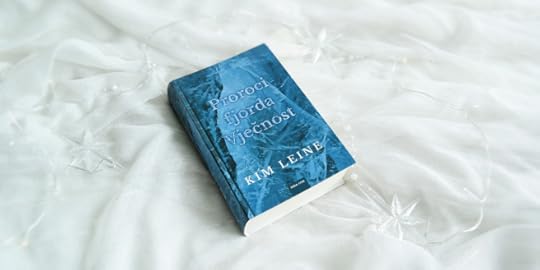
Nýlendustöðin Sykurtoppur, Vestur-Grænlandi, árið 1793.
Konu er spyrnt fram af hengiflugi svo hún hrapar til bana. Kristniboðinn Morten Falck er illa farinn á sál og líkama og efast um sjálfan sig og köllun sína. Hann vill umfram allt komast burt en óttast að verða sendur heim í hlekkjum. Grænlenskur aðstoðarprestur hans tekst á við sorg sína og reiði. Kaupmaðurinn hefur tögl og hagldir í nýlendustöðinni en undir kraumar óvild milli heimamanna og nýlenduherranna.
Inni í Botnleysufirði hafa kristnir Grænlendingar sagt sig úr lögum við Danaveldi undir forystu spámannanna Habakúks og Maríu Magdalenu. Þau hafa fundið sinn eigin sannleika og láta sig dreyma um frelsi, jafnrétti og bræðralag, þótt langt sé til byltingarborgarinnar Parísar.
Skáldsagan Spámennirnir í Botnleysufirði er lauslega byggð á sönnum atburðum í dansk-norska konungsveldinu í lok átjándu aldar. Söguefnið spannar mannlíf höfuðborgarinnar einsog það blasir við norskum guðfræðinema. Nýlendubyggðir Grænlands með sínum öfgum og endemum, sjómannslíf á langferðum, sveitir Noregs og logandi stræti brunans mikla í Kaupmannahöfn árið 1795. Kynngimögnuð frásögnin og einstakur stílgaldur Kims Leine tryggðu honum Bókmenntaverðlaun Norðurlandaráðs árið 2013.
Þessi margverðlaunaða dansk-grænlenska saga hefur komið út víða um heiminn og birtist nú íslenskum lesendum í frábærri þýðingu Jóns Halls Stefánssonar.
Kim Leine er danskur rithöfundur, fæddur 1961. Hann er hjúkrunarfræðingur að mennt og starfaði sem slíkur á Grænlandi árum saman. Fyrsta skáldsaga Leines, Kalak, kom út árið 2007. Í kjölfarið fylgdu Valdemarsdag, 2008, og Tunu, 2009. Spámennirnir í Botnleysufirði litu svo dagsins ljós árið 2012 og fyrir hana hlaut Leine m.a. Bókmenntaverðlaun Norðurlandaráðs 2013.
XVIII. Danijos kolonizuota Grenlandija. Į atšiaurią salą pagaliau pasiekęs krantą prisišvartuoja laivas, kuriame nebūtinai itin religingas pastorius Nortenas Falkas. Šis žmogus pasruošęs nuversti kalnus ir pagaliau atvesti vietinius inuitus į krikščionybės kelią, pakylėti šių “laukinių” gyvenimo būtį į aukštesnį lygį. Bent šiek tiek priartinti prie civilizacijos. Susipriešinimas tarp dviejų civilizacijų akivaizdus ir Mortenas Falkas tai mato. Dar daugiau sumaišties įveda į bendruomenę religiniu pagrindu pradėję burtis vietiniai. Jie tiki pranašės susapnuotu dievu, gyvena visi kartu, rūpinasi vieni kitais ir net stato bažnyčią. Kas iš tiesų gyvena pagal moralinį kodeksą ir kas jo laikosi tik teoriškai?
Knyga pasižymi išskirtinai krupščiai apgalvota kompozicija. Pradžios taškas tobulai susijungia su pabaiga, o ir įpinti dešimt Dievo įsakymų tiesiog puikiai atspindi autoriaus ironiją ir pagrindinę kūrinio mintį.
Romanas tipiškas skandinaviškas. Pasakojimo stilius tamsus, ramus ir paslaptingas. Skaitymas primena gilią meditaciją ir reikalauja susikaupimo. Niekas jums nebus paduota ant lėkštutės - viską iš smulkių detalių detalyčių turėsite susikonstruoti patys. Kartais prireiks pastangų net nuspėti, kuris gi čia veikėjas kalba. Bet, man asmeniškai, tai yra didžiulis intelektinis malonumas. Tai ne lėkšta, banali rožinė cukraus vata, o retas gurmaniškas malonumas.
Pagrindinis veikėjas lygiai taip pat, mano nuomone, labai skandinaviškas. Paaiškinsiu, ką turiu galvoje. Jis tikras: nenuglūdintas, žemiškas, nuodėmingas ir pasimetęs. Pats puikiai suvokia savo trūkumus ir tyliai dėl to išgyvena. Visi kiti veikėjai taip pat išskirtinai tikri. Čia nei vienas nėra tobulas ir išdailintas ir kiekvienam yra ką prikišti.
Atskirą pagiriamąjį žodį norėčiau skirti knygos dizainui, kurį sukūrė Tauras Staliulionis. Knygoje daug gamtos, visi pagrindiniai įvykiai vyksta gamtoje ir iliustracijos viską tiesiog dar kartą sujungia į išgrynintą visumą . Žemėlapis kūrinio pradžioje, kalnų motyvai kiekvienoje dalyje ir skyriaus pavadinimai pavirtę žvaigždynais. Puikus sprendimas!
“Kitos knygos” puikiai atspindi savo leidyklos pavadinimą. Knyga išpildyta nuo viršelio iki pat paskutinio jos puslapio. Kam skaityti? Išsiilgusiems kokybiško skandinaviškai niūraus, bet gilaus ir jaudinančio pasakojimo. Gero skaitymo, literatūros gurmanai!
An epic novel about an unconventional priest, set in late-eighteenth-century Denmark and Greenland. This struck me as a cross between Carsten Jensen’s We, the Drowned, another historical saga from Denmark and one of my favorite novels of all time, and Michel Faber’s The Crimson Petal and the White. Like the former, it features perilous sea voyages and ambivalent father–son relationships; like the latter, it’s edgy and sexualized, full of lechery and bodily fluids. No airbrushing the more unpleasant aspects of history here.
The entire story is told in the present tense, with no speech marks. The greatest achievement of this engrossing but grueling novel is to show that everyone – whether colonizer or colonized, priest or parishioner, king or subject – is human. It took me nearly a month and a half to read this doorstopper; by the end I felt I’d been on an odyssey as long and winding as Morten’s.
You can say Greenland is Denmark’s Africa. It’s our colonial bad conscience Kim Leine Kim Leine interview 19th Century painting by Kristoffer Kreutzmann of the 18th Century prophet Habukuk cleansing the sins of his female followers (source: http://www.tidsskriftetgronland.dk/ar...)
Winner of the prestigious Nordic Council Literature Prize in 2015, whose past winners include books by Per Petterson, Sjón, Lars Saabye Christensen, Jan Kjærstad, Dag Solstad, Per Olov Enquist, Kim Leine's The Prophets of Eternal Fjord, in Martin Aitken's translation, has been shortlisted for the 2017 Impac Prize and I read it in that context.
Set in 1782-1795, it tells the story of the, politically idealistic but not unusally religious, Norwegian Morten Falck, newly ordained as a priest in Denmark and sent, as his first posting, as a missionary to the Danish colony in Greenland and the indigenous Inuit people:
He will not waste energy on what can not be changed, but instead concentrate on what perhaps might. It is something Egede has taught him, the first rule of the missionary.
There he encounters "the prophets of eternal fjord", two Inuit converts Habakuk and Maria Magdelene (their baptisted names), he a charismatic preacher and see a visionary, who have broken away from the official Danish church and established their own community of souls.
They look in at the land and see staggered plateaus separated by rock, high above the shore. At each level are houses of stone, timber or peat. Smoke curls from their chimneys. At the highest point is a larger structure with a kind of gateway in front and a cross uppermost on the gable end. A church. Most probably there are at least as many houses as yet concealed from them as those that are visible. Bjerg estimates their number: at least threescore. The inhabitants here must be several hundred strong, the greatest concentration of Greenlanders in the country’s history.
A modern-day picture of Evighedsfjorden, the Eternal Fjord
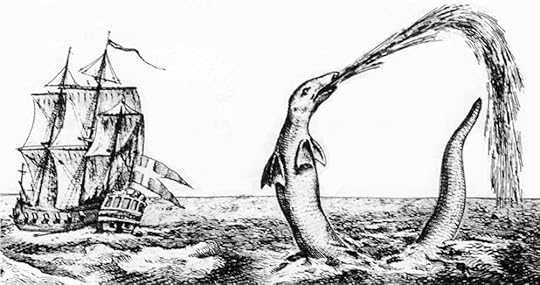
As Leine explains "this novel is a fantasy drawing on events that took place more than two hundred years ago. Events occuring in the novel did not necessarily occur in reality, or else they did so in another place at another time, in a different sequence, to different people and in different weather". In particular,the story of Habakuk movement is a real one, documented by a local missionary and in the oral local tradition (Leine has drawn on the 1980s account of the historian Mads Lidegaard for his story and his title) and Falck's predecessors in the novel as missionaries to Greenland, Hans Egede and his son Poul Egede are real historical figures, although Leine has Falck encounter the sea-serpent that Hans Egede reported en-route, an early indication of Falck's susceptibility to visitations and visions.
In 1791, in the middle of his time in Greenland, Falck writes in his journal: Greenland is the night that separated the evening when I retired to sleep cheerful and young, from the morn when I awoke a palsied old man, and Leine's account doesn't spare the reader descriptions of physical decay. Indeed Leine positively (overly) relishes immersing the reader in blood, guts, excrement, bodily fluids, sex and death: tellingly the novel centres around a vivid description of a rape and the resulting late-term abortion.
Indeed perhaps one fault of the novel is that Leine's prose was at its best in, for example, a 25-page set piece describing the Copenhagen Fire of 1795, a real historical event in which Falck is caught up but not that relevant to the story, and a little less so when discussing the story of Habukuk and Maria.
Falck's personal motto is Rosseau's Man is born free and everywhere he is in chains! and Leine - as the opening quote of my review suggests - has a political agenda here: to highlight the the Danish occupation of Greenland as having the same faults as the colonisation of Africa, and indeed in the present-day Leine (also a Norwegian-Dane living in Greenland) is an advocate of Greenlandic independence.
Overall, 3.5 stars but rounded up to 4 as, faults notwithstanding, it is one of the most striking books on the Impac shortlist.
Būna knygų, tokių gerų, tokių įvairiapusiškų ir su tokiomis rimtomis, net gurmaniškomis istorijomis, kurios tiesiog truputį ne tau, truputį ne šiandien. Ne tada, kai visas Pasaulis kenčia ir visiems skauda, ne tada, kai aplink ir taip tiek daug liūdesio ir vienatvės. Imkit šią knygą ir skaitykit, ypač visi, išsiilgę kažko ypatingesnio, sudėtingesnio, reikalaujančio pastangų ne tik iš kūrėjo, bet ir iš skaitytojo. Imkit visi, kuriems istorija neprivalo būti paprasta ir lengvai sekama, kad būtų įdomi, kuriems nereikia cukraus vatos ir blizgučių, kuriems pačios baisiausios gyvenimo pusės nekelia streso ir nerimo, o jei ir kelia, mokat su tuo susidoroti. Aš žmogus, kuris gali ramiu veidu skaityti apie baisiausias žudynes ir kartu su detektyvais narplioti kraujuočiausias bylas, bet prieš miegą užversdama „pranašus“ žinodavau - laukia dar viena naktis košmarų. Nes niekas manęs negąsdina labiau, už tokį brutalų ir kasdienišką gyvenimą, kurį Kim Leine aprašė taip talentingai, bet man paprasčiausiai per skausmingai.
Sekti pastoriaus Morteno Falko gyvenimą 18 a. Skandinavijoje - toli gražu nėra paprasta. Jame nėra prošvaisčių ir šilumos. Nėra ne tai kad laimės žiburio, nėra net laimės blyksnio. Viskas purvina, viskas smirda, visiems krenta dantys ir plaukai, veriasi žaizdos ir skauduliai, medicina - geriausiu atveju eksperimentinė, kiekvieno gyvenimas pažymėtas kančia, skurdu, pažeminimais, o net ir laimėjimai kelia nerimą, nes juos, dažniausiai tokius nykius, taip sunku priimti kaip kažką teigiamo. Bet kaip gražiai autorius suka pastoriaus gyvenimo ratą, kaip ryškiai gali matyti fjordus ir kolonijos gyventojus, kuriems misionierius Falkas atvyksta iš Danijos skleisti Dievo žodžio. Kaip aiškiai gali užuosti visų pūliuojančias žaizdas, kaip stipriai knyga užsupa pastoriui plaukiant jūra į nežinią ir šaltį, kaip visi medicininiai bandymai užgniaužia kvapą, kartais priverčiantys net inkšti kartu su aprašomaisiais. Kim Leine mėto siužeto gijas paslaptingai ir kartais net beveik sadistiškai, priverčia piktintis tuo, kaip sunku kartais irtis tarp skyrių ir veikėjų, besikeičiančių metų ir mėnesių, bet vis primena - verta, nes neįsitraukti neįmanoma.
Rekomenduoju, tačiau atsargiai. Turintiems kantrybės, turintiems stiprybės, o svarbiausia - turintiems jėgų, ypač šiuo sunkiu laikotarpiu. Neseniai skaičiau mintį, jog tai, ką sutartinai šiuo metu jaučia žmonija, yra gedulas ir skirtingi jo etapai. Nežinau, ar „Amžinybės fjordo pranašai“ - tinkamiausia knyga gedului, nebent tai jūsų būdas su juo kovoti. Bet geresniems laikams tikrai rekomenduočiau ją atsidėti ir dėl jos pasistengti. Verta.
Ši knyga gulėjo mano lentynoje nejudinama nuo rudens. Jau buvau suplanavus, kad tai bus mano pirmoji perskaityta knyga 2020 m. Nauji skaitymo metai pradėti su puikia knyga. Niūri, paslaptinga, šokiruojanti, įtraukianti. Knygoje pasakojama istorija, apimanti laikotarpį nuo 1782 iki 1815 metų. Mortenas atvyksta į Kopenhagą studijuoti teologiją, nes toks yra jo tėvo noras. Baigęs mokslus jis gauna pastoriaus vietą danų kolonizuotoje Grenlandijoje, krašte, kuris daugiau atima negu duoda. Praėjus penkeriems metams, pastorius Falkas ligotas, beveik bedantis, nemato viena akimi. Atrodo, kad jis galutinai palaužtas ir pasiekęs dugną, bet jis išsikapsto. Bravo autoriui, kuris mums parodo, kad mes visi esame tokie pat ir tai yra didžiausias šios knygos laimėjimas. Nesvarbu, ar tu esi atvykėlis ar vietinis, pastorius ar parapijietis, karalius ar ne. Visi mes esame žmonės... su savo nuodėmėmis ir atgailavimu.
Greenland is the night that separated the evening when I retired to sleep, cheerful and young, from the morn when I awoke a palsied old man
The book is set in the last two decades of the 18th Century, mainly in Denmark and its then colony Greenland. The main character of the book (told in a series of lengthy point of view chapters written from in the third person and present tense) is Morten Falck, the son of a Norwegian schoolmaster and newly ordained as a priest. After five years in Copenhagen and a love affair which he terminates, he accepts a post as a missionary to the Inuit inhabitants of Greenland, based at one of the Danish trading posts there.
At that post he forms strong links with the trader’s wife and with two locals: “the widow”, who arrives at the trading post one day with a young daughter seeking work and who becomes his housekeeper and eventually lover; his catechist (or assistant as priest) Bertel Jensen. Two other religious figures also feature heavily in the story: another priest – the Missionary Oxbow, whose bastards seem to litter the island; the Prophets of the Eternal Fjord a (historically existing) religious commune run by two Inuit converts, Habakkuk – a charismatic preacher - and Maria Magdalene – who sees visions from Jesus, considered as heretics by the official church and as potential rebels by the Danish authorities. The book contains lengthy set pieces – for example on Morten’s perilous sea journey to his new post (with a cow as his main luggage); on his walking journey across Norway back to his home at the end of his time in Greenland; of Bertel’s adventures as a harpoonist on a whaling ship when he leaves the trading post after the death of his son; of the great Fire of Copenhagen which Morten witnesses on his return to the City).
However the majority of the book examines the hardness of life on Greenland (with graphic detail of rape, a bodged abortion, bodily fluids and functions, medical procedures) and of the inequities of the Danish colonisation.
Overall an epic and hugely atmospheric novel – one I read in a single sitting which added to its impact and perhaps made the changing timelines and list of supporting characters easier to follow. My only disappointment with the book is that the two Copenhagen based sections which book end the novel and take more than 100 excellently written pages would perhaps by better in a different novel, but are covered in more detail than the Prophets themselves.
It is an interesting novel, quite singular. Whether it is a good novel, I do not know, though certainly it is thought-provoking. It is about freedom, of which we have just spoken.
Rousseau’s statement that Man is born free and everywhere he is in chains forms a repeating motif through this book:
Man is born free and everywhere he is in chains! These two main clauses continue to affect him deeply, the recognition of an and rather than a but to join them together. The two statements are in no way opposed. Man is born free. And he is in chains. He shudders with each reading.
There are times when the force of the statement comes afresh to our protagonist, Morten Falck:
And yet such an interpretation is incorrect, he realizes now. The words are a cry, a fanfare, a direction, full of optimism and joy! Man, be thou free! Cast thy chains away!
The story begins and ends in Copenhagen. Falck has been sent there by his Norwegian family to study divinity. He becomes a missionary in Greenland and the central portion of the book is an almost dream-like narrative of his years in Greenland before returning to Copenhagen. This dream-like nature is also indicated by Morten who at one point records in his journal
Journal for this fifth day of March 1791: Greenland is the night that separated the evening when I retired to sleep cheerful and young, from the morn when I awoke a palsied old man.
It is further reinforced by the structure of this middle, longest section of the book. Each chapter is named “The Nth Commandment” where N goes from First to Eleventh (yes, Eleventh) and the story follows those commandments, not in a forced, false way, but in a way that does make you think someone might be almost dreaming all of it.
In Greenland, life is hard. Physically demanding for everyone and challenging for Falck because of the way the story unfolds. As he sets out
He yearns to meet people in their natural state, free and unspoiled. Perhaps also he yearns to find some natural state within himself.
The search for freedom continues through the story. Two Greenlanders who have been converted to Christianity find the corruption of the colonial settlers too much to bear and set out to form their own settlement based on visions given to Maria Magdalena and preached by her husband Habakuk. The powers that be cannot allow that to flourish: they will turn a blind eye to corruption in their own agents but will crush any sign of rebellion from the natives. In the midst of this, Falck struggles with his faith, struggles with his relationships, struggles with his health. Generally, he struggles and yearns for freedom.
Many of the events in the book are real. In an afterword, the author says:
This novel is a fantasy, constructed around events that took place more than two hundred years ago. Event occurring in the novel did not necessarily occur in reality, or else they did so in another place at another time, in a different sequence, with different people and in different weather. The characters are my own inventions, though some really did exist.”
So, you can Google some of the people and events, if you really want to, but there is no point in trying to sort them out in alignment with the book.
This is not a book for the faint-hearted. There’s a lot of bodily fluids, far too many lice for the reader to be able to sit still all the way through, and some fairly graphic and primitive surgery. But Leine writes with a very sure touch. I found that his descriptions brought scenes to life: it was easy to imagine being in the situations he was describing (a bit too easy when it came to the lice!) and they felt very vivid. There must be some kudos for his translator here, too (Martin Aitken). Writing in The Guardian, Liz Jensen describes the novel like this: A fervid, exhilarating evocation of faith versus hypocrisy, empathy versus disclocation and desperate rebellion versus grim destiny… If you don’t mind the lice/surgery/bodily fluids, it’s an engrossing and well-told story.
Rating 3* out of 5. I'm giving it a bonus star for the interesting historical perspective and the novelty of Greenland. Otherwise I'm sorry to say I did not enjoy this much.
Morten Falck is studying theology, a study paid for by his father. That Morten would rather study medicine is of no relevance. Soon after completing his studies he receives a job in Greenland and heads off into misery. There are lots of descriptions of lice and misbehaving bowels and other all too human factors I'd rather not read about. The highlights of the book is a rape and an abortion. It takes talent and a sense of the perverse to describe such things humorously, but I could easily have lived without those particular scenes burned into my brain.
The rest of the book is mind-numbingly boring. I have no idea why it was written and what the point of it was. I could easily have figured out that 18th century Greenland was not a happy place to be, although I certainly have more details now.
Well. Now that I think about it and consider the blurb once more - I think this was supposed to be about some conflict between the state of Denmark and their colony Greenland. There was an annoying official in Greenland who made everyone's life difficult.
I really wanted to like this book. It just wasn't for me.
Nagyjából biztos vagyok benne, hogy a grönlandi országimázs-központ egy fillérrel sem támogatta e könyv elkészültét. Leine egy hihetetlenül pontos, tömör, kegyetlen nyelvet használ, amivel tökéletesen jelenít meg egy kegyetlen világot – az ember csak vakarja a fejét, miféle eszement gyarmatosító találta ki, hogy Grönlandot márpedig meg kell hódítania. Mindezt úgy teszi, hogy közben végtelenül tág teret hagy az olvasónak, hogy kialakíthassa saját értelmezéseit.
A Végtelen-fjord prófétái voltaképpen elkárhozás-történet, és ezt nem is rejti véka alá. Kezdésként megismerjük Morten Falck tiszteletest, aki a XVIII. sz. végén Norvégiából egy koppenhágai kitérővel indul el Grönlandra missziós tevékenységet végezni (ez az út gyanúsan rímel az író életeseményeivel). Miután a hajó kiköt, Leine ugrik hat évet, és szembesülnünk kell vele, hogy a tiszteletes elbukott: testi nyavalyák kínozzák, alkoholista és kimondhatatlan bűnök terhelik a lelkét. Magának a bukásnak a leírása pedig csak ezután következik. Hálás vagyok Leinének ezért a trükkért, mert így nem kell hiábavalóan reménykednem abban, hogy Falck valahogy elkerüli a tragédiát (nem úgy, mint Zola Patkányfogójánál), tudomásul veszem, hogy kudarcot vallott, és jobban összpontosíthatok magára a bukás mikéntjére. Az elképesztő könyvre pedig felteszi a koronát a felejthetetlen végkifejlet, ami alapjaiban változtatja meg a regény viszonyítási pontjait.
Mindent összevetve a Végtelen-fjord… az egyik (ha nem a) legjobb dolog, amit idén olvastam.
Es aizvēru grāmatas vāku un steidzos ar riteni vakara izbraucienā, man tik ļoti vajadzēja svaigu gaisu un ievilkt pavasari plaušās. Tas, ka grāmata ir pamatīga (un ne tikai 570lpp. biezumā), bet arī prasīs nedalītu uzmanību, lai noskaņotos, es jau nojautu, bet tas, ka tā manī ieslīdēs iekšā un izārdīs miera plauktiņus, man neienāca ne prātā. Es trīs dienu laikā dzīvoju ar grāmatu, pārdzīvoju un daudzos slāņos šķetināju globālus un personīgis jautājumus. 🌒Stāsts ir par dāņu mācītāju, kurš dodas uz kolonizēto Grenlandi. Un viss, ko viņš caur sevi piedzīvo, ir kā viņa krustaceļš pie sevis. . . 🌒Grāmata ir smaga, provocējoša, atkailinoša un grafiska. Atklājot savu mežonību caur 18.gs vēstures faktiem un autora interpetāciju. Noklausoties vēlāk @zvaigzne_abc interviju ar autoru, man daudzas lietas paspilgtināja savu nozīmību-tas, cik ļoti autors ir strādājis pie spēcīgā darba tapšanas un cik daudz viņa pagātnei un pieredzei ir bijusi svarīga loma grāmatas detaļās. . . ✨Gadus atpakaļ vēl pirms devos uz brīvprātīgo darbu Dānijā, es pabiju tur apmaiņas programmā, kur kopā ar mums dzīvoja grenlandieši. Toreiz tas likās viss eksotisks un tikai pavadot laiku spēlēs, mēs lēnām lauzām ledainās barjeras. Šogad par Grenladi mums visiem atgādināja ASV, vēloties atpirkt salu no Dānijas, ir kā tā būtu kāda lēta tirgus prece. Un, tad man radās apskaidrība, kāpēc dāņiem ir tā sociālā apziņa atbalstīt Āfrikas valstu bērnus un ziedot naudu. Tā ir sava veida kolektīvā vainas apziņa, jo tā Grenlande, ko viņi okupēja, jau tā pati Āfrika, aborigēnu Austrālija vai indiāņu Amerika ir. Grāmata visu laiku liek uzdot jautājumus par vardarbīgu civilizācijas uzspiešanu un attiecīgi citu tautu pazemināšanu, noniecināšanu. 🌕”Visi šie neapgaismotie ļaudis, viņi ir kā mazi jēriņi, kas tikai gaida ganu, kurš vedīs viņus pretim lielākai apgaismībai un brīvībai”🌕 . . Grāmata arī mani plēš pušu slāni pa slānim, es nespēju nedomāt par to, tā ir kā smags piķis, kas ielijis manī . . 🌿Nekā savādāk es nevarētu to nosaukt ,jo šī noteikti nav grāmata, ko visi pirks un spēs novērtēt. Bet ak, jel, cik spēcīga un neatkārtojama ir tā!
Három kemény, erős kifejezés egy címben. Sokat sejtet már ez így magában is.
A téma nehézségére a fülszöveg is ráerősít. Bár kétségtelen, hogy az olyan különleges terepek, mint az itt szereplő Grönland, mindenképp felkelti az olvasók figyelmét.
Valóban, mind a helyszín, mind a téma egyedi, és egyáltalán nem mondható lerágott csontnak. De ami számomra igazán tetszett a könyvben, az a szerző saját életélményeinek furfangos beemelése a tizennyolcadik századi telepes regénybe.
“He wishes to accomplish something to justify his misdeeds. And Greenland is the means he requires to find meaning in his life.” p102
The Prophets of Eternal Fjord is an incredible skilfully woven historical fictional narrative set in the dark heart of late 18th century Greenland, colony of Denmark. Kim Leine, critically acclaimed author and winner of the prestigious Nordic Council’s literature prize, crafts this story around true events, capturing the incredible tension and confusion inherent as Danish colonists sought to civilise, Christianise and socialise a society of ‘savages’ into something resembling Christian Danes.
Morton Falck is the pivotal character in the book, epitomising the Danish missionary and priesthood, sent to the colony of Sukkertoppen to convert the Greenlandic heathens. I found this fairly confronting in so many ways, reading about the white dominance over a native cultural people in a far flung and remote land, the rejection of values and the indoctrination of a foreign way of life. It didn’t take long for me to realise I could well be reading about my own sunburnt country.
“Falck is drawing up a comprehensive report on the state of the Sukkertoppen district for the Missionskollegium. It is to contain statistics of christened, unchristened and those who remain fiercely recalcitrant…” p307
The Prophets of Eternal Fjord refer to a group of Christian Greenlanders who had set themselves apart, living communally in some ways and in some appearances seemingly sect-like, much to the chagrin of the Danish Mission. Based on historical fact, the leaders of this group were Maria Magdalene and her husband Habakuk. Leine has created a fictional account of events that transpired and the efforts that Morton Falck and the Colony leaders went to to quell and destroy this community, considered pagan and sacrilegious.
“He has penned a brief account of his failed visitation to the prophets two years previously and received from the bishop a written exhortation to renew contact with the apostates and lead them back to the true faith, if necessary by the use of force”.
Leine makes skilful use of time-jumping at key junctures in the novel to set scenes, providing answers as he pieces together a fairly complex puzzle. Complex in terms of the social, political and religious underpinnings as opposed to complex plot.
Falck is an interesting and absolutely complex and human character. Leine he perfectly crafted a man who in many ways represents so many contradictory layers making him all the more real and relatable. He was a man with his own struggles, questions, confusions and doubts, yet also dogmatic in so many ways. His relationship with the prophets is one of abhorrence yet also keen interest.
For Falck, Greenland was his escape, jail, undoing and salvation all in one. His diary for the fifth March 1791: “Greenland is the night that separated the evening when I retired to sleep cheerful and young, from the morn when I awoke a palsied old man”.
This epic novel is astounding in its detail and many layers. It was a perfect follow up for me after reading Leine’s The Colony of Good Hope last year. The amount of additional reading I have done on thick topic is testament to Leine’s excellent depiction of historical events in fictional narrative. 5 stars.
Epinis pasakojimas itin realistiškai atvaizduoja 18 a. Grenlandijos kolonizaciją. Jau nuo pirmų puslapių užmenama detektyvinė mįslė, su nekantrumu pasinėriau į atšiaurią, tamsią, itin natūralistinę Kim Leine knygos istoriją. To meto buities aprašymai verčia ne vieną kartą pasišlykštėti ir pasipiktinti, nes man visada atrodė, kad per didelis kiekis įvairių kūno skysčių prie kūrinio kokybės neprisideda. Tačiau pats siužetas man labai patiko ir buvo įdomu. Kartu su pastoriumi Mortenu Falku keliaujame ne tik per Grenlandijos istoriją, bet ir jo vidinį pasaulį. Jis nėra gailesčio vertas personažas, nepasižymi didele morale, pilnas ydų. Bet toks jau tas, žmogiškasis pasaulis. Be to, kitų šalių kolonizavimas nėra teigiama ir maloni tema. Skandinaviškos literatūros gerbėjai neturėtų apeit šios knygos. Man nebuvo šedevras, bet prie geriausių priskirsiu.
Denne bog er som er god rødvin. Den skal nydes og gerne i små mundfulde, så sanserne bliver stimuleret. Der findes så meget fylde på hver side, at du bliver beruset med det samme. Vi følger præsten Morten Falck i slutningen af det 18. århundrede i hans vandring fra Norge til Danmark, hvor han tager hans magistergrad og videre til Grønland. Lidt af et mesterværk, der er både råt og brutalt og konstant pirrer læseren og tvinger denne til at fortsætte. Bogen er skrevet i et flydende og fængslende sprog, som hele tiden drager læseren. Detaljerne er imponerende og godt beskrevet og bringer læseren helt tæt på begivenhedernes gang.
Täyteläinen ja vaikuttava romaani 1700-luvun lopun Tanskasta ja Grönlannista. Tämä tarinaa tulee aidosti liki: päänahkaa kutittaa luteista, ihon likakerros kasvaa, juoppohulluus hyökkää päälle, ruoskanjäljet tuntuvat selässä. Tyyliltään toteava, mukaansatempaava, taidolla rakennettu. Täysosuma.
Rūsti knyga apie nelengvą gyvenimą aštuoniolikto amžiaus Grenlandijoje, kur susiduria dvi tautos, dvi pasaulėžiūros ir nuolat tenka išgyventi savo pasirinkimų pasekmes. Nedaili, kai kada apie žemiausius žmogaus instinktus primenanti knyga, kurioje gyvenimo būdas dera su jo aprašymu, kur kalba puikiai perteikiama ne tik aplinka, bet ir žmogaus charakteris.
Il fiordo dell'eternità è un romanzo ambientato tra la Danimarca e la Groenlandia nella seconda metà del Settecento. Il protagonista è Morten Falck, un ragazzo norvegese che, obbligato dal padre, va a studiare teologia a Copenhagen. Morten è uno spirito libero ed è ossessionato dalla massima di Rousseau “l’uomo è nato libero ed è in catene”, a cui vorrebbe ispirarsi.
Poco dopo il suo arrivo a Copenaghen, città brulicante di topi e prostitute, si perde nel sesso sperimentato in tutte le sue forme (proprio tutte, sigh…) fino a quando, divenuto Magister, ossia pastore, una improvvisa aspirazione religiosa lo spinge a richiedere di essere inviato come missionario nella colonia danese in Groenlandia.
“Una vita breve è un prezzo ragionevole per un’azione importante. Che cosa si potrebbe dire di lui se morisse adesso? Non ha fatto nulla che possa compensare il male che ha compiuto. Vuole realizzare qualcosa che possa giustificare le sue azioni"
Là in Groenlandia vede un futuro migliore, vede la possibilità di aiutare le persone, vede sé stesso realizzato, vede la possibilità di applicare tutto quello che ha imparato. Purtroppo le cose non vanno proprio nel modo sperato e i sogni di Morten vengono presto ridimensionati. Il viaggio per arrivare è fatto in condizioni quasi disumane, le condizioni di vita in Groenlandia sono terribili.
“I selvaggi sono in fondo brava gente” racconta il comandante mentre sono a tavola. “Di gran lunga migliori di molti bianchi, ve lo posso garantire. Ma hanno abitudini ripugnanti e oscene. Si lavano nella loro stessa urina e mangiano carne putrefatta”.
Morten parte per il cosiddetto fiordo dell'eternità per evangelizzare gli inuit, il popolo della Groenlandia, ma i suoi deboli ideali religiosi (chissà se ne ha mai avuti?) servono poco in quell’ambiente primordiale. E invece di redimere le anime, lentamente perde se stesso, corrotto sia dalla natura dei nativi che dai difetti spregevoli dei colonizzatori. Nel fiordo dell’eternità l’isolamento è pesantissimo da sopportare. Lì Morten sperimenta gli istinti più bassi dell’uomo, la degradazione fisica e mentale, la follia. Il peccato lo travolge: e gli fa trasgredire uno dopo l’altro tutti i comandamenti di Dio.
Neppure il ritorno nel mondo civilizzato servirà a placarlo; ciò che si è lasciato, non sempre si ritrova.
Il libro è scritto benissimo, con un linguaggio diretto, anche se qua e là ci sono salti temporali che possono disorientare. L’atmosfera generale è però cupa, forse perché non può essere diversamente. In quell’epoca, in quelle zone, il valore della vita era veramente basso, la vita era molto difficile, l’ignoranza sovrana. L’autore descrive con un realismo incredibile e sconcertante ogni cosa che avviene, anche le cose più intime e sconvenienti: la sessualità, la prostituzione, la sporcizia, le malattie, i divieti, i dettagli dei viaggi in nave, il cibo fradicio e salato, gli escrementi, l'omosessualità, le carestie, l’alcolismo, il vomito, gli stupri (dettagliatissimi), gli amori, la denutrizione, lo scorbuto. La ricerca fatta dallo scrittore per documentare le condizioni di vita dell’epoca è accuratissima, tanto che sembra di vivere in prima persona quelle situazioni, di sentirne gli odori, i rumori, di avvertirne i disagi, di subirne la brutalità.
Ho faticato un po’ a capire Morten Falk, con le sue scelte poco chiare, le sue contraddizioni, la sua psicologia contorta, la sua mancanza di carattere, il non sapere esattamente ciò che vuole. E infatti quest’uomo che agognava la libertà, che desiderava tutto, nonostante i suoi sforzi alla fine non riesce ad ottenere nulla. “L’uomo è nato libero ed è in catene”…. Alla fine sono gli istinti primari a vincere sulla ragione, a Morten non resta che restare in balia degli eventi non riuscendo a liberarsi spezzando le sue catene.
Un romanzone, questo di Leine. Un libro duro, che parla spesso di cose spiacevoli. Un libro noiosetto, in certe parti, ma molto interessante in altre. Ma Morten, durante il suo lungo peregrinare, mette in discussione i valori della morale e ci obbliga a meditare e pensare all'attualità di questi valori. Al termine, direi, il bilancio è positivo. Sempre interessanti, questi nordici….
“Čini se da u ovoj divljini najbolje prolaze najteži grešnici.”
U ovom romanu nema puno ljepote (izuzev prirodne) ni iskupljujućih poteza likova. Zapravo knjigom dominira naturalizam, prikazujući likove u najintimnijim i najvulgarnijim trenucima. Ne bih knjigu preporučila onima koji su osjetljivi na gadljive opise ljudskih tijela, tjelesnih funkcija ili neugodnih situacija. Roman ne vrvi ni inspirirajućim citatima (iako ih se nađe!), pa ipak, nije dosadan ni sekunde. Lako se i brzo čita, iako sam od prve stranice bila donekle u šoku od pročitanog.
Komentirajući ovu knjigu s blogerskim kolegicama Tamarom i Zlatkom (Citam Gledam Slusam i Life&Socks), često se koristio termin “iritantni likovi”. Meni, moram priznati, likovi nisu bili iritantni ni sekunde. Dapače, prema kraju knjige sve sam više marila za njih, unatoč karakternoj manjkavosti. Njihovi postupci bili su mi u potpunosti jasni, iako sama možda ne bih postupila tako. Ovo je, prije svega, odlika kvalitetnog pisanja.
Knjigu sam doživjela kroz dvije centralne teme. Prva tema doticala bi se pitanja istinske slobode, osobito u kombinaciji s ljudskim nagonom te izolacijom, a druga tema obrađivala bi umjetno zamišljenu razliku između dobrog i lošeg čovjeka. Što čovjeka čini dobrim ili lošim? Gdje potežemo tu granicu? Jesmo li uopće kompetentni za takvu odluku?
“Često govori o svojoj kravi. Ona je jedino pošteno stvorenje u cijeloj ovoj koloniji.”
Svi naši likovi, a osobito Morten, žele biti dobri ljudi. Božji ljudi, ali i svoji ljudi. I svi oni češće podbace nego što uspiju. Manjak kontrole nad samim sobom je očigledan. Domoroci su, manje više, prepušteni svojim nagonima. Jesu i Danci, ali zbog povezanosti s kršćanskom vjerom manje su si to spremni priznati. Grenland 18. stoljeća im pritom nimalo ne pomaže. On je predivan, veličanstven i nemilosrdan.
Kroz priču, ali i pogovor autora saznajemo kakvi su uvjeti vladali na Grenlandu u tom povijesnom periodu. Samo glad je među domorocima bila sposobna ubiti 9 od 10 stanovnika kroz jednu zimu. Zamislite! 9 od 10! Bolesti su harale, djeca nisu preživljavala čak i kad gladi nije bilo, a dugi periodi hladnoće i mraka ostavljali su svoj danak. To je vrijeme kada si bio relativno siguran jedino unutar zajednice, koliko god okrutna ona bila.
Morten do kraja knjige ponire u najdublja gnojišta svoje duše, a sebe sagledava sve jasnije u svom ponoru. Ružnoća tog duševnog pada eksplicitno je opisana. No, Morten, kao i svi ostali likovi, beskrajno su ljudski u svojim padovima i nesavršenostima. Umjesto iritacije doživjela sam razumijevanje i empatiju. Jer doista, kakvi smo MI kada nas nitko ne gleda? Kako bismo se mi ponašali pod takvim uvjetima? Na takvom mjestu? Kao djeca tog vremena?
“Nisi loš čovjek, Mortene Falck. I oholo je od tebe što misliš da se ističeš i da si lošiji od nas ostalih.”
“Proroci fjorda Vječnost” oda je jednome mjestu. Grenland je izuzetna lokacija koja ne mari previše za najslabije među nama. Ova knjiga oda je i ljudskoj prirodi – tom nesavršenom, ali izdržljivom ljudskom duhu.
Grenland Mortena stavlja na kušnju, ali mu i omogućava da samoga sebe jasnije sagleda, bez trunke samoobmane ili idealizma. Kontinent mu to nikada neće omogućiti. Ako mu se otvori, Grenland ga pročišćava, i tek tada može zbaciti (ili prihvatiti) sve svoje okove te postati istinski slobodan.
Atidėliojau skaityti šitą knygą. Visų pirma dėl apimties – pripažinsiu, kai skaityti laiko lieka tik vėlai nakį, norisi trumpesnių, lengvesnių romanų, kad neužtruktum pusę metų prie vienos. Baugino ir tema – XVIII amžius, Grenlandija, kunigas misionierius. Iš dalies klydau, iš dalies ir ne.
Romane pasakojama apie jauną, cinišką kunigą Morteną Falką, kuris Kopenhagoje besimokydamas kunigystės kur kas labiau domėjosi medicina, o po to viską metęs iškeliavo į ilgą ir pavojingą kelionę jūra – būti misionieriumi Grenlandijoje. Pirmoji dalis apie Daniją ir jo studentišką gyvenimą mane pribloškė (gerąja prasme): tiršta, sunkia, klampia kalba aprašomas to meto miesto gyvenimas, švelniai tariant, be jokių pagražinimų. Labai daug purvo, syvų, smarvės. Ir intelektualus pagrindinis veikėjas, kuriam jau nuo pat romano pradžios kyla esminis (jo gvenimui ir šiai knygai) klausimas – kas yra laisvė?
Vis atsikartoja Ruso mintis „Žmogus gimsta laisvas ir visur jis sukaustytas grandinėmis." Morteno pasirinkimai (nuo seksualinių eksperimentų iki pačių keisčiausių žingsnių asmeniniame ir karjeros gyvenime) dažnai siutina, tačiau supranti, kad viskas atsiremia į vieną ir tą patį klausimą: ar mūsų gyvenimo pasirinkimus suponuoja laisvė, ar priešingai, esame nuo pat gimimo sukaustyti savo lemties, dievo, luomo.
Įspūdinga ir Morteno kelionė laivu – užsupo mane vėl romano kalba. Skaičiau, kad laivo dalį vertėja vertė ilgiausiai, nes neįmanoma suprast tų visų terminų. Išvertė puikiai, skaitai ir biškį jūros liga puola. Na ir galų gale ta dalis, kurią galbūt reikėtų vadinti pagrindine – Morteno gyvenimas Grenlandijoje, kuris man visą laiką skaitant labiau priminė ne gyvenimą, o amžiną svyravimą tarp žemės ir pragaro, tremtį. Kažkuriuo momentu kilo mintis, kad romane „Zuleicha atmerkia akis“ tremtiniai daaaug geriau gyveno, negu Falkas Grenlandijoje. O ta centrinė romano dalis apie tai, kaip Falkas susiduria su vietine sekta, kuri turi „geresnę idėją“ kaip reikia tikėti, ir kaip kunigas draskosi tarp krikščionybės ir naujojo, jį masinančio vietinės bendruomenės tikėjimo, man skaitėsi nuobodžiausiai ir galų gale tiesiog pavargau nuo viso to „kultūrų susidūrimo“. Bet čia visiškai subjektyvu, man tiesiog labai nebeįdomu kai imama nagrinėti tikėjimo klausimus, nes man jie absoliučiai neaktualūs. Dėl to grynai asmeniniu vertinimu numušu vieną žvaigždę.
Bet šiaip – įspūdingas romanas tiems, kam patinka juoda, purvina, niūri skandinavų literatūra.
O carte care deși are multe pagini și scris mic, când te-a prins, n-o mai lași din mână până la final. O atmosferă cum am întâlnit și în "Vulpea albastră" a lui Sjón, dar mult mai în profunzime aici. O carte care întoarce natura umană pe toate părțile până ajunge de nesuportat. Avem religie, misticism, desfrâu, violență, alcoolism, moarte, cinism, mizerie, abuz, umilință, degradare,... totul desfășurându-se între tărâmurile înghețate din Danemarca, Norvegia și Groenlanda.
Suntem în 1782. Morten Pedersen, care își ia și numele Falck, este un tânăr dintr-un sat norvegian, trimis de tatăl său să facă teologia tocmai în Copenhaga, deși acesta n-are nicio înclinație în această direcție. Morten este curios din fire și ajuns într-un oraș așa mare, se bagă în tot felul de situații dubioase și la limită, oscilând între plăcere și responsabilitate, între păcat și convingeri religioase, între misticism și rațiune. Toată viața se va lupta pe fronturi gri, între negru și alb.
Ajunge trimis ca preot misionar în ținuturile îndepărtate și periculoase ale Groenlandei, unde trăiau oameni sălbatici și păgâni. Încearcă să o ia de la zero, să facă ce trebuie, dar eșuează și se adâncește și mai adânc în păcat și mai apoi o dă în fanatism religios. Este obsedat de un citat de-al lui Rousseau ("Omul s-a născut liber și pretutindeni e în lanțuri.") și asta va fi lupta lui, pe viață și pe moarte câteodată - întâi încearcă să scape din "lanțuri", apoi se complace așa, apoi le vede ca menirea lui în viață. Da, știu că sună ciudat, dar fix așa e și cartea.
Dacă ar fi să rezum romanul într-o frază, ar fi: "The way to hell is paved with good intentions..." Și se potrivește și vorba aia binecunoscută care spune să faci ce zice popa, nu ce face popa. Mie mi-a plăcut romanul, dar trebuie să precizez că nu e o carte pentru cei sensibili, sau deosebit de religioși, căci sigur nu vor fi prea încântați de unele detalii.
С обзиром да је данска књижевна сцена код нас прилично слабо заступљена, сваки овакав превод је мали подвиг. Још када је се у књизи говори о Гренланду из 18. века, тим више. Кроз роман пратимо животни пут младог студента теологије, потом свештеника, Мортена Фалка, који након младалачких заноса одлази да буде мисионар у гренландским забитима. Наравно, чим крочи тамо схвата да то неће бити нимало пријатан нити лак задатак. Осим свеопште беде и лоших животних и климатских услова, рад свештенику и „просвећивање“ отежава и локално становништво, како домороци, тако и Данци који су се ту затекли из најразличитијих разлога. Колоније на далеком северу су свет за себе, имају своја правила и не може их један појединац за кратко време изменити. Књига је прилично штреберски написана – први део је својеврсни coming of age, затим је ту мало описа, мало дијалога, нелинеарни ток радње, понеки неочекивани обрт... Све је занатски добро урађено и пријемчиво и за ширу публику. Ипак, уживао сам у читању.
П. С. Након прочитане књиге ми се неописиво иде на Гренланд.
Labai įdomu skaityti tokį vaizdingą romaną apie 18 a. pabaigos Grenlandiją, jau įsivažiavus kolonizacijai. Romane Grenlandija (visų pirma – grenlandai inuitai, taip pat kraštas ir danai kolonistai) įsivaizduojama daugmaž taip, kaip galėtų atrodyti to meto kitoniškumui atviro dano akimis.
Romanas dinamiškas, gausus įvykių, kurie formuoja visų pirma protagonisto dano misionieriaus gyvenimo kelio reljefą – protagonisto linija puiki. Gausu ir kitų veikėjų, jų santykiai sudaro gal ne iki galo išsamų, bet gana platų to meto danų visuomenės ir Grenlandijos kolonijų bendruomenės paveikslą. Vienas iš veikėjų – Kopenhaga per 1795 m. gaisrą, o miestas-veikėjas yra gana retas reiškinys.
Daug įspūdingų atskirų epizodų – Kopenhagos naktinis gyvenimas, gaisras, kelionė laivu, banginių medžioklė ir t. t.
Daug kūniškos kančios ir pasibjaurėjimo, bet psichologinis romano tonas veikiau optimistinis.
Niūri knyga ir todėl jos skaitymas slėgė. Netgi atrodo, kad negraži ta Grenlandija, nors tikiu, kad bent jau tuo metu turėjo būti graži. Tiesiog lėtas tempas, skirtingos kultūros ir labai daug prievartos - tiek prieš kitus, tiek prieš save patį. Okupacijos niekas nebūna šviesios ir šis įspūdis išliko stipriausiai.
Fascinantna povijesna fikcija koja se događa na Grenlandu,danskoj koloniji,krajem osamnaestog stoljeća. Morten Falck,mladi svećenik,ne odbija priliku koja mu se pruža,misionarski posao,pokrštavanje poganih i divljaka na dalekom Grenlandu. Ispočetka zanesen novim životom,tvrdoglavošću i pravednošću,Morten proživljava katarzu na najokrutniji način ,svjedočeći primitivnisti,razuzdanosti i gnjevom prirode (gdje opstaju samo najjači). Dotaknuvši samo dno života,svu jad duše,opravdanost sirovosti ponašanja domaćina,on zavoli tu zajednicu iskonskom ljubavi i razumijevanjem. Svećenik koji je grešnik,proturiječan svojim propovijedima,ljubavnik,lopov i ubojica...jedan od njih. Da je jedan od njih shvaća puno kasnije,dok napušta Grenland koji ga je u duhovnom i fizičkom smislu potpuno izmrcvario. Uživala sam u svakoj stranici ove divne priče,remek djela o izdržljivosti duha i tijela,u potrazi za smislom i slobodom. Vrlo velika petica!