Les hommes oublis de Dieu, ce sont les pauvres des bas-fonds du Caire : mendiants l'humour aussi grand que leur dtresse ou artisans courbs sous le joug de la fatalit. Leur seul bien La misre , reue en hritage. Leurs armes face cette existence pre, apathique et absurde Le sommeil, l'opium, l'amour ou l'ironie. Et si leur salut passait par la rvolte
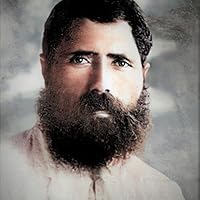
Albert Cossery (November 3, 1913 – June 22, 2008) was an Egyptian-born French writer of Greek Orthodox Syrian and Lebanese descent, born in Cairo.
Son of small property owners in Cairo, at the age of 17, inspired by reading Honoré de Balzac, Albert Cossery ( Arabic: البرت قصيري) emigrated to Paris. He came there to continue his studies which he never did devote himself to, writing and settled permanently in the French capital in 1945, where he lived until his death in 2008.
In 60 years he only wrote eight novels, in accordance with his philosophy of life in which "laziness" is not a vice but a form of contemplation and meditation. In his own words: "So much beauty in the world, so few eyes to see it." At the age of 27 he published his first book, Les hommes oubliés de Dieu ("Men God Forgot"). During his literary career he became close friend of other writers and artists such as Lawrence Durrell, Albert Camus, Jean Genet and Giacometti.
Cossery died on June 22, 2008, aged 94. His books, which always take place in Egypt or other Arab countries, portray the contrast between poverty and wealth, the powerful and the powerless, in a witty although dramatic way. His writing mocks vanity and the narrowness of materialism and his principal characters are mainly vangrants, thieves or dandies that subvert the order of an unfair society.
Se é Cossery, logo gosto. Mesmo que o tema seja sempre o mesmo - a pobreza e a preguiça; e o estilo não varie - falar do que é triste, fazendo rir. Mas todos os dias faço coisas de que nunca me canso. Uma delas é preguiçar um pouco, outra é rir muito...
1. The Postman gets his own back 2. The Girl and the Hashish-Smoker 3. The Barber has killed his Wife 4. The Danger of Fantasy 5. The Hungry only dream of Bread
There is no story to any of these five short-stories, none have an ending, they are oblique. Each one is like an extract, a day out of a continuum in their relentless poor lives of despair. These stories are miserable and have a simplicity that draws you in. Although each story is individual, they collectively combine as a greater whole. The characters are illiterate, their street is their world. They don't understand how the world works. Events or news of a neighbour are magnified huge and significant. Some terrible act they don't understand becomes driven by mystical malevolent forces. There is an underlying theme of their fear of authority. Albert Cossery likes the word 'lugubrious', or the translator does. This makes me wonder how well these stories translate from the original.
The third story, The Barber has killed his Wife - The one thing that didn't ring true for me was, to emphasise their poverty, despair and suffering, the Tinker's small son is fully aware of 'the injustice in the world, that he is alone in an unknown world of distress'. His father tells him that God has forgotten them.
The fourth story, The Danger of Fantasy - about a school of beggars, explores an interesting point. In a conversation between Abou Chawali, professor of Mendicancy, and the man of letters Tewif Gad, they discuss whether begging should be a sincere reality of their suffering of an act similar to acrobats to induce sympathy. "It is a reality, not a fantasy - Mendicancy will not stand modifications".
بسقف توقعات مرتفع للغاية ، بدأت قراءة هذه المجموعة القصصية لما سمعته عن ألبير قصيري فهو الأديب المصري المهاجر الي لم ينل حظه من الاهتمام و الشهرة قدّرته باقي البلاد ، إلا بلده الأم عاش و مات و لم يسمع عنه الكثير
بعد القصة الأولى ترددت في إكمال هذه المجموعة القصصية لم تبهرني ولم تكن ممتعة حتى ولكني أكملت
بعد القصة الثانية ، عقدت العزم على ألّا أكملها نمت واستيقظت في اليوم التالي ، تذكرتها ، قلت لنفسي سأنهيها مهما حدث بدأت القصة الثالثة ، لم أكملها حتى ، و أخذت قرار نهائي بالتوقف عند هذا الحد
هناك شئ ما يصيبك بالضجر والرغبة في أن تقول كفى ، تحيرت في تحديده القصص يسودها جو غرائبي يمزج بين الواقعية والسوداوية ، والهذيان الذي لا معنى له ترجمة لطفى السيد مربكة و غير سلسة جعلتنى أتوقف كثيراً امام بعض السطور لأعيد قرائتها
لم تعجبني للأسف
تقريباً العبد لله أول من سيقيم هذه المجموعة القصصية بنجمتين و النجمة الثانية لأني لم أقرأ ما تبقى من قصص، فلعلها جميلة و لكني لم أكلف نفسي عناء الوصول لها
قرات هذه الرواية بلغتها الانكليزية في سياق قراءة كل كتب ألبير قصيري بترتيب نشرها وبحسب توفرها. كنت قد بدات مع "العنف والسخرية"(ذي جوكرز)، أيضًا باللغة الأجنبية.
هذه الرواية تحتوي فصولًا بعناوين. الفصول منفصلة من ناحية الاحداث. لا شيء يجمعها إلا المكان والزمان. لكن الشخصيات ترسم لنا صورة غير مؤلوفة عن ذاك الزمان وعن القاهرة في ذلك الوقت . نحن أمام الصورة المعكوسة لمصر ما قبل الثورة من دون أن يأتي ذلك بروباجانديًا في ذكم مرحلة سابقة إذ إن الرواية نشرت في عام 1940.
شخصيات البير شخصيات قاسية وبائسة. قاسية في بؤسها وبائسة في قسوتها. حتى هذه الشخصيات التي تدعي (أو يرمي عليها الكاتب) تفوقًا فلسفيًا ما على شخصيات اخرى بحكم الفقر أو التعليم تنتهي إلى كونها موسومة بالبؤس نفسه. المكان حاضر بقوة. البير يفرد مساحات واسعة لتغير المكان. يصف المدينة الزاحفة. يذم الحضارة. يسخر منها. ذم الأضواء يتكرر في فصول الكتاب. هناك الشحاذون والعاشق الأفلاطوني، وعاشق الجنس ومدعي الفلسفة وساعي البريد ومدخن الحشيش والأطفال العراة الذين يشخون في الطريق العام في أكثر من مشهد والممثل الذي ينكشف أمام نفسه والمرأة ذات الوجه الدميم التي تعزي نفسها برواية القصص، ومدعي الفلسفة الذي لا يتبول إلا في حمام عمومي مجهز.
يقفل الكتاب على شارع حزين. يكتشف حزنه الممثل . يكتشف ذلك وهو يحتضن جسم حبيبته الساخن من الحمى. وهي تقول له إنها إذا ماتت سيجدها في التفاصيل (أي كل ما مر في الكتاب). يخرج من الغرفة إلى الشارع. يكتشف حزنه. يكتشف الحزن المرمي على كل المارة والأشياء. وهو باكتشافه الحزن يكتشف نفسه ويعزم على التغير. لكنّ كل ذلك معرض لأن يبقى أسير اللحظة وإن أغلق الكتاب على هذا المشهد. فالمستقبل بحسب الفصل ما قبل الأخير هو ذاك الحمام العمومي المجهز في آخر الشارع الذي يبعد مسافة ليست بقليلة عن بيت مدعي الفلسفة. هذا قول السيد جاد الذي يترك مرافقه، ويهرع إلى الحمام ليقضي حاجته وهو يقول: الآن، هذا هو المستقبل.
(محبي الأحداث المتعاقبة والروايات المضبوطة والمسارات التي تتقاطع أو تجتمع في النهاية، تجنبوا هذه الرواية، فكل ذلك ليس موجودًا فيها. إنها رواية مكان وزمن.)
Bir yonca demeti ile babasının yanına gelen çocuk, der ki:
" Bayramlık koyun, baba. Ben yoncayı hallettim. Şimdi koyunu satın alman kaldı bir."
" Oğlum bayram bize değil, biz yoksuluz." der babası.
" Peki neden yoksuluz?" diye sorar çocuk.
Sorunun cevabını bilmemektedir baba. Çocuk üsteleyince der ki: ".. yoksul olmamız, Tanrının bizi unutmasındandır oğlum."
"Peki Tanrı bizi ne zaman hatırlayacak baba?"
" Oğlum, eğer Tanrı birini unutursa, bu daima böyle sürer."
" Ben yine de yoncayı saklayacağım." der çocuk.
Tanrı'nın Unuttuğu İnsanlar , Albert Cossery'nin 27 yaşında iken kaleme aldığı ilk eseri. 5 öyküden oluşuyor: Postacının İntikamı, Genç Kız ve Esrar, Berber Karısını Öldürdü, Hayal Kurmanın Tehlikesi, Açlar Yalnız Ekmek Düşler.
Öyküler birbirinden bağımsız olmakla birlikte, hepsi aynı tona ve derde sahip. Hepsi Kahire'nin pis ve yoksul mahallelerinden birinde sahne alıyor ve kahramanları sefalet, umutsuzluk ve acımasız bir gerçeklik içinde yaşayan insanlar: dilenciler, fahişeler, esrarkeşler, aç ve bitkin çocuklar.
Tüm bu kasvet ve sefalet içinde, bir yandan da otoritenin baskısı altında ezilen halinden memnuniyetsiz ama uyuşuk, kabullenmiş insanlar. Umulan, hayal edilen uzak ve başarısız isyanlar.
Üzerinde durmayı gerekli görmediğim bazı olumsuz eleştirilerim olmakla birlikte, kitap üslubuyla, sert gerçekçiliğiyle, Mısıra özgü sosyolojik motifleriyle kesinlikle muhteşem bir ilk kitap ve "Ben gelmekte olan büyük ve yetenekli bir yazara aidim" diye bağırıyor. (yazarın diğer kitaplarını okumadan bu yorumu yapıyorum.)
Kitabın yüzlerce kopyasını satın alıp satarak ABD'de tanıtmaya çalışan Henry Miller şöyle demiş:
"Gorki ve Dostoyevski'nin bile ulaşamadığı bir umutsuzluk, aşağılanma ve kabullenme derinliği.."[1]
Cossery'nin diğer kitaplarını da okuyacağım, kesinlikle.
" من سينقذ للطفل ؟؟ الطفل سوف ينقذ نفسه، لن يقبل الطفل هذا الميراث الثقيل من فقرنا .." "العالم لا يحتاج لأمور عظيمة .. البشر جوعى يا ريا ..فالجياع لا يحلمون الا بالعيش..كل شئ آخر حماقة " " كان يود ان يخبرها عن النوم .. ان تحترم النعاس.."
Δυο βιβλία του Αλμπέρ Κοσερί ανήκουν στην βιβλιοθήκη μου, αυτό που μόλις τελείωσα, καθώς και το "Ζητιάνοι και περήφανοι", που είναι από τα πιο γνωστά του. Και τα δυο τα αγόρασα φέτος, το πρώτο με ένα ευρώ από κάποιο παλαιοβιβλιοπωλείο, το δεύτερο από το παζάρι βιβλίου με πέντε ευρώ. Είπα να έρθω για πρώτη φορά σε επαφή με το έργο του συγγραφέα, διαβάζοντας την μικρή αυτή συλλογή, που αποτελείται από πέντε διηγήματα.
Ο Κοσερί είναι Αιγύπτιος, οπότε οι ιστορίες του διαδραματίζονται στην Αίγυπτο. Περιορίζεται στο να περιγράφει τον φτωχόκοσμο, τους περιθωριακούς, τους ανθρώπους που δεν έχουν κανένα μέλλον της προκοπής, αλλά ούτε καν παρόν. Άνεργοι ηθοποιοί, αγράμματοι εργάτες, ζητιάνοι και τοξικομανείς, είναι πρόσωπα που συναντάμε στις πέντε ιστορίες του βιβλίου. Ο τίτλος, δηλαδή, τα λέει όλα. Πρόκειται για ανθρώπους που ο Θεός τους έχει γράψει εκεί που δεν πιάνει μελάνι. Ο συγγραφέας τα λέει έξω από τα δόντια, δεν ωραιοποιεί καταστάσεις, δεν κρύβει κάτω από το χαλί τις ασχήμιες και τις βρομιές. Και δεν φοβάται τις κακές λέξεις, εφόσον μιλάμε για ανθρώπους του περιθωρίου, θα έχουν και το ανάλογο λεξιλόγιο.
Οι ιστορίες γενικά μου άρεσαν, άλλες λιγότερο άλλες περισσότερο, είχαν κάτι να πουν, κάτι να προσφέρουν. Γνώρισα έναν άλλο κόσμο, άσχημο και δύσκολο, αλλά με μια άγρια "ομορφιά" και ρεαλιστικά δοσμένη. Αλίμονο, έτσι ήταν τα πράγματα τώρα, ακόμα και σήμερα έτσι συνεχίζουν να είναι σε πολλές χώρες του κόσμου. Γενικά έμεινα ικανοποιημένος από την πρώτη μου επαφή με τον Κοσερί, τόσο από την γραφή όσο και από τις ιδέες και τα μηνύματα των ιστοριών του, φαίνεται ότι πρόκειται για έναν ιδιαίτερο και ενδιαφέροντα συγγραφέα.
Overrompelend debuut van de 'luiaard van de lichtstad', dandy-excentriekeling en Henry Miller-lieveling Albert Cossery. Vijf schitterende verhalen waarin alle orgelpunten van het cosseriaanse universum aan bod komen: maatschappelijke ongebondenheid, recalcitrante spot, zwart-bijtende humor, absurdisme en mededogen. Een ode aan de slaap, de luiheid, de lijfelijke liefde en de verdovende, heilzame hasjiesjwalmen.
Albert Cossery had lived his books: no unnecessary activity. His most prominent protagonists show laziness as a virtue. In the five stories of ‘De mensen die God vergat’ (Men God forgot) also show other themes and motives from the ‘cosserian universe’: bureaucracy, poverty, sarcasm. Cossery is a good storyteller. JM
One of my favorite writers, his style and choices for detail are very unique. He's very crude when it comes to humanity, but it's warranted-- we are a crude species that like to dress ourselves up.
مجموعة قصصية لم أكن لأقرأها سوى أني انبهرت بعنوانها الجميل والجريء فجعلتني أقرأ عن الكاتب وسيرته ورحلاته ما بين مصر وباريس وبدأت المجموعة فكنت بالكاد أستطيع إكمال الصفحة تلو الأخرى متأففًا من الرداءة سواء من ناحية اللغة أو القصص أو حتى الحوارات السمجة السخيفة المفتعلة والفلسفة السطحية الكئيبة حتى من المكوجي والعاهرة أسماء الشخصيات لا توحي قطعًا بأسماء الحارة لا الحارة المصرية ولا الباريسية، أسلوب الكتابة كأن شخصًا من ضواحي برلين يتحدث باللهجة الصعيدية المصرية، افتعال مبالغ فيه في كل شيء تقريبًا سيئة للغاية ولا أظنني وصلت بأي حال من الأحوال للروح المصرية الشعبية التي حاول قصيري إيصالها لنا هاهنا
جميله حسيت ويكأني في زقه من زقاق نجيب، ولكن ليست بنفس العمق ولا اللغة. —— "لا نريد التنكر في هيئة البهلوانات حتى نحصل على حق الحياة. مايمنحنا إياه الناس، يجب ان نحصل عليه بوسائل لائقة وواقعية. أتريد أن تجعلهم يعتقدون اننا سعداء؟ يجب أن يظهر أولادنا كما هم في الواقع، متسخين وملوثين ويتسكعون في الشوارع ككائنات حية لوامة. يجب أن يخافنا الناس ويشعروا من حولهم بتصاعد الرائحة المثيرة للغثيان نتيجة فقرنا الهائل"
جرعه نكد وعبثيه وسوداويه مركزه خسرت النجمه الثالثه بسبب الجزء الاخير منها أي القصه الاخيره التي مهما حاولت لم افهم رمزيتها وترجمتها كانت رديئه ... قد تعجب من يحب ادب سارتر وكامو لكنها لم تعجبني
اسمع يا صغيري، فلتذهب لتجلس في الركن واتركني أعمل، لو أننا فقراء ذلك لأن الله نسينا، يا ولدي الله ! و متي سيتذكرنا الله يا أبي ؟ عندما ينسي الله شخصًا ما يا بني، ذلك للأبد .
هكذا تدور الأحداث ما بين الجوع و البؤس و الحقائق التي نهرب منها كل يوم ، لنجدها تقفز في وجوههنا هنا ما بين كلمات ألبير قصيري.
- لم أعُد أطمح إلّا في أن أكون إنساناً فقيراً بين الآخرين *لديك الكثير من الأمور لتفعلها، أمور عظيمة -العالم لا يحتاج لأمور عظيمة، البشر جوعى يا ريّا، فالجياع لا يحلمون إلّا بالعيش.
منذ زمن طويل لم أقرأ رواية لامست قلبي وعقلي مثل هذه الكينونة الإبداعية العظيمة. ليست مجرّد رواية، فقد نفخ بها القصيري من أرواح كل الفقراء والبؤساء والمعذبين والمظلومين في هذا العالم. هي رواية عن الظلام الذي نقنّعه بالنور، كي نخفي عن أنفسنا حقيقة وجوده...
Ho trovato i racconti distaccati e troppo calcati, come se non ci fosse partecipazione per la povertà e il degrado narrato Però l'ultimo è così vivo e palpitante da riscattare gli altri.
Albert Cossery published this slim collection of Cairo street tales in his twenties, and even at that age he already wielded comic timing like a Zamalek barber wields a razor, though here the razor draws blood from the whole social order rather than a customer's chin.
The postman Zouba opens the book by discovering that a mailbag full of unread letters makes a man feel like a prophet. He struts down the Street of the Pregnant Woman convinced his literacy gives him power over every illiterate neighbor, and Cossery turns this small bureaucratic functionary into a comic emperor crowned with envelopes. Zouba believes his own propaganda. Delusion becomes its own postage.
Mahmoud the hashish smoker spends his story dreaming of a meadow where the drug grows wild as clover, while young Faiza discovers that desire can survive even after the demon inside her finally goes quiet. Desperation laced with tenderness that lets two damaged people find something like grace on a filthy rooftop under a dying candle.
Saadi the barber poisons his wife somewhere offstage, and the entire alley tries to extract a motive from rumor and speculation. Chaktour the tinker is burdened by a son begging for a sacrificial sheep he can never buy. He turns the unsolved crime into a kind of theology, deciding that misery itself might be preparing to revolt. The pile of clover his boy refuses to abandon is a sad hope, cut and bundled, waiting for an animal that will never arrive to eat it.
The beggar school provides the funniest material, as the elderly mendicancy professor Abou Chawali battles the intellectual Tewfik Gad over whether alms-collecting deserves an aesthetic upgrade. Gad wants psychology and showmanship. Abou Chawali wants squalor kept pure and undiluted, since dressing up suffering for spectators strikes him as a betrayal of the craft. Their argument, conducted at a dead run toward a public lavatory while Gad's bowels stage their own protest against decorum, gives Egyptian poverty its own absurdist manifesto on authenticity.
The final tale follows the aging actor Sayed Karam watching a young law student parade his goat beneath a girl's window every evening, and the old man's jealousy turns into a long reminiscence about a younger version of himself, one who tricked a jealous baker into running off repeatedly by faking fires, then used the empty bed for his own purposes.
Cossery speaks for every hungry mouth in Cairo, and pushes the comedy toward something startlingly close to elegy. This collection deserves attention as the seed from which Cossery's later, more famous novels grew, and readers drawn to dark wit braided with genuine sympathy for the destitute will find plenty here to chew on, even if the meal, like most things in this Cairo, comes mostly on credit.
This 1946 Egyptian tale drags you into Cairo’s back alleys, and leaves you laughing at the absurdity of it all. The strange creations here are a collection of existential stand-up comedians, cracking jokes about life while pickpocketing your assumptions about poverty and power.
Cossery’s sharp insights could cut through a pyramid, and his humor is drier than the Sahara at noon. "Poverty is not a vice; it is a condition of life, like wealth, like sickness, like health." Cossery invites us to a dinner party where the guests are all thieves, the menu is stale bread, and the conversation is about the meaning of life. The book serves up a feast of irony, garnished with a side of rebellion. The characters survive the Cairo streets, thrive on chaos, and turn their struggles into a dark comedy that’s equal parts hilarious and heartbreaking.
Humor is a weapon, a shield, and a middle finger to the absurdity of existence. Cossery writes about the forgotten and gives them a megaphone to heckle the universe.
If you’re looking for a story that’s equal parts clever, cutting, and cathartic, this is it. Just don’t be surprised if you finish it with a smirk on your face and a newfound appreciation for the art of not taking life too seriously. After all, as Cossery shows us, sometimes the best way to fight the system is to laugh at it, preferably while stealing its wallet.
Estou a reler Cossery oito anos depois de o conhecer. Nesta crítica há coisas que assumo como presentes na sua obra mas que, na verdade, talvez não estejam.
*
A tradução tem momentos fluidos, dignos, mas perde-se e perde-nos. Há frases confusas que não se soltaram completamente do francês. Os tempos verbais são esquizofrénicos.
*
O primogénito de Cossery revela a genialidade a caminhar de mão dada com a inépcia. Entre fragmentos de dura, crua, mas deliciosamente poderosa prosa, insinuam-se momentos um tanto displicentes. Encontramos, por vezes, alguns solavancos na narrativa, alguns adjectivos perdidos, e algumas frases que, sinceramente, não merecem ser lidas. Por exemplo, esta monstruosidade: O ar está carregado de lamentos iguais aos gritos de uma virgem a ser violada. Torna-se claro, em algumas partes do livro, que Cossery se perde no desejo de chocar, de atirar à cara do Ocidente a mancha de pobreza que deveria pesar na sua civilizada consciência. É claro que o Ocidente merece todos os cagalhões que lhe sejam atirados à cara - acontece que Cossery é mais certeiro quando não está obcecado em acertar.
Outro aspecto lamentável, e presente em toda a obra de Cossery, é a sua visão da mulher: esta, basicamente, consiste num aglomerado de carne que serve para dar prazer, trabalhar e levar porrada, sempre que o todo-poderoso homem desejar. Das poucas vezes que a mulher ganha vontade própria é para implorar o amor ou a força do homem. Mesmo que Cossery estivesse meramente a retratar a mulher de acordo com uma perspectiva cultural e religiosa predominante, seria sempre lamentável a sua indiferença, a sua negação da voz feminina. O povo oprimido, através das suas linhas, grita com um poder descomunal - um dos gritos mais amplos e perigosos que os meus ignorantes ouvidos jamais encontraram em páginas. É uma pena que a mulher apenas possa gritar na condição de pobre. Se a revolução se cumprir - essa revolução apocalíptica, deliciosamente justa, que tanto espreita sobre o mundo cosseriano - parece que à mulher lhe compete a mesma triste servidão. Acontece que a Cossery, apesar do seu olho fulminante e da sua prosa poderosa, lhe falta imaginação. Aventura-se muito pouco para fora do domínio descritivo. Imagino que o seu contacto com mulheres, no Egipto, tenha sido residual.
Numerosos problemas à parte, é sempre delicioso ler Cossery. O seu grito é como uma explosão atómica num baile da corte de Louis XIV; como um polvo colossal a esmagar uma catedral de cristais da Baviera. O seu humor - ou o humor do seu povo - é sempre infalível. O insulto é elevado a uma forma de arte. E os seus elogios ao ócio e ao abandono, além de hilariantes, chegam a ser subversivamente perigosos. A auto-imposta escravatura capitalista que nos consome não resistiria ao sonolento monstro cosseriano. E o seu grito de revolta - meu deus! - é o mesmo grito que inflamou Masaniello em Nápoles; o mesmo que empurrou as velas dos gloriosos piratas que quase acabaram com a tirania transatlântica dos colonizadores; é o mesmo grito que fez qualquer minoria, em qualquer era ou sítio, acreditar numa mudança. Independentemente de qualquer mancha pessoal ou cultural que possa existir em Cossery, o grito que germina nas suas páginas é precioso, límpido, essencial.
Sobreveio um silêncio que se estendeu muito longe, até ao fundo das vielas lamacentas. O vento tinha deixado de soprar. A miséria do mundo chegava ao fim do seu destino.
Il y eut un silence qui s’étendit très loin jusqu’au fond des ruelles boueuses. Le vent s’était arrêté de souffler. La misère du monde était au bout de son destin.
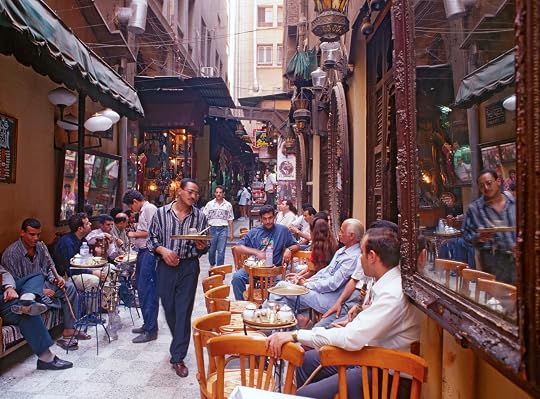
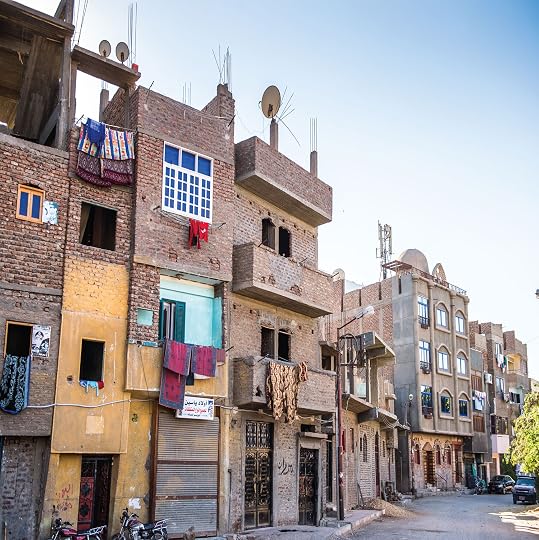
Écrivain égyptien francophone, Albert Cossery situe les cinq nouvelles de son recueil dans les quartiers pauvres du Caire de la première moitié du XXe siècle. Bien qu’indépendantes les unes des autres, elles se combinent pour former un tableau de la misère qui régnait alors dans la population indigène de la capitale égyptienne alors que la zone européenne de cette dernière bénéficiait de tout le confort moderne. « La civilisation se fait sentir comme ça, aux lumières qu’elle prodigue autour d’elle pour aveugler les gens. » Toutes les histoires se déroulent dans les rues oubliées de la ville, à la périphérie de la civilisation, périphérie sombre avec sa vie traditionnelle à l’écart du progrès. Là, les gens ont faim, souffrent et se battent dans l’oppression et la servitude, sans présent ni avenir décents tandis que le désespoir prospère. C’est une galerie de portraits d’humbles et d’inadaptés qui chacun à sa manière résiste à la tragédie de la vie. Dans la nouvelle intitulée « Le coiffeur a tué sa femme », l’enfant du ferblantier qui ne peut que pleurer pour « se révolter contre l’injustice du monde » demande à son père pourquoi ils sont pauvres. Incapable de lui fournir d’explications, ce dernier n’a d’autre réponse que celle qui donne son titre au recueil. Dans « Le facteur se venge », des personnages oisifs et paresseux méprisant la civilisation moderne luttent contre l’oppression de la modernité occidentale et ses tentatives de rééducation. « Danger de la fantaisie » est une satire sociale dans laquelle le mentor d’une école de mendiants soupçonne qu’un de ses anciens disciples se prépare à créer une autre école de mendicité avec des idées plus fantaisistes qui vont « révolutionner l’art de demander l’aumône ». Travailleurs analphabètes, mendiants et toxicomanes sont les visages auxquels Albert Cossery donne une voix et une conscience sociale. Il décrit leur combat quotidien pour survivre et raconte les choses directement, sans embellir les situations, sans balayer la laideur ou la saleté sous le tapis. Il n’hésite pas à changer de style de langue pour s’adapter aux situations décrites, ne daigne pas l’utilisation d’un vocabulaire cru ou grossier comme de tournures plus poétiques, voire surréalistes. Il glisse même régulièrement des traits d’humour dans son récit réussissant à faire sourire le lecteur malgré la tristesse et la gravité du propos. Cet incroyable mélange des genres et des thèmes m’a rendu la lecture de ces nouvelles poignante et fascinante. D’autant plus que ses récits restent pertinents aujourd’hui dans un monde qui n’a guère changé et où beaucoup souffrent encore de faim et d’oppression en essayant de survivre dans les plus grandes villes du monde. Partout où l’injustice sociale prospère, les lumières de la civilisation et de la modernité nous aveuglent et tentent de nous faire oublier le sans-abri dormant dans la rue ou la mère célibataire bénéficiant de l’aide sociale.
"بشر نسيهم الله" عنوان دال، يصف ويدين، ويشير بأصابع الاتهام بإدانة واقع عاشه المصريون فى نهاية الثلاثينيات والأربعينيات، كيف يتحايلون على الفقر، ويتواطأون معه لتستمر حياتهم التى ليست كالحياة، هى قصص قصيرة نادرة كتبها ألبير قصيري قبل هجرته إلى فرنسا، وتجسد براعته فى تصوير الأحياء الشعبية، وشخصياتها التى تتمتع بروح السخرية، إحدى سمات المصريين فى مواجهة الظروف القاسية، حيث لا يملك قصيري فى مواجهة الظلم سوى السخرية من الطبقات المهيمنة "اللصوص الشرعيين" كما كان يطلق عليهم. وتتضمن "بشر نسيهم الله" خمسة قصص قصيرة: "ساعى البريد ينتقم"، و"البنت والحشاش"، و"الحلاق يقتل زوجته"، و"خطر الفانتازيا"، و"الجياع لا يحلمون إلا بالعيش".
اقتباسات: - استعاد نعاسه، بالضبط حيث كان قد تركه، كما نستعيد عملا انقطع. - العزاء الوحيد للفقير ألا يترك عند موته طفلا مسرفا. فالعار الذي يتركه بذريته لا ينضب. - بؤسه لم يكن له بداية مطلقة. إنه بؤس يمتد فيما وراء البشر، لقد تناوله منذ ولادته وتعلق به في الحال. من دون أدنى مقاومة، بما أنه كان موعودا له فعلا قبل أن يولد وهو لايزال في بطن امه. - كان الصغير يسأل أباه لماذا نحن فقراء يا أبي، فيجيبه الأب: لأن الله نسينا!، يسأله الطفل: ومتى سيتذكرنا الله يا أبي؟ - كانت لديهم فكرة لا تصدق، تجديفية، المطالبة بحقهم في وجود افضل. - الفقر المدقع علمه أن يصنع بنفسه العدالة.
In the realm of literary enchantment, this book emerges as a testament to the notion that profundity need not always be the harbinger of literary brilliance. Cossery's narrative brushstrokes possess an undeniable singularity that sweeps one into a realm of metaphoric reverie, rendering the act of reading akin to a mouth agape in rapturous awe. Echoing the sentiments of the venerable Henry Miller, who regarded Cossery as a paragon of the timeless classics, I too am unreservedly aligned in this sentiment. This volume, a lodestar for my burgeoning writing endeavors, compels me to exclaim, in resounding proclamation, "Indulge in Cossery's prose, and become ensnared within its enthralling embrace!"
Amid the passage of time, the book received a renaissance of sorts under the aegis of City Lights Books in 1963, resurrecting its literary embers from the ashes of obsolescence. Following a second edition by the same publisher, the book can now only rarely be found.
Il valore storico del libro non si discute: rari sono i testi (almeno credo) che possono dare una idea dell'Egitto popolare negli anni 30-40 del secolo scorso. Da qui a dire che, dal punto di vista letterario, ci troviamo di fronte ad uno scritto interessante ce ne passa. Molti testi di DeAndrè, a proposito di uomini dimenticati da dio, sono più incisivi, più esplicativi, più profondi. Una foto di Salgado rende un mondo di cui in cinque racconti C. riesce a dare soltanto un lieve cenno. Di questo libro, a gusto personale, salvo 5 pagine in tutto, prese qui e la'.