

What do you think?

تعال قل لي كيف تعيش: مذكراتها في سورية والعراق
تركت أغاثا كريستي إرثاً غنياً من الروايات و المسرحيات البوليسية الأكثر انتشاراً في الأدب العالمي الحديث، و كانت حياتها عاصفة لا تهدأ، فمع شغفها المتواصل بالكتابة اليومية كانت تطوف حول العالم بكل أنواع وسائل النقل، لتعرف كل وجوه الحياة في العالم، و تكتشف كل ما هو غريب أو جميل أو عجيب أو مخيف، في الطبيعة و المدن و الشواطئ و الجزر و سكانها وتقاليدهم و طباعهم، و قادها بحثها عن الماضي إلى معاينة المسكشفات الأثرية في الشرق، في مصر و العراق و سوريا، و التقت عام ١٩٣٠، بين أطلال مدينة اور، بخبير الآثار ماكس مالوان فتزوجا،و عملا معاً في الحفريات الأثرية في نينوى و أور و نمرود و الأربجية، و كانت أغاثا ترصد كل المتاعب و الأحداث و الشخصيات و المفاجآت التي مرت بها من بريطانيا إلى بيروت و حمص و دمشق و تدمر و حلب و دير الزور، و ذهلت من كثرة التلال المتناثرة في الجزيرة السورية، ولكن عشقها انصب على تل براك، و في وقفة حالمة أمام التل طرحت علية السؤال: تعال قل لي كيف تعيش؟ ثم كتبت جوابه في قصيدة.
في عام ١٩٥٠ بدأت أغاثا كتابة سيرتها الذاتية في منزل هادئ في موقع النمرود، و فيها سرد عاطفي لذكرياتها في العراق "كيف أحببت كثيراً هذا الجزء من العالم.."،كما كتبت روايتين استوحتهما من تلك الذكريات و هما " جريمة بين النهرين" و "الذين وصلوا بغداد".
في عام ١٩٥٠ بدأت أغاثا كتابة سيرتها الذاتية في منزل هادئ في موقع النمرود، و فيها سرد عاطفي لذكرياتها في العراق "كيف أحببت كثيراً هذا الجزء من العالم.."،كما كتبت روايتين استوحتهما من تلك الذكريات و هما " جريمة بين النهرين" و "الذين وصلوا بغداد".
296 pages, Paperback
First published January 1, 1946
About the author
Agatha Christie Mallowan
2 books47 followersAgatha Christie wrote under the name Mallowan (her second husband was Max Mallowan) for her memoirs of archaeological digs and for her poetry.
Ratings & Reviews
Friends & Following
Create a free account to discover what your friends think of this book!
Community Reviews
Displaying 1 - 30 of 699 reviews

November 21, 2020
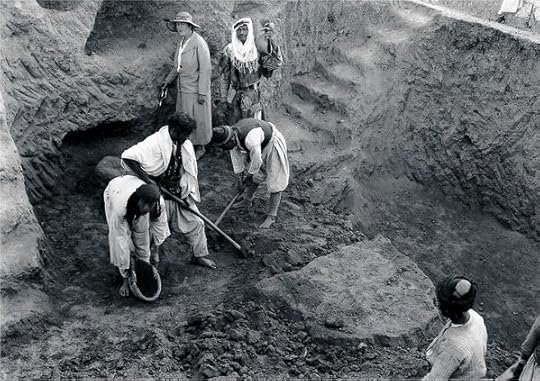
I have enrolled in a Zoom series of six seminars organized by a group of Archaeologists dedicated to six memoirs written by famous archaeologists—one per session. The first, and introductory session, was dedicated to this memoir by Agatha Christie. The lecturer told us that he very often begins his classes with her account because he considers she was a genuine member of an archaeologist team, (more on this later), and because her excellent pen produced an engaging account of the life in the digging fields. I thought this was a brilliant idea.
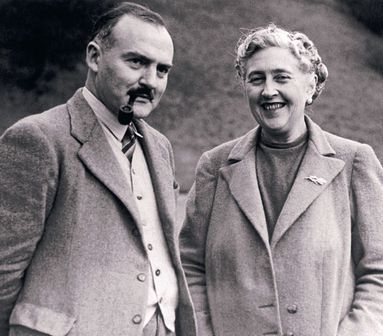
Agatha Christie divorced her first husband in 1928 and decided to set off traveling. In Bagdad in 1930 she met Charles Leonard and Katherine Woolley who invited her to witness their diggings in Ur. There she met Woolley’s assistant Max Mallowan, who was fourteen years her junior. They married soon after and from 1934 onwards she accompanied her husband, once he became independent from Woolley, in most of his diggings, both in Syria and Iraq.
Indeed, the British Museum organized an exhibition on her archaeologist role: Agatha Christie and Archaeology
These memoirs are great fun to read. She wrote them during WW2 when her Mallowan, who had joined the RAF, was posted in Egypt. They are dedicated to him. There is a certainly a fair amount of nostalgia in this account although it is coloured by a pervasive and charming humour. Of course, there are also comments that may seem to a 21st reader, trained in the politically correct corset, somewhat shocking. But when dealing with Archaeology one has to make generous allowances for the changes in civilization that have taken place during time.
The inspiration for the title was double fold. One was the constant requests she received from friends and relatives to narrate to them in her letters ‘How they lived’ while out in the digs in the Middle East. And two, it refers to the goal of the archaeologist who, through the fragmentary remains unearthed in a disclosing land, continually questions past civilizations, to ‘tell us how they lived’.
The memoirs provide an excellent account of everybody in the digging team, but Christie does not disclose that she was the photographer. This was discussed in the Zoom session where we were shown photographs of her photographing like this one (taken by someone else then).

She also helped in the laborious and at times tedious tasks of cleaning, organizing and classifying the bits and pieces of pottery and ceramics they unearthed. And she combined these tasks with her own fiction writing. But she is also discreet about this. There are only two faint references to her literary career in these memoirs. . And indeed, at least five of her Poiret novels are set in the archaeological sites and amongst archaeologists .
Most of the book takes place in their Syrian excavations along the river Khabur (a tributary of the Euphrates). They were searching for a site that would not be buried underneath Roman ruins and would offer a more direct access to Neolithic remains, similarly to what Tell Halaf had offered Baron Oppenheimer. They found a couple, spending three years in Chagar Bazar and two in Tell Brak. As Syria was then a French protectorate Britain could not keep all Mallowan’s findings. The policy was to split them 50/50. Two sets, fairly distributed, would be arranged by the diggers (British Mallowan’s team), while the French got to choose first, leaving the second lot to the country of the diggers (in this case for the British Museum).

Towards the end of the account, in spite of having enjoyed thoroughly her archaeologist way of life, and having been able to draw inspiration for her own creative career, she expresses a final exhaustion of the hardships they had to endure.
Approaching civilisation stirs within me. I begin to think of things.. A shampoo, a luxurious drier. Manicure... a porcelain bath with taps. Bath salts. Electric light... More shoes!"
We can now regret that Christie did not write a similar account of their experiences excavating in Iraq, where in Nimrud Mallowan unearthed excellent findings. We do have his Memoirs, Mallowan's Memoirs.
But even if she missed her shampooing etc, Agatha Christie came to the happy realization that the best husband a woman could have was an archaeologist – for the "as she gets older, she becomes more interesting for him".

April 6, 2017
In archeology a tell or tel is “an artificial mound formed from the accumulated remains of people living on the same site for hundreds or thousands of years. A classic tell looks like a low, truncated cone with a flat top and slopping sides, and can be up to 300 meters high.” The mound rises as the mudbricks of buildings rapidly disintegrated. Many tells are to be found in the fertile areas of ancient Mesopotamia, the land between the Tigris and Euphrates Rivers, commonly labelled the cradle of civilization. (Source: Wiki)
It is just such tells that Agatha Christie and her second husband, British archeologist Max Mallowan, excavated. In the 1930s Mallowan led expeditions run jointly by the British Museum and the British School of Archeology. In this book Agatha Christie writes of when she followed along on excavations made at Chagar Bazar, Tell Brak and in the Balikh Valley, all in the northeastern tip of Syria, where the country borders Iraq and Turkey.
The book reveals the day-to-day life and the human side of such expeditions. She speaks of those at the digs - the workers, the officials, the cooks, the chauffeurs, a sheik, the postmaster at a nearby town and the animals and the bugs. Europeans and Asians alike. We hear of ailments, of brawls and of parties. Catastrophes and happy reunions. Of French bureaucracy. Of being stuck in a wadi, of a VERY “professional cat”, of the mongrel nicknamed Hey You. Oh and there is Mack, inarticulate and scrupulously neat and aloof, the architect, draughtsman and diarist Mac! In fact it was this Mac (Robin Macartney) that came to draw the covers of several of her crime novels! If you could get more than a oui or a non out of him then you could consider yourself lucky! There are many we come to know intimately; they come to feel as friends. We are delighted with both their foibles and strengths. Well, I was. We get the mud and the bugs and the flowers in spring, and we get to know particular people.
We don’t get detailed information about archeological methods and very little about the ancient history of the specific sites. The tone is light and frivolous and often very funny. What you get from this book is the whole experience of being part of such an expedition. Need such be considered inconsequential?
Christie liked the people of the area, and this shows. To be absolutely correct, I should say some of them! She is unpresumptuous. On seeing the multitude of flowers in spring she comments, “I am no botanist and frankly do not want to know the names!” But she loves them and she can describe them so we can appreciate what she saw and felt. The writing exudes her enthusiasm and appreciation of the land and the people. I am happy to have met her.
Christie observes and notes differences between cultures and the peoples she came in contact with. You see her appreciation of the flamboyant, strong and uninhibited Kurdish women. She compares how Europeans see death and how these people view death. Maybe they have a thing or two to teach us? So while the book is written with humor and in a light fashion, it also has weight. This was a delightful read and having read it I think I really do understand what it was like to follow along on an archeological expedition in the 1930s.
The audiobook is narrated by Judith Boyd. The narration is very good. I liked it because it reflects the author’s written words, the spirit of the book, and it was not hard to follow. I like the lightness of the tone. I wouldn’t want Christie’s lines to be read out liturgically, in a drone, or with solemnity. Maybe Boyd overdramatizes a bit too much, but I’m among the few who don’t appreciate dramatization.
Do you see the play on words in the title? Actually, tells do tell us how ancient people did live. Good title to a delightful, but not just frivolous book.
It is just such tells that Agatha Christie and her second husband, British archeologist Max Mallowan, excavated. In the 1930s Mallowan led expeditions run jointly by the British Museum and the British School of Archeology. In this book Agatha Christie writes of when she followed along on excavations made at Chagar Bazar, Tell Brak and in the Balikh Valley, all in the northeastern tip of Syria, where the country borders Iraq and Turkey.
The book reveals the day-to-day life and the human side of such expeditions. She speaks of those at the digs - the workers, the officials, the cooks, the chauffeurs, a sheik, the postmaster at a nearby town and the animals and the bugs. Europeans and Asians alike. We hear of ailments, of brawls and of parties. Catastrophes and happy reunions. Of French bureaucracy. Of being stuck in a wadi, of a VERY “professional cat”, of the mongrel nicknamed Hey You. Oh and there is Mack, inarticulate and scrupulously neat and aloof, the architect, draughtsman and diarist Mac! In fact it was this Mac (Robin Macartney) that came to draw the covers of several of her crime novels! If you could get more than a oui or a non out of him then you could consider yourself lucky! There are many we come to know intimately; they come to feel as friends. We are delighted with both their foibles and strengths. Well, I was. We get the mud and the bugs and the flowers in spring, and we get to know particular people.
We don’t get detailed information about archeological methods and very little about the ancient history of the specific sites. The tone is light and frivolous and often very funny. What you get from this book is the whole experience of being part of such an expedition. Need such be considered inconsequential?
Christie liked the people of the area, and this shows. To be absolutely correct, I should say some of them! She is unpresumptuous. On seeing the multitude of flowers in spring she comments, “I am no botanist and frankly do not want to know the names!” But she loves them and she can describe them so we can appreciate what she saw and felt. The writing exudes her enthusiasm and appreciation of the land and the people. I am happy to have met her.
Christie observes and notes differences between cultures and the peoples she came in contact with. You see her appreciation of the flamboyant, strong and uninhibited Kurdish women. She compares how Europeans see death and how these people view death. Maybe they have a thing or two to teach us? So while the book is written with humor and in a light fashion, it also has weight. This was a delightful read and having read it I think I really do understand what it was like to follow along on an archeological expedition in the 1930s.
The audiobook is narrated by Judith Boyd. The narration is very good. I liked it because it reflects the author’s written words, the spirit of the book, and it was not hard to follow. I like the lightness of the tone. I wouldn’t want Christie’s lines to be read out liturgically, in a drone, or with solemnity. Maybe Boyd overdramatizes a bit too much, but I’m among the few who don’t appreciate dramatization.
Do you see the play on words in the title? Actually, tells do tell us how ancient people did live. Good title to a delightful, but not just frivolous book.

October 21, 2019
اشتقت كثيرا إلى أجاثا كريستي التي لم أقرأ لها منذ ثمان سنوات أو ربما أكثر.
ما الذي يحدث في هذا الكتاب؟ لا شىء تقريبا. فهو تسجيل لحياة يومية روتينية في زمن بعيد لم نعشه وبلاد لم أراها.
ولكن روح الفكاهة والسخرية البارعة لكريستي هى التي أضفت طعما وروحا جميلة للكتاب جعلتك تتعلق بها وبزوجها وباقي افراد البعثة وعمالهم الأكراد والأرمن والسوريين.
ربما يرى البعض ممن قرأت مراجعاتهم لهذا الكتاب تجنيا من الكاتبة على الانسان العربي. ولكني أرى انها لم تذكرنا-كعرب-بنقيصة ليست بنا. كما أن سخريتها طالت ابناء وطنها من الانجليز. بل كانت تسخر من نفسها شخصيا.
رغم كراهيتي للأدب البوليسي، إلا أن اجاثا كانت هى الاستثناء الوحيد الذي اتجاوز من اجله هذه الكراهية. واتمنى ان اعود قريبا لقراءة اعمالها.
August 31, 2025
4.5★
This is a title in the 2025 Book Pool on Retro Reads & fortunately it is an audiobook on Spotify.
I enjoyed this tale of Christie going on archaeological digs, with her second husband, Max Mallowan. Christie maintained a lively, curious mind throughout their adventures, only slipping (right down to describing difficulties in shopping in Britain & dealing with uncomprehending retail assistants) when she mentions;
I'm giving special credit to the narrator, Judith Boyd. Her voice was perfect for my vision of Christie & she also got into character really well.
I would love to read a 'dead tree' copy one day.
This is a title in the 2025 Book Pool on Retro Reads & fortunately it is an audiobook on Spotify.
I enjoyed this tale of Christie going on archaeological digs, with her second husband, Max Mallowan. Christie maintained a lively, curious mind throughout their adventures, only slipping (right down to describing difficulties in shopping in Britain & dealing with uncomprehending retail assistants) when she mentions;
"I'm very glad to crawl into my flea-bag and go to sleep."after one particularly trying day!
I'm giving special credit to the narrator, Judith Boyd. Her voice was perfect for my vision of Christie & she also got into character really well.
I would love to read a 'dead tree' copy one day.


December 1, 2012
Rating Clarification: 4.5 Stars
I wasn't sure what to expect when I casually picked this memoir up at the library, but it certainly exceeded any expectations I might have had about Agatha Christie's personality, sense of humor, and joie de vivre.
Recently read biographies and/or memoirs of Daphne duMaurier and Georgette Heyer left me with a great respect for these women as writers, but didn't do much to endear them to me as women I'd personally want to know or be friends with. Not so with Dame Agatha - this lady sounds like she'd have been a blast to chat with at dinner. Who knew she was so endearingly witty and charming?
This book is a loose collection of anecdotes Christie compiled about her archaelogical experiences with her 2nd husband Max Mallowan in digs around Iraq and Syria during the 1930's. From beginning to end, Christie spins a humorous tale of the adventures (and misadventures) of herself, her adored husband, the dig crew, and all the people they meet along the way. She has a very self-deprecating way of describing her own foibles, and if you've ever wondered what in the world Max Mallowan saw in this (somewhat unattractive, IMO) woman over 15 years his senior, this book should lay any of those questions to rest. Christie had an abundance of charm and personality, along with a sense of adult wonder and joy - qualities which should, to the discerning individual, put youth and physical beauty far down the rating scale.
Not many books make me laugh out loud, but I freely admit to several unavoidable snorts and bursts of laughter over some of her tales; from her shopping trip before the expedition, to her sleeping with creepy-crawlies, to the constipation woes of the various Sheikhs and common laborers they met (and medically treated!!). This woman not only knows how to dish out murder - she knows how to write a hysterically funny memoir.
Yes, there are instances where her attitude might come across as condescending or bigoted, but it never seemed intentional or mean-spirited-- just a reflection of the general attitudes of the time period. In fact, you get a real sense of how much Christie loved and admired the area and its people, despite the barriers of race, religion, language and outlook. And as a reader who loves (loves, loves) descriptive locale prose, Christie doesn't disappoint here, either. Her travels to the Middle East make me long to go back in time to the 1930's to experience the Orient Express, a boat ride across the Bosphorus, and jarring, hot car rides across the desert. How is it possible to write about life in an un-air-conditioned, non-plumbing, bug and bat infested stone hut for months at a time and make me want to sample it, too? Christie's a writing genius, I tell ya!
A half-star reduction due to some repetition in the story. Tighter editing would have made this a 5-star book to me.
I would firmly recommend this to anyone who enjoys a lighthearted memoir, who wants to know a bit more about Agatha Christie or who enjoys travelogues from this time period. A Very Good Read.
I wasn't sure what to expect when I casually picked this memoir up at the library, but it certainly exceeded any expectations I might have had about Agatha Christie's personality, sense of humor, and joie de vivre.
Recently read biographies and/or memoirs of Daphne duMaurier and Georgette Heyer left me with a great respect for these women as writers, but didn't do much to endear them to me as women I'd personally want to know or be friends with. Not so with Dame Agatha - this lady sounds like she'd have been a blast to chat with at dinner. Who knew she was so endearingly witty and charming?
This book is a loose collection of anecdotes Christie compiled about her archaelogical experiences with her 2nd husband Max Mallowan in digs around Iraq and Syria during the 1930's. From beginning to end, Christie spins a humorous tale of the adventures (and misadventures) of herself, her adored husband, the dig crew, and all the people they meet along the way. She has a very self-deprecating way of describing her own foibles, and if you've ever wondered what in the world Max Mallowan saw in this (somewhat unattractive, IMO) woman over 15 years his senior, this book should lay any of those questions to rest. Christie had an abundance of charm and personality, along with a sense of adult wonder and joy - qualities which should, to the discerning individual, put youth and physical beauty far down the rating scale.
Not many books make me laugh out loud, but I freely admit to several unavoidable snorts and bursts of laughter over some of her tales; from her shopping trip before the expedition, to her sleeping with creepy-crawlies, to the constipation woes of the various Sheikhs and common laborers they met (and medically treated!!). This woman not only knows how to dish out murder - she knows how to write a hysterically funny memoir.
Yes, there are instances where her attitude might come across as condescending or bigoted, but it never seemed intentional or mean-spirited-- just a reflection of the general attitudes of the time period. In fact, you get a real sense of how much Christie loved and admired the area and its people, despite the barriers of race, religion, language and outlook. And as a reader who loves (loves, loves) descriptive locale prose, Christie doesn't disappoint here, either. Her travels to the Middle East make me long to go back in time to the 1930's to experience the Orient Express, a boat ride across the Bosphorus, and jarring, hot car rides across the desert. How is it possible to write about life in an un-air-conditioned, non-plumbing, bug and bat infested stone hut for months at a time and make me want to sample it, too? Christie's a writing genius, I tell ya!
A half-star reduction due to some repetition in the story. Tighter editing would have made this a 5-star book to me.
I would firmly recommend this to anyone who enjoys a lighthearted memoir, who wants to know a bit more about Agatha Christie or who enjoys travelogues from this time period. A Very Good Read.

May 7, 2023
Not Agatha Christie the Queen of Crime, but Agatha Christie the often hilarious archaeologist's wife—who is perhaps overly fond of an exclamation mark! With her husband, Max, she makes several trips to French-administered Syria, where he and his team spend several seasons digging for pre-Roman artifacts. Although Christie's attitudes reflect the times in which she lived—at her worst she is colonial and condescending—she isn't entirely dismissive of the people among whom she lives. The local population does not know her as a novelist and instead she is expected to dispense endless medical advice—this is probably the only Christie book in which constipation is such a feature. She captures domestic life (with several servants) on a various digs rather than focusing on techinical or historical details, and her anecdotes and observations—and the freedom of movement—are especially captivating in a time of endless conflict in the region. Christie wrote it as an escape from the horrors of WWII England and it still very much that—an escape. The Syrian civil war isn't long concluded and archaeological expeditions such as this may never be possible again.

May 22, 2016
ربما تكون رواياتها البوليسية مليئة بالتشويق، ربما؛
فأنا لم أقرأ لها أيّ رواية منها؛
لذا ليس لها عندي رصيد يكفي لأبتلع هذا الكم من السخرية والتحقير والنظرة المستعلية
حين تصف أخلاق العرب وأحوالهم بسوريا والعراق.
فـ إن كانت كما يُقال عنها لديها قلم بارع في الوصف فهذا برأيي دليل يُدينها عندي
إذ أنها حتمًا تدرك الفرق بين النقد أو وصف الأحوال المُشاهدة وبين التحقير والتسفيه؛
هو فرقٌ دقيقٌ جدًا وهي قد مزّقته للأسف.
لا يخلو مجتمع من عيوب فـ كما لدى البعض عندنا ما يُستهجن من أخلاق، لدى مجتمعها ما يُستهجن أيضًا؛
فـ لمَ التعالي والنظرة الدونية للآخر والتعميم وحتى أحيانًا سلاطة اللسان!
فأنا لم أقرأ لها أيّ رواية منها؛
لذا ليس لها عندي رصيد يكفي لأبتلع هذا الكم من السخرية والتحقير والنظرة المستعلية
حين تصف أخلاق العرب وأحوالهم بسوريا والعراق.
فـ إن كانت كما يُقال عنها لديها قلم بارع في الوصف فهذا برأيي دليل يُدينها عندي
إذ أنها حتمًا تدرك الفرق بين النقد أو وصف الأحوال المُشاهدة وبين التحقير والتسفيه؛
هو فرقٌ دقيقٌ جدًا وهي قد مزّقته للأسف.
لا يخلو مجتمع من عيوب فـ كما لدى البعض عندنا ما يُستهجن من أخلاق، لدى مجتمعها ما يُستهجن أيضًا؛
فـ لمَ التعالي والنظرة الدونية للآخر والتعميم وحتى أحيانًا سلاطة اللسان!

August 28, 2016
Me, sitting down to tea with Agatha Christie: Come, tell me how you live!'
Agatha Christie: Quite beautifully, well within our extensive means, and with a gently comical yet frustratingly persistent servant problem.
It's incredibly difficult to describe just how unpleasant this book was to read without making it sound like I detest it. I don't. It's enjoyable sometimes, and of course Christie writes lightly and well (who is honestly surprised by this?), but it is inescapably, depressingly of its time.
Not in a 'certainly there were some unpleasant things that she said, but they were just reflections of the era and therefore I can happily gloss over them and wax lyrical on Christie's deep, abiding love of Syria' kind of a way (which is a rubbish attitude for people to have anyway).
In a 'Christie was a lovely middle-aged woman who led a very privileged life and was comfortably ensconced in her own bigotry and bias in a way that I cannot unread' kind of a way.
She writes about all the Arabic (Kurdish, Yezidi, Armenian) people she encounters in the same way as she writes about the dogs she kept as pets - gently chiding, sympathetically stern, attributing simple emotions and humorous motives to their inexplicable actions. Some (like the Kurds) she likes more than others (the Armenians), but it is in her individual descriptions of the people she encountered that her attitude truly shines.
It came as more of a surprise to me than it should that nearly all of this anecdotal story revolved around her troubles with running a Western household in rural Syria. She writes almost nothing about her writing life, or even about her husband's archaeological life. At an estimate, 70% of this book is Christie's struggle with 'the servant problem'. It is not as funny as it may once have been, and probably as inaccessible to any modern reader as it was to me.
Clearly it was written with her target audience in mind - the kind of woman (or cultured, modern man) who would sit her down at a party and ask her Come, tell me how you live! Those people would certainly have understood 'the servant problem', and would probably have laughed genially at her gentle (always gentle) two- and three-page diatribes about her 'idiot-boy' house servant and his exasperating escapades attempting to set tables for tea, or make beds for weary Western bodies.
I am not that target audience, and I do not care one whit about how difficult it was to get a Syrian (even an able-minded one) to understand the difference between forks and spoons, or napkins and towels, or ten-miles-an-hour and sixty. At each and every turn, the problem was presented as though it were insurmountable: Christie metaphorically throws up her hands, darts a mischievous glance of despair at her chuckling reader, and suggests with a weary shrug 'What can be done?' They won't learn how to make omelettes or souffles, they can't be persuaded to serve women before men, they refuse to listen to the Westerners' sensible, reasonable views on driving, fighting, or medicine. Why must life be so trying?
It is easy to see that she loved her time in Syria; she states as much throughout the book. She found the landscape beautiful, the lifestyle invigorating, and the people charming. It is remarkably easy to 'love' a country and its people when you are entering it as a wealthy white woman on an expedition with several wealthy white men; when you can blow into a town and expect the bank manager to leap from his bed and serve you in his pyjamas, when you can chortle understandingly with the French authorities about the issue of getting the silly Arabic fools to keep working where you want them to. In fact, I would hazard a guess that Christie 'loved' most of the countries she visited in her lifetime. Being the beneficiary of an old, colonial, racist system will open those doors for you. It's an ugly insight into just how easy it was (and indeed, still is) to be white.
It's a common refrain in situations such as these to demonstrate a desire to sit down and chat with the author: I wanted to do so after reading Monica Dickens, and Hermione Ranfurly, but I do not want to do so now. It would be a little like sitting down with your favourite aunt from childhood, only to discover that she, in the intervening years, had become an insufferable bore who couldn't let an honest sentiment pass without tinging it with her views on the Muslim problem, or gay marriage, or the Blacks. She actually hasn't changed, but I have.
I like Agatha Christie. I will continue to like her, though I am growing more and more aware of her limitations. And though this book was enjoyable, I did not like it either, and I did not like the kind of person she represented in it.
Agatha Christie: Quite beautifully, well within our extensive means, and with a gently comical yet frustratingly persistent servant problem.
It's incredibly difficult to describe just how unpleasant this book was to read without making it sound like I detest it. I don't. It's enjoyable sometimes, and of course Christie writes lightly and well (who is honestly surprised by this?), but it is inescapably, depressingly of its time.
Not in a 'certainly there were some unpleasant things that she said, but they were just reflections of the era and therefore I can happily gloss over them and wax lyrical on Christie's deep, abiding love of Syria' kind of a way (which is a rubbish attitude for people to have anyway).
In a 'Christie was a lovely middle-aged woman who led a very privileged life and was comfortably ensconced in her own bigotry and bias in a way that I cannot unread' kind of a way.
She writes about all the Arabic (Kurdish, Yezidi, Armenian) people she encounters in the same way as she writes about the dogs she kept as pets - gently chiding, sympathetically stern, attributing simple emotions and humorous motives to their inexplicable actions. Some (like the Kurds) she likes more than others (the Armenians), but it is in her individual descriptions of the people she encountered that her attitude truly shines.
It came as more of a surprise to me than it should that nearly all of this anecdotal story revolved around her troubles with running a Western household in rural Syria. She writes almost nothing about her writing life, or even about her husband's archaeological life. At an estimate, 70% of this book is Christie's struggle with 'the servant problem'. It is not as funny as it may once have been, and probably as inaccessible to any modern reader as it was to me.
Clearly it was written with her target audience in mind - the kind of woman (or cultured, modern man) who would sit her down at a party and ask her Come, tell me how you live! Those people would certainly have understood 'the servant problem', and would probably have laughed genially at her gentle (always gentle) two- and three-page diatribes about her 'idiot-boy' house servant and his exasperating escapades attempting to set tables for tea, or make beds for weary Western bodies.
I am not that target audience, and I do not care one whit about how difficult it was to get a Syrian (even an able-minded one) to understand the difference between forks and spoons, or napkins and towels, or ten-miles-an-hour and sixty. At each and every turn, the problem was presented as though it were insurmountable: Christie metaphorically throws up her hands, darts a mischievous glance of despair at her chuckling reader, and suggests with a weary shrug 'What can be done?' They won't learn how to make omelettes or souffles, they can't be persuaded to serve women before men, they refuse to listen to the Westerners' sensible, reasonable views on driving, fighting, or medicine. Why must life be so trying?
It is easy to see that she loved her time in Syria; she states as much throughout the book. She found the landscape beautiful, the lifestyle invigorating, and the people charming. It is remarkably easy to 'love' a country and its people when you are entering it as a wealthy white woman on an expedition with several wealthy white men; when you can blow into a town and expect the bank manager to leap from his bed and serve you in his pyjamas, when you can chortle understandingly with the French authorities about the issue of getting the silly Arabic fools to keep working where you want them to. In fact, I would hazard a guess that Christie 'loved' most of the countries she visited in her lifetime. Being the beneficiary of an old, colonial, racist system will open those doors for you. It's an ugly insight into just how easy it was (and indeed, still is) to be white.
It's a common refrain in situations such as these to demonstrate a desire to sit down and chat with the author: I wanted to do so after reading Monica Dickens, and Hermione Ranfurly, but I do not want to do so now. It would be a little like sitting down with your favourite aunt from childhood, only to discover that she, in the intervening years, had become an insufferable bore who couldn't let an honest sentiment pass without tinging it with her views on the Muslim problem, or gay marriage, or the Blacks. She actually hasn't changed, but I have.
I like Agatha Christie. I will continue to like her, though I am growing more and more aware of her limitations. And though this book was enjoyable, I did not like it either, and I did not like the kind of person she represented in it.

January 11, 2017
الكتاب عبارة عن مواقف واحداث حدثت مع اجاثا كريستى اثناء تواجدها مع زوجها اثناء رحلة التنقيب فى سوريا تتحدث عن طبيعة الحياة وعن شخصيات من قابلتهم هناك .
الكتاب ليس معلومات او يتحدث عن التنقيب بقدر مايتحدث عن المواقف والاحداث التى حدثت معاهم وتتناولها اجاثا بطريقة ظريفة وساخرة وممتعة حتى المواقف المثيرة للاستياء تناولتها بطريقة ساخرة ممتعة بداية من تحضيرها للسفر وشرائها للملابس والحقائب ووضع الكتب حتى انتهاء رحلة التنقيب ورغبتها فى العودة مرة اخرى
١١ / ١ / ٢٠١٧
الكتاب ليس معلومات او يتحدث عن التنقيب بقدر مايتحدث عن المواقف والاحداث التى حدثت معاهم وتتناولها اجاثا بطريقة ظريفة وساخرة وممتعة حتى المواقف المثيرة للاستياء تناولتها بطريقة ساخرة ممتعة بداية من تحضيرها للسفر وشرائها للملابس والحقائب ووضع الكتب حتى انتهاء رحلة التنقيب ورغبتها فى العودة مرة اخرى
١١ / ١ / ٢٠١٧
August 11, 2025
Digging in a Bygone Era
A review of the William Morrow eBook (April 16, 2024) of the William Collins & Sons hardcover original (November, 1946).
This is Agatha Christie's memoir of joining her 2nd husband Max Mallowan on archeological digs in northwest Syria from 1936 to 1939. The outbreak of World War II stopped those travels. Syria had become a French mandated territory after World War I due to the breakup of the Ottoman Empire (which had been on the losing side with Germany). Syria regained independence in 1936 but there was still a degree of French bureaucracy involved in its administration. Christie had recorded their travels in journals but put them aside until after WW2 when she collected and published this memoir under her married name, presumably to distinguish it from her crime & mystery novels.
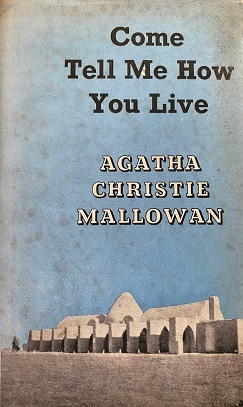
The cover of the original William Collins & Sons hardcover (1946). The illustration depicts the house built for the expedition staff during the period. Image sourced from Wikipedia.
Much of this reads as a "fish out of water" travelogue, with Christie dealing with the roughshod conditions of living by excavations of ancient cities in Mesopotamia, usually far removed the local present day cities. The digs would seasonally employ roughly 100 to 200 locals from the nearby Arabic, Armenian and Kurdish populations. Often there would be fights and thefts between the workers, especially those of different religions and communities and Mallowan would have to act as judge and jury to resolve disputes. Christie would be called on with her knowledge and stores of medicines (she had been a nurse in WW1) to doctor to the locals.
The tone will admittedly be read these days as one of western and white colonial privilege but it still remains an interesting view of the era.
Trivia and Links
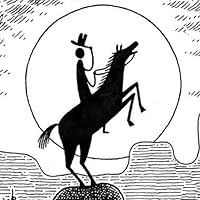
Christie was also writing several of her late 1930's novels during these expeditions, starting with Murder in Mesopotamia (Hercule Poirot #14 - 1936). When she saw drawings by one of their expedition architects (called Mac in the memoir), she asked him to do the cover for the book. Robin Halliday Macartney (1911-1973) ended up doing the cover art for 4 of Christie's books in total.
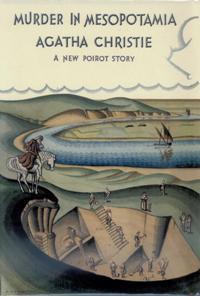
Robin Halliday Macartney's cover for the first edition of "Murder in Mesopotamia." Image sourced from Wikipedia.
A review of the William Morrow eBook (April 16, 2024) of the William Collins & Sons hardcover original (November, 1946).
But our first night at Amuda is an experience I shall never forget. No sooner have the lamps been extinguished than mice in their scores – I really believe in their hundreds – emerge from the holes in the walls and the floor. They run gaily over our beds, squeaking as they run. Mice across one’s face, mice tweaking your hair – mice! mice! MICE!… I switch on a torch. Horrible! The walls are covered with strange, pale, crawling cockroach-like creatures! A mouse is sitting on the foot of my bed attending to his whiskers!
This is Agatha Christie's memoir of joining her 2nd husband Max Mallowan on archeological digs in northwest Syria from 1936 to 1939. The outbreak of World War II stopped those travels. Syria had become a French mandated territory after World War I due to the breakup of the Ottoman Empire (which had been on the losing side with Germany). Syria regained independence in 1936 but there was still a degree of French bureaucracy involved in its administration. Christie had recorded their travels in journals but put them aside until after WW2 when she collected and published this memoir under her married name, presumably to distinguish it from her crime & mystery novels.
The cover of the original William Collins & Sons hardcover (1946). The illustration depicts the house built for the expedition staff during the period. Image sourced from Wikipedia.
Much of this reads as a "fish out of water" travelogue, with Christie dealing with the roughshod conditions of living by excavations of ancient cities in Mesopotamia, usually far removed the local present day cities. The digs would seasonally employ roughly 100 to 200 locals from the nearby Arabic, Armenian and Kurdish populations. Often there would be fights and thefts between the workers, especially those of different religions and communities and Mallowan would have to act as judge and jury to resolve disputes. Christie would be called on with her knowledge and stores of medicines (she had been a nurse in WW1) to doctor to the locals.
The tone will admittedly be read these days as one of western and white colonial privilege but it still remains an interesting view of the era.
Trivia and Links
Christie was also writing several of her late 1930's novels during these expeditions, starting with Murder in Mesopotamia (Hercule Poirot #14 - 1936). When she saw drawings by one of their expedition architects (called Mac in the memoir), she asked him to do the cover for the book. Robin Halliday Macartney (1911-1973) ended up doing the cover art for 4 of Christie's books in total.
Robin Halliday Macartney's cover for the first edition of "Murder in Mesopotamia." Image sourced from Wikipedia.

April 7, 2026
This is the most thoughtful secret Santa gift I have ever received, and it was a joy to read.
I've lived in the Middle East eighteen years now and having been to Syria and Iraq (and seen Christie's house in Baghdad) I was super interested to see what Christie thought of her time here.
Firstly, having only read And Then There Were None, I was surprised by her sense of humour. Right away this comes across in her diaries, her dry wit is a lot of fun. I really enjoyed her interactions with the locals and how bemused everyone was with each other and the friendships that grew.
I also love that she picked up the same Arabic words and traditions that I did in my first year in the region. The frustrations with time, urgency, processed and official stamps! I found a lot here that was relatable and I loved how she wrote about it with such fun.
And Max! I'd read that her marriage to Max was a good one and that shone on page.
I enjoyed this personal insight into the legend of Agatha Christie on familiar territory.
Five stars.
I've lived in the Middle East eighteen years now and having been to Syria and Iraq (and seen Christie's house in Baghdad) I was super interested to see what Christie thought of her time here.
Firstly, having only read And Then There Were None, I was surprised by her sense of humour. Right away this comes across in her diaries, her dry wit is a lot of fun. I really enjoyed her interactions with the locals and how bemused everyone was with each other and the friendships that grew.
I also love that she picked up the same Arabic words and traditions that I did in my first year in the region. The frustrations with time, urgency, processed and official stamps! I found a lot here that was relatable and I loved how she wrote about it with such fun.
And Max! I'd read that her marriage to Max was a good one and that shone on page.
I enjoyed this personal insight into the legend of Agatha Christie on familiar territory.
Five stars.


August 29, 2021
A tia Agatha, no prólogo deste livro, faz logo uma advertência ao leitor.
Isto não é um livro profundo - não vos dará informações interessantes sobre arqueologia, não conterá belas descrições do cenário natural, nem comentários sobre problemas económicos, nem considerações de natureza racial, nem história.
Na verdade, é uma insignificância - um livrinho pequeno, cheio de afazeres e acontecimentos do dia-a-dia.
É sim, um livro sobre o dia-a-dia de Agatha, do marido, Max, e dos restantes membros das expedições realizadas na Síria, uma terra que é quase como um sítio onde Judas perdeu as botas, pelo menos foi assim que eu a imaginei, mas os episódios corriqueiros são contados de uma forma tão despreocupada e espirituosa que me arrancaram uns sorrisos e me fizeram admirar uma senhora que foi para o meio do deserto.
Além dos problemas de estarem longe da civilização:
Há coisas rastejantes horrorosas por todo o lado!
Max pronuncia palavras calmantes.
Vê se dormes, diz ele. Quando estiveres a dormir, nenhuma destas criaturas te apoquenta.
Excelente conselho, mas não é fácil de seguir! Primeiro, uma pessoa tem de adormecer e, com ratos a fazerem exercício físico e desportos de ar livre em cima de nós, isso é pouco possível.
(...) Hamoudi explica que brevemente estará tudo como deve ser. (..) Além disso, está para chegar um gato; é emprestado. É um super-gato - um gato altamente profissional. (...)
O gato fica na nossa companhia cinco dias. Após esses cinco dias não se vê um único rato. O gato vai-se embora e os ratos nunca mais voltam. Nunca conheci, nem antes, nem depois, um gato tão profissional. Não tinha qualquer interesse em nós, nunca pediu leite nem um pouco da nossa comida. Era frio, científico e impessoal. Um gato muito prendado!
E os eternos problemas com os criados que davam com todos em doidos. O criado, Michel, que fazia "economia" a comprar duzentas laranjas que já estavam verdes de bolor, que não abastecia o carro pois queria ver até quando dava a gasolina e outras peripécias que muitas das vezes acabavam resolvidas pela diplomacia de Max. As avarias, atolamentos e pneus furados, os homens preguiçosos nas escavações, as gorjetas pelos achados, as idas ao banco e aos correios que requeriam sempre beaucoup de timbres, um sem fim de coisas que aconteciam. Acho que não havia momentos mortos nas expedições.
Este episódio com Subri, um dos criados é só, nem sei:
Subri, depois de passar noites acordado com dores de dentes, pede autorização para se ausentar a fim de ir de comboio a Alepo, ao dentista. Regressa dois dias depois, a sorrir.
A sua narrativa dos acontecimentos é a seguinte:
"Eu vou ao dentista. Sento-me na cadeira. Mostro-lhe o dente. Sim, diz ele, tem de ser arrancado. Quanto é, digo eu. Vinte francos, diz ele. É absurdo, digo eu e saio de casa. À tarde vou outra vez. Quanto é? Dezoito francos. Digo outra vez absurdo. A dor vai aumentando o tempo todo, mas uma pessoa não pode permitir que a roubem. Volto na manhã seguinte. Quanto é? Dezoito francos ainda. Outra vez ao meio-dia. Dezoito francos. Ele julga que a dor me há-de vencer, mas eu continuo a regatear! Por fim, khwaja, eu venço.
"Ele baixa?"
Subri abana a cabeça.
"Não, ele não baixa, mas eu faço um belo negócio. Muito bem, digo eu. Dezoito francos. Mas por esse preço tem de me tirar não um dente, mas quatro!"
Subri ri-se com enorme satisfação, mostrando vários espaços sem dentes.
"Mas os outros dentes doíam?"
Não, claro que não. Mas um dia ia começar a doer. Agora já não podem. Foram arrancados pelo preço de um."
Michel, que tem estado à porta a ouvir, acena com a cabeça em sinal de aprovação. "Beaucoup economia", diz ele.
Isto sim, é profilaxia e economia, meus amigos! :D
Apesar destes episódios caricatos e de estar longe de um chuveiro, um banho de espuma e outras coisas ditas civilizadas, a tia Agatha divertiu-se muito e este livro é reflexo disso.
Isto não é um livro profundo - não vos dará informações interessantes sobre arqueologia, não conterá belas descrições do cenário natural, nem comentários sobre problemas económicos, nem considerações de natureza racial, nem história.
Na verdade, é uma insignificância - um livrinho pequeno, cheio de afazeres e acontecimentos do dia-a-dia.
É sim, um livro sobre o dia-a-dia de Agatha, do marido, Max, e dos restantes membros das expedições realizadas na Síria, uma terra que é quase como um sítio onde Judas perdeu as botas, pelo menos foi assim que eu a imaginei, mas os episódios corriqueiros são contados de uma forma tão despreocupada e espirituosa que me arrancaram uns sorrisos e me fizeram admirar uma senhora que foi para o meio do deserto.
Além dos problemas de estarem longe da civilização:
Há coisas rastejantes horrorosas por todo o lado!
Max pronuncia palavras calmantes.
Vê se dormes, diz ele. Quando estiveres a dormir, nenhuma destas criaturas te apoquenta.
Excelente conselho, mas não é fácil de seguir! Primeiro, uma pessoa tem de adormecer e, com ratos a fazerem exercício físico e desportos de ar livre em cima de nós, isso é pouco possível.
(...) Hamoudi explica que brevemente estará tudo como deve ser. (..) Além disso, está para chegar um gato; é emprestado. É um super-gato - um gato altamente profissional. (...)
O gato fica na nossa companhia cinco dias. Após esses cinco dias não se vê um único rato. O gato vai-se embora e os ratos nunca mais voltam. Nunca conheci, nem antes, nem depois, um gato tão profissional. Não tinha qualquer interesse em nós, nunca pediu leite nem um pouco da nossa comida. Era frio, científico e impessoal. Um gato muito prendado!
E os eternos problemas com os criados que davam com todos em doidos. O criado, Michel, que fazia "economia" a comprar duzentas laranjas que já estavam verdes de bolor, que não abastecia o carro pois queria ver até quando dava a gasolina e outras peripécias que muitas das vezes acabavam resolvidas pela diplomacia de Max. As avarias, atolamentos e pneus furados, os homens preguiçosos nas escavações, as gorjetas pelos achados, as idas ao banco e aos correios que requeriam sempre beaucoup de timbres, um sem fim de coisas que aconteciam. Acho que não havia momentos mortos nas expedições.
Este episódio com Subri, um dos criados é só, nem sei:
Subri, depois de passar noites acordado com dores de dentes, pede autorização para se ausentar a fim de ir de comboio a Alepo, ao dentista. Regressa dois dias depois, a sorrir.
A sua narrativa dos acontecimentos é a seguinte:
"Eu vou ao dentista. Sento-me na cadeira. Mostro-lhe o dente. Sim, diz ele, tem de ser arrancado. Quanto é, digo eu. Vinte francos, diz ele. É absurdo, digo eu e saio de casa. À tarde vou outra vez. Quanto é? Dezoito francos. Digo outra vez absurdo. A dor vai aumentando o tempo todo, mas uma pessoa não pode permitir que a roubem. Volto na manhã seguinte. Quanto é? Dezoito francos ainda. Outra vez ao meio-dia. Dezoito francos. Ele julga que a dor me há-de vencer, mas eu continuo a regatear! Por fim, khwaja, eu venço.
"Ele baixa?"
Subri abana a cabeça.
"Não, ele não baixa, mas eu faço um belo negócio. Muito bem, digo eu. Dezoito francos. Mas por esse preço tem de me tirar não um dente, mas quatro!"
Subri ri-se com enorme satisfação, mostrando vários espaços sem dentes.
"Mas os outros dentes doíam?"
Não, claro que não. Mas um dia ia começar a doer. Agora já não podem. Foram arrancados pelo preço de um."
Michel, que tem estado à porta a ouvir, acena com a cabeça em sinal de aprovação. "Beaucoup economia", diz ele.
Isto sim, é profilaxia e economia, meus amigos! :D
Apesar destes episódios caricatos e de estar longe de um chuveiro, um banho de espuma e outras coisas ditas civilizadas, a tia Agatha divertiu-se muito e este livro é reflexo disso.

July 12, 2011
Come, Tell me how you live is Agatha Christie's invitation to the world to experience elements of her life after she married the famous archaeologist Max Mallowan. The title is a play on the word "Tell" which also means a man-made mound or hill constructed by the occupation of ancient civilisations (in Turkey we call them hoyuks). Christie, famed for her murder-mystery novels was greatly influenced by the ancient and modern cultures of the Middle East and a number of her literary set pieces were assembled during her sojourns abroad in Iraq, Turkey and Syria.
Mallowan (Mr Christie) was a contemporary of Evelyn Waugh, studied at Oxford and was trained in archaeological practise on site at Ur where his boss was Leonard Woolley. If you're not an archaeologist then some of these names will mean nothing to you, but let me assure you that these guys were serious heavy-weights in the early field of archaeology with much of their research and excavation work still being of interest to the archaeological community today.
Mallowan was a contemporary of T.E Lawrence (Lawrence of Arabia), who also studied to become an archaeologist and whose undergraduate thesis at Oxford was a study of medieval and crusader castles in the Levantine corridor - a few years ago as a sort of personal pilgrimage, I made a point of visiting most of the castles which Lawrence visited - the one on Pharaoh's Island in the middle of Red Sea and Krak de Chevaliers are my favourites.
Christie's book is a humorous account, detailing how odd life on an archaeological dig can appear if you are not an archaeologist. A life on your hands and knees in the dust and baking heat is something that only people with a slightly peculiar turn of mind are prepared to subject themselves to. If you are not obsessed with pottery, epigraphy, osteology, phytoliths, soil micromorphology or numismatics then this is a hard lifestyle to voluntarily participate in. Christie however adjusts and acquits herself well, helping out on site and around the dig house - she even tries her hand at dig-house decorating despite the rather off-putting fact that Max can only be persuaded to discuss a colour scheme by speaking in terms of ancient pottery fabrics and colours.
Dust, dirt, errant home-invading wildlife (beware the camel spiders), an eclectic work force, "interesting" local traditions and superstitions, poor quality food, long hours and the ability to live with a group of people who are basically obsessive compulsives, are all things you need to get used to if you want to come on a dig. Trust me, I speak from many years of experience.
Mallowan (Mr Christie) was a contemporary of Evelyn Waugh, studied at Oxford and was trained in archaeological practise on site at Ur where his boss was Leonard Woolley. If you're not an archaeologist then some of these names will mean nothing to you, but let me assure you that these guys were serious heavy-weights in the early field of archaeology with much of their research and excavation work still being of interest to the archaeological community today.
Mallowan was a contemporary of T.E Lawrence (Lawrence of Arabia), who also studied to become an archaeologist and whose undergraduate thesis at Oxford was a study of medieval and crusader castles in the Levantine corridor - a few years ago as a sort of personal pilgrimage, I made a point of visiting most of the castles which Lawrence visited - the one on Pharaoh's Island in the middle of Red Sea and Krak de Chevaliers are my favourites.
Christie's book is a humorous account, detailing how odd life on an archaeological dig can appear if you are not an archaeologist. A life on your hands and knees in the dust and baking heat is something that only people with a slightly peculiar turn of mind are prepared to subject themselves to. If you are not obsessed with pottery, epigraphy, osteology, phytoliths, soil micromorphology or numismatics then this is a hard lifestyle to voluntarily participate in. Christie however adjusts and acquits herself well, helping out on site and around the dig house - she even tries her hand at dig-house decorating despite the rather off-putting fact that Max can only be persuaded to discuss a colour scheme by speaking in terms of ancient pottery fabrics and colours.
Dust, dirt, errant home-invading wildlife (beware the camel spiders), an eclectic work force, "interesting" local traditions and superstitions, poor quality food, long hours and the ability to live with a group of people who are basically obsessive compulsives, are all things you need to get used to if you want to come on a dig. Trust me, I speak from many years of experience.

October 10, 2017
تعال قل لي كيف تعيش..
مذكّرات ويوميّات أجاثا كريستي مع زوجها المنقّب في قرية شاغر بازار وقرية براك..
في حملاتهما التّنقيبيّة في تلك البقاع النّائية البعيدة عن كلّ سبب أو مظهر من مظاهر الرّفاهيّة أو الحياة المتمدّنة..
كلّ ما قرأت كتاباً من هذا النّوع لا أقول تساورني الشّكوك فهي لم تعد شكوكاً وإنّما حقائق.. أنّ كل ما نعيشه اليوم ورأينا وما نزال نرى نتائجه سببه الأوّل هذه الحملات التّنقيبيّة في ظاهرها الاستعماريّة في باطنها وحقيقتها..
وطبعاً لا ننسى أنّه كان من نتائج هذه الحملات أن امتلأت متاحف بلادهم باللّقى والأشياء الثّمينة التي لا تقدّر بثمن والتي تعود إلى مئات لا بل آلاف السّنين..
والتي تثبت عراقة تلك البلاد حتّى البلدات البعيدة منها، وتأصّلها في التّاريخ..
جاءت تلك الحملات في وقت كانت فيه هذه البلاد تعاني من الجهل الفادح والفقر.. فاستغلّت ذلك ونهبت ما قُـدّر لها أن تنهب.. وجاءت بعدها لتنهب باطن الأرض بعد أن دمّرت ظاهرها..
تذهلني تلك التّفاصيل الدّقيقة التي يذكرها هؤلاء الرّحالة والمنقّبون..
يدرسون ديموغرافيا المكان وطبيعة السّكّان – إيجابيّاتهم وسلبيّاتهم – كيف يفكّرون وكيف يعيشون وما هي آمالهم وما مشاكلهم فيعودون بوجه آخر وقد عرفوا تماماً من أين وكيف تؤكل الكتف..
ولكن الحقّ يقال هكذا يتصرّف أصحاب القضيّة ومن لديهم هدف يسعون له.. لا يوقفهم ظرف ولا سوء حال، ولا صعوبة من أي نوع..
فهذه أجاثا نراها تركت حياتها الهانئة في لندن وجاءت إلى الحسكة والقامشلي وكابدت المشاقّ هي وزوجها بهدف التّنقيب وأهدافهم المخفيّة الأخرى..
تعجّبتُ كيف استطاعت تحمّل كل هذه الصّعوبات.. وبشكل خاصّ عندما اضطرّت إلى النّوم في غرفة مليئة بجميع أنواع الحشرات المخيفة، ناهيك عن الفئران وربّما الجرذان أيضاً..
كيف كابدت الصّعوبات وظروف الحياة الصّعبة والشّاقّة فقط من أجل تحقيق هدف أُرسلت له، ويا ليته هدف نبيل!!
ورأيتني كيف أفقد اتّزاني عندما أرى صرصاراً على بعد أميال منّي، وتذكّرت كيف استدعينا قوى الأمن بأسلحتهم كي يقوموا بضرب جرذ وجدناه على درج بناء أقارب كنت في زيارتهم..
ولكن مع كل ذلك لم تستطع أن تخفي نظرتها الاستشراقيّة المتعاليّة لوضع النّاس وحالهم وكيف كانت تقارن ذلك بلندن..
أزعجني نظرة التّبجيل والتّعظيم التي كان وما زال يلقاها الأوربّي عندنا أو ما نسمّيه الخواجا..
وكلّ ما تعالى أكثر كلّ ما نال قدرأ أكبر من التقدير.. وقدّمت لهم كنوزنا على طبق من ذهب بثمن بخس إن لم يكن دون مقابل..
ذكرت في بعض الفصول حنّوها على الدّجاجات والخرفان وكيف كانت تمنع الجزّار من أن يريهم السّكين أو أن يلوّح لهم بها خوفاً على مشاعرهم..
وكيف نال ذلك التّصرّف إعجاب القائمين على الأمر، كيف أنّها امرأة رقيقة تهتمّ بتفاصيل ربّما ليست ذات قيمة.. فتذكّرت فوراً حديث رسولنا الكريم عليه الصّلاة والسّلام الذي ينهى عن ذلك.. وكيف أنّ هذه التّصرّف هو سنّة من سنن نبيّنا، وليس ابتداع رقيق من خواجات لندن اللّطفاء..
زاد فخري ببلدي وعراقته.. وبالمقابل زاد حزني على كنوز عظيمة ضيّعناها وما زلنا نضيّعها بسبب جهلنا وضعفنا وتشرذمنا..
وإلا لما كنّا لنسمح لغريب أن يطأ أرضنا وبلادنا ناهيك عن أن ينهبها..
ولكن أملي بالله أنّ الأتي جميل.. وكلّ آت قريب..
وتلك الأيّام نداولها بين النّاس..
وفاء
تشرين الأوّل 2017
مذكّرات ويوميّات أجاثا كريستي مع زوجها المنقّب في قرية شاغر بازار وقرية براك..
في حملاتهما التّنقيبيّة في تلك البقاع النّائية البعيدة عن كلّ سبب أو مظهر من مظاهر الرّفاهيّة أو الحياة المتمدّنة..
كلّ ما قرأت كتاباً من هذا النّوع لا أقول تساورني الشّكوك فهي لم تعد شكوكاً وإنّما حقائق.. أنّ كل ما نعيشه اليوم ورأينا وما نزال نرى نتائجه سببه الأوّل هذه الحملات التّنقيبيّة في ظاهرها الاستعماريّة في باطنها وحقيقتها..
وطبعاً لا ننسى أنّه كان من نتائج هذه الحملات أن امتلأت متاحف بلادهم باللّقى والأشياء الثّمينة التي لا تقدّر بثمن والتي تعود إلى مئات لا بل آلاف السّنين..
والتي تثبت عراقة تلك البلاد حتّى البلدات البعيدة منها، وتأصّلها في التّاريخ..
جاءت تلك الحملات في وقت كانت فيه هذه البلاد تعاني من الجهل الفادح والفقر.. فاستغلّت ذلك ونهبت ما قُـدّر لها أن تنهب.. وجاءت بعدها لتنهب باطن الأرض بعد أن دمّرت ظاهرها..
تذهلني تلك التّفاصيل الدّقيقة التي يذكرها هؤلاء الرّحالة والمنقّبون..
يدرسون ديموغرافيا المكان وطبيعة السّكّان – إيجابيّاتهم وسلبيّاتهم – كيف يفكّرون وكيف يعيشون وما هي آمالهم وما مشاكلهم فيعودون بوجه آخر وقد عرفوا تماماً من أين وكيف تؤكل الكتف..
ولكن الحقّ يقال هكذا يتصرّف أصحاب القضيّة ومن لديهم هدف يسعون له.. لا يوقفهم ظرف ولا سوء حال، ولا صعوبة من أي نوع..
فهذه أجاثا نراها تركت حياتها الهانئة في لندن وجاءت إلى الحسكة والقامشلي وكابدت المشاقّ هي وزوجها بهدف التّنقيب وأهدافهم المخفيّة الأخرى..
تعجّبتُ كيف استطاعت تحمّل كل هذه الصّعوبات.. وبشكل خاصّ عندما اضطرّت إلى النّوم في غرفة مليئة بجميع أنواع الحشرات المخيفة، ناهيك عن الفئران وربّما الجرذان أيضاً..
كيف كابدت الصّعوبات وظروف الحياة الصّعبة والشّاقّة فقط من أجل تحقيق هدف أُرسلت له، ويا ليته هدف نبيل!!
ورأيتني كيف أفقد اتّزاني عندما أرى صرصاراً على بعد أميال منّي، وتذكّرت كيف استدعينا قوى الأمن بأسلحتهم كي يقوموا بضرب جرذ وجدناه على درج بناء أقارب كنت في زيارتهم..
ولكن مع كل ذلك لم تستطع أن تخفي نظرتها الاستشراقيّة المتعاليّة لوضع النّاس وحالهم وكيف كانت تقارن ذلك بلندن..
أزعجني نظرة التّبجيل والتّعظيم التي كان وما زال يلقاها الأوربّي عندنا أو ما نسمّيه الخواجا..
وكلّ ما تعالى أكثر كلّ ما نال قدرأ أكبر من التقدير.. وقدّمت لهم كنوزنا على طبق من ذهب بثمن بخس إن لم يكن دون مقابل..
ذكرت في بعض الفصول حنّوها على الدّجاجات والخرفان وكيف كانت تمنع الجزّار من أن يريهم السّكين أو أن يلوّح لهم بها خوفاً على مشاعرهم..
وكيف نال ذلك التّصرّف إعجاب القائمين على الأمر، كيف أنّها امرأة رقيقة تهتمّ بتفاصيل ربّما ليست ذات قيمة.. فتذكّرت فوراً حديث رسولنا الكريم عليه الصّلاة والسّلام الذي ينهى عن ذلك.. وكيف أنّ هذه التّصرّف هو سنّة من سنن نبيّنا، وليس ابتداع رقيق من خواجات لندن اللّطفاء..
زاد فخري ببلدي وعراقته.. وبالمقابل زاد حزني على كنوز عظيمة ضيّعناها وما زلنا نضيّعها بسبب جهلنا وضعفنا وتشرذمنا..
وإلا لما كنّا لنسمح لغريب أن يطأ أرضنا وبلادنا ناهيك عن أن ينهبها..
ولكن أملي بالله أنّ الأتي جميل.. وكلّ آت قريب..
وتلك الأيّام نداولها بين النّاس..
وفاء
تشرين الأوّل 2017

August 29, 2013
Agatha Christie wrote this charming memoir in answer to questions about what exactly she did, and how she lived, during trips to the Middle East with her archeologist husband Max Mallowan. Instantly you are struck by her humour and humility - the snobbish shop assistants she had to deal with when buying clothes for the more ample form, the fact that her husband scoffs at the amount of shoes she wants to take and yet needs to pack a 'million' books and the difficulties of travelling abroad. It is fair to say that Max is more concerned with finding a good place to dig; which needs local labour, a water supply and good finds. Comfort is low on the agenda and yet Agatha views it all with wry good humour. She paints a colourful portrait of those on the dig, the locals who work alongside and for them and the places themself.
Although it must have been difficult, at times, for Max Mallowan to have had such a successful and talented wife, it is fair to say that, in the Middle East, the European way of favouring women was tolerated with a certain amusement. Agatha remarks that a local Sheikh finds it almost unbelievable that women are served coffee, ahead of men. Another funny story is when a local Sheikh arrives to find Agatha completing the Times crossword. He asks Max indulgently whether his wife can read? Really, and can she write as well? How accomplished! If he only realised how very accomplished she was... I have loved Agatha Christie's novels since I was at school and how wonderful to read this memoir and realise that she was every bit as sweet and charming as I imagined her to be. This is a lovely read - not scholarly, but as though you were reading a long letter written by a friend. Christie is irreplaceable and this memoir helps explain why.
Although it must have been difficult, at times, for Max Mallowan to have had such a successful and talented wife, it is fair to say that, in the Middle East, the European way of favouring women was tolerated with a certain amusement. Agatha remarks that a local Sheikh finds it almost unbelievable that women are served coffee, ahead of men. Another funny story is when a local Sheikh arrives to find Agatha completing the Times crossword. He asks Max indulgently whether his wife can read? Really, and can she write as well? How accomplished! If he only realised how very accomplished she was... I have loved Agatha Christie's novels since I was at school and how wonderful to read this memoir and realise that she was every bit as sweet and charming as I imagined her to be. This is a lovely read - not scholarly, but as though you were reading a long letter written by a friend. Christie is irreplaceable and this memoir helps explain why.

January 17, 2020
This was a joy to read!!! I’m not really into biographies, preferring the world of fiction, yet this memoir from Agatha Christie was fascinating and extremely funny!
Our beloved author has a brilliant sense of humour and comedy that shines through the pages. This was not a surprise since I’ve seen this often in her crime mysteries. Here however it is much stronger. I loved hearing her ‘true’ voice, describing the life she experienced on digs in Syria and Iraq with her husband, the renown archaeologist Max Mallowan.
Starting with the ‘delights’ of packing for such expedition
Somehow Agatha makes the place and time come to life. I was completely fascinated by how she and the indomitable Max dealt with the often baffling behaviours, logic, and rules of conduct in the Middle East. It is simply a completely different perception of life, yet one not devoid of charm. Through her words, the love she felt for that place, its people, and life, becomes palpable. Brilliant read (and so funny!).
Our beloved author has a brilliant sense of humour and comedy that shines through the pages. This was not a surprise since I’ve seen this often in her crime mysteries. Here however it is much stronger. I loved hearing her ‘true’ voice, describing the life she experienced on digs in Syria and Iraq with her husband, the renown archaeologist Max Mallowan.
Starting with the ‘delights’ of packing for such expedition
"I am firmly convinced that all archeologists pack in the following manner: They decide on the maximum number of suitcases that a long-suffering Wagon Lit Company will permit them to take. Then they fill these suitcases to the brim with books. They then, reluctantly, take out a few books, and fill in the space thus obtained with shirt, pyjamas, socks, etc."to their journey, dealing with the Turkish Customs office
"Why, they ask me, have I so many pairs of shoes? It is too many. But, I reply, I have no cigarettes, because I do not smoke, so why not a few more shoes? The douanier accepts the explanation. It appears to him reasonable.”and finally getting in the middle of nowhere and setting up camp.
Somehow Agatha makes the place and time come to life. I was completely fascinated by how she and the indomitable Max dealt with the often baffling behaviours, logic, and rules of conduct in the Middle East. It is simply a completely different perception of life, yet one not devoid of charm. Through her words, the love she felt for that place, its people, and life, becomes palpable. Brilliant read (and so funny!).

September 27, 2019
أنا مغرم بروايات هذه العجوز، ولذلك لم أتردد لمحاولة التعرف عليها من خلال مذكراتها... بعيدًا عن رواياتها.
وضعت أجاثا تحذير في مقدمة الكتاب عن محتواه، وتقول فيها "إنه في الواقع مجرد كأس صغير من الجعة - مجرد كتاب صغير للغاية يحفل بالأعمال اليومية والأحداث اليومية". وهذه الجملة هي خير ما يصف الكتاب. فلن تجد هنا إلا الحياة اليومية لمجموعة أجانب ينقبون عن الآثار في بلاد ذات أسلوب حياة بسيط. والمواقف المتنوعة التي تحصل هناك. هذه المذكرات كُتِبت بأسلوب ممتع ومضحك... وأحيانًا ممل. شعرت أحيانا بجحف نظرتها لخدمهم المحليين خصوصًا العرب دون مبرر وذلك أزعجني وأغاظني.
بالمجمل، خضت رحلة جميلة مع الكتاب بمحاسنه ومساوئه.
الترجمة جيدة جدًا وتبهرني أحيانًا، ولكنها لم تسلم من بعض الأخطاء كخلط الأسماء والحمدلله أنها قليلة.
وضعت أجاثا تحذير في مقدمة الكتاب عن محتواه، وتقول فيها "إنه في الواقع مجرد كأس صغير من الجعة - مجرد كتاب صغير للغاية يحفل بالأعمال اليومية والأحداث اليومية". وهذه الجملة هي خير ما يصف الكتاب. فلن تجد هنا إلا الحياة اليومية لمجموعة أجانب ينقبون عن الآثار في بلاد ذات أسلوب حياة بسيط. والمواقف المتنوعة التي تحصل هناك. هذه المذكرات كُتِبت بأسلوب ممتع ومضحك... وأحيانًا ممل. شعرت أحيانا بجحف نظرتها لخدمهم المحليين خصوصًا العرب دون مبرر وذلك أزعجني وأغاظني.
بالمجمل، خضت رحلة جميلة مع الكتاب بمحاسنه ومساوئه.
الترجمة جيدة جدًا وتبهرني أحيانًا، ولكنها لم تسلم من بعض الأخطاء كخلط الأسماء والحمدلله أنها قليلة.

June 3, 2017
من الغلاف الأمامي والعنوان ،ظننتُ أنني سألتقي بشيء لم أعرفه عن سوريا والعراق ،وأنه هناك بشاعة في سوريا والعراق في عصر أجاثا ،ببساطة أنا أبحث عن المأساة .
صدمتني أجاثا عندما فتتحتُ الكتاب إلكترونيًا ،وشاهدتُها تتحدث عن يوميات في أماكن لم أسمع أو أقرأ عنها أبدًا وهذا يخبرني أنني مازالت جاهلة كثيرًا عن وطنني العربي بجميع أجزاءه ،وهي أول مرة أجدني أشعر بخيبة أمل بسبب أجاثا كريستي.
شيء المؤسف في كل هذا أن سوريا والعراق لم تظل مثلما رأتها أجاثا بعيونها ،لقد صارت خرابًا مُجددًا وربما بعد مئة عام إن أنتهت الحرب الأهلية في سوريا والنزاعات في العراق ،سيأتي أناسًا من الغرب والشرق ،ليقولوا لنا عن أثارنا ونعيد الكرة مجددًا
أجاثا هي أول روائية أوروبية وأول رواية وكتاب أقرأها عندما كنتُ في المرحلة المتوسطة ،تحديدًا في الثاني متوسط ومابعدها صارت قراءة جادة وهي ربما تكون أكثر الكتّاب قراءة واقتباسًا في عالم السينما في مختلف أنحاء العالم .
التعريف البسيط الخلفي لكتاب والحديث عنه صادقة حقًا وتصف المذكرات شكلًا ومضمونًا والمترجم قد بذل جهده حتى في ترجمة الحوارات التي كانت بالفرنسية التي قد ملئت أغلب حوارات الكتاب وأسلوب أجاثا شيق كرواياتها .
أنا سعيدة وتعيسة لأنني قرأتُ عن شيء لم أعرفه ولأنني خرجت بشيء لم أعرفه عن تلك الأيام السيئة في سوريا والعراق أثناء تلك الحقبة.
صدمتني أجاثا عندما فتتحتُ الكتاب إلكترونيًا ،وشاهدتُها تتحدث عن يوميات في أماكن لم أسمع أو أقرأ عنها أبدًا وهذا يخبرني أنني مازالت جاهلة كثيرًا عن وطنني العربي بجميع أجزاءه ،وهي أول مرة أجدني أشعر بخيبة أمل بسبب أجاثا كريستي.
شيء المؤسف في كل هذا أن سوريا والعراق لم تظل مثلما رأتها أجاثا بعيونها ،لقد صارت خرابًا مُجددًا وربما بعد مئة عام إن أنتهت الحرب الأهلية في سوريا والنزاعات في العراق ،سيأتي أناسًا من الغرب والشرق ،ليقولوا لنا عن أثارنا ونعيد الكرة مجددًا
أجاثا هي أول روائية أوروبية وأول رواية وكتاب أقرأها عندما كنتُ في المرحلة المتوسطة ،تحديدًا في الثاني متوسط ومابعدها صارت قراءة جادة وهي ربما تكون أكثر الكتّاب قراءة واقتباسًا في عالم السينما في مختلف أنحاء العالم .
التعريف البسيط الخلفي لكتاب والحديث عنه صادقة حقًا وتصف المذكرات شكلًا ومضمونًا والمترجم قد بذل جهده حتى في ترجمة الحوارات التي كانت بالفرنسية التي قد ملئت أغلب حوارات الكتاب وأسلوب أجاثا شيق كرواياتها .
أنا سعيدة وتعيسة لأنني قرأتُ عن شيء لم أعرفه ولأنني خرجت بشيء لم أعرفه عن تلك الأيام السيئة في سوريا والعراق أثناء تلك الحقبة.

February 3, 2019
This is one of the two novels Agatha wrote under the name- Agatha Christie Mallowan. The novel is more a narrative of the time she spent with her archeologist husband Max during his excavations in Syria. It is a very vivid description of the prevailing socio-cultural aspects and the relationship between the Kurds, Arabs, and the Armenian community. In parts humorous, one marvels at the way Agatha looked at the daily rigmarole while working in an excavation site. Interesting read.

February 8, 2021
перш ніж вибратися на розкопки в сирію, агата крісті — поважна й корпулентна дама — вирушає в магазин по легкий одяг. але надворі осінь, у звичайному відділі одягу літні сукенки вже давно прибрані на склади, у відділі для колоністів до купування придатні хіба лантухуваті спідниці, а в круїзному відділі продавчиня пояснює, що плюс-сайзами вони не торгують — це було б якось невідповідно, правда?
ця крамнична одіссея — просто ідеальний початок тексту, такий собі тестер мотивів і настроїв, гумору і стилю. уся книжка, укладена 1944 року з нотаток, писаних наприкінці 1930-х, — це ескапістська втіха, ніби листівка із сонячних часів, коли найбільшими проблемами були пошуки відповідних сукенок і не вкрай незграбних слуг, для археологічних розкопок вистачало ентузіазму й лопати, а про тягар білої людини у пристойних компаніях уже говорили з усмішкою, але ще без сарказму.
агата крісті, втім, здається свідомою кілограмів золотого пилку, якими присипані її історії, і часом це усвідомлення проривається на поверхню тексту вишукано абсурдними сценами: скажімо, коли з вантажного корабля, що саме доправляв колоністам блага цивілізації, падає контейнер — і море вкривають сидіння для унітаза. пливи, пливи, висока західна культуро.
ця крамнична одіссея — просто ідеальний початок тексту, такий собі тестер мотивів і настроїв, гумору і стилю. уся книжка, укладена 1944 року з нотаток, писаних наприкінці 1930-х, — це ескапістська втіха, ніби листівка із сонячних часів, коли найбільшими проблемами були пошуки відповідних сукенок і не вкрай незграбних слуг, для археологічних розкопок вистачало ентузіазму й лопати, а про тягар білої людини у пристойних компаніях уже говорили з усмішкою, але ще без сарказму.
агата крісті, втім, здається свідомою кілограмів золотого пилку, якими присипані її історії, і часом це усвідомлення проривається на поверхню тексту вишукано абсурдними сценами: скажімо, коли з вантажного корабля, що саме доправляв колоністам блага цивілізації, падає контейнер — і море вкривають сидіння для унітаза. пливи, пливи, висока західна культуро.

Read
October 4, 2021[Epílogo]
"Escrever este simples registo não foi uma tarefa, mas sim um exercício de amor. Não foi uma fuga a algo que estava presente, foi sim trazer para o âmago deste trabalho árduo e desta mágoa de hoje algo imperecível, que não só se teve como ainda se tem!"
283
Às vezes é fácil esquecer que mulheres, e escritoras, como Agatha Christie enfrentarem duas Guerras Mundiais e após estas viram surgir o mundo moderno como o conhecemos: a tecnologia, o consumismo, o relógio a tiquetaquear com urgência... E são estas as características marcam inevitavelmente a sua obra, pela negativa. Isto é, nela recuamos a um tempo em que as comunicações se faziam maioritariamente, e lentamente, por carta, em que se comprava diariamente aquilo que se consumiria no dia, e em que os relógios, embora ganhando importância, ainda não impunham a sua autoridade como hoje o fazem.
E por isso, porque teve o privilégio de assim ver evoluir o mundo, Agatha Christie cristaliza nas suas obras aquela época em que a modernidade está iminente, mas ainda não polui os espíritos de uma frieza que é muito própria destes avanços sociais.
Na Síria é uma daquelas obras que reflete essa mesma preocupação da escritora. Não sendo uma obra ficcional (embora o estilo seja todo ele cuidado, e decerto tão trabalhado como o de qualquer policial da sua lavra), Na Síria é um trabalho do pós-guerra que surge à escritora como uma necessidade de reviver - através da sua compilação - os tempos simples e a ligação espiritual que se perde com o advento da guerra.
Agatha Christie parte assim dos "bons velhos tempos" para nos dar a saber mais sobre si, sobre a sociedade a que preside nas terras muçulmanas, sobre um tempo e uma geografia que sofreram e sofrem cataclismos absurdos que a levam a expandir e retrair com uma facilidade monumental!
E toda a obra, coberta de um fino véu de nostalgia - ou saudade - é um delicioso desfiar de memórias doces, rocambolescas, trágicas de um mundo que aos olhos de hoje desapareceu para sempre...
"Nesse momento aparece um homem muito velho, surgido do nada.
De onde veio ele? Sobe o lado do montículo devagar, sem pressa. Tem uma longa barba branca e uma dignidade inefável.
Cumprimenta Max delicadamente. «Como está o seu bem-estar?» «Bem. E o seu?» «Bem.» «Graças a Deus!» «Graças a Deus!"
Senta-se ao pé de nós. Dá-se um longo silêncio - aquele silêncio cerimonioso de boas maneiras, que é tão repoudsante depois da pressa ocidental.
Por fim o velho pergunta o nome de Max. Max diz-lhe. Ele reflecte. «Milwan», repete. «Milwan... Que leve! Que luminoso! Que belo!
Fica mais um bocado sentado connosco. Depois, tão silencioso como chegou, vai-se embora. Não voltamos a vê-lo."
65/66
"Escrever este simples registo não foi uma tarefa, mas sim um exercício de amor. Não foi uma fuga a algo que estava presente, foi sim trazer para o âmago deste trabalho árduo e desta mágoa de hoje algo imperecível, que não só se teve como ainda se tem!"
283
Às vezes é fácil esquecer que mulheres, e escritoras, como Agatha Christie enfrentarem duas Guerras Mundiais e após estas viram surgir o mundo moderno como o conhecemos: a tecnologia, o consumismo, o relógio a tiquetaquear com urgência... E são estas as características marcam inevitavelmente a sua obra, pela negativa. Isto é, nela recuamos a um tempo em que as comunicações se faziam maioritariamente, e lentamente, por carta, em que se comprava diariamente aquilo que se consumiria no dia, e em que os relógios, embora ganhando importância, ainda não impunham a sua autoridade como hoje o fazem.
E por isso, porque teve o privilégio de assim ver evoluir o mundo, Agatha Christie cristaliza nas suas obras aquela época em que a modernidade está iminente, mas ainda não polui os espíritos de uma frieza que é muito própria destes avanços sociais.
Na Síria é uma daquelas obras que reflete essa mesma preocupação da escritora. Não sendo uma obra ficcional (embora o estilo seja todo ele cuidado, e decerto tão trabalhado como o de qualquer policial da sua lavra), Na Síria é um trabalho do pós-guerra que surge à escritora como uma necessidade de reviver - através da sua compilação - os tempos simples e a ligação espiritual que se perde com o advento da guerra.
Agatha Christie parte assim dos "bons velhos tempos" para nos dar a saber mais sobre si, sobre a sociedade a que preside nas terras muçulmanas, sobre um tempo e uma geografia que sofreram e sofrem cataclismos absurdos que a levam a expandir e retrair com uma facilidade monumental!
E toda a obra, coberta de um fino véu de nostalgia - ou saudade - é um delicioso desfiar de memórias doces, rocambolescas, trágicas de um mundo que aos olhos de hoje desapareceu para sempre...
"Nesse momento aparece um homem muito velho, surgido do nada.
De onde veio ele? Sobe o lado do montículo devagar, sem pressa. Tem uma longa barba branca e uma dignidade inefável.
Cumprimenta Max delicadamente. «Como está o seu bem-estar?» «Bem. E o seu?» «Bem.» «Graças a Deus!» «Graças a Deus!"
Senta-se ao pé de nós. Dá-se um longo silêncio - aquele silêncio cerimonioso de boas maneiras, que é tão repoudsante depois da pressa ocidental.
Por fim o velho pergunta o nome de Max. Max diz-lhe. Ele reflecte. «Milwan», repete. «Milwan... Que leve! Que luminoso! Que belo!
Fica mais um bocado sentado connosco. Depois, tão silencioso como chegou, vai-se embora. Não voltamos a vê-lo."
65/66

June 29, 2026
***2026 Summer of Sightseeing from my Sofa***
I chose a theme of travel for my summer this year, but regular travel books weren't what I had in mind. This memoir relates to the travels of Agatha Christie, time traveling back to the Syria of the 1930s. Ms. Christie was both an adventurous woman and an introvert. She willingly accompanied her husband Max on his archeological expeditions in Syria, despite the discomforts of heat, dust, fleas, mice, limited diet, and rough accommodations. I think she found some of the humans along the way more challenging than the physical annoyances.
I've always been impressed by Christie's economical descriptions of her fictional characters. She achieves this same effect in this memoir, letting us know a lot about her companions without belaboring the details. She seems to have had the introvert's joy in people watching—observing their behaviour and trying to figure out what makes them tick. The intricacies of various cultures only adds to her fun.
It was enjoyable to see this area of the world during (relatively) peaceful times, before it became the site of so many armed conflicts. Despite that, there were fights between workers of various cultures on the dig site and one driver who routinely tried to run down Muslim pedestrians. One of Max's problems was keeping the peace among these labourers, banishing those who were most belligerent.
I admire Agatha's ability to go with the flow, to enjoy the personal dramas around her, and to get her work done in less than ideal circumstances. But I have to agree with her that one of the best joys of travel is returning to your own home—your own bed, bathroom, and kitchen.
I chose a theme of travel for my summer this year, but regular travel books weren't what I had in mind. This memoir relates to the travels of Agatha Christie, time traveling back to the Syria of the 1930s. Ms. Christie was both an adventurous woman and an introvert. She willingly accompanied her husband Max on his archeological expeditions in Syria, despite the discomforts of heat, dust, fleas, mice, limited diet, and rough accommodations. I think she found some of the humans along the way more challenging than the physical annoyances.
I've always been impressed by Christie's economical descriptions of her fictional characters. She achieves this same effect in this memoir, letting us know a lot about her companions without belaboring the details. She seems to have had the introvert's joy in people watching—observing their behaviour and trying to figure out what makes them tick. The intricacies of various cultures only adds to her fun.
It was enjoyable to see this area of the world during (relatively) peaceful times, before it became the site of so many armed conflicts. Despite that, there were fights between workers of various cultures on the dig site and one driver who routinely tried to run down Muslim pedestrians. One of Max's problems was keeping the peace among these labourers, banishing those who were most belligerent.
I admire Agatha's ability to go with the flow, to enjoy the personal dramas around her, and to get her work done in less than ideal circumstances. But I have to agree with her that one of the best joys of travel is returning to your own home—your own bed, bathroom, and kitchen.

February 27, 2017
2.5
صحيح بأن الكتاب يعتبر كبير في الحجم نوعاً ما إلا أنه يحتوي على يوميات أجاثا كريستي غير المتسلسلة في العراق وسوريا، فكما وصفته الكاتبة فهو كتاب ليس عميقاً ولا يلقي الضوء على علم الآثار ولا به وصف للمناظر الطبيعية بل إنه مجرد كتاب يحفل بالأعمال اليومية والأحداث اليومية لأن التشويق الحقيقي يكمن في الحياة اليومية للفرد.
صحيح بأن الكتاب يعتبر كبير في الحجم نوعاً ما إلا أنه يحتوي على يوميات أجاثا كريستي غير المتسلسلة في العراق وسوريا، فكما وصفته الكاتبة فهو كتاب ليس عميقاً ولا يلقي الضوء على علم الآثار ولا به وصف للمناظر الطبيعية بل إنه مجرد كتاب يحفل بالأعمال اليومية والأحداث اليومية لأن التشويق الحقيقي يكمن في الحياة اليومية للفرد.

November 21, 2017
إن رافقتك قصص ورايات أجاثا كريستي منذ دخولك عالم القراءة فلن تتردد لحظة واحدة
بمرافقة الكاتبة وزوجها عالم الآثار ماكس مالوان في رحلتهما إلى سوريا من خلال هذه
..المذكرات التي ستدخلك إلى مدن ومواقع أثرية عديدة ك تل شاغر بازار وتل براك
الكتاب عبارة عن رحلتان برحلة واحدة رحلة في تلك المدن وأخرى إلى داخل شخصية أجاثا
ستدهشك أجاثا ببساطتها وخفة دمها وجديتها معا وقدرتها العجيبة على التقاط ادق المشاهد
والتفاصيل وتحمل جميع الظروف مهما كانت صعبة كالنوم في غرفة مليئة بكافة أنواع الحشرات
أو تناول أطعمة غريبة ومختلفة
الظريف في الموضوع أن كريستي ذكرتني بالعزيز بوارو ففي رواية موت السيدة ماغنتي
ورغم أن التحقيقات كانت في قرية صغيرة وتحت ظروف صعبة فلا طعام ولا قهوة كما يشتهي ويحب
المسيو إلا أن شخصيته الظريفة بقيت طاغية على تلك الأجواء وعبقريته التحليلية وعدم تفويت اي
تفصيل ولو كان صغيرا ساهم في تجاوز تلك الظروف وحل لغز الجريمة
وهنا أجاثا تغلبت على جميع تلك الصعاب واستمتعت حتى النهاية بكل لحظة قضتها على الأراضي
السورية
لتكون كلماتها الأخيرة عن تلك الفترة من حياتها
ولأنني أعشق تلك البلاد الجميلة والخصبة وأناسها البسطاء الذين يعرفون كيف يضحكون
وكيف يستمتعون بالحياة وكيف يكونون كسالى ومرحين والذين يتمتعون بالكرامة والطباع
الحسنة وبالكثير من روح المرح والذين لا يمثل الموت بالنسبة إليهم حدثا جللا سأعود
إلى هناك إن شاء الله
بمرافقة الكاتبة وزوجها عالم الآثار ماكس مالوان في رحلتهما إلى سوريا من خلال هذه
..المذكرات التي ستدخلك إلى مدن ومواقع أثرية عديدة ك تل شاغر بازار وتل براك
الكتاب عبارة عن رحلتان برحلة واحدة رحلة في تلك المدن وأخرى إلى داخل شخصية أجاثا
ستدهشك أجاثا ببساطتها وخفة دمها وجديتها معا وقدرتها العجيبة على التقاط ادق المشاهد
والتفاصيل وتحمل جميع الظروف مهما كانت صعبة كالنوم في غرفة مليئة بكافة أنواع الحشرات
أو تناول أطعمة غريبة ومختلفة
الظريف في الموضوع أن كريستي ذكرتني بالعزيز بوارو ففي رواية موت السيدة ماغنتي
ورغم أن التحقيقات كانت في قرية صغيرة وتحت ظروف صعبة فلا طعام ولا قهوة كما يشتهي ويحب
المسيو إلا أن شخصيته الظريفة بقيت طاغية على تلك الأجواء وعبقريته التحليلية وعدم تفويت اي
تفصيل ولو كان صغيرا ساهم في تجاوز تلك الظروف وحل لغز الجريمة
وهنا أجاثا تغلبت على جميع تلك الصعاب واستمتعت حتى النهاية بكل لحظة قضتها على الأراضي
السورية
لتكون كلماتها الأخيرة عن تلك الفترة من حياتها
ولأنني أعشق تلك البلاد الجميلة والخصبة وأناسها البسطاء الذين يعرفون كيف يضحكون
وكيف يستمتعون بالحياة وكيف يكونون كسالى ومرحين والذين يتمتعون بالكرامة والطباع
الحسنة وبالكثير من روح المرح والذين لا يمثل الموت بالنسبة إليهم حدثا جللا سأعود
إلى هناك إن شاء الله

August 13, 2024
This is a journal one of the most famous crime writers in the history of literature wrote while she was traveling to Syria and Iraq together with her husband, who was a renowned archaeologist.
One of the destinations: Palmyra! A slender beauty before it was destroyed by religious islamic fanatics a few years ago. It appears Agatha knew just how lucky she was to get to see this marvel of history and it makes me like her even more!
Agatha Christie wonderfully describes travel arrangements, the people they meet along the way (to say nothing of certain animal infestations *lol*), the places they stay at, the actual archaeological work and much more. She does so in a delightfully wry and sarcastic way (like when she describes that OF COURSE French women visiting Palmyra are wearing high heels and one of them SADLY broke one off which was TRAGIC). *chuckles sardonically*
The descriptions of the places and strange customs (both of the natives and English or French) were not only hilarious but also insightful and painted a wonderfully vivid picture of life back then.
Maybe it's the current weather (hottest two days of the year so far here) or maybe it's proof of Christie's superb writing, but I could smell what she smelled, felt the heat of the mercilessly burning sun, fully understood the problem with the shoes being worn unevenly and much more.
I think a few of the things that happened on this specific journey as well as some of the people the author encountered had a direct influence on later novels. It was cool to feel some sort of recognition when reading it and, ultimately, finding out that she actually penned quite a few of her most famous novels during this particular trip!
Upon a closer look, not a light travelogue at all, but one full of important tidbits about what life was like back then in different countries both for servants, women, and researchers.
One of the destinations: Palmyra! A slender beauty before it was destroyed by religious islamic fanatics a few years ago. It appears Agatha knew just how lucky she was to get to see this marvel of history and it makes me like her even more!
Agatha Christie wonderfully describes travel arrangements, the people they meet along the way (to say nothing of certain animal infestations *lol*), the places they stay at, the actual archaeological work and much more. She does so in a delightfully wry and sarcastic way (like when she describes that OF COURSE French women visiting Palmyra are wearing high heels and one of them SADLY broke one off which was TRAGIC). *chuckles sardonically*
The descriptions of the places and strange customs (both of the natives and English or French) were not only hilarious but also insightful and painted a wonderfully vivid picture of life back then.
Maybe it's the current weather (hottest two days of the year so far here) or maybe it's proof of Christie's superb writing, but I could smell what she smelled, felt the heat of the mercilessly burning sun, fully understood the problem with the shoes being worn unevenly and much more.
I think a few of the things that happened on this specific journey as well as some of the people the author encountered had a direct influence on later novels. It was cool to feel some sort of recognition when reading it and, ultimately, finding out that she actually penned quite a few of her most famous novels during this particular trip!
Upon a closer look, not a light travelogue at all, but one full of important tidbits about what life was like back then in different countries both for servants, women, and researchers.
May 13, 2023
“Scrivere questa semplice relazione non è stato un lavoro bensì un impegno d’amore”
Godibilissimo resoconto della Christie in versione moglie dell’archeologo Mallowan su alcune stagioni di scavo in Iraq e Siria. Ironico, vivace, dall’ humor aggraziato, oltre che molto interessante per chi ama l’antichità della mezzaluna fertile. La Christie ha una penna felice.
Godibilissimo resoconto della Christie in versione moglie dell’archeologo Mallowan su alcune stagioni di scavo in Iraq e Siria. Ironico, vivace, dall’ humor aggraziato, oltre che molto interessante per chi ama l’antichità della mezzaluna fertile. La Christie ha una penna felice.

November 16, 2017
I picked this up at random in a thrift store about five years ago and it went onto the shelf, unread, until my latest plan for clearing out my massive TBR pile. I knew nothing about Agatha Christie's life except that she'd been married twice and there was that weird disappearance in the 1920s (and even that I only knew about from the Doctor Who episode). So learning that her husband was an archaeologist and that she'd been to Syria on digs with him was a surprise. This slim book details a couple of those expeditions before World War II broke out.
It's very mundane in the positive sense--a record of daily life and the challenges of roughing it in the Middle East. Agatha Christie is surprisingly non-chauvinistic about English culture, describing the behaviors and quirks of Turks, Arabs, Kurds, and Armenians without criticism or (except in the case of Kurdish women, whom she describes as beautiful and powerful) excessive praise. It's interesting to think that people used to just go out and dig up the tells with no more fuss than having to split their finds 50/50 with the native government. Christie doesn't go into a ton of detail about the excavations, though there's one harrowing story about four men dying when their illicit digging undermines the tell, which then collapses on them.
I enjoyed this account, and I'd recommend it to anyone who's interested in Agatha Christie's life and would like a glimpse of what she was like behind the biographies.
It's very mundane in the positive sense--a record of daily life and the challenges of roughing it in the Middle East. Agatha Christie is surprisingly non-chauvinistic about English culture, describing the behaviors and quirks of Turks, Arabs, Kurds, and Armenians without criticism or (except in the case of Kurdish women, whom she describes as beautiful and powerful) excessive praise. It's interesting to think that people used to just go out and dig up the tells with no more fuss than having to split their finds 50/50 with the native government. Christie doesn't go into a ton of detail about the excavations, though there's one harrowing story about four men dying when their illicit digging undermines the tell, which then collapses on them.
I enjoyed this account, and I'd recommend it to anyone who's interested in Agatha Christie's life and would like a glimpse of what she was like behind the biographies.

June 24, 2025
Christie foi formativa para mim, e a sua obra fez-me leitora. Lê-la é uma experiência sentimental e pessoal: mais parecido com ir tomar chá com a avó do que com ler literatura.
É muito bom reencontrá-la num registo tão ligeiro e íntimo, diarístico, e acompanhá-la naquilo que ela tanto gostava de fazer: participar nas escavações arqueológicas do marido, Max Mallowan. Christie tem a maravilhosa qualidade dos aristocratas de experimentar o mundo, mesmo as realidades mais estranhas e distantes, com naturalidade e leveza. Não se leva demasiado a sério, e é assim que observa a Síria dos anos 40 e que a escreve. Um livro que, mesmo fora do mistério, revela o maior talento de Agatha Christie: a arte de olhar e narrar o mundo.
É muito bom reencontrá-la num registo tão ligeiro e íntimo, diarístico, e acompanhá-la naquilo que ela tanto gostava de fazer: participar nas escavações arqueológicas do marido, Max Mallowan. Christie tem a maravilhosa qualidade dos aristocratas de experimentar o mundo, mesmo as realidades mais estranhas e distantes, com naturalidade e leveza. Não se leva demasiado a sério, e é assim que observa a Síria dos anos 40 e que a escreve. Um livro que, mesmo fora do mistério, revela o maior talento de Agatha Christie: a arte de olhar e narrar o mundo.

April 12, 2021
This book is not a page turner, in any way, but it is very well written by one of the best writters in the world and has a deep message in it. This is why I am giving five stars to this book.
This book is a memoir of Dame Agatha Christie, during the decade of 1930, when she travels for several months with her husband, famous British archaeologist Max Mallowan. They travel to the Middle East, where he works on several archaeological sites, in different cities.
The book describes the trips, in those days, to Syria and Iraq, through the Orient Express train, known for its luxury and comfort, and by car, with many breaks and funny situations. They even find dogs that they adopt!
French was the international language before World War II, and the best way to communicate in those days. But in the middle of Syria, in the 1930’s, very few people speaks French. She uses humor to describe situations with the locals, that are funny, and other situations that would horrify most of us today: their difficulty understanding the Arabic language, the houses infested with rats, bats and flees, sometimes the food not well cooked and the fights among the Arabs themselves. They also become the doctors to those local people, solving their problems with aspirin and other over the counter medication. They travel with a crew of professionals and hire local people to clean the house, cook, and help to dig the ancient sites. Many times, they have to build their own house if they wanted to sleep in houses without weird crawling creatures.
Agatha Christie uses sense of humor to describe most of situations and the book is a compilation of these awkward and funny moments. Some descriptions of how they deal with the Arabs would not fit in our society today, but this was another era. The religious fights among the Arab workers are constant and sometimes fatal, as most of them come to work with knives and other weapons. Her husband controlls the situation by forcing the men to leave the knives at the entrance of the site and by cutting their pay if they start fighting.
The book also talks about the shocking of cultures, how she misses electricity, a comfortable bed, and the life in London. But at the end, when she goes back to the city and looks back, she notices that a part of her heart stayed in the Middle East. A part of her misses those cities and sites, the landscapes, the food, the people: the Kurdish women, always dressed in color and with a smile on their faces, the Yezidi and the Armenians. Life was simpler, people were genuine. This is why the book is titled “Come, Tell Me How You Live”. As she looks back, she says to her husband “I am thinking, that it was a very happy way to live…”.
The message I took from this book is that traveling change you as a person. F. Scott Ffitzgeral, said it well: “It’s a funny thing coming home. Nothing changes. Everything looks the same, feels the same. Even smells the same. You realize what’s changed is you.” Travel and living in foreign places it is not always comfortable or pretty. Most times forces us to leave what we know and to adopt the way others live. We cry, sometimes, despair, even. Agatha Christie, did, too. We miss what we once had and knew. But something special also happens without us noticing it: our mind opens, we learn new ways of thinking and living. We embrace new people and cultures, and they become a part of who we are. We changed! The experience leaves marks on our memory, heart, on our consciousness. I am sure, we also leave a part of who we are in the places we lived and with the wonderful people we met.
This book is a memoir of Dame Agatha Christie, during the decade of 1930, when she travels for several months with her husband, famous British archaeologist Max Mallowan. They travel to the Middle East, where he works on several archaeological sites, in different cities.
The book describes the trips, in those days, to Syria and Iraq, through the Orient Express train, known for its luxury and comfort, and by car, with many breaks and funny situations. They even find dogs that they adopt!
French was the international language before World War II, and the best way to communicate in those days. But in the middle of Syria, in the 1930’s, very few people speaks French. She uses humor to describe situations with the locals, that are funny, and other situations that would horrify most of us today: their difficulty understanding the Arabic language, the houses infested with rats, bats and flees, sometimes the food not well cooked and the fights among the Arabs themselves. They also become the doctors to those local people, solving their problems with aspirin and other over the counter medication. They travel with a crew of professionals and hire local people to clean the house, cook, and help to dig the ancient sites. Many times, they have to build their own house if they wanted to sleep in houses without weird crawling creatures.
Agatha Christie uses sense of humor to describe most of situations and the book is a compilation of these awkward and funny moments. Some descriptions of how they deal with the Arabs would not fit in our society today, but this was another era. The religious fights among the Arab workers are constant and sometimes fatal, as most of them come to work with knives and other weapons. Her husband controlls the situation by forcing the men to leave the knives at the entrance of the site and by cutting their pay if they start fighting.
The book also talks about the shocking of cultures, how she misses electricity, a comfortable bed, and the life in London. But at the end, when she goes back to the city and looks back, she notices that a part of her heart stayed in the Middle East. A part of her misses those cities and sites, the landscapes, the food, the people: the Kurdish women, always dressed in color and with a smile on their faces, the Yezidi and the Armenians. Life was simpler, people were genuine. This is why the book is titled “Come, Tell Me How You Live”. As she looks back, she says to her husband “I am thinking, that it was a very happy way to live…”.
The message I took from this book is that traveling change you as a person. F. Scott Ffitzgeral, said it well: “It’s a funny thing coming home. Nothing changes. Everything looks the same, feels the same. Even smells the same. You realize what’s changed is you.” Travel and living in foreign places it is not always comfortable or pretty. Most times forces us to leave what we know and to adopt the way others live. We cry, sometimes, despair, even. Agatha Christie, did, too. We miss what we once had and knew. But something special also happens without us noticing it: our mind opens, we learn new ways of thinking and living. We embrace new people and cultures, and they become a part of who we are. We changed! The experience leaves marks on our memory, heart, on our consciousness. I am sure, we also leave a part of who we are in the places we lived and with the wonderful people we met.
Displaying 1 - 30 of 699 reviews