A World We Have Lost examines the early history of Saskatchewan through an Aboriginal and environmental lens. Indian and mixed-descent peoples played leading roles in the story, as did the land and climate. Despite the growing British and Canadian presence, the Saskatchewan country remained Aboriginal territory. The region's peoples had their own interests and needs and the fur trade was often peripheral to their lives. Indians and Métis peoples wrangled over territory and resources, especially bison, and were not prepared to let outsiders control their lives, let alone decide their future. Native-newcomer interactions were consequently fraught with misunderstandings, sometimes painful difficulties, if not outright disputes.
By the early nineteenth century, a distinctive western society had emerged in the North-West, one that was challenged and undermined by the takeover of the region by young dominion of Canada. Settlement and development was to be rooted in the best features of Anglo-Canadian civilization, including the white race. By the time Saskatchewan entered confederation as a province in 1905, the world that Kelsey had encountered during his historic walk on the northern prairies had become a world we have lost.
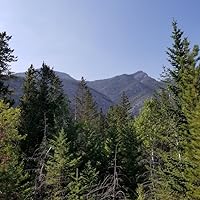
This is the history I wish I'd learned in school. Waiser is unparalleled in his field. The photography by John Perret was a perfect compliment, and it overjoyed me to see my home province portrayed in such a loving light.
Also, I learned that there is a figure in Saskatchewan history named Mansack Twatt, and that's worth knowing all on it's own.
A general history of pre confederation Saskatchewan with emphasis on the Hudson's Bay Company, and the indigenous and Metis peoples. Lacking in detail on the "historical" period of the early to late 1800's.
Although centred in Saskatchewan, A World We Have Lost is relevant to Alberta and Manitoba as well, as it covers the period of the North-West Territories - before Alberta and Saskatchewan became provinces, and when Indigenous people and fur traders were mobile throughout the territory. Highly recommended to all Canadians and all those interested in the dynamics of the relationships between colonial newcomers and indigenous people. From climate history through scouring the HBC records for the individual names of their aboriginal clients, the depth and breadth of Waiser's research and balanced, highly readable presentation will enlighten and inform beyond anything you've read before.
This is an excellent book, particularly the history of First Nations prior to the arrival of Europeans, followed by the struggle to survive disease, the loss of their traditional food source, and mistreatment by governments of the day. The book is well researched and very well written.
I give this a 3.5. The photographs in this book are beautiful. The book was supposed to be from the perspective of the environment and the First Nations peoples but I think in the retelling of the history of Saskatchewan, Bill Waiser didn't stay with this as much as he could have.
Incredible. I'm sad to have finished it. I almost feel like I was around in the times it describes with all the pictures, careful details and countless stories.
Excellent book and resource with early Canadian geology, geography, climate, history of aboriginal groups and cultures, mostly with focus on Ontario and west, along with history of the early Hudson's Bay Co fur-trading(English) vs. Ruperts Land trading(French) with the many various indigenous groups, and history of explorations. I have not yet read to the history of any established settlements from Manitoba west, outside of the HBC. I write notes earlier, but system refused to save them.
Read to p. 129. On pause for a few weeks, will get back to it. Not a book that I would sit and read through non-stop. Lots of graphs, maps, and photos.
I grew up in Saskatchewan and went through the public school system. I learned a very different and very questionable history of Saskatchewan then.
This book is a godsend. If you live in Saskatchewan or have lived here for any significant amount of time, you owe it to yourself, to your ancestors, and to Canada's first peoples to read this book.
This was fantastic. Rarely are history books so easy to read but I would say that I could barely put this one down. Made me realize how little I know about Saskatchewan history. This book is particularly good because it focuses on First Nations and Mètis history in Saskatchewan, which is so often not told and rarely appreciated.