

What do you think?

Μετά τον πόλεμο
Μπορντό, δεκαετία του 1950. Μια πόλη που φέρει ακόμα τα στίγματα του Β΄ Παγκοσμίου Πολέμου κι όπου περιφέρεται η τρομακτική μορφή του αστυνόμου Νταρλάκ, ενός διεφθαρμένου μπάτσου που έκανε περιουσία στην Κατοχή και δεν δίστασε να συνεργαστεί με τους ναζί. Στο μεταξύ έχει αρχίσει ένας νέος πόλεμος που δεν λέει τ’ όνομά του: νεαροί στρατεύσιμοι φεύγουν για την Αλγερία.
Ο Ντανιέλ ξέρει ότι αυτό τον περιμένει κι εκείνον. Οι γονείς του χάθηκαν στα στρατόπεδα συγκέντρωσης, υιοθετήθηκε από ένα ζευγάρι, είναι μαθητευόμενος μηχανολόγος. Μια μέρα, ένας άγνωστος φέρνει τη μοτοσυκλέτα του για επισκευή στο συνεργείο όπου δουλεύει. Ο άγνωστος δεν βρίσκεται στο Μπορντό τυχαία. Η παρουσία του θα πυροδοτήσει ένα κύμα φόνων σ’ ολόκληρη την πόλη, ενώ άλλα εγκλήματα διαπράττονται στην Αλγερία...
Ο Ντανιέλ ξέρει ότι αυτό τον περιμένει κι εκείνον. Οι γονείς του χάθηκαν στα στρατόπεδα συγκέντρωσης, υιοθετήθηκε από ένα ζευγάρι, είναι μαθητευόμενος μηχανολόγος. Μια μέρα, ένας άγνωστος φέρνει τη μοτοσυκλέτα του για επισκευή στο συνεργείο όπου δουλεύει. Ο άγνωστος δεν βρίσκεται στο Μπορντό τυχαία. Η παρουσία του θα πυροδοτήσει ένα κύμα φόνων σ’ ολόκληρη την πόλη, ενώ άλλα εγκλήματα διαπράττονται στην Αλγερία...
576 pages, Paperback
First published March 12, 2014
Ratings & Reviews
Friends & Following
Create a free account to discover what your friends think of this book!
Community Reviews
Displaying 1 - 30 of 49 reviews

August 27, 2015
HO VISTO CIÒ CHE L’UOMO HA CREDUTO DI VEDERE
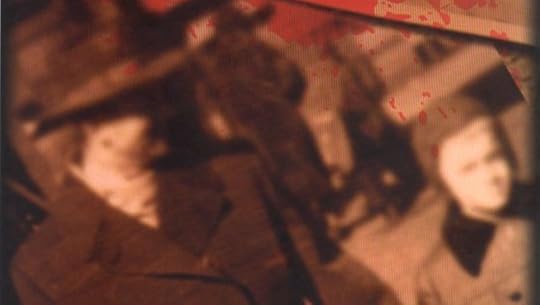
Sulla copertina dell’edizione francese.
Bordeaux 1958: la Seconda Guerra Mondiale è alle spalle.
La guerra è finita in Europa, ma la Francia sa bene come esportarla, prima portata in Indocina, e adesso in Algeria.
La Francia, come mezza Europa, ha evitato di punire colpevoli, aguzzini, e collaboratori dei nazisti, pochi hanno pagato: tanti, troppi hanno continuato a svolgere le loro funzioni, sono rimasti intoccati, mischiati alle vittime, fianco a fianco con gli innocenti.
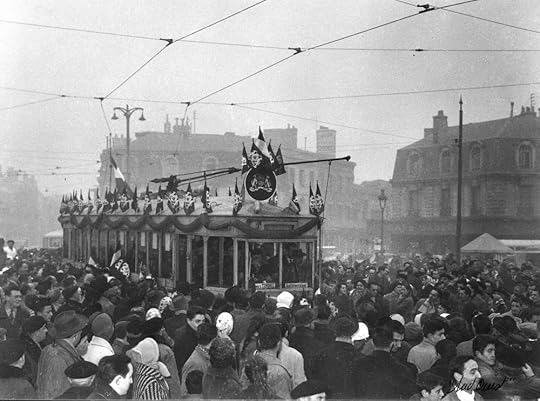
Il tram a Bordeaux negli anni Cinquanta.
Uno dei tre protagonisti del romanzo appartiene a questa zona grigia (antracite) di umanità e ricorda molto l’indimenticabile infernale Quinlan impersonato da Orson Welles nel suo capolavoro Touch of Evil.
Un altro è mosso da spinte che nascono e si sviluppano in conseguenza di questa zona grigia (grigio canna di fucile), cerca giustizia, più che vendetta, novello conte di Montecristo in sedicesimo.
Il terzo protagonista è il figlio del ‘giustiziere’: ha un’età per cui oggi sarebbe ancora un adolescente, cinquant’anni fa invece si era già adulti.
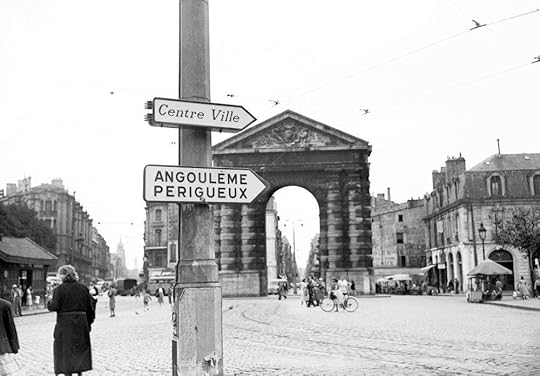
Bordeaux
Le Corre sceglie il genere noir per raccontare questa bella storia.
Il lancio pubblicitario del romanzo dice che fa per Bordeaux quello che Izzo ha fatto con Marsiglia: io lascerei riposare in pace Fabio Montale, che non ha uguali – sgombrato il campo da paralleli azzardati, voglio dire che comunque questo romanzo di Le Corre è bello, bello assai, e Bordeaux è una grande coprotagonista.
Il 1958 è l’epoca di Gilbert Bécaud, Edith Piaf, Charles Trenet, ma anche di gente che adesso si ricorda meno, come Ray Ventura, Luis Mariano, Marcel Merkès e Paulette Merval, mentre al cinema andavano forte Jean Gabin, Gérard Philipe, Martine Carol, Maurice Chevalier.
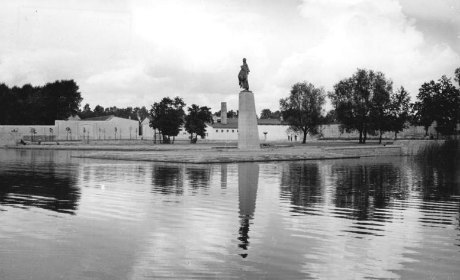
Il ritorno di Ulisse a Bordeaux, un modo per leggere questo romanzo.
Daniel si ricorda di un film con Gérard Philipe che si svolgeva sotto una canicola di piombo e di quel bar a casa del diavolo in cui l’agente sudava guardandosi in cagnesco in un’aria densa mossa da un grosso ventilatore
Fra i punti di forza del libro c’è un’estrema attenzione nei confronti dei personaggi, tutti, anche i più contraddittori e un’ottima capacità di mescolare toni drammatici, storia e romanticismo, andando a creare un mix raro.
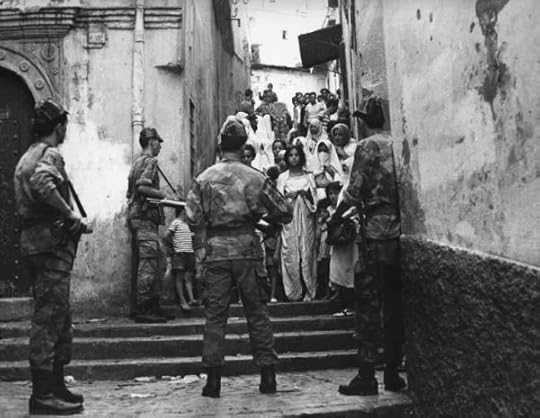
Da “La battaglia di Algeri”, il capolavoro di Gillo Pontecorvo, 1966, con tre candidature all’Oscar.
Le Corre è stato capace di farmi vedere i fantasmi: le cose che non esistono, almeno di solito, nelle sue pagine si vedono, si percepiscono chiaramente.
Ha un’eccezionale capacità descrittiva sia per l’ambiente, le cose, che le persone, le azioni che fanno, i pensieri che hanno, i sentimenti e le emozioni che provano. Le geografie, sia interne che esterne, sono concrete, immagini forti, nette.
La storia si sviluppa, la tensione diventa palpabile, l'attesa cresce, mancano solo cinque pagine e tutto può ancora succedere e tutto deve ancora accadere.
Forse per questo, per questa vetta di suspense raggiunta, il finale mi ha lasciato un pochino d'amaro: forse affrettato, forse un po' troppo rassicurante, forse un po' politically correct.
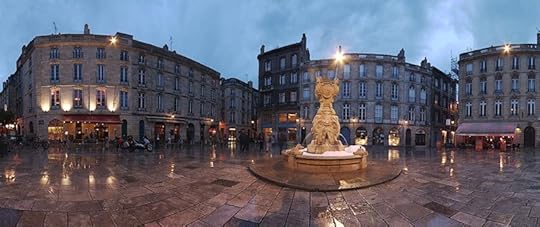
Bordeaux
Il mio titolo è il verso di una poesia di Rimbaud, ‘Il battello ebbro’, citato in queste pagine più di una volta.
…la giustizia sarebbe imbarazzata a ficcare il naso in ciò che lei stessa ha reso possibile: a Bordeaux come altrove ognuno tiene la bocca chiusa, finge di dimenticare i morti e di ignorare i sopravvissuti. “Era la guerra, è finita, cazzo”
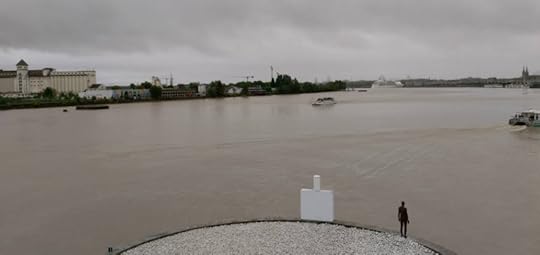
Bordeaux
Sulla copertina dell’edizione francese.
Bordeaux 1958: la Seconda Guerra Mondiale è alle spalle.
La guerra è finita in Europa, ma la Francia sa bene come esportarla, prima portata in Indocina, e adesso in Algeria.
La Francia, come mezza Europa, ha evitato di punire colpevoli, aguzzini, e collaboratori dei nazisti, pochi hanno pagato: tanti, troppi hanno continuato a svolgere le loro funzioni, sono rimasti intoccati, mischiati alle vittime, fianco a fianco con gli innocenti.
Il tram a Bordeaux negli anni Cinquanta.
Uno dei tre protagonisti del romanzo appartiene a questa zona grigia (antracite) di umanità e ricorda molto l’indimenticabile infernale Quinlan impersonato da Orson Welles nel suo capolavoro Touch of Evil.
Un altro è mosso da spinte che nascono e si sviluppano in conseguenza di questa zona grigia (grigio canna di fucile), cerca giustizia, più che vendetta, novello conte di Montecristo in sedicesimo.
Il terzo protagonista è il figlio del ‘giustiziere’: ha un’età per cui oggi sarebbe ancora un adolescente, cinquant’anni fa invece si era già adulti.
Bordeaux
Le Corre sceglie il genere noir per raccontare questa bella storia.
Il lancio pubblicitario del romanzo dice che fa per Bordeaux quello che Izzo ha fatto con Marsiglia: io lascerei riposare in pace Fabio Montale, che non ha uguali – sgombrato il campo da paralleli azzardati, voglio dire che comunque questo romanzo di Le Corre è bello, bello assai, e Bordeaux è una grande coprotagonista.
Il 1958 è l’epoca di Gilbert Bécaud, Edith Piaf, Charles Trenet, ma anche di gente che adesso si ricorda meno, come Ray Ventura, Luis Mariano, Marcel Merkès e Paulette Merval, mentre al cinema andavano forte Jean Gabin, Gérard Philipe, Martine Carol, Maurice Chevalier.
Il ritorno di Ulisse a Bordeaux, un modo per leggere questo romanzo.
Daniel si ricorda di un film con Gérard Philipe che si svolgeva sotto una canicola di piombo e di quel bar a casa del diavolo in cui l’agente sudava guardandosi in cagnesco in un’aria densa mossa da un grosso ventilatore
Fra i punti di forza del libro c’è un’estrema attenzione nei confronti dei personaggi, tutti, anche i più contraddittori e un’ottima capacità di mescolare toni drammatici, storia e romanticismo, andando a creare un mix raro.
Da “La battaglia di Algeri”, il capolavoro di Gillo Pontecorvo, 1966, con tre candidature all’Oscar.
Le Corre è stato capace di farmi vedere i fantasmi: le cose che non esistono, almeno di solito, nelle sue pagine si vedono, si percepiscono chiaramente.
Ha un’eccezionale capacità descrittiva sia per l’ambiente, le cose, che le persone, le azioni che fanno, i pensieri che hanno, i sentimenti e le emozioni che provano. Le geografie, sia interne che esterne, sono concrete, immagini forti, nette.
La storia si sviluppa, la tensione diventa palpabile, l'attesa cresce, mancano solo cinque pagine e tutto può ancora succedere e tutto deve ancora accadere.
Forse per questo, per questa vetta di suspense raggiunta, il finale mi ha lasciato un pochino d'amaro: forse affrettato, forse un po' troppo rassicurante, forse un po' politically correct.
Bordeaux
Il mio titolo è il verso di una poesia di Rimbaud, ‘Il battello ebbro’, citato in queste pagine più di una volta.
…la giustizia sarebbe imbarazzata a ficcare il naso in ciò che lei stessa ha reso possibile: a Bordeaux come altrove ognuno tiene la bocca chiusa, finge di dimenticare i morti e di ignorare i sopravvissuti. “Era la guerra, è finita, cazzo”
Bordeaux

January 24, 2019
Con uno stile privo di retorica e fortemente evocativo, Le Corre costruisce un romanzo spietato e coinvolgente, cui la categoria noir sta decisamente stretta.
Siamo a Bordeaux
“Città tetra che la pioggia sembra spegnere, mentre altrove accende le strade di chiazze di colore e fa rilucere i grandi viali.”
La II guerra mondiale è finita da poco e la Francia si è imbarcata nella guerra d’Algeria. Da una guerra all’altra, quasi fosse la vera essenza dell’uomo. Una si è conclusa portando con sé conti in sospeso che risalgono al periodo dell’occupazione tedesca, collaborazionisti riciclati, poliziotti corrotti, ex prigionieri di campi di concentramento che tornano a casa, più ombre che uomini, la mente persa in ricordi incancellabili, l’odore dei forni crematori addosso.
“Non sarei mai tornato da quella terra immobile, mai avrei lasciato quella strada segnata dai cadaveri. Mai avrei ritrovato la via. Avrei camminato sul suolo polveroso e freddo tra i morti abbandonati nei fossi, senza appoggio né consistenza fisica. Ormai ero l’unico a vedermi, a percepire la realtà materiale del mio spettro. Per gli altri mi sarei confuso nella trasparenza dell’aria. I loro sguardi mi avrebbero trapassato senza mai intuire la mia realtà.”
Un’umanità disperata e violenta, tre storie che si intrecciano: il ritorno di Jean da un campo di concentramento, morto dentro, ossessionato da rimpianti, rimorsi e desiderio di vendetta; il commissario Darlac,
“brutale, cocciuto e cattivo come una congestione cerebrale”
abituato a farsi strada sui cadaveri di amici e nemici, incarnazione del male e del lato peggiore degli esseri umani; Daniel, figlio di Jean, che sogna di girare film e si ritrova in Algeria, a combattere una guerra di cui non comprende il senso e di cui scopre immediatamente l’orrore e la crudeltà.
Ormai
“non guarda più il mondo attraverso la sua inquadratura pieghevole. Più che altro ha guardato dal mirino a cannocchiale del fucile”
Non sa che, una volta tornato, non riuscirà più
“Non riesce più a vedere la sua città come prima di partire per l’Algeria. Forse dopo tutto la vede com’è, umida e buia, insondabile, alla mercé del fiume e della sua melma, quasi disciolta dalle interminabili piogge di novembre.”
Una caccia all’uomo spietata insanguina la città, preda e cacciatore cambiano continuamente, in un crescendo serrato
“Dopo la guerra talvolta la guerra continua. Silenziosa, invisibile. Il passato ti si presenta alla porta con la brutta faccia di uno sporco poliziotto. Anche i morti ritornano. Non sempre quelli che ti auguravi di rivedere.”
Siamo a Bordeaux
“Città tetra che la pioggia sembra spegnere, mentre altrove accende le strade di chiazze di colore e fa rilucere i grandi viali.”
La II guerra mondiale è finita da poco e la Francia si è imbarcata nella guerra d’Algeria. Da una guerra all’altra, quasi fosse la vera essenza dell’uomo. Una si è conclusa portando con sé conti in sospeso che risalgono al periodo dell’occupazione tedesca, collaborazionisti riciclati, poliziotti corrotti, ex prigionieri di campi di concentramento che tornano a casa, più ombre che uomini, la mente persa in ricordi incancellabili, l’odore dei forni crematori addosso.
“Non sarei mai tornato da quella terra immobile, mai avrei lasciato quella strada segnata dai cadaveri. Mai avrei ritrovato la via. Avrei camminato sul suolo polveroso e freddo tra i morti abbandonati nei fossi, senza appoggio né consistenza fisica. Ormai ero l’unico a vedermi, a percepire la realtà materiale del mio spettro. Per gli altri mi sarei confuso nella trasparenza dell’aria. I loro sguardi mi avrebbero trapassato senza mai intuire la mia realtà.”
Un’umanità disperata e violenta, tre storie che si intrecciano: il ritorno di Jean da un campo di concentramento, morto dentro, ossessionato da rimpianti, rimorsi e desiderio di vendetta; il commissario Darlac,
“brutale, cocciuto e cattivo come una congestione cerebrale”
abituato a farsi strada sui cadaveri di amici e nemici, incarnazione del male e del lato peggiore degli esseri umani; Daniel, figlio di Jean, che sogna di girare film e si ritrova in Algeria, a combattere una guerra di cui non comprende il senso e di cui scopre immediatamente l’orrore e la crudeltà.
Ormai
“non guarda più il mondo attraverso la sua inquadratura pieghevole. Più che altro ha guardato dal mirino a cannocchiale del fucile”
Non sa che, una volta tornato, non riuscirà più
“Non riesce più a vedere la sua città come prima di partire per l’Algeria. Forse dopo tutto la vede com’è, umida e buia, insondabile, alla mercé del fiume e della sua melma, quasi disciolta dalle interminabili piogge di novembre.”
Una caccia all’uomo spietata insanguina la città, preda e cacciatore cambiano continuamente, in un crescendo serrato
“Dopo la guerra talvolta la guerra continua. Silenziosa, invisibile. Il passato ti si presenta alla porta con la brutta faccia di uno sporco poliziotto. Anche i morti ritornano. Non sempre quelli che ti auguravi di rivedere.”

September 16, 2018
Noir solidissimo, affresco potentissimo di una città e di una nazione, la Francia, all’indomani della Seconda Guerra Mondiale. Una Francia che ha preferito dimenticare per non fare i conti con quello che è stato. Risultato paradossale: ’Dopo la Guerra’ presume una fine di quel periodo di guerra che in realtà, sembra dal romanzo, è solo apparente.
Perché chi seminava terrore prima continua a farlo, solo in altro contesto. Così, alla fine, non si salva nessuno, perché l’ingenuità è un lusso che non ci si può permettere, come l’idealismo. I buoni non ci sono, ed è questo il principale pregio del romanzo. L’ebreo scampato alle camere a gas, vive cercando vendetta nel rimorso di quello che era prima che la tragedia si abbattesse sulla sua famiglia: un giocatore, puttaniere, ladruncolo, poco di buono. Il figlio pieno di buone intenzioni, alla fine va a fare il cecchino in Algeria, a sparare a civili, spostando ogni giorno un po’ più in là la soglia dell’umanamente tollerabile per l’umanità di una persona che vuoi rimanere sana di mente. I sadici torturatori che durante la Guerra si divertivano al soldo del governo collaborazionista, sono passati in Polizia. E anche chi non la pensa come loro, preferisce voltarsi dall’altra parte, aspettando che siano le loro vicende private, la vendetta di qualcuno che alla fine hanno sottovalutato a farli fuori un po’ alla volta.
Non c’è un minimo di lieto fine o finale rassicurante in questo romanzo. Non una Liberazione.
E va benissimo così.
Bordeaux è splendida e fumosa, romantica e barocca, meridionale e caotica. Una meraviglia.
Perché chi seminava terrore prima continua a farlo, solo in altro contesto. Così, alla fine, non si salva nessuno, perché l’ingenuità è un lusso che non ci si può permettere, come l’idealismo. I buoni non ci sono, ed è questo il principale pregio del romanzo. L’ebreo scampato alle camere a gas, vive cercando vendetta nel rimorso di quello che era prima che la tragedia si abbattesse sulla sua famiglia: un giocatore, puttaniere, ladruncolo, poco di buono. Il figlio pieno di buone intenzioni, alla fine va a fare il cecchino in Algeria, a sparare a civili, spostando ogni giorno un po’ più in là la soglia dell’umanamente tollerabile per l’umanità di una persona che vuoi rimanere sana di mente. I sadici torturatori che durante la Guerra si divertivano al soldo del governo collaborazionista, sono passati in Polizia. E anche chi non la pensa come loro, preferisce voltarsi dall’altra parte, aspettando che siano le loro vicende private, la vendetta di qualcuno che alla fine hanno sottovalutato a farli fuori un po’ alla volta.
Non c’è un minimo di lieto fine o finale rassicurante in questo romanzo. Non una Liberazione.
E va benissimo così.
Bordeaux è splendida e fumosa, romantica e barocca, meridionale e caotica. Una meraviglia.

December 3, 2019
I knew nothing about the author, and very unusual for me was very attracted to the cover .
Set in the 1950’s in France and Algiers.
It goes into depth as to what some people did to survive during the occupation and habits some could not give up. A powerful ending .
A bit convoluted at times but a strong story with excellent prose .
Set in the 1950’s in France and Algiers.
It goes into depth as to what some people did to survive during the occupation and habits some could not give up. A powerful ending .
A bit convoluted at times but a strong story with excellent prose .

June 22, 2023
Vendetta.
É di questo che parla questo romanzo e chi agisce per realizzare la sua vendetta é stato vittima di un torto indicibile da parte di un poliziotto corrotto. Ci sono una serie di personaggi che completano il quadro, un ragazzo che parte per la guerra d'Algeria e suo tramite ci vengono raccontati degli episodi che ci ricordano quanto le guerre siano schifezze.
Mi é stato consigliato da chi anni orsono mi ha fatto conoscere Jean claude Izzo, non posso dire di aver ritrovato quella magia, ma é stata una lettura coinvolgente.
É di questo che parla questo romanzo e chi agisce per realizzare la sua vendetta é stato vittima di un torto indicibile da parte di un poliziotto corrotto. Ci sono una serie di personaggi che completano il quadro, un ragazzo che parte per la guerra d'Algeria e suo tramite ci vengono raccontati degli episodi che ci ricordano quanto le guerre siano schifezze.
Mi é stato consigliato da chi anni orsono mi ha fatto conoscere Jean claude Izzo, non posso dire di aver ritrovato quella magia, ma é stata una lettura coinvolgente.

November 14, 2018
4,5*
Μου πήρε αρκετό χρόνο για να διαβάσω αυτό το βιβλίο. Πυκνογραμμένο με μικρή γραμματοσειρά και βαρύ στην θεματολογία του με ανάγκαζε να διαβάζω το πολύ 50 σελ. την μέρα. Γενικά η γραφή του στις περιγραφές και τα ψυχογραφήματα μου φάνηκε αριστουργηματική. Άργησα όμως να προσαρμοστώ. Νομίζω ότι μετά την 70 σελ.
Ο τρόπος που ξεκινάει το βιβλίο είναι εντυπωσιακός αν και αρκετά σκληρός και ωμός. Η σκηνή του βασανισμού, όπως και όλο το βιβλίο γενικά είναι τόσο ζωντανά και γλαφυρά γραμμένο που είναι σαν να βλέπεις την ιστορία να εκτυλίσσεται μπροστά σου. Ο συγγραφέας δεν αφήνει από την αρχή περιθώρια στον αναγνώστη όσον αφορά τον Αλμπέρ Νταρλάκ. Είναι απεχθής ήρωας. Γύρω στην μέση του βιβλίου όμως σου δείχνει ότι έχει κάποια ανθρώπινα συναισθήματα αλλά είναι πλέον αργά για να τον συμπαθήσεις. Παρόλα αυτά κλονίζεσαι για λίγο.
Μου άρεσε ότι το βιβλίο γενικά μιλάει για τα επακόλουθα του Β’ παγκόσμιου πολέμου στην Γαλλία και ειδικότερα στο Μπορντό και για τον αποικιακό πόλεμο στην Αλγερία. Ήθελα να μάθω κάποιες παραπάνω πληροφορίες για την περίοδο στην οποία εξελίσσεται το Μαύρο Αλγέρι του Αττιά και να έχω πιο ολοκληρωμένη εικόνα για τα γεγονότα. Η ιστορία εκδίκησης του Ζαν Ντερλμπός νομίζω ότι ήταν προσχηματική και προσωπικά δεν με έπεισε. Νομίζω χρησιμοποιήθηκε για την εξέλιξη της πλοκής και μόνο.
Το βιβλίο έχει πολλές σπαραξικάρδιες και ψυχοφθόρες σκηνές. Από την μια η πομπή των εβραίων, με τα βασανιστήρια που τους έκαναν τα SS (Σπασμένα δάκτυλα με τα οποία δεν μπορούσαν να φάνε ή να λύσουν το σκοινί που κρατούσε το παντελόνι τους για να ενεργηθούν). Έπειτα ο Ντανιέλ να εγκαταλείπεται από τους γονείς του πάνω στην στέγη για να σωθεί. Από την άλλη η κατάληψη του χωριού στην Αλγερία από τον μονάδα του Ντανιέλ. Βιασμοί παιδιών, ξύλο, δολοφονίες. Θηριωδίες και κτηνωδίες απίστευτες. Με έριξε ψυχολογικά. Δεν μπορώ να καταλάβω καθόλου πως γίνονται όλα αυτά και τι ένστικτα έχουν αυτοί οι άνθρωποι που τα κάνουν. Μετά την ανάγνωση του κεφαλαίου 27, έπιασα τον εαυτό μου να δυσκολεύεται να αναπνεύσει. Σταμάτησα για κάποιες ώρες την ανάγνωση.
Νομίζω επίσης ότι είναι ένα βιβλίο για την ενηλικίωση μέσα σε τραγικές καταστάσεις όπως ο πόλεμος. Ο Ντανιέλ είναι ένα παιδί που βίωσε την εγκατάλειψη από τους γονείς του. Πηγαίνει στον πόλεμο και στην αρχή δείχνει να του αρέσει. Στο οκτάμηνο που βρίσκεται εκεί, βιώνει την κάθε στιγμή σαν περιπέτεια ικανή να δώσει νόημα στην ζωή του. Υποκύπτει στην δύναμη των όπλων, στο ίλιγγο της βίας και του μίσους. Μα όταν δοκιμάζει την φρίκη του αποτελέσματος λυγίζει και ωριμάζει. Βλέπει ότι έχει να κάνει με ανθρώπινες ζωές και δεν είναι παιχνίδι όλο αυτό. Βλέπει ανθρώπους να χάνονται, φίλους του ή και απλούς γνωστούς.
Για τον χαρακτήρα του Ζαν Ντελμπρός ή Αντρέ Βαγιάν έχω ενστάσεις. Στην αρχή του Β’ Παγκόσμιου εμφανίζεται σαν τζογαδόρος και γυναικάς. Δεν ενδιαφέρεται και τόσο για την οικογένεια του, αν και τους αγαπάει. Εξαιτίας της αφέλειας του και νομίζοντας ότι μπορεί εφόσον είναι φίλος του Νταρλάκ να μείνει στο απυρόβλητο τους καταδικάζει. Αφού τον πιάνουν και τον στέλνουν αυτόν και την γυναίκα του στο στρατόπεδο συγκέντρωσης, εκείνη πεθαίνει. Ο ίδιος σώζεται κατά τύχη, γυρίζει στο Παρίσι και μένει εκεί τόσα χρόνια και αφού η κοπέλα που έκανε παρέα, αυτοκτονεί, αποφασίζει ότι πρέπει να γυρίσει και να εκδικηθεί; Γιατί αυτήν την δεδομένη στιγμή; Δεν με έπεισαν καθόλου οι προθέσεις και τα κίνητρα του. Ποτέ δεν εξηγεί τους λόγους.
Το φινάλε αν και μου ψιλοφάνηκε προβλέψιμο ως νουάρ που είναι, με ικανοποίησε. Είναι ένα βιβλίο που το κρατάω ολοζώντανο στο μυαλό μου για μέρες και αυτό δεν μου συμβαίνει συχνά. Σίγουρα θα επιδιώξω να διαβάσω και άλλα βιβλία του Ερβέ Λε Κόρ.
Μου πήρε αρκετό χρόνο για να διαβάσω αυτό το βιβλίο. Πυκνογραμμένο με μικρή γραμματοσειρά και βαρύ στην θεματολογία του με ανάγκαζε να διαβάζω το πολύ 50 σελ. την μέρα. Γενικά η γραφή του στις περιγραφές και τα ψυχογραφήματα μου φάνηκε αριστουργηματική. Άργησα όμως να προσαρμοστώ. Νομίζω ότι μετά την 70 σελ.
Ο τρόπος που ξεκινάει το βιβλίο είναι εντυπωσιακός αν και αρκετά σκληρός και ωμός. Η σκηνή του βασανισμού, όπως και όλο το βιβλίο γενικά είναι τόσο ζωντανά και γλαφυρά γραμμένο που είναι σαν να βλέπεις την ιστορία να εκτυλίσσεται μπροστά σου. Ο συγγραφέας δεν αφήνει από την αρχή περιθώρια στον αναγνώστη όσον αφορά τον Αλμπέρ Νταρλάκ. Είναι απεχθής ήρωας. Γύρω στην μέση του βιβλίου όμως σου δείχνει ότι έχει κάποια ανθρώπινα συναισθήματα αλλά είναι πλέον αργά για να τον συμπαθήσεις. Παρόλα αυτά κλονίζεσαι για λίγο.
Μου άρεσε ότι το βιβλίο γενικά μιλάει για τα επακόλουθα του Β’ παγκόσμιου πολέμου στην Γαλλία και ειδικότερα στο Μπορντό και για τον αποικιακό πόλεμο στην Αλγερία. Ήθελα να μάθω κάποιες παραπάνω πληροφορίες για την περίοδο στην οποία εξελίσσεται το Μαύρο Αλγέρι του Αττιά και να έχω πιο ολοκληρωμένη εικόνα για τα γεγονότα. Η ιστορία εκδίκησης του Ζαν Ντερλμπός νομίζω ότι ήταν προσχηματική και προσωπικά δεν με έπεισε. Νομίζω χρησιμοποιήθηκε για την εξέλιξη της πλοκής και μόνο.
Το βιβλίο έχει πολλές σπαραξικάρδιες και ψυχοφθόρες σκηνές. Από την μια η πομπή των εβραίων, με τα βασανιστήρια που τους έκαναν τα SS (Σπασμένα δάκτυλα με τα οποία δεν μπορούσαν να φάνε ή να λύσουν το σκοινί που κρατούσε το παντελόνι τους για να ενεργηθούν). Έπειτα ο Ντανιέλ να εγκαταλείπεται από τους γονείς του πάνω στην στέγη για να σωθεί. Από την άλλη η κατάληψη του χωριού στην Αλγερία από τον μονάδα του Ντανιέλ. Βιασμοί παιδιών, ξύλο, δολοφονίες. Θηριωδίες και κτηνωδίες απίστευτες. Με έριξε ψυχολογικά. Δεν μπορώ να καταλάβω καθόλου πως γίνονται όλα αυτά και τι ένστικτα έχουν αυτοί οι άνθρωποι που τα κάνουν. Μετά την ανάγνωση του κεφαλαίου 27, έπιασα τον εαυτό μου να δυσκολεύεται να αναπνεύσει. Σταμάτησα για κάποιες ώρες την ανάγνωση.
Νομίζω επίσης ότι είναι ένα βιβλίο για την ενηλικίωση μέσα σε τραγικές καταστάσεις όπως ο πόλεμος. Ο Ντανιέλ είναι ένα παιδί που βίωσε την εγκατάλειψη από τους γονείς του. Πηγαίνει στον πόλεμο και στην αρχή δείχνει να του αρέσει. Στο οκτάμηνο που βρίσκεται εκεί, βιώνει την κάθε στιγμή σαν περιπέτεια ικανή να δώσει νόημα στην ζωή του. Υποκύπτει στην δύναμη των όπλων, στο ίλιγγο της βίας και του μίσους. Μα όταν δοκιμάζει την φρίκη του αποτελέσματος λυγίζει και ωριμάζει. Βλέπει ότι έχει να κάνει με ανθρώπινες ζωές και δεν είναι παιχνίδι όλο αυτό. Βλέπει ανθρώπους να χάνονται, φίλους του ή και απλούς γνωστούς.
Για τον χαρακτήρα του Ζαν Ντελμπρός ή Αντρέ Βαγιάν έχω ενστάσεις. Στην αρχή του Β’ Παγκόσμιου εμφανίζεται σαν τζογαδόρος και γυναικάς. Δεν ενδιαφέρεται και τόσο για την οικογένεια του, αν και τους αγαπάει. Εξαιτίας της αφέλειας του και νομίζοντας ότι μπορεί εφόσον είναι φίλος του Νταρλάκ να μείνει στο απυρόβλητο τους καταδικάζει. Αφού τον πιάνουν και τον στέλνουν αυτόν και την γυναίκα του στο στρατόπεδο συγκέντρωσης, εκείνη πεθαίνει. Ο ίδιος σώζεται κατά τύχη, γυρίζει στο Παρίσι και μένει εκεί τόσα χρόνια και αφού η κοπέλα που έκανε παρέα, αυτοκτονεί, αποφασίζει ότι πρέπει να γυρίσει και να εκδικηθεί; Γιατί αυτήν την δεδομένη στιγμή; Δεν με έπεισαν καθόλου οι προθέσεις και τα κίνητρα του. Ποτέ δεν εξηγεί τους λόγους.
Το φινάλε αν και μου ψιλοφάνηκε προβλέψιμο ως νουάρ που είναι, με ικανοποίησε. Είναι ένα βιβλίο που το κρατάω ολοζώντανο στο μυαλό μου για μέρες και αυτό δεν μου συμβαίνει συχνά. Σίγουρα θα επιδιώξω να διαβάσω και άλλα βιβλία του Ερβέ Λε Κόρ.

July 14, 2017
During the reading of After The War, I posted on social media that “This is astonishing. I have been moved, perplexed, disturbed, and enthralled in equal measure” and to be honest, in the wake of finishing it, I could simply leave it at that. Comprising of past and present timelines, the dual locations of the seedy underbelly of 1950’s Bordeaux, and the contentious French conflict in Algeria, and with one police protagonist that is evil incarnate, Herve Le Corre has produced a truly uncompromising, multi-layered masterpiece…
In common with many crime thrillers this is a story driven by, and built on vengeance, as Daniel, a young man, on the cusp of war, becomes aware of his estranged father returning to Bordeaux to seek revenge on the man who committed the ultimate betrayal during WWII. Through the powerful narrative of Daniel’s experience fighting in Algeria, juxtaposed with Jean, his father’s, meticulous plan to heap as much misery and wrath on Albert Darlac, an immoral, violent and thoroughly odious police detective, Le Corre raises the emotional intensity, and therefore the reader’s engagement with some considerable skill. His characterisation is absolutely superb, with all three male protagonist’s exposing to the reader the very best and worst of human nature, and digging deep into the notion of how we can be morally compelled to do bad things for good reasons. In the character of Darlac, we see the ultimate realisation of the bete noire, with a man whose actions come from the darkest recesses of immorality, and whose revenge on those around him is driven by evil of the highest order. I was equally repulsed and fascinated by him throughout, and will from this day forward acquire the mantle of one of the darkest characters ever to grace the pages of crime fiction.
Le Corre’s depiction of Daniel experiencing the sheer intensity and dubious morality of men’s actions in war was my personal highlight of the book. As a regular reader of contemporary literary war fiction, I thought that the author’s realisation and visualisation of the terrain itself was perfect in every detail, and the mundanity of a soldier’s life, interrupted with these big, bold and terrifying incidences of combat was hugely affecting on the reader. Le Corre never turns his full gaze away from this harshest of moral issues as to how the men in Daniel’s platoon react so viscerally to attack, and how they vent this rage on the enemy, contravening the rules of war. The scenes he presents are uncompromising, and yes, uncomfortable at times, but so real and necessary to underscore Daniel’s gradual realisation of the futility of that for which he fights, and in which he loses comrades. It was breath-taking in its depiction.
After The War is a behemoth of a thriller, that challenges and perplexes the reader, testing our notions of morality and empathy, and through the adept translation of Sam Taylor, a thoroughly rewarding, if emotionally troubling read. Highly recommended.
In common with many crime thrillers this is a story driven by, and built on vengeance, as Daniel, a young man, on the cusp of war, becomes aware of his estranged father returning to Bordeaux to seek revenge on the man who committed the ultimate betrayal during WWII. Through the powerful narrative of Daniel’s experience fighting in Algeria, juxtaposed with Jean, his father’s, meticulous plan to heap as much misery and wrath on Albert Darlac, an immoral, violent and thoroughly odious police detective, Le Corre raises the emotional intensity, and therefore the reader’s engagement with some considerable skill. His characterisation is absolutely superb, with all three male protagonist’s exposing to the reader the very best and worst of human nature, and digging deep into the notion of how we can be morally compelled to do bad things for good reasons. In the character of Darlac, we see the ultimate realisation of the bete noire, with a man whose actions come from the darkest recesses of immorality, and whose revenge on those around him is driven by evil of the highest order. I was equally repulsed and fascinated by him throughout, and will from this day forward acquire the mantle of one of the darkest characters ever to grace the pages of crime fiction.
Le Corre’s depiction of Daniel experiencing the sheer intensity and dubious morality of men’s actions in war was my personal highlight of the book. As a regular reader of contemporary literary war fiction, I thought that the author’s realisation and visualisation of the terrain itself was perfect in every detail, and the mundanity of a soldier’s life, interrupted with these big, bold and terrifying incidences of combat was hugely affecting on the reader. Le Corre never turns his full gaze away from this harshest of moral issues as to how the men in Daniel’s platoon react so viscerally to attack, and how they vent this rage on the enemy, contravening the rules of war. The scenes he presents are uncompromising, and yes, uncomfortable at times, but so real and necessary to underscore Daniel’s gradual realisation of the futility of that for which he fights, and in which he loses comrades. It was breath-taking in its depiction.
After The War is a behemoth of a thriller, that challenges and perplexes the reader, testing our notions of morality and empathy, and through the adept translation of Sam Taylor, a thoroughly rewarding, if emotionally troubling read. Highly recommended.

August 6, 2017
Di tutti quelli che ho letto nel 2016 sicuramente è il migliore, scritto divinamente, fin dalle prime pagine si capisce che siamo su un livello molto alto per il genere noir, che peraltro gli sta molto stretto. Tanta roba, ma tanta...

May 4, 2021
Ένα εξαιρετικό (και επικό) νουάρ μυθιστόρημα για της πληγές (και τις ντροπές) της σύγχρονης γαλλικής ιστορίας. Δύσκολο, σκληρό και υπέροχο, με χαρακτήρες που μένουν αξέχαστοι.

August 15, 2019
Onze eerste week vakantie was op 100km van Bordeaux en dus zocht ik in de bib naar boeken die zich daar afspeelden. De korte inhoud van "Altijd oorlog" sprak me heel erg aan en het boek is ook winnaar van de Europese thrillerprijs, dus dat kan niet slecht zijn hè...
En toch waren de eerste 150 à 200 pagina's werken. Zoveel geweld dat met heel veel details werd beschreven, ik kwam moeilijk in het verhaal en de personages, dacht even dat dit misschien dan wel eens een "mannenboek" zou zijn (als dat bestaat natuurlijk) en had het bijna weggelegd.
Maar nu zo blij dat ik toch heb doorgezet, want dit boek is zo rijk en genuanceerd. Het idee "good guys vs bad guys" wordt zo op de korrel genomen! Geschiedenis krijgt een heel menselijk gezicht, zeker niet fraai, maar wel met goede en slechte kanten die naargelang de situatie durven switchen.
Voor mij mochten er bij momenten minder details in (3-4 verschillende beschrijvingen om hetzelfde gevoel te duiden is er soms wat over), maar ik heb prachtige zinnen gelezen en zal voor Daniel en André niet snel vergeten!
En toch waren de eerste 150 à 200 pagina's werken. Zoveel geweld dat met heel veel details werd beschreven, ik kwam moeilijk in het verhaal en de personages, dacht even dat dit misschien dan wel eens een "mannenboek" zou zijn (als dat bestaat natuurlijk) en had het bijna weggelegd.
Maar nu zo blij dat ik toch heb doorgezet, want dit boek is zo rijk en genuanceerd. Het idee "good guys vs bad guys" wordt zo op de korrel genomen! Geschiedenis krijgt een heel menselijk gezicht, zeker niet fraai, maar wel met goede en slechte kanten die naargelang de situatie durven switchen.
Voor mij mochten er bij momenten minder details in (3-4 verschillende beschrijvingen om hetzelfde gevoel te duiden is er soms wat over), maar ik heb prachtige zinnen gelezen en zal voor Daniel en André niet snel vergeten!

October 2, 2019
1950s Bordeaux is a city that can’t get away from memories of the Second World War. The scars of collaboration and resistance are more keenly felt than ever and it’s citizens are struggling to move on. To the south though, a new war has begun. Young men are being sent in large numbers to Algeria where a savage and violent battle has just begun.
Le Corre’s story is of two characters, one young and one old, that have very different experiences and outlooks. 20 year old Daniel is a mechanic still grieving the loss of his parents and sister from the last war, knowing that the new life he has forged is about to be interrupted as he is sent to the massacres, mutilations and ambushes of the crisis in Algeria.
For police commissioner Albert Darlac, the ‘godfather of Bordeaux’, his past is catching up with him, his corrupt past, fascist tendencies and even Nazi collaboration from the war, are surfacing.
It’s a bleak tale of vengeance, with frequent and graphic violence, but revealing about a difficult time in French history.
Le Corre is otherwise a crime fiction writer, and that is evident and necessary in what is a long book at 512 pages. There is frequent action, often very violent, and gritty dialogue. Some of the sections in between, though informative, are less gripping. Those with real interest in that period will be content, but for me I would have preferred it 100 pages lighter.
Le Corre’s story is of two characters, one young and one old, that have very different experiences and outlooks. 20 year old Daniel is a mechanic still grieving the loss of his parents and sister from the last war, knowing that the new life he has forged is about to be interrupted as he is sent to the massacres, mutilations and ambushes of the crisis in Algeria.
For police commissioner Albert Darlac, the ‘godfather of Bordeaux’, his past is catching up with him, his corrupt past, fascist tendencies and even Nazi collaboration from the war, are surfacing.
It’s a bleak tale of vengeance, with frequent and graphic violence, but revealing about a difficult time in French history.
Le Corre is otherwise a crime fiction writer, and that is evident and necessary in what is a long book at 512 pages. There is frequent action, often very violent, and gritty dialogue. Some of the sections in between, though informative, are less gripping. Those with real interest in that period will be content, but for me I would have preferred it 100 pages lighter.

March 2, 2022
Novela negra francesa, situada en Burdeos pocos años despues de finalizada la II Guerra Mundial.
Está bien escrita, pero a mí me ha resultado algo confusa con tantos personajes, policías antiguos colaboracionistas reisentados en la nueva Francia, corruptos, con temas pendientes y navegando entre soplones, antiguos amigos desaparecidos, guerra de la independencia de Argel, regreso de deportados a campos de exterminio que buscan venganza, escenarios diversos que a veces hacen perder el hilo de la historia. Demasiadas páginas para contar algo que desde el principio se intuye. No ha llegado a convencerme.
Está bien escrita, pero a mí me ha resultado algo confusa con tantos personajes, policías antiguos colaboracionistas reisentados en la nueva Francia, corruptos, con temas pendientes y navegando entre soplones, antiguos amigos desaparecidos, guerra de la independencia de Argel, regreso de deportados a campos de exterminio que buscan venganza, escenarios diversos que a veces hacen perder el hilo de la historia. Demasiadas páginas para contar algo que desde el principio se intuye. No ha llegado a convencerme.

October 3, 2015
un signor noir letterario ambientato nella Bourdeaux anni 50. costruito splendidamente e con tre personaggi enormi a farla da padrone è un libro che non risparmia nulla

May 21, 2017
3.5 étoiles
Un retour très crédible dans les années 60 à Bordeaux et à Paris avec un flic ripou, un jeune aux parents déportés pendant la 2e guerre mondiale et qui à son tour doit partir pour celle d'Algérie
avec tout plein (peut-être un peu trop !) de détails qui parfois font perdre le fil principal mais qui facilite la plongée dans le temps...
Une agréable surprise pour qui apprécie cette période avec des personnages (du prolétaire au bourgeois, tous plus ou moins traumatisés ou pourris) un poil plus soft que dans Prendre les loups pour des chiens mais toujours dans la fracture sociale
nota : je serais presque allé jusqu'à 4 étoiles si l'auteur n'abusait pas autant du "et" (ce qui, vous vous en doutez, m'agace prodigieusement)
Un retour très crédible dans les années 60 à Bordeaux et à Paris avec un flic ripou, un jeune aux parents déportés pendant la 2e guerre mondiale et qui à son tour doit partir pour celle d'Algérie
avec tout plein (peut-être un peu trop !) de détails qui parfois font perdre le fil principal mais qui facilite la plongée dans le temps...
Une agréable surprise pour qui apprécie cette période avec des personnages (du prolétaire au bourgeois, tous plus ou moins traumatisés ou pourris) un poil plus soft que dans Prendre les loups pour des chiens mais toujours dans la fracture sociale
nota : je serais presque allé jusqu'à 4 étoiles si l'auteur n'abusait pas autant du "et" (ce qui, vous vous en doutez, m'agace prodigieusement)

November 2, 2018
Quand Hervé Le Corre se saisit d'un sujet ou d'une période historique pour ses thrillers ou romans policiers, c'est toujours avec force, justesse et certainement une belle préparation en amont leur écriture. On se souvient de L'homme aux lèvres de saphir, roman naturaliste à la Zola, qui nous plongeait dans les grèves du 19ème siècle et le monde des ouvriers de Paris. Cette fois, c'est dans le Bordeaux des années 50 que se déroule cette histoire, dans cette période très trouble de l'après Seconde Guerre mondiale. La suite ici: https://pagesdhistoires.blogspot.com/...
October 11, 2015
L'infernale Quinlan e molto altro

May 19, 2018
Hervé le Corre (Bordeaux, 1955) rondde zijn studie Franse literatuur in 1972 af. Hij werkt als leraar literatuur aan een middelbare school en begon rond zijn dertigste met schrijven. Le Corre heeft al verschillende thrillers op zijn naam staan waar hij lovende kritieken op ontving. Daarnaast ontving hij een aantal prijzen waaronder de Grand Prix Litérature Policière en de Prix Landerneau. Zijn thriller, Altijd oorlog, is in 2014 bekroond met de Prix du Polar Européen en is zijn eerste boek dat in het Nederlands is vertaald.
De Tweede Wereldoorlog is al een aantal jaren ten einde, het leven in Bordeaux gaat door, maar toch is de schaduw van die oorlog nog merkbaar. Commissaris Darlac, in de oorlog sympathisant van de nazi's, is gewoon aan het werk en Franse militairen worden uitgezonden om aan de Algerijnse Oorlog deel te nemen. Daniel Delbos heeft zijn ouders in WO2 verloren en werkt in een garage, waar op een dag een vreemde man binnenkomt. In Bordeaux vindt tegelijkertijd een aantal moorden plaats. Terwijl Daniel uitgezonden wordt naar Algerije, houdt Darlac zich met het onderzoek naar de moorden bezig. Daniel keert terug en hij komt steeds meer te weten wat er met zijn ouders gebeurd is, maar ook wat destijds de rol van Darlac is geweest.
De boeken van Le Corre kenmerken zich door de duistere kant van de samenleving. Altijd oorlog is daar geen uitzondering op. Het eerste hoofdstuk, dat nogal gewelddadig is, is daar een duidelijk voorbeeld van. Maar in feite is die rauwheid, dat zwarte, door het hele boek verweven. Dat uit zich in de vaak nogal onorthodoxe werkwijze van commissaris Darlac, maar ook de beeldende beschrijving van de oorlog in Algerije is daar een heel goed voorbeeld van.
Hoewel Altijd oorlog niet het meest gemakkelijke boek is, wordt de doorzetter beloond. De eerste hoofdstukken lezen moeilijk en je moet je aandacht er goed bijhouden. Le Corre lijkt in die hoofdstukken ook onnodig veel woorden te gebruiken, maar dat heeft een doel. Na dat 'moeilijke' deel begrijp je beter waarom de auteur dit gedaan heeft en begint het verhaal steeds duidelijkere vormen aan te nemen waardoor het boeiender, maar vooral ook interessanter wordt.
Het verhaal wordt verteld vanuit het perspectief van drie personages: Darlac, Daniel en André, de man die plotseling in de garage opdook. Ieder van hen heeft zijn eigen visie op de Tweede Wereldoorlog die zo bepalend is geweest voor het verloop van hun leven. Hoewel hun eigen verhaal aanvankelijk niets met dan van de ander te maken lijkt te hebben, vloeien ze steeds meer naar elkaar toe totdat ze in de ontknoping zelfs samenvallen.
Deze drie personages worden door Le Corre erg sterk neergezet, hebben ieder hun eigen karakter en zijn goed uitgediept. Uiteraard draait het verhaal vooral om hen, maar de personages die een minder aanzienlijke inbreng hebben, moeten zeker niet over het hoofd gezien worden. Zonder hen zou het verhaal niet zijn wat het is.
Soms is het verhaal enigszins voorspelbaar, maar dat heeft geen nadelige invloed op het verloop daarvan. Dat is goed uitgewerkt, de losse eindjes komen bij elkaar en alle vragen die tijdens het lezen ontstaan worden uiteindelijk beantwoord. De ontknoping mag zelfs verrassend genoemd worden. Altijd oorlog heet een thriller te zijn, maar dat is wat misplaatst. Omdat het vooral eigenschappen heeft van een oorlogsroman. Het lijkt geen boek voor het grote publiek te zijn. Dat is jammer, want het boek verdient het om gelezen te worden.
De Tweede Wereldoorlog is al een aantal jaren ten einde, het leven in Bordeaux gaat door, maar toch is de schaduw van die oorlog nog merkbaar. Commissaris Darlac, in de oorlog sympathisant van de nazi's, is gewoon aan het werk en Franse militairen worden uitgezonden om aan de Algerijnse Oorlog deel te nemen. Daniel Delbos heeft zijn ouders in WO2 verloren en werkt in een garage, waar op een dag een vreemde man binnenkomt. In Bordeaux vindt tegelijkertijd een aantal moorden plaats. Terwijl Daniel uitgezonden wordt naar Algerije, houdt Darlac zich met het onderzoek naar de moorden bezig. Daniel keert terug en hij komt steeds meer te weten wat er met zijn ouders gebeurd is, maar ook wat destijds de rol van Darlac is geweest.
De boeken van Le Corre kenmerken zich door de duistere kant van de samenleving. Altijd oorlog is daar geen uitzondering op. Het eerste hoofdstuk, dat nogal gewelddadig is, is daar een duidelijk voorbeeld van. Maar in feite is die rauwheid, dat zwarte, door het hele boek verweven. Dat uit zich in de vaak nogal onorthodoxe werkwijze van commissaris Darlac, maar ook de beeldende beschrijving van de oorlog in Algerije is daar een heel goed voorbeeld van.
Hoewel Altijd oorlog niet het meest gemakkelijke boek is, wordt de doorzetter beloond. De eerste hoofdstukken lezen moeilijk en je moet je aandacht er goed bijhouden. Le Corre lijkt in die hoofdstukken ook onnodig veel woorden te gebruiken, maar dat heeft een doel. Na dat 'moeilijke' deel begrijp je beter waarom de auteur dit gedaan heeft en begint het verhaal steeds duidelijkere vormen aan te nemen waardoor het boeiender, maar vooral ook interessanter wordt.
Het verhaal wordt verteld vanuit het perspectief van drie personages: Darlac, Daniel en André, de man die plotseling in de garage opdook. Ieder van hen heeft zijn eigen visie op de Tweede Wereldoorlog die zo bepalend is geweest voor het verloop van hun leven. Hoewel hun eigen verhaal aanvankelijk niets met dan van de ander te maken lijkt te hebben, vloeien ze steeds meer naar elkaar toe totdat ze in de ontknoping zelfs samenvallen.
Deze drie personages worden door Le Corre erg sterk neergezet, hebben ieder hun eigen karakter en zijn goed uitgediept. Uiteraard draait het verhaal vooral om hen, maar de personages die een minder aanzienlijke inbreng hebben, moeten zeker niet over het hoofd gezien worden. Zonder hen zou het verhaal niet zijn wat het is.
Soms is het verhaal enigszins voorspelbaar, maar dat heeft geen nadelige invloed op het verloop daarvan. Dat is goed uitgewerkt, de losse eindjes komen bij elkaar en alle vragen die tijdens het lezen ontstaan worden uiteindelijk beantwoord. De ontknoping mag zelfs verrassend genoemd worden. Altijd oorlog heet een thriller te zijn, maar dat is wat misplaatst. Omdat het vooral eigenschappen heeft van een oorlogsroman. Het lijkt geen boek voor het grote publiek te zijn. Dat is jammer, want het boek verdient het om gelezen te worden.

November 30, 2018
Βαθιά συναισθηματικό και με πολύ ζωντανές περιγραφές, το βιβλίο του Λε Κορ περιστρέφεται γύρω από δύο κεντρικούς άξονες, τον Β' Παγκόσμιο Πόλεμο με τα απομεινάρια του και τον πόλεμο στην Αλγερία (αν και το κομμάτι της Αλγερίας θα μπορούσε να είναι ξεχωριστό βιβλίο). Ο συγγραφέας μεταφέρει στον αναγνώστη όλη τη φρίκη του πολέμου και σε κάνει να νιώσεις πραγματικά πώς είναι να αναγκάζεσαι να κάνεις αποτρόπαιες πράξεις. Σε ό,τι αφορά τις πολεμικές περιγραφές μού θύμισε λίγο τον Erich Maria Remarque με το Im Westen nichts Neues.
Το πρωταγωνιστικό δίδυμο (Νταρλάκ και Ζαν) είναι τραγικό. Ο πρώτος, διεφθαρμένος και σάπιος μέχρι το μεδούλι, σίγουρα έχει μια θέση ανάμεσα στις πιο μισητές φιγούρες βιβλίων. Ο δεύτερος, βασανισμένος και μετανιωμένος για τον προηγούμενο έκλυτο βίο του, έρχεται να πάρει εκδίκηση από τον πρώτο και να απαλλαχθεί από τις τύψεις του. Ανάμεσά τους βρίσκεται και ο Ντανιέλ, ο μόνος που δεν φταίει σε τίποτα και καταλήγει να την πληρώσει (από μικρός ζει την απώλεια, καθώς χάνει τους γονείς που τους στέλνουν στο Άουσβιτς, μετά τον στέλνουν να πολεμήσει στην Αλγερία, λιποτακτεί και ταράζεται στην συνάντηση με τον αληθινό του πατέρα).
Η αλήθεια είναι ότι ο Λε Κορ αφήνει αρκετά κενά σε ορισμένα σημεία, π.χ. Πώς βρίσκει τα μέσα ο Ζαν και ζει στο Παρίσι τόσο καιρό; Γιατί αποφασίζει μετά από τόσο καιρό να γυρίσει στο Μπορντώ; Πώς καταφέρνει και γίνεται τόσο φοβερός στην παρακολούθηση και πλέκει τον ιστό του γύρω από τον Νταρλάκ; Πώς είναι δυνατόν ο Νταρλάκ να φανεί τόσο αφελής στο τέλος και να σηκωθεί να φύγει, χωρίς να βεβαιωθεί ότι είναι νεκροί και οι δύο; Πώς μπορεί ο Φρανσίς να επιστρέψει, γνωρίζοντας ότι ο Νταρλάκ θα τον σκοτώσει με το που θα βρει την ευκαιρία; Και μάλιστα τον καλεί και στο σπίτι του!
Η τραγικότερη σκηνή για μένα ήταν όταν οι γονείς αναγκάζονται να εγκαταλείψουν τον μικρό τους γιο, για να μην καταλήξει μαζί τους στο στρατόπεδο συγκέντρωσης. Ανεβάζουν το παιδάκι στη στέγη και μένει εκεί ένα 24ωρο (να κρυώνει και να κατουριέται πάνω του) μέχρι να έρθουν να το σώσουν κάτι φίλοι. Πώς μπορεί να μην κουβαλάει αυτό το τραύμα σε όλη του τη ζωή ως ενήλικας;
Το φινάλε ήταν προβλέψιμο, γιατί καταλαβαίνεις ότι δεν μπορεί να έχει happy end αυτή η εκδικητική μανία. Η μόνη δικαίωση για τον αναγνώστη έρχεται στο τέλος, γιατί με τόσα κακά που έχει κάνει ο Νταρλάκ ξέρεις ότι πρέπει να τιμωρηθεί από το σύμπαν.
Το πρωταγωνιστικό δίδυμο (Νταρλάκ και Ζαν) είναι τραγικό. Ο πρώτος, διεφθαρμένος και σάπιος μέχρι το μεδούλι, σίγουρα έχει μια θέση ανάμεσα στις πιο μισητές φιγούρες βιβλίων. Ο δεύτερος, βασανισμένος και μετανιωμένος για τον προηγούμενο έκλυτο βίο του, έρχεται να πάρει εκδίκηση από τον πρώτο και να απαλλαχθεί από τις τύψεις του. Ανάμεσά τους βρίσκεται και ο Ντανιέλ, ο μόνος που δεν φταίει σε τίποτα και καταλήγει να την πληρώσει (από μικρός ζει την απώλεια, καθώς χάνει τους γονείς που τους στέλνουν στο Άουσβιτς, μετά τον στέλνουν να πολεμήσει στην Αλγερία, λιποτακτεί και ταράζεται στην συνάντηση με τον αληθινό του πατέρα).
Η αλήθεια είναι ότι ο Λε Κορ αφήνει αρκετά κενά σε ορισμένα σημεία, π.χ. Πώς βρίσκει τα μέσα ο Ζαν και ζει στο Παρίσι τόσο καιρό; Γιατί αποφασίζει μετά από τόσο καιρό να γυρίσει στο Μπορντώ; Πώς καταφέρνει και γίνεται τόσο φοβερός στην παρακολούθηση και πλέκει τον ιστό του γύρω από τον Νταρλάκ; Πώς είναι δυνατόν ο Νταρλάκ να φανεί τόσο αφελής στο τέλος και να σηκωθεί να φύγει, χωρίς να βεβαιωθεί ότι είναι νεκροί και οι δύο; Πώς μπορεί ο Φρανσίς να επιστρέψει, γνωρίζοντας ότι ο Νταρλάκ θα τον σκοτώσει με το που θα βρει την ευκαιρία; Και μάλιστα τον καλεί και στο σπίτι του!
Η τραγικότερη σκηνή για μένα ήταν όταν οι γονείς αναγκάζονται να εγκαταλείψουν τον μικρό τους γιο, για να μην καταλήξει μαζί τους στο στρατόπεδο συγκέντρωσης. Ανεβάζουν το παιδάκι στη στέγη και μένει εκεί ένα 24ωρο (να κρυώνει και να κατουριέται πάνω του) μέχρι να έρθουν να το σώσουν κάτι φίλοι. Πώς μπορεί να μην κουβαλάει αυτό το τραύμα σε όλη του τη ζωή ως ενήλικας;
Το φινάλε ήταν προβλέψιμο, γιατί καταλαβαίνεις ότι δεν μπορεί να έχει happy end αυτή η εκδικητική μανία. Η μόνη δικαίωση για τον αναγνώστη έρχεται στο τέλος, γιατί με τόσα κακά που έχει κάνει ο Νταρλάκ ξέρεις ότι πρέπει να τιμωρηθεί από το σύμπαν.
August 4, 2019
I thought this book was enjoyable but because of a very poorly executed part it fell extremely flat in my opinion, which I will get to later in my review.
The story follows 3 perspectives in the book: Albert Darlac, Andre Vaillant, and Daniel Delbos.
Albert Darlac is a police commissioner in the French city of Bordeaux who used to work together with the nazis to find Jews and other people the nazis wanted to find. He doesn’t hate Jews though, he only cared for the fat paycheck he received. Now it’s 1958 and all he does is normal police work.
Andre Vaillant is a holocaust survivor who got ratted out by Darlac and has recently returned to Bordeaux for revenge.
Daniel Delbos is a 20 year old boy living in Bordeaux. His parents died during the holocaust and he’s still sad about it. He got drafted into the military to go to war against rebels in Algeria.
This poorly executed plot line I mentioned earlier is when Daniel gets drafted into the military to fight in Algeria, which used to be a French colony in 1958 that wanted independence. The 2 other characters you follow just stay in France and do their thing there. My problem with this is that Daniel has nothing to do with it. I absolutely loved reading from Darlac and Andres perspectives but when I read a Daniel chapter I was happy it was over so I could read one of the other perspectives again. I thought it was boring, but someone else might totally love it. I think this would’ve been way better if we didn’t see Daniels perspective of the war at all.
I really enjoyed this book though and give it 3 stars.
The story follows 3 perspectives in the book: Albert Darlac, Andre Vaillant, and Daniel Delbos.
Albert Darlac is a police commissioner in the French city of Bordeaux who used to work together with the nazis to find Jews and other people the nazis wanted to find. He doesn’t hate Jews though, he only cared for the fat paycheck he received. Now it’s 1958 and all he does is normal police work.
Andre Vaillant is a holocaust survivor who got ratted out by Darlac and has recently returned to Bordeaux for revenge.
Daniel Delbos is a 20 year old boy living in Bordeaux. His parents died during the holocaust and he’s still sad about it. He got drafted into the military to go to war against rebels in Algeria.
This poorly executed plot line I mentioned earlier is when Daniel gets drafted into the military to fight in Algeria, which used to be a French colony in 1958 that wanted independence. The 2 other characters you follow just stay in France and do their thing there. My problem with this is that Daniel has nothing to do with it. I absolutely loved reading from Darlac and Andres perspectives but when I read a Daniel chapter I was happy it was over so I could read one of the other perspectives again. I thought it was boring, but someone else might totally love it. I think this would’ve been way better if we didn’t see Daniels perspective of the war at all.
I really enjoyed this book though and give it 3 stars.
This entire review has been hidden because of spoilers.

April 21, 2025
So, this book has a raw and cynical narrator, who, in a limited or omniscient third-view perspective, tries to tell us about his characters thoughts and feelings and therein often attempts to hide his own thoughts and judgments.
A simply outstanding read: one of the harder that I've ever read and also one of the more inspired and filled-with-emotion ones.
Bordeaux becomes the theatre of murder and drama, as well as Algeria, with France's post-WWII war imperialistic war.
The theme is probably the war after the war, that the war continues in different ways, equally disturbing and horrifying.
Αυτό το βιβλίο έχει μια από τις σκληρότερες και ωμότερες, πιο δηκτικές αφηγήσεις που θυμάμαι. Ο αφηγητής μας συντονίζεται στους χαρακτήρες για λογαριασμό των οποίων μιλάει, όμως κάπου-κάπου αφήνει να φανεί και η δική του οπτική στα πράγματα.
Η αφήγηση ακολουθεί τον 48χρονο Αλμπέρ Νταρλάκ, έναν διεφθαρμένο μπάτσο που έχει χάσει σχεδόν όλη την ψυχή του, αφού συνεργάστηκε και με τους ναζί κατά την κατοχή της χώρας του από τους Γερμανούς. Από την άλλη, έχουμε τον Ζαν Ντελμπός και το γιο του, Ντανιέλ, που πηγαίνει να πολεμήσει στο Αλγέρι για το... τίποτα: για ποταπά συμφέροντα και όχι δίκαια.
Η λανθάνουσα ιδέα σε όλα αυτά φαίνεται να είναι ότι δεν έχουμε ένα μεταπόλεμο, αλλά ένα πόλεμο μετά τον πόλεμο, μάλιστα με χαρακτηριστικά (μηδενισμός των άκρων) που ο πόλεμος (Β' Παγκόσμιος) ενέπνευσε.
Από τις ελάχιστες φορές που βάζω καθαρό πεντάρι, ίσως η μοναδική σε λογοτεχνικό έργο, αλλά το αξίζει.
A simply outstanding read: one of the harder that I've ever read and also one of the more inspired and filled-with-emotion ones.
Bordeaux becomes the theatre of murder and drama, as well as Algeria, with France's post-WWII war imperialistic war.
The theme is probably the war after the war, that the war continues in different ways, equally disturbing and horrifying.
Αυτό το βιβλίο έχει μια από τις σκληρότερες και ωμότερες, πιο δηκτικές αφηγήσεις που θυμάμαι. Ο αφηγητής μας συντονίζεται στους χαρακτήρες για λογαριασμό των οποίων μιλάει, όμως κάπου-κάπου αφήνει να φανεί και η δική του οπτική στα πράγματα.
Η αφήγηση ακολουθεί τον 48χρονο Αλμπέρ Νταρλάκ, έναν διεφθαρμένο μπάτσο που έχει χάσει σχεδόν όλη την ψυχή του, αφού συνεργάστηκε και με τους ναζί κατά την κατοχή της χώρας του από τους Γερμανούς. Από την άλλη, έχουμε τον Ζαν Ντελμπός και το γιο του, Ντανιέλ, που πηγαίνει να πολεμήσει στο Αλγέρι για το... τίποτα: για ποταπά συμφέροντα και όχι δίκαια.
Η λανθάνουσα ιδέα σε όλα αυτά φαίνεται να είναι ότι δεν έχουμε ένα μεταπόλεμο, αλλά ένα πόλεμο μετά τον πόλεμο, μάλιστα με χαρακτηριστικά (μηδενισμός των άκρων) που ο πόλεμος (Β' Παγκόσμιος) ενέπνευσε.
Από τις ελάχιστες φορές που βάζω καθαρό πεντάρι, ίσως η μοναδική σε λογοτεχνικό έργο, αλλά το αξίζει.

August 5, 2021
All the things I dig about James Ellroy--dirty cops under pressure, perversion lurking just below the surface, violence that makes you wince--is in this book. It's almost as if Le Corre pulled the revenge narrative off La Cienega or Santa Monica Boulevard and slapped it down over Bordeaux in the mid-1950s. (Full disclosure: I served on an airbase in Southern France in 1999, so I may be a little biased here). There are also here moments reminiscent of Tarantino--of course "Inglourious Basterds," but also that scene Sharon Tate movie theater scene from "Once Upon a Time...". The author also takes us on a deployment to the disastrous counterinsurgency in Algeria, and it pretty well elucidates to the reader who isn't French why Algeria is no longer part of France. I could go on for days with reasons this one is a good read for any crime fiction enthusiast; but it's also a good snapshot of the mid-twentieth century and all the anxiety of living in a world where empires were winking out, 'city-killer' bombs were a new reality, and Europe was trying to heal itself from all the awful human damage perpetrated by ideology in the Second World War. Wholeheartedly recommend.

December 28, 2019
It's a rare book that gets a "5" from me, or most people. After the War takes place in Bordeaux 10 years after end of WW II - but, for many of the characters, it seems like yesterday. We have a concentration camp survivor (tho he would questioned whether he really survived), his son, the policeman who promised to protect the family but didn't, the friends who sheltered and adopted his son when he & his wife (who did not survive the camps), various good guys and more than enough bad ones. Daniel, the son, is drafted to fight in Algeria and goes, despite many warnings from family and friends who are against the war. This is a long book - 500 pages - but it never dragged. Several things that stood out for me: the section in Algeria as Daniel comes to realize how wrong it is for him to be there and this war to be fought. And how, ten years later, so much of the horror of the war in France is still being experienced and not dealt with.

December 24, 2024
Tiene una calidad literaria y un estilo personal que llaman la atención.La historia es durísima y al mismo tiempo muy bonita. Me gusta como el autor describe el ambiente pobre, triste, casi opresivo y me ha gustado la crítica feroz a los franceses por “blanquear” a los colaboracionistas, el brutal ataque antibelicista que suponen los capítulos de la guerra de Argelia y no me han gustado las opiniones tan prejuiciosas sobre los españoles .
Hacia la mitad se hace lioso por las historias paralelas, los saltos temporales y porque hay demasiados personajes y también se hace lento y pesado porque hay muchas páginas y capítulos enteros que no aportan nada pero vale la pena seguir leyendo porque las últimas cien páginas son las mejores y resumen todo lo demás .El final está bien ,aunque deja algún fleco abierto.
Hacia la mitad se hace lioso por las historias paralelas, los saltos temporales y porque hay demasiados personajes y también se hace lento y pesado porque hay muchas páginas y capítulos enteros que no aportan nada pero vale la pena seguir leyendo porque las últimas cien páginas son las mejores y resumen todo lo demás .El final está bien ,aunque deja algún fleco abierto.

August 15, 2025
Good old Chat GPT recommended this book when I asked for recommendations before a week-long trip to Bordeaux. Hooray for AI: this was a great recommendation. But a huge hip, hip, hooray for Herve Le Corre for writing this masterpiece of crime noir. Set in the handful of years after WWII as the residents of Bordeaux are forced to reckon with the end of Nazi occupation, sorting out retribution and street justice between collaborators, resistance fighters, black marketeers, and other residents. During my visit to Bordeaux there was a museum exhibit at the Musee d’Aquitaine called “After the War,” and I’m quite sure this novel provided the inspiration for it. Once again, Europa Editions brings a translation of one of Europe’s greatest contemporary works to American audiences. I love this publisher and I love this book.

May 21, 2024
An absolute stunner. Corrupt cop and former Nazi collaborator Albert Darlac is one of the most convincingly repugnant villains I have ever read. The portrait is complex, yet the evil is overpowering. The atmosphere of Bordeaux in 1958 - tatty, down-at-heel and still traumatised by the war - is entirely convincing. The case that many enthusiastic Nazis were never purged from French police and civil service in the late 40s and 50s is highly persuasive and the implication that this has inflicted permanent damage on French society is deeply disturbing. I thoroughly recommend this one and will be reading more by LeCorre.
January 20, 2023
Trois Personnes, Trois histoire qui en devient une. On suit Daniel, Jean et Albert, dont les deux derniers se livre un combat féroce, de vengeance et pouvoir. Une histoire de survivance, ténacité et de guerre. Une qui a laisser se traces, l'autre qui en laissera. Un policier que est beaucoup plus que ça. Une histoire qui est beaucoup, sauf belle, normale parlent de guerre.
February 2, 2026
A dark piece of noir fiction involving corrupt police officials who survived and thrived under the Nazi regime in Bordeaux France and during and immediately after after WWII along with some insight into the French-Algerian conflict in the 60s and 60s as well as a view into some lives of everyday citizens of Bordeaux.

March 24, 2020
I thought the author did a great job with his characters. I could picture them in my mind, the good, the evil ones and the innocent bystanders. The plot was very interesting and I loved the ending. Just desserts.

December 31, 2021
A man and his estranged son confront the moral corruption that lies at the heart of post-war French society. Suitably French in style, exposition, and conclusion, but the pacing is a bit too slow for my taste.
March 18, 2022
Maravilloso libro de amor y venganza, de expiación de la culpa y los remordimientos, de la traiciones y bajezas del ser humano y entre medias unos asesinatos en los que terminas por odiar a la víctima
Sensacional
Sensacional
Displaying 1 - 30 of 49 reviews