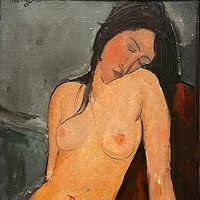
La domination masculine est tellement ancrée dans nos inconscients que nous ne l'apercevons plus, tellement accordée à nos attentes que nous avons du mal à la remettre en question. La description ethnographique de la société kabyle, conservatoire de l'inconscient méditerranéen, fournit un instrument puissant pour dissoudre les évidences et explorer les structures symboliques de cet inconscient androcentrique qui survit chez les hommes et les femmes d'aujourd'hui. Mais la découverte des permanences oblige à renverser la manière habituelle de poser le problème : comment s'opère le travail historique de déshistorisation ? Quels sont les mécanismes et les institutions, Famille, Église, École, État, qui accomplissent le travail de reproduction ? Est-il possible de les neutraliser pour libérer les forces de changement qu'ils entravent ?
Bourdieu pioneered investigative frameworks and terminologies such as cultural, social, and symbolic capital, and the concepts of habitus, field or location, and symbolic violence to reveal the dynamics of power relations in social life. His work emphasized the role of practice and embodiment or forms in social dynamics and worldview construction, often in opposition to universalized Western philosophical traditions. He built upon the theories of Ludwig Wittgenstein, Maurice Merleau-Ponty, Edmund Husserl, Georges Canguilhem, Karl Marx, Gaston Bachelard, Max Weber, Émile Durkheim, Erwin Panofsky, and Marcel Mauss. A notable influence on Bourdieu was Blaise Pascal, after whom Bourdieu titled his Pascalian Meditations.
Bourdieu rejected the idea of the intellectual "prophet", or the "total intellectual", as embodied by Sartre. His best known book is Distinction: A Social Critique of the Judgment of Taste, in which he argues that judgments of taste are related to social position. His argument is put forward by an original combination of social theory and data from surveys, photographs and interviews, in an attempt to reconcile difficulties such as how to understand the subject within objective structures. In the process, he tried to reconcile the influences of both external social structures and subjective experience on the individual (see structure and agency).
Con la profondità di sguardo che gli permette di anticipare qualsiasi contro argomentazione alle sue tesi, Bourdieu analizza le differenze tra ordine naturale e ordine culturale che genera disposizioni e condizionamenti nella percezione dei sessi e dei ruoli di genere. Non poteva mancare nella sua riflessione sulla società e la violenza simbolica che trasforma e prescrive comportamenti e credenze, uno studio sulla discriminazione di genere che attraversa tutti i paesi del mondo e tutte le culture. La visione androcentrica – perpetrata da chiesa, scuola e stato – è aspramente criticata e vilipesa nei suoi paradossi e nelle sue storture con una logica inoppugnabile. Non è invecchiato di una pagina.
This is the third time I have started this review. The problem is that mostly I write reviews without really thinking too much about what other people might think of them. Look, that’s only ever partly true, as I guess one never writes purely for one’s self – but in my reviews I just like chat about books – pretty much to say, I read this, this is what I thought of it. The problem is that with some books it is harder to just ‘write’ about them. Over the last week or so I’ve been corresponding with someone off-line here on Good Reads about the nature of gender and to what extent this is based in our genes or is socially determined. So, that makes writing this review a bit harder than normal, as it will look to the person I’ve been corresponding with like I’m continuing that conversation here. That isn’t really my intention, but it is impossible not to do that too, in a way. Or, at least, it is impossible to pretend that the fact of that other conversation isn’t going to colour what I’m going to say here. Oddly enough, needing to write this review has also stopped me replying to that conversation – strange how these things get in the way of each other.
But that isn’t the only reason why writing this review has been difficult for me. The other reason is that one of my three female PhD supervisors has repeatedly said to me about Bourdieu, ‘he’s good on class, but he tried to be a gender theorist and he doesn’t know what he’s talking about.” In fact, I attended a conference thing in my first year that Raewyn Connell attended and my associate supervisor asked her about Bourdieu on gender and she agreed that he (as the Irish like to say) didn’t really know his arse from his elbow when it came to gender.
Now, this causes me lots and lots of trouble. Not least because after having read this, I quite like what Bourdieu has to say about gender and, having read other stuff by him, can’t imagine how he could really have said anything else. That is, what he has pretty much done here is the same thing he did with class, but he has applied it to gender. If he is okay with class, I think you need to start by explaining why he is so crap with gender. That is, if ideas like habitus and symbolic violence work when you are talking about class, why don’t they work when you are talking about gender?
So, what is it that he says about gender? In some ways I think the real question here is what is it that he is trying to counter about gender. In part what he is saying is to counter two notions – one is that gender is something that is determined biologically, and the other that gender is a performance (in Judith Butler’s sense) and that it can be put on or taken off much like a garment. Let me say this in a way that makes clear what could be seen as a paradox of Bourdieu’s point of view. He doesn’t want gender to be ‘in our genes’ but he certainly does want it to be embodied. For Bourdieu, how attributes become embodied is through our social habitus – and our social habitus is the dispositions that we acquire over a lifetime. These dispositions are reinforced by the social interactions we have until they become both automatic and ‘natural’. We rarely question these dispositions because the people around us that we interact with both share these with us and reinforce them in their interactions with us. This makes it sound like change is impossible, but that is only because we often overly stress the ‘closed system’ nature of our interactions. However, change occurs when someone who has a different habitus from the standard habitus and moves into a particular field and so disrupts what is otherwise considered ‘normal’. There is always resistance to such change, and not only because those with power in a particular situation are likely to loose some or all of that power if there is change, but also because the people who have been interacting according to the old rules don’t see those old rules as arbitrary or conditional – they seem them as natural, common sense and right. These rules are seen as an expression of natural law – rather than what they really are, what Bourdieu calls the ‘cultural arbitrary’.
Now, ‘arbitrary’ sounds much more random than Bourdieu actually means. The stuff that is arbitrary in cultural interactions is, say, one class of people’s preference for ballet over, say, plays. In certain cultures ballet may be considered the highest of the arts, while in another it might be regarded as ‘just dancing’ and plays would be more highly regarded. This bit is arbitrary. But what isn’t arbitrary, and what all societies do once they have decided on a ‘cultural arbitrary’ is to make an appreciation of a particular cultural activity depend on a deep understanding of that activity. Someone acquires social distinction by having this deep understanding, and acquiring such an understanding involves having particular quantities of cultural capital. In much the same way that appreciating music is made easier of you have learnt to play an instrument, and that learning to play an instrument is made easier the more money your family has: so as to buy the instrument in the first place, to get musical tuition, spend time practicing, to have a parent that has the time to sit with you and to offer encouragement, discipline and guidance – and so on. Now, despite what people might say, learning to play a musical instrument isn’t really a completely natural thing to do, but once you have learnt to play, it feels completely natural. And then, once you are confronted with someone who cannot play they seem like barbarians. To give a case in point, I went to a friend’s house once in high school and his mother had just bought a new piano. She asked me to play. I told her I couldn’t play. She told me I could. I looked at her uncomprehending – I wasn’t being polite or shy or something – and it wasn’t that I didn’t know what I was talking about, I had sat at a piano before, I knew that my touching the keys was not going to make music come out. However, she played and her son played – it was incomprehensible to her that someone wouldn’t be able to make some sort of music come from the instrument. She said to me that her son had also never learnt to play the piano either, but could play basic twelve-bar blues on it.
So, after a lifetime of learning we become embodied to be what we are and after that lifetime we believe that we could have become nothing other than what we have become. But what about the fact that certain groups in society are clearly much worse off than other groups? There has been lots of discussion, for example, about the raising levels of inequality in society, with the poor getting much less since the 1970s and the rich getting so very much more. Naturally, the same can also be said for women in our society. In the early 1970s in Australia the government passed legislation to make it the law that men and women doing the same work be paid the same amount. This year, since records of the disparity between the wages of men and women have been measured, the gap in earnings in Australia is the worst ever recorded. If women (and poor people) are so clearly disadvantaged in our society – and it is probably easier to see this with women in some ways, given they are paid less for doing ‘the same’ work – then why do they put up with it? This isn’t about blaming the victim – but it is something that needs to be explained. Bourdieu’s answer is ‘symbolic violence’.
Symbolic violence is a bit like the ‘cultural arbitrary’ – another term that doesn’t necessarily mean what you might think it means. Whenever I hear it I think of that Monty Python sketch The Spanish Inquisition where they start poking people with cushions as a way to torture them. This isn’t quite what he means. For someone to have more and someone to have less in society implies that some sort of violence has been applied so that that imbalance can be maintained. But a society that depends on the literal application of violence to maintain all inequities would not really last very long. So, society needs to impose ‘symbolic violence’ – that is, it needs to be able to convince some people that they are worse off, but for a really good reason. That is, that they deserve to be worse off. The mistake, again, is to assume that this kind of symbolic violence involves some sort of conspiracy with the people having the power somehow pulling the wool over the eyes of those without the power. Such a conspiracy isn’t necessary, because these inequities have been going on for such a long time, they are ‘how we understand’ the world. Up until very recently women’s inferiority simply wasn’t questioned. That they received less than men not only wasn’t questioned, it was perceived by the whole of society as natural. As Bourdieu points out here, it is very hard to fight against something that appears completely natural. It isn’t just a matter of ‘raising consciousness’ – we can be aware of injustice and yet be part of the problem ourselves. We can ‘get it’, but still help to perpetuate it. And this isn’t just a matter of ‘bad faith’ – it is, again, habitus. We have been so programmed to behave in certain ways over a lifetime that these ways of being seem natural – and they seem natural because those ways of behaving are ‘second nature’ in the sense we have been programmed throughout a lifetime of experience to automatically respond in certain ways. Rational debate about these responces is not enough. Bourdieu isn’t saying that change is impossible – but rather that we need to know what it is that we are seeking to change. And if it is the habits and ways of being of an entire culture – habits and ways of being that are ‘non-rational’ in that they are our programmed responses to life in general. That is going to take much more effort than just convincing people that what we have been doing up until now isn’t nice. It means literally finding ways to change our ways of being in the world.
Bourdieu spends a lot of the start of this book discussing the Kabyle – the people of Algeria that he studied as an anthropologist in the 1950s. This book is, in part, a kind of quick and dirty summary of his Outline of a Theory of Practice. What is particularly interesting in this is his reliance on binaries. There has been a strong movement away from binaries in modern (or post-modern) theory. But Bourdieu strongly defends them and goes so far as to say that such a movement away from binaries is a mistake. His point is that a lot of how we ‘understand’ the world is through these binaries and how they link up with other binaries we take equally for granted – not just male/female, but a series of other binaries that end up getting linked to these and which then ‘explain’ the differences between men and women. So that, in our culture, men are associated with the sun and women with the moon – which also then links men to reason and women to intuition, and men to technology and women to technique. The point isn’t that we need to stress the binary nature of the world, rather that we need to know that sexism runs deep not just in how we understand men and women, but in how we understand ‘the world’. All binaries have some form of connection between male and female and thinking you can ‘ignore’ binaries doesn’t diminish their power, but rather reinforces it by making that power invisible.
There is a really interesting aside here about how American rich people name their sons with long-standing family names, while their daughters are often given French girl’s names, as France is associated with fashion and seduction.
Like I said, what I liked about this was that Bourdieu is seeking to answer a fairly fundamental question – how is it that male domination goes mostly unchallenged in society, even after it has been acknowledged as both bad and unfair – but he is also seeking to show that if one where to challenge male domination, it is not going to be enough to prove it is irrational or unfair – too many of the ‘taken for granted’ structures of our society make the reproduction of gender differences appear natural – even genetic. Change needs to change what will we know from what parts of our bodies feel like, and not just in ways of thinking about the world. So, change isn’t impossible, but it isn’t at all easy either.
امروز انگار مرزهای دقیق و برجسته سلطه مذکر رو نه در این کتاب که در هر میدون، هر کوچه و خیابون و جلوی هر ایستگاه مترو، توی ونهای گشت ارشاد میشه دید. اما در مقابل این سلطه، مشت گره کردهی زنیه که از این سلطه به تنگ اومده. از این همه مردسالاری، از مغزهای جنسیتزده، از تفکیک شدن به زنانه و مردانه. ما زنهای ایران خودمون یه کتاب قطوریم که مطمئنم اگه پییر بوردیو از سرگذشتمون خبر داشت دیگه نمیرفت سراغ قبیله کابیلی. وضعیت ما خودش نشوندهندهی تمام ریشهها، ساختار و الگوی مشخص سلطهی مذکره.
Mdrrr imagines tu f un livre sur la domination masculine mais tu parles a aucun moment du viol et des violences conjugales et ta seule source c’est un livre de woolf et genre tu fais des hommes d victimes qui participent toujours inconsciemment au patriarcat sans en profiter consciemment….ce serait fou non ? Pire att… imagine ecrire que la solution à la domination masculine c l’amour hétérosexuel parce que qd on aime on oppresse pas…
C bête pcq y’a des micro analyses pertinentes mais c vraiment incomplet et baclé, il a juste voulu faire rentrer la domination masculine dans son système sans prendre en compte les conditions matérielles de la domination
Before saying anything else, I'd like to mention that the Romanian translation of this book is terrible. I think that there are a few Romanians out there who believe you must Work Hard in order to gain Access To Culture, and they do their best to discourage all those who are unworthy from reading.
The English translation is actually comprehensible, so I switched to that one.
But what about the contents of the book in itself, right?
"Masculine Domination" is a non-fiction book written by French philosopher Pierre Bourdieu. The topic should be immediately obvious from the title - but unfortunately, the context of the book is not. As I was reading, I realized Bourdieu had decided to apply some of his older theories in a new context, which means I had to google some terms and ideas to figure out what he was going on about.
The basic points are thus: 1. It's pretty difficult to understand something that you yourself are part of. As everyone is part of the "what gender are you?" game, understanding genders is pretty damned hard. 2. There are things we take for granted and which we perceive as natural, because we project our beliefs regarding them on nature, then draw on nature (now infused with our beliefs) to reinforce those ideas. Traits that we associate with genders tend to go through such a process. 3. Our view of the world will often be in line with the dominant view of the world, even if we are dominated. Women perceive the world through the lens of men, for example - if 'decisiveness' is male and 'nurturing' is female, and men see the first as more valuable than the latter, women will borrow that, too - and they may value decisiveness in women more than they value nurturing in women. 4. This view of the world informs the way people act, including the dominated, including in the absence of legal constraints. Back to the 'decisiveness' example: women can shy away from that trait because it's not for them, it's not feminine. 5. We haven't come as far as we think we have from a feminist point of view, because these internalized mechanisms still guide us.
The book is interesting, but I have a few issues with it: - Bourdieu talks about Kabyle society for a large part of this book, because it's traditional Mediterranean, but he often switches back to Western society - I feel that the connection doesn't follow (especially since he doesn't motivate it much). - he doesn't touch on the obvious objection that some traits might really be innate and natural, rather than accepted at such a deep level that they seem to be that way (I mean it: it's an obvious objection, people make it, Bourdieu doesn't discuss it). - it feels a bit incomplete, especially on its own.
Maybe the book made more sense the way it is when it was published 20 years ago, or maybe it was never meant to be a larger, deeper work. Either way, it's food for thought, but not as good as I'd hoped.
Se eu continuar a ler esses livros de sociologia que me arrebatam tanto vou acabar abandonando Jung lindamente para me dedicar à psicologia social. Rá! Ter baseado boa parte do livro em citações de obras de Virginia Woolf, sobretudo Rumo ao Farol, ajudou muito ao Bourdieu a me ganhar e pautar a dominação simbólica a partir de um inconsciente androcêntrico fechou para meu encantamento.
Venho aqui fazer mais uma pequena análise do cotidiano, dessa vez algo recorrente da parte dos homens: falar a coisa mais machista possível, para depois clamar que é brincadeira. Sob uma perspectiva psicanalítica o machismo apresentado como chiste revela como o humor pode ser utilizado como um mecanismo de controle social. Essas manifestações de comicidade não são inofensivas, mas funcionam como ferramentas para perpetuar a dominação masculina e a inferiorização da mulher. O riso, nesse contexto, serve para ocultar formas de violência psicológica e gerar desconforto nos alvos das brincadeiras, o chiste atua como uma máscara que suaviza a imposição de poder e a manutenção de hierarquias de gênero. A compreensão desse fenômeno é essencial para identificar como opressões são reproduzidas sutilmente no cotidiano através da linguagem, como o caso que acaba de me ocorrer. Bourdieu define a violência simbólica como uma forma de dominação que é exercida com a cumplicidade (muitas vezes inconsciente) dos dominados. O fato de o riso mascarar a violência psicológica permite que a agressão machista seja aceita como algo inofensivo ou "apenas uma brincadeira", dificultando a resistência e a percepção da opressão. A dominação masculina é tão eficaz porque parece natural. O uso de chistes machistas para manter a inferiorização atua na manutenção das estruturas sociais que colocam o homem em posição de superioridade, reforçando estereótipos no cotidiano de maneira lúdica e constante. Isso faz parte do habitus, onde comportamentos e percepções de mundo são internalizados pelos indivíduos. Ao rir ou tolerar tais piadas, a sociedade reproduz a estrutura de poder vigente, exercendo um controle social que dispensa o uso da força física. E sabe? Estou velha demais para ensinar marmanjo a se comportar em sociedade, sem tempo, irmão.
*Li o livro do Bourdieu a Dominação Masculina há mais de 10 anos, embora não apresente nada muito novo do que as feministas já não tivessem falado desde a Beauvoir, ainda sim recomendo a leitura.
گاهی اوقات هنگامی که در خیابانهای شهر قدم میزنیم، میبینیم که نگاهها، انتظارها و حتی محدودیتها، شکلهای ظریف و آشکار خود را از قدرت و سلطه نشان میدهند. زنانی که هر روز برای حضور در فضاهای عمومی، تصمیمگیری درباره زندگی شخصی و حرفهای، و حتی برای بیان خواستهها و دیدگاههای خود باید موانع فرهنگی، اجتماعی و قانونی را پشت سر بگذارند، نمونهای زنده از بازتولید سلطه مذکر هستند. این شرایط در جامعه ایران، که ترکیبی از سنتهای تاریخی، ارزشهای فرهنگی و قوانین اجتماعی خاص خود را دارد، به شکل ملموس قابل مشاهده است: محدودیتها در انتخاب پوشش، کنترل رفتوآمد، تبعیض در حقوق کاری و اجتماعی، و فشارهای روانی ناشی از نابرابری جنسیتی، همگی نمونههایی از سلطهای هستند که نه به زور مستقیم، بلکه به شکل نهادینه شده و پذیرفته شده اعمال میشود.
در چنین بستری، کتاب «سلطه مذکر» اثر پیر بوردیو، بیش از آنکه تنها یک متن نظری جامعهشناسانه باشد، به آینهای تبدیل میشود که تصویر دقیق ساختارهای قدرت و جنسیت را نشان میدهد. بوردیو در این اثر، سلطه مذکر را نه فقط به عنوان قدرت فیزیکی یا حقوقی، بلکه به عنوان شبکهای پیچیده از روابط اجتماعی، فرهنگی و روانی تحلیل میکند که در تمام عرصههای زندگی روزمره حضور دارد و به تدریج در ذهن و رفتار افراد نهادینه میشود. در شرایطی مانند ایران، تحلیل بوردیو میتواند به فهم عمیقتر فرآیندهایی کمک کند که محدودیتها و تبعیضها را طبیعی و اجتنابناپذیر جلوه میدهند، حتی برای کسانی که قربانی این ساختارها هستند.
بوردیو مفهوم عادتواره را بهکار میبرد تا نشان دهد چگونه رفتارهای مردسالارانه از طریق تربیت، تجربههای روزمره و یادگیری اجتماعی در ذهن انسانها تثبیت میشوند. این عادتوارهها، چه در مردان و چه در زنان، سلطه مذکر را به شکل ظریف و غیرمستقیم بازتولید میکنند. در واقع، بسیاری از رفتارهای تبعیضآمیز و محدودکننده، به نظر طبیعی میآیند و افراد، حتی قربانیان، آنها را بدون سؤال یا نقد میپذیرند. مثالهای واقعی از جامعه ایران، مانند توقعات اجتماعی درباره نقشهای زنان در خانه و خانواده یا محدودیتهای حرفهای و آموزشی، بازتاب مستقیم این فرآیند است که بوردیو به تحلیل آن پرداخته است.
یکی دیگر از نکات مهم کتاب، بررسی نقش نمادها، زبان و کنشهای اجتماعی در تثبیت سلطه است. بوردیو نشان میدهد که چگونه اصطلاحات، شوخیها، قواعد اجتماعی و حتی ادبیات و رسانهها، قدرت مردانه را بازتولید میکنند. در ایران، نمونههایی از این موضوع را میتوان در تبلیغات، رسانههای جمعی و حتی گفتوگوهای روزمره مشاهده کرد که نقشها و انتظارات جنسیتی را تقویت میکنند. زنان اغلب به محدودیتهای فرهنگی و اجتماعی تن میدهند، و مردان، حتی ناخواسته، این سلطه را بازتولید میکنند.
بوردیو همچنین به تأثیرات سلطه مذکر بر زنان و مردان به طور همزمان میپردازد. زنان، تحت فشار نهادهای فرهنگی، اجتماعی و اقتصادی، نقشها و انتظارات محدودکنندهای را میپذیرند و حتی در برخی موارد، خود بخشی از بازتولید این سلطه میشوند. مردان نیز با درونی کردن هنجارهای مردسالارانه، خود را در چارچوبهای تعریف شده مردانگی محدود میکنند. این فرآیند، سلطه را پایدار و چندلایه میسازد و باعث میشود نابرابریها نه تنها آشکار، بلکه پنهان و «طبیعی» به نظر برسند. در جامعه ایران، این وضعیت را میتوان در فشارهای روانی و اجتماعی بر زنان تحصیلکرده، شاغل یا فعال اجتماعی مشاهده کرد که مجبورند هر روز با محدودیتهای غیرمستقیم و گاه غیرقابل مشاهده مبارزه کنند.
یکی از وجوه جذاب کتاب، تحلیل بوردیو از روابط قدرت و جنسیت در خانواده، محیط کار و جامعه است. او نشان میدهد که مردانگی فرهنگی و تاریخی ساخته شده و به عنوان ابزار قدرت و سلطه عمل میکند. این نگاه انتقادی، خواننده را قادر میسازد تا ساختارهای نهادینه شده قدرت و مردسالاری را به شکل جامع تحلیل کند. در ایران، روابط خانوادگی و اجتماعی نمونهای از این ساختارها هستند: محدودیت در تصمیمگیری زنان، توقعات سنتی از نقش مادر و همسر، و فشارهای اجتماعی برای انطباق با هنجارهای مردسالار، همگی بازتابی از همان شبکه سلطهای است که بوردیو بررسی میکند.
یکی دیگر از جنبههای کلیدی کتاب، تأکید بر بازتولید سلطه از طریق نهادهای آموزشی و رسانهای است. بوردیو نشان میدهد که چگونه مدارس، دانشگاهها و رسانهها به شکل مستقیم یا غیرمستقیم نقشها و سلسلهمراتب قدرت را به نسلهای بعد منتقل میکنند. در ایران نیز نمونههای ملموس آن قابل مشاهده است: محتواهای آموزشی و رسانهای که نقشهای جنسیتی سنتی را تقویت میکنند، محدودیتها و تبعیضها را طبیعی جلوه میدهند و جامعه را به پذیرش سلطه مذکر سوق میدهند.
بوردیو در کتاب خود، نشان میدهد که سلطه مذکر نه فقط قدرت فیزیکی یا قانونی، بلکه شامل دسترسی به منابع اقتصادی، اجتماعی و فرهنگی، قدرت نمادین و کنترل بر ادراکها و تصورات جامعه نیز هست. به عبارت دیگر، مردسالاری شبکهای از روابط پیچیده است که با همکاری ساختارهای فرهنگی، آموزشی، خانوادگی و رسانهای بازتولید میشود. این تحلیل، خواننده را قادر میسازد تا سلطههای پنهان را در زندگی روزمره تشخیص دهد و به نقد آنها بپردازد.
کتاب «سلطه مذکر» همچنین به نقش زنان در بازتولید این ساختارها توجه دارد. زنان، با پذیرش محدودیتها و نقشهای سنتی، گاهی ناخواسته به تثبیت قدرت مردانه کمک میکنند. در جامعه ایران، فشارهای روانی و اجتماعی باعث میشوند بسیاری از زنان حتی برای محافظت از خود یا حفظ جایگاه اجتماعی، قوانین نانوشته مردسالارانه را رعایت کنند. این مسئله نمونهای واقعی از فرآیندی است که بوردیو با دقت تحلیل کرده و نشان داده است که سلطه چگونه از طریق فرهنگ و عادتوارهها تداوم مییابد.
یکی از نقاط قوت کتاب، سبک نوشتاری بوردیو است که علمی، دقیق و در عین حال قابل فهم و تحلیلی است. او با مثالهای ملموس، دادههای جامعهشناسانه و تحلیلهای فلسفی، شبکه سلطه مذکر را به شکلی روشن و کاربردی توضیح میدهد. خواننده میتواند با دنبال کردن این تحلیل، زندگی روزمره، روابط اجتماعی، خانواده و نهادها را از منظر قدرت و جنسیت مشاهده کند و بازتولید نابرابریها را درک نماید.
کتاب همچنین بر اهمیت آگاهی و نقد اجتماعی تأکید دارد. بوردیو نشان میدهد که تنها با شناخت و تحلیل دقیق روابط قدرت است که امکان تغییر و کاهش نابرابریهای جنسیتی فراهم میشود. این دیدگاه، کتاب را از متن نظری صرف فراتر برده و به ابزاری برای تأمل و تحلیل جامعه تبدیل میکند.
در نهایت، «سلطه مذکر» اثر پیر بوردیو، با دقت و حساسیت ساختارهای نهادینه شده مردسالاری را بررسی میکند و نشان میدهد که قدرت و سلطه تنها محصول سیاست یا اقتصاد نیستند، بلکه نتیجه تعامل پیچیده فرهنگی، اجتماعی و روانی انسانهاست. مطالعه این اثر، خواننده را به تأمل درباره جنسیت، قدرت، نابرابریها و بازتولید اجتماعی آنها دعوت میکند و ابزارهایی فراهم میآورد تا بتواند سلطههای پنهان و آشکار را در زندگی روزمره تشخیص دهد و نقد کند.
در شرایط فعلی جامعه ایران، خواندن و تحلیل چنین کتابی، بیش از یک مطالعه علمی است؛ فرصتی است برای درک دقیقتر محدودیتها و فشارهایی که زنان با آن مواجهاند، و برای تحلیل ریشههای اجتماعی و فرهنگی آنها. «سلطه مذکر» نه تنها راهنمایی برای فهم مردسالاری است، بلکه آینهای است که تصویر جامعه و نحوه بازتولید قدرت را به روشنی نشان میدهد.
J'ai choisi de lire Bourdieu après en avoir longtemps entendu parler dans les cercles féministes. Comme je déteste ne pas savoir de quoi on parle, je m'étais promis de me pencher sérieusement sur la question, d'autant plus que j'ai fait le choix de diversifier mes lectures en 2017, et de commencer à m'intéresser un peu plus aux livres qui expliquent.
Honnêtement, j'ai cru ne jamais en voir le bout, et pourtant le livre est court. Le premier chapitre m'a pris des jours, je le trouvais infernal et surtout incompréhensible. Je ne sais pas pourquoi, mais hormis deux ou trois phrases qui attiraient mon attention et me confirmaient que je lisais bien en français, tout le reste m'a fait passer un sale quart d'heure, au point de douter réellement de mon intelligence et de ma capacité de compréhension.
C'est donc avec beaucoup de nœuds au cerveau, et en m'arrêtant quasiment à chaque page, que j'ai enfin pu laisser le premier chapitre derrière moi.
J'ai entamé le deuxième chapitre avec appréhension, en voyant anxieusement le nombre de pages qu'il me restait à lire et à moitié convaincue que je ne pourrais pas le finir avant la fin du mois d'octobre. Mais heureusement pour moi, ce deuxième chapitre s'est révélé bien plus facile, et surtout beaucoup plus compréhensible et intéressant, à l'instar des suivants.
J'ai donc découvert les travaux de M. Bourdieu, et son explication de la domination masculine. Je ne sais pas si c'est parce que je traîne déjà mes guêtres dans les milieux féministes depuis plusieurs années, mais les notions présentées ne m'étaient du coup pas du tout étrangères, et si j'ai pu comprendre un peu plus profondément le mécanisme de certains comportements, il n'y avait pour moi aucune surprise ni découverte fondamentale dans cet essai.
J'ai aussi bien moins apprécié certaines prises de position de l'auteur concernant les mouvements féministes et concernant sa propre position à lui dans l'échiquier de la domination masculine et de la légitimité à en parler, que ce soit pour l'une ou pour l'autre des parties. Certains propos ont eu du mal à passer sur le moment de la lecture, et ne m'ont pas laissé une opinion vraiment favorable.
Du coup, dans la lignée du premier chapitre, je continue de penser que je suis certainement trop bête pour prendre la mesure entière de cet ouvrage, mais il m'aura au moins donné envie de continuer à en apprendre plus sur les mécanismes de notre société.
Et en plus, il m'a donné envie de lire Virginia Woolf.
Μετά από τόσες φεμινιστικές σούπες, ακρότητες και αρλούμπες που έχω διαβάσει, η γραφή του Bourdieu –παρότι τείνει ενίοτε να οδηγεί στα άκρα τη διανοητική αντοχή του αναγνώστη– ήρθε να με αποζημειώσει.
Eril tahakküm nasıl inşa ediliyor? Kadınların ve erkeklerin bedenlerine nasıl kazılıyor? Erkekliğin öyle çok da göze batmayan, açık olmayan şiddeti nerelerde nasıl kendini gösteriyor? Bu kitap Virginia Woolf’un Deniz Fener’ini de yeniden okuma arzusu yarattı bende. Yazarın, roman karakteri Mr. Ramsay üzerinden erkeklik ve babalığın bir aile yaşantısındaki rolü ve etkileri üzerine yaptığı okuma çok ilgi çekiciydi. Toplumsal cinsiyet okuması yapanların, erkeklik ve iktidar meselelerine kafa yorumların ilk sıraya alması gereken bir kitap.
La domination masculine est intéressante dans le fait que c'est un livre de 168 pages, qui se lit donc en environ deux heures, tout en contenant néanmoins un bon nombre de points qui font réfléchir. Je ne lui donne cependant que quatre étoiles, car certains points avaient déjà été proposés par d'autres chercheurs ou féministes. L'argument principal du livre est que la patriarchie et la domination de l'homme sur la femme sont tellement vieilles, que même ceux qui rejettent cet état de fait raisonnent en fonction de ces données. Il semble donc impossible de se sortir du point de vue masculin sur lequel notre société est basée. Pour paraphraser John Stuart Mill, comment peut-on savoir que notre système est le bon (l'homme supérieur à la femme, le blanc supérieur à l'homme de couleur etc) dans la mesure où nous n'avons jamais connu d'autre système que celui-ci? Bourdieu démontre que - et je prends un raccourci - l'état de l'homme est vu comme une force alors que celui de la femme est regardé comme une faiblesse. Il incite aussi les femmes à ne pas entrer dans le cercle vicieux de l'acceptation, et à continuellement remettre en question la vision que la société patriarchale se fait d'elles.
Si ça ne tenait qu'à moi, ce genre d'ouvrage - moins imposant que Le deuxième sexe de Simone de Beauvoir, par exemple, tout en reprenant un certain nombre d'arguments similaires - devrait faire partie des programmes du collège et du lycée, car nous avons tendance à régresser et à accepter les insultes faites aux filles ou aux professeures un peu trop facilement. Nous retournons à la passivité face à cette violence verbale, comme si nous avions été anesthésiés, et ce genre de comportement n'aidera qu'à faire empirer les choses.
Çeviri mükemmel. Yine de Bourdieu'nun uzun cümleleri ile çok kolay okunan bir metin değil.
Kitap temel olarak cinsiyet ayrımcılığının bireysel varoluşa olduğu kadar toplumsal varoluşa da nakşedildiğini söylüyor. Bu da kurumlarla mümkün kılınıyor ve davranışlardaki yatkınlıkları belirliyor.
Bunun politik iması şudur; ayrımcılığı ifşa etmek, iradi politik müdahaleler ve bilinç yükseltme ayrımcılığı yok etmeye yeterli olmayacaktır. Çünkü ayrımcılık bedenlere nakşedilmiştir (yargılara, jestlere, seçimlere, bakışa vb). Bu görünmez, sözel olan / olmayan ayrımcılığın yok edilmesi için daha kökten bir değişiklik gereklidir.
Kitapta şu örnek gibi iç görü gücü yüksek değerlendirmeler var;
Rakamlar erkeklerin nitelikli işlerde daha fazla yer aldığını söylüyor ancak bu değerlendirme aynı zamanda erkeğin olmadığı işlerin değersiz kılınması ile de mümkün olabilmiştir. (Bourdieu "metin düzeltmesi yapan erkeklerin kendilerine müsahhih, kadınlara daktilocu demeleri" örneğini veriyor.)
Bourdieu sosyal bilimlerin ikiliklerle düşünmeme önerisini "ikiliklerle düşünme"nin sadece bir adlandırma meselesi olmadığını, bunun bedenlere ve çevreye nakşedildiği cevabı ile eleştiriyor.
Cinsiyet meselesini çalışanlar için dip notlarda çok ilginç başka çalışmalara referans verdiğinden ilham verici olacaktır.
Bourdieu sosyoloji ile büyü bozumundan alınan hazzın gerçek bir arayıcısı.
Avrei voluto dargli 6 stelle, semplicemente perché alcuni dei temi affrontati sono talmente necessari e fondamentali, che lascia un po' di amarezza vedere che erano attuali e attuabili nel 1998 come oggi. Ma infondo non ci si può aspettare che un'intera società si rivoluzioni in vent'anni (o sì?). Questo è un libro che tutti, nel 2019, dovrebbero leggere. Ma non leggere tanto per fare, leggere per capire, per aprire occhi e testa, per rivoluzionare una società soffocante e soffocata dai suoi stessi tentacolari vincoli. Da sempre viviamo in una società maschilista, di cui siamo tutti vittime; sia uomini che donne. Sarebbe il caso di iniziare a provare a guardare le cose da una prospettiva differente.
Uno dei punti più importanti toccati da Bourdieu è secondo me l'intangibilità di quella che lui chiama "violenza simbolica". Il problema principale infatti è che siamo abituati a pensare secondo schemi e modelli che sono propri di una cultura maschilista, sia uomini che donne applicano queste disposizioni cognitive e per questo non si riesce a liberarsi di questa struttura sociale paralizzante. È quello che porta a vedere come naturale la figura maschile associata a certi atteggiamenti e comportamenti e la figura femminile ad altri, quando non c'è nulla di naturale (o biologicamente intrinseco nel sesso della persona), e tutto di culturale.
Why do men always seem to have the upper hand over women? What is it that keeps them in this position of power over centuries? These are questions Bourdieu pours over in Masculine Domination. I found his argument very interesting, because he seeks his answers beyond qualities in "women" and "men". What we need to focus on, he argues, is how assumptions become seen as fact, or "natural". I admire his broad analysis that touches on everything from honour, chastity, passive and active sexuality, men and women in the work force, fashion, cosmetics, etcetera.
Bourdieu is not an easy-to-read author, especially because of his perchance for lengthy sentences. The content of Masculine Domination is worth the occasional rereading of sections to fully understand his point.
قد يكون المحتوى قيمًا لكن الترجمة فاشلة بكل المقاييس. سوء الترجمة أضاع معظم المفاهيم التي أراد الكاتب إيصالها وللأسف أن القارئ سيقضي جل وقته في محاولة قراءة النص لأكثر من مرة كي يصل إلى ربط مفهوم للجُمَل (إن استطاع!). أعتقد أنه من المبكر الحديث عن قراءة مادة تتحدث عن "النسوية" باللغة العربية لأن العربية تعجز كثيرا عن إيضاح مفاهيم أجنبية كثيرة. (مثل الهابتوس) هناك خلاصة بسيطة وهي أن هناك لومًا خفيًّا للأنثى في قضية هيمنة الذكر عليها. هناك شرح طويل عن تبريرات تراكمية في اللاوعي لكن طغى على المادة عموما الحشو المبالغ فيه.
Este es un libro corto pero algo complejo, que no recomendaría como introducción pero sí como punto medio para afianzar conocimientos sobre el género como estructura sociohistórica. Bourdieu, en menos páginas, creo que ofrece una visión mucho más clara de lo que es la dominación masculina que Connell (y sus jerarquías internas de la masculinidad -para mí inexistentes-). A través de un proceso de historización de lo naturalizado del género se pretende dar armas para comprender el funcionamiento de la estructura desde la inscripción en los cuerpos del sistema de dominación que produce y reproduce estas ideas. El concepto de -habitus- (o predisposiciones) está en el centro de esta idea: las inercias que contraemos a la largo de un condicionamiento social.
A su vez, es una estupenda crítica de la comprensión posmoderna de la preeminencia de la performatividad y la palabra antes que la estructura. Bourdieu admite que la estructura objetivada en el cuerpo precede a las conductas y que cualquier intento de "voluntarismo subversivo" está vacío. Para cambiar la conducta primero hay que cambiar las estructuras que naturalizan nuestras formas de actuar en la sociedad, nuestro espacio en ella. También es una crítica a la pretensión de percibirnos como seres individuales que siguen una voluntad propia "porque queremos", nos habla de la determinación social de cada uno de nuestros movimientos, posturas y caminos (que parece obvio pero no lo es).
Moviéndose de lo general a lo particular, da buena cuenta de cuáles son las estructuras que perpetúan estas conductas (Estado / familia, iglesia (o religión) y sistema educativo). No creo que se quede corto en el desarrollo porque la explicación de estas da a entender su codependencia.
El intento de historizar lo des-historizado es funcional y comprensible, es una hazaña en menos de 150 páginas.
أفكار الكتاب متماسكة ومعروضة بشكل قوي وعلمي، حيث وضح من البداية أن الغاية من الكتاب ايجاد معرفة تمكن من خلق ثورة لها نتائجها على صعيد الممارسة ضد كل أشكال الهيمنة، وقد اتبع استراتيجية عملية لتحليل لاوعي التمركز الذكوري والبحث في هذه الأنماط من السلوكيات المهيمنة وسبب تأصلها في المجتمع. "إن قوة النظام الذكوري تتراءى فيه أمرا يستغني عن التبرير، ذلك أن الرؤية مركزية الذكورية تفرض نفسها كأنها محايدة" ناقش الكاتب بناء نظام الطبيعة في القدم، وطريقة هيكلة المخ من حيث الذكورة والأنوثة، فالرفعة والقوة والاقدام للذكر، بينما الاختفاء والضعف والخمول للاناث، ذاكرا كثير من التفاصيل من ناحية الاختلاف البيولوجي والتشريحي وأثره على توزيع الوظائف، ثم تطرق الى طبيعة العلاقة بين الجنسين التي تؤصل مفهوم السيطرة للرجل والخضوع للأنثى، وذكر أيضا الخيارات المتاحة للأنثى في ظل هذه الرؤية. وافرد بابا كاملا يتحدث فيه عن العنف الرمزي، وما يمكن أن يترتب عليه بأن يصبح عنفا روحيا خالصا له آثاره الخطيرة في عقل المضطهدة كأن تنظر المرأة لنفسها كشيء منقوص بشع، ويزداد الضرر بأن تختار اكثر النماذج تحقيقا للهيمنة عليها لتصبح "المرأة أشد عدو لنفسها"، وعدم إدراكنا لهذه العلاقة قد يوقع الناظر لأن يلقي اللوم على المضطهدة بدلا من فهم ما جرى. وذكر العنف وارتباطه بالرجولة، حيث يولد الذكر بامتياز حق ممارسة الصراع والثأر واثبات نفسه على نقيض المرأة التي تولد بتجسيد الهشاشة والإهانة، وما يترتب عليه من قلق اثبات الذات لنيل استحسان جماعة الرجال وما ينتج عن ذلك من أفعال قسوة واذى. تحدث ايضا عن ردة فعل النساء بأن يبدأن بتمجيد الجسد وأثره بتقدير ذاتها، ووضعهن في حالة دائمة من عدم الامان، بأن يوجدن بواسطة ومن أجل نظرة الآخرين. وانتهى بذكر باب بعنوان الهيمنة والحب وأن الحب الصافي يتمثل بالاعتراف المتبادل بين الثنائي، ودور المجتمع حاليا وفي المستقبل للمساهمة في الأفول التدريجي للهيمنة الذكورية. لولا صعوبة الترجمة وكثرة المصطلحات لكان الكتاب من أهم ما يمكن أن يتم تداوله بالمجتمع سواء للاتفاق او النقاش والاختلاف.
Esta é a segunda vez que leio este livro e, desta vez, ele me pareceu mais óbvio. Obviamente porque eu já havia lido ele. Na minha resenha anterior, eu havia lido a partir de uma edição mais recente, um PDF, que eu gostei tanto do que li que resolvi comprar a edição física, que é uma versão anterior. Veja como a diagramação de um livro é importante para nossa apreciação dele: na versão que eu li em PDF, por mais que eu prefira ler com um livro na mão, eu apreendi muito mais coisa do conteúdo porque seu design era mais agradável do que o do livro que li fisicamente, que usa de uma maneira de composição do livro que é bastante antiga, por mais que o livro não seja tão antigo. Se na outra leitura havia me chamado atenção a questão do capital simbólico, que estava estudando no mestrado, desta vez me chamou atenção como Bourdieu se debruça nos aspectos sociológicos, da organização do trabalho entre os gêneros e como essa segunda parte do livro é mais extenuante de se ler porque é muito repetitiva. Mas, claro, muito dessa minha segunda ideia da leitura pode ter vindo com o aspecto do design do livro. Bourdieu explica.
Wenig Neues über die androzentrtierte westliche Gesellschaft. Bourdieu verbindet in diesem Spätwerk Herrschaftstheorien einer androzentrierten Gesellschaft mit seinem eigenen Werk und Begriffen wie soziales Feld, Habitus oder sozialen und symbolischen Kapital. Zunächst beginnend mit einem ethnographischen Teil über die Geschlechtsunterschiede bei den Kabylen geht er fließend über in Produktions- und Reproduktionsmechanismen der Dominanz einer männlichen Herrschaft.
Das Werk ist an sich nicht uninteressant, allerdings erschien das französische Original 1998, die deutsche Erstausgabe 2005. Und damit eigentlich zu spät, um wirklich relevant zu sein. Der Inhalt passt, wirkt aber wie eine Wiederholung bekannter Themen, so etwa der sozialen Konstruktion des Geschlechts in Judith Butlers Gender Trouble (1990 erschienen).
Da das gebotene auch nicht wirklich mit Verve verfasst/übersetzt ist (aber nicht unleserlich ist) reicht es nur für drei Sterne.
يعالج بيير موضوع الذكورية المنجزة والتي يراها من زاوية هيمنتها على جميع الحقول ، فهي نتاج سيرورات تاريخية يتم تحويلها الى ترسيمات طبيعية بين الرجل والمرأة ، في محاولة الى تأبيد هذا التمايز فقد استفادت الذكورية من تركيب البنى الاجتماعية والاقتصادية لتعزيز هيمنتها وفرض إرادتها الجنسية على الواقع الذي هو من نتاجها . ولا يمكن ان يكون هذا التأبيد الا اعتباطياً لا يملك مبرراته الموضوعية الا بقدر ما يسعفه التاريخ والبنى الاجتماعية والدينية المتكونة من خلاله وحتى عقلانيته تتأتى من العنف الرمزي الممارس ضد المرأة ، ففي مجال المتاع الرمزي تتحول المرأة الى الجانب المسلي والممتع وتدخل كل ترسيمات اللغة في موضعة الذكورة ، أعلى/ أسفل ، فوق/تحت ، جاف/رطب راسمة الدلالات التي تأبّد الهيمنة ، وفي مجال تقسيمات العمل يقدم الموروث الاقتصادي المجالات التي يمكن للمرأة ان تعمل فيها والمجالات التي ليست أهلاً لها ضمن استخدامات البنية البيولوجية ، ورغم الانتقال والتغيير الذي طال مراكز نشاطات وعمل المرأة مقارنة بالعهد السابق الا ان آليات الهيمنة دائما تعيد إنتاج نفسها عن طريق تغيير وظيفتها الاجتماعية والاقتصادية بشكل غير مرئي في كثير من الأحيان او بصورة غير واعية على أفضل الحالات ، فعندما خرجت المرأة للعمل ومشاركة الرجل تم توظيفها في مجالات تم تصميمها مسبقاً لتكون رأس مال رمزي ومادي لمضاعفة الهيمنة
الكتاب رغم حداثته يتحدث عن امور أكل الزمان عليها وشرب ! والكاتب منشغل بشدة بالتحدث عن رمزية الهيمنة في اللغة وأفرغ من أجل ذلك صفحات كثيرة متناسيا ان التذكير والتأنيث يختلف من لغة لأخرى مما جعل نظريته حول عدم اعتباطية التسميات اعتباطية تماما وساذجة ! الكاتب كذلك لا يتحدث سوى عن الرمزية تاركا الافعال الحقيقة وهي ما يهم فعلا .. بالإضافة لذلك فإن الكتاب موضوع بطريقة تشدقية لا تطرح مشكلة بعينها ولا تحلها
Un po' di appunti sparsi su questo saggio, che teorizza come il dominio maschile è inscritto ed embodied nei rapporti sociali fatti da individui che non creano individualmente, ma apprendono e riproducono strutture (relazionali ma anche proprio di pensiero) di dominio, anche e soprattutto simbolico (e per questo intangibile e inattaccabile), in modo storicamente definito - e non naturalmente.
Un buon libro per una chiarificazione concettuale e analitica, soprattutto in seno a lessico di social theory che un po' ancora mi è sfuggente; rimane una trattazione comunque scientifico-descrittiva, anche se la carica politica e sovversiva è abbastanza dichiaramente infusa all'interno del libro. Ma in qualità di scienziato Bourdieu non mi pare si sia spinto esplicitamente da nessuna altra parte. Rispetto a La distinction è decisamente più di facile lettura. Non parla di gender theory e gender gap, ma specificamente di strutture di dominio (maschile) e di come si perpetuano; non fa nemmeno una trattazione genealogica di come si siano formate strutture e dualismi sessual-sessuanti e di come si siano inscritti nei corpi e da lì nell'habitus perpetuante e generante pratiche e modi di pensare - l'appoggio etnografico sulla società cabila dell'Algeria settentrionale serve a mo di anamnesi, di storia filogenetica della costruzione simbolica che ha portato a concepire tutto in seno al dominio maschile istituendo un sistema che si impone alle coscienze individuali. Quindi insomma, abbiamo un saggio breve su un argomento immenso.
La nozione più citata e più ripresa dalla teorizzazione di Bourdieu è la violenza simbolica, e direi giustamente, e la stoccata fenomenologica alle pretese di classificazione naturalistica del mondo sociale ("le differenze sono naturali e rispecchiano l'ordine delle cose"), che secondo Bourdieu è frutto di un rovesciamento completo di causa ed effetti, come costruzione arbitraria del biologico; in questo senso trovo le prime 60-70 pagine le più dense e interessanti, anche se avrei preferito un'argomentazione un po' più incisiva e filosoficamente convincente, invece di limitarsi a chiamare in causa Husserl e l'esperienza dossica del mondo sociale (ma probabilmente soverchiando i propositi del saggio). "Il mondo sociale costruisce il corpo come realtà sessuata e come depositario di principi di visione e di divisione sessuanti. Questo programma sociale di percezione incorporato si applica a tutte le cose del mondo, e in primo luogo al corpo stesso" sfruttando le opposizioni omologhe che sono i filtri attraverso cui percepiamo e pensiamo alle cose, in primis ai corpi. E sono opposizioni omologhe che si rifanno alla principale, maschile e femminile, tutte frutto di una visione sociale che costruisce le differenze, diventando il fondamento e l'avallo della visione sociale che la fonda e ratificandolo, perché poi queste differenze sembrano naturalmente naturali; il nomos sociale diviene physis, necessità naturale, self-evident. Così i rapporti di dominio inscritti a quelle opposizioni omologhe che abbiamo così tanto incorporato soggettivamente (sotto forma di schemi cognitivi, anche questi che ci paiono naturali, come se fosse impossibile pensare la realtà fenomenica diversamente) si nascondono e si perpetuano mistificati per ovvi e naturali.
Seguono esempi in particolare sulla definizione sociale dei corpi (sessuati) e soprattutto degli organi sessuali, le cui differenze e descrizioni "lungi dall'essere una semplice registrazione delle proprietà naturali, direttamente offerte alla percezione, è il prodotto di una costruzione operata a costo di una serie di scelte orientate, o meglio, attraverso l'accentuazione di certe differenze o la scotomizzazione di talune similitudini". Seguono esempi di come vengono percepiti gli organi sessuali e i corpi sessuati - e gli atti sessuali - sempre in dicotomie omologhe, e dunque in relazioni (una proprietà essenziale a cui riferirsi nella descrizione dei corpi non esiste senza fare il riferimento ad un'altra, più alta/bassa, superiore/inferiore - peraltro questo tipo di lettura degli schemi cognitivi di dominati e dominanti è pervasiva in tutta l'opera di Bourdieu).
Tornando invece alla violenza simbolica, essa è insidiosa ed efficace proprio perché è un trascendentale storico imposto come universale trascendente, perciò, a parte non essere evidente, fa sì che il dominato non possa non soggiacervi, accettarla; ma non per cattiva coscienza o peggio responsabilità individuale (e Bourdieu per fortuna è perentorio su questo aspetto!), bensì perché il rapporto di dominio è una disposizione che apprendiamo, incorporiamo e perpetuamo assolutamente in modo - possiamo dire forse - meccanico. Anzi, come dice il nostro, è una disposizione contemporaneamente "spontanea ed estorta contemporaneamente senza contraddizione" perché è stata costruita praticamente nel corso di tutta la vita delle dominate in modo durevole dall'ordine sociale - e quindi, di nuovo, non dal singolo uomo più o meno consapevole, peraltro non pre-disposto ma attivamente disposto sempre dall'ordine sociale a ratificare sulle donne questa violenza simbolica. E quindi non scagionabile nel suo ruolo comunque attivo (rimane pur sempre il dominatore), però frutto - spesso senza cattiva coscienza - di una società che nel complesso, nella totalità, è strutturata secondo rapporti di forza di dominazione.
Ultima considerazione anche perché poi sennò riporto tutto il libro (purtroppo con Bourdieu mi viene da fare così): proprio contro il linguaggio della volontà e della buona coscienza additato a Marx e seguaci, in particolare da Lukàcs in poi, Bourdieu si scaglia: le disposizioni sono talmente tanto inscritte in noi, nei nostri corpi e nel nostro modo di pensare, che non possono essere scardinate da un atto di volontà o di presa di coscienza. E' proprio quello il potere della violenza simbolica, che non si impone come un'ideologia, una rappresentazione mistificatoria e di comodo, ma proprio un sistema di strutture durevoli. Non sono i singoli a poter essere illuminati, ma - e alla fine è questo il messaggio che si evince dalla lettura, come al solito sì incisivo ma hopeless - si tratta della necessità di trasformare radicalmente le condizioni sociali di poduzione delle disposizioni che portano i dominati ad assumere sui dominanti e su se stessi il punto di vista dei dominanti.
Ultimissimo punto che mi son segnata è la critica alla concezione essenzialistica del potere universale e astratto e appunto essenzialmente violento dell'oggettivazione (di tutto, e in particolare del corpo); il fatto che il corpo delle donne è un corpo sostanzialmente da vedere per gli uomini (e giudicato da esse stesse in base a questo sguardo esterno che diventa però incorporato, di nuovo) in base a schemi percettivi che sono sempre frutto di una produzione sociale situata storicamente ("la cui efficacia dipende dalla posizione relativa di colui che percepisce e colui che è percepito, nonché dal grado al quale gli schemi di percezione e di valutazione attivati sono consciuti e riconosciuti da colui al quale si applicano" in un'alienazione simbolica che però non ha nulla di essenziale e universale).
لا أعلم إن كانت المشكلة في الترجمة أو في لغة الكتاب الأصلية لكن معظم الجمل غريبة التركيب ويصعب تتبعها، رغم ذلك كان كتاباً مهماً، ليس بإضافة شيء جديد كلياً لكنه يضيء بعض النقاط الفارقة في الفهم.
Como já comentado, Bourdieu chegou um pouco tarde nos debates sobre feminismo, mas seguiu a máxima "se não fez primeiro, faça melhor". Ao utilizar um detalhado método de análise social, tendo como objeto uma sociedade fortemente machista, Bourdieu consegue identificar os principais métodos de coerção social que visam a construção de uma doxa, da naturalidade forjada da dominação masculina, tida como biologicamente expontanea. Ele pontua e ilustra como essa coerção vai se dando na formação do individuo dentro das principais instituições sociais (familia, igreja e escola), da construção desse habitus e do preço que se cobra por sua "quebra". Pode-se observar que Bourdieu leu vários teóricos sobre o feminismo visto as notas de rodapé ao longo do texto, contudo, não sou conhecedor do movimento para dizer algo sobre a relevância desses autores. Entretanto, Bourdieu não consegue levar suas análises para o particular das relações sociais. Seu ensaio sobre o amor é superficial, e ele não se posiciona sobre a formação da subjetividade masculina/feminina na formação familiar e na relação pai/mãe e demais membros. Também não desenvolve muito sobre como se dá a erotização dos corpos na sociedade, deixando de fora toda uma possível discussão mais aprofundada sobre prostituição, pornografia, fetiches, virgindade, tabus e recalques.
لكتاب غذاء للفكر، لكنه ليس جيدًا كما كنت أتمنى. نظرياته تيست مقنعة. لقد وجدت كتابات جيردا ليرنر أكثر عمقا . ففي كتابها "نشأة النظام الأبوي" تتعامل مع الموضوع في فترات تاريخية مختلفة. وهي تجادل بأن هيمنة الذكور على النساء ليست "طبيعية" أو بيولوجية ، ولكنها نتاج تطور تاريخي بدأ في الألفية الثانية قبل الميلاد. في الشرق الأدنى القديم. وبما أن النظام الأبوي كنظام لتنظيم المجتمع قد تأسس تاريخيا ، فإنها تقول أنه يمكن أيضا أن ينتهي بالعملية التاريخي أعجبنى قول الكاتبة في آخر الكتاب: "إن النظام الأبوي بناء تاريخي؛ له بداية؛ وستكون له نهاية. يبدو أن زمنه وصل إلى نهاية مجراه، فهو لم يعد يخدم حاجات الرجال أو النساء، وبسبب ارتباطه الذي لا يمكن فكّه بالنزعة العسكرية الهرمية والعرقية، فإنه يهدّد وجود الحياة على الأرض
„Die soziale Welt funktioniert (in einem je nach Bereich unterschiedlichen Ausmaß) wie ein von der männlichen Sicht dominierter Markt der symbolischen Güter. Wie wir gesehen haben, ist Sein, wenn es sich um Frauen handelt, Wahrgenommenwerden, und zwar von einem männlichen Auge, das von männlichen Kategorien beherrscht wird. Kategorien, die man, ohne daß man sie explizit zu formulieren vermöchte, verwendet, wenn man das Werk einer Frau lobt, weil es so »weiblich« oder, im Gegenteil, »überhaupt nicht weiblich« ist.“
La última parte del libro es apenas un esbozo. Por lo demás, un texto que explica cómo incluso el hecho de que una mujer hable por teléfono es parte de la dominación heteropatriarcal merece ser leído. Muy especialmente por los seres cis con pene.