

What do you think?

The Killer Whale Who Changed the World
The fascinating and heartbreaking account of the first publicly exhibited captive killer whale—a story that forever changed the way we see orcas and sparked the movement to save them
Killer whales had always been seen as bloodthirsty sea monsters. That all changed when a young killer whale was captured off the west coast of North America and displayed to the public in 1964. Moby Doll—as the whale became known—was an instant celebrity, drawing 20,000 visitors on the one and only day he was exhibited. He died within a few months, but his famous gentleness sparked a worldwide crusade that transformed how people understood and appreciated orcas. Because of Moby Doll, we stopped fearing "killers" and grew to love and respect "orcas."
Killer whales had always been seen as bloodthirsty sea monsters. That all changed when a young killer whale was captured off the west coast of North America and displayed to the public in 1964. Moby Doll—as the whale became known—was an instant celebrity, drawing 20,000 visitors on the one and only day he was exhibited. He died within a few months, but his famous gentleness sparked a worldwide crusade that transformed how people understood and appreciated orcas. Because of Moby Doll, we stopped fearing "killers" and grew to love and respect "orcas."
208 pages, Hardcover
First published January 1, 2016
About the author
Mark Leiren-Young
27 books59 followers“Mark Leiren-Young is a playwright, author, screenwriter, novelist, journalist, editor, podcaster, producer, director, documentarian, comedy performer, satirist, memoirist, university lecturer, occasional actor and full-time environmentalist.” -David Lennam, Yam Magazine.
Mark has been dubbed "Canada’s greenest writer." Many of his projects feature a green theme, such as his award-winning films, The Green Film (a comedy short about going green), and his feature "The Green Chain," (starring Tricia Helfer and August Schellenberg). And now, his newest book, "Greener Than Thou."
Mark wrote and directed the award-winning documentary, The Hundred-Year-Old Whale, and hosts the Skaana podcast - which features stories about orcas, oceans, eco-ethics and the environment.
As half of the popular comedy duo "Local Anxiety" he released the 2009 CD "Greenpieces," and cuts from the satirical album have been featured on CBC Radio and NPR and are available on Spotify and YouTube.
Leiren-Young's first full-time journalism job was at "The Williams Lake Tribune," a small newspaper in Williams Lake, British Columbia. He turned these experiences into a comic memoir, Never Shoot A Stampede Queen, which won the 2009 Stephen Leacock Medal for Humour.
His news and feature writing, humour pieces, reviews and columns have appeared in a host of publications in Canada and the U.S., including Time, Maclean's and The Utne Reader.
Mark also has extensive television writing credits, with over 100 hours of produced work. His love of comic books inspires his work on a number of animated series, including ReBoot and Beast Wars: Transformers. He also has many credits writing for drama series, and credits include PSI Factor: Chronicles of the Paranormal and Blood Ties.
Mark's plays have been produced around the world. His latest play, Playing Shylock, starring Saul Rubinek, makes its American debut at the Polonsky Shakespeare Centre in New York in October, 2025.
His most popular play, "Shylock," about the tensions surrounding theatre's most famous Jewish character. Shylock has been produced around the world and is published by Anvil Press.
Mark has been dubbed "Canada’s greenest writer." Many of his projects feature a green theme, such as his award-winning films, The Green Film (a comedy short about going green), and his feature "The Green Chain," (starring Tricia Helfer and August Schellenberg). And now, his newest book, "Greener Than Thou."
Mark wrote and directed the award-winning documentary, The Hundred-Year-Old Whale, and hosts the Skaana podcast - which features stories about orcas, oceans, eco-ethics and the environment.
As half of the popular comedy duo "Local Anxiety" he released the 2009 CD "Greenpieces," and cuts from the satirical album have been featured on CBC Radio and NPR and are available on Spotify and YouTube.
Leiren-Young's first full-time journalism job was at "The Williams Lake Tribune," a small newspaper in Williams Lake, British Columbia. He turned these experiences into a comic memoir, Never Shoot A Stampede Queen, which won the 2009 Stephen Leacock Medal for Humour.
His news and feature writing, humour pieces, reviews and columns have appeared in a host of publications in Canada and the U.S., including Time, Maclean's and The Utne Reader.
Mark also has extensive television writing credits, with over 100 hours of produced work. His love of comic books inspires his work on a number of animated series, including ReBoot and Beast Wars: Transformers. He also has many credits writing for drama series, and credits include PSI Factor: Chronicles of the Paranormal and Blood Ties.
Mark's plays have been produced around the world. His latest play, Playing Shylock, starring Saul Rubinek, makes its American debut at the Polonsky Shakespeare Centre in New York in October, 2025.
His most popular play, "Shylock," about the tensions surrounding theatre's most famous Jewish character. Shylock has been produced around the world and is published by Anvil Press.
Ratings & Reviews
Friends & Following
Create a free account to discover what your friends think of this book!
Community Reviews
Displaying 1 - 30 of 70 reviews
July 4, 2023
Orcas never fail to make me cry. I am far too invested in these brainy sea pandas.
The orca’s big brain was bigger than he had hoped—five times the size of a human’s and weighing in at nearly fifteen pounds. And this was from a young whale, not a mature adult. The brain was also more complicated than McGeer had imagined—more complicated than a human brain. Dolphin brains were impressive, but this brain was spectacular.
*spoilers*
Moby Doll, or the killer whale who changed the world as he is often referred to, was a male juvenile from J pod of the Southern Resident orca population. He was captured near Saturna Island in 1964 and died at the Vancouver Aquarium a few months later. The original plan was to kill a wild orca to use as a model for a sculpture ordered by the Vancouver Aquarium. The young orca was harpooned and dragged behind the boat for sixteen hours. Realizing the immorality of their actions, the hunters tried to ease his journey.
Against all odds, Moby Doll survived the torturous voyage. It seemed the higher-ups had decided he was worth more alive than dead. People flocked to see him. This was a once-in-a-lifetime opportunity for people in Vancouver to get up close and personal with a real-life monster. To the surprise of many, Moby Doll was neither dangerous nor monstrous. Moby Doll was almost dog-like with his docile and friendly nature.
He captivated the public, and the perception of the ocean's most fearsome predator changed forever.
The question is, was it worth it? Only a few decades ago, orcas were feared and loathed. People regularly shot at them. That changed in the sixties and seventies with the rise of aquariums and marine parks. Public perception of orcas and sharks evolved from hate to adoration. Where did these animals come from? It was a question nobody thought to ask. The brutality of the captures was unknown to the general public. Fortunately, the truth eventually got out. As a result, the business of orca capture came under heavy fire. The controversial practice was banned, but the damage had already been done.
As the name Orcinus orca implies, it belongs to ‘the kingdom of the dead.
Southern Residents, the world's most well-studied and iconic orca population, have been hit particularly hard by the captures. These fish-eating icons of the Pacific Northwest lost many of their members to the captive industry. Moby Doll may have been the first victim, but he wasn't the last. Other notable names include Lolita, Shamu, and Hugo. Shamu, the first superstar of Seaworld, was born into Moby Doll's pod. Ted Griffin wanted a companion for Namu, a juvenile male captured from the Northern Resident orca population in 1965. Ted, a former aquarium owner, captured dozens of orcas during the 60s and 70s (he wrote a book about Namu that I wouldn’t touch with a 10-foot pole). Shamu was captured in Puget Sound, Washington, on October 31st, 1965. Her mother was harpooned and killed in front of her.
Good ol' Ted underestimated the little orca's ability to hold a grudge. According to reports, she had conflicts with both Namu and Ted. Less than two months later, Shamu was sold to Seaworld San Diego. She died six years later of a uterus infection.
Today, there is only one Southern Resident in captivity. The famous Lolita, a member of the L pod, also known as Tokitae (which means "Bright day, pretty colors" in Chinook jargon), is the sole survivor of the notorious Penn Cove captures that took place in the waters of Puget Sound, off the coast of Washington. Seven juvenile orcas were taken, and five drowned in the nets. To conceal the crime, the hunters slit open the bellies of the dead orcas, filled their insides with stones, and sunk them. A few months later, the bodies washed up on the shore of Whidbey Island. The public was outraged and demanded a stop to orca captures.
Human groups who find themselves hunting in the same territory are almost expected to fight. For the most part, regardless of the continent they’re on or their culture, it’s rare when they don’t battle over land or resources. But the orca culture is more ancient than ours and, apparently, more civilized. Killer whales don’t just share food; they share the same sectors of the seas without challenging each other to determine dominance. This is true for orca families found in every ocean in the world. But in aquarium tanks, orcas from different pods, and different parts of the planet, have sparred for supremacy or space. In these cramped quarters, the whales will attack each other—something they’ve almost never been seen doing in the wild. Orcas in the ocean don’t hurt each other, even though they’re certainly capable of it.
Instead of attacking whales from other pods, when the Southern Residents meet, the groups perform a ritual that may date back a million years. They approach, posture, pass each other, and then—for lack of a better word—they dance. Certainly from a human’s viewpoint, the militaristic ritual appears to shift into a celebration. The older females who lead each of the clans cluster and, despite the difference in their dialects, appear to discuss... something.
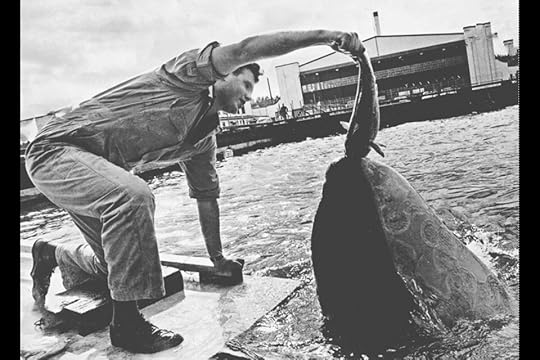
Killer whales have also helped humans hunt. In North America and Australia, there are stories of orcas herding fish—and even other whales—to make it easier for fishermen to catch them. In the late nineteenth and early twentieth centuries, orcas near Eden, Australia, would drive humpback whales into an area known as Twofold Bay in exchange for their favorite pieces of meat—the tongue and the lips. This working relationship where the killer whales worked as whale killers for more than a hundred years was referred to by local fishermen as “the law of the tongue.”
According to the Eden Killer Whale Museum, “In the early years of Eden whaling in the 1840s there were reportedly around 50 killers spread through 3 main pods. All three pods cooperated together. One pod stationed far out to sea would drive whales in towards the coast, another pod would attack the whale and another pod would be stationed ahead of the whale in case it broke loose.” The whale believed to be the leader was a twenty-two-foot, thirteen-thousand-pound killer the whalers named Old Tom. After a humpback had been trapped, Tom would alert the whalers by slapping his tail and repeatedly breaching (jumping out of the water and landing with a splash) to summon the humans to finish off the kill. There were also stories of fishermen falling into the shark-infested waters when their boats were swamped by a humpback and Tom and other orcas warding the sharks off and saving their partners’ lives.
Orca captures were banned in the mid-70s, but only in North America. Places like Seaworld turned their greedy eyes towards Iceland. Many famous orcas were captured in Iceland, including Keiko, Tilikum, Katina, Kasatka, and Kiska. Almost all of the living captive orcas at U.S. facilities are Icelandic. Seaworld has created hybrids that don't exist in the wild (different ecotypes do not interbreed). One of their hybrids, Orkid, is considered the most intelligent of all captive orcas. But that's a story for another review.
As for Lolita, she has been stuck at the Miami Seaquarium for 53 years. Despite countless protests organized by animal lovers and the Lummi Nation (who see her as a member of their tribe), Lolita remains imprisoned in the world's smallest orca tank. Her wild relatives return to Washington State's Puget Sound every summer and fall. Among them is L25 Ocean Sun, Lolita's 95-year-old mother. It is a joyous occasion that researchers, whale watchers, and locals look forward to every year. All three pods – J, K, and L, come together to socialize, play, and feed on Chinook salmon. But it's also a sad occasion because Lolita is not among them.
Southern Residents went from being hunted to becoming Washington's most beloved celebrities. This endangered population faces many challenges, such as food shortage, pollution, underwater noise, and vessel disturbance. There are only 73 individuals left in the wild. Moby Doll's pod, the J pod, lost its long-living matriarch J2 Granny in 2016. Granny's great-granddaughter J37 Hy'Shqa gave birth to a female calf J59 Sxwyeqólh in 2022, bringing hope to the endangered population. Lolita remains at Miami Seaquarium, swimming aimlessly in her tiny tank. Her only companions are a pair of pacific white-sided dolphins (with whom she doesn't get along) and humans in wetsuits. She has spent half a century in an illegal tank, devoid of the companionship of her species. The only captive orca older than Lolita is Corky, the last living captive Northern Resident, held at Seaworld San Diego (check out Alexandra Morton's book Listening to Whales: What the Orcas Have Taught Us).
After spending years watching whales in captivity, Ford wanted to record wild whales and set out to meet the Northern Residents. Then, in the fall of 1978, he took a trip to the mouth of the Fraser River to record Southern Residents for the first time. “I put the hydrophone on the side of the boat, and I was recording the sounds, and they all sounded pretty alien to me, because the dialects are very different from the Northern Residents, which I had started becoming familiar with, and then, all of the sudden, in the middle of these calls, is the one I remembered so vividly from the Moby Doll tapes. I realized, in that moment, that this was the pod Moby Doll must have come from. It was J pod.” Ford was hearing the sad voice that had haunted him— Moby’s voice. Even to an untrained ear, modern J pod calls sound like the cries of Moby Doll.
Fifteen years after Sam Burich harpooned the young whale off East Point, Ford found Moby’s family, perhaps even found the same whales who had lifted their pod member to the surface to keep him from drowning, the whale who stayed with Moby for the long journey to Vancouver and kept calling to him from the wild. The whales who visited the pen in Jericho the day Moby died. The discovery was a revelation. Ford hadn’t just found Moby’s family; because he recognized Moby’s voice, he had discovered her language and evidence of orca culture.
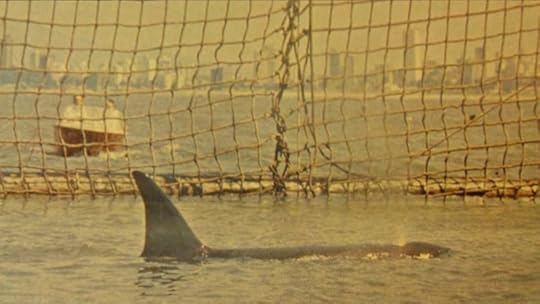
We now know that killer whales are one of the very few mammalian species that can learn new sounds and reproduce them. Dogs and cats, for example—there’s not a chance you could teach a dog to meow or a cat to bark. It’s a very rare ability to learn sounds and reproduce them. We can do it, as humans. Some primates can. Some of the whales can. The calls Moby Doll made in 1964—we still hear today from his kin group that still exists out there. If all roads lead to Rome, all oceans lead to Moby Doll.
People had considered this the most fearsome creature on the planet. The most vicious. The most predatory. Without any rivals. It could beat anything in the ocean, so, therefore, it qualified as the most feared of all beasts. Totally wrong. So I guess Moby Doll changed the world’s attitudes towards killer whales. Instead of seeing a killer—a savage monster like Moby Dick—the world met a cuddly companion, Moby Doll. Just as Spong stopped referring to the whales as killers, so did the media and the public. Fishermen stopped seeing a worthless pest that ate their food and started seeing dollar signs. So did potential exhibitors. The story of Moby Doll became the story of Namu, Shamu, Skana and all the other killer whales who were transformed into unwilling circus performers.
For a long time, humans have wondered about the possibility of intelligent life on other planets while ignoring the intelligent life on this one. Orcas have a language and a culture that predates ours, so how do we justify imprisoning them or, more importantly, destroying their habitat? It would be tragic if Lolita, who was taken from L pod at Penn Cove, Washington, in 1970, or Corky, the orca Spong has spent decades lobbying to return to A5 pod after being held in captivity since 1969, never saw the open ocean again—but it would be a crime against nature and humanity if there was no A5 pod or L pod for Corky and Lolita to return to.
The orca’s big brain was bigger than he had hoped—five times the size of a human’s and weighing in at nearly fifteen pounds. And this was from a young whale, not a mature adult. The brain was also more complicated than McGeer had imagined—more complicated than a human brain. Dolphin brains were impressive, but this brain was spectacular.
*spoilers*
Moby Doll, or the killer whale who changed the world as he is often referred to, was a male juvenile from J pod of the Southern Resident orca population. He was captured near Saturna Island in 1964 and died at the Vancouver Aquarium a few months later. The original plan was to kill a wild orca to use as a model for a sculpture ordered by the Vancouver Aquarium. The young orca was harpooned and dragged behind the boat for sixteen hours. Realizing the immorality of their actions, the hunters tried to ease his journey.
Against all odds, Moby Doll survived the torturous voyage. It seemed the higher-ups had decided he was worth more alive than dead. People flocked to see him. This was a once-in-a-lifetime opportunity for people in Vancouver to get up close and personal with a real-life monster. To the surprise of many, Moby Doll was neither dangerous nor monstrous. Moby Doll was almost dog-like with his docile and friendly nature.
He captivated the public, and the perception of the ocean's most fearsome predator changed forever.
The question is, was it worth it? Only a few decades ago, orcas were feared and loathed. People regularly shot at them. That changed in the sixties and seventies with the rise of aquariums and marine parks. Public perception of orcas and sharks evolved from hate to adoration. Where did these animals come from? It was a question nobody thought to ask. The brutality of the captures was unknown to the general public. Fortunately, the truth eventually got out. As a result, the business of orca capture came under heavy fire. The controversial practice was banned, but the damage had already been done.
As the name Orcinus orca implies, it belongs to ‘the kingdom of the dead.
Southern Residents, the world's most well-studied and iconic orca population, have been hit particularly hard by the captures. These fish-eating icons of the Pacific Northwest lost many of their members to the captive industry. Moby Doll may have been the first victim, but he wasn't the last. Other notable names include Lolita, Shamu, and Hugo. Shamu, the first superstar of Seaworld, was born into Moby Doll's pod. Ted Griffin wanted a companion for Namu, a juvenile male captured from the Northern Resident orca population in 1965. Ted, a former aquarium owner, captured dozens of orcas during the 60s and 70s (he wrote a book about Namu that I wouldn’t touch with a 10-foot pole). Shamu was captured in Puget Sound, Washington, on October 31st, 1965. Her mother was harpooned and killed in front of her.
Good ol' Ted underestimated the little orca's ability to hold a grudge. According to reports, she had conflicts with both Namu and Ted. Less than two months later, Shamu was sold to Seaworld San Diego. She died six years later of a uterus infection.
Today, there is only one Southern Resident in captivity. The famous Lolita, a member of the L pod, also known as Tokitae (which means "Bright day, pretty colors" in Chinook jargon), is the sole survivor of the notorious Penn Cove captures that took place in the waters of Puget Sound, off the coast of Washington. Seven juvenile orcas were taken, and five drowned in the nets. To conceal the crime, the hunters slit open the bellies of the dead orcas, filled their insides with stones, and sunk them. A few months later, the bodies washed up on the shore of Whidbey Island. The public was outraged and demanded a stop to orca captures.
Human groups who find themselves hunting in the same territory are almost expected to fight. For the most part, regardless of the continent they’re on or their culture, it’s rare when they don’t battle over land or resources. But the orca culture is more ancient than ours and, apparently, more civilized. Killer whales don’t just share food; they share the same sectors of the seas without challenging each other to determine dominance. This is true for orca families found in every ocean in the world. But in aquarium tanks, orcas from different pods, and different parts of the planet, have sparred for supremacy or space. In these cramped quarters, the whales will attack each other—something they’ve almost never been seen doing in the wild. Orcas in the ocean don’t hurt each other, even though they’re certainly capable of it.
Instead of attacking whales from other pods, when the Southern Residents meet, the groups perform a ritual that may date back a million years. They approach, posture, pass each other, and then—for lack of a better word—they dance. Certainly from a human’s viewpoint, the militaristic ritual appears to shift into a celebration. The older females who lead each of the clans cluster and, despite the difference in their dialects, appear to discuss... something.
Killer whales have also helped humans hunt. In North America and Australia, there are stories of orcas herding fish—and even other whales—to make it easier for fishermen to catch them. In the late nineteenth and early twentieth centuries, orcas near Eden, Australia, would drive humpback whales into an area known as Twofold Bay in exchange for their favorite pieces of meat—the tongue and the lips. This working relationship where the killer whales worked as whale killers for more than a hundred years was referred to by local fishermen as “the law of the tongue.”
According to the Eden Killer Whale Museum, “In the early years of Eden whaling in the 1840s there were reportedly around 50 killers spread through 3 main pods. All three pods cooperated together. One pod stationed far out to sea would drive whales in towards the coast, another pod would attack the whale and another pod would be stationed ahead of the whale in case it broke loose.” The whale believed to be the leader was a twenty-two-foot, thirteen-thousand-pound killer the whalers named Old Tom. After a humpback had been trapped, Tom would alert the whalers by slapping his tail and repeatedly breaching (jumping out of the water and landing with a splash) to summon the humans to finish off the kill. There were also stories of fishermen falling into the shark-infested waters when their boats were swamped by a humpback and Tom and other orcas warding the sharks off and saving their partners’ lives.
Orca captures were banned in the mid-70s, but only in North America. Places like Seaworld turned their greedy eyes towards Iceland. Many famous orcas were captured in Iceland, including Keiko, Tilikum, Katina, Kasatka, and Kiska. Almost all of the living captive orcas at U.S. facilities are Icelandic. Seaworld has created hybrids that don't exist in the wild (different ecotypes do not interbreed). One of their hybrids, Orkid, is considered the most intelligent of all captive orcas. But that's a story for another review.
As for Lolita, she has been stuck at the Miami Seaquarium for 53 years. Despite countless protests organized by animal lovers and the Lummi Nation (who see her as a member of their tribe), Lolita remains imprisoned in the world's smallest orca tank. Her wild relatives return to Washington State's Puget Sound every summer and fall. Among them is L25 Ocean Sun, Lolita's 95-year-old mother. It is a joyous occasion that researchers, whale watchers, and locals look forward to every year. All three pods – J, K, and L, come together to socialize, play, and feed on Chinook salmon. But it's also a sad occasion because Lolita is not among them.
Southern Residents went from being hunted to becoming Washington's most beloved celebrities. This endangered population faces many challenges, such as food shortage, pollution, underwater noise, and vessel disturbance. There are only 73 individuals left in the wild. Moby Doll's pod, the J pod, lost its long-living matriarch J2 Granny in 2016. Granny's great-granddaughter J37 Hy'Shqa gave birth to a female calf J59 Sxwyeqólh in 2022, bringing hope to the endangered population. Lolita remains at Miami Seaquarium, swimming aimlessly in her tiny tank. Her only companions are a pair of pacific white-sided dolphins (with whom she doesn't get along) and humans in wetsuits. She has spent half a century in an illegal tank, devoid of the companionship of her species. The only captive orca older than Lolita is Corky, the last living captive Northern Resident, held at Seaworld San Diego (check out Alexandra Morton's book Listening to Whales: What the Orcas Have Taught Us).
After spending years watching whales in captivity, Ford wanted to record wild whales and set out to meet the Northern Residents. Then, in the fall of 1978, he took a trip to the mouth of the Fraser River to record Southern Residents for the first time. “I put the hydrophone on the side of the boat, and I was recording the sounds, and they all sounded pretty alien to me, because the dialects are very different from the Northern Residents, which I had started becoming familiar with, and then, all of the sudden, in the middle of these calls, is the one I remembered so vividly from the Moby Doll tapes. I realized, in that moment, that this was the pod Moby Doll must have come from. It was J pod.” Ford was hearing the sad voice that had haunted him— Moby’s voice. Even to an untrained ear, modern J pod calls sound like the cries of Moby Doll.
Fifteen years after Sam Burich harpooned the young whale off East Point, Ford found Moby’s family, perhaps even found the same whales who had lifted their pod member to the surface to keep him from drowning, the whale who stayed with Moby for the long journey to Vancouver and kept calling to him from the wild. The whales who visited the pen in Jericho the day Moby died. The discovery was a revelation. Ford hadn’t just found Moby’s family; because he recognized Moby’s voice, he had discovered her language and evidence of orca culture.
We now know that killer whales are one of the very few mammalian species that can learn new sounds and reproduce them. Dogs and cats, for example—there’s not a chance you could teach a dog to meow or a cat to bark. It’s a very rare ability to learn sounds and reproduce them. We can do it, as humans. Some primates can. Some of the whales can. The calls Moby Doll made in 1964—we still hear today from his kin group that still exists out there. If all roads lead to Rome, all oceans lead to Moby Doll.
People had considered this the most fearsome creature on the planet. The most vicious. The most predatory. Without any rivals. It could beat anything in the ocean, so, therefore, it qualified as the most feared of all beasts. Totally wrong. So I guess Moby Doll changed the world’s attitudes towards killer whales. Instead of seeing a killer—a savage monster like Moby Dick—the world met a cuddly companion, Moby Doll. Just as Spong stopped referring to the whales as killers, so did the media and the public. Fishermen stopped seeing a worthless pest that ate their food and started seeing dollar signs. So did potential exhibitors. The story of Moby Doll became the story of Namu, Shamu, Skana and all the other killer whales who were transformed into unwilling circus performers.
For a long time, humans have wondered about the possibility of intelligent life on other planets while ignoring the intelligent life on this one. Orcas have a language and a culture that predates ours, so how do we justify imprisoning them or, more importantly, destroying their habitat? It would be tragic if Lolita, who was taken from L pod at Penn Cove, Washington, in 1970, or Corky, the orca Spong has spent decades lobbying to return to A5 pod after being held in captivity since 1969, never saw the open ocean again—but it would be a crime against nature and humanity if there was no A5 pod or L pod for Corky and Lolita to return to.

June 15, 2017
Listening to Mark Leiren-Young read his book (Audible Version) undoubtedly adds so much more depth to this amazing story of Moby Doll and his impact on our understanding of and respect for Orcas. As someone who holds Orcas close to my heart and soul, I felt joy, fascination, sorrow, and anger throughout the book. Perhaps it is true that the capture of Moby broke through the perceptions of the "monster" man had previously seen the orca as, but it also started the frenzy of Orca captivity. Nonetheless, I hope the telling of Moby's story will influence more people to take notice of these incredible creatures and to help support their well being by standing against captivity, dams and fish farms that reduce their food supplies and toxins polluting their waters (including trash, noise and shipping traffic). Mark Leiren-Young
February 6, 2021
The story of Moby Doll, the second orca ever held in captivity, and the one who would transform the public attitudes toward his species. Moby Doll's capture marked the beginning of both the captive orca industry and the anti-captivity campaigns. He was followed by Namu, the first Shamu, then Skana and Hyak. It really is strange to read about the time when orcas were seen as savage killers who wouldn't hesitate to devour a human. But these stories need to be told, because we truly are extreme in our relationship to other animals: either hating them or loving them to death. Whalewatching may sound better than whale shooting, but it's still harmful to orcas. What we need to do is just let them be, stop harassing them, and start protecting their habitat. This is what Mark Leiren-Young hopes to achieve with this book; he ends Moby's story with a note on granting personhood rights to cetaceans, and a call for protecting them in the wild. 4.5*

January 5, 2021
This was a good read! Mark Leiren-Young is becoming one of my most respected authors when it comes to topics like marine conservation and orca whales.
The Killer Whale Who Changed the World is more of a history read than it is about giving us the usual orca whale info. It narrates the capture of Moby Doll and the people whose lives he changed because of it. There are a lot of names, and the writing doesn't always feel like a narrative. That could make this read a bit info-dumpy for some, but if you go into it with the mindset of not needing to remember everyone in favor of looking at the big picture, you'll be ok. It was really interesting to learn about the social movements that Moby Doll inspired. And afterwards, I felt hopeful that in the future we'll be more mindful about living in harmony with this planet and its other beings.
The Killer Whale Who Changed the World is more of a history read than it is about giving us the usual orca whale info. It narrates the capture of Moby Doll and the people whose lives he changed because of it. There are a lot of names, and the writing doesn't always feel like a narrative. That could make this read a bit info-dumpy for some, but if you go into it with the mindset of not needing to remember everyone in favor of looking at the big picture, you'll be ok. It was really interesting to learn about the social movements that Moby Doll inspired. And afterwards, I felt hopeful that in the future we'll be more mindful about living in harmony with this planet and its other beings.

November 11, 2017
A wonderfully-written, even-handed story about the first killer whale kept in captivity. On such a touchy subject, the author walked the line very well, presenting an even view of Moby Doll's life. It doesn't skirt around the controversy of captivity, but talks about the good and the bad. It paints a not-so-black-and-white (pardon the pun) picture of the situation - we owe our perception of killer whales to the very things that is so hotly debated. This book tells the story, and then asks the questions without trying to force the answers on you. Well done!
November 8, 2016
Wonderful and heartbreaking...

December 28, 2017
This was my first book about orcas, a heartbreaking but beautiful and very well written book.

March 18, 2018
A must read for all animal lovers.

Read
January 15, 2020A great history of how and why our thoughts towards Orca have changed and how research has progressed. This was so hard to read at times due to what was considered "normal" behavior towards marine mammals in the '60s so be mindful of that if you pick this up!
May 29, 2026
I really really enjoyed this. I did not know about the story of Moby Doll prior to this and it truly is such a sad but also great story. Sad because it created the captive system we see today, but great because it changed our perspectives and knowledge about these amazing whales. I have been fascinated by Orcas for proably over 10 years now and have learned so much about them in captivity and the wild, I honestly could talk about it for hours, and I am so glad to have learned more about them and how it all kinda started. I'm also glad to see that in so many places they are ending the captivity programs. Growing up close to a place that had Orca shows and seeing it and other places like it shut down makes me so happy because these animals do not deserve it. Definitely check this book out if you are an Orca love or want to learn more about them.
March 9, 2018
I love anything that has to do with orcas. This book was so interesting, informative and enticing. The narrator had such a soothing voice, I was engaged the whole time. You could tell the author really did his research. Some of this got truly sad and dark, then there were amazing bits where you could sense the love people had for these beautiful animals. I’m so glad I decided to read this. If you want to learn more about orcas I suggest this book.

January 6, 2021
Thought-provoking and beautifully written, and I loved the pieces of humor here and there. Grateful for the insight this book has provided and the focus it bestows on Moby Doll.
“Every bar that’s set to prove human superiority to orcas seems to be as easy for the whales to jump as the hurdles set out for them at SeaWorld. Orcas fit every definition for humanity humans have come up with that doesn’t require opposable thumbs”. (p. 69)
“Every bar that’s set to prove human superiority to orcas seems to be as easy for the whales to jump as the hurdles set out for them at SeaWorld. Orcas fit every definition for humanity humans have come up with that doesn’t require opposable thumbs”. (p. 69)
May 30, 2021
This is a well researched and inspirational book on Moby Doll and orcas. The Vancouver Aquarium has always been transparent about its whales, mammals, and animals. Their lives are publicly celebrated and their deaths mourned as tragedies. This transparency has led to a level of community investment in each animal that is likely unique to Vancouver. I hope, one day, to visit Saturna to see whales in the wild. I know the perfect guide 💙

August 9, 2017
Living on the west coast, this true story about "Moby Doll" who was captured and held captive for research purposes had astounding resonances. Granted it was a different time in the 1960s but nevertheless its a cautionary tale that reminds us about our responsibilities to nature.
October 12, 2016
Captivating story of Moby Doll, the first killer whale in captivity - well written, but three stars because it contains a number of factual errors.
December 20, 2019
A heartbreaking, eye opening look into the earliest days of captivity

March 31, 2021
If you write a book about Orca whales - especially Southern Residents - I will read it and probably rate it 5 stars.
September 12, 2021
Good read!
April 10, 2026
*i think it’s important to note that i listened to this as an audiobook which is read by the author and i think that ultimately has a big influence on my rating*
i’d also like to preface that i’m by no means claiming to be a expert on orca research, but i have done quite a bit of my own and have met many people who are well educated in this research so i’m going to have some strong opinions about this. i am also very understanding of the fact that practically nothing was known about these animals prior to the capture that happens in this book but that doesn’t mean i have to agree (and that’s on having your own opinion).
for me, i personally just couldn’t get behind the way some of the actions of those involved in the capture were being justified (this is how i interpreted it from listening to the way the author read this part of the book). like i stated above, i understand that during this time, there was practically nothing known about orcas and that the original plan was to actually kill the orca to have an accurate, life-size sculpture on display (i will never get behind that one, that’s just cruel) because they were only seen as killers and not the intelligent species that they truly are. however, the way this book is read felt like harpooning and shooting at orcas, killing several before the actual capture was a “success”, was not a terrible act and i’m sorry but in what world is going out and killing ANY species that i would like to add had no record of killing humans *IN THE WILD* (and still doesn’t!) something we should be justifying?
i did appreciate that even though the outcome they hoped for didn’t last long, they did do what seemed to be, as much research as they could. but this did just led to so many whales being killed during several capture events or they survived their capture, were ripped away from the only lives they had known to be kept in captivity for the sake of money hunger people and entertainment.
i will say though, the ending of this book where there is talk about conservation efforts around these animals did help with the rating i gave. if that wasn’t added in or the research they conducted on moby doll after his death had not been done, i don’t know that i would be able to give this book more than a 1-1.5 star rating..
now with all of that being said, i don’t know what orca research would look like today had this series of events not occurred. we also don’t know how long it would have taken for the Marine Mammal Protection Act to go into effect following all of the capture events that did occur within U.S. waters. but that doesn’t mean i have to agree with how we got there.
anyone who reads this book is entitled to their own opinion and interpretation of it. again, this is just my personal opinion.
i’d also like to preface that i’m by no means claiming to be a expert on orca research, but i have done quite a bit of my own and have met many people who are well educated in this research so i’m going to have some strong opinions about this. i am also very understanding of the fact that practically nothing was known about these animals prior to the capture that happens in this book but that doesn’t mean i have to agree (and that’s on having your own opinion).
for me, i personally just couldn’t get behind the way some of the actions of those involved in the capture were being justified (this is how i interpreted it from listening to the way the author read this part of the book). like i stated above, i understand that during this time, there was practically nothing known about orcas and that the original plan was to actually kill the orca to have an accurate, life-size sculpture on display (i will never get behind that one, that’s just cruel) because they were only seen as killers and not the intelligent species that they truly are. however, the way this book is read felt like harpooning and shooting at orcas, killing several before the actual capture was a “success”, was not a terrible act and i’m sorry but in what world is going out and killing ANY species that i would like to add had no record of killing humans *IN THE WILD* (and still doesn’t!) something we should be justifying?
i did appreciate that even though the outcome they hoped for didn’t last long, they did do what seemed to be, as much research as they could. but this did just led to so many whales being killed during several capture events or they survived their capture, were ripped away from the only lives they had known to be kept in captivity for the sake of money hunger people and entertainment.
i will say though, the ending of this book where there is talk about conservation efforts around these animals did help with the rating i gave. if that wasn’t added in or the research they conducted on moby doll after his death had not been done, i don’t know that i would be able to give this book more than a 1-1.5 star rating..
now with all of that being said, i don’t know what orca research would look like today had this series of events not occurred. we also don’t know how long it would have taken for the Marine Mammal Protection Act to go into effect following all of the capture events that did occur within U.S. waters. but that doesn’t mean i have to agree with how we got there.
anyone who reads this book is entitled to their own opinion and interpretation of it. again, this is just my personal opinion.
This entire review has been hidden because of spoilers.


June 5, 2024
such an interesting backstory to how the whales in captivity craze started. very thorough yet still a quick and easy read. it is full of sad moments. I still find it a worthwhile read. as someone who knows a lot about whales I had never heard of anything before namu. it covered all that and then some. it also talked about recent times (as of 2016 which sadly is still true today).
the audiobook is really great to listen to as well. his performance definitely adds to the story.
for fans of blackfish, orca lovers, and animal enthusiasts.
the audiobook is really great to listen to as well. his performance definitely adds to the story.
for fans of blackfish, orca lovers, and animal enthusiasts.

August 25, 2020
The book kept my attention. I enjoyed reading it. There were quite a few swear words and some crudity. The last two chapter got 'preachy' as the author advocated for the cause to grant rights to orcas.
Read
February 3, 2022It’s certainly a well-researched book and very clear how deeply orca conservation matters to the author. I see it has been made into an award-winning radio documentary - a medium which I think would suit this story tremendously.
February 7, 2026
A moving piece of Canadiana that puts us face to face with our troubled relationship with Southern resident killer whales. Centered around the story of. Moby Doll, the first killer whale captured in Canada, it offers a timely reminder of that what we seek to shackle and subdue may not be ours to dominate.

October 20, 2016
For more reviews, or to see my favourite quotes from this book, check out my blog at http://mlsparrow.wix.com/mlsparrow
I've been anticipating this book for ages, because ever since I first heard about Moby Doll I was absolutely fascinated. There was so much information in this book and I definitely wasn't disappointed in that regard. It was also good to read a book that wasn't entirely anti-caps; though I'm whole-heartedly against captivity, I do believe that early orca captivity helped to change the world view of these creatures. We went from thinking they were man-eating monsters and bombing/shooting them, to fighting to protect them, which we never would have done before whales in captivity changed our perspective of them. I'm not saying it's right; it's not, it's cruel and immoral, but at first it did serve a purpose other than just to entertain and this book tells that side perfectly. On the one hand I fell in love with Moby Doll and felt so, so sorry for everything he suffered, on the other I could understand Newman's motivation in the end.
The only problem I had with this book contradicts the thing I liked most about it. I found that it was so factual that in places it lacked emotion, as if he author were simply repeating the story told to him without putting anything of himself in it.
Also, I do just want to mention that in another review someone said a few of the facts were wrong. Personally, I didn't notice anything wrong, but then I'm not an expert on this subject - yet ;-). I've contacted the other reviewer to ask and will update this review if I get an answer.
However, the final chapter of this book more than makes up for any small faults. It is something everyone should read and I know I will be re-reading it over and over. In this chapter at least, the author showed passion and everything he said made perfect sense.
I've been anticipating this book for ages, because ever since I first heard about Moby Doll I was absolutely fascinated. There was so much information in this book and I definitely wasn't disappointed in that regard. It was also good to read a book that wasn't entirely anti-caps; though I'm whole-heartedly against captivity, I do believe that early orca captivity helped to change the world view of these creatures. We went from thinking they were man-eating monsters and bombing/shooting them, to fighting to protect them, which we never would have done before whales in captivity changed our perspective of them. I'm not saying it's right; it's not, it's cruel and immoral, but at first it did serve a purpose other than just to entertain and this book tells that side perfectly. On the one hand I fell in love with Moby Doll and felt so, so sorry for everything he suffered, on the other I could understand Newman's motivation in the end.
The only problem I had with this book contradicts the thing I liked most about it. I found that it was so factual that in places it lacked emotion, as if he author were simply repeating the story told to him without putting anything of himself in it.
Also, I do just want to mention that in another review someone said a few of the facts were wrong. Personally, I didn't notice anything wrong, but then I'm not an expert on this subject - yet ;-). I've contacted the other reviewer to ask and will update this review if I get an answer.
However, the final chapter of this book more than makes up for any small faults. It is something everyone should read and I know I will be re-reading it over and over. In this chapter at least, the author showed passion and everything he said made perfect sense.

June 6, 2019
A really well-written book that combines natural history with human history to tell the story of how from the early 60s a whale inadvertently captured for the Vancouver Aquarium virtually changed peoples’ perceptions about orcas. Up until then they had been called “killer whales” - not a really friendly type of title for any animal.
I found it hard to put the book down – which is always a good way for a book to be. I found myself wanting to find out what happened in this narrative, even though I sensed what might happen at the end.
If you like whales, or you just like natural history or want to learn about the history of the environmental movement in Canada, particularly British Columbia, this book is a must-read.
I found it hard to put the book down – which is always a good way for a book to be. I found myself wanting to find out what happened in this narrative, even though I sensed what might happen at the end.
If you like whales, or you just like natural history or want to learn about the history of the environmental movement in Canada, particularly British Columbia, this book is a must-read.

July 9, 2018
for starters, this book is phenomenal
although this book wasn't necessarily meant to be sad it had me in tears multiple times. each word of this book made me want more, there was not a single moment where I wanted to put this book down. the story that this book told was absolutely captivating. when I started this book I wasn't expecting to be so moved by the stories of so many different people who contributed in changing the way people view orcas. although this whole book is incredible, the last chapter will always have a special place in my heart. the last chapter speaks volumes about the world today and has quickly become some of the most powerful text I have ever read.
although this book wasn't necessarily meant to be sad it had me in tears multiple times. each word of this book made me want more, there was not a single moment where I wanted to put this book down. the story that this book told was absolutely captivating. when I started this book I wasn't expecting to be so moved by the stories of so many different people who contributed in changing the way people view orcas. although this whole book is incredible, the last chapter will always have a special place in my heart. the last chapter speaks volumes about the world today and has quickly become some of the most powerful text I have ever read.

August 16, 2018
The history of how one young whale, Moby Doll, affected those involved with its capture off Saturna Island in British Columbia in 1964 is a fascinating read. The way Orcas were perceived prior to this event is in marked contrast to today. I loved all the characters the author introduces us to in his tale of this time and the years that followed. Amazing the impact this mammal had on the course of history.
September 19, 2017
Leiren-Young has so masterfully framed the story of Moby Doll, the Vancouver Aquarium, and our fascination with these delightfully intelligent mammals that the book is a difficult one to put down. His scope is wide and well-defined; I would highly recommend this to Erik Larsen fans.
My only nitpick at all is the childlike title, which moreso exudes a children's novel.
My only nitpick at all is the childlike title, which moreso exudes a children's novel.

September 23, 2017
A fascinating insight into the true story of Moby Doll through Mark Leiren-Young's twenty year research showing how this one orca whale changed the view of people from it being a monster to being a well loved,respected and intelligent being. It is witty, thought provoking and inspirational. I couldn't put the book down and when I did I kept thinking about what I had read.
Displaying 1 - 30 of 70 reviews