Call it what you will — literary journalism, military history, narrative nonfiction — The Last Ridge is just damned good storytelling.
Jenkins' depiction of the formation, training, and war efforts of the 10th Mountain Division will appeal to readers of military history and American environmental history alike. "It is not too much to say that the conservation and exploration of American wilderness are as much a part of the division's history as its contribution to the war," in Jenkins' words. The men who formed the division and those who served in it played central roles in American ski culture and wilderness rescue, in addition to changing the U.S. military.
Even if wilderness adventure and tales of military daring are not your cups of tea, you will want to read The Last Ridge if you appreciate John McPhee's crafting of compelling characters from seemingly ordinary people and his unassuming prose style. Jenkins combines the best of McPhee with the spiritual sensitivity of Peter Matthiessen. Stuart Abbott, a minor character in The Last Ridge, reminded me of Matthiessen in The Snow Leopard, searching for truth in nature amid a storm of suffering.
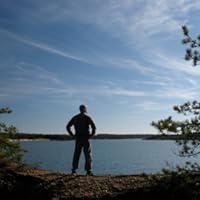
Landscape is the most compelling character in The Last Ridge, though. It preys upon the unwary and unprepared, and it defends those who respect its power. The Germans had studied their local landscape for generations; they knew the advantages it afforded. Without Minnie Dole's persistence and the 10th Mountain Division's valor, Jenkins asserts, the landscape may have favored the Germans. In that case, fascism would have been as immovable as Riva Ridge.