We sell Rare, out-of-print, uncommon, & used BOOKS, PRINTS, MAPS, DOCUMENTS, AND EPHEMERA. We do not sell ebooks, print on demand, or other reproduced materials. Each item you see here is individually described and imaged. We welcome further inquiries.
Bertrand Arthur William Russell, 3rd Earl Russell, OM, FRS, was a Welsh philosopher, historian, logician, mathematician, advocate for social reform, pacifist, and prominent rationalist. Although he was usually regarded as English, as he spent the majority of his life in England, he was born in Wales, where he also died.
He was awarded the Nobel Prize in Literature in 1950 "in recognition of his varied and significant writings in which he champions humanitarian ideals and freedom of thought."
القصة عن طبيب كتب لافته علي عيادته مغامرات مثيرة ليجذب الناس ليذهب عنده أفراد فيتحولوا الغريب في الأمر انا هؤلاء الأشخاص أخيار يعرفهم الناس بحسن الخلق لكن عندما يذهبون للطبيب يكلمهم فيتحولوا وكأن الشر كان بحاجه الي صحوة ليفيق والإنسان لا يحتاج الي شيطان يوسوس له فهو شيطان نفسه الشر كامن في داخله يحتاج الي فرصة بل أقل فرصة ليخرج ويسيطر ويعث في الأرض فسادا
What happens when an eminent mathematician, historian and philosopher turns to writing comic short stories in his old age? Here, if you are interested, is one answer.
The stories, as stories, are neatly plotted, if utterly implausible – but it is quite clear that no attempt at verisimilitude was made, or intended. The characters all talk like Bertrand Russell, which makes for some unintended hilarity when the character in question is a society beauty or a charwoman.
The enterprise as a whole is devoid of literary merit, but I enjoyed it all the same – all but `The Guardians of Parnassus', which I found morally repulsive and not in the least funny.
It's worth noting that this short collection is littered with corpses, particularly suicides. I wonder what that says about the state of mind of its elderly author?
An unidentified congregation of Corsicans is after me because I have expressed vehemently that the origins of pre-Celtic Decorative Art reside in Denmark.
Excellent collection of short stories, given one reads them for the purpose of amusement as Earl Bertrand Russel intended.
This entire review has been hidden because of spoilers.
"إن الانشغال بالاقتناء هو الذي يمنع الناس من الحياة الحرة النبيلة"
هذه مجموعة قصصية صغيرة وعددٌ من المقالات التي تتمحور حول قدرة الإنسان على التحول إلى شيطان على الأرض، وليس ذلك لارتباطه ببعض الصفات السيئة أو الأفعال المشينة بقدر ارتباطه بالنقص الذي عاناه في حياته والذي لم يجد له، بسبب حماقته، تمثيلاً ولا معالجة إلا بإيذاء الغير وإشباع نقص نفسي لديه على حساب حقوق الآخرين وحرياتهم.
يناقش راسل في كتابه القصير العديد من الدوافع الإنسانية لخلق الشرور، والتي يمكننا، ببعض الحكمة والذكاء، تسخيرها لخلق الخير وإحقاق الحق، ويردد الأمر الذي طالما وجدناه في فلسفته، وهو أن الحرب فعلٌ أحمق، والسلام فعل الحكمة.
Even though Russell isn't a great novelist -because he is mainly a mathematician and a philosopher- Satan in the Suburbs is a profound reflection on the hidden human desires.
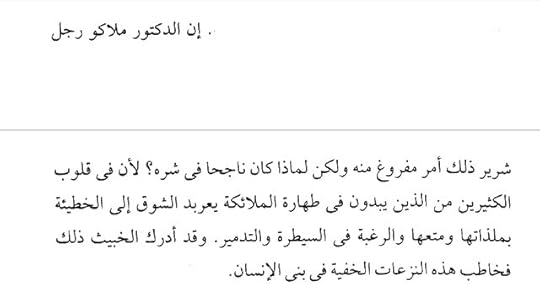
الشيطان على الأرض هو ذا برتراند راسل يطرق باب القصص و الروايات بعد أن شيد مجدا ذائع الصيت في الفلسفة و الرياضيات و السياسة. على العموم، هي تجربة على قدر معتبر من التوفيق. الدكتور مالاكو يفتح عيادته الاستشارية في إحدى ضواحي لندن المملة و يستقبل زبائنه فلا يزيد على أن يروي لهم حكايات تشبه حكاياتهم هم. فقط تزيد عليهم بفكرة جريئة واحدة، فيوحي لهم الدكتور ملاكو بمحاكاة ذلك للحصول على نفس النتائج. كان هذا كافيا للإلقاء بهم في مهاوي الرذيلة فينتهي بهم الأمر في السجن أو في مستشفى للأمراض العقلية أو حتى ربما في مجاهل القارة السمراء. يبرز الراوي و قد وقع بخاطره شيء تجاه هذا الدكتور (شيطان من الأبالسة في صورة دكتور). ينتهي الأمر بالراوي المسكين و قد زج به في مستشفى الأمراض العقلية.
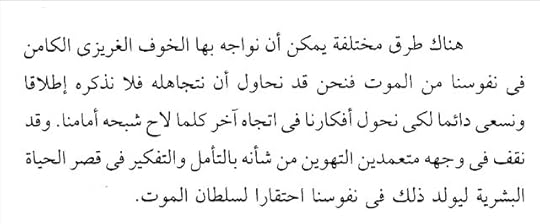
المقالة التالية لهذه القصة، عن الموت و كيفية مواجهة شبحه الجاثم فوق حياتنا جميعا، خاصة الأطفال و المراهقين.
Bertrand Russell, Sir Bertrand Russell, al cumplir los 80 y tras establecer los fundamentos de toda la matemática, entre otras muchas gestas intelectuales (aunque luego se los tirara abajo Kurt Gödel), se dedicó a escribir una serie de historias de misterio que, por supuesto, no están a la altura de su producción anterior. Es curioso ver a una mente absolutamente apabullante en su genialidad cagarla al hacer algo tan "simple" como un relato corto, pero aquí lo tenemos. Cualquier personaje de los relatos, hasta la damisela complejines, habla como un filósofo de 80 años. Dos estrellas y media, no es lo mejor que ha publicado el autor.
La aristocracia inglesa siempre haciéndome sentir tan enana e inmensa a la vez, el escándalo que crean y el desgarro que sienten por cada pequeño deshonor o cada alegría que les es dada, me hace pensar que, una de dos, o mi vida es tremendamente interesante, o que carezco de emoción por lo cotidiano. Quiero decir, ojalá pudiera yo tener una visión tan creativa e infantil sobre el mundo, con la que cuando alguien me saque de quicio, se me ocurra ingeniar una máquina con la que hacer que se evapore todo el agua de los océanos para sembrar el caos y una situación de hambruna mundial que acabe con toda la humanidad, y además, que lo único que me haga preocuparme por el resultado sea pensar en si los peces sufrirán o no durante el proceso. (Sin embargo, ahí estuvo Penélope representando a todas las mujeres que necesitan darse cuenta de todo lo que valen y dejar de someterse a los deseos de hombres imbéciles, di que sí)
This entire review has been hidden because of spoilers.
Who would have thought Russell would write such good stories? This book was recommended by my thermodynamics professor, and although all the other books he recommended were really good, I didn't trust this one. I mean, have you read any volume of Principia Mathematica?
I think this book’s average goodreads rating is criminally unfair. It’s an odd mixture of 50s quaint style and Russell’s characteristic insightfulness, packaged in compelling short texts. They’re not masterpieces, but each shows a surprising exploration both of its characters and plot premise. Would probably have rated 4 stars if I weren’t compelled to counter its more unreasonable reviews
Edgar Allen Poe'msu ama daha acemice yazılmış öyküler. Russell tabii arada sermayeye, medya kartellerine, ruhban sınıfına, komünizme savaş açanlara filan geçiriyor lafı. naif, samimi öyküler ama çok iyi olmadığını kendi de biliyor. önsözde uzun uzun niye yazdığını filan açıklamış. çeviri, editörlük ve tashih çok iyi ama. arkadaşın ricası üzerine dikkat ederek okudum, sıfır hata diyebilirim.
: صوتٌ مُظلمٌ يجولُ النَّفسَ البشريَّةَ ليُخرجَ الرَّذيلةَ المُختبئة في الباطنِ، إنَّهُ صوتُ الشَّيطانِ داخلَ هذهِ الرِّواية، ليقودنا حيثُ يُعربِدُ الشَّوقُ للخطيئة بملذاتها ومتعها والرغبةُ للسيطرةِ والتدميرِ، ولكنَّ الأمرَ لا ينتهي هُنا، بل ينتهي بما هو أكثرَ قسوةٍ من ذلك؛ الخطيئةُ جزءٌ من هذا العالم، ولكن هل نستطيع التخلصَ منها؟
الكتاب مُمتع بكل أقسامه، ويفتح للفكر البشري آفاقًا واسعةً لتفهمِ حقيقة هذا العالم المَجبور بالخطيئة
Hikayelerimin ardından hiçbir mana aramadan öylesine keyif almak için okuyun demiş ama epey bi gönderme, insan doğasına ait derin psikolojik tespitler, zihinlerde üç nokta bırakan çıkarımlara yönlendirmeler ile dolu öyküler serisi.
Quienes somos realmente, somos capaces de hacer cualquier cosa por alcanzar nuestros objetivos ? Los deseos son tan fuertes que terminan acabando contigo en todos los sentidos.
"Unshakable stability is not to be obtained without paying a price, and I am not sure that the price was always worth paying."
In SATAN IN THE SUBURBS, philosopher Bertrand Russell makes use of fiction to give new life to his incisive and well-known critique of modern societal issues, and be funny in the process.
The short stories in this collection dive into the concerns of suburban life that may appear too mundane at first but eventually lead into a commentary on the profound human nature. Russell places the stories within the context of small neighborhoods, allowing them to be viewed as microcosm of society, where broader social dynamics play out and put spotlight on conformity and materialism as antithesis of individuality.
For example, in the titular (and perhaps the longest) story, a too well-meaning-for-his-own-good-investigator confronts a mysterious doctor and his shady impact on his neighbors. It's a rollercoaster read, and quite frustrating at times, but it reminded me of Russell's teachings, particularly his quote that "neither a man nor a crowd nor a nation can be trusted to act humanely or to think sanely under the influence of a great fear." To what extent do we allow ourselves to operate under fear? How much is fear responsible for our actions? Can we even blame it all on fear, when we have the agency in the first place?
I never thought I'd enjoy fiction written by Russell, who is perhaps best known for his work on exploring foundational logic in mathematics (and I do not know mathematics let alone the logic for it). But this collection benefited from his strong suits - his wit and ability to not just write well but also with the general public in mind. Maybe this foray into fiction was just one of his ways to popularize his beliefs. But then again he wrote in the introduction that each story "wass written for its own sake, simply as a story, and if it is found either interesting or amusing it has served its purpose."
Maybe I am really reading too much into Russell's work. Maybe he really wanted a clear delineation between his philosophical work and his fiction writing. But of all people, he should have realized that this is unattainable, especially if you've spent most of your life advocating for the realization that everything is political.
But fine, let's take these stories at surface level. They are still good. Entertaining and really funny. It's like if Edgar Allan Poe decided to be more observant and out of his head, or a more relaxed (and grounded) HP Lovecraft. Then throw Welsh humor into their works. What makes it funnier is that even Russell was surprised he wanted to write fiction. I mean, he was already 80 years old when this was published! It's like if Noam Chomsky decided to finally be funny and write a comic book. The things we do to ourselves!
A little absurd in that certain characters across the stories want to enact extremely villainous and evil revenge that is totally disproportionate to the crime at hand... makes me hope that some sort of message is being communicated here and not that this is to be taken as completely ordinary behaviour...
The story Satan in the Suburbs was by far my favourite, and I was excited to read about each neighbour's encounter with the doctor. But it went downhill from there for me
It's difficult to follow Russell's wishes in reading these at surface level, as each story is thought-provoking and seems full of undiscovered meaning, but as others have pointed out, all of the characters tend to be voiced in exactly the same way. There is no element of moral complexity and I don't find some of the character actions very convincing (e.g. Mr Brown, The Guardians of Parnassus). The grotesque immorality of some characters (particularly clergymen, I wonder why) also make it difficult to enjoy
الشيطان على الأرض لبنتراند رسل ما أريد أن أقوله الآن لو بقي رسل بعيداً عن الراويات والقصص لكان أفضل هاهي التجربة هذه بالنسبةِ لي كقارئ لأغلب أعمال رسل فاشلة إذا ماتمت مقارنتها مع أعماله الآخرة. الراوي وهو عائد من عمله إلى بيته، لاحظ لافتة نحاسية تحمل هذه العبارة: مغامرات مثيرة تحت الطلب اتصلوا بالدكتور مردوخ ملاكو. أثار الأعلان فضول صاحبنا هذا اراد ان يجرب ذهب فوجد في اليوم الأول شخص يخرج من عند الدكتور ملاكو وهو يعرفه ولكن تصرفه غريب وفي اليوم الثاني أيضاً شخص آخر وفي اليوم الثالث كذلك. يشك الرواي بدكتور ملاكو يذهب إليه للمنزل كمحقق. لا يستفاد منه شيء يبدأ بزيارة الأشخاص الذين قد صادفهم وهم خارجين من عنده أيضاً لا يتكلمون بشيء مفيد. الفكرة إنه عندما زار الدكتور ملاكو هولاء الأشخاص وحكوا له حكايتهم كان يحكي لهم قصص مشابهة ولكن يضيف عليها حدث جريء وإذا كشف هذا الحدث سيتم قلب حياتهم رأس على عقب. الأول أودع في السجن والاخر انتحر والاخر اصبح في قلب افريقيا. بالنهاية يصل الراوي إلى المصحة النفسية. قراءة جيدة إلى حدا ما. قراءة ممتعة للجميع.
I primi tre racconti partono dal presupposto che l'umanità tutta sia stupida e credulona e che non ci sia speranza di redenzione alcuna a questo stato. "The infra radioscope" è stupendo nel narrare l'ineluttabile fine della Terra che prima soccombe all'idea dei marziani e poi ai marziani stessi. L'ultimo "The benefit of clergy" è un'ironica storia d'amore, improbabile ma bella nel mostrare la volontà di vendetta di una ragazza raggirata (sia pur in buona fede) dal suo spasimante. E R. ci regala anche il lieto fine (l'unico). E' proprio il racconto che dà il titolo alla raccolta il meno convincente (non che The Corsican Ordeal abbia qualcosa di credibile!): Satana che sceglie quattro tipi per raggirarli usando il loro punto debole più segreto, che è l'opposto di quel che mostrano in pubblico. Tutta la costruzione è troppo finta, anche nello stile, paludato e un po' pomposetto.
no tengo nada en contra de que un autor se salga de su trayectoria para experimentar, pero que a mediados del siglo xx me traigas relatos de ¿terror? románticos a lo edgar allan poe deja un poco que desear si hay algo que me guste menos que la novela romántica (como corriente, no como género) es la novela que pretende serlo un siglo después las historias reproducen unas sociedades y unos cánones culturales que ni existen ahora ni existen cuando se escribieron y aunque el contexto histórico no debería influir en la valoración interna de la obra, tal es la anacronía en la que incurre desde el presente hasta su publicación, que no he podido evitar tener siempre presente la que existe entre su publicación y el momento en que se ambienta
Bertrand Russell is an excellent writer with ideas worth thinking about, so I was intrigued to find that he had written fiction. Unfortunately, his talents do not translate well to that genre. For one thing, all of his characters speak with the same voice, the voice of an erudite philosopher. And although his stories include ideas worth thinking about, they are not always arranged to present those ideas artfully. For one example, his story "The Guardians of Parnassus" includes a character which, in the hands a masterful writer, could rank with Iago and Uriah Heep in the list of worst villains, but in the story, that character comes in so late that he becomes almost a bit player.