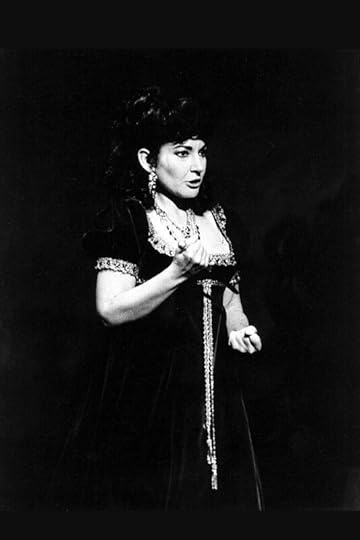
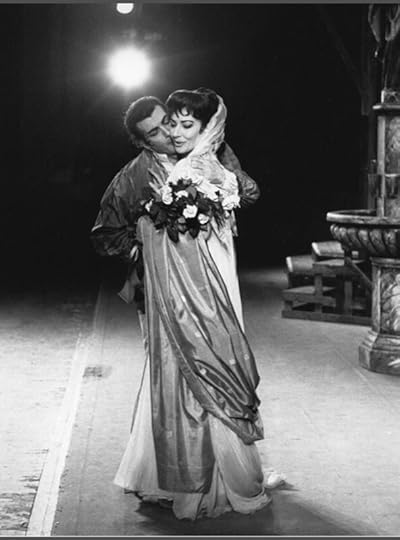
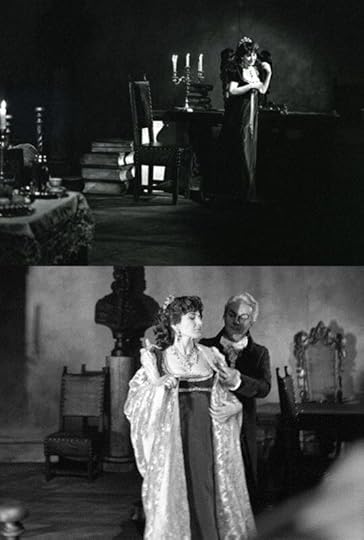
Tosca è un'opera lirica in tre atti di Giacomo Puccini, su libretto di Giuseppe Giacosa e Luigi Illica. La prima rappresentazione si tenne a Roma, al Teatro Costanzi, il 14 gennaio 1900. Il libretto deriva da La Tosca di Victorien Sardou, il dramma rappresentato per la prima volta il 24 novembre 1887 al Théatre de la Porte-Saint-Martin di Parigi, il cui successo fu legato soprattutto all'interpretazione di Sarah Bernhardt nei panni della protagonista. Durante una tournée, La Tosca venne rappresentata anche al Teatro dei Filodrammatici di Milano, all'inizio del 1889, e Giacomo Puccini vi assistette, rimanendone molto colpito. Così Puccini cominciò a pensare di ricavarne un'opera. Ne parlò con l'editore Giulio Ricordi, chiedendogli di interessarsi ai diritti dell’opera per avere l’autorizzazione a musicarla. Sardou non oppose un netto rifiuto ma dimostrò freddezza; in ogni modo alla fine del 1893 Ricordi ottenne l'autorizzazione a musicarla, anche se a favore di un altro compositore, Alberto Franchetti, che aveva da poco trionfato con Cristoforo Colombo (1892). Luigi Illica preparò l'abbozzo del libretto, che fece approvare da Sardou in presenza di Giulio Ricordi e Giuseppe Verdi (quest'ultimo, a Parigi per la prima francese di Otello, confiderà qualche anno più tardi al suo biografo che, se non fosse stato per l'età, avrebbe voluto lui stesso musicare Tosca). Dopo pochi mesi Franchetti rinunciò a comporre l'opera. Così Ricordi commissionò l'opera a Puccini, nel 1895. Cominciò il lavoro qualche mese dopo il successo de La bohème, nella tarda primavera del 1896. Partecipò alla stesura del libretto anche Giuseppe Giacosa, anche se riteneva il soggetto poco poetico e sosteneva che il successo dell’opera era dato dalla bravura della Bernhardt e non dal testo. Dopo alcuni contrasti e ripensamenti, nell'ottobre 1899 l’opera fu completata e il 14 gennaio 1900 venne rappresentata al Teatro Costanzi di Roma, con il soprano Hariclea Darclée nel ruolo di Tosca, il tenore Emilio de Marchi nei panni di Cavaradossi e il baritono Eugenio Giraldoni come Scarpia. All'evento erano presenti, tra gli altri, il presidente del Consiglio Pelloux e la regina Margherita di Savoia. La serata fu nervosa, a causa di alcuni spettatori ritardatari il direttore d'orchestra Leopoldo Mugnone fu costretto a interrompere l'esecuzione e ricominciare da capo. Inizialmente criticata da una parte della stampa, che si attendeva un lavoro più in linea con le due precedenti opere di Puccini, Tosca si affermò ben presto in repertorio e nel giro di tre anni fu rappresentata nei maggiori teatri lirici del mondo. Il libretto fu ricavato dal dramma omonimo di Victorien Sardou, ma fu ridotto da cinque a tre atti e snellito di molti particolari che costituivano la cornice storica realistica del dramma in prosa; vennero inoltre eliminati moltissimi personaggi secondari, tra cui Giovanni Paisiello, che compariva in persona alle prese con la famosa cantante, e la vicenda si concentrò principalmente sul triangolo Scarpia - Tosca - Cavaradossi, delineando le linee principali dei caratteri, anche se a scapito delle concatenazioni logiche degli avvenimenti. Il dramma dell'amore perseguitato interessava Puccini più del grande affresco storico condito di delitti e di sangue. Tosca è considerata l'opera più drammatica di Puccini, ricca com'è di colpi di scena e di trovate che tengono lo spettatore in costante tensione. Il discorso musicale si evolve in modo altrettanto rapido, caratterizzato da incisi tematici brevi e taglienti, spesso costruiti su armonie dissonanti, come quella prodotta dalla successione degli accordi del tema di Scarpia che apre l'opera: Si bemolle maggiore, La bemolle maggiore, Mi maggiore (il primo e l'ultimo dei quali in relazione di tritono)... (Wik.)
An Italian composer, son of Michele Puccini and fifth in a line of composers from Lucca. After studying music with his uncle, Fortunato Magi, and with the director of the Insituto Musicale Pacini, Carlo Angeloni, he started his career at the age of fourteen as an organist of St. Martino and St. Michele, Lucca, and at other local churches. However, a performance of Verdi's Aida at Pisa in 1876 made such an impression on him he decided to become an opera composer. With a scholarship and financial support from an uncle, he was able to enter the Milan Conservatory in 1880. During his three years there, his chief teachers were Bazzini and Ponchielli.
Punccini's best known operas are: Le villi (1884), Edgar (1889), Manon Lescaut (1893), La Bohème (1896), Tosca (1900), Madama Butterfly (1904), La fanciulla del West (1910), La rondine (1917), "Il trittico" and Turandot (1926).
During the composition of Turandot, he was diagnosed with throat cancer, and died after receiving treatment in Brussles. Turandot, was left unfinished, but was completed by Franco Alfano.
I love the unforgettable epic moment when Tosca finds her inner Scarpia and uses it against Scarpia himself. Sadly, Scarpia gets the last laugh, temporally, but that will truly be his very last laugh because there will be no more laughter in his eternal destination.
BTW, the new Met Opera production features the worst Scarpia I've ever seen. I mean that as a complement. Quinn Kelsey's Scarpia is unadulterated evil in the purest of forms. Mr. Kelsey has perfected a profanity which is most viscerally felt in the song "Te Deum" that ends the first act. The stark contrast between Scarpia's wickedness, and the innocent voices of the children's choir in the sacred setting of a church, is yet another great moment in opera.
UPDATE: I was in the front row, face to face with the devil at the Met Opera tonight. I've become a worshiper. New rating, 5 stars!
A talented young person in the performing arts victimized by a person who abuses a position of power to satisfy a passing lust? Sounds familiar to #MeToo.
The play that Puccini based the libretto for Tosca upon was written specifically for Sarah Bernhardt, the illegitimate daughter of a courtesan. It would seem that she crossed paths with many Scarpias in her life.
I read the libretto in preparation to viewing the 2018 MetHD performance, which was excellent. Seeing it once made me want to see it many more times! I always feel fortunate when my first exposure to a piece is classically staged. Creative directors sometimes forget that there is a new audience born every day.
//
7Dec2020 Update - Watching tonight’s free Nightly Met Opera Stream: Soprano Shirley Verrett takes on the title role of Puccini’s Tosca, starring opposite legendary tenor Luciano Pavarotti as Cavaradossi. Baritone Cornell MacNeil rounds out the principal trio in this thrilling 1978 performance, conducted by James Conlon.
Hay cosas de este libreto que me confunden... Y cuando veo el trabajo de los dos grandes libretistas de Puccini, Giacosa e Illica sobre el original de Sardou, considero que su trabajo ha sido soberbio sobre el original. Quizá, el espíritu de condensar supone la aparición de ciertas fallas narrativas. Pero aún así, Puccini siempre tiene razón y con su música concreta, define, especifica y logra una ópera realmente brutal, amarrando todo lo positivo que tiene en una escalada en crescendo hacia un final completamente tremendista.
Loved the 2000 production with Ricardo Muti conducting more so than others I found online. I think the translation there is a bit more emotive, a bit more closer to home than most others. The Dali-esque set designs and superb staging compliment the orchestra well, too. This is an opera not only with atmosphere, but one that easily translates into the modern-day. It's also of a more forgiving length (at least to the bladder) and it's sung-through, like Wagner. My favorite opera, to date.
ver esta ópera ao vivo na Arena di Verona foi sem dúvida uma das melhores experiências da minha vida! foi na própria arena que comprei uma edição em 4 línguas, podendo assim comparar o inglês ao original italiano. lindo e trágico! a representação é de uma intensidade abismal.
"Tosca" è una opera grande e meravigliosa di Puccini! il libretto è stupendo e bellissimo e la storia è drammatica e triste. Tosca is one of my favorite operas! I found reading the libretto in Italian and English an enjoyable experience. The story, libretto, music, are so dramatic, poetic, moving, and powerful. Tosca's final words "O Scarpia avanti a Dio" and her action at the end are breathtaking. I also love Tosca's famous words "Questo è il baccio di Tosca"; so emotional and amazing.