Десятки тисяч убитих цивільних українців і поляків, у тому числі жінок, дітей, немічних, сотні спалених сіл і хуторів, понад півтора мільйони переселенців, які мусили назавжди попрощатися зі своєю малою вітчизною та покинути свої будинки й увесь життєвий доробок, – такий трагічний баланс цивілізаційної катастрофи на польсько-українському прикордонні в роки II Світової війни та одразу після неї. Хронологічні межі нещадного зіткнення двох націоналізмів, українського та польського, позначені етнічною чисткою поляків Волині («антипольською акцією»), що сягнула піку в 1943 р., і операцією «Вісла», тобто «остаточним вирішенням українського питання» на території опанованої комуністами Польщі в 1947 р. Про причини, перебіг і наслідки цього конфлікту – найбільш дискусійної теми української та польської історіографії й найболючішої проблеми сучасних взаємин двох народів-сусідів, йдеться в пропонованій українському читачеві книзі польського історика, професора, габілітованого доктора Ґжеґожа Мотики. Автор, який багато років працює в дослідних і просвітних структурах Інституту Національної Пам’яті та Інституті політичних досліджень Польської АН, є провідним фахівцем у цій галузі україністики, а його численні наукові розвідки користуються визнанням у середовищі польських і українських дослідників, водночас породжуючи своєю об’єктивністю та глибиною неприязнь у тих, хто по обидва боки кордону прагне маніпулювати історичним минулим задля досягнення політичних цілей.
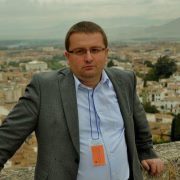
Urodzony w 1967 roku. Studia wyższe w latach 1987–1992 na Wydziale Nauk Humanistycznych Katolickiego Uniwersytetu Lubelskiego. Stopień doktora nauk humanistycznych w zakresie historii uzyskał w 1998 r. na podstawie rozprawy doktorskiej Walki polsko-ukraińskie na ziemiach dzisiejszej Polski w latach 1943–1948, napisanej pod kierunkiem prof. Tomasza Strzembosza. Stopień doktora habilitowanego nauk humanistycznych w zakresie nauk o polityce w roku 2007 na podstawie rozprawy habilitacyjnej Ukraińska partyzantka. Działalność Organizacji Ukraińskich Nacjonalistów i Ukraińskiej Powstańczej Armii 1942–1960.
Pracował w Instytucie Studiów Politycznych PAN, Pracowni Dziejów Ziem Wschodnich II RP, Zakładzie Najnowszej Historii Politycznej, (1994–1998 asystent, 1998–2007 – adiunkt, 2007–2010 – docent, od 2010 r. – profesor ISP PAN). Wykłada również w Uniwersytecie Jagiellońskim (Wydział Nauk Politycznych, Katedra Ukrainoznawstwa).
W latach 2000–2007 był zatrudniony w Biurze Edukacji Publicznej IPN Oddział w Lublinie – kierownik Referatu Badań Naukowych Dokumentacji i Zbiorów Bibliotecznych (2000–2005); następnie w Biurze Edukacji Publicznej IPN w Warszawie – główny specjalista (od 2005 do 31.07.2007 r.).
W latach 2007–2009 pracował jako profesor na Wydziale Nauk Politycznych Akademii Humanistycznej im. A. Gieysztora w Pułtusku.
Prowadzi badania nad stosunkami polsko-ukraińskimi 1939–1989, zwalczaniem przez sowiecki aparat bezpieczeństwa ruchu oporu na Litwie, Łotwie, Białorusi, Ukrainie i w Estonii w latach 1939–1953, polityką organów bezpieczeństwa PRL wobec mniejszości narodowych.
Opublikował 4 monografie (jedną z nich wespół z R. Wnukiem), ponad 60 artykułów naukowych i recenzji w Polsce i za granicą.
Za pracę naukową otrzymał Nagrodę Porozumienia Wydawców Książki Historycznej „Klio” za rok 2006, Nagrodę Przeglądu Wschodniego, Nagrodę Historyczną „Polityki”, z rąk Arcybiskupa Jozefa Życińskiego otrzymał nagrodę „Memoria Iustorum” za „budowę pomostów w kulturowym dialogu pomiędzy Polską a Ukrainą”.
Highly knowledgeable and balanced analysis of Ukrainian-Polish struggle over a territory and a chance for a mono-ethnic state during the WWII. Ukrainians, a discriminated against minority in the Polish state, wanted independence in these areas where they constituted a majority of the population (cresy). Some nationalistic groups decided that the best way to that was siding with the Germans. In that context Ukrainian police, military, and para-military groups assisted with the murder of the Jews and with German struggle against the partisans. Shortly, though, they discovered that the Germans are not interested in Ukrainian independence and many of the supporters of nationalist groups found themselves under arrest. On the other hand, some of these groups decided to exploit the chaotic conditions and get rid of the Polish population in Volyn and in Eastern Galicia, both areas with overwhelming Ukrainian majority, in order to make sure the area would go to the Ukrainian state during the post-war settlement. The way to get rid of this population was through brutal massacres of defenseless civil Polish population - largely peasants. The Polish underground and, occasionally, even the Germans (who were also often attacked), attempted to prevent the massacres. The author points out that these defenders occasionally performed massacres of their own against Ukrainian villagers (whose opinion of the situation is unclear, since they were terrorized by the nationalists as well as by the Polish underground). He also points out that, unlike the Ukrainian massacres, these were not policy driven, but mostly revenge attacks. The author also points out that the Polish underground priorized keeping the Polish population in the area, hoping that it will go to Poland after the war. After describing these massacres (largely in 1943-1945 in Volyn and in Eastern Galicia, though the author also deals with some areas with Polish majority like Lublin where UPA-B, the nationalist group largely responsible for the massacres, was considerably weaker and the Polish underground considerably stronger, the author continues discussing the after the war settlement. The Soviet army conquered all the area and Stalin decided that cresy will become part of Soviet Union. To overcome the Polish resistance, he decided on population exchange where the Poles from these areas will emigrate to Poland and the Ukrainians from Poland will come to Soviet Union. After the polish population understood that the area will indeed remain Soviet, many emigrated willingly, though others submitted to government's pressure. On the other hand, Ukrainians from Poland did not wish to go to Soviet Union and were forced to do so. These who managed to avoid immigrating were sent to the previously German areas newly acquired by Poland, also by force. The author claims that the Polish government's statement that this was the best way to deal with Ukrainian underground is not viable, since even these Ukrainians (and Lemkes) who were clearly supporters of the government were made to leave. He claims that Poland, wishing for a mono-ethnic state, attempted to use forced migration in order to assimilate the Ukrainian population. Basically, the author tells a story of two attempts to create a mono-ethnic state, one considerably more genocidal than the other, but both involving victimization of civilians and both ultimately unsuccessful.
This book, based on a thorough research, presents the whole history of the ethnic Ukrainian-Polish conflict, starting from the 1918 and the discrimination of Ukrainian people in Poland between the First and Second World Wars. It shows the chilling truth about the mass murders of Polish inhabitants of the Wołyń region, planned and executed efficiently, without scruples, with incomprehensible cruelty, by OUN (The Organization of Ukrainian Nationalists), while reminding that no party to the conflict was innocent. German army made it all possible, Soviets multiplied the atrocities, some Polish AK and NSZ troops exacted their revenge on Ukrainian inhabitants of villages in the Lublin and Chełm region... Every European should read this book to understand how much the traditional nationalism can be destructive and how little separates normal, decent people in time of peace from crime in time of war. This book was particularly important to me. On the one hand, my great grand-parents fled with my grandma from a small village of Kopanki near Kałusz during the mass killings (a Ukrainian neighbour warned them about an OUN raid: he knew about it from his son, OUN member). On the other hand, I always wanted to understand why Ukrainian and Łemko people were deported from Bieszczady and Beskid Niski (first to Ukraine, and then to the North and West of Poland); was it really necessary from military point of view? Motyka gives a clear answer: no, it wasn't. It was motivated only by the communist uniformization of the ethnic structure of Poland, as ordered by Stalin.
This book was exactly what I’ve wanted to read about Polish -Ukrainian conflict started on 1 of November 1918 with announcing of Lviv(Lwów.Polish ) for the capital of West Ukrainian People’s Republic (with head Symon Petliura) and Ukrainian flags appearing on government offices in the Second Polish Republic.That same day were founded Polish underground to counterparts the Ukrainian army,so this was the beginning of the Polish -Ukrainian war or rather the Polish - West Ukrainian war.I wanted to read about massacres in Volhynia,Galicia and an operation Vistula not by Ukrainian,nor by Russian POV neither ,so gladly took this reading by Polish author.A lot of photo materials included,articles written not just from Ukrainian sources ,but from Polish too.Many things were shocking to me like the fact that”….Ukranians,a national group that many believed did not exist but was” invented by the Austrians to spite the Poles”.Here were including how UPA and OUN-B were founded and their story combating Home Army (Polish),or collaborating fascist Germany army occupied that territory or later went against them.Actually was curious to find out that Polish authorities and population and Ukrainian authorities and people were switching sides all the time -once collaborating with fascist ,another time counterparts them and helping partisans,communists or approaching Red Army, depends of the circumstances present.It was a big madness back then in such short period 1943-1947 were so many victims(collateral damages),it’s considering no less than 80000 people from both sides,(including families from mixed Polish-Ukrainian origin).Violence bore even more violence,often OUN-B and their sympathisers are using axes, shovels,sickles so could carried out the cleansing of the territory from Polish presence and Home Army on their turn doing the Ukrainian “pacification “.Sources saying more than 1.1 million Poles and 630 000 Ukranians and Lemkos were forced to abandon their little homelands.Cruel and violent history.
Ważna książka pokazująca relacje polsko - ukraińskie najpierw w latach IWŚ + IIRP, a następnie orientacje polityczne Ukraińców podczas IIWŚ. Potem autor bardzo dokładnie opisuje przebieg krwawych wydarzeń na Wołyniu, Galicji oraz Lubelszczyźnie. W pewnym momencie robi się z tego wyliczanie, jaką wieś kto spalił i ile osób w jak okrutny sposób wymordował. Przyznaje że obie strony mają krew na rękach, opisuje konstelacje polsko - niemieckie, niemieck0 - ukraińskie a równiez sojusze polsko - ukraińskie jak już weszła Armia Czerwona. Nie zdawałem sobie sprawy z zakresu terytorialnego walk oraz ich długości - o liczbach miałem dość dobre pojęcie. Na sam koniec opis Akcji Wisła i rozważania na temat nazwania Wołynia czy to ludobójstwo czy czystka etniczna. Dobre uporządkowanie wiedzy, na sam koniec nachodzi mnie refleksja, że to jedyne co było do zrobienia - rozdzielić oba narody szczelną granicą na 50 lat aby wygasić emocje, bo liczba krzywd po obu stronach była ogromna.
A thorough, well-written, and comprehensive look at the Polish-Ukrainian Conflict during and after World War II. The author does an excellent job conveying the horror of what occurred while avoiding sensationalism and criticizing national martyrologies on both sides that seek to deflect blame or justify the crimes committed. My only complaint is the lack of an index, but the short chapters and inclusion of pictures make it easy to track down specific topics.
Książka wszechstronnie opisuje dzieje relacji polsko-ukraińskich. Przyczyny konfliktu, ich podłoże oraz konsekwencje uporczywego nacjonalizmu doprowadzającego do śmierci wielu osób. Autor stara się rzetelnie opisać losy Polaków i Ukraińców na Kresach wschodnich. Książkę bardzo dobrze się czyta i autor wie co znaczy rzetelne dziennikarstwo.
No nie jest to popularnonaukowa książka w moim rozumieniu - a tak jest przedstawiana. Ciężka lektura, przepełniona statystykami. Bez wątpienia wartościowa, ale raczej dla pasjonatów tematu, może bardziej obytych z książkami historycznymi.