Jump to ratings and reviews
Rate this book

C.W. Sughrue #1

The Last Good Kiss

Rate this book
'As sweetly profane a poet as American noir could have asked for' Ian Rankin

'A friggin' masterpiece' Dennis Lehane

'The stunner that reinvigorated the genre and jacked up a generation of future crime novelists' George Pelecanos

Meet Private Detective C. W. Sughrue.

Private detectives are supposed to find missing persons and solve crimes. But more often than not Sughrue is the one committing the crimes – everything from grand theft auto to criminal stupidity. All washed down with a hearty dose of whiskey and regret.

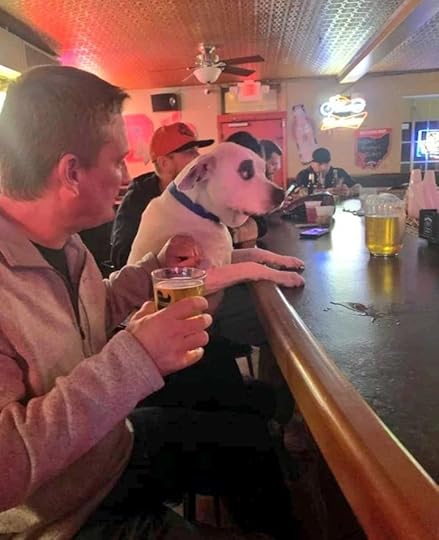
At the end of a three-week hunt for a runaway bestselling author, Sughrue winds up in a ramshackle bar, with an alcoholic bulldog. The landlady’s daughter vanished a decade ago and now she wants Sughrue to find her. His search will take him to the deepest, darkest depths of San Francisco’s underbelly, a place as fascinating, frightening and flawed as he is.

Welcome to James Crumley’s America.

351 pages, Paperback

First published January 1, 1978

500 people are currently reading
9742 people want to read

About the author

James Crumley

60 books311 followers
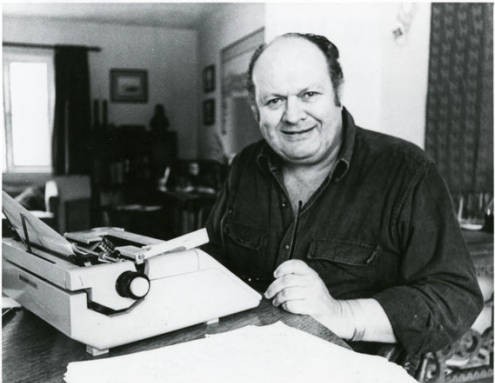
James Arthur Crumley was the author of violent hardboiled crime novels and several volumes of short stories and essays, as well as published and unpublished screenplays. He has been described as "one of modern crime writing's best practitioners", who was "a patron saint of the post-Vietnam private eye novel"and a cross between Raymond Chandler and Hunter S. Thompson.His book The Last Good Kiss has been described as "the most influential crime novel of the last 50 years."

Crumley, who was born in Three Rivers, Texas, grew up in south Texas, where his father was an oil-field supervisor and his mother was a waitress.

Crumley was a grade-A student and a football player, an offensive lineman, in high school. He attended the Georgia Institute of Technology on a Navy ROTC scholarship, but left to serve in the U.S. Army from 1958 to 1961 in the Philippines. He then attended the Texas College of Arts and Industries on a football scholarship, where he received his B.A. degree with a major in history in 1964. He earned a Master of Fine Arts degree in creative writing at the University of Iowa in 1966. His master's thesis was later published as the Vietnam War novel One to Count Cadence in 1969.

Crumley had not read any detective fiction until prompted to by Montana poet Richard Hugo, who recommended the work of Raymond Chandler for the quality of his sentences. Crumley finally picked up a copy of one of Chandler's books in Guadalajara, Mexico. Impressed by Chandler's writing, and that of Ross Macdonald, Crumley began writing his first detective novel, The Wrong Case, which was published in 1975.

Crumley served on the English faculty of the University of Montana at Missoula, and as a visiting professor at a number of other colleges, including the University of Arkansas, Colorado State University, the University of Texas at El Paso, Reed College in Portland, Oregon, and Carnegie-Mellon University in Pittsburgh.

From the mid-80s on he lived in Missoula, Montana, where he found inspiration for his novels at Charlie B's bar. A regular there, he had many longstanding friends who have been portrayed as characters in his books.

Crumley died at St. Patrick Hospital in Missoula, Montana on September 17, 2008 of complications from kidney and pulmonary diseases after many years of health problems. He was survived by his wife of 16 years, Martha Elizabeth, a poet and artist who was his fifth wife. He had five children – three from his second marriage and two from his fourth – eight grandchildren and two great-grandchildren.

Ratings & Reviews

What do you think?
Rate this book

Friends & Following

Create a free account to discover what your friends think of this book!

Community Reviews

5 stars
3,285 (37%)
4 stars
3,234 (37%)
3 stars
1,555 (17%)
2 stars
425 (4%)
1 star
150 (1%)
Displaying 1 - 30 of 793 reviews
Profile Image for Bill Kerwin.
Author 2 books84.3k followers
September 10, 2021

One of the best mysteries of all time. Contains cynicism and good-humor, elegiac sadness, a lot of drinking, a small bit of love and--oh yeah--a damn good plot and enough violence to keep you awake. And best of all, the voice of the detective narrator: charming, infuriating, and ultimately reliable C.W. Sughrue.

If Sam Peckinpah wrote mysteries, they would be like this.
Profile Image for Paul Bryant.
2,408 reviews12.6k followers
November 12, 2014
P BRYANT'S 18 RULES FOR HARD-BOILED PRIVATE EYE NOVELISTS

1) The hero of your hard-boiled private-eye genre thriller shall be irresistible to women, mostly. Say about 80%, no need to stretch credulity. He will shag at least four women he encounters during the story and will also gently, sensitively refuse to shag a fifth one, not because he's tired out but because it wouldn't be the right thing. He has morals.

2) All the women are sexually bold. They all sleep naked.

3) He will take a good few beatings - broken fingers, ribs. Obviously nothing that's going to put him in traction for 6 weeks but enough that we know he's very tough and he suffers. Shagging and suffering - very important in the life of the private eye.

4) He will have a perpetual handy store of tough one-liners but will have an unexpected intellectual streak such as a love of chess or TS Eliot or Ludwig Wittgenstein.

5) He will plough on through the corkscrew plot twists and not know what the hell he's doing but his instincts will guide him to a just if messy conclusion.

6) He will rescue someone from something and it will go horribly wrong. This will show that he's human.

7) He will have a quirk, like a comical pet, such as a bulldog who drinks beer, or being a laplander. Anything. But get that quirk.

8) He will have no friends and especially no girlfriend - if he had a girlfriend then he'd be cheating when he shags the five women he encounters during the story, and we do not want our readers thinking our hero has no morals. He is a very moral guy.

9) He will drink so much during the course of all this that an actual human being would have been hospitalised by page 35.

10) He seems as the story starts to have no cases on the go, nothing is doing at all. We have to wonder how he makes ends meet. But maybe, given his sexual prowess, he moonlights as Dick Bold in the Naughty Nurses series from Cinema Triple X - come to think, there IS a resemblance.

11) There will be a person in the story who completely reinvents herself, to the point that when we meet them again on page 125 in their reinvented state we have no idea who they were. (So Diana Sonnderling was really Betty Ann Grot? And Pope John Paul II was really.... Dan Brown?? Or - no - the other way round!!) The identity revelation is a Big Plot Shock and either resolves everything or further complicates it, whatever.

12) There will be an older, really sexy woman. Much will be made of the fact that she's Older. But Sexy as Well. This will be piled on with a trowel.

13) The bad guys will spend money like water. They'll never run out. If they write off several cars in pursuit of the hero, several more will appear, as if by magic.

14) The first lot of bad guys are not the real bad guys, even if they seem really bad.

15) The police, the judges, the lawyers, the coroners, they're all on the payroll.

16) Drugs and porn generate vast amounts of money so somewhere at the bubbling plot spring of the story there will be drugs or porn.

17) Someone has a guilty secret which will turn out to be very significant to all the plot corkscrews. Usually this is an illegitimate daughter but it could be that the person used to be Dan Brown.

18) Everything must be very believable otherwise by page 125 your readers will already be thinking now, is this a one star book or a two star book? Hmm - one, two? Well, I didn't hate it THAT much. Okay, it's a nice day, I feel pretty good, so two.

Profile Image for Orsodimondo.
2,457 reviews2,430 followers
September 6, 2024
IL CONFINE DELL’INGANNO


Alla fine lo beccai, Abraham Trahearne: lo beccai che beveva birra in compagnia di un bulldog alcolizzato, tale Fireball Roberts, in una sgangherata bettola appena fuori Sonoma, California, intento a spremere anche le ultime gocce di un bel pomeriggio di primavera.
Così inizia la lettura, con questo incipit che nel suo genere (e anche fuori dal suo genere) ha fatto storia.


Al secondo romanzo di Crumley che leggo mi sento di affermare che le sue trame ondeggiano tra l’improbabile e l’inverosimile.
Ma questa volta il protagonista, un altro private eye, nonostante tutte le sue asprezze e le sue spine, è interessante, e Crumley riesce a trasmetterlo suscitando empatia.
La trama stessa, per quanto come si usa dire è un po’ tirata per i capelli, è interessante e avvincente, ad alta caratura romantica, anche se il tono, quello per cui Crumley è celebre, rimane ribaldo, hardboiled puro.


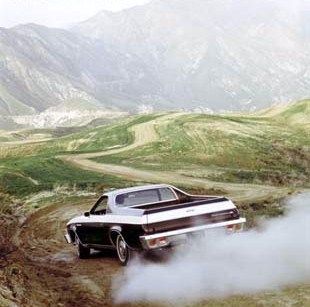
Il mio El Camino era un veicolo bastardo, mezza berlina, mezzo pick up, l'idea mezza scema di quei tipi di Detroit per accontentare i pigri cowboy da drugstore, gente che vuole guidare un pick up, senza dare l'idea di guidarne uno.

A fine romanzo il traduttore Luca Conti ha aggiunto qualche pagina di sue riflessioni molto utili. E le ha saggiamente intitolate “Il moralista senza morale”.
Più che senza morale direi con una sua morale, come si addice a questo genere di eroi, magari una morale un po’ elastica e sfuggente, ma comunque solida. Al contrario di Marlowe, cavaliere senza macchia e senza paura, questo detective privato C.W. Sughrue di macchie ne ha tante, non le nasconde e non prova neppure a farle sparire, e paura la prova eccome, ma solo quando serve, quando è utile a evitare errori. Va comunque avanti fin dove lo porta il cuore.


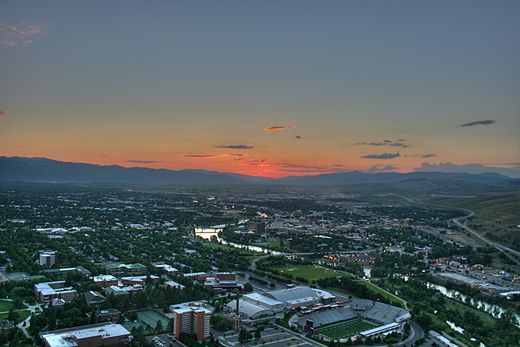
Merywether, alias Missoula, Montana.

Tra le note più interessanti della postfazione ci sono quelle su come Crumley si inserisca nel genere (il noir in chiave hardboiled) scompaginando, rivoluzionando. Scrive Luca Conti che il suo approccio diventa
una profonda rielaborazione del genere, come in una di quelle ristrutturazioni immobiliari in cui di un edificio si conservano solo le pareti e si modifica a fondo l’interno.
E se non fosse sufficientemente chiaro aggiunge che Crumley usa tutti
i grandi margini di manovra che ancora si nascondevano all’interno dei pur traballanti confini del genere.


Il West, ormai non più lontano.

Quello che a me colpisce di più è la commistione di una forte serrata scrittura soda e dura, proprio come indica il termine hardboiled, a un virtuosismo quasi barocco: un abbinamento stranissimo, che nel primo romanzo m’aveva lasciato perplesso, e qui invece m’ha catturato e trascinato.
Merito del più caldo e riuscito calibro dei personaggi.
Non so se Crumley inauguri davvero il genere noir cattivo, non so neppure se possa definirsi “cattivo” in quanto il tono è sempre ironico, spumeggiante, colorato, mai gravido di tenebra.
Certo è che la distanza dai classici Hammett e Chandler s’è fatta notevole.


Gli zoccoli del cavallo di Sughrue.

L’ultimo vero bacio ha collezionato peana d’amore e ammirazione: da Pelecanos che lo definisce
senz'altro il più grande noir degli ultimi quarant'anni,
a Lucarelli che scrive:
Ci sono romanzi che quando escono cambiano tutto.
E poi aggiunge che L’ultimo vero bacio è
una pietra miliare nel suo genere e le cose, dopo, per gli altri scrittori e gli altri romanzi, non saranno più le stesse.
Luca Conti non ci va certo più leggero e lo definisce:
non soltanto il capolavoro assoluto della narrativa hard boiled, ma uno dei romanzi più importanti, e soprattutto più belli, della narrativa americana tout court della seconda metà del Novecento.


Montana

Per tornare al protagonista C.W. Sughrue, dove la C sta per Chauncey e la W per Wayne, è un detective che vive e lavora nella stessa Merywether in Montana (nei fatti sarebbe Missoula il posto dove è andato a vivere Crumley, anche lui come i suoi protagonisti, originario del sud), proprio come l’altro di Il caso sbagliato, Milton “Milo” Chester Milodragovitch III.
Sughrue è capace di guidare diecimila chilometri, attraversando stati dell’Ovest avanti e indietro come se stesse giocando a risiko, guidando il suo El Camino con tirate non stop di diciannove ore (grazie anche a robusto aiuto chimico, anfetamine su tutto), come se fosse un cowboy a cavallo che scorrazza per il far west.
Il caso nel quale si lascia coinvolgere, e che lo vede impegnato per qualche centinaio di pagine, sembra banale e disperato: una ragazza scomparsa da casa ormai da dieci anni. Sughrue lo affronta praticamente a gratis, per affetto e sentimento, finendo molto presto col farsi ossessionare dalla sua risoluzione. Seguendo regole e principi tutti suoi, che forse sono più vecchi di quelli accettati dalla collettività: e se anche non lo sono, sono comunque diversi, altri.


Indagine che parte dalla ricerca di uno scrittore di successo, Abraham Trahearne, metà poeta metà romanziere, alcolizzato all’ennesima potenza, che sembra sia ricalcato su Richard Hugo, poeta molto amico di Crumley.
Traherne scriveva di ciò che aveva visto nei suoi vagabondaggi alcolici, delle piccole città destinate a rimanere ostaggio delle autostrade, dei sogni di gloria delle cameriere delle trattorie per camionisti, vale a dire trasferirsi a Omaha o a Cheyenne, del passato che aleggia come un fantasma non certo benvenuto, dei bar in cui i sopravvissuti di chissà quale frainteso disastro si riunivano per fissare polverose e ingiallite fotografie di loro stessi, per fissare bicchieri dal contenuto che virava ormai al nero di seppia.


James Crumley: Three Rivers, texa, 12 ottobre 1939 – Missoula, Montana, 17 settembre 2008.

Man mano Sughrue m’è entrato sotto la pelle e sono riuscito perfino a non tirarmi indietro da frasi così:
Era gente tremenda, lo sapevo: gente che fischiava dietro alle ragazze, trattava le mogli neanche fossero serve, e votava per Nixon a ogni piè sospinto. Ma, lasciatevelo dire, sempre mille volte meglio di una Volvo stracarica di liberals. Lavoravano di più e si divertivano di più.


Richard Hugo, modello ispiratore di Abraham Trahearne.
Profile Image for Glenn Russell.
1,511 reviews13.3k followers
February 18, 2019


James Crumley (1939-2008) - Texas tough guy, Army vet and creator of some of the most colorful crime fiction ever written, this rugged author could do drugs and drink whiskey with the best of them. A watering hole in Missoula, Montana has a bar stool dedicated to James Crumley.

From the first page of this, the author’s best known novel starring first-person narrator and slumping hero Montana investigator C. W. Sughrue, "Trahearne had been on this wandering binge for nearly three weeks, and the big man, dressed in rumpled khakis, looked like an old solider after a long campaign, sipping slow beers to wash the taste of death out of his mouth. The dog slumped on the stool beside him like a tired little buddy, only raising his head occasionally for a taste of beer from a dirty ashtray set on the bar." Language a reader will find on every page, which goes to show James Crumley has more to offer than simply the well-worn formula of crime fiction where a detective goes about cracking the case punctuated by wisecracks, drinking, fistfights and bedding babes. Here are a fistful of reasons I love this novel and recommend it highly:

VIBRANT, COLORFUL LANGUAGE - To underscore this point, here’s another example: searching for clues in an attempt to locate a girl who ran away from home ten years ago, Sughrue encounters her old high school music teacher, “He came to the screen door before I could knock, a small man with a painfully erect posture, a huge head, and a voice so theatrically deep and resonant that he sounded like a bad imitation of Richard Burton on a drunken Shakespearean lark. Unfortunately, his noble head was as bald as a baby’s butt, except for a stylishly long fringe of fine, graying hair that cuffed the back of his head from ear to ear. He must have splashed a buck’s worth of aftershave lotion across his face, and he was wearing white ducks, a knit polo shirt, and about five pounds of silver and turquoise.” Oh, baby, Sughrue, tell it like it is.

RAMOND CHANDLER REDUX - More than simply language, the two detectives, Crumley’s Sughrue and Chandler’s Marlowe share a hardboiled cynicism, sharp tongue, sharp wits and big, tough guy body along with an ability to make intelligent use of both fists and firearms. Crumley published a Viet Nam war novel in his 20s and didn’t read any detective fiction until well into his 30s when his friend, poet Richard Hugo, suggested Chandler. Crumley followed Hugo’s advice and was obviously inspired (Crumley acknowledges Chandler’s strong influence) as he went on to write his own first-rate detective fiction, a string of books rightly regarded as first-rate literature.

TUG AT OUR HEARTSTRINGS – Rosie sits on the front steps of her bar and tells Sughrue all about how her long lost baby girl, Betty Sue Flowers, ran away as a high schooler ten years ago. Sughrue tells Rosie too much time has elapsed; he will never be able to find her. Rosie insists, heaves and sobs some more, and presses eighty-seven dollars into his palm. Along with Sughrue, we as readers are moved by the depth of Rosie’s emotion and pain. The missing person hunt is on, from San Francisco to Denver to the state of Oregon with some not-so-fun stops in between - a whole lot of driving for our bear-drinking cynic investigator.

TRAGIC HERO, COMIC BUFFFOON – "Big, fat, larger-than-life poet and novelist, drunk and whoremonger Abraham Trahearne is a modern day King Lear and Falstaff all rolled up into one. As a novelist he leaned on his war experience to write about a young lieutenant on a remote island in the Pacific during the final week of World War II so in love with killing he refused to let his men know the war was over. He then went on to write two other novels about, in turn, survival out at sea on a raft and a father and son’s revenge in the woods. After his travels and adventures with his new drinking buddy Sughrue, Trahearne finally comes out the other end of a long, dry spell where he is able to begin what he knows will be his masterpiece. But great art might require serious blood sacrifice. Sound like trouble? It is trouble.

THE SIRENS OF ODYSSEUS, THE WITCHES OF MACBETH – Traheane has to deal with three powerful woman in his life – his mother, his ex-wife and his current wife. You will have to read the novel to find out for yourself if one or all three of these women are inspiration-giving sirens or curse-giving witches or a maddening combination. Since I can’t resist the humor, I will share what Trahearn’s mother says about her quitting writing after she hit the jackpot and struck it rich with her two best-sellers “If you’ve read my two novels, then you k now what sort of fairy tales they are,” she said, “and if you’ve talked to my son, you know the truth of my life here. I took money from fools, boy, and I earned it, but don’t give me any bullshit about art.”

AMERICA THE SEEDY – Philip Marlowe waded through seedy 1940s Los Angeles and C.W. Sughrue travels through heaps of 1970s seedy Western United States where the scummy world of pornography with its sleazeball promoters and dope-taking porn stars in Chandler’s The Big Sleep reappears on a much larger scale.

THE BULLDOG - Darn, you have to love beer drinking Fireball Roberts, slobbering buddy of the good guys and loyal canine pal, forever ready to heed the call to action and sink his teeth into a deserving backside. For me, Fireball Roberts added a real zest to the story – each scene with Fireball was one small step for alcoholic bulldog, one giant leap for page-turning novel.

THE GLAD AND THE SAD – The Last Good Kiss is 19 chapters long. If Chapter 18 was the book’s last chapter we would have had a happy ending. But there’s that final Chapter 19, Crumley’s biting, hardboiled social commentary on how 1970s America has taken a tougher, more violent turn in the 30 years since Chandler and Marlowe. Read all about it. You might even shed a tear.

Profile Image for carol. .
1,752 reviews9,980 followers
November 23, 2023
"When I finally caught up with Abraham Trahearne, he was drinking beer with an alcoholic bulldog named Fireball Roberts in a ramshackle joint just outside of Sonoma, California, drinking the heart right out of a fine spring afternoon.”

What an opening sentence. A kicker. Let me say straight out, this is a five star book; it’s just that five-star reads for me mean they need a place on my shelf and a re-read or more. (Thus, four and a half rating on my WordPress blog). This: this was beautifully written, not an extraneous word but so interestingly, humorously, perfectly descriptive:

“As I ordered a beer from the middle-aged barmaid, she slipped out of her daydreams and into a sleepy grin. When she opened the bottle, the bulldog came out of his drunken nap, belched like a dragon, then heaved his narrow haunches upright and waddled across three rickety stools through the musty cloud of stale beer and bulldog breath to trade me a wet, stringy kiss for a hit off my beer. I didn’t offer him any, so he upped the ante by drooling all over my sunburnt elbow.”

But Crumley, and the narrator, C.W. Sughrue, set up an exhausting pace through the seediest of joints. C.W. is chasing an errant Trahearne for his ex-wife, who wants him back at his place and writing his next Great Novel. Trahearne seems intent on drinking his way across the west in the seediest bars possible, until he lands in this one. A fight lands Trahearne in the hospital, and the sleepy barmaid, Rosie, offers C.W. a job finding her lost daughter while he waits on Trahearne’s recovery and release before escorting him back home. The two detour through San Francisco following a lead. The plot's a kicker; I did not expect all the places it went to.

C.W. knows how wretched much of his existence is, and his humor lessons the sadness. He also has a fair bit of compassion mixed in with the anger and the bitterness at those that exploit and are exploited. But he’s never far from a drunk, and he’s closer still to a beer and a whiskey. In these days, you did half your drinking while driving. The unencumbered sex, the porn–if you had any illusions about free love, the 1960s, and their aftermath, this will help disabuse them. Drugs? Why yes, it'll help the booze along.

It took me a long time to finish this book, unusually long for its short length and quality–and for a mystery. All I can say is that it is because of the strength of the writing; out of very clear choices, I’ve stayed far away from C.W.’s world, and to immerse myself in it is both sad and exhausting. It’s like Fear and Loathing in Las Vegas written by Raymond Chandler.

“The next morning, the condemned man, who had slept like a child and showered like a teenager preparing for a date, ate as hearty a breakfast as the Holiday Inn could provide, then stepped outside to contemplate the delicate air and the clear blue sunshine of the high plains.”

Sad, beautiful, drunken, funny, tragic; highly recommended.

description
Profile Image for Kemper.
1,389 reviews7,628 followers
August 25, 2009
James Crumley died last year, and if there were any justice, he'd be alive today and recognized as one of the great modern crime writers while Dan Brown would have had his guts chewed out by weasels and be buried in a pauper's grave instead of getting rich off The Da Vinci Code. But there isn't any justice, and no one knew that better than Crumley.

I once read that his novels were like a combination of Raymond Chandler and Hunter Thompson, and that's about as good as a description as you're likely to find. Tough guy fiction that also pondered the real cost of violence with huge quantities of alcohol and drugs and a lot of melancholy and black humor were what Crumley specialized in and this is a great example of it.

C.W. Sughrue (one of two main characters Crumley used)is a private detective who was hired to find a drunken writer on a binge. But once Sughrue finds him in a dive bar in California, a fight breaks out that results in the the guy needing to spend a few days in a hospital. While Sughrue waits for the writer to recover, the friendly lady bar owner begs him to take a look for her daughter who vanished into the San Francisco hippie underground 10 years earlier. (This was written in 1978.)

Sughrue reluctantly takes on the job, and the drunken writer soon insists on joining him in the search. If Sughrue's liver can take all the drinking, he might just be able to find the girl.

This is terrific noir fiction with a severly flawed hero and lots of twists. If you're a hard boiled crime fiction fan and you never read Crumley, track down one of his books and try him.
Profile Image for William.
676 reviews413 followers
July 29, 2020
Ten stars!

An extraordinary Masterpiece of crime-noir.


This is a truly wonderful crime-noir, with a cast of interesting and complex characters, several hard/real plot twists, not all foreseen. The plot is many-layered and complex, mostly very true to life for the people, times and places. The prose is superb, many passages are exquisite, extraordinary. My favourites are excerpted below

As usual with my reviews, please first read the publisher’s blurb/summary of the book. Thank you.

The femme fatales here (more than one, in my reading) are each strong and powerful, with hidden motives, and sad and painful secrets. I very much like how Crumley shows where the exquisite Betty Sue came from, how she became who she is in the book, how she made her choices out of pain, fear, abuse and also, love. How men twist the lives of beautiful women, even without intent. It's both poignant and scary; it's the ongoing story of thousands of other beautiful young girls in the world every day, sadly. I know too many of them.

Lauren Bacall


“The better I get to know men, the more I find myself loving dogs.”
- Charles de Gaulle

The first half of the book is mostly a kind of road trip, finding clues and creating the history of the Trahearnes and others. The second half is hard-boiled action, full of cruelty, often senseless. There is no redemption here, this is True Noir, dark and sad and painful.

Ultimately these kinds of experiences are the core of the philosopher-detective that I love so much, the Bosches and Spensers and Kenzies (both), the events that hard boil their hearts and ruin their lives, the classic tragic heroes, bound to their fate by their own character.

I will be reading more Crumley, and his true dark creation, C. W. Sughrue.


Quotes here now, in order from the book as I read. Wonderful, first-class, extraordinary.

Nice down-home prose here, echoing a softly forlorn past, an homage to The Grapes of Wrath:

This was the place, the place I would have come on my own wandering binge, come here and lodged like a marble in a crack, this place, a haven for California Okies and exiled Texans, a home for country folk lately dispossessed, their eyes so empty of hope that they reflect hot, windy plains, spare, almost Biblical sweeps of horizon broken only by the spines of an orphaned rocking chair, and beyond this, clouded with rage, the reflections of orange groves and ax handles.

---

I read this as a love poem to Rosie, it brings her to life, it opens our hearts to her:

Sadness softened her nasal twang, that ubiquitous accent that had drifted out of the Appalachian hills and hollows, across the southern plains, across the southwestern deserts, insinuating itself all the way to the golden hills of California. But somewhere along the way, Rosie had picked up a gentler accent too, a fragrant voice more suited to whisper throaty, romantic words like Wisteria, or humid phrases like honeysuckle vine, her voice for gentleman callers. “Just fine,” she repeated. Even little displaced Okie girls grow up longing to be gone with some far better wind than that hot, cutting, dusty bite that’s blowing their daddy’s crops to hell and gone. I went to get her a beer, wishing it could be something finer.

---

Wow! Gumshoe philosophy, hard boiled:

I left him there on the sun deck, his huge head cradled in his arms like that of a grotesque baby. As I stepped out the front door, a young girl wearing a halter and cut-offs took that as her cue to push her ten-speed bike up the walk. I wanted to tell her that Gleeson wasn’t home, but her greeting and smile were shy and polite with wonder, her slim, tanned thighs downy with sweat.

“Hello,” she said. “Isn’t it a lovely day?”

“Stay me with flagons,” I said, “comfort me with apples, for I am sick of love.”

“What’s that?” she asked, sweetly bewildered.

“Poetry, I think.” Instead of taking her in my arms to protect her, instead of sending her home with a lecture, I walked past her toward my El Camino.

Youth endures all things, kings and poetry and love. Everything but time.

[Song of Solomon 2:5, King James Bible
Stay me with flagons, comfort me with apples: for I am sick of love.]
---

... ahhhh ... nurse Bea Rolands. What a delight! She's everything I looked for in a girl when I was a young man.

---

A scene from the magic of puberty. There is always a first, powerful imprinting event in our sexual awakening that stays with us in some form throughout our lives. Some of these we regret, some we transcend, some we cherish, some we fear, some we misunderstand. But we all have that defining first moment within us:

Sometimes, though, on these aimless walks, he saw a woman standing naked in front of her second-story back window. Only when it rained, though, as if the gray rain streaked on her dark window made her invisible. But the child could see her, dim but clearly visible beyond the reflections of the windows and stairways across the alley. In the rain, at the window, sometimes lightly touching her dark nipples, sometimes holding the full weight of her large, pale breasts in her white hands, always staring into the cold rain. Never in sunlight, always in rain. Sometimes she tilted her face slowly downward, then she smiled, her gray eyes locked on his through the pane, and hefted her breasts as if they were stones she meant to hurl at him. And sometimes she laughed, and he felt the rain like cold tears on his hot face. At nights he dreamed of sunlight in the alley, and woke to the insistent quiet rush of the gentle rain.

---

The lament of the wise and powerful, perhaps.
It little profits that an idle king,
By this still hearth, among these barren crags,
Match'd with an aged wife, I mete and dole
Unequal laws unto a savage race,
That hoard, and sleep, and feed, and know not me.

- Alfred, Lord Tennyson, “Ulysses”
---

A bit of Crumley's wonderful prose here:

Once you flew sleeping in sunshine,
amber limbs locked in flight.
Now you lie there rocky still beyond the black chop,
your chains blue light.
Dark water holds you down.
Whales sound deep into the glacier's trace,
tender flukes tease your hair,
your eyes dream silver scales.
Lie still, wait.
This long summer must break before endless winter returns
with tombstone glaciers singing ice.
I will not mourn.
When next the world rises warm,
men will chip arrowheads from your heart...

- a scrap from Trahearne’s poem, found and kept by Sughrue

---

... The book is filled with gentle humour and wit:

Trahearne:
Goddamn it, Sughrue, has anybody ever talked to you about your hospitality?"

"Never twice," I said.


---

Sughrue considers himself, and Catherine:

Nobody lives forever, nobody stays young long enough. My past seemed like so much excess baggage, my future a series of long goodbyes, my present an empty flask, the last good drink already bitter on my tongue. She still loved Trahearne, still maintained her secret fidelity as if it were a miniature Japanese pine, as tiny and perfect as a porcelain cup, lost in the dark and tangled corner of a once-formal garden gone finally to seed.

---

Men's inner battle between our higher selves, and our cruel dictators testosterone and evolution:

Like too many men, Trahearne and I didn't know how to deal with a woman like [the girl], caught as we were between our own random lusts and a desire for faithful women so primitive and fierce that it must have been innate, atavistic, as uncontrollable as a bodily function. That was when I stopped being angry at the old man.

---

Wikipedia on Crumley:
Crumley has been described as "one of modern crime writing's best practitioners", who was "a patron saint of the post-Vietnam private eye novel" and a cross between Raymond Chandler and Hunter S. Thompson. His book The Last Good Kiss has been described as "the most influential crime novel of the last 50 years."

American Book Review
100 Best First Lines from Novels
#85. When I finally caught up with Abraham Trahearne, he was drinking beer with an alcoholic bulldog named Fireball Roberts in a ramshackle joint just outside of Sonoma, California, drinking the heart right out of a fine spring afternoon.
- James Crumley, The Last Good Kiss (1978)


Marvellous in so many ways.


Update:
Joseph Knox, author of the masterpieces Sirens and The Smiling Man
says:

An all-time favourite [book]? The Last Good Kiss by James Crumley. From the 70s, it feels like a new and dangerous kind of noir, and was a big inspiration for me in writing crime.

I agree!
Profile Image for Karl.
3,258 reviews372 followers
March 8, 2016
One of those books that showed up just at the right time in my life.
I enjoyed this book so much it almost hurt. It changed my reading patterns, and what I read.

I can't say enough good stuff about this book.

This copy is signed by the author.
Profile Image for James Thane.
Author 10 books7,069 followers
April 4, 2019
Published in 1978, The Last Good Kiss is James Crumley's third novel and the first to feature C. W. Sughrue, an alcoholic former army officer who is now a P.I. in the fictional town of Meriwether, Montana. It is generally regarded as Crumley's best novel, and any number of contemporary crime writers have described it as their favorite crime novel of all. The town of Meriwether is based loosely on Missoula, Montana, where Crumley, a Texas native, taught at the University of Montana in the 1960s. He then moved to Missoula permanently in the mid-1980s, and was a larger-than-life-character who was very well-known in the town's seedier bars until his death in 2008.

Crumley's protagonist, C. W., is no Philip Marlowe or Lew Archer. He spends most of his professional time repossessing cars and tracking down cheating spouses. When he's not investigating, he can often be found tending bar in a topless joint. As the book opens, Sughrue has been hired to track down a famous writer who has gone off the rails. The writer's ex-wife wants him back at his desk, cranking out his next great novel, and so she sends Sughrue to find him.

Sughrue tracks the guy from Montana to Sonoma, California, where the book opens with what is often described as the best opening line in all of crime fiction: "When I finally caught up with Abraham Trahearne, he was drinking beer with an alcoholic bulldog named Fireball Roberts in a ramshackle joint just outside of Sonoma, California, drinking the heart right out of a fine spring afternoon."

Before Sughrue can get Trahearne out of the bar, a fight breaks out. Trahearne is injured and will have to spend a few days in a hospital before he's fit to travel. Learning that Sughrue is a detective, the woman who owns the ramshackle joint hires him for $87.00 to try to find her daughter who disappeared in San Francisco ten years earlier. Sughrue tells the woman that it's an impossible task but that he will give it a shot while waiting for Trahearne to recover.

The investigation will take Sughrue into some very dark places, often accompanied by Trahearne, as they gradually make their way back to Montana. Once he has deposited the writer with his wife, his ex-wife, and his former mother-in-law (No wonder the guy was on the run, these are some seriously weird relationships...), C. W. continues the investigation. It's an often violent, funny, and tragic booze-driven ride, which ultimately arrives at a stunning climax.

As the first sentence would suggest, Crumley was a seriously good writer, and this is a beautifully-written book, which needs to be read slowly and savored. It's reminiscent of Raymond Chandler and Ross MacDonald, and Crumley really is, or deserves to be, remembered with the same respect. For whatever reason, his books were ultimately more successful in Europe and in Japan, at least during his lifetime, than they were in the U.S. Only after his death, did he begin to get the recognition here at home that he certainly deserved, but any fan of hard-boiled crime fiction will definitely want to look for this one.
Profile Image for Francesc.
477 reviews281 followers
May 12, 2020
Obra maestra de la novela negra "hard boiled".
Cuando uno piensa en la novela negra, tiende a pensar que no puede haber poesía en ella y, a veces, es verdad. No obstante, esta obra de James Crumley rebosa poesía por todas partes:
"Llené nuestras copas, y Trahearne alzó la suya hacia un fugitivo rayo de sol que se había filtrado entre los eucaliptos y observó la efervescencia de las burbujas, como miles de joyas flotantes.".
Es una novela divertidísima. Te ríes un montón con el cinismo y la verborrea de C. W. Sughrue. ¿Quién diablos viaja en coche con un perro llamado Fireball Roberts que es adicto a la cerveza?.
Los diálogos son mordaces y divertidos. Y ágiles, lo cuál se agradece enormemente.
La trama es sencilla, pero veraz. Detective busca marido. Lo encuentra. Mientras tanto, surge otro trabajo. Buscar a una chica. Investiga. Muy turbio. Pasan cosas. Se traban amistades. Débiles lealtades. Femme fatale. Escritores autodestructivos. Hippies. Delincuentes. Sexo, violencia e hipocresía. Y alcohol, mucho alcohol.
Tiene de todo y es muy entretenida. Tiene un pequeño entreacto a media novela dónde parece que se atasca, pero es una simple excusa para arrancar de nuevo con más fuerza aún.
Todos los personajes son geniales. Su construcción roza la perfección. Se puede pensar que C. W. Sughrue destaca, y es verdad, pero el elenco de personajes que lo acompañan es destacable y todos brillan con luz propia.
Además, el final es muy bueno. No necesito que las novelas intenten siempre sorprenderme con giros inesperados. Lo que busco es la coherencia y la fidelidad del texto y no que me salgan con algo que no tiene nada que ver con la trama y lo encajen de mala manera. No lo necesito.
Y aquí, el final es verídico. Absurdo, pero verídico. Te deja con un buen sabor de boca, igual que un último buen beso.

Masterpiece of the "hard boiled" crime novel.
When you think of the crime novel, you tend to think that there can be no poetry in it, and sometimes it is true. However, this James Crumley work oozes poetry everywhere:
"I filled our goblets, and Trahearne raised his to a runaway ray of sunlight that had seeped through the eucalyptus trees and watched the bubbles fizz like thousands of floating jewels."
It is a hilarious novel. You laugh a lot with the cynicism and verbiage of C. W. Sughrue. Who the hell is traveling by car with a dog named Fireball Roberts who is addicted to beer?
The dialogues are biting and fun. And agile, which is greatly appreciated.
The plot is simple, but truthful. Detective looking for a husband. Finds it. Meanwhile, another job comes up. Find a girl. Investigate. Very shady. Things happen. Friendships are formed. Weak loyalties. Femme fatale. Self-destructive writers. Hippies. Offenders. Sex, violence and hypocrisy. And alcohol, a lot of alcohol.
It has everything and is very entertaining. It has a little intermission in the middle of the novel where it seems to get stuck, but it is a simple excuse to start again with even more force.
All the characters are great. Its construction borders on perfection. You can think that C. W. Sughrue stands out, and it's true, but the cast of characters that accompany him is remarkable and they all shine with their own light.
Also, the ending is very good. I don't need novels to always try to surprise me with unexpected twists. What I'm looking for is the coherence and fidelity of the text and not that they come up with something that has no relation with the plot and they fit it in a bad way. I do not need it.
And here, the end is true. Absurd, but true. It leaves you with a good taste in your mouth, just like a last good kiss.
Profile Image for John Culuris.
178 reviews95 followers
April 25, 2022
I often use the word “protagonist” because I don’t want to have explain why I picked whichever side I did in the hero/antihero debate, not with the line becoming increasingly blurry, certainly not in a synopsis or capsule review, where space is at a premium. One thing is without doubt. James Crumley’s private detective C. W. Sughrue is no role model. A daytime night crawler, he spends more time drunk than sober.

Hired to track down a wayward writer on a multi-state binge, the bar fight that begins the novel and ends Sughrue’s quest strands him in Sonoma for a few days, where he promptly picks up another case. The bar owner asks him to find her daughter, who ran away ten years earlier. An impossible task yet he gives it a genuine effort--if not a steady one. This is 1978, so sifting through the remnants of the hippie culture allows plenty of opportunity to partake in alcohol, sex, and drugs, particularly as the writer Sughrue originally sought has taken a liking to him and has invited himself along on the investigation. Feeding into each other, they actually find time to do some detecting between the bars and parties. And when Sughrue meets the writer’s family, a self-described viper’s nest, sobriety seems even more like the poorest of options.

And yet, as the case untangles and serious acts require serious responses, Sughrue’s deeper code of ethics, long buried somewhere under his surface of self-destruction, comes to the fore without hesitation. It’s the contradictions--in all the characters, not just Sughrue--that make the tapestry so rich. And the atmosphere. There is such a foreboding layered into the story that you know that even as Sughrue works things out, the pages are not going to wind down to a happy ending.

The reader is the better for it. This is an excellent example of elevating the genre.

Additional Note: The reference above to “capsule reviews” is because I reposted this from a message board, where, because I covered more than one book in each entry, I tried to keep things to a minimum.
Profile Image for Dan.
3,204 reviews10.8k followers
April 10, 2013
C.W. Sughrue is hired to rack down an author before he drinks himself to death. Complications ensue and Sughrue takes on a second case while he's waiting for the writer to be healthy enough to travel, finding a girl that's been missing for ten years. Where will Sughrue's cases take him?

Ever read a book and wonder what rock you must have been hiding beneath to never hear of it sooner? The Last Good Kiss is one of those books. Numerous reviewers have described it as a cross between Raymond Chandler and Hunter S. Thompson and I saw why not very many pages from the beginning.

The story seemed simple until someone took a bullet in the ass and Sughrue had some time on his hands. The search for Betty Sue Flowers takes Sughrue and his companion on a drunken odyssey through the most depraved parts of the west.

I have to admit that a lot of the twists caught me by surprise, especially one near the end. By far, my favorite part of the book was the relationship between Sughrue and Trahearne. Sughrue himself is quite a character, part PI, part bartender, all drunk. He's like Phillip Marlowe with twenty consecutive years of bad luck behind him. Crumely's prose reminded me of Chandler's in places but bleaker.

That's about all I have to say. It's a crime Crumley isn't more well-known. Four easy stars.

Also posted at Shelf Inflicted
Profile Image for Algernon (Darth Anyan).
1,838 reviews1,163 followers
March 25, 2014
[9/10]
He wrote about the things he saw on binges, about the road, about small towns whose future had become hostage to freeways, about truck-stop waitresses whose best hope is moving to Omaha or Cheyenne, about pasts that hung around like unwelcome ghosts, about bars where the odd survivors of some misunderstood disaster gathered to stare at dusty brown photographs of themselves, to stare at their drinks sepia in their glasses.

Noir is for me a literary art form that never gets out of fashion. It's more an atitude, an emotion, a particular way of looking at the world, rather than a series of conventions and clychees. Like blues and jazz music, noir finds ways to reinvent itself while keeping true its classic form. I sometimes find it hard to tell the difference between hardboiled, pulp and true noir, because in my mind they are closely related, and anyway I don't care much about accurate shelving. I care about a good yarn, and James Crumley provided this in spades in this, the first book of his that I tried.

I believe the success of his recipe is in a mixing of more than one genre. The backbone of the novel is a classic missing person investigation by a hard fisted, heavy drinking, cynical private investigator with a casual atitude towards breaking the law combined with an ingrained inner sense of justice. To this, Crumley added a road movie structure typical of the seventies (Two Lane Blacktop?) in a souped up El Camino bastard rig, drifting from bar to bar all over California to Utah, Montana, Arizona, etc; a touch of Vietnam War veteran blues, another of Flower Power escapism, a whiff of Southern country bleakness plus a strong flavour of 'buddy cop' crime thriller as an unlikely boozy friendship develops between gumshoe C. W. Sughrue and one of his charges:

When I finally caught up with Abraham Trahearne, he was drinking beer with an alcoholic bulldog named Fireball Roberts in a ramshackle joint just outside of Sonora, California, drinking the heart out of a fine spring afternoon.

Trahearne is a poet and a succesful novelist, drowning his writer's block and his marital woes in alcohol and debauchery. Sughrue proves himself capable to match him not only drink for drink, but also in witty repartee and literary quotes, giving the novel a post-modernist, self-referencing dimension. You might think from my comments that the author has thrown everything into the pot at random, but I would like to stress once more that the plot is solidly anchored in the classic P.I. conventions, the dialogue snappy, the pacing good and the characterization nuanced within the same limitations that require a macho atitude on the men and a preference for loose morals and treasonous hearts for women. Some readers might find that these women fall to easily into the arms of Sughrue, given his self-confessed cranky temperament, beer gut and punched-in face, but I guess it comes with the territory when one pursues noir genre books.

The narration is first person in the voice of Sughrue, and for me he is the genuine article: he walks the walk, and talks the talk that first attracted me to the likes of Sam Spade or Philipp Marlowe. Here's a sample of him describing how he became a private investigator after his years in Vietnam:

I headed for San Francisco to enjoy the dope and the good times on my own time. But I was too late, too tired to leave, too lazy to work, too old and mean to be a flower child. I found a profession, of a sort, though, finding runaways.

The tiredness, the disappointments, the cynical worldview are recurrent themes for both Sughrue and Trahearne, troubles that they sistematically drown in booze, even as they continue the search for Betty Sue Flowers, a girl who run away from a broken home ten years previously. The title of the book is inspired by the same regrets at missed opportunities and wasted years:

I wonder if I haven't tapped the last good woman, had the last good drink out of the bottle, and written the last good line, you know, and I can't seem to remember when it happened, can't remember at all.

Also, 
Nobody lives for ever, nobody stays young long enough. My past seemed like so much excess baggage, my future a series of long goodbyes, my present an empty flask, the last good drink already bitter on my tongue.

It's difficult to continue to give details about the story without spoilers, and the twists come early and they come often, so dig in and enjoy the ride. I'll let Trahearne have the final say, a brief resume of the whole Betty Sue Flowers case, or life versus fiction:

Stories are like snapshots, son, pictures snatched out of time, with clean, hard edges. But this was life, and life always begins and ends in a bloody muddle, womb to womb, just one big mess, a can of worms left to rot in the sun.

If Crumley decides to write another Sughrue novel, I will definitely add it to my reading list.

Profile Image for Paromjit.
3,080 reviews26.3k followers
April 6, 2016
I cannot believe that I had never heard of James Crumley or this novel with his colourful Montana PI C.W. Sughrue before! I have to say the novel is brilliant and is set in an atmospheric and eye catching world with Sughrue working in a topless bar. Crumley is a gifted writer and wordsmith who deploys language skilfully. He creates a vivid picture of the characters, their quirks and foibles along with superb descriptions. There is a flawed hero, alcohol, women, cynicism and violence that harks back to the best of the hard boiled detective genre. You cannot help but get emotionally engaged with the tragedy that has befallen Rosie and know that Sughrue is doing the right thing by helping to find Betty Sue Flowers, Rosie's daughter. The trail takes Sughrue into the seedy and murky underbelly of the American dream. Infused with humour and plentiful twists, this is a compelling noir. Thanks to Random House, Transworld for a copy of the book via netgalley.
Profile Image for Left Coast Justin.
612 reviews199 followers
August 5, 2023
carol. and William have already written excellent reviews of this book, and I felt the same way that they did.
Nearly every page of this book contains lines worth quoting. Here's a few from about twelve pages plucked at random from the middle of the book: Fireball, the alcoholic bulldog introduced in the first paragraph, makes a return on p. 65:
While I move our gear into his convertible, Trahearne tried to lure Fireball, dour with a hangover, out of the back seat, but the bulldog obviously intended to defend his position to the death. Or at least until Trahearne poured a cold beer into a rusty Hudson hubcap. Muzzle-deep in his morning beer, Fireball ignored us as we climbed in and lowered the top, but when we drove away, he glanced at the locked doors of the house, then followed us down the road with a damned and determined trotting waddle, as if he knew we had the only cold Sunday-morning hangover beers in Northern California, as if he intended to fetch the Caddy by a rear tire and shake them loose. I slowed down to keep an eye on him.
"Dumb bastard's bound to quit," Trahearne said after we'd driven nearly half a mile.
Maybe that's the definition of dumb bastards: they never quit.


Note that this opinion was offered by a man who drives about 8000 miles around the American West trying to solve a case of a girl who went missing ten years previously. Dumb bastard.

A few pages later:
The next morning I woke up with a faceful of sunshine in the back seat of Trahearne's convertible, sodden with dew, dogspit, and recriminations of high degree. When I sat up to look around, it looked like California, then a passing paperboy told me it was Cupertino, but that didn't tell me anything at all...I leaned on Trahearne's horn until he stumbled out of the house across the street, his shirt in one hand, his shoes in the other, his tail tucked between his legs.
"Damned crazy woman," he complained as I drove away, "How was I supposed to know she wanted to wear all that goddamned junk jewelry to bed. Jesus Christ, it was like fucking in a car wreck."

And a few pages after that:
Somehow, I drove his convertible into the back of a cable car. Nobody was hurt, but I had to endure a monsoon of abuse about trying to destroy a national monument. The conductor and his passengers acted if I had run over a nun. The worst thing that happened, though, was that Fireball took to wearing a rhinestone collar and drinking Japanese beer.

Amazing. In four sentences, the narrator manages to malign San Francisco, tourists, foreigners and (presumably) gay culture. None of which is, in itself, even mildly funny. But by this point, we've learned that the things the narrator complains about the loudest are the things he loves the most. When he meets genuine assholes, wife-beaters and bigots and pimps, that's when the kidding stops and the book gets serious and, often as not, violent.

The page-by-page writing is top-notch, but unlike many good prose stylists, Crumley has also put together one of the best mystery plots I've ever read. Several times, this book seems to be reaching a satisfactory conclusion, only to have the puppet master jerk the string again and send Sughrue back into action. These shifts in plot never feel gratuitous or tacked-on, however; this book is simply the rare combination of a tough-but-empathetic narrator with a great story to tell.

There has to be one book to hold the crown of the best private eye story ever, and this one has as solid a claim as any other.
Profile Image for Ana Cristina Lee.
765 reviews401 followers
February 11, 2022
Obra maestra del hard-boiled americano de los 70, heredera de Chandler y precursora de autores como Connelly, Lehane o Pelecanos.

C.W. Sughrue, es el típico detective solitario, alcohólico y desengañado pero tiene un punto enamoradizo y muy humano que lo hace simpático. En general toda la historia tiene toques de humor y romanticismo que la hacen más atractiva que el típico hard-boiled. Eso sí, hay montones de alcohol, golpes y sexo así como interminables viajes por las carreteras del Oeste americano que nos recuerdan a una road-movie. Denver, San Francisco, Montana así como infinidad de moteles y bares de carretera son los escenarios de una búsqueda insomne, primero de un escritor desaparecido y después de una chica que se marchó de casa diez años atrás.

La historia no culmina con el encuentro de los buscados, sino que comienza de nuevo, en una serie de giros realmente sorprendentes y bien construidos.

Me ha gustado que los personajes femeninos tengan mucha fuerza, ya que no son simplemente ‘damiselas en apuros’ como en otras obras similares. Betty Sue, su madre Rosie, la primera esposa del escritor, la mujer que dirige el centro de rehabilitación, todas ellas son presencias interesantes que enriquecen la trama. Los personajes secundarios también son muy buenos, como el estudioso del cine porno o el bulldog alcohólico que es adoptado por el detective.

Hay muchos detalles que nos ambientan en los años 70, como las referencias a la guerra de Vietnam – el protagonista es un veterano – las comunas hippies o la floreciente industria del cine porno.

Y – last but not least – está muy, muy bien escrita. Metáforas tan potentes como cuando entra en un bar de carretera y los locales lo miran fijamente, parece una escena de La matanza de Texas:

Al sentarme me observaron con los ojos aviesos de la gente rústica, estudiándome atentamente como si yo fuera la carcasa de un coche abandonado que planeaban canibalizar para conseguir piezas de recambio.

O cuando habla del perro, que ha bebido más cerveza de la cuenta:

En el asiento trasero, el bulldog estaba acurrucado cual un ídolo pagano, una especie de sapo mágico que tuviera en la cabeza un rubí grande como un puño cerrado, irradiando luz a través de sus estoicos ojos y exhibiendo en la cara una inescrutable risita mística.

Las descripciones de las personas son magníficas:

Incluso a una distancia de veinte metros, sus ojos grisáceos me estudiaron con serena afabilidad, la misma que uno esperaría distinguir en el rostro de una pionera plantada frente a una casucha de adobe en las llanuras del Oeste, una mujer que hubiera visto toda la crueldad que anida en el mundo, que la hubiera contemplado y, en el fondo de su alma, hubiera hallado el perdón fuera de cualquier razón y mesura.

En conjunto creo que es una obra muy sólida, poco conocida hasta ahora, pero un clásico imprescindible para los amantes del género
Profile Image for  amapola.
282 reviews32 followers
June 9, 2020
Sfumature di grigio

Porca puttana, certe volte mi domando se non mi sono già trombato l’ultima vera donna, scolato l’ultimo vero drink, spremuto dalle meningi l’ultima vera riga. E il bello è che non riesco a ricordarmi quando sarebbe successo, tutto questo.
(Abraham Trahearne)

Nessuno vive in eterno, nessuno resta giovane abbastanza a lungo. Il mio passato sembrava bagaglio in eccesso, il mio futuro una serie di lunghi addii, il mio presente una fiaschetta vuota, l’ultimo vero drink che già mi faceva la lingua amara.
(C.W. Sughrue)

Trahearne e Sughrue sono i protagonisti di questo hard-boiled on the road che non lascia scampo; un romanzo duro, che non travalica il genere, ma ne esalta al meglio le caratteristiche: strade polverose, squallidi motel, desolati bar di provincia, locali malfamati, sesso, alcool, corruzione, donne fatali, uomini alla deriva, violenza, sconfitta… ci sono tutti gli ingredienti giusti, dosati perfettamente. Il risultato è un mix di malinconia e ironia dal tono tra il lirico e il grottesco.
L’epigrafe riassume bene lo spirito del romanzo: è la prima strofa di una poesia di Richard Hugo intitolata Sfumature di grigio a Philipsburg, da cui Crumley ha anche tratto il suggestivo titolo del romanzo.

Magari vieni qui, domenica, così per toglierti lo sfizio.
Metti che la tua vita sia andata a gambe all’aria.
Che l’ultimo vero bacio
Che ti hanno dato sia roba di anni e anni fa.
T’addentri per le strade
Tracciate da dementi, passi davanti ad alberghi
Chiusi da chissà quanto, a bar che invece
Ce l’hanno fatta, ai turpi tentativi della gente del posto
Di dare all’esistenza un colpo d’acceleratore.
Di ben tenuto ci son solo le chiese. Settant’anni
Ha compiuto quest’anno la galera. L’unico prigioniero
E’ sempre dentro, e non sa più cos’ha fatto.


https://youtu.be/WPnOEiehONQ
Profile Image for Cathy DuPont.
456 reviews175 followers
January 15, 2015
The International Chocolate Awards first place winner World Final
GOLD: Pacari Chocolate (Ecuador) – Montubia

U.S. Open Medal Winners & Grand National Champion
Wormtown Brewing in Worcester, Massachusetts

Cathy DuPont's first place winner for best book 2014-2015
The Last Good Kiss by James Crumley

Recently I read about an author (whose name I can't recall) who immersed himself in a subject then when he had learned everything he wanted about it, his interest bucketed and he began again on an entirely different subject.

I'm like that about authors. When I find an author I love, I'll read every book he/she has written, read the bio, interviews, etc. and won't read another new author until I'm satiated. Thankfully, I'm not as obsessive now as I've been in the past however I have the second book in this short series of C. W. Sughrue, P.I., on my bed waiting to be read. Crumley wrote a total of 12 books/short stories/screenplays.

 photo Sughrue_zps016842a9.jpg
Index card of C. W. Sughrue, P.I.
Remind you of any P.I.'s you've read recently?

According to Wiki: He has been described as "one of modern crime writing's best practitioners", who was "a patron saint of the post-Vietnam private eye novel" and a cross between Raymond Chandler and Hunter S. Thompson. His book "The Last Good Kiss" has been described as 'the most influential crime novel of the last 50 years.'

I enjoyed reading an interview Crumley gave Noel King, an Australian literary critic and Crumbley describes the primary reason I enjoyed this first book I've ever read by James Crumley:

KING: You have mentioned that you enjoy the play with literary language as a crucial part of delivering your crime fictions.

CRUMLEY: If the language isn't any fun, there’s no sense in writing the book. Stories come and stories go, but good language lasts forever.

Per Wiki: "Crumley had not read any detective fiction until prompted to by Montana poet Richard Hugo, who recommended the work of Raymond Chandler for the quality of his sentences. Crumley finally picked up a copy of one of Chandler's books in Guadalajara, Mexico. Impressed by Chandler's writing, and that of Ross Macdonald, Crumley began writing his first detective novel, The Wrong Case, which was published in 1975.

The titles of many of Crumley's books came from Hugo's poems.

Unlike some writers in the mid 1970's, Crumley was never received much acclaim in the U.S., however he achieved a cult following (which I'm now one) mostly abroad. Odd how that happens.


 photo 920x920_zps71372b60.jpg
A toast to James Crumley (in Hawaiian shirt) in a Toronto tavern by authors and admirers (l-r) Harlen Coben, Peter Robinson, Dennis Lehane, Eddie Muller, Laura Lippman, and Ken Bruen (No date given but Crumley died in 2008 at age 68.)

I've always been curious as to who influence's writers I enjoy reading and in this case Crumley has influenced Michael Connelly, George Pelecanos, Dennis Lehane and Craig McDonald. I have read most of Connelly's books, I have a Pelecanos audio book in my car and have read a hand full of Lehane. Craig McDonald is the only one of the bunch who I haven't read but I will rectify that.

And although I haven't read anything about Missoula, Montana, being a hotbed of mystery writers, I recall that James Lee Burke lives in Lilo, about 10 miles south of Missoula. Apparently there are a number of mystery writers who live either permanently or maintain a part-time residence there.

And apparently Crumley was assisted somehow in breaking into the industry by none other than mystery publisher, editor and award winning recipient from the MWA, Otto Penzler who Goodreads friend Lynda McCalman and I met in New York City this past October at his bookstore, The Mysterious Bookshop. Wish I would have read Crumley before that unexpected meeting because I surely would have asked Penzler about this incredible but under appreciated James Crumley.

I am now a proud groupie of James Crumley.
134 reviews225 followers
November 17, 2010
It would be an insult to the boozy soul of this book to write a review while sober, so for now I'll just say that it's a goddamn masterpiece of American detective fiction, and the best book I've read this year.

Update: OK, I'm still sober but want to get some thoughts down now, so my apologies to the late Mr. Crumley.

This is a post-detective novel, cut from the same cloth as '70s anti-mystery films like Penn's Night Moves ("Maybe he would find the girl...maybe he would find himself" could be the tagline for this book as well) and Altman's Long Goodbye, dripping in post-Vietnam, post-hippie declining despairing zeitgeist, and engaged in a complex relationship with the conventions and clichés of its hardboiled forebears. Crumley doesn't exactly reject or revise the classic Chandler model of the tough, cynical, morally centered P.I., but he does present us with a detective whose every action is to some degree in reaction to that model. Sughrue, the drunken dick in question, is one conflicted son of a bitch: conflicted between the romantic mythology of his profession and the dirty shitty world he sees around him; between his urge to help the people he's working for/with and his instinct to get the hell out of there and drink himself to forgetting in some anonymous bar; between the remorse he feels over the terrible acts of violence he committed as a soldier in Vietnam and the violence that he can't stop himself from using as leverage in his investigative work. As he tries to track down a flower child ten years missing, he fears succumbing to the cliché of the detective falling in love with his subject: I was like the rest of them now, I suspected, I wanted her to fit my image of her, wanted her back like she might have been, but I feared the truth of it was that she wanted to stay hidden, to live her own life beyond all those clutching desires. Unless she was dead, and if she was, she had already lived the life she made, as best she could. That's obviously gorgeous writing, but it also indicates a level of both self-awareness (he knows he's falling into an old private-eye pattern) and empathy (also knowing that said pattern denies the missing girl her subjectivity and free will) that defines the character and sets him apart from his ancestors.

It so happens that around this vivid protagonist there is a rather brilliant mystery narrative. Crumley maintains a ramshackle, spontaneous vibe even as he fills his story with twists and suspense — including a revelation in the final pages that ends the book on a truly grim, hopeless note — so it should please both the "fuck plot!" and the "plot rules!" factions of crime-fiction appreciation. The setting roams all over the American West, and it's clear that Crumley has probably gone on a few drunken tears across this part of the country himself. And the prose, my god, the prose — Crumley's writing has style and soul and wit, descriptive poetry and zingy dialogue that would make Elmore Leonard cry, a damaged voice that's what you'd expect if Philip Marlowe went to Vietnam and came back to a broken world as a broken man. The other characters are great, too, especially the alcoholic writer Trahearne who is at once Sughrue's target, drinking buddy, ward, betrayer, sidekick and arch-nemesis.

Man, I just fucking love this book. It's insane that there has never been a film adaptation, so I hereby announce my intention to write and direct one myself, to star Walton Goggins as Sughrue and John Slattery as Trahearne. Open casting call for the female roles — message me, ladies!
Profile Image for Corto Maltese.
99 reviews38 followers
July 28, 2018
Θα ξεκινήσω από τα θετικά λέγοντας πως είναι ο ορισμός του hard-boiled Αμερικάνικου αστυνομικού μυθιστορήματος. Η πένα του συγγραφέα απαράμιλλη με σπαρταριστούς διαλόγους να ξεχειλίζουν από σαρκασμό. Τέλος η μετάφραση του Α. Αποστολίδη Εξαιρετική!
Τα αρνητικά: δυστυχώς είναι εξαντλημένο.
Και επειδή κριτικός λογοτεχνίας ποτέ δεν ήμουν, ούτε έχω το κρυφό απωθημένο να γίνω, θα παραθέσω την κριτική του Patrik Raynal που υπάρχει στο οπισθόφυλλο του βιβλίου που την βρίσκω εξαιρετική και to the point που λέμε και στο χωριό μου.
"Ο κόσμος του Κράμλεϋ είναι λίγο-πολύ ο κόσμος του Τσάντλερ που έχει μεταφερθεί στην κόλαση των μικρών πόλεων και δεν διαθέτει ούτε ίχνος του εκλεπτυσμένου αγγλικού ύφους. Ο Κράμλεϋ ανήκει στους σπάνιους συγγραφείς που έχουν την τέχνη να ενσωματώνουν στην γραφή τους το μεθύσι που κάνει τους ήρωές του να τρεκλίζουν... Αλκοόλ, κοκαΐνη, αμφεταμίνες, μαριχουάνα, πολύς κόσμος φτιάχνεται στις σελίδες αυτές, όπου όμως ατενίζει κανείς επίσης τα χιονισμένα Βραχώδη Όρη και οδηγεί το αυτοκίνητό του με τον παλιό σκοπό των Greatful Dead μπροστά στα ανοιχτά τοπία λες και τα ναρκωτικά, το ροκ και η απεραντοσύνη του τοπίου να είναι ένας τρόπος να περάσει κάπως ο χρόνος, να ξαναγυρίσει η μνήμη μιας εποχής όπου κανείς δεν ζούσε πιστεύοντας πως κάποτε θα γεράσει... Οι ήρωες του Κράμλεϋ κινούνται μέσα σ' ένα στενό περιθώριο, αναγνωρίζονται μεταξύ τους με τη μυρουδιά, σαν τα σκυλιά. Δεν βλέπει κανείς ομολογημένες πολιτικές τοποθετήσεις, όμως βλέπει συμπεριφορές που σημαδεύουν έναν ανυποχώρητο τρόπο ζωής. Η πλοκή των μυθιστορημάτων του Κράμλεϋ είναι πυκνή, δύσκολη σαν εκείνη του Τσάντλερ· λειτουργεί μόνον σαν πρόσχημα για να αναπτυχθεί μια υπερήφανη και αδιάλλακτη ηθική, μια ηθική αντίστροφη, όπου η τιμή και η αρετή βρίσκεται πάντοτε με την μεριά εκείνων που ποτέ δεν τις διεκδικούν γιατί είναι πολύ περήφανοι για να σκεφτούν να διεκδικήσουν την αλήθεια".
Profile Image for Toby.
861 reviews375 followers
January 8, 2013
The first great read of 2013.

"When I finally caught up with Abraham Trahearne, he was drinking beer with an alcoholic bulldog named Fireball Roberts in a ramshackle joint just outside of Sonoma, California, drinking the heart out of a fine spring afternoon..."

Crumley opens with this line and doesn't let up for nearly 300 pages of a rambling, alcohol soaked journey through a series of hard-boiled, depraved, violent and miserable events in the hunt for a beautiful girl missing for the past ten years. His detective SeeDubya is a failed private eye who mostly pays his bills through tending bar and after the amount of mistakes made during this case you can see why.
“I chuckled like Aldo Ray. If I had to endure his l'homme du monde act, he had to suffer my jaded alcoholic private eye.”

America in the 70s seems to have been a rich source for these broken down private detectives, just for starters the same year that Crumley created Sughrue Lawrence Block released his second Matt Scudder novel Time to Murder and Create, the pair of detectives have so much in common it can't be a coincidence. In literature Richard Brautigan gave us C.Card in the almost bizarro semi-spoof of the hardboiled genre Dreaming of Babylon: A Private Eye Novel 1942, in cinema we were treated to Harry Moseby in Night Moves and the remarkable performance of Elliot Gould as Philip Marlowe in the Long Goodbye.
“Stories are like snapshots, pictures snatched out of time, with clean hard edges. But life always begins and ends in a bloody muddle, womb to tomb, just one big mess, a can of worms left to rot in the sun.”

Once more it is the latter of these movies that I was reminded of throughout Crumley's wonderful work of third generation hard-boiled noir fiction. Trahearne, the drunken brute of a writer who undertakes a Hunter S. Thompson like cross country drive with the protagonist, is very similar to Sterling Hayden's Roger Wade in his aggressive, drunken rants for example. Structurally there were also a lot of similarities but mostly it is the lost, broken mess of a man that is Sughrue as he valiantly puts his body and soul on the line for his morals and beliefs that is the major comparison and The Last Good Kiss is deeply affecting for it too.

There are plot twists that you just don't see coming, things happen and you wonder just how Crumley came up with them and a moment towards the end of the book that made me feel physically ill in sympathy for C.W. Sughrue.

Crumley writes this stuff better than just about anyone I've experienced to date, the way he took hold of the genre, seemingly educated himself on Chandler, Hammett, Willeford, Thompson et al and crafted this masterpiece is a remarkable thing to have witnessed, it is a true shame that he isn't more widely known and respected. Having said that it is only through the praise lavished on his work from the fourth generation of hard-boiled and noir writers who claim to be in his debt that I stumbled across this work. People like George Pelecanos and Dennis Lehane have described this book as one of the best pieces of fiction written in the past fifty years. Very high praise indeed and in my experience fully justified.
Profile Image for Richard.
1,062 reviews471 followers
July 14, 2016
A true classic of the crime fiction genre, and for some reason I just got around to it. The book introduces C.W. Sughrue, a Vietnam vet who is now a private dick, usually working boring jobs doing repossessions and divorce cases. As the novel opens, he's finally tracked down Abraham Trahearne, a famous drunken writer who Sughrue was hired to track down before he drinks himself to death. While on the job, he takes another assignment from an old barmaid to track down her daughter, who ran away from home ten years prior. So, accompanied by Trahearne and an alcoholic bulldog named Fireball Roberts, Sughrue searches for a girl he's mysteriously drawn to, a girl he only knows from a faded, crumpled photograph.

This book inspired almost all of the contemporary crime writers working today. One of the big reasons why it was so influential is because it took your standard detective novel and turned it into something more, with it's brilliant, poetic prose that, before then, would usually be reserved for more "serious" fiction. Sughrue is a great character, also influencing the modern detective characters today, with his mix of not only toughness, humor, and rough charm, but also with a tender empathy that drives his search for Betty Sue and his friendship with Trahearne. Thankfully he's so likeable and gives everyone the benefit of the doubt, because I really didn't like any of the other supporting characters, especially Trahearne. But along with Sughrue, it was Crumley's vivid writing that kept me turning pages, inherently hard-boiled and lyrical at the same time.
"Nobody lives forever, nobody stays young long enough. My past seemed like so much excess baggage, my future a series of long goodbyes, my present an empty flask, the last good drink already bitter on my tongue."
Profile Image for Still.
641 reviews117 followers
January 16, 2020
Just finished it. It's late. Gotta get up at 8 in the a.m. to make it to a used books sale by 10:00.
I don't know what I can say about this book. I'm in a state of awe.
If I have it in me I'll try to post a review this weekend.

I am staggered by the prose.
The story's just fine.
The writing is extraordinary.
Profile Image for Phil.
2,430 reviews236 followers
January 20, 2025
A surprisingly poignant read, something I did not really expect from a hard-boiled detective novel, but then again, this is much more than a simple thriller. It reminded me at times of Hunter S. Thompson's Fear and Loathing in Las Vegas with all the boozing and drugs, and was first published during the same era (1977). Our lead, C.W. Sughrue, lives in Montana and works as a PI, sort of. He served in Vietnam, but got cashiered (think My Lai), worked as a domestic spy rather than face jail, and now picks up jobs when the cash runs low, mostly repos and rather low key stuff.

One day he gets a call from a lady who wants him to track down her ex-husband, who is off on a bender. The ex-husband, one Trahearne, achieved his fame with three best-selling pulp novels and a few books of poetry over a 30 year period, but likes to periodically hit sleazy bars for weeks at a time. Sughrue eventually tracks him down at a Dive in Sonoma, California, and then things get interesting 😎. The dive's owner had her only daughter run away about a decade ago and she asks Sughrue to try to track her down; he has a few days while Trahearne recovers in a hospital after being shot in the ass at the same dive. Well, Sughrue tells her it is hopeless after a decade, but he likes the owner and decides to poke around...

I will stop with the plotting to avoid spoilers, but do not expect a typical mystery here. Crumley utilizes the hard-boiled detective motif simply as a back drop to explore a variety of existential themes wrapped around love and loss, and tells the tale with humor, wit and at times brilliant use of language; the guy can really turn a phrase! I have not felt so wrung out after reading a book in a long time. Sughrue, basically a rather normal guy, who likes his beer and old movies. Trahearne, a bear of a man, with bearish appetites. The two team up in a way to track down the missing girl (she ran away aged 17), becoming friends of sorts, or at least good drinking buddies, as they make their way all over the West. Both heartwarming and tragic, what a masterpiece. 5 gold stars and I have the pleasure of owning an autographed copy.
Profile Image for Adam.
558 reviews435 followers
February 17, 2010
Rambling, alcohol soaked, depressive detective masterpiece from Crumley. Comparisons to Hunter S. Thompson and Peckinpah(the character C.W. yeans for Ride the High Country at one point but a closer touchtone is that similarly depressive, alcohol damaged picaresque Bring me the Head of Alfredo Garcia) ring as true as Chandler. Great characters that I would follow anywhere and became absorbed with enough to be shocked when the plot turned on a dime, especially by the twists in the final pages that do what they should and turn the knife in the wound and force you to view everything that came before in blood spattered lenses. The turning on its head of many pulp clichés(the femme fatale especially), the gritty, depressive post Vietnam, post 60’s moral climate, and the geography(weird spring towns in Montana, communes in Oregon…these are all place I have been in the American west) all further endear this book to me. This is kind of a holy grail to Pelicanos, Lehane, and Burke and their gritty, character driven, literate, and substance abuse obsessed takes on noir in the decades following this Crumley classic, so if your fan of them find this key influence. Also, for the fact that the Last Good Kiss is a classic piece of American literature.
Profile Image for Mohammed  Abdikhader  Firdhiye .
423 reviews7 followers
December 29, 2011
I wouldnt say this is the best PI novel i have read writing wise like say Hammett or the best PI character stories like Matt Scudder novel but it was a good mix of both.

I was impressed by his prose, the fact he wasnt interested in just telling entertaining crime story, the novel was more ambitious than that. Calm pace, compassionate, real story that wanted to say something and a PI hero in CW Sughrue that felt so interesting, so real that i could read him doing nothing special for a whole novel.

This novel deserve fully its rep as modern classic in the field. Im glad i didnt know what to expect of this novel, author other than knowing the novels famous title. Will be interesting to see if Crumley did write another novel this good or if this was his best effort by far.
Profile Image for Nigel.
1,000 reviews145 followers
August 20, 2023
World weary, alcohol fuelled and laconic - great writing and I loved it in short!

In long -
I guess I'd say, if you are using ebooks, get the sample and read the first three paragraphs - if you can't smell and taste the atmosphere by then this book may not be for you. I was certainly well hooked by the end of the first chapter. This is an American PI (private investigator) type novel in the Chandler, Spillane, Sam Spade genre and tradition. C.W. - the PI - comes over as world weary, unsure and frequently booze fueled. It's funny, angry, sad and often thoughtful. The humour is pretty dark and at times the book deals with violence fairly explicitly in case that is an issue.

I probably could quote this book endlessly the writing is so well crafted. "Youth endures all things, kings, poetry and love. Everything but time." It runs from the profound through the mundane and off past philosophy. The blurb for the book gives a good idea of the story (and is what attracted me to this book). CW is hired to find a writer who is roaming around bars, drinking hard, by his ex wife. CW finds him and the alcoholic dog who has joined him (!) after a couple of weeks and stays to drink with him. The landlady of the bar asks CW if he will look for her long missing daughter. The writer, the PI and the dog head off on a road trip.

The sheer quality of the writing is remarkable to me. If nowadays it might be considered slightly clichéd you need to remember that this was written before it would have considered as clichéd as the book was originally published in 1988. In practice I could write this review focusing solely on the quality and power of the writing here. It really does show you how a writer can paint extremely vivid pictures with words. Actually the story is very good too and I really did enjoy that aspect of this book. Overall it is one of the best books I've read in many years although I would accept that that may simply be because it makes a real change from "modern" books. Either way I loved it.

Note - I received an advance digital copy of this book from the publisher in exchange for a fair review
Profile Image for Repix Pix.
2,550 reviews539 followers
January 8, 2021
Irregular, repetitiva y con una trama floja y poco convincente, aunque tiene sus momentos divertidos.
Profile Image for Jamie.
1,433 reviews221 followers
November 22, 2019
Descriptions of this as a cross between Hunter S. Thompson and Raymond Chandler are pretty spot on, though James Crowley plumbs some deeper emotional depths.

Crumley is clearly a skilled wordsmith, and his perspicacious, wisecracking PI and war vet C.W. Sughrue brings to mind a kind of beer guzzling, whiskey binging Philip Marlowe. Seemingly lacking ambition, he becomes obsessed with the case of a girl gone missing ten years earlier. We follow Sughrue on his quest, bar after bar, drink after drink to the point that the pages feel sticky with stale beer. All the while his obsession over the girl grows, seeing perhaps a chance at a kind of redemption for himself.

Sughrue makes for a great character, and Crumley's style and talent for dialogue carry the story along smoothly. While engaging and never dull, the plot feels well trodden and perhaps a bit predictable. Yet Crumley strongly imparts some deep melancholic impressions through the doomed, dysfunctional relationships of his much flawed characters, with themes of failed love and forgiveness that comes too little, too late.
Profile Image for Erik.
343 reviews330 followers
May 23, 2017
Before I can review The Last Good Kiss, there’s something I have to confess: I'm a Raymond Chandler fanboy. To the point where I haven’t read all of his books, not because I haven't had the opportunity, but because I’m trying to space out the few remaining ones as long as I can. If all goes well, I’ll die with exactly one Chandler novel left unread.

My first encounter with Raymond Chandler was largely a matter of good fortune: At the time, I would occasionally nab a book off the “1001 books to read before you die” and as I’ve only read about 20%, my randomly choosing a Raymond Chandler had about a 3/800 chance. But choose it I did, and I began reading The Long Goodbye.

It was love at first sight. Even now, random lines from the first chapter (which I have read over and over again) will float up from my subconscious – “she slid away from him on the seat, but her voice slid away a lot further than that” OR “A slice of spumoni wouldn’t have melted on her now” – and provide me with a spontaneous grin. I’d never read anything like it. The sharpness of the style and the voice made everything else seem dull. Yet even despite its affected style and artificial dialogue, it was one of the most “real” books I’d read. Both good and bad guys are morally ambiguous, as rotten as often as they are noble for reasons that are somehow both irrational and understandable. The plot meandered messily, as real life tends to do, rather than, e.g., Agatha Christie’s more contrived puzzle tricks, yet the plot resolutions always felt retroactively inevitable, again as life tends to do. But what impressed me most was The Long Goodbye’s successful marriage of both Literary-style prose and Genre-style plot. While I’d certainly read such hybrids before (Ursula K. Le Guin, for example), I’d never seen it done in such a way that so powerfully captured the bizarre mix of grotesquery and nobility that we call the "human condition."

After reading the Long Goodbye, I read some of Chandler’s other works. Then I branched out to other noir writers, Hammett of course, but also newer ones like Richard Morgan’s far-future noir sci-fi Altered Carbon. In the meantime, I wrote my own hybrid Mad Max / Noir novel, set in a recently post-apocalyptic America, about a copywriter-turned-hired gun searching for a wife kidnapped by religious fanatics.

So I’ve spent a long time brooding over the themes of hard-boiled noir. What is it, exactly, that makes noir work? What is it that appeals to readers? What is its heart and soul?

Up until this review, my answer was always that (good) noir serves as a handbook for how to live in a fundamentally corrupt world. That is, how to deal with the rottenness of people without becoming yourself rotten, as that is more or less the line that every noir hero – from Philip Marlowe to Sam Spade to this book’s CW Sughrue – must walk.

But that description never fully satisfied me. It’s true, and says something interesting, but I don't think it's enough to explain the appeal. It doesn't quite capture noir's rain-slick soul of chrome and darkness. What else could it be?

I sometimes joke, with noir, “The woman always did it." I used to think the femme fatale was a feature of noir, but now, with this review, I've realized it's not merely a feature, it's the primary theme. The femme fatale IS the heart of this genre.

It may seem strange for me to claim that noir are, fundamentally, explorations of gender, but a good thinking should bear out that truth. In every good noir book I’ve read, a female character (usually several) form the core of all motivation. Murder over love. Murder over jealousy. Chivalry as morality. Loyalty in the face of irrationality. Noir are, essentially, masculine romances. Furthermore, they advance the hypothesis – whether consciously or not – that women are the engines of emotion, the massive planet-scapes of feeling, around which men orbit like fast-moving satellites.

As such, the question for me, in evaluating The Last Good Kiss, is how good are the female characters? How interesting are their interactions with the male characters?

Here’s the plot: a woman hires the protagonist, Private Detective CW Sughrue, to find her ex-husband, famous writer Abraham Trahearne. Shortly upon finding him, CW also takes on a second case, to find the long lost daughter of a bar-owner named Rosie. The book is, more or less, the investigation of this second case, which – as always in noir – ends up being connected to the first case.

In pursuit of these cases, we get all the oldie goldie female roles:

The LOVER, which is the simplest of all noir roles. This is the woman the man sleeps with. And is usually also friends with. She is almost universally depicted as handsome, rather than pretty, and boasts a confidence and a rough wit equal or superior to the protagonist’s. The Last Good Kiss has two, maybe three, of these women, including a ‘bowlegged’ nurse introduced within the first couple chapters. The protagonist always feel most comfortable around the LOVER, possibly because she’s the most masculine. The LOVER is, of course, *NEVER* the wife.

The wife is, instead, usually a combination of the HOUSEKEEPER and the TEMPTRESS. That is, she takes care of the boring domestic details. Raising the children, balancing the budget, keeping up social appearances. Contrary to these mundane responsibilities, she is often depicted as extraordinarily beautiful. And she invariably leads a secret life, usually in the form of an affair with the protagonist. She is also often the primary culprit of murder or crime. Which of course tells us something about how men view beautiful, capable women: THEY DON’T TRUST EM! (but they will sleep with them). In the Last Good Kiss, the primary client / the writer’s ex-wife serves as this role. She, for example, actually types Trahearne’s hand-written chapters each day and one of the meta-conflicts of the novel is whether Trahearne can ever escape her influence.

Which leads us into the next role of the MOTHER, which is a borderline sinister character, reflecting the complex feelings a man must feel toward his mother: Grateful, even affectionate, yet always trying to escape her gravity well and become his own man. The two MOTHER figures in The Last Kiss are Trahearne’s mother (reflecting the creepy, overly protective side) and the bar-owner Rosie (reflecting the more nurturing side).

And last, and most dangerous of all, is what I call THE LIGHTHOUSE. Life is a perpetual storm, and our poor boat is constantly rocking, threatening to toss us into the cold, deep waters below. But in the distance, piercing through the mist and gloom, rises a pale slender tower, glowing bright, offering warmth and security… if only we can reach it. THE LIGHTHOUSE. A woman whose ethereal, undefinable, transcendent beauty promises liberation from the stormy uncertainties of life. An illusion, of course. Yet many a man has invested all his purpose and meaning and happiness in this LIGHTHOUSE, this woman. He builds her up on such a pedestal that she has no hope of ever fulfilling his vision of her...

The lighthouse is the heart of every noir and the greatest, final statement of a given work of noir is the truth of the lighthouse: Does she turn out to be a murderess? Does she turn out to be true? Or does she perish, destroyed by the machinations of this corrupt, stormy world?

Betty Sue Flowers, the missing girl, is very obviously the LIGHTHOUSE of The Last Good Kiss and as lighthouses go… I’ve seen better.

In fact, that’s what I’d like to say about the novel as a whole. I’ve read better.

The Last Good Kiss is a very fine specimen of the noir variety. Everything I said about Raymond Chandler’s works holds true – to some extent – with this book. The style is sharp, the descriptions often beautiful (whereas Chandler had a penchant for interior decoration, Crumley manages some wonderful descriptions of nature). The characters are all morally grey, from a pedophile drama teacher to a stalkerish ex-bf to a mafia enforcer with an admirable stoicism. As is usual, the story doesn’t end with the “solving” of the case of the missing girl, Betty Sue Flowers. Rather it’s all about the aftermath, all about the whydunit instead of the whodunit. And the ending perfectly captures noir sensibilities. Seriously, three stars aside, the ending is a superb kidney punch.

But the book’s loyalty to the formula is also its greatest weakness. The detective CW Sughrue doesn’t quite manage the tightrope of nobility and cruelty as well as other noir heroes. The delightful mixture of convolution and inevitability in the plot is just a bit more artificial than other noir plots. The female characters don’t quite manage to evolve beyond their types, to truly surprise and tell us something new about the masculine perception of femininity.

So The Last Good Kiss is a solid, entertaining, well-written book, but it lacks that special something to allow it to transcend its genre into greater Literature, as Chandler’s works did. In other words, while Chandler’s works are themselves a sort of LIGHTHOUSE, The Last Good Kiss falls very solidly in the category of LOVER. You wouldn’t marry it. You wouldn’t launch a thousand ships over it. But it’s a good pal and handsome enough to go to bed with.
Displaying 1 - 30 of 793 reviews

Can't find what you're looking for?

Get help and learn more about the design.