

What do you think?

ヴィンランド・サガ [Vinland Saga] #11
Vinland Saga 11
Eine kühne Geschichte um Rache, Leid und dem Streben nach einer besseren Welt angesiedelt im Europa des elften Jahrhunderts... Die nordischen Seemänner sind landauf, landab gefürchtet für ihre grausame Stärke! In diesem Milieu siedelt Makoto Yukimura sein packendes Wikinger-Epos VINLAND SAGA an.
192 pages, Paperback
First published January 23, 2012
Ratings & Reviews
Friends & Following
Create a free account to discover what your friends think of this book!
Community Reviews
Displaying 1 - 30 of 42 reviews

April 18, 2023
Amazing! Vinland Saga is back on track, back to its awesomeness!
The volume begins with the Ketil family in Jelling and meeting Canute for the first time. Olmar being Olmar stirs up trouble and the plot goes from there. The way it ends, I immediately started the next volume.
The action was SO compulsively readable. And the intrigue level by the end was off the charts!
I can see why this arc is the favorite of so many readers.
The volume begins with the Ketil family in Jelling and meeting Canute for the first time. Olmar being Olmar stirs up trouble and the plot goes from there. The way it ends, I immediately started the next volume.
The action was SO compulsively readable. And the intrigue level by the end was off the charts!
I can see why this arc is the favorite of so many readers.

March 30, 2025
CHE INTRECCIO PAZZESCO, STO ADORANDO TUTTO.
Canuto si riconferma un personaggio bellissimo, sia nel bene che nel male.
Davvero uno tra i migliori personaggi di cui abbia letto negli ultimi anni — lo stesso vale per Thorfinn, comunque.
Bene, ora voglio troppo sapere cosa succederà nel prossimo volume (!)
Canuto si riconferma un personaggio bellissimo, sia nel bene che nel male.
Davvero uno tra i migliori personaggi di cui abbia letto negli ultimi anni — lo stesso vale per Thorfinn, comunque.
Bene, ora voglio troppo sapere cosa succederà nel prossimo volume (!)

March 29, 2018
Der Handlungsstrang um Leifs Suche wird nochmal richtig spannend. Ketils Sohn ist ein Idiot. 'nuff said.

February 12, 2026
Манга яка відповідає на питання попередньої частини і ставить кілька нових)
December 6, 2021
This one really has the pot boiling this one was epic the art on point the battles were great also the story on book 11 was amazing but as always leaves you a mean ol cliffhanger really wondering what happen next.

July 28, 2026
Bugün Türkçe güncel son sayıya bir kitapçıda denk geldim. İndirim, internet satışı, etiket şu bu demeden aldım. Almak ve hemen okumak istedim. Bir kahve eşliğinde hüplettim.
Seri çok keyifli gidiyor. Pek beğenilen Berserk’i bıraktım örnek vermek gerekirse.
Yine bol entrikalı, taht oyunlu, güzel bir siyaset cildiydi. Thorfinn ve eski dostlar tekrar buluşmak üzere gibi. Cilt o yolun taşlarını gayet keyifli döşüyor.
Seri çok keyifli gidiyor. Pek beğenilen Berserk’i bıraktım örnek vermek gerekirse.
Yine bol entrikalı, taht oyunlu, güzel bir siyaset cildiydi. Thorfinn ve eski dostlar tekrar buluşmak üzere gibi. Cilt o yolun taşlarını gayet keyifli döşüyor.
April 19, 2026
Veníamos de un tomo tremendamente bueno, por eso este se me queda un poco corto. Pero al final remonta.
Canuto cada vez me gusta más.
Canuto cada vez me gusta más.

July 25, 2024
It's a shame we didn't get to know Harald before his death. Why did Yukimura just omit him like that? Why did he skip entirely that short, fleeting period when the brothers co-operated with each other and shared the power? What a waste, I was very curious about it.
Harald could have been such a fun character to design, and his interactions with Canute would have been a perfect opportunity to develop the lore of the Danish court. He was such an important figure this whole time. Much of the plot was hinged on the fact of his sheer existence - the whole intrigue of the War Arc was about Canute being pitted against Harald, after all. Canute had to become stronger to be on par with Sweyn's golden boy. And the resolution to that storyline is just so anticlimactic. How come we only get to see Harald's face for like a minute before he dies after all this time? Well, maybe Yukimura's right about it: history doesn't pay much attention to losers.
So he drops completely the Harald & Canute storyline to focus on the parallel Thorgil & Olmar brother relation. What a baffling narrative choice! Why does he prefer to introduce a set of fresh new characters instead of following through with the already established ones? Why doesn't he address Harald & Canute dynamic directly but through a seperate pair of similar characters who are, truth be told, just not that compelling? In order to not shed too much direct light on Canute's personality and thus make him a bit more mysterious?
I'm both sceptical about this literary ploy and intrigued. I can see clearly that Yukimura operates through establishing parallels, analogies, and foils of his main characters. Up to this point it didn't strike me as something unnecessary and cheap, but it's sort of beginning to.
Who knows, shifting the focus onto Thorgil & Olmar may work out just fine in the next chapters. Or it may turn out to be a miscalculation on Yukimura's side. I'm worried that multiplying characters like that may just unnecessarily complicate and weaken the story. Maybe he'll need to apply occam's razor at some point.
On the brighter side, Ketil caught me unawares. I assumed earlier he was just feigning benevolence but he appears to be simply another example of those honest but tragically flawed seekers of utopia. And because he is really just a nice guy who's sometimes a bit too meek and conformist, it makes for an even more nuanced representation of the issue of slavery: oppression doesn't always look so bleak. Thorfinn's ironically in a pretty good place right now on Ketil's farm, despite being a slave.
But I guess that'll change again soon, as Canute will come to trample on Ketil's little utopian project to realise his own bigger one.
Harald could have been such a fun character to design, and his interactions with Canute would have been a perfect opportunity to develop the lore of the Danish court. He was such an important figure this whole time. Much of the plot was hinged on the fact of his sheer existence - the whole intrigue of the War Arc was about Canute being pitted against Harald, after all. Canute had to become stronger to be on par with Sweyn's golden boy. And the resolution to that storyline is just so anticlimactic. How come we only get to see Harald's face for like a minute before he dies after all this time? Well, maybe Yukimura's right about it: history doesn't pay much attention to losers.
So he drops completely the Harald & Canute storyline to focus on the parallel Thorgil & Olmar brother relation. What a baffling narrative choice! Why does he prefer to introduce a set of fresh new characters instead of following through with the already established ones? Why doesn't he address Harald & Canute dynamic directly but through a seperate pair of similar characters who are, truth be told, just not that compelling? In order to not shed too much direct light on Canute's personality and thus make him a bit more mysterious?
I'm both sceptical about this literary ploy and intrigued. I can see clearly that Yukimura operates through establishing parallels, analogies, and foils of his main characters. Up to this point it didn't strike me as something unnecessary and cheap, but it's sort of beginning to.
Who knows, shifting the focus onto Thorgil & Olmar may work out just fine in the next chapters. Or it may turn out to be a miscalculation on Yukimura's side. I'm worried that multiplying characters like that may just unnecessarily complicate and weaken the story. Maybe he'll need to apply occam's razor at some point.
On the brighter side, Ketil caught me unawares. I assumed earlier he was just feigning benevolence but he appears to be simply another example of those honest but tragically flawed seekers of utopia. And because he is really just a nice guy who's sometimes a bit too meek and conformist, it makes for an even more nuanced representation of the issue of slavery: oppression doesn't always look so bleak. Thorfinn's ironically in a pretty good place right now on Ketil's farm, despite being a slave.
But I guess that'll change again soon, as Canute will come to trample on Ketil's little utopian project to realise his own bigger one.
This entire review has been hidden because of spoilers.

August 28, 2017
Vuelvo a la carga con éste estupendo manga de vikingos, con un tomo que nos devuelve al primer plano la figura del rey Cabuto, ese chaval que cambió para convertirse en un rey despiadado con un sueño.
El tomo arranca con Thorfin y lo bien que le va la vida en la granja, una especie de oasis en toda la desgracia que ha tenido su vida.
Luego cambiamos de escenario y vemos en el cabrón en que se ha convertido Cabuto, un tipo capaz de envenenar a su hermano para conseguir su corona y de despojar de sus tierras a vasallos leales con tal de conseguir mayor financiación para sus ejércitos.
Toda la trama del amo de Throfin en la ciudad del rey está muy divertida, con un hijo que es un auténtico inútil al que pican para que responda, y otro que es una bestia parda al que no hay forma de contener.
Quitando una trama que vuelve a despegar, tenemos también un dibujo que me parece precioso, se nota que el autor tiene tiempo para todos y cada uno de los capítulos. Y no sólo eso, sino que la composición de viñeta y el ritmo narrativo están a una muy buena altura (un paso por detrás de los maestros, pero aun así excelente).
Qué puedo decir ya de éste manga que no os haya dicho en tomos anteriores? Compradlo, es una joya.
El tomo arranca con Thorfin y lo bien que le va la vida en la granja, una especie de oasis en toda la desgracia que ha tenido su vida.
Luego cambiamos de escenario y vemos en el cabrón en que se ha convertido Cabuto, un tipo capaz de envenenar a su hermano para conseguir su corona y de despojar de sus tierras a vasallos leales con tal de conseguir mayor financiación para sus ejércitos.
Toda la trama del amo de Throfin en la ciudad del rey está muy divertida, con un hijo que es un auténtico inútil al que pican para que responda, y otro que es una bestia parda al que no hay forma de contener.
Quitando una trama que vuelve a despegar, tenemos también un dibujo que me parece precioso, se nota que el autor tiene tiempo para todos y cada uno de los capítulos. Y no sólo eso, sino que la composición de viñeta y el ritmo narrativo están a una muy buena altura (un paso por detrás de los maestros, pero aun así excelente).
Qué puedo decir ya de éste manga que no os haya dicho en tomos anteriores? Compradlo, es una joya.

March 28, 2021
Riappare Leif, sempre alla ricerca di Thorfinn per riscattarlo. Anche re Cnut riappare, e decide che gli servono fondi per mantenere l'esercito in Inghilterra e pertanto decide di prendersi, con un pretesto, la fattoria di Ketil. Non sa che il figlio maggiore di questi è nella sua guardia ed è un valente guerriero.
C'è un parallelo evidente e voluto tra l'idea di Cnut di portare la pace nel mondo con le armi e la decisione di Thorfinn di cercare di creare qualcosa (il Vinland delle storie che Leif gli raccontava quando era bambino) senza l'uso di queste. Il parallelo si spinge fino a far parlare entrambi con i loro fantasmi personali, la testa di re Sweyn piuttosto che Askladd.
Un altro ottimo volume.
5 stelle.
C'è un parallelo evidente e voluto tra l'idea di Cnut di portare la pace nel mondo con le armi e la decisione di Thorfinn di cercare di creare qualcosa (il Vinland delle storie che Leif gli raccontava quando era bambino) senza l'uso di queste. Il parallelo si spinge fino a far parlare entrambi con i loro fantasmi personali, la testa di re Sweyn piuttosto che Askladd.
Un altro ottimo volume.
5 stelle.

January 19, 2024
In this Vol. is the climax of the slave arc, King Canute's decision is put into motion (which can generate a possible reunion with Thorfinn), I can't stand Ketil or his son Thorgil, the two are opposite poles but at the same time in the end they are two sides of the same coin, applause for Leif who after so long, is still looking for Thorfinn.
En este Vol. se encuentra el clímax del arco del esclavo, la decisión del Rey Canuto se pone en marcha (lo que puede generar un posible reencuentro con Thorfinn), no soporto a Ketil ni a su hijo Thorgil los dos son polos opuestos pero al final son la dos caras de una misma moneda, aplausos para Leif que después de tanto tiempo sigue buscando a Thorfinn.
En este Vol. se encuentra el clímax del arco del esclavo, la decisión del Rey Canuto se pone en marcha (lo que puede generar un posible reencuentro con Thorfinn), no soporto a Ketil ni a su hijo Thorgil los dos son polos opuestos pero al final son la dos caras de una misma moneda, aplausos para Leif que después de tanto tiempo sigue buscando a Thorfinn.

July 1, 2020
2.5 de calificación
La trama de este segundo arco ya va despegando poco a poco; a pesar de las intenciones de Thorfinn, presiento que el choque entre los Ketil y los soldados de Canute va a tener mucha sangre y muerte.
.
En fin, que tal vez no haya tanta acción inmediata como en la etapa anterior, pero no creo que esta se haya extinguido, todavía.
La trama de este segundo arco ya va despegando poco a poco; a pesar de las intenciones de Thorfinn, presiento que el choque entre los Ketil y los soldados de Canute va a tener mucha sangre y muerte.
.
En fin, que tal vez no haya tanta acción inmediata como en la etapa anterior, pero no creo que esta se haya extinguido, todavía.
September 9, 2026
⭐️4,0⭐️
Un tomo más que nada de contexto e información, siento que le faltó un punto fuerte, sin embargo sigue siendo muy muy bueno y recomendable, amo esta historia y se mantiene como uno de mis mangas favoritos,
Spoilers:
“Todo esto es a causa de mi amor perdido” HMMMMM DUDOSO KNUT, MUY DUDOSO (se que no se refiere a Thorfinn sino a sus delirios religiosos pero déjenme ser feliz)
Un tomo más que nada de contexto e información, siento que le faltó un punto fuerte, sin embargo sigue siendo muy muy bueno y recomendable, amo esta historia y se mantiene como uno de mis mangas favoritos,
Spoilers:
“Todo esto es a causa de mi amor perdido” HMMMMM DUDOSO KNUT, MUY DUDOSO (se que no se refiere a Thorfinn sino a sus delirios religiosos pero déjenme ser feliz)

February 4, 2022
⭐️4,0⭐️
Un tomo más que nada de contexto e información, siento que le faltó un punto fuerte, sin embargo sigue siendo muy muy bueno y recomendable, amo esta historia y se mantiene como uno de mis mangas favoritos,
Spoilers:
“Todo esto es a causa de mi amor perdido” HMMMMM DUDOSO KNUT, MUY DUDOSO (se que no se refiere a Thorfinn sino a sus delirios religiosos pero déjenme ser feliz)
Un tomo más que nada de contexto e información, siento que le faltó un punto fuerte, sin embargo sigue siendo muy muy bueno y recomendable, amo esta historia y se mantiene como uno de mis mangas favoritos,
Spoilers:
“Todo esto es a causa de mi amor perdido” HMMMMM DUDOSO KNUT, MUY DUDOSO (se que no se refiere a Thorfinn sino a sus delirios religiosos pero déjenme ser feliz)
July 26, 2025
Even Yukimura himself is surprised with the amount of father-son dynamics in his writing. But he does not need to fear because they don't feel bland and repetitive. He writes greatly. And speaking of being great, Canute's ambition for achieving the love we have lost is getting bigger and more... discriminatory.

May 21, 2017
La suite risque d'être intéressante. Les retrouvailles entre Knut et Thorfin?


October 9, 2018
No tengo mucho más que decir sobre este manga salvo que es genial y está muy bien dibujado, con uno de los mejores desarrollos de personajes que he visto hasta ahora.

April 13, 2019
Knut vuelve a entrar en escena y comienza a vislumbrarse hacia dónde puede moverse la trama de Thorfinn. Sus días "felices" parecen estar acercándose a su fin.

July 19, 2021
Epicardo.
January 27, 2022
Omg Canute what have you become? 😭

June 16, 2022
4/5: creo que ya se acabará la tranquilidad de Thorfinn
July 2, 2023
Peak Manga, just wow
September 30, 2024
La paz esta por terminarse
January 22, 2025
Tiene buena pinta la trama por la que parece que van a tirar a partir de ahora.
May 12, 2025
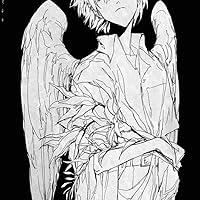
i am canute


March 1, 2026
Canuto, siempre te vi bien 😏
Así que para esto era Olmar.
Así que para esto era Olmar.
March 22, 2026
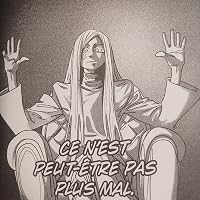
Pauvre Ketil, rien ne va dans son sens... Hâte de pouvoir lire la suite !
Displaying 1 - 30 of 42 reviews