

What do you think?

5-те случая: Малкият Ханс. Анализа на фобията на едно петгодишно момче
Пет ucmopuu, публикувани от Фройд в началото на XX в. -именно чрез тях, през грешки, провали и възхитителни прозрения, до голяма степен се ражда и самата същинска психоанализа, очертава се важна част от полето й -хистерията на Дора, фобията на Ханс, параноята на Шребер, неврозите на Човека с плъховете и на Човека с вълците. Без познаване на 5-ТЕ СЛУЧАЯ бихме останали далеч от най-забележителното психологическо направление на XX в., което ни изгражда културно, независимо дали осъзнаваме или отричаме това. Предлагаме ви за пръв път всички тези случаи, придружени от специално написани за това издание послеслови на един от най-авторитетните български психотерапевти, д-р Давид Иерохам.
Това е историята на петгодишния „Ханс", чието лечение е ръководено от Фройд, но провеждано от бащата на детето. Будното момченце, отглеждано с нежност и без особени забрани, си създава грандиозни страхове - от коне! - и се опитва да се справи със своята тревожност, която всъщност се дължи на изтласкано еротично желание... В заболяването на мъничкия пациент се проявява онова, което Фройд ще нарече „кастрационен комплекс" и „инфантилна сексуална организация". Ето я първата детска психоанализа, която ни казва ясно: в детския живот се разкриват, и то непосредствено, същите сексуални импулси, чието изравяне при възрастния индивид коства такива усилия... А и въпросните сексуални импулси са присъщи за душевното устройство на всички хора, били те „нормални" или „нервни", като при невротиците просто са изразени по-силно или изопачено. Случаят е публикуван през 1909 г. и в него вече се долавя прочутата по-късно теза -психичната дейност при детето е пронизана от сексуална проблематика, която обуславя живота му като възрастен...
Това е историята на петгодишния „Ханс", чието лечение е ръководено от Фройд, но провеждано от бащата на детето. Будното момченце, отглеждано с нежност и без особени забрани, си създава грандиозни страхове - от коне! - и се опитва да се справи със своята тревожност, която всъщност се дължи на изтласкано еротично желание... В заболяването на мъничкия пациент се проявява онова, което Фройд ще нарече „кастрационен комплекс" и „инфантилна сексуална организация". Ето я първата детска психоанализа, която ни казва ясно: в детския живот се разкриват, и то непосредствено, същите сексуални импулси, чието изравяне при възрастния индивид коства такива усилия... А и въпросните сексуални импулси са присъщи за душевното устройство на всички хора, били те „нормални" или „нервни", като при невротиците просто са изразени по-силно или изопачено. Случаят е публикуван през 1909 г. и в него вече се долавя прочутата по-късно теза -психичната дейност при детето е пронизана от сексуална проблематика, която обуславя живота му като възрастен...
208 pages, Paperback
First published January 1, 1908
About the author
Sigmund Freud
4,771 books8,822 followersDr. Sigismund Freud, M.D. (University of Vienna)—later changed to Sigmund—was a neurologist and the founder of psychoanalysis, who created an entirely new approach to the understanding of the human personality. He is regarded as one of the most influential—and controversial—minds of the 20th century.
In 1873, Freud began to study medicine at the University of Vienna. After graduating, he worked at the Vienna General Hospital. He collaborated with Josef Breuer in treating hysteria by the recall of painful experiences under hypnosis. In 1885, Freud went to Paris as a student of the neurologist Jean Charcot. On his return to Vienna the following year, Freud set up in private practice, specialising in nervous and brain disorders. The same year he married Martha Bernays, with whom he had six children.
Freud developed the theory that humans have an unconscious in which sexual and aggressive impulses are in perpetual conflict for supremacy with the defences against them. In 1897, he began an intensive analysis of himself. In 1900, his major work The Interpretation of Dreams was published in which Freud analysed dreams in terms of unconscious desires and experiences.
In 1902, Freud was appointed Professor of Neuropathology at the University of Vienna, a post he held until 1938. Although the medical establishment disagreed with many of his theories, a group of pupils and followers began to gather around Freud. In 1910, the International Psychoanalytic Association was founded with Carl Jung, a close associate of Freud's, as the president. Jung later broke with Freud and developed his own theories.
After World War One, Freud spent less time in clinical observation and concentrated on the application of his theories to history, art, literature and anthropology. In 1923, he published The Ego and the Id, which suggested a new structural model of the mind, divided into the 'id, the 'ego' and the 'superego'.
In 1933, the Nazis publicly burnt a number of Freud's books. In 1938, shortly after the Nazis annexed Austria, Freud left Vienna for London with his wife and daughter Anna.
Freud had been diagnosed with cancer of the jaw in 1923, and underwent more than 30 operations. He died of cancer on 23 September 1939.
In 1873, Freud began to study medicine at the University of Vienna. After graduating, he worked at the Vienna General Hospital. He collaborated with Josef Breuer in treating hysteria by the recall of painful experiences under hypnosis. In 1885, Freud went to Paris as a student of the neurologist Jean Charcot. On his return to Vienna the following year, Freud set up in private practice, specialising in nervous and brain disorders. The same year he married Martha Bernays, with whom he had six children.
Freud developed the theory that humans have an unconscious in which sexual and aggressive impulses are in perpetual conflict for supremacy with the defences against them. In 1897, he began an intensive analysis of himself. In 1900, his major work The Interpretation of Dreams was published in which Freud analysed dreams in terms of unconscious desires and experiences.
In 1902, Freud was appointed Professor of Neuropathology at the University of Vienna, a post he held until 1938. Although the medical establishment disagreed with many of his theories, a group of pupils and followers began to gather around Freud. In 1910, the International Psychoanalytic Association was founded with Carl Jung, a close associate of Freud's, as the president. Jung later broke with Freud and developed his own theories.
After World War One, Freud spent less time in clinical observation and concentrated on the application of his theories to history, art, literature and anthropology. In 1923, he published The Ego and the Id, which suggested a new structural model of the mind, divided into the 'id, the 'ego' and the 'superego'.
In 1933, the Nazis publicly burnt a number of Freud's books. In 1938, shortly after the Nazis annexed Austria, Freud left Vienna for London with his wife and daughter Anna.
Freud had been diagnosed with cancer of the jaw in 1923, and underwent more than 30 operations. He died of cancer on 23 September 1939.
Ratings & Reviews
Friends & Following
Create a free account to discover what your friends think of this book!
Community Reviews
Displaying 1 - 30 of 45 reviews

May 31, 2018
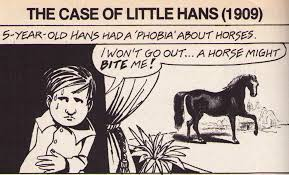
"Il est vraiment un petit Oedipe, qui voudrait 'mettre de côté' son père, s'endébarrasser, afin d'être seul avec sa jolie maman, afin de coucher avec elle"
(Freud, 1909)
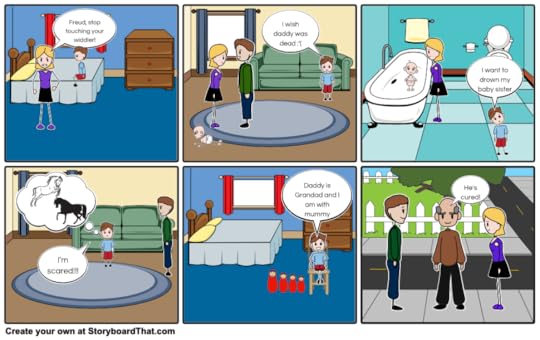
I've read about this a long time ago. 5-year-old Hans had a fear of horses. Freud, corresponding with Hans' father, interpreted the case as proof for the Oedipus complex; repressed desires, by Hans, towards his mother.
Some, later on, would have a very critical view on how Freud interpreted the case. Like Peter Rudnytsky who spoke about: "les distorsions introduites par Freud dans le cas du petit Hans en raison de ses présupposés théoriques" (the distortions introduced by Freud in the case of the little Hans due to his theoretical assumptions).
Freud, however, in his elaborate, final Discussion of the case, saw a sort of happy-ending: "...the only results of the analysis were that Hans recovered, that he ceased to be afraid of horses, and that he got on to rather familiar terms with his father, as the latter reported with some amusement."
🤔

May 29, 2021
(Rilettura) Si può criticare Freud come scienziato, ma non si può discuterlo come scrittore. Del resto Harold Bloom lo inserì nel suo Canone. Il piccolo Hans era il figlio del misicologo Max Graf, che fu fervente seguace di Freud e frequentò a lungo, tra i primi, le riunioni del mercoledì sera nel suo studio. Fu Graf a condurre l’analisi del suo stesso figlio, sotto la guida di Freud. Il saggio racconta l’evoluzione di Hans nel periodo in cui soffre di una fobia per i cavalli, che nasconde un’isteria d’angoscia. Malgrado Freud pensasse che l’esperimento fosse difficilmente ripetibile, il caso di Hans costituisce, di fatto, l’origine prima dell’analisi infantile. Si può non lasciarsi convincere dalle idee di Freud, ma è impossibile non rimanere avvinti dalla lettura del testo.

December 7, 2016
أكثر ما يعجبنى فى كتابات فرويد هو أسلوبه العلمى لعرض المادة وإن كانت فى صورة روائية كما فى هذا الكتاب الذى يروى لنا فيه رحلته العلاجية مع الطفل هانز وبمعاونة أبيه الذى كان أحد أشد مؤيدى أفكار فرويد آنذاك .
وكما توقعت لا يزال فرويد فى ذلك الكتاب يحاول إثبات دور الجنسية الطفلية فى تكون وتطور الأمراض النفسية ويوضح هنا أولى أعراض المرض على الطفل هانز الذى ظهر عليه فى صورة رهاب خاص لأحد أنواع الخيول وكيف كان الطبيب والأب يساعدان مريضهما الصغير فى توضيح أسس رهابه بعد أن يقوموا بتحليل الحالة خلال جلسة نقاش يقوم بها اى منهما مع الطفل .
ونرى مراحل تطور التحليل النفسى للحالة وتحسنها الى ان يتم شفاؤها فى آخر الكتاب ومن ثم يلخص لك فرويد ما أراده فى آخر فصل .
كتاب جيد فى مجمله
وكما توقعت لا يزال فرويد فى ذلك الكتاب يحاول إثبات دور الجنسية الطفلية فى تكون وتطور الأمراض النفسية ويوضح هنا أولى أعراض المرض على الطفل هانز الذى ظهر عليه فى صورة رهاب خاص لأحد أنواع الخيول وكيف كان الطبيب والأب يساعدان مريضهما الصغير فى توضيح أسس رهابه بعد أن يقوموا بتحليل الحالة خلال جلسة نقاش يقوم بها اى منهما مع الطفل .
ونرى مراحل تطور التحليل النفسى للحالة وتحسنها الى ان يتم شفاؤها فى آخر الكتاب ومن ثم يلخص لك فرويد ما أراده فى آخر فصل .
كتاب جيد فى مجمله
March 15, 2017
قليل من الاستفادة وكثير من الهراء.... مضيعة وقت

October 18, 2025
Little Libertine
Around his third birthday, Little Hans begins showing “a quite peculiarly lively interest” in his penis, which he refers to as his “widdler.” And not just his own widdler but also the widdlers of those around him. He notes, for instance, how horses have big widdlers and how his baby sister has a little widdler, which of course is a strange comment since you and I know that little girls don’t have widdlers, but I’m getting ahead of myself.
Hans’ father is a member of Freud’s inner circle, and he and his wife have done their best to raise their son according to progressive, psychologically informed values. Although, it should be added, they’re not perfectly modern, and when Hans develops the habit of playing with his widdler, his mother warns that if he keeps at it she’ll have the family doctor cut it off.
Shortly before his fourth birthday, Hans starts to go girl-crazy. When he notices a “pretty little girl” entering the restaurant where the family eats lunch, he can’t stop staring at her and blushes when she notices him. He later tells his mother, “I say, I should so like to sleep with the little girl.” Similar crushes follow — on girls he sees ice-skating, on girls in the neighborhood — and before long he’s going around hugging and kissing them.
One day, while his mother is tending to him after a bath, Hans playfully suggests how nice it would be if she touched his widdler. He later shares a dream expressing his wish that two girls he knew would “make me widdle,” that is, assist him in urinating.
Frightened Oedipus
Hans suddenly becomes inexplicably attached to his mother and anxious whenever she is away. Some mornings he wakes in tears, afraid she has gone for good. One day, while out with his nursemaid, he begins to cry and insists on going home “to coax with” — that is, to cuddle with — his mother.
Then a new anxiety appears. While leaving the house with his mother one morning, he suddenly bursts into tears, afraid that a horse will bite him. That night he tells her that he wants to stay inside, although he later fears that the horse might find a way to come into his room.
Puzzled, Hans’s father turns to Freud for advice. Freud conjectures that Hans’ fear of horses is a displaced fear of his own sexuality. He advises his father to interpret the fear to him: to tell Hans that his fear is not really about horses, but that he is “very fond of his mother and [wants] to be taken into her bed.”
Freud also suggests that the father give Hans some rudimentary sex education, explaining that females do not have widdlers. As mentioned above, Hans says that his sister has a widdler, despite seeing during her baths that she clearly has no widdler.
If you’re thinking that his belief sounds defensive — the kind of idea a little boy might come up with to ward off castration anxiety — then, first of all, you’re starting to think like an analyst. And second, you’re crazy if you think I’m going to spoil the book for you. If you want to know why the little guy thinks his sister has a widdler, you’re going to have to read to the end.
Enter Herr Professor
Hans’ symptoms temporarily lessen, but then one day he again expresses his fear of a horse biting him. His father then takes him to see Freud. During their brief visit, Hans shares that he is especially frightened by horses with blinders and black patches around their mouths. Freud interprets this as confirming his theory: the horse represents the father — the blinders recalling his spectacles, the dark muzzle his mustache.
Freud tells Hans that he’s afraid of his father because he is incredibly fond of his mother and he fears that this would make his father angry with him. Freud assures Hans that his father knows this but loves him anyway and encourages Hans to share his feelings.
Hans’ father then asks his son why he thinks he’s angry with him, and Hans says that he struck him that morning. The scene he had in mind involved him playfully head-butting his father in the stomach, causing his father to reflexively hit him with his hand. Freud interprets this encounter as evidence of Hans’ “hostile disposition” toward his father and also “a manifestation of a need for getting punished for it.”
The Crumpled Giraffe
After this, Hans’ symptoms begin to steadily lessen, although there’s still much work to be done. He has intellectually understood Freud’s interpretation, but he still needs to work through the conflict in his own way and at his own pace.
At first he can only speak about his Oedipal wishes through symbols, telling his father the following fantasy: “In the night there was a big giraffe in the room and a crumpled one; and the big one called out because I took the crumpled one away from it. Then it stopped calling out; and then I sat down on top of the crumpled one.”
The crumpled giraffe represents his mother, and the big giraffe represents his father. Hans sitting on the crumpled giraffe represents his muddled, childlike understanding of intercourse. In this dramatization, he seems to be saying: “I should like to be doing something with my mother, something forbidden; I do not know what it is, but I do know that you are doing it too.”
Hans does not know what intercourse is, and if he did, he would no doubt be horrified. What he knows is that he wants to cuddle his mommy, to sleep next to her. He’d been nourished by her affection and touch as a baby, and when his father had briefly departed the previous summer, he had resumed sleeping with her and had relished being near her, enjoying her motherly caresses. When his father returned, he could no longer sleep in his mother’s bed, and so he started to wish that his father would go away. In time he developed the (unconscious wish) that his father would permanently go away, that is, die.
Not a Bad Character
Freud emphasizes that Hans is “not by any means a bad character.” The boy is kind, sensitive, and deeply affectionate. Long before his phobia, he wept when seeing a carousel horse whipped and could not bear to watch anyone cry. He loves his father, even as he resents him. As Freud puts it, Hans will strike his father and immediately kiss the spot he’s hit. Hans, in other words, is human.
The emotional life of man is in general made up of pairs of contraries such as these. Indeed, if it were not so, repressions and neuroses would perhaps never come about. In the adult these pairs of contrary emotions do not as a rule become simultaneously conscious except at the climaxes of passionate love; at other times they usually go on suppressing each other until one of them succeeds in keeping the other altogether out of sight. But in children they can exist peaceably side by side for quite a considerable time.
Hans’ father proves to be gentle and understanding. He navigates their exchanges with playfulness and flexibility, helping his son find words for his feelings, even those that are forbidden or difficult to express. And that is the goal — not the full release of the id, but understanding it. And there ought to be no shame in that. As Hans himself puts it: “But wanting’s not doing, and doing’s not wanting.”
Around his third birthday, Little Hans begins showing “a quite peculiarly lively interest” in his penis, which he refers to as his “widdler.” And not just his own widdler but also the widdlers of those around him. He notes, for instance, how horses have big widdlers and how his baby sister has a little widdler, which of course is a strange comment since you and I know that little girls don’t have widdlers, but I’m getting ahead of myself.
Hans’ father is a member of Freud’s inner circle, and he and his wife have done their best to raise their son according to progressive, psychologically informed values. Although, it should be added, they’re not perfectly modern, and when Hans develops the habit of playing with his widdler, his mother warns that if he keeps at it she’ll have the family doctor cut it off.
Shortly before his fourth birthday, Hans starts to go girl-crazy. When he notices a “pretty little girl” entering the restaurant where the family eats lunch, he can’t stop staring at her and blushes when she notices him. He later tells his mother, “I say, I should so like to sleep with the little girl.” Similar crushes follow — on girls he sees ice-skating, on girls in the neighborhood — and before long he’s going around hugging and kissing them.
One day, while his mother is tending to him after a bath, Hans playfully suggests how nice it would be if she touched his widdler. He later shares a dream expressing his wish that two girls he knew would “make me widdle,” that is, assist him in urinating.
Frightened Oedipus
Hans suddenly becomes inexplicably attached to his mother and anxious whenever she is away. Some mornings he wakes in tears, afraid she has gone for good. One day, while out with his nursemaid, he begins to cry and insists on going home “to coax with” — that is, to cuddle with — his mother.
Then a new anxiety appears. While leaving the house with his mother one morning, he suddenly bursts into tears, afraid that a horse will bite him. That night he tells her that he wants to stay inside, although he later fears that the horse might find a way to come into his room.
Puzzled, Hans’s father turns to Freud for advice. Freud conjectures that Hans’ fear of horses is a displaced fear of his own sexuality. He advises his father to interpret the fear to him: to tell Hans that his fear is not really about horses, but that he is “very fond of his mother and [wants] to be taken into her bed.”
Freud also suggests that the father give Hans some rudimentary sex education, explaining that females do not have widdlers. As mentioned above, Hans says that his sister has a widdler, despite seeing during her baths that she clearly has no widdler.
If you’re thinking that his belief sounds defensive — the kind of idea a little boy might come up with to ward off castration anxiety — then, first of all, you’re starting to think like an analyst. And second, you’re crazy if you think I’m going to spoil the book for you. If you want to know why the little guy thinks his sister has a widdler, you’re going to have to read to the end.
Enter Herr Professor
Hans’ symptoms temporarily lessen, but then one day he again expresses his fear of a horse biting him. His father then takes him to see Freud. During their brief visit, Hans shares that he is especially frightened by horses with blinders and black patches around their mouths. Freud interprets this as confirming his theory: the horse represents the father — the blinders recalling his spectacles, the dark muzzle his mustache.
Freud tells Hans that he’s afraid of his father because he is incredibly fond of his mother and he fears that this would make his father angry with him. Freud assures Hans that his father knows this but loves him anyway and encourages Hans to share his feelings.
Hans’ father then asks his son why he thinks he’s angry with him, and Hans says that he struck him that morning. The scene he had in mind involved him playfully head-butting his father in the stomach, causing his father to reflexively hit him with his hand. Freud interprets this encounter as evidence of Hans’ “hostile disposition” toward his father and also “a manifestation of a need for getting punished for it.”
The Crumpled Giraffe
After this, Hans’ symptoms begin to steadily lessen, although there’s still much work to be done. He has intellectually understood Freud’s interpretation, but he still needs to work through the conflict in his own way and at his own pace.
At first he can only speak about his Oedipal wishes through symbols, telling his father the following fantasy: “In the night there was a big giraffe in the room and a crumpled one; and the big one called out because I took the crumpled one away from it. Then it stopped calling out; and then I sat down on top of the crumpled one.”
The crumpled giraffe represents his mother, and the big giraffe represents his father. Hans sitting on the crumpled giraffe represents his muddled, childlike understanding of intercourse. In this dramatization, he seems to be saying: “I should like to be doing something with my mother, something forbidden; I do not know what it is, but I do know that you are doing it too.”
Hans does not know what intercourse is, and if he did, he would no doubt be horrified. What he knows is that he wants to cuddle his mommy, to sleep next to her. He’d been nourished by her affection and touch as a baby, and when his father had briefly departed the previous summer, he had resumed sleeping with her and had relished being near her, enjoying her motherly caresses. When his father returned, he could no longer sleep in his mother’s bed, and so he started to wish that his father would go away. In time he developed the (unconscious wish) that his father would permanently go away, that is, die.
Not a Bad Character
Freud emphasizes that Hans is “not by any means a bad character.” The boy is kind, sensitive, and deeply affectionate. Long before his phobia, he wept when seeing a carousel horse whipped and could not bear to watch anyone cry. He loves his father, even as he resents him. As Freud puts it, Hans will strike his father and immediately kiss the spot he’s hit. Hans, in other words, is human.
The emotional life of man is in general made up of pairs of contraries such as these. Indeed, if it were not so, repressions and neuroses would perhaps never come about. In the adult these pairs of contrary emotions do not as a rule become simultaneously conscious except at the climaxes of passionate love; at other times they usually go on suppressing each other until one of them succeeds in keeping the other altogether out of sight. But in children they can exist peaceably side by side for quite a considerable time.
Hans’ father proves to be gentle and understanding. He navigates their exchanges with playfulness and flexibility, helping his son find words for his feelings, even those that are forbidden or difficult to express. And that is the goal — not the full release of the id, but understanding it. And there ought to be no shame in that. As Hans himself puts it: “But wanting’s not doing, and doing’s not wanting.”

February 18, 2021
Küçük Hans’ı okudum. Freud’dan ve psikanaliz alanından okuduğum ilk kitap oldu. Beklentilerimin aksine okuması kolay bir kitaptı.
Kitabın 85 sayfalık ilk kısmında, Hans’ın babası tarafından tuttuğu günlük ve Freud’un bu günlükte gerekli yerlere eklediği notlar yer alıyordu. Bu kısmı okuması çok keyifliydi. İkinci kısımda ise Freud’un Hans’ın fobisine yönelik geniş çaplı bir analizi yer alıyordu. Bu kısım ise daha çok akademik açıklamalar olmasına rağmen, ilk kısmı okuyanların kolayca anlayacağı seviyedeydi. Kitabın %90’nını anladığını düşünüyorum, anlamadığım kısımları ise bu alana yönelik genel geçer bilgiye sahip olmayışıma bağlıyorum.
Kitabın çevirisini çok başarılı buldum. Aynı zamanda kitap iyi bir editoryal süreçten geçmiş. Freud’un diğer kitaplarıyla ortak bir terminoloji oluşturmak için editör gerekli müdahaleleri yapmış, ayrıca gerek dipnotlarda gerek dizin kısmında terimlerin orijinallerine de yer verilmiş. Bu konuda çekinceleri olanlar da gönül rahatlığıyla okuyabilir.
Kitabın 85 sayfalık ilk kısmında, Hans’ın babası tarafından tuttuğu günlük ve Freud’un bu günlükte gerekli yerlere eklediği notlar yer alıyordu. Bu kısmı okuması çok keyifliydi. İkinci kısımda ise Freud’un Hans’ın fobisine yönelik geniş çaplı bir analizi yer alıyordu. Bu kısım ise daha çok akademik açıklamalar olmasına rağmen, ilk kısmı okuyanların kolayca anlayacağı seviyedeydi. Kitabın %90’nını anladığını düşünüyorum, anlamadığım kısımları ise bu alana yönelik genel geçer bilgiye sahip olmayışıma bağlıyorum.
Kitabın çevirisini çok başarılı buldum. Aynı zamanda kitap iyi bir editoryal süreçten geçmiş. Freud’un diğer kitaplarıyla ortak bir terminoloji oluşturmak için editör gerekli müdahaleleri yapmış, ayrıca gerek dipnotlarda gerek dizin kısmında terimlerin orijinallerine de yer verilmiş. Bu konuda çekinceleri olanlar da gönül rahatlığıyla okuyabilir.

January 2, 2024
“Bana öyle geliyor ki semptomları çok fazla önemsiyoruz ve bu semptomların kaynağıyla çok az ilgileniyoruz. Çocuk yetiştirirken rahatımızın kaçmaması, herhangi bir sıkıntı yaşamamak, kısacası uslu çocuk yetiştirmek dışında bir şey düşünmüyoruz ve bu gelişim güzergahının çocuğun da yararına olup olmadığına çok az dikkat ediyoruz.”

September 6, 2021
Freud psikolojinin önemli isimlerinden, ayni zamanda da psikanalizin babası.
Küçük Hans ise 1909 yılında kayida alınmış bir analiz. Kitapta 3 yaşından başlayarak Küçük Hans isimli çocuğun gelişen bir korkusu ele alınıyor. Bu korkunun fobiye dönüşmesine tanıklık ediyorsunuz. Fobisi ise atlardan geliyor( çok ayrıntılı bir açıklama yapamayacagim, okuyunca daha iyi anlayacaksınız) Kitap içerisinde Hans ve babasının diyalogları yer alıyor, ara ara sözü Freud alıyor, babasının düşüncelerini destekliyor ya da eleştiriyor. Kitap bu şekilde devam ediyor, en son ise Epikriz bölümünde Freud'un genel analizini okuyoruz, tabi ki bu analiz Oedipus kompleksini de içeriyor.
🎐🎐🎐🎐🎐🎐🎐🎐🎐🎐
Bu kitap için yorum yapabilmek çok tuhaf, psikoloji öğrencisi değilim, ancak kendimce psikoloji ile ilgilendiğimce bu kitabı yorumlayacagim. Kitabı okurken hem çok sevdim hem de çok nefret ettim çünkü karşımızda minicik bir çocuk olunca ve sürekli cinsellik üzerinden değerlendirme ve konuşmalar geliştikçe sinirlerim bozuldu. Freud'un ana düşüncesi de cinsellik ile ilgili tabi ki ama bu küçük bir çocuk söz konusu olduğunda okumak daha da zor oluyor. Zaten yayınlandığı dönemde de birçok eleştiri almış, çocuk masumiyetini bozdugundan dolayı. Aynı zamanda araştırdığıma göre Hans'in babası Max Grof, Freud'un arkadaşlarından biriymiş, bu da eserin bir nebze de olsa doğruluğundan şüphe duymama sebep oluyor. Freud, Hans'i sadece bir kez görmüş, o da herhangi bir tedavi veya analiz yapmamış, sadece babanın kayıtlarıyla bu tür bir analiz bence geçerliligi olan bir durum değil. Zaten o yıllarda aynı eleştiri yapılmış, babanın ve Freud'un bu çocuga yön verip bu analizi oluşturduğu yazılmış. Üstüne üstlük genç Hans(Herbert Graf) 19 yaşında Freud'u ziyaret edip bunların hiçbirini hatırlamadığını da belirtmiş. Tuhaf bir eser. Biraz da olsa kanaatimce bu eser Freud'un düşüncelerini kanıtlama yönünde gibi. Yine de okurken birçok şey öğreniyorsunuz, psikoloji ile ilgileniyorsanız okumanızı tavsiye ederim 🌼
Küçük Hans'in daha sonradan müzik kariyerine yönelip yönetmenlik yaptığını bilmek beni mutlu etti ayrıca bu tür bir eser ile hayatına devam edebilmesi gerçekten inanılmaz.
Küçük Hans ise 1909 yılında kayida alınmış bir analiz. Kitapta 3 yaşından başlayarak Küçük Hans isimli çocuğun gelişen bir korkusu ele alınıyor. Bu korkunun fobiye dönüşmesine tanıklık ediyorsunuz. Fobisi ise atlardan geliyor( çok ayrıntılı bir açıklama yapamayacagim, okuyunca daha iyi anlayacaksınız) Kitap içerisinde Hans ve babasının diyalogları yer alıyor, ara ara sözü Freud alıyor, babasının düşüncelerini destekliyor ya da eleştiriyor. Kitap bu şekilde devam ediyor, en son ise Epikriz bölümünde Freud'un genel analizini okuyoruz, tabi ki bu analiz Oedipus kompleksini de içeriyor.
🎐🎐🎐🎐🎐🎐🎐🎐🎐🎐
Bu kitap için yorum yapabilmek çok tuhaf, psikoloji öğrencisi değilim, ancak kendimce psikoloji ile ilgilendiğimce bu kitabı yorumlayacagim. Kitabı okurken hem çok sevdim hem de çok nefret ettim çünkü karşımızda minicik bir çocuk olunca ve sürekli cinsellik üzerinden değerlendirme ve konuşmalar geliştikçe sinirlerim bozuldu. Freud'un ana düşüncesi de cinsellik ile ilgili tabi ki ama bu küçük bir çocuk söz konusu olduğunda okumak daha da zor oluyor. Zaten yayınlandığı dönemde de birçok eleştiri almış, çocuk masumiyetini bozdugundan dolayı. Aynı zamanda araştırdığıma göre Hans'in babası Max Grof, Freud'un arkadaşlarından biriymiş, bu da eserin bir nebze de olsa doğruluğundan şüphe duymama sebep oluyor. Freud, Hans'i sadece bir kez görmüş, o da herhangi bir tedavi veya analiz yapmamış, sadece babanın kayıtlarıyla bu tür bir analiz bence geçerliligi olan bir durum değil. Zaten o yıllarda aynı eleştiri yapılmış, babanın ve Freud'un bu çocuga yön verip bu analizi oluşturduğu yazılmış. Üstüne üstlük genç Hans(Herbert Graf) 19 yaşında Freud'u ziyaret edip bunların hiçbirini hatırlamadığını da belirtmiş. Tuhaf bir eser. Biraz da olsa kanaatimce bu eser Freud'un düşüncelerini kanıtlama yönünde gibi. Yine de okurken birçok şey öğreniyorsunuz, psikoloji ile ilgileniyorsanız okumanızı tavsiye ederim 🌼
Küçük Hans'in daha sonradan müzik kariyerine yönelip yönetmenlik yaptığını bilmek beni mutlu etti ayrıca bu tür bir eser ile hayatına devam edebilmesi gerçekten inanılmaz.

July 23, 2025
Öncelikle şunu söyleyeyim: Çevirinin anlaşılırlığıyla, yazar-çevirmen-editör dipnotlarıyla harika bir edisyon olmuş. Freud'un vaka öykülerinin çevirileri nice zamandır var, ama sanırım İş Bankası Yayınları ile ilk kez anadili Almanca'dan çevriliyor. Dora'yı ve Kurt Adam'ı da okumayı umuyorum.
Küçük Hans'ın fobi vakasını, hem psikanalistin hem ebeveynin dahil olduğu bir dedektiflik öyküsüne benzettim - o denli sürükleyici. Freud'un 1908'deki kuramının ana hatlarının uygulamasını görmemize olanak veriyor; 1923 tarihli dipnotlarda ise, sonradan yaptığı düzeltmeleri veya açıklamaları dile getiriyor. Freud'un zekâsını takdir etmek için kuramının her noktasına katılmamız gerekmiyor. Bu kitapta özellikle çocuğa/çocukluğa hakkını veren, yetişkinliğin hiyerarşik ilişkilerine çocuk aklının pırıltılarını teslim etmeyen tavrını çok beğendim. Ayrıca Hans rumuzlu beş yaşındaki bu oğlanın, belli konularda olağanüstü tespitleri, ironisi ve hayalci bir tarzda bilgeliği var; bunları okumak da ayrı bir zevkti.
Küçük Hans'ın fobi vakasını, hem psikanalistin hem ebeveynin dahil olduğu bir dedektiflik öyküsüne benzettim - o denli sürükleyici. Freud'un 1908'deki kuramının ana hatlarının uygulamasını görmemize olanak veriyor; 1923 tarihli dipnotlarda ise, sonradan yaptığı düzeltmeleri veya açıklamaları dile getiriyor. Freud'un zekâsını takdir etmek için kuramının her noktasına katılmamız gerekmiyor. Bu kitapta özellikle çocuğa/çocukluğa hakkını veren, yetişkinliğin hiyerarşik ilişkilerine çocuk aklının pırıltılarını teslim etmeyen tavrını çok beğendim. Ayrıca Hans rumuzlu beş yaşındaki bu oğlanın, belli konularda olağanüstü tespitleri, ironisi ve hayalci bir tarzda bilgeliği var; bunları okumak da ayrı bir zevkti.

April 22, 2019
هانر المصاب بالرهاب من أحد أنواع الخيول
هو الطفل الأكبر لعائلة تؤمن ب فرويد و نطرياته
يبدأ والد هانز بتدوين ملاحظاته اليومية عن تصرفات هانز
آملا بأن هذه الملاحظات قد تساعد فرويد في عملية تحليله
هذا الكتاب هو وصف مُفصل لعملية التحليل النفسي للطفل هانز و كشف دلالة رهابه الذي سيتبين في ما بعد بأنه مبني على كبت جنسي
يلقي فرويد هنا الضوء على موضوع الكبت و الجنسية الطفلية التي حقاً لم أسمع بها من قبل.
هو الطفل الأكبر لعائلة تؤمن ب فرويد و نطرياته
يبدأ والد هانز بتدوين ملاحظاته اليومية عن تصرفات هانز
آملا بأن هذه الملاحظات قد تساعد فرويد في عملية تحليله
هذا الكتاب هو وصف مُفصل لعملية التحليل النفسي للطفل هانز و كشف دلالة رهابه الذي سيتبين في ما بعد بأنه مبني على كبت جنسي
يلقي فرويد هنا الضوء على موضوع الكبت و الجنسية الطفلية التي حقاً لم أسمع بها من قبل.

November 17, 2025
Psikanaliz kuramına göre küçük bir hastanın fobi analizi çok ilgi çekici.
Hastalığın nereden nasıl başladığı üzerine durulmuyor ama akabinde çocuktaki değişiklikler kendini ifade ediş şekilleri ile ne demek istediğini anlamlandırabilmek için gerçekten bilgili ve ilgili ebeveyn olmak gerektiği anlaşılıyor.
İnsan psikolojisi çok karmaşık, bu dünyada sağlıklı bir birey yetiştirmek gerçekten zor.
Çocuk sahibi olanlara Allah kolaylık versin.
Bol şans.
Hastalığın nereden nasıl başladığı üzerine durulmuyor ama akabinde çocuktaki değişiklikler kendini ifade ediş şekilleri ile ne demek istediğini anlamlandırabilmek için gerçekten bilgili ve ilgili ebeveyn olmak gerektiği anlaşılıyor.
İnsan psikolojisi çok karmaşık, bu dünyada sağlıklı bir birey yetiştirmek gerçekten zor.
Çocuk sahibi olanlara Allah kolaylık versin.
Bol şans.
July 26, 2021
Despite Freud's interesting contributions to philosophy and psychiatry, this book sheds light on the perverted side of the Herr Doktor. The hero of this book is not Freud but the little boy - what a funny clever clogs!

September 4, 2015
The book is somehow disturbing, with all its talk about infantile sexuality. However, it's very interesting, I actually liked it a lot.

December 4, 2024
non mi piacciono i bambini generalmente, tuttavia ho trovato interessante la forma e il contenuto del libro, giacchè si rifaceva a dei dialoghi realmente accaduti tra il padre e il bambino, caratterizzato da una nevrosi che ha portato ad una fobia e analizzandole si riesce a comprendere lo sviluppo psicosessuale dei bambini, i primi complessi, le prime paure, la scoperta dei propri genitali e il piacere procurato da essi, le gravidanze e le nascite dei bambini e tutti quegli argomenti sui quali comunemente si interrogano i bambini, senza ricevere risposta
mi è piaciuto molto, oltre ad essere interessante per la scrittura (di solito quella di Freud non mi piace per nulla, la trovo troppo pesante, a tratti ripetitiva e per nulla scorrevole), è sbalorditivo leggere di temi, come la sessualità infantile e l'educazione sessuale (i genitori del bambino lasciano che si esprima senza troppo costringerlo a non farlo e, man mano nel tempo, gli spiegano come funzionino le situazioni che indaga) siano stati considerati ampiamente in uno scritto più di 100 anni fa, quando ancora oggi spesso non si trattano e i bambini, i preadolescenti e gli adolescenti non ne sono a conoscenza
differente è il mio pensiero su ció che lui reputa omosessualità infantile, che trovo un concetto poco sviluppato, retrogrado e limitato, tuttavia comprendo e giustifico considerata la data di scrittura
alla fine, mostra anche degli "spunti" di educazione infantile riguardo queste tematiche
e in un postulato del 1922 spiega le "conclusioni", molto interessanti
insomma, mi è piaciuto, nonostante abbia trovato l'analisi successiva alla descrizione del caso (quindi i pensieri di Freud) scritti nella solita maniera, poco scorrevoli e abbastanza ripetitivi insomma
mi è piaciuto molto, oltre ad essere interessante per la scrittura (di solito quella di Freud non mi piace per nulla, la trovo troppo pesante, a tratti ripetitiva e per nulla scorrevole), è sbalorditivo leggere di temi, come la sessualità infantile e l'educazione sessuale (i genitori del bambino lasciano che si esprima senza troppo costringerlo a non farlo e, man mano nel tempo, gli spiegano come funzionino le situazioni che indaga) siano stati considerati ampiamente in uno scritto più di 100 anni fa, quando ancora oggi spesso non si trattano e i bambini, i preadolescenti e gli adolescenti non ne sono a conoscenza
differente è il mio pensiero su ció che lui reputa omosessualità infantile, che trovo un concetto poco sviluppato, retrogrado e limitato, tuttavia comprendo e giustifico considerata la data di scrittura
alla fine, mostra anche degli "spunti" di educazione infantile riguardo queste tematiche
e in un postulato del 1922 spiega le "conclusioni", molto interessanti
insomma, mi è piaciuto, nonostante abbia trovato l'analisi successiva alla descrizione del caso (quindi i pensieri di Freud) scritti nella solita maniera, poco scorrevoli e abbastanza ripetitivi insomma

November 21, 2021
Istoricul bolii şi al vindecării unui foarte tânăr pacient, prezentat în paginile următoare, nu constituie, la drept vorbind, rezultatul observaţiilor mele. Ce-i drept, eu sunt cel care a condus în întregime planul tratamentului şi, de asemenea, într-o singură ocazie am avut o discuţie cu băiatul. Dar tratamentul propriu-zis a fost realizat de tatăl micuţului, căruia îi datorez multe mulţumiri pentru permisiunea de a folosi notiţele în scopul publicării. Meritul tatălui este însă şi mai mare. Mă refer mai ales la faptul că nicio persoană nu ar fi reuşit să determine copilul să facă asemenea mărturisiri, cunoştinţele de specialitate pe baza cărora tatăl a înţeles semnificaţia manifestărilor fiului său de cinci ani au fost absolut necesare, dificultăţile psihanalizei la o vârstă atât de fragedă fiind altminteri de neînvins. Doar reunirea într-o singură persoană a autorităţii parentale şi medicale, convergenţa din-
tre interesele cele mai intime şi interesele ştiinţifice ale uneia şi aceleiaşi persoane au înlesnit o modalitate de aplicare a metodei, care altfel ar fi fost nepotrivită.
tre interesele cele mai intime şi interesele ştiinţifice ale uneia şi aceleiaşi persoane au înlesnit o modalitate de aplicare a metodei, care altfel ar fi fost nepotrivită.
October 27, 2024
“Kaygı durumu bir defa yerleşti mi, kaygı başka her duyumu yiyip bitirir. Daha önce bilinç düzeyinde olan duygulanım yüklü temsiller artan bastırmanın etkisiyle bilinçdışına çekildikçe, bütün duygulanımlar kaygıya dönüşebilir.”
“Kastrasyon kompleksi antisemitizmin en derin bilinçdışı kökenidir. Çünkü oğlanlar daha küçükken Yahudilerin penisinden biraz -yani penisten bir parça- kesildiğini duyar; bu da kendilerince onlara Yahudileri aşağılama hakkı verir. Kadınlara üstünlük taslamanın bilinçdışı kökeni de aynıdır.”
“Psikanaliz sayesinde sadece hastanın değil, fobisinin de cesaret kazandığını ve kendini takdime cüret ettiğini ifade etmek isterim.”
“Çocukların ifadelerindeki güvenilmezlik, fantezilerinin baskın olmasından, yetişkinlerin ifadelerindeki güvenilmezlik ise önyargılarının baskın olmasından kaynaklanır.”
“Çocuk yetiştirirken rahatımızın kaçmaması, herhangi bir sıkıntı yaşamamak, kısacası uslu çocuk yetiştirmek dışında bir şey düşünmüyoruz ve bu gelişim güzergâhının çocuğun da yararına olup olmadığına çok az dikkat ediyoruz.”
“Kastrasyon kompleksi antisemitizmin en derin bilinçdışı kökenidir. Çünkü oğlanlar daha küçükken Yahudilerin penisinden biraz -yani penisten bir parça- kesildiğini duyar; bu da kendilerince onlara Yahudileri aşağılama hakkı verir. Kadınlara üstünlük taslamanın bilinçdışı kökeni de aynıdır.”
“Psikanaliz sayesinde sadece hastanın değil, fobisinin de cesaret kazandığını ve kendini takdime cüret ettiğini ifade etmek isterim.”
“Çocukların ifadelerindeki güvenilmezlik, fantezilerinin baskın olmasından, yetişkinlerin ifadelerindeki güvenilmezlik ise önyargılarının baskın olmasından kaynaklanır.”
“Çocuk yetiştirirken rahatımızın kaçmaması, herhangi bir sıkıntı yaşamamak, kısacası uslu çocuk yetiştirmek dışında bir şey düşünmüyoruz ve bu gelişim güzergâhının çocuğun da yararına olup olmadığına çok az dikkat ediyoruz.”

January 11, 2022
Now this is quality Freud here. Little cute Hans... scared of the horses. I read this because of Lacan and reading the Object Relation Seminar IV where he goes over it in several sessions. I found reading the entire account of Hans fascinating, and so revealing. I imagine I might go over it again in the future... who knows, will read it in detail however with Lacan in the upcoming weeks in the least.
April 23, 2025
Han svamlar, säkert på grund av kokset. Även när han uppger att han ska sammanfatta fallet kort och koncist gör han det för utdraget. Hans resonemang är ibland jätteroliga, ibland bara halvbakade, men det hans är ett extremt befriande sätt att tänka på. Fick samma känslor av återgivelserna av Hans små klurerier som jag fick av återgivelserna av Dibs - så nice. Kul att faktiskt läsa om allestädes närvarande termer och komplex från mannen själv.

April 12, 2018
Excepcional como todo lo que escribió e hizo Freud, solo que eso no le quita lo tedioso que tiene a veces. Leer este caso me resultó insoportable, recién cuando llegue a la Epicrisis (análisis e interpretación del caso más a fondo que lo que se hace en las observaciones) pude seguir el hilo de la lectura sin distraerme.

March 3, 2025
Il caso del piccolo Hans è un testo chiave per la psicoanalisi infantile, pur considerando che Freud non condusse direttamente l’analisi, basandosi sui resoconti del padre. Il caso resta comunque una testimonianza efficace delle teorie sulla sessualità infantile e il complesso edipico sviluppato dall'autore, per cui interessante da leggere per comprenderne il pensiero.
August 22, 2022
الكتاب بشكل عام مبالغ في تصوره ، عجبني نقل المترجم لوجهة نظر اريك فورم بأنه قد تكون الأم هي السبب عندما تهدد ابنها بقطع..... وعندما تكذب عليه بأن لديها مثله، أنا مع فرويد بأن الطفل قد رأى والديه وهم يمارسون العلاقة

November 9, 2023
The material and ideas expressed in the book truly appealed to me. It just doesn't seem right to me that Hans's father occasionally manipulates him, even when it's done for the right reasons. Nevertheless, it is crucial that he be so aware of the problems.

January 27, 2024
1 Şubatta Londra'da bulunan Freud Müzesi tarafından düzenlenen Anna Freud ile ilgili bir eğitime katılacağım: Psychoanalysis after Freud: Anna Freud and Melanie Klein. Anna Freud, babasının aksine yetişkinlerle değil çocuklarla ilgilendiği için bu eğitime katılmadan önce bu kitabı okumak istedim. Okuyunca yorumumu güncelleyeceğim.

September 26, 2025
Вибачте, але я ні чорта не зрозуміла з цієї книги 😅 Можливо колись перечитаю і дійде до мене як пов'язані між собою лібідо, фобії, коні і випорожнення.
Насправді, психоаналіз це досить складна штука і так одразу з розгону в нього не вскочиш, як я хотіла. Але все попереду.
Насправді, психоаналіз це досить складна штука і так одразу з розгону в нього не вскочиш, як я хотіла. Але все попереду.

November 2, 2018
والله فرويد شرحو رائع واسلوبو بالكتاب هاد قصصي
في افادة لكن مو كتير
في افادة لكن مو كتير
Want to Read
February 11, 2020I THINK IT IS ONE OF THE MOST IMPORTANT BOOKS IN PSYCHIATRY AND I NEED TO REED IT

March 14, 2021
Freud kaçamadığım bir çukur.

Read
September 15, 2021just…big sigh

February 25, 2023
Peepee poopoo the book
June 23, 2023
Btw his real name is herbert graf
Displaying 1 - 30 of 45 reviews