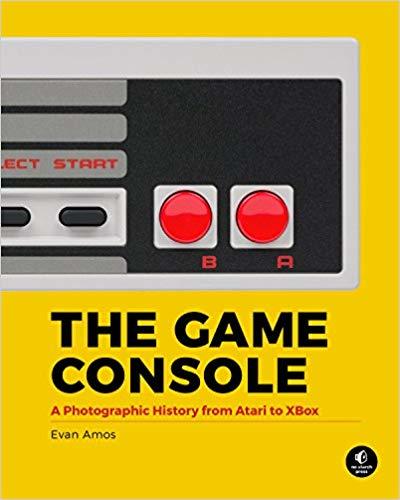
This text takes a look at the timeline of mostly home and handheld consoles (not as much computers), and comes from the Wikipedia contributer who brought us high-quality images of numerous pieces of hardware. He also provides what is inside many of those consoles, which are clearly shown and simple to understand. Though many of his photos can be found in his photo gallery in Wikimedia Commons, some of them were only shown in this text (though I'm partially unsure what the book's 2nd edition has to offer). Just like on Wikipedia, his photos are crisp on paper.
Concerning the bulk of information found, it is very concise and well written for the size and purpose of the text. Captions also contain tidbits about the console's features along with other specifics related to its backstories or different releases. The specifications right below the name of the console, however, can be a little inconsistent; for example, the Atari 2600 and the Genesis have different specs included. They both include the launch price and games released. Yet, the four other specs stated for the Atari 2600 are the processor, coprocessor, RAM, and number of colors; the Sega Genesis (or Mega Drive) includes the Pack-in game, ad slogan, console's best-seller, and number of consoles sold instead. I understand, however, if certain pieces of information were simply unavailable.
Though Amos only stated Wikipedia as a source, and does not have an official bibliography in the text, he stated in the second edition of the book that heavy reasearch and interviews went into the book. I originally thought that Wikipedia was his source due to his enthusiasm about it in the introduction section of the book's first version until I stumbled upon a preview of the second in Google Books. Upon reading about how this information was put together, I can trust much more on the facts from the text. Also, though I do agree with others that video game screenshots showcasing each console's technical capabilities would be amazing in this book as well, I feel it may only crowd the book, unneccessarily extend its length, and/or make the book's purpose less fulfilled due to how the text was meant to display high-quality pictures of consoles on the outside and inside. If the photos are of high quality, they must be of large size too.
Overall, this book is enjoyable for those who are interested in a console's architecture through time, along with those who like a brief rundown of the video game industry's history, and the ones who like video gaming in general. It can be especially interesting to those who would want a permanent home museum exibit about consoles. This book has exclusive elements that one must check out. I look forward to getting its updated version soon.