

What do you think?

Leaving a Trace: On Keeping a Journal
Now in paperback comes the acclaimed, one-of-a-kind practical guide to starting and keeping a journal and transforming it into a larger creative work: a family chronicle, a memoir, or a novel.
242 pages, Paperback
First published January 1, 2001
Ratings & Reviews
Friends & Following
Create a free account to discover what your friends think of this book!
Community Reviews
Displaying 1 - 30 of 100 reviews

February 25, 2016
super enjoyable. and i did some of the exercises as i went through the book, which is always a good sign. i definitely recommend if you're looking for a book to get you away from the shame-spiral of introspective whining in your journaling. a book i will return to again and again.

May 10, 2022
"The unexamined life is not worth living"
--Socrates
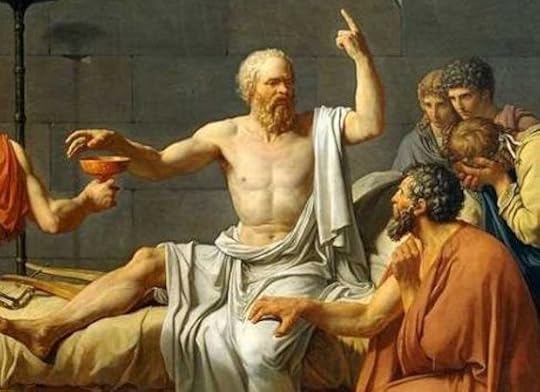
"Self-realization. I was thinking of the immortal words of Socrates, who said, "... I drank what?""
--Chris Knight, Real Genius
Whatever version of Socrates' wisdom you prefer, there's definitely something of value in keeping in a journal. Some published journals have never left print, revealing the lives and psychology of geniuses, ordinary people, people in moments of historic turmoil, and people with nothing more thrilling than the play of light in an almost empty room. Even if you aren't Virginia Woolf or Anne Frank, your descendants might wish to know who you were, you may wish to remember your youth when you're old.
I irregular keep a journal*, mostly as a pretext to write with fountain pens, and that journal is frankly, what Johnson identifies as the introspective whine, a psychological venting of spleen and complaints that I'd be embarrassed and terrified to show anybody else. The core of Johnson's practice is to focus first on sensation, then on memory, then on pattern and narrative. The specific sensory impression of a moment, like Proust's madeleine, acts as a trigger to a whole world of the cobwebbed past. And as the moments come alive again, you can see the choices you made in your life that, well, made your life. Each chapter is dotted with specific examples and closes with useful exercises. I hope they'll improve the quality of my journals.
*it also strikes me that in many way, my 1500+ book reviews over 10 years on this site are another journal, so thank you for reading along, friends.
--Socrates
"Self-realization. I was thinking of the immortal words of Socrates, who said, "... I drank what?""
--Chris Knight, Real Genius
Whatever version of Socrates' wisdom you prefer, there's definitely something of value in keeping in a journal. Some published journals have never left print, revealing the lives and psychology of geniuses, ordinary people, people in moments of historic turmoil, and people with nothing more thrilling than the play of light in an almost empty room. Even if you aren't Virginia Woolf or Anne Frank, your descendants might wish to know who you were, you may wish to remember your youth when you're old.
I irregular keep a journal*, mostly as a pretext to write with fountain pens, and that journal is frankly, what Johnson identifies as the introspective whine, a psychological venting of spleen and complaints that I'd be embarrassed and terrified to show anybody else. The core of Johnson's practice is to focus first on sensation, then on memory, then on pattern and narrative. The specific sensory impression of a moment, like Proust's madeleine, acts as a trigger to a whole world of the cobwebbed past. And as the moments come alive again, you can see the choices you made in your life that, well, made your life. Each chapter is dotted with specific examples and closes with useful exercises. I hope they'll improve the quality of my journals.
*it also strikes me that in many way, my 1500+ book reviews over 10 years on this site are another journal, so thank you for reading along, friends.

March 18, 2015
Very good book about keeping a journal or diary, with writing exercises (some of which I tried and was pleasantly surprised by) and excerpts of what writers noted for journaling and memoir writing had to say about how the process enhanced their lives. Notes the author, "Successful journals break the deadlock of introspective obsession." Yes, that. That's what I aspire to.
Read
February 7, 2013I don't rate books by people I know -- too complicated. But while Johnson's book is a treatise on journaling - why, how, forms, what can be gleaned or developed from them, etc. it had a surprising effect on me--I picked up my journal after not touching it for two years. Among other things, it was revelatory to look back and discover that apparently I've never been happy working for someone else. The book also inspired me to return to an awareness of my surroundings and the people that make up the background of daily life, to take notes and do character sketches. I picked this up out of curiosity after having worked with the author. There was nothing factual I didn't already know, but I never expect to be inspired and re-charged - that was a bonus.

October 21, 2017
*تنبيه : ذكرت إشارات وإفادات من الكتاب ومن غيره استفدتها لأن الكتاب في علمي لم يترجم ، راجياً من الله أن ينتفع القارئ ويأخذ لمحة عن هذا الفن الجميل.
تصفحت الكتاب وقرأت جملة صالحة منه وراعني ما فيه من كثرة الأفكار والتقنيات والتدريبات في موضوع journaling ولا أدري ما هو المسمى المصطلح عليه في العربية هل هو المفكرة أو المذكرة أو التعليقة أو المدونة أو الذكريات؟ فكلها تصلح ولكن قومنا لم يعنوا كثيرا بهذا الفن على جلالة قدره وفائدته النفسية والاجتماعية والأدبية.
كان أول ما نبهني إليه كلمة للطنطاوي-رحمه الله-قرأتها في بداية ذكرياته الحافلة -قديماً-يندم فيها ويتألم لما فاته منها وحتى التي يذكرها فهو يرويها بعقل الشيخ الكهل فكأنه يقص عن رجل غيره وحتى المشاعر ليست المشاعر فالشاب الغر الذي شارف على الموت قريبا كلماته وحروفه مختلفة عن التي يحكيها بعد أربعين سنة.
وكان يقول أنصح كل شخص أن يكتب ما جرى له في يومه لا أن يكتب قمت الصباح وفرشت أسناني بل يكتب شعوره وما زاد في نفسه ونقص وأزيد ومن لقي ومن استفاد منه ومن كره ومن أحب وما سمع من مجتمعه لا سيما كبار السن الذين تموت بموتهم كثير من الثقافة والذكريات والأدب.
فلما تفكرت في نصيحة هذا الأديب المجرب بدأت أبحث عن هذا الفن ولم أجد شيئاً باللغة العربية إلا دروساً غثيثة عن الكتابة والإنشاء ، ثم وجدت كتبا إنجليزية كثيرة جدا وعرفت بعدها أنه فن قائم عندهم فقرأت وتصفحت بعض الكتب منها هذا ويا ليت بعض الدور تترجم الجيد منها أو يقوم أحد من قومنا بتأليف كتاب فيه ولا أشك أن في الناس من يكتب لنفسه وللأسف فهذا الفن خامد عندنا.
أعتذز عن الاستطراد ولكن هذي خواطر عنت فسودت بها هذه الصفحة لعل أحد يستفيد منها أو أستفيد منها أنا بعد حين :) وهذا مما استفدته من هذه الكتب ويسمونها الكتابة الحرة وبعضهم يتطرف فيضع أسلوباً كتابياً يسمونه التنفيس (cartharsis)يُحض فيه على أن يضع الشخص قلمه على الورق فيكتب ما يمر في ذهنه من كلمات حتى لو لم يربطها رابط نحوي أو منطقي وهي أشبه بالهذر لكن بعد ما ينتهي من الكتابة سيجد كلمات متراصة غريبة عن بعضها ولكن لو قرأها بتمعن وتفكر تظهر له أشياء من عقله الباطن لم يحسب لها حساب.
المهم أن الكتاب له طريقة مختلفة قليلاً عن الكتب التعليمية التي رأيتها من قبل وفيه شيء من اللخبطة فترى نصائحه وتقنياته منثورة بين اقتباساته وهذا مما شوه ذهني قليلاً ولعل هذا لضعف لغتي الانجليزية.
في الجزء الأول من الكتاب يركز على كتابة المذكرات وأنواعها وأشكالها وطرقها ثم في الجزء الثاتي يركز على إيجاد الأنماط في حياتك وشخصك فيما كتبت والمعاني المستترة الكامنة التي تغفل عنها في خضم هذه الحياة العاصفة الهوجاء وهذا من أهم ثمرات الكتابة وأعرف من تفاجأ من نفسه كأن روحه في جسده خلق آخر !
وفي الجزء الثالث ركز على كيفية إخراج هذه المذكرات إلى النشر والمطابع على هيئة السير والمذكرات الشخصية وكيف تنخل ما كتبت ليكون صالحاً لهذا الغرض.
هذا موجز عن فصول الكتاب وهذا الفن واسع فهناك مذكرات تأملية ومذكرات لوظيفتك ومذكرات تكتب للأحلام ومذكرات لمرضى السرطان شفاهم الله ومذكرات سياسية ومذكرات عن الطفولة ومذكرات للعلاقة الزوجية وغيرها ومذكرات تجمع هذه كلها.
تصفحت الكتاب وقرأت جملة صالحة منه وراعني ما فيه من كثرة الأفكار والتقنيات والتدريبات في موضوع journaling ولا أدري ما هو المسمى المصطلح عليه في العربية هل هو المفكرة أو المذكرة أو التعليقة أو المدونة أو الذكريات؟ فكلها تصلح ولكن قومنا لم يعنوا كثيرا بهذا الفن على جلالة قدره وفائدته النفسية والاجتماعية والأدبية.
كان أول ما نبهني إليه كلمة للطنطاوي-رحمه الله-قرأتها في بداية ذكرياته الحافلة -قديماً-يندم فيها ويتألم لما فاته منها وحتى التي يذكرها فهو يرويها بعقل الشيخ الكهل فكأنه يقص عن رجل غيره وحتى المشاعر ليست المشاعر فالشاب الغر الذي شارف على الموت قريبا كلماته وحروفه مختلفة عن التي يحكيها بعد أربعين سنة.
وكان يقول أنصح كل شخص أن يكتب ما جرى له في يومه لا أن يكتب قمت الصباح وفرشت أسناني بل يكتب شعوره وما زاد في نفسه ونقص وأزيد ومن لقي ومن استفاد منه ومن كره ومن أحب وما سمع من مجتمعه لا سيما كبار السن الذين تموت بموتهم كثير من الثقافة والذكريات والأدب.
فلما تفكرت في نصيحة هذا الأديب المجرب بدأت أبحث عن هذا الفن ولم أجد شيئاً باللغة العربية إلا دروساً غثيثة عن الكتابة والإنشاء ، ثم وجدت كتبا إنجليزية كثيرة جدا وعرفت بعدها أنه فن قائم عندهم فقرأت وتصفحت بعض الكتب منها هذا ويا ليت بعض الدور تترجم الجيد منها أو يقوم أحد من قومنا بتأليف كتاب فيه ولا أشك أن في الناس من يكتب لنفسه وللأسف فهذا الفن خامد عندنا.
أعتذز عن الاستطراد ولكن هذي خواطر عنت فسودت بها هذه الصفحة لعل أحد يستفيد منها أو أستفيد منها أنا بعد حين :) وهذا مما استفدته من هذه الكتب ويسمونها الكتابة الحرة وبعضهم يتطرف فيضع أسلوباً كتابياً يسمونه التنفيس (cartharsis)يُحض فيه على أن يضع الشخص قلمه على الورق فيكتب ما يمر في ذهنه من كلمات حتى لو لم يربطها رابط نحوي أو منطقي وهي أشبه بالهذر لكن بعد ما ينتهي من الكتابة سيجد كلمات متراصة غريبة عن بعضها ولكن لو قرأها بتمعن وتفكر تظهر له أشياء من عقله الباطن لم يحسب لها حساب.
المهم أن الكتاب له طريقة مختلفة قليلاً عن الكتب التعليمية التي رأيتها من قبل وفيه شيء من اللخبطة فترى نصائحه وتقنياته منثورة بين اقتباساته وهذا مما شوه ذهني قليلاً ولعل هذا لضعف لغتي الانجليزية.
في الجزء الأول من الكتاب يركز على كتابة المذكرات وأنواعها وأشكالها وطرقها ثم في الجزء الثاتي يركز على إيجاد الأنماط في حياتك وشخصك فيما كتبت والمعاني المستترة الكامنة التي تغفل عنها في خضم هذه الحياة العاصفة الهوجاء وهذا من أهم ثمرات الكتابة وأعرف من تفاجأ من نفسه كأن روحه في جسده خلق آخر !
وفي الجزء الثالث ركز على كيفية إخراج هذه المذكرات إلى النشر والمطابع على هيئة السير والمذكرات الشخصية وكيف تنخل ما كتبت ليكون صالحاً لهذا الغرض.
هذا موجز عن فصول الكتاب وهذا الفن واسع فهناك مذكرات تأملية ومذكرات لوظيفتك ومذكرات تكتب للأحلام ومذكرات لمرضى السرطان شفاهم الله ومذكرات سياسية ومذكرات عن الطفولة ومذكرات للعلاقة الزوجية وغيرها ومذكرات تجمع هذه كلها.
January 24, 2009
I love Journals, writing, and journal writing. This book is excellent, and it really lent depth and breadth to my writing. I strongly recommend it to anyone and everyone. I find that reading books about writing gives me fuel for my enthusiasm to write myself. This book really motivated me and gave me tons of new ideas to write about. Most writers say that if you want to be a writer then you need to write every day. This book really encouraged me to do that. I need to re-read it soon.

April 20, 2014
Alexandra Johnson has built an academic career studying diaries, of the famous and the ordinary, and she's extended that study to writing about the craft and practice of journalling. I so enjoyed this book--dipping in and out over the course of the past 6 or 8 months. It's a book best enjoyed and savored slowly, the way I do a perfectly brewed coffee. I'll keep this close by in my bookshelves, so I can continue to revisit and revise.

July 25, 2013
This book is for those who want to become more serious with journal keeping and possibly use it for further creative work. I enjoyed the challenge and intellectual approach to journaling. It has stretched me to use my journal in a deeper way.
There are so many writing resources available that it's hard to select the best for our time budget but I feel that this one is worth the time.
There are so many writing resources available that it's hard to select the best for our time budget but I feel that this one is worth the time.

October 30, 2007
One of the best books on journaling I've read. There are segments of it that are particularly interesting and useful for writing more than journals. I really liked this book a lot and took a lot of notes.
July 3, 2023
I really appreciated the way that Alexandra Johnson wrote this book. It’s not a workbook, or a seven point system to success, it is an exposition of what journals are. The author is a collector and researcher of journals of all shapes and sizes and she weaves examples from her collected journals into the text of the book to illustrate that each journal and journaling style is unique to the person writing. While she does have some helpful exercises, these take the back seat. The goal of this book is to inspire you to journal, not to tell you how to, or merely how to build a habit out of it.

June 7, 2024
I met a woman online years ago over our love of journaling, who recommended this book to me. (Hi Lisa!) We’ve enjoyed meeting up in coffeehouses when we are able to, bringing our satchels full of our Traveler’s Notebooks, new fountain pens, books, or whatever we think might inspire each other, and while the hours away.
Loved this book. So many thought provoking ideas I haven’t considered before that will take my journaling to a new level.
Loved this book. So many thought provoking ideas I haven’t considered before that will take my journaling to a new level.

June 24, 2017
I found this to be a fascinating, practical, inspiring examination of journal writing and of transforming journal into creative works. I took copious notes, wrote lists of memoirs I should read and was spurred on in my own writing. It might not interest everyone but I loved it. Glad I picked it up on a whim on one library visit.

February 26, 2024
Excellent motivation for keeping a journal if you don't already.
March 22, 2009
Each of us have an infinite arsenal of writing material to wield at our own discretion. Whether we recognize it or not, every moment that passes is crammed with writerly inspiration, and the onus is on us to seize this fodder and alchemize it into art. Alexandra Johnson's Leaving a Trace: On Keeping a Journal, The Art of Transforming a Life into Stories shows us exactly how to do this. I first read her work probably ten years ago. Her book The Hidden Writer: Diaries and the Creative Life is wonderfully inspiring, covering the diaries from the likes of Katherine Mansfield, Sonya Tolstoy, Virginia Woolf, Alice James, and Dorothy Wordsworth along with other luminary voices. These stories, journal passages, and diary excerpts have haunted me since as each artist silently battles with the written word in the shadows of their more renown male counterparts. Leaving a Trace coaxes us to follow these brilliant writers and diarists.
Filled with practical exercises and useful guidelines, Johnson leads us through the mire of our own life and lights a clear-cut path, so that we may view ourselves objectively and weave stories from the chaos of experience. Taking advantage of the clarity of hindsight and encouraging us to exploit our confusions, wrest with our fears, and tackle our struggles head-on, Johnson thankfully doesn't dip into self-help or spout quasi-therapeutic mantras, which so often render writing books useless and impractical for the working writer. Her goal is fixed, professionally and artistically devoted to the craft of writing though readers do not have to be professional or emerging writers to adopt her practices. All of her exercises aim to shape a wonderful lens for our inner selves whether we're dabbling or committed.
Examples:
Johnson gives real life examples from students and fellow writers she's worked with and been inspired by and stitches quotes from the heavyweights as well. Her book is well-organized into three units that first introduce us on how to start becoming more aware of our life experiences then shows us how to dig deeper into the past, and finally, instructs us how to deal with real life delicate matters such as staying mindful and respectful of our loved and close ones by morphing identities, characteristics, and physical attributes.
Providing effective strategies to gain objective perspectives on the personal. Sometimes these methods can be daunting, like archiving and indexing your journals, but all of her suggestions are entirely reasonable and useful with the sole intent of reflecting over our relationships, our private moments, and our daily routines. She commands us to cannibalize our thoughts and turn them into artful narratives. This writing book is definitely a keeper. Writers will find this a necessary user's manual on how to constantly mine from within and never take for granted those fleeting moments that make us who we are. Nothing is sacred when it comes to writing. Its a free for all, and the story goes to whoever dares to seize it.
Filled with practical exercises and useful guidelines, Johnson leads us through the mire of our own life and lights a clear-cut path, so that we may view ourselves objectively and weave stories from the chaos of experience. Taking advantage of the clarity of hindsight and encouraging us to exploit our confusions, wrest with our fears, and tackle our struggles head-on, Johnson thankfully doesn't dip into self-help or spout quasi-therapeutic mantras, which so often render writing books useless and impractical for the working writer. Her goal is fixed, professionally and artistically devoted to the craft of writing though readers do not have to be professional or emerging writers to adopt her practices. All of her exercises aim to shape a wonderful lens for our inner selves whether we're dabbling or committed.
Examples:
From "Chapter III: Ways of Seeing the Present-Tense World"
Lists limber the mind, focus its material, tap deep into the unconscious, finding its hidden interests. I often make them when I've got a cold. It clears the head immediately. Make three columns. In the first column, randomly list ten separate years in your life. Next, ten places. Last, ten people. Without stopping to think, go across the columns, circling four key items in each category. Make columns from just those. Now select one in each column and put them in a final list. That's where you begin. In front of you is a master list, some code of memory, you've given yourself to decode. Trust your instincts. Your hand, like a magnet, simply found what I call the hot spots in the details. Write quickly to know why these three items won out.
From Exercises and Journal Prompts section of Chapter III
If you're just beginning a journal, which of three memories would you never forgive yourself for not setting down? (78).
From "Chapter X: Living to Tell the Tale: Writing about Others"
There are several quick ways to get started when writing about others. Create a quick list of questions to spark specific details that are the core of the character portraits. Others are first defined by what they desire, fear, and own. Here are a few examples: describe four things you'd find hidden in their medicine chest or bathroom drawer. Which food would they most be ashamed to be found eating? Describe a single outfit or an article of clothing in their closet they've only worn once. Why? (205)
Johnson gives real life examples from students and fellow writers she's worked with and been inspired by and stitches quotes from the heavyweights as well. Her book is well-organized into three units that first introduce us on how to start becoming more aware of our life experiences then shows us how to dig deeper into the past, and finally, instructs us how to deal with real life delicate matters such as staying mindful and respectful of our loved and close ones by morphing identities, characteristics, and physical attributes.
Providing effective strategies to gain objective perspectives on the personal. Sometimes these methods can be daunting, like archiving and indexing your journals, but all of her suggestions are entirely reasonable and useful with the sole intent of reflecting over our relationships, our private moments, and our daily routines. She commands us to cannibalize our thoughts and turn them into artful narratives. This writing book is definitely a keeper. Writers will find this a necessary user's manual on how to constantly mine from within and never take for granted those fleeting moments that make us who we are. Nothing is sacred when it comes to writing. Its a free for all, and the story goes to whoever dares to seize it.

Read
April 1, 2021This book started off so inspiring that I had to have my own journal nearby so I could capture all my ideas. My excitement waned as I got further into the book, though. The last section, which is about using journals in your creative work, held so much promise that felt unfulfilled. Maybe I wanted too much from this book. Still, it’s a good primer on keeping a journal and she includes many untraditional ways to approach journal keeping.

January 26, 2017
I was less interested in the how to write a memoir aspects, and super into the quotations from and re journaling. History major in me loved how evidence was woven throughout. Also loved ideas for different types of journals. I lean that way but don't/won't have them all with me always. At same time, honestly reflecting around why I don't write and wondering if having a ranting/spleen journal for working through stuff separate from things I want to put down for A would make a big difference to success rate...

March 15, 2017
I thought the first half of this book was really good. I loved all of her examples of diarist's and their techniques and quotes. I found myself underlining many beautifully written descriptions on the benefits of keeping a journal. I was truly inspired to be more consistent in my journal habits and was excited to continue reading the book. Unfortunately, about halfway through it got a bit tedious. Perhaps it got a bit deep for me; portrayed intricate exercises in one's journal that complicated the whole process of documenting one's life.

January 5, 2013
One of the better journaling books out there.

June 28, 2018
Only two stars for a book on journaling? By me?
Yes. This book is NOT what I thought it was going to be. I've read Johnson's other books on journaling - the history of it - and love them. Those books offer exactly what a potential buyer is made to believe by their blurbs. That is not the case with this book.
The blurbs and recommendations suggest a book about how to write a journal - a book full of ideas on how to journal differently. You will find only very little of that. Instead this book almost wholly focuses on rereading your old journals to uncover untold stories or retell your old stories. The book is fanatic about finding your SELF in the stories you wrote down and in those that are missing. And as interesting as that can be, for an avid journaler who stacks finished journal upon finished journal that seems a little undoable. Who has the time?! Pensioners, maybe? Also, Johnson focuses on using your journals for writing a whole story...whether it is for your self as an afterthought, a re-defining of your Self or for a memoir or biography. I'm not sure how many journalers keep a journal to that purpose, really. None that I know, but then I've not yet reached the age where people might find a spark to?
Except for the theme of this book being rather different from what I expected, I also find the book bulky in that Johnson keep repeating herself over and over. This book could have been half the size and then written in a more enjoyable way too. She continues to a point where I tossed the book aside, my patience used up. Yeah, yeah, I get it, you want me to reread and reframe my stories. That's what you've been saying over and over again in previous chapters already. When are you bringing on something new? And then it doesn't come. So about 50 pages before the end, I've put it down.
This book was meant to be inspiring. As an avid journaler I had hoped and expected it would offer me some new perspective on journal keeping. What I picked up from the book is a slight curiosity to reread my old journals and to try and keep a digital journal for a change - to see how I like that.
But other than that, this book left me feeling tired about journaling. What if I didn't want to reframe my stories at all? Then this entire book was pretty much useless. Was I a bad journaler then?
What struck me about the book is Johnsons adament persisence in reframing life stories as a way of intense self-therapy. She doesn't call it that anywhere, but that is exactly what her technique will lead to in many cases. There are no warnings anywhere in the book about uncovering told and untold stories whereas this kind of intense self-therapy comes with potential risks. I feel Johnson should have included a section about that. Also, she recommends rewriting your stories. I get that where it comes to completing a story with untold details. But nowhere did I read anything about truth. Our memory isn't a very reliable tool. Especially not when we reframe things. We will always color them with the purpose we have with our stories. In my view journaling is a rather honest activity...rather raw. Retelling seduces the writer to form stories that lose their connection with the original notes. Now, that is not a problem if you use your journal as a starting point for a novel, a biography or a memoir (as her other books show, published journals have always been rewritten en are therefore not the most reliable sources for finding untamed truth). But for those who are looking to deepen their journaling experience, sticking with the truth can be highly important.
All in all what I feel what Johson has done in this book, is set up a frame to use your self as a character in novel and she has given all the tools to do so. There is nothing wrong with that, but the majority of journalers will not be looking to do so and will find greater inspiration in books who offer good ideas for journaling techniques and ample examples to demonstrate them.
I will definitely re-read her 'A Brief History of Diaries' - which is nothing short from terrific. But this book will end up dusty and yellowed in some corner of my attic, I'm afraid...
Yes. This book is NOT what I thought it was going to be. I've read Johnson's other books on journaling - the history of it - and love them. Those books offer exactly what a potential buyer is made to believe by their blurbs. That is not the case with this book.
The blurbs and recommendations suggest a book about how to write a journal - a book full of ideas on how to journal differently. You will find only very little of that. Instead this book almost wholly focuses on rereading your old journals to uncover untold stories or retell your old stories. The book is fanatic about finding your SELF in the stories you wrote down and in those that are missing. And as interesting as that can be, for an avid journaler who stacks finished journal upon finished journal that seems a little undoable. Who has the time?! Pensioners, maybe? Also, Johnson focuses on using your journals for writing a whole story...whether it is for your self as an afterthought, a re-defining of your Self or for a memoir or biography. I'm not sure how many journalers keep a journal to that purpose, really. None that I know, but then I've not yet reached the age where people might find a spark to?
Except for the theme of this book being rather different from what I expected, I also find the book bulky in that Johnson keep repeating herself over and over. This book could have been half the size and then written in a more enjoyable way too. She continues to a point where I tossed the book aside, my patience used up. Yeah, yeah, I get it, you want me to reread and reframe my stories. That's what you've been saying over and over again in previous chapters already. When are you bringing on something new? And then it doesn't come. So about 50 pages before the end, I've put it down.
This book was meant to be inspiring. As an avid journaler I had hoped and expected it would offer me some new perspective on journal keeping. What I picked up from the book is a slight curiosity to reread my old journals and to try and keep a digital journal for a change - to see how I like that.
But other than that, this book left me feeling tired about journaling. What if I didn't want to reframe my stories at all? Then this entire book was pretty much useless. Was I a bad journaler then?
What struck me about the book is Johnsons adament persisence in reframing life stories as a way of intense self-therapy. She doesn't call it that anywhere, but that is exactly what her technique will lead to in many cases. There are no warnings anywhere in the book about uncovering told and untold stories whereas this kind of intense self-therapy comes with potential risks. I feel Johnson should have included a section about that. Also, she recommends rewriting your stories. I get that where it comes to completing a story with untold details. But nowhere did I read anything about truth. Our memory isn't a very reliable tool. Especially not when we reframe things. We will always color them with the purpose we have with our stories. In my view journaling is a rather honest activity...rather raw. Retelling seduces the writer to form stories that lose their connection with the original notes. Now, that is not a problem if you use your journal as a starting point for a novel, a biography or a memoir (as her other books show, published journals have always been rewritten en are therefore not the most reliable sources for finding untamed truth). But for those who are looking to deepen their journaling experience, sticking with the truth can be highly important.
All in all what I feel what Johson has done in this book, is set up a frame to use your self as a character in novel and she has given all the tools to do so. There is nothing wrong with that, but the majority of journalers will not be looking to do so and will find greater inspiration in books who offer good ideas for journaling techniques and ample examples to demonstrate them.
I will definitely re-read her 'A Brief History of Diaries' - which is nothing short from terrific. But this book will end up dusty and yellowed in some corner of my attic, I'm afraid...

May 22, 2022
Apropos of nothing, I apparently read this book years ago, prior to my bout with meningitis, and remember absolutely nothing about it. Which is distressing, when I plumb how much time and how much detail I lost from those years.
Okay maybe that's apropos of SOMETHING in this review because the whole book is about journal keeping, details, throughlines, and connections. I want to keep a journal this summer (I'm only committing to the summer, but hopefully it will grow) and this is a great spark to that endeavor--the personal stories (hers and others) can be intimidating (someone's kept a daily journal for thirty five years when I can't get past a month?) but are also inspiring--you really feel that if you don't get those details down, they drift off.
This book is intended primarily for people who style themselves writers, not just journal keepers (for just diarists, perhaps Kathleen Adams or Tristine Rainer would be better fits) so a large section of the book is about mining the journals for other projects--something I"m not sure I'll ever get to, but it's good to have the ideas planted.
It has some suggested things to try, but they aren't the usual corny ones you find crammed in a lot of writing books that are very weirdly specific. Her prompts are thematic--writing about objects as a way into deeper thought and story, writing about what's NOT there in a picture, or what is missing/what never gets talked about...these are all deep prompts indeed.
If you already keep a journal, this is a good touchstone to transform and deepen your practice. If like me, you're a failed diarist, it is inspiration to pick up that pen!
Okay maybe that's apropos of SOMETHING in this review because the whole book is about journal keeping, details, throughlines, and connections. I want to keep a journal this summer (I'm only committing to the summer, but hopefully it will grow) and this is a great spark to that endeavor--the personal stories (hers and others) can be intimidating (someone's kept a daily journal for thirty five years when I can't get past a month?) but are also inspiring--you really feel that if you don't get those details down, they drift off.
This book is intended primarily for people who style themselves writers, not just journal keepers (for just diarists, perhaps Kathleen Adams or Tristine Rainer would be better fits) so a large section of the book is about mining the journals for other projects--something I"m not sure I'll ever get to, but it's good to have the ideas planted.
It has some suggested things to try, but they aren't the usual corny ones you find crammed in a lot of writing books that are very weirdly specific. Her prompts are thematic--writing about objects as a way into deeper thought and story, writing about what's NOT there in a picture, or what is missing/what never gets talked about...these are all deep prompts indeed.
If you already keep a journal, this is a good touchstone to transform and deepen your practice. If like me, you're a failed diarist, it is inspiration to pick up that pen!
August 27, 2018
When you are trying to finish your Summer Reading List before your next semester of college starts, insomnia is a beautiful thing. I read this gem of a book in one night (literally!). Alexandra Johnson gives examples of how a personal journal can be used as a starting point for creative writing, something I was aware of, but have never done. My journals are less observations of the world around me and more "brain dumps" for when I'm angry, stressed, or bored. I suppose there is useful material in all of those shelved books (13 to date, journals # 3 to 15...1 and 2 went missing during a move, and I can't say I'm sorry, as all I really recall from them was a litany of 'oh, poor me' as I went though a divorce from a marriage that never should have happened in the first place and a whole lot of horrifying awful poetry) but I rarely go back to read them. I prefer to let the past remain the past, at least for now.

April 27, 2022
Journal writing with the goal of using it as a raw material for another creative project. The author's end goal is to "leave a trace", to create a memoir, though I found it with helpful tips even if your goal is not a memoir.
"Journals are a kind of deep planting. Some blossom into a whole garden; others, a single bloom"
There are a lot of examples from journals, which I tend to skip, but it is really beautifully written with lovely views of journals. There is a lot of permission in the author's words.
"A journal isn't necessarily something that should be done daily so much as it is a clue to how to see the daily world around oneself differently"
Really great, practical guides on how to beat the inner censor that I hadn't seen before (and that have really helped me). Ideas for different themes. How to look back at journals to find patterns and meaning.
This book felt like an encouraging, kind friend.
"Journals are a kind of deep planting. Some blossom into a whole garden; others, a single bloom"
There are a lot of examples from journals, which I tend to skip, but it is really beautifully written with lovely views of journals. There is a lot of permission in the author's words.
"A journal isn't necessarily something that should be done daily so much as it is a clue to how to see the daily world around oneself differently"
Really great, practical guides on how to beat the inner censor that I hadn't seen before (and that have really helped me). Ideas for different themes. How to look back at journals to find patterns and meaning.
This book felt like an encouraging, kind friend.
April 29, 2026
This is more geared toward journaling as a way to start, or get into, writing a memoir, but there is plenty of helpful information for journaling for journaling's sake. I checked this out from the library, and a previous reader had left pencil check-marks* on just about every page, which added to how much I enjoyed the book. I liked seeing what that previous reader had found interesting—advice on keeping a travel journal for a possible trip to Italy, double-underlining "Do" next to a writing exercise about what your life would be like if you never knew a particular person, and so on. It added another layer to the ideas the author was trying to communicate about commonplace books, and leaving a trace no matter how small.
*About half of the marks were erased. Eraser shavings were stuck in the crease of the binding of some pages. It wasn't obtrusive to the reading experience—just charming.
*About half of the marks were erased. Eraser shavings were stuck in the crease of the binding of some pages. It wasn't obtrusive to the reading experience—just charming.
June 8, 2020
I've kept a journal on and off for about 9 years, I've done so daily for about 2 years now. So this book sounded quite lovely as I'm always looking to improve this habit, that whilst it comes naturally to me, might not for everyone.
Alexandra Johnson has read about every diary there is to read. Honestly, this book made me want to give a diary to everyone that I know. And, it only reinforced my love of journal writing, so that's always nice.
It did not revolutionize my life but it reads so easily that it could be helpful for anyone struggling with writing in a diary. I did highlight A LOT and that's always a good sign with this type of book.
It would be a lovely gift alongside a journal.
Alexandra Johnson has read about every diary there is to read. Honestly, this book made me want to give a diary to everyone that I know. And, it only reinforced my love of journal writing, so that's always nice.
It did not revolutionize my life but it reads so easily that it could be helpful for anyone struggling with writing in a diary. I did highlight A LOT and that's always a good sign with this type of book.
It would be a lovely gift alongside a journal.
January 20, 2023
I wasn't sure what to make of this book. It seems like the authors main purpose is to use your own writings as a springboard for permanency--short stories, personal essays, memoirs, and so forth. However, buried within are various sorts of writing prompts and other techniques that I can incorporate into my own writing rituals. For these, I have captured them into a separate document for future reference as needed.
The other thing the author does, which is quite helpful, is to often remind us that we should "show, not tell". As a short example, when describing a person we should write down which items fill their home, what kinds of clothes they wear, or won't wear, and so forth. From this, we can form our own analysis of the type of person they are.
The other thing the author does, which is quite helpful, is to often remind us that we should "show, not tell". As a short example, when describing a person we should write down which items fill their home, what kinds of clothes they wear, or won't wear, and so forth. From this, we can form our own analysis of the type of person they are.

July 21, 2023
I liked the practical advice Alexandra Johnson offered about keeping a journal. She actually went into specific details and provided good examples, which authors do not always do when talking about journaling. My favorite part of the book was Part III, Moving a Journal Into Creative Work; she offered advice about seeing yourself as a protagonist and figuring out what is at stake for you when determining the through line of your journals (also important for knowing what to pay attention to when it is time to mine your journals for content). Each chapter ends with journal prompts as well. I underlined thoughts throughout this book to return to and ponder further, and for others serious about journaling, you will likely do the same.
February 26, 2025
I started journaling a couple of months ago, filling pages with reflections and fleeting thoughts. As I neared the end of my first notebook, I began wondering: what more could this activities offer? Leaving a Trace answered my question.. and more.
Leaving a Trace isn’t mainly about turning journal keepers into professional writers. Instead, it explores how a journal can become a tool for self-discovery, creativity, and even larger writing projects if you want. Through real stories and thoughtful guidance, Alexandra Johnson makes a compelling case for journaling as a way to make sense of life and leave something behind, if not for others, then for ourselves.
A great read for anyone who enjoys writing and wants to explore its deeper potential.
Leaving a Trace isn’t mainly about turning journal keepers into professional writers. Instead, it explores how a journal can become a tool for self-discovery, creativity, and even larger writing projects if you want. Through real stories and thoughtful guidance, Alexandra Johnson makes a compelling case for journaling as a way to make sense of life and leave something behind, if not for others, then for ourselves.
A great read for anyone who enjoys writing and wants to explore its deeper potential.

October 24, 2018
4.5 stars. For those who ponder the value of keeping a journal, look no further than this wise and inspiring book. As a longtime journal writer who tends to focus on introspection, I especially appreciated the invitation in chapter 4 to switch into an observer mode and create a catalog of wonders instead of spending too much time wading around in my own thoughts (my words, not hers). I also appreciated the discussion of single-purpose journals and suggestions for indexing. Both practical and profound, this book belongs on every writer's shelf.
July 17, 2019
Alexandra Johnson gives new ways to approach journaling and ways to turn journals into memoir, or fiction. She illustrates how authors we know and love used journals, diaries, and commonplace books to birth other works. Leaving a Trace is an excellent book for writers looking to use journals to find true voice.
September 16, 2019
A very quick read that gives us all permission to discover our own true selves and delight in the world around us (even the seemingly quotidian and most ordinary of days) through keeping a journal or diary. Johnson encourages experimenting with different means and methods in order to discover how you best engage with keeping a record.
Displaying 1 - 30 of 100 reviews