

What do you think?

המורה
התלמידים בכיתה לא אהבו את המורה שלהם. היא הייתה עריצה, חמורה, מנוכרת. היא לימדה אנגלית, אבל עיקרה את השפה מכל מה שחי והגישה לתלמידים שלד של חוקים מופשטים. בהתאבדותה בקפיצה מגג הבניין שבו התגוררה, המורה נשארה חתומה ואלמונית כמו בחייה. מקץ שלושים שנה נקראת המספרת, תלמידתה לשעבר, אל חידת חייה של אלזה וייס. במבט לאחור, היא שקיבלה מווייס שיעור גורלי, שיעור ששיעורו כחיים עצמם. אבל מה היה השיעור הזה? מה לימדה המורה?
186 pages, Paperback
First published January 1, 2016
Ratings & Reviews
Friends & Following
Create a free account to discover what your friends think of this book!
Community Reviews
Displaying 1 - 30 of 44 reviews

March 13, 2020
ULTIMA FERMATA TEL AVIV
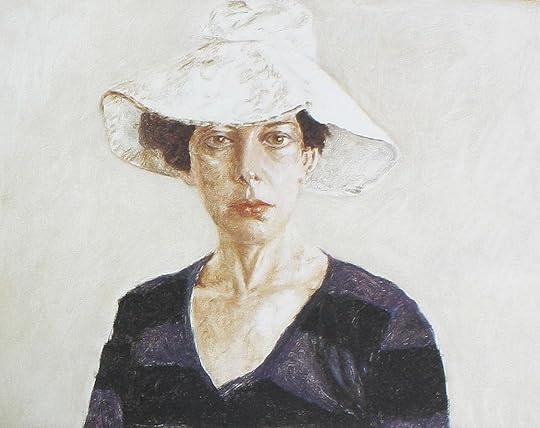
Avigdor Arikha: Anne with a White Hat, 1991.
Chi ricordava che in una notte di tempesta di trent’anni fa l’inquilina di un attico di uno dei vecchi palazzi ancora in piedi si era lanciata nel vuoto? A mente lucida, con l’inflessibile rigore con il quale era solita fare tutto – pagare le bollette, nuotare in piscina, insegnare l’inglese – con la stessa gelida brutalità con la quale raschiava la lavagna con le unghie per farci stare zitti, la professoressa d’inglese si era tolta la vita.

Cimitero di Holon, Tel Aviv, dove è sepolta Elsa Weiss.
Cosa spinge la narratrice ex allieva della professoressa Elsa Weiss, insegnante d’inglese agli adolescenti di Tel Aviv, cosa spinge questa donna che racconta e rimane senza nome, che all’inizio del racconto è mischiata in mezzo alla classe di studenti e poi man mano apprendiamo essere diventata adulta, insegnante a sua volta, cinquantenne: cosa la spinge verso la professoressa Elsa Weiss? Che tipo di attrazione, di interesse è quello della giovane per la sua insegnante?
Interesse e fascinazione condivisi perché Elsa Weiss, per quanto silenziosa riservata e appartata, colpiva e lasciava un segno.
Cosa spinge chi narra (è la stessa persona che scrive? Michal Ben-Naftali si nasconde dietro la narratrice io parlante?) a voler scoprire il mondo della professoressa Elsa Weiss, ricostruirne la storia, il passato?
Perché una volta, una volta soltanto, l’insegnante aveva avuto per la studentessa un momento di attenzione particolare, forse addirittura quasi di tenerezza? Oppure perché la giovane percepisce che l’adulta ha subito un trauma, da qualche parte in qualche tempo precedente?
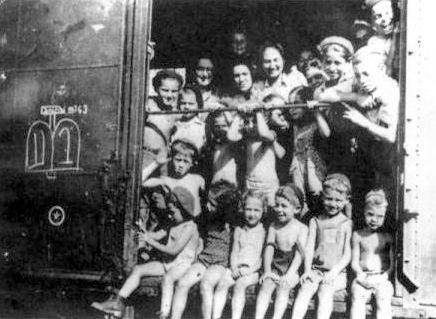
Potrebbe essere un’immagine del treno di Kastner.
Quando Michal Ben-Naftali avvia il percorso della sua ricerca chiarisce subito il suo approccio: la memoria è un’invenzione, ma basata su dati veri. E quindi il suo racconto ha fondamenta di verità, ma è frutto in buona parte di una ricostruzione di fantasia. E ha coraggio Ben-Naftali, molto coraggio, perché si spinge in territorio scabroso.
Il libro sembra diviso in tre parti, ma potrebbe essere solo una mia impressione. Il racconto comincia a Tel Aviv tra i banchi di scuola e ci conduce alla fine della storia della professoressa Elsa Weiss nata Bloom. A quel suicidio annunciato sin dall’inizio.
Poi si torna indietro all’infanzia e gioventù di Elsa, nella città di Kolozsvár che merita un inciso: Cluj-Napoca è il nome odierno della città dove è nata l’insegnante. Oggi fa parte della Romania ed è considerata la capitale della celebre regione di Transilvania. Quando nasce Elsa Weiss si chiamava Kolozsvár e faceva parte dell’Ungheria. Per i tedeschi invece era Klausenburg. Per i romani che ne fecero una colonia era Castrum Clus, cioè piccola città fortificata. Ma oggi con i suoi quasi quattrocentomila abitanti così piccola non è.
In Italia il nome di questa città è invece Clausemburgo.

Ancora Avigdor Arikha.
Jan, il fratello maggiore di Elsa, è un sionista e non vede l’ora di raggiungere la terra d’Israele e partecipare alla nascita di quello stato. Cosa che in effetti fa, abbandona l’Ungheria ben prima dello scoppio della guerra, appena arriva in Israele si aggrega a un kibbutz: ma presto quella vita eccessivamente comunitaria lo respinge, si trasferisce a Gerusalemme per frequentare l’università.
Sarà proprio lui a preparare carte e documenti per l’arrivo della sorellina Elsa, nel frattempo diventata giovane donna, una ventenne.
I genitori, invece, non riescono proprio a lasciare casa: forse più per speranza che per convinzione, sostengono che le cose cambieranno e si sistemeranno, non precipiteranno, e quindi cedono i loro due posti sul treno alla figlia Elsa e a suo marito Eric.

La storia del treno e la sorte di chi lo organizzò sono raccontate qui:
https://it.wikipedia.org/wiki/Treno_d...
Vicenda affascinante sulla quale vale la pena fermarsi un momento.
Il percorso del treno, per qualche ragione o equivoco, fu deviato, e invece di puntare direttamente in Svizzera, nazione neutrale, fu fermato a Belsen-Berger: i passeggeri del treno, tra cui Elsa e suo marito Eric, l’amica d’infanzia Clara e sua madre, furono detenute per settimane, parecchi anche per mesi, in una porzione del lager, a un metro dal filo spinato che li separava dai prigionieri destinati ai forni. Una convivenza macabra che genera un fiume di pensieri.

La foto di Jeff Cottenden in copertina.
La terza parte è l’approdo di Elsa in Israele, a Tel Aviv, a guerra da poco conclusa. Il suo inserimento nella società del paese (praticamente inesistente), i primi anni e quelli dopo, fino al 1982, quando Elsa decise di buttarsi di sotto e porre fine a un’esistenza che in qualche modo non era mai cominciata.
Cosa la spinse a quel salto? Non so se si può mai capire i motivi di un gesto simile, immergersi nel gelo e nell’isolamento che genera un suicidio. Nel caso di Elsa si può pensare al senso di colpa per essersi salvata a fronte di milioni di morti, per essere una reduce della Shoah, senso di colpa probabilmente condiviso da altri celebri sopravvissuti e poi suicidi come lei. Senso di colpa che in terra d’israele non veniva mitigati perché il giovane stato nascente aveva poca pazienza e simpatia per i sopravvissuti (succede ovunque si sia commesso un genocidio: dopo un po’ i sopravvissuti diventano zavorra per un’economia che cerca di rimettersi in movimento).

Ma Michal Ben-Naftali ci spinge a pensare che la ragione sia un’altra, soprattutto un’altra: Elsa Weiss si sentiva inadeguata alle esigenze della vita sin dall’adolescenza, Elsa Weiss era in lutto permanente ed è rimasta la figlia dei suoi genitori per sempre, prigioniera del suo passato. Elsa Weiss
muore perché era una donna che non ha mai voluto esistere, non ha parlato perché voleva stare zitta. Una maestra del nulla e del silenzio e quindi vera maestra di vita. Ci vuole coraggio, sapienza, delicatezza, per osare e dirlo, specie quando di mezzo c’è la Shoah.
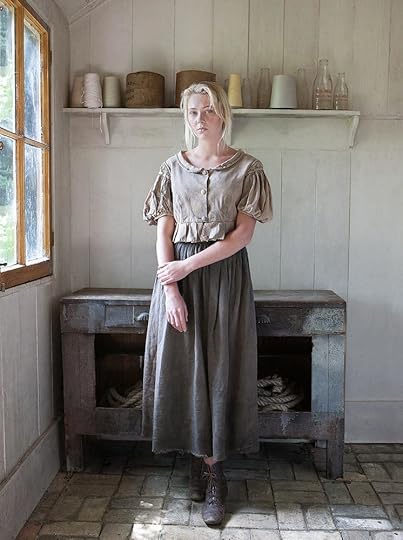
Foto di Jeff Cottenden, autore anche di quella usata sulla copertina.
Il mondo della professoressa Weiss era al di là di ogni traduzione. Era impossibile intuire qualcosa della sua grammatica interiore dai vocaboli che memorizzavamo. Lei non insegnava ciò che aveva appreso sulla propria pelle, quasi fosse il dovere di un docente scrollarsi di dosso se stesso per fare quel mestiere, come se imparare e insegnare dovessero accadere in un luogo al di fuori di se stessi, e in una lingua straniera per di più, una lingua che indubbiamente la professoressa Weiss conosceva ma di cui non aveva una padronanza completa, in cui non si sentiva a casa. Era come se si fosse imposta di essere un’estranea per l’eternità, di non sentirsi a suo agio, di non essere in un luogo che per lei fosse “casa”, né con la sua materia d’insegnamento, né con i suoi alunni. Pensava di poter essere un’insegnante senza rivelare nulla di sé, di creare una situazione di ipocrisia che avrebbe dovuto proteggere se stessa e gli studenti. Si era caricata di un pesante fardello, ma non per bisogno di riservatezza. Si era imposta un divieto, come se sapesse che non doveva permettere ai ragazzi di avvicinarsi all’abisso che celava.
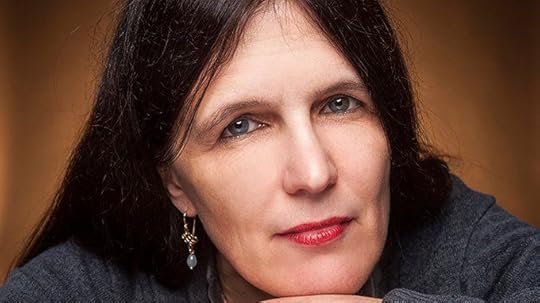
Michal Ben-Naftali
Avigdor Arikha: Anne with a White Hat, 1991.
Chi ricordava che in una notte di tempesta di trent’anni fa l’inquilina di un attico di uno dei vecchi palazzi ancora in piedi si era lanciata nel vuoto? A mente lucida, con l’inflessibile rigore con il quale era solita fare tutto – pagare le bollette, nuotare in piscina, insegnare l’inglese – con la stessa gelida brutalità con la quale raschiava la lavagna con le unghie per farci stare zitti, la professoressa d’inglese si era tolta la vita.
Cimitero di Holon, Tel Aviv, dove è sepolta Elsa Weiss.
Cosa spinge la narratrice ex allieva della professoressa Elsa Weiss, insegnante d’inglese agli adolescenti di Tel Aviv, cosa spinge questa donna che racconta e rimane senza nome, che all’inizio del racconto è mischiata in mezzo alla classe di studenti e poi man mano apprendiamo essere diventata adulta, insegnante a sua volta, cinquantenne: cosa la spinge verso la professoressa Elsa Weiss? Che tipo di attrazione, di interesse è quello della giovane per la sua insegnante?
Interesse e fascinazione condivisi perché Elsa Weiss, per quanto silenziosa riservata e appartata, colpiva e lasciava un segno.
Cosa spinge chi narra (è la stessa persona che scrive? Michal Ben-Naftali si nasconde dietro la narratrice io parlante?) a voler scoprire il mondo della professoressa Elsa Weiss, ricostruirne la storia, il passato?
Perché una volta, una volta soltanto, l’insegnante aveva avuto per la studentessa un momento di attenzione particolare, forse addirittura quasi di tenerezza? Oppure perché la giovane percepisce che l’adulta ha subito un trauma, da qualche parte in qualche tempo precedente?
Potrebbe essere un’immagine del treno di Kastner.
Quando Michal Ben-Naftali avvia il percorso della sua ricerca chiarisce subito il suo approccio: la memoria è un’invenzione, ma basata su dati veri. E quindi il suo racconto ha fondamenta di verità, ma è frutto in buona parte di una ricostruzione di fantasia. E ha coraggio Ben-Naftali, molto coraggio, perché si spinge in territorio scabroso.
Il libro sembra diviso in tre parti, ma potrebbe essere solo una mia impressione. Il racconto comincia a Tel Aviv tra i banchi di scuola e ci conduce alla fine della storia della professoressa Elsa Weiss nata Bloom. A quel suicidio annunciato sin dall’inizio.
Poi si torna indietro all’infanzia e gioventù di Elsa, nella città di Kolozsvár che merita un inciso: Cluj-Napoca è il nome odierno della città dove è nata l’insegnante. Oggi fa parte della Romania ed è considerata la capitale della celebre regione di Transilvania. Quando nasce Elsa Weiss si chiamava Kolozsvár e faceva parte dell’Ungheria. Per i tedeschi invece era Klausenburg. Per i romani che ne fecero una colonia era Castrum Clus, cioè piccola città fortificata. Ma oggi con i suoi quasi quattrocentomila abitanti così piccola non è.
In Italia il nome di questa città è invece Clausemburgo.
Ancora Avigdor Arikha.
Jan, il fratello maggiore di Elsa, è un sionista e non vede l’ora di raggiungere la terra d’Israele e partecipare alla nascita di quello stato. Cosa che in effetti fa, abbandona l’Ungheria ben prima dello scoppio della guerra, appena arriva in Israele si aggrega a un kibbutz: ma presto quella vita eccessivamente comunitaria lo respinge, si trasferisce a Gerusalemme per frequentare l’università.
Sarà proprio lui a preparare carte e documenti per l’arrivo della sorellina Elsa, nel frattempo diventata giovane donna, una ventenne.
I genitori, invece, non riescono proprio a lasciare casa: forse più per speranza che per convinzione, sostengono che le cose cambieranno e si sistemeranno, non precipiteranno, e quindi cedono i loro due posti sul treno alla figlia Elsa e a suo marito Eric.
La storia del treno e la sorte di chi lo organizzò sono raccontate qui:
https://it.wikipedia.org/wiki/Treno_d...
Vicenda affascinante sulla quale vale la pena fermarsi un momento.
Il percorso del treno, per qualche ragione o equivoco, fu deviato, e invece di puntare direttamente in Svizzera, nazione neutrale, fu fermato a Belsen-Berger: i passeggeri del treno, tra cui Elsa e suo marito Eric, l’amica d’infanzia Clara e sua madre, furono detenute per settimane, parecchi anche per mesi, in una porzione del lager, a un metro dal filo spinato che li separava dai prigionieri destinati ai forni. Una convivenza macabra che genera un fiume di pensieri.
La foto di Jeff Cottenden in copertina.
La terza parte è l’approdo di Elsa in Israele, a Tel Aviv, a guerra da poco conclusa. Il suo inserimento nella società del paese (praticamente inesistente), i primi anni e quelli dopo, fino al 1982, quando Elsa decise di buttarsi di sotto e porre fine a un’esistenza che in qualche modo non era mai cominciata.
Cosa la spinse a quel salto? Non so se si può mai capire i motivi di un gesto simile, immergersi nel gelo e nell’isolamento che genera un suicidio. Nel caso di Elsa si può pensare al senso di colpa per essersi salvata a fronte di milioni di morti, per essere una reduce della Shoah, senso di colpa probabilmente condiviso da altri celebri sopravvissuti e poi suicidi come lei. Senso di colpa che in terra d’israele non veniva mitigati perché il giovane stato nascente aveva poca pazienza e simpatia per i sopravvissuti (succede ovunque si sia commesso un genocidio: dopo un po’ i sopravvissuti diventano zavorra per un’economia che cerca di rimettersi in movimento).
Ma Michal Ben-Naftali ci spinge a pensare che la ragione sia un’altra, soprattutto un’altra: Elsa Weiss si sentiva inadeguata alle esigenze della vita sin dall’adolescenza, Elsa Weiss era in lutto permanente ed è rimasta la figlia dei suoi genitori per sempre, prigioniera del suo passato. Elsa Weiss
muore perché era una donna che non ha mai voluto esistere, non ha parlato perché voleva stare zitta. Una maestra del nulla e del silenzio e quindi vera maestra di vita. Ci vuole coraggio, sapienza, delicatezza, per osare e dirlo, specie quando di mezzo c’è la Shoah.
Foto di Jeff Cottenden, autore anche di quella usata sulla copertina.
Il mondo della professoressa Weiss era al di là di ogni traduzione. Era impossibile intuire qualcosa della sua grammatica interiore dai vocaboli che memorizzavamo. Lei non insegnava ciò che aveva appreso sulla propria pelle, quasi fosse il dovere di un docente scrollarsi di dosso se stesso per fare quel mestiere, come se imparare e insegnare dovessero accadere in un luogo al di fuori di se stessi, e in una lingua straniera per di più, una lingua che indubbiamente la professoressa Weiss conosceva ma di cui non aveva una padronanza completa, in cui non si sentiva a casa. Era come se si fosse imposta di essere un’estranea per l’eternità, di non sentirsi a suo agio, di non essere in un luogo che per lei fosse “casa”, né con la sua materia d’insegnamento, né con i suoi alunni. Pensava di poter essere un’insegnante senza rivelare nulla di sé, di creare una situazione di ipocrisia che avrebbe dovuto proteggere se stessa e gli studenti. Si era caricata di un pesante fardello, ma non per bisogno di riservatezza. Si era imposta un divieto, come se sapesse che non doveva permettere ai ragazzi di avvicinarsi all’abisso che celava.
Michal Ben-Naftali

October 24, 2021
As much as I love Open Letter and everything they do for the literature in translation, this was a complete miss for me. At only 184 sparse pages, it took way too long to read due to its dry, yet self-indulgent, style. Extremely tedious.
The main character, as imagined by the narrator, never comes to life. Her coldness and detachment seem to be a part of her long before she experiences the trauma of the Holocaust, and seem less of a premeditated character trait, and more of the author’s failure in character building.
This isn’t to say I am a fan of emotionally manipulative, historically inaccurate pop-Holocaust literature, that is flooding bestseller lists and is offensive to human intellect and dignity. I don’t believe I have to be entertained by Holocaust literature, but I still believe you need to be an excellent writer if you want to tackle this subject. We already have enough of mediocre writers exploiting it.
Michal Ben-Naftali is not an excellent writer of fiction and neither can she offer a first-person account, so I don’t believe this book has any purpose. The amount of pointless waffling in this book, the fact nothing is ever shown, only told, tells me the author is a better philosopher than she is a writer. It doesn’t even serve an educational purpose, because the main historical event in the book is described in such a way, that readers not familiar with it do not stand a chance of understanding it and its implications (I’m talking about the Kastner train).
The main character, as imagined by the narrator, never comes to life. Her coldness and detachment seem to be a part of her long before she experiences the trauma of the Holocaust, and seem less of a premeditated character trait, and more of the author’s failure in character building.
This isn’t to say I am a fan of emotionally manipulative, historically inaccurate pop-Holocaust literature, that is flooding bestseller lists and is offensive to human intellect and dignity. I don’t believe I have to be entertained by Holocaust literature, but I still believe you need to be an excellent writer if you want to tackle this subject. We already have enough of mediocre writers exploiting it.
Michal Ben-Naftali is not an excellent writer of fiction and neither can she offer a first-person account, so I don’t believe this book has any purpose. The amount of pointless waffling in this book, the fact nothing is ever shown, only told, tells me the author is a better philosopher than she is a writer. It doesn’t even serve an educational purpose, because the main historical event in the book is described in such a way, that readers not familiar with it do not stand a chance of understanding it and its implications (I’m talking about the Kastner train).

February 22, 2020
This is the third book I've read from a highly acclaimed Israeli writer (David Grossman and Etgar Keret were the others) and the third one where I've been left wondering what all the hype was about. Is this nothing more than a translation issue, or is there something else at play?
Indeed, much of the writing in "The Teacher" I can only describe as scholarly, and not in a good way. It feels too often like I'm reading something by a writer of textbooks. They might have been great textbooks, it's possible, but this author of textbooks would have been better off sticking to the technical stuff.
The main character, the teacher of the title, is Elsa Weiss. She kills herself on the first page, but in the pages that flashback to when she was alive, we're never allowed in. She's intentionally written as a cold character — because she's got secrets, you see — but even when we go back in time to the old Elsa, the pre-traumatized Elsa, I can't say she's any more likable.
There's just no warmth here. Wasn't Elsa the name of the main character in that Disney film? Because she definitely feels "Frozen". But there's no singing here. Maybe that would have helped.
Unfortunately the writing is as cold as she is. Emotions are described, not felt, and the events are, I hate to say this when they're based on tragically true events, made boring.
Elsa is a passenger on the Kastner train. I didn't know what that was, but I've now learned it was a WWII escape train from Nazi-occupied Hungary to Switzerland organized by the Hungarian-Jewish journalist Rudolf Kastner. The train transported 1,600 Jewish men, women, and children out of the grip of the Nazis to safety, but much controversy arose following the war when it was asked exactly who made it on this train.
Kastner had apparently sold spots on the train, for upwards of $1,500 a passenger, and included friends of his family and others. Survival's all about connections, which is pretty much as true today as it was back then, but it's made especially clear by this event. Kastner was charged with being a Nazi collaborator — I think that may have been going a bit too far, but what do I know — and ended up being assassinated in 1957.
That all sounds like the grounds for a pretty damn good novel, yes? It's a pity then that the novel we get is "The Teacher", which has all the makings of an Oscar-winning adaptation but reads more like a B-movie that would air on one of those cable channels that you probably forgot you had.
I remember in 1997 when "Titanic" came out how there was a flurry of movies around the same time looking to capitalize on its success. There was some made-for-TV thing, also about the Titanic, which was, of course, total crap. A pale imitation of the movie that was itself an imitation of the real thing.
"The Teacher" feels like a pale imitation of a much better book on this subject. It's that worst kind of novel — historical fiction that leaves you feeling cold about the important history it's telling.
Ironically for a book about survivor's guilt, you'll feel a bit guilty just for having read the whole thing.
Indeed, much of the writing in "The Teacher" I can only describe as scholarly, and not in a good way. It feels too often like I'm reading something by a writer of textbooks. They might have been great textbooks, it's possible, but this author of textbooks would have been better off sticking to the technical stuff.
The main character, the teacher of the title, is Elsa Weiss. She kills herself on the first page, but in the pages that flashback to when she was alive, we're never allowed in. She's intentionally written as a cold character — because she's got secrets, you see — but even when we go back in time to the old Elsa, the pre-traumatized Elsa, I can't say she's any more likable.
There's just no warmth here. Wasn't Elsa the name of the main character in that Disney film? Because she definitely feels "Frozen". But there's no singing here. Maybe that would have helped.
Unfortunately the writing is as cold as she is. Emotions are described, not felt, and the events are, I hate to say this when they're based on tragically true events, made boring.
Elsa is a passenger on the Kastner train. I didn't know what that was, but I've now learned it was a WWII escape train from Nazi-occupied Hungary to Switzerland organized by the Hungarian-Jewish journalist Rudolf Kastner. The train transported 1,600 Jewish men, women, and children out of the grip of the Nazis to safety, but much controversy arose following the war when it was asked exactly who made it on this train.
Kastner had apparently sold spots on the train, for upwards of $1,500 a passenger, and included friends of his family and others. Survival's all about connections, which is pretty much as true today as it was back then, but it's made especially clear by this event. Kastner was charged with being a Nazi collaborator — I think that may have been going a bit too far, but what do I know — and ended up being assassinated in 1957.
That all sounds like the grounds for a pretty damn good novel, yes? It's a pity then that the novel we get is "The Teacher", which has all the makings of an Oscar-winning adaptation but reads more like a B-movie that would air on one of those cable channels that you probably forgot you had.
I remember in 1997 when "Titanic" came out how there was a flurry of movies around the same time looking to capitalize on its success. There was some made-for-TV thing, also about the Titanic, which was, of course, total crap. A pale imitation of the movie that was itself an imitation of the real thing.
"The Teacher" feels like a pale imitation of a much better book on this subject. It's that worst kind of novel — historical fiction that leaves you feeling cold about the important history it's telling.
Ironically for a book about survivor's guilt, you'll feel a bit guilty just for having read the whole thing.

February 4, 2022
There was no chemistry between this novel and me although all signs on heaven and Earth indicated I was going to love it. I adore psychological novels. I am obsessed with books about teachers as if eighty-five colleagues I meet at work every day were not enough. I am interested in books about Holocaust. And last but not least, I have hunted for this novel for a long time and it usually whets my appetite. Strangely enough, with so many boxes ticked, I am feeling disappointed.
The Teacher (2016) by Michal Ben-Naftali, which I read in Italian translation, is a blend of a novel, memoir, biography and historical reportage. The narrator grapples to understand her controversial former teacher, Elsa Weiss, who committed suicide, and decides to reconstruct her past. The process is painstaking. As there was almost no evidence left and Elsa was a very private person, her biography had to be invented almost from scratch. Its beginning was really enticing but then it lost momentum and I struggled to wade through its cold bleakness.
Michal Ben-Naftali became a teacher also and I loved her brilliant reflections on this job. Unfortunately, the part devoted to Elsa Weiss, which is 99% of the novel, did not resonate with me as much as I hoped. Most of the time the author laboriously analyses her teacher's personality. And the weird thing is Elsa seems even more distant and unrelatable at the end of the novel than on the first pages. I regret the author did not trust her readers more. The only voice you really hear in this novel is hers, not Elsa's. I wish she had let the protagonist interact with the readers instead of putting herself in the middle as a constant facilitator.
One more problem: I am not a historian, and I cannot judge Michal Ben-Naftali's accuracy, but I found her depiction of the Bergen-Belsen concentration camp rather superficial. I do not think she managed to convey the monstrosity of this place. Besides, I wonder if it is possible that liberated prisoners were accommodated in single rooms in Swiss hotels.
Many books about Holocaust end when the gates to concentration camps open and we assume the characters lived happily ever after. Not exactly, as they had to face traumatic memories every single day. Elsa Weiss' portrayal in The Teacher reveals how deep and destructive these psychical scars were, how difficult, sometimes impossible, it was to communicate with people who had not had similar experiences. I appreciate Michal Ben-Naftali's courage to address this problem but I wish her novel was not so bland and cold. I guess its iciness was supposed to reflect Elsa's emotional atrophy caused by her nightmarish past but I could not immerse myself in The Teacher because of that. The best book I have ever read on this topic is A Brief Stop On the Road From Auschwitz by Göran Rosenberg.
A lesson learnt from The Teacher: do not jack up your hopes sky high before you actually start reading a book.

Nora Bilderwelten, Sense of Wonder and Mystery.
The Teacher (2016) by Michal Ben-Naftali, which I read in Italian translation, is a blend of a novel, memoir, biography and historical reportage. The narrator grapples to understand her controversial former teacher, Elsa Weiss, who committed suicide, and decides to reconstruct her past. The process is painstaking. As there was almost no evidence left and Elsa was a very private person, her biography had to be invented almost from scratch. Its beginning was really enticing but then it lost momentum and I struggled to wade through its cold bleakness.
Michal Ben-Naftali became a teacher also and I loved her brilliant reflections on this job. Unfortunately, the part devoted to Elsa Weiss, which is 99% of the novel, did not resonate with me as much as I hoped. Most of the time the author laboriously analyses her teacher's personality. And the weird thing is Elsa seems even more distant and unrelatable at the end of the novel than on the first pages. I regret the author did not trust her readers more. The only voice you really hear in this novel is hers, not Elsa's. I wish she had let the protagonist interact with the readers instead of putting herself in the middle as a constant facilitator.
One more problem: I am not a historian, and I cannot judge Michal Ben-Naftali's accuracy, but I found her depiction of the Bergen-Belsen concentration camp rather superficial. I do not think she managed to convey the monstrosity of this place. Besides, I wonder if it is possible that liberated prisoners were accommodated in single rooms in Swiss hotels.
Many books about Holocaust end when the gates to concentration camps open and we assume the characters lived happily ever after. Not exactly, as they had to face traumatic memories every single day. Elsa Weiss' portrayal in The Teacher reveals how deep and destructive these psychical scars were, how difficult, sometimes impossible, it was to communicate with people who had not had similar experiences. I appreciate Michal Ben-Naftali's courage to address this problem but I wish her novel was not so bland and cold. I guess its iciness was supposed to reflect Elsa's emotional atrophy caused by her nightmarish past but I could not immerse myself in The Teacher because of that. The best book I have ever read on this topic is A Brief Stop On the Road From Auschwitz by Göran Rosenberg.
A lesson learnt from The Teacher: do not jack up your hopes sky high before you actually start reading a book.
Nora Bilderwelten, Sense of Wonder and Mystery.

April 20, 2020
"This was the contract she made with herself: a good, predictable routine, without veering right or left; a life without divergence, steady and unchanging, with no twists and turns."
From THE TEACHER by Michal Ben-Naftali, translated from the Hebrew by Daniella Zamir, 2019 English translation / @openletterbooks
This story opens with the eponymous teacher jumping off the roof of her Tel Aviv Apartment building to her death. One of her students, many years after her suicide attempts to piece /construct a life of the enigmatic Elsa Weiss. We are left wondering if this is fact or fiction.
A quiet life, purposefully kept "under the radar" and hidden. The only lasting relationship she has is with her students, but even they know so little about her. A Hungarian Jew, a Holocaust survivor, now living and teaching French and English to Israeli high schoolers... but nothing else.
Ben-Naftali weaves this story - through her narrator, Weiss' student - we are unsure if the events described actually happened, or are imagined ... The Kastner Train negotiated release from Bergen-Belsen for Hungarian Jews, the destination of Switzerland, and finally a life reconstructed.
A quiet and tragic life: ripples felt decades after her own death in the lives of her students.
Short chapters and clear writing, but a challenge in both content and style. It's a very "internal" piece of literature - it makes one question the impact of words and deeds years after the fact.
From THE TEACHER by Michal Ben-Naftali, translated from the Hebrew by Daniella Zamir, 2019 English translation / @openletterbooks
This story opens with the eponymous teacher jumping off the roof of her Tel Aviv Apartment building to her death. One of her students, many years after her suicide attempts to piece /construct a life of the enigmatic Elsa Weiss. We are left wondering if this is fact or fiction.
A quiet life, purposefully kept "under the radar" and hidden. The only lasting relationship she has is with her students, but even they know so little about her. A Hungarian Jew, a Holocaust survivor, now living and teaching French and English to Israeli high schoolers... but nothing else.
Ben-Naftali weaves this story - through her narrator, Weiss' student - we are unsure if the events described actually happened, or are imagined ... The Kastner Train negotiated release from Bergen-Belsen for Hungarian Jews, the destination of Switzerland, and finally a life reconstructed.
A quiet and tragic life: ripples felt decades after her own death in the lives of her students.
Short chapters and clear writing, but a challenge in both content and style. It's a very "internal" piece of literature - it makes one question the impact of words and deeds years after the fact.

August 14, 2017
לסקירה מפורטת בעברית, קישור לבלוג שלי -
https://sivi-the-avid-reader.com/המור...
https://sivi-the-avid-reader.com/המור...

January 27, 2016
המורה אלזה וויס התאבדה. היא עבדה כמורה שנים רבות, אך תלמידיה לא באמת ידעו מי היא היתה, ומה התרחש בנפשה המסוכסכת והסוערת. שנים לאחר התאבדותה, אחת מתלמידותיה, שהיא כבר מורה בעצמה, מחליטה לגלות את נסיבות חייה ומותה של מורתה לשעבר. היא אינה מצליחה לגלות הרבה, אך מן הרמזים שהיא מלקטת היא מצליחה לבנות איזשהו פרופיל, שלא מפזר לחלוטין את הערפל מעל האניגמה.
אלזה היתה ניצולת שואה, שנאבקה ברגשות אשמה וזכרונות מכאיבים. זהו הסיפור שלה, של דור שלם של ניצולים שחיו בינינו, ושל הדור השני - תלמידיה.
המורה הצעירה המספרת את הסיפור משתמשת בגוף ראשון יחיד, אך גם בגוף ראשון רבים - שכן היא מדברת בשם דור. דור זה אופיין בתקשורת בעייתית עם הוריהם ש"באו משם". ברומן הדבר בא לידי ביטוי בכך שאלזה היא מורה לאנגלית ולצרפתית, ולכן גם במישור המיידי וגם במישור המטפורי התקשורת איתה לעולם אינה מלאה ושלמה כפי שהיתה יכולה להיות. תלמידיה חשים בשתיקות ובסודות שבין המילים היוצאות מפיה, אך עולם אינם מעזים לבקש ממנה למלא את החללים.
בעודה מתחקה אחרי עברה של מורתה, המורה הצעירה מנסה לענות גם על שאלות הנוגעות לחייה שלה.
בן-נפתלי היא כותבת מוכשרת ביותר. כל משפט ברומן הוא מופת של דיוק מחשבה ושפה, ומלא בתובנות מזהירות, במיוחד בכל הקשור ליחסים המורכבים שבין מורה לתלמידיו. אין אף מילה מיותרת בספר הקצר הזה, וכמעט כל מילה טעונה בשכבות של משמעות. זהו רומן רגיש, מחוכם ויפהפה.
אלזה היתה ניצולת שואה, שנאבקה ברגשות אשמה וזכרונות מכאיבים. זהו הסיפור שלה, של דור שלם של ניצולים שחיו בינינו, ושל הדור השני - תלמידיה.
המורה הצעירה המספרת את הסיפור משתמשת בגוף ראשון יחיד, אך גם בגוף ראשון רבים - שכן היא מדברת בשם דור. דור זה אופיין בתקשורת בעייתית עם הוריהם ש"באו משם". ברומן הדבר בא לידי ביטוי בכך שאלזה היא מורה לאנגלית ולצרפתית, ולכן גם במישור המיידי וגם במישור המטפורי התקשורת איתה לעולם אינה מלאה ושלמה כפי שהיתה יכולה להיות. תלמידיה חשים בשתיקות ובסודות שבין המילים היוצאות מפיה, אך עולם אינם מעזים לבקש ממנה למלא את החללים.
בעודה מתחקה אחרי עברה של מורתה, המורה הצעירה מנסה לענות גם על שאלות הנוגעות לחייה שלה.
בן-נפתלי היא כותבת מוכשרת ביותר. כל משפט ברומן הוא מופת של דיוק מחשבה ושפה, ומלא בתובנות מזהירות, במיוחד בכל הקשור ליחסים המורכבים שבין מורה לתלמידיו. אין אף מילה מיותרת בספר הקצר הזה, וכמעט כל מילה טעונה בשכבות של משמעות. זהו רומן רגיש, מחוכם ויפהפה.

Want to Read
February 28, 2020January 28, 2020
Quite a remarkable, but difficult book. The author explores the fictionalized story of a young Hungarian woman who survived the Holocaust, only to take her own life after years living in Israel. (Her suicide is recorded on the first page of the short novel.) Based on a true historical account of some Hungarian survivors, this novel is as compelling as it is tragic. It's argument is neatly summarized by the opening epigraph from Walter Benjamin: "For every image of the past that is not recognized by the present as one of its own concerns threatens to disappear irretrievably."

July 23, 2020
This book by Michal Ben-Naftali, translated from the Hebrew by Daniella Zamir, is another excellent work from Open Letter. It’s billed as a “fictional biography” of Elsa Weiss, a well-respected but socially reserved English teacher at a Tel Aviv high school who, unbeknownst to her students, was a survivor of the Holocaust. Her experiences as a passenger of the Kastner train changed the course of her life forever.
Elsa Weiss is modeled on a real person from the author’s life. The Kastner train itself is a real historical episode that I’d not heard of before. It involved a man named Rudolf Kastner who (it is said) negotiated with Adolf Eichmann for the transport of over 1,600 Jews from Hungary to safety in Switzerland instead of to Auschwitz in exchange for cash and other valuables.
Some of the Jewish passengers were family members and friends of Kastner, and many paid $1,500 or more to secure a place on the train. Unfortunately, the train had a stop at Bergen-Belsen. Some passengers were forced to stay at Bergen-Belsen for a matter of weeks, while others were kept there for months. Some did not survive.
The novel’s frame story involves the narrator (our author) setting the stage with the known facts on the life of Elsa Weiss. Her aloofness. Her dutiful competence as a teacher. Her Sphinx-like demeanor. Her suicide on the first page of the novel, at the age of 65, by jumping off a building. Then we switch gears and move into the imagined/inferred part of Weiss’ backstory:
“I don’t know whether what I am about to relay is indeed about her. I imagine it probably is, but I can’t be one hundred percent certain and I am not sure I wish to explore further. I am not sure I really want to know.”
But clearly the narrator does want to know. She imagines Weiss’ life with such empathy, such depth of feeling and such grace, that she clearly wanted to give her teacher a voice within this wonderful book that she never truly had in life. And the language is both beautiful and harrowing. It seemed that there was a memorable passage or a highlight-worthy phrase on almost every page.
This book is definitely a challenge to read due to the writing style, the novel’s innovative and fluid structure, and of course the subject matter. But it is well worth the effort – this novel will stay with me for a long time.
Elsa Weiss is modeled on a real person from the author’s life. The Kastner train itself is a real historical episode that I’d not heard of before. It involved a man named Rudolf Kastner who (it is said) negotiated with Adolf Eichmann for the transport of over 1,600 Jews from Hungary to safety in Switzerland instead of to Auschwitz in exchange for cash and other valuables.
Some of the Jewish passengers were family members and friends of Kastner, and many paid $1,500 or more to secure a place on the train. Unfortunately, the train had a stop at Bergen-Belsen. Some passengers were forced to stay at Bergen-Belsen for a matter of weeks, while others were kept there for months. Some did not survive.
The novel’s frame story involves the narrator (our author) setting the stage with the known facts on the life of Elsa Weiss. Her aloofness. Her dutiful competence as a teacher. Her Sphinx-like demeanor. Her suicide on the first page of the novel, at the age of 65, by jumping off a building. Then we switch gears and move into the imagined/inferred part of Weiss’ backstory:
“I don’t know whether what I am about to relay is indeed about her. I imagine it probably is, but I can’t be one hundred percent certain and I am not sure I wish to explore further. I am not sure I really want to know.”
But clearly the narrator does want to know. She imagines Weiss’ life with such empathy, such depth of feeling and such grace, that she clearly wanted to give her teacher a voice within this wonderful book that she never truly had in life. And the language is both beautiful and harrowing. It seemed that there was a memorable passage or a highlight-worthy phrase on almost every page.
This book is definitely a challenge to read due to the writing style, the novel’s innovative and fluid structure, and of course the subject matter. But it is well worth the effort – this novel will stay with me for a long time.

February 25, 2024
A story that will invade your soul. A teenager with everything to live for. Becomes educated. Marries. A train ride to a "relocation camp", that not long afterwards becomes a concentration camp. A rescue. A "new" life in a new location. A bully. A trial and a murder. A story of survivor guilt. The writing is beautiful. The story is gut-wrenching and should never be forgotten.
(One reviewer suggested reading about the Kastner Train before starting the book. I recommend reading about it after finishing chapter 20.)
(One reviewer suggested reading about the Kastner Train before starting the book. I recommend reading about it after finishing chapter 20.)

June 2, 2018
Il nazismo ebbe il potere di distruggere le vite anche di coloro che si salvarono dalla morte nei campi. Persone, individui, esattamente come me e te, costretti a lasciare tutto e a tentare la sopravvivenza in un luogo non scelto, una non patria in cui tentare di ricominciare e dimenticare. Israele non fu per tutti terra promessa, Gerusalemme non fu il sogno di tutti gli ebrei. Essere ebrei per molti non era nulla di diverso dal non esserlo, ma spesso dipendeva da ciò che per chi non lo era significava esserlo. Anche oggi è così. Salvarsi e sopravvivere. Scendere a patti con il nemico, pagare per organizzare un treno che salvasse un certo numero di ebrei ungheresi, circa 1470, affinché raggiungessero la Palestina. La fortuna di far parte di quei prescelti. Sapere che altri sarebbero andati a morte sicura. Distinguere tra vittima pura e impura. Processare chi organizzò quel treno e pagò il nemico per salvare quel gruppo di persone. Essere ucciso per questo. Ebrei tutti d'un pezzo quelli della Palestina. Le sfumature non facevano per loro. Eppure di sfumature siamo fatti tutti. Di contraddizioni e lacerazioni. La Palestina per Elsa Weiss non è una patria felice ove approdare; è terra d'esilio in cui si sente straniera. Non parla l'ebraico. La sua lingua madre è un'altra, i suoi genitori sono lontani e probabilmente morti. La casa, i luoghi della memoria sono altri. Dimenticare tutto. Andare avanti? Tacere sul proprio passato. Non tutti ce l'hanno fatta. In ogni caso si tratta di vite spezzate. E tutti gli israeliani, anche i più giovani, sono figli di tante fratture. Libro bellissimo, soprattutto dalla seconda parte in poi in cui la vicenda storica si intreccia a quella umana e la scrittrice percorre l'ipotetico pensiero della sua insegnante, schiva e sempre defilata. Elsa Weiss urla in silenzio perché, come dice Simone Weil, citata due volte nel libro, "ogni essere grida in silenzio per essere letto altrimenti." in questo libro si trova la sua voce.
November 24, 2020
Although I found this Israeli novel often confusing, because of its intensity I couldn't rate it lower than 3 stars. However, I could not honestly say that I "liked" it. We have all wondered about the personal lives of our teachers. So, the narrator's interest in the background of Elsa Weiss, her high school language teacher, did not seem terribly unusual except in its obsession over so many years that followed. The novel is the "story" that the narrator, herself a teacher, invents to explain this ultra-professional, ultra-detached woman about whom nothing is known. it is the vehicle for the Israeli author to explore the inner turmoil of a Holocaust survivor who becomes a "self-exiled refugee" who "had stopped feeling."
The novel is not a "comfortable" read, not necessarily because of its content, but because of its physical structure: unnecessarily lengthy paragraphs with fewer places than needed to catch one's breath after the density of the story. Particularly, the novel assumes Holocaust knowledge of the controversial rescue of Jews from the camps by Kastner, who was later accused of complicity with the Nazis and bringing about the fall of the Israeli government of the time. More should have been explained about the post-war trial and Kastner's fate for readers unfamiliar with this event and uninformed about the impact it had on survivors. Even though I knew about this incident, more insight was warranted.
The troubled life of the narrator's teacher, as the author portrays it, was the tragic fate of many Holocaust survivors. The premise itself, the invention of a life to explain the chosen detachment of Elsa Weiss, no longer "tethered to a single soul", disturbed me in its somewhat contrived unravelling.
The novel is not a "comfortable" read, not necessarily because of its content, but because of its physical structure: unnecessarily lengthy paragraphs with fewer places than needed to catch one's breath after the density of the story. Particularly, the novel assumes Holocaust knowledge of the controversial rescue of Jews from the camps by Kastner, who was later accused of complicity with the Nazis and bringing about the fall of the Israeli government of the time. More should have been explained about the post-war trial and Kastner's fate for readers unfamiliar with this event and uninformed about the impact it had on survivors. Even though I knew about this incident, more insight was warranted.
The troubled life of the narrator's teacher, as the author portrays it, was the tragic fate of many Holocaust survivors. The premise itself, the invention of a life to explain the chosen detachment of Elsa Weiss, no longer "tethered to a single soul", disturbed me in its somewhat contrived unravelling.

Read
January 24, 2020The opening sentence of The Teacher is as stark and unsentimental as its eponymous protagonist, Elsa Weiss: “The sidewalk was cleansed of the blood.”
That blood belongs to Elsa, a Holocaust survivor and high school English teacher in Tel Aviv who committed suicide in 1982 by jumping “from her rooftop apartment. As the book begins, 30 years after that event, the unnamed narrator, who was one of Elsa’s students from 1978 to 1981, is trying to understand what drove her former teacher to such desperation.
Because Elsa confided in no friends or family, and left behind no notes and only a single passport photo, the narrator admits that it was impossible to conduct a traditional investigation into the facts. Nor does she try. Instead, the tries to imagine “what might have happened, or rather, what should have happened.”
This subjective approach gives author Michal Ben-Naftali the freedom to dig into the psychological and emotional truth of the loneliness and guilt of a survivor like Elsa. At the same time, she also tells a gripping, real-life story – powerfully translated by Daniella Zamir – of how Elsa escaped the growing vise of the Nazis in her native Romania by joining a train to Switzerland organized by the (later) controversial Hungarian-Jewish journalist Rudolf Kastner. The escape includes a ride in a cattle car and a harrowing few months at the Bergen-Belsen concentration camp.
The novel’s biggest flaw is that, at just 138 pages, it’s too terse. Maybe no one knew Elsa Weiss, but she would have kept plenty of her mystery if we readers knew a few more details.
(This is adapted from my review for "The New York Journal of Books"
That blood belongs to Elsa, a Holocaust survivor and high school English teacher in Tel Aviv who committed suicide in 1982 by jumping “from her rooftop apartment. As the book begins, 30 years after that event, the unnamed narrator, who was one of Elsa’s students from 1978 to 1981, is trying to understand what drove her former teacher to such desperation.
Because Elsa confided in no friends or family, and left behind no notes and only a single passport photo, the narrator admits that it was impossible to conduct a traditional investigation into the facts. Nor does she try. Instead, the tries to imagine “what might have happened, or rather, what should have happened.”
This subjective approach gives author Michal Ben-Naftali the freedom to dig into the psychological and emotional truth of the loneliness and guilt of a survivor like Elsa. At the same time, she also tells a gripping, real-life story – powerfully translated by Daniella Zamir – of how Elsa escaped the growing vise of the Nazis in her native Romania by joining a train to Switzerland organized by the (later) controversial Hungarian-Jewish journalist Rudolf Kastner. The escape includes a ride in a cattle car and a harrowing few months at the Bergen-Belsen concentration camp.
The novel’s biggest flaw is that, at just 138 pages, it’s too terse. Maybe no one knew Elsa Weiss, but she would have kept plenty of her mystery if we readers knew a few more details.
(This is adapted from my review for "The New York Journal of Books"
March 6, 2026
I didn't get it. But since it deals with the holocaust and suicide, I can't give it less than a 3... but I just didn't get why it was written this way.
A teacher kills herself: AFTER she survived WWII, Bergen Belsen, teaching in Isreal, divorce, loss of family and friends of people around her - and then you chose to write a story of her life and make up why she did what she did- but then she spiritually tells you to leave? Maybe that was the sign to let this go.
I hated the language that I can only describe as a heavy-handed, painful meeting that should have been an email. This needed some sharper editing... the contradictory sentences: she believes it, she doesn't believe it, but did she? These frustrated me so much.
I feel if it was just a novel about Weiss ... NOT the author that it could have been enjoyable... she could have been anything - truly anything... even an enigma, instead she became boring and forgotten... torn from my shelf and tossed into a for sale bin.
A teacher kills herself: AFTER she survived WWII, Bergen Belsen, teaching in Isreal, divorce, loss of family and friends of people around her - and then you chose to write a story of her life and make up why she did what she did- but then she spiritually tells you to leave? Maybe that was the sign to let this go.
I hated the language that I can only describe as a heavy-handed, painful meeting that should have been an email. This needed some sharper editing... the contradictory sentences: she believes it, she doesn't believe it, but did she? These frustrated me so much.
I feel if it was just a novel about Weiss ... NOT the author that it could have been enjoyable... she could have been anything - truly anything... even an enigma, instead she became boring and forgotten... torn from my shelf and tossed into a for sale bin.

November 30, 2022
رواية المعلّمة للكاتب الإسرائيلي "ميخال بن نفتالي" تدور أحداث الرواية عن أحد الناجيات من الهولوكوست بعد الحرب العالمية الثانية إلى أن يستقر بها المطاف في دولة إسرائيل وتعمل كمعلمة للإنجليزية ، بعدما سجّلت في معهد لتقويم عبريّتها الغير سليمة وتنقيتها من شوائب اللغات الأجنبية ، بعدما فكّرت بالتحول لدراسة الأحياء ولكن قدرها هو تدريس اللغات، بالإضافة لعملها في التدريس الخصوصي والتدقيق اللغوي في أحد الصحف.
تُصاب أليسا فايس بسلسلة من المصائب أحدها حرق شقّتها ، حيث تحتوي على كثير من التاريخ والقصاصات والذكريات ، حتى انتحار إليسا فايس برمي نفسها من شقتها في تل أبيب.
تكرّس الرواية طبيعة بقاء الصدمات في الذاكرة وطبيعة الناجون من الحروب والمآسي وتلقّي الدروس والصفحات من كلا الجهات.
الرواية رائعة ولكن الترجمة ليست ممتازة.
تُصاب أليسا فايس بسلسلة من المصائب أحدها حرق شقّتها ، حيث تحتوي على كثير من التاريخ والقصاصات والذكريات ، حتى انتحار إليسا فايس برمي نفسها من شقتها في تل أبيب.
تكرّس الرواية طبيعة بقاء الصدمات في الذاكرة وطبيعة الناجون من الحروب والمآسي وتلقّي الدروس والصفحات من كلا الجهات.
الرواية رائعة ولكن الترجمة ليست ممتازة.
February 10, 2020
An extraordinary, must-read novel. The Holocaust seen through the eyes of one woman who is both a survivor and a victim. Very short chapters combined with very long sentences make for arresting writing. I couldn't read many pages at once, because each chapter is so intense. But I also couldn't stop reading. This book will stay with me for a long time. Provides deep insight into the lingering after-effects of trauma. This would be an incredible book to teach in a history course about the Holocaust/WWII, and in a psychology course on the nature of trauma. I daresay many students would rate it as one of the more memorable books they read during their undergraduate careers.

Read
September 10, 2020A highly literary book, in which we don't learn much about the unnamed former student-turned-sleuth who narrates it. The book is essentially the narrator's attempt to imagine Elsa Weiss (the teacher of the title)'s past. This includes a European childhood and early adulthood with the reader's foreknowledge of the looming cataclysm; Weiss's presence on the (in)famous Kastner train and detention in Bergen-Belsen; her initial recovery in Switzerland; and her postwar life in Israel, where she became a teacher—and remained haunted by her past, ultimately dying by suicide (not a spoiler).

October 11, 2022
The premise was wonderful. If Ben-Naftali had written it as a novel rather than the approach she took (and I don't know what to call her approach), there may have been a better chance she could have made Weiss come to life on the page. The writing was not good enough to get me past the fact that I could not see myself connecting with the teacher in any way (nor with the author) to keep me going in case it got better later on.
Judging by other reviews, not everyone felt as I did and if the story idea intrigues you, give it a try. Maybe you will like it.
Judging by other reviews, not everyone felt as I did and if the story idea intrigues you, give it a try. Maybe you will like it.

January 6, 2024
“Every being cries out silently to be read differently.” ♡
This book, translated from Hebrew into English, is a fictional biography about Elsa Weiss, French teacher in Tel Aviv. The narrator traces back Elsa’s life to her childhood, her time at the Bergen-Belsen concentration camp, and her experience as a survivor of the holocaust and attempt to assimilate back into a “normal life” as a teacher. This book is a reminder that we never know what someone has been through, how it shapes them, and the strength required to march on through and after tragedy and hardship.
This book, translated from Hebrew into English, is a fictional biography about Elsa Weiss, French teacher in Tel Aviv. The narrator traces back Elsa’s life to her childhood, her time at the Bergen-Belsen concentration camp, and her experience as a survivor of the holocaust and attempt to assimilate back into a “normal life” as a teacher. This book is a reminder that we never know what someone has been through, how it shapes them, and the strength required to march on through and after tragedy and hardship.

May 3, 2020
Who is Elsa Weiss? That question forms the core of “The Teacher” by Michal Ben-Naftali (Open Letter). In fact, when the novel opens more than Elsa’s life story is unknown.
See the rest of my review at http://www.thereportergroup.org/Artic...
See the rest of my review at http://www.thereportergroup.org/Artic...
January 18, 2026
the writing! the feelings on the page
This work cries out. To be read and re-read and perhaps understood, misunderstood, and read again. The translator must have been really put to the task…
This work cries out. To be read and re-read and perhaps understood, misunderstood, and read again. The translator must have been really put to the task…

May 23, 2017
ספר יפה, נוגע ללב וחודר. נתתי 3 כוכבים ולא 4 כי לא התחברתי לסגנון הכתיבה שהיה מפותל, מסובך ומעיק קצת לטעמי.

June 7, 2017
ספר טוב ומעניין. אבל... די פשטני בעיני ובסופו של דבר לא ברור לי למה זכה בפרס ספיר. כתוב היטב. "מקורי ונועז": כפי שכתוב על הכריכה האחורית - ממש לא!

December 31, 2019
il libro si può sintetizzare con questa frase: " le ferite della professoressa Weiss erano una sorta di protesta contro il naturale e immorale processo di guarigione che il tempo porta con sé"
Read
January 30, 2020I read this book in the English translation. Perhaps the translation is the reason I found the text alternately fascinating and bewildering, often in the same paragraph.
April 23, 2020
OMG, wrenching. But, a perfect book to read between Yom Ha'Shoa and Yom Ha'atzmaut
January 19, 2022
The slowest read ever. I never felt like I connected with the main character. I don’t normally leave reviews but felt I needed to leave this.

August 20, 2023
פשוט בלתי נסבל.
Displaying 1 - 30 of 44 reviews