

What do you think?

הגולים
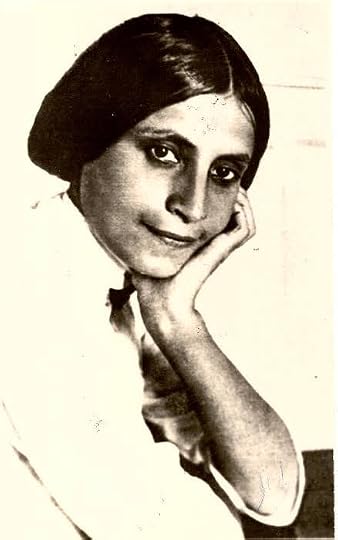
דבורה בארון, סופרת-מופת עברית, מספרת סיפור אוטוביוגרפי-למחצה מחיי גולי ארץ-ישראל במצריים בזמן מלחמת העולם הראשונה ומחי תל-אביב הקטנה. ספר זה בא למלא את משאלתה של המספרת לראות את שני סיפוריה "לעת עתה" ו"מאמש" מופיעים כחטיבה סיפורית אחת. רוח של חסד נסוכה על פרוזה מובחרת זו, המצטיינת בנקיונה, בציוריותה הדקה, ובנעימתה המיוחדת.
180 pages, Paperback
Published January 1, 1970
About the author
Dvora Baron
7 books1 followerDevora Baron (Hebrew: דבורה בארון, also spelled Dvorah Baron and Deborah Baron) was a pioneering Jewish writer, noted for writing in Modern Hebrew and for making a career as a Hebrew author. She has been labeled as the "first Modern Hebrew woman writer". She wrote about 80 short stories, plus a novella titled Exiles. Additionally, she translated stories into Modern Hebrew.
She was born in Uzda, about 50 kilometers SSW of Minsk. Her father was a rabbi and took the unusual step of allowing her to attend the same Hebrew classes as boys, though she had to sit in the screened women’s area of the synagogue. She also went on to complete high school, unusual for a girl. She received a teaching credential in 1907. Baron published her first stories in 1902, at the age of 14, in the Hebrew-language newspaper Ha-Melits, which was edited at that time by Leon Rabinowitz. She was engaged to the author Moshe Ben-Eliezer, but he later broke it off.
Emigration and life in Palestine
In 1910, after her father’s death and later the destruction of her village in a pogrom, she immigrated to Palestine, settling in Neve-Tsedek, a settlement outside of Jaffa that, since 1909, was part of the new city of Tel Aviv. In Palestine she became the literary editor of the Zionist-Socialist magazine Ha-Po’el ha-Za’ir (The Young Worker). She soon married the editor, the Zionist activist Yosef Aharonovitz (1877–1937). Along with other Jews in Palestine, they were deported to Egypt by the Ottoman government, but returned after the establishment of the British Mandate after the First World War. In 1922, Baron and her husband both resigned from the magazine. At this point, she went into seclusion, staying at her home until she died.
She was born in Uzda, about 50 kilometers SSW of Minsk. Her father was a rabbi and took the unusual step of allowing her to attend the same Hebrew classes as boys, though she had to sit in the screened women’s area of the synagogue. She also went on to complete high school, unusual for a girl. She received a teaching credential in 1907. Baron published her first stories in 1902, at the age of 14, in the Hebrew-language newspaper Ha-Melits, which was edited at that time by Leon Rabinowitz. She was engaged to the author Moshe Ben-Eliezer, but he later broke it off.
Emigration and life in Palestine
In 1910, after her father’s death and later the destruction of her village in a pogrom, she immigrated to Palestine, settling in Neve-Tsedek, a settlement outside of Jaffa that, since 1909, was part of the new city of Tel Aviv. In Palestine she became the literary editor of the Zionist-Socialist magazine Ha-Po’el ha-Za’ir (The Young Worker). She soon married the editor, the Zionist activist Yosef Aharonovitz (1877–1937). Along with other Jews in Palestine, they were deported to Egypt by the Ottoman government, but returned after the establishment of the British Mandate after the First World War. In 1922, Baron and her husband both resigned from the magazine. At this point, she went into seclusion, staying at her home until she died.
Ratings & Reviews
Friends & Following
Create a free account to discover what your friends think of this book!
Community Reviews
Displaying 1 - 2 of 2 reviews

November 14, 2023
לא קראתי הרבה ספרים השנה. גם כי בחרתי כמה ספרים ארוכים יחסית. גם כי הייתי עסוק. גם כי כתבתי קצת בעצמי. גם כי לא הצלחתי להתרכז. גם הייתה נסיעה ארוכה. בקיצור עמדתי לסיים ספר היסטוריה ארוך ובכלל לא רע שקריאתו הייתה רצופה עיכובים ואז פרצה מלחמה. במשך חודש הייתי דבוק לחדשות ולטוויטר. לא הצלחתי לקרוא ואפילו לא ניסיתי להיאבק בכך. פשוט השלמתי עם המצב. משעבר חודש החלטתי לנסות לשוב לקריאה. את ספר ההיסטוריה עב הכרס הכנסתי להולד. במקומו בחרתי ספר קצר בעברית שמצאתי פעם ברחוב. (קיים גם בתור טקט דיגיטלי בפרוייקט בן-יהודה)
סיפורים מינוריים על קבוצה של עולים (מאוקראינה כנראה) מראשית ימיהן של נווה צדק ותל-אביב (מכונה בספר "השכונה החדשה"). תחילתו של הסיפור בגירוש מתל-אביב במהלך מלחמת העולם הראשונה. העולים עוברים לאלכסנדריה ועם כיבוש הארץ על-ידי הבריטים שבים לתל-אביב. קצת דרמה, קצת נוסטלגיה, קצת אלגוריה, קצת חלוציות. כתיבה נטורליסטית. אבל כתיבה יפיפייה – עברית של פעם שיש בה גם פשטות, גם בוסריות וגם עושר לשוני. שפה שמאפשרת ביטוי מדויק של דברים, במיוחד בידיה האמונות של דבורה בארון. ובעיקר תמציתיות ופשטות הבעה שכל כותב יכול להתקנא בהן. הספר מקבל 4 כוכבים. אבל בהחלט מצאתי בספר סוג של שלווה, של השלמה ושל יופי שאפשרו לי להתנתק קצת מהמסכים בימים הקשים ואת זה לא ניתן להביע בכוכבים אלא רק בחיבה שבלב.
סיפורים מינוריים על קבוצה של עולים (מאוקראינה כנראה) מראשית ימיהן של נווה צדק ותל-אביב (מכונה בספר "השכונה החדשה"). תחילתו של הסיפור בגירוש מתל-אביב במהלך מלחמת העולם הראשונה. העולים עוברים לאלכסנדריה ועם כיבוש הארץ על-ידי הבריטים שבים לתל-אביב. קצת דרמה, קצת נוסטלגיה, קצת אלגוריה, קצת חלוציות. כתיבה נטורליסטית. אבל כתיבה יפיפייה – עברית של פעם שיש בה גם פשטות, גם בוסריות וגם עושר לשוני. שפה שמאפשרת ביטוי מדויק של דברים, במיוחד בידיה האמונות של דבורה בארון. ובעיקר תמציתיות ופשטות הבעה שכל כותב יכול להתקנא בהן. הספר מקבל 4 כוכבים. אבל בהחלט מצאתי בספר סוג של שלווה, של השלמה ושל יופי שאפשרו לי להתנתק קצת מהמסכים בימים הקשים ואת זה לא ניתן להביע בכוכבים אלא רק בחיבה שבלב.
July 24, 2026
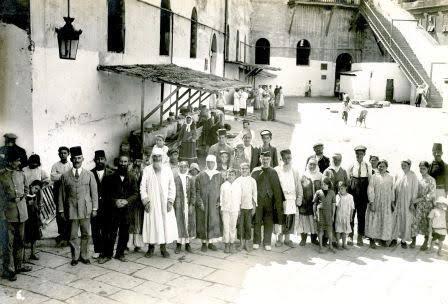
Dvora Baron’s הגולים (The Exiles) is a quiet yet piercing examination of displacement, community, and the fragile threads of identity. The book, drawing from Baron’s own experience of being exiled from Tel Aviv to Alexandria during World War I, captures the upheaval of Jewish life under Ottoman rule with a clarity that feels both personal and universal.
Tel Aviv, still in its infancy and often called “the new neighborhood,” symbolizes both hope and impermanence, while Alexandria, with its ancient streets and bustling markets, serves as a place of refuge and estrangement. One scene that struck me involves a group of exiles debating whether to unpack their belongings in their temporary lodgings. “If we unpack, we admit we’re staying,” one character says, “but if we don’t, we admit we’re lost.” Baron’s ability to distill existential dilemmas into everyday moments is remarkable.
The humor in הגולים is subtle, often arising from the absurdity of human stubbornness in the face of chaos. One scene that made me smile involves an elderly man who insists on wearing his heavy winter coat in the sweltering Alexandria heat, declaring, “If I take it off, I’ll forget where I came from.” His stubbornness is both comical and deeply moving, blending levity with pathos.
The emotional core of the book lies in the story of a mother caring for her sick child, a thread that mirrors Baron’s own tragic loss of her only child to epilepsy. Her portrayal of maternal love and grief is achingly raw, yet never maudlin. “The walls here don’t know our names,” the mother murmurs, a line that encapsulates the profound dislocation of exile. Baron’s spare yet evocative language lingers like a half-remembered melody, haunting and beautiful, enhanced by her gorgeous Hebrew and sensitive style.
Reading הגולים felt like holding a fragile piece of history in my hands, its edges sharp with truth and its center pulsing with life. Baron’s ability to capture the complexities of displacement, the longing for home, the struggle to adapt, the quiet acts of resistance, left me deeply moved. The book felt surprisingly contemporary, its themes of migration and identity echoing with unsettling relevance.
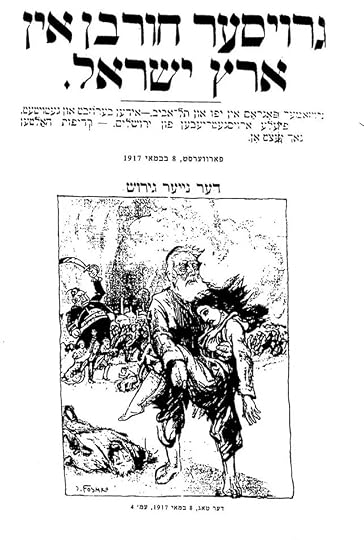
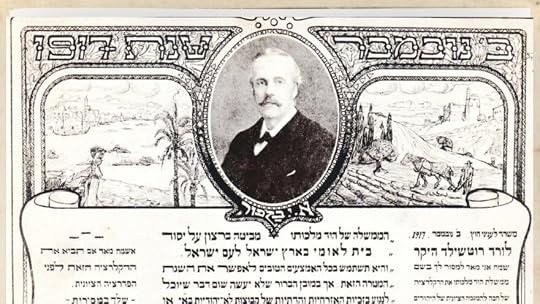
A fascinating historical document of a little known moment in Zionist history is brought to life. Her description of the joy of the Balfour Declaration and its meaning for the exiled Jews all over the world will bring tears to your eyes. The Alexandrian displaced refugees return on Passover to Israel, 3200 years to the day of the original Exodus.
If there’s a flaw, it’s that some of the secondary characters feel underdeveloped, their stories hinted at but never fully explored. Still, this feels less like a failure and more like a reflection of the fragmented nature of exile itself. I’d give the book 4.75 out of 5 stars, docking a fraction only because I wished for a bit more depth in certain areas. Baron’s voice, both tender and unflinching, ensures that this book will stay with me for a long time.
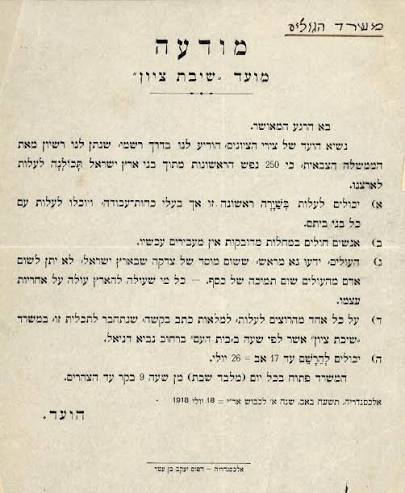
"... מתוך חבלי הציפייה - כאילו היה בזה כדי לקרב את הקץ - הקימו העסקנים באלכסנדריה ועד מיוחד, שעליו היה לטפל בהעברת הגולים אל הארץ.
כבר היה משוחרר אז כמעט כל חבל יהודה, ובתוך המדבר נסללה מסילת ברזל, "דרך לעבור גאולים" - כפי שקרא לה מאיר רוטשטיין - ועם זה עוד ישבו פה האנשים ככבולים מחוסר רשיון לעלות, וגעגועיהם, מתוך כך, גאו וחמרו כמי נהר בפני חומת סכר.
עם ערב היו אלה מתקבצים ובאים לבית הועד, "לשמוע חדשות".
מבני מעמדות שונים היו ובני גילים שונים:
נערות בתלבושות כרכים גנדרניות עם טוהר ישראלי בעיניהן, בחורים מחושלי עמל וחזקי שרירים עם בטחון של בגרות בהליכותיהם, ונשים נאצלות, ידועות סבל, אשר קומטו פניהן בלא עת.
לפני שלושת אלפים ומאתיים שנה - על אדמה זו עצמה ובמזג אויר כזה - היו בודאי נערים ונערות בגיל זה מתלבשים בבגדיהם המצריים אי שם בגושן, ובאים למין בית כזה "לשמוע חדשות", וקצת יותר קרוב בזמן, לפני אלפיים וחמש מאות שנה, נהרו עם ערוב היום לבית כזה, ומתוך אותם רחשי הכמיהה, נערים ונערות בתל אביב שעל נהר כבר, ורק שאלה היו מסורקים ולבושים כבר לא בנוסח מצרים, אלא לפי הטעם הבבלי. אופן התסרוקת וגזרת הבגד הם רק שמשתנים, אבל נהייתו של הגולה אחרי ארץ מולדתו אחת היא בכל זמן ובכל מקום..."
❤️ 🇮🇱
Tel Aviv, still in its infancy and often called “the new neighborhood,” symbolizes both hope and impermanence, while Alexandria, with its ancient streets and bustling markets, serves as a place of refuge and estrangement. One scene that struck me involves a group of exiles debating whether to unpack their belongings in their temporary lodgings. “If we unpack, we admit we’re staying,” one character says, “but if we don’t, we admit we’re lost.” Baron’s ability to distill existential dilemmas into everyday moments is remarkable.
The humor in הגולים is subtle, often arising from the absurdity of human stubbornness in the face of chaos. One scene that made me smile involves an elderly man who insists on wearing his heavy winter coat in the sweltering Alexandria heat, declaring, “If I take it off, I’ll forget where I came from.” His stubbornness is both comical and deeply moving, blending levity with pathos.
The emotional core of the book lies in the story of a mother caring for her sick child, a thread that mirrors Baron’s own tragic loss of her only child to epilepsy. Her portrayal of maternal love and grief is achingly raw, yet never maudlin. “The walls here don’t know our names,” the mother murmurs, a line that encapsulates the profound dislocation of exile. Baron’s spare yet evocative language lingers like a half-remembered melody, haunting and beautiful, enhanced by her gorgeous Hebrew and sensitive style.
Reading הגולים felt like holding a fragile piece of history in my hands, its edges sharp with truth and its center pulsing with life. Baron’s ability to capture the complexities of displacement, the longing for home, the struggle to adapt, the quiet acts of resistance, left me deeply moved. The book felt surprisingly contemporary, its themes of migration and identity echoing with unsettling relevance.
A fascinating historical document of a little known moment in Zionist history is brought to life. Her description of the joy of the Balfour Declaration and its meaning for the exiled Jews all over the world will bring tears to your eyes. The Alexandrian displaced refugees return on Passover to Israel, 3200 years to the day of the original Exodus.
If there’s a flaw, it’s that some of the secondary characters feel underdeveloped, their stories hinted at but never fully explored. Still, this feels less like a failure and more like a reflection of the fragmented nature of exile itself. I’d give the book 4.75 out of 5 stars, docking a fraction only because I wished for a bit more depth in certain areas. Baron’s voice, both tender and unflinching, ensures that this book will stay with me for a long time.
"... מתוך חבלי הציפייה - כאילו היה בזה כדי לקרב את הקץ - הקימו העסקנים באלכסנדריה ועד מיוחד, שעליו היה לטפל בהעברת הגולים אל הארץ.
כבר היה משוחרר אז כמעט כל חבל יהודה, ובתוך המדבר נסללה מסילת ברזל, "דרך לעבור גאולים" - כפי שקרא לה מאיר רוטשטיין - ועם זה עוד ישבו פה האנשים ככבולים מחוסר רשיון לעלות, וגעגועיהם, מתוך כך, גאו וחמרו כמי נהר בפני חומת סכר.
עם ערב היו אלה מתקבצים ובאים לבית הועד, "לשמוע חדשות".
מבני מעמדות שונים היו ובני גילים שונים:
נערות בתלבושות כרכים גנדרניות עם טוהר ישראלי בעיניהן, בחורים מחושלי עמל וחזקי שרירים עם בטחון של בגרות בהליכותיהם, ונשים נאצלות, ידועות סבל, אשר קומטו פניהן בלא עת.
לפני שלושת אלפים ומאתיים שנה - על אדמה זו עצמה ובמזג אויר כזה - היו בודאי נערים ונערות בגיל זה מתלבשים בבגדיהם המצריים אי שם בגושן, ובאים למין בית כזה "לשמוע חדשות", וקצת יותר קרוב בזמן, לפני אלפיים וחמש מאות שנה, נהרו עם ערוב היום לבית כזה, ומתוך אותם רחשי הכמיהה, נערים ונערות בתל אביב שעל נהר כבר, ורק שאלה היו מסורקים ולבושים כבר לא בנוסח מצרים, אלא לפי הטעם הבבלי. אופן התסרוקת וגזרת הבגד הם רק שמשתנים, אבל נהייתו של הגולה אחרי ארץ מולדתו אחת היא בכל זמן ובכל מקום..."
❤️ 🇮🇱
Displaying 1 - 2 of 2 reviews