Марио Варгас Льоса - выдающийся перуанский прозаик, лауреат Нобелевской премии по литературе. Продолжая линию великих латиноамериканских писателей, таких как Хорхе Луис Борхес, Гарсиа Маркес, Хулио Кортасар, он создает удивительные романы, балансирующие на грани реальности и вымысла. В новом романе Варгаса Льосы «Скромный герой» в изящном завораживающе изящном ритме маринеры виртуозно закручиваются две параллельные сюжетные линии. Главный герой первой – трудяга Фелисито Янаке, порядочный и доверчивый, который становится жертвой странных шантажистов; герой второй – успешный бизнесмен Исмаэль Карррера, который на закате жизни стремится отомстить двум сыновьям-бездельникам, жаждущим его смерти. И Исмаэль, и Фелисито конечно же вовсе не герои. Однако там, где другие малодушно соглашаются, эти двое устраивают тихий бунт. На страницах романа мелькают старые знакомые – персонажи мира, созданного Варгасом Льосой. Живое, исполненное юмора повествование с элементами мелодрамы несомненно доставит огромное удовольствие читателю. Впервые на русском!
Jorge Mario Pedro Vargas Llosa, 1st Marquess of Vargas Llosa, more commonly known as Mario Vargas Llosa, was a Peruvian novelist, journalist, essayist, and politician. Vargas Llosa was one of the Spanish language and Latin America's most significant novelists and essayists and one of the leading writers of his generation. Some critics consider him to have had a more substantial international impact and worldwide audience than any other writer of the Latin American Boom. In 2010, he won the Nobel Prize in Literature "for his cartography of structures of power and his trenchant images of the individual's resistance, revolt, and defeat". Vargas Llosa rose to international fame in the 1960s with novels such as The Time of the Hero (La ciudad y los perros, 1963/1966), The Green House (La casa verde, 1965/1968), and the monumental Conversation in The Cathedral (Conversación en La Catedral, 1969/1975). He wrote prolifically across various literary genres, including literary criticism and journalism. His novels include comedies, murder mysteries, historical novels, and political thrillers. He won the 1967 Rómulo Gallegos Prize and the 1986 Prince of Asturias Award. Several of his works have been adopted as feature films, such as Captain Pantoja and the Special Service (1973/1978) and Aunt Julia and the Scriptwriter (1977/1982). Vargas Llosa's perception of Peruvian society and his experiences as a native Peruvian influenced many of his works. Increasingly, he expanded his range and tackled themes from other parts of the world. In his essays, Vargas Llosa criticized nationalism in different parts of the world. Like many Latin American writers, Vargas Llosa was politically active. While he initially supported the Cuban revolutionary government of Fidel Castro, Vargas Llosa later became disenchanted with its policies, particularly after the imprisonment of Cuban poet Heberto Padilla in 1971, and later identified as a liberal and held anti-left-wing ideas. He ran for the presidency of Peru in 1990 with the center-right Frente Democrático coalition, advocating for liberal reforms, but lost the election to Alberto Fujimori in a landslide. Vargas Llosa continued his literary career while advocating for right-wing activists and candidates internationally following his exit from direct participation in Peruvian politics. He was awarded the 1994 Miguel de Cervantes Prize, the 1995 Jerusalem Prize, the 2010 Nobel Prize in Literature, the 2012 Carlos Fuentes International Prize, and the 2018 Pablo Neruda Order of Artistic and Cultural Merit. In 2011, Vargas Llosa was made the Marquess of Vargas Llosa by Spanish king Juan Carlos I. In 2021, he was elected to the Académie française.
As a matter of faith, I read everything that Vargas Llosa writes and I am almost never disappointed. Set in Peru, this is a story of blackmail, betrayed love, courage and fate.
البطل هنا هو الشخص القادر على مواجهة الضغوط بكافة أنواعها ورفض التنازل عن أي قيمة أو ضرورة مهمة في حياته ينتقل يوسا بسلاسة بين قصتين ويربط بين شخصياتهم في النهاية سرد جميل ومتنوع مع شيء من الإطالة في بعض الأجزاء
عملا بنصيحة كلاريسا بنكولا في كتاب نساء يركضن مع الذئاب ان لازم نقوى الحدس بتاعنا 😁 وانا السنادى حدسى شغال معايا تجاه الكتب وقت ماتناديني النداهة لكتاب معين وفى الغالب مبكونش فاكره او عارفة موضوعه بالظبط بس سبحان الله بيطلع الكتاب المناسب ليا فى التوقيت ده مش بالضرورة يطلع كتاب وااو وحاجة عبقرية بس المهم انه بيبقى الكتاب المناسب فى وقته المناسب 🤩 تشي غوا chr gua .
ليه الرغي ده كله عشان الكتاب ده كان واحد منهم يوسا جه فجاة على بالي رحت أشوف الروايات اللي ليه عندى واختار واحدة منهم اول ماجات عيني على البطل المتكتم قلت هو ده وبدات فيه فورا 🤩
وقبل ماحد يسأل يعنى ايه تشي غوا ؟ هو تعبير شعبي شائع الاستخدام في مدينة بيورا البيروية وهو تعبير متعدد الاستخدامات ، وغالبا ما يكون للإشارة الى الإعجاب أو الاستياء ملحوظة : لا تقرأ المكتوب على الغلاف الخارجي للرواية لانه بيحرق حاجات مهمة هتفسد عليك قراءة الرواية بغباء .
يذهب بنا يوسا بالرواية في اتجاهين نتابعهم دون ان نعرف حلقة الوصل بينهم حتى الجزء الاخير في الرواية .
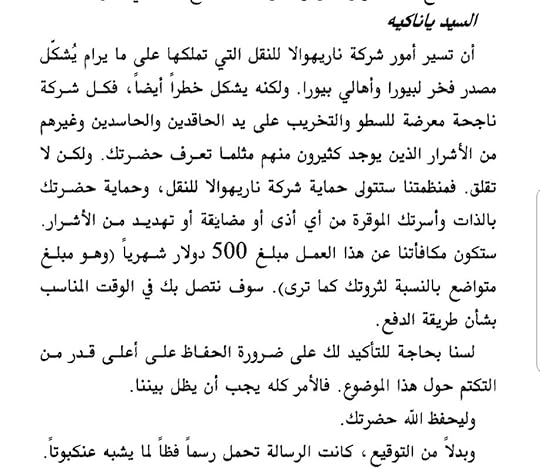
الاتجاه الأول : نتعرف على فيليثيتو يانكيه صاحب شركة النقل وابنيه . فيليثيتو الذى يستلم رسالة ابتزاز
فى البداية يقرر ان يتجاهلها ويظنها مزحة لكن بعد ذلك يقرر الذهاب الى الشرطة للإبلاغ فيلتقي يالرقيب ليتوما ( هل هو نفسه ليتوما من ليتوما في جبال الانديز لا اعرف ) لكن ليتوما لايعير الأمر اى اهتمام ويخبره انه لايوجد بيديه مايفعله سوى تسجيل ماحدث والانتظار حتى يحدث شئ .
ثم يتسلم الرسالة الثانية وهو فى منزل عشيقته المرأة الوحيدة التى أحبها ، استلم رسالة تأنيب له على ابلاغه للشرطه ويهددوه ان لم يرضخ لهم . وتأكيدا على تهديداتهم قاموا بحرق مكتبه لكنه كان يصر على عدم الخضوع والعمل بنصيحة وإرث والده :
.لاتسمح لأحد بأن يذلك يابني . هذه النصيحة هي الإرث الوحيد الذي ستحصل عليه مني.
هو رجل عصامي استطاع الصعود والانطلاق من الفقر والبؤس الى ان اصبح رجل أعمال ، يملك اسطولا كبيرا من السيارات والشاحنات والحافلات
.هو واحد من أولئك الأشخاص النادرين الذين لايظهرون إلا بين فترة وأخرى في الحياة - إنه أكثر من عرفتهم استقامة
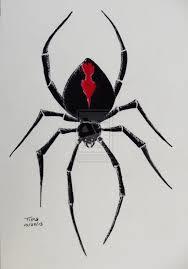
فنتابع ماذا سيفعل ؟؟ وماذا ستفعل الشرطة ممثلة فى الرقيب ليتوما و النقيب سيلفيا ؟؟ ومن هم عصابة العنكبوت التى ترسل رسائل الابتزاز ؟؟
أما عن زوجته المعتكفة في الصمت طوال الرواية وتعرفنا عليها من بعيد حتى تحدثت قليلا في الجزء الاخير من الرواية .
.على المرء أن يدفع ثمن خطاياه . ليس في الحياة الأخرى فقط ، بل في هذه الحياة أيضا
اما الاتجاه الثاني : نلتقي بدون ريغوبيرتو ( اعتقد انه نفس الشخصية فى رواية يوسا الاخرى دفاتر دون ريغربيرتو وجزئها الاول امتداح الخالة ، لكني لم اقرا الروايتين فلا استطيع الجزم)
ونتعرف على حياته العائلية فنلتقي بزوجته لوكريثيا وابنه فونتشينو وقصته مع الشيطان هل الشخص الذى يراه حقيقى ام مجرد تخيل من الابن ؟؟ من هو إديلبيرتو توريس الذي يراه فونتشينو ؟؟ سواء كان حقيقة ام خيال كان يسبب ارباك كثير وخوف وقلق للعائلة. فى كل الاحوال هذا الامر يثير خوف ريغوبيرتو مما يجعله يلجأ لطبيبة نفسية شهيرة والى صديقه القديم الأب اودونوفان .
اننا لانعرف كل ما فينا... فنحن الكائنات البشرية ، كل شخص منا ، هاويات عميقة مترعة بالظلال . لدى بعض الرجال ، وبعض النساء ، حساسية أشد زخما مما لدي غيرهم ، يشعرون ويتوجسون أمورا تمر دون انتباه على الآخرين .
لكن هناك حديث له مع ابنه نال به اعجابي
اما عن حياته العملية فنتعرف على رئيسه دون إسماعيل الذى بلغ الثمانين من عمره الذى يطلب منه ان يكون شاهد على زواجه من الخادمة آرميدا التى تصغره بكثير .
لقد اكتشف في الثمانين ان الحياة ليست عملا و حسب ، وانما اقتراف أعمال جنونية كذلك . الجموح وتجاوز الحدود ، تذوق متع الجنس والانتقام .
فهل زواجه منها بدافع الحب ؟ ام فقط انتقاما من ابنيه الضالين المدمرين الذين ينتظرون ويتمنون موته ؟؟
.الجشع يحول البشر إلى مجانين .
هذا الزواج الذى سيتسبب فى مشاكل لريغوبيرتو والسائق نرسيس الذى شهد هو الاخر على عقد الزواج.
من غير الممكن معرفة الأشخاص بعمق ، فللجميع أعماق لا يمكن سبر غورها
جمع لنا يوسا العديد من الأمور منها ورغم عدم تعمقي بعد فى عالم يوسا لكن اعتقد انى رايت هنا الجانب الاجتماعي هنا ركز اكثر على علاقة الابناء بالاباء ، ومايفعله الابناء بالاباء والذى غالبا يكون حصاد تعامل الاباء مع الأبناء في طفولتهم ، والفجوة بينهم .
. هو ايضا لم يحبنا قط .فأنا لا أذكر انني سمعته يوجه إلينا كلمة محبة . لم يلعب معنا قط ، لم ياخذنا الى السينما او السيرك مثلما يفعل آباء أصدقائنا جميعا . وأظن انه لم يجلس مغنا قط لتبادل الحديث . لم يكن يكاد يكلمنا
بجانب حوادث السرقة والمافيا والابتزاز الذي يتعرض له الافراد وعجز الشرطة عن منع ذلك ، وعدم اهتمامها الا بعد تطور الامور . وامور اخرى
الأمور الطيبة لها جانبها الخبيث دوما وللأمور الخبيثة جانبها الطيب .
ووجب التنويه ان هناك اجزاء تزيد فى الجزء الاخير خصوصا وتحتاج لتركيز لأن يوسا كعادته تقريبا يدمج بها الحديث فإن فقدت تركيزك ربما تتوه احيانا فيمن يتحدث والتوقيت فما بين حديث حالى ولشرح ماحدث فى حديث سابق يدمج الاثنان معا ليتوه القارئ فيضمن بذلك انه حصل على تركيز القارئ التام ، كم انت خبيث يايوسا 😅
لكن عن نفسي اندمجت مع الرواية وكان فى الغالب تقييمي سيكون اربع نجوم ولكن شعرت قليلا بالملل فى الجزء الاخير شعرت انه أطال فيه بلاداعي مما كان سببا فى انقاص نجمة ،لكن اجمالا الرواية حلوة وكانت تجربة ممتعة .
وواضح ان انا ويوسا هنكون أصحاب، ثالث لقاء بيننا ولم يخذلني حتى الآن وإن اصابني بالجنون احيانا لكنى اجد معه متعة مختلفة 🤩
دوستان سلام ؛ امیدوارم خوب باشین. داریم می پردازیم به «قهرمان فروتن» از نویسنده معاصر خیلی محبوب پرویی ، «ماریو بارگاس یوسا». از یوسا ، قبلا «سور بز» رو خونم که کتاب متوسطی بود ؛ «چه کسی پالومینو مالرو را کشت؟» رو خوندم که مطلقا معرکه بود ، «مرگ در آند» رو خوندم که ایده قوی اما اجرای ضعیفی داشت ، و حالا «قهرمان فروتن» که ذرهای حتی به «سور بز» هم نزدیک نمیشه. تا یادم نرفته بگم ، یه مقاله هم خوندم از یوسا به نام «چرا ادبیات؟» بنظرم شاهکار بود چون در اون مقاله یوسا ثابت میکنه که فرم رو بلده ، اما اینجا متاسفانه نشون میده که فرم بلد نیست. داستان متشکل از دو داستان میشه که موازی وار پیش میرن و بعد یکی میشن. یکی داستان یه اخاذی و دیگری داستان ازدواج نابهنگام یه پیرمرد با یه دختری که چهل سال از خودش کوچیک تره. خب پس میفهمیم که ایده یکم کلیشه داره ولی باز بدردبخور و قایل استفادهست. کی اجرای داستان به شکست میرسه؟ وقتی یوسا نمیتونه شخصیت برای اثر بسازه یا حتی از دنیای واقعی بگیره. شخصیت ها از اسم پایین ترن و هیچی نیستن. نه رفتارهاشون قابل درکه ، نه گفتارشون ، نه ذهنیتشون ، هیچکدوم باهم دیگه تناسب نداره. درنتیجه نمیتونن برای من و شمای مخاطب ، یه فضای ابهام آلود ، راز آلود و جنایی خلق کنن. نامه اخاذی داریم که بجای دلهوره آور بودن ، خنده داره. چرا یک نامه اخاذی انقدر باید دستور زبان درست رعایت کنه؟ چرا نامه اخاذی باید انقدر محترمانه نوشته بشه؟ چرا نامه اخاذی تهدیدی نمیکنه؟ و بازخورد به این نامه ها در کمال خونسردیه ، اما از اون طرف آکنده به ترسه. شوخیه؟ چ��ور یک نفر میتونه بازخوردش به یک نامه اون هم نامه تهدید کننده ، انقدر تیپیکال باشه؟ یک مسئله در آثار یوسا دیده میشه ، که دوستان بهش میگن «نقد جامعه» و یا «نقد فساد سیاسی». دوستان عزیزم ، بدونید بزرگ نمایی با نقد فرق داره. نقد باید از بنیان بررسی کنه ، بدردبخور باشه ، پیش زمینه تفکرات نوین رو فراهم کنه ، شوآف نداشته باشه و راه حل اصلاح اشتباهات درش مطرح بشه. این که نویسنده ما اینجا میگه : «شهر کثیف بود ، به نوعی که موج فساد از آن خود را نشان می دهد.» این نقد نیست ، حتی بزرگ نمایی هم نیست ، شوآفه فقط و فقط شوآفه. به یاد بیارید «حیات خانم» از «احمد آلتان» رو که اونجا جامعه رو نقد میکنه ، سیاست رو نقد میکنه فقط با یک پاراگاف خودکشی از یک جوان روشنفکر و نواندیش جامعه. شاید بپرسین چرا یوسا از اون «چه کسی پالومینو مالرو را کشت؟» به اینجا میرسه؟ و چرا نقد من اینجا انقدر تنده؟ پاسخ : چون شخصیت ها ساخته نشده ، وارد داستان میشن. راز نصفی از جذابیت ادبیات کلاسیک ، در همینه که شخصیت اول ساخته میشه ، معرفی میشه و بعد وارد جریان حوادث میشه و برای ما فضای جذاب خاص خودش رو میسازه. دوستان ، کار خوب بدون زحمت بدست نمیاد از روی شانس بدست نمیاد.
What a long, strange but wonderful trip it has been. This is the last of MVL's fiction novels that has been translated into English (I hope that Cinco Esquinas will be translated soon) and it was a great read. Back in The Green House and later in Who Killed Palmino Molero and Death in the Andes, we met Lituma, a policeman with relatively bad luck but a big soul and here again he plays a role in the tale. From In Praise of the Stepmother and The Notebooks of Don Rogoberto, we had the pleasure of meeting the erudite and sensual Rigoberto, his exceptionally sexually exuberant wife Lucretia and their brilliant and devious (not to say deviant) son (and stepson respectively) Fonchito. In The Discrete Hero, MVL weaves a page-turner with three parallel narratives involving kidnappings and extortion and hallucinations in Rigoberto's Lima and Lituma's Piura in modern day Peru. The odd chapters follow the story of trucking company owner Felicito and his mistress Mabel while the even chapters follow Rigoberto. As usual with MVL, there are moments when the past and present are interwoven to shed light via a backstory or anecdote on the narrative or on the character's personality. The themes of infidelity, poverty, and redemption are present here as in most of MVL's other novels. What is exceptional is how he brings in these characters to this particular novel and weaves such an interesting and compelling thriller which is both philosophical and insightful. Also exceptional is that there is relatively little real violence here (especially compared to the previous Lituma-based novels) and much less sex (especially compared to the Rigoberto books) but the storytelling is, as always, perfectly balanced and never rushed. Personally, I hope that we will see another story about these characters before MVL lays his pen down for good. Highly recommended!
استاد یوسا کبیر معمولا با چندین روایت اصلی در زمانهای مختلف با راویان مختلف ، یک واقعه را از زوایای گوناگون بررسی می کند ، در دل روایت ها حس تعلیق می کارد و در پایان با نبوغی شگفت انگیز داستان ها را به هم گره می زند و خواننده را مبهوت هوش و استعداد و قدرت خارق العاده قصه گویی خود می کند ، این سبک استاد در کتاب شاهکار گفتگو در کاتدرال به اوج می رسد و اگرچه در کتابهای دیگر او مانند سالهای سگی یا مرگ در آند اندکی کم رنگ شده اما همواره به گونه ای در نوشته های او وجود داشته و به نوعی به نمونه امضا یوسا تبدیل شده . اما در کتاب قهرمان فروتن خبری از سبک خاص استاد نیست ، داستان یوسا هم دیگر حکایت فقر و ظلم و ستم و تبعیض نیست ، قهرمانان داستان او هم کسانی مانند سانتیاگو یا سروان کتاب سالهای سگی نیستند ، دیگر با فقر و طبقه فرودست اما خشمگین پِرو طرف نیستیم ، مرفهینی که تعطیلات خود را در مادرید یا رُم می گذرانند و سهامداران شرکتهای بزرگی هستند شخصیتهای اصلی کتاب قهرمان فروتن هستند ، کتاب هیچ نشانه ای از پِرو و جغرافیای خاص آن ندارد ، تِم اصلی داستان ماجرایی پلیسی – مافیایی ایست و کاراکترهای کتاب فاقد عمق لازم برای اثر گذاری هستند .پس از مدتی فراموش می شوند ولی نام استاد یوساست که به یادگار می ماند و کتابهای شاهکار او
In one, the owner of a trucking company is being extorted by presumptive gangsters. In the next, we meet again Don Rigoberto, his wife Lucrecia and their precocious son Fonchito. That trio in the latter storyline will be familiar to readers of Vargas Llosa. They starred in the steamy In Praise of the Stepmother and The Notebooks of Don Rigoberto. There was less steam here, not even a mention of what went on in those two volumes. But the characters were otherwise unchanged and it was more than pleasant to revisit them.
Rigoberto is enmeshed in his own plot here, having witnessed the marriage of a friend (former employer) to his much younger housekeeper.
The trucker's sons want his money. The sons of Rigoberto's friend want his money. And Fonchito keeps seeing an older man, appearing and disappearing, who may be the re-incarnation of a certain Thomas Mann chill-inspiring figure.
The alternating stories were so independently riveting that I didn't mind that it took the author 248 pages to finally merge them.
Vargas Llosa can be hit or miss with me. But he was all hit here. I gobbled up the last 100 pages.
Here were some times I paused:
Did you know that: to get a gun in Peru you have to pass a psychological test? Wait, what...?
And at this from Fonchito and Rigoberto:
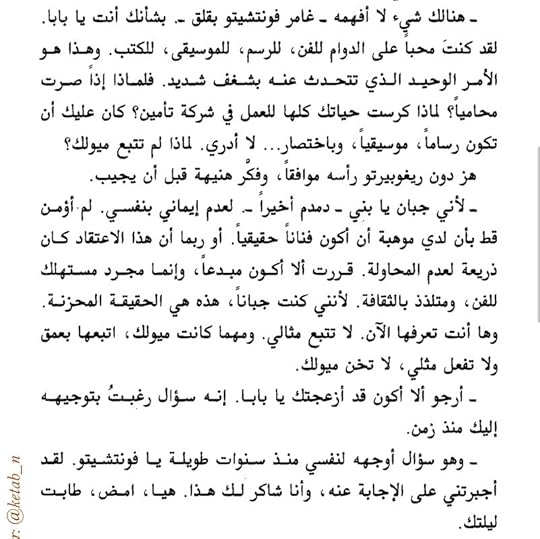
"There's something I don't understand . . . about you, Papa. You always liked art, painting, music, books. It's the only thing you seem passionate about. So, then, why did you become a lawyer? Why did you spend your whole life working in an insurance company? You should have been a painter, a musician, well, I don't know. Why didn't you follow your calling?" . . . "Because I was a coward, son. . . . Because I lacked faith in myself. I never believed I had the talent to be a real artist. But maybe that was an excuse for not trying. I decided not to be a creator but only a consumer of art, a dilettante of culture. Because I was a coward is the sad truth. So now you know. Don't follow my example. Whatever your calling is, follow it as far as you can and don't do what I did, don't betray it."
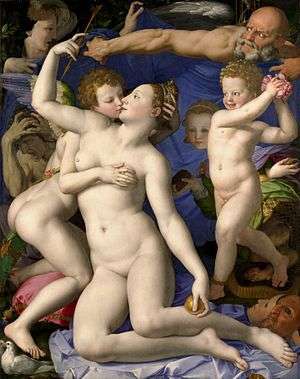
Well, Vargas Llosa makes consumers, dilettantes, of us all. In The Notebooks, Fonchito was inspired by his father's collection of Elon Schiele. The cover of The Stepmother tells you all you need to know about that plot:
Here, when things are at their bleakest for Don Rigoberto, he repairs to his study, and is comforted by his art collection:
"Thanks to Delacroix I was present at the death of Sardanapalus surrounded by naked women, and thanks to the young Grosz I beheaded them in Berlin while at the same time, with an enormous phallus, I sodomized them. Thanks to Botticelli I was a Renaissance Madonna, and thanks to Goya a lascivious monster who devoured his children, beginning with their calves. Thanks to Aubrey Beardsley, a faggot with a rose up my ass, and to Piet Mondrian, an isosceles triangle."
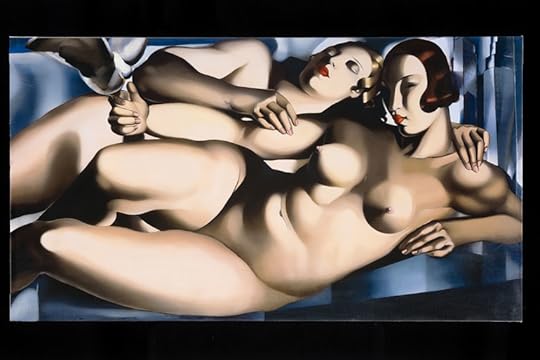
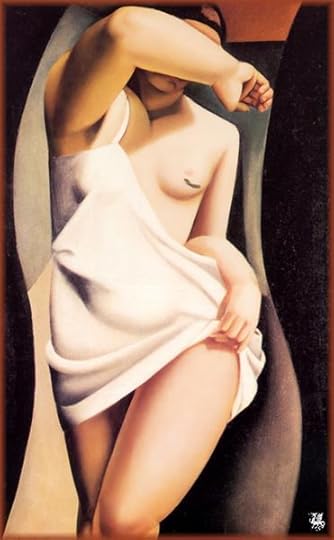
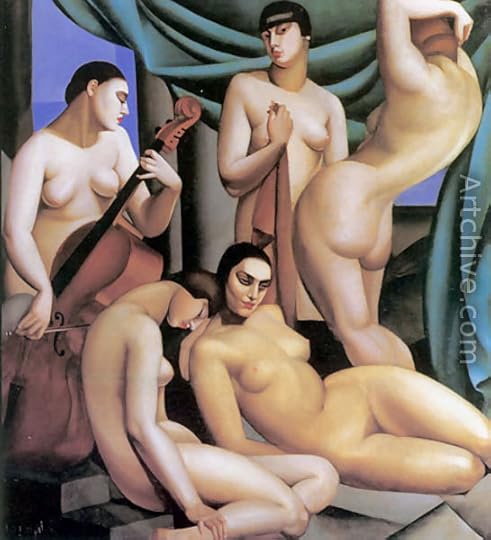
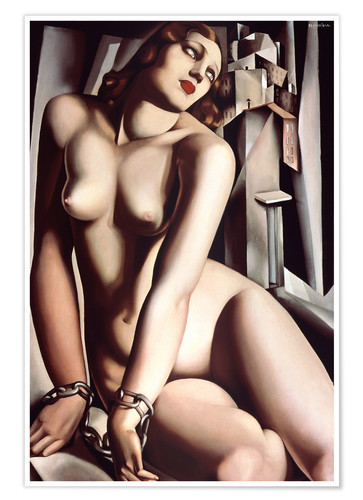
He settles for Tamara de Lempicka, his current obsession:
Δύο ιστορίες που διαδραματίζονται στο Περού της διαφθοράς, είναι η βασική ιδέα του βιβλίου. Οι ιστορίες εναλλάσσονται μεταξύ τους χωρίς να κουράζουν ή να μπερδεύουν και εκεί φαίνεται η μεγάλη δεξιοτεχνία του Mario Vargas Llosa
Can a trucker triumph over treacherous transactions?
If you prefer novels of great social and political import, give this one a miss. It’s a very enjoyable story that will keep you entertained to the end, one of those books with two disparate streams that don’t converge till the end. In one, Felícito Yanaqué, a self-made trucking company and bus line owner in a Peruvian country town, gets demands for protection money, but decides to defy them even if it costs him his life. Long before, he had to get married to a wooden stick of a woman, never finding any love, only obedience. Was the child actually his? His two sons work in his company. Are they happy about this? In the other, Ismael Carrera, a rich widower, owner of an insurance company in Lima, marries a servant woman to defy his two dissolute sons who are aching to get their hands on his fortune. He then shoots off to Europe with his new bride while Rigoberto, a cultured upper employee, takes his retirement early so he and his wife can head off to his dream of European capitals, operas, museums, etc. But, his boss, that Don Ismael, derails the plan because he requests Rigoberto to be a witness at his surreptitious marriage thus plunging him into legal difficulties accompanied by threats by the two sleazy sons who understand it’s a plot to keep the family fortune out of their wastrel hands. The police get involved trying to locate the source of the protection demand. Rigoberto’s studious son is having delusions (or are they?) about a mysterious stranger who appears anywhere, unexpectedly. Could he be the Devil? All sorts of complications ensue for both sides, there’s a crucial death, but of course, at last the two paths intersect. There’s not much sex or violence evident, though a bit of both. However, every character is drawn in such skillful detail that you feel as if you know many of them. By the time you reach the end, you’ll realize that not a lot really happened. You could make a short story out of this. But the pleasure you’ll get from the 326 pages of this intricate tale is not to be denied.
Açıkcası tam yaz kitabı. Kara mizah içeren ve konu olarak ise iki farklı kişinin kendi hayatlarında olan savaşlarını anlatan Ketum Kahraman, biçimsel olarak hem ilgi çekici hem de bazen sıkabiliyor. Llosa, kahramanlık temasını, iki karakterimizin de yaptığı işlerle paralellik içine sokarak anlatıyor.Kitap, LLosa'nın diğer kitaplarına oranla derinlik algısı her ne kadar Latin Edebiyatı'nın çizdiği ölçüye oranla biraz sığ kalsa da; toplumsal eleştiri, kapitalizm karşıtlığı ve yerel güçlere tatlı sert dokunduruyor.
Sonuç: Bir karakterin öyküsüne daha fazla sevme ihtimaliniz olduğunuzdan, ikinci karakterin kısımlarına geçtiğinizde hızlıca bitirme hissine giriyorsunuz.
Kafkaesk, rahat okunan ve pişmanlık duymayacağınız bir kitap.
''Dios mío, qué historias organizaba la vida cotidiana; no eran obras maestras, estaban más cerca de los culebrones venezolanos, brasileños, colombianos, y mexicanos que de Cervantes y Tolstoi, sin duda''. Quizas sin quererlo, o a lo mejor al contrario y con toda intención, con esta cita de ''El héroe discreto'' (pag 285) Mario Vargas Llosa describe bastante bien este libro.
El héroe discreto es una novela de dos vidas paralelas: la de Felícito Yanaqué, un empresario modesto de Piura que es extorsionado (en los capitulos impares), y la de Ismael Carrera, un empresario limeño que odia a sus hijos (en los capitulos pares). La historia de Ismael Carrara se bifurca bastante rapido en dos: una acerca del nuevo matrimonio de Carrera, otra acerca de los problemas que don Rigoberto tiene con su hijo Alfonso (dos personajes que ya aparecieron en ''Elogio de la madrasta''). Rápidamente don Rigoberto se convierte en la protagonista principal de los capítulos pares.
Esta novela me hizo recordar un poco ''La tía Julia y el escribidor'', que alternaba capítulos de una historia mas seria con capítulos mas frívolos (y no tan buenos). La historia con mas potencial en ''El héroe discreto'' es la de Felícito Yanaqué. Lamento tener que decir que los episodios de Ismael y don Rigberto apenas superan el nivel de una telenovela.
Casi ninguno de los personajes en esta novela realmente se desarrolla a lo largo del libro. Las conversaciones entre ellos, bastante básicas. Lo mas sorprendente en este aspecto es quizas don Rigoberto, que pretende ser un hombre culto, pero que trata el problema de su hijo en una manera banal y poco inteligente.
La única cosa que salva a esta novela es el don de Mario Vargas Llosa de mezclar conversaciones y tiempos. Seguramente se propusó escribir en libro liviano, pero de un primer libro después de premio nobel yo esperaba algo mucho mejor.
يوسا ...يا يوسا ألم أقل لك قبلاً بأنك ساحر مشعوذ... فالحكاية تبدو عادية بل وأحداثها تكاد تكون متوقعة ، ولكنك بعبقريتك أضفيت عليها سحراً آخاذاً لا يفلت قارئك... هنا بإنتظارك قصتان يسيران معاً وقد يبدو لك إنه لا يربطهما سوى خيط رفيع بالكاد تلمحه...ولكن ثمة ما يوثقهما سوياً كما لو كان عقدة محكمة ألا وهو إن لكل منهما بطل متكتم... لا يدعي الشجاعة ولا النزاهة ولكنه يرفض الإذلال... هل تظن أن ثمن ذلك زهيداً ؟؟...لا بالطبع بل يتكبد البطل المتكتم خسارة فادحة وعواقب وخيمة... تسقط الأقنعة وتنكشف الخيانات والأطماع، كم يصبح البشر أوغاداً عندما يستولي الجشع عليهم... وقد يعلن البطل المتكتم انتصاراً واهناً ولكن تبقى مرارة الخذلان عالقة به... وأخيراً ..بالرغم من إنني اعلم جيداً بأن البذاءة جزء لا ينفصل عن الوجه القبيح لعالمنا ولعالم حكايات "يوسا" إلا إنني أعجز عن تقبلها واستساغتها....
*espressione che fa parte dell'intercalare piurano ,condensa stupore ,sorpresa, ironia
Due uomini ,Felícito Yanaqué e Rigoberto con un'idea molto solida dell'onestà e della lealtà agli amici Due storie ,che si intrecciano nel romanzo e che sembrerebbero tratte dalle marineras o dai tonderos o da uno dei valses criollos di Cecilia Barraza https://youtu.be/hhR_gt9A5Ns
lettere di minaccia con un ragnetto al posto della firma, segreti, ricatti, intrighi amorosi, apparizioni misteriose, promesse, fughe, le ispirazioni della santera Adelaida... Una scrittura solare, briosa, gustosa
Vargas Llosa e’ un maestro della narrativa. Sa tessere le fila di storie di uomini e donne in bilico tra realismo e magia, in quell’atmosfera che solo gli scrittori sudamericani sanno creare e che riesce magistralmente a catturare il lettore. Sono due le storie narrate, con tocchi di umorismo e con toni a volte drammatici, quella di Felicito Yanaque, un uomo semplice, di origini umilissime, che si è fatto strada ed è divenuto un imprenditore, ed ora qualcuno nell’ombra intriga per ricattarlo chiedendogli di pagare il pizzo. Ma lui, dotato di una forza di volontà enorme e fattosi forza del ricordo di suo padre, contadino analfabeta che ha sostenuto tanti sacrifici per farlo procedere nella vita, non cede. Parallelamente viene narrata la storia di Ismael e del suo migliore amico don Rigoberto: il primo è anche lui un ricco imprenditore, che all’età di 82 anni, vedovo da tempo, decide di sposare la sua governante Armida, più giovane di lui di 40 anni, iniziando una guerra con i due figli dissoluti ed avidi. Don Rigoberto è un raffinato intellettuale, ed è anche il miglior amico di Ismael e lo sostiene nella sua decisione, coraggiosamente lo aiuta, convinto che la decisione dell’altro sia corretta perché basata sul senso di giustizia. Si tratta di uomini di grande integrità morale, seppure diversi per cultura e formazione, che tendono a non farsi notare, a vivere le loro esistenze con discrezione, senza ostentazioni, a comportarsi in modo etico senza per questo sentirsi degli eroi. Il romanzo racconta in parallelo le due storie che solo alla fine si incontrano, le racconta nel modo sudamericano, colorato, gaudente, con un pizzico di eros e un sottofondo drammatico come solo certi grandi scrittori sanno fare.
لكل قارئ كتابه المفضلين، والذين لامسوه في كتبهم أو غيروا شيئاً في داخله، قد يتنكر لهؤلاء الكتاب لاحقاً، ولكن ستظل في داخله تلك اللمسة الجميلة والمبهرة، يوسا من كتابي المفضلين والذين قرأت لهم أغلب ما كتبوا ولازلت أواصل القراءة.
هذا التفضيل لا يمنعني من اعتبار هذا الكتاب من كتب يوسا المتوسطة المستوى، نعم لازال يوسا يكتب بطريقته تلك، والتي تقسم الكتاب إلى قصتين تتناوبان فصول الكتاب، نعم لازال يستخدم أسلوبه في الحوار المتداخل – إن صحت الترجمة -، حيث يتداخل حواران ويتناوبان رغم اختلاف زمانهما ومكانهما، ولكن كل هذا لم يرفع الرواية إلى مستوى رواياته السابقة، تتداخل موضوعات هذه الرواية كذلك ما بين علاقة الأبوة والبنوة وما بين الحب والخيانة، فمن قصة الرجل العجوز الذي يدرك أن ابنيه التوأمين ينتظران موته فيعاقبهما بالزواج من خادمته، هذا العجوز هو مدير وصديق بطل يوسا القديم دون ريغوبيرتو والذي تعرفنا عليه في (امتداح زوجة الأب) و(دفاتر دون ريغوبيرتو) كما تعرفنا على زوجته الجميلة دونا لوكريثيا، وابنه الذكي فونيشيتو والذي لازال يمارس ألعايبه، ولكن هذه المرة بالالتقاء مع الشيطان، مستعديا أجواء رواية توماس مان (دكتور فاوستوس)، إلى قصة مالك شركة النقل في بيورا والذي يتعرض لرسائل ابتزاز موقعة برسم عنكبوت، كما تخطف عشيقته ولكنه رغم كل هذا يرفض التفاوض مع المبتزين ودفع المال لهم كما تفعل كل الشركات الأخرى في المدينة، ولكن ورغم مهارة يوسا إلى أن الثغرات في القصتين كبيرة، والأحداث شبه متوقعة للأسف.
«قهرمان عصر ما» عنوان اثری از ماریو بارگاس یوسا است که با عنوان «قهرمان فروتن» نیز به فارسی ترجمه شده اما در این مرور ترجمه خجسته کیهان مدنظر قرار گرفته که نشر کتاب پارسه آن را منتشر کرده است.
این اثر یکی از آثار نویسندهای است که در سال ۲۰۱۰ جایزه نوبل ادبیات به او داده شد که علت آن از سوی آکادمی نوبل «رسم ساختارهای قدرت و تصویرسازی نافذ او از مقاومت، شورش و شکست افراد جامعه» معرفی شد. در این رمان نیز ما شاهد تصویر شورش و مقاومت و شکست افراد جامعه هستیم. افرادی که هرکدام میتواند نماینده بخشی از جامعه باشد. مقاومت در برابر زورگویی «لاشخورها» (میکی و اسکوبیتو) دوقلوهای «دون اسماعیل کارهرا» هستند و نماد طبقه مرفه و بیدغدغه هستند و خواننده در هیچجای کتاب حتی زمانی که سرشکسته و پریشان نزد دون ریگوبرتو میآیند با آنها همذاتپنداری نمیکند.
شخصیت دیگر «دون ریگوبرتو» مدیر شرکت بیمهای متعلق به اسماعیل کارهرا است که در آستانه بازنشستگی است ولی اتفاقاتی او را به چالش میکشد و زمینه برهم خوردن آرامش او در دنیای متمدن و شخصیاش را ایجاد میکند. او نماینده طیف و طبقه روشنفکرمآبان جامعه است که نسبت به امور بیتفاوت هستند و تلاش می:نند همیشه خود را از اتفاقات برکنار نگه دارند و در عوالم ذهنی و شخصی خود غرق باشند.
«سینیور فلیسیتو یاناکه» تصویر انسانی متفاوت است. او برای موفقیتهایش تلاش کرده و حاض�� نیست باج بدهد. او به سنتها و گذشتهاش وفادار است و با وجود تغییر شرایط زندگیاش به آنها پشت نکرده است. او پیوسته خاطره پدر زحمتکش و پرتلاش خود را در ذهن مرور میکند و امیدوار است فرزندانش نیز بتوانند این راه را ادامه دهند، راهی که محصول تلاش خانوادگی و آموزههای پدر زحمتکشش است. او ساده و البته مغرور (به معنای مثبت) است. او از بیکاری و تنآسایی اذیت میشود و در اواخر کتاب میخوانیم که کار نکردن حس خوبی به او نمیدهد و کار کردن را دوست دارد. او نمادمقاومت در داستان است و حاضر نیست از اصولی که برای خودش ترسیم کرده کوتاه بیاید.
«فونچیتو» پسر نوجوان ریگوبرتو نماد نسل تازهای است که نسبت به آموزههای پدران با دیده تردید نگاه میکنند و پرسش کردن برایشان مسئله اصیلی است. آنها به راحتی هر چیزی را نمیپذیرند و تا خود تجربه نکنند به سادگی با آن کنار نمیآیند. آنها نماد طغیان علیه باورهای رایج پدران هستند و بارها پدرش را، که خود را فردی روشنفکر و البته بیخدا معرفی میکند، به چالش میکشد و با او دست و پنجه نرم میکند و سوالاتی طرح میکند که او را غافلگیر میکند. او نماد آینده است که با پرسشگری میخواهد مسیرش را انتخاب کند و قرار نیست بر سنتهای اشتباه پدر و پسری آینده را بسازند. فونچیتو را باید شخصیت شورشگر داستان خواند. او شورشی شخصی علیه باورهای پدرش آغاز میکند و در پایان به شکست و پذیرش پدرش ختم میشود. شورشی که نشانه آغاز یک حرکت در نسل تازه است و شکستی که نشان میدهد در صورت مقاومت کردن در یک باور میتوان به نتیجه آن دل بست.
این داستان که شخصیتهای بسیاری دارد هرکدام نماد یک گروه هستند که شاید بتوان ذیل گروههای بالا دستهبندی و قرارشان داد. شخصیتهایی که هرکدام کارکردی در داستان دارند. برای مثال گروهبان لیتوما یا ستوان سیلوا نماد نهادهای مدنی ناکارآمد هستند هرچند در داستان موفق میشوند نقش خود را درست ایفا کنند که آن نیز بهخاطر یک تصادف است وگرنه در طول داستان شاهد این هستیم که موجی از نارضایتی را در سلسله مراتب خود ایجاد کردهاند و همه هم زیردستهای خود را مقصر معرفی میکنند. طنز تلخ در برابر پیشرفتهای سرمایهداری یوسا در «قهرمان عصر ما» تصویری از جامعه رو به پیشرفت پرو به خواننده نشان میدهد. برای مثال وقتی سینیور یاناکه با تهدید از سوی گروه «عنکبوتی» روبهرو میشود و برای طرح شکایت به پاسگاه پلیس مراجعه میکند با این پاسخ گروهبان لیتوما روبهرو میشود: «این نتیجه پیشرفت است آقا... زمانی که پیورا شهر فقیری بود چنین اتفاقاتی نمیافتاد. در آن دوره کی میتوانست به فکر اخاذی از صاحبکارها بیفتد؟ اما حالا که وضع مردم خوب شده آدمهای زرنگ میخواهند با اعمال خشونت پول به جیب بزنند...» در واقع میبینیم که نویسنده کوشش کرده از زبان یک مامور قانون رفتارهای خلاف قانون را توجیه کند و آن را به گردن سرمایهداری اندازد. رفتارهایی که امنیت را از بین میبرد با افزایش سرمایه ارتباط مستقیم دارد و در این بین، صاحبان کار و سرمایه بیشتر طعمه میشوند.
لحن طنز در سراسر این کتاب به چشم میآید و یوسا با این لحن داستانش را روایت میکند، که از این طریق به نقد سرمایهداری افسارگسیخته پرداخته و تلاش میکند با این طنز که در مواقعی گزنده است بسیاری از روابط و اتفاقات را نقد کند. «پیشرفت» و «فقر شهر پیورا» در واقع به صورت دو گزاره در برابر هم مطرح میشوند که افزایش بزهکاری و خلاف و جرم را نتیجه افزایش ثروت میداند. در جایجای داستان و با توصیفهای یوسا، پیورا را شهری میبینیم که فقرا در گوشه و کنار خودنمایی میکنند و آلودگی از سر و کول این شهر بالا میرود و با وجود اینکه ادعا میشود این شهر پیشرفت کرده و حتی فرودگاه دارد ولی هنوز از امکانات ابتدایی زندگی شهری بیبهره است و گروهی از جامعه از امکانات بهره میبرند. حرافی به سبک روشنفکرها «از وقتی روزنامهنگارها به خبر ازدواج اسماعیل و آرمیدا و اقدامهای فرزندانش نزد پلیس و مقامهای قضایی برای ابطال عقد و گرفتن حکم عدم صلاحیت او پی برده بودند، در روزنامهها، رادیو، تلویزیون، شبکههای اجتماعی و وبلاگها از چیز دیگری صحبت نمیشد. واقعیتها زیر گفتههای اغراقآمیز، حرفهای ساختگی، غیبتهای خالهزنکی، افترا و فرومایگی، وسیعی ناپدید شده بود؛ وضعیتی که رذالت، بینزاکتی، انحراف، خشم و کینه را آشکار میکرد. ریگوبرتو با خود گفت، اگر با روزنامهنگارها و جنجالهای اخبارشان درگیر نمیشد و مدام با آدمهایی که جهل خود را با کنجکاوی بیمارگونه و وقاحت میپوشاندند روبهرو نبود، این نمایش اسماعیل کارهرا و آرمیدا که در شهر به بزگترین سرگرمی و تفریح تبدیل شده بود ـــ در نشریات، رادیو و شوهای مبتذل تلویزیونی همراهی با آتشی که میکی و اسکوبیتو روشن کرده و هر روز با اطلاعیهها، مصاحبهها، مقالات کوتاه و توهماتشان آن را بیشتر شعلهور میکردند ـــ حتما او را هم سرگرم میکرد و در عین حال بر اطلاعاتش نسبت به کشور، شهر، روحیه انسان و همان بدی و شرارتی که حالا مورد نظر فونچیتو بود، میافزود.»
یوسا از زبان «ریگوبرتو» درباره روزنامهها و فاصلهای که میان کارکرد اصلی آنها با آنچه رقم میزدند سخن میگوید. او نشان میدهد که وقتی رسانهها از حرفهای خالهزنکی و بیاساس دست میکشند چیزی که میماند و آشکار میشود رذالت و انحراف و کینه است. این تصویری است که یوسا از رسانهها در جامعهای رو به پیشرفت در پرو به خوانندهاش نشان میدهد. یوسا اینبار از زبان شخصیت «روشنفکر» داستان درباره واقعیتها حرف میزند در حالی که او خود دنبال جزیرهای آرام است و دوست دارد از دفترش در طبقات بالای ساختمانش در پایتخت که مشرف بر دریا است فقط شاهد باشد و گوشه امن خود را از دست ندهد ولی همچنان نسبت به همهچیز منتقد باشد و سخن بگوید.
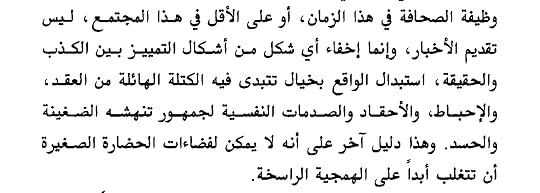
«کارکرد روزنامهنگاری در دوران ما، دستکم در این جامعه، نه اطلاعرسانی، بلکه ناپدید کردن مرز میان دروغ و واقعیت بود، جایگزین کردن واقعیت با داستانی که دریای عظیم عصبیت بیمارگون، سرخوردگی، نفرت و عقدههای روانی مردمی بیزار، دلزده و حسود را نمایان میکرد. شاهد دیگری بر اینکه فضاهای کوچک تمدن هرگز در برابر توحش بیپایان دوام نمیآورد.» همه خوبیها برای اروپاییها است؟! «هیچ اثر پرویی هست که دوستش داشته باشید پاپا؟» این بخشی از دیالوگ پدر و پسر با هم است. فونچیتو وقتی شیفتگی پدرش در برابر آثار هنری اروپایی را میبیند اینطور از او سوال میکند که پدرش با مسخرهبازی از پاسخ دادن به این سوال جسورانه طفره میرود. در اینجا فونچیتو در قامت یک انسان از نسل جدید پرو ظاهر میشود و باورهای گذشتگان مبنی بر اینکه «هر خیر و نیکی یافت شود برای اروپاییها و آریکاییها است» را به چالش میکشد. پدر وقتی با این سوال فرزند روبهرو میشود از جسارت و زیرکی او یکه میخورد و باورش نمیشود که این همان نوجوان سابق است.
در بخش دیگری باز هم این شیفتگی در نسل قبلی پرو را در قبال یک غذای ساده شاهد هستیم که باز هم نسل جدید آنها را به سخره میگیرند و باورهای آنها را به چالش میکشد. «فرودگاه خورخه چاوز شلوغ و صف مسافرهای ایبریا طولانی بود. اما ریگوبرتو احساس بیطاقتی نکرد. در آن چند ماه با سر و کله زدن با پلیس و قاضی، معلق ماندن بازنشستگی و دردسرهای فونچیتو و ایلبرتو تورس آنقدر دچار نگرانی و تشویش شده بود که حالا همه را پشتسر گذاشته و فردا عصر خودش را همراه همسر و پسرش در مادرید میدید، چه فرقی میکرد یک ربع، نیم ساعت، یا هر قدر دیگر طول بکشد و در صف بایستد. بیاختیار دست به شانه لوکرسیا و فونچیتو گذاشت و با شوق و ذو گفت: «فردا شب در بهترین رستوران مادرید شام میخوریم. کازا لوسیو! املت و سیبزمینی سرخ کردهاش خوراک کمیابی است که با هیچ غذایی قابل مقایسه نیست.»
فونچیتو با لحنی تمسخرآمیز گفت: «تخممرغ و سیبزمینی خوراک کمیابی است پاپا؟»
تصویری که در میان طیفی از روشنفکران وطنی نیز شاهد هستیم که تمام موفقیتها و سربلندی را برای اقوام غربی میدانند و از ستایش آنها در هر حالی دریغ نمیکنند. که یوسا به خوبی با همان لحن طنز از زبان یک نوجوان این باور را نقد میکند. قصهگویی و ترسیم آینده در مجموع رمان «قهرمان عصر ما» از ماریو بارگاس یوسا جدا از مضامین جذابی که دارد یک قصه جذاب و البته دنبالکردنی را نیز تعریف میکند. رمانی که اگر به مضامین آن نیز توجه نکنیم آنقدر قصهاش جذاب و پرکشش هست که نتوانیم آن را کنار بگذاریم و ۴۰۷ قصهگویی آقای نوبلیست را دنبال کنیم. قصههایی که به گفته یوسا پا در واقعیت دارد و تخیل صرف نیست. رمانی که شخصیتها هرکدام دنیایی دارند ولی یوسا از اصل قصه منحرف نشده تا قصه شخصیتها را برای خوانندهاش تعریف کند و از هرکدام به مقدار لازم در داستانش استفاده کرده است. حتی یکی از مضامین این رمان کنشهای مذهبی شخصیتها است که نشان میدهد مسئله و دغدغه ذهنی یوسا و جامعه او است که در داستانش به این میزان بازتاب دارد، نبردی میان مذهب و لامذهب بودن که در داستان نیز خودنمایی میکند و البته به نظر میرسد که یوسا بر این باور است که نسل آینده گرایش عقلاییتری نسبت به مذهب دارند.
نویسنده در این کتاب در نقش راویِ صرفِ بدونِ کنش حضور ندارد بلکه او موضع میگیرد و حتی آینده را پیشبینی میکند و از آن سخن میگوید و این به عنوان یک وجهتمایز برای چنین نویسندهای در خور مطرح کردن است.
زبان و فرم روایت نیز در نوع خود متفاوت است و او از روایت تو در تو برای قصهاش سود برده است. روایتی که خواننده به خوبی متوجه تغییر زمان در آن میشود و این برآمده از هنر نویسنده است که مترجم به خوبی آن را به فارسی منتقل کرده است. و نکته آخر در پایان باید به ویرایش به شدت ناراحتکننده این کتاب اشاره کرد. اثری که با ترجمه روانی به بازار عرضه شده ولی به نظر میرسد حتی یک مرتبه متن از سوی نمونهخوان یا ویراستار احتمالی کتاب خوانده نشده، تا جایی که گاهی یک کلمه در متن از قلم افتاده و خواننده با توجه به موقعیت شخصیتها و اتفاقها باید کلمه از قلم افتاده را حدس بزند. ایرادهای نگارش و دستوری نیز در سراسر کتاب چشمگیر است که میتواند امتیاز این کتاب و ترجمه خوب را آن کم کند.
افرادی که نویسنده این یادداشت را میشناسند میدانند که من عاشق یوسا ه��تم. راستش از طرفدار بازی یا به قولی فَن بازی خوشم نمیآید. ولی یوسا نمیگذارد که طرفدارش نباشی. یوسا استاد 4 چیز است:
1. استاد در هم تنیدن دیالوگ با توصیفات و قصه گویی 2. استاد پیوند عمیق خیال و واقعیت گزنده 3. استاد پرداختن به شخصیتهایی که شما را با خود به نهایت دنیا میبرند 4. استاد پیرنگ و قصه گویی هزار و یک شب وار
یوسا همه آنچه را که یک قصه عمیق، اما در عین حال سرگرم کننده نیاز دارد در کتابهایش میگنجاند. قهرمان فروتن بیشک یکی از بهترین آثار اوست. یوسا در مصاحبهای میگوید من همواره سعی میکنم بهترین رمانم همانی باشد که هنوز ننوشته ام و حرفش درست است.
دو نکته درباره ترجمه:
نخست، یزدانی ترجمهای یک دست و تقریبا بینقص ارائه کرده است. بخصوص ترجمه مستقیم از اسپانیایی به صحت نثر افزوده است. خواندن یوسا از نگاه مترجمی غیر از عبدالله کوثری برای من سخت بود، اما ترجمه یزدانی چیزی از ترجمههای کوثری کم ندارد.
بحث دوم، ربط چندانی به یزدانی ندارد. بیشتر یک تشکر است از او. یزدانی با گذاشتن سه نقطه تمام قسمتهای سانسوری کتاب را مشخص کرده و من هم همه آنها را از روی نسخه انگلیسی خواندم. سخنی اینجا با دوستان فوق العاده احمق وزارت ارشاد دارم. دوران شما زود به سر خواهد رسید. بوی تعفن جسد زندهتان را دارم میشنوم. فقط با این دیدگاههای بدوی که این سرزمین را سالهاست به قهقرا کشانده، امیدوارم خودتان هم به گور بروید.
2010 Nobel Edebiyat Ödülü sahibi Mario Vargos Llosa'dan okuduğum ilk eserle karşınızdayım.
'Ketum Kahraman' tavsiye üzerine okuduğum bir başlangıç kitabı olsa da ben şahsen yazara başlamak için bu kitabı öneremiyorum. Yazar bu kitabında başkaca kitaplarındaki karakterler ve olayları da kurguya dahil ediyor. Bu açıdan kendimi azıcık yetersiz hissettim. Ha bu haliyle de çok güzel bir oldu, ama tam hissetmiyorum yarım gibi.
Kitabın kurgusu aynı zaman dilimi ve fakat iki ayrı koldan akıyor. Esasen iki ayrı 'kahramanımız' var ve sürprizli bir şekilde yolları bir noktada birleşecek. Dikkatli bir okur bu birleşmeye pek şaşırmayacaktır diye dü��ünüyorum. Kendini çok açık eden bir kurgusu var ki çok da dert ediyor gibi gelmedi.
Aile kurumu içindeki herkesin malumu olan dalaverelerin nerelere varabileceğini dünyanın öteki tarafından sanki bizim memleketteymiş gibi okumak çok zevkli.
Nobelli yazarların politik duruşlarının ekmeğini yediklerine dair bir önyargım mevcuttur. Bu kötü bir şey değil, apolitik olmaktansa bunu tercih ederim okur olarak, burda da yazarın ülkesi özelinde sosyo-ekonomik yükseliş ile polis teşkilatı, çeteler ve adalet sistemine dair duruşunu okumak muazzam.
Nobelli bir yazar daha kütüphaneme eklemiş olmanın mutluluğunu yaşıyorum, size de belki bu kitabı ile başlamasanız da yazarla tanışmanızı tavsiye ediyorum.
Foi a minha estreia com o Nobel Mario Vargas Llosa. Confesso que estava com algum receio de não me identificar com a escrita, mas como estou numa de ler outros estilos e novos autores, decidi arriscar. E que bem que fiz. Adorei este “Herói Discreto”. De facto o autor escreve muitíssimo bem, tem uma escrita inteligente e inovadora, com características singulares que me atraíram e ajudaram no fluir da leitura. Felícito Yanaqué subiu a pulso na vida. Na casa dos cinquenta ele tem tudo ou mais do que poderia desejar. Uma família, um trabalho digno e uma vida feliz. Se construiu a empresa de camionetas que possui foi por ter seguido o conselho do seu pai de nunca deixar que o pisassem e por isso, quando começa a ser chantageado a troco de dinheiro ele não se verga e nega-se a cooperar com aqueles que considera uns ladrões que vivem à custa do trabalho honesto dos outros. A nível particular, nunca foi feliz com a sua mulher, mantêm um casamento de aparências e nenhum parece importar-se com isso. Felícito encontra consola na sua amante de longa data. Já os seus filhos, ambos adultos, trabalham consigo na empresa como motoristas, recebendo o mesmo que os restantes funcionários e não sendo em nada privilegiados, por serem filhos do dono. Rigoberto está prestes a reformar-se e anseia fazer a viagem da sua vida, pela Europa, com a sua mulher e filho adolescente. Toda a sua vida se interessou por arte e anseia conhecer todos os museus e teatros que só conhece dos livros. Mas então, o seu patrão e amigo faz-lhe um convite irrecusável, mesmo sabendo que o mesmo irá alterar a sua vida, pelo menos temporariamente e o seu sonho será adiado. Mas Rigoberto não pensa duas vezes e ajuda o amigo, que anseia vingar-se dos filhos que só desejam que ele morra. Esta história vai ter tanto momentos trágicos como humorísticos e os dois coadunam-se na perfeição, estabelecendo uma leitura fantástica e viciante para o leitor. Transmite também uma mensagem político-social relevante. O vocabulário do autor, para alguns pode ser exagerado, mas a verdade é que está diretamente ligado ao estilo dos personagens, ao meio em que vivem, à época em que acontece! Fez-me rir várias vezes pelo à vontade com que muitas vezes palavras menos próprias são usadas de forma perspicaz para retratar determinadas situações e a forma como resulta tão bem! E depois? Depois as histórias vão acabar por se ligar, de uma forma engraçada, nada forçada e muito inteligente! Peripécias não vão faltar, surpresas e muitos personagens que nos deixam saudade. O padre, o filho de Rigoberto e o seu estranho amigo, a amiga de Felícito que o ajuda a nível espiritual, as empregadas domésticas, os policias paspalhos, os filhos do outro que eram uns tiranos....bem, é uma parafernália que só visto, ou melhor, que só lendo! Recomendo!
When Nobel Laureate Mario Vargas Llosa’s latest book came out, I knew I wanted to read it. I am a readers’ advisor, but have never read anything by Vargas Llosa, who was honored in 2010 with one of the greatest awards in literature. It was time for me to check out one of the most significant writers in Latin America.
After reading The Discreet Hero, I plan to read this great author’s other books. Reviewers have praised this newest novel, but said his earlier works are even better. He truly is a master storyteller. The streets of Peru come alive with his vivid writing. I felt the sweltering heat of the day trickling down the backs of the colorful characters walking down the Peruvian streets. He also is gifted at weaving different storylines together into a satisfying ending.
The Discreet Hero is a dark comedy about three honorable men trying to take control of their lives and their relationships with their sons.
Septuagenarian Ismael Carrera runs a prosperous insurance company in Lima. But when he has a heart attack and is in the hospital, he overhears his two wild sons plotting what they will do with his money when he dies. His sons, nicknamed “the hyenas’’, are nothing but trouble, and only know how to party and spend money. He is determined to survive and make sure his sons don’t get a cent of his fortune.
Carrera is helped by his attorney, Don Rigoberto, who is dealing with his own problems. Rigoberto’s planned retirement trip to Europe is postponed because he gets enmeshed in his boss’s problems. To make matters worse, Rigoberto’s teenage son, Fonchito, keeps seeing an older man named Edilberto Torres who no one else sees. Is his son going mad? Is he seeing the devil? Is he lying?
A third father, Felícito Yanaqué, is a self-made man who operates a successful trucking company in Piura with his two sons. One day he receives a blackmail threat saying that he must pay a protection fee, otherwise his business and life will be in jeopardy. When Yanaqué refuses, his business is burned down. He still refuses to give in, which escalates the threats. He also is troubled about his difficult relationship with his oldest son, who has never looked remotely like him.
All the storylines ultimately come together with Vargas Llosa’s masterful touch. He vividly captures the culture of Peru with imagination and humor. He also uses an interesting writing technique where he intersperses an old conversation with a new one, giving the sensation of a flashback.
If you want to take a wild, funny journey to South America without leaving home, pick up A Discreet Hero.
یک کلاسیک مدرن از یوسا با حال و هوای امروز،داستانی یکدست و سرگرم کننده با کاراکترهایی که به گفته خود نویسنده از رمان های قبلی یوسا ،رشد کردند،سازمان یافته شدند و به این رمان برگشتند،بازرس لیتوما از راز قتل پالومینو مولرو و مرگ در آند،کاراکترهای تبهکار رمان خانه سبز و زن های رمان کاپیتان پانتوخا و سرویس ویژه ،و مثل همیشه نگاه ویژه یوسا به یک اقلیم و منطقه به عنوان کاراکتر (قبلا صحرا در کانودوس و جنگ آخر زمان یا جنگل در خانه سبز)و در این رمان خاک پرو. همان پروی رمان سالهای سگی(عصر قهرمان)با همان فساد سازمانی که در مدرسه نظام لئونیسیدو پرادو به چشم دیدیم و در جاهایی با همان راوی نامعلوم.
I romanzi più recenti di Mario Vargas Llosa (quelli dal taglio spiccatamente storico/biografico) non mi erano piaciuti molto: era come se Varguitas dopo tanti anni di estro creativo fosse stanco, invecchiato, esaurito. Lo stile era sempre quello (miracoloso), ma soprattutto nel Sogno del Celta le pagine giravano pesanti come se fossero poco più di un resoconto saggistico anzichè un romanzo. Avevo pensato che fosse dovuto all'età, ad una vena poetica ormai inaridita dopo aver tanto dato, ed invece ovviamente il genio di Arequipa mi strabilia un'altra volta. Lo fa ritornando con questo "Eroe Discreto" alla sua gente peruviana, alla indimenticabile Piura della Casa Verde, di Don Rigoberto, di Lituma che ha ormai raggiunto l'età perfetta (la cinquantina che ve lo dico a fare), e di tutti quei personaggi pieni insieme di dramma e di gioia che in tante altre belle storie compaiono. Ritorna con la consolidata ambientazione lo stile ipnotico nella sua perfezione ma anche quel realismo intrecciato di magia tipico della narrativa sudamericana; ritorna quella narrazione a colori fortissimi e piena di peripezie che fa quasi pensare ad una Telenovela di tanti anni fa...eppure l'argomento al di là dell'atmosfera (vitale e festosa) e della simpatia di alcuni personaggi (su tutto Don Rigoberto e Dona Lucrecia con le loro strampalate ma allegre perversioni sessuali), non è affatto leggero. Si parla nientedimeno che dell'ingratitudine dei figli cresciuti nei confronti dei genitori, che colpisce così tante famiglie e che non risparmia certo nè poveri (come il piccolo artigiano Felicito Yanaquè) nè ricchi (come Ismael Carrera, il datore di lavoro di Don Rigoberto). Questa ingratitudine genererà complessi intrighi che spetterà allo scassatissimo Lituma (che cogli anni non è certo migliorato) ed al suo capo risolvere. Quello che mi piace di Vargas Llosa ma in generale della narrativa sudamericana è proprio riuscire a trattare degli argomenti più duri e drammatici senza rinunciare ad una goccia della dirompente vitalità di quella terra e senza strizzare l'occhio al soprannaturale che si respira con l'aria ( bellissimo in personaggio della santera Adelaida): se un simile tema fosse stato affrontato da Philip Roth o da Ian McEwan avremmo ricevuto capolavori di pari livello, ma grondanti veleno e cinismo ad ogni pagina! Preferisco di gran lunga la maniera sudamericana di raccontare le cose. Il breve sconfinamento nel romanzo erotico che Varguitas si concede restituendo vita a Don Rigoberto fa di questo libro un must per certi contemporanei scribacchini di sesso a 50 sfumature. Studiate il maestro che si esibisce, prima di andare in cerca di soldi facili. Perchè solo quattro stelle? Perchè in realtà sembra tutto troppo facile, chi ama i romanzi di Vargas Llosa sa fin dalla prima pagina che amerà questo libro. L'ambientazione piurana, i personaggi di romanzi che il pubblico ha amato, gli intrighi, l'intreccio martellante: per un attimo ho pensato che dopo la fatica de "Il sogno del celta" il Nobel di Arequipa abbia voluto insieme riposarsi e recuperare sicurezza scrivendo un'opera che non mettesse troppo alla prova il suo genio. Cosi come ho pure pensato che Varguitas avesse voluto per l'ultima volta chiamare a raccolta i suoi amati piurani per scherzare con loro e con i lettori un ultima volta prima di salutarci. Forse un libro troppo facile da scrivere (per lui), ma sicuramente piacevolissimo e consigliatissimo.
إذا كنت راغبة في أن تخبريني بسر، فإنني أؤكد لي أنني قبر أسرار ياخوسيفيتا. وإذا كان في الأمر أحزان حب فسأكون سعيدا بأن أكون منديلا لدموعك. ******************************************* أن تمسك بتلابيب قصة ما. وأن ترويها بكل متعة وشغف وبراعة. فتصنع منها رواية عظيمة. هذا ما يفعله الساحر يوسا دوما. ❤
Having read his earlier experimental novels and getting lost in some of them, this book—written in the sunset years of the Nobel winning author—proceeded at a more leisurely pace, was understandable (after I got past the scene-splicing that Llosa is noted for), and even tied up all loose ends for us in the end.
This is primarily a tale of relationships between fathers and sons, of the love between them, or the absence of it, and the consequences of neglect. It is a tale of the wages of business success which is not always rewarding. It is also a tale of the inequality between men and women, the latter being helpless pawns in the hands of their powerful lovers. Two story lines, one set in Piura in northern Peru and the other set in the capital of Lima, interweave in alternating chapters before they come together at the conclusion; both stories have remarkable similarities in father-son relationships and business fortunes, and both are connected by two sisters, one living in Piura and the other in Lima. Each chapter ends in a surprise, making you want to read on, reminding me of those old Superman radio plays where I couldn’t wait for the next week’s episode as we had been left hanging after the present one ended.
Felicito, the Piuran protagonist, owns a transport company and is being blackmailed for protection money through a series of letters signed with a crab motif. Felicito has two sons who work in the business with him, his wife is a silent partner at home, and he has a young mistress, Mabel, whom he has set up with an apartment and an allowance. Felicito is driven by the sacrifices of his farmer father who raised him and advised him never to let anyone push him around. Therefore, Felicito will not acquiesce to the blackmailers’ demands. In Lima, there are two protagonists: Octogenarian Ismael, owner of an insurance company, who is marrying his maid 40 years younger to him and wants to disinherit his wastrel twin sons; and Ismael’s loyal employee, Rigoberto, who is taking early retirement to enjoy the world of art that he had given up for a business career, while his teenage son, Fonchito, is seeing troubling visions of a Mephistopheles like man called Edilberto Torres.
As the plot thickens we glean surprising insights into this cast: Felicito suspects that his older son, Miguel, is not his; Mabel has a younger lover; Ismael is not as beneficent as he appears; Fonchito, the angelic child, has a trickster’s nature; Rigoberto’s wife is bisexual; Rigoberto himself gets off sexually by viewing works of art and talking dirty with his wife; Ismael’s evil twins want to sue Rigoberto for allowing their father’s “illegal” marriage to go through. The men are passionate and romantic and make no bones about their need for sex, whether with their wives or with others. Peru is emerging as a prosperous nation after years of neglect and mismanagement. The translator is having difficulty introducing a Piuran figure of speech che guá or “hey, waddya think,” in English—in the most dramatic moments, a character may end his speech with “hey,waddya think!” and crack me up into laughter, causing the opposite effect of what the author intended.
Many of these characters also appeared in Llosa’s earlier book The Green House which was a very difficult read given the oodles of scene-splicing that went on there. In this novel too we have scenes woven into others between consequent lines of dialogue, which I guess are intended to convey a split screen cinematic effect but which can be very difficult to read. However, I guess Llosa is older and wiser in this book, and the scene-splicing is not too distracting and is at its tolerable limit. However, be prepared to be reading a scene in which Rigoberto and Fonchito are discussing Edilberto Torres, only to find Edilberto and Fonchito discussing Rigoberto in the next line.
The two story lines converge with phalanxes of reporters mobbing Felicito in Piura and Rigoberto in Lima respectively. Treachery is uncovered and dealt with, and the surprise for me is how cold-bloodedly Felicito disposes of the transgressors; even the police sergeant Lituma remarks on it. And the downtrodden sisters in the story are rewarded for their long suffering loyalty. I did feel sorry for Mabel: wives have it easier in the end than mistresses. As for the elusive Edilberto Torres, I will henceforth look behind my shoulder whenever sitting on an airplane in case he is lurking around, for he represents the mendacity within us: the cold-blooded drive of Felicito, the evil in the twins, the anger of Miguel, the duplicity of Ismael, the kinkiness of Rigoberto, and the trickster in Fonchito. Hey, waddya think?
•• مالمرات القليلة الي رواية ليوسا ما تعحبنيش برشا، متوسطة، و كانت تنجم تكون أقصر، برشا طولها بالفارغ 🙄🙄
•• المهم، هو أكيد كيف كتبها كانت عندو غاية محددة، و مالحاجات الي يحب يوصلهم للقارئ متاعو إنو كل رواية تمثل قطعة مالنسيج الكبير الي يمثل مشروع يوسا الروائي.
•• كقارئ وفي ليوسا، لازم تكون تعرف برشا حاجات على حياته و على رواياته السابقة باش تنجم تفهم facilement الي في الرواية هاذي حط برشا حاجات من حياته، من تجاربه، من أفكاره، مالأماكن الي عاش فيها، و أكثر من هكا عاود إستحضر شخصيات شهيرة من رواياته السابقة و خلاهم يعيشو قصص جديدة في الرواية هاذي: النقيب سيلفا، الرقيب ليتوما (من روايته "من قتل بالومينو موليرو" و " ليتوما في جبال الأنديز" و مذكور زادة حتى في "الخالة خوليا و كاتب السيناريو") و شخصيات روايات "إمتداح الخالة" و "دفاتر دون ريغوبيرتو" (دون ريغوبيرتو و زوجته و إبنه).
•• في كتابه "الكاتب و واقعه" يقول يوسا ("أثناء فترة كتابتي للمدينة و الكلاب، إكتشفت شيئين عن نفسي: أولا أن التجربة الشخصية هي دائما المادة الخام لما أكتبه. فكل إبداعي من قصص قصيرة و روايات و مسرحيات بدأ تجارب شخصية، أي أنني كتبت هذه الأعمال لأن شيئا ما قد حدث لي أو لأنني قابلت شخصا ما أو قرأت شيئا أصبح تجربة مهمة بالنسبة إلي.") و هذا بالضبط الي نلاحظوه في الرواية هاذي: فبالنسبة للأماكن الي تذكرت في الرواية والتي تصير فيها الأحداث نلقاو مدينة بيورا (مدينة عاش فيها يوسا في طفولته و تكونت فيها عدة ذكريات خلاتو يخلي المدينة هاذي مسرحا لعدة أعمال روائية منها روايته البيت الأخضر الي زادة ذكرها هنا)، مدينة ليما و حي ميرافلوريس: المدينة و الحي الي عاش فيهم يوسا مع جديه لأمه في فترات شبابه الأولى، مدينة أريكيبا (مسقط رأس يوسا و مكان ولادته). كذلك الحضور الطاغي لشخصية دون ريغوبيرتو (الي هو تمثيل ليوسا الإنسان) فمن خلال هذه الشخصية يتقاسم الكاتب مع قرائه آراءه و أفكاره و قناعاته و مخاوفه و شكوكه و أذواقه في (الفن و الأدب و الحياة و العلاقات و الإيمان و الغيبيات و العائلة) و غيرها. نقطة إضافية: نلاحظ أن في القصتين اللتين تمثلان الخط السردي الأساسي الذي قامت عليه الرواية، التركيز على علاقة "الأب و الإبن" و لا يخفى علينا كقراء أن يوسا عانى كثيرا في علاقته مع والده الذي كان صارما و قاسيا معه و ذكر هذا كثيرا خاصة في كتابه (كالسمكة في الماء) و نلاحظ أنه في هذه الرواية قد ركز كثيرا على هذه العلاقة في إشارة إلى معاناته مع والده في طفولته و صباه.
•• من الجدير بالذكر أن يوسا كتب هذه الرواية سنة 2013 عندما كان يبلغ من العمر 77 عاما، لذلك فهي ليست من أفضل رواياته (العمر يأثر 🙄🙄). نأسف الي ما إستمتعتش بيها كيما مستانسة مع روايات يوسا في العادة، أما موش مشكلة، مازالو برشااااا روايات باش نكتشفهم.
~~ إقتباسات ~~
💬"لا تسمح لأحد بأن يذلك يا بني. هذه النصيحة هي الإرث الوحيد الذي ستحصل عليه مني."
💬"إرتكب إبليس خطيئة التكبر. أحس أنه مثل الرب، و ليس أقل من ذلك. عندئذ عاقبه الرب. و تحول من ملاك النور ليصبح أمير الظلمات. هكذا بدأ كل شيء: التاريخ، ظهور الزمن و الشر، و الحياة البشرية."
💬"لقد فقدت الإيمان ذات يوم، و لم أستعده بعدها قط. أظن أنني فقدته حين بدأت أفكر. فلكي تكون مؤمنا لا يناسبك أن تفكر كثيرا."
💬"لقد مات إسماعيل بعد أن ظن أنه قد كسب المعارك كلها، و صار يشعر أنه أسعد رجل في الخليقة. أتكون السعادة هي التي قتلته؟ لأنه لم يكن معتادا عليها."
Luego de haber escrito obras fundamentales para la literatura en habla hispana y mundial, como Conversación en La Catedral, Vargas Llosa no tiene nada que probar. El héroe discreto es una novela en tono humorístico y que rebosa de nostalgia de su vieja prosa. Lituma nos recuerda los eventos de La casa verde, a Bonifacia, la escena en la que juega ruleta rusa, evoca a los Inconquistables y también nos menciona que ha deambulado por la geografía peruana que se descubre en la espectacular Lituma en los Andes y ¿Quién mató a Palomino Molero? Por otro lado, don Rigoberto, Lucrecia y Fonchito son la columna de uno de los dos principales relatos de esta novela.
Si estoy convencido de algo es que esta clase de libros en tono humorístico, un poco melodramáticos y hasta mundanos muestran una mucho mejor faceta que la del Vargas Llosa de obras densas y poco logradas como "El sueño del Celta" o "El paraíso en la otra esquina". Este no es un título fundamental, pero Varguitas no pretendía que lo fuera. Hizo bien en deshacerse de los idealistas y volver a las raíces no solo del Perú sino de su narrativa.
A solid outing by Llosa, very much on a domestic scale - not as frenetic as "Aunt Julia ...", not as chilling as "The feast of the goat" and not as apocalyptic as "War of the end of the world".
The book is played out in the lives of two businessmen, who are tested in different ways. Each could capitulate under the weight of pressure, including friends and family urging them to play it safe, but they find a stubborn streak out of sheer bloodymindedness and a refusal to compromise on their principles.
The chapters alternate between them, and I was left wondering if there was a link. There is, and it all comes to a neat end - almost tied in a bow.
I marked it as a 3 because I think Llosa has written better books, but this is probably harsh on the man and the tale, as this is very readable. Think of it as a 1-1 draw away from home in the Champions League knockout stages. A good but not spectacular result
۲.۵ در واقع. دو داستان همزمان با هم پیش میره و در پایان به هم میرسن. کتاب سیصد و هشتاد صفحهس در حالی که در نهایت توی ۱۵۰ صفحه می شد تمومش کنه. پر از پرگویی پر از توصیفات اضافه. در حدی که خودم رو مجبور کردم تمومش کنم. داستان مردی که تهدید به باج گیری میشه همزمان با مردی که میخواد بازنشسته بشه اما درگیر شاهد بودن مراسم عروسی صاحب کار و ماجراهای قضایی بعدش میشه. پایان هاشون هم هوشمندانه تموم نشده بود و انگار یوسا با تمام پرگویی ی که کرده آخرش هم تنتونسته یه پایان درست برای کتابش بنویسه. به نظرم از یوسا همچین رمانی بعید بود. البته جدیدا به این فکر میکنم که به طور کل اثرای اسپانیایی همینجوری ان. مثل صدسال تنهایی. البته رمان دیگه ای که از یوسا خوندن یعنی دختری از پرو، با اینکه طولانی بود ولی کشش داشت. به هرحال اگر تونستین کامل تمومش کنین و خوشتون هم اومد بیاین برای من توضیح بدین:)
من الواضح أن التقدم في السن يلقي بظلاله على مخيلة يوسا وإن لم يزل سارداً عظيماً حتى الآن وكما هي عادته تدور الحكاية الأولى عن ملياردير قرر الانتقام من ابنيه بالزواج من خادمته والحكاية الثانية في إحدى قرى البيرو عن رجل أعمال يتعرض للابتزاز وتتقاطع الحكايتان في النهاية. الرواية لا تخلو من الإثارة ومن فلسفات يوسا العظيمة لعل أهمها تلك التي شرح بها أسباب تأخر السيدة لوكريثيا الدائم عن الخروج كما أن يوسا استعاد بعض شخصياته القديمة - وإن بصورة مخففة - مثل دون ريغوبيرتو والرقيب ليتوما. أزعم أنه لو حذف ثلث الرواية لظهرت بشكلٍ أفضل إذ ما أن تصل المنتصف حتى ينتابك الملل للوضوح الذي جعل يوسا يخترع بعض العقد حتى يواصل قصته.