

What do you think?

Lo scriba macabro
Il volume è l'edizione italiana di "Grimscribe", seconda antologia di Thomas Ligotti, che segue la prima "I canti di un sognatore morto".
Un capolavoro di uno dei più grandi scrittori americani della paura.
Nelle forme che si nascondono dietro la realtà, nelle scuole frequentate da strani studenti e da ancor più strani Istruttori, nei riti antichi dimenticati, la Sua voce ci parla degli orrori che ci circondano e che non vogliamo vedere. Orrori nascosti nel buio e nella luce, nei cinema dimenticati e nelle antiche case desolate, nelle illustrazioni crudeli di arcani libri di preghiera, nei sobborghi di città decadenti e viziose, nelle nebbie crudeli di una primavera precoce, negli spaventapasseri ballerini che spuntano da campi infestati. È la voce di Grimscribe, lo scriba macabro, custode e cantore di ogni orrore.
L'erede di Edgar Allan Poe ritorna per riempire di incubi le nostre notti.
Un capolavoro di uno dei più grandi scrittori americani della paura.
Nelle forme che si nascondono dietro la realtà, nelle scuole frequentate da strani studenti e da ancor più strani Istruttori, nei riti antichi dimenticati, la Sua voce ci parla degli orrori che ci circondano e che non vogliamo vedere. Orrori nascosti nel buio e nella luce, nei cinema dimenticati e nelle antiche case desolate, nelle illustrazioni crudeli di arcani libri di preghiera, nei sobborghi di città decadenti e viziose, nelle nebbie crudeli di una primavera precoce, negli spaventapasseri ballerini che spuntano da campi infestati. È la voce di Grimscribe, lo scriba macabro, custode e cantore di ogni orrore.
L'erede di Edgar Allan Poe ritorna per riempire di incubi le nostre notti.
224 pages, Paperback
First published January 1, 1991
About the author
Thomas Ligotti
197 books3,317 followersThomas Ligotti is a contemporary American horror author and reclusive literary cult figure. His writings, while unique in style, have been noted as major continuations of several literary genres—most prominently Lovecraftian horror—and have overall been described as works of "philosophical horror", often written as philosophical novels with a "darker" undertone which is similar to gothic fiction. The Washington Post called him "the best kept secret in contemporary horror fiction"; another critic declared "It's a skilled writer indeed who can suggest a horror so shocking that one is grateful it was kept offstage."
Ratings & Reviews
Friends & Following
Create a free account to discover what your friends think of this book!
Community Reviews
Displaying 1 - 30 of 197 reviews

June 15, 2007
Ligotti's second collection of short tales is a considerable advance on his first. I won't deny that Songs for a Dead Dreamer contains a number of effective stories, but the collection as a whole is uneven, and many of its most powerful effects occur in stories that are not in themselves successful. This is due primarily to an immaturity of style. Ligotti was not yet capable of fashioning a world that could contain his most characteristic phantasms, and many of his personal horrors appear to be outcasts within his own creations, just as likely to shatter a story's unity as to complete it.
By the time of Grimscribe however, Ligotti has perfected his style. He combines evocative detail with disturbing abstraction, odd lacunae with abrupt transition, making us doubt the narrator at the very moment his voice thoroughly enmeshes us in Ligotti's world.
One of the rewarding aspects of these stories is that, although they are clear tributes to the acknowledged masters of the horror genre, they are also distinctly original in the artfulness of their narratives and the bleakness of their terror.
For example, let's take the four stories contained in the first of the collection's five divisions, “The Voice of the Dreamer.” “The Last Feast of Harlequin,” dedicated to Lovecraft, not only features a distinctly Lovecraftian narrator (obsessed with clowns and suffering from an intense case of Seasonal Affective Disorder) but concludes with a subterranean climax of true cosmic horror. Its village carnival evokes Blackwood's "Ancient Sorceries," and the narrator's pursuit of someone through the streets echos Poe's “The Man of the Crowd.” Yet the hopelessness of the conclusion--the sense of preordained damnation--is distinctively Ligotti. “The Spectacles in the Drawer” is a comic Poe tale that suddenly turns arbitrarily vicious, “The Flowers of the Abyss” is a dark Hawthorne romance that does not stop at individual spiritual corruption, but hints at a rankness at the very foundation of the the world, and “Nethescurial” is a Cthulhu island fantasy that does not end with creatures of cosmic horror, but pushes on until it suggests an even more terrifying menace: an essential vileness flooding forth from the interstices of our world.
Of course, some stories here are better than others. (My favorites are “The Last Feast of Harlequin,” “Nethescurial,” “In the Shadow of Another World,” “The Cocoons,” “The Night School” and “The Shadow at the Bottom of the World.”) But each story here—and, even more powerfully, the collection as a whole—although it begins in the familiar conventions of psychological horror or cosmic terror, pushes those convention to their limits until the narratives become deeply unsettling, filling us with profound metaphysical unease, a suspicion of the very nature of being, a distrust of existence itself.
Ligotti terrifies us because he makes us fear we are next to nothing. . . nothing but puppets contrived of vagrant atoms whirling in a malevolent void.

October 27, 2015

After bathing in the dark imagination of American contemporary horror fiction writer Tomas Ligotti’s first collection, Songs of a Dead Dreamer, I was keen to read his second book of thirteen macabre yarns entitled Grimscribe.
My experience did not disappoint – in the tradition of Poe and Lovecraft, absolutely first-rate, well-crafted bizarre and ghoulish narratives told by first-person narrators to make your hair stand on end and keep you up at night. As by way of example, I will focus on two eerie bone chillers: the novella, The Last Feast of Harlequin and a unforgettable short story, The Spectacles in the Drawer.
THE LAST FEAST OF HARLEQUIN
Our narrator, an anthropologist and college instructor, explains that the phenomenon of clowns goes well beyond traditional notions of a red nose in a circus, how clowns have performed many functions and roles in various cultures around the world. Thus to not only further his own academic research but experience great self-satisfaction, he cherishes participating in festivals as a clown himself, which he does at least once a year. When he learns of a little-publicized festival with clowns in the Midwestern town of Mirocaw, his interest is piqued.
In late summer the opportunity presents itself to make a side trip to Mirocaw and he takes it. Right from the start, things seem to be peculiarly out of sync – the various parts of the town do not appear to fit together; the steep roofs of the houses behind the town’s main street, due to the hilly terrain, strike him as floating in air at odd angles.
Indeed, he compares the entire town to an album of snapshots where the camera has been continually jostled that results in page after page of crooked photos.
Rolling down his car window to ask directions to the town hall from a shabbily dressed old man who looks vaguely familiar, he is greeted by a distance, imbecilic gaze. And after finally arriving at the building and making inquiries about the festival, he is handed a cheap copy of a flyer and learns the festival is December 19-21 and there are “clowns of a sort.”
If all this sounds creepy, even sinister, that’s exactly what the narrator feels, however, he continues to explore this most unusual town and on finally taking his leave, vows to return with his clown costume for the December festival.
At this point, the narrator tells us how his former anthropology teacher, one Dr. Raymond Thoss, wrote a paper entitled The Last Feast of Harlequin with references to Syrian Gnosticis who called themselves Saturnians. He also tells us that he now knows why that shabby man on the street looked familiar – he was none other than Raymond Thoss. The thick plottens.
Once back in Mirocaw, things turn very weird very quickly. He discovers, among other disturbing facts, this festival features two sets of clowns: more traditional clowns chosen from the townspeople that are, to his astonishment, picked on and pushed around as they walk the streets and a second group of clowns, shabbily dressed, gaunt, with faces painted white and mouths wide in terror, bringing to mind the famous painting by Edvard Munch.
Upon reflection, he now understands he is witnessing two festivals, a festival within a festival. Returning to his hotel, he makes the decision to dress up as one of those shabby, gaunt, wide-mouthed clowns. Events then take even weirder and much more frightening twists. Not a reading experience for the fainthearted.
THE SPECTACLES IN THE DRAWER
The narrator receives uninvited visits to his run down residence from his disciple, a man he considers a bit of a pest, a man named Plomb, a man who is fascinated with all his odd curiosities, archaic objects and forbidden texts, things Plomb regards as treasures of the occult.
But what the narrator really wants is Plomb out of his life. We read, “The plan was simple: to feed Plomb’s hunger for mysterious sensations to the point of nausea and beyond. The only thing to survive would be a gutful of shame and regret for a defunct passion.”
To this end, he takes clear-glass, wire-rimmed spectacles out of a white case and places them on Plomb’s face and tells him how, among other extraordinary powers, these fantastic lenses will make you one with the objects you see: unimaginable diversity of form and motion and the most cryptic, mysterious, hidden phenomenon one could ever imagine. Hoping he will never see Plomb again, he gives him these glasses as a parting gift.
However, as it turns out, the narrator has much underestimated the power of suggestion and how, when giving a suggestion to a subject with an overactive and lively imagination, the suggestion can rebound back to the person who did the suggesting in the first place.
The narrator attempts to rid himself of recurrent nightmares of his former disciple but all his efforts are without success: “Thus I attempted to reason my way back to self-possession. But no measure of my former serenity was forthcoming. On the contrary, my days as well as my nights were now poisoned by an obsession with Plomb. Why had I given him those spectacles! More to the point, why did I allow him to retain them?”
One of the creepiest stories I’ve ever read, most fitting for this Thomas Ligotti collection.

October 29, 2018
The Last Feast of Harlequin
An academic’s discovery of a subterranean worm cult gives Ligotti a chance to showcase his anti-natalist views.
The Spectacles in the Drawer
Ligotti’s anti-natalist views are on full display as a pair of glasses prove all mysteries are meaningless.
Flowers of the Abyss
Don’t go into the darkness beyond the darkness, or you might become an anti-natalist.
Nethescurial
Existence is the nightmare of a demonic demiurge, thus an anti-natalist philosophy is advisable.
The Glamour
Theatre-goers are ensnared by a mad hag, leading to anti-natalism.
Etc. etc.
An academic’s discovery of a subterranean worm cult gives Ligotti a chance to showcase his anti-natalist views.
The Spectacles in the Drawer
Ligotti’s anti-natalist views are on full display as a pair of glasses prove all mysteries are meaningless.
Flowers of the Abyss
Don’t go into the darkness beyond the darkness, or you might become an anti-natalist.
Nethescurial
Existence is the nightmare of a demonic demiurge, thus an anti-natalist philosophy is advisable.
The Glamour
Theatre-goers are ensnared by a mad hag, leading to anti-natalism.
Etc. etc.

October 31, 2023
En el programa Los diez mejores cuentos leídos en 2023 hablo con más detalle del cuento Los místicos de Muelenburg: https://go.ivoox.com/rf/121628826
Solo hay algo más terrorífico que los escritos de Ligotti: su mente. Muchas veces, cuando leemos algo que nos sorprende por su visceralidad, crueldad o perversidad nos decimos a nosotros mismos que el autor no tiene que estar muy bien de la cabeza, que no le dejaríamos acercarse a cien metros de un colegio. Cuestionamos la salud mental con muchísima ligereza cuando hablamos de gente como Stephen King o Clive Barker, cuando, en realidad, tendríamos que pedirles antes explicaciones a su camello y a la mercancía con la que trabaja. Pero este no es el caso de Ligotti. El bueno de Thomas no te hace preguntarte por su salud mental, porque el bueno de Thomas está completamente desquiciado, encerrado en una neurosis y paranoia que hace ver a los delirios lisérgicos de Philip K. Dick como una incómoda melopea de vodka y barbitúricos. Aunque no sepas qué clase de afección mental tiene, leyendo sus cuentos te das cuentas de que algo no marcha bien, que hay un empalme entre el temporal y el occipital que hace contacto. No es porque su obra sea escabrosa, que lo es, ni porque sus tramas repugnen por sus enfermizas premisas, que también, sino por algo que rezuma su forma de escribir, algo incómodo que se agita y palpita bajo ese estilo tan formal, distanciado y frío. Un cuento de Ligotti es como sumergirte de lleno en una pesadilla, en la que nada parece lo que es, todo parece incorrecto y extraño pero, aún así, tiene una lógica y coherencia interna absurda, incomprensible para los estándares de la vigilia pero aceptable en la esfera onírica. Describir a Ligotti es casi imposible, hay que leerlo. Puede que guste más o menos, pero es una experiencia que hay que disfrutar -sufrir- en primera persona, aunque sea para confirmar que no te gusta. Porque estoy seguro de que, aunque esto último sea el caso, te habrás dado cuenta de que Ligotti es único y su horror honesto. Ligotti no busca provocarte esa agradable sensación de estremecimiento: Ligotti quiere hacerte partícipe de su neurosis, atraerte a su nihilismo oscuro para que descubras los barrotes invisibles de esa cárcel que es la consciencia.
Ligotti es amor, Ligotti es alegría.
En esta colección se incluyen los siguientes relatos:
-La última fiesta de Arlequín (*****): un antropólogo realiza una investigación en un pueblo perdido de Nueva Inglaterra en el que se da un festival que involucra payasos. Un homenaje a la sombra sobre Innsmouth con la figura predilecta del enajenado de Detroit: los payachos.
-Los anteojos de la casa (****): algunas visitas suelen hacerse muy pesadas, sobre todo aquellas que solo buscan a uno por interés. En esta ocasión, el narrador, aficionado coleccionista de objetos extraños y siniestros, quiere quitarse de encima a un importuno que solo busca conocer sus exóticos descubrimientos, y para ello le dará unas gafas con las que pueda ver la realidad del mundo que le rodea.
-Las flores del abismo (****): a las afueras de un pueblo, junto a una casa, ha aparecido un jardín luminoso, un paisaje que no debe ser muy diferente de los campos floreados del infierno.
-Nethescurial (***): un ícono caído del espacio con capacidad para influir en la mente de aquellos que lo investigan, similar a como lo haría un primigenio lovecraftiano. Quizá excesivamente sublime para mi gusto.
-Los sueños de Nortown (****): las pesadillas son siempre desagradables, más cuando se repiten con asiduidad y parecen convertirse en una vía de comunicación entre el inconsciente y la consciencia. Pero mucho más aterrador es cuando esas pesadillas se vuelven contagiosas y buscan acabar contigo.
-Los místicos de Muelenburg (*****): un inexplicable fenómeno se dio en Muelenburg durante la edad media, un crepúsculo perpetuo que afectó a la relación que mantenían los habitantes con la ciudad. Las imágenes que nos describe Ligotti en este cuento son de una potencia muy perturbadora.
-A la sombra de otro mundo (****): parecido a el cuento Él de Lovecraft, Ligotti nos presenta una casa cuyas ventanas, vistas desde el interior, parecen un portal a otro mundo, uno similar al nuestro pero sin la fraudulenta máscara de la realidad.
-Los capullos (****): un médico, buscando tratar la afección desconocida de su paciente, decide que el siguiente paso en la terapia es reunirse con su paciente anterior. Ahí, el desventurado narrador descubrirá las oscuras intenciones de su terapeuta. Abstenerse aracnófobos.
-La escuela nocturna (****): el narrador, en su camino de regresa a casa, encuentra que la escuela nocturna a la que acudía ha vuelto a abrir sus puertas. Sin embargo, los alumnos que acuden a sus clases parecen muy distintos, y es que la escuela, al parecer, ha cambiado recientemente de dueño.
-El glamour (***): en un cine ubicado en una parte desconocida de la ciudad se proyecta una única película, El glamour, cuyo visionado provoca ciertos cambios en el espectador incauto.
-La biblioteca de Bizancio (****): un cura visita al narrador para mostrarle los grabados misteriosos de un libro aún mas misterioso. El narrador, seducido por las imágenes, decide afanarse uno de los grabados. El cura, al devolver el libro a sus propietarios, descubrirá de la peor forma la sustracción.
-La señorita Plarr (***): debido a la convalecencia de su madre y el viaje de negocios de su padre, el narrador queda bajo la supervisión de su nueva niñera, la señorita Plarr, cuya metodología pedagógica no pasaría ninguna clase de inspección educativa.
-La sombra en el fondo del mundo (***): en un pueblo, las plantas y los espantapájaros parecen haber adoptado unos comportamientos inquietantes. Como me ocurrió con Nethescurial, demasiado esotérico para mi gusto.
Lo mejor que tienen los cuentos de Ligotti son esas atmosferas oníricas, de pesadilla. Nada de lo que nos describe se ajusta a nuestra realidad por completo y, sin embargo, todo parece seguir una lógica, enfermiza y descabellada, pero lógica a fin de al cabo. La sensación que transmite su lectura es similar a la contemplación de un animatrónico que intentara replicar con exactitud la apariencia humana pero que fallase estrepitosamente en su propósito. Los cuentos de Ligotti son un paseo campestre por este valle inquietante. Por eso es tan difícil describir sus horrores: esta senda solo puede recorrerse solo, teniendo a Ligotti como cicerone.
Disfrutad sus cuentos como la absenta: a pequeños sorbos y sabiendo que te puede matar fácilmente de cirrosis.
Solo hay algo más terrorífico que los escritos de Ligotti: su mente. Muchas veces, cuando leemos algo que nos sorprende por su visceralidad, crueldad o perversidad nos decimos a nosotros mismos que el autor no tiene que estar muy bien de la cabeza, que no le dejaríamos acercarse a cien metros de un colegio. Cuestionamos la salud mental con muchísima ligereza cuando hablamos de gente como Stephen King o Clive Barker, cuando, en realidad, tendríamos que pedirles antes explicaciones a su camello y a la mercancía con la que trabaja. Pero este no es el caso de Ligotti. El bueno de Thomas no te hace preguntarte por su salud mental, porque el bueno de Thomas está completamente desquiciado, encerrado en una neurosis y paranoia que hace ver a los delirios lisérgicos de Philip K. Dick como una incómoda melopea de vodka y barbitúricos. Aunque no sepas qué clase de afección mental tiene, leyendo sus cuentos te das cuentas de que algo no marcha bien, que hay un empalme entre el temporal y el occipital que hace contacto. No es porque su obra sea escabrosa, que lo es, ni porque sus tramas repugnen por sus enfermizas premisas, que también, sino por algo que rezuma su forma de escribir, algo incómodo que se agita y palpita bajo ese estilo tan formal, distanciado y frío. Un cuento de Ligotti es como sumergirte de lleno en una pesadilla, en la que nada parece lo que es, todo parece incorrecto y extraño pero, aún así, tiene una lógica y coherencia interna absurda, incomprensible para los estándares de la vigilia pero aceptable en la esfera onírica. Describir a Ligotti es casi imposible, hay que leerlo. Puede que guste más o menos, pero es una experiencia que hay que disfrutar -sufrir- en primera persona, aunque sea para confirmar que no te gusta. Porque estoy seguro de que, aunque esto último sea el caso, te habrás dado cuenta de que Ligotti es único y su horror honesto. Ligotti no busca provocarte esa agradable sensación de estremecimiento: Ligotti quiere hacerte partícipe de su neurosis, atraerte a su nihilismo oscuro para que descubras los barrotes invisibles de esa cárcel que es la consciencia.
Ligotti es amor, Ligotti es alegría.
En esta colección se incluyen los siguientes relatos:
-La última fiesta de Arlequín (*****): un antropólogo realiza una investigación en un pueblo perdido de Nueva Inglaterra en el que se da un festival que involucra payasos. Un homenaje a la sombra sobre Innsmouth con la figura predilecta del enajenado de Detroit: los payachos.
-Los anteojos de la casa (****): algunas visitas suelen hacerse muy pesadas, sobre todo aquellas que solo buscan a uno por interés. En esta ocasión, el narrador, aficionado coleccionista de objetos extraños y siniestros, quiere quitarse de encima a un importuno que solo busca conocer sus exóticos descubrimientos, y para ello le dará unas gafas con las que pueda ver la realidad del mundo que le rodea.
-Las flores del abismo (****): a las afueras de un pueblo, junto a una casa, ha aparecido un jardín luminoso, un paisaje que no debe ser muy diferente de los campos floreados del infierno.
-Nethescurial (***): un ícono caído del espacio con capacidad para influir en la mente de aquellos que lo investigan, similar a como lo haría un primigenio lovecraftiano. Quizá excesivamente sublime para mi gusto.
-Los sueños de Nortown (****): las pesadillas son siempre desagradables, más cuando se repiten con asiduidad y parecen convertirse en una vía de comunicación entre el inconsciente y la consciencia. Pero mucho más aterrador es cuando esas pesadillas se vuelven contagiosas y buscan acabar contigo.
-Los místicos de Muelenburg (*****): un inexplicable fenómeno se dio en Muelenburg durante la edad media, un crepúsculo perpetuo que afectó a la relación que mantenían los habitantes con la ciudad. Las imágenes que nos describe Ligotti en este cuento son de una potencia muy perturbadora.
-A la sombra de otro mundo (****): parecido a el cuento Él de Lovecraft, Ligotti nos presenta una casa cuyas ventanas, vistas desde el interior, parecen un portal a otro mundo, uno similar al nuestro pero sin la fraudulenta máscara de la realidad.
-Los capullos (****): un médico, buscando tratar la afección desconocida de su paciente, decide que el siguiente paso en la terapia es reunirse con su paciente anterior. Ahí, el desventurado narrador descubrirá las oscuras intenciones de su terapeuta. Abstenerse aracnófobos.
-La escuela nocturna (****): el narrador, en su camino de regresa a casa, encuentra que la escuela nocturna a la que acudía ha vuelto a abrir sus puertas. Sin embargo, los alumnos que acuden a sus clases parecen muy distintos, y es que la escuela, al parecer, ha cambiado recientemente de dueño.
-El glamour (***): en un cine ubicado en una parte desconocida de la ciudad se proyecta una única película, El glamour, cuyo visionado provoca ciertos cambios en el espectador incauto.
-La biblioteca de Bizancio (****): un cura visita al narrador para mostrarle los grabados misteriosos de un libro aún mas misterioso. El narrador, seducido por las imágenes, decide afanarse uno de los grabados. El cura, al devolver el libro a sus propietarios, descubrirá de la peor forma la sustracción.
-La señorita Plarr (***): debido a la convalecencia de su madre y el viaje de negocios de su padre, el narrador queda bajo la supervisión de su nueva niñera, la señorita Plarr, cuya metodología pedagógica no pasaría ninguna clase de inspección educativa.
-La sombra en el fondo del mundo (***): en un pueblo, las plantas y los espantapájaros parecen haber adoptado unos comportamientos inquietantes. Como me ocurrió con Nethescurial, demasiado esotérico para mi gusto.
Lo mejor que tienen los cuentos de Ligotti son esas atmosferas oníricas, de pesadilla. Nada de lo que nos describe se ajusta a nuestra realidad por completo y, sin embargo, todo parece seguir una lógica, enfermiza y descabellada, pero lógica a fin de al cabo. La sensación que transmite su lectura es similar a la contemplación de un animatrónico que intentara replicar con exactitud la apariencia humana pero que fallase estrepitosamente en su propósito. Los cuentos de Ligotti son un paseo campestre por este valle inquietante. Por eso es tan difícil describir sus horrores: esta senda solo puede recorrerse solo, teniendo a Ligotti como cicerone.
Disfrutad sus cuentos como la absenta: a pequeños sorbos y sabiendo que te puede matar fácilmente de cirrosis.

January 25, 2017
I think it's me, not Ligotti. Well, maybe it's him too. I'm not a great fan of endless-narrative-without-dialogues cosmic horror, although I've quite read and loved Lovecraft in my time. But Lovecraft is Lovecraft and Ligotti is Ligotti but, for some reason, he wants to be Lovecraft. I mean yes, his prose is haunting but his style isn't his own and I usually prefer to read the original, if possible. At all times, it felt like reading Lovecraft and that turned me off. If I wanted to read Lovecraft, I'd read Lovecraft.
(I may have used the word Lovecraft too many times there)
What's even worse, the stories seemed to me a bit "half-baked". At the end of each of them, I felt something like... "OK. And...?" Like I was missing the point, thus being led to wonder if there even was one to begin with.
It's a shame though, because his prose is brilliant. His words are like a thick, black liquid into which the reader can't help but sink, only to find it rather shallow in the end.
(I may have used the word Lovecraft too many times there)
What's even worse, the stories seemed to me a bit "half-baked". At the end of each of them, I felt something like... "OK. And...?" Like I was missing the point, thus being led to wonder if there even was one to begin with.
It's a shame though, because his prose is brilliant. His words are like a thick, black liquid into which the reader can't help but sink, only to find it rather shallow in the end.

March 16, 2011
I’ve decided to re-review this almost a year after reading it, because I’ve decided that Ligotti might just be one of the best authors of short stories that (most) people have never heard about.
This isn’t something that I say very often: best. In order to explain myself, assuming that you haven’t already started ignoring me, I’m going to need to compare Ligotti to some other writers.
We’ll start with what Ligotti is not; Stephen King. Now, most people know who Steven King is. If you’ve never read one of his books, or seen one of the movies based off his books, you’re probably taking a break from reading this review to whip the butler who incorrectly sorted your ascot collection. He (King, not the butler), along with people like Peter Straub, Dean Koontz and others, produce endless reams of horror pulp for their audiences. Most of the time this plays off something scary, and involves a bunch of people somewhere on the east coast getting killed by, and then killing, some monster of some sort. Maybe it’s a clown, maybe it’s a rabid dog, maybe its aliens, who cares? The main thing for my point is that mass market paperback horror of this sort is viewed as a genre of pulp that has little or no value other than a distraction on winter nights.
Next we’ll move on to those that Ligotti is more similar to: There exist, in pulp genres, people who do something more spectacular. They write things that fulfill the primary requirement for higher fiction; novelistic fiction if you will. This is to say that they write things that are concerned with existential questions. Now, I have to use the term “existential” carefully here, before everyone rolls their eyes and waits for me to start talking about how great Sartre’s underpants were. What I mean is that great literature often asks questions relating to human existence. In this light, Moby Dick is not the story of a whale, but of human obsession; Anna Karenina is not about absurd bourgeoisie horse races or French Midgets, but about a woman who’s lost her virtue; Crime and Punishment…well, that’s still about Crime and Punishment, but it’s also exploring the post-Napoleon ideas about laws and morals losing their grip on individuals after they transgress their way to Supermen.
With all this in mind, Ligotti reminds me of Philip K. Dick.
Philip K. Dick (PKD), you may know or not know, you may like or not like. I will make this point though: PKD turns a pulp genre (Sci-Fi) into high literature. This, I would argue, is why we’ve seen so many movies made out of his stories, because even though they were written in a pulpy genre, they deal with now timeless themes of humanity.
Looking at PKD’s work, I think he covers questions and deals with issues of human existence faster, and more interestingly, than any other author I’ve ever read.
Some examples:
Minority Report: Will technology advance to the point where we can curb violent elements in human life before they are actualized? How can such a power be used as a tool be used for political control?
Do Androids Dream of Electric Sheep: Will we advance our creations to the point where the border between us and them become blurry, and we can no longer, or just barely, distinguish between human and human proxy?
Flow My Tears, The Policeman Said: How much of an effect does an individual have on the world? Is it possible that the power that people use to change the world can be altered using drugs? Will we create drugs powerful enough to completely replace our reality? What is reality if not something we experience on a moment to moment basis?
We'll Remember it For You, Wholesale: What is memory? Will technology advance to the point where memory can be altered? Replaced? Used to alter and control large parts of the populace? What is reality, if not something we remember?
Maybe at this point, you get the idea. I’ll still add this: PKD produced short fiction with serious questions, with wide variety of themes, at a rate that dwarfs any other writer I can think of.
Even the worst of his writing, at least that I’ve read, contains more inspiring content than anything Stephen King has written.
---Anyway, almost a page later, it’s time for me to get back to the point. With all of the above in mind, the reason that I think that Ligotti is the best writer of short horror is this: his work is similar to PKD’s work with Sci-Fi. He takes the themes of horror, sometimes with just the indefinable feeling of something terribly wrong (ala Lovecraft), and uses them to make punchy short stories that have more meat than bestselling novels. Adding to this, he often writes unforgettably lines which reek of poetic skill – something PKD wasn’t capable of. He wasn't as consistent or as productive as others, but he’s well worth a read. In a genre where people often only aim to give people a little thrill, Ligotti's work might be better compared to someone like Borges than his contemporaries.
This isn’t something that I say very often: best. In order to explain myself, assuming that you haven’t already started ignoring me, I’m going to need to compare Ligotti to some other writers.
We’ll start with what Ligotti is not; Stephen King. Now, most people know who Steven King is. If you’ve never read one of his books, or seen one of the movies based off his books, you’re probably taking a break from reading this review to whip the butler who incorrectly sorted your ascot collection. He (King, not the butler), along with people like Peter Straub, Dean Koontz and others, produce endless reams of horror pulp for their audiences. Most of the time this plays off something scary, and involves a bunch of people somewhere on the east coast getting killed by, and then killing, some monster of some sort. Maybe it’s a clown, maybe it’s a rabid dog, maybe its aliens, who cares? The main thing for my point is that mass market paperback horror of this sort is viewed as a genre of pulp that has little or no value other than a distraction on winter nights.
Next we’ll move on to those that Ligotti is more similar to: There exist, in pulp genres, people who do something more spectacular. They write things that fulfill the primary requirement for higher fiction; novelistic fiction if you will. This is to say that they write things that are concerned with existential questions. Now, I have to use the term “existential” carefully here, before everyone rolls their eyes and waits for me to start talking about how great Sartre’s underpants were. What I mean is that great literature often asks questions relating to human existence. In this light, Moby Dick is not the story of a whale, but of human obsession; Anna Karenina is not about absurd bourgeoisie horse races or French Midgets, but about a woman who’s lost her virtue; Crime and Punishment…well, that’s still about Crime and Punishment, but it’s also exploring the post-Napoleon ideas about laws and morals losing their grip on individuals after they transgress their way to Supermen.
With all this in mind, Ligotti reminds me of Philip K. Dick.
Philip K. Dick (PKD), you may know or not know, you may like or not like. I will make this point though: PKD turns a pulp genre (Sci-Fi) into high literature. This, I would argue, is why we’ve seen so many movies made out of his stories, because even though they were written in a pulpy genre, they deal with now timeless themes of humanity.
Looking at PKD’s work, I think he covers questions and deals with issues of human existence faster, and more interestingly, than any other author I’ve ever read.
Some examples:
Minority Report: Will technology advance to the point where we can curb violent elements in human life before they are actualized? How can such a power be used as a tool be used for political control?
Do Androids Dream of Electric Sheep: Will we advance our creations to the point where the border between us and them become blurry, and we can no longer, or just barely, distinguish between human and human proxy?
Flow My Tears, The Policeman Said: How much of an effect does an individual have on the world? Is it possible that the power that people use to change the world can be altered using drugs? Will we create drugs powerful enough to completely replace our reality? What is reality if not something we experience on a moment to moment basis?
We'll Remember it For You, Wholesale: What is memory? Will technology advance to the point where memory can be altered? Replaced? Used to alter and control large parts of the populace? What is reality, if not something we remember?
Maybe at this point, you get the idea. I’ll still add this: PKD produced short fiction with serious questions, with wide variety of themes, at a rate that dwarfs any other writer I can think of.
Even the worst of his writing, at least that I’ve read, contains more inspiring content than anything Stephen King has written.
---Anyway, almost a page later, it’s time for me to get back to the point. With all of the above in mind, the reason that I think that Ligotti is the best writer of short horror is this: his work is similar to PKD’s work with Sci-Fi. He takes the themes of horror, sometimes with just the indefinable feeling of something terribly wrong (ala Lovecraft), and uses them to make punchy short stories that have more meat than bestselling novels. Adding to this, he often writes unforgettably lines which reek of poetic skill – something PKD wasn’t capable of. He wasn't as consistent or as productive as others, but he’s well worth a read. In a genre where people often only aim to give people a little thrill, Ligotti's work might be better compared to someone like Borges than his contemporaries.

December 7, 2011
This collection is really my first full exposure to Ligotti. I certainly have read a story or two, but never a full collection.
I think, to this point, I have never read a modern horror author that does what Ligotti does with his stories (particularly in the use of his prose style). The only modern author that leaves me feeling a bit tainted like Ligotti, is Laird Barron. Barron's stories just stick with you, often because of the monstrous things he does to his characters. Ligotti on the other hand, while, his characters often meet dark nihilistic fates, is able to evoke such incredibly bleak settings and atmospheres in his stories, with many of his settings focusing on an urban decay, much like in "The Cocoons". And it is not just the settings and atmosphere that infects the mind but it is the words and phrases that Ligotti wields that penetrate the consciousness so deeply.
Furthermore, Ligotti is masterful in utilizing these decayed urban settings to draw upon the outer darkness and cosmic forces that pull his characters into the abyss, and further draw the reader into that same void. These stories are harrowing, not in a cheap thrills kind of way, but in the way they ask the reader to immerse himself in the existential horror and stare into the darkness, looking for answers. Frankly, each time I enter into Ligotti's worlds, I'm not so sure I want to even ask the question.
All of these stories worked for me, but there were a few that really stood out:
"Last Feast of Harlequin": This may be one of his most famous, but it is so good, particularly in drawing upon the pursuit of a forbidden knowledge or hidden cult. The setting is of course bleak and the protagonist is harrowed by his own depression.
"The Cocoons": This one has really stuck with me. I just recently finished up Richard Gavin's DARKLY SPLENDID REALM, and his short story "Bitter Taste of Dread Moths", had such a Ligottian feel. I realized that "The Cocoon" may have been an inspiration for "Dread Moths". Anyways, this one focuses on the cynical experimentation of a patient by his trusted doctor, with the intent of bringing creatures from the outer darkness into our reality.
"The Night School": So what happens when students seek out practitioners of the darkly cosmic. What happens when you find what you are looking for? I loved the ending on this one... heavy on the existential philosophy (as is is many of Ligotti's stories).
I can't recommend this collection enough. Ligotti is not for the faint of heart nor for those looking for cheap splatter punk thrills. If you are looking for existential philosophy infused in your horror, you won't find a more disturbed instructor than Ligotti.
I think, to this point, I have never read a modern horror author that does what Ligotti does with his stories (particularly in the use of his prose style). The only modern author that leaves me feeling a bit tainted like Ligotti, is Laird Barron. Barron's stories just stick with you, often because of the monstrous things he does to his characters. Ligotti on the other hand, while, his characters often meet dark nihilistic fates, is able to evoke such incredibly bleak settings and atmospheres in his stories, with many of his settings focusing on an urban decay, much like in "The Cocoons". And it is not just the settings and atmosphere that infects the mind but it is the words and phrases that Ligotti wields that penetrate the consciousness so deeply.
Furthermore, Ligotti is masterful in utilizing these decayed urban settings to draw upon the outer darkness and cosmic forces that pull his characters into the abyss, and further draw the reader into that same void. These stories are harrowing, not in a cheap thrills kind of way, but in the way they ask the reader to immerse himself in the existential horror and stare into the darkness, looking for answers. Frankly, each time I enter into Ligotti's worlds, I'm not so sure I want to even ask the question.
All of these stories worked for me, but there were a few that really stood out:
"Last Feast of Harlequin": This may be one of his most famous, but it is so good, particularly in drawing upon the pursuit of a forbidden knowledge or hidden cult. The setting is of course bleak and the protagonist is harrowed by his own depression.
"The Cocoons": This one has really stuck with me. I just recently finished up Richard Gavin's DARKLY SPLENDID REALM, and his short story "Bitter Taste of Dread Moths", had such a Ligottian feel. I realized that "The Cocoon" may have been an inspiration for "Dread Moths". Anyways, this one focuses on the cynical experimentation of a patient by his trusted doctor, with the intent of bringing creatures from the outer darkness into our reality.
"The Night School": So what happens when students seek out practitioners of the darkly cosmic. What happens when you find what you are looking for? I loved the ending on this one... heavy on the existential philosophy (as is is many of Ligotti's stories).
I can't recommend this collection enough. Ligotti is not for the faint of heart nor for those looking for cheap splatter punk thrills. If you are looking for existential philosophy infused in your horror, you won't find a more disturbed instructor than Ligotti.

May 21, 2018
Ligoti definitivno nije od onih pisaca koji trče da stvore neku bezglavu horor akciju. Užas gradi agonično i jako sporo. Njegove priče imaju vrlo opskurni metafizički narativ, dakle dijaloga skoro da i nema. U tom pogledu on zahtijeva jaku koncentraciju i punu čitaočevu pažnju. Pojave koje iskazuje su obojene negativnom stranom stvarajući fatamozgoriju da su one tu samo kako bi napakostile čovjeku. Ono neopipljivo što proganja ljudske duše, a za koje niko drugi ne može odgovarati jeste imperativ njegove proze. Ostalo je da se sladimo ambisom koji Pisar Tame pruža.

February 22, 2021
Poslednja arlekinova gozba 5⭐
Naočare u fioci 5⭐
Cvetovi bezdana 5⭐
Neteskurijel 5⭐
Snevanje u Nortaunu 5⭐
Mistici Milenburga 4⭐
U senci nekog drugog sveta 4⭐
Čaure 5⭐
Noćna škola 5⭐
Glamur 4⭐
Vizantijska biblioteka 5⭐
Gospođica Plar 4⭐
Senka na dnu sveta 4⭐
Naočare u fioci 5⭐
Cvetovi bezdana 5⭐
Neteskurijel 5⭐
Snevanje u Nortaunu 5⭐
Mistici Milenburga 4⭐
U senci nekog drugog sveta 4⭐
Čaure 5⭐
Noćna škola 5⭐
Glamur 4⭐
Vizantijska biblioteka 5⭐
Gospođica Plar 4⭐
Senka na dnu sveta 4⭐

January 12, 2015
Re-reading this collection five years later I am once again impressed with everything -- the prose, the originality and the explorations of Ligotti's philosophy.
I won't re-write my old review, but I know I enjoyed almost every story here more this time around than I seemed to originally. It's multi-dimensional writing you can turn over and over in your mind that improves with repeated reading.
==============
This is intimidating, how do I even begin? Late last year I was completely blown away by "Teatro Grottesco," in fact I thought it was the best collection of short stories I read all year. This book is almost as good, which means to say it's pretty damn incredible. I really can't think of a single disappointment in this collection, some are better than others, but none are bad.
The Last Feast of Harlequin - This was a great tale, as I'd heard everywhere. Great setting, mood and it's quite creepy at times, probably the best tale I've read by Ligotti, although others such as "The Red Tower" still hold a special place for me. As far as updating Lovecraft to the modern age, this rates right up there with Ramsey Campbell's "Dark Print" or "The Voice on the Beach." An anthropologist becomes fascinated with a winter solstice festival in a small New England village because of his personal interest in clowns. He goes there to investigate and discovers that among the listless populace is a college professor he once knew.
The Spectacles in the Drawer - Very weird story, I loved it. Dark, eerie, atmospheric, philosophic and feels really fresh in it's way of approaching the weird. A man who collects magic objects gives a pair of spectacles to a troublesome friend of his which reveal many secrets of the world. He hopes the man will become DISenchanted after seeing so much, but he turns the opposite way.
Flowers of the Abyss - Weird little story, imaginative and with some good imagery. A teacher is dispatched by the town to investigate a stranger who has taken up his abode in the house where everyone is dead. The stranger explains how he projected his mind out of his body into an immense darkness where he brought out some flowers which have sprouted in his garden.
Nethescurial - Great story here, reminds me of some of his other work where he has this frightening idea of an evil power behind, and within all of reality. The idea of "there are no persons here, only bodies." A man summarizes a manuscript of a man who seeks out pieces of an evil idol that were scattered by the cult which once worshiped them. In the processes he becomes convinced that all of reality is powered by an evil force which inhabits everything.
The Dreaming in Nortown - Very unsettling and original story, very strange and a bit unclear until the end, then it becomes clearer and Ligotti really goes for some truly sadistic horror at the end. The plot reminded me a bit of Poe's "The Man of the Crowd." A man becomes convinced his roommate has entered into a cult of people who are engaging in a dangerous game interacting with strange worlds in their dreams. The narrator goes out to observe his friend as he tries to avoid sleep, and it turns into a night of horror.
The Mystics of Muelenburg - A brief, strange story, reality-twisting, definitely weird but not as unnerving on as deep a level as some other stories here. A man realizes that the world of appearances is false, but he visits someone who claims to have been told of such a time when the psyches which hold the world in it's proper order gave it up, and let things...sag.
In the Shadow of Another World - Good story, definitely reminds me of Lovecraft's From Beyond, but with a different twist on it, and perhaps a bit more depth, although I wouldn't say it's better necessarily. A man is shown a room where, when certain symbols are removed, nightmarish things start to appear, super-imposed on the world, from his own mind.
The Cocoons - Whew, freakish story, short but packed, very weird and gruesome even. I liked this one a good deal, it has a gritty urban setting of a Ramsey Campbell story, but the atmosphere is all his own, very nice. As with some other stories, he's making a comment on psychiatrists here. A man is awoken by his doctor who takes him to see a fellow patient who has made some films he feels will help his "condition" -- this film proves very disturbing indeed.
The Night School - This was a really strange one, dream-like and totally nightmarish. This one reminded me a little of his story "Severini" which also deals with this sort of "sewer of existence" theme. This was a far better story however, and among the better one's in the Grimscribe collection. A man visits a strange, decaying school on a whim to see if a professor of strange magic has returned after a bout of illness. He has returned, and his presence has transformed the building into a place of nightmare.
The Glamour - Damn how this guy hits it out of the park, every time! This was excellent, very creepy, nightmarish and unsettling. Description in this story is often gory -- hair like that of a corpse, a room the color of a liver, a hallway the color of the inside of a brain, ugh! This was a good one. A man enters a strange theater where everything seems to be covered in a strange webbing, or hair, and watches a film where this substance seems to take over the body of a person.
The Library of Byzantium - Weird story, not as creepy as some of these. Of course the title brings to mind Borges "Library of Babel" and the story does likewise. I also detected a slight presence of M. R. James perhaps. A boy visited by a priest is shown a strange book, when the priest snatches the book away the page is torn out accidentally. The boy uses the page to vicariously see the priest from afar.
Miss Plarr - This one reminds me of the more dreamy, early works of Lovecraft at times in it's descriptions of the strange city. The descriptions of the house have very Gothic, dreary mood which recalls Poe, and the general vagueness of it reminds me a bit of Aickman. There's a lot going on in this short story, and it's very well-written and planned out. A boy gets a strange governess who inspires thoughts of an evil city in the minds of the narrator, a city which she is intimately familiar with.
The Shadow at the Bottom of the World - Good story, but not among the best. Very dour (aren't they all), expresses a dark side of autumn from a different perspective. The overall message reminded me a bit of Bradbury's autumn-obsessed "Something Wicked..." with his commentary on "autumn people." Here we see autumn trying to invade people's bodies. A town is seized by an autumn that won't end. After the harvest a scarecrow seems to have grown an otherworldly body, but that's only the start of their problems.
I won't re-write my old review, but I know I enjoyed almost every story here more this time around than I seemed to originally. It's multi-dimensional writing you can turn over and over in your mind that improves with repeated reading.
==============
This is intimidating, how do I even begin? Late last year I was completely blown away by "Teatro Grottesco," in fact I thought it was the best collection of short stories I read all year. This book is almost as good, which means to say it's pretty damn incredible. I really can't think of a single disappointment in this collection, some are better than others, but none are bad.
The Last Feast of Harlequin - This was a great tale, as I'd heard everywhere. Great setting, mood and it's quite creepy at times, probably the best tale I've read by Ligotti, although others such as "The Red Tower" still hold a special place for me. As far as updating Lovecraft to the modern age, this rates right up there with Ramsey Campbell's "Dark Print" or "The Voice on the Beach." An anthropologist becomes fascinated with a winter solstice festival in a small New England village because of his personal interest in clowns. He goes there to investigate and discovers that among the listless populace is a college professor he once knew.
The Spectacles in the Drawer - Very weird story, I loved it. Dark, eerie, atmospheric, philosophic and feels really fresh in it's way of approaching the weird. A man who collects magic objects gives a pair of spectacles to a troublesome friend of his which reveal many secrets of the world. He hopes the man will become DISenchanted after seeing so much, but he turns the opposite way.
Flowers of the Abyss - Weird little story, imaginative and with some good imagery. A teacher is dispatched by the town to investigate a stranger who has taken up his abode in the house where everyone is dead. The stranger explains how he projected his mind out of his body into an immense darkness where he brought out some flowers which have sprouted in his garden.
Nethescurial - Great story here, reminds me of some of his other work where he has this frightening idea of an evil power behind, and within all of reality. The idea of "there are no persons here, only bodies." A man summarizes a manuscript of a man who seeks out pieces of an evil idol that were scattered by the cult which once worshiped them. In the processes he becomes convinced that all of reality is powered by an evil force which inhabits everything.
The Dreaming in Nortown - Very unsettling and original story, very strange and a bit unclear until the end, then it becomes clearer and Ligotti really goes for some truly sadistic horror at the end. The plot reminded me a bit of Poe's "The Man of the Crowd." A man becomes convinced his roommate has entered into a cult of people who are engaging in a dangerous game interacting with strange worlds in their dreams. The narrator goes out to observe his friend as he tries to avoid sleep, and it turns into a night of horror.
The Mystics of Muelenburg - A brief, strange story, reality-twisting, definitely weird but not as unnerving on as deep a level as some other stories here. A man realizes that the world of appearances is false, but he visits someone who claims to have been told of such a time when the psyches which hold the world in it's proper order gave it up, and let things...sag.
In the Shadow of Another World - Good story, definitely reminds me of Lovecraft's From Beyond, but with a different twist on it, and perhaps a bit more depth, although I wouldn't say it's better necessarily. A man is shown a room where, when certain symbols are removed, nightmarish things start to appear, super-imposed on the world, from his own mind.
The Cocoons - Whew, freakish story, short but packed, very weird and gruesome even. I liked this one a good deal, it has a gritty urban setting of a Ramsey Campbell story, but the atmosphere is all his own, very nice. As with some other stories, he's making a comment on psychiatrists here. A man is awoken by his doctor who takes him to see a fellow patient who has made some films he feels will help his "condition" -- this film proves very disturbing indeed.
The Night School - This was a really strange one, dream-like and totally nightmarish. This one reminded me a little of his story "Severini" which also deals with this sort of "sewer of existence" theme. This was a far better story however, and among the better one's in the Grimscribe collection. A man visits a strange, decaying school on a whim to see if a professor of strange magic has returned after a bout of illness. He has returned, and his presence has transformed the building into a place of nightmare.
The Glamour - Damn how this guy hits it out of the park, every time! This was excellent, very creepy, nightmarish and unsettling. Description in this story is often gory -- hair like that of a corpse, a room the color of a liver, a hallway the color of the inside of a brain, ugh! This was a good one. A man enters a strange theater where everything seems to be covered in a strange webbing, or hair, and watches a film where this substance seems to take over the body of a person.
The Library of Byzantium - Weird story, not as creepy as some of these. Of course the title brings to mind Borges "Library of Babel" and the story does likewise. I also detected a slight presence of M. R. James perhaps. A boy visited by a priest is shown a strange book, when the priest snatches the book away the page is torn out accidentally. The boy uses the page to vicariously see the priest from afar.
Miss Plarr - This one reminds me of the more dreamy, early works of Lovecraft at times in it's descriptions of the strange city. The descriptions of the house have very Gothic, dreary mood which recalls Poe, and the general vagueness of it reminds me a bit of Aickman. There's a lot going on in this short story, and it's very well-written and planned out. A boy gets a strange governess who inspires thoughts of an evil city in the minds of the narrator, a city which she is intimately familiar with.
The Shadow at the Bottom of the World - Good story, but not among the best. Very dour (aren't they all), expresses a dark side of autumn from a different perspective. The overall message reminded me a bit of Bradbury's autumn-obsessed "Something Wicked..." with his commentary on "autumn people." Here we see autumn trying to invade people's bodies. A town is seized by an autumn that won't end. After the harvest a scarecrow seems to have grown an otherworldly body, but that's only the start of their problems.

August 6, 2024
Escribo esta reseña sin tener claro si mis palabras surgen tras la lectura de una fascinante colección de relatos o si, por el contrario, emanan desde otro lado. Quizás permanezco afectado por los textos del escriba sin nombre que Ligotti nos presenta, con su aséptica descripción de los horrores que ya no se esconden, en esta realidad a la que es necesario mirar con recelo y una cierta sumisión. Grimcribe contamina todo a su paso ante la sucesión de detalles que, desapercibidos, se cuelan entre los relatos que componen esta recopilación de historias.
Ambientes sucios y decadentes, penumbras surgidas del luminarias desoladas, fragmentos en descomposición de siluetas que solo pueden ser percibidas a través de los detalles, máscaras, hilos que se intuyen, pesadumbre y toda una serie de señales que nos orientan a observar el mundo desde un prisma mucho más oscuro y tenebroso. Ligotti es consciente de ser otra marioneta al servicio de su mensaje, aquel que permanecerá entre todos sus adeptos. Aquellos que ya lo sintieron les otorgará una férrea servidumbre mientras miran de reojo a los acólitos del desconocimiento, ciegos de experiencias, conservadores enajenados.
Los que leyeron sus páginas no se atreven a cuestionar el sentido de las voces. Malditos, demonios, soñadores, niños…todas resuenan en el recuerdo como auténticas experiencias carentes de toda lógica. Nadie que se adentre en una convención de payasos se plantearía el por qué sus caras no reflejan sus verdaderas intenciones, o dejaría de mirar a través de unos anteojos esa realidad que pareces intuir pero que se esfuma ante un mínimo parpadeo. Cualquiera que tenga un fragmento del ídolo perdido está tentado a mostrarlo, quizás bajo los consejos dañinos de algún místico capaz de dialogar con los cadáveres pasados o, simplemente, porque quiere comprobar si serán verdad todo las señales que ha estado esperando. Aquellos que fueron adoctrinados por la señorita Plarr no acudirán jamás a sentarse en esas butacas que parecen lápidas por miedo a que sus telarañas se puedan confundir con sus pelos emarañados. Probablemente hasta los dećrepitos espantapájaros aguarden a tus desafíos provocándote a que decidas compartir todos esos sueños que te atormentan para mantener su resonancia estridente.
En todos esos paisajes, un escriba dejará constancia de esa nueva realidad que permanecerá aunque cierres el libro o apartes la mirada. Nadie podrá entenderla sin caer de lleno en la vorágine decadente de la locura. Yo apenas he entendido nada de qué es esto que me acongoja tras leer esos propósitos que nos trae Ligotti en esta nueva colección de relatos a la que canoniza como Grimscribe.
Tan solo me ensombrece, me intimida día tras día hasta notar la pesadumbre y, sobre todo, me asusta.

November 26, 2011
For me, the standouts in this collection were "The Last Feast of Harlequin" and "The Night School" -- but I didn't find myself disappointed by any of the tales. My understanding is that this is a reprint of a long out-of-print book. Ligotti wrote these stories many years ago. And yet, the horror field has yet to catch up with him. Brilliant stuff. Highly recommended.

May 18, 2025
لگاتی در این مجموعه داستان به شدت تحت تاثیر لاوکرفت است بخصوص داستان
"The color out of space".
مجموعه داستان تیترو گروتسکو را بیشتر پسنیدم. در آن مجموعه داستان تاثیرات کافکا مشهودتر است. نویسنده خود را به قالب داستان کوتاه محدود نکرده و داستانها گاهی تبدیل به گزارش شدهاند. تم داستانها تنوع بیشتری دارند.
ولی در این کتاب اکثر داستانها واریاسیونهایی از یک ایده هستند:
رنگهای عجیب و فراطبیعی که در پس آنها سیاهی نیستی پنهان شده.
در پشت نمودهای این دنیا، جهان دیگری است یک نیستی بزرگ که مثل کرم سرخ فاتح ادگار الن پو موجودات را به کام میکشد.
"The color out of space".
مجموعه داستان تیترو گروتسکو را بیشتر پسنیدم. در آن مجموعه داستان تاثیرات کافکا مشهودتر است. نویسنده خود را به قالب داستان کوتاه محدود نکرده و داستانها گاهی تبدیل به گزارش شدهاند. تم داستانها تنوع بیشتری دارند.
ولی در این کتاب اکثر داستانها واریاسیونهایی از یک ایده هستند:
رنگهای عجیب و فراطبیعی که در پس آنها سیاهی نیستی پنهان شده.
در پشت نمودهای این دنیا، جهان دیگری است یک نیستی بزرگ که مثل کرم سرخ فاتح ادگار الن پو موجودات را به کام میکشد.

June 1, 2015
La última fiesta de Arlequín (5/5): Que curioso que un pueblo se celebre una fiesta en la que todos se visten de payasos. Pero aún más que en esos 3 días sea cuando más muerte por suicidio haya. Un claro homenaje a Lovecraft e “IT”.
Los anteojos de la caja (4/5): ¡Ay! Tanta obsesión con lo oculto… No hay que ponerse las gafas que uno te muestra como algo raro.
Las flores del abismo (4/5): El infierno en un mar de flores.
Nethescurial (4/5): Chutulu no es el único ser extraterrestre. Hay otro que ha descubierto Thomas Ligotti.
Los sueños de Nortown (5/5): las pesadillas reales fastidian. Pero que afecten a otra persona también…
Los místicos de Muelenburg (4/5): el pueblo de los muertos.
A la sombra de otro mundo (4/5): Viajamos a una casa misteriosa, en la que desde dentro se ve el mundo exterior tal y como es. Pobre habitantes.
Los capullos (3/5): El doctor se empeña que su paciente vaya con él a ver a otro enfermo suyo. Este está aún peor.
La escuela nocturna (4/5): Encontramos un Instituto entre el bosque, en el que su maestro y alumnos son “especialitos”.
El glamour (4/5): ¡Visitemos un cine abandonado!
La biblioteca de Bizancio (3/5): Un extraño cura enseña a un chico un libro peculiar.
La señorita Plarr (5/5): una criada llega a una casa para trabajar, todos enferman menos el niño. Él sabe que es por culpa de esta.
La sombra en el fondo del mundo (5/5): Cierre magistral en el que en un pueblo las plantas y un espantapájaros tienen comportamientos fuera de lo común.
Los anteojos de la caja (4/5): ¡Ay! Tanta obsesión con lo oculto… No hay que ponerse las gafas que uno te muestra como algo raro.
Las flores del abismo (4/5): El infierno en un mar de flores.
Nethescurial (4/5): Chutulu no es el único ser extraterrestre. Hay otro que ha descubierto Thomas Ligotti.
Los sueños de Nortown (5/5): las pesadillas reales fastidian. Pero que afecten a otra persona también…
Los místicos de Muelenburg (4/5): el pueblo de los muertos.
A la sombra de otro mundo (4/5): Viajamos a una casa misteriosa, en la que desde dentro se ve el mundo exterior tal y como es. Pobre habitantes.
Los capullos (3/5): El doctor se empeña que su paciente vaya con él a ver a otro enfermo suyo. Este está aún peor.
La escuela nocturna (4/5): Encontramos un Instituto entre el bosque, en el que su maestro y alumnos son “especialitos”.
El glamour (4/5): ¡Visitemos un cine abandonado!
La biblioteca de Bizancio (3/5): Un extraño cura enseña a un chico un libro peculiar.
La señorita Plarr (5/5): una criada llega a una casa para trabajar, todos enferman menos el niño. Él sabe que es por culpa de esta.
La sombra en el fondo del mundo (5/5): Cierre magistral en el que en un pueblo las plantas y un espantapájaros tienen comportamientos fuera de lo común.

August 20, 2023
Con Ligotti ero abbastanza convinto di andare sul sicuro e non sono rimasto deluso. La consueta prosa elegante ed evocativa, la solita atmosfera ipnotica e destabilizzante.
Ho trovato questo libro un po' più istintivo, rispetto a lavori più recenti e rifiniti come Teatro Grottesco, ma non per questo meno efficace. Anzi, forse proprio in virtù di questa "visceralità", altrettanto potente.
Il mio volume preferito della narrativa di questo autore rimane probabilmente Nottuario, ma non posso che continuare a consigliare vivamente ogni antologia di Ligotti a tutti gli appassionati di horror.
I voti ai singoli racconti:
La voce del Dannato
Gli occhiali nel cassetto ★★★1/2
Fiori dell'abisso ★★★★1/2
Nethescurial ★★★★
La voce del Demone
Sognare a Nortown ★★★1/2
Nell'Ombra di un Altro Mondo ★★★★1/2
I bozzoli ★★★★
La voce del Sognatore
Scuola serale ★★★★1/2
Fascino ★★★★1/2
La voce del Figlio
La biblioteca di Bisanzio ★★★1/2
Miss Plarr ★★★
La voce del Nostro Nome
L'Ombra alla Radice del Mondo ★★★★1/2
Ho trovato questo libro un po' più istintivo, rispetto a lavori più recenti e rifiniti come Teatro Grottesco, ma non per questo meno efficace. Anzi, forse proprio in virtù di questa "visceralità", altrettanto potente.
Il mio volume preferito della narrativa di questo autore rimane probabilmente Nottuario, ma non posso che continuare a consigliare vivamente ogni antologia di Ligotti a tutti gli appassionati di horror.
I voti ai singoli racconti:
La voce del Dannato
Gli occhiali nel cassetto ★★★1/2
Fiori dell'abisso ★★★★1/2
Nethescurial ★★★★
La voce del Demone
Sognare a Nortown ★★★1/2
Nell'Ombra di un Altro Mondo ★★★★1/2
I bozzoli ★★★★
La voce del Sognatore
Scuola serale ★★★★1/2
Fascino ★★★★1/2
La voce del Figlio
La biblioteca di Bisanzio ★★★1/2
Miss Plarr ★★★
La voce del Nostro Nome
L'Ombra alla Radice del Mondo ★★★★1/2

November 21, 2019
This book was brilliant from start to finish.
I never get scared while reading horror but this got me scared shitless. So the atmosphere was there.
When I pick up a horror book I have two criteria: for the atmosphere to be dreadful so that I can actually feel frightened and to enjoy the narration.
Both were great here.
I must change my rating and give it a 5 star because a lot of the stories are still vivid in my head. In a sense, the writers’ style reminds me of the legendary Edgar Allan Poe, whose stories I adore.
Every sentence, paragraph and story is well thought out and delivered accordingly.
Can’t recommend this book enough. I’d give it 10/5 if I could.
------------------------------------------------------------------------------
Very good! Review to come.
When I pick up a horror book I have two criteria: for the atmosphere to be dreadful so that I can actually feel frightened and to enjoy the narration.
Both were great here.
I must change my rating and give it a 5 star because a lot of the stories are still vivid in my head. In a sense, the writers’ style reminds me of the legendary Edgar Allan Poe, whose stories I adore.
Every sentence, paragraph and story is well thought out and delivered accordingly.
Can’t recommend this book enough. I’d give it 10/5 if I could.
------------------------------------------------------------------------------
Very good! Review to come.

April 13, 2025
Il buio a buon mercato
Ligotti è un caso più unico che raro all'interno del mio percorso letterario: dalla folgorazione iniziale (Nottuario) si è lentamente passati a un apprezzamento tiepido (Canti di un sognatore morto, Teatro grottesco) che, infine, ha lasciato il passo a un senso di desolazione quasi stordente. Perché questo secondo lavoro di Ligotti ha coinciso con un mio personale senso di saturazione verso una poetica intrisa di un nichilismo senza cause, assunto come dato di fatto; un nichilismo reo di avviluppare qualunque soggetto nella medesima iterazione di rituali esoterici, formule innominabili e visioni allucinate di una realtà "altra" che non lascia scampo all'umanità.
La pur discreta visceralità, quasi istintiva, di certi racconti non va a controbilanciare il ristagno contenutistico della raccolta.
Gli occhiali nel cassetto ★★1/2
Fiori dell'abisso ★★★
Nethescurial ★★★★
Sognare a Nortown ★★
Nell'Ombra di un Altro Mondo ★★1/2
I bozzoli ★★★★
Scuola serale ★★
Fascino ★1/2
La biblioteca di Bisanzio ★★
Miss Plarr ★★
L'Ombra alla Radice del Mondo ★★1/2
Ligotti è un caso più unico che raro all'interno del mio percorso letterario: dalla folgorazione iniziale (Nottuario) si è lentamente passati a un apprezzamento tiepido (Canti di un sognatore morto, Teatro grottesco) che, infine, ha lasciato il passo a un senso di desolazione quasi stordente. Perché questo secondo lavoro di Ligotti ha coinciso con un mio personale senso di saturazione verso una poetica intrisa di un nichilismo senza cause, assunto come dato di fatto; un nichilismo reo di avviluppare qualunque soggetto nella medesima iterazione di rituali esoterici, formule innominabili e visioni allucinate di una realtà "altra" che non lascia scampo all'umanità.
La pur discreta visceralità, quasi istintiva, di certi racconti non va a controbilanciare il ristagno contenutistico della raccolta.
Gli occhiali nel cassetto ★★1/2
Fiori dell'abisso ★★★
Nethescurial ★★★★
Sognare a Nortown ★★
Nell'Ombra di un Altro Mondo ★★1/2
I bozzoli ★★★★
Scuola serale ★★
Fascino ★1/2
La biblioteca di Bisanzio ★★
Miss Plarr ★★
L'Ombra alla Radice del Mondo ★★1/2

September 6, 2019
Till now, Teatro was my favorite collection, and that still stands... well kind of...
I'm feeling obliged to give it a 5-star rating... I'm not sure why on earth I rated Teatro a 4! Probably I've gone mad.
When I first started this book, my senses as a reader werer telling me that it's somewhat inferior to the previous collection, Songs of a Dead Dreamer. The first piece, "The Last Feast of Harlequin", was very good, but the immediate next stories in that section didn't make much impression on me. They seemed hightly philosophical and sometimes unnecessarily complex (it may also be that I'm a crappy reader!); in a nutshell, the overall feel and their shadows seemed less "intimidating".
But from "The Dreaming in Nortown", I was put on a journey that became hauntingly nostalgic and reminiscent of Teatro; yes, all the following stories were that good for me- their aesthetics and atmosphere and narration were closer to my heart and mind than any other story in this collection, including some stories from SOADD.
The first story is pretty much deviated from the usual Ligottian tone and touch, rather feels and reads like a tribute to Lovecraft and Poe (specially Lovecraft, I'm only mentioning Poe because of the "Conqueror Worm" reference). The ending, though very disturbing and grim, was palpable. But it's a very good story and an experimental one from Ligotti to re-discover the Lovecraftian genre in his own way. And the cover art from where it was published is so creepy, taking a hint from the story itself, in the shell of the famous painting "The Scream".
"The Spectacles in the Drawer" felt, for some reason, claustrophobic to me- seeing for the first time so much madness through something so trivial in a dark room in the presence of someone who collects "hermetical prodigies". The collector, with the intention of making his regularly irritating guest with a childlike amusement for the mysterious go away, he gives him a pair of glasses. But instead of getting overwhelmed and scared, things turn wayward. I was reminded of the spectacles of "Masquerade of a Dead Sword", from SOADD.
"If I could face the madness of things, I thought, then I would have nothing more to fear. I could live in the universe without feeling I was coming apart...", from "Flowers of the Abyss". Something from another dimension or "dream region" has been brought forth by someone... and obviously it's not something you want in your "reality".
"Nethescurial" is in its execution technique, Lovecraftian- a guy finds a manuscript, written by someone who is apparently seeking out pieces of a sculpture of an evil deity of some kind. The founder of the manuscript, with great enthusiasm and excitement starts narrating events of him finding it and its contents. Soon, it seems that, according to the manuscript, the bits and pieces of that sculpture have been collected by the worshipers the very evil that it represents, which seem to have devoured the whole existence this reality and its dwellers: "It is not amid the rooms of our houses and beyond their walls- beneath dark waters and across moonlit skies- below earth mound and above mountain peak- in northern leaf and southern flower-inside each star and the voids between them- within blood and bone- throughout all souls and spirits- upon the watchful winds of this and the several worlds behind the faces of the living and the dead."
The ending of "The Dreaming in Nortown" was unclear to me; even so I read it from start to finish with equal voyeurism of the narrator. I'm just going to post a quote here, that summarizes the story nicely: "There are those who require witnesses to their doom. Not content with a solitary perdition, they seek and audience worth of the spectacle- a mind to remember the stages of their downfall or perhaps only a mirror to multiply their abject glory."
I can't really say much about the next story, except for the fact that I loved the atmosphere and the "twilight of doom", that resulted in the alternation of the perceived reality.
Absolutely loved "In the Shadow of Another World", reminded of Lovecraft's "The Color Out of Space" and Poe's "The Fall of the House of Usher". A house, tenanted by a "researcher", opens windows to colorful madness and cosmic nightmares, the ultimate theory and result of that theoretician, indicating the fact that we live in the shadow of another world.
"The Cocoons" is downright creepy and gory. But look, we have a happy ending! (Do we?)
One of my favorites- "The Night School". It read more like a dream bordering just at the edge of a nightmare, from which you don't want to wake up. A teacher, a teacher who has seen it all, is rumored to have returned to teach again after his long break due to a sickness. But he's not the same person now... you'll find out why and how...
"The Glamour" is another tale of atmospheric gore and possession of madness.
"The Library of Byzantium" is another favorite of mine. It all started with a strange book, brought by a priest and showed to a boy. The boy gets strangely "connected" to the priest and is able to see him from far away.
"Miss Plarr" was a strange story of dream-like atmosphere and happenings. A boy sees a strange city and hears sounds "that stings" after being taught by a woman who comes as a temporary caretaker of their house, a woman of unusual demeanor who suddenly vanishes, as if into that strange city, leaving the boy disturbed and somehow connected to a "forsaken world".
The last one to hit the spot is the last story- "The Shadow at the Bottom of the World". Very much like Mulenburg where the twilight won't leave, a town is infested by something deep-rooted at the bottommost depths of earth, engulfing in a seemingly everlasting autumn. Disturbances start to appear and haunts the inhabitants to the point of helpless surrender.
"In sleep we were consumed by the feverish life of the earth, cast among a ripe, fairly rotting world of strange growth and transformation."
That was a long jibber jabber. Pardon me for that. My reviews will get a bit tidy and hopefully more detailed after I read all the stories again sometime in the future.
I'm feeling obliged to give it a 5-star rating... I'm not sure why on earth I rated Teatro a 4! Probably I've gone mad.
When I first started this book, my senses as a reader werer telling me that it's somewhat inferior to the previous collection, Songs of a Dead Dreamer. The first piece, "The Last Feast of Harlequin", was very good, but the immediate next stories in that section didn't make much impression on me. They seemed hightly philosophical and sometimes unnecessarily complex (it may also be that I'm a crappy reader!); in a nutshell, the overall feel and their shadows seemed less "intimidating".
But from "The Dreaming in Nortown", I was put on a journey that became hauntingly nostalgic and reminiscent of Teatro; yes, all the following stories were that good for me- their aesthetics and atmosphere and narration were closer to my heart and mind than any other story in this collection, including some stories from SOADD.
The first story is pretty much deviated from the usual Ligottian tone and touch, rather feels and reads like a tribute to Lovecraft and Poe (specially Lovecraft, I'm only mentioning Poe because of the "Conqueror Worm" reference). The ending, though very disturbing and grim, was palpable. But it's a very good story and an experimental one from Ligotti to re-discover the Lovecraftian genre in his own way. And the cover art from where it was published is so creepy, taking a hint from the story itself, in the shell of the famous painting "The Scream".
"The Spectacles in the Drawer" felt, for some reason, claustrophobic to me- seeing for the first time so much madness through something so trivial in a dark room in the presence of someone who collects "hermetical prodigies". The collector, with the intention of making his regularly irritating guest with a childlike amusement for the mysterious go away, he gives him a pair of glasses. But instead of getting overwhelmed and scared, things turn wayward. I was reminded of the spectacles of "Masquerade of a Dead Sword", from SOADD.
"If I could face the madness of things, I thought, then I would have nothing more to fear. I could live in the universe without feeling I was coming apart...", from "Flowers of the Abyss". Something from another dimension or "dream region" has been brought forth by someone... and obviously it's not something you want in your "reality".
"Nethescurial" is in its execution technique, Lovecraftian- a guy finds a manuscript, written by someone who is apparently seeking out pieces of a sculpture of an evil deity of some kind. The founder of the manuscript, with great enthusiasm and excitement starts narrating events of him finding it and its contents. Soon, it seems that, according to the manuscript, the bits and pieces of that sculpture have been collected by the worshipers the very evil that it represents, which seem to have devoured the whole existence this reality and its dwellers: "It is not amid the rooms of our houses and beyond their walls- beneath dark waters and across moonlit skies- below earth mound and above mountain peak- in northern leaf and southern flower-inside each star and the voids between them- within blood and bone- throughout all souls and spirits- upon the watchful winds of this and the several worlds behind the faces of the living and the dead."
The ending of "The Dreaming in Nortown" was unclear to me; even so I read it from start to finish with equal voyeurism of the narrator. I'm just going to post a quote here, that summarizes the story nicely: "There are those who require witnesses to their doom. Not content with a solitary perdition, they seek and audience worth of the spectacle- a mind to remember the stages of their downfall or perhaps only a mirror to multiply their abject glory."
I can't really say much about the next story, except for the fact that I loved the atmosphere and the "twilight of doom", that resulted in the alternation of the perceived reality.
Absolutely loved "In the Shadow of Another World", reminded of Lovecraft's "The Color Out of Space" and Poe's "The Fall of the House of Usher". A house, tenanted by a "researcher", opens windows to colorful madness and cosmic nightmares, the ultimate theory and result of that theoretician, indicating the fact that we live in the shadow of another world.
"The Cocoons" is downright creepy and gory. But look, we have a happy ending! (Do we?)
One of my favorites- "The Night School". It read more like a dream bordering just at the edge of a nightmare, from which you don't want to wake up. A teacher, a teacher who has seen it all, is rumored to have returned to teach again after his long break due to a sickness. But he's not the same person now... you'll find out why and how...
"The Glamour" is another tale of atmospheric gore and possession of madness.
"The Library of Byzantium" is another favorite of mine. It all started with a strange book, brought by a priest and showed to a boy. The boy gets strangely "connected" to the priest and is able to see him from far away.
"Miss Plarr" was a strange story of dream-like atmosphere and happenings. A boy sees a strange city and hears sounds "that stings" after being taught by a woman who comes as a temporary caretaker of their house, a woman of unusual demeanor who suddenly vanishes, as if into that strange city, leaving the boy disturbed and somehow connected to a "forsaken world".
The last one to hit the spot is the last story- "The Shadow at the Bottom of the World". Very much like Mulenburg where the twilight won't leave, a town is infested by something deep-rooted at the bottommost depths of earth, engulfing in a seemingly everlasting autumn. Disturbances start to appear and haunts the inhabitants to the point of helpless surrender.
"In sleep we were consumed by the feverish life of the earth, cast among a ripe, fairly rotting world of strange growth and transformation."
That was a long jibber jabber. Pardon me for that. My reviews will get a bit tidy and hopefully more detailed after I read all the stories again sometime in the future.

January 26, 2008
Seldom in this life do I meet anything that I feel an immediate connection with. Perhaps its that the suggestion to read this author came from one of my closest friends and one of the few people who "get me" in that profound way that few people do. Perhaps it's the fact that I feel Ligotti is the first true heir to the throne left empty on the Ides of March 1937. The writing of Thomas Ligotti fits perfectly into my skewed view of this futile existence. The stories collected in this book strike me as brief windows into another persons psyche. One that reflects my own back to, though filtered and blurred by the glass. Like the films of David Lynch or the music of Neurosis or Wrest this writing seems to illuminate thoughts that would otherwise be kept inside of me. I doubt that makes much sense to you.

February 6, 2017
Tras leer "La conspiración contra la especie humana", toca Grimscribe, el segundo libro que escribió en 1991. Ya había leído en su día algunos relatos sueltos, pero nunca me había puesto a leer sus libros completos en serio, porque no estaban editados en España.
A estas alturas no se si hace falta, pero lo comento igualmente: Ligotti es un escritor de terror muy peculiar, con el que la gente conecta o no de una manera algo radical. Su estilo vago y poco narrativo, mezclado con sus recurrentes temas de terror existencial y su oscuro pesimismo... no son para todo el mundo.
Como toda selección de relatos, es bastante irregular, pero el nivel medio es exageradamente alto.
La última fiesta de Arlequín (5/5) : Claro homenaje a Lovecraft, es uno de los relatos mas largos y mas "narrativos" que tiene el volúmen. No reinventa la rueda, pero puede que sea la mejor mezcla entre Ligotti y Lovecraft que he leido. Se entiende perfectamente que sea de sus relatos mas recordados.
Los anteojos de la caja (5/5) : No tiene una narración muy definida, pero si unas implicaciones brillantes. Las últimas dos páginas soy incapaz de olvidarlas. Desde ya, uno de mis relatos favoritos de Ligotti.
Las flores del abismo (4/5) : Tremendamente vago y fragmentado, es como una sucesión de escenas de terribles implicaciones enlazadas. Tiene todos los elementos que me gustan de Ligotti y su corta duración le sienta perfectamente.
Nethescurial (3.5/5) : Al parecer tiene bastante buena fama. A mi, salvo un trozo donde se narra lo que el protagonista ve tras leer un relato (muy sugerente)... me ha dejado algo mas frío. Supongo que es inevitable que alguo de sus relatos "grandes" no conecte del todo conmigo. Una pena.
Los sueños de Nortown (4/5) : Muy interesante. Es un viaje febril que sigue a un hombre que persigue algo que podría suponer su autodestrucción. La conclusión del relato me ha parecido excelente, y remonta un relato que se me había hecho un pelín reiterativo en su parte intermedia.
Los místicos de Muelenburg (3/5) : Es un relato sobre la descomposición de la realidad. La historia que narra sobre un pequeño pueblo con una neblina gris es magnífica, realmente desasosegadora. Es una pena que antes y después de ella haya una narración que creo que no está a la altura.
A la sombra de otro mundo (5/5): Parece tomar parcialmente de partida "La extraña casa en la niebla" de Lovecraft, pero conforme avanza gira hacia terrenos mas Ligottescos. Creo que es uno de los mejores del libro.
Los capullos (3/5): Buen relato. Su principal problema es que lo que debería ser el climax me ha dejado totalmente a medias, y las implicaciones de fondo tampoco es que sean tan desconcertantes (o a lo mejor estoy ya curado de espanto).
La escuela nocturna (4/5) : Vaya relato mas peculiar. Es de esos donde un personaje se encuentra sumergido en cosas que no deberían existir, pero tiene un tono muy curioso, hasta me ha parecido ver alguna pincelada de humor. Mejora cuanto mas pienso en él.
El Glamour (3/5) : No se muy bien que pensar de este relato. Está bien escrito, pero narrativamente es algo convencional. Puede que se me esté escapando algo, pero no he acabado de conectar con él, a pesar de estar bien.
La biblioteca de Bizancio (4/5) : Muy sugerente. Es el único que tiene cierto componente religioso real, y el punto de vista de un niño le da un toque algo diferente al resto. Tiene diversos elementos que no forman un cuadro completo, pero si implican cosas muy llamativas.
La señorita Plaar (4/5) : Es muy tentador hablar de este relato como "Ligotti hace Mary Poppins". Una extraña sirvienta contratada, y sucesos extraños en torno a su alrededor.
La sombra en el fondo del mundo (4/5) : Un relato campestre donde los sueños de un pueblo se mezclan con una oscuridad surgida de la tierra. Vuelve al estilo de "Las flores del abismo" pero con una narración mas lineal y clara.
Como suele pasarme, por cierto, muchas de estas historias me han gustado mucho mas pasados unos dias, que en el momento de leerlas. Creo que en sus mejores momentos, la forma en que Ligotti resuena con uno puede ser admirable, y sus imágenes persisten tras un tiempo.
También creo que se aprecia mejor cada relato espaciandolos un poco. Son muy densos a veces, y leer solo 1 o 2 relatos al día ayuda a digerirlos mucho mejor.
A estas alturas no se si hace falta, pero lo comento igualmente: Ligotti es un escritor de terror muy peculiar, con el que la gente conecta o no de una manera algo radical. Su estilo vago y poco narrativo, mezclado con sus recurrentes temas de terror existencial y su oscuro pesimismo... no son para todo el mundo.
Como toda selección de relatos, es bastante irregular, pero el nivel medio es exageradamente alto.
La última fiesta de Arlequín (5/5) : Claro homenaje a Lovecraft, es uno de los relatos mas largos y mas "narrativos" que tiene el volúmen. No reinventa la rueda, pero puede que sea la mejor mezcla entre Ligotti y Lovecraft que he leido. Se entiende perfectamente que sea de sus relatos mas recordados.
Los anteojos de la caja (5/5) : No tiene una narración muy definida, pero si unas implicaciones brillantes. Las últimas dos páginas soy incapaz de olvidarlas. Desde ya, uno de mis relatos favoritos de Ligotti.
Las flores del abismo (4/5) : Tremendamente vago y fragmentado, es como una sucesión de escenas de terribles implicaciones enlazadas. Tiene todos los elementos que me gustan de Ligotti y su corta duración le sienta perfectamente.
Nethescurial (3.5/5) : Al parecer tiene bastante buena fama. A mi, salvo un trozo donde se narra lo que el protagonista ve tras leer un relato (muy sugerente)... me ha dejado algo mas frío. Supongo que es inevitable que alguo de sus relatos "grandes" no conecte del todo conmigo. Una pena.
Los sueños de Nortown (4/5) : Muy interesante. Es un viaje febril que sigue a un hombre que persigue algo que podría suponer su autodestrucción. La conclusión del relato me ha parecido excelente, y remonta un relato que se me había hecho un pelín reiterativo en su parte intermedia.
Los místicos de Muelenburg (3/5) : Es un relato sobre la descomposición de la realidad. La historia que narra sobre un pequeño pueblo con una neblina gris es magnífica, realmente desasosegadora. Es una pena que antes y después de ella haya una narración que creo que no está a la altura.
A la sombra de otro mundo (5/5): Parece tomar parcialmente de partida "La extraña casa en la niebla" de Lovecraft, pero conforme avanza gira hacia terrenos mas Ligottescos. Creo que es uno de los mejores del libro.
Los capullos (3/5): Buen relato. Su principal problema es que lo que debería ser el climax me ha dejado totalmente a medias, y las implicaciones de fondo tampoco es que sean tan desconcertantes (o a lo mejor estoy ya curado de espanto).
La escuela nocturna (4/5) : Vaya relato mas peculiar. Es de esos donde un personaje se encuentra sumergido en cosas que no deberían existir, pero tiene un tono muy curioso, hasta me ha parecido ver alguna pincelada de humor. Mejora cuanto mas pienso en él.
El Glamour (3/5) : No se muy bien que pensar de este relato. Está bien escrito, pero narrativamente es algo convencional. Puede que se me esté escapando algo, pero no he acabado de conectar con él, a pesar de estar bien.
La biblioteca de Bizancio (4/5) : Muy sugerente. Es el único que tiene cierto componente religioso real, y el punto de vista de un niño le da un toque algo diferente al resto. Tiene diversos elementos que no forman un cuadro completo, pero si implican cosas muy llamativas.
La señorita Plaar (4/5) : Es muy tentador hablar de este relato como "Ligotti hace Mary Poppins". Una extraña sirvienta contratada, y sucesos extraños en torno a su alrededor.
La sombra en el fondo del mundo (4/5) : Un relato campestre donde los sueños de un pueblo se mezclan con una oscuridad surgida de la tierra. Vuelve al estilo de "Las flores del abismo" pero con una narración mas lineal y clara.
Como suele pasarme, por cierto, muchas de estas historias me han gustado mucho mas pasados unos dias, que en el momento de leerlas. Creo que en sus mejores momentos, la forma en que Ligotti resuena con uno puede ser admirable, y sus imágenes persisten tras un tiempo.
También creo que se aprecia mejor cada relato espaciandolos un poco. Son muy densos a veces, y leer solo 1 o 2 relatos al día ayuda a digerirlos mucho mejor.

July 1, 2025
Part of my kill-my-tbr project, in which I'm reading all my physical, unread books, which number around one thousand!
Pre-Read Notes:
This is the second half of the Thomas Ligotti double-feature I've been reading. Looking forward to more spectacularly weird fiction.
Final Review
(thoughts & recs) This was good, but I liked Songs of a Dead Dreamer much better. Too much ableism here, as Ligotti was completely preoccupied with mental illness, but he expresses the psychological understanding of a 1980's layman who doesn't even have Google to help him understand.
If you're a fan of Thomas Ligotti or Weird fiction in general, this one is for you. Some readers will see a resemblance to Lovecraft.
Favorite Essays Stories:
1. "The Spectacles in the Drawer"
2. "Dreaming in Nortown"
3. "The Glamour"
A word about the essays:
1. "introduction" - n.a.
~ The voice of the Damned
2. "The Last Feast of Harlequin" - I adore that this story throws back to a character and subject of on of the stories in Songs of a Dead Dreamer.
3. "The Spectacles in the Drawer" - "It was this simple statement that inspired my efforts to tear the spectacles from my face, even though they now seemed to be part of my flesh. I gripped them with both hands and flung them against the wall, where they shattered. ... Then I looked at the wall and saw that it was running red where the spectacles had struck. And the broken lenses that lay upon the floor were bleeding." p305 Good concept.
4. "Flowers of the Abyss" - "Nothing to fear, you said. And so I was chosen to go alone to that house which had fallen into such disrepair." p309 Creepy house stories are my favorite!
5. "Nethescurial" - First person past tense is a little awkward here I think. Writers wrote fiction in almost exclusively past tense in Ligotti's time, as present was considered experimental. Considering his content, one would think he would like experimental!
~ The Voice of the Demon
6. "The Dreaming in Nortown" - An interesting piece about the horror in witnessing someone else's horror and extreme vulnerability-- like when they are having terrible nightmares.
7. "The Mystics of Muelenburg" - "The embodiment of his mystic precepts, he appeared at any given moment to be on the verge of an amazing disintegration, his particular complex of atoms ready to go shooting off into the great void like a burst of fireworks." p338 Ligotti has a knack for describing the indescribable.
8. "In the Shadow of Another World" - Ligotti is great with the spooky house trope. "Despite its dark and angular mass, its peaks and porches and worn wooden steps, there was something improperly tenuous about its substance, as if it had been constructed of illicit materials—dreams and vapor posing as solid matter. And this was not the full extent of its resemblance to a true chimera, for somehow the house projected itself as having acquired its present form through a fabulous overlap of properties. There seemed to be the appearance of petrified flesh in its rough outer surfaces, and it was very simple to imagine an inner framework not of beams and boards, but rather of gigantic bones from great beasts of old." p366
9. "The Cocoons" - This story has a bit of an ableism problem since it leans so heavily on the horror of mental illness. But it's not a horror story to have mental illness, so these stories have an impossible buy-in for me.
~ The voice of the dreamer
10. "The Night School" - ""I think he’s out of his mind. The kind of thing he’s been teaching should have gotten him into trouble somewhere, and probably did. Not that he ever cared what happened to him, or to anyone else. That is, those that he could influence, and some more than others. The things he said to us. The lessons in measurement of cloacal forces. Time as a flow of sewage. The excrement of space, scatology of creation. The voiding of the self. The whole filthy integration of things and the nocturnal product, as he called it, drowning in the pools of night.”" p396 Not a particularly charitable depiction of mental illness. He a little preoccupied with this theme in this collection.
11. "The Glamour" - Such a great concept! "Consulting the man who was sitting near me, I found him oblivious to my comments about the scream within the theater. He seemed neither to hear nor see what was happening around him and what was happening to him. Long wiry hairs were sprouting from the fabric of the seats, snaking low along their arms and along every other part of them. The hairs had also penetrated into the cloth of the man’s suit, but I could not make him aware of what was happening." p411
~ The voice of the child
12. "The Library of Byzantium" - n.a.
13. "Miss Plarr" - n.a.
~ The Voice of Our Name
14. "The Shadow at the Bottom of the World" - What fantastic descriptive writing in both these collections. "The multicolored leaves were softly glowing against the black sky, creating an untimely nocturnal rainbow which scattered its spectral tints everywhere and dyed the night with a harvest of hues: peach gold and pumpkin orange, honey yellow and winy amber, apple red and plum violet. Lustrous within their leafy shapes, the colors cast themselves across the darkness and were splattered upon our streets and our fields and our faces. Everything was resplendent with the pyrotechnics of a new autumn." p445
Notes:
1. content notes: Christmas, winter solstice, scary houses, ableism, mental illness, mental health horror
I found an accessible digital copy of THE POETICS OF SPACE by Gaston Bachelard in Libby. Libraries pay way more than we do for digital copies, so make sure to only borrow what you will read!
Pre-Read Notes:
This is the second half of the Thomas Ligotti double-feature I've been reading. Looking forward to more spectacularly weird fiction.
Final Review
(thoughts & recs) This was good, but I liked Songs of a Dead Dreamer much better. Too much ableism here, as Ligotti was completely preoccupied with mental illness, but he expresses the psychological understanding of a 1980's layman who doesn't even have Google to help him understand.
If you're a fan of Thomas Ligotti or Weird fiction in general, this one is for you. Some readers will see a resemblance to Lovecraft.
Favorite Essays Stories:
1. "The Spectacles in the Drawer"
2. "Dreaming in Nortown"
3. "The Glamour"
A word about the essays:
1. "introduction" - n.a.
~ The voice of the Damned
2. "The Last Feast of Harlequin" - I adore that this story throws back to a character and subject of on of the stories in Songs of a Dead Dreamer.
3. "The Spectacles in the Drawer" - "It was this simple statement that inspired my efforts to tear the spectacles from my face, even though they now seemed to be part of my flesh. I gripped them with both hands and flung them against the wall, where they shattered. ... Then I looked at the wall and saw that it was running red where the spectacles had struck. And the broken lenses that lay upon the floor were bleeding." p305 Good concept.
4. "Flowers of the Abyss" - "Nothing to fear, you said. And so I was chosen to go alone to that house which had fallen into such disrepair." p309 Creepy house stories are my favorite!
5. "Nethescurial" - First person past tense is a little awkward here I think. Writers wrote fiction in almost exclusively past tense in Ligotti's time, as present was considered experimental. Considering his content, one would think he would like experimental!
~ The Voice of the Demon
6. "The Dreaming in Nortown" - An interesting piece about the horror in witnessing someone else's horror and extreme vulnerability-- like when they are having terrible nightmares.
7. "The Mystics of Muelenburg" - "The embodiment of his mystic precepts, he appeared at any given moment to be on the verge of an amazing disintegration, his particular complex of atoms ready to go shooting off into the great void like a burst of fireworks." p338 Ligotti has a knack for describing the indescribable.
8. "In the Shadow of Another World" - Ligotti is great with the spooky house trope. "Despite its dark and angular mass, its peaks and porches and worn wooden steps, there was something improperly tenuous about its substance, as if it had been constructed of illicit materials—dreams and vapor posing as solid matter. And this was not the full extent of its resemblance to a true chimera, for somehow the house projected itself as having acquired its present form through a fabulous overlap of properties. There seemed to be the appearance of petrified flesh in its rough outer surfaces, and it was very simple to imagine an inner framework not of beams and boards, but rather of gigantic bones from great beasts of old." p366
9. "The Cocoons" - This story has a bit of an ableism problem since it leans so heavily on the horror of mental illness. But it's not a horror story to have mental illness, so these stories have an impossible buy-in for me.
~ The voice of the dreamer
10. "The Night School" - ""I think he’s out of his mind. The kind of thing he’s been teaching should have gotten him into trouble somewhere, and probably did. Not that he ever cared what happened to him, or to anyone else. That is, those that he could influence, and some more than others. The things he said to us. The lessons in measurement of cloacal forces. Time as a flow of sewage. The excrement of space, scatology of creation. The voiding of the self. The whole filthy integration of things and the nocturnal product, as he called it, drowning in the pools of night.”" p396 Not a particularly charitable depiction of mental illness. He a little preoccupied with this theme in this collection.
11. "The Glamour" - Such a great concept! "Consulting the man who was sitting near me, I found him oblivious to my comments about the scream within the theater. He seemed neither to hear nor see what was happening around him and what was happening to him. Long wiry hairs were sprouting from the fabric of the seats, snaking low along their arms and along every other part of them. The hairs had also penetrated into the cloth of the man’s suit, but I could not make him aware of what was happening." p411
~ The voice of the child
12. "The Library of Byzantium" - n.a.
13. "Miss Plarr" - n.a.
~ The Voice of Our Name
14. "The Shadow at the Bottom of the World" - What fantastic descriptive writing in both these collections. "The multicolored leaves were softly glowing against the black sky, creating an untimely nocturnal rainbow which scattered its spectral tints everywhere and dyed the night with a harvest of hues: peach gold and pumpkin orange, honey yellow and winy amber, apple red and plum violet. Lustrous within their leafy shapes, the colors cast themselves across the darkness and were splattered upon our streets and our fields and our faces. Everything was resplendent with the pyrotechnics of a new autumn." p445
Notes:
1. content notes: Christmas, winter solstice, scary houses, ableism, mental illness, mental health horror
I found an accessible digital copy of THE POETICS OF SPACE by Gaston Bachelard in Libby. Libraries pay way more than we do for digital copies, so make sure to only borrow what you will read!
April 18, 2026
3.5. ⭐️
Fue se mi agrado, aunque me perdí en algunos de los cuentos, en otros quede fascinado, en especial el primero y el ultimo.
Considero que hay que estar relajado y totalmente concentrado para leer a Ligotti.
Fue se mi agrado, aunque me perdí en algunos de los cuentos, en otros quede fascinado, en especial el primero y el ultimo.
Considero que hay que estar relajado y totalmente concentrado para leer a Ligotti.

February 8, 2016
En mi top de escritores están H.P. Lovecraft, Edgar Allan Poe y Clive Barker, en ese orden y sin importar el género literario. Puede inferirse fácilmente por donde van mis gustos, soy un fan irredento del horror, y ésto se extiende mucho más allá de mis aficiones literarias. Como tal, siempre estoy dispuesto a prestarme a ese viejo juego de "el gato y el ratón" que se ha establecido entre escritor y lector desde el comienzo mismo de la literatura de horror impresa. Siempre estoy buscando al próximo escritor que consiga erizarme la piel, o que me haga voltear desconfiado a todos lados, dudando de cualquier sombra (real o imaginaria) que alcance a detectar mi mirada. Por lo regular siempre salgo decepcionado. Leo las supuestas nuevas maravillas que han de revolucionar el género y lo único que encuentro es decepción (al menos en lo que se refiere al grado de horror que me provocan). Sin embargo, en el caso de Ligotti, hay algo distinto... ahí donde los demás solo han conseguido sacarme un encogimiento de hombros, éste cabrón ha conseguido verdaderamente hacerme sentir miedo, de hecho mucho más que miedo... ha llegado a meterse a mis sueños, a hacerme dudar de lo que mis ojos contemplan cuando es de día y a temer los colores que la noche nos suele regalar.
Pero no se trata que éste horror me lo provoque precisamente aquello que escribe. Algunos de sus cuentos pueden gustarme mucho y otros no me han gustado tanto, ¡pero es la maldita filosofía impresa en cada uno de ellos lo que me da pavor! Son esas visiones de misantropía que hacen que incluso Lovecraft parezca una Madre Teresa cualquiera las que consiguen hacer que mi alma se sienta sofocada, incómoda, pendiente casi de un hilo (no debo dejarla ir, si lo hace, no se a donde iría a parar). Eso es lo sobrecogedore en él. Sus cuentos son un vehículo para algo mucho más terrible que un simple relato de horror... afortunadamente (o desafortunadamente), no es un escritor que sea demasiado leído, pero seguro que lo va a ser. No importará hasta donde llegue su éxito mientras sigue atrapado en ésta maldita dimensión, un día va a ser recordado como lo que es, ¡un verdadero gran maestro del horror!
Si les gusta el horror literario, no pierdan más su tiempo, ¡léanlo ya!
Pero no se trata que éste horror me lo provoque precisamente aquello que escribe. Algunos de sus cuentos pueden gustarme mucho y otros no me han gustado tanto, ¡pero es la maldita filosofía impresa en cada uno de ellos lo que me da pavor! Son esas visiones de misantropía que hacen que incluso Lovecraft parezca una Madre Teresa cualquiera las que consiguen hacer que mi alma se sienta sofocada, incómoda, pendiente casi de un hilo (no debo dejarla ir, si lo hace, no se a donde iría a parar). Eso es lo sobrecogedore en él. Sus cuentos son un vehículo para algo mucho más terrible que un simple relato de horror... afortunadamente (o desafortunadamente), no es un escritor que sea demasiado leído, pero seguro que lo va a ser. No importará hasta donde llegue su éxito mientras sigue atrapado en ésta maldita dimensión, un día va a ser recordado como lo que es, ¡un verdadero gran maestro del horror!
Si les gusta el horror literario, no pierdan más su tiempo, ¡léanlo ya!

April 6, 2024
While not as strong - and lacking the wondrous variety - as his 'Songs of a Dead Dreamer', Grimscribe shows Ligotti's peak of performance mainly through his descriptions of each story's setting. Optimists be warned, there are no protective spirits in his Genus Loci. While the prose is heavy with purple-tinged aesthetics (the guffawed, horrible awe of someone hovering in earthly wastelands bordering cosmic awakenings), the landscapes are what makes Grimscribe a classic entry into eldritch horror literature. With ease, he converts his odd and neglected locales into territories teetering at the chasms.
Landscapes of Grimscribe: the New England small town where a harlequin festival unearths entranceways into subterranean tunnels where a worm god takes rent (The Last Feast of the Harlequin); the garden of flowers from a rich, alien soil (The Flowers of the Abyss); the hidden islands on treacherous seas that evoke the deserted tombs of Ryleh (Nethescurial), the dark city on the outskirts of a suburb, and all of its secretive shops that stay open well past midnight (The Dreaming in Nortown); the sleepless town cursed in a neverending twilight (The Mystics of Muelenburg); the ruined college building where only classes are taught at night, each floor ascending gathering a sentient black mould (The Night School); and a field in a small nameless farming town where a scarecrow takes root, only to be discovered to be connected like a puppet to the earth itself, the soil which hides insect-like chitterings and eventually, laughter -- how that image of a scarecrow tremoring and kicking at midnight is quite horribly evocative (The Shadow of the World).
Quite void of humor, layered characterization, and any sense of daring construct on a structural level, Grimscribe remains an important work in the American map of dark fictions - a masterwork in allusion & place.
Landscapes of Grimscribe: the New England small town where a harlequin festival unearths entranceways into subterranean tunnels where a worm god takes rent (The Last Feast of the Harlequin); the garden of flowers from a rich, alien soil (The Flowers of the Abyss); the hidden islands on treacherous seas that evoke the deserted tombs of Ryleh (Nethescurial), the dark city on the outskirts of a suburb, and all of its secretive shops that stay open well past midnight (The Dreaming in Nortown); the sleepless town cursed in a neverending twilight (The Mystics of Muelenburg); the ruined college building where only classes are taught at night, each floor ascending gathering a sentient black mould (The Night School); and a field in a small nameless farming town where a scarecrow takes root, only to be discovered to be connected like a puppet to the earth itself, the soil which hides insect-like chitterings and eventually, laughter -- how that image of a scarecrow tremoring and kicking at midnight is quite horribly evocative (The Shadow of the World).
Quite void of humor, layered characterization, and any sense of daring construct on a structural level, Grimscribe remains an important work in the American map of dark fictions - a masterwork in allusion & place.

June 25, 2015
Thomas Ligotti, autor de culto extremadamente prolífico con una base de adoradores internacional, creciente a medida que su trabajo va dándose a conocer en España, donde era repetidamente ignorado por el mundo editorial. Esto último ha cambiado en gran parte gracias a Valdemar, que editaba no hace mucho una antología suya, Noctuario —con una gran acogida— y que ahora nos sorprende con Grimscribe. Vidas y obras.
Sigue leyendo...
Sigue leyendo...
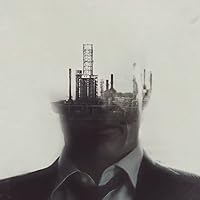
November 15, 2022
Creo que leer a Ligotti es como leer a Joyce, o a Hegel, hay que pararse en cada frase por la manera en que está construida y para saber por qué está construida así. Personalmente me flipa su filosofía pesimista y como te apalea con su visión incendiaria de la realidad que acaba abarrotando de símbolos hasta sus cuentos góticos más aparentemente simples. En esta recopilación hay desde una historia de unas gafas hasta un símil de la semilla de la humanidad con guiñitos a la antropología, pasando por la descripción de una película que en la que el infierno cósmico está representado a través de un microscopio. En definitiva, una obra minuciosamente demencial que, como Joyce y Hegel, necesita de lectores que tengan a la vez paciencia y ansiedad.
PD: Sería increíble leer un estudio psicoanálitico de los cuentos de Ligotti, la verdad.
PD: Sería increíble leer un estudio psicoanálitico de los cuentos de Ligotti, la verdad.
October 14, 2024
disclaimer I read this in spanish.
I truly believe ligotti's prose is incredible. it was very inspirational personally, to imagine the technique behind the stories and the obvious care he put in every line. however, I did not connect with most of the stories, and even though I can appreciate a refined prose and a masterful use of gothic elements, I have to say the stories became repetitive and not quite engaging. there's some sort of static energy in each one of them that would make it more enjoyable to read each story completely separately (as a short story) instead of one after the other (a compilation).
I truly believe ligotti's prose is incredible. it was very inspirational personally, to imagine the technique behind the stories and the obvious care he put in every line. however, I did not connect with most of the stories, and even though I can appreciate a refined prose and a masterful use of gothic elements, I have to say the stories became repetitive and not quite engaging. there's some sort of static energy in each one of them that would make it more enjoyable to read each story completely separately (as a short story) instead of one after the other (a compilation).

September 18, 2012
These have to be the least scary horror stories I have ever read. Way too much repetition and writing that reduces the impact of the horror than prolongs it.
Most of the stories have the same formula. A first person protagonist who always sounds exactly the same, encounters either a person or an object who threatens damnation. Literally, they sound exactly the same even if they are a child-both the Library of Byzantium and Miss Plarr concern child protagonists in first person style who sound like morbid university professors.
This morbid style, and the fine writing had the opposite effect on me. They manage to distance the sense of horror from the situations by too much focus on the protagonists telling us how things are blasted and hellish. The best horror comes from the corruption of the normal, but each protagonist is abnormal from the start, and the narration reinforces this. Oddly then, it's hard to get the full punch out of each scene. All the pessimistic rambling inoculates you.
There are many good situations in the book, like The Cocoons, and the Night School, but they need less adorned writing so that the horror of the event shines through. Like in the Glamour:
The purple lamp did indeed mark a way into the theater, casting its arterial light upon a door that reiterated the word "ENTRANCE." Stepping inside, I entered a tight hallway where the walls glowed a deep pink, very similar in tint to that little beacon in the alley but more reminiscent of a richly blooded brain than a beating heart.
It's impossible to feel dread at this, because he's hitting you over the head with prose that suggests that you should feel afraid. Normal people do not think of things like this-they wouldn't describe light as arterial, nor think of a sign as something like a brain or heart. He doesn't even need to bother with this either, because the main horror is from cobwebs. It's also symptomatic of over-adorned prose, and a lot of his dialogue reads like this. The effect is to mute the fear, and he also uses other devices which do as well, like a story inside of a story, or not having a bad end when he should.
Lovecraft and others also fell prey to this, but Lovecraft spent less time inside their character's heads and more describing weird situations. His characters were normal as well, and not always morbid seekers after truth. Ligotti simply tries to force-feed you the horror and philosophy, and winds up losing any chance to scare me because his fine writing always makes me aware of it. If he had an editor that forced him to cut half of the words out, I think his tales would be terrifying, because he'd be forced to remove all this and let the situation chill us.
So only two stars. There's fine and creative writing in this, but I read this at 3 AM in the morning and didn't get a single chill from it, or any sense of dread.
Most of the stories have the same formula. A first person protagonist who always sounds exactly the same, encounters either a person or an object who threatens damnation. Literally, they sound exactly the same even if they are a child-both the Library of Byzantium and Miss Plarr concern child protagonists in first person style who sound like morbid university professors.
This morbid style, and the fine writing had the opposite effect on me. They manage to distance the sense of horror from the situations by too much focus on the protagonists telling us how things are blasted and hellish. The best horror comes from the corruption of the normal, but each protagonist is abnormal from the start, and the narration reinforces this. Oddly then, it's hard to get the full punch out of each scene. All the pessimistic rambling inoculates you.
There are many good situations in the book, like The Cocoons, and the Night School, but they need less adorned writing so that the horror of the event shines through. Like in the Glamour:
The purple lamp did indeed mark a way into the theater, casting its arterial light upon a door that reiterated the word "ENTRANCE." Stepping inside, I entered a tight hallway where the walls glowed a deep pink, very similar in tint to that little beacon in the alley but more reminiscent of a richly blooded brain than a beating heart.
It's impossible to feel dread at this, because he's hitting you over the head with prose that suggests that you should feel afraid. Normal people do not think of things like this-they wouldn't describe light as arterial, nor think of a sign as something like a brain or heart. He doesn't even need to bother with this either, because the main horror is from cobwebs. It's also symptomatic of over-adorned prose, and a lot of his dialogue reads like this. The effect is to mute the fear, and he also uses other devices which do as well, like a story inside of a story, or not having a bad end when he should.
Lovecraft and others also fell prey to this, but Lovecraft spent less time inside their character's heads and more describing weird situations. His characters were normal as well, and not always morbid seekers after truth. Ligotti simply tries to force-feed you the horror and philosophy, and winds up losing any chance to scare me because his fine writing always makes me aware of it. If he had an editor that forced him to cut half of the words out, I think his tales would be terrifying, because he'd be forced to remove all this and let the situation chill us.
So only two stars. There's fine and creative writing in this, but I read this at 3 AM in the morning and didn't get a single chill from it, or any sense of dread.

February 5, 2022
Thomas Ligotti, muy conocido en el mundo anglosajón, creo que todavía goza de menos fama de la que merece en nuestro país, sobre todo si tenemos en cuenta que se le considera el descendiente literario de Lovecraft y Poe. De hecho, le dedica la primera obra de esta recopilación al de Providence.
Aunque en sus relatos encontramos esas presencias extrañas y terroríficas que ya conocemos, también hay una inquietud por la misma materia, por cuestionarse la propia realidad que percibimos con unos sentidos poco adecuados para analizar lo que se nos presenta. Otras veces, Ligotti llega al terror al cuestionarse sobre lo que es la razón y la locura y cómo diferenciarlas.
También destaca su capacidad para crear atmósferas a lo Poe o Lovecraft. En tan solo un par de párrafos te tiene atrapado en calles sumidas en una oscuridad inquietante. O logra nuestra incomodidad simplemente al cuestionarse con unas pocas frases si lo que vemos está ahí o es totalmente preciso en la información que recibimos. A veces incluso es casi una cuestión filosófica que sobrecoge por sus implicaciones, más que por los elementos de terror puro.
Los relatos que más me han gustado son, precisamente, los más lovecraftianos, como el primero, La última fiesta de Arlequín, con un protagonista antropólogo obsesionado con los payasos, una fiesta extraña en una ciudad inquietante, el comportamiento incomprensible de sus ciudadanos, etc.
Nethescurial también me ha recordado un poco a Cthulú, con su ídolo fragmentado y perdido en diversas islas del globo que, casualmente, se llaman igual.
El último, con una ciudad en la que suceden fenómenos inexplicables, con ancianos que vaticinan lo que ha de venir (o que ven más allá que otros) también me ha gustado mucho.
También hay otros que tratan sobre la realidad, sobre si el personaje está despierto, soñando o si quizá la vida es en realidad un sueño o el sueño es una ventana a otro mundo más real que este. Relatos muy curiosos, y con una inquietante facilidad para capturar al lector.
En general las historias son más bien cortas y se leen muy bien de una sentada, aunque a veces te dejan mirando al vacío, pensando qué es exactamente lo que hemos leído. La prosa es magnífica y la edición de Valdemar gótica, como siempre, un gustazo.
Si queréis saber más, estuvimos hablando sobre este tema en el último programa de Tryperion (https://www.ivoox.com/episodio-24-kin...)
Aunque en sus relatos encontramos esas presencias extrañas y terroríficas que ya conocemos, también hay una inquietud por la misma materia, por cuestionarse la propia realidad que percibimos con unos sentidos poco adecuados para analizar lo que se nos presenta. Otras veces, Ligotti llega al terror al cuestionarse sobre lo que es la razón y la locura y cómo diferenciarlas.
También destaca su capacidad para crear atmósferas a lo Poe o Lovecraft. En tan solo un par de párrafos te tiene atrapado en calles sumidas en una oscuridad inquietante. O logra nuestra incomodidad simplemente al cuestionarse con unas pocas frases si lo que vemos está ahí o es totalmente preciso en la información que recibimos. A veces incluso es casi una cuestión filosófica que sobrecoge por sus implicaciones, más que por los elementos de terror puro.
Los relatos que más me han gustado son, precisamente, los más lovecraftianos, como el primero, La última fiesta de Arlequín, con un protagonista antropólogo obsesionado con los payasos, una fiesta extraña en una ciudad inquietante, el comportamiento incomprensible de sus ciudadanos, etc.
Nethescurial también me ha recordado un poco a Cthulú, con su ídolo fragmentado y perdido en diversas islas del globo que, casualmente, se llaman igual.
El último, con una ciudad en la que suceden fenómenos inexplicables, con ancianos que vaticinan lo que ha de venir (o que ven más allá que otros) también me ha gustado mucho.
También hay otros que tratan sobre la realidad, sobre si el personaje está despierto, soñando o si quizá la vida es en realidad un sueño o el sueño es una ventana a otro mundo más real que este. Relatos muy curiosos, y con una inquietante facilidad para capturar al lector.
En general las historias son más bien cortas y se leen muy bien de una sentada, aunque a veces te dejan mirando al vacío, pensando qué es exactamente lo que hemos leído. La prosa es magnífica y la edición de Valdemar gótica, como siempre, un gustazo.
Si queréis saber más, estuvimos hablando sobre este tema en el último programa de Tryperion (https://www.ivoox.com/episodio-24-kin...)

April 27, 2009
This is a superb collection of short stories - very spooky and creepy. Its not gory, just very atmospheric and lingers - particularly the story about 'The Scream'. Reviewrs often talk about his wok being like Poe and Lovecraft, and they would be right, just with a more modern setting. His language is excellent and complex and its a superb book to get your teeth into ;)
Displaying 1 - 30 of 197 reviews