

What do you think?
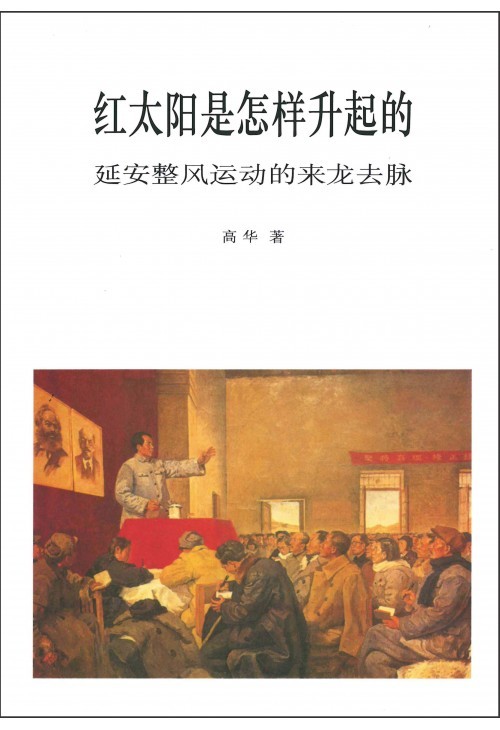
红太阳是怎样升起的:延安整风运动的来龙去脉
延安整风运动是深刻影响二十世纪中国历史进程的重大事件,这是由毛泽东亲自领导的中共党内第一次大规模政治运动,也是建国后历次政治运动的滥觞。
毛泽东在延安整风中运用他所创造的思想改造和审干、肃反两种手段,全面清除了中共党内存留的五四自由民主思想的影响,彻底转换了中共的「俄化」气质,重建了以毛泽东为绝对主宰的上层结构,奠定了党的全盘毛泽东化的基础,其间所产生的一系列概念、范式在1949年后改变了亿万中国人的生活和命运。
本书作者历时十余年,搜寻考辨大量历史资料。在此基础上,从实证研究的角度,详细剖析了延安整风的前因后果及运动所涉及的各个方面,力图再现当年这场运动的历史真貌,是目前海内外唯一一本全面研究延安整风运动的历史著作。
毛泽东在延安整风中运用他所创造的思想改造和审干、肃反两种手段,全面清除了中共党内存留的五四自由民主思想的影响,彻底转换了中共的「俄化」气质,重建了以毛泽东为绝对主宰的上层结构,奠定了党的全盘毛泽东化的基础,其间所产生的一系列概念、范式在1949年后改变了亿万中国人的生活和命运。
本书作者历时十余年,搜寻考辨大量历史资料。在此基础上,从实证研究的角度,详细剖析了延安整风的前因后果及运动所涉及的各个方面,力图再现当年这场运动的历史真貌,是目前海内外唯一一本全面研究延安整风运动的历史著作。
722 pages, Paperback
First published November 1, 2000
Ratings & Reviews
Friends & Following
Create a free account to discover what your friends think of this book!
Community Reviews
Displaying 1 - 30 of 79 reviews

October 11, 2020
How the Red Sun Rose 【红太阳是这样升起的】is a fine-grained history of how Mao Zedong rose to power within the Chinese Communist Party from the early 1930s to the end of the Second World War. The author, Gao Hua 高华, a history professor at Nanjing University and never an official member of the party, wrote all this in his spare time. The translators, Stacy Mosher and Guo Jian, also deserve considerable praise for their work on such a lengthy and specialized text - fifteen years of inter-party conflict is not an easy task even for a seasoned translator.
With such a sensitive topic, it is no surprise that the book was quickly banned from publication on the mainland. It was published by the Chinese University Press of Hong Kong in 2000 and has been reprinted over thirty times since then.
The Chinese Communist Party did not start with Mao - it began in Shanghai in 1921. At that point, it was a bodge of urban intellectuals, army officers, and hardened peasant rebels. It only began to resemble its later form by the 1930s and 1940s in the dusty town of Yan'an in Shaanxi Province, after the long march, several military campaigns, and intense 'rectification' campaigns led by Mao himself. It took on the ideological backing and later the organizational structure of a party-state.
Mao, who started off as a regional representative in the party, worked to improve his position. After purging the (fictional) Anti-Bolshevik League in 1931, he was sidelined by more Soviet-aligned officials within the party by the mid-1930s. (He later got back at them by seizing all the CCP's radio equipment and controlling communications between Moscow and Yan'an). After the party suffered a series of military defeats, he seized control of the armed forces at the Zunyi Conference of 1935. The bulk of the history focuses on his total consolidation of power from 1937 onward.
A part of the inter-party struggle was ideological; being a Marxist-Leninist party, the CCP takes its ideological battles seriously. Mao distrusted the theoretical intellectuals - to him, bad theory was "dogshit". Gao emphasizes that one of the more foundational works of Marxist history was Joseph Stalin's "Short Course on the History of the Communist Party", which recasts all of the Communist Party of the Soviet Union's history as a series of battles between the party and outside forces, internal saboteurs, and that class struggle only intensifies as the state moves towards socialism. Mao found much to admire in the book. He recast himself in the role of being always right, and that opposition was due to "empiricists", "dogmatism", "formalism", "book worship", "opportunists", and any number of intellectual sins. Ideology was not a series of beliefs, but a political weapon, where deviation from what Mao considered acceptable was a punishable offense.
That is not to say that Mao did not have his own set of beliefs to propose. What he most consistently felt and advocated was the "Sinification" of Marxism - of adjusting those foreign doctrines to suit what he felt was China's needs. As a careful student of Chinese history, he understood that China was still vastly rural and that any urban proletariat would be the only driver of rebellion - the peasantry was the more effective choice for that. His contribution, therefore, was combining Chinese nationalism with Marxism-Leninism.
The peak of the book is its discussion of the formal Rectification Movement of 1942-1944. He attracted Chinese intellectuals to Yan'an, and then unleashed a combined force of ideological 'thought work' with personal surveillance. Those at the conference, led by Mao's own head of secret police, Kang Sheng, were made to study some twenty-odd of Mao's works, report their own personal and familial history, report their own private conversations, report their own private thoughts, and write elaborate confessions of their own omissions and failures. To quote, their trousers were pulled down and their tails were cut off.
The campaign's most violent period was the "emergency rescue" movement, which only stopped with Soviet intervention and the looming threat of civil war. This was more violent than indoctrinating, with torture, forced confessions, mock executions, and party cadres killing themselves out of despair. The quotas of guilty officials to find parallels what Mao would resort to later in his career - where the Cultural Revolution has its beginnings in 1942, not just 1955.
There is much to learn about the party, its methods, and its history from this volume. One finds many of the figures here would play a role in the CCP for decades. Kang Sheng, whom the author compares to Lavrentiy Beria, would retain power for the rest of his life. Another one of Mao's most loyal followers, Liu Shaoqi, would be purged during the Cultural Revolution some twenty-five years later.
The book also overturns much of the historical record. Obviously, it goes against useful idiots like Edgar Snow, who think of the Yan'an period as an extended book club. But on the other hand, it also challenges more serious scholarship on the Cultural Revolution period, which saw its roots only extending back to the 1950s - that did not go far back enough.
On a final note, it invites connections between the CCP of 1942 and the CCP of 2020. China has changed beyond imagining over the past 60-odd years. China is not overwhelmingly rural, and the people are much richer. But in the doctrine of the party-state, of combining a touch of Marxism with Chinese nationalism, and the threats of encroaching surveillance and sweeping away old party elites are topics that are of further interest today.
I recommend this for any serious scholar of CCP history and contemporary politics.
With such a sensitive topic, it is no surprise that the book was quickly banned from publication on the mainland. It was published by the Chinese University Press of Hong Kong in 2000 and has been reprinted over thirty times since then.
The Chinese Communist Party did not start with Mao - it began in Shanghai in 1921. At that point, it was a bodge of urban intellectuals, army officers, and hardened peasant rebels. It only began to resemble its later form by the 1930s and 1940s in the dusty town of Yan'an in Shaanxi Province, after the long march, several military campaigns, and intense 'rectification' campaigns led by Mao himself. It took on the ideological backing and later the organizational structure of a party-state.
Mao, who started off as a regional representative in the party, worked to improve his position. After purging the (fictional) Anti-Bolshevik League in 1931, he was sidelined by more Soviet-aligned officials within the party by the mid-1930s. (He later got back at them by seizing all the CCP's radio equipment and controlling communications between Moscow and Yan'an). After the party suffered a series of military defeats, he seized control of the armed forces at the Zunyi Conference of 1935. The bulk of the history focuses on his total consolidation of power from 1937 onward.
A part of the inter-party struggle was ideological; being a Marxist-Leninist party, the CCP takes its ideological battles seriously. Mao distrusted the theoretical intellectuals - to him, bad theory was "dogshit". Gao emphasizes that one of the more foundational works of Marxist history was Joseph Stalin's "Short Course on the History of the Communist Party", which recasts all of the Communist Party of the Soviet Union's history as a series of battles between the party and outside forces, internal saboteurs, and that class struggle only intensifies as the state moves towards socialism. Mao found much to admire in the book. He recast himself in the role of being always right, and that opposition was due to "empiricists", "dogmatism", "formalism", "book worship", "opportunists", and any number of intellectual sins. Ideology was not a series of beliefs, but a political weapon, where deviation from what Mao considered acceptable was a punishable offense.
That is not to say that Mao did not have his own set of beliefs to propose. What he most consistently felt and advocated was the "Sinification" of Marxism - of adjusting those foreign doctrines to suit what he felt was China's needs. As a careful student of Chinese history, he understood that China was still vastly rural and that any urban proletariat would be the only driver of rebellion - the peasantry was the more effective choice for that. His contribution, therefore, was combining Chinese nationalism with Marxism-Leninism.
The peak of the book is its discussion of the formal Rectification Movement of 1942-1944. He attracted Chinese intellectuals to Yan'an, and then unleashed a combined force of ideological 'thought work' with personal surveillance. Those at the conference, led by Mao's own head of secret police, Kang Sheng, were made to study some twenty-odd of Mao's works, report their own personal and familial history, report their own private conversations, report their own private thoughts, and write elaborate confessions of their own omissions and failures. To quote, their trousers were pulled down and their tails were cut off.
The campaign's most violent period was the "emergency rescue" movement, which only stopped with Soviet intervention and the looming threat of civil war. This was more violent than indoctrinating, with torture, forced confessions, mock executions, and party cadres killing themselves out of despair. The quotas of guilty officials to find parallels what Mao would resort to later in his career - where the Cultural Revolution has its beginnings in 1942, not just 1955.
There is much to learn about the party, its methods, and its history from this volume. One finds many of the figures here would play a role in the CCP for decades. Kang Sheng, whom the author compares to Lavrentiy Beria, would retain power for the rest of his life. Another one of Mao's most loyal followers, Liu Shaoqi, would be purged during the Cultural Revolution some twenty-five years later.
The book also overturns much of the historical record. Obviously, it goes against useful idiots like Edgar Snow, who think of the Yan'an period as an extended book club. But on the other hand, it also challenges more serious scholarship on the Cultural Revolution period, which saw its roots only extending back to the 1950s - that did not go far back enough.
On a final note, it invites connections between the CCP of 1942 and the CCP of 2020. China has changed beyond imagining over the past 60-odd years. China is not overwhelmingly rural, and the people are much richer. But in the doctrine of the party-state, of combining a touch of Marxism with Chinese nationalism, and the threats of encroaching surveillance and sweeping away old party elites are topics that are of further interest today.
I recommend this for any serious scholar of CCP history and contemporary politics.
June 26, 2020
读懂了毛泽东,就读懂了一半习近平,也读懂了三分之一以上的中国现状。这本书对读懂毛泽东意义很大。
April 10, 2021
公独射日,九州几人传董狐笔。
天不永年,四海万众悲太史才。
天不永年,四海万众悲太史才。

September 24, 2021
How the Red Sun Rose: The Origin and Development of the Yan'an Rectification Movement, 1930-1945, by Gao Hua, is a beast of a book that looks at the political factions and rivalries within the early CCP movement, leading up to Mao's final seizing of ultimate power in the CCP during the Yan'an Rectification movement. This book is a flurry of names, dates and movements that resembled the factional infighting and differences of opinions that led to numerous purges, rectification campaigns, and executions. Beginning in the early 1920's, when the CCP was an urbanite party run by scholars and disgruntled army officers, the book chronicles the waves of changes that the CCP went through, both in its distance to or from the Comintern and Soviet Union, and its internal Chinese characteristics. The CCP went through many moments, first purging the AB-League and Socialist Parties, (mostly fictional) movements that sought different policy directions, and often ended in mass death. As it developed, it took on its peasant party characteristics, which would make it unique amongst the Communist movements of the time. Mao Zedong, of course, played a huge role in this, as did other important early CCP members; Zhou Enlai, Bo Gu, and Wang Ming to name a few, but many hundreds of others grace the pages of this close thumbing through of early CCP history.
This book is detailed to the extreme; it is no wonder it is banned on mainland China. The squabbles in this book chronicle the rise of Mao, the many blunders and mistakes of the CCP, as well as some of the more bald-faced power grabs. This was a brutal time in history; saying the wrong thing might get one killed. Even so, it is interesting to read this history, as it chronicles the movement in intricate detail, pouring through available sources like party minutes and agendas, internal memos, and first hand accounts and diaries. I cannot do this book any justice with a longer review; it would take a scholarly book review to do the trick. Even better, give it a read! Much is to be gleaned on early CCP history within.
This book is detailed to the extreme; it is no wonder it is banned on mainland China. The squabbles in this book chronicle the rise of Mao, the many blunders and mistakes of the CCP, as well as some of the more bald-faced power grabs. This was a brutal time in history; saying the wrong thing might get one killed. Even so, it is interesting to read this history, as it chronicles the movement in intricate detail, pouring through available sources like party minutes and agendas, internal memos, and first hand accounts and diaries. I cannot do this book any justice with a longer review; it would take a scholarly book review to do the trick. Even better, give it a read! Much is to be gleaned on early CCP history within.

February 10, 2025
诚如高华所言,关于这段历史,绝大部分的原始资料至今仍未公开。因此,对这一领域的历史研究不但远远没有结束,甚至还谈不上已经开始。可仅就高华目前在本书中所梳理的史料来看,毛泽东大致是一个怎样的人,应该是不至于有太大疑问的了。
总的来讲,我一直对中共的党史是不太感兴趣的。一方面,肯定是因为很多史料无法获取,所以还远没有到全面审视它的时候;另一方面,也是因为这段历史于我们而言,并不是过去时而是现在时,而当代史从来都是很难做好的。
然而,读完高华的这本书,我还是惊讶地发觉,49年之后的诸如大鸣大放、反右、大跃进、文革等等那么多次政治运动,在整风运动中全都能找到雏形。“太阳底下无新事”这句出自《圣经》的话,大概从此便有了中国版的本土含义。
很多很多年前,读《墓畔回忆录》,其中有句话印象极深:夏多布里昂评价拿破仑,说他的才能是新式的,野心却是老式的。现在我觉得,这句话拿来评价毛泽东也是再合适不过了。一个披着马克思主义外衣的秦始皇。历史也证明了,这是一个更加凶险的基因组合。
太阳驯服了群星,霸占了天空,无休止地炙烤着每一个角落。地上从此万物凋零,生机渺茫。
总的来讲,我一直对中共的党史是不太感兴趣的。一方面,肯定是因为很多史料无法获取,所以还远没有到全面审视它的时候;另一方面,也是因为这段历史于我们而言,并不是过去时而是现在时,而当代史从来都是很难做好的。
然而,读完高华的这本书,我还是惊讶地发觉,49年之后的诸如大鸣大放、反右、大跃进、文革等等那么多次政治运动,在整风运动中全都能找到雏形。“太阳底下无新事”这句出自《圣经》的话,大概从此便有了中国版的本土含义。
很多很多年前,读《墓畔回忆录》,其中有句话印象极深:夏多布里昂评价拿破仑,说他的才能是新式的,野心却是老式的。现在我觉得,这句话拿来评价毛泽东也是再合适不过了。一个披着马克思主义外衣的秦始皇。历史也证明了,这是一个更加凶险的基因组合。
太阳驯服了群星,霸占了天空,无休止地炙烤着每一个角落。地上从此万物凋零,生机渺茫。

February 8, 2026
二读此书,心境已经大不相同。第一遍读还有激愤、悲痛、遗憾等等复杂情绪,这一遍阅读只剩下——好笑地看戏。
我一边听着鲁宾斯坦弹奏肖邦夜曲和贝多芬钢琴奏鸣曲,一边看着以下极其好笑的内容,比如这段:“接着,又勒令受審人員揭發同伙,將與受審人員有聯繫的其他人一網收來,此謂「老鼠戰略」——即以一人為突破口,逼其咬出其他人。” 又比如这段:“另一女幹部,牡丹區宣傳科科長蘇平,因拒不承認自己是「特務」,被曹軼歐指控 用「美人計」引誘農民幹部做特務,下令將其逮捕入獄。”还有这段:“對馬海德提出的疑問是 : 「一個外國人拋棄了優裕的物質生活,從美國來到上海,又從上海到延安,它的背後是甚麼 ? 」由於馬海德是邊區急需的醫 生,因而對他還較為客氣,只是勸其「坦白交待」 ,而未將其關押 。”
心怀理想的知识青年,奔赴革命圣地延安,估计从未想到自己会像老鼠一样咬噬。骄傲美貌的革命女干部,应该也从未想通,自己是吃了什么迷魂汤,非要去勾引又臭又土的农民干部,性欲再难耐也下不去嘴吧。而与白求恩齐名的著名国际主义战士马海德医生,不知道晚年有没有找出那个问题的答案:他放弃在美国做医生的机会去延安当“老鼠”,究竟是脑子里哪根筋扭住了?
革命必然吃掉自己的孩子,播下的龙种,收获的必然是跳蚤。1942年在延安的“引蛇出洞”、“逼供信”、被关在窑洞里的知识青年,被秘密处决的屠杀和哭声,到了1956年,1959年,1961年,1966年,1968年,那就是反右,饥荒,文革,从一小撮党内人士,推广到了4万万中国同胞所有人身上。延安的灯塔,早已指明了未来中国的方向,要不然怎么能称为“灯塔”呢?
全国人民都是毛泽东的好学生,毛泽东是斯大林的好学生。所谓“延安整风”,无非就是一次中国式“肃反”。甚至连起点都一样:全党学习《联共(布)党史》。慈父斯大林要搞死托洛茨基、布哈林,主席毛泽东要搞死王明、张闻天、博古这些真正读过马列著作,学过马克思原典的留苏派,他要教训不听话的周恩来,他要把中共变成毛共,革命的队伍要变成他的队伍,天上的红太阳只能有一个,只能是他自己。
甚至“整风”这个词都是误导。「整風必然轉入審幹,審幹必然轉入肅反」。革命不是绣花,不是请客吃饭,急风骤雨的革命运动,怎么可能是“惩前毖后,治病救人”?革命的手段就是吞噬,吞噬敌人,吞噬革命者自己。中共元老,薄熙来的亲爹,薄瓜瓜的亲爷爷,“中顾委”老干部薄一波这样回忆道:
“薄一波當年曾被編入黨校一部擔任第一支部幹事,他在晚年回憶搶救運動時記述了他所親眼目睹的「搶救」慘狀。薄一波寫道:有一件我難忘的往事 , 其情其景多年來不時的湧上心头, … …那時我母亲也與我一是到了延安 , 我把她安置在深溝的一個窑洞居住。有一天 , 我去看她時 ,她説 , 「這裏不好住, 每天晚上鬼哭狼嚎, 不知道怎麼回事」。我于是向深溝裏走去, 一查看至少有六、七個窑洞關着約上百人, 有許多人神經失常。問他們為什麼 ? 有的大笑, 有的哭泣, … …最後看管人才無可奈何地告我 :他們都是「搶救」的知識分子 , 是來延安學習而遭到 「搶救」的 !”
读到这段,正听到鲁宾斯坦弹奏贝多芬钢琴奏鸣曲作品第14号,《月光》,如此美妙的音乐,那时的月光,想必也清幽明媚地照着那条深沟,那些窑洞,那些“鬼哭狼嚎”的革命青年吧。他们可曾后悔?他们是否觉得浪费了自己的人生,他们的父母可曾垂泪?我不知道,我只觉得可笑的闹剧变成了《聊斋志异》。有些人活在世上,可能过着的就是从未经过审视的人生。
再次向高华先生致以深深的、崇高的敬意。我觉得他是泄露了天机,因而天不假年。他燃烧了自己,从黑暗中照亮了一些东西。这是圣人。
我一边听着鲁宾斯坦弹奏肖邦夜曲和贝多芬钢琴奏鸣曲,一边看着以下极其好笑的内容,比如这段:“接着,又勒令受審人員揭發同伙,將與受審人員有聯繫的其他人一網收來,此謂「老鼠戰略」——即以一人為突破口,逼其咬出其他人。” 又比如这段:“另一女幹部,牡丹區宣傳科科長蘇平,因拒不承認自己是「特務」,被曹軼歐指控 用「美人計」引誘農民幹部做特務,下令將其逮捕入獄。”还有这段:“對馬海德提出的疑問是 : 「一個外國人拋棄了優裕的物質生活,從美國來到上海,又從上海到延安,它的背後是甚麼 ? 」由於馬海德是邊區急需的醫 生,因而對他還較為客氣,只是勸其「坦白交待」 ,而未將其關押 。”
心怀理想的知识青年,奔赴革命圣地延安,估计从未想到自己会像老鼠一样咬噬。骄傲美貌的革命女干部,应该也从未想通,自己是吃了什么迷魂汤,非要去勾引又臭又土的农民干部,性欲再难耐也下不去嘴吧。而与白求恩齐名的著名国际主义战士马海德医生,不知道晚年有没有找出那个问题的答案:他放弃在美国做医生的机会去延安当“老鼠”,究竟是脑子里哪根筋扭住了?
革命必然吃掉自己的孩子,播下的龙种,收获的必然是跳蚤。1942年在延安的“引蛇出洞”、“逼供信”、被关在窑洞里的知识青年,被秘密处决的屠杀和哭声,到了1956年,1959年,1961年,1966年,1968年,那就是反右,饥荒,文革,从一小撮党内人士,推广到了4万万中国同胞所有人身上。延安的灯塔,早已指明了未来中国的方向,要不然怎么能称为“灯塔”呢?
全国人民都是毛泽东的好学生,毛泽东是斯大林的好学生。所谓“延安整风”,无非就是一次中国式“肃反”。甚至连起点都一样:全党学习《联共(布)党史》。慈父斯大林要搞死托洛茨基、布哈林,主席毛泽东要搞死王明、张闻天、博古这些真正读过马列著作,学过马克思原典的留苏派,他要教训不听话的周恩来,他要把中共变成毛共,革命的队伍要变成他的队伍,天上的红太阳只能有一个,只能是他自己。
甚至“整风”这个词都是误导。「整風必然轉入審幹,審幹必然轉入肅反」。革命不是绣花,不是请客吃饭,急风骤雨的革命运动,怎么可能是“惩前毖后,治病救人”?革命的手段就是吞噬,吞噬敌人,吞噬革命者自己。中共元老,薄熙来的亲爹,薄瓜瓜的亲爷爷,“中顾委”老干部薄一波这样回忆道:
“薄一波當年曾被編入黨校一部擔任第一支部幹事,他在晚年回憶搶救運動時記述了他所親眼目睹的「搶救」慘狀。薄一波寫道:有一件我難忘的往事 , 其情其景多年來不時的湧上心头, … …那時我母亲也與我一是到了延安 , 我把她安置在深溝的一個窑洞居住。有一天 , 我去看她時 ,她説 , 「這裏不好住, 每天晚上鬼哭狼嚎, 不知道怎麼回事」。我于是向深溝裏走去, 一查看至少有六、七個窑洞關着約上百人, 有許多人神經失常。問他們為什麼 ? 有的大笑, 有的哭泣, … …最後看管人才無可奈何地告我 :他們都是「搶救」的知識分子 , 是來延安學習而遭到 「搶救」的 !”
读到这段,正听到鲁宾斯坦弹奏贝多芬钢琴奏鸣曲作品第14号,《月光》,如此美妙的音乐,那时的月光,想必也清幽明媚地照着那条深沟,那些窑洞,那些“鬼哭狼嚎”的革命青年吧。他们可曾后悔?他们是否觉得浪费了自己的人生,他们的父母可曾垂泪?我不知道,我只觉得可笑的闹剧变成了《聊斋志异》。有些人活在世上,可能过着的就是从未经过审视的人生。
再次向高华先生致以深深的、崇高的敬意。我觉得他是泄露了天机,因而天不假年。他燃烧了自己,从黑暗中照亮了一些东西。这是圣人。

May 13, 2018
只能说好人不长命 高华大家走得早啊!字里行间深深的人性关怀!如今 我们依然在整风的时代中飘荡!
June 26, 2020
读懂毛泽东,大概就读懂一半习近平了。这本书写党国整风技俩,到现在依然沿用。

September 2, 2018
高华此书「弗去历史的尘埃」,得以让我等后辈看清延安整风运动这一段历史的一角,看到共党极左思潮的源头。看完后,亦如某位书友所感:醍醐灌顶。
整风运动之后,真正奠定了毛大权独揽、乾纲独断的独裁地位,这一尊红太阳冉冉升起,从此,中共乌托邦式理想主义的革命情怀消融无踪。
观看这一段残酷血腥的历史无疑也是不容易的,看这本书的过程中不时感到心神俱疲,甚至噩梦连连。看清这段历史,加深对共产革命的认识,是为了更坚决地、义无反顾地告别它。
感念史家高华。
整风运动之后,真正奠定了毛大权独揽、乾纲独断的独裁地位,这一尊红太阳冉冉升起,从此,中共乌托邦式理想主义的革命情怀消融无踪。
观看这一段残酷血腥的历史无疑也是不容易的,看这本书的过程中不时感到心神俱疲,甚至噩梦连连。看清这段历史,加深对共产革命的认识,是为了更坚决地、义无反顾地告别它。
感念史家高华。

September 20, 2021
和官修党史差别很大。对毛泽东和共产党的了解更充分。以史为鉴,和毛比起来,历届屠夫还是太弱了。等国对知识分子的迫害也不是一天两天的事情。当权者控制历史,就可以控制未来,控制历史最简单的做法当然是残害知识分子。我们都是历史的见证者,也可以都是历史的书写者。禁是禁不完的。
March 21, 2021
理解中国共产党的必读书
中国的共党式整风迫害从来没有断过,习近平上台后愈演愈烈。
中国的共党式整风迫害从来没有断过,习近平上台后愈演愈烈。
May 7, 2023
By all means not a quick read. The book never lost my attention though, having been well translated and providing information available nowhere else. The most important parts are the descriptions of the torture of "social democrats" in the "campaign against the AB League" and the torture by sleep deprivation, starting with the anti-liberalism campaign, the persecution of Wang Shiwei, secondly the Party School rectification and, lastly the Emergency Rescue campaign. The most important parts of the book could be cut down to 100 pages or less. Including 2-3 pages about the Soviet system of the Chinese Soviet Republic in chapter 1, the nomination of Mao as party chief by Georgi Dimitrov, the original purpose of the Organisation Bureau, etc.
What did I use this book for?
I published a short piece evaluating the communist land redistribution program based on Bianco 2005, Dikötter 2013, DeMaire 2019, and comments by Qin Hui and some chapters in The Cambridge Economic History of China.
https://totalrevision.blogspot.com/20...
However, my perspective shifted from focusing on the violent Klassenkampf itself (which I could still write more about), rather I look at the strategic coherence with what comes before and after (implicitly taking into account the strategic context of WWII and the civil war period).
With the help of the secret service and Organisation Bureau, the Rectification campaign (1942-5) made the bureaucracy into loyal Maoists, that went on to put in place Mao's utopian 大同 step by step. Thus 1947 land redistribution was clearly insincere, since land would become the public property of the state in the mid-50s. Statistical evidence and the story told in How the Red Sun Rose, as well as statements by Liu Shaoqi and others, point to the insincerity of land redistribution and the sincerity of class struggle as the ultimate guarantor of revolutionary justice and societal progress. The latter clarifies the relationship between communist ideology and revolution, supported by the accounts of Dikötter and DeMaire. Moreover, Bianco’s account provides further proof that land redistribution was a communist party power-grab, rather than an emancipation effort.
The myth that Mao was not a communist because he didn't make society more equal is prevalent among pro-democracy dissidents of China with a hope to combine Communism (and its supposedly humanist cannon, in their view linked to the May 4th movement) with democracy (that only ever existed in rhetoric within the communist movement, cp. my review of From Raj to Republic by Purushotham). Instead, what is sometimes assumed, is that Mao was a sort of Chinese warlord that wanted to become the next emperor and maintain a traditional Chinese hierarchy. But How the Red Sun Rose contradicts this narrative of Chinese continuity. While there are of course some examples of Mao's enthusiasm to sinicise communism (laid out in the book), the political and social system and especially the concept of revolution through class struggle are all imported from Soviet communism. From this perspective, if communist China is to be understood as continuous with the imperial past, then it should at least be considered a "foreign" form of “dynasty” (in the Ancient Greek sense of the term). Communists in the 20th century didn't believe in equality in a pragmatic sense, they believed in history. They believed in the power of class struggle as the motor of history that would lead to equality. Equality was a feature of the future society, not necessarily of their economic or social policies. The rigid understanding of which type of policies would be conducive to class struggle led to a hierarchy that made China more "feudal" under communism than before communism.
The fact that class struggle was at the center of communist policy-making is evident from episodes such as the purge of the AB League, the Rectification campaign or the 1947 land reform, even before the country was conquered in 1949.
The re-evaluated praxis of class struggle during the reform era and again after the fall of the Soviet Union can be contrasted with its praxis in the Revolution era. I’d hypothesize that the juxtaposition of the Rectification campaign to today’s practices reveal firm continuities (one fundamental difference being that today there is no need for coercing the writing of diaries or autobiographies, since such private data can be collected automatically through social media). Thus, equally with the intention of examining communist party practices in today’s China, reading Gao Hua’s book can be meaningful.
What did I use this book for?
I published a short piece evaluating the communist land redistribution program based on Bianco 2005, Dikötter 2013, DeMaire 2019, and comments by Qin Hui and some chapters in The Cambridge Economic History of China.
https://totalrevision.blogspot.com/20...
However, my perspective shifted from focusing on the violent Klassenkampf itself (which I could still write more about), rather I look at the strategic coherence with what comes before and after (implicitly taking into account the strategic context of WWII and the civil war period).
With the help of the secret service and Organisation Bureau, the Rectification campaign (1942-5) made the bureaucracy into loyal Maoists, that went on to put in place Mao's utopian 大同 step by step. Thus 1947 land redistribution was clearly insincere, since land would become the public property of the state in the mid-50s. Statistical evidence and the story told in How the Red Sun Rose, as well as statements by Liu Shaoqi and others, point to the insincerity of land redistribution and the sincerity of class struggle as the ultimate guarantor of revolutionary justice and societal progress. The latter clarifies the relationship between communist ideology and revolution, supported by the accounts of Dikötter and DeMaire. Moreover, Bianco’s account provides further proof that land redistribution was a communist party power-grab, rather than an emancipation effort.
The myth that Mao was not a communist because he didn't make society more equal is prevalent among pro-democracy dissidents of China with a hope to combine Communism (and its supposedly humanist cannon, in their view linked to the May 4th movement) with democracy (that only ever existed in rhetoric within the communist movement, cp. my review of From Raj to Republic by Purushotham). Instead, what is sometimes assumed, is that Mao was a sort of Chinese warlord that wanted to become the next emperor and maintain a traditional Chinese hierarchy. But How the Red Sun Rose contradicts this narrative of Chinese continuity. While there are of course some examples of Mao's enthusiasm to sinicise communism (laid out in the book), the political and social system and especially the concept of revolution through class struggle are all imported from Soviet communism. From this perspective, if communist China is to be understood as continuous with the imperial past, then it should at least be considered a "foreign" form of “dynasty” (in the Ancient Greek sense of the term). Communists in the 20th century didn't believe in equality in a pragmatic sense, they believed in history. They believed in the power of class struggle as the motor of history that would lead to equality. Equality was a feature of the future society, not necessarily of their economic or social policies. The rigid understanding of which type of policies would be conducive to class struggle led to a hierarchy that made China more "feudal" under communism than before communism.
The fact that class struggle was at the center of communist policy-making is evident from episodes such as the purge of the AB League, the Rectification campaign or the 1947 land reform, even before the country was conquered in 1949.
The re-evaluated praxis of class struggle during the reform era and again after the fall of the Soviet Union can be contrasted with its praxis in the Revolution era. I’d hypothesize that the juxtaposition of the Rectification campaign to today’s practices reveal firm continuities (one fundamental difference being that today there is no need for coercing the writing of diaries or autobiographies, since such private data can be collected automatically through social media). Thus, equally with the intention of examining communist party practices in today’s China, reading Gao Hua’s book can be meaningful.

November 27, 2020
THE BOOK that determined my career path. Having read it for three times, I can still learn something new every time I check a individual chapter for reference, be it meticulous cross-reading of diverse sources, innovative analysis of single historical moments, or the concise but meaningful diction. The book well balances narrative and analysis, telling decades-long story of Mao's rise to supreme power within the CCP from different perspectives. Gao's subsequent research all center on the approaches and findings of this book. He is extremely skillful in describing how sophisticated CCP ideology worked out in reality, appealing to social and even cultural history.
P.S.: Gao is truly a compassionate and outstanding historian; he is not a dissident. The hagiographical description of him as a heroic figure against evil Maoism and Communism is outrageously ahistorical and upsetting.
P.S.: Gao is truly a compassionate and outstanding historian; he is not a dissident. The hagiographical description of him as a heroic figure against evil Maoism and Communism is outrageously ahistorical and upsetting.

November 20, 2021
2015年末读的,在豆瓣已找不到任何踪迹,后从香港带回纸质书。我一直将此书奉为学术目标,不敢奢望写出如此作品,但一直努力以求在史识上能达到这种透彻豁达的境界,诚如高华在后记中所写,“如果此书带有什么价值倾向的话,那就是我至今还深以为然的五四的新价值,民主、自由、独立、社会正义和人道主义”,我将此话写入我的论文后记,高华的精神会陪伴我一生。
已经把中国带上纳粹之路的共匪也必将灭亡。
已经把中国带上纳粹之路的共匪也必将灭亡。
March 24, 2024
醍醐灌顶…初高中隐藏在常识和历史课本背后那些若隐若现的困惑一一被解答,对中共有了不算新,但更具体的认识。书名“红太阳是怎样升起的”的含义即是毛泽东是如何确立起他在中共至高无上的统治地位,而这正是延安整风运动的目的。本书从“肃AB(Anti-Bolshevik,反布尔什维克)团”开始讲起,以中共七大结束。主要包括党内上层权力斗争和运动蔓延至中下层的审干、反奸和抢救过程。
看完最大的感受是绝望和不值得。绝望的是,没想到比起“坏人”,毛更是一个睚眦必报斤斤计较的小人,最擅长的事是翻旧帐(眼前浮现的是一个阴暗小人躲在角落把所有人有意/无意的“与之相左”“错误”言论一条一条记到小本本上,用来日后打倒这群人),只放过和自己意见完全一致的人。可讽刺的是刘少奇日后不也是被毛在文革中打倒吗…“搬起石头砸自己的脚”,刘自己应该也不会想到,由他们大力推动升起的红太阳最后反倒埋葬了自己。小人当道直到今日,延安整风中大力推行的审查、肃奸、抢救等卑劣的政治斗争方法也延续到现在,领导我们的人正是最不信任我们的人,so sad.
不值得的是,当时那么多心怀革命激情的知识分子为了理想和信仰来到延安这一“乌托邦”,却在这里被批斗,甚至丢了性命,而这仅仅是中共迫害知识分子的开始。延安整风一步一步摧毁五四运动后在知识分子当中形成的“自由 民主 独立 科学”风气,用反智主义取而代之,同样延续到现在…你我仍旧生活在整风的阴影下。保护好自己,take care.
看完最大的感受是绝望和不值得。绝望的是,没想到比起“坏人”,毛更是一个睚眦必报斤斤计较的小人,最擅长的事是翻旧帐(眼前浮现的是一个阴暗小人躲在角落把所有人有意/无意的“与之相左”“错误”言论一条一条记到小本本上,用来日后打倒这群人),只放过和自己意见完全一致的人。可讽刺的是刘少奇日后不也是被毛在文革中打倒吗…“搬起石头砸自己的脚”,刘自己应该也不会想到,由他们大力推动升起的红太阳最后反倒埋葬了自己。小人当道直到今日,延安整风中大力推行的审查、肃奸、抢救等卑劣的政治斗争方法也延续到现在,领导我们的人正是最不信任我们的人,so sad.
不值得的是,当时那么多心怀革命激情的知识分子为了理想和信仰来到延安这一“乌托邦”,却在这里被批斗,甚至丢了性命,而这仅仅是中共迫害知识分子的开始。延安整风一步一步摧毁五四运动后在知识分子当中形成的“自由 民主 独立 科学”风气,用反智主义取而代之,同样延续到现在…你我仍旧生活在整风的阴影下。保护好自己,take care.
Read
August 28, 2019Blame it all on Mao, or shall we readily applaud?
January 10, 2021
豆瓣的标记被删了,转移到这标记一下。
January 16, 2023
读到最后,眉头紧锁;这百年党史,是红还是黑?

July 17, 2017
This book is organized around the Yan'an Rectification Movement in 1940s in the areas occupied by CCP and its armies during World War II, but goes beyond the event itself. Not only does it touch upon various prototypes of the movement (e.g. the purge of so-called Troskians); it also inquites into the function of the Movement for Mao Zedong, its underlying ideology, as well as the influence it exercises even upon the way the People's Republic of China deals with problems nowadays. Therefore, the book is genuinely historical rather than merely documentary. It helps us understand contemporary China - which is largely a legacy of the Movement - and step out of the confusion generated by decades of sorrow, fear, deception and self-deception.
Although Gao Hua's problematic is extremely acute, his historiological approach has been fundamentally influenced by the historical material to which he had access. Significantly, one of the central claims of the book is implicitly based on class-determinism. The argument runs as follows:
1) upon its foundation, CCP mainly comprised intellectual elites, most of whom had been well educated in orthodox Marxism;
2) the persecution of them by KMT greatly reduced the population of this elite class;
3) moreover, as Mao founded the citadel in Jiangxi through military riots, CCP had to depend more and more on its army, and people from the peasant class began to seize power;
4) the peasant class was only interested in the traditional mode of revolt, namely in annihilating those currently in charge so as to acquire power and domination for themselves;
5) the peasant class was also hostile to the elite due to the feeling of inferiority and anti-intellectualism;
6) therefore, Marxism underwent fundamental banalization, in the name of sinicization, so that the egalitarian revolutionary ideal was distorted into a combination of populism and "inverse" hierarchy - the humbler, the nobler;
7) finally, all these happened through the deliberation of Mao, an archetype of narrow-minded peasant who is sly and without principles.
Despite the questionable perspective, all these becomes more plausible when Gao situates them in the context of the extreme harshness of Chinese socialist movement. For a very long period, CCP was seriously threatened by oppression, espionage and permeation from the Kuomintang part, even when they were apparently in collaboration. Consequently, the CCP "mind" would perceive anything new primarily as detrimental, obstructive, or at least dubious. The sense of otherness was pushed to such an extreme that even members of the party could well turn out to be enemies, and thus should not be trusted until spiritually destroyed and re-manufactured. This basic attitude still dominates today's China and prevents it from incorporation into the world at large. It also necessitates "engineering of the souls" of its people.
On the other hand, the elite members of CCP tended to compromise when confronted by Mao, for they feared more of the cleavage of the party and of hence failing to realize the revolutionary goal. In a sense, Mao recklessly abused their toleration and managed to defeat and defame them one by one, finally establishing his supreme autocracy. The significance of Gao's narrative is its disclosure that CCP's radicalness has been constituted by the radicalness of the Other, i.e. the atmosphere created by its "opponents", real and imaginary. No doubt that Gao's book soon became part of this otherness. However, it is one thing that the party had to react under a critical circumstance; it is another thing that Mao overestimated the severity and utilized it to legitimize his attack on his colleagues and the rise of his own authority.
The book also reveals a lot concerning the psychology of people under Maoist regulation. First, as an application of economical materialism, the hierarchical accommodation and catering system had a significant impact on the dignity of intellectuals, for their knowledge and judgment were rendered "useless", even not deserving one's sustenance.
Second, the personal experience during the rectification movement is a complex of being educated, self-doubt and self-negation, terror towards torture, mutual distrust, confession and utter renewal of personality. One might be reminded of some extreme versions of Christianity, which was also aimed at reformulating the soul. The curious point here is that, once initiated, this process can strengthen itself more and more until externally extinguished. Presumably, there is some pleasure in radically renewing one's character (think of religious conversion), except that all these were intentionally incurred and regulated. In this way, the personal basis for an authoritarian society was prepared.
The book also summarizes Mao's attitude towards the function of journalism and art. It is highly pragmatist in that it requires every work to be a means of politics and accordingly forbids any criticism and suspicion. The control over the communication of information and ideas has been so effective that it becomes almost impossible for ideas even to be generated. Self-censorship out of terror turns out to be much more pervasive than overt ones.
For someone who grows up in China, this book is just articulating what has always already been felt and feared implicitly. It is most contributive in terms of clarifying the sources of problems and distinguishing between Marxism and its Chinese "variation", between the good intention of predecessors and the freak that emerged out of it, between the necessity of struggles, the formidable arbitrariness of some individuals, and the soil that enabled their deeds.
Although Gao Hua's problematic is extremely acute, his historiological approach has been fundamentally influenced by the historical material to which he had access. Significantly, one of the central claims of the book is implicitly based on class-determinism. The argument runs as follows:
1) upon its foundation, CCP mainly comprised intellectual elites, most of whom had been well educated in orthodox Marxism;
2) the persecution of them by KMT greatly reduced the population of this elite class;
3) moreover, as Mao founded the citadel in Jiangxi through military riots, CCP had to depend more and more on its army, and people from the peasant class began to seize power;
4) the peasant class was only interested in the traditional mode of revolt, namely in annihilating those currently in charge so as to acquire power and domination for themselves;
5) the peasant class was also hostile to the elite due to the feeling of inferiority and anti-intellectualism;
6) therefore, Marxism underwent fundamental banalization, in the name of sinicization, so that the egalitarian revolutionary ideal was distorted into a combination of populism and "inverse" hierarchy - the humbler, the nobler;
7) finally, all these happened through the deliberation of Mao, an archetype of narrow-minded peasant who is sly and without principles.
Despite the questionable perspective, all these becomes more plausible when Gao situates them in the context of the extreme harshness of Chinese socialist movement. For a very long period, CCP was seriously threatened by oppression, espionage and permeation from the Kuomintang part, even when they were apparently in collaboration. Consequently, the CCP "mind" would perceive anything new primarily as detrimental, obstructive, or at least dubious. The sense of otherness was pushed to such an extreme that even members of the party could well turn out to be enemies, and thus should not be trusted until spiritually destroyed and re-manufactured. This basic attitude still dominates today's China and prevents it from incorporation into the world at large. It also necessitates "engineering of the souls" of its people.
On the other hand, the elite members of CCP tended to compromise when confronted by Mao, for they feared more of the cleavage of the party and of hence failing to realize the revolutionary goal. In a sense, Mao recklessly abused their toleration and managed to defeat and defame them one by one, finally establishing his supreme autocracy. The significance of Gao's narrative is its disclosure that CCP's radicalness has been constituted by the radicalness of the Other, i.e. the atmosphere created by its "opponents", real and imaginary. No doubt that Gao's book soon became part of this otherness. However, it is one thing that the party had to react under a critical circumstance; it is another thing that Mao overestimated the severity and utilized it to legitimize his attack on his colleagues and the rise of his own authority.
The book also reveals a lot concerning the psychology of people under Maoist regulation. First, as an application of economical materialism, the hierarchical accommodation and catering system had a significant impact on the dignity of intellectuals, for their knowledge and judgment were rendered "useless", even not deserving one's sustenance.
Second, the personal experience during the rectification movement is a complex of being educated, self-doubt and self-negation, terror towards torture, mutual distrust, confession and utter renewal of personality. One might be reminded of some extreme versions of Christianity, which was also aimed at reformulating the soul. The curious point here is that, once initiated, this process can strengthen itself more and more until externally extinguished. Presumably, there is some pleasure in radically renewing one's character (think of religious conversion), except that all these were intentionally incurred and regulated. In this way, the personal basis for an authoritarian society was prepared.
The book also summarizes Mao's attitude towards the function of journalism and art. It is highly pragmatist in that it requires every work to be a means of politics and accordingly forbids any criticism and suspicion. The control over the communication of information and ideas has been so effective that it becomes almost impossible for ideas even to be generated. Self-censorship out of terror turns out to be much more pervasive than overt ones.
For someone who grows up in China, this book is just articulating what has always already been felt and feared implicitly. It is most contributive in terms of clarifying the sources of problems and distinguishing between Marxism and its Chinese "variation", between the good intention of predecessors and the freak that emerged out of it, between the necessity of struggles, the formidable arbitrariness of some individuals, and the soil that enabled their deeds.

September 12, 2023
Very informative and enlightening.

March 1, 2022
#豆瓣已删条目# 延安整风中形成的一系列“思想工作”方法,对日后的中国产生了深远影响
November 17, 2020
Very interesting dive into Mao's rise in the CCP. Sets the stage for the internal politics that characterize the rest of the Mao era. Also interesting for thinking about bureaucratic politics more generally. Fairly dense, very well done.
December 25, 2014
Very chilling reality about the early history of CCP, and the romantic red revolution with only one protagonist.
August 7, 2015
這本書很清楚地解釋了什麼叫做「肅反擴大化」。
February 12, 2017
利用有限的公开文献做出了非常精彩的研究,揭开了革命党内部运作的帷幕一角,非常有助于打破神话和幻想。严谨也好看,

May 4, 2019
高华是中国著名的历史学家。起初看到这本书是因为老师的推荐。自己找来看了一眼目录之后就知道这是一本不简单的书。于是花了几天一口气看完了。只能说,我不知道这样的历史到底是不是完全真实的面貌,我只能说这是另一种值得思考的视角。
January 16, 2020
来龙去脉比较完整。

August 18, 2020
高华先生千古
Displaying 1 - 30 of 79 reviews