Jump to ratings and reviews
Rate this book

Locos - Bir Jestler Komedisi

Rate this book
Elli yıllık bir karanlıkta kalma döneminin ardından 1990'larda Felipe Alfau gizli bir edebiyat hazinesi olarak Amerika'da yeniden keşfedildi. Kendi zamanının çok önünde edebi teknikler kullanarak Nabokov, Pynchon, Barthelme, Barth ve Sorrentino gibi Amerikan edebiyatının postmodern devlerinin öncüsü olduğu ilan edildi.

"Alfau'nun yaratıcı 'jestler komedisi', her eğlence parkındaki aynalı labirentler gibi kafa karıştırıcı, delirtici ve fazlasıyla eğlenceli. Modern bir çok-satanın gerektirdiği her şeye sahip: cinayet, ensest, günahkâr rahipler, şehvetli rahibeler, birkaç intihar, çeşitli gizemler, yaşayan ölüler, pezevenkler ve fahişeler ve şairler, Çin'den Filipinler'e, Karayipler'den Avrupa'ya uzanan mekânlar." -Washington Post

"Okuyucular Alfau'yu yalnızca Nabokov ve Calvino'yla değil, Garcia Marquez ve Borges'le de kıyaslıyor."
-New Yorker-

"Locos'un üzerinde bıraktığı etki daha ziyade aşk gibiydi. Bu kitabın cazibesine kapılmıştım ve onu asla unutamadım. Yine de şimdi yeniden okuduğumda, kitaba dair hatırladıklarımın biraz karmaşık olduğunu görüyorum; heyecanlı bir gençlik aşkının hatıraları gibi sanki. Alfau ya da kitabı açıkça benim kaderimdi; onunla sonradan Nabokov'un Solgun Ateş'inde ve birçok kez Italo Calvino'da karşılaştım. Ama Locos ilk aşkımdı ve yazarın da tek kitabıydı. Alfau'yla bir daha karşılaşmadım; İspanyollar adını bile bilmiyorlardı. Belki de Amerika'da yaşadığındandır; şayet gerçekten yaşadıysa tabii. Ama ülkesinde Locos'u benden başka okuyan biriyle tanışmadım. Şimdiyse kitap yeniden basılıyor. Yaklaşık elli yıl önce kurulmuş ve "Kaşifler" olarak bilinen bir Farrar ve Rinehart kulübü bir şekilde kitabı yeniden keşfetmiş"
-Mary McCarthy-

208 pages, Paperback

First published January 1, 1936

30 people are currently reading
1602 people want to read

About the author

Felipe Alfau

6 books36 followers
Felipe Alfau was an American Spanish novelist and poet. Like his contemporaries Luigi Pirandello and Flann O'Brien, Alfau is considered a forerunner of later postmodern writers such as Vladimir Nabokov, Thomas Pynchon, Donald Barthelme, and Gilbert Sorrentino.

http://web.archive.org/web/2007092909...

Ratings & Reviews

What do you think?
Rate this book

Friends & Following

Create a free account to discover what your friends think of this book!

Community Reviews

5 stars
228 (37%)
4 stars
238 (39%)
3 stars
118 (19%)
2 stars
23 (3%)
1 star
2 (<1%)
Displaying 1 - 30 of 89 reviews
Profile Image for Vit Babenco.
1,787 reviews5,801 followers
February 9, 2022
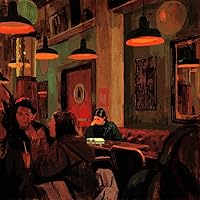
Somewhere in Toledo, lost amongst narrow streets, there is the Café of the Crazy frequented by disused literary characters…
Bad writers were in the habit of coming to that café in quest of characters, and I came now and then among them. At that particular place one could find some very good secondhand bargains and also some fairly good, cheap, new material.

Characters live separately from authors and they wish to be independent and uncontrolled…
…that which is reality for humans is a hallucination for a character. Characters have visions of true life – they dream reality and then they are lost.

There is an episode in the novel called The Butterfly Charmer and in spite of all the declared autonomy of the characters Felipe Alfau like a butterfly charmer makes them perform all the tricks he wants.
Spring comes and the winter of our discontent is defeated.
Profile Image for Glenn Russell.
1,512 reviews13.3k followers
Read
January 8, 2024


"This...novel is written in short stories with the purpose of facilitating the task of the reader. In this way the reader does not have to begin the book near a given cover and finish it at a point nearer the opposite cover. Each chapter being a complete story in itself, the reader may pick up this book and begin it at the back and end it at the front, or he may begin it and end it in the middle, depending on his mood. In other words, he can read it in any fashion except, perhaps, upside down."

"Aside from the superficial arrangement, I am not entirely to blame for committing this novel; the characters used in its being, I believe, far more responsible than myself."

Believe it or not, the above two quotes from the opening page of Felipe Alfau's Locos were written in 1928 when the author was age twenty-six. After multiple rejections, Alfau finally found a small NYC publisher in 1936 willing to commit to printing a short-run. Perhaps not surprisingly, the novel went nearly unnoticed in the literary world until republished by Dalkey Archive Press in 1988.

Born in Spain, Felipe Alfau's family moved to New York when he was a teenager. Felipe lived his entire adult life in the US and Locos as well as his other novel, Chromos, were written in English.

Are you a fan of postmodernism? If so, you're in for a special treat reading Locos: eight interconnected stories wherein characters refuse to stick to one assigned age or role and stories nest within stories within stories. Almost like a dare, the narrator (forty-three years prior to Calvino's If on a winter's night a traveler!) advises us to simply enjoy the literary ride rather than trying to figure out how all the puzzle pieces fit together. But who can refuse the bait? Indeed, it is reported one ambitious reader compiled a large box of index cards in an attempt to cross reference all the many connections, enough to drive any sane reader loco.

But enough generalizations. To share the novel's distinctive rasa, I'll squeeze the Locos fruit to extract some juice by focusing on the first two chapters:

IDENTITY
"I'm writing this story, I am fulfilling a promise to my poor friend Fulano.
My friend Fulano was the least important of men and this was the great tragedy of his life. Fulano had come to this world with the undaunted purpose of being famous and he had failed completely, developing into the most obscure person."

So begins this tale where the narrator offers a few sad snatches of just how invisible and insubstantial poor Fulano before relating an episode taking place in a Madrid café when he was conversing with his friend Dr. José de los Rios and absorbed in contemplating the characters he expected to use in his book.

Then, as if out of nowhere, he spots Fulano sitting next to him for the first time, although Fulano has been trying to get his attention for half an hour. Wow! Now that's a man who is truly insubstantial!

But fear not - after a few bouts of Fulano-style moaning and groaning between other bizarre café happenings (make note of all the women and men as they will reappear in morphed form in subsequent chapters), the good Dr. José de los Rios comes up with a surefire solution: Fulano should pen a suicide note, travel to Toledo, to the the bridge of Alcántara (ah, such a historical background will lend color to his action), and leave the suicide note along with his jacket, personal identification, credentials, money. In this way, everyone will think he really did commit suicide. He can read all about his now famous self in the next day's newspaper.

Any bets this plan, all very logical, will actually work for poor Fulano?

A CHARACTER
“The story I intend to write is a story which I have had in mind for some time. However, the rebellious qualities of my characters have prevented me from writing it. It seems that while I frame my characters and their actions in my mind, I have them quite well in hand, but it suffices to set a character on paper to lose control of him immediately. He goes off on his own track, evades me and does what he pleases with himself, leaving me absolutely helpless.”

Such an opening! And, again, written decades prior to the metafictional acrobatics of Calvino, Pynchon, Barth and Barthelme. Now that his character is on the loose and can exercise a degree of freedom, here's what the fictional man says before striking out on a night walk on a real street among real people:

“Now that my author has set me on paper and given me a body and a start, I shall proceed with the story and tell it in my own words. Now that I am free from his attention I am able to do as I please. He thinks that by forgetting about me I shall cease to exist, but I love reality too much and I intend to continue to move and think even after my author has shifted his attention from me.”

I'll make a fast-cut to a gripping scene deep into the story: the character sits up in bed, emotionally traumatized, and relates a dream: he's back in the house where he lived as a young man. “At the end of the corridor there was a room that had formed a kind of superstition in the family. No one liked it, they were all afraid of it.” Do you hear echoes of Julio Cortázar 's House Taken Over? And as we soon discover, this eerie tale quickly shifts to one of Gothic horror.

How should I conclude my review of this stunning work I can't recommend highly enough? Here's a quote from a more recent reviewer on reading the Dalkey Archive edition: “You keep reading this hypnotic novel the way a sleeping person wants to keep dreaming.” And this from the publisher: “Felipe Alfau creates a mercurial dreamscape in which the character – the eccentric, sometimes criminal, habitués of Toledo's Café of the Crazy – wrench free of authorial control, invade one another's stories, and even turn into one another.”

Read Locos. You'll want more. Fortunately there is more - Felipe Alfau's second novel, Chromos.


Felipe Alfau, 1902-1999
Profile Image for Sinem A..
486 reviews291 followers
February 8, 2019
-şöyle kısaca bir tarif yapmaya çalışırsam kendimce-;
Caz dinlemek gibiydi... Aynı nota diziliminden oluşmuş bir melodinin kaç çeşit varyasyonu varsa hepsini keyifle, bağlayarak, ayırarak, etkileyerek aksak ritimle, farklı tempolarda içinden ya da dışından dinlemek gibi keyifliydi.
Profile Image for Mevsim Yenice.
Author 8 books1,266 followers
February 20, 2019
Oyuncu ve eğlenceli metinlerden oluşmuş bir kitap Locos. Roman diye geçiyor, 8 bölümden oluşmuş bir roman da denebileceği gibi, 8 öyküden oluşan bir öykü kitabı da denebilir. Bölümler istediğiniz sırayla okunabiliyor. Ben kitaptaki sıraya uyarak okudum.

Öykülerin birkaçı Cortazar'ın bazı öyküleriyle aynı tadı verdi. Kimlik ve karakter yaratmanın, Tanrı ve yaratıcı olmanın sınırlarını genişletiyor öyküler. Bu yönden de oldukça başarılı ve özgün buldum kitabı.

Kimlik, Dilenci ve Parmak İzi en beğendiğim bölümlerdi.

Tavsiye ederim.
Profile Image for merixien.
671 reviews661 followers
April 6, 2021
Kitapta karakterler yazarla, yazar okuyucuyla oynuyor, gerçeklik ile fantezi arasındaki sınır ise tamamen yok olmuş durumda. İlk okumaya başladığınızda o kadar karmaşık geliyor ki takip etmekte zorlanıyor ve zaman zaman karakterleri ayırabilmek için geriye dönüşler yaşıyor insan. Ancak zamanla hepsi bir raya oturuyor. Bence kitabın en etkileyici yönlerinden birisi sekiz ayrı öyküyle bir roman oluşturması ve bu öyküleri verilen sıranın dışında dahi okusanız yine de romanın genel yapısının sekteye uğramaması. Diğer önemli özelliği ise oldukça geleneksel komedi ile birleşen pikaresk bir anlatı olmasına karşın kitap ciddi anlamda zamansız. 1928 yılında yazılmış olmasına rağmen güncel bir roman hissi bırakıyor.
December 5, 2020
Δεν είναι αυτό το ίδιο βιβλίο που είχα διαβάσει πριν από είκοσι χρόνια. Το θυμάμαι να είναι τελείως διαφορετικό.

Για να τα πάρουμε όλα από την αρχή ήταν το 1999 όταν το αγόρασα, γιατί μου άρεσε ιδιαίτερα η εικόνα του εξωφύλλου, κάτι που έμοιαζε με εσωτερική αυλή των θαυμάτων και η λέξη "τρελών" ήταν γραμμένη με την παλιά ορθογραφία, με δύο λάμδα. Θυμάμαι τον πάγκο του βιβλιοπωλείου της Πανεπιστημιούπολης που βρισκόταν αραδιασμένο μαζί με άλλες κατασκονισμένες εκδόσεις, θυμάμαι την καφετέρια που το διάβασα και πόσο ενθουσιασμένη ήμουν στο τέλος, αλλά δεν θυμάμαι ακριβώς γιατί.

Θυμάμαι μόνο πως στο τέλος όλα τα μυστήρια λύνονταν με έναν ιδιοφυή τρόπο και πως η τελευταία ιστορία ερχόταν να ολοκληρώσει την πρώτη. Θυμάμαι πως υπήρχε μια ιστορία για έναν ιδιόρρυθμο δονκιχωτικό χαρακτήρα που εκτυλισσόταν στον Μεσαίωνα και είχε κάτι να κάνει με ένα κοπάδι γαϊδάρους που βάλθηκαν αμολητοί να σπείρουν το χάος σε μια μικρή ισπανική πόλη. Και είχε και μια ιστορία με έναν ακροβάτη που εξαφανίστηκε ντροπιασμένος μετά από ένα ατύχημα. Και η πρώτη ιστορία αυτή με τον Φουλάνο είχε καλό τέλος. Θυμάμαι πως είχα βρει το βιβλίο αστείο και καλόκαρδο. Και τέλος θυμάμαι την ημέρα που εξαφανίστηκε από το ράφι της βιβλιοθήκης μου... Άνοιξε η γη και το κατάπιε.

Και όχι, όσα γράφω δεν είναι κάποιο τέχνασμα για να εκφράσω την φιλοσοφία του συγγραφέα που παλεύει να ελέγξει τους χαρακτήρες του, οι οποίοι επιμένουν να κάνουν του κεφαλιού τους και να αλλάζουν αυθαίρετα τη ροή της διήγησης κατά το κέφι τους. Είκοσι χρόνια το έψαχνα αυτό βιβλίο και ήταν από παντού εξαντλημένο. Τις λίγες φορές που το βρήκα διαθέσιμο σε αγγελίες μεταχειρισμένων κάποιος άλλος με είχε προλάβει και το είχε αγοράσει. Το έψαχνα είκοσι χρόνια και μέσα στη συνείδησή μου είχε πάρει μυθικές διαστάσεις. Και τώρα το ξαναβρήκα και δεν είναι το ίδιο...

Η μόνη λογική εξήγηση που βρίσκω είναι πως με το καιρό, μέσα στο μυαλό μου μπέρδεψα τις ιστορίες του βιβλίου με άλλες από άλλα βιβλία. Κι από παιδί είχα αυτή τη μανία πάντα να δίνω καλό τέλος ακόμα και στις πιο θλιβερές ιστορίες. Αλλά δεν θυμάμαι άλλη φορά να με έχει απατήσει τόσο πολύ η μνήμη μου...

Είχα πάντα την εντύπωση πως ο Felipe Alfau ήταν ένας φτωχός μετανάστης που δεν έβρισκε εκδότη για τις ιστορίες του και υποχρεώθηκε στο τέλος να τα παρατήσει. Και πως χρόνια μετά το θάνατό του, κάποιος ανακάλυψε το "Καφενείο των Τρελλών", το εξέδωσε και, όταν το βιβλίο σημείωσε τεράστια επιτυχία, όλοι άρχισαν να αναρωτιούνται και αναζητούν πληροφορίες γι' αυτόν τον μυστηριώδη συγγραφέα.

Αλλά όχι, τώρα δι��βάζω πως ήταν από ευκατάστατη οικογένεια διανοούμενων και πως ο ίδιος επέλεξε να πάψει να γράφει αμέσως μόλις βρήκε μια εργασία με καλό μισθό και πως τα ελάχιστα που έγραψε και εξέδωσε, όσο ζούσε, ήταν για να καλύψει κάποιες οικονομικές του ανάγκες και πως ποτέ δεν θεώρησε τον εαυτό του επαγγελματία συγγραφέα.

Και για να είμαι ειλικρινής το βιβλίο που μόλις τελείωσα είναι εξαιρετικά καλογραμμένο και αξιόλογο. Και η ελληνική μετάφραση είναι εξαιρετική. Και οι χαρακτήρες που μεταπηδούν και μεταμορφώνονται από ιστορία σε ιστορία είναι ενδιαφέροντες - αν και έχουν κάτι το άρρωστο και σκοτεινό και δαιμονικό και δολοφονικό και παρανοϊκό που δεν μου αρέσει. Εμένα οι δικοί μου χαρακτήρες ήταν παράφρονες αλλά είχαν ευγενικά αισθήματα και οι περιπέτειές τους ήταν αστείες και προκαλούσαν αισθήματα συμπάθειας.

Δεν πάει στο διάβολο. Μπορεί να φταίει που έχω να βγω από το σπίτι από τον Σεπτέμβριο. Δεν το θέλω αυτό το βιβλίο και μόλις τελειώσει ο εγκλεισμός μου θα τηλεφωνήσω στη δανειστική βιβλιοθήκη της γειτονιάς μου για να δω αν ενδιαφέρονται για να τους το δωρίσω. Καλύτερα να μην το είχα αγοράσει.

Καημένε Φουλάνο. Δεν σου άξιζε τέτοιο τέλος (τουλάχιστον έκανες ωραία φωτογραφία στο instagram, την οποία βιάστηκα να ανεβάσω προτού διαβάσω το βιβλίο).
Profile Image for Tony.
1,032 reviews1,910 followers
September 28, 2016
Once I was at the Café de los Locos in Toledo. Bad writers were in the habit of coming to that café in quest of characters, and I came now and then among them.

And so he did, this Spanish expatriate, writing in English, in New York, because he felt Spaniards wouldn't get it. Finished in 1928, it was eight years finding a publisher. And when it did, Felipe Alfau gave up writing and worked in a bank.

The book . . . Well, there's certainly an audience among my cherished goodreads friends. Appearing to be a collection of stories, the characters within nevertheless appear and reappear, in somewhat different forms and identities. The author speaks to the reader. He explains himself, apologizes (faintly). A character is playing the Rondeau Capriccioso of Mendelssohn, but we are told in a footnote that the character could not conceivably have played such a piece, performing an 'inadequate popular dance' instead. But the author had his way. Stuff like that.

Alfau demands comparisons, at least every reviewer seems to feel the need: 'he's like' Borges, Barthelme and Barth; Nabokov, Calvino, Eco. Falling into the category of 'every reviewer', and thus feeling the urge, I'd vote for derivative of Sterne and presaging O'Brien.

As I said, characters appear and reappear. Lunarito can be a child, a prostitute, a nun. Pepe and Gaston, Carmen and Mignon: what a family. There is the suggestion of incest, and sex with a 12 year-old maid. But the author said he could not control his characters, or not completely.

A very old-looking woman in an apron comes into a kitchen. She keeps repeating, "...if poor Gil should lift his head." Like a parrot saying nothing else. Thereafter, she is called 'the old insane woman', but I'm not so sure. Gil shows up. And again.

So people are named, and re-configured. Yet I noticed - as if only I was supposed to notice - that there was an un-named character who appeared only once or twice. The fourth man at a table, if you will, where the other three are named. Even described once, an older man with rounded glasses. He never participates. He would seem unnecessary.

But please don't call me that.
Profile Image for MJ Nicholls.
2,277 reviews4,859 followers
August 26, 2014
Locos: A Comedy of Gestures is a lost gem from the late thirties and was forerunner for the postmodern movement of the ‘60s onward. The novel is a series of interlocking tales wherein characters are redistributed among the manifold Spanish topographies, sometimes for significant contrasts, sometimes for simple mischief.

The novel has more in common with the ancient storytelling tradition, narrated in a fable-like voice, but Alfau is conscious of the limitations of this form and deploys footnotes and authorial corrections to challenge the stiffness of the Great Canonical Novels. Their plots are immutable, whereas his book invites a reading in any order, with any number of interpretations. The stories are a mixed bunch, but The Necrophil stood out for me: a ghoulish tale about an old crone obsessed with death that leaves a haunting resonance.
Profile Image for Hulyacln.
987 reviews571 followers
March 5, 2019
Felipe Alfau, Locos yayımlandığında 34 yaşındaydı ve sene 1936’ydı. Ben ise bu kitabı 2019 yılında okudum ve şaşırıyorum. Şaşırma ile birlikte edebi doyum da geliyor peşi sıra.
Okuduğum kitap bir öykü kitabı değil.
Roman da değil.
Ama ikisi de aynı zamanda.
Biliyorum biraz çapraşık bir durum çünkü eserin yarattığı duygu da öyle..
Karakterlerin neredeyse tamamı ilk ‘öyküde’ bir araya geliyor ve sonra diğer öykülere dağılmaya karar veriyorlar. Tek tek belirip; kendilerini takdim ediyorlar. Her biri bağlantılı,her biri ayrı hikayeye sahip. Ve bu sadece iki yüz sayfaya sığabiliyor. Ve bunları gerçek kılan Alfau, yaptığının muazzam bir şey olduğunun farkında değil, uzun bir süre başkalarının fark edemediği gibi~
.
Cinayet, saplantılar, arkadaşlık ve kurulan ilişkiler, kurulamayan ilişkiler.. Bir bütünün parçaları, ama bu parçalar aslında birden fazla bütün demek.
.
Yazarın kullandığı teknik, yaratım süreci, her bir karakterin titizlikle incelenmesi/detaylandırılması..Tablo gibi. İlk bakışta ne olduğunu çıkaramadığınız bir tablo.
Sonra yavaşça yaklaşıyorsunuz.
Tanıdık geliyor.
Biraz daha yaklaştığınızda o fırça darbelerindeki anlamı görüyorsunuz.
Ve bundan memnun kalmamanın mümkün olmadığını biliyorsunuz~
.
Şöyle de bir alıntı iliştireyim:
“..insanlar için gerçeklik olan şey, bir karakter için sanrıdır. Karakterlerin gerçek hayata dair hayalleri vardır ve gerçekliğin hayalini kurarlar ve sonra da kaybolurlar.”
Profile Image for A. Raca.
768 reviews172 followers
April 18, 2021
"Diğer her şey geçer ve solar, ama bahar her zaman geri gelir."
Profile Image for Aslı Can.
774 reviews292 followers
Read
February 27, 2019
İki gün önce bitirdim aslında ama ne yazacağımı düşünmeden yorum yapmak istemedim.

Öyküler başlamadan Alfau, Cortazar'ın Seksek'te yaptığı gibi okuyucuya öyküleri istediği sırada okuyabileceğini söylüyor. Ben doğrusal okudum biraz enerjim düşük olduğu için. Ama iyi ki de öyle yapmışım çünkü son üç öykü, kitabın en sevdiğim öyküleri oldu. Çok tatlı ve duygusal bir ayrılış yaşadık öyle olunca da.

Önsözü başlı başına bir kitap, edebi bir manifesto gibi. Karakterlerinin yazgısı karşısında eli kolu bağlı bir yazar profili çiziyor kendisi için Felipe Alfau. Ben önsözü ayrı bir sevdim. Bir şeyler yazdıktan sonra, ben de bittiğinde oraya nasıl gittiğim hakkında hiçbir fikrim olmadığını hissediyorum. Biri beni kullanıyormuş gibi... Alfau da çizdiği bu yazar?! profilinin altını haşır huşur çizmek için muzip bir dile ve üslupla yazmış özellikle ilk öyküleri. Yer yer araya girerek 'böyle olmasını ben de istemezdim ama oldu işte' gibilerinden dipnotlar düşmüş öykülere. Öykülerin kendisi zaten derdini anlatıyor, önsözde Alfau kendi derdini de güzel güzel yazmış, bana kalırsa bu çoknadir dipnotlar olmasa çok daha tatlı olurdu. Biraz kör göze parmak gibi hissettirdi bu dipnotlar. Kitapla ilgili beni çok az huzursuz eden tek şey bu ama motive eden nedenleri de anlamıyor değilim Alfau'yu. O yüzden hiç problem değil, arkadaşlar arasında böyle şeylerin lafı olmaz. Ama ben az önce de söylediğim gibi bu üsluptan biraz olsun caydığı son üç öyküyü diğerlerinden çok daha fazla sevdim.

Bunun dışında Alfau her ne kadar yazdıkları karşısında etkisiz bir yazar gibi hissettiğini ve karakterlerin kendilerini yazdırdığını söylese de öyküler birbirleri arasında çok girift bir kurguyla bağlantılandırılmış. Karakterler arasındaki bağlantıları yakalamak için çok dikkatli izlemek lazım karakterleri(gerçi buna dair bir açıklama minvalinde bir bölüm de var sonsözde). Ama bağlantıyı anlamamak okuma zevkini azaltıyor mu derseniz; hayır bence.

Locos çok tatlı, dost canlısı ve muzip bir kitap. Birazcık da özellikle sonlara doğru iyice hissedilen, çok bulutsu bir melankoli var öykülerde. Şimdi düşününce birazcık da intihar güzellemesi yok değil. Bu kadar zıt kutup ancak böyle delice bir kazanda kaynatılabilirdi.
Profile Image for Ρένα Λούνα.
Author 1 book189 followers
October 22, 2021
Ένα χαρούμενο, περίεργο βιβλίο, που πήρα το καλοκαίρι σε μια έξαρση βιβλιοαγορών, θεωρώντας πως θα διαβάζω κάθε μέρα και από ένα (χα!). Τελικώς διαβάστηκε το μεγαλύτερο μέρος του στην πτήση Αθήνα - Παρίσι, με θέα τις χιονισμένες Άλπεις μασουλώντας μέτριο γεύμα γνωστής αεροπορικής.

Ο Φελίπε Αλφάου έγραψε στα Αγγλικά ένα ισπανικό έργο, το οποίο αποτελείται από διάφορες ιστορίες στο Τολέδο. Το Καφενείο των Τρελών, είναι ένα ταξίδι στον χρόνο και τον χώρο, όπου όλα είναι λίγο διαφορετικά απ' ότι έχουμε συνηθίσει. Ξέρετε πως είναι μεγάλη φιλοφρόνηση να πούμε πως ένα βιβλίο είναι τόσο καλογραμμένο και ρεαλιστικό που ξεχνιόμαστε τελείως μέσα στον κόσμο του; Εδώ νιώθω πως ζούμε το ακριβώς αντίθετο: Ο Αλφάου δηλώνει αποτυχημένος συγγραφέας που αναζητάει στο Καφενείο των Τρελών χαρακτήρες να αφηγηθούν την ιστορία τους και εκείνοι, απείθαρχοι και εκστασιασμένοι με την ζωντάνια του μελανιού, κάνουν ό,τι τους καπνίσει, μπαίνουν ή βγαίνουν από το δωμάτιο του Τώρα, ρίχνουν κατσαρόλες για να μας τραβήξουν την προσοχή και συχνά μιλάνε μεταξύ τους, χωρίς το σενάριο να προτείνει κάτι τέτοιο.

Στην προσπάθεια να γίνουν όσο πιο ζωντανοί μπορούν, σαν να ήταν κάποιος διαγωνισμός απροβλεπτότητας, μας ρίχνουν στο χάος, ενώ κάποιες φορές, ίσως και να τους δούμε για αυτό που όντως είναι. Αλλάζουν την πλοκή και έχουν άλλα πάθη από αυτά που ερμηνεύει ο συγγραφέας ή αυτά που περιμένουμε εμείς. Κάποιοι είναι ερωτευμένοι, άλλοι πρόθυμοι να σκοτωθούν για να γίνει γνωστή η ιστορία τους, άλλους τους κυνηγάνε τα σκυλιά και η δικιά μου αγαπημένη: Εκείνη που δεν μπορεί να πεθάνει για παραπάνω από μερικές μέρες, διότι ο μόνιμος θάνατος, σημαίνει στην πραγματικότητα ζωή.

Ένα βιβλίο ευχάριστο διάλειμμα απ' ότι και να κάνουμε.
Profile Image for Rod.
109 reviews57 followers
July 29, 2016
Puma, you sure can pick 'em. I thoroughly enjoyed this one. The "characters in revolt against their young 'author'" line in the description had me somewhat concerned; I could see it getting a little too whimsically "meta," like one of those Daffy Duck cartoons where he complains about how the animator is drawing him, and the animator retaliates by drawing Daffy more and more ridiculously. Thankfully, there's a lot more to it than just metafictive funny business. Certainly, there is the element of characters having their own consciousness apart from the author's, appearing and re-appearing throughout the interconnected stories, but it stops short of becoming cloying or overwhelming. Admittedly, there was a point almost halfway through where I became somewhat frustrated because I just couldn't see where anything was heading. Is that character "real" or imaginary? Is this happening in the "real" world or is it a figment of the "author"'s imagination? Are these two characters supposed to be the same person? I had been enjoying it up until about halfway, but then it just all seemed so pointless. I almost gave up, but I soldiered on, and was immensely rewarded almost immediately. Once I made it over that midpoint hump the book opened itself up to me and I started to feel how everything was connected and grok onto Alfau's wavelength. From then on, there was no stopping; Locos had me under its spell. I still feel the need to read it again, because I know on a second reading I'll discover things that I never noticed the first time through. I'm looking forward to that second reading; for right now, though, it's on to Chromos.
Profile Image for Christopher.
333 reviews136 followers
November 29, 2016
It takes more than a little something to write about your characters disobeying yourself, the author. Well, maybe it takes more of that thing today than in 1928, but still.

Despite that somewhat heavy-handed self-awareness at the beginning, (the authorial footnotes strewn throughout are a less grating touch) this text shines in the way it moves. It is funny and frenetic and invites you to do more than a little detective work.

Breezy tune-up read for Chromos, which I understand is his masterwork. Much better than this would be quite good indeed.

You can safely read the Mary McCarthy afterword on this beforehand. She's quite smitten and there's a bit of transfer.

3.75 stars
Profile Image for Ben Winch.
Author 4 books418 followers
September 28, 2012
Strangely, for a book recommended to me by a man who claims not to like short stories, this is not a novel (as its cover-blurb claims) but a collection of short stories. Linked they may be, but cohesive enough to be a novel they are not. Nor (while I'm on the subject of the cover-blurb) do they 'anticipate works like Pale Fire and One Hundred Years of Solitude'. The metafictional element - the 'whimsy of a loss of authorial control' as Mary McCarthy writes in the afterword - is no great innovation, and while it is entertaining and, in at least one story ('A Character', in which a fictional character falls in love with a 'real' woman), moving, it rarely occupies centre-stage. As McCarthy says: 'If any aspect of the book has aged, it is this whimsicality.' Maybe that's exaggeration, or maybe I don't care that it has aged; for my part, I liked the whimsy, but felt it was unevenly spread across the stories. As to One Hundred Years of Solitude, huh?! In the book's one true magical moment ('The Necrophil', about a woman who dies for months at a time and is resuscitated) Alfau channels Poe, and the resultant fairly traditional gothic tale resembles Marquez not at all. That said, I'm not complaining. For the first half of this book I had a merry old time. Old-fashioned storytelling with a touch of Pirandello and a bunch of belly-laughs - it was great! But around about 'The Chinelato' I fancied it slackened off in intensity, and by the last two stories, 'The Necrophil' and 'A Romance of Dogs', I felt sure Alfau was serving up earlier work with familiar character's names inserted to superficially maintain cohesion - though I'll admit I'm no fan of quizzes or crosswords either, so I no doubt missed some (tacked-on, I maintain) minor revelations. Whether there's any real 'depth' here I can't say, but when Alfau's at his best I don't care, because he's so entertaining. Nor does the idea of his having been a supporter of Franco (from the sidelines in the U.S., not while shedding blood in Spain) bother me in the slightest. This is about as apolitical as fiction gets, and (apart from the last story) close to pure invention. I think it's great, in places, and some kind of 'lost classic'. But to call it a great innovation is a bit of a stretch.

(Oh God, and spare me the Hopscotch comparisons! So you can read the stories in any order - so what? You can read Winesburg, Ohio in any order as well, but no-one calls it experimental - nor do they call it a novel, for that matter. And don't even get me started about how pathetic the structural ruse of Hopscotch is in the first place!... Forgive me the rant: I just get so sick of people praising these books for what seem to me the wrong reasons. Locos is fun, period. Read it for that reason and I doubt you'll be disappointed.)
Profile Image for Katia N.
711 reviews1,116 followers
June 26, 2019
This is a delightful, picaresque playful piece of writing. There are quite a few things I find hard to believe: 1) the novel is written in the 30s - it has got this very contemporary playful experimental feel to it. (I try to avoid the "post-modern" label as I do not find it helpful. But it certainly within late modernist tradition. 2) the novel is written in English - i would never guess, so much it reminds me Spanish language literature. (Well, what is surprising that the author, the Spaniard immigrant to New York managed to adopt his style to English language so smoothly) 3) The novel was published the first time in the 30s, but then disappeared for a half of the century and was rediscovered by chance. The author was still alive in his 80s, but he did not care that much about his literary success at that stage. He is mentioned in Bartleby & Co. between the example of the writer of one book. But in fact Alfau was not silent just yet, he has written another novel Chromos which was simply lying in his drawer for many decades. This novel was first published in the 80s to huge critical acclaim.

This book is a chain of connected stories and happenings set in Madrid. The main characters are crooks, beggars and dreamers who sometimes change their written destinies in spite of the intentions of the author. Absurd, comedy and tragedy coexist on the page.
Profile Image for Makis Dionis.
562 reviews156 followers
December 14, 2020
Στο βυθισμένο στη σιωπή Τολέδο, ένα πετρωμενο δάσος αιώνων, που όμως δεν αναπαυόταν, το Cafe de Los Locos υποδέχεται τα ανθρώπινα ναυάγια που ξεβράστηκαν σε κείνα τα τραπέζια

Ο Alfau τα λατρεύει και τα ξορκίζει πλησιάζοντάς τα κ δίνοντας τους το λόγο
Profile Image for David Katzman.
Author 3 books536 followers
February 9, 2014
A tale of two cities. One is Madrid the other imaginary. A tale of two novels written by itinerant, international authors both of whom had Spanish as their first language. A tale of two experimental novels. One I loved; one I did not. Can you guess which is which?

Cortazar published 62: A Model Kit in Spanish in 1968; the edition I read was translated in 1972. Alfau published Locos: A Comedy of Gestures in 1936 in English. Cortazar had Argentinean parents but was born in Europe then moved back to Buenos Aires when he was very young and later, back to Europe. Alfau was born in Barcelona but moved to the United States when he was 14. Locos was published when he was 34.

Call me crazy, but I loved Locos. Pun intended. It is charming and cruel, tragic and hilarious, ambiguous yet direct, and written with clear, poetic prose. The experimental style on display never overwhelmed the narrative. Despite the fact that Alfau directly declares the fictive nature of his characters, he made me care about them. Unfortunately, I found 62: a Model Kit to be nearly the opposite despite significant similarities. Cortazar seems to be peopling an imaginary city with characters and scenarios imagined by the very characters in the story, but unfortunately they never seemed real. The characters seemed undeveloped, Cortazar would reveal a quirky trait here or there, but they came across as highly abstract intellectual exercises. Where as Alfau acknowledges the characters are abstract, but he made them seem real! I found the prose in 62 to be opaque and unwelcoming. The sentences zigzagged in ways that didn't complement my brain. I felt like I was constantly trying to trace the thoughts of an intellectual squirrel on crystal meth. (Have you ever done crystal meth? It's like being on a mega-dose of caffeine but it sucks out all your wit. You are basically an idiot who thinks he's not.) At any rate, every phrase that Cortazar wrote took the sentence in a different direction, and I became tired of trying to figure out what he was trying to say. I found the writing tedious. I couldn't get the meaning out of it. I don't know if I should put some blame on the translation or not, but after 60 pages I threw in the towel. I skimmed forward just to pick out sentences here and there and could see that it was essentially the same book throughout. This experience was severely disappointing after I quite enjoyed reading Autonauts of the Cosmoroute

With Locos, Alfau seems to be following in the footsteps of fellow Spaniard Luigi Pirandello who wrote a play in 1921 entitled Six Characters In Search of an Author. I actually performed in this show in college! But Alfau goes to a place that blends great humor with the tragedy. The story begins (roughly) with Alfau, playing himself, at a cafe with a "friend" who becomes a character in the book. This cafe is where bad authors go to discover characters for their stories. In that cafe, we meet many of the characters who will populate the book. Note the irony. What follows is a series of interconnected short stories about many of them. Most characters reappear throughout and even when they are not featured, a brief mention may act as a dramatic revelation that changes significantly what you read before. And further, some of the characters seem to metamorphosize and despite having the same names, serve different roles or have different relationships in subsequent stories. The entirety manages to hold together as more of a novel than a collection partly thanks to the overlapping characters, partly through the consistent tone and style, and partly because Alfau is always in the background or making appearances as "the author." He has several charming asides regarding how his characters have "gotten away from him," and he can't quite control them. Trust me, it just works.

Some of the stories are quite hilarious. Some are devastating and yet often absurd. In one case, a man is obsessed with fingerprints because he believes his father invented the...science of fingerprints? And didn't receive the recognition he deserves. In another scenario, the police are having a convention in Madrid at the same time as a blackout citywide occurs, which leads to a crimewave of everyone mugging just about everyone. And the police are so busy with their convention that they are too tired to even arrest anyone. It's so ridiculous, Lucy. The theme of the absurdity of life is never far from the surface.

I devoured Locos; I dropped 62 like a hot potato. If you want to dip your toe into some literature that is experimental without being alienating, then I highly recommend Locos. It's just flat out brilliant, feels modern (post) in content and style, and it's a book that can be read multiple times. Love, love, loved it.
Profile Image for Alta.
Author 10 books173 followers
Read
February 17, 2010
Poor Felipe Alfau! If he had stayed in Spain rather than immigrate to the States he would very likely be considered today one of the most interesting writers among the “avant-garde” artists of the 20th century.
Locos, a book he apparently wrote in the late 1920s but only published in 1936, and no one paid any attention to it until more than 50 years later, anticipates trends that can be found in other major 20th century writers. In fact, there is no doubt that the structure of Cortazar’s Hopscotch, with its chapters that can be read in any order is literally taken from Locos. The interruption of the fictive time of the narrative by the “real time” dimension in which the author writes—I need to stop writing because the doorbell rang, he says at some point—can be found later (also literally) in Clarice Lispector, another modernist writer known all over the world as the most important South American female writer, who is only now discovered in this county. True, the characters that act independently of their author (another feature of Locos) can already be found in Luigi Pirandello, who lived before Alfau. But think of the fate of all these other writers: Cortazar, Lispector, Pirandello—all of them celebrated worldwide as some of the greatest writers of the 20th century. And Felipe Alfau—who has heard of him?
It is a general misconception that if you write in English, and especially if you are from the States, you have more chances to public and universal recognition. That may be the case if you write the kind of literature Stephen King writes; but if you write anything that attempts to rethink the process of creation, anything truly innovative, forget it! The most you can hope for is that some specialist in “theory” will discover you and write a paper about you, and then one of his students will devote you a thesis no one will ever read. From then on everyone will refer to you as an “experimental” writer, that is, some bizarre specimen stored in a museum from where they will retrieve you from time to time to temporarily dust you off and apply a lotion of “theory” to your mummified body.
Profile Image for James Tingle.
158 reviews10 followers
August 4, 2019

I don't know how I heard about this book, but the author only did this and one other novel and then called it quits on his writing career, probably through lack of readers which is a real shame, as this is a really interesting book. Interconnected stories weave in and out of each other and some characters even swap identities and crazy meta-fictional devices are to be found carefully placed here and there, as you progress on your merry way. You have to concentrate to make sure you follow the madness closely, but its worthwhile and I can see myself reading it again some day, as apparently its very easy to miss little literary tricks and shenanigans on a first journey through it...
I read an interview with the author, from when he was old and in a nursing home and he seemed quite cantankerous and bitter and a bit misanthropic, seeming also to be bored by the whole universe, as I think he put it. He never got the acclaim he deserved though and so I can see where his rancor comes from and it is sad that this novel never got a wider readership, but maybe one day it will, you never know...the odd ones are sometimes the best, anyway!
Profile Image for Harry Collier IV.
190 reviews41 followers
December 2, 2016
This book was exceptional in every way. I loved the way people were hidden within the stories but it did cause me to ask "Who was that again?" several times. I think it requires more than a single read-through to fully appreciate its nuances and subtleties.
The reason for the 4 stars has to do with the final couple of stories which I thought were longer than needed and didn't really fit with the rest of the book.
I am planning on reading Chromos next which I have heard fits together with this one so maybe the final stories will make more sense then.
As for now it is 4 stars on a book that was everything I could have wanted and more.
Profile Image for Simon Hollway.
154 reviews8 followers
March 30, 2017
I fell in love with this by the end of the first paragraph and it didn't let go until the last page. Odd then, as I loathe short stories and abhor the term 'metafiction' and all that goes with it (coffee not in an instant granular form, sour dough bread, open-toed sandals, the city, people etc).
There is something charming yet conflicted about Alfau's narrative which makes it kinda edgy, cutesy and provocatively sketchy. A hot mess drawn with a light hand. A thumbs and fingers up experience.
Profile Image for Tubi(Sera McFly).
380 reviews60 followers
June 21, 2019
Borges, Cortazar, Calvino ve Bolano bir araya gelmiş de birlikte tek bir mahlas altında bu öyküleri yazmışlar gibi. Anlatıya müdahale eden karakterler, kurguya karışan yazar, birbirlerinin öykülerine konuk olan karakterler, her öyküde yankılanan kimlik ve varoluş komedisi ve sorgulamaları, bazı öykülerin tekrar okunma potansiyelinin olması okura bol malzeme sunan özellikler. Bir iki öykü dışında çoğunu sevdim.
Profile Image for Tuğçe Kozak.
278 reviews284 followers
February 19, 2019
Roller coaster gibi bir kitap, eğlencesi ve oyunları hiç bitmiyor. Çok farklı öykülerdi, hepsi birbiriyle oyun içersinde bir yandan da hepsi kendi bağımsızlığında, iyi ki karşıma çıkmış ve okumuşum.
Profile Image for İpek Dadakçı.
317 reviews446 followers
February 23, 2025
Felipe Alfau’nun ilk kez 1936’da yayımlanan, uzun süre hak ettiği ilgiyi görmeyen, zamanının çok ilerisinde bir eser Locos: Bir Jestler Komedisi. Kitap, Madrid’de karakterlerini ‘yaratmak’ için düzenli olarak bir kafeye giden bir yazar ve onun burada denk geldiği insanlarla başlıyor ve farklı zamanlarda her birinin birbiriyle de kesişen hikayelerini okuyoruz. Bu hikayeler için birbirinden bağımsız bir şekilde okunabilecek sekiz öykü demek de mümkün, bir romanın istenilen sırayla okunabilecek bölümleri demek de. Girift bir şekilde birbirine bağlanan öyküler aslında bir bütünün farklı kesitlerini sunuyor okura ve farklı zaman dilimleriyle bütünü oluşturan bu kesitleri hangi sırayla okursanız okuyun o bütüne varıyorsunuz. Bu yazıldığı dönem göz önüne alındığında ayrıca saygı uyandıracak teknikle Alfau, son derece muzip, eğlenceli ve aynı zamanda özel bir eser çıkarmış ortaya. Locos’u özel bir eser yapan bir diğer özelliği de Unamuno’nun Sis’ini anımsatan şekilde, kurgu ile gerçek, yazar ile karakterler arasında tamamen bir muğlaklık yaratarak okurla adeta oyun oynaması. İlk başlarda biraz değişik bir metinle karşı karşıya olduğunuzu hissettirmekle beraber afallatan, ilerledikçe yazarın zekasına hayran bırakan bir kitap. Bu eğlenceli ve oyunlu kurgunun alt metninde, yazarın felsefi sorgulamaları ve toplumsal eleştirileri dahil etmesi ayrıca hayranlık uyandırıcı. Okurken büyük keyif aldığım, elimden bırakamadığım bir kitap oldu. Çok beğendim. Okuyacaklara karakterleri dikkatli takip etmelerini, hatta not alarak ilerlemelerini tavsiye ederim.
Profile Image for AC.
2,223 reviews
April 13, 2011
This book is very clever, an example of what wiki calls metafiction. I had never read anything like this, and was charmed and captivated..., at first. But charm is a thin substitute for emotional depth, and reading this simultaneously with Mrs. Dalloway cost this one a star. That said, a worthy little book.
Displaying 1 - 30 of 89 reviews

Can't find what you're looking for?

Get help and learn more about the design.