Mi iscrivo! XD Semplice e pure pieno di cliché ma tanto tanto spassoso... Questo gruppetto di eccentrici personaggi nel loro strampalato Club mi ha fatto davvero divertire con le proprie bizzarre avventure - al punto che mi sono già messo all’opera per cercare di recuperare il manga ;)
Boku Wa Tomdachi ga Sukunai doesn't really feel like a novel. I guess that's why it's called a light novel, but I expected it to be more sophisticated than manga. It's such shame, I mean there are some moments where it's genuinely hilarious and even some dialogue that can be really insightful. Without a doubt, the story's overall message is a positive one. In the end, however, it comes off as the writings of some anime-obsessed individual who has never been exposed to real literature. The story is brought low by the stereotypical anime protagonist, Kodaka, who throughout the novel is merely a spectator. I specially hate how we are supposed to believe that he's oblivious to the meaning of certain situations or the intentions of other characters when it's blatantly obvious to the reader. It's not even excusable as dramatic irony because there's no subtlety. In some cases this is probably only used to fulfill the author's perverted fantasies and still portray Kodaka as noble and innocent.
Been wanting to read this book for a while, but the Baka Tsuki translation stalled out with one chapter missing. I've already read the manga adaptation and watched the animel, but it's nice to finally get to the source material.
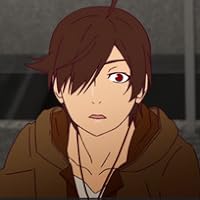
The novel is told by Kodaka Hasegawa a new transfer student at St. Chronica Academy. His mother was an Englishwoman and he inherited her blonde hair, which is a bit of a problem since in Japan it's common for delinquents to dye their hair blonde. Bad enough being the new guy, but on top of that everyone assumes he's in a gang. All of which is a good way not to make any friends.
After school one day he sees a girl named Yozora talking to herself, so he goes up and asks her if she can see ghosts. No, Yozora explains, she was talking to her friend Tomo. Who's invisible. After a bit of badgering, Yozora admits that Tomo is imaginary and she really has no friends. They get to talking about their common plight and try to come up with ways to make friends. Kodaka suggests joining clubs, but Yozora rejects the idea -- it's too late in the year, they'd just be seen as interlopers screwing up the already established social dynamics. But then Yomi Hirasaka decides to rip off the plot of The Melancholy of Haruhi Suzumiya Yozora realizes they can start their own club.
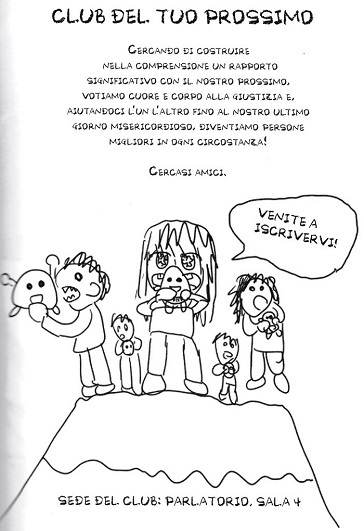
The next day she drags Kodaka to a room and announces the formation of the "Neighbors Club" which exists solely for the purpose of making friends. She even has fliers. The fliers seem innocuous enough, but Yozora insists that they're full of hidden messages that the friendless will be able to discern.
And sure enough, the very next day they get their first new member, Sena Kashiwazaki. Sena's a very rich and beautiful girl. Which means every guy in school wants to bone her, and every girl wants to stab her in the back. Despite being popular, she has no actual friends. Joining the club doesn't change that as she and Yozora immediately take a dislike to each other.
As the story goes on, more people find their way to the club and it becomes apparent that if a person has absolutely no friends, there's usually a very good reason. Sena and Yozora spend most of their time trying to see who can be the bigger bitch, to the point that they derail any club activities with their rivalry, such as the time they try to play Monster Hunter on the PSP and turn what's supposed to be a co-op game into Mortal Kombat. But they're practically normal compared to Yukimura, who is either a really femme guy or a girl with gender idenity issues. Either way, he's convinced he's being bullied by his classmates -- the bullying behavior being that guys run away any time he changes for gym or goes into the men's room, and they won't hit him during dodgeball. He latches on to Kodaka, whom he sees as a model of masculinity.
The only problem with the book is that two club members, Maria the ten year old nun and Rika the crazy nerd who lusts after giant robots, don't appear in this volume apart from walk-ons in the prologue. If you enjoyed the anime, this is worth checking out as there's a lot of material that got cut, some of it for time and some of it for content.
Light novel che mi ha sorpreso non poco,l'inizio di questo volume è,in modo piuttosto insolito,per metà un sogno e pre metà un'evento destinato a svolgersi in linea temporale molto dopo gli eventi narrati in questo volume(nello specifico intorno al volume 3)lasciando al lettore la possibilità di intravedere nell'introduzione tutti i personaggi principali della serie e le dinamiche che si creano tra di loro ben prima della loro introduzione nella storia(che,per diversi di loro, non avverrà neanche in questo volume...) Per il resto il libro vuole essere ad un tempo un concentrato di riferimenti e citazioni della cultura pop nipponica moderna e in parte una commedia scolastica capace di giocare con le aspettative del pubblico abituato a questo tipo di letture sovvertendo alcuni dei luoghi comuni più frequenti nel genere e aggiungendo buone dosi di umorismo. Da un lato abbiamo un protagonista che è intenzionalmente strutturato sulla base del protagonista di toradora!,riferimenti alla PSP,monster hunter,i volumi della serie light novel club(che,tra altro,sono scritti dallo stesso autore di questo volume...)e ai dating sim,dall'altro un perfetto setting per una serie Harem(come da tradizione in moltissime light novel)all'interno del quale,però,non si verrà a creare nessuna attrazione tra i personaggi e un' immancabile maid,che però, in realtà, è un ragazzo che è convinto di poter mostrare a pieno la sua virilità vestendosi da cameriera("solo un vero uomo può vestirsi da maid è rimanere virile")il tutto mischiato con dialoghi divertenti e uno stile narrativo semplice e veloce ma pieno di citazioni e riferimenti che potrebbero sfuggire ad una prima lettura. Nel complesso Haganai si rivela una light novel abbastanza insolita e brillante,particolarmente adatta a chi conosce bene il contesto culturale a cui si rivolge, e che riesce a sfruttare molti dei topos del genere senza risultare prevedibile e senza sapere di già visto,il che,in un genere famoso per la sua prevedibilità,è un merito notevole.
Kodaka si è appena trasferito in una nuova scuola e per colpa del suo aspetto da teppista (anche se in realtà è ingenuo, timido e incapace) non ha amici. Poi la sua irascibile compagna di classe Yozora ha un'idea terribile: formare un club, Il club del tuo prossimo, per aiutare entrambi a farsi degli amici. A loro si aggiunge la bionda Sena, la figlia del preside viziata e pazza che non va per nulla d'accordo con Yozora, e il povero Yukimira, che prende Kodaka come modello di "uomo vero", dando vita a una serie di situazioni e scenette ridicole e improbabili. Una light-novel davvero leggerissima, divertente anche se in alcuni punti un po' al limite con il ridicolo che però nonostante tutto risulta piacevole vista anche la sua brevità. Kodaka è il mio preferito insieme a Yukimura mentre le due protagoniste femminili sono molto al di sopra delle righe e non mi hanno molto colpito. Promosso alla fin fine, non mi pento dell'acquisto.
Having already read the manga (or what has been released so far) and watched half of the first season of the anime. I thought that i should give the novel a shot. Unsurprisingly, the light novel solves some minor questions that both the anime and manga don't answer, but in general both really keep true to the original work, so if you really want to know about those little details, then you ought to read this, it is a light novel, so it can be read in one sit without issues. About the story itself, as i said earlier, it deepens on certain aspects that the anime an manga do not say, thus i liked the novel over those. The author does not go to far when he describes the sets and actions themselves (or it may be just me, that just have finished reading an overly descriptive book). In conclusion, i really liked it and would recommend it.