

What do you think?

Emanet Zaman
1905 Eylül…
İngiliz casusu Hintli Avinaş Pillai İzmir limanına iniyor. Ömrünün sonuna kadar bağlı kalacağı Edith Lamarck’a âşık olacağını henüz bilmiyor…
1919
Rum kızı Panayota’nın içi kıpır kıpır… İlk aşkının İzmir’e ayak basan Yunan ordusuna katılarak Anadolu’da savaşacağını aklının ucundan bile geçirmiyor.
1926
Büyük İzmir Yangını’ndan Miralay Hilmi Rahmi tarafından kurtarılan Şehrazat suskun. Geçmişini hatırlıyor, anlatacak büyük bir hikâyesi de var ama konuşmaya henüz hazır değil…
Edith, Panayota ve Şehrazat… Bu üç kadını birbirlerine bağlayan güçlü bir bağ var sadece Hintli casusun bildiği... Ve de Bornova’daki Levantenleri, Frenk Mahallesi’ndeki Rumları, Haynots’taki Ermenileriyle bir yüzyıla yayılan bu hikâyeyi kucaklayan sımsıcak, yitik İzmir…
Defne Suman ikinci romanı Emanet Zaman’da eski İzmir’de ustalıkla dolaşıp tüm aşkları ve acılarıyla, unutulmuş bir dünyanın kapılarını okura açıyor.
İngiliz casusu Hintli Avinaş Pillai İzmir limanına iniyor. Ömrünün sonuna kadar bağlı kalacağı Edith Lamarck’a âşık olacağını henüz bilmiyor…
1919
Rum kızı Panayota’nın içi kıpır kıpır… İlk aşkının İzmir’e ayak basan Yunan ordusuna katılarak Anadolu’da savaşacağını aklının ucundan bile geçirmiyor.
1926
Büyük İzmir Yangını’ndan Miralay Hilmi Rahmi tarafından kurtarılan Şehrazat suskun. Geçmişini hatırlıyor, anlatacak büyük bir hikâyesi de var ama konuşmaya henüz hazır değil…
Edith, Panayota ve Şehrazat… Bu üç kadını birbirlerine bağlayan güçlü bir bağ var sadece Hintli casusun bildiği... Ve de Bornova’daki Levantenleri, Frenk Mahallesi’ndeki Rumları, Haynots’taki Ermenileriyle bir yüzyıla yayılan bu hikâyeyi kucaklayan sımsıcak, yitik İzmir…
Defne Suman ikinci romanı Emanet Zaman’da eski İzmir’de ustalıkla dolaşıp tüm aşkları ve acılarıyla, unutulmuş bir dünyanın kapılarını okura açıyor.
440 pages, Paperback
First published March 3, 2016
About the author
Defne Suman
16 books352 followersDefne Suman was born in Istanbul and grew up on Prinkipo Island. She gained a Masters in sociology from the Bosphorus University and then worked as a teacher in Thailand and Laos, where she studied Far Eastern philosophy and mystic disciplines. She later continued her studies in Oregon, USA and now lives in Athens with her husband. The Silence of Scheherazade was first published in Turkey and Greece in 2016 and is her English language debut.
Ratings & Reviews
Friends & Following
Create a free account to discover what your friends think of this book!
Community Reviews
Displaying 1 - 30 of 294 reviews

October 10, 2024
Un roman cutremurător și extrem de bine documentat, cu scene minunat descrise pe care cu greu le poți uita.
O poveste în care ajungi să locuiești, o poveste de care nu te poți desprinde prea ușor după ce ai terminat cartea.
Pe de o parte avem istoria mare, anii 1905-1922, context marcat de izbucinirea primului Razboi Mondial și destrămarea Imperiului Otoman, iar de cealaltă parte avem microistoria, în care cele trei personaje feminine își spun povestea sub formă de confesiune din perspective diferite.
Timpul este un laitmotiv al cărții, există un timp al fiecărui personaj, cum se raportează acestea la el și cum este exprimat și trăit de fiecare dintre personajele cărții.
Seherezada este personajul enigmatic al romanului, ea este cea care ne dezvăluie ceea ce se petrece. Povestea Seherezadei se lasă descoperită pagină cu pagină. Este un personaj tăcut, tăcerea ei cauzată de o traumă se întinde peste aproape 50 de ani.
Sunt povești construite ca un puzzle, cititorul rezolvând-ul în final.
Moasa Meline joaca un rol esențial în roman, ea este personajul care face legătura între trecut și prezent. Este martora nașterilor care produc marile drame ale romanului. A se vedea de ce citind cartea.
Recomand, recomand.
O poveste în care ajungi să locuiești, o poveste de care nu te poți desprinde prea ușor după ce ai terminat cartea.
Pe de o parte avem istoria mare, anii 1905-1922, context marcat de izbucinirea primului Razboi Mondial și destrămarea Imperiului Otoman, iar de cealaltă parte avem microistoria, în care cele trei personaje feminine își spun povestea sub formă de confesiune din perspective diferite.
Timpul este un laitmotiv al cărții, există un timp al fiecărui personaj, cum se raportează acestea la el și cum este exprimat și trăit de fiecare dintre personajele cărții.
Seherezada este personajul enigmatic al romanului, ea este cea care ne dezvăluie ceea ce se petrece. Povestea Seherezadei se lasă descoperită pagină cu pagină. Este un personaj tăcut, tăcerea ei cauzată de o traumă se întinde peste aproape 50 de ani.
Sunt povești construite ca un puzzle, cititorul rezolvând-ul în final.
Moasa Meline joaca un rol esențial în roman, ea este personajul care face legătura între trecut și prezent. Este martora nașterilor care produc marile drame ale romanului. A se vedea de ce citind cartea.
Recomand, recomand.

April 6, 2022

This was part of my bookshop subscription. I had not heard of the book, nor of the author, before.
The setting is gripping. It takes place mostly during the Greek occupation of Smyrna, under Venizelos, that followed the end of WW1, starting on May 1919, until the Turks, under Kemal Atatürk, reclaimed it in September 1922. The reader follows this very tragic episode through a myriad of characters grouped around four major groups: there are the Westerners (British and French), there are the Greeks, there are the Armenians, and finally the Muslim Turks.
It was tragic because there was blood during the Greek occupation and there was a lot of it when the Turks took over again because there was a great fire that basically destroyed the town and in particular most of the Armenian population died in it.
The story really begins earlier, around 1905, as we trace back the live stories of some of the characters, in particular Scheherazade, the lady of the title, whose identity is not revealed until the last part of the novel. This is one of the drivers that pulls the story.
Reading this convoluted tapestry of stories is not always easy, however. There are many names (too many), and the chronology jumps forwards and backwards confusingly. It is a kaleidoscopic tale in which even if it could offer more clarity, a noble balance is achieved since not one of the social or religious groups is treated with any bias – except for the Europeans. Although no analysis of this complex episode is provided there is tacit (or not so tacit) blame put on the European powers (France, Britain, and Italy) for mingling in Middle East affairs. This seemed somewhat simplistic – no associations are made with how that part of the Mediterranean was affected by WW1 and the Smyrna of before is portrayed as a harmonious paradise where nothing was wrong before the Westerners got involved.
That there are too many characters also detracts from any one of them acquiring a convincing personality and a few of them seem almost stereotypes – there is an Indian who is continually advertised as a “spy” and who “studied in Oxford”, without showing how this experience affected him in any particular way. There is also a lady who is supposed to be a fascinatingly independent and strong character but who is addicted to opium.
The writing at times seemed to approach too much of the “feuilleton” with the descriptions of exotic smells and with too many cherry lips. Although it seemed very well translated had it been edited in its original edition, it would be a much stronger novel.
In the end, for the reader who may get somewhat lost with the array of characters, it is really Smyrna the city the personality that comes across as the main protagonist of this novel. After 1920 it changed to another identity – Izmir. This is then an ode to her. The novel includes an old map of Smyrna.
There is a wonderful collection of old photographs of around the period covered in the novel in:
http://www.levantineheritage.com/smyr...

December 11, 2022
so hopelessly tedious
The premise of the story was very strong, and I was excited to read it, but it took me over a week to read what normally would’ve taken two days.
There were too many characters, too many linear and nonlinear timelines, too many stories, and it was impossible for me to keep it all straight in my head. It was only when I resolved to treat each chapter as a distinct short story that I started being able to connect some of the dots, or enough of them to grasp the overall thread.
Additionally, there’s too much inaction between the action, making the book unnecessarily long. And then when action occurs, it happens too quickly. Blink or accidentally skip a line, and you’ll have totally missed a critical piece of the plot.
The premise of the story was very strong, and I was excited to read it, but it took me over a week to read what normally would’ve taken two days.
There were too many characters, too many linear and nonlinear timelines, too many stories, and it was impossible for me to keep it all straight in my head. It was only when I resolved to treat each chapter as a distinct short story that I started being able to connect some of the dots, or enough of them to grasp the overall thread.
Additionally, there’s too much inaction between the action, making the book unnecessarily long. And then when action occurs, it happens too quickly. Blink or accidentally skip a line, and you’ll have totally missed a critical piece of the plot.

March 8, 2018
Όταν βγήκα απ'τις στάχτες της κατεστραμμένης πόλης
με ονόμασαν Σεχραζάτ
κι αν πέρασε ένας αιώνας
από τη γέννησή μου,
δεν ήρθε το τέλος
της καταδικασμένης σε εκατό χρόνια σιωπής
ζωής μου.
Κι αν είναι μαγκωμένη η γλώσσα μου,
θα τα διηγηθώ
όλα.
Για να με βρει ο θάνατος
στον πύργο του ερειπωμένου αρχοντικού.
Κάθε φορά που διαβάζω βιβλίο για την μικρασιάτικη καταστροφή θα συγκινούμαι.
Μπορεί να μην ήταν ότι καλύτερο έχω διαβάσει αλλά ήταν καλό.Έχει όμορφες περιγραφές για την Σμύρνη,που εύκολα δημιουργείς μια εικόνα για το πως ήταν.
Το μόνο που δεν μου έρεσε ήταν, ότι απ΄την αρχή μας έλεγε τι θα ακολουθήσει στη συνέχεια.Βέβαια μου άφήσε και αναπάντητα ερωτήματα που θα ήθελα να είχα μάθει,θα μπορούσε να μας έλεγε κι άλλα πραγματάκια για τους πρωταγωνιστές.
*3,5* αστέρια απο εμένα.

October 7, 2024
Pentru greci, Smyrna era un oraș antic grecesc de pe malurile estice ale Mării Egee, locuit de mii de ani de greci și apoi de nenumărate alte comunități - turcești, armenești, evreiești etc. Un loc fericit, în care religiile diverse erau tolerate, un oraș bogat, unde occidentalii aveau afaceri și o activitate comercială bogată înflorise în sec. 19 și începutul sec. 20. Dar, ca de obicei, politicul strică fericirea, strică granițele și învrăjbește oamenii.
Defne Suman reconstruiește timpurile în care Smirna a devenit Izmir, în care grecii s-au luptat cu turcii pentru un oraș care era bine așa cum era în trecut, în care grecii au încercat să realizez un obiectiv irealizabil - Marea Grecie, iar turcii lui Kemal Ataturk s-au răzbunat nu numai pe greci, ci și pe armeni, arzând orașul Smirna ca să dispară cu totul bisericile și să se înalțe moscheile - iar occidentalii să plece și să lase turcismul să prospere. O nouă societate se năștea, dar dincolo de politică, Defne Suman vorbește despre oamenii simpli care trăiau, supraviețuiau, iubeau și se despărțeau fără să le pese, înainte de Marele Incendiu, de etnii și religii - turcii și grecii se respectau, erau acolo de secole fără pizme iremediabile, iubirile interetnice nu erau nici permise, dar nici interzise, dar politicul și naționalismul au distrus totul.
Un roman bine construit și foarte trist.
(Nu știu dacă pot privi altfel Izmirul, dacă voi ajunge vreodată acolo, fără să mă gândesc la cei până la 100.000 de oameni care au pierit - majoritatea nevinovați - în Marele Foc din 13 septembrie 1922).
Defne Suman reconstruiește timpurile în care Smirna a devenit Izmir, în care grecii s-au luptat cu turcii pentru un oraș care era bine așa cum era în trecut, în care grecii au încercat să realizez un obiectiv irealizabil - Marea Grecie, iar turcii lui Kemal Ataturk s-au răzbunat nu numai pe greci, ci și pe armeni, arzând orașul Smirna ca să dispară cu totul bisericile și să se înalțe moscheile - iar occidentalii să plece și să lase turcismul să prospere. O nouă societate se năștea, dar dincolo de politică, Defne Suman vorbește despre oamenii simpli care trăiau, supraviețuiau, iubeau și se despărțeau fără să le pese, înainte de Marele Incendiu, de etnii și religii - turcii și grecii se respectau, erau acolo de secole fără pizme iremediabile, iubirile interetnice nu erau nici permise, dar nici interzise, dar politicul și naționalismul au distrus totul.
Un roman bine construit și foarte trist.
(Nu știu dacă pot privi altfel Izmirul, dacă voi ajunge vreodată acolo, fără să mă gândesc la cei până la 100.000 de oameni care au pierit - majoritatea nevinovați - în Marele Foc din 13 septembrie 1922).

September 1, 2021
4.5
There is so much to love and appreciate about this book, the writing is fantastic, the sense of time and place is wonderful, and the characters are full of depth and so varied. I learned a great deal about a piece of history I knew nothing about, which is one of the reasons I love historical fiction. The only thing I struggled with, until I understood how this format was being presented, were all the jumps in time and a large cast of characters to place during these jumps. Once I figured that out and became more familiar with the characters, it read more smoothly but really, the luscious writing, the beautiful descriptions of both a beautiful, bustling Smyrna, and then the chaos that follows, is so worth the time taken to read this book. I also feel this book would be wonderful as a reread as well, going in the second time with a better understanding of the format and already knowing the cast of characters.
Thank you to Netgalley and Head of Zeus for an advanced eARC in exchange for a fair and honest review.
There is so much to love and appreciate about this book, the writing is fantastic, the sense of time and place is wonderful, and the characters are full of depth and so varied. I learned a great deal about a piece of history I knew nothing about, which is one of the reasons I love historical fiction. The only thing I struggled with, until I understood how this format was being presented, were all the jumps in time and a large cast of characters to place during these jumps. Once I figured that out and became more familiar with the characters, it read more smoothly but really, the luscious writing, the beautiful descriptions of both a beautiful, bustling Smyrna, and then the chaos that follows, is so worth the time taken to read this book. I also feel this book would be wonderful as a reread as well, going in the second time with a better understanding of the format and already knowing the cast of characters.
Thank you to Netgalley and Head of Zeus for an advanced eARC in exchange for a fair and honest review.

February 18, 2023
The setting,and the historical period,are spectacular,so this could have been a great story.Instead, it's yet another silly chick lit disguised as historical fiction.

April 27, 2019
"Hepimiz emanet zamanda yaşıyoruz sevgilim. Ve hiçbirimiz sonun süratle yaklaştığının farkında değiliz. Mesut senelere..."
Çok lisanlı çok insanlı... 🙂
Çok lisanlı çok insanlı... 🙂

April 10, 2016
Γεννημένη και μεγαλωμένη στην Κωνσταντινούπολη, πτυχιούχος κοινωνιολογίας με ανησυχίες γύρω από την ψυχολογία, την Ιστορία και την πνευματικότητα, πολυταξιδεμένη και παντρεμένη με Έλληνα, ζώντας μάλιστα μόνιμα στη χώρα μας τα τελευταία χρόνια, η Δάφνη Σούμαν, επιτυχημένη συγγραφέας στη γείτονα χώρα, κάνει το ντεμπούτο της και στην Ελλάδα με το βιβλίο "Η σιωπή της Σεχραζάτ". Η ιστορία μιας γυναίκας, εκατό χρόνια φυλαγμένα μέσα στην καρδιά και το μυαλό της, εκατό χρόνια που μυριάδες μυστικά έμειναν μακριά από το φως μέχρι να φτάσει η κατάλληλη στιγμή. Η στιγμή που εκείνη θα είναι έτοιμη ν' αποτινάξει από πάνω της τα σκοτάδια μια για πάντα.
Δεδομένου ότι θεωρώ την περίληψη του βιβλίου πολύ φλύαρη, δεν θα ήθελα να σταθώ περισσότερο σε αυτήν, πόσο μάλλον να μπω στην διαδικασία να σας μεταφέρω την υπόθεση με δυο λόγια. Έχουν ήδη ειπωθεί πολλά και η προσωπική μου άποψη είναι πως αν κάποιος θέλει να διαβάσει το εν λόγω βιβλίο και πραγματικά να το ευχαριστηθεί, το καλύτερο που έχει να κάνει είναι να μην διαβάσει το οπισθόφυλλο. Η συγκεκριμένη περίπτωση είναι από εκείνες της μοιραίες, ατυχείς φορές, που ο τίτλος σε συνδυασμό με τις αράδες που καλούνται να δώσουν το στίγμα της ιστορίας, προδίδουν περισσότερα απ' όσα θα έπρεπε, στερώντας από τον θεατή ένα μέρος της απόλαυσης της σταδιακής αποκάλυψης μιας αλήθειας που θα μπορούσε να αποδειχτεί πολύ πιο συγκλονιστική υπό άλλες συνθήκες.
Όμως δεν θα σταθώ περισσότερο σε αυτό, γιατί δεν είναι αυτό που έχει την μεγαλύτερη σημασία. Αυτή βρίσκεται ανάμεσα στις αράδες της Σούμαν, που με την πένα της έχει καταφέρει να δώσει στην Σεχραζάτ τη χαμένη της φωνή, και να μας αφηγηθεί μέσα από τα δικά της μάτια την προσωπική της ιστορία, αλλά και την Ιστορία ενός τόπου έτσι όπως αυτή τη βίωσε, με τα σημάδια που άφησε αυτή πάνω της να μην μπορούν να σβηστούν στο πέρασμα του χρόνου, και μην επιτρέποντάς της να ξεχάσει. Δεδομένου, λοιπόν, όχι μεγάλο μέρος της ιστορίας αφορά την Σμύρνη και τα όσα μοιραία έχουν συμβεί σε αυτήν μετά τον ξεριζωμό, οφείλω να αναγνωρίσω στην συγγραφέα ότι χειρίστηκε το όλο ζήτημα με λεπτότητα, σεβασμό και μια τρυφερότητα που σπάνια συναντά κανείς στις μέρες μας, χωρίς να επηρεάζεται από άλλους παράγοντες, μεταφέροντας ιστορικά στοιχεία χωρίς τάσεις φανατισμού, αλλά με κάποιες νότες θλίψης που αφορούν τον άνθρωπο άσχετα με την καταγωγή του.
Μια ιστορία όμορφη, γεμάτη πλούσια συναισθήματα, άλλες φορές αντικρουόμενα, άλλες αντιφατικά, μα πάντα τόσο αληθινά και οικεία, που εύκολα μπορούμε να μπούμε στην θέση των ηρώων της συγγραφέως και να βιώσουμε το δράμα τους. Μια περιπέτεια γεμάτη δράση, μια ζωή γεμάτη ανατροπές, σημαδεμένη από την πρώτη στιγμή, με το πεπρωμένο να φυλάσσει μια μοίρα που θα πρέπει στο τέλος της διαδρομής να ξεχρεώσει τις οφειλές της, αλλά και να εισπράξει όσα εκείνη δικαιούται. Ένα βιβλίο γεμάτο εικόνες και συναισθήματα, ανθρώπινο και τρυφερό που μιλάει στην ψυχή του αναγνώστη. Ένα μυθιστόρημα που πράγματι έχει κάτι από την μαγεία των παραμυθιών και που διαβάζεται με μιαν ανάσα.
Δεδομένου ότι θεωρώ την περίληψη του βιβλίου πολύ φλύαρη, δεν θα ήθελα να σταθώ περισσότερο σε αυτήν, πόσο μάλλον να μπω στην διαδικασία να σας μεταφέρω την υπόθεση με δυο λόγια. Έχουν ήδη ειπωθεί πολλά και η προσωπική μου άποψη είναι πως αν κάποιος θέλει να διαβάσει το εν λόγω βιβλίο και πραγματικά να το ευχαριστηθεί, το καλύτερο που έχει να κάνει είναι να μην διαβάσει το οπισθόφυλλο. Η συγκεκριμένη περίπτωση είναι από εκείνες της μοιραίες, ατυχείς φορές, που ο τίτλος σε συνδυασμό με τις αράδες που καλούνται να δώσουν το στίγμα της ιστορίας, προδίδουν περισσότερα απ' όσα θα έπρεπε, στερώντας από τον θεατή ένα μέρος της απόλαυσης της σταδιακής αποκάλυψης μιας αλήθειας που θα μπορούσε να αποδειχτεί πολύ πιο συγκλονιστική υπό άλλες συνθήκες.
Όμως δεν θα σταθώ περισσότερο σε αυτό, γιατί δεν είναι αυτό που έχει την μεγαλύτερη σημασία. Αυτή βρίσκεται ανάμεσα στις αράδες της Σούμαν, που με την πένα της έχει καταφέρει να δώσει στην Σεχραζάτ τη χαμένη της φωνή, και να μας αφηγηθεί μέσα από τα δικά της μάτια την προσωπική της ιστορία, αλλά και την Ιστορία ενός τόπου έτσι όπως αυτή τη βίωσε, με τα σημάδια που άφησε αυτή πάνω της να μην μπορούν να σβηστούν στο πέρασμα του χρόνου, και μην επιτρέποντάς της να ξεχάσει. Δεδομένου, λοιπόν, όχι μεγάλο μέρος της ιστορίας αφορά την Σμύρνη και τα όσα μοιραία έχουν συμβεί σε αυτήν μετά τον ξεριζωμό, οφείλω να αναγνωρίσω στην συγγραφέα ότι χειρίστηκε το όλο ζήτημα με λεπτότητα, σεβασμό και μια τρυφερότητα που σπάνια συναντά κανείς στις μέρες μας, χωρίς να επηρεάζεται από άλλους παράγοντες, μεταφέροντας ιστορικά στοιχεία χωρίς τάσεις φανατισμού, αλλά με κάποιες νότες θλίψης που αφορούν τον άνθρωπο άσχετα με την καταγωγή του.
Μια ιστορία όμορφη, γεμάτη πλούσια συναισθήματα, άλλες φορές αντικρουόμενα, άλλες αντιφατικά, μα πάντα τόσο αληθινά και οικεία, που εύκολα μπορούμε να μπούμε στην θέση των ηρώων της συγγραφέως και να βιώσουμε το δράμα τους. Μια περιπέτεια γεμάτη δράση, μια ζωή γεμάτη ανατροπές, σημαδεμένη από την πρώτη στιγμή, με το πεπρωμένο να φυλάσσει μια μοίρα που θα πρέπει στο τέλος της διαδρομής να ξεχρεώσει τις οφειλές της, αλλά και να εισπράξει όσα εκείνη δικαιούται. Ένα βιβλίο γεμάτο εικόνες και συναισθήματα, ανθρώπινο και τρυφερό που μιλάει στην ψυχή του αναγνώστη. Ένα μυθιστόρημα που πράγματι έχει κάτι από την μαγεία των παραμυθιών και που διαβάζεται με μιαν ανάσα.

August 21, 2025
4.25/5 ⭐
For the lovers of historical fiction spiced with cinnamon, pistachio, honeysuckle and a heavy dose of bitter coffee and tragedy, I definitely recommend.
For the lovers of historical fiction spiced with cinnamon, pistachio, honeysuckle and a heavy dose of bitter coffee and tragedy, I definitely recommend.

January 20, 2017
Kozmopolit liman şehri Smyrne'in o güzel günlerinin adım adım kabusa dönüşen hikayesi. Bir kere daha görüyoruz ki savaşlarda olan gerçekten sivil halka oluyor ve bütün bir kültürel doku, o cıvıl cıvıl insanlarlar korkunç bir şekilde yokolup gidiyorlar. Canlarını yitirmeyip sağ kurtulanlar da yuvalarından, o sıradan ama mutlu hayatlarından koparılıp atılıyorlar. Peki bütün bu savaşlar ne uğruna diye bir daha sormadan edemiyor insan kendine:( Aynı yıkımlar, sönen hayatlar ve ümitler, yerlerinden edilip başka bir toprakta yaşamaya çalışan insanlar, bu kötü hikaye hala tekrarlanıyor malesef...
Neyse kitaba gelirsek bence yazar duyguları çok güzel sunmuş, büyük İzmir yangını'nı bizzat yaşamış (allah korusun) gibi hissettim, çok acı çok. Ancak yazarın düz bir zamanda olmayan anlatımı ilk başlarda biraz kafa karışıklığına yol açsa da sonlara geldikçe dank ediyor okurun kafasına. Bende ikinci kere okuma istediği yarattı çünkü başta havada kalan hikayeler sonunda yerine oturdu... Keşke filmi çekilse.. Ne güzel olurdu...Bu kadar konuşturduğuna göre beni etkiledi mi evet çok etkiledi...Bütün o güzel insanların ve bir devrin/şehrin hazin sonu.. İzmir'e gidip kitaptaki sokaklarda dolaşıp, geçmişten kalanların izini süresim var.. Haysi tamam daha fazla konuşmıcam. Alın okuyun:)
Neyse kitaba gelirsek bence yazar duyguları çok güzel sunmuş, büyük İzmir yangını'nı bizzat yaşamış (allah korusun) gibi hissettim, çok acı çok. Ancak yazarın düz bir zamanda olmayan anlatımı ilk başlarda biraz kafa karışıklığına yol açsa da sonlara geldikçe dank ediyor okurun kafasına. Bende ikinci kere okuma istediği yarattı çünkü başta havada kalan hikayeler sonunda yerine oturdu... Keşke filmi çekilse.. Ne güzel olurdu...Bu kadar konuşturduğuna göre beni etkiledi mi evet çok etkiledi...Bütün o güzel insanların ve bir devrin/şehrin hazin sonu.. İzmir'e gidip kitaptaki sokaklarda dolaşıp, geçmişten kalanların izini süresim var.. Haysi tamam daha fazla konuşmıcam. Alın okuyun:)

December 10, 2023
DNF@10%
Темата за гръцко-турската война от 20-те години на ХХ век, залегнала в основите на днешните етнически “чисти” Гърция и Турция, и етническите прочиствания и кланета от двете страни, е една от болезнено важните на Балканите, и често се забравя. По спомен от едно историческо изследване, гръцки генерал се изказва, че не могат да идат да спасяват гърците от Смирна (днешен Измир) и по-добре Мустафа Кемал да ги избие - хем по-евтино, хем добре за националната кауза на Гърция. Днешните Турция и Гърция крият много скелети в историческите си гардероби, а поколения хора пазят ужаса на предците си запечатан, защото иначе ще изглеждат крайно непатриотично и ще бъдат обект на нападки - а в Турция, вероятно и на затвор.
В тази връзка с огромен интерес си взех това рядко заглавие по темата, още повече че е и романизирано. За да открия за себе си, че авторката просто не умее да пише! Нито да изгради сюжет и герои. Всичко е убийствено скучно, накъсано от несвързани епизоди, липсва историческото платно, липсва каквато и да е индивидуалност у героите. Цялото нещо изглежда като провалено упражнение в евтин курс по творческо писане с напъни да се впечатли читателя с някакъв “стил”. Сюжет липсва.
На търсещите някакъв “свръхмодерен” поглед може и да допадне, но простичкият читател, който търси история, е по-добре да я търси другаде.
Темата за гръцко-турската война от 20-те години на ХХ век, залегнала в основите на днешните етнически “чисти” Гърция и Турция, и етническите прочиствания и кланета от двете страни, е една от болезнено важните на Балканите, и често се забравя. По спомен от едно историческо изследване, гръцки генерал се изказва, че не могат да идат да спасяват гърците от Смирна (днешен Измир) и по-добре Мустафа Кемал да ги избие - хем по-евтино, хем добре за националната кауза на Гърция. Днешните Турция и Гърция крият много скелети в историческите си гардероби, а поколения хора пазят ужаса на предците си запечатан, защото иначе ще изглеждат крайно непатриотично и ще бъдат обект на нападки - а в Турция, вероятно и на затвор.
В тази връзка с огромен интерес си взех това рядко заглавие по темата, още повече че е и романизирано. За да открия за себе си, че авторката просто не умее да пише! Нито да изгради сюжет и герои. Всичко е убийствено скучно, накъсано от несвързани епизоди, липсва историческото платно, липсва каквато и да е индивидуалност у героите. Цялото нещо изглежда като провалено упражнение в евтин курс по творческо писане с напъни да се впечатли читателя с някакъв “стил”. Сюжет липсва.
На търсещите някакъв “свръхмодерен” поглед може и да допадне, но простичкият читател, който търси история, е по-добре да я търси другаде.
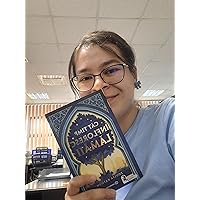
April 26, 2025
Dacă ar fi după mine, i-aș da acestei cărți 100 de steluțe, nu doar 5. A fost absolut magică, fantastică.
Este un roman de ficțiune istorică, împletind poveștile de viață a trei personaje feminine cu destinul orașului Smirna. Pe lângă depănarea amintirilor despre viață lor, Șeherazada, naratoarea, spune povestea unui oraș turcesc ajuns sub protectorat grecesc, deci european, care avea vise mărețe de a se uni cu Grecia, pentru a forma Grecia Mare. Numai că planurile turcilor erau altele, ajungând să distrugă din temelii unul dintre cele mai frumoase orașe ale Turciei. Pe lângă asta, sunt povestite în detalii marcante atrocitățile petrecute pentru cucerirea orașului, felul în care aliații i-au abandonat pe săracii oameni în brațele destinului.
Scriitura este impecabilă, vie, plină de descrieri ale orașului, foarte sugestivă, absolut fascinantă. Am trait împreună cu personajele, am suferit împreună cu ele, am luat parte la drama unui întreg oraș și am renăscut împreună cu el. Cartea asta a ajuns la inimă și va intra în rândul cărților de suflet. O recomand cu toată inima! ❤️
,, Nu-i așa că e un oraș superb? E ceva în aer, în briza mării, care îți alungă grijile și îți aduce aminte de tot ce e frumos pe lume. Știi ce cred? Că, orice ai face, nu poți ucide spiritul acestui oraș. Poți să-i dai foc, să-l dărâmi, să-i izgonești toți locuitorii și să aduci alții în loc, însă acea dragoste de libertate și de viață va birui întotdeauna."
Este un roman de ficțiune istorică, împletind poveștile de viață a trei personaje feminine cu destinul orașului Smirna. Pe lângă depănarea amintirilor despre viață lor, Șeherazada, naratoarea, spune povestea unui oraș turcesc ajuns sub protectorat grecesc, deci european, care avea vise mărețe de a se uni cu Grecia, pentru a forma Grecia Mare. Numai că planurile turcilor erau altele, ajungând să distrugă din temelii unul dintre cele mai frumoase orașe ale Turciei. Pe lângă asta, sunt povestite în detalii marcante atrocitățile petrecute pentru cucerirea orașului, felul în care aliații i-au abandonat pe săracii oameni în brațele destinului.
Scriitura este impecabilă, vie, plină de descrieri ale orașului, foarte sugestivă, absolut fascinantă. Am trait împreună cu personajele, am suferit împreună cu ele, am luat parte la drama unui întreg oraș și am renăscut împreună cu el. Cartea asta a ajuns la inimă și va intra în rândul cărților de suflet. O recomand cu toată inima! ❤️
,, Nu-i așa că e un oraș superb? E ceva în aer, în briza mării, care îți alungă grijile și îți aduce aminte de tot ce e frumos pe lume. Știi ce cred? Că, orice ai face, nu poți ucide spiritul acestui oraș. Poți să-i dai foc, să-l dărâmi, să-i izgonești toți locuitorii și să aduci alții în loc, însă acea dragoste de libertate și de viață va birui întotdeauna."

May 16, 2021
edit: Review can now be found on my blog!
---
5/5 stars, i have no words... rtc!
Thank you to NetGalley and the publisher for this eARC!
content warnings: war and violence (includes depiction of wounds, hunger, cruelty, torture, exile…), death (includes death of a family member), fire, rape, suicide, depression, mental illness, abuse (includes parental abuse), imprisonment, pregnancy, childbirth, stillbirth, drug use and addiction, colonialism, misogyny, ableism, racism, cheating
---
5/5 stars, i have no words... rtc!
Thank you to NetGalley and the publisher for this eARC!
content warnings: war and violence (includes depiction of wounds, hunger, cruelty, torture, exile…), death (includes death of a family member), fire, rape, suicide, depression, mental illness, abuse (includes parental abuse), imprisonment, pregnancy, childbirth, stillbirth, drug use and addiction, colonialism, misogyny, ableism, racism, cheating
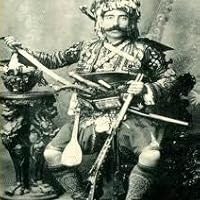
March 20, 2016
İzmir'in en çok konuşulup, en az bilinen döneminde geçen kitabı, bağımsız ve yarım kalan bölümler arasında kaybolmazsanız zevkle okuyabilirsiniz. Hikayeyi çok güzel yakalamış. Gerçekten zekice kurgulamış ama anlatımdaki zamansızlık ve karakterlerin tam tanıtılmadan hikayenin başka bir bölümüne geçilmesi yoruyor. Filmi çekilesi bir konusu var

June 1, 2018
Η Εντίτ Λαμάρκ είναι από μια πλούσια λεβαντίνικη οικογένεια που ζει τουλάχιστον τρεις αιώνες στην πανέμορφη Σμύρνη, στο «Μαργαριτάρι της Ανατολής». Είναι μια κοπέλα ασφαλής, σίγουρη, με τις διαφορές που έχει με τη μητέρα της ως προς τη διαπαιδαγώγησή της, ώσπου μια μέρα έρχεται ένας κύριος με δερμάτινο χαρτοφύλακα, να της αλλάξει τα πάντα στη ζωή της. Περίπου την ίδια περίοδο φτάνει στη Σμύρνη ο Ινδός, απόφοιτος του Πανεπιστημίου της Οξφόρδης, Αβινάς Πιλάι, σαν έμπορος κοσμημάτων ενώ στην πραγματικότητα είναι κατάσκοπος των Άγγλων και ήρθε να διερευνήσει τις προθέσεις των Τούρκων και των συμμάχων Γαλλοϊταλών.
Πού να ʼξερε πως σύντομα ο έρωτας θα του χτύπαγε την πόρτα! Η Παναγιώτα Γιαγτζίογλου, κόρη μπακάλη, ζει τον πρώτο της εφηβικό έρωτα και μαζί τις καλύτερες κοινωνικές και πολιτιστικές εκδηλώσεις αυτής της υπέροχης πόλης. Θα αντέξει όμως η αγάπη, όταν η πατρίδα και η Μεγάλη Ιδέα μπουν στη μέση; Τέλος, ποια είναι η μυστηριώδης Σεχραζάτ που εμφανίστηκε ξαφνικά τις ημέρες του Σεπτέμβρη του 1922 στον κήπο της οικογένειας του Τούρκου αξιωματικού Χιλμί Ραχμί και γιατί δεν μιλάει; Τι συνέβη στη ζωή της και ποιος την αναζητά εκείνες τις μέρες του θρήνου;
Πριν ξεκινήσω, θα εξομολογηθώ δύο πράγματα: α) Η περίληψη και η υπόθεση του βιβλίου έχουν ξαναγραφτεί και αναλυθεί εκατομμύρια φορές από πάμπολλα βιβλία, τα οποία όσο καλογραμμένα και συναρπαστικά κι αν είναι, αφορούν στα ίδια πράγματα: καθημερινότητα, αρμονική γειτνίαση με τους Τούρκους, άφιξη ελληνικών στρατευμάτων το 1919 και αρχή του τέλους, κατάρρευση μετώπου, θάνατος και σφαγή. β) Το βιβλίο το έγραψε Τουρκάλα συγγραφέας. Επομένως σχεδόν μόλις το έπιασα στα χέρια μου φοβήθηκα μια επανάληψη μυρίως γραφέντων ιστοριών (είτε ανούσια, είτε καλογραμμένη) και μάλιστα κατά πάσα πιθανότητα υποκειμενικά ή μεροληπτικά σχεδιασμένη λόγω της εθνικότητας της κυρίας Σούμαν. Με το που ξεκίνησα όμως να το διαβάζω, οι φόβοι και οι επιφυλάξεις μου κατέρρευσαν σαν… χάρτινος πύργος, γιατί τίποτε από αυτά που σκεφτόμουν δεν αφορούσε στη «Σιωπή της Σεχραζάτ» (εκδόσεις Ψυχογιός), ένα εντελώς διαφορετικό, άρτιο και συναρπαστικό μυθιστόρημα, γεμάτο εκπλήξεις και γραμμένο μ’ έναν τρόπο που δεν έχω ξανασυναντήσει σε άλλα κείμενα.
Η ιστορία διαδραματίζεται ανάμεσα στα 1905 και 1922, με την ιστορία της Σεχραζάτ να επεκτείνεται και στα επόμενα χρόνια, καθώς η τουρκική οικογένεια που την βρήκε στον κήπο της ζει τη δική της καθημερινότητα. Η πρωτοπρόσωπη αφήγηση της Σεχραζάτ -όταν φτάνει τα 100 χρόνια και θυμάται τα γεγονότα- μπλέκεται αριστοτεχνικά με τις τριτοπρόσωπες αφηγήσεις των άλλων πρωταγωνιστών πριν και κατά τη διάρκεια της μικρασιατικής καταστροφής. Πολλές φορές οι αφηγήσεις γίνονται σχεδόν παράλληλα ενώ τα πρωθύστερα εμπλουτίζουν την αφήγηση και δίνουν ενάργεια και σασπένς: πότε έγινε αυτό και γιατί, πώς φτάσαμε ως εκεί, κ.λπ..
Η συγγραφέας δε με άφησε να πάρω ανάσα! Με πήγαινε από τον έρωτα του Αβινάς Πιλάι με την Εντίτ Λαμάρκ, στις απίστευτες εξελίξεις των σχέσεων μεταξύ των μελών της οικογένειας του Χιλμί Ραχμί και της γυναίκας του, Σουμπούλ, εξαιτίας της Σεχραζάτ, κι από κει στην αγάπη που ξεφύτρωνε σε νεανικά στήθη, την ίδια στιγμή που άλλα παλλόμενα από μεγάλες ιδέες στήθη μάτωναν ή τσακίζονταν στο μέτωπο του Σαγγάριου.
Μου άρεσε πολύ που ιδιαίτερη έμφαση δίνεται στις φραγκολεβαντίνικες οικογένειες και τι αυτές χάσανε και πώς αντέδρασαν στην όλη καταστροφή. Αναμενόμενο, βέβαια, αυτοί οι άνθρωποι να μην ζήσανε την τραγωδία σε όλη της την έκταση ή να μην χάθηκαν τόσοι όσοι από τους Έλληνες και τους Αρμένιους, παρ’ όλη τη σεβαστή περιουσία που κάηκε σε μία νύχτα. Σίγουρα δεν πέρασαν καλά εκείνες τις μέρες, όμως η ασφάλεια του ξένου διαβατηρίου και η προστασία από ομοεθνείς στρατιώτες -που τους οδήγησαν με ασφάλεια στα καράβια και ξέφυγαν από τον κλοιό ενώ πίσω τους οι ναύτες έριχναν βραστό νερό σε όσους απελπισμένους προσπαθούσαν να βρουν καταφύγιο στα ίδια αυτά πλοία- ήταν κάτι που δεν το έζησαν οι Έλληνες. Προς Θεού, δεν υποστηρίζω ότι οι φραγκολεβαντίνοι αρέσκονταν να βλέπουν αυτές τις απάνθρωπες επιχειρήσεις, πάντως γλύτωσαν κι αυτό μένει.
Μάλιστα, η ίδια η συγγραφέας, για πρώτη και ίσως μοναδική φορά, κραυγάζει κατά όλου αυτού του πλούτου και της ευμάρειας ως ιδανικού:
«Αντίο σας, γούνες, μανσόν, δαντελωτά εσώρουχα, καπέλα από το Παρίσι! Ας καούν σ’ αυτήν την κόλαση τα πράγματα που υπόσχονται μια πιο ευτυχισμένη ζωή. Υπήρχε μια ευτυχισμένη ζωή… Αφού χάθηκε εκείνη η ζωή, ας καούν, ας γίνουν στάχτη όλα τα καπέλα, τα μανσόν, τα καμπαρέ, οι αίθουσες δεξιώσεων, τα ξενοδοχεία. Ας καεί το καθετί που κάποτε της υποσχόταν ψεύτικη ευτυχία» (σελ. 459).
Η τρυφηλή ζωή των πλουσίων και η άνετη σχετικά ζωή των επαγγελματιών καταγράφονται πιστά και οι περιγραφές της πόλης πριν καεί με ανατρίχιασαν. Έχω επίσης διαβάσει πολλά για τη Σμύρνη, τους εμπορικούς της δρόμους, τα περίφημα μαγαζιά, ξενοδοχεία, κλαμπ και ταβέρνες, εδώ όμως η συγγραφέας με ταξίδεψε και με περπάτησε σοκάκι το σοκάκι μέσα στην πόλη! Απόλυτα προσανατολισμένη, βαθιά μελετημένη και με κοπιώδη επιμονή, με πήγαινε αριστερά δεξιά, μου έδειχνε το ένα μαγαζί και μου άνοιγε την πόρτα της άλλης έπαυλης, κατηφορίζαμε αντάμα προς την παραλία, ταξιδεύαμε στα προάστια (Μπουρνόβα, Κορδελιό κ.ά.), κατάφερε δηλαδή να ζωντανέψει με μαγικό τρόπο όχι μόνο την ατμόσφαιρα και την αρχιτεκτονική αλλά και τη ρυμοτομία της πόλης.
Επίσης, πλούτος ελληνικών λέξεων (που υπάρχουν αυθεντικές στο πρωτότυπο ενώ στην ελληνική έκδοση αποδίδονται με πλάγια γράμματα), καλολογικά στοιχεία, μπαχαρικά, γεύσεις ανατολίτικης κουζίνας, δεξιώσεις, κοινωνικές τάξεις, μυστικά νοικοκυροσύνης (μαστίχα στο κολλάρισμα των σεντονιών!), πλανόδιοι πωλητές, ένα πλήθος από μικρολεπτομέρειες δίνουν αληθοφάνεια και ρεαλισμό στο συναρπαστικό αυτό μυθιστόρημα! Εν τω μεταξύ, καμία ιστορία από όσες αναπτύσσονται στο μυθιστόρημα δεν έχει γραμμική εξέλιξη! Πάντα κάτι θα γίνει την τελευταία στιγμή και μέχρι και το τέλος σχεδόν του βιβλίου τίποτα δεν είναι σίγουρο για την κατάληξη των χαρακτήρων και την ολοκλήρωση των ιστοριών τους, λες και ακολουθούν το δικό τους λογικοφανές μονοπάτι!
Κι ερχόμαστε στο επίμαχο σημείο: το βιβλίο δεν το συνιστώ σε όσους έχουν γαλουχηθεί με την ιδέα της μεγάλης σφαγής κι εξακολουθούν να τρέφουν μίσος απέναντι στους Τούρκους για όσα δεινά μας έκαναν. Χωρίς να μειώνω τη σημασία και το μέγεθος της τραγωδίας που υπέστη ο ελληνισμός και σίγουρα χωρίς να υποστηρίζω πως «αυτά πέρασαν πια» (μιας και οι συνέπειες αυτής της σφαγής και της συνακόλουθης μεταναστευτικής πολιτικής, χώρια η αντιμετώπιση των προσφύγων από το ελληνικό κράτος τότε, μας ακολουθούν ακόμη -και είναι λογικό), θα έλεγα πως το βιβλίο απευθύνεται σε ευρύνοες αναγνώστες, καθώς περιγράφονται οι συνέπειες της καταστροφής και της αλλαγής (για τους Τούρκους) σε μια σημαντική για την ιστορία του βιβλίου τουρκική οικογένεια.
Την ίδια στιγμή που οι Έλληνες και οι λεβαντίνοι ζουν τη δική τους καθημερινότητα και επηρεάζονται με τον αναμενόμενο τρόπο από τα νέα και τις φήμες (αχ, αυτή η παρουσία των συμμαχικών πλοίων στο λιμάνι, πόσες ψευδαισθήσεις ενίσχυσε!) ταυτόχρονα έχουμε την οικογένεια του Χιλμί Ραχμί που κυρίως παρουσιάζεται από τον Σεπτέμβρη του 1922 και εντεύθεν ενώ προς το τέλος του μυθιστορήματος με μια υπέροχη και αναπάντεχη ανατροπή εμφανίζεται η αρχή της ιστορίας και αποκαλύπτεται η πραγματική ταυτότητα της Σεχραζάτ!
Έτσι η συγγραφέας δείχνει τις προετοιμασίες του Ραχμί και του στρατού για την εισβολή στη Σμύρνη, καταγγέλλει ξεκάθαρα την προπαγάνδα που υπήρχε για τους στρατιώτες που τους τριβέλιζαν τα μυαλά οι ανώτεροι να πάρουν εκδίκηση για όσα δεινά υπέστησαν (ταπείνωση της εθνικότητάς τους με τα επεκτατικά και κυριαρχικά σχέδια των Ελλήνων, βιασμοί των δικών τους ανθρώπων από Έλληνες φαντάρους και κάψιμο των πάντων τώρα που υποχωρούν) αλλά δείχνει και την ανθρώπινη πλευρά που πάντα ελλοχεύει παρά τις δυσκολίες και τη φρίκη του πολέμου και της εξολόθρευσης.
Η οικογένεια του Χιλμί Ραχμί είναι το παράδειγμα μιας τυπικής τουρκικής οικογένειας που αγωνίζεται να καταλάβει πώς θα ζήσει πια με αυτό το βάρος τύψεων για όσα συνέβησαν και να ξεχωρίσει τι έπρεπε και τι δεν έπρεπε να γίνει και πώς θα ζήσουν από δω και πέρα με τις αλλαγές που επέφερε ο Κεμάλ Ατατούρκ. Δεν είναι όμως δοκιμιακά γραμμένο, μιας και η εμφάνιση της Σεχραζάτ επιφέρει ένα σωρό ανατροπές και αλλαγές στη δομή της οικογένειας του αξιωματικού!
Εν κατακλείδι:
Το μυστικό της Σεχραζάτ» είναι ένα υπέροχο, κοινωνικό και ιστορικό μυθιστόρημα, με τις απαραίτητες πινελιές του έρωτα και τις στιγμές μιας καθημερινότητας που χάθηκε ανεπιστρεπτί για όλους, ενώ η γραφή της ιστορίας είναι διαφορετική και σωστά μελετημένη ώστε να επιφέρει συγκινήσεις και εκπλήξεις ενώ ταυτόχρονα «αγκαλιάζει» με στοργή και ειλικρίνεια όλες τις πτυχές του μαύρου Σεπτέμβρη του 1922.
Ένα μεγάλο μπράβο στη συγγραφέα Δάφνη Σούμαν, για τον τρόπο που κατάφερε να παρουσιάσει με άκρα αντικειμενικότητα αυτές τις ματωμένες στιγμές και τις μεταγενέστερες συνέπειές τους!
Πού να ʼξερε πως σύντομα ο έρωτας θα του χτύπαγε την πόρτα! Η Παναγιώτα Γιαγτζίογλου, κόρη μπακάλη, ζει τον πρώτο της εφηβικό έρωτα και μαζί τις καλύτερες κοινωνικές και πολιτιστικές εκδηλώσεις αυτής της υπέροχης πόλης. Θα αντέξει όμως η αγάπη, όταν η πατρίδα και η Μεγάλη Ιδέα μπουν στη μέση; Τέλος, ποια είναι η μυστηριώδης Σεχραζάτ που εμφανίστηκε ξαφνικά τις ημέρες του Σεπτέμβρη του 1922 στον κήπο της οικογένειας του Τούρκου αξιωματικού Χιλμί Ραχμί και γιατί δεν μιλάει; Τι συνέβη στη ζωή της και ποιος την αναζητά εκείνες τις μέρες του θρήνου;
Πριν ξεκινήσω, θα εξομολογηθώ δύο πράγματα: α) Η περίληψη και η υπόθεση του βιβλίου έχουν ξαναγραφτεί και αναλυθεί εκατομμύρια φορές από πάμπολλα βιβλία, τα οποία όσο καλογραμμένα και συναρπαστικά κι αν είναι, αφορούν στα ίδια πράγματα: καθημερινότητα, αρμονική γειτνίαση με τους Τούρκους, άφιξη ελληνικών στρατευμάτων το 1919 και αρχή του τέλους, κατάρρευση μετώπου, θάνατος και σφαγή. β) Το βιβλίο το έγραψε Τουρκάλα συγγραφέας. Επομένως σχεδόν μόλις το έπιασα στα χέρια μου φοβήθηκα μια επανάληψη μυρίως γραφέντων ιστοριών (είτε ανούσια, είτε καλογραμμένη) και μάλιστα κατά πάσα πιθανότητα υποκειμενικά ή μεροληπτικά σχεδιασμένη λόγω της εθνικότητας της κυρίας Σούμαν. Με το που ξεκίνησα όμως να το διαβάζω, οι φόβοι και οι επιφυλάξεις μου κατέρρευσαν σαν… χάρτινος πύργος, γιατί τίποτε από αυτά που σκεφτόμουν δεν αφορούσε στη «Σιωπή της Σεχραζάτ» (εκδόσεις Ψυχογιός), ένα εντελώς διαφορετικό, άρτιο και συναρπαστικό μυθιστόρημα, γεμάτο εκπλήξεις και γραμμένο μ’ έναν τρόπο που δεν έχω ξανασυναντήσει σε άλλα κείμενα.
Η ιστορία διαδραματίζεται ανάμεσα στα 1905 και 1922, με την ιστορία της Σεχραζάτ να επεκτείνεται και στα επόμενα χρόνια, καθώς η τουρκική οικογένεια που την βρήκε στον κήπο της ζει τη δική της καθημερινότητα. Η πρωτοπρόσωπη αφήγηση της Σεχραζάτ -όταν φτάνει τα 100 χρόνια και θυμάται τα γεγονότα- μπλέκεται αριστοτεχνικά με τις τριτοπρόσωπες αφηγήσεις των άλλων πρωταγωνιστών πριν και κατά τη διάρκεια της μικρασιατικής καταστροφής. Πολλές φορές οι αφηγήσεις γίνονται σχεδόν παράλληλα ενώ τα πρωθύστερα εμπλουτίζουν την αφήγηση και δίνουν ενάργεια και σασπένς: πότε έγινε αυτό και γιατί, πώς φτάσαμε ως εκεί, κ.λπ..
Η συγγραφέας δε με άφησε να πάρω ανάσα! Με πήγαινε από τον έρωτα του Αβινάς Πιλάι με την Εντίτ Λαμάρκ, στις απίστευτες εξελίξεις των σχέσεων μεταξύ των μελών της οικογένειας του Χιλμί Ραχμί και της γυναίκας του, Σουμπούλ, εξαιτίας της Σεχραζάτ, κι από κει στην αγάπη που ξεφύτρωνε σε νεανικά στήθη, την ίδια στιγμή που άλλα παλλόμενα από μεγάλες ιδέες στήθη μάτωναν ή τσακίζονταν στο μέτωπο του Σαγγάριου.
Μου άρεσε πολύ που ιδιαίτερη έμφαση δίνεται στις φραγκολεβαντίνικες οικογένειες και τι αυτές χάσανε και πώς αντέδρασαν στην όλη καταστροφή. Αναμενόμενο, βέβαια, αυτοί οι άνθρωποι να μην ζήσανε την τραγωδία σε όλη της την έκταση ή να μην χάθηκαν τόσοι όσοι από τους Έλληνες και τους Αρμένιους, παρ’ όλη τη σεβαστή περιουσία που κάηκε σε μία νύχτα. Σίγουρα δεν πέρασαν καλά εκείνες τις μέρες, όμως η ασφάλεια του ξένου διαβατηρίου και η προστασία από ομοεθνείς στρατιώτες -που τους οδήγησαν με ασφάλεια στα καράβια και ξέφυγαν από τον κλοιό ενώ πίσω τους οι ναύτες έριχναν βραστό νερό σε όσους απελπισμένους προσπαθούσαν να βρουν καταφύγιο στα ίδια αυτά πλοία- ήταν κάτι που δεν το έζησαν οι Έλληνες. Προς Θεού, δεν υποστηρίζω ότι οι φραγκολεβαντίνοι αρέσκονταν να βλέπουν αυτές τις απάνθρωπες επιχειρήσεις, πάντως γλύτωσαν κι αυτό μένει.
Μάλιστα, η ίδια η συγγραφέας, για πρώτη και ίσως μοναδική φορά, κραυγάζει κατά όλου αυτού του πλούτου και της ευμάρειας ως ιδανικού:
«Αντίο σας, γούνες, μανσόν, δαντελωτά εσώρουχα, καπέλα από το Παρίσι! Ας καούν σ’ αυτήν την κόλαση τα πράγματα που υπόσχονται μια πιο ευτυχισμένη ζωή. Υπήρχε μια ευτυχισμένη ζωή… Αφού χάθηκε εκείνη η ζωή, ας καούν, ας γίνουν στάχτη όλα τα καπέλα, τα μανσόν, τα καμπαρέ, οι αίθουσες δεξιώσεων, τα ξενοδοχεία. Ας καεί το καθετί που κάποτε της υποσχόταν ψεύτικη ευτυχία» (σελ. 459).
Η τρυφηλή ζωή των πλουσίων και η άνετη σχετικά ζωή των επαγγελματιών καταγράφονται πιστά και οι περιγραφές της πόλης πριν καεί με ανατρίχιασαν. Έχω επίσης διαβάσει πολλά για τη Σμύρνη, τους εμπορικούς της δρόμους, τα περίφημα μαγαζιά, ξενοδοχεία, κλαμπ και ταβέρνες, εδώ όμως η συγγραφέας με ταξίδεψε και με περπάτησε σοκάκι το σοκάκι μέσα στην πόλη! Απόλυτα προσανατολισμένη, βαθιά μελετημένη και με κοπιώδη επιμονή, με πήγαινε αριστερά δεξιά, μου έδειχνε το ένα μαγαζί και μου άνοιγε την πόρτα της άλλης έπαυλης, κατηφορίζαμε αντάμα προς την παραλία, ταξιδεύαμε στα προάστια (Μπουρνόβα, Κορδελιό κ.ά.), κατάφερε δηλαδή να ζωντανέψει με μαγικό τρόπο όχι μόνο την ατμόσφαιρα και την αρχιτεκτονική αλλά και τη ρυμοτομία της πόλης.
Επίσης, πλούτος ελληνικών λέξεων (που υπάρχουν αυθεντικές στο πρωτότυπο ενώ στην ελληνική έκδοση αποδίδονται με πλάγια γράμματα), καλολογικά στοιχεία, μπαχαρικά, γεύσεις ανατολίτικης κουζίνας, δεξιώσεις, κοινωνικές τάξεις, μυστικά νοικοκυροσύνης (μαστίχα στο κολλάρισμα των σεντονιών!), πλανόδιοι πωλητές, ένα πλήθος από μικρολεπτομέρειες δίνουν αληθοφάνεια και ρεαλισμό στο συναρπαστικό αυτό μυθιστόρημα! Εν τω μεταξύ, καμία ιστορία από όσες αναπτύσσονται στο μυθιστόρημα δεν έχει γραμμική εξέλιξη! Πάντα κάτι θα γίνει την τελευταία στιγμή και μέχρι και το τέλος σχεδόν του βιβλίου τίποτα δεν είναι σίγουρο για την κατάληξη των χαρακτήρων και την ολοκλήρωση των ιστοριών τους, λες και ακολουθούν το δικό τους λογικοφανές μονοπάτι!
Κι ερχόμαστε στο επίμαχο σημείο: το βιβλίο δεν το συνιστώ σε όσους έχουν γαλουχηθεί με την ιδέα της μεγάλης σφαγής κι εξακολουθούν να τρέφουν μίσος απέναντι στους Τούρκους για όσα δεινά μας έκαναν. Χωρίς να μειώνω τη σημασία και το μέγεθος της τραγωδίας που υπέστη ο ελληνισμός και σίγουρα χωρίς να υποστηρίζω πως «αυτά πέρασαν πια» (μιας και οι συνέπειες αυτής της σφαγής και της συνακόλουθης μεταναστευτικής πολιτικής, χώρια η αντιμετώπιση των προσφύγων από το ελληνικό κράτος τότε, μας ακολουθούν ακόμη -και είναι λογικό), θα έλεγα πως το βιβλίο απευθύνεται σε ευρύνοες αναγνώστες, καθώς περιγράφονται οι συνέπειες της καταστροφής και της αλλαγής (για τους Τούρκους) σε μια σημαντική για την ιστορία του βιβλίου τουρκική οικογένεια.
Την ίδια στιγμή που οι Έλληνες και οι λεβαντίνοι ζουν τη δική τους καθημερινότητα και επηρεάζονται με τον αναμενόμενο τρόπο από τα νέα και τις φήμες (αχ, αυτή η παρουσία των συμμαχικών πλοίων στο λιμάνι, πόσες ψευδαισθήσεις ενίσχυσε!) ταυτόχρονα έχουμε την οικογένεια του Χιλμί Ραχμί που κυρίως παρουσιάζεται από τον Σεπτέμβρη του 1922 και εντεύθεν ενώ προς το τέλος του μυθιστορήματος με μια υπέροχη και αναπάντεχη ανατροπή εμφανίζεται η αρχή της ιστορίας και αποκαλύπτεται η πραγματική ταυτότητα της Σεχραζάτ!
Έτσι η συγγραφέας δείχνει τις προετοιμασίες του Ραχμί και του στρατού για την εισβολή στη Σμύρνη, καταγγέλλει ξεκάθαρα την προπαγάνδα που υπήρχε για τους στρατιώτες που τους τριβέλιζαν τα μυαλά οι ανώτεροι να πάρουν εκδίκηση για όσα δεινά υπέστησαν (ταπείνωση της εθνικότητάς τους με τα επεκτατικά και κυριαρχικά σχέδια των Ελλήνων, βιασμοί των δικών τους ανθρώπων από Έλληνες φαντάρους και κάψιμο των πάντων τώρα που υποχωρούν) αλλά δείχνει και την ανθρώπινη πλευρά που πάντα ελλοχεύει παρά τις δυσκολίες και τη φρίκη του πολέμου και της εξολόθρευσης.
Η οικογένεια του Χιλμί Ραχμί είναι το παράδειγμα μιας τυπικής τουρκικής οικογένειας που αγωνίζεται να καταλάβει πώς θα ζήσει πια με αυτό το βάρος τύψεων για όσα συνέβησαν και να ξεχωρίσει τι έπρεπε και τι δεν έπρεπε να γίνει και πώς θα ζήσουν από δω και πέρα με τις αλλαγές που επέφερε ο Κεμάλ Ατατούρκ. Δεν είναι όμως δοκιμιακά γραμμένο, μιας και η εμφάνιση της Σεχραζάτ επιφέρει ένα σωρό ανατροπές και αλλαγές στη δομή της οικογένειας του αξιωματικού!
Εν κατακλείδι:
Το μυστικό της Σεχραζάτ» είναι ένα υπέροχο, κοινωνικό και ιστορικό μυθιστόρημα, με τις απαραίτητες πινελιές του έρωτα και τις στιγμές μιας καθημερινότητας που χάθηκε ανεπιστρεπτί για όλους, ενώ η γραφή της ιστορίας είναι διαφορετική και σωστά μελετημένη ώστε να επιφέρει συγκινήσεις και εκπλήξεις ενώ ταυτόχρονα «αγκαλιάζει» με στοργή και ειλικρίνεια όλες τις πτυχές του μαύρου Σεπτέμβρη του 1922.
Ένα μεγάλο μπράβο στη συγγραφέα Δάφνη Σούμαν, για τον τρόπο που κατάφερε να παρουσιάσει με άκρα αντικειμενικότητα αυτές τις ματωμένες στιγμές και τις μεταγενέστερες συνέπειές τους!

August 3, 2025
"The Silence of Scheherazade" frustrated me to no end... and yet, I didn't dislike it. Because, despite the annoyances, it's exactly what I look for in a well-researched historical fiction. Defne Suman wrote a historical novel that brought to my attention an episode I knew very little about: the burning of Smyrna (now Izmir) at the end of the Greco-Turkish War, a conflict that essentially destroyed a centuries-long cohabitation between various nationalities and cultures. Smyrna was a truly cosmopolitan city with Turkish, Greek, Jewish, Muslim, Armenian, French and American quarters, and its burning is still an unsolved enigma. The only truth is that it was a human and cultural tragedy that left many dead and displaced.
The book follows the lives of three interconnected families, the main characters being all women. And, while it seems from the title to be the story of Scheherazade - and, to some extent, it is -I focused more on Edith Lamarck, who, to me, was the heart of the novel. She's a Levantine living in Smyrna, and her life spirals after she learns that her father was not her father. After learning about her true origins, she goes on a journey of finding herself, distancing herself from her family and starting what in the early 1900s would have seemed like a scandalous life, living alone and maintaining a relationship with a foreigner, without ever getting married. Their romance is passionate but destructive, as is Edith's addiction to hashish. But in time, we learn about the trauma that led to her self-sabotaging behavior.
Another important character is Panagiota, a Greek girl born after a difficult birth, who makes a series of poor life choices that annoyed me to no end, though I understand she was barely a teenager in love, living in complicated times where politics dictated her destiny.
In parallel, we are told the story of Scheherazade, a mute girl discovered by a Turkish family during the Great Fire of Smyrna. Her life remains a mystery for most of the novel, and her true origins and her connection to the other women are gradually revealed. Initially peripheral, she gains complexity as the novel progresses, though mostly towards the end of the book.
Suman's prose is lyrical and vividly descriptive. She brings to life the smells, sounds and textures of early 20th-century Smyrna. The way she wrote about the city made it, in fact, the main character of the novel. She conjured the spirit of Smyrna not only through historical facts, but through sensory richness: the smells, the sea breeze, the narrow alleys, the call to prayer, the bitterness of strong coffee. It's a place of beauty and contradiction. The multicultural world of pre-war Smyrna, where many nationalities coexisted, is described with empathy, making its eventual destruction all the more devastating. I admire her for the equidistance she maintained, despite being a Turkish author; she never idealizes the Turks, never excuses their behaviour, instead she presents the cruelty of the Turkish resistance and the complicity of European powers with clarity, exposing how ideology and historical revisionism erase the memory of entire communities.
However, I found the narrative structure challenging. The story frequently shifts between time periods and characters, which was a bit disorienting. Some important events are often foreshadowed or even spoiled by the narrator, which to me weakened some of the dramatic tension. We have too many characters, too many subplots and not enough clarity on the sequence of events.
This book is a mess. A beautiful, tragic mess. But maybe that's the only way to tell the story of Smyrna, whose diverse soul was consumed by fire.
The book follows the lives of three interconnected families, the main characters being all women. And, while it seems from the title to be the story of Scheherazade - and, to some extent, it is -I focused more on Edith Lamarck, who, to me, was the heart of the novel. She's a Levantine living in Smyrna, and her life spirals after she learns that her father was not her father. After learning about her true origins, she goes on a journey of finding herself, distancing herself from her family and starting what in the early 1900s would have seemed like a scandalous life, living alone and maintaining a relationship with a foreigner, without ever getting married. Their romance is passionate but destructive, as is Edith's addiction to hashish. But in time, we learn about the trauma that led to her self-sabotaging behavior.
Another important character is Panagiota, a Greek girl born after a difficult birth, who makes a series of poor life choices that annoyed me to no end, though I understand she was barely a teenager in love, living in complicated times where politics dictated her destiny.
In parallel, we are told the story of Scheherazade, a mute girl discovered by a Turkish family during the Great Fire of Smyrna. Her life remains a mystery for most of the novel, and her true origins and her connection to the other women are gradually revealed. Initially peripheral, she gains complexity as the novel progresses, though mostly towards the end of the book.
Suman's prose is lyrical and vividly descriptive. She brings to life the smells, sounds and textures of early 20th-century Smyrna. The way she wrote about the city made it, in fact, the main character of the novel. She conjured the spirit of Smyrna not only through historical facts, but through sensory richness: the smells, the sea breeze, the narrow alleys, the call to prayer, the bitterness of strong coffee. It's a place of beauty and contradiction. The multicultural world of pre-war Smyrna, where many nationalities coexisted, is described with empathy, making its eventual destruction all the more devastating. I admire her for the equidistance she maintained, despite being a Turkish author; she never idealizes the Turks, never excuses their behaviour, instead she presents the cruelty of the Turkish resistance and the complicity of European powers with clarity, exposing how ideology and historical revisionism erase the memory of entire communities.
However, I found the narrative structure challenging. The story frequently shifts between time periods and characters, which was a bit disorienting. Some important events are often foreshadowed or even spoiled by the narrator, which to me weakened some of the dramatic tension. We have too many characters, too many subplots and not enough clarity on the sequence of events.
This book is a mess. A beautiful, tragic mess. But maybe that's the only way to tell the story of Smyrna, whose diverse soul was consumed by fire.
August 19, 2024
Roman zasnovan na historijskom događaju ulasku turske vojske u Smirnu (Izmir).
Volim stil Dafne Suman.
Volim stil Dafne Suman.

August 18, 2021
Today is my stop on the blogtour for 𝗧𝗛𝗘 𝗦𝗜𝗟𝗘𝗡𝗖𝗘 𝗢𝗙 𝗦𝗖𝗛𝗘𝗛𝗘𝗥𝗔𝗭𝗔𝗗𝗘 by Defne Suman. Thank you to Jade at House of Zeus for having me along on the tour, and for sending me a proof copy of the book.
-
𝗪𝗵𝗲𝗻 𝗜 𝗲𝗺𝗲𝗿𝗴𝗲𝗱 𝗳𝗿𝗼𝗺 𝘁𝗵𝗲 𝗮𝘀𝗵𝗲𝘀 𝗼𝗳 𝘁𝗵𝗲 𝗽𝗮𝗿𝗮𝗱𝗶𝘀𝗲 𝗹𝗼𝘀𝘁
𝗧𝗵𝗲𝘆 𝘀𝗮𝗶𝗱 𝗺𝘆 𝗻𝗮𝗺𝗲 𝘄𝗮𝘀 𝗦𝗰𝗵𝗲𝗵𝗲𝗿𝗮𝘇𝗮𝗱𝗲.
𝗢𝗻𝗲 𝗵𝘂𝗻𝗱𝗿𝗲𝗱 𝘆𝗲𝗮𝗿𝘀 𝗵𝗮𝘃𝗲 𝗽𝗮𝘀𝘀𝗲𝗱 𝘀𝗶𝗻𝗰𝗲 𝗺𝘆 𝗯𝗶𝗿𝘁𝗵
𝗕𝘂𝘁 𝘁𝗵𝗲 𝗲𝗻𝗱 𝗼𝗳 𝗺𝘆 𝘀𝗶𝗹𝗲𝗻𝗰𝗲
𝗛𝗮𝘀 𝗻𝗼𝘁 𝗰𝗼𝗺𝗲.
-
The Silence of Scheherazade tells the story of four families - a Levantine, a Greek, A Turkish, and an Armenian family - in the ancient city of Smyrna, in the wake of World War 1.
-
𝗔 𝘀𝘁𝗼𝗿𝘆 𝗶𝘀 𝗻𝗼𝘁 𝘁𝗼𝗹𝗱 𝘄𝗶𝘁𝗵 𝘄𝗼𝗿𝗱𝘀 𝗮𝗹𝗼𝗻𝗲. 𝗗𝗼𝘇𝗲𝗻𝘀, 𝗵𝘂𝗻𝗱𝗿𝗲𝗱𝘀 𝗼𝗳 𝗺𝗶𝗻𝘂𝘁𝗲 𝗱𝗲𝘁𝗮𝗶𝗹𝘀 𝗰𝗼𝗺𝗽𝗹𝗲𝗺𝗲𝗻𝘁 𝘁𝗵𝗲 𝘄𝗼𝗿𝗱𝘀. 𝗢𝗻𝗹𝘆 𝘀𝗼𝗺𝗲𝗼𝗻𝗲 𝗹𝗶𝗸𝗲 𝗺𝗲, 𝘄𝗵𝗼 𝗵𝗮𝘀 𝗴𝗶𝘃𝗲𝗻 𝘂𝗽 𝘄𝗼𝗿𝗱𝘀, 𝗰𝗮𝗻 𝗸𝗻𝗼𝘄 𝘁𝗵𝗶𝘀.
-
The story opens in September 1905, at a moment that impacts all four families, and sets them on a trajectory, sealing their fate:
Scheherazade is born, from a Mother who is high on opium, and at the same time an Indian spy arrives, sent on a secret mission by the British Empire - not that he seems to be a very good spy!
-
𝗜𝘁 𝘄𝗮𝘀 𝘁𝗵𝗲 𝗺𝗼𝗻𝘁𝗵 𝗼𝗳 𝗦𝗲𝗽𝘁𝗲𝗺𝗯𝗲𝗿.
𝗕𝘂𝘁 𝘁𝗵𝗮𝘁 𝘄𝗮𝘀 𝗮 𝘃𝗲𝗿𝘆 𝗱𝗶𝗳𝗳𝗲𝗿𝗲𝗻𝘁 𝗦𝗲𝗽𝘁𝗲𝗺𝗯𝗲𝗿.
𝗜𝘁 𝘄𝗮𝘀 𝗱𝗶𝗳𝗳𝗲𝗿𝗲𝗻𝘁 𝗯𝗲𝗰𝗮𝘂𝘀𝗲, 𝗼𝗻 𝘁𝗵𝗲 𝗻𝗶𝗴𝗵𝘁 𝗜 𝘄𝗮𝘀 𝗯𝗼𝗿𝗻, 𝘁𝗵𝗲 𝗰𝗶𝘁𝘆'𝘀 𝗱𝗼𝗺𝗲𝘀, 𝗺𝗶𝗻𝗮𝗿𝗲𝘁𝘀, 𝗮𝗻𝗱 𝘁𝗶𝗻𝘆 𝗵𝗼𝘂𝘀𝗲𝘀 𝘄𝗶𝘁𝗵 𝗰𝗲𝗿𝗮𝗺𝗶𝗰-𝘁𝗶𝗹𝗲𝗱 𝗿𝗼𝗼𝗳𝘀 𝘀𝗵𝗼𝗻𝗲 𝗹𝗶𝗸𝗲 𝗴𝗼𝗹𝗱. 𝗦𝗲𝘃𝗲𝗻𝘁𝗲𝗲𝗻 𝘆𝗲𝗮𝗿𝘀 𝗹𝗮𝘁𝗲𝗿, 𝘁𝗵𝗲 𝗰𝗶𝘁𝘆 𝘄𝗼𝘂𝗹𝗱 𝗯𝗲 𝘃𝗼𝗺𝗶𝘁𝗶𝗻𝗴 𝗳𝗹𝗮𝗺𝗲𝘀 𝗹𝗶𝗸𝗲 𝗮𝗻 𝗮𝗻𝗴𝗿𝘆 𝗺𝗼𝗻𝘀𝘁𝗲𝗿.
-
The story itself is a great historical fiction tale, and it is clear that Suman has put a lot of research and passion into The Silence of Scheherazade.
I especially liked the depiction of the family units, and the culture and customs that surround them. I always love hearing and learning about other customs, and this really added to the characterisation and immersion for me. It made the families seem very real.
-
𝗗𝘂𝗿𝗶𝗻𝗴 𝘁𝗵𝗲 𝗳𝘂𝗻𝗲𝗿𝗮𝗹 𝗿𝗶𝘁𝗲𝘀 𝗮𝘁 𝘁𝗵𝗲 𝗰𝗵𝘂𝗿𝗰𝗵, 𝗵𝗲𝗿 𝗳𝗮𝘁𝗵𝗲𝗿 𝗵𝗮𝗱 𝘀𝘁𝗼𝗼𝗱 𝗴𝘂𝗮𝗿𝗱 𝗼𝗻 𝘁𝗵𝗲𝗶𝗿 𝗱𝗼𝗼𝗿𝘀𝘁𝗲𝗽 𝘀𝗼 𝘁𝗵𝗮𝘁 𝗵𝗲𝗿 𝗯𝗿𝗼𝘁𝗵𝗲𝗿𝘀' 𝘀𝗼𝘂𝗹𝘀 𝗰𝗼𝘂𝗹𝗱𝗻'𝘁 𝗰𝗼𝗺𝗲 𝗶𝗻, 𝗯𝘂𝘁 𝘄𝗵𝗮𝘁 𝗴𝗼𝗼𝗱 𝗵𝗮𝗱 𝘁𝗵𝗮𝘁 𝗱𝗼𝗻𝗲? 𝗧𝗵𝗲 𝗴𝗵𝗼𝘀𝘁𝘀 𝗼𝗳 𝗞𝗼𝘀𝘁𝗮 𝗮𝗻𝗱 𝗠𝗮𝗻𝗼𝗹𝗶 𝗵𝗮𝗱 𝗰𝗼𝗻𝘁𝗶𝗻𝘂𝗲𝗱 𝘁𝗼 𝗵𝗮𝘂𝗻𝘁 𝗲𝘃𝗲𝗿𝘆 𝗻𝗼𝗼𝗸 𝗮𝗻𝗱 𝗰𝗿𝗮𝗻𝗻𝘆 𝗼𝗳 𝘁𝗵𝗲 𝗵𝗼𝘂𝘀𝗲 𝗳𝗼𝗿 𝘁𝗵𝗿𝗲𝗲 𝗮𝗻𝗱 𝗮 𝗵𝗮𝗹𝗳 𝘆𝗲𝗮𝗿𝘀.
-
The scenery and settings are also beautifully portrayed by Suman, and give a real sense of time and place.
The atmosphere that these descriptions add feels tangible, and really contributes to the reader's engrossment in the story.
-
𝗜𝗻 𝘁𝗵𝗲 𝗺𝘂𝗴𝗴𝘆 𝗽𝗼𝗼𝗹𝘀 𝗼𝗳 𝘁𝗵𝗲 𝗻𝗲𝗶𝗴𝗵𝗯𝗼𝘂𝗿𝗶𝗻𝗴 𝗴𝗮𝗿𝗱𝗲𝗻𝘀 𝗳𝗿𝗼𝗴𝘀 𝗵𝗮𝗱 𝗹𝗼𝗻𝗴 𝘀𝗶𝗻𝗰𝗲 𝗮𝘄𝗮𝗸𝗲𝗻𝗲𝗱 𝗮𝗻𝗱 𝗯𝗲𝗴𝘂𝗻 𝘁𝗼 𝗰𝗿𝗼𝗮𝗸. 𝗚𝗿𝗲𝘆 𝗰𝗹𝗼𝘂𝗱𝘀, 𝗵𝗮𝘃𝗶𝗻𝗴 𝗱𝗿𝗮𝘄𝗻 𝘁𝗵𝗲𝗶𝗿 𝗹𝗼𝗮𝗱𝘀 𝗳𝗿𝗼𝗺 𝘁𝗵𝗲 𝘀𝗲𝗮, 𝘄𝗲𝗿𝗲 𝘀𝗰𝘂𝗱𝗱𝗶𝗻𝗴 𝘁𝗼𝘄𝗮𝗿𝗱𝘀 𝘁𝗵𝗲 𝗺𝗼𝘂𝗻𝘁𝗮𝗶𝗻𝘀, 𝗯𝗮𝘁𝗵𝗶𝗻𝗴 𝘁𝗵𝗲 𝗰𝗶𝘁𝘆 𝗶𝗻 𝗮𝗻 𝘂𝗻𝘂𝘀𝘂𝗮𝗹 𝗹𝗲𝗮𝗱𝗲𝗻 𝗹𝗶𝗴𝗵𝘁.
-
The tension and heightened anxiety of a city and community on the cusp of World War 1 are well captured by Suman.
There is a sense that there is turmoil throughout Smyrna, but also further abroad, and that some big changes are coming.
This sentiment feels like it is forever present, as there is still discontent the world over, from both the young and the old.
-
𝗜𝘁 𝗶𝘀𝗻'𝘁 𝗼𝗻𝗹𝘆 𝗵𝗲𝗿𝗲 𝘁𝗵𝗮𝘁 𝗶𝘀 𝗮𝗳𝗶𝗿𝗲, 𝗯𝘂𝘁 𝘁𝗵𝗲 𝘄𝗵𝗼𝗹𝗲 𝘄𝗼𝗿𝗹𝗱. 𝗦𝘂𝗹𝘁𝗮𝗻𝘀 𝗮𝗻𝗱 𝗸𝗶𝗻𝗴𝘀 𝗰𝗮𝗻𝗻𝗼𝘁 𝗵𝗼𝗹𝗱 𝗼𝗻𝘁𝗼 𝘁𝗵𝗲𝗶𝗿 𝗽𝗼𝘀𝗶𝘁𝗶𝗼𝗻𝘀. 𝗧𝗵𝗲 𝘆𝗼𝘂𝗻𝗴 𝗮𝗿𝗲 𝗱𝗶𝘀𝗰𝗼𝗻𝘁𝗲𝗻𝘁𝗲𝗱 𝗲𝘃𝗲𝗿𝘆𝘄𝗵𝗲𝗿𝗲. 𝗪𝗶𝘁𝗵𝗼𝘂𝘁 𝗰𝗵𝗮𝗻𝗴𝗲, 𝗳𝗼𝗿𝘁𝘂𝗻𝗲'𝘀 𝘄𝗵𝗲𝗲𝗹 𝗰𝗮𝗻𝗻𝗼𝘁 𝘁𝘂𝗿𝗻.
-
Scheherazade herself is a very interesting character. She is a mute, and grows up as a witness to the grief, death and destruction that is enacted on her city.
In a similar way to her namesake (the narrator of One Thousand and One Nights), she presents her story to us, so that we too can bear witness to the destruction of her city.
-
𝗔𝗵, 𝗵𝗼𝘄 𝘁𝗵𝗲 𝗧𝘂𝗿𝗸𝘀 𝘄𝗼𝗿𝘀𝗵𝗶𝗽 𝗘𝘂𝗿𝗼𝗽𝗲. 𝗘𝘂𝗿𝗼𝗽𝗲 𝘀𝘂𝗰𝗸𝘀 𝘁𝗵𝗲 𝗺𝗮𝗿𝗿𝗼𝘄 𝗳𝗿𝗼𝗺 𝘁𝗵𝗲𝗶𝗿 𝗯𝗼𝗻𝗲𝘀 𝗮𝗻𝗱 𝘀𝘁𝗶𝗹𝗹 𝘁𝗵𝗲𝘆 𝗰𝗿𝘆 𝗳𝗼𝗿 𝗘𝘂𝗿𝗼𝗽𝗲. 𝗟𝗼𝗼𝗸 𝗮𝘁 𝘁𝗵𝗲 𝗽𝗶𝘁𝗶𝗳𝘂𝗹 𝘀𝘁𝗮𝘁𝗲 𝗼𝗳 𝘁𝗵𝗲 𝗴𝗿𝗲𝗮𝘁 𝗢𝘁𝘁𝗼𝗺𝗮𝗻 𝗘𝗺𝗽𝗶𝗿𝗲. 𝗪𝗵𝗮𝘁 𝗮 𝘀𝗵𝗮𝗺𝗲.
-
I'd recommend The Silence of Scheherazade to fans of historical fiction, as it is an interesting and beautifully told story.
-
𝗪𝗵𝗲𝗻 𝗜 𝗲𝗺𝗲𝗿𝗴𝗲𝗱 𝗳𝗿𝗼𝗺 𝘁𝗵𝗲 𝗮𝘀𝗵𝗲𝘀 𝗼𝗳 𝘁𝗵𝗲 𝗽𝗮𝗿𝗮𝗱𝗶𝘀𝗲 𝗹𝗼𝘀𝘁
𝗧𝗵𝗲𝘆 𝘀𝗮𝗶𝗱 𝗺𝘆 𝗻𝗮𝗺𝗲 𝘄𝗮𝘀 𝗦𝗰𝗵𝗲𝗵𝗲𝗿𝗮𝘇𝗮𝗱𝗲.
𝗢𝗻𝗲 𝗵𝘂𝗻𝗱𝗿𝗲𝗱 𝘆𝗲𝗮𝗿𝘀 𝗵𝗮𝘃𝗲 𝗽𝗮𝘀𝘀𝗲𝗱 𝘀𝗶𝗻𝗰𝗲 𝗺𝘆 𝗯𝗶𝗿𝘁𝗵
𝗕𝘂𝘁 𝘁𝗵𝗲 𝗲𝗻𝗱 𝗼𝗳 𝗺𝘆 𝘀𝗶𝗹𝗲𝗻𝗰𝗲
𝗛𝗮𝘀 𝗻𝗼𝘁 𝗰𝗼𝗺𝗲.
-
The Silence of Scheherazade tells the story of four families - a Levantine, a Greek, A Turkish, and an Armenian family - in the ancient city of Smyrna, in the wake of World War 1.
-
𝗔 𝘀𝘁𝗼𝗿𝘆 𝗶𝘀 𝗻𝗼𝘁 𝘁𝗼𝗹𝗱 𝘄𝗶𝘁𝗵 𝘄𝗼𝗿𝗱𝘀 𝗮𝗹𝗼𝗻𝗲. 𝗗𝗼𝘇𝗲𝗻𝘀, 𝗵𝘂𝗻𝗱𝗿𝗲𝗱𝘀 𝗼𝗳 𝗺𝗶𝗻𝘂𝘁𝗲 𝗱𝗲𝘁𝗮𝗶𝗹𝘀 𝗰𝗼𝗺𝗽𝗹𝗲𝗺𝗲𝗻𝘁 𝘁𝗵𝗲 𝘄𝗼𝗿𝗱𝘀. 𝗢𝗻𝗹𝘆 𝘀𝗼𝗺𝗲𝗼𝗻𝗲 𝗹𝗶𝗸𝗲 𝗺𝗲, 𝘄𝗵𝗼 𝗵𝗮𝘀 𝗴𝗶𝘃𝗲𝗻 𝘂𝗽 𝘄𝗼𝗿𝗱𝘀, 𝗰𝗮𝗻 𝗸𝗻𝗼𝘄 𝘁𝗵𝗶𝘀.
-
The story opens in September 1905, at a moment that impacts all four families, and sets them on a trajectory, sealing their fate:
Scheherazade is born, from a Mother who is high on opium, and at the same time an Indian spy arrives, sent on a secret mission by the British Empire - not that he seems to be a very good spy!
-
𝗜𝘁 𝘄𝗮𝘀 𝘁𝗵𝗲 𝗺𝗼𝗻𝘁𝗵 𝗼𝗳 𝗦𝗲𝗽𝘁𝗲𝗺𝗯𝗲𝗿.
𝗕𝘂𝘁 𝘁𝗵𝗮𝘁 𝘄𝗮𝘀 𝗮 𝘃𝗲𝗿𝘆 𝗱𝗶𝗳𝗳𝗲𝗿𝗲𝗻𝘁 𝗦𝗲𝗽𝘁𝗲𝗺𝗯𝗲𝗿.
𝗜𝘁 𝘄𝗮𝘀 𝗱𝗶𝗳𝗳𝗲𝗿𝗲𝗻𝘁 𝗯𝗲𝗰𝗮𝘂𝘀𝗲, 𝗼𝗻 𝘁𝗵𝗲 𝗻𝗶𝗴𝗵𝘁 𝗜 𝘄𝗮𝘀 𝗯𝗼𝗿𝗻, 𝘁𝗵𝗲 𝗰𝗶𝘁𝘆'𝘀 𝗱𝗼𝗺𝗲𝘀, 𝗺𝗶𝗻𝗮𝗿𝗲𝘁𝘀, 𝗮𝗻𝗱 𝘁𝗶𝗻𝘆 𝗵𝗼𝘂𝘀𝗲𝘀 𝘄𝗶𝘁𝗵 𝗰𝗲𝗿𝗮𝗺𝗶𝗰-𝘁𝗶𝗹𝗲𝗱 𝗿𝗼𝗼𝗳𝘀 𝘀𝗵𝗼𝗻𝗲 𝗹𝗶𝗸𝗲 𝗴𝗼𝗹𝗱. 𝗦𝗲𝘃𝗲𝗻𝘁𝗲𝗲𝗻 𝘆𝗲𝗮𝗿𝘀 𝗹𝗮𝘁𝗲𝗿, 𝘁𝗵𝗲 𝗰𝗶𝘁𝘆 𝘄𝗼𝘂𝗹𝗱 𝗯𝗲 𝘃𝗼𝗺𝗶𝘁𝗶𝗻𝗴 𝗳𝗹𝗮𝗺𝗲𝘀 𝗹𝗶𝗸𝗲 𝗮𝗻 𝗮𝗻𝗴𝗿𝘆 𝗺𝗼𝗻𝘀𝘁𝗲𝗿.
-
The story itself is a great historical fiction tale, and it is clear that Suman has put a lot of research and passion into The Silence of Scheherazade.
I especially liked the depiction of the family units, and the culture and customs that surround them. I always love hearing and learning about other customs, and this really added to the characterisation and immersion for me. It made the families seem very real.
-
𝗗𝘂𝗿𝗶𝗻𝗴 𝘁𝗵𝗲 𝗳𝘂𝗻𝗲𝗿𝗮𝗹 𝗿𝗶𝘁𝗲𝘀 𝗮𝘁 𝘁𝗵𝗲 𝗰𝗵𝘂𝗿𝗰𝗵, 𝗵𝗲𝗿 𝗳𝗮𝘁𝗵𝗲𝗿 𝗵𝗮𝗱 𝘀𝘁𝗼𝗼𝗱 𝗴𝘂𝗮𝗿𝗱 𝗼𝗻 𝘁𝗵𝗲𝗶𝗿 𝗱𝗼𝗼𝗿𝘀𝘁𝗲𝗽 𝘀𝗼 𝘁𝗵𝗮𝘁 𝗵𝗲𝗿 𝗯𝗿𝗼𝘁𝗵𝗲𝗿𝘀' 𝘀𝗼𝘂𝗹𝘀 𝗰𝗼𝘂𝗹𝗱𝗻'𝘁 𝗰𝗼𝗺𝗲 𝗶𝗻, 𝗯𝘂𝘁 𝘄𝗵𝗮𝘁 𝗴𝗼𝗼𝗱 𝗵𝗮𝗱 𝘁𝗵𝗮𝘁 𝗱𝗼𝗻𝗲? 𝗧𝗵𝗲 𝗴𝗵𝗼𝘀𝘁𝘀 𝗼𝗳 𝗞𝗼𝘀𝘁𝗮 𝗮𝗻𝗱 𝗠𝗮𝗻𝗼𝗹𝗶 𝗵𝗮𝗱 𝗰𝗼𝗻𝘁𝗶𝗻𝘂𝗲𝗱 𝘁𝗼 𝗵𝗮𝘂𝗻𝘁 𝗲𝘃𝗲𝗿𝘆 𝗻𝗼𝗼𝗸 𝗮𝗻𝗱 𝗰𝗿𝗮𝗻𝗻𝘆 𝗼𝗳 𝘁𝗵𝗲 𝗵𝗼𝘂𝘀𝗲 𝗳𝗼𝗿 𝘁𝗵𝗿𝗲𝗲 𝗮𝗻𝗱 𝗮 𝗵𝗮𝗹𝗳 𝘆𝗲𝗮𝗿𝘀.
-
The scenery and settings are also beautifully portrayed by Suman, and give a real sense of time and place.
The atmosphere that these descriptions add feels tangible, and really contributes to the reader's engrossment in the story.
-
𝗜𝗻 𝘁𝗵𝗲 𝗺𝘂𝗴𝗴𝘆 𝗽𝗼𝗼𝗹𝘀 𝗼𝗳 𝘁𝗵𝗲 𝗻𝗲𝗶𝗴𝗵𝗯𝗼𝘂𝗿𝗶𝗻𝗴 𝗴𝗮𝗿𝗱𝗲𝗻𝘀 𝗳𝗿𝗼𝗴𝘀 𝗵𝗮𝗱 𝗹𝗼𝗻𝗴 𝘀𝗶𝗻𝗰𝗲 𝗮𝘄𝗮𝗸𝗲𝗻𝗲𝗱 𝗮𝗻𝗱 𝗯𝗲𝗴𝘂𝗻 𝘁𝗼 𝗰𝗿𝗼𝗮𝗸. 𝗚𝗿𝗲𝘆 𝗰𝗹𝗼𝘂𝗱𝘀, 𝗵𝗮𝘃𝗶𝗻𝗴 𝗱𝗿𝗮𝘄𝗻 𝘁𝗵𝗲𝗶𝗿 𝗹𝗼𝗮𝗱𝘀 𝗳𝗿𝗼𝗺 𝘁𝗵𝗲 𝘀𝗲𝗮, 𝘄𝗲𝗿𝗲 𝘀𝗰𝘂𝗱𝗱𝗶𝗻𝗴 𝘁𝗼𝘄𝗮𝗿𝗱𝘀 𝘁𝗵𝗲 𝗺𝗼𝘂𝗻𝘁𝗮𝗶𝗻𝘀, 𝗯𝗮𝘁𝗵𝗶𝗻𝗴 𝘁𝗵𝗲 𝗰𝗶𝘁𝘆 𝗶𝗻 𝗮𝗻 𝘂𝗻𝘂𝘀𝘂𝗮𝗹 𝗹𝗲𝗮𝗱𝗲𝗻 𝗹𝗶𝗴𝗵𝘁.
-
The tension and heightened anxiety of a city and community on the cusp of World War 1 are well captured by Suman.
There is a sense that there is turmoil throughout Smyrna, but also further abroad, and that some big changes are coming.
This sentiment feels like it is forever present, as there is still discontent the world over, from both the young and the old.
-
𝗜𝘁 𝗶𝘀𝗻'𝘁 𝗼𝗻𝗹𝘆 𝗵𝗲𝗿𝗲 𝘁𝗵𝗮𝘁 𝗶𝘀 𝗮𝗳𝗶𝗿𝗲, 𝗯𝘂𝘁 𝘁𝗵𝗲 𝘄𝗵𝗼𝗹𝗲 𝘄𝗼𝗿𝗹𝗱. 𝗦𝘂𝗹𝘁𝗮𝗻𝘀 𝗮𝗻𝗱 𝗸𝗶𝗻𝗴𝘀 𝗰𝗮𝗻𝗻𝗼𝘁 𝗵𝗼𝗹𝗱 𝗼𝗻𝘁𝗼 𝘁𝗵𝗲𝗶𝗿 𝗽𝗼𝘀𝗶𝘁𝗶𝗼𝗻𝘀. 𝗧𝗵𝗲 𝘆𝗼𝘂𝗻𝗴 𝗮𝗿𝗲 𝗱𝗶𝘀𝗰𝗼𝗻𝘁𝗲𝗻𝘁𝗲𝗱 𝗲𝘃𝗲𝗿𝘆𝘄𝗵𝗲𝗿𝗲. 𝗪𝗶𝘁𝗵𝗼𝘂𝘁 𝗰𝗵𝗮𝗻𝗴𝗲, 𝗳𝗼𝗿𝘁𝘂𝗻𝗲'𝘀 𝘄𝗵𝗲𝗲𝗹 𝗰𝗮𝗻𝗻𝗼𝘁 𝘁𝘂𝗿𝗻.
-
Scheherazade herself is a very interesting character. She is a mute, and grows up as a witness to the grief, death and destruction that is enacted on her city.
In a similar way to her namesake (the narrator of One Thousand and One Nights), she presents her story to us, so that we too can bear witness to the destruction of her city.
-
𝗔𝗵, 𝗵𝗼𝘄 𝘁𝗵𝗲 𝗧𝘂𝗿𝗸𝘀 𝘄𝗼𝗿𝘀𝗵𝗶𝗽 𝗘𝘂𝗿𝗼𝗽𝗲. 𝗘𝘂𝗿𝗼𝗽𝗲 𝘀𝘂𝗰𝗸𝘀 𝘁𝗵𝗲 𝗺𝗮𝗿𝗿𝗼𝘄 𝗳𝗿𝗼𝗺 𝘁𝗵𝗲𝗶𝗿 𝗯𝗼𝗻𝗲𝘀 𝗮𝗻𝗱 𝘀𝘁𝗶𝗹𝗹 𝘁𝗵𝗲𝘆 𝗰𝗿𝘆 𝗳𝗼𝗿 𝗘𝘂𝗿𝗼𝗽𝗲. 𝗟𝗼𝗼𝗸 𝗮𝘁 𝘁𝗵𝗲 𝗽𝗶𝘁𝗶𝗳𝘂𝗹 𝘀𝘁𝗮𝘁𝗲 𝗼𝗳 𝘁𝗵𝗲 𝗴𝗿𝗲𝗮𝘁 𝗢𝘁𝘁𝗼𝗺𝗮𝗻 𝗘𝗺𝗽𝗶𝗿𝗲. 𝗪𝗵𝗮𝘁 𝗮 𝘀𝗵𝗮𝗺𝗲.
-
I'd recommend The Silence of Scheherazade to fans of historical fiction, as it is an interesting and beautifully told story.

August 5, 2021
Bir İzmirli olarak duygu dolu ve merakla okudum. Zaman tünelinde anneannemin, babaannemin ve dedemin zamanına ışınlandım adeta. Yıllarca anlatılanlar bir anda canlanıverdi. Soluksuz okudum. Son elli sayfasına kadar. Tesadüf bu ya elli sayfa kala memlekette çıkan yangınlar yüzünden odaklanamadım, tam bir hafta 50 sayfayı okuyamadım. Orman yangınlarını sosyal medyadan takip etmek, büyük İzmir yangının anlatıldığı bölümü bugün kitaptan eş zamanlı okumak zorunda kaldım. Acım iki katına çıktı resmen. İyi mi yaptım kötü mü yaptım, bilemiyorum. Ateş düştüğü yeri yakıp, acısını yıllara yayıyor bunu gördüm, okudum, hissettim ve anladım.

May 16, 2025
Acțiunea se petrece în orașul Smirna, Imperiul Otoman, între anii 1905 și 1922, unde destinele a patru familii se întrepătrund într-o serie de întâmplări cutremurătoare pe măsură ce orașul va fi folosit ca monedă de schimb în urma Primului Război Mondial. Abia atunci când Seherezada va vorbi, povestea lor va fi pusă cap la cap și înțeleasă.
Este un roman foarte bine documentat care nu te va lăsa indiferent. Când citești ai impresia că vezi un film, atât de bine sunt descrise scenele. Cartea este ca un puzzle pe care îl rezolvi până la finalul cărții. Nu se citește ușor, dar merită!
Este un roman foarte bine documentat care nu te va lăsa indiferent. Când citești ai impresia că vezi un film, atât de bine sunt descrise scenele. Cartea este ca un puzzle pe care îl rezolvi până la finalul cărții. Nu se citește ușor, dar merită!

March 16, 2023
Emanet Zaman kadınlar üzerinden ve kadınların gözüyle 1905-1926 arası İzmir'i, bir arada yaşama geleneğini ve kültürünü, çatışmaların getirdiği yıkımı anlatıyor. İlgi çekici bir konu olmakla birlikte anlatımda, hikayenin akışında yer yer takıldığım hususlar oldu. Defne Suman'ın okuduğum diğer kitaplarını daha çok beğenmiştim...

May 1, 2022
3.5. starts strong but meanders in the middle–those chapters definitely could have used some editing–but makes up for it in the end. I will admit some of the events were lost on me because I didn't know the historical context. also did not care much for the descriptions of the city which was what made me pick it up; the characters said to be central were not well developed either. overall a nice read but definitely look up the content warnings beforehand.
October 22, 2024
Iată o cursă improbabilă, dar doar raportată la numărul de pagini și timpul care se scurgea înainte de începerea FILIT-ului — și tare rău mi-ar fi părut pentru că Defne Suman nu are doar o scriitură complexă, ci este și o scriitoare foarte deschisă și extrovertită, cu o energie contagioasă — și, deci, un dialog cu aceasta e și plăcut și antrenant și ar fi fost tare păcat să-l pierd doar pentru că nu reușisem să termin romanul. Din fericire, romanul nu s-a lăsat neterminat, ba din contră. Sunt 500 de pagini despre orașul Smirna, acum Izmir, frumos și puternic prins în pânzele istoriei câtorva familii, originile turcești și grecești se împletesc și ele și devine și un manifest ascuns pentru identitate și rădăcini, tandru și fragil redat poate tocmai în dedicația cărții, Celor care au fost izgoniți din țara lor.
E foarte încurcată narațiunea, dar mai ales eu am simțit nevoia să fac pauze — poate din pricina descrierilor sau a acestei presiuni psihologice asupra unor personaje, anticipând niște situații și drame. În același timp, poate că nu au fost întotdeauna chiar atât de dificil de citit, ci pur și simplu te copleșește densitatea narațiunii și simți că poți să prinzi mai bine subtilitățile și însăși povestea cu pauze recurente. Așadar, mi-a luat ceva să termin romanul și mi-era teamă că nu-l termin înainte de plecarea la Iași — ceea ce s-ar fi tradus printr-un bagaj mai greu. Din păcate, anul acesta n-am mai avut curajul să car cu mine toate cărțile pentru autografe, rezistența mea la cărat bagaje s-a diminuat dramatic și după câteva episoade semnificative în direcția asta, m-am decis să renunț la a mai căra cărți după mine (dacă am regretat sau nu asta, e altă discuție). Însă totul s-a terminat cu bine și am ajuns la finalul Tăcerei Șeherezadei, înțelegând în sfârșit titlul și ce ițe legau povestea, care erau personajele semnificative și ce le unea. Pe de altă parte, am avut dreptate să intuiesc de la început că orașul Smirna este de fapt personajul principal —așa cum ne sugerează, de altfel, și coperta IV. Am reușit să vorbesc cu Defne Suman la Iași și o să puteți afla și voi cât de curând ce anume am reușit să vorbim.
https://ramona.boldizsar.ro/ce-am-cit...
E foarte încurcată narațiunea, dar mai ales eu am simțit nevoia să fac pauze — poate din pricina descrierilor sau a acestei presiuni psihologice asupra unor personaje, anticipând niște situații și drame. În același timp, poate că nu au fost întotdeauna chiar atât de dificil de citit, ci pur și simplu te copleșește densitatea narațiunii și simți că poți să prinzi mai bine subtilitățile și însăși povestea cu pauze recurente. Așadar, mi-a luat ceva să termin romanul și mi-era teamă că nu-l termin înainte de plecarea la Iași — ceea ce s-ar fi tradus printr-un bagaj mai greu. Din păcate, anul acesta n-am mai avut curajul să car cu mine toate cărțile pentru autografe, rezistența mea la cărat bagaje s-a diminuat dramatic și după câteva episoade semnificative în direcția asta, m-am decis să renunț la a mai căra cărți după mine (dacă am regretat sau nu asta, e altă discuție). Însă totul s-a terminat cu bine și am ajuns la finalul Tăcerei Șeherezadei, înțelegând în sfârșit titlul și ce ițe legau povestea, care erau personajele semnificative și ce le unea. Pe de altă parte, am avut dreptate să intuiesc de la început că orașul Smirna este de fapt personajul principal —așa cum ne sugerează, de altfel, și coperta IV. Am reușit să vorbesc cu Defne Suman la Iași și o să puteți afla și voi cât de curând ce anume am reușit să vorbim.
https://ramona.boldizsar.ro/ce-am-cit...

August 22, 2021
The story based upon the genocide of the ancient city of Smyrna during the Greco-Turkish War, which raged from 1919 to 1922 with victims believed in the range from 10,000 to 100,000 people. This was shockingly not something I had any prior knowledge of.
Told from the perspective of 4 occupants of Smyrna, each character represented a different interest within the conflict resulting in a depth of perspectives and experiences. This was interesting to see how it changed as the powers shifted during the war.
The historical background was often interspersed through their lives in a subtle way, be it an overheard conversation, an observation, a chance encounter. This added to the tension of the story, we the reader knew what was approaching but the occupants of Smyrna remained mainly oblivious. This is their story within the wider story of Smyrna.
The chapters covering the devastating fire of 1922 were some of the most harrowing and shocking I have ever read. The fear and desperation of those caught in the wake of violence and destruction was palpable. Knowing this was based upon real events only added to the emotions I felt whilst reading.
There is a small part that I remain puzzled by, I appreciate it had merit in connecting parts of the story but I feel it lacked validity. If you have read this one please let me know I would love to discuss!
This was a book rich in descriptive details and full of nuanced characters told in a nonlinear timeline you will need to take your time and concentrate at first but I promise you from about 50 pages in the scene becomes set and it was immersive story telling at its finest.
Told from the perspective of 4 occupants of Smyrna, each character represented a different interest within the conflict resulting in a depth of perspectives and experiences. This was interesting to see how it changed as the powers shifted during the war.
The historical background was often interspersed through their lives in a subtle way, be it an overheard conversation, an observation, a chance encounter. This added to the tension of the story, we the reader knew what was approaching but the occupants of Smyrna remained mainly oblivious. This is their story within the wider story of Smyrna.
The chapters covering the devastating fire of 1922 were some of the most harrowing and shocking I have ever read. The fear and desperation of those caught in the wake of violence and destruction was palpable. Knowing this was based upon real events only added to the emotions I felt whilst reading.
There is a small part that I remain puzzled by, I appreciate it had merit in connecting parts of the story but I feel it lacked validity. If you have read this one please let me know I would love to discuss!
This was a book rich in descriptive details and full of nuanced characters told in a nonlinear timeline you will need to take your time and concentrate at first but I promise you from about 50 pages in the scene becomes set and it was immersive story telling at its finest.
October 30, 2025
"Știind prea bine că nu va fi auzit în hărmălaia aceea, Avinash a murmurat:
-Timpul în care trăim cu toții e pe datorie, iubito. Și nimeni nu-și dă seama că ziua când vom da socoteală se apropie cu repeziciune. La mulți ani!"
-Timpul în care trăim cu toții e pe datorie, iubito. Și nimeni nu-și dă seama că ziua când vom da socoteală se apropie cu repeziciune. La mulți ani!"

March 23, 2017
Emanet Zaman'ın kurgusunu, yazılışını, kelime seçimlerinde gizli detaylarını çok sevdim. Kitapta anlatılan zamanları yaşamış insanların çeşitli sebeplerle sustuğu ve çok yakında ebediyyen susacağı artık var olmayan bir İzmir'i anlatmak için yazarın seçtiği büyülü gerçeklik okurken beni de büyüledi. İzmir'in yeri hep ayrı olmuştur. Şehrin küller altında kalan öyküsünü 3 kadının kişisel ve karmaşık yaşamları üzerinden okumak bilmece çözer gibi heyecanlıydı. Satırlar su gibi aktı, yürüdü.

September 19, 2021
Unfortunately I just found this boring. It's a long, complex novel with a lot of different narrative strands that I presume would all be brought together at some point, but I didn't find anything in the plot or characters to keep me invested enough to finish. Something has to grip you about a novel to move you to finish it, and for whatever reason, this just didn't have it for me. That's not to say it's a bad book or that I won't come back to it again in future.

March 11, 2026
I fear I will not do justice to this book.
In a world where Western War is being waged far from home, this human tale set in a single city as the Ottoman Empire fell is a devastating lesson in human suffering.
Twisting through three primary voices, whose relevance to one another is revealed slowly, carefully, and beautifully, you experience the passage of time and descent into war from all angles.
These voices are at once bound up in personal struggles, removed from the most violent of acts of war by observing them, and yet so intertwined with the pain experienced by their city.
Motifs of scent are used throughout in beautiful passages. The prose switches from poetic and flowery, to brutally blunt and matter of fact.
A slower read for me, but one I’d highly recommend, especially given the global context.
In a world where Western War is being waged far from home, this human tale set in a single city as the Ottoman Empire fell is a devastating lesson in human suffering.
Twisting through three primary voices, whose relevance to one another is revealed slowly, carefully, and beautifully, you experience the passage of time and descent into war from all angles.
These voices are at once bound up in personal struggles, removed from the most violent of acts of war by observing them, and yet so intertwined with the pain experienced by their city.
Motifs of scent are used throughout in beautiful passages. The prose switches from poetic and flowery, to brutally blunt and matter of fact.
A slower read for me, but one I’d highly recommend, especially given the global context.

May 24, 2021
⋆⋆⋆½
Thank you to NetGalley and Head of Zeus for allowing me to read this ARC!
Content Warning: death, murder, rape, sexual assault, suicide, racism, abuse, fire.
Scheherazade is born one dark September night in the city of Smyrna. It's 1905, and her mother, through the haze of an opium fog, is about to bring her into this world; meanwhile, an Indian spy working for the British Empire arrives on Smyrna's shores. What none of them can know at this moment is that the coming years will draw them into a complicated web of deception, love and tragedy with four other families scattered across the city.
What intrigued me most about this book, aside from its beautiful cover, was the fact that the author herself was Turkish. I haven't read many books either in or about Turkey, and it immediately caught my eye. While I wasn't all that familiar with the political machinations going on in the Ottoman Empire at the time, it sounded like it would be an exciting and interesting romp.
The first few chapters are a little slow, but once the story picks up -- well, it really picks up. There is a large ensemble of characters, ranging from the Levantine French Edith Lamarck, Armenian Midwife Meline, to the aforementioned Indian spy Avinash Pillai. As someone who loves large, complex casts of characters, I found it thrilling to jump to so many different points of view.
Suman does an excellent job of delving into all the different cultures at play in this book, and doesn't get trapped by the pitfalls of portraying one side as righteous or just while the other is nothing but evil. Instead, she creates nuances, allows us to see this world from all perspectives, and because of this black-and-gray worldview, creates realism and authenticity. The historical and political aspects are endlessly fascinating.
I did find the chronology confusing, however. There was a lot of jumping forward and back, with no real clear timeline until a character mentions a year has passed or that we're back in, say, a character's fifteenth year as opposed to their seventeenth. There's also the fact that in spite of what I mentioned above about loving huge casts, it sometimes felt a little too big. There's tons of mildly important side characters to remember, too, and it can be a touch overwhelming!
I have a feeling, however, that once this has the final touches put on it, it'll become a favorite of many. Suman's writing has depth and complexity, gorgeous turns-of-phrase, and the characters are both lovable and deeply flawed. If you're a lover of historical fiction, and tired of reading about Regency balls or WWII, I highly recommend you pick this up!
Thank you to NetGalley and Head of Zeus for allowing me to read this ARC!
Content Warning: death, murder, rape, sexual assault, suicide, racism, abuse, fire.
Scheherazade is born one dark September night in the city of Smyrna. It's 1905, and her mother, through the haze of an opium fog, is about to bring her into this world; meanwhile, an Indian spy working for the British Empire arrives on Smyrna's shores. What none of them can know at this moment is that the coming years will draw them into a complicated web of deception, love and tragedy with four other families scattered across the city.
What intrigued me most about this book, aside from its beautiful cover, was the fact that the author herself was Turkish. I haven't read many books either in or about Turkey, and it immediately caught my eye. While I wasn't all that familiar with the political machinations going on in the Ottoman Empire at the time, it sounded like it would be an exciting and interesting romp.
The first few chapters are a little slow, but once the story picks up -- well, it really picks up. There is a large ensemble of characters, ranging from the Levantine French Edith Lamarck, Armenian Midwife Meline, to the aforementioned Indian spy Avinash Pillai. As someone who loves large, complex casts of characters, I found it thrilling to jump to so many different points of view.
Suman does an excellent job of delving into all the different cultures at play in this book, and doesn't get trapped by the pitfalls of portraying one side as righteous or just while the other is nothing but evil. Instead, she creates nuances, allows us to see this world from all perspectives, and because of this black-and-gray worldview, creates realism and authenticity. The historical and political aspects are endlessly fascinating.
I did find the chronology confusing, however. There was a lot of jumping forward and back, with no real clear timeline until a character mentions a year has passed or that we're back in, say, a character's fifteenth year as opposed to their seventeenth. There's also the fact that in spite of what I mentioned above about loving huge casts, it sometimes felt a little too big. There's tons of mildly important side characters to remember, too, and it can be a touch overwhelming!
I have a feeling, however, that once this has the final touches put on it, it'll become a favorite of many. Suman's writing has depth and complexity, gorgeous turns-of-phrase, and the characters are both lovable and deeply flawed. If you're a lover of historical fiction, and tired of reading about Regency balls or WWII, I highly recommend you pick this up!
Displaying 1 - 30 of 294 reviews