This work has been selected by scholars as being culturally important and is part of the knowledge base of civilization as we know it. This work is in the public domain in the United States of America, and possibly other nations. Within the United States, you may freely copy and distribute this work, as no entity (individual or corporate) has a copyright on the body of the work. Scholars believe, and we concur, that this work is important enough to be preserved, reproduced, and made generally available to the public. To ensure a quality reading experience, this work has been proofread and republished using a format that seamlessly blends the original graphical elements with text in an easy-to-read typeface. We appreciate your support of the preservation process, and thank you for being an important part of keeping this knowledge alive and relevant.
كتاب خفيف و جميل بيحمل بين طياته حكايات تنم عن ذكاء شخصياتها او حكايات فانتازيا و حكايات قد تبدوا الي الكثيرين مالوفة للغاية فقد تعرفت بنفسي علي بعض قصص الحيوانات الي اتعرضت لي في صغري و حكاية شبيهه جدًا لاخري كانت في سيرة سيف بن ذي يزن. حكايات سحر و شعوذة و حكايات ملوك و حكايات فقراء. النجمة اللي قلت من الكتاب بصراحة كانت بسبب الاغنية المترجمة اللي في اخر الكتاب. ممكن ناس تحس اني بظلم الكتاب بسببها بس موصلتنيش خالص و معجبتنيش علي الاطلاق و مشفتش سبب معين لترجمتها. اول كتاب في 2016.
An interesting collection, but as someone who was hoping to learn more about Tibetan culture I was left feeling disappointed.
The stories are short and easy to follow, but Shelton has not provided any additional analysis or insight into what these folk tales reveal about the Tibetan people, their pillars of culture, their priorities or concerns. Felt like a missed opportunity.
He does include a Tibetan proverb at the outset of each story, but they often seemed to have little or no relevance to the ensuing folk tale. This was annoying.
In all, I'm glad to have read it, but will need to go elsewhere for cultural or historical insight.
عدة قصص من تراث شعب التيبت .. هناك قصص مقبولة وممتعة ولكنها قليلة العدد .. معظم الحكايات يصعب فهم المغزى أو الهدف منها .. وبعضها كان لها مغزى غير مفيد وأحياناً سئ !
لم أفهم سر وجود قصة بعنوان الإحتكام إلى سليمان .. المشهورة لدينا بأن النبي سليمان حكم بين إمرأتين في أحقية مولود لأي منهما !
I don't know if folk tales are a way of understanding a particular culture, but they are almost always entertaining. Tibetan tales are particularly so, mostly because of how absurd they are. I found myself laughing out loud (literally) several times while reading the stories included in the collection. On the flip side, the stories are equally absurd in how misogynistic they are and how randomly violently they end. There are forty eight stories in the collection and all of them are very short, with several falling short of even 200 words. Their style might seem very similar to Jataka tales, because of the shared Buddhist heritage, and share many similar tropes like talking animals, kings giving half their kingdoms as rewards, etc., but there is a distinctly Tibetan flavour running through most of them. Neighbouring kingdoms are often described as one lying above the other, geographically, as opposed to on two sides of river, as it is usually in Indian folk tales. Lamas and headmen are frequently the focus of the stories. Some of the themes found of in the stories are - animals being loyal to humans while humans senselessly maim them or unwisely ignore them; meek animals defeating or extracting revenge over predatory animals, often sadistically; stupid people solving crises through strokes of luck; wise people showing how wise they are through uncannily precise preventive remedies to unforeseeable and absurd crises; men being befallen by misfortune because if their greed; a wise judge establishing peace and order through clever judgements; and general mediaeval misogyny. There are nice illustrations in the book, for some stories, and there are entertaining Tibetan proverbs, one per each story. Read the book if you're in the mood for the whimsy and the absurd, but not if you're hoping for deep philosophy and wisdom in the stories.
The Collection of stories like these has many meaningful uses for study of cultures, insight in what is considered funny, distasteful, smart, wise, kind and cruel. It also helps to see, at times of recording, what the worldview is of the tellers. What kind of environment do the stories take place, what kind of society is presented and what kind of supernatural forces are at play. In particular I was struck with how many times neighboring regions are described as being lower or higher, one look at a topographic map of Tibet gives one all the reasons for that narrative ploy. Off course none of this should be seen as eternal or non changing, none of these stories might have been older then the decade they were recorded or they might be alterations of stories going back centuries.
Given that these stories were recorded in the 1920's and how different Tibet was then as it is now, a theocratic feudal society vs a atheist people's republic with a proven record of repressing Tibetan culture and identity, it would have been worthwhile for this new publication to look into how many of these stories are still told today. Given that this is published in India and the large Tibetan refugee community there, this would have been ideal to compare; after all these are snapshots, not carvings in stone to be meant for eternity.
Likewise showing it's age, these are all stories told by men around campfires. Women are often wicked tricksters, magical helpers or objects of ownership. I would have loved to have read some women stories told by and for women. A second thing one notices is how many of these stories involve kings, I do think this might have been a mistranslated word, given the nature of feudal Tibet lord might have been a better word or it was some word that meant a lord with a lot of autonomy because these "kings" often rule just a single village or town. Also I highly suspect that "the garden of Eden" was not a thing in Tibet so that must have been the collector and translator using an image a western audience would understand, but fine, magical pure garden I suppose?
Content wise, these are with two or three exceptions very short stories often max two pages. Some akin to fables, some have a clear religious morality connotation others are stories of tricksters scheming their way to their desires with little to no consequence. If I had to pick one that stood out; it's the one about a man saving a person, a rat, a snake and a raven, called the ingratitude of man. One noted cultural similarity, a lot of the stories start with the preamble "this takes place when animals could talk" which is phrase that is used in the Flanders region as well to indicate the story is magical and took place a long time ago, or as a mocking retort when one claims something happened that seems unlikely. A quaint coincidence.
لطالما أدهشني ذلك التداخل في أساطير الشعوب ، حتى أتأكد أن منشأها واحد و الفكرة التي ترسخها متطابقة. ترسخ الأساطير فكرة ( العمل و الأثر و الجزاء ) و تأخذ كل حكاية أو أسطورة ملامح الشعب التي أعاد إطلاقها مرة أخرى.. في هذه المجموعة مثلا ، و هي حكايات من التبيت وجدت أساطير تشبه التي قرأتها في صغري ، كقصة الرجل ذو الغدة ، أو المتسول الكذاب ،.. بالطبع كانت هنالك أساطير متفردة ، تمنح قارءها هبة السفر إلى المكان و ثقافته الخاصة بحيث لا يمكن أن تكون قالبا لبيئة أخرى .
Absurd, confusing and borderline nonsensical are the only words that come to mind. Maybe it was my expectation that was misplaced but i am usually a fan of folk tales which generally end up with a simple lesson or a moral.
This was utterly weird and had none of that. Plus really violent too - almost all the stories had someone dying. do not recommend.
حكايات شعبية من التيبت بدات الكتاب دة من باب الفضول انى اعرف عن ثقافة شعب تانى من خلال حكاياته الشعبية الحكايات اغلبها صغير جدا والكتاب نفسه صغير ولكن لا متعة ولا استفادة بحكم اغلبه ملوش معنى ف لاندمت انى قراته ولا هيكون ف ترشيحاتى لاى حد نجمتين لتجميعة فى كل الاحوال مميزة انتهى الرفيو #الكتاب_رقم_٨_لسنة٢٠١٧ #حكايات_شعبية #نسخ_الكترونية
This was the most confusing and absurd collection of folk tales I've ever read. I don't know whether to blame this on the Tibetan race, or the compiler/translator A.L. Shelton, though I'm inclined to pin it on the white dude. These stories are blatantly filtered through him, what with references to the garden of eden and such.
Ok, so my main criticism of this collection is that the stories generally occupy the nether region between nonsensical and bland. For example: A rabbit's mother is killed by a bear. The baby rabbit wreaks revenge by fooling the bear into a conflict with a tiger. Then the rabbit fools the tiger, and fools a bunch of other animals into harming themselves for no reason. Wat?
Or how about this one: A frog does something nice for a king which earns him a get out of jail free card (or the tibetan equivalent). Then the frog does something offensive to the king, and the king is frustrated that he cant punish the frog. Thats the whole story.
And the stories aren't written in language much more interesting than the above. They are just summary recountings.
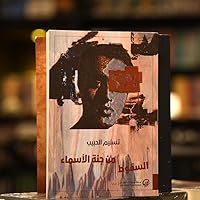
ومن إصدارات (كلمة) هيئة أبوظبي للثقافة والتراث هذه الحكايات من التيبت
في (49) قصة قصيرة وتختلف من صفحة واحدة لصفحة ونصف لثلاث وأربع صفحات بعضها كان ممتعًا وبعضها الآخر كان خالٍ من أي سمات القصة كانت أشبه بمعلومة تفلتت قالبها القصص أو لم تهبني ما كنت أرجوه من حكاية شعبية لا أعلم هل السر في الترجمة؟.. أم في طريقة نقل ثقافة كاملة من خلال حكاية شعبية غارقة في الخصوصية وهذا من صعوبات الحكايا الشعبية الإلمام بثقافة المنطقة
غير ذلك تناولت الفلك والأبراج والتعاليم الدينية وعبادة الشياطين والأبالسة كما يروج لذلك فلورابيل شيلتون جامع العمل
وحدت قصة موجودة لدينا في الموروث العربي وهى (الإحتكام إلى سليمان) كما تذكر القصة عن طفل تتنازع علية والدتين تدعي كلتاهما أحقيته فيه فيأمر الملك بأن تشد كل واحدة منهما الأبن ومن تشده بقوة تحصل فلم تراخت يد إحدى الوالدتين برفق خوفًا عليه حكم لها الملك
وهى كثيرًا ما نسمعها ونقرأ تفاصيلها بطرق مختلفة وهذه دلالة وصول القصص ذات الطابع الشعبي لكل شعوب العالم حتى لم يتبين من صاحب الأصل وقد أشرت لهذا في غير موضوع فيما يخص القصص أو الخرافات / الخرفينة كما نسميها
رأيي بشكل عام يختصر بهذا الصوت ( ميه ). لكن هل ندمت على قرائته؟ قطعا لا! فيه قصص ممتعه واخرى ترفع الضغط. انزعجت كثيرا من مجرى القصص وكونها لاتحوي دائما على حكمة او مغزى اخلاقي، لكني متعودة على القصص الشعبية ذات المعاني الاخلاقية او الاحداث المثيرة الحركية. هل هذا يعني اني ارى بأن القصص فلسفية وتعطيك نظرة اخرى للعالم؟ لأ. لكنها ممتعه لو تبي تطل على قصص بثيمات غريبة لاتظن انه يمكن ان تعيش اكثر من خمسة ثواني، وكيف وجدت مكانها لتترجم للعربية حتى! أي سبب وأي ارتباط جعلها تخلد في الورق؟ هذا مالم أفهمه صراحة، ومايجعلني ارغب بقراءة المزيد عن التيبت التي تمجد للحكمة والغرابة، بينما -شخصيا- لا ارى فيها اي شيء مثير
Many of the stories made little sense to me, but then, I'm not Tibetan and don't think like one. That said, I could sense a great deal of humor and there were several that had themes that were universal like: poor boy makes good, fool gets the better of everyone, and why stories. For most part I enjoyed them, despite their often odd endings.
لم يفلح المترجم على الإطلاق في خلق جسر التواصل بين القارئ العربي الذي لا يلم بتاتا بثقافة التيبت في كثير من المناسبات. رغم ذلك ففحوى الكتاب و المعاني الباطنية وراء هته الحكايات الشعبية تحمل الكثير الكثير في طياتها من المعاني تستحق التمعن و التمحيص فيها .