

What do you think?

The Black Hill
Mamang Dai is a poet, novelist and journalist based in Itanagar, Arunachal Pradesh. Her poetry, fiction and articles have appeared in numerous journals and anthologies. Her published works include a poetry collection, River Poems; a book of interlinked stories, The Legends of Pensam and a novella Stupid Cupid. She received the Verrier Elwin Award in 2003 for her book Arunachal Pradesh: The Hidden Land and was awarded the Padma Shri in 2011 in recognition of her contributions in the fields of literature and education.
308 pages, Kindle Edition
First published January 1, 2014
About the author
Mamang Dai
21 books64 followersMamang Dai is a poet and novelist writing in English, from Arunachal Pradesh in India’s northeast. Her mother tongue is Adi. Dai is the first woman of her state to have been selected to the IAS/IFS. However she gave up her career in the Civil Service to pursue a career in journalism. Dai was correspondent with the Hindustan Times, the Telegraph and the Sentinel newspapers and was President, Arunachal Pradesh Union of Working Journalists. She also worked with World Wide Fund for nature in the Eastern Himalaya Biodiversity Hotspots programme.
Her first publication River Poems hailed her as one of the most intensely poetic voices from the North East region. In 2003 Dai was honoured with the state’s Verrier Elwin Award for her book Arunachal Pradesh: the Hidden Land that documented the culture and customs of her land. She has featured in several national and international forums to promote the disappearing traditions of her state in the face of modernity and give voice to its people through the imaginative space of prose and poetry.
A long-time member of the North East Writers’ Forum (NEWF). She lives in Itanagar. Her books include: The legends of Pensam (Novel), Stupid Cupid (Novel), River Poems (Poetry, 2nd edition 2014), Midsummer – Survival Lyrics (Poetry, 2014), El bálsamo del tiempo (The balm of time) (Poetry), Arunachal Pradesh – The Hidden Land (Nonfiction), Mountain Harvest- The Food of Arunachal, The Sky Queen and Once Upon a Moon Time (Illustrated folklore for young readers), Hambreelmai’s Loom – (Folklore, 2014), The Black Hill (Novel, 2014).
Her first publication River Poems hailed her as one of the most intensely poetic voices from the North East region. In 2003 Dai was honoured with the state’s Verrier Elwin Award for her book Arunachal Pradesh: the Hidden Land that documented the culture and customs of her land. She has featured in several national and international forums to promote the disappearing traditions of her state in the face of modernity and give voice to its people through the imaginative space of prose and poetry.
A long-time member of the North East Writers’ Forum (NEWF). She lives in Itanagar. Her books include: The legends of Pensam (Novel), Stupid Cupid (Novel), River Poems (Poetry, 2nd edition 2014), Midsummer – Survival Lyrics (Poetry, 2014), El bálsamo del tiempo (The balm of time) (Poetry), Arunachal Pradesh – The Hidden Land (Nonfiction), Mountain Harvest- The Food of Arunachal, The Sky Queen and Once Upon a Moon Time (Illustrated folklore for young readers), Hambreelmai’s Loom – (Folklore, 2014), The Black Hill (Novel, 2014).
Ratings & Reviews
Friends & Following
Create a free account to discover what your friends think of this book!
Community Reviews
Displaying 1 - 30 of 40 reviews

August 12, 2024
A story set in the North East in the 19th century. Combines vivid local imagery with an unusual story. The main characters as I read in one of the descriptions are a man, woman & a priest – an apt short description.
A lot of the action is in the area which is today’s Arunachal Pradesh to Assam. Gimur is a young woman in the village Mebo (the start year is 1847). The British are interested in establishing a trading post in the area. Kajinsha is a man who has travelled across the area and is now in Mebo where he meets Gimur. His father had tried to unite the local tribes hoping to thwart the entry of the British. Kajinsha and Gimur feel drawn to each other. Kajinsha asks Gimur to leave the village with him since it does not look like the family will accept their union. In Kajinsha’s village, Gimur discovers that she entered into the relationship without knowing much about him. Nicholas Krick, a priest from France has embarked on a trip seeking to convert locals to Christianity. His intended final destination is Tibet, which he will reach from India. A group of 3 of them set out, land first in Chennai, then move to Calcutta, and later Assam. He understands that the locals need access to modern medicine, and feels that it will help in his mission if he were to provide them that. Kajinsha, Gimur and Nicholas’ paths are to meet.
The historical & local context including the various tribes and descriptions of places is very good. The story is unusual with a diverse set of characters. I found the character development to be average and the character motivations & behaviours to be poorly described in many instances. The story has its strengths but falls well short of being memorable.
A lot of the action is in the area which is today’s Arunachal Pradesh to Assam. Gimur is a young woman in the village Mebo (the start year is 1847). The British are interested in establishing a trading post in the area. Kajinsha is a man who has travelled across the area and is now in Mebo where he meets Gimur. His father had tried to unite the local tribes hoping to thwart the entry of the British. Kajinsha and Gimur feel drawn to each other. Kajinsha asks Gimur to leave the village with him since it does not look like the family will accept their union. In Kajinsha’s village, Gimur discovers that she entered into the relationship without knowing much about him. Nicholas Krick, a priest from France has embarked on a trip seeking to convert locals to Christianity. His intended final destination is Tibet, which he will reach from India. A group of 3 of them set out, land first in Chennai, then move to Calcutta, and later Assam. He understands that the locals need access to modern medicine, and feels that it will help in his mission if he were to provide them that. Kajinsha, Gimur and Nicholas’ paths are to meet.
The historical & local context including the various tribes and descriptions of places is very good. The story is unusual with a diverse set of characters. I found the character development to be average and the character motivations & behaviours to be poorly described in many instances. The story has its strengths but falls well short of being memorable.
March 24, 2017
A memoir that takes you to mid-Nineteenth century Arunachal Pradesh where the Europeans were looking to enter this untouched paradise.
The rest of India was preparing to overthrow Britons in Sepoy Mutiny. Arunachal was a land of tribal kingdoms of the Mishmees , Abors (now ADI) , Apatanis and the Tibetans living together in a shared heaven.
This book is a tale of the very first Europeans who set foot on this land and created a conflict that lasts till date. A historical plot weaved together with the values of work, labor and love. a must read to know the emergence of Arunachal Pradesh as a state and how these tribes thrived beyond the religious fault lines.
The rest of India was preparing to overthrow Britons in Sepoy Mutiny. Arunachal was a land of tribal kingdoms of the Mishmees , Abors (now ADI) , Apatanis and the Tibetans living together in a shared heaven.
This book is a tale of the very first Europeans who set foot on this land and created a conflict that lasts till date. A historical plot weaved together with the values of work, labor and love. a must read to know the emergence of Arunachal Pradesh as a state and how these tribes thrived beyond the religious fault lines.

May 22, 2021
The British has a long history of going places and creating conflicts that never ends. They go away but the people in those lands suffer in loss and war for multiple generations. North East of India was tribal lands who led their lives by their own rules, the generational histories of the clan tied to the sunrise and sunsets on the hills they lived on. With onset of colonization, British found routes to AP and started a war.
The Black Hill is a story of a tribal chief and his romance with a woman from different tribe. A French pastor worms his way into this land and to their love story on his way to Tibet - a land that's locked to the foreigners, especially whites. There is love, there is war, there is bitterness and above all, it is a story about land and the stories it holds, the people it contains and births.
A story of a state, its people and their resilience.
The Black Hill is a story of a tribal chief and his romance with a woman from different tribe. A French pastor worms his way into this land and to their love story on his way to Tibet - a land that's locked to the foreigners, especially whites. There is love, there is war, there is bitterness and above all, it is a story about land and the stories it holds, the people it contains and births.
A story of a state, its people and their resilience.

December 30, 2024
‘So,’ she thought, ‘among the migluns (foreigners), too, a woman’s name is forgotten so soon.’
‘The Black Hall’ is based on an historical account of a French missionary who tried to find a route to Tibet by travelling through the Mishmee Hills. He managed to establish some semblance of a mission on his second attempt, but he disappeared soon after. A chieftain of the Mishmee tribe was tried and convicted for the crime, setting in motion a series of events involving rivalries between tribes and brutalities by the colonial powers. Mamang Dai takes the historically documented account and weaves around it a love story which is at the same time as harsh and as enduring as the landscape in which it is set.
The book is set in the early days of the foreigners trying to establish themselves in North East India, and at one level it is a story where history is told not from the perspective of the colonisers, but from the perspective of original inhabitants of the land, who do not want to see their way of life taken over by someone else. At another level, the book beautifully describes the geography of the North-East. Of a land where modern political boundaries have little meaning. A harsh land, well suited to the resilient people who live there. There are several journeys in the book- journeys which involve fording streams, walking through forests, following the river, climbing hills that shimmer in the sunshine and using river passes to cross the mighty mountains. You can almost visualise the protagonist using a rope to lunge herself over a river in spate! The book describes the customs and beliefs of the various tribes who live in Assam and Arunachal Pradesh (long before the states were even given these names)- the food they eat, the clothes they wear, the spirits they worship, the stories they tell, and the taboos and superstitions that govern their life.
At the heart of the book is a tender love story of Gimur, a young girl who falls in love with an apparition, who gives herself up to him, then gives up everything she has ever known to follow him to his village. She returns home when she feels she can no longer live with the secrets and silence between them. She is a woman in love, who will do anything for that love. She is also a woman who despite the limited options available to her asserts her agency at all times. She is a woman who many men use as their load star. It is the story of the men who love her in different ways- her childhood friend who never stopped watching over her, her husband who was willing to brave societal displeasure to be with her, and the French missionary who’s path crosses hers many times. The historical account doesn’t include any women, yet they must have been there. By placing Gimur at the centre of the story, the author reminds us of how history traditionally treats women. While Gimur does not find happiness of the kind she expected to find, by the end of her life, she realises that she lived the life she was meant to lead.
The author often comes back to words and narratives. Is the written word more important than oral traditions? Are words needed to capture your thoughts, or do thoughts transcend words? What is more important- words, or the silence that speaks without words?
The book uses the historical narrative to raise questions about civilisation, development and colonization, and these questions remain relevant even 150 years after the period in which the story is set. Who owns the land? Is land even meant to be owned, or is it something that is held in trust and passed on? Who determines which faith is superior? One is struck by the passion of the missionary who crossed over from Assam to Tibet not once but twice. But isn’t the faith of the people who trust the spirits to cure their sick just as strong?
The book is harsh. The book is lyrical. The book is unforgettable, just like the land in which it is set.
‘The Black Hall’ is based on an historical account of a French missionary who tried to find a route to Tibet by travelling through the Mishmee Hills. He managed to establish some semblance of a mission on his second attempt, but he disappeared soon after. A chieftain of the Mishmee tribe was tried and convicted for the crime, setting in motion a series of events involving rivalries between tribes and brutalities by the colonial powers. Mamang Dai takes the historically documented account and weaves around it a love story which is at the same time as harsh and as enduring as the landscape in which it is set.
The book is set in the early days of the foreigners trying to establish themselves in North East India, and at one level it is a story where history is told not from the perspective of the colonisers, but from the perspective of original inhabitants of the land, who do not want to see their way of life taken over by someone else. At another level, the book beautifully describes the geography of the North-East. Of a land where modern political boundaries have little meaning. A harsh land, well suited to the resilient people who live there. There are several journeys in the book- journeys which involve fording streams, walking through forests, following the river, climbing hills that shimmer in the sunshine and using river passes to cross the mighty mountains. You can almost visualise the protagonist using a rope to lunge herself over a river in spate! The book describes the customs and beliefs of the various tribes who live in Assam and Arunachal Pradesh (long before the states were even given these names)- the food they eat, the clothes they wear, the spirits they worship, the stories they tell, and the taboos and superstitions that govern their life.
At the heart of the book is a tender love story of Gimur, a young girl who falls in love with an apparition, who gives herself up to him, then gives up everything she has ever known to follow him to his village. She returns home when she feels she can no longer live with the secrets and silence between them. She is a woman in love, who will do anything for that love. She is also a woman who despite the limited options available to her asserts her agency at all times. She is a woman who many men use as their load star. It is the story of the men who love her in different ways- her childhood friend who never stopped watching over her, her husband who was willing to brave societal displeasure to be with her, and the French missionary who’s path crosses hers many times. The historical account doesn’t include any women, yet they must have been there. By placing Gimur at the centre of the story, the author reminds us of how history traditionally treats women. While Gimur does not find happiness of the kind she expected to find, by the end of her life, she realises that she lived the life she was meant to lead.
The author often comes back to words and narratives. Is the written word more important than oral traditions? Are words needed to capture your thoughts, or do thoughts transcend words? What is more important- words, or the silence that speaks without words?
The book uses the historical narrative to raise questions about civilisation, development and colonization, and these questions remain relevant even 150 years after the period in which the story is set. Who owns the land? Is land even meant to be owned, or is it something that is held in trust and passed on? Who determines which faith is superior? One is struck by the passion of the missionary who crossed over from Assam to Tibet not once but twice. But isn’t the faith of the people who trust the spirits to cure their sick just as strong?
The book is harsh. The book is lyrical. The book is unforgettable, just like the land in which it is set.

May 12, 2023
Lacks creative potency. I expected more from the poet. Maybe it has to do with the form - the historical novel. But I mean, come on, it is really passable. It is good as a document. She could have easily packed it as a non fic. It would not have been a clickbait then. Because, honestly, I would cringe to call it fiction. There was potential. It makes me sad. But credit where it's due. She did connect the threads of two separate stories in a decent fashion. And the stories really do move you, sometimes to a point of tears. And some lines and paras in between are imbued with poetic flavour. But then again the pages are really laborious. 2.5/5.
December 27, 2020
A literary treatise on the Nort East India
Very high quality literature on the unexplored part...
The author shows before us with very high standards, the reality at the Nort East of which there are various notions we have...
There are moments and characters which I may never forget..and the book has definitely helped me know more about life, love, people at mountains, evolution of culture there...
Very high quality literature on the unexplored part...
The author shows before us with very high standards, the reality at the Nort East of which there are various notions we have...
There are moments and characters which I may never forget..and the book has definitely helped me know more about life, love, people at mountains, evolution of culture there...

July 27, 2026
This is historical fiction of the first contact between the Mishimi tribes and the British. This led to actual historical conflict that was used as a basis for this novel. The tale is intertwined by the activities of French missionaries in the region enroute to their proselytisation in the Tibet region following blocking of the route through China. A short window into the tribes of the Lohit region of Arunachal Pradesh.

August 29, 2020
Having read two books on NE states back to back, I realised that this area was once rich in tribal culture & there were numerous tribes & clans branching out occupying hills, valleys & plains. The unrest and unsettling that had engulfed dates back prior to invasion of the British; mainly due to the rivalry between clans emerged out of suspicion & dread. This book offers many snippets of the tribal & colonial history during 19 th century.
~~~
British has by then started to invade parts of NE land including Assam and is eyeing cautiously to march towards north ( present state of Arunachal Pradesh) to clasp hilly villages adjacent to Himalayas and Tibet. Their prolonged negotiations & persuasions are turning out futile exhibhiting the tribes' stubbornness. So insecure they are, that they don't even allow a gust of wind passing from 'strangers' i.e., white men towards them.
~~~
Gimur from Mebo village of Abor clan elopes & marries Kajinsha, a tribal chief of Mishmi clan and they settle at Zayul valley bordering Tibet which is Kajinsha's place. Their conjugal life beholds many disturbances as a result of deceptive ploys devised by other tribal chiefs.
Parallel to this, a priest named Nicholas Krick from France sets off journey on his assigned mission to spread the word of gospel in Tibet.Then Tibet was a restraint country to any such missionary activities. Now Krick is left with no other way except detouring via India crossing these sentient hilly areas where a white man is utterly unwelcomed.
Paths travelled by Gimur & Krick often intersect but hesitate to intervene with each other.
~~~
I loved Mamang Dai's atmospherical writing so much & her topographical detailing makes everything lively. Here we feel as if glinting river bed skirting the wide hill range, caverns of precipices, whips of hitting stotms & slippery sludges of ravines each enumerating an untold story that was burried deep within.
The author has phenominally weaved an enthralling & intriguing fictional story based on a true incident of two priests( Krick who was joined by Bourry later) visiting this part of the country but whose whereabouts went missing without entry in records for which the reasons unknown till now.
~~~
There are many facets in this book- unrequited love of Kajinsha & Gimur; sheer perserverance of Father Krick to reach Tibet surpassing dejection, fatigue & hunger; various beliefs & superstitions of the people ; and as a whole we observe the transformation of tribal communities from being resistive to receptive slipping into shackles of the British unknowingly.
A fact which I learnt is these clusters of land were colonised much later after the first war of independence in 1857.
~~~
I must say may be due to myriad of historical & fictional events happening , the reader gets exhausted at times & also I felt Krick's influence on people could have been well established & showcased a more better. Nonethless , this book has a trove of historical information of pre-colonial era of the said region.
~~~
British has by then started to invade parts of NE land including Assam and is eyeing cautiously to march towards north ( present state of Arunachal Pradesh) to clasp hilly villages adjacent to Himalayas and Tibet. Their prolonged negotiations & persuasions are turning out futile exhibhiting the tribes' stubbornness. So insecure they are, that they don't even allow a gust of wind passing from 'strangers' i.e., white men towards them.
~~~
Gimur from Mebo village of Abor clan elopes & marries Kajinsha, a tribal chief of Mishmi clan and they settle at Zayul valley bordering Tibet which is Kajinsha's place. Their conjugal life beholds many disturbances as a result of deceptive ploys devised by other tribal chiefs.
Parallel to this, a priest named Nicholas Krick from France sets off journey on his assigned mission to spread the word of gospel in Tibet.Then Tibet was a restraint country to any such missionary activities. Now Krick is left with no other way except detouring via India crossing these sentient hilly areas where a white man is utterly unwelcomed.
Paths travelled by Gimur & Krick often intersect but hesitate to intervene with each other.
~~~
I loved Mamang Dai's atmospherical writing so much & her topographical detailing makes everything lively. Here we feel as if glinting river bed skirting the wide hill range, caverns of precipices, whips of hitting stotms & slippery sludges of ravines each enumerating an untold story that was burried deep within.
The author has phenominally weaved an enthralling & intriguing fictional story based on a true incident of two priests( Krick who was joined by Bourry later) visiting this part of the country but whose whereabouts went missing without entry in records for which the reasons unknown till now.
~~~
There are many facets in this book- unrequited love of Kajinsha & Gimur; sheer perserverance of Father Krick to reach Tibet surpassing dejection, fatigue & hunger; various beliefs & superstitions of the people ; and as a whole we observe the transformation of tribal communities from being resistive to receptive slipping into shackles of the British unknowingly.
A fact which I learnt is these clusters of land were colonised much later after the first war of independence in 1857.
~~~
I must say may be due to myriad of historical & fictional events happening , the reader gets exhausted at times & also I felt Krick's influence on people could have been well established & showcased a more better. Nonethless , this book has a trove of historical information of pre-colonial era of the said region.

Did Not Finish
September 27, 2025DNF at 55%
I’m officially done with this slow and dry book.
The writing is sooooo dry and boring, I sleep reading the book.
I’m officially done with this slow and dry book.
The writing is sooooo dry and boring, I sleep reading the book.
May 20, 2018
I simply loved this book! Told with deceptive simplicity, through a tender and uplifting tale of love, loyalty and betrayal, runs a deep thread of understanding of a remote and difficult terrain, of colonial history,an incredibly diverse people,and the underlying complexities of being human that holds us all together and pushes us apart. This book was a compassionate revelation of people not sufficiently appreciated,and of a region not easily explored. I hope it will enrich our shelves for a very long time.

September 21, 2024
I honestly did not expect to get immersed into the story so much. What a brilliant narration, such intelligent use of words and phrases, and the way I did not come across a single instance where I had to stop or take a break because I wasn't able to understand something, nope! Deserving of the padmashree and all the accolades she has been awarded with, will be awarded with in the near future!
Kajinsha, Gimur and Father Krick. You will live in my heart forever.
An immensely fruitful read, indeed!
Kajinsha, Gimur and Father Krick. You will live in my heart forever.
An immensely fruitful read, indeed!

September 8, 2026
The last 50 pages made me cry, goddamn. So beautiful, enchanting, and what an endeavour to fill in pages like this, between the silences of history


February 24, 2025
Set against the backdrop of the mid 19th century, this tale unfolds in the northeastern expanse that spans from present-day Assam to Arunachal. The East India Company, with its imperial ambitions, seeks to penetrate this vibrant region, inciting trepidation among the indigenous tribes—most notably the Abor and Mishmee—who resolutely strive to defend their ancestral lands from encroachment. Drawing upon a recorded historical incident—the enigmatic vanishing of French priest Father Nicolas Krick in the 1850s, coupled with the subsequent execution of Kajinsha from the Mishmee tribe, accused of his murder—the author intricately crafts a compelling, richly imagined narrative around these events. As the novel chronicles a perilous journey and a clandestine romance, it delves into profound themes: the allure of uncharted realms, the deep-rooted love individuals harbour for one another and their homeland, and the inexorable tides of history that shape their destinies.
In a tale woven with the threads of longing and conflict, Gimur, a spirited girl of the Abor tribe, flees with Kajinsha of the Mishmee tribe, seeking refuge on his ancestral land by the Tibetan frontier. Meanwhile, Father Krick, a Jesuit, is thwarted at every turn in his quest to establish a mission in Tibet—not out of hostility towards the priests or their noble intentions, but from a profound understanding among the locals that the arrival of the clergy heralds the inevitable intrusion of the British, armed and imposing. The narrative unfolds within the villages of Gimur and Kajinsha, interspersed with Father Krick’s perspective. He is a man marked by intelligence and compassion, unwavering in his faith yet devoid of prejudice. His relentless pursuit of his mission, however, casts a shadow over the lives of those he encounters, leading to unforeseen and tragic consequences. You will also get to read about how tribal family works, their faith and belief, protecting fiercely, farming style, really strong friendship bonds.
In a tale woven with the threads of longing and conflict, Gimur, a spirited girl of the Abor tribe, flees with Kajinsha of the Mishmee tribe, seeking refuge on his ancestral land by the Tibetan frontier. Meanwhile, Father Krick, a Jesuit, is thwarted at every turn in his quest to establish a mission in Tibet—not out of hostility towards the priests or their noble intentions, but from a profound understanding among the locals that the arrival of the clergy heralds the inevitable intrusion of the British, armed and imposing. The narrative unfolds within the villages of Gimur and Kajinsha, interspersed with Father Krick’s perspective. He is a man marked by intelligence and compassion, unwavering in his faith yet devoid of prejudice. His relentless pursuit of his mission, however, casts a shadow over the lives of those he encounters, leading to unforeseen and tragic consequences. You will also get to read about how tribal family works, their faith and belief, protecting fiercely, farming style, really strong friendship bonds.
July 30, 2023
Karunkundram: Tamil translation by Kannaiyan Daksnamurthy of Mamang Dai's Award winning English novel 'The Black Hill', Sahitya Akademi,New Delhi 2021
"கருங்குன்றம்" இந்த மலைகளில் கடவுள் படைத்திருக்கும் எழிலுக்கு இணையாக எதனையும் ஒப்பிடமுடியாது என்று நினைத்துக்கொண்டார். மனிதன் கலைப் படைப்பு, சூரிய ஒளிக்கு முன்னால் கரிபடிந்த கண்ணாடிக்குள் எரியும் விளக்கைப் போன்றது!
பூமித்தாயின் மார்பில் வானம் இன்னமும் முகம் புதைத்திருப்பது போல இரவுப் பொழுதின் மயக்கம் மெல்லத் தெளிந்துகொண்டிருந்தது.
"சொர்க்கத்தில் வாழும் கடவுள் ஒருவர் இருக்கிறார்" என்று மத நம்பிக்கையை ஏற்றுக்கொண்டவர்க்குச் சொல்லிவிடலாம். ஆனால் அந்தச் சொர்க்கம் எங்கே இருக்கின்றதென்று எப்படி விவரிக்கமுடியும்?
தினம்தோறும் சூரியன் வானில் பவனி வருகிறது. மேகம் திரண்டு மறைந்தாலும்கூட, மேகத்திற்குப் பின்னால் சூரிய தேவதையின் ஆரஞ்சு ஒளி நகர்வதைக் காணமுடியும். சூரிய அன்னை! சூரிய தாயைப் பற்றிய ஒரு கதையை கிமூர் கேட்டுருக்கின்றாள். சூரிய அன்னைக்கு அழகான ஒரு குழந்தை இருந்தது. அதற்குச் செவிலித்தாயாக இருந்தது ஒரு புறா, தினந்தோறும் சூரியத்தாய் தன் நெடும்பயணத்தை மேற்கொள்ளும்போது, அக் குழந்தையை புறா தன் முதுகில் சுமந்து, பாட்டுப் பாடி, சூரியத் தாய் வீடு திரும்பும் வரை பார்த்துக்கொள்ளும். சுன்புராவில் இரவில் கிமூருக்குப் பக்கத்தில் படுத்துக்கொண்டு கஜின்ஷா இந்தக் கதையைச் சொன்னான்: ஒரு நாள் புறாவின் முதுகில் குழந்தையை இறுகக் கட்டிக்கொள்ளும்படியாக இருந்த நாடா அறுந்து பூமியில் விழுந்துவிட்டது. அதை எடுத்து வருவேன் என்று சொல்லி பூமிக்குப் போனது. அந்த நாடாவை எடுத்தும் விட்டது. ஆனால் திரும்பவும் அந்த புறாவால் சூரியத் தாயின் வீட்டுக்குப் போக முடியவில்லை பூமியில் இருந்தடியே, சூரியத் தாய் வானில் உலா போவதையும் நிலத்திலும் நீரிலும் பயிர்களிலும் தனது ஒளியைப் பாய்ச்சிச் செல்வதையும் கண்டு அழுதபடியே இருந்தது.
அன்பின் சொற்கள் எப்படிப்பட்டவை? அவை எப்படி ஒலிக்கும்? சிறிய பாவனைகளிலும் தூய எண்ணங்களிலும்தான் அன்பு தழைக்கிறது. சில சமயங்களில் மௌனமே அன்பாக வெளிப்படுகிறது.
அன்புடன், இராம திருவுடையான்🌹🍁🌾❣️
"கருங்குன்றம்" இந்த மலைகளில் கடவுள் படைத்திருக்கும் எழிலுக்கு இணையாக எதனையும் ஒப்பிடமுடியாது என்று நினைத்துக்கொண்டார். மனிதன் கலைப் படைப்பு, சூரிய ஒளிக்கு முன்னால் கரிபடிந்த கண்ணாடிக்குள் எரியும் விளக்கைப் போன்றது!
பூமித்தாயின் மார்பில் வானம் இன்னமும் முகம் புதைத்திருப்பது போல இரவுப் பொழுதின் மயக்கம் மெல்லத் தெளிந்துகொண்டிருந்தது.
"சொர்க்கத்தில் வாழும் கடவுள் ஒருவர் இருக்கிறார்" என்று மத நம்பிக்கையை ஏற்றுக்கொண்டவர்க்குச் சொல்லிவிடலாம். ஆனால் அந்தச் சொர்க்கம் எங்கே இருக்கின்றதென்று எப்படி விவரிக்கமுடியும்?
தினம்தோறும் சூரியன் வானில் பவனி வருகிறது. மேகம் திரண்டு மறைந்தாலும்கூட, மேகத்திற்குப் பின்னால் சூரிய தேவதையின் ஆரஞ்சு ஒளி நகர்வதைக் காணமுடியும். சூரிய அன்னை! சூரிய தாயைப் பற்றிய ஒரு கதையை கிமூர் கேட்டுருக்கின்றாள். சூரிய அன்னைக்கு அழகான ஒரு குழந்தை இருந்தது. அதற்குச் செவிலித்தாயாக இருந்தது ஒரு புறா, தினந்தோறும் சூரியத்தாய் தன் நெடும்பயணத்தை மேற்கொள்ளும்போது, அக் குழந்தையை புறா தன் முதுகில் சுமந்து, பாட்டுப் பாடி, சூரியத் தாய் வீடு திரும்பும் வரை பார்த்துக்கொள்ளும். சுன்புராவில் இரவில் கிமூருக்குப் பக்கத்தில் படுத்துக்கொண்டு கஜின்ஷா இந்தக் கதையைச் சொன்னான்: ஒரு நாள் புறாவின் முதுகில் குழந்தையை இறுகக் கட்டிக்கொள்ளும்படியாக இருந்த நாடா அறுந்து பூமியில் விழுந்துவிட்டது. அதை எடுத்து வருவேன் என்று சொல்லி பூமிக்குப் போனது. அந்த நாடாவை எடுத்தும் விட்டது. ஆனால் திரும்பவும் அந்த புறாவால் சூரியத் தாயின் வீட்டுக்குப் போக முடியவில்லை பூமியில் இருந்தடியே, சூரியத் தாய் வானில் உலா போவதையும் நிலத்திலும் நீரிலும் பயிர்களிலும் தனது ஒளியைப் பாய்ச்சிச் செல்வதையும் கண்டு அழுதபடியே இருந்தது.
அன்பின் சொற்கள் எப்படிப்பட்டவை? அவை எப்படி ஒலிக்கும்? சிறிய பாவனைகளிலும் தூய எண்ணங்களிலும்தான் அன்பு தழைக்கிறது. சில சமயங்களில் மௌனமே அன்பாக வெளிப்படுகிறது.
அன்புடன், இராம திருவுடையான்🌹🍁🌾❣️

January 23, 2015
The book gives shape to the love between a man and a woman, expresses a priest’s love for his divine calling and portrays a community’s love for land, territory and for the identity drawn from its ownership. In thick jungles and barren landscapes these different loves intertwine, through events first and finally and most beautifully in essence too.
For all its intricateness of poetic language, skilful narration of a thick plot and successful drawing in of the reader into its world, the narrator of ‘The Black Hill’ comes across as strangely devoid of an opinion on colonization. More so, because it is set in a context and contains events that cannot be viewed in separation from the larger political events unfolding at that time. The book may not necessarily need an opinion, but what it also lacks in is a real, well-rounded depiction of the colonizers, or even their intent behind occupying prime towns.I cannot stop thinking that this alternate “history” seems to be catering to a colonized mind. And, coming from one too.
[To read the full review, please visit - http://www.sakshinanda.com/2015/01/bo...
For all its intricateness of poetic language, skilful narration of a thick plot and successful drawing in of the reader into its world, the narrator of ‘The Black Hill’ comes across as strangely devoid of an opinion on colonization. More so, because it is set in a context and contains events that cannot be viewed in separation from the larger political events unfolding at that time. The book may not necessarily need an opinion, but what it also lacks in is a real, well-rounded depiction of the colonizers, or even their intent behind occupying prime towns.I cannot stop thinking that this alternate “history” seems to be catering to a colonized mind. And, coming from one too.
[To read the full review, please visit - http://www.sakshinanda.com/2015/01/bo...

August 6, 2021
It's actually 3.8 stars.
Everyone should read it before visiting Anjaw district of Arunachal Pradesh, India.
The book is filled with nostalgic scenarios, especially the time period when Britishers were just enter into the Northeastern hills of India.
All the rivers, route and landscape describe in the book are still more or less same.
Since I have visited both Mebo, Sadiya and Anjaw region, it was really amazing to imagine how the main characters Gimur, Kajinsha and Priest Krick had misadventures in the region.
If you love to know what happens when more civilized people meet hilly people, it's a must read, you'll love it. And thanks to Miss Mamang Dai for writing such a book (filled with nostalgia), it's a nice blend of history and fiction.
Adi people (youth) will realize how our believes and tradition came to what we know now.
Happier Readings✌🏼
Everyone should read it before visiting Anjaw district of Arunachal Pradesh, India.
The book is filled with nostalgic scenarios, especially the time period when Britishers were just enter into the Northeastern hills of India.
All the rivers, route and landscape describe in the book are still more or less same.
Since I have visited both Mebo, Sadiya and Anjaw region, it was really amazing to imagine how the main characters Gimur, Kajinsha and Priest Krick had misadventures in the region.
If you love to know what happens when more civilized people meet hilly people, it's a must read, you'll love it. And thanks to Miss Mamang Dai for writing such a book (filled with nostalgia), it's a nice blend of history and fiction.
Adi people (youth) will realize how our believes and tradition came to what we know now.
Happier Readings✌🏼

January 15, 2017
Mamang Dai brings history and a love story together beautifully in this novel set in the Abor and Mishmee hills of present day Arunachal Pradesh.
The characters, their feelings, motivations and deepest emotions are sketched very well, although this is a novel that makes the reader work for it; it does not explain everything and Dai chooses to reveal things at her own pace. The land and landscape come alive too.
I would have given it 4 stars but for some loose editing that makes parts of it a little jarring.
The characters, their feelings, motivations and deepest emotions are sketched very well, although this is a novel that makes the reader work for it; it does not explain everything and Dai chooses to reveal things at her own pace. The land and landscape come alive too.
I would have given it 4 stars but for some loose editing that makes parts of it a little jarring.
June 7, 2019
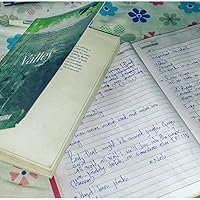
here is my Review
http://hemutanu.blogspot.com/2015/09/...
http://hemutanu.blogspot.com/2015/09/...
February 4, 2026
Author of this book, Mamang Dai (born 23 February 1957) is an Indian poet, novelist and journalist based in Itanagar, Arunachal Pradesh. She received Sahitya Akademi Award in 2017 for her novel The Black Hill. She was selected for the IAS in 1979, but later she left the post to pursue her career in journalism. She is the first woman from her state to be selected for IAS. She received Padma Shri in 2011 from the Government of India. She occupied many high positions in government as well as private media institutions and is well-known as a writer who focusses on close knit communities of remotest villages of North East India.
Story Line:
This book is a novelized version of Western means of propagation of Christianity into Tibet, the untouched land of Buddhism, in the nineteenth century and finding ways and means to enter Tibet through Arunachal Pradesh of India. The story starts with the introduction of a Mishmee tribal leader called Kajinsha who falls in love with a woman called Gimur, who is from another tribe, the Abors. Gimur elopes with Kajinsha and they start a family in a remote place, in a small hut, on top of a black hill. All goes well until one day a foreigner arrives on a mission from France, in those dense forests in search of a way to enter Tibet. This white man who is called Father Krick, calls himself a priest and a preacher of a new God and religion. He starts curing the ailments of local tribals with his simple medicines, gaining their confidence and expecting them to guide him to Tibet. Though once he enters a border Tibetan village Sommeau, he is driven back to India by the local Chinese authorities, under the restriction of foreigner entry into Tibet. But Krick doesn’t lose hope and tries to re-enter Tibet through the Mishmee hills, which falls under the guardianship of Kajinsha. This is disliked by Kajinsha and goes to warn Krick to return back but in that circumstance, Krick gets killed by Kajinsha’s rivals. This murder of a white man in tribal land infuriates the British rulers of India and they order arrest of the culprit. But here the twist is that Kajinsha gets arrested, his home, villages and tribe annihilated, instead of the actual culprits, due to their false testimonies to the British. Kajinsha pleads innocence, but in vain. He is sentenced to death after severe torture in prison, as a punishment for the murder of an innocent priest. This event finally results in the mass revolt of many tribes of Arunachal Pradesh against British, as a revenge, leading to heavy casualties and suffering on both sides. Overall, I consider this book as one of the most interesting pleasure reads.
Pros: The exquisite English language used by the author in detailing the beauty of Arunachal Pradesh landscape is worth reading. The reader gets immense pleasure in imbibing the grandiose of expressions of love, hatred, anger, sympathy, innocence, independence and respect amongst the tribal cultures of the State. One also gets to learn the dilapidated conditions of tribal lives in these dense forests in those times. The splendor of English used by the author is mesmerizing and makes the reader flip through the pages undisturbed. Hats off to the knowledge and research of the author in writing this book, which has earned her a Sahitya Academy Award.
Cons: Though this appears to be a true story to a reader with factual information, the author leaves a benefit of doubt to the reader in the end, due to absence of any records of such characters or incidents that have been cited in the book, anywhere in Government vaults, except for some details of Father Krick’s book “An account of an Expedition among the Abors in 1853, (published in the Journal of the Asiatic Society of Bengal, 1913).”
My favorite quotes in this book:
‘What is this land? Men spoke of land as a possession. ‘From this stream to the limits of the jungle and up to that hill with the white rock is my land,’ they said. Every piece of earth was claimed. The big trees, the high mountains, the rivers rushing down crevasses, the steep cliffs and jagged rocks. Waterways changed course and dried up. Men fought and killed each other. Blood flowed. Brothers became enemies. How could the mere features of a landscape ignite such love and ferocity’
‘The time we have is what we call our life. It is how I stand, hunt, sleep, breathe. Who knows when life will end, and how death will come— by fire, water, a falling tree, illness, or from the hand of an enemy? But whether one will live a long life, a successful life, these are not considerations. The desire is to live!’
‘These are texts that are thousands of years old, written and passed down from generation to generation but it will not interest you because you do not know what religion is, what a script is. It is what makes us strong and invincible. It is what keeps us safe from strangers’.
My rating : 4.5 out 5
Story Line:
This book is a novelized version of Western means of propagation of Christianity into Tibet, the untouched land of Buddhism, in the nineteenth century and finding ways and means to enter Tibet through Arunachal Pradesh of India. The story starts with the introduction of a Mishmee tribal leader called Kajinsha who falls in love with a woman called Gimur, who is from another tribe, the Abors. Gimur elopes with Kajinsha and they start a family in a remote place, in a small hut, on top of a black hill. All goes well until one day a foreigner arrives on a mission from France, in those dense forests in search of a way to enter Tibet. This white man who is called Father Krick, calls himself a priest and a preacher of a new God and religion. He starts curing the ailments of local tribals with his simple medicines, gaining their confidence and expecting them to guide him to Tibet. Though once he enters a border Tibetan village Sommeau, he is driven back to India by the local Chinese authorities, under the restriction of foreigner entry into Tibet. But Krick doesn’t lose hope and tries to re-enter Tibet through the Mishmee hills, which falls under the guardianship of Kajinsha. This is disliked by Kajinsha and goes to warn Krick to return back but in that circumstance, Krick gets killed by Kajinsha’s rivals. This murder of a white man in tribal land infuriates the British rulers of India and they order arrest of the culprit. But here the twist is that Kajinsha gets arrested, his home, villages and tribe annihilated, instead of the actual culprits, due to their false testimonies to the British. Kajinsha pleads innocence, but in vain. He is sentenced to death after severe torture in prison, as a punishment for the murder of an innocent priest. This event finally results in the mass revolt of many tribes of Arunachal Pradesh against British, as a revenge, leading to heavy casualties and suffering on both sides. Overall, I consider this book as one of the most interesting pleasure reads.
Pros: The exquisite English language used by the author in detailing the beauty of Arunachal Pradesh landscape is worth reading. The reader gets immense pleasure in imbibing the grandiose of expressions of love, hatred, anger, sympathy, innocence, independence and respect amongst the tribal cultures of the State. One also gets to learn the dilapidated conditions of tribal lives in these dense forests in those times. The splendor of English used by the author is mesmerizing and makes the reader flip through the pages undisturbed. Hats off to the knowledge and research of the author in writing this book, which has earned her a Sahitya Academy Award.
Cons: Though this appears to be a true story to a reader with factual information, the author leaves a benefit of doubt to the reader in the end, due to absence of any records of such characters or incidents that have been cited in the book, anywhere in Government vaults, except for some details of Father Krick’s book “An account of an Expedition among the Abors in 1853, (published in the Journal of the Asiatic Society of Bengal, 1913).”
My favorite quotes in this book:
‘What is this land? Men spoke of land as a possession. ‘From this stream to the limits of the jungle and up to that hill with the white rock is my land,’ they said. Every piece of earth was claimed. The big trees, the high mountains, the rivers rushing down crevasses, the steep cliffs and jagged rocks. Waterways changed course and dried up. Men fought and killed each other. Blood flowed. Brothers became enemies. How could the mere features of a landscape ignite such love and ferocity’
‘The time we have is what we call our life. It is how I stand, hunt, sleep, breathe. Who knows when life will end, and how death will come— by fire, water, a falling tree, illness, or from the hand of an enemy? But whether one will live a long life, a successful life, these are not considerations. The desire is to live!’
‘These are texts that are thousands of years old, written and passed down from generation to generation but it will not interest you because you do not know what religion is, what a script is. It is what makes us strong and invincible. It is what keeps us safe from strangers’.
My rating : 4.5 out 5
March 25, 2026
More than a decade ago, I read Mamang Dai’s Legends of Pensam. Much of it has blurred into memory now, except for the feeling of stepping into an elusive world vastly different from mine. I couldn’t grasp a lot back then, but what stayed with me was Dai’s effortless, mystical writing — her rare ability to write the ineffable.
The Black Hill feels strongly rooted in its origins. It offers a closer glimpse of Dai’s poetic heart, which is equally adept at prose. Set in the mid-19th century, a few years before the Mutiny of 1857, it opens in the remote Abor village of Mebo in the North East Frontier Agency (NEFA, now Arunachal Pradesh). The region, newly annexed from Burma, was home to several tribes. The English had already gauged its potential — they had tea estates in Upper Assam, a thriving opium trade with China, and were now cautiously setting foot in these tribal hills.
Gimur, a young Abor girl, lives with her mother and works the fields in verdant Mebo. Her villagers watch the British advance warily as the Migluns burn rebellious villages and buy loyalties. It is here that she meets Kajinsha, a reticent but fierce Khampti from the denser frontier, who shadows the British and prepares to resist their entry into his land. Sparks of passion fly instantly, and they elope to Kajinsha’s village perched on the obscure Mishmi Black Hill.
The long, arduous journey through forests, sand, rocks, and rivers is both adventurous and fatal. Dai describes these treks in minute, reverent detail, giving the landscape a primal, living quality. These journeys are transformative — one ventures not only through difficult terrain but into the deepest sanctuaries of the self. They reminded me of Dai’s line from Pensam: “We have long journeys in our blood.” Now I understand how deeply that runs.
Dai believes in the transformative power of stories. She weaves myth and history to tell important tales that would otherwise remain unknown. Father Krick, a real historical figure, arrives from distant shores with pure intent — to carry the message of his God into Tibet. His faith is unshaken, yet his dogged persistence is both noble and imposing. He never seems to realise that his mission threatens the delicate cultural fabric of the animist clans. Dai shows this tragedy on both sides: the priest’s misplaced fanaticism and the clans’ vicious suspicion that eventually turns deadly.
Upon reaching the Black Hill, Young Gimur, births a disabled baby. She sees a world distant and vastly different than hers in terms of norms, cultural practices and beliefs. Dai slowly builds the fact that the tribals have never been one uniform identity but each clan had its own societal understanding. What possibly is common across all the tribes is their fierce and very instinctive territoriality. In this blatantly different world, she begins to see herself as a misfit and continues resisting the demanding ways of this new life. Gimur embodies a firm autonomy but feels overlooked as Kajinsha gets swallowed in the complexities of his land. It is this land which binds the fate of our protagonists.
As the plot thickened, I wished for a map. Only later did I realise its absence was intentional. The region was beyond cartography — it could not be reduced to coordinates as the western gaze prefers. Its foundation lay in intangible things: shared beliefs, dreams, premonitions, rituals, and blood feuds. Dai gives enough vivid detail for the reader to form a dreamy mental image that guides us through the book. It is an ingenious way of narrating.
Her characters are resolutely human — natural, flawed, trapped in their humanness and in the uproar of their times. Through enchanting lyrical prose, Dai fills the hidden spaces where history and documentation do not reach. This is not a story of patriotism, but of primal resistance and self-preservation. It studies how faith can become dangerously absolute and remembers the quiet stories that died under the noise of mainstream history.
The Black Hill offers no easy answers — and that is its quiet strength.
The Black Hill feels strongly rooted in its origins. It offers a closer glimpse of Dai’s poetic heart, which is equally adept at prose. Set in the mid-19th century, a few years before the Mutiny of 1857, it opens in the remote Abor village of Mebo in the North East Frontier Agency (NEFA, now Arunachal Pradesh). The region, newly annexed from Burma, was home to several tribes. The English had already gauged its potential — they had tea estates in Upper Assam, a thriving opium trade with China, and were now cautiously setting foot in these tribal hills.
Gimur, a young Abor girl, lives with her mother and works the fields in verdant Mebo. Her villagers watch the British advance warily as the Migluns burn rebellious villages and buy loyalties. It is here that she meets Kajinsha, a reticent but fierce Khampti from the denser frontier, who shadows the British and prepares to resist their entry into his land. Sparks of passion fly instantly, and they elope to Kajinsha’s village perched on the obscure Mishmi Black Hill.
The long, arduous journey through forests, sand, rocks, and rivers is both adventurous and fatal. Dai describes these treks in minute, reverent detail, giving the landscape a primal, living quality. These journeys are transformative — one ventures not only through difficult terrain but into the deepest sanctuaries of the self. They reminded me of Dai’s line from Pensam: “We have long journeys in our blood.” Now I understand how deeply that runs.
Dai believes in the transformative power of stories. She weaves myth and history to tell important tales that would otherwise remain unknown. Father Krick, a real historical figure, arrives from distant shores with pure intent — to carry the message of his God into Tibet. His faith is unshaken, yet his dogged persistence is both noble and imposing. He never seems to realise that his mission threatens the delicate cultural fabric of the animist clans. Dai shows this tragedy on both sides: the priest’s misplaced fanaticism and the clans’ vicious suspicion that eventually turns deadly.
Upon reaching the Black Hill, Young Gimur, births a disabled baby. She sees a world distant and vastly different than hers in terms of norms, cultural practices and beliefs. Dai slowly builds the fact that the tribals have never been one uniform identity but each clan had its own societal understanding. What possibly is common across all the tribes is their fierce and very instinctive territoriality. In this blatantly different world, she begins to see herself as a misfit and continues resisting the demanding ways of this new life. Gimur embodies a firm autonomy but feels overlooked as Kajinsha gets swallowed in the complexities of his land. It is this land which binds the fate of our protagonists.
As the plot thickened, I wished for a map. Only later did I realise its absence was intentional. The region was beyond cartography — it could not be reduced to coordinates as the western gaze prefers. Its foundation lay in intangible things: shared beliefs, dreams, premonitions, rituals, and blood feuds. Dai gives enough vivid detail for the reader to form a dreamy mental image that guides us through the book. It is an ingenious way of narrating.
Her characters are resolutely human — natural, flawed, trapped in their humanness and in the uproar of their times. Through enchanting lyrical prose, Dai fills the hidden spaces where history and documentation do not reach. This is not a story of patriotism, but of primal resistance and self-preservation. It studies how faith can become dangerously absolute and remembers the quiet stories that died under the noise of mainstream history.
The Black Hill offers no easy answers — and that is its quiet strength.
March 16, 2021
The Black Hill by Mamang Dai has taken me to the scenic beauty of the hills of Arunachal Pradesh and Tibet. Mamang Dai has a distinct writing style. The story feels like a documentation of the events of the past. There is nostalgia painted all over her words. Though her narrative is not biased but there is a yearning for the lost past.
In this novel, we see Gimur, a mebo woman falling in love with Kajinsha, who belongs to another tribe. Thus, she has to run away with him on a long and harsh journey to the Mishmi Hills, located very close to Tibet. Along the same journey, there is a priest, Father Krick from Paris in whose heart there is a dream to reach Tibet and introduce Christianity. He is unknowingly following Gimur and Kajinsha on the same tragic journey. Their paths do cross at a point and there is a kind of understanding between the three but how this budding friendship doesn't see an end is the most sad part about the novel. You don't know what kind of stories will emerge and what fate has written for you when you meet a person for the first time.
There is underlying politics, legends, love, friendships, memory and loss throughout the narrative. Mamang Dai talks about dreams and omens as the most important part of the lives of these characters. Revenge is also a crucial event in their lives.
There is also a conflict between the old and the new as the people from Arunachal Pradesh encounters colonialism seeping into their lands. Modernisation is an uninvited guest in the hills. Christianity stands opposed to the indigenous religions.
Mamang Dai gives you an account of real events back from 1847 after the first contact of the Mishmi tribe with the British and father Krick. She is trying to collect oral history and documenting it so as to give a permanent life to it.
In this novel, we see Gimur, a mebo woman falling in love with Kajinsha, who belongs to another tribe. Thus, she has to run away with him on a long and harsh journey to the Mishmi Hills, located very close to Tibet. Along the same journey, there is a priest, Father Krick from Paris in whose heart there is a dream to reach Tibet and introduce Christianity. He is unknowingly following Gimur and Kajinsha on the same tragic journey. Their paths do cross at a point and there is a kind of understanding between the three but how this budding friendship doesn't see an end is the most sad part about the novel. You don't know what kind of stories will emerge and what fate has written for you when you meet a person for the first time.
There is underlying politics, legends, love, friendships, memory and loss throughout the narrative. Mamang Dai talks about dreams and omens as the most important part of the lives of these characters. Revenge is also a crucial event in their lives.
There is also a conflict between the old and the new as the people from Arunachal Pradesh encounters colonialism seeping into their lands. Modernisation is an uninvited guest in the hills. Christianity stands opposed to the indigenous religions.
Mamang Dai gives you an account of real events back from 1847 after the first contact of the Mishmi tribe with the British and father Krick. She is trying to collect oral history and documenting it so as to give a permanent life to it.

May 9, 2024
First I want to talk about what led me to read this important literature by the author.
In a year some unfortunate news become headlines about the north eastern states of our country India like clashes,floods,tribal rivalry,land disputes etc.Recently Manipur clash was in news.
So I decided that Yes I want to read something about these issues whether fiction or nonfiction.So I sat online and browsed Amazon luckily there were few recommendations but I chose fiction the reason being political influence as we know.
The words that nonfiction cannot displayed,in fiction you can easily depict.
In this piece of work I felt as a reader that how land is important and plays a important role in our society which leads to people well being and indirectly societal well being.
In North eastern states the majority is of tribal people and their rituals and customs plays an important role in procuring the land at that time when this story been set and also relevant today,this brings to me how culture is transferred to one generation to other.For example Kajinsha and Gimur they love each other but they belong to different tribes and respect their own culture .
The rootcause of resentment towards each other is invasion of their own land in the hands of other who have no right to interfere and it is clearly depicted in this fiction book.
I salute to the author who brought the topic of resentment and tribal mutiny in this fiction book and also how Europeans were attracted to their land in order to earn profit and also deciding to promote their religion.
In a year some unfortunate news become headlines about the north eastern states of our country India like clashes,floods,tribal rivalry,land disputes etc.Recently Manipur clash was in news.
So I decided that Yes I want to read something about these issues whether fiction or nonfiction.So I sat online and browsed Amazon luckily there were few recommendations but I chose fiction the reason being political influence as we know.
The words that nonfiction cannot displayed,in fiction you can easily depict.
In this piece of work I felt as a reader that how land is important and plays a important role in our society which leads to people well being and indirectly societal well being.
In North eastern states the majority is of tribal people and their rituals and customs plays an important role in procuring the land at that time when this story been set and also relevant today,this brings to me how culture is transferred to one generation to other.For example Kajinsha and Gimur they love each other but they belong to different tribes and respect their own culture .
The rootcause of resentment towards each other is invasion of their own land in the hands of other who have no right to interfere and it is clearly depicted in this fiction book.
I salute to the author who brought the topic of resentment and tribal mutiny in this fiction book and also how Europeans were attracted to their land in order to earn profit and also deciding to promote their religion.
December 22, 2023
The black hill, as mentioned in the book's description, is fiction based on actual historical events. Although, I must admit this part of history was never known to me. Our education system forgot to put these important trials in our curriculum, which gives a detailed description of atrocities performed by the British and other foreign powers on the tribals and hill people of this country. Based on the bordering states of Arunachal and Assam, this book takes us to the forest and hills, and into the lives of tribal communities such as Mishmee and Abor. It also explores the lifestyle, superstitions, and beliefs of the people who lived in those places—their connection with hills and rivers, birds and mithuns, clouds and rain. As I was imbibing the words page after page, I realized what I had been missing.
Coming to the writing, this is the first time I read Mamang Dai's work. The author has tried to put her heart out in those pages, but somewhere the connection felt lost. Character development felt a bit clumsy and off-focused, where the narrative embellishes mostly the scenic and historical events, which is nice but as a fiction reader, it didn't touch my heart. I was craving for more human emotions, their struggles living in remote places where humans had to wait for the Sun to illuminate their surroundings. Those raw feelings felt missing. Overall, A good read.
Coming to the writing, this is the first time I read Mamang Dai's work. The author has tried to put her heart out in those pages, but somewhere the connection felt lost. Character development felt a bit clumsy and off-focused, where the narrative embellishes mostly the scenic and historical events, which is nice but as a fiction reader, it didn't touch my heart. I was craving for more human emotions, their struggles living in remote places where humans had to wait for the Sun to illuminate their surroundings. Those raw feelings felt missing. Overall, A good read.

January 23, 2021
Got it as a Christmas gift from my beloved, and read it as first read of 2021.
This is my first fiction by Madam Mamang Dai, and second among her works, read her poetry book of The River Poems.
Text is culturally so rich! - amalgamating the two major tribes of Arunachal with the invasion of British empire along with the gist of Tibet.
And to specify more with my personal interpretation- the text vigorously illustrates the tribal cultures - the idea of land for an individual,nature’s relation to human, practices and beliefs, status and relation of tribal intra clan and the position of women and men.
And to additionally mention - author accounts the historical record of the disappearance of French Priest, Father Nicholas Krick in 1850 - based on which the plot is circulated.
This is my first fiction by Madam Mamang Dai, and second among her works, read her poetry book of The River Poems.
Text is culturally so rich! - amalgamating the two major tribes of Arunachal with the invasion of British empire along with the gist of Tibet.
And to specify more with my personal interpretation- the text vigorously illustrates the tribal cultures - the idea of land for an individual,nature’s relation to human, practices and beliefs, status and relation of tribal intra clan and the position of women and men.
And to additionally mention - author accounts the historical record of the disappearance of French Priest, Father Nicholas Krick in 1850 - based on which the plot is circulated.
This entire review has been hidden because of spoilers.

April 28, 2021
With its enchanting storytelling and alluring descriptions of nature, this book highlights the extraordinary beauty of the hills and forests of Northeast India. There is also a hint of nostalgia present in the narration.
Although it's a bit slow paced but it's not boring. It explores various interesting topics such as tribal lifestyle, their belief in superstitions and omens, strength and bravery of tribal women, the strong faith of a priest. It also contains a load of historical information about the northeast of mid-nineteenth century.
It was a great read and I highly recommend it.
Although it's a bit slow paced but it's not boring. It explores various interesting topics such as tribal lifestyle, their belief in superstitions and omens, strength and bravery of tribal women, the strong faith of a priest. It also contains a load of historical information about the northeast of mid-nineteenth century.
It was a great read and I highly recommend it.

October 20, 2021
It’s a beautiful story that takes you to the gorgeous Mishmee Hills of Arunachal Pradesh. The fictionalised story based on real events, story revolves around the battle between indigenous tribal population from Arunachal’s remote hill settlements and British. It is about the tribal people trying to protect their land. There are parallel stories that run along with the beautiful love story between two protagonist, a priest’s attempt to climb mountains and hills to reach Tibet to spread missionary preaching and eventual brutal killing of the priest.

September 24, 2025
A beautiful and haunting book set in the tribal region of Arunachal Pradesh, in 1948-52. It tells the touching and heroic story of Gimur and Kajinsha, a young couple trying to preserve their land and their way of life in the face of British incursions. Their path fatally crosses that of a French priest who is trying to make his way into Tibet. Mamang Dai skillfully weaves fiction into history, the narrative flowing beautifully like the crystal rivers of the mountains.
April 27, 2021
Mamang Dai is one of the most renowned name for Eco-Feminism. Her this series of poetry presents the intertwining of naturalism and feminism. She explores the wide varieties of Northern Indian beauty while rejuvenating memories and experiences.
May 3, 2026
A book that gives much insight into North-East India's history, culture, nature and hardships. Beautifully written, with an edge reminiscent of nature. The landscape plays a major role, as does faith, but only one could emerge victorious.
Displaying 1 - 30 of 40 reviews