

What do you think?

The Enchanted Places
Millions of readers throughout the world have grown up with the stories and verses of A. A. Milne; have envied Christopher Robin in his enchanted world; laughed at Pooh—a bear of very little brain—and worried about Piglet and his problems. But what was it like to be the small boy with the long hair, smock and wellington boots? At the age of 54 Christopher Milne recalled his early childhood, remembering 'the enchanted places' where he used to play in Sussex. The Hundred Acre Wood, Galleon's Lap and Poohsticks Bridge existed not only in the stories and poems but were part of the real world surrounding the Milne home at Cotchford Farm. With deftness and artistry Milne draws a memorable portrait of his father, and an evocative reconstruction of a happy childhood in London and Sussex. It is a story told with humor and modesty.
150 pages, Paperback
First published January 1, 1974
About the author
Christopher Milne
6 books18 followersSon of A.A. Milne.
Librarian Note: There is more than one author in the GoodReads database with this name.
Librarian Note: There is more than one author in the GoodReads database with this name.
Ratings & Reviews
Friends & Following
Create a free account to discover what your friends think of this book!
Community Reviews
Displaying 1 - 30 of 138 reviews
January 10, 2018
The bots Amazon have unleashed on this poor, unsuspecting site seem to have been at work here, "clearing up", because the cover of my edition has become extinct. (Sigh)
‐------------
This book is "basically" the memoirs of Christopher Robin as a grown-up in a collection of short and really pleasant little essays.
He is remembering and reconstructing his life as a child; trying to stay as objective as possible and trying to present himself / his parents / his dad objectively and independently of the Winnie-the-Pooh books while at the same time also presenting the effects they had on their lives.
It feels rather a bittersweet experience for him. While you can feel the love/respect of the child for his parents and that the reminiscence about his childhood brings undoubted pleasure and yearning; you can also feel the pain and a certain amount of bitterness the adult feels, who so unsuccessfully tried to break out of the trap that being his father's child and the "hero" of his books meant for him all his life.
‐------------
This book is "basically" the memoirs of Christopher Robin as a grown-up in a collection of short and really pleasant little essays.
He is remembering and reconstructing his life as a child; trying to stay as objective as possible and trying to present himself / his parents / his dad objectively and independently of the Winnie-the-Pooh books while at the same time also presenting the effects they had on their lives.
It feels rather a bittersweet experience for him. While you can feel the love/respect of the child for his parents and that the reminiscence about his childhood brings undoubted pleasure and yearning; you can also feel the pain and a certain amount of bitterness the adult feels, who so unsuccessfully tried to break out of the trap that being his father's child and the "hero" of his books meant for him all his life.

December 29, 2014
How do you rate a book like this? How do you judge the literary qualities in another human beings memories? I really don't know. There doesn't seem to be any way to do this.
"The Enchanted Places" is a memoir written by the son of A. A. Milne, the real-life Christopher Robin, who didn't only inspire his father's childhood stories but actually lived them. The lines between real life and fiction blur in this memoir, as Christoper doesn't always seem to remember which parts of the Pooh-books were actual parts of his life.
Because the Pooh-books were really a magnificent mess; fragments of A. A. Milne's own childhood, amusing episodes of Christopher's play routines and of course pure imagination. Sometimes reality became fiction, as Milne observed and wrote about his son and his teddy bear; and sometimes fiction became reality as Christopher heard what his father had written and wanted to play it out.
Through these glorious and razor-sharp fragments Christopher Milne tries to recall his childhood and his father, his beloved toys and the books, and slowly, carefully tries to separate and interpret them. While the bridge where Pooh and Christopher Robin famously played Pooh-sticks was a real, physical place, Eeyore's gloomy spot wasn't. But perhaps the gloomy spot was a place, Christopher didn't know? A place within his father – feelings poured into fiction?
Or is that just speculating?
"The Enchanted Places" is a heartfelt and philosophical recount of Christopher's early years spent with his father and his playtoys. In the epilogue Christopher writes bitter words and reflects upon how he came to hate to be Christopher Robin, that Christopher Robin, with a name known to everyone for something not always concerning him.
How does one become a fictional character? And how does it affect you?
Of course this book shouldn't be taken for hard, cold facts. Christopher has his own agenda, he leaves out certain episodes and tries to untangle himself from certain spots in the Pooh-books which have troubled him for years to be associated with.
But still, this book is part of the truth. Just as Christopher Milne is part of Christopher Robin, and Christopher Robin is part reality, part fiction, part father and part son.
I have seen some people write that this book ruined the happiness in the Pooh-books. For me, it does no such thing. After all, books are written by people, and no book becomes a myth the minute it is written. Everything starts out as a story, and this is just another aspect of that particular story/myth that we have all come to love.
Christopher tells his story quietly, lovingly, tenderly. "The Enchanted Places" is infused with nostalgia and regret, and while one must remain skeptical, it is still beautiful.
"The Enchanted Places" is a memoir written by the son of A. A. Milne, the real-life Christopher Robin, who didn't only inspire his father's childhood stories but actually lived them. The lines between real life and fiction blur in this memoir, as Christoper doesn't always seem to remember which parts of the Pooh-books were actual parts of his life.
Because the Pooh-books were really a magnificent mess; fragments of A. A. Milne's own childhood, amusing episodes of Christopher's play routines and of course pure imagination. Sometimes reality became fiction, as Milne observed and wrote about his son and his teddy bear; and sometimes fiction became reality as Christopher heard what his father had written and wanted to play it out.
Through these glorious and razor-sharp fragments Christopher Milne tries to recall his childhood and his father, his beloved toys and the books, and slowly, carefully tries to separate and interpret them. While the bridge where Pooh and Christopher Robin famously played Pooh-sticks was a real, physical place, Eeyore's gloomy spot wasn't. But perhaps the gloomy spot was a place, Christopher didn't know? A place within his father – feelings poured into fiction?
Or is that just speculating?
"The Enchanted Places" is a heartfelt and philosophical recount of Christopher's early years spent with his father and his playtoys. In the epilogue Christopher writes bitter words and reflects upon how he came to hate to be Christopher Robin, that Christopher Robin, with a name known to everyone for something not always concerning him.
How does one become a fictional character? And how does it affect you?
Of course this book shouldn't be taken for hard, cold facts. Christopher has his own agenda, he leaves out certain episodes and tries to untangle himself from certain spots in the Pooh-books which have troubled him for years to be associated with.
But still, this book is part of the truth. Just as Christopher Milne is part of Christopher Robin, and Christopher Robin is part reality, part fiction, part father and part son.
I have seen some people write that this book ruined the happiness in the Pooh-books. For me, it does no such thing. After all, books are written by people, and no book becomes a myth the minute it is written. Everything starts out as a story, and this is just another aspect of that particular story/myth that we have all come to love.
Christopher tells his story quietly, lovingly, tenderly. "The Enchanted Places" is infused with nostalgia and regret, and while one must remain skeptical, it is still beautiful.

April 13, 2009
This is a mildly interesting but rather melancholy memoir by the real-life Christopher Robin, who was in the unusual position of being a little boy known by untold thousands of readers of Winnie-the-Pooh around the world, and yet also not being that boy. This situation made the usual challenges of adolescence a touch more intense, especially when young Christopher went off to boarding school ("Still saying your prayers, Christopher Robin?"). The book lacks organization -- each chapter is an essay-like meditation on one aspect of his youth, often going over the same ground multiple times, and with hardly any sense of progression from the start of the book to its finish. This made it a slow read. I kept having to take breaks, sometimes of several days. Yet The Enchanted Places still seems to capture quite well and poignantly the atmosphere of Milne's childhood: his love of the countryside that was immortalized as Pooh's stumping grounds, his odd fame, and his sometimes uneasy relationships with his parents.
A typically wistful excerpt:
"There are two sorts of writer. There is the writer who is basically a reporter and there is the creative writer. The one draws on his experiences,the other on his dreams. My father was a creative writer and so it was precisely because he was not able to play with his small son that his longings sought and found satisfaction in another direction. He wrote about him instead."
On one point I disagree with Milne. Of his toys, he writes, "If you saw them today, your immediate reaction would be: "How old and battered and lifeless they look.'" Not so. Some years ago I came upon them unexpectedly -- I had thought I was in some random, unremarkable branch of the New York Public Library, unaware I was actually in the one with the glass display case (it has since been moved to more imposing accommodations). Puzzled at first by the sight of the well-worn animals, the realization of who they were slowly sinking in, I was moved to tears. They do still have some magic. Much more recently I was deeply irritated to find that an interloper, a stuffed animal representing a character called "Lottie the Otter" from a recently published "sequel" was also occupying the case. Hopefully she will soon be evicted if she hasn't been already.
A typically wistful excerpt:
"There are two sorts of writer. There is the writer who is basically a reporter and there is the creative writer. The one draws on his experiences,the other on his dreams. My father was a creative writer and so it was precisely because he was not able to play with his small son that his longings sought and found satisfaction in another direction. He wrote about him instead."
On one point I disagree with Milne. Of his toys, he writes, "If you saw them today, your immediate reaction would be: "How old and battered and lifeless they look.'" Not so. Some years ago I came upon them unexpectedly -- I had thought I was in some random, unremarkable branch of the New York Public Library, unaware I was actually in the one with the glass display case (it has since been moved to more imposing accommodations). Puzzled at first by the sight of the well-worn animals, the realization of who they were slowly sinking in, I was moved to tears. They do still have some magic. Much more recently I was deeply irritated to find that an interloper, a stuffed animal representing a character called "Lottie the Otter" from a recently published "sequel" was also occupying the case. Hopefully she will soon be evicted if she hasn't been already.

April 13, 2010
An extraordinary book. I had read that Christopher Milne was bitter about being the "real life" Christopher Robin, but in this book he writes about his parents and his fractured fame with grace, wit, and generosity. Not at all a "behind the scenes" take on Winnie-the-pooh, but rather a multi-faceted meditation on a child's relationship with his father and with his works. Strongly recommended to anyone with even a passing interest in Winnie-the-pooh.
February 3, 2016
Christopher Milne certainly inherited his father's gift for writing. In fact, I had to keep reminding myself that this was Christopher's voice and not his father's. This is a very honest, insightful look at his family, childhood, fame, and life in general. It's obvious that there was much love and happiness there and that he had great respect for his parents.
I am a sentimental twit, and no matter how many times I have read the origin of Winnie the Pooh & Co., I still get a thrill when Milne speaks of the "enchanted places" and when he introduces The Toys, and I can't help but tear up when he speaks of them going into the glass case. Not to mention the dedication A. A. Milne wrote to his wife - one of the most beautiful sentiments I have ever read.
Aside from that, this book had such a great sense of setting; it is one those books that takes you to a time and place you have never been and makes it feel like home. I love this book. It is beautiful. I love Milne's wit and insight and honesty. I love reading about the places Christopher played in and picturing he and his mother playing with the toys together, and his father announcing that a new story was ready and he and his mother listening together as his father read. Does it get any better than that? Ok, I may be a little obsessed, but there are worse things.
I am a sentimental twit, and no matter how many times I have read the origin of Winnie the Pooh & Co., I still get a thrill when Milne speaks of the "enchanted places" and when he introduces The Toys, and I can't help but tear up when he speaks of them going into the glass case. Not to mention the dedication A. A. Milne wrote to his wife - one of the most beautiful sentiments I have ever read.
Aside from that, this book had such a great sense of setting; it is one those books that takes you to a time and place you have never been and makes it feel like home. I love this book. It is beautiful. I love Milne's wit and insight and honesty. I love reading about the places Christopher played in and picturing he and his mother playing with the toys together, and his father announcing that a new story was ready and he and his mother listening together as his father read. Does it get any better than that? Ok, I may be a little obsessed, but there are worse things.

February 12, 2021
A bittersweet memoir written by Christopher Milne, who was the son of A.A. Milne about growing up in the shadow of Christopher Robin, his fictional namesake. As a child he wasn't too bothered about it, but later in life, his school years and adulthood, it became something he was embarrassed about and here he tries to explain these feelings. He largely tried to avoid interviews and the like, and no wonder, when one of his first encounters is with a journalist who flat out lies about a conversation with him; she finds a toy watch and asks if it's his, he says not but she reports that he says yes, so she can use a quote from one of his fathers poems.
It is a very nostalgic book, not only from his point of view, but from mine as the reader. It made me want to reread those books that I used to enjoy so much as a child. I often found it hard to separate the author from the Christopher Robin that I knew, despite the fact that that Christopher Robin had never really existed, but was a composite of the child, his father's childhood and an idealised version of childhood.
It is a very nostalgic book, not only from his point of view, but from mine as the reader. It made me want to reread those books that I used to enjoy so much as a child. I often found it hard to separate the author from the Christopher Robin that I knew, despite the fact that that Christopher Robin had never really existed, but was a composite of the child, his father's childhood and an idealised version of childhood.

November 16, 2014
Recently, on BBC news, I saw a story about the real bear who inspired the Winnie the Pooh books. One hundred years ago, a Canadian lieutenant took his pet bear cub with him when he was deployed to England to fight in World War I. (That sounds a bit improbable, doesn't it? I suppose those were simpler times.) He had named the bear 'Winnipeg', after his hometown. When he went off to battle, he left the cub at the London Zoo where a certain Christopher Robin Milne loved to visit him. The child named his own stuffed bear "Winnie", after the Canadian bear. When I heard that story, I remembered I had a book, bought in an Oxfam Shop in Edinburgh, written and autographed by Christopher Milne. (That was a truly exciting thrift store find for the bookaholic and Winnie the Pooh fan that I am!) This, then, is that book, a gentle reminisce about his childhood as that famous little boy. A quiet introvert who shunned the spotlight, he had to cope with people constantly approaching him with assumptions based on the storybook character. The older he got, the more disconcerting this became for him. Still, he paints scenes of real affection for his nanny (NOT named Alice, by the way), for his famous father, and for the farm where those enchanted days of his childhood were spent. If you, too, are a Winnie the Pooh fan, you'll want to read this book.
Here is one version of the story about the real bear:
http://www.dailymail.co.uk/news/artic...
Here is a another story about the lieutenant who had the original bear:
http://winnipeg.ctvnews.ca/soldier-ad...
Finally, here is the BBC story:
http://www.bbc.com/news/uk-england-29...
Here is one version of the story about the real bear:
http://www.dailymail.co.uk/news/artic...
Here is a another story about the lieutenant who had the original bear:
http://winnipeg.ctvnews.ca/soldier-ad...
Finally, here is the BBC story:
http://www.bbc.com/news/uk-england-29...

April 24, 2012
This book was a rambling series of vignettes of life in the Milne household and the difficulties and delights of growing up with a fictional twin with your name who is world-famous. There seemed to be more difficulties than delights as Christopher Robin was a child much happier out of the limelight who had it 'thrust upon him'.
It is exactly what it says it will be and has a ring of veracity and a poignancy - a feeling almost of a childhood restricted by his name, teen years cramped by the embarassment of teasing at school and adulthood feeling he was not living up to people's expectations of him.
There are rueful & wistful moments, some humour and some deft line sketches in words and emotions evoked of his parents and what made them the people they were, particularly his father. There is also an insight into the loss felt by children raised by a nanny who then leaves when they go away to school. It must be like losing a very close parent or friend. I never envy people who 'inherit' fame, and this book confirms my feelings about the difficulties faced by the children of famous parents.
A rather sad book in a way, although the author does not wallow in pity, but comes over as balanced and light in his touch.
It is exactly what it says it will be and has a ring of veracity and a poignancy - a feeling almost of a childhood restricted by his name, teen years cramped by the embarassment of teasing at school and adulthood feeling he was not living up to people's expectations of him.
There are rueful & wistful moments, some humour and some deft line sketches in words and emotions evoked of his parents and what made them the people they were, particularly his father. There is also an insight into the loss felt by children raised by a nanny who then leaves when they go away to school. It must be like losing a very close parent or friend. I never envy people who 'inherit' fame, and this book confirms my feelings about the difficulties faced by the children of famous parents.
A rather sad book in a way, although the author does not wallow in pity, but comes over as balanced and light in his touch.
June 21, 2017
Christopher Milne was born in 1920 and is the boy in the Winnie the Pooh books written by his father. In this memoir he tells of his happy childhood on their farm (which becomes the fifty acre wood in the stories), where he was raised by a nanny he loved and two parents who loved him, but who seemed, somehow, detached from him.
Although the pace of this book is slow the descriptions of the farm and Christopher’s relationships with his parents is absorbing. I found it odd that his author father admitted to not being overly fond of children, despite writing so beautifully about his son and the fantasy world he created around him. He clearly doted upon him.
Christopher Milne explains that he resented the fame and the identity confusion caused by the fact that readers thought he was the real-life Christopher Robin. He just wanted to be allowed to be himself, Christopher Milne.
Although the author writes honestly about his childhood memories he seems melancholy. There is a sadness in his knowledge that although his father wrote the Pooh books for him, he wrote them because he himself was unable to play with him. It was not in his nature to be demonstrative in his affections, so he wrote about Christopher instead.
Although the pace of this book is slow the descriptions of the farm and Christopher’s relationships with his parents is absorbing. I found it odd that his author father admitted to not being overly fond of children, despite writing so beautifully about his son and the fantasy world he created around him. He clearly doted upon him.
Christopher Milne explains that he resented the fame and the identity confusion caused by the fact that readers thought he was the real-life Christopher Robin. He just wanted to be allowed to be himself, Christopher Milne.
Although the author writes honestly about his childhood memories he seems melancholy. There is a sadness in his knowledge that although his father wrote the Pooh books for him, he wrote them because he himself was unable to play with him. It was not in his nature to be demonstrative in his affections, so he wrote about Christopher instead.

October 11, 2018
As preparation to seeing Christopher Robin with the family, I finally took this down and read it in one evening.
Christopher Milne writes in an easy and simple style, making it an easy book to dash through.
Apologising to readers and the general public for not returning letters, this book is offered up like an explanation or publicity statement.
Christopher Milne explains his name ('Billy Moon'), his early life, home and nannies. What he doesn't overly address is his father's motivation in creating his children's books, and his later life as a 'children's writer'.
The second part of the book was by far the more interesting part, as a modern reader. Milne lightly describes his school life and relationship with his parents.
Throughout the text, Christopher Milne quotes from his father's memoir 'It's too late now', rarely trying to infer or interpret his father or his actions, but choosing to use his own words instead.
A book for fans and those off to see the related films.
Christopher Milne writes in an easy and simple style, making it an easy book to dash through.
Apologising to readers and the general public for not returning letters, this book is offered up like an explanation or publicity statement.
Christopher Milne explains his name ('Billy Moon'), his early life, home and nannies. What he doesn't overly address is his father's motivation in creating his children's books, and his later life as a 'children's writer'.
The second part of the book was by far the more interesting part, as a modern reader. Milne lightly describes his school life and relationship with his parents.
Throughout the text, Christopher Milne quotes from his father's memoir 'It's too late now', rarely trying to infer or interpret his father or his actions, but choosing to use his own words instead.
A book for fans and those off to see the related films.
June 19, 2023
"A message came down to me: 'Your parents have arrived'; and I hurried back up the hill towards the school. And then I saw them, side by side, coming towards me. How strange and unfamiliar they looked, how out of place in these surroundings. How little I felt I knew them. How little they seemed to be mine" (Milne 87).
This book ... I knew I'd like it, but I didn't think I'd LOVE it. This was exactly the book I needed to get me out of my reading slump. This book was packed with emotion, as well as these crazy, sweeping speculations about Milne's life, his childhood, and his turbulent relationship with his family. How can you describe someone's life in 200 short pages, especially the life of someone as famous as THE Christopher Robin?
Well, Christopher Milne does it with grace, with delicacy, and with sympathy. He doesn't focus solely on how his childhood of fame derailed his adult life and severely damaged his relationship with his parents, he doesn't focus on the fact that being thrust into the limelight at such a young age was detrimental to his already fragile mental health and self-image, or that while millions of children were given the joy of Winnie-the-Pooh, the innocence and bliss of childhood was essentially stolen from Christopher. In fact, I would've loved more insight into the reality of Christopher's loss, but I thought it was so unique that the majority of this autobiography wasn't necessarily a lament for the childhood he lost, instead it's a tender and loving account of the unique and complicated childhood he had.
Christopher constantly uses the word "gentle" to describe his father, but I think it would be more fitting to apply the word to Christopher himself. I feel that the average person would harbor so much bitterness if he felt his father stole his childhood and robbed him of any chance at a normal life, but that's not at all the impression I get from this book. Christopher is constantly wondering, analyzing, why his parents made the choices they did, and he ponders how the life A. A. Milne unintentionally subjected his entire family to affected them all, though obviously Christopher was affected to a far larger degree. One of my favorite pages is that in which Christopher describes his father's sadness that, though he never shared it with Christopher, he found a way to communicate it through the Pooh books: "Enough for me to be grateful that I knew only his smiles. Enough for others that he gave them Eeyore" (117).
I loved this book, and I sincerely wish it had been five or six hundred pages instead of only two. It was a really surreal experience to read the words of the real Christopher Robin after growing up with Winnie the Pooh and Christopher Robin.
This book ... I knew I'd like it, but I didn't think I'd LOVE it. This was exactly the book I needed to get me out of my reading slump. This book was packed with emotion, as well as these crazy, sweeping speculations about Milne's life, his childhood, and his turbulent relationship with his family. How can you describe someone's life in 200 short pages, especially the life of someone as famous as THE Christopher Robin?
Well, Christopher Milne does it with grace, with delicacy, and with sympathy. He doesn't focus solely on how his childhood of fame derailed his adult life and severely damaged his relationship with his parents, he doesn't focus on the fact that being thrust into the limelight at such a young age was detrimental to his already fragile mental health and self-image, or that while millions of children were given the joy of Winnie-the-Pooh, the innocence and bliss of childhood was essentially stolen from Christopher. In fact, I would've loved more insight into the reality of Christopher's loss, but I thought it was so unique that the majority of this autobiography wasn't necessarily a lament for the childhood he lost, instead it's a tender and loving account of the unique and complicated childhood he had.
Christopher constantly uses the word "gentle" to describe his father, but I think it would be more fitting to apply the word to Christopher himself. I feel that the average person would harbor so much bitterness if he felt his father stole his childhood and robbed him of any chance at a normal life, but that's not at all the impression I get from this book. Christopher is constantly wondering, analyzing, why his parents made the choices they did, and he ponders how the life A. A. Milne unintentionally subjected his entire family to affected them all, though obviously Christopher was affected to a far larger degree. One of my favorite pages is that in which Christopher describes his father's sadness that, though he never shared it with Christopher, he found a way to communicate it through the Pooh books: "Enough for me to be grateful that I knew only his smiles. Enough for others that he gave them Eeyore" (117).
I loved this book, and I sincerely wish it had been five or six hundred pages instead of only two. It was a really surreal experience to read the words of the real Christopher Robin after growing up with Winnie the Pooh and Christopher Robin.

April 23, 2022
Christopher Robin seemed to be a lonely child, raised during the years when the norm was to send the children up to the nursery, and downstairs to see the parents at tea time and dinner. That being so, he formed a close relationship with his nanny up til age eight when he was considered too old to have a nanny, and then began to spend more time with his father until he was sent to boarding school (also at that time in England, the norm).
It also would be completely normal for young children to play make believe and an only child will construct real characters out of his toys. His father observed and wrote about Christopher Robin's stuffed Pooh and made up other characters (Christopher never had a 'Rabbit' although they kept a live pet donkey). A neighbor child, Anne, also figured largely as a playmate in his early years.
... the toys lived in the nursery and they were mine and I played with them. And as I played with them and talked to them and gave them voices to answer with, so they began to breathe. But alone I couldn't take them very far. I needed help. So my mother joined me and she and I and the toys played together, and gradually more life, more character flowed into them, until they reached a point at which my father could take over. Then, as the first stories were written, the cycle was repeated."
Once he was away at school, he coped with embarrassment at being the famed 'Christopher Robin' in the popular Pooh books. He writes fondly of their home in the country and describes the wonderful places there were to play, the stream where 'Pooh sticks' came into being (his father's contribution), and a hollow tree where he would sit with Pooh.
Some of Christopher's thoughts about his relationship with his parents, their particular gifts and talents and quotes from his father's "Pooh" books are included and make this a thoughtful, memorable read.
I will be interested to read the second part and have already ordered it. Although classified as an autobiography it seems to me to be written more as a memoir, with scattered bits and pieces of his childhood in no particular order.
A very introspective, poignant description of Christopher Robin's childhood.

January 19, 2015
Not only does this offer a fascinating glimpse into the life of a very famous boy and his equally famous silly old bear, it also offers an incredible insight into his arguably less famous author, playwright, poet (and father). The chapter entitled "Green Sweets" is a personal favorite. I love the descriptions of his father, "eating nostalgically." I also really enjoyed C. Milne's descriptions of the forest area around his home which inspired the fictional Hundred Acre Wood. You get a real sense of the love he has for the natural world. His chapter, "Weathers" wonderfully depicts his close relationship with the world around him growing up. He's quite a gifted writer himself, although there is little of the "whimsy" and humor here that his Father was known for, but instead a keen, honest portraiture of a boy and his family growing up in rather extraordinary circumstances. However it's clear through his writings that he succeeded in staying a mostly ordinary boy. One of my all-time favorites, and really a must for any fan of Winnie-the-Pooh.
January 9, 2015
I hadn't realized that this Milne had written some books as well. This is the first in a trilogy of memoirs written by the only child of A.A. Milne of Winnie-the-Pooh fame. I liked the way the chapters went tripping along through his childhood covering topics like his Nanny and their homes and gardens. He also spends time describing his upbringing and his parents relationship with each other and with him. I found it humorous and witty in many places even if he has grievances about the type of fame and spotlight his father's books brought him. I have borrowed the next memoir in the series, The Path Through the Trees from the library but have not started it yet.

February 12, 2023
The majority of this memoir was a simple re-telling of Milne's childhood and his impressions of his parents and what it was like growing up as Christopher Robin. Only for a few pages at the end did he write about the negative associations that experience had for him. That made all the internet articles about how much he hated being Christopher Robin seem a bit overblown. He admitted the main issue was his shyness and not wanting to talk to people about it.

January 20, 2014
Beautiful evocation of a peaceful childhood-- I think this is the first one I have ever read about-- how lucky he was to have had one!

November 24, 2020
I am enchanted by this memoir. How beautifully the writer who is Christopher Milne puts down his story! As a little boy, he was made famous to the world as Christopher Robin and all his life felt that the child his father had created in his famous books haunted him. And yet he writes so lovingly of his father. I have always been fascinated by the Winnie the Pooh books and find them very deep. But a child who is made world famous for more than a century through a story created around him has a hard time finding himself. He became at six years old a legend across the world and when the legend grew up, he was a decent but ordinary man. How do you live up to such a legend? Even his father, the writer A.A. Milne, could go nowhere with his considerable talent after such a height. Fascinating!

July 6, 2022
The Enchanted Places was a mostly enjoyable read, and learning more of the inspiration for the Pooh books and what was and wasn't true was delightful. I appreciated Milne's openness about the difficulties of being Christopher Robin and the various seasons of his relationship with his father. It was a bit rambly and not super cohesive, though, hence the three stars.
April 15, 2018
Though I did not until an adult read Winnie The Pooh I enjoyed it very much. This book, written by the author's son, is every bit as enchanting. May we never forget 'those enchanted places' (either in physical reality or within us) where the past is always present.

November 7, 2017
"The Enchanted Places" by Christopher Milne was a wonderful memoir. I almost wrote "by Christopher Robin Milne." And, his name is indeed Christopher Robin, the same as the character in Winnie-the-Pooh because Milne was the model for the fictional boy. This had an effect on the life of Milne for good and bad, and in his memoir he follows the twist and turns of his relationship with his parents and that boy who was the friend of Pooh.
May 27, 2014
Puhh on lahe raamat ja kui tahate selle taustaloost rohkem teada, siis on see raamat just teile.
Kas teadsite, et Christoper Robini tegelaskuju aluseks oli autori oma poeg? Nii isa kui ka poeg said aastakümnete jooksul tohutul hulgal kirju, milles raamatu ja selle tegelaste kohta küsiti. Vastuseks kõigile vastamata jäänud arupärimistele kirjutaski Christopher Milne raamatu "Võlutud paigad".
Christoper sündis 1920. aastal, Inglismaal, keskklassi perekonda. Ajastule omaselt olid kodus kokk, teenijad ja hoidja. Ta oli väiksest peale hoidja hoole all ja kohtus oma vanematega kolm korda päevas.
Meie esimene kokkusaamine toimus hommikul, kui olin juba söönud ja mul lubati minna söögituppa. Seal oli akna all suur avatud kirst, kus võisin istuda senikaua, kuni isa sai ühele poole oma marmelaadileiva ja ema õunaga. Järgmisel korral kohtusime pärast teejoomist võõrastetoas. Seal võisin mängida sohval või isa tugitoolis (- - -). Päeva viimane ekskursioon toimus õhtul söögituppa (lk. 26).
Oma ema kirjeldab ta eluvõõra inimesena, kellel oma seisusele kohaselt polnud õrna aimugi, kuidas teha kodutöid või hoolitseda imiku/lapse eest, kuid kulutas meelsasti iga päev pool tundi pojaga mängimiseks. Isa oli endassetõmbunud kirjanik, kes pojaga eriti palju aega ei veetnud, kuid seevastu pani lapse tegevused raamatusse kirja. Pojaga said nad lähedasemaks alles pärast hoidja lahkumist, kui Christopher oli 9. aastane.
Raamatu teistest tegelastest kirjutas ta nii:
Puhh oli neist kõige vanem, ainult aasta minust noorem. Ta oli mu lahutamatu seltsiline. Nii nagu meid on kirjeldatud luuletuses "Meie kaks", nii see tegelikult ka oli. Igal lapsel on mõni lemmikmänguasi, igal ainsal lapsel seda enam. Minul oli Puhh. Vaevalt erines ta kuigivõrd lugematutest teistest kaisukarudest lugematute teiste laste süles. Aeg-ajalt tuli teda viia puhastaja kätte, aeg-ajalt tal kõrva kinni õmmelda, silma kinnitada või käppa parndada.
Iiah oli samuti üks esimestest. Küllap hoidis ta nooruses pead uhkemalt püsti, kuid nendeks aegadeks, mil jutud sündisid, oli ta kael juba asendis, mida tunneme ning mis andis talle süngevõitu väljanägemise. Notsu oli kingitus üle tee naabriemandalt, kes nii tihti nägi meid hoidjaga mööda jalutamas. Need kolm olidki käepärast, kui lugudega algust tehti. Kui tekkis vajadus rohkemate tegelaste järele, mõeldi välja Öökull ja Jänes. Öökull oli alguses peale tõsine kuju ja selliseks ta jäigi. Jänes aga... Ma arvan, et alguses oli ta lihtsalt selle uru peremees, kuhu Puhh kinni jäi, kuid muutus lugude edenedes lihtsast uruelanikust ikka enam Jäneseks. Nii Kängi kui Tiiger tulid meile hiljem. Vanemad olid neid hoolega valinud, osalt muidugi selleks, et mulle rõõmu valmistada, kuid suuresti ka seda silmas pidades, missugust kirjanduslikku rolli tuleb neil mängida (lk. 81).
Mäletan, et kui lugesin seda raamatut aastaid tagasi esimest korda, siis tundus see kuidagi parem. Nüüd ütleksin, et ajastu kirjeldusena on see hea, kuid sündmustikus puudub järjepidevus, autor hüppab ajas ja sündmustes edasi ja tagasi ning kohati jääb asi natuke segaseks. Siiski oli väga huvitav lugeda autori meenutusi sellest, kuidas oli olla Puhhi raamatu Christopher, kuidas talle mõjus see, et isa kirjutatud raamatud ja seeläbi ka tema ülipopulaarseks sai. Ta kirjutab ausalt sellest, kui pettunud inimesed on, kui kuulevad, et ta isa moodi raamatuid ei kirjuta või oma mängukarust puudust ei tunne. Ta ei ütle seda kunagi otse, kuid ridade vahelt lugedes jääb mulje, et ta oleks eelistanud tavalise lapse/täiskasvanue elu.
Kuigi raamat on vana (originaal ilmus 1974. aastal), on see teema ju ka praegu päevakorral. Kas vanemad ikka teavad, millega nad riskivad kui oma lapsed nii "avalikuks" teevad?
Kas teadsite, et Christoper Robini tegelaskuju aluseks oli autori oma poeg? Nii isa kui ka poeg said aastakümnete jooksul tohutul hulgal kirju, milles raamatu ja selle tegelaste kohta küsiti. Vastuseks kõigile vastamata jäänud arupärimistele kirjutaski Christopher Milne raamatu "Võlutud paigad".
Christoper sündis 1920. aastal, Inglismaal, keskklassi perekonda. Ajastule omaselt olid kodus kokk, teenijad ja hoidja. Ta oli väiksest peale hoidja hoole all ja kohtus oma vanematega kolm korda päevas.
Meie esimene kokkusaamine toimus hommikul, kui olin juba söönud ja mul lubati minna söögituppa. Seal oli akna all suur avatud kirst, kus võisin istuda senikaua, kuni isa sai ühele poole oma marmelaadileiva ja ema õunaga. Järgmisel korral kohtusime pärast teejoomist võõrastetoas. Seal võisin mängida sohval või isa tugitoolis (- - -). Päeva viimane ekskursioon toimus õhtul söögituppa (lk. 26).
Oma ema kirjeldab ta eluvõõra inimesena, kellel oma seisusele kohaselt polnud õrna aimugi, kuidas teha kodutöid või hoolitseda imiku/lapse eest, kuid kulutas meelsasti iga päev pool tundi pojaga mängimiseks. Isa oli endassetõmbunud kirjanik, kes pojaga eriti palju aega ei veetnud, kuid seevastu pani lapse tegevused raamatusse kirja. Pojaga said nad lähedasemaks alles pärast hoidja lahkumist, kui Christopher oli 9. aastane.
Raamatu teistest tegelastest kirjutas ta nii:
Puhh oli neist kõige vanem, ainult aasta minust noorem. Ta oli mu lahutamatu seltsiline. Nii nagu meid on kirjeldatud luuletuses "Meie kaks", nii see tegelikult ka oli. Igal lapsel on mõni lemmikmänguasi, igal ainsal lapsel seda enam. Minul oli Puhh. Vaevalt erines ta kuigivõrd lugematutest teistest kaisukarudest lugematute teiste laste süles. Aeg-ajalt tuli teda viia puhastaja kätte, aeg-ajalt tal kõrva kinni õmmelda, silma kinnitada või käppa parndada.
Iiah oli samuti üks esimestest. Küllap hoidis ta nooruses pead uhkemalt püsti, kuid nendeks aegadeks, mil jutud sündisid, oli ta kael juba asendis, mida tunneme ning mis andis talle süngevõitu väljanägemise. Notsu oli kingitus üle tee naabriemandalt, kes nii tihti nägi meid hoidjaga mööda jalutamas. Need kolm olidki käepärast, kui lugudega algust tehti. Kui tekkis vajadus rohkemate tegelaste järele, mõeldi välja Öökull ja Jänes. Öökull oli alguses peale tõsine kuju ja selliseks ta jäigi. Jänes aga... Ma arvan, et alguses oli ta lihtsalt selle uru peremees, kuhu Puhh kinni jäi, kuid muutus lugude edenedes lihtsast uruelanikust ikka enam Jäneseks. Nii Kängi kui Tiiger tulid meile hiljem. Vanemad olid neid hoolega valinud, osalt muidugi selleks, et mulle rõõmu valmistada, kuid suuresti ka seda silmas pidades, missugust kirjanduslikku rolli tuleb neil mängida (lk. 81).
Mäletan, et kui lugesin seda raamatut aastaid tagasi esimest korda, siis tundus see kuidagi parem. Nüüd ütleksin, et ajastu kirjeldusena on see hea, kuid sündmustikus puudub järjepidevus, autor hüppab ajas ja sündmustes edasi ja tagasi ning kohati jääb asi natuke segaseks. Siiski oli väga huvitav lugeda autori meenutusi sellest, kuidas oli olla Puhhi raamatu Christopher, kuidas talle mõjus see, et isa kirjutatud raamatud ja seeläbi ka tema ülipopulaarseks sai. Ta kirjutab ausalt sellest, kui pettunud inimesed on, kui kuulevad, et ta isa moodi raamatuid ei kirjuta või oma mängukarust puudust ei tunne. Ta ei ütle seda kunagi otse, kuid ridade vahelt lugedes jääb mulje, et ta oleks eelistanud tavalise lapse/täiskasvanue elu.
Kuigi raamat on vana (originaal ilmus 1974. aastal), on see teema ju ka praegu päevakorral. Kas vanemad ikka teavad, millega nad riskivad kui oma lapsed nii "avalikuks" teevad?

Read
October 12, 2020Christopher Robin's memoir, though he explains early on how in later life only people who don't really know him call him that. Still, it's like Julian Cope said after meeting him: he'd met plenty of legends, but only one myth. And if you read a book by Yeshua ben Yosef, or Artorius, you'd still inwardly be using the better-known version, wouldn't you? It's a tension which makes for a very curious book, though. He recounts a largely idyllic childhood, with evident fondness, while also being frustrated that the senior Milne was seen by the world as a far more frequently affectionate father than was the case at home. Not that he sounds abusive, or even particularly mean, just a little baffled by the fact of children, as against the idealised version (there's an interesting section where Christopher contrasts Milne's view of children as being touched by Heaven, with the Wordsworth passage from which it derives; Wordsworth talked about the world as seen by the child, where to AA it was the child as seen by the world*). And of course who wouldn't have mixed feelings about the silly things they did as a kid not just being a family joke, or occasionally wheeled out as a tease in front of friends, but instead being immortalised for the whole world? Worse yet – the Christopher Robin in the poems wasn't always an accurate account! He nurses a particular grievance against the poem The Engineer: "I may have been a bit undersize. I may have been a bit underweight. I may have looked like a girl. I may have been shy. I may have been on the dim side. But if I'd had a train (and I didn't have a train) any brake that I'd wanted to make for it – any simple thing like a brake – WOULD HAVE WORKED."
In isolation, that looks at best Partridge, at worst Trump. But for me at least, this wasn't at all the effect of the book. It's a moving, thoughtful taking stock of his own life, his parents' (he clearly remains very fond of them, without being unaware of their flaws), and the stories which have immortalised them all – albeit in a fairground mirror style – for generations to come. He's very good at projecting himself back to the child he was, and suggests that this is an inherited gift of the Milnes, most famously though not exclusively in his father. After all, as he asks, who is the 'we' in Now We Are Six? Father and son, he suggests, experiencing six-ness together, one for the first time and one as a return visit. And for all that he insists he's no writer, for all that this will never be as well-known as The House At Pooh Corner, Christopher's ability to conjure up the streams, crossing places, games, toys and friends of his youth is clearly kin to his father's work. About the only thing where for me he skirted what I wanted to know was why, in the pictures, he looks so like EH Shepard's illustrations, while Pooh in particular looks nothing like.
Obviously it's bittersweet in places, but for the most part I found it a delight, a book which I think worked with the autumn sun, the birds and bees still about, to give me a run of good days while I was reading it, despite everything. That very William, end of Good Omens glimpse of the land of lost content, where a boy and his bear will always be playing - but also the sense of the older Christopher making his peace with that.
*He also said that children had more of this than any puppy or kitten, which is the bit that had me up in arms. Though I suppose in a household where about 50 of the chief cat's kittens have been drowned, certain mental accommodations have to be made.
In isolation, that looks at best Partridge, at worst Trump. But for me at least, this wasn't at all the effect of the book. It's a moving, thoughtful taking stock of his own life, his parents' (he clearly remains very fond of them, without being unaware of their flaws), and the stories which have immortalised them all – albeit in a fairground mirror style – for generations to come. He's very good at projecting himself back to the child he was, and suggests that this is an inherited gift of the Milnes, most famously though not exclusively in his father. After all, as he asks, who is the 'we' in Now We Are Six? Father and son, he suggests, experiencing six-ness together, one for the first time and one as a return visit. And for all that he insists he's no writer, for all that this will never be as well-known as The House At Pooh Corner, Christopher's ability to conjure up the streams, crossing places, games, toys and friends of his youth is clearly kin to his father's work. About the only thing where for me he skirted what I wanted to know was why, in the pictures, he looks so like EH Shepard's illustrations, while Pooh in particular looks nothing like.
Obviously it's bittersweet in places, but for the most part I found it a delight, a book which I think worked with the autumn sun, the birds and bees still about, to give me a run of good days while I was reading it, despite everything. That very William, end of Good Omens glimpse of the land of lost content, where a boy and his bear will always be playing - but also the sense of the older Christopher making his peace with that.
*He also said that children had more of this than any puppy or kitten, which is the bit that had me up in arms. Though I suppose in a household where about 50 of the chief cat's kittens have been drowned, certain mental accommodations have to be made.

December 14, 2018
Inspired by the film, 'Goodbye, Christopher Robin', my last research paper for my first semester of postgrad classes has been an analysis of the ways in which real children are utilized for the promotion of cultural products. Christopher Milne was perhaps the poster child for such an analysis, and thankfully had been a writer in his later years. He wrote lyrically, stories of his own memories and childhood, from his own perspective. Though not as vehement as some interviews and journalists have made it sound, and not nearly as nostalgic as we may expect, C. R. Milne was able to guide readers delicately through those publicized memories, poems, and moments that are familiar to many Winnie-the-Pooh fans. Recommended reading for anyone who enjoys memoirs, English history, and those who won't find themselves completely disillusioned by the younger Milne's disenchantment with the stories that made him so famous.

May 29, 2025
If you are looking for charming antidotes about the “Enchanted Places” from Winnie the Pooh, this is not that book. Milne states very clearly from the beginning that this book is meant to explain why he has not loved being Christopher Robin. There are lots of interesting parts about what it was like for him growing up, descriptions of the Five Hundred Acre wood, and one chapter on where each of the toys came from, but the tone of the book is more melancholy than I expected. It did make me want to read the Pooh stories again, but my reason is to reclaim the magic that was missing from this book. 😢
May 23, 2017
A set of reflections from Christopher Milne. It seems rather sad to me that he spent his life having to manage people's expectations of him, just because his father exploited him for gain when he was a small child. There is a lesson here for all parents.
His description of the details and intimacy of his childhood household are quite interesting.
His description of the details and intimacy of his childhood household are quite interesting.

November 14, 2017
If you enjoy children's literature from the early 20th century and like things British, you might enjoy this book. The real Christopher Robin Milne shares reflections on his childhood. I can't say it was exceptional or exciting, but it was interesting. I haven't seen the new movie, so I can't say how it compares.

April 7, 2012
This is actually quite a different book from the one I expected to read. Long having heard that the "real" Christopher Robin was unhappy about the books and the impact they'd had on his life, I found this beautifully expressed memoir poignant, insightful and ultimately redemptive.

Did Not Finish
August 28, 2019It’s not the book, it’s me! I read about 20 pages before deciding I didn’t actually *want* to read about the real inspirations behind the Pooh stories and sort out what was/wasn’t true to life. Just a personal preference though, I’m certain this would be completely fascinating to other Pooh fans.
June 27, 2017
What a devastating book. Turns out Christopher Robin was not a happy-go-lucky child.
September 8, 2017
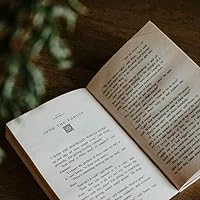
'...the observer, lurking in the shadows of our dining-room...'
'He and I and the ghost of Ken...'
'He and I and the ghost of Ken...'
Displaying 1 - 30 of 138 reviews