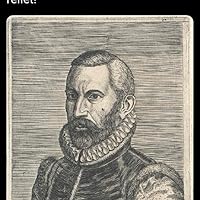
Es el tomo 9 de la colección Grandes pensadores de SARPE, contiene 8 diálogos: 1. Apología de Sócrates. 2. Sócrates. 3. Critón o sobre el deber. 4. Sócrates y Critón. 5. Laques o sobre la valentía. 6. Lisimaco, Nicias, Laques, Lisias, Sócrates y Melesias. Los hijos de Aristeides y Tucídides. 7. Fedón o sobre el alma. 8. Echécrates y Fedón.
Plato (Greek: Πλάτων), born Aristocles (c. 427 – 348 BC), was an ancient Greek philosopher of the Classical period who is considered a foundational thinker in Western philosophy and an innovator of the written dialogue and dialectic forms. He raised problems for what became all the major areas of both theoretical philosophy and practical philosophy, and was the founder of the Platonic Academy, a philosophical school in Athens where Plato taught the doctrines that would later become known as Platonism. Plato's most famous contribution is the theory of forms (or ideas), which has been interpreted as advancing a solution to what is now known as the problem of universals. He was decisively influenced by the pre-Socratic thinkers Pythagoras, Heraclitus, and Parmenides, although much of what is known about them is derived from Plato himself. Along with his teacher Socrates, and Aristotle, his student, Plato is a central figure in the history of philosophy. Plato's entire body of work is believed to have survived intact for over 2,400 years—unlike that of nearly all of his contemporaries. Although their popularity has fluctuated, they have consistently been read and studied through the ages. Through Neoplatonism, he also greatly influenced both Christian and Islamic philosophy. In modern times, Alfred North Whitehead famously said: "the safest general characterization of the European philosophical tradition is that it consists of a series of footnotes to Plato."
Aunque el protagonista hizo en la Defensa de Sócrates una defensa excelsa hacia su persona, se hace muy difícil mantener un mínimo de afecto hacia Sócrates.
Li apenas o Laques. Excepcional não só pelo desenvolvimento filosófico do conceito de coragem (que acaba sendo um tanto frustrante) como pela dramaticidade de que era capaz Platão - v. a conversa tensa entre Laques e Nícias!
Es un libro realmente bello, creo que sirve más para conocer a Sócrates que a Platón, pero sus principales ideas sobre el mundo de las ideas están ahí. Claro, expuestas por Sócrates, en lo particular para conocer a Sócrates yo prefiero a Jenofonte.
Resulta extraño que, a pesar de ser reconocido como el principal discípulo de Sócrates, Platón rara vez es mencionado en los diálogos de los discípulos, siempre estaba ausente o de viaje y es precisamente un tío de Platón quién condena a morir a Sócrates (bueno, su principal acusador).
Aún así, es increíble la exposición de la filosofía Estoica, el estoicismo de los griegos es ciertamente diverso al de los romanos, leer las palabras de Sócrates por medio de sus discípulos resulta verdaderamente divertido, cosa que no sucede por ejemplo en Séneca, que la verdad es bastante pesado (no por sus letras sino por su carácter acusador).
Sus diálogos sobre el alma son verdaderamente complicados, hay que leerlos varias veces para entenderlos (yo aún tengo dudas al respecto, jejeje). Sin duda, todo cristiano que desee debatir la existencia del Alma debe leer este diálogo, pues, a mi parecer, tiene elementos ciertamente irrefutables desde muchas perspectivas. En suma, es un excelente libro.