What do you think?
Rate this book


328 pages, Paperback
First published January 13, 1995
"The receptionist's forehead lay between outstretched palms upon the counter in front of him. Every so often he would lift his head a few inches to offer up rhythmic mutterings. And whenever he did so, I would lean forward with a raised finger to signal my presence. I was beginning to worry about the time, and increasingly hoped he was working up to a devotional climax. It was the old dilemma: he had a God to talk to; I had a bus to catch. I respected his God, but I also knew that the Turks respected their bus timetables.
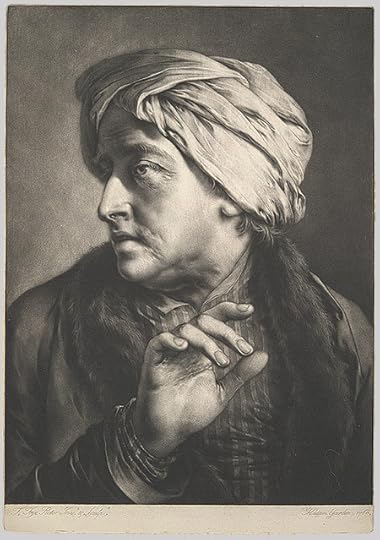
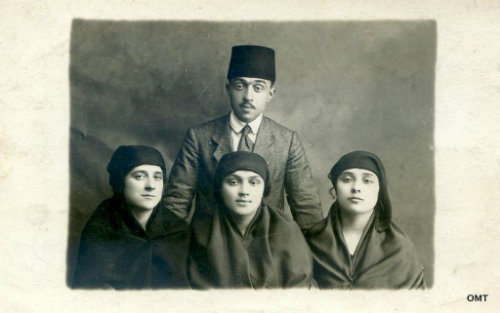
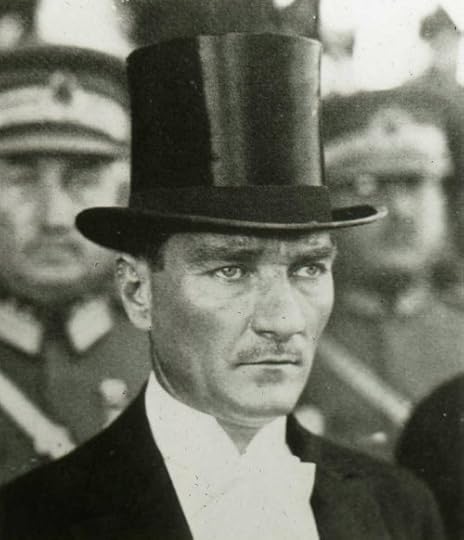
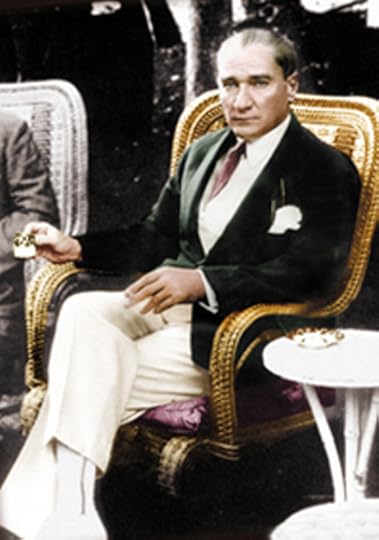
'I am Ataturk's greatest admirer,' Ali Bey told me. But Ali Bey also told me that he was not a rim-wearer, unlike Ataturk. Nor, in this alcohol-free village, did he drink alcohol; Ataturk had drunk raki, the local Pernod with muscles, to distraction if not to death. Like most of the men in the village, Ali Bey supported Refah, the Islamic Welfare Party, and its call for the restitution of the sheriat or code of Islamic law. He would not brook the notion of the women of the village voting or even holding political views although they had been granted the vote in 1934-by Ataturk. Ali Bey seemed to revere Ataturk in spite of himself.
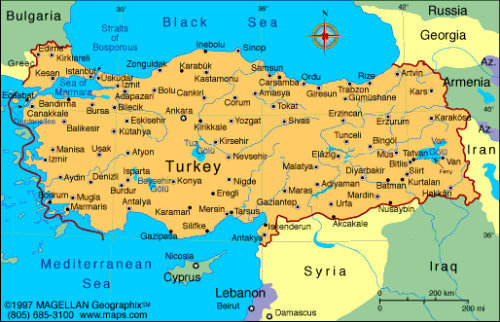
Until now, my own journey had largely been through the manageable past, the nineteenth and early twentieth centuries. It was a past chronicled by crinkly letters in spidery handwriting or the impressions left by the keys of the earliest typewriters, by fading daguerreotypes and even the living memories of the very elderly, lives you could reach out to and touch where history was still warm, still alive. And I was not sure what was drawing me to the old bones, history’s charnel house on Nemrut Mountain.Turkey is not only the only country in the world to span two continents, it's probably also the country where different cultures stand with one leg on each continent as well. The contrast of old and new; of past and future hopefully finding a way to connect on the Eurasion bridge crossing the Bosphorus river between Europe and Asia. This journal is a bit dated in the sense that new developments in the region already indicates yet another pulse of history to begin.