

What do you think?

Être ici est une splendeur : Vie de Paula M. Becker
Paula Modersohn-Becker voulait peindre et c’est tout. Elle était amie avec Rilke. Elle n’aimait pas tellement être mariée. Elle aimait le riz au lait, la compote de pommes, marcher dans la lande, Gauguin, Cézanne, les bains de mer, être nue au soleil, lire plutôt que gagner sa vie, et Paris. Elle voulait peut-être un enfant – sur ce point ses journaux et ses lettres sont ambigus. Elle a existé en vrai, de 1876 à 1907.
154 pages, Kindle Edition
First published January 1, 2016
About the author
Marie Darrieussecq
78 books282 followersMarie Darrieussecq was born on January 3, 1969. She was raised in a small village in the Basque Country.
While finishing her PhD in French Literature, she wrote her first novel, Truismes (Pig Tales) which was published in September 1996 by Paul Otchakovsky-Laurens (POL), who have published all her subsequent novels as well. After the success of Truismes, Darrieussecq decided to quit her teaching position at the University of Lille to concentrate on writing her novels. Her first husband was a mathematician, her second is an astrophysicist. She gave birth to a son in 2001 and to a daughter in 2004.
While finishing her PhD in French Literature, she wrote her first novel, Truismes (Pig Tales) which was published in September 1996 by Paul Otchakovsky-Laurens (POL), who have published all her subsequent novels as well. After the success of Truismes, Darrieussecq decided to quit her teaching position at the University of Lille to concentrate on writing her novels. Her first husband was a mathematician, her second is an astrophysicist. She gave birth to a son in 2001 and to a daughter in 2004.
Ratings & Reviews
Friends & Following
Create a free account to discover what your friends think of this book!
Community Reviews
Displaying 1 - 30 of 193 reviews

June 12, 2021
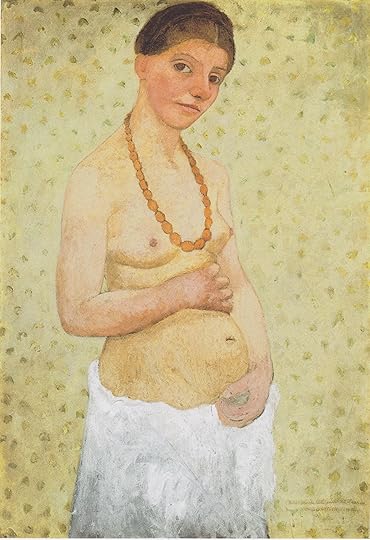
Ovo je, najpre, sjajna biografija jedne nesvakidašnje slikarke. Mari Darijesek uspeva da kroz odlomke pisama, citate i lirizovane fragmente mapira život Paule Moderson Beker, tako da se u čitaoca uvuče posebno, rastuće nedostajanje.
Saosećanje koje Darijesek pokazuje prema Pauli Beker, retko je i delikatno. I upravo zbog njega, knjiga prerasta svoj istorijsko-biografski sloj, postajući elegantna, a nežno razgibana refleksija o ženstvenosti, dostojanstvu, intimi, ljubavi, umetnosti i mimoilaženjima. Kad spomenuh već mimoilaženja, posebno su dirljivi u tom svetlu susreti sa Paule sa Rilkeom, gde se malo i sve ujedno zbilo.
Međutim, uz prvi – biografski sloj i drugi esejističko-lirični, treba biti svestan i trećeg, priređivačkog sloja. Ovo jeste biografija potkrepljena činjenicama, ali i izrazito lično obojena priča, u kojoj je pod lupom i sama spisateljica. Od Paule ka Mari, od Mari ka Pauli, nižu se divne rečenice koje vraćaju životima oduzete ritmove.
I da dodam još i četvrti sloj – likovni. Darijesek vešto (a kao da ne bi), prenosi bukete doživljaja koji bi Pauli mogli biti bliski. Nije nikad sasvim moguće u reči pretočiti sliku, a tek otići u korak nazad, obuhvativši srž doživljaja koji su do slike doveli:
„Voli karneval, konfete koje se lepe za članke na nogama; jorgovane koji pupe već krajem februara i mace na vrbama početkom marta, prava čuda za devojku sa severa Nemačke. Voli marché du Temple gde se mogu kupiti razne krpice, svilene tkanine na rasprodaji, čipkane bluze, bledunjavo veštačko cveće, izanđale satenske baletanke. `Intimnost je`, piše ona, `duša velike umetnosti`. (62–63)
I da dodam jedan zanimljiv podatak. Darijesek tvrdi da je prva žena koja je naslikala nagu ženu Artemizija Đentileski (iz 1610. godine – fenomenalna slika „Suzana i starci”, pogledajte ako ne znate) – međutim, sva je prilika da je prvi nagi autoportret upravo onaj od Paule Beker. Tom mestu Mari Darijesek daje poseban značaj, zato što, smatra ona, Baker konačno uspeva da žensko telo u istoriji umetnosti, oslobodi muškog pogleda. Žena je žena, a ne hladna svetica ili objekat žudnje.
Mnogo je još uvida koji pokazuju kako je Baker bila duša nekog drugog vremena, a teško da je boljeg predstavljača mogla da ima od Darijesek.

January 31, 2018
What an incredibly beautiful book. I'd been reading more and more references to Paula Modersohn-Becker, the German artist who died at 31, at the beginning of the 20th century, leaving an incredible number of gorgeous, alive, luminous paintings, including many portraits of women and children. She lived mostly in Worpswede, the arts colony, though she spent time in Paris. She was, famously, friends with Rilke, who wrote "Requiem for a Friend" about her death. This small, lyrical, full-of-feeling book is both an attempt to piece together Modersohn-Becker's life and an exploration into Marie Darrieusecq's feelings of intense connection, love, and admiration for the artist. It's written as a sort of extended lyric essay, paragraphs - some very short - separated by white space - which seems fitting for an artist about whom some things, but definitely not all, are known, and who died so sadly young. Marie Darriesecq has so intensely imagined herself into Modersohn-Becker's world that reading the book does feel like "being here" (or there) - Becker is so alive in the pages, as are her part of northern Germany, her Paris, her friends the Rilkes, her marriage, and most especially her total dedication to her art and to "becoming somebody."
May 31, 2024
Gıdım gıdım okuduğum kitaplardan oldu. Ne kadar güzeldi.
Burada Olmak Muhteşem, Alman ressam Paula Modersohn-Becket’in 1900’lü yıllarda kendini, sanata olan tutkusunu, cinsiyetçi kalıplara sığmama çabasını, ben olma çabasını anlatan biyografik bir kitap.
Herkesin tanımasını istediğim kadınlardan oldu.
“ Paula’da sahici kadınlar var. Nihayet çıplak kadınlar demek geliyor içimden: erkek bakışından soyunmuş kadınlar. Bir erkeğin karşısında poz vermeyen kadınlar; erkeklerin arzusu, hüsranı, sahiplenmeciliği, hakimiyeti, huysuzluğu vasıtasıyla görülmeyen kadınlar. Modersohn-Becker’in eserindeki kadınlar ne işveli (Gervex), ne egzotik (Gauguin), ne kışkırtıcı (Manet), ne çılgın (Toulouse-Lautrec), ne şişman (Renoir), ne devasa (Picasso), ne heykelimsi (Puvis de Chavannes), ne hava gibi hafiftir (Carolus-Duran). Ne de ‘pembe beyaz badem ezmesi gibi’dir (Zola’nın alaycı sözleriyle, Cabanel). Paula’da hiçbir mukabele yoktur. Hiçbir nutuk. Hiçbir hüküm. Gördüğünü gösterir.”
Burada Olmak Muhteşem, Alman ressam Paula Modersohn-Becket’in 1900’lü yıllarda kendini, sanata olan tutkusunu, cinsiyetçi kalıplara sığmama çabasını, ben olma çabasını anlatan biyografik bir kitap.
Herkesin tanımasını istediğim kadınlardan oldu.
“ Paula’da sahici kadınlar var. Nihayet çıplak kadınlar demek geliyor içimden: erkek bakışından soyunmuş kadınlar. Bir erkeğin karşısında poz vermeyen kadınlar; erkeklerin arzusu, hüsranı, sahiplenmeciliği, hakimiyeti, huysuzluğu vasıtasıyla görülmeyen kadınlar. Modersohn-Becker’in eserindeki kadınlar ne işveli (Gervex), ne egzotik (Gauguin), ne kışkırtıcı (Manet), ne çılgın (Toulouse-Lautrec), ne şişman (Renoir), ne devasa (Picasso), ne heykelimsi (Puvis de Chavannes), ne hava gibi hafiftir (Carolus-Duran). Ne de ‘pembe beyaz badem ezmesi gibi’dir (Zola’nın alaycı sözleriyle, Cabanel). Paula’da hiçbir mukabele yoktur. Hiçbir nutuk. Hiçbir hüküm. Gördüğünü gösterir.”

November 22, 2021
Теперь я знаю про музей, в котором не побывала за все свои поездки в Бремен, а теперь уж и не знаю, когда побываю. Так не честно :(

October 2, 2018
Thoughtful, gripping and necessary. A book about an artist that becomes art in its own right, and one that draws attention to the continuing state of otherness and exclusion in which women artists exist.
February 7, 2021
This book was a bliss. I woke up feeling under the weather and promised myself that I won't do anything productive today, that I will read Being here is everything because It will help me get through this glim day. It was a beautiful reading experience. Marie brilliantly sketched the short life of Paula M. Becker. I have never heard of this artist and I was stumped by the things she achieved : she was the first woman to paint herself in the buff. Yet she is not known outside Germany, why ? Because she was a woman ? The Nazis played a role in that, they destroyed and marred 70 oeuvres of hers. And Rilke, why didn't he talk about her ? Why didn't he contribute to her posthumous renown ? Why did he refuse to explicitly write her name in one of his poems ? Such things made it hard for Paula to get the recognition she deserves outside Germany
With laconic sentences, the way this book is written reminds me of "L'amant ( The Lover) " by Duras
With laconic sentences, the way this book is written reminds me of "L'amant ( The Lover) " by Duras

August 4, 2020
много важных размышлений о судьбах женщин, которые хотели быть не только дочерьми, женами и матерями. жаль, что у Паулы Модерзон-Беккер была такая короткая жизнь, а в этой книге получилось так мало страниц. столько в Пауле таланта, а в книге — трепета!
December 29, 2021
This book about the artist Paula Modersohn Becker was recommended to me after I saw an exhibit of her work earlier this month. I loved the approach of the book, its chronological fragments. I was interested in Becker's life and friendships, the settings of her life, her dedication to painting and her originality.
May 28, 2024
Birkaç ay önce Sel Yayınları'ndan çıkan Dişi Domuz eserini okuduğum Darrieussecq, Burada Olmak Muhteşem eserinde kendini hamile ve çıplak olarak resmeden ilk kadın ressam Paula M.Becker'in hayatını anlatıyor. Hazin bir şekilde çok genç yaşta, ilk bebeğini kucağına aldıktan çok kısa bir süre sonra hayatını kaybeden Becker'in bir kadın ressam olarak sanat dünyasında kendisini var etme mücadelesini anlatan kitap çok naif ve hüzünlü.
Resim denilince ilk akla gelen isimlerin erkek ressamlar olması, benim ve milyonlarca insanın Paula Becker'i hiç duymamış olması da işin trajik ve hüzünlü kısmı. Yazar Darrieussecq, Paula'nın emziren kadın resmini görüp çok etkilenerek bu ressam kadının hayatını öğrenme ve paylaşma arzusu duyuyor. Bu incecik ama duygulu eser de yazarın onun hayatını görünür kılma çabasının bir sonucu. Kitap bittikten sonra Paula'nın çizdiği kadınlara baktım. Sahiden erkek ressamların çizdiği o kadınlardan çok farklı, çok sahici kadınlar bunlar. Özellikle emziren, çıplak bir şekilde karnını okşayan hamile kadın resimleri çok etkileyici. Paula'nın aynı isimli bir filmi de bulunuyormuş. İlgilisine onu da eklemek istedim. Son olarak yolunuz Bremen'e düşerse burada genç yaşta hayatını kaybetmiş bu yetenekli kadına ait bir müze olduğunu da eklemek isterim.
Resim denilince ilk akla gelen isimlerin erkek ressamlar olması, benim ve milyonlarca insanın Paula Becker'i hiç duymamış olması da işin trajik ve hüzünlü kısmı. Yazar Darrieussecq, Paula'nın emziren kadın resmini görüp çok etkilenerek bu ressam kadının hayatını öğrenme ve paylaşma arzusu duyuyor. Bu incecik ama duygulu eser de yazarın onun hayatını görünür kılma çabasının bir sonucu. Kitap bittikten sonra Paula'nın çizdiği kadınlara baktım. Sahiden erkek ressamların çizdiği o kadınlardan çok farklı, çok sahici kadınlar bunlar. Özellikle emziren, çıplak bir şekilde karnını okşayan hamile kadın resimleri çok etkileyici. Paula'nın aynı isimli bir filmi de bulunuyormuş. İlgilisine onu da eklemek istedim. Son olarak yolunuz Bremen'e düşerse burada genç yaşta hayatını kaybetmiş bu yetenekli kadına ait bir müze olduğunu da eklemek isterim.

May 5, 2017
'Ik noem haar Paula en hem noem ik Rilke. Het lukt me niet hem Rainer Maria te noemen. Maar vooral, hoe moet ik haar noemen? Modersohn-Becker, haar toekomstige naam als echtgenote, de naam uit de catalogi die aan haar werk gewijd zijn? Becker-Modersohn, zoals haar museum in Bremen? Becker, haar meisjesnaam, haar Jungfrauname, die de naam van haar vader is?
'De eenvoudige, eerlijke naam Becker' is in Duitsland een veel voorkomende naam. Paula Becker is de naam van een meisje wier vader Becker heette en dat de voornaam Paula kreeg.
Vrouwen hebben geen naam. Ze hebben een voornaam. Hun naam wordt ze tijdelijk geleend, een vluchtige aanduiding, hun eendagsvlieg. Ze vinden andere vaste punten. Hun bevestiging in de wereld, hun 'er zijn', hun schepping, hun handtekening wordt erdoor bepaald. Ze vinden zichzelf uit in een mannenwereld, veroveren zich er een plaats.'
'De eenvoudige, eerlijke naam Becker' is in Duitsland een veel voorkomende naam. Paula Becker is de naam van een meisje wier vader Becker heette en dat de voornaam Paula kreeg.
Vrouwen hebben geen naam. Ze hebben een voornaam. Hun naam wordt ze tijdelijk geleend, een vluchtige aanduiding, hun eendagsvlieg. Ze vinden andere vaste punten. Hun bevestiging in de wereld, hun 'er zijn', hun schepping, hun handtekening wordt erdoor bepaald. Ze vinden zichzelf uit in een mannenwereld, veroveren zich er een plaats.'
February 24, 2021
a brilliant, heartbreaking little book, straining at the seams with the vibrance of an artist and woman who lived and died long before her time.... i remember reading rilke's "requiem for a friend" and being struck by the woman it described. i'm so glad i've finally gotten the chance to know her, and by way of such a beautiful book <3

January 17, 2023
I POSTPANKERKE SU...
Nakon jednog zamalo pa odgledanog intervjua s Darjesek, posthumni glas Paule Moderson Beker zatitra, obznaniv (nam se): Pankerka si, jer je fora.
Nakon jednog zamalo pa odgledanog intervjua s Darjesek, posthumni glas Paule Moderson Beker zatitra, obznaniv (nam se): Pankerka si, jer je fora.

March 22, 2017
This book is beautiful and made me very sad because of how relevant it remains today. I'm still sad she died, I'm still mourning the life she could have continued to live.

May 10, 2017
The following book reviews have been shared by Text Publishing – publisher of Being Here: The Life of Paula Modersohn-Becker
‘Her words, her use of the historic present interspersed with words written at the time, are like brushstrokes.’
Sydney Review of Books
‘One of those books that catches you by surprise, Being Here is art history that feels like a beautifully crafted novel…It’s effortlessly beautiful, and highlights the ever more important need to tell the stories of women in art.’
AU Review, Top Ten Books of 2017
‘Marie Darrieussecq reads the testament of Modersohn-Becker—the letters, the diaries, and above all the paintings—with a burning intelligence and a fierce hold on what it meant and means to be a woman and an artist.’
J. M. Coetzee
‘A luminous tale about the courage of the lone female artist.’
Joan London
‘There are few writers who may have changed my perception of the world, but Darrieussecq is one of them.’
The Times
‘The internationally celebrated author who illuminates those parts of life other writers cannot or do not want to reach.’
Independent
‘An allusive short memoir that reads like a novel.’
Australian
‘Penny Hueston’s translation from the original French, reads strangely—and in a good way—like true crime…Heartbreaking.’
West Australian
‘A brief, powerful artistic life that went painfully unrewarded—until after the painter’s death.’
Julian Barnes, Best Summer Holiday Reads, Guardian UK
‘A vividly empathetic impressionist collage…This lively, attractive book is an excellent introduction to [Modersohn-Becker’s] world and her astonishing achievement.’
New Zealand Listener
‘Darrieussecq has written this painful story because of her own sorrow at not knowing Paula Modersohn-Becker and of not knowing of her; sorrow, too, at her early death and truncated creativity. Darrieussecq looks squarely at a subject that is often too brutal to explore.’
Monthly
‘Lyrical and touching…Blending historical fact with imaginative flair, Darrieussecq brings her figures to life, imbuing them with emotion, character, and power…Being Here feels almost effortlessly beautiful, a short work of non-fiction told like a flowing piece of fictional prose.’
AU Review
‘Poetic and poignant…Being Here positively quivers with life.’
Sydney Morning Herald
‘Translated elegantly by Penny Hueston, the study retains some of the spacious, if not capacious quality of the French language and its ability to articulate the phenomena of presence and absence—the continued aliveness of the paintings and the sad and sudden death of the painter.’
Conversation
‘In Darrieussecq’s hands, Modersohn-Becker’s story is both individual and exemplary: a frightening, energising fable.’
Guardian
‘Darrieussecq animates the short life of a passionate German artist with vivid, spare prose…This taut biography, written in the present tense, has the urgency and poignancy of the best novels.’
Suzy Freeman-Greene, Best Books of 2017, Australian Book Review
‘A startlingly fresh approach to a radical artist’s life, artfully ‘Englished’ by one of the best in the business. Oh yes, and the book is an object of beauty, too.’
Australian
‘Her words, her use of the historic present interspersed with words written at the time, are like brushstrokes.’
Sydney Review of Books
‘One of those books that catches you by surprise, Being Here is art history that feels like a beautifully crafted novel…It’s effortlessly beautiful, and highlights the ever more important need to tell the stories of women in art.’
AU Review, Top Ten Books of 2017
‘Marie Darrieussecq reads the testament of Modersohn-Becker—the letters, the diaries, and above all the paintings—with a burning intelligence and a fierce hold on what it meant and means to be a woman and an artist.’
J. M. Coetzee
‘A luminous tale about the courage of the lone female artist.’
Joan London
‘There are few writers who may have changed my perception of the world, but Darrieussecq is one of them.’
The Times
‘The internationally celebrated author who illuminates those parts of life other writers cannot or do not want to reach.’
Independent
‘An allusive short memoir that reads like a novel.’
Australian
‘Penny Hueston’s translation from the original French, reads strangely—and in a good way—like true crime…Heartbreaking.’
West Australian
‘A brief, powerful artistic life that went painfully unrewarded—until after the painter’s death.’
Julian Barnes, Best Summer Holiday Reads, Guardian UK
‘A vividly empathetic impressionist collage…This lively, attractive book is an excellent introduction to [Modersohn-Becker’s] world and her astonishing achievement.’
New Zealand Listener
‘Darrieussecq has written this painful story because of her own sorrow at not knowing Paula Modersohn-Becker and of not knowing of her; sorrow, too, at her early death and truncated creativity. Darrieussecq looks squarely at a subject that is often too brutal to explore.’
Monthly
‘Lyrical and touching…Blending historical fact with imaginative flair, Darrieussecq brings her figures to life, imbuing them with emotion, character, and power…Being Here feels almost effortlessly beautiful, a short work of non-fiction told like a flowing piece of fictional prose.’
AU Review
‘Poetic and poignant…Being Here positively quivers with life.’
Sydney Morning Herald
‘Translated elegantly by Penny Hueston, the study retains some of the spacious, if not capacious quality of the French language and its ability to articulate the phenomena of presence and absence—the continued aliveness of the paintings and the sad and sudden death of the painter.’
Conversation
‘In Darrieussecq’s hands, Modersohn-Becker’s story is both individual and exemplary: a frightening, energising fable.’
Guardian
‘Darrieussecq animates the short life of a passionate German artist with vivid, spare prose…This taut biography, written in the present tense, has the urgency and poignancy of the best novels.’
Suzy Freeman-Greene, Best Books of 2017, Australian Book Review
‘A startlingly fresh approach to a radical artist’s life, artfully ‘Englished’ by one of the best in the business. Oh yes, and the book is an object of beauty, too.’
Australian

April 4, 2017
Avec sobriété et sensibilité, Marie Darrieussecq raconte la trop courte vie de Paula Becker, une artiste allemande méconnue (XIX-XXe siècle), contemporaine de Rilke, qui fut son grand ami. L'organisation du récit en courts paragraphes donne l'impression au lecteur d'être au musée et de contempler un portrait, une photographie, des esquisses, avant de se déplacer de quelques pas et d'amener son attention sur autre chose. Ce choix de l'auteure donne une distance qui n'est pas déplaisante ; même dans les moments où l'on se penche sur les petits détails de la vie quotidienne, sur des extraits de lettres écrites à ses amis.es, sa mère, son mari, le lecteur se fait rappeler la brièveté de la vie de Paula, et surtout sa quête éperdue vers le "devenir soi-même". L'auteure se glisse dans le récit à quelques reprises. Impossible de ne pas avoir la curiosité de chercher des images de ses toiles et d'être impressionné.e pas les couleurs, les représentations du corps sans sensiblerie - beaucoup de nus féminins, de la maternité, dont des autoportraits). Démonstration souvent saisissante du peu de sérieux accordé aux femmes artistes.

February 27, 2019
This biography of Paula Modersohn-Becker reads as a thoughtful vignette somewhere between diary, biography, and story. Marie Darrieussecq artfully combines diary entries, letters of the artist and close friend Rilke with storytelling to bring Paula to life. I enjoyed every page and can't believe this wonderful artist has eluded me until now. Her life speaks to the period of the late 19th century and the difficulty of being a female artist. The book really makes me think about the art history that I was taught in the 1980's and the art history that young women should be taught today. Paula Modersohn-Becker painted the female with an understanding not seen before. She admired Gaughin and Cezanne and now has her place alongside these greats. A little extra reading upon finishing the book led me to learn that the Museum of Modern Art and the Neue Galerie in NYC recently acquired a self portrait, which will be on display at the Neue Galerie starting tomorrow through June 2019. As delightful as a wonderful biography about an artist I hadn't known is the discovery of a foreign female writer new to me. I have added Pig Tales to my TBR.
September 3, 2022
J'aime quand des écrivains posent leur regard sur des artistes que la postérité a oublié. Je n'avais jamais entendu parler de Paula M. Becker, quelle vie et quelle artiste. Mais le style d'écriture très froid m'a empêchée de vraiment prendre part à son histoire.

November 12, 2023
bonne lecture, j'ai aimé découvrir la vie de cette grande artiste que fut Paula Becker. une des anecdotes les plus marquantes à mes yeux est énoncée dès le début du livre donc je vous spoil rien : Paula avait littéralement DECRIT la tombe qu'elle désirait à sa mort, quelque chose de très simple et de très fleuri, et son fucking mari et ses fucking potes ont dit "pourquoi pas une statue monumentale d'un cadavre de femme avec un bébé sur son ventre ? le tout dans une pierre grise bien froide bien austère ? oui oui ça lui va si bien, elle qui n'a connu la maternité que 18 jours, et les fleurs toute sa vie !!!" BREF les femmes artistes et les hommes de leur entourage, que voulez-vous.....
July 1, 2022
'Intimiteit is de ziel van de grote kunst'
Paula in Parijs is heerlijk
Paula al schilderend is heerlijk
Paula in de natuur is heerlijk
Een vrouw die haar naam verdiend, maar welke naam?
Paula in Parijs is heerlijk
Paula al schilderend is heerlijk
Paula in de natuur is heerlijk
Een vrouw die haar naam verdiend, maar welke naam?
June 13, 2021
Artist Paula Becker died at age thirty-one. After a difficult birth, doctors kept her in bed for eighteen days. Blood clots formed from inactivity and killed her. She had sold three paintings in her lifetime–all to friends.
Paula was known to me for being the friend of Clara Westhoff. They met at Worpswede, an artist colony in Northern Germany. In 1900, another member invited the poet Rainier Maria Rilke to visit.
Rilke’s love interest Lou Andreas-Salome had become distanced from him. He was quickly smitten by the girls, especially Paula. But Paula was smitten by her mentor and Worpswede co-founder Otto Modersohn. Rilke and Clara became lovers, resulting in a pregnancy and their decision to marry. But art and family obligations don’t mix; they left their child with Clara’s mother and separated.
Paula meanwhile married the older Otto after his wife’s death. It was not a good match. He does not approve of where her art is going, her thick paint and primitive style. He wants her to stay home but she has a yearning to be free, to be in Paris, to study, to be alone, to develop her art. When she is thirty, she determines to change her life and discover who she is. Otto pursues her, and she returns to Worpswede, back to Otto, and becomes pregnant. And then comes her end.
Being Here is Everything is a beautiful testament to Paula’s life, the portrait of a woman who sought to find her true self in a world of art dominated by men. Today, her paintings are valued, her subjects viewed as groundbreaking: the first nude self-portrait by a female artist the first pregnant self-portrait by a female artist. Her painting of a nude mother and child portrays them in a natural posture, laying down next to each other.
Paula had studied the human figure and I have seen online a beautiful, detailed drawing of clasped hands demonstrating her ability to capture life. Her women are natural and warm human beings, not sexual sirens or chaste spirits.
Darrieussecq wrote this biography while preparing for the Paula Modersohn-Becker retrospective at the Musee d’Art Moderne in Paris. Poetic and reverential, this slender volume captures a life that was too brief, and yet filled with hope.
Paula was known to me for being the friend of Clara Westhoff. They met at Worpswede, an artist colony in Northern Germany. In 1900, another member invited the poet Rainier Maria Rilke to visit.
Rilke’s love interest Lou Andreas-Salome had become distanced from him. He was quickly smitten by the girls, especially Paula. But Paula was smitten by her mentor and Worpswede co-founder Otto Modersohn. Rilke and Clara became lovers, resulting in a pregnancy and their decision to marry. But art and family obligations don’t mix; they left their child with Clara’s mother and separated.
Paula meanwhile married the older Otto after his wife’s death. It was not a good match. He does not approve of where her art is going, her thick paint and primitive style. He wants her to stay home but she has a yearning to be free, to be in Paris, to study, to be alone, to develop her art. When she is thirty, she determines to change her life and discover who she is. Otto pursues her, and she returns to Worpswede, back to Otto, and becomes pregnant. And then comes her end.
Being Here is Everything is a beautiful testament to Paula’s life, the portrait of a woman who sought to find her true self in a world of art dominated by men. Today, her paintings are valued, her subjects viewed as groundbreaking: the first nude self-portrait by a female artist the first pregnant self-portrait by a female artist. Her painting of a nude mother and child portrays them in a natural posture, laying down next to each other.
Paula had studied the human figure and I have seen online a beautiful, detailed drawing of clasped hands demonstrating her ability to capture life. Her women are natural and warm human beings, not sexual sirens or chaste spirits.
Darrieussecq wrote this biography while preparing for the Paula Modersohn-Becker retrospective at the Musee d’Art Moderne in Paris. Poetic and reverential, this slender volume captures a life that was too brief, and yet filled with hope.

September 23, 2020
Крошечная книжка, которая перепахала меня вдоль и поперек. Через призму ее писем и дневников автор рассказывает о жизни Паулы Модерзон-Бейкер — художницы-экспрессионистки, которая писала женщин в такие интимные и важные моменты жизни как, например, кормление грудью, и первой в истории решилась на обнаженный автопортрет. История женщины, которая мучительно стремиться к творческой самореализации во времена, когда даже на курсы живописи нельзя записаться без о наличии мужа.

July 9, 2020
люблю жанр персональных биографий, но здесь авторка недокрутила с персональной частью. почему-то только к концу появляются объяснения, почему именно паула, как только она изображает реалистично кормящих матерей и себя саму, почему авторка дарьесек себя с ней идентифицирует. может, я привыкла к более холодной (по крайней мере стилистически) мэгги нельсон, уж не знаю.
March 3, 2026
Marie Darrieussecq raconte ici la vie d’une artiste jusqu’alors totalement méconnue pour moi : Paula M. Becker.
Le style de cette biographie est quelque peu déconcertant au départ. Se mêlent en effet extraits de lettres et de journaux intimes au fil bien différent de celui de la narration. Déconcertant, certes, mais à mon avis aussi extrêmement efficace : on se retrouve au plus près des pensées de la peintre, comme happé par l’attrait des confidences qu’on nous livre à nous, lecteurs et lectrices.
En plus de nous faire découvrir la vie de cette peintre, le roman présente une réflexion intéressante sur la place de la femme au début du 20eme siècle, sur le rôle d’épouse et de mère, sur la liberté artistique et la reconnaissance des femmes dans le monde si masculin de l’art. Par bien des aspects, Paula M. Becker vient rappeler Virginia Woolf. Mais c’est peut-être une Virginia Woolf un peu décomplexée, qui n’hésite pas à revendiquer son indépendance tout en s’attendant à ce que son mari - dont elle vit séparée- paie pour cette dernière.
Le roman est court et, pour moi, on reste un peu sur sa fin. Peut-être est-ce fait exprès, comme pour renvoyer à la brièveté de la vie de l’artiste ?
Au final, y a quelque chose de profondément frustrant et presque blessant à découvrir que celle qui se vouait à être exceptionnelle est morte d’une manière si commune. “schade”, comme elle aurait dit.
Le style de cette biographie est quelque peu déconcertant au départ. Se mêlent en effet extraits de lettres et de journaux intimes au fil bien différent de celui de la narration. Déconcertant, certes, mais à mon avis aussi extrêmement efficace : on se retrouve au plus près des pensées de la peintre, comme happé par l’attrait des confidences qu’on nous livre à nous, lecteurs et lectrices.
En plus de nous faire découvrir la vie de cette peintre, le roman présente une réflexion intéressante sur la place de la femme au début du 20eme siècle, sur le rôle d’épouse et de mère, sur la liberté artistique et la reconnaissance des femmes dans le monde si masculin de l’art. Par bien des aspects, Paula M. Becker vient rappeler Virginia Woolf. Mais c’est peut-être une Virginia Woolf un peu décomplexée, qui n’hésite pas à revendiquer son indépendance tout en s’attendant à ce que son mari - dont elle vit séparée- paie pour cette dernière.
Le roman est court et, pour moi, on reste un peu sur sa fin. Peut-être est-ce fait exprès, comme pour renvoyer à la brièveté de la vie de l’artiste ?
Au final, y a quelque chose de profondément frustrant et presque blessant à découvrir que celle qui se vouait à être exceptionnelle est morte d’une manière si commune. “schade”, comme elle aurait dit.

January 2, 2021
Не книга, а настоящий портал в прошлое, во Францию начала двадцатого века, где зарождалось новое искусство. Паула Беккер живет во времена Сезанна, Родена и жаждет творить-творить, стать художницей, а не просто чьей-то супругой и матерью; Паула поражает своим остроумием, своей чуткостью, своим проникновенным взором, своей деликатностью.
Паула - первая женщина, нарисовавшая обнаженный автопортрет и ее история ставит ребром вопрос о женском голосе в искусстве. Почему музеи и галлереи уставлены мужскими картинами, мужским взглядом? Почему мы не слышим женские голоса?
Линия жизни Паулы затухает и гаснет стремительно в ее 31 год.
«Быть здесь - уже чудо» о ценности мгновения и времени, в котором мы живем, и которого, у многих нет.
Паула - первая женщина, нарисовавшая обнаженный автопортрет и ее история ставит ребром вопрос о женском голосе в искусстве. Почему музеи и галлереи уставлены мужскими картинами, мужским взглядом? Почему мы не слышим женские голоса?
Линия жизни Паулы затухает и гаснет стремительно в ее 31 год.
«Быть здесь - уже чудо» о ценности мгновения и времени, в котором мы живем, и которого, у многих нет.

May 19, 2020
Precioso, apasionante y respetuoso acercamiento a la vida de Paula Modersohn-Becker, pionera de las vanguardias artísticas tristemente poco conocida fuera de Alemania.

Read
July 4, 2023«La vida es seria y plena y hermosa.»

July 29, 2025
Vanuit het boek leek ze mij zo een levenslustige, inspirerende vrouw beknot door een waarderingsbelust huwelijk en een patriarchale wereld. Die zich bewust tot kunstenaars ontpopte, wars van vooroordelen van in Scholen zittende mannen en sturend cliënteel.
“De afgelopen maanden heb ik niets uitgevoerd in Parijs. Het zal nog wel een tijd duren, ben ik bang, voordat ik iemand word”
De schrijfstijl was vernieuwend voor een biografie en is een neerslag van een persoonlijke kennismaking transcendent over de grenzen van de tijd. Of ik hier écht fan van ben, laat ik in het midden.
“De afgelopen maanden heb ik niets uitgevoerd in Parijs. Het zal nog wel een tijd duren, ben ik bang, voordat ik iemand word”
De schrijfstijl was vernieuwend voor een biografie en is een neerslag van een persoonlijke kennismaking transcendent over de grenzen van de tijd. Of ik hier écht fan van ben, laat ik in het midden.
June 1, 2024
eski hayatım ile yenisi arasında duruyorum. Bu yenisi hayatın ne olacağını soruyorum kendime kendime [...] Olması gereken neyse olacak.s.73.Burada Olmak Muhteşem. Marie Darrieussecq.
Picasso, Matisse denilince sanatsever herkesin kafasından bir şey canlanır değil mi? Peki Paula M.Becker ismini duyduğunuzda kaç kişinin aklına bir kadın ressam gelir? Sanat tarihinin gölgede kalmış kadınlarından Paula M. Berker. Erkek egemen sanat dünyasında kendini var etmeye calisan bir kadın Paula. Tıpkı Camille Claudel gibi.Kendisini çıplak ve hamile resmederek dönemin erkek egemen toplumuna başkaldıran, iyi bir eğitim alan Naziler tarafından sevilmeyen bir ressam. Buna rağmen sanat çevrelerinde yaptığı çalışmalariylla kendinden bahsettiren güçlü bir kadın ressam Paula. Almanya ve Paris'te sanat çalışmalarını sürdürmüş, Rilke gibi sanatçılarla arkadaşlığı olmuş, kısa yaşamına rağmen güzel eserler birakmis bu kadın ressamın hayatını, Marie Darrieussecq çok güzel bir uslubla yazmış ,ve sanat tarihinin tozlu raflarında kalmış bir kadin ressamı bize tanıtmış. Kitabın yazarini Dişi Domuz isimli kitabıyla tanımış, alegorik anlatımını çok sevmiştim. Bu kitabını da dokunaklı ve güzel buldum . Sanatsever her kadın okumalı .iyi okumalar 🌸🌼📚
Picasso, Matisse denilince sanatsever herkesin kafasından bir şey canlanır değil mi? Peki Paula M.Becker ismini duyduğunuzda kaç kişinin aklına bir kadın ressam gelir? Sanat tarihinin gölgede kalmış kadınlarından Paula M. Berker. Erkek egemen sanat dünyasında kendini var etmeye calisan bir kadın Paula. Tıpkı Camille Claudel gibi.Kendisini çıplak ve hamile resmederek dönemin erkek egemen toplumuna başkaldıran, iyi bir eğitim alan Naziler tarafından sevilmeyen bir ressam. Buna rağmen sanat çevrelerinde yaptığı çalışmalariylla kendinden bahsettiren güçlü bir kadın ressam Paula. Almanya ve Paris'te sanat çalışmalarını sürdürmüş, Rilke gibi sanatçılarla arkadaşlığı olmuş, kısa yaşamına rağmen güzel eserler birakmis bu kadın ressamın hayatını, Marie Darrieussecq çok güzel bir uslubla yazmış ,ve sanat tarihinin tozlu raflarında kalmış bir kadin ressamı bize tanıtmış. Kitabın yazarini Dişi Domuz isimli kitabıyla tanımış, alegorik anlatımını çok sevmiştim. Bu kitabını da dokunaklı ve güzel buldum . Sanatsever her kadın okumalı .iyi okumalar 🌸🌼📚

September 6, 2026
beni paula becker ile yakından tanıştırdığı için sevdim kitabı. kurgusu, dili, akışı hakkında soru işaretlerim var. çok da sevemedim açıkçası. becker ile tanışırken şeyi hissettim: dünyada tarih boyunca önümüzü açan kadınlar hep vardı. becker da onlardan biri oldu benim için. hamile bir kadın olarak kendini resmetmesi, kız çocuğu ifadeleri, tarladaki yalnız kadınlar. "şefkat" diye bi tablosu var, acayip bi umut verdi bana elma ağaçlarının dibine oturan insanlar. kitabın da etkisiyle.
moma'daki yazıda diyo ki "kadınları kadınsılık standartlarını altüst ederek resmetti. idealleştirmeyi reddeden hantal bedenli kadın figürleri izleyiciye şirinlik yapmaz; koyu gözleri iç dünyalarını korur gibi"
şimdi becker gencecik yaşında ölünce dostu rilke'nin ona yazdığı ağıttan sevdiğim kısımları paylaşıcam. allah dostlarımızı bizden ayırmasın uzun ömür versin.
//
sonsuzluğundan bir parça kaybetmen, dostum,
ve henüz hiçbir şeyin olmadığı bu yerde görünmen:
evrende ilk kez dağılmış, dağılmış ve yarılmış olarak,
olayların yükselişini kavrayamamış olman,
buradaki her 'şey'i kavradığın gibi:
seni çoktan bağrına basmış olan o döngüden
huzursuz bir sessiz yerçekiminin
seni ölçülü zamana doğru aşağı çekmesi
geceleri evime giren bir hırsız gibi uyandırır beni sık sık
//
So I’ll remember you, as you placed yourself
within the mirror, deep within and far from all.
//
We have, indeed, when we love, only this one thing:
to loose one another: because holding on to ourselves
comes easily to us, and does not first have to be learned.
Are you still there? Are you in some corner?
You understood all of this so well
and used it so well, as you passed through
open to everything, like the dawn of a day.
Women do suffer: love means being alone,
and artists sometimes suspect in their work
that they must transform where they love.
You began both: both are in that
which now fame disfigures, and takes from you.
Oh you were far beyond any fame. You were
barely apparent
moma'daki yazıda diyo ki "kadınları kadınsılık standartlarını altüst ederek resmetti. idealleştirmeyi reddeden hantal bedenli kadın figürleri izleyiciye şirinlik yapmaz; koyu gözleri iç dünyalarını korur gibi"
şimdi becker gencecik yaşında ölünce dostu rilke'nin ona yazdığı ağıttan sevdiğim kısımları paylaşıcam. allah dostlarımızı bizden ayırmasın uzun ömür versin.
//
sonsuzluğundan bir parça kaybetmen, dostum,
ve henüz hiçbir şeyin olmadığı bu yerde görünmen:
evrende ilk kez dağılmış, dağılmış ve yarılmış olarak,
olayların yükselişini kavrayamamış olman,
buradaki her 'şey'i kavradığın gibi:
seni çoktan bağrına basmış olan o döngüden
huzursuz bir sessiz yerçekiminin
seni ölçülü zamana doğru aşağı çekmesi
geceleri evime giren bir hırsız gibi uyandırır beni sık sık
//
So I’ll remember you, as you placed yourself
within the mirror, deep within and far from all.
//
We have, indeed, when we love, only this one thing:
to loose one another: because holding on to ourselves
comes easily to us, and does not first have to be learned.
Are you still there? Are you in some corner?
You understood all of this so well
and used it so well, as you passed through
open to everything, like the dawn of a day.
Women do suffer: love means being alone,
and artists sometimes suspect in their work
that they must transform where they love.
You began both: both are in that
which now fame disfigures, and takes from you.
Oh you were far beyond any fame. You were
barely apparent
March 22, 2026
Wat een mooi, teder boek. Ik kende haar niet, Paula Modersohn Becker tot ik de biografie van Rilke las. En toevallig stond dit boek van Darrieussecq al op mijn te lezenlijst. Het moet een bijzondere vrouw zijn geweest, een moedige kunstenares die veel te vroeg stierf. Misschien bezoek ik ooit wel eens haar museum in Bremen want ik hou wel van haar werk.
Displaying 1 - 30 of 193 reviews