

What do you think?

金锁记
張愛玲的才華是超凡的,她的作品把人性刻劃得淋漓盡致,對意象的描寫更是出神入化;其卓絕的文學天賦不僅有中國傳統文學的紮實根底,並精通西方的文學技巧。她在文字的表現上有著強烈而獨特的個人風格,除了結構嚴謹、意象繁富、人物的性格鮮明,對男女愛恨的衝突情緒尤其能精確掌握。作品《怨女》、《紅玫瑰與白玫瑰》、《傾城之戀》、《半生緣》、《海上花》等均被改編拍成電影。
張愛玲的影響是巨大的,從三○年代至今,從台灣到全世界華人社會,多少創作者被籠罩在『張派』強烈的影子下,多少『張迷』的情感住在張愛玲華麗又蒼涼的世界裡!二十世紀中國文壇最耀眼的一顆傳奇巨星雖然告別了人世,但是她獨樹一格的作品卻將跨越世紀,永遠不朽!
套書共十四冊:
★第一冊:【長篇小說】半生緣
★第二冊:【長篇小說】秧歌
★第三冊:【長篇小說】赤地之戀
★第四冊:【長篇小說】怨女
★第五冊:【短篇小說】卷一1943年作品
★第六冊:【短篇小說】卷二1944年作品
★第七冊:【短篇小說】卷三1945年以後作品
★第八冊:【散文】卷一1939?1947年作品
★第九冊:【散文】卷二1952年以後作品
★第十冊:【文學評論】紅樓夢魘
★第十一冊:【譯註】海上花開
★第十二冊:【譯註】海上花落
★第十三冊:【譯作】愛默森選集等五種
★第十四冊:【劇作】:情場如戰場等三種
張愛玲的影響是巨大的,從三○年代至今,從台灣到全世界華人社會,多少創作者被籠罩在『張派』強烈的影子下,多少『張迷』的情感住在張愛玲華麗又蒼涼的世界裡!二十世紀中國文壇最耀眼的一顆傳奇巨星雖然告別了人世,但是她獨樹一格的作品卻將跨越世紀,永遠不朽!
套書共十四冊:
★第一冊:【長篇小說】半生緣
★第二冊:【長篇小說】秧歌
★第三冊:【長篇小說】赤地之戀
★第四冊:【長篇小說】怨女
★第五冊:【短篇小說】卷一1943年作品
★第六冊:【短篇小說】卷二1944年作品
★第七冊:【短篇小說】卷三1945年以後作品
★第八冊:【散文】卷一1939?1947年作品
★第九冊:【散文】卷二1952年以後作品
★第十冊:【文學評論】紅樓夢魘
★第十一冊:【譯註】海上花開
★第十二冊:【譯註】海上花落
★第十三冊:【譯作】愛默森選集等五種
★第十四冊:【劇作】:情場如戰場等三種
306 pages, Paperback
First published July 10, 2000
About the author
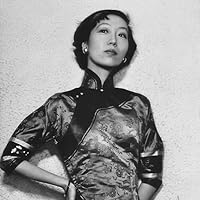
Eileen Chang
87 books730 followersEileen Chang is the English name for Chinese author 張愛玲, who was born to a prominent family in Shanghai (one of her great-grandfathers was Li Hongzhang) in 1920.
She went to a prestigious girls' school in Shanghai, where she changed her name from Chang Ying to Chang Ai-ling to match her English name, Eileen. Afterwards, she attended the University of Hong Kong, but had to go back to Shanghai when Hong Kong fell to Japan during WWII. While in Shanghai, she was briefly married to Hu Lancheng, the notorious Japanese collaborator, but later got a divorce.
After WWII ended, she returned to Hong Kong and later immigrated to the United States in 1955. She married a scriptwriter in 1956 and worked as a screenwriter herself for a Hong Kong film studio for a number of years, before her husband's death in 1967. She moved from New York to Los Angeles in 1972 and became a hermit of sorts during her last years. She passed away alone in her apartment in 1995.
She went to a prestigious girls' school in Shanghai, where she changed her name from Chang Ying to Chang Ai-ling to match her English name, Eileen. Afterwards, she attended the University of Hong Kong, but had to go back to Shanghai when Hong Kong fell to Japan during WWII. While in Shanghai, she was briefly married to Hu Lancheng, the notorious Japanese collaborator, but later got a divorce.
After WWII ended, she returned to Hong Kong and later immigrated to the United States in 1955. She married a scriptwriter in 1956 and worked as a screenwriter herself for a Hong Kong film studio for a number of years, before her husband's death in 1967. She moved from New York to Los Angeles in 1972 and became a hermit of sorts during her last years. She passed away alone in her apartment in 1995.
Ratings & Reviews
Friends & Following
Create a free account to discover what your friends think of this book!
Community Reviews
Displaying 1 - 30 of 38 reviews
April 18, 2021
Io penso che Zhang Ailing sia una delle scrittrici migliori che il ventesimo secolo ci ha regalato. Questo romanzo breve (o racconto lungo) riesce a descrivere e a farci immaginare la psicologia di personaggi complessi. Essi sono simbolo di una Cina che è passata, ma che, come conclude l'autrice:
"La luna di trent'anni fa è già da tempo tramontata, e sono morti quelli di trent'anni fa, ma le storie di trent'anni fa non sono finite, non possono finire."
"La luna di trent'anni fa è già da tempo tramontata, e sono morti quelli di trent'anni fa, ma le storie di trent'anni fa non sono finite, non possono finire."

August 27, 2017
Sarà stato per il gran caldo ma, fra seconda signora, terza cognata, sorellina minore e quant'altro, ho fatto una gran confusione.
Mi sembrava di poter essere costantemente interrogata, ogni volta che leggevo un nome proprio, dallo spettro di una vecchia insegnante dispotica che mi chiedeva con insistenza: "chi è lei? la seconda o la terza signora? e se si tratta della terza, è la terza cognata di chi? e la sorella di chi altro?"
Insomma un inferno di continue inaguetezze al testo. Mi sono persa in queste futili domande tralasciando il filo logico della storia.
Solo dopo le prime 50 pagine, mi sono arresa e ho deciso di non farci più caso godendomi la storia, o forse mi sono solo assuefatta alla "gerarchia familiare cinese", se così si può chiamare.
Cosa rimane dunque alla fine di questo racconto? La storia di una donna cattiva inacidita dalla vita che si sente costantemente inadeguata e giudicata dal prossimo.
Il suo rancore sfocia in comportamenti spietati nei confronti della famiglia e soprattutto dei figli.
Il suo amore non ricambiato, il marito invalido che le hanno affibbiato, sono solo alcune delle scuse che la portano a scegliere l'oblio dell'oppio e che la trasformano in uno dei personaggi più irritanti che abbia mai letto.
Mi sembrava di poter essere costantemente interrogata, ogni volta che leggevo un nome proprio, dallo spettro di una vecchia insegnante dispotica che mi chiedeva con insistenza: "chi è lei? la seconda o la terza signora? e se si tratta della terza, è la terza cognata di chi? e la sorella di chi altro?"
Insomma un inferno di continue inaguetezze al testo. Mi sono persa in queste futili domande tralasciando il filo logico della storia.
Solo dopo le prime 50 pagine, mi sono arresa e ho deciso di non farci più caso godendomi la storia, o forse mi sono solo assuefatta alla "gerarchia familiare cinese", se così si può chiamare.
Cosa rimane dunque alla fine di questo racconto? La storia di una donna cattiva inacidita dalla vita che si sente costantemente inadeguata e giudicata dal prossimo.
Il suo rancore sfocia in comportamenti spietati nei confronti della famiglia e soprattutto dei figli.
Il suo amore non ricambiato, il marito invalido che le hanno affibbiato, sono solo alcune delle scuse che la portano a scegliere l'oblio dell'oppio e che la trasformano in uno dei personaggi più irritanti che abbia mai letto.
June 19, 2026
I wish I was better at Chinese

October 9, 2016
This has been my introduction to Chang and now I can't imagine why I hadn't read her before. The first story tells of Weilong, a good student living in Hong-Kong who, when her parents decide to emigrate back to their native Shanghai for economic reasons, takes the fateful step of asking her aunt Mrs Liang to help her out. Weilong is afraid of losing a year and would rather stay in the same school. However, Mrs Liang who, against the wishes of her family, chose to be the concubine of a wealthy old man rather than marry within her own class, is hardly the one to take studies seriously. She only accepts to help Weilong if the girl lives under her roof and not in boarding school, because she hopes to use her as bait to attract young men to her home. Now a wealthy widow with faded looks, Mrs Liang likes nothing better than to be seen as still attractive to younger men. Weilong ends up falling in love with one of the gigolos who hang around Mrs Liang's house. Although she has no illusions at all about Georgie, she marries him, on the understanding that from then on she will prostitute herself to provide for him, as well as for Mrs Liang who has used her cunning to convince Georgie to accept the deal. At first I couldn't believe that a sensible girl like Weilong would fall for such a piece of dirt as Georgie, but in fact Weilong goes into this crazy bargain with her eyes open. What she has realized is that for a committed but not stellar student such as her, it will be quite difficult to earn a living even after graduating. On the other hand, finding a husband both rich and to her taste is unlikely in Hong Kong society. In the end, she finds selling herself for the benefit of one she loves the lesser of two evils.
The second story also revolves around an unsatisfactory marriage, this time between Roger, a teacher, and a young woman called Susie. This time Chang is looking mostly at the expat community rather than at the Chinese and mixed blood communities. From the beginning of the story Roger is nervous about the outcome of his choice of Susie as his wife, because Susie's sister, Millicent, was abused by her husband on her wedding night and quickly divorced him. The rumors of this scandal are still reverberating in the expat community of Hong Kong, and Roger doesn't quite know what impact this has had on Susie. He soon finds out as she, too, flees home on their wedding night. Belatedly, Roger is forced to realize that the girls from that family have had so little sexual education they see the slightest embrace as a prelude to murder. Although many people suspect the truth, and don't condemn Roger, his predicament is so awkward in the scandal-loving expat milieu that he has to resign his job, and eventually commits suicide.
Both stories are quite absorbing and I was particularly struck by the translation, which is quite possibly the most foreignizing translation I've ever read. For some reason, while it can be said that Emmanuelle Péchenart goes out on a limb, the limb doesn't snap.
The second story also revolves around an unsatisfactory marriage, this time between Roger, a teacher, and a young woman called Susie. This time Chang is looking mostly at the expat community rather than at the Chinese and mixed blood communities. From the beginning of the story Roger is nervous about the outcome of his choice of Susie as his wife, because Susie's sister, Millicent, was abused by her husband on her wedding night and quickly divorced him. The rumors of this scandal are still reverberating in the expat community of Hong Kong, and Roger doesn't quite know what impact this has had on Susie. He soon finds out as she, too, flees home on their wedding night. Belatedly, Roger is forced to realize that the girls from that family have had so little sexual education they see the slightest embrace as a prelude to murder. Although many people suspect the truth, and don't condemn Roger, his predicament is so awkward in the scandal-loving expat milieu that he has to resign his job, and eventually commits suicide.
Both stories are quite absorbing and I was particularly struck by the translation, which is quite possibly the most foreignizing translation I've ever read. For some reason, while it can be said that Emmanuelle Péchenart goes out on a limb, the limb doesn't snap.
October 26, 2023
27/11
second read. changed to 4/5 becos when i started to read more carefully i found the descriptions really quite mesmerising
one of my favourites:
Upon the translucent blue silk umbrella myriad raindrops twinkled like a skyful of stars that would follow them about later on the taxi’s glistening front window of crushed silver and, as the car ran through red and green lights, a nestful of read stars would fly humming outside the window and a nestful of green stars.
I an certain that the original chinese version would have been much more poetic and enjoyable to read
like 猪狗不如 was literally worse than pig and dog and 狼心狗肺 was literally wolf and dog lunged 💀
May 26, 2021
Ero confusa dalla valutazione media di 3.9 per un capolavoro del genere, quindi sono andata a leggere le (poche) recensioni che ci sono. Alcune persone lamentano la difficoltà a districarsi con il sistema di parentela. Certamente non è una lettura facile per un lettore poco avvezzo alla dimensione cinese del clan familiare, che poi è soprattutto un codice di gerarchie. L'oggetto del testo è infatti la progressiva decadenza dei sistemi consolidati in duemila anni di impero cinese, messi in crisi dalla modernità e da nuove idee sociali e politiche. Qiqiao non è una "donna insopportabile", come ho letto in una recensione, ma una figura di natura tragica, consapevole che il proprio sistema di riferimento sta scomparendo, e che non c'è modo di ricostruirlo. Non è simpatica, ma se pretendiamo di leggere il romanzo in questi termini siamo fuori strada. Qiqiao è uno dei personaggi meglio costruiti di tutta la letteratura cinese e incarna il conflitto tra il vecchio e il nuovo, la resistenza al cambiamento culturale e la paura di perdere la propria identità. "La storia del giogo d'oro" è un libro immenso, punto. Leggetelo con l'attenzione che merita e non fatevi spaventare dal fatto che qualcuno non ha capito come collegare i personaggi.

Read
September 15, 2013Non sono riuscita a leggerlo oltre le prime dieci pagine.
Ho fatto fatica a star dietro ai personaggi (Prima Moglie, Prima Padrona e via così).
La storia non è riuscita a prendermi e mi sono incastrata tra stanze e nomi di persona che indicavano i personaggi già nominati come Prima Sposa.
Chiudo e passo oltre.
Ho fatto fatica a star dietro ai personaggi (Prima Moglie, Prima Padrona e via così).
La storia non è riuscita a prendermi e mi sono incastrata tra stanze e nomi di persona che indicavano i personaggi già nominati come Prima Sposa.
Chiudo e passo oltre.

November 29, 2007
A wonderfully structured story about the way we allow not only our culture but ourselves to keep us under a yolk.

September 1, 2013
Mi ha ricordato tantissimo il film 'Lanterne Rosse'.
Comunque vale la pena leggerlo.
Comunque vale la pena leggerlo.
October 15, 2020
"The moon of thirty years ago has gone down long since and the people of thirty years ago are dead but the story of thirty years ago is not yet ended-can have no ending."
The Golden Cangue is a novella written by Eileen Chang in 1943. It revolves around the protagonist Qi Qiao and the degeneration of her family. Forced into a loveless marriage by her family, she endures the lowest status in her in-law family and sets out on a path of self-destruction that last for decades.
The Golden Cangue, an English translation of its original Chinese novella 金鎖記, is nothing short of a masterpiece by Eileen Chang. The story itself is simple and yet the vivid descriptive style of Chang's writing never fails to amaze me. The attention given to every single detail made me feel as though I was looking into one's forgotten past, a bystander witnessing the entire life of a fictional character. Qi Qiao is a complex figure - she manifests her own hatred and bitterness onto the lives of her own children, and yet I can't help but sympathize with her as well.
Th novella's title is derived from cangue, a device used for corporal punishment and public humiliation in the past. In the novella, Qi Qiao is trapped in the golden cangue of the wealthy Chiang household, and she in turn uses to golden cangue to destroy the lives of her own children, with the cangue symbolising her self-destruction and inability to escape from such a life.
The Golden Cangue is a novella written by Eileen Chang in 1943. It revolves around the protagonist Qi Qiao and the degeneration of her family. Forced into a loveless marriage by her family, she endures the lowest status in her in-law family and sets out on a path of self-destruction that last for decades.
The Golden Cangue, an English translation of its original Chinese novella 金鎖記, is nothing short of a masterpiece by Eileen Chang. The story itself is simple and yet the vivid descriptive style of Chang's writing never fails to amaze me. The attention given to every single detail made me feel as though I was looking into one's forgotten past, a bystander witnessing the entire life of a fictional character. Qi Qiao is a complex figure - she manifests her own hatred and bitterness onto the lives of her own children, and yet I can't help but sympathize with her as well.
Th novella's title is derived from cangue, a device used for corporal punishment and public humiliation in the past. In the novella, Qi Qiao is trapped in the golden cangue of the wealthy Chiang household, and she in turn uses to golden cangue to destroy the lives of her own children, with the cangue symbolising her self-destruction and inability to escape from such a life.
November 27, 2022
Dieser Band versammelt fünf Erzählungen von Eileen Chang/Zhang Ailing, die sie zwischen 1940 und 1950 schrieb. Von der chinesischen Gesellschaft, hauptsächlich derer in Shanghai und Hongkong, zu dieser Zeit bekommt man im Laufe der Sammlung ein Bild, was das Leseerlebnis für mich interessant gemacht hat. Das goldene Joch und Der Weihrauchkessel waren für mich besonders bemerkenswert. In Das goldene Joch geht es um Familienverhältnisse und Heiratspolitik während mich im Weihrauchkessel die Thematik der Relevanz von Herkunft/Ethnie in der Gesellschaft Hongkongs fasziniert hat. Diese beiden Geschichten sind auch die, deren Handlung und Charakteren ich am liebsten folgte. Andere Erzählungen, vor allem Rote Rose, weiße Rose, las ich weniger gern. Zhangs Naturbeschreibungen und die Verwendung von Farben ("lauchgrün", "mondweiß"...) gefallen mir sehr. Aus dem Nachwort von Susanne Feckhorn konnte ich noch einiges mitnehmen und rückblickend Elemente der chinesischen Schreibtradition, wie die Einführung von adligen Hauptcharakteren durch Gespräche zwischen Bediensteten, erkennen. Insgesamt ein wechselhaftes, aber durchaus bereicherndes Leseerlebnis. Ich werde in Zukunft sicher noch mehr von Zhang lesen.
February 5, 2023
I have known this author for a long time, but it wasn't until recently that I really got to know her through her books. I have to say, her writing is truly amazing. The level of detail in her stories is incredible, and they have the ability to transport you to another world. As I read, I found myself completely absorbed in the story and the characters, and I felt as if I was an invisible participant in their lives. The emotions she evokes - whether it's the coldness of a winter's night, the pain of heartbreak, or the innocence of childhood - are so vivid and real.
Her stories are primarily about love, but they often delve into much deeper and more complex themes. The interplay between romance and the harsh realities of the world, such as poverty and inequality, makes for a powerful and thought-provoking read. At times, her stories are so emotionally charged that I found myself feeling deeply sad. However, I also know that the sadness I felt is just a testament to the impact her writing has had on me.
I would highly recommend this author to anyone who is looking for an immersive and thought-provoking reading experience. Her writing is truly something special, and I look forward to reading more of her work in the future. May be i prefer read her books again.
Her stories are primarily about love, but they often delve into much deeper and more complex themes. The interplay between romance and the harsh realities of the world, such as poverty and inequality, makes for a powerful and thought-provoking read. At times, her stories are so emotionally charged that I found myself feeling deeply sad. However, I also know that the sadness I felt is just a testament to the impact her writing has had on me.
I would highly recommend this author to anyone who is looking for an immersive and thought-provoking reading experience. Her writing is truly something special, and I look forward to reading more of her work in the future. May be i prefer read her books again.

July 27, 2021
Seltsamerweise schreibt der Verlag im Klappentext, "Das goldene Joch" handele von einer Frau, die sich zwischen einer Zwangsehe und dem Leben als Konkubine entscheiden muss. Die Entscheidung aber ist bei Beginn der Geschichte längst gefallen, alle Erzählungen hier handeln von den Konsequenzen, oder davon, dass jemand Entscheidungen gar nicht fehlen durfte. Im Grunde beraubt sich die Autoren damit absichtlich eines wichtigen Plot-Elementes, der treibenden Frage, werden sie oder werden sie nicht. Beeindruckend, wie eine Schwimmerin, die sich einen Arm auf den Rücken bindet um es für sich selbst interessanter zu machen. Aber Eileen Chang würde sicherlich niemals einen so einfallslosen Vergleich verwenden, alle ihre Sprachbilder sind visuell, malerisch, haben mit Stoffen und Licht zu tun und sind überraschend, erhellend und anschaulich.

May 27, 2025
Chère Eileen Chang, comme j'aime son écriture et son intelligence et sa maturité pour son jeune âge quand elle a écrit ses nouvelles. Après avoir lu et aimé il y a quelques années "l' amour dans une ville déchue" et surtout la deuxième nouvelle de ce recueil : "Ha Hsiao est triste en automne" que j'ai relue récemment, j'ai enfin lu "Deux brûle-parfums". Encore deux excellentes nouvelles, très fines, très tristes aussi et que dire.... lisez Eileen Chang !
August 6, 2020
The Golden Cangue could have been a simple tale of the corruption of one soul and its fallout due to injustice, but Eileen Chang also lends depth to this deceptively slim volume through her epic scope, psychological realism, and unforgettable descriptions.

Read
December 10, 2021“le parole, in fondo, non servono. tenersi a lungo per mano, questa era una vera consolazione, perché sono poche le persone che sanno davvero parlare, e ancora meno sono quelle che hanno veramente qualcosa da dire.”

April 12, 2022
阅读前半段的时候心里是为曹七巧惋惜的。我不禁想,七巧啊,若是没有被那些枷锁铐住的话,你该是个怎么样的人呢?或许是个有很多小毛病的正常人,但起码内心不会是这般阴暗的。很遗憾,这份惋惜在阅读后半部分的时候几乎被彻底磨灭了。我还是无法理解一个选择以把别人推进深渊的方式安抚自己的人。那是一条条鲜活的性命,却再也没有机会探寻属于他们的精彩人生了。话又说回来,曹七巧或许没有想过要安抚自己,她只是不甘心成为金锁下唯一的受害者。如今好几个三十年过去了,这个故事什么时候才能迎来一个结尾呢?我又该如何去追溯《金锁记》的悲剧背后的源头呢?
May 23, 2025
这部书也是我在喜马拉雅的“回响剧场”中听到的。
它是一出彻头彻尾的悲剧,令人绝望。讲述的是封建大家庭对女性的压迫,而作为受害者的七巧,也在无形中将这种压迫延续到了自己的子女身上。
相比之下,我更喜欢《第一炉香》和《倾城之恋》这样相对现代的故事,因为更有共鸣。封建家族的世界似乎离我太遥远了,尽管为他们的命运感到悲哀,但读起来像是在看一个与我无关的故事。
我一直以为“金锁记”讲的是一个名叫“金锁”的女孩,读到一半才意识到,“金锁”其实是金钱所铸成的锁链——
“三十年来,她带着黄金的枷锁,用那沉重的夹角劈杀了几个人,没死的也送了半条命。”
它是一出彻头彻尾的悲剧,令人绝望。讲述的是封建大家庭对女性的压迫,而作为受害者的七巧,也在无形中将这种压迫延续到了自己的子女身上。
相比之下,我更喜欢《第一炉香》和《倾城之恋》这样相对现代的故事,因为更有共鸣。封建家族的世界似乎离我太遥远了,尽管为他们的命运感到悲哀,但读起来像是在看一个与我无关的故事。
我一直以为“金锁记”讲的是一个名叫“金锁”的女孩,读到一半才意识到,“金锁”其实是金钱所铸成的锁链——
“三十年来,她带着黄金的枷锁,用那沉重的夹角劈杀了几个人,没死的也送了半条命。”
January 15, 2022
因为翻译课才读的这本书,觉得英译中确实很难还原中文的原汁原味,只能说原作者对文字的驾驭能力真是高超。
July 17, 2022
看话剧之前巴巴地读完了 短短一篇 很是压抑绝望 并不是很能欣赏的题材 张爱玲写人的刻薄怨毒是出色的 你知道写得不错但就是喜欢不起来…“她觉得她这牺牲是一个美丽的,苍凉的手势。”真是悲哀 人呐 还是要努力争取自己的命运 即使再落后的时代 也能挣出自己的一口气来
October 24, 2023
who what when where why

December 11, 2023
嗯…… 四分。我可能还没有到能完全欣赏张爱玲的年纪。我看的是中文原著。小说前半部分叙事节奏有点慢了,但是到了后半段剧情、人物之间关系的发展加速了不少。有挺多震撼人心的片段,比如七巧羞辱她女儿、和童一起吃饭楼梯的片段、一个美丽而苍凉的手势。读到最后,会发现文本前半部分的伏笔设置得都很不错。七巧骨子里的自卑和傲气体现得淋漓尽致。非常喜欢有点意识流的心理描写。只是前半部分实在有点难熬。

April 23, 2024
4.5/5 ⭐️
August 28, 2024
一天内读完,看得很揪心……

November 29, 2024
perversed mother hello !
February 11, 2025
La mia scrittrice preferita per quanto riguarda la letteratura cinese del Novecento, lei e le sue storie meritano tantissimo!! Felice di averla scelta come argomento di tesi 🎀

July 3, 2025
2.5, in realtà...
January 15, 2026
重读这篇,依旧触目惊心。就像小说最后一段话,“三十年前的月亮早已沉下去,三十年前的人也死了,然而三十年前的故事还没完——完不了。”
类似的人物和类似的故事我也见过,人和人之间的感情,人和世界的连结,是多么复杂啊。如果自己给自己带上金锁了,那永无幸福的日子了。
这就是我心目中中国最好的现代短篇小说之一,写得真好,自有一股涌动的气韵在其中。
类似的人物和类似的故事我也见过,人和人之间的感情,人和世界的连结,是多么复杂啊。如果自己给自己带上金锁了,那永无幸福的日子了。
这就是我心目中中国最好的现代短篇小说之一,写得真好,自有一股涌动的气韵在其中。

June 14, 2024
book 15
October 9, 2023
è un libro stupendo: la amo
Displaying 1 - 30 of 38 reviews