📑 : 154
🔖 : #shortstories #translation
Have you ever wondered about the lives of the marginalized communities, the treatments meted out to them by upper-class arrogant people, and how caste plays an upper hand in these so-called lowlifes?
--
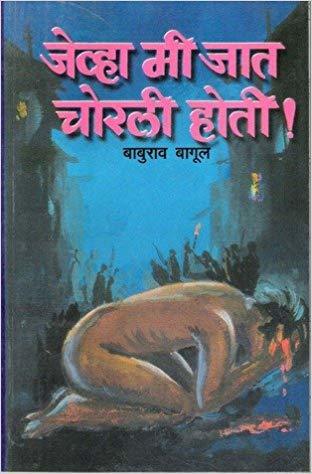
☪️ This book was originally published in 1963 in Marathi and was translated by Jerry Pinto. Baburao exposes the pain, horror, and rage of Dalits in Maharashtra with sheer brilliance and provoking rawness! Each of the ten stories in this book document the 'wretched' lives of Mahara, one of the many Dalit castes, that make us squirm. The stories are based on the three imperatives of Dalit liberation — vidroha (revolt), vedana (pain), and nakar (dissent). At the same time, they also enforce Dr. B R Ambedkar's vision of "education, agitation, and organization" for improving Dalits' lives. The tales demonstrate extreme sensitivity and deep understanding of the crossroads of caste with gender imbalance, widowhood, prostitution, education, manual scavenging, employment, and so on
--
✝️ The title is taken from the last story where the unnamed protagonist risks his life and job, conceals his caste from his fellow workers, all in the hope of bringing social change.
--
☸️This is truly the Epic of the Dalits. The effect of caste on Indian society is deep-rooted in the daily life of its people and it's the people in the lower strata who suffer from it the most! I strongly feel Dalit literature must be written, read, and discussed if we are to gain even an ounce of their miseries and exploitation.
--
☯️ I felt the repeated usage of certain words (ululate) was a bit distracting. That said, Jerry has done some remarkable work in translation and the footnotes are an added bonus in understanding Bagul's works. My favorite story would definitely be "Revolt" which deals with an educated Dalit youth forced to clean shit (manual scavenging).