

What do you think?
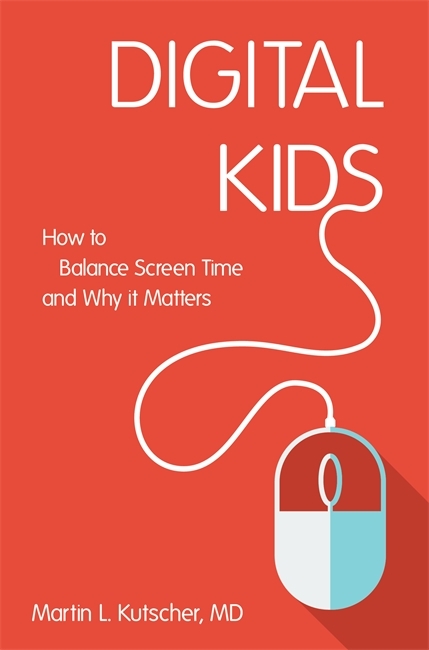
Digital Kids: How to Balance Screen Time, and Why it Matters
For many children and teens daily Internet use is the norm - but where should we draw the line when it comes to digital media usage? This handy book lays out the essential information needed to understand and prevent excessive Internet use that negatively impacts behaviour, education, family life, and even physical health.
Martin L. Kutscher, MD analyses neurological, psychological and educational research and draws on his own experience to show when Internet use stops being a good thing and starts to become excessive. He shows how to spot digital addictions, and offers whole family approaches for limiting the harmful effects of too much screen time, such as helping kids to learn to control their own Internet use. He tackles diverse questions ranging from the effects of laptops in the classroom and reading on a digital screen, to whether violent videogames lead to aggression. The author also explains how ADHD and Autism Spectrum Disorder (ASD) can make you more susceptible to Internet addiction, suggesting practical strategies to suit these specific needs. Discussing both the good and bad aspects of the internet, this book tells you everything you need to know to help children and young people use the internet in a healthy, balanced way.
Martin L. Kutscher, MD analyses neurological, psychological and educational research and draws on his own experience to show when Internet use stops being a good thing and starts to become excessive. He shows how to spot digital addictions, and offers whole family approaches for limiting the harmful effects of too much screen time, such as helping kids to learn to control their own Internet use. He tackles diverse questions ranging from the effects of laptops in the classroom and reading on a digital screen, to whether violent videogames lead to aggression. The author also explains how ADHD and Autism Spectrum Disorder (ASD) can make you more susceptible to Internet addiction, suggesting practical strategies to suit these specific needs. Discussing both the good and bad aspects of the internet, this book tells you everything you need to know to help children and young people use the internet in a healthy, balanced way.
- GenresParentingNonfiction
128 pages, ebook
Published October 21, 2016
Ratings & Reviews
Friends & Following
Create a free account to discover what your friends think of this book!
Community Reviews
Displaying 1 - 14 of 14 reviews

June 20, 2020
Nu e o noutate pentru nimeni că petrecem zi de zi foarte mult timp cu nasul în telefoane, tablete și stăm ore întregi pe online, în detrimentul interacțiunilor reale. Unii își crează alte identități, perfecte și fericite, doar că pe online, în viața reală această identitate nu corespunde nici pe departe cu cea creată virtual, pentru ochii lumii, ai internetului, mai ales.
Autorul ne explică pe scurt care sunt efectele pe termen lung asupra cereierelor și al vieții noastre folosirea pe termn lung al ecranelor.
Cartea cuprinde multe statistici, interpretări ale multor studii de caz, dar și idei care pot fi aplicate cu ușurință în viața reală, dacă se vrea.
Referitor la copii, ei nu știu ce este bine pentru ei și ce nu, această informație e în mâinele părinților, ei hotărăsc cât de mult să își expună copiii ecranelor. Dar, din păcate, de cele mai multe ori un părinte nu conștientizează cât rău poate aduce în viața copilului său statul la televizor, chiar și pasiv, jocurile pe tabletă și în genere, toate ecranele.
Autorul ne explică pe scurt care sunt efectele pe termen lung asupra cereierelor și al vieții noastre folosirea pe termn lung al ecranelor.
Cartea cuprinde multe statistici, interpretări ale multor studii de caz, dar și idei care pot fi aplicate cu ușurință în viața reală, dacă se vrea.
Referitor la copii, ei nu știu ce este bine pentru ei și ce nu, această informație e în mâinele părinților, ei hotărăsc cât de mult să își expună copiii ecranelor. Dar, din păcate, de cele mai multe ori un părinte nu conștientizează cât rău poate aduce în viața copilului său statul la televizor, chiar și pasiv, jocurile pe tabletă și în genere, toate ecranele.

January 10, 2017
A lot of interesting and useful information to help your kids not become (or to overcome) internet/screens addiction. Before the how-tos, the book extensively describes what various screen activities do to the brain and what negative effects can be caused. While mostly aimed at children, teens are also taken into consideration and the information can certainly be looked at from an adult point of view also. My major problem with the book is that it often resorts to lists of statistics which I 'm not a fan of, believing statistics can be skewed to whatever point of view they are trying to prove.

December 19, 2022
ترجمة كارثيّة بكلّ المعايير.. للأسف ضاعت فائدة كبيرة من الكتاب

March 27, 2026
Children of the Digital Age: The Battle for Awareness in the Era of "Hidden Addiction"
The book "Children of the Digital Age" addresses the challenges faced by the new generation in the face of screens. It highlights core issues such as scattered focus, superficial "hyperlink-based" reading (like Wikipedia rabbit holes), and depression resulting from sleep deprivation. The author warns against "illusory digital media" and virtual personas that compensate for a severe lack of social skills and real-world communication.
The Responsibility of Parental Absence:
The author emphasizes that the problem lies not with the child, but in the absence of guided parental supervision. Devices kept inside bedrooms, away from the parents' sight, combined with the family's preoccupation with social media, create a state of "familial alienation" and self-isolation. This "hidden addiction" kills a child's critical thinking skills by providing easy answers that hinder the natural growth of the neural network.
Returning to "Vital Instincts":
The author calls for a return to natural activities that foster constructive thinking, including:
Hands-on Games: Those based on assembly, building, and mental effort.
Paperback Reading: To enhance intellectual depth and critical analysis.
Authentic Connection: Spending time in nature and with family members to solve problems.
Strict Boundaries: Establishing firm rules for tech use, especially during exam periods.
"The human brain grows very slowly with solid connections, while digital media steals this development by providing a false virtual world that kills the vitality of human communication."
Conclusion: An urgent sociological and educational study that hits the nail on the head regarding how to protect our children from the fierce storms of digitalization.

April 6, 2026
أطفال العصر الرقمي: معركة الوعي في زمن "الإدمان الخفي"
يتناول كتاب "أطفال العصر الرقمي" تحديات الجيل الجديد في مواجهة الشاشات؛ حيث يبرز مشكلات جوهرية مثل تشتت التركيز، والقراءة السطحية القائمة على الروابط، والاكتئاب الناتج عن قلة النوم. يحذر المؤلف من "الوسائط الرقمية الوهمية" والشخصيات الافتراضية التي تعوض النقص الحاد في المهارات الاجتماعية والتواصل الواقعي.
مسؤولية الغياب الأبوي:
يؤكد الكاتب أن المشكلة ليست في الطفل، بل في غياب الرقابة الإرشادية. فالأجهزة التي تستقر داخل غرف النوم بعيداً عن أعين الوالدين، مع انشغال الأسرة بوسائل التواصل، تخلق حالة من "الاغتراب الأسري" والانعزال الذاتي. هذا "الإدمان الخفي" يقتل مهارات النقد البناء لدى الطفل عبر تقديم إجابات سهلة تعيق النمو الطبيعي للشبكة العصبية.
العودة إلى "الفطرة الحيوية":
ينادي المؤلف بالعودة إلى الأنشطة الطبيعية التي تعزز التفكير البناء، ومنها:
الألعاب اليدوية: التي تعتمد على التركيب والجهد الذهني.
القراءة الورقية: لتعزيز العمق الفكري والتحليل النقدي.
التواصل الحقيقي: قضاء الوقت في الطبيعة ومع أفراد العائلة لحل المشكلات.
الحدود الصارمة: وضع قوانين حازمة لاستخدام التقنية خاصة في فترات الامتحانات.
"الدماغ البشري ينمو ببطء شديد وترابط متين، بينما تسرق الوسائط الرقمية هذا التطور بتقديمها عالماً افتراضياً زائفاً يقتل حيوية التواصل الإنساني."
.

December 3, 2025
💠كتابنا اليوم (أطفال العصر الرقمي) للكاتب مارتن إل كوتشر.
يتناول الكتاب أثر التكنولوجيا الحديثة على الأطفال والمراهقين، موضحًا كيف غيّر الإنترنت والأجهزة الذكية أنماط حياتهم، وسلوكهم، وطريقتهم في التعلم والتفكير. يدعو المؤلف إلى تحقيق توازن بين الفوائد الرقمية والمخاطر النفسية والاجتماعية.
من أهم الأفكار التي طرحها الكاتب
1. العالم الرقمي في حياة الطفل.
2. الدماغ الرقمي.
3. الألعاب الإلكترونية.
4. وسائل التواصل والمراهقون.
5. التعليم في العصر الرقمي.
6. دور الأسرة.
7. التوازن الرقمي.
إذن التكنولوجيا ليست عدوًا، بل أداة يجب توجيهها والتربية الرقمية مسؤولية الأسرة والمدرسة معًا أما التوازن بين الواقع والافتراض أساس الصحة النفسية للطفل.
كتاب أنصح به لأنه يقدّم رؤية عملية وعلمية لتربية الأطفال في زمن الشاشات.
إنه دليل مفيد لكل أب وأم ومعلم يسعون لحماية أبنائهم من مخاطر العالم الرقمي دون حرمانهم من فوائده.
تقييمي 7/10
قراءة ممتعة
إيمان محمودي
يتناول الكتاب أثر التكنولوجيا الحديثة على الأطفال والمراهقين، موضحًا كيف غيّر الإنترنت والأجهزة الذكية أنماط حياتهم، وسلوكهم، وطريقتهم في التعلم والتفكير. يدعو المؤلف إلى تحقيق توازن بين الفوائد الرقمية والمخاطر النفسية والاجتماعية.
من أهم الأفكار التي طرحها الكاتب
1. العالم الرقمي في حياة الطفل.
2. الدماغ الرقمي.
3. الألعاب الإلكترونية.
4. وسائل التواصل والمراهقون.
5. التعليم في العصر الرقمي.
6. دور الأسرة.
7. التوازن الرقمي.
إذن التكنولوجيا ليست عدوًا، بل أداة يجب توجيهها والتربية الرقمية مسؤولية الأسرة والمدرسة معًا أما التوازن بين الواقع والافتراض أساس الصحة النفسية للطفل.
كتاب أنصح به لأنه يقدّم رؤية عملية وعلمية لتربية الأطفال في زمن الشاشات.
إنه دليل مفيد لكل أب وأم ومعلم يسعون لحماية أبنائهم من مخاطر العالم الرقمي دون حرمانهم من فوائده.
تقييمي 7/10
قراءة ممتعة
إيمان محمودي
September 4, 2019
With motherhood comes great responsibility!😁 In other words, there’s so much information around, it can sometimes be overwhelming. However, I managed to find a series of books, coordinated by Ioana Chicet-Macoveiciuc, which are just what I needed. Like the one above, whose main topic is how exposure to technology affects us, and who is most vulnerable to it. 👩🏻💻🖥📱
I liked what the author stated at one point, that technology in itself is neither good nor bad, it’s all about how we use it.😊
An interesting book, lots of facts, and even some tips and tricks.
I liked what the author stated at one point, that technology in itself is neither good nor bad, it’s all about how we use it.😊
An interesting book, lots of facts, and even some tips and tricks.

July 31, 2022
استفدت كتير من الكتاب
هطبق حاجات كتير قرأتها في الكتاب وهشجع ناس غيري تطبق ده
الكتاب يعتبر جزء مهم من أجزاء كتب الأسرة اللي محتاج يتفهم كويس جدا
لطالما كانت التكنولوجيا هي المبعثر الرئيسي لشمل الأسرة ولذلك فمن الضروري مجابهة هذا التبعثر بما يضاهيه من أفكار
الكتاب عملي جداً ولا ينصح بمنع التكنولوجيا، وهو أمر مستحيل تنفيذه عملياً، وبالتالي فأفكاره أقرب للواقع وسهل التنفيذ
خمس نجوم بجدارة
هطبق حاجات كتير قرأتها في الكتاب وهشجع ناس غيري تطبق ده
الكتاب يعتبر جزء مهم من أجزاء كتب الأسرة اللي محتاج يتفهم كويس جدا
لطالما كانت التكنولوجيا هي المبعثر الرئيسي لشمل الأسرة ولذلك فمن الضروري مجابهة هذا التبعثر بما يضاهيه من أفكار
الكتاب عملي جداً ولا ينصح بمنع التكنولوجيا، وهو أمر مستحيل تنفيذه عملياً، وبالتالي فأفكاره أقرب للواقع وسهل التنفيذ
خمس نجوم بجدارة
March 12, 2025
An interesting short summary on internet and electronic addiction. Providing lots of useful information and strategies, i particularly appreciated that it was quite a balanced look at things with the positives and negatives.
library-non-fiction-skimmed
January 25, 2022Advice skews for teenagers.

February 3, 2017
I have to admit I read this while watching t.v. and keeping up with my twitter feed! There is just too much information out there easily accessed at any time. Though amazing, it can be overwhelming to children and adults.
Interesting information pertaining to multi-tasking and screen time. Good arguments against schools that are teaching completely on laptops like my sons.. Maybe more information than the average parent needs.
The best part of this book is the "SCREEN-TIME AGREEMENT" found on pages 92-94 or at http://www.jkp.com/media/wysiwyg/Reso....
I wish I had this agreement when my children were younger and we were bringing computers and mobile phones into the house. Great conversation starters!
Interesting information pertaining to multi-tasking and screen time. Good arguments against schools that are teaching completely on laptops like my sons.. Maybe more information than the average parent needs.
The best part of this book is the "SCREEN-TIME AGREEMENT" found on pages 92-94 or at http://www.jkp.com/media/wysiwyg/Reso....
I wish I had this agreement when my children were younger and we were bringing computers and mobile phones into the house. Great conversation starters!
December 9, 2016
Digital Kids is an easy to read, fact-filled book on the impact of social media on children. Chapter after chapter describes the mostly pernicious effects that digital screens have on our children although at times he also notes positive effects. The content of Digital Kids is critical for parents to understand yet the dry tone of the book made me become disengaged from the material. I had high hopes for the chapter on the family meeting and while the structure was helpful I wanted a more dynamic presentation of the "hows" pitfalls that may occur. So, a lot of useful facts, and for many that might be exactly what they are looking for but I wanted more facts and a more dynamic presentation. Thank you Netgalley and JKP publishing for allowing me to review this book for an honest opinion.

September 14, 2021
El contingut és valuós encara que segurament està una mica superat ja que es referèncien estudis de principi de la dècada del 2010.
Té una estructura molt directa. Primer exposa els problemes de la quantitat i qualitat del temps digital pels nens i adults i finalment proposa com afrontar-ho amb els menuts des d'una perspectiva d'implicació per la seua banda mitjançant un contracte on es defineixen les regles d'us dels aparells i temps d'oci digital.
Té una estructura molt directa. Primer exposa els problemes de la quantitat i qualitat del temps digital pels nens i adults i finalment proposa com afrontar-ho amb els menuts des d'una perspectiva d'implicació per la seua banda mitjançant un contracte on es defineixen les regles d'us dels aparells i temps d'oci digital.

April 13, 2019
Reads like a science paper, rather than parenting or self-help book. More technical jargon, study results and footnotes than actual advice or assistance.
Displaying 1 - 14 of 14 reviews