

What do you think?

Aib Dan Martabat
Suatu Senin pagi yang mendung di Oslo, Elias Rukla memulai rutinitas hariannya mengajar bahasa di hadapan sekelas anak-anak remaja sekolah menengah atas yang tampak jemu. Saat payung yang dibawanya tidak bisa terbuka, meledaklah amarah dalam dirinya yang membuatnya sadar tak ada jalan balik dari hari paling menentukan dalam hidupnya itu.
Dag Solstad -novelis dengan karya-karya yang telah diterjemahkan ke lebih dari 20 bahasa, peraih Nordic Prize for Literature, Brage Prize, dan satu-satunya penulis yang meraih Norwegian Literary Critics Award tiga kali- menyuguhkan permenungan intim dan mendalam tentang rasa keterasingan dalam masyarakat kontemporer.
Dag Solstad -novelis dengan karya-karya yang telah diterjemahkan ke lebih dari 20 bahasa, peraih Nordic Prize for Literature, Brage Prize, dan satu-satunya penulis yang meraih Norwegian Literary Critics Award tiga kali- menyuguhkan permenungan intim dan mendalam tentang rasa keterasingan dalam masyarakat kontemporer.
138 pages, Paperback
First published January 1, 1994
About the author
Dag Solstad
57 books434 followersDag Solstad was a Norwegian novelist, short-story writer and dramatist whose work has been translated into 20 languages. He wrote nearly 30 books and is the only author to have received the Norwegian Literary Critics' Award three times.
His awards include the Mads Wiel Nygaards Endowment in 1969, the Nordic Council's Literature Prize in 1989, for Roman 1987 and the Brage Prize in 2006 for Armand V. Solstad is among Norway's top-ranked authors of his generation. His early books were considered somewhat controversial, due to their political emphasis (leaning towards the Marxist–Leninist side of the political spectrum).
His awards include the Mads Wiel Nygaards Endowment in 1969, the Nordic Council's Literature Prize in 1989, for Roman 1987 and the Brage Prize in 2006 for Armand V. Solstad is among Norway's top-ranked authors of his generation. His early books were considered somewhat controversial, due to their political emphasis (leaning towards the Marxist–Leninist side of the political spectrum).
Ratings & Reviews
Friends & Following
Create a free account to discover what your friends think of this book!
Community Reviews
Displaying 1 - 30 of 823 reviews

July 10, 2019
Kadıköy Avcılar metrobüsunde dört bira kafasıyla oturup uzun uzun yorumladım ve yazdığım yorumu sildim yanlışlıkla. Daha da girmem bu toplara. Ama şunu söylemden geçmeyeyim, bildiğimiz dünyanın sonunu imleyen metinlere dair güçlü bir zaafım var. Bu kitap bu yanıyla derinlerde bir yere temas etti. Bir başyapıt değil belki ama bu sonu, aydının ölümü sonrası entelektüelin de bitimini yani toplumu aydınlatma misyonu bir yana toplumun içinde artık var olamama halini de boylesine temiz anlatmış bu metni kendi yanlızlïğıma yakın hissettim. Özellikle kitabın sonlarına doğru "bugün kendimi Iyi hissetmiyorum, Hans Castrop gibi yatasım var" cümlesini duyunca eli ayağı titreyen, hâlâ böyle cümleler ile konuşan mı var diye kendinden geçen Elias'ı kendime çok yakın hissettim. Goodreads'e bu yüzden, "a bakın hala iyi kitaplar okuyanlar var, yanlız değilim" hissini taşımak için girenler ne demek istediğimi anlayacaktır. Dünyamız uzatmaları oynuyor ama hâlâ orada bir yerde bize benzeyen, dert edindiklerimizi dert edinen birilerinin varlığı umut değilse de bir avuntu yaratıyor. Bir avuntu çok şey değil elbette, şemsiyemizi kamunun önünde parçalamayalım yeter.
Bu kitabı, bu sonu, antika olduğunu görerek bitiren tüm meczupları Tirza'ya davet ediyorum, tünelin ucu boktan bir yere çıkıyor.
Bu kitabı, bu sonu, antika olduğunu görerek bitiren tüm meczupları Tirza'ya davet ediyorum, tünelin ucu boktan bir yere çıkıyor.

February 3, 2018
I enjoyed this novel, the story of a high-school Ibsen teacher who has a minor, ignored breakthrough that leads to breakdown, but I'm surprised that Solstad's publishers chose S + D as his English language debut. Though perhaps if I hadn't recently read both T. SINGER and ARMAND V, I would have been more surprised by his characteristic style - lengthy single-segment subplots, those recursive sentences, thrilling literary digression. With these known to me, I was disappointed to find Elias a willfully invisible lead.
The book soars when Elias's unusual relationship with his wife (I don't want to spoil it) is delved into, and the beginning, the manic Ibsen lecture, is wonderful. Unfortunately, I found myself identifying pretty hard w/ the odd desperation that strikes a teacher when they are on the track of something they haven't yet thought of and the students don't notice. The theme of the novel - the need for an interlocutor and the pain when there is none to be found - was most effective here. But once Ibsen vanishes and the cover umbrella is, inevitably, broken, the action drags.
My big problem: the scene I most hoped to see was denied. I am all for abrupt endings - I think of Newland Archer on that bench more than any scene in literature. But broken promises? Those are a bit tougher to take. It's not that I didn't like SHYNESS AND DIGNITY, but now that I know what Solstad is capable of, I'd recommend starting elsewhere.
The book soars when Elias's unusual relationship with his wife (I don't want to spoil it) is delved into, and the beginning, the manic Ibsen lecture, is wonderful. Unfortunately, I found myself identifying pretty hard w/ the odd desperation that strikes a teacher when they are on the track of something they haven't yet thought of and the students don't notice. The theme of the novel - the need for an interlocutor and the pain when there is none to be found - was most effective here. But once Ibsen vanishes and the cover umbrella is, inevitably, broken, the action drags.
My big problem: the scene I most hoped to see was denied. I am all for abrupt endings - I think of Newland Archer on that bench more than any scene in literature. But broken promises? Those are a bit tougher to take. It's not that I didn't like SHYNESS AND DIGNITY, but now that I know what Solstad is capable of, I'd recommend starting elsewhere.

August 22, 2018
Mükemmel bir anlatım mükemmel bir biçim içerik uyumu. Kesinlikle daha fazla kitabı çevrilmeli

September 22, 2018
100 sayfalık bir novella'da hayatı baştan sona sorgulayabiliyormuşsunuz demek. önce mesleğinden sıkılmış bir edebiyat öğretmeninin hezeyanlarıyla başlıyor (benzerliği can sıkıcı :) sonra eğitim sisteminin aynılığı sizin de canınızı sıkıyor. ama hep gençlerin tarafında olduğunuzdan öğretmene mesafe alarak okumaya devam ediyorsunuz. sonra bam. öğretmen patlıyor.
ve elias rukla'nın yoldaki yarım saatlik yürüyüşünde düşündüklerini okuduğunuzda, yani hayatını baştan sona, 68'lerde üniversite öğrencisi olan birinin 90'lar dünyasında yaşadığı yabancılığını, evliliğinin hikayesini, yalnızlığını... kimin tarafında olduğunuz değişiyor.
hiçbir bölümü olmayan, dümdüz, düşüncelerle sürüklenen bir roman. kısacık ve çok etkili. çeviri de çok başarılı.
kitap hakkında bir+bir.org'a yazdım.
https://tembelveyazar.blogspot.com/20...
ve elias rukla'nın yoldaki yarım saatlik yürüyüşünde düşündüklerini okuduğunuzda, yani hayatını baştan sona, 68'lerde üniversite öğrencisi olan birinin 90'lar dünyasında yaşadığı yabancılığını, evliliğinin hikayesini, yalnızlığını... kimin tarafında olduğunuz değişiyor.
hiçbir bölümü olmayan, dümdüz, düşüncelerle sürüklenen bir roman. kısacık ve çok etkili. çeviri de çok başarılı.
kitap hakkında bir+bir.org'a yazdım.
https://tembelveyazar.blogspot.com/20...

October 26, 2018
ilk 35 sayfada tek kelimeyle mükemmel anlatılan bir kriz, bir kopma/kırılma anı, sonrasında, geride kalan 70 sayfada hayatı, ama bütün bir hayatı sorgulama: çok başarılı bir kısa roman örneği.
eksikleri, kusurları yok mu? kaçınılmaz olarak var. aslen kahramanının düşüncesinde ilerlerken diğer yandan hikayeyi vermekteki telaş, bazen fazla detay ve tekrar bazen hızlı geçişler, bazen, kısa romanların kaderi, göstermeyip anlatmayıp özetlemek...ve fakat kırılma anından başlayan sorgulamanın genişlemesi, bireyden çıkıp toplumsallaşması, bütünlenmesi kusurların hepsini geride bırakıyor. çeviriden sezebildiğimiz bir dil hassasiyeti/işçiliği de var üstelik tüm anlatıyı taşıyan.
kısa romanlara çok sıcak bakmayan biri olarak, böyle güzel örneklerini gördüğümde farklı bir okur mutluluğu yaşıyorum. keşke daha çok yazılsa böyle romanlar.
eksikleri, kusurları yok mu? kaçınılmaz olarak var. aslen kahramanının düşüncesinde ilerlerken diğer yandan hikayeyi vermekteki telaş, bazen fazla detay ve tekrar bazen hızlı geçişler, bazen, kısa romanların kaderi, göstermeyip anlatmayıp özetlemek...ve fakat kırılma anından başlayan sorgulamanın genişlemesi, bireyden çıkıp toplumsallaşması, bütünlenmesi kusurların hepsini geride bırakıyor. çeviriden sezebildiğimiz bir dil hassasiyeti/işçiliği de var üstelik tüm anlatıyı taşıyan.
kısa romanlara çok sıcak bakmayan biri olarak, böyle güzel örneklerini gördüğümde farklı bir okur mutluluğu yaşıyorum. keşke daha çok yazılsa böyle romanlar.

May 19, 2015
While struggling to open his umbrella in the school yard where he teaches, Elias Rukla bursts into a rant, berates a female student who is watching him in amazement, and then lunges at a group of students with his broken umbrella. In that single, dreadful moment, Rukla realizes his teaching career is finished, and there would be no going back to life as he has known it. He has now, quite simply, quite unexpectedly, "fallen out of society." Dag Solstad's novel tells the story of a "socially aware individual who no longer has anything to say" to the society he once inhabited. This Scandanavian novel is a luminous gem.
December 29, 2021
Rest in peace, Dag Solstad (July 16, 1941 - March 14, 2025)
Dag is becoming a downright favorite, marking late December 2021 and, I'm sure, early 2022 as I run through his complete translated work. After Novel 11, Book 18, I knew what to expect, more or less, but still this seemed a little more stylistically refined or individuated, Bernhardian at times with repetition of certain key phrases and long paragraphs albeit not as exaggerated, less artful, therefore more real seeming, not specifically structured in separate chapters but like Novel 11, Book 18, there are clear sections, an initial section emphasizing the role of a minor character (Dr. Relling) in Ibsen's The Wild Ducks (downloaded the complete Ibsen for a few bucks and will try to make my way through it over time) to bored high school students, followed by a wonderful freakout with an umbrella that won't open, smashing the poor thing, Elias Rukla cutting his hand, and calling a student a name I will not repeat in this review, before it proceeds into a long passage of backstory, at first about a charismatic philosopher friend / drinking buddy (Johan Corneliussen) who loves hockey, Wittgenstein, Marx, advertising, drinking to excess, everything really equally -- Elias Rukla, the primary character (feels like a first-person narrator but it's close third) and Johan Corneliussen, who like all characters in Solstad novels apparently are always referred to by their complete names, are inseparable, all life is happening to them in the late '60s/early '70s, and it's ahead of them, the friend takes up with an indescribably beautiful woman (Eva Linde), marries her, they have a child (often referred to by only her first name), and then in the mid '70s, Johan Corneliussen suddenly . . . oh I guess I shouldn't just regurgitate everything that happens.
The point is that Elias Rukla, the primary character in the novel, is a minor character in life. By the time he has his umbrella freakout he's 53 and life has passed him by, he feels unnecessary, the culture as presented in TV and newspapers no longer reflects his interests in literature and philosophy, for example. A great Finnish poet dies and isn't mentioned in the paper yet a newscaster dies and it's front page news and there's a day of mourning. He no longer has anything to say and his colleagues don't either. In a great bit toward the end he imagines himself auditioning before Proust, Mann, Celine, Joyce, Musil, et al, for a role in one of their novels, and only Mann he believes would consider casting him with his characteristic gentle irony -- Proust would dismiss him with a raised eyebrow, Celine with a huge laugh. In one of the most moving parts in this, he's giddy when a mathematics teacher makes an offhand comment that he's feeling like Hans Castrop and should've stayed home under the eiderdown -- the reference to the primary character in Mann's The Magic Mountain suggesting an opportunity for the sort of spirited conversation and connection Elias knew in college. This bit hit home for me, someone who once nearly fell to the floor as though having a stroke when a new colleague said they'd previously interned at Archipelago Books, a major rarity in my particular corner of the professional world. For a reader approaching 50, I appreciated many of Elias's concerns and observations. Generally, as with Novel 11, Book 18, I'm more or less the same age as the primary male characters, and both so far have been readers of canonical literature and generally stable but somewhat cracked, again which I totally relate to.
Overall, I find Solstad's approach magnetic and organic, effortless yet never debased, always flowing ahead, propelling meaning, significance, depth, using ambiguity to great effect (novel's major character is a minor character in his own life). Everything feels real, autobiographical, even if it's fictional, like a first-person narrative voice edited during the last draft to third person. It feels concise and open, sections may drag here and there and I may have checked the socials now and again in the middle of multi-page paragraphs but I always very much wanted to return to this and enjoyed reading it during most of a day off, that night, and another morning during gray down days between Xmas and New Year's Eve 2021, and I look forward to becoming a Solstad completist in record time.
The title, though, is kinda lame. "Shyness" doesn't feel like the right word. The end is about achieving dignity in light of the quiet desperation of aging etc but instead of shyness it should be a word that suggests a minor character, a Prufrock type, no Prince Hamlet. A reserved support player who with dignity earns the right to critique the proceedings, like Dr. Relling in The Wild Duck whose importance Elias argued for early on.
Dag is becoming a downright favorite, marking late December 2021 and, I'm sure, early 2022 as I run through his complete translated work. After Novel 11, Book 18, I knew what to expect, more or less, but still this seemed a little more stylistically refined or individuated, Bernhardian at times with repetition of certain key phrases and long paragraphs albeit not as exaggerated, less artful, therefore more real seeming, not specifically structured in separate chapters but like Novel 11, Book 18, there are clear sections, an initial section emphasizing the role of a minor character (Dr. Relling) in Ibsen's The Wild Ducks (downloaded the complete Ibsen for a few bucks and will try to make my way through it over time) to bored high school students, followed by a wonderful freakout with an umbrella that won't open, smashing the poor thing, Elias Rukla cutting his hand, and calling a student a name I will not repeat in this review, before it proceeds into a long passage of backstory, at first about a charismatic philosopher friend / drinking buddy (Johan Corneliussen) who loves hockey, Wittgenstein, Marx, advertising, drinking to excess, everything really equally -- Elias Rukla, the primary character (feels like a first-person narrator but it's close third) and Johan Corneliussen, who like all characters in Solstad novels apparently are always referred to by their complete names, are inseparable, all life is happening to them in the late '60s/early '70s, and it's ahead of them, the friend takes up with an indescribably beautiful woman (Eva Linde), marries her, they have a child (often referred to by only her first name), and then in the mid '70s, Johan Corneliussen suddenly . . . oh I guess I shouldn't just regurgitate everything that happens.
The point is that Elias Rukla, the primary character in the novel, is a minor character in life. By the time he has his umbrella freakout he's 53 and life has passed him by, he feels unnecessary, the culture as presented in TV and newspapers no longer reflects his interests in literature and philosophy, for example. A great Finnish poet dies and isn't mentioned in the paper yet a newscaster dies and it's front page news and there's a day of mourning. He no longer has anything to say and his colleagues don't either. In a great bit toward the end he imagines himself auditioning before Proust, Mann, Celine, Joyce, Musil, et al, for a role in one of their novels, and only Mann he believes would consider casting him with his characteristic gentle irony -- Proust would dismiss him with a raised eyebrow, Celine with a huge laugh. In one of the most moving parts in this, he's giddy when a mathematics teacher makes an offhand comment that he's feeling like Hans Castrop and should've stayed home under the eiderdown -- the reference to the primary character in Mann's The Magic Mountain suggesting an opportunity for the sort of spirited conversation and connection Elias knew in college. This bit hit home for me, someone who once nearly fell to the floor as though having a stroke when a new colleague said they'd previously interned at Archipelago Books, a major rarity in my particular corner of the professional world. For a reader approaching 50, I appreciated many of Elias's concerns and observations. Generally, as with Novel 11, Book 18, I'm more or less the same age as the primary male characters, and both so far have been readers of canonical literature and generally stable but somewhat cracked, again which I totally relate to.
Overall, I find Solstad's approach magnetic and organic, effortless yet never debased, always flowing ahead, propelling meaning, significance, depth, using ambiguity to great effect (novel's major character is a minor character in his own life). Everything feels real, autobiographical, even if it's fictional, like a first-person narrative voice edited during the last draft to third person. It feels concise and open, sections may drag here and there and I may have checked the socials now and again in the middle of multi-page paragraphs but I always very much wanted to return to this and enjoyed reading it during most of a day off, that night, and another morning during gray down days between Xmas and New Year's Eve 2021, and I look forward to becoming a Solstad completist in record time.
The title, though, is kinda lame. "Shyness" doesn't feel like the right word. The end is about achieving dignity in light of the quiet desperation of aging etc but instead of shyness it should be a word that suggests a minor character, a Prufrock type, no Prince Hamlet. A reserved support player who with dignity earns the right to critique the proceedings, like Dr. Relling in The Wild Duck whose importance Elias argued for early on.

December 26, 2018
Müthiş! Neredeyse bir solukta okudum ama bitirir bitirmez yazamadım. Çok etkili toplumsal ve psikolojik tespitlerle dolu, akıcı ve edebi olarak da sağlam bir hikayeydi.
Edebiyat öğretmeni ve bizatihi romanın anlatıcısı da olan baş kahraman, daha ilk sayfadan öğretmenliği ve eğitim sistemi üzerine sorgulamalarla başlar ve şahit olduğumuz dersin ardından yaşadığı bir buhran sonrasında geçmişe ve içinde bulunduğu ruh halinin temellerine doğru iniş yapar.
Roman, bazı halleri tam 12’den vuran ifadelerle dolu. Misal “Manevi menenjit” diye bir tanımlama yapıyor ki, bir toplumsal ruh halini bu ifadeyle muazzam anlatmış. Geçmişin pek çok Marksist’inin nasıl azılı kapitalistlere dönüştüğünün tespitleri, eğitim sistemi ve yeni nesil öğrencilere dair vurguları, sonlara doğru Thomas Mann, Kafka, Proust tanımlamaları, hele ki Varolmanın Dayanılmaz Hafifliği üzerine söyledikleri düşündürdü, gülümsetti, notlar aldırdı.
Çok verimli, düşündüren bir okumaydı. Bu orjinal dilinden çeviri için YKY’ye de bir alkış. Umarım yazarın daha çok kitabı Türkçe’ye çevrilir.
Edebiyat öğretmeni ve bizatihi romanın anlatıcısı da olan baş kahraman, daha ilk sayfadan öğretmenliği ve eğitim sistemi üzerine sorgulamalarla başlar ve şahit olduğumuz dersin ardından yaşadığı bir buhran sonrasında geçmişe ve içinde bulunduğu ruh halinin temellerine doğru iniş yapar.
Roman, bazı halleri tam 12’den vuran ifadelerle dolu. Misal “Manevi menenjit” diye bir tanımlama yapıyor ki, bir toplumsal ruh halini bu ifadeyle muazzam anlatmış. Geçmişin pek çok Marksist’inin nasıl azılı kapitalistlere dönüştüğünün tespitleri, eğitim sistemi ve yeni nesil öğrencilere dair vurguları, sonlara doğru Thomas Mann, Kafka, Proust tanımlamaları, hele ki Varolmanın Dayanılmaz Hafifliği üzerine söyledikleri düşündürdü, gülümsetti, notlar aldırdı.
Çok verimli, düşündüren bir okumaydı. Bu orjinal dilinden çeviri için YKY’ye de bir alkış. Umarım yazarın daha çok kitabı Türkçe’ye çevrilir.

July 29, 2021
İçinde yaşadığı parantezi ışıltılı tek bir kelimeyle kapatan Elias Rukla, ''kelimelerle anlatılamaz''güzellikteki Eva Linde'nin güzelliğini kelimelerle anlatamayınca, kadının güzelliğin solmasını, karakterinin çirkinleşen yanlarını uzun uzun anlatmaya çalışır. Bunda kahredici bir edebi güzellik yok mu?
Rukla'nın bir roman kahramanı olmayı düşleyen bir roman kahramanı olmasında vurup geçen nefis bir ironi yok mu?
8,5/10
This entire review has been hidden because of spoilers.

January 20, 2019
Norveç edebiyatının önde gelen isimlerinden olduğu anlaşılan Solstad'ın Türkçe'ye çevrilen ilk kitabı olan bu kısa romanı büyük bir keyifle okudum.
Kitap 50'li yaşlarında bir öğretmen olan başkahramanın öğrencileri ve hatta diğer meslektaşlarıyla yaşadığı ama pek dışa vurmadığı frekans uyumsuzluğunu ince bir şekilde işleyerek başlıyor. Sonra yaşadığı küçük bir aksiliğin (şemsiyesinin açılmaması!) kendisinde yarattığı ve muhtemelen kariyerine mal olacak mini sinir krizi ertesinde hayatının enfes bir muhasebesi ile devam ediyor; üniversite yılları, o dönemki - kendi karakterinin tam aksi - dışa dönük ve derin entellektüel kankası, mesleğe girişi, evliliği, toplumsal anlamdaki rahatsızlıkları... Ve evet, Solstad'ın üslubu biraz Thomas Bernhard'a benziyor, daha uysalı tabii.
Çeviri (Banu Gürsaler-Syvertsen) gayet iyi, arada bir gereksiz yere Osmanlıca kelime ve tabirlere başvurulmuş olsa da.
Jaguar'ın bu sene yazarın diğer bir eserini basacak olması çok iyi bir haber, kitaplarını takibe almakta yarar var. İngilizce'de "yazarların yazarı" diye bir deyim vardır. Solstad bence bu kategoriye giriyor. Tabii bu benim gibi, yazarlıkla bir ilgisi olmayan, ama fırsat buldukça iyi edebiyat okumaktan haz duyan fanilerin bu yazarlara yaklaşmaması gerektiği anlamına gelmiyor:)
Kitap 50'li yaşlarında bir öğretmen olan başkahramanın öğrencileri ve hatta diğer meslektaşlarıyla yaşadığı ama pek dışa vurmadığı frekans uyumsuzluğunu ince bir şekilde işleyerek başlıyor. Sonra yaşadığı küçük bir aksiliğin (şemsiyesinin açılmaması!) kendisinde yarattığı ve muhtemelen kariyerine mal olacak mini sinir krizi ertesinde hayatının enfes bir muhasebesi ile devam ediyor; üniversite yılları, o dönemki - kendi karakterinin tam aksi - dışa dönük ve derin entellektüel kankası, mesleğe girişi, evliliği, toplumsal anlamdaki rahatsızlıkları... Ve evet, Solstad'ın üslubu biraz Thomas Bernhard'a benziyor, daha uysalı tabii.
Çeviri (Banu Gürsaler-Syvertsen) gayet iyi, arada bir gereksiz yere Osmanlıca kelime ve tabirlere başvurulmuş olsa da.
Jaguar'ın bu sene yazarın diğer bir eserini basacak olması çok iyi bir haber, kitaplarını takibe almakta yarar var. İngilizce'de "yazarların yazarı" diye bir deyim vardır. Solstad bence bu kategoriye giriyor. Tabii bu benim gibi, yazarlıkla bir ilgisi olmayan, ama fırsat buldukça iyi edebiyat okumaktan haz duyan fanilerin bu yazarlara yaklaşmaması gerektiği anlamına gelmiyor:)

March 14, 2026
Again with the socially maladjusted old male Scandinavian authors! This is becoming embarrassing. This book, though, may be the one that breaks my addiction to this sort of thing. “Boredom and Frustration” might have been a more accurate title, as these are the primary torments suffered by our main character, Elias Rukla.
Many authors are flattered if anybody pays attention to what they write. Other authors want to dictate how you read, to control the reading experience. So they do things like eliminating quotation marks or capital letters or other standards the rest of the world has agreed upon; they write sentences that last for pages and paragraphs that last for eons. Dag Solstad writes about a pedant, a high-school teacher, and employs the sort of pedantic language that made high school so insufferable for me. The entire book is told in a self-pitying repetitive monotone. I tend to have little patience for this sort of thing; I have been reading for several decades now and know how to do it and don’t need the author’s help.
If one were to judge our society by our novels, one would believe that nearly everybody earns a living as a novelist, a bookseller, a college professor or a schoolteacher. And if they read this book, they would learn that “the classmates who had now become engineers possessed no particular appetite for life at all, they were merely good in school, but essentially quite unimaginative, well, quite conformist, and that was true of all of them, without exception.”
My apologies.
Despite this, by the end of the book the reader is left with several questions to ponder. Why is it so easy to slip into a platonic male love with his college friend and so difficult to feel similar love with his wife? Is her story more interesting than his? And I wonder why some people age with grace and others waste time on thoughts like:
I have a soft spot in my heart for nonconformists like Mr. Solstad. But there is a social price to be paid for occupying the fringe. Don’t sit on the margins, throwing rocks, and wonder why people don’t love or pay attention to you.
At 154 pages, this was a short novel but it felt like it took forever to read it.
Many authors are flattered if anybody pays attention to what they write. Other authors want to dictate how you read, to control the reading experience. So they do things like eliminating quotation marks or capital letters or other standards the rest of the world has agreed upon; they write sentences that last for pages and paragraphs that last for eons. Dag Solstad writes about a pedant, a high-school teacher, and employs the sort of pedantic language that made high school so insufferable for me. The entire book is told in a self-pitying repetitive monotone. I tend to have little patience for this sort of thing; I have been reading for several decades now and know how to do it and don’t need the author’s help.
If one were to judge our society by our novels, one would believe that nearly everybody earns a living as a novelist, a bookseller, a college professor or a schoolteacher. And if they read this book, they would learn that “the classmates who had now become engineers possessed no particular appetite for life at all, they were merely good in school, but essentially quite unimaginative, well, quite conformist, and that was true of all of them, without exception.”
My apologies.
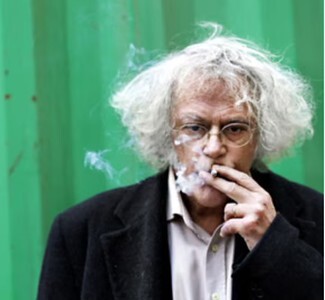
Despite this, by the end of the book the reader is left with several questions to ponder. Why is it so easy to slip into a platonic male love with his college friend and so difficult to feel similar love with his wife? Is her story more interesting than his? And I wonder why some people age with grace and others waste time on thoughts like:
He felt deeply hurt that the papers and TV no longer addressed themselves to him and those like him. It was as though the shapers of public opinion were not paying attention to him at all anymore. He had become nothing to them, and Elias Ruska found that to be deeply disturbing.
I have a soft spot in my heart for nonconformists like Mr. Solstad. But there is a social price to be paid for occupying the fringe. Don’t sit on the margins, throwing rocks, and wonder why people don’t love or pay attention to you.
At 154 pages, this was a short novel but it felt like it took forever to read it.

November 16, 2025
Norveçli yazar Dag Solstad'ı okumaya epey yanlış bir yerden (T. Singer ile) başlamış ve hiç sevememiştim, sonra herkes "öyle olmaz, önce Mahcubiyet ve Haysiyet" demişti, gecikmeli de olsa laf dinledim ve okudum Mahcubiyet ve Haysiyet'i ve evet, bu kez oldu.
Romanın başlarken pek bir şey ifade etmeyen adı, kitabı bitirince anlam kazanıyor: bu kitap bu çağın çözülmesine dair bir roman ve bu çağda yitirdiğimiz iki temel şey olan mahcubiyet ve haysiyet, varlıklarıyla değil yokluklarıyla bu romanın baş rolündeler.
Daha ilk sayfadan romanın derdinin bu olduğunu söylüyor yazar: "bu çağda ve bu koşullar altında yaşamak zorunda kalmanın verdiği ve bir türlü kurtulamadığı rahatsızlık" diyerek. Rahatsızlığı duyan kişi Elias Rukla; son derece sıradan, rutin ve sıkıcı hayatından ziyadesiyle bunalmış bir edebiyat öğretmeni. Kendisini durmadan yoklayan anlamsızlık hissi yeni değil aslında, metin ilerledikçe ve biz karakterimizin geçmişini, evliliğini, insanlarla ilişkilerini öğrendikçe anlıyoruz bunu. Yani bir orta yaş krizinden daha öte, daha yapısal bir mesele mevzubahis ve büyük ölçüde içinde yaşadığı dünyadan kaynaklanıyor bu hal.
Ben şahsen çok sayıda Elias Rukla tanıdım. Hakeza kitapta bolca bahsi geçen, eski Marksist yeni kapitalist arkadaşı Johan Corneliussen'den de bolca gösterebilirim, özellikle babamların kuşağında çok sayıda örneği var, ki zaten bu roman da bir anlamda son idealist kuşağın savruluşuna yakılmış bir ağıt kanımca. Elias Rukla'nın okulda yaşadığı bir patlamadan sonra eve dönerken düşündüklerinden müteşekkil bu minik novella, mahcubiyet ve haysiyet üzerine olduğu kadar hayal kırıklığı üzerine de çokça akıl yürütüyor ki bence içinde yaşadığımız dünyanın hakim duygularından biri de o.
Şu çok sevdiğim pasajla bitireyim: "En fenası, kimseye söyleyecek bir sözü yoktu. Sözü ancak kendineydi. Bir çağ kapanmıştı, o ise oturmuş burada kendi kendine konuşuyordu. Bir çağ kapanmıştı ve toplumsal konularla ilgili bir birey olarak Elias Rukla'yı da beraberinde götürmüştü."
Dag Solstad'la aramızı biraz düzelttik gibi, hadi hayırlısı. Banu Gürsaler Syvertsen'in pırıl pırıl çevirisinin de bunda payı büyük şüphesiz.
Romanın başlarken pek bir şey ifade etmeyen adı, kitabı bitirince anlam kazanıyor: bu kitap bu çağın çözülmesine dair bir roman ve bu çağda yitirdiğimiz iki temel şey olan mahcubiyet ve haysiyet, varlıklarıyla değil yokluklarıyla bu romanın baş rolündeler.
Daha ilk sayfadan romanın derdinin bu olduğunu söylüyor yazar: "bu çağda ve bu koşullar altında yaşamak zorunda kalmanın verdiği ve bir türlü kurtulamadığı rahatsızlık" diyerek. Rahatsızlığı duyan kişi Elias Rukla; son derece sıradan, rutin ve sıkıcı hayatından ziyadesiyle bunalmış bir edebiyat öğretmeni. Kendisini durmadan yoklayan anlamsızlık hissi yeni değil aslında, metin ilerledikçe ve biz karakterimizin geçmişini, evliliğini, insanlarla ilişkilerini öğrendikçe anlıyoruz bunu. Yani bir orta yaş krizinden daha öte, daha yapısal bir mesele mevzubahis ve büyük ölçüde içinde yaşadığı dünyadan kaynaklanıyor bu hal.
Ben şahsen çok sayıda Elias Rukla tanıdım. Hakeza kitapta bolca bahsi geçen, eski Marksist yeni kapitalist arkadaşı Johan Corneliussen'den de bolca gösterebilirim, özellikle babamların kuşağında çok sayıda örneği var, ki zaten bu roman da bir anlamda son idealist kuşağın savruluşuna yakılmış bir ağıt kanımca. Elias Rukla'nın okulda yaşadığı bir patlamadan sonra eve dönerken düşündüklerinden müteşekkil bu minik novella, mahcubiyet ve haysiyet üzerine olduğu kadar hayal kırıklığı üzerine de çokça akıl yürütüyor ki bence içinde yaşadığımız dünyanın hakim duygularından biri de o.
Şu çok sevdiğim pasajla bitireyim: "En fenası, kimseye söyleyecek bir sözü yoktu. Sözü ancak kendineydi. Bir çağ kapanmıştı, o ise oturmuş burada kendi kendine konuşuyordu. Bir çağ kapanmıştı ve toplumsal konularla ilgili bir birey olarak Elias Rukla'yı da beraberinde götürmüştü."
Dag Solstad'la aramızı biraz düzelttik gibi, hadi hayırlısı. Banu Gürsaler Syvertsen'in pırıl pırıl çevirisinin de bunda payı büyük şüphesiz.
May 27, 2026
Yirmi beş yıllık edebiyat öğretmeni Elias Rukla, yağmurlu bir günün okul çıkışında bahçede, takıldığı için açamadığı şemsiyesine hayatının bütün anlamını yükler ve onu duvara vura vura küfrederek parçalar. Bu okuldaki şemsiye sahnesi sonrasında kanayan eli ve hissettiği mahcubiyet ile yaptığı bir saatlik yürüyüşte, otuz yıllık yenik hayatını utanç-haysiyet geriliminde okuyucuyla paylaşıyor. Öğretmenlikten aldığı tatminin zaman ve kültür karşısındaki eskimesini, kendi kişisel yenilgisi olarak görüyor. Üniversitedeki en yakın arkadaşı Johan Corneliussen ile -fikirde marksizmi en iyi anlayan ama hayatında kapitalizmi en iyi uygulayan- hayatının en büyük iyiliği mi yoksa en büyük kazığı mı belli olmayan ilişkisini irdeliyor. Evliliğinde kendisini gerçekten sevip sevmediğini hiçbir zaman bilemediği, onu sadece sığınacak bir liman olduğu düşüncesi ile hayatına kabul eden eşiyle olan ilişkisini düşünüyor. Güzeller güzeli eşinin ona dert olan ama eşinin umursamadığı son yıllardaki "taşkın vücudu". Hatta bu kısmı çok sevimli; eşinin onun hayatındaki başarılardan biri olarak gördüğü güzelliğini, aldığı kilolarla kaybetmesine içerlerken şöyle ifade ediyor bunu; "beni ona bağlayan şeyi kaybetmekten neden endişe duymuyor"...
En etkilendiğim yer bir edebiyat öğretmeni olarak edebiyatla bağ kurma çabasının olduğu sayfalardı. Kendini, "belki beni onlar anlayabilir" umuduyla, bir karakter adayı olarak sunmaya çalışıyor sevdiği yazarlara. Thomas Mann'dan aldığı hayali cevap ise çok manidar "Sizi çalışma planıma dahil edemem ama hayatınıza eskisi gibi devam ediniz."
Bu kısacık kitapta başta sıkça adı geçen İbsen'in "Yaban Ördeği"ni unutmamak lazım - okumadım ama çok da eksikliğini hissetmedim. Özellikle Dr. Relling karakteri onun için önemli, Rukla'nın takıntısı şu: İbsen neden Relling'e o küçük sahneyi verdi? Onu o sahneye çeken cevap şu sanki; Relling, insanların "hayat yalanı" olmadan yaşayamayacağını söyler. Ve Elias Rukla şunu fark eder; kendisinin de bir "hayat yalanı" vardır ve bununla yüzleşebilmek de bir haysiyettir.
Herkese keyifli okumalar.
En etkilendiğim yer bir edebiyat öğretmeni olarak edebiyatla bağ kurma çabasının olduğu sayfalardı. Kendini, "belki beni onlar anlayabilir" umuduyla, bir karakter adayı olarak sunmaya çalışıyor sevdiği yazarlara. Thomas Mann'dan aldığı hayali cevap ise çok manidar "Sizi çalışma planıma dahil edemem ama hayatınıza eskisi gibi devam ediniz."
Bu kısacık kitapta başta sıkça adı geçen İbsen'in "Yaban Ördeği"ni unutmamak lazım - okumadım ama çok da eksikliğini hissetmedim. Özellikle Dr. Relling karakteri onun için önemli, Rukla'nın takıntısı şu: İbsen neden Relling'e o küçük sahneyi verdi? Onu o sahneye çeken cevap şu sanki; Relling, insanların "hayat yalanı" olmadan yaşayamayacağını söyler. Ve Elias Rukla şunu fark eder; kendisinin de bir "hayat yalanı" vardır ve bununla yüzleşebilmek de bir haysiyettir.
Herkese keyifli okumalar.

September 21, 2018
"Bir insanın elinden hayatı boyunca kendisini kandırdığı şeyi aldığınız anda mutluluğunu da bitirirsiniz."
🌟
🌟

April 5, 2021
Kitaba başladığımda kendimi KAL (Kadıköy Maarif) arka sıralarındaki stajyer öğretmen olarak buldum. Elbette ben hiç Edebiyat dersine girmedim, ancak müfredatla başarı baskısı arasında sıkışmış öğrenci enerjisinin öğretmeni nasıl yıprattığını bilirim. Heyecanlanıp John Keating’i oynamaya, çocukların kapasitesine uygun ders işlemeye kalksan önce veli ve nihayetinde idarenin seni nasıl un ufak edeceğini bilirsin; başın günlük ders programının arasında içeri girer ve kendi öğrencilerinin tüm ülke çocuklarıyla birlikte aynı şeyi öğrendiklerinden emin olmak üzere derse başlarsın. Çalan zille dışarı çıkmak için sayfaları kapatan öğrencilerle birlikte sınıfı terk eder öğretmenler odasına gidersin; bulduğun sohbet de “ek ücret alabilmek için hangi sınavlara girilebilir, kaç ek ders alınabilir vs” gibi konulardan ibarettir. Solstad anlattı ki devlet öğretmeni olmanın oralarda da pek bir farkı yok, hatta tamamen aynı. Öğretmen Elias ile özdeşleşmeme gerek bile kalmadı; öğretmenler odasına ait olmayan, bomboş gözlerle pencereden dışarı bakan bendim.
Elias Rukla kariyerinde olduğu kadar özel hayatında da yalnız bir adam. İçinde biriktirdiği çok serzeniş (hatta isyan) var ama dışında hep sukuneti koruyan “efendi” bir adam. Sonra bir gün hayatı boyunca biriktirdiği tüm o çığlık çığlığa sessizlik bir şemsiyenin üstüne yağıyor ve kitabın sonuna kadar kendiyle hesaplaşmasını okuyoruz. Dag Solstad bunu merak uyandıran, karakteri somutlaştıran ve okuru yazıya bağlayan bir akışla yapıyor.
*
Bir de söylemeden geçemeyeceğim ki; 100 sayfa ama YKY 9 punto ile bastığı için aslında hiç de öyle değil. *swh
*
3,5/5
Elias Rukla kariyerinde olduğu kadar özel hayatında da yalnız bir adam. İçinde biriktirdiği çok serzeniş (hatta isyan) var ama dışında hep sukuneti koruyan “efendi” bir adam. Sonra bir gün hayatı boyunca biriktirdiği tüm o çığlık çığlığa sessizlik bir şemsiyenin üstüne yağıyor ve kitabın sonuna kadar kendiyle hesaplaşmasını okuyoruz. Dag Solstad bunu merak uyandıran, karakteri somutlaştıran ve okuru yazıya bağlayan bir akışla yapıyor.
*
Bir de söylemeden geçemeyeceğim ki; 100 sayfa ama YKY 9 punto ile bastığı için aslında hiç de öyle değil. *swh
*
3,5/5

January 12, 2023
“Mahcubiyet ve Haysiyet” son üç yılda en çok okunan, Goodreas’de üzerine çok sayıda çok olumlu görüş bildirilen bir roman, bu nedenle oldukça yüksek beklenti ile başladım. Bu nedenledir ki beğenim beklentimin altında kaldı. Norveç Edebiyatı’nın önemli isimlerinden Dag Solstad 1994’de yazmış, o dönemin ortamını yansıtıyor. Evet edebi dili, karakter tahlilleri ve betimlemeler çok iyi, iyi de bu kadar tekrara düşülmesini açıklamıyor bunlar. Romanın kahramanı entelektüel edebiyat öğretmeni hep gölgede kalmış, vasat bir yaşam süren Rukla’nın kendi varoluşu o kadar ağır ki “Varolmanın Dayanılmaz Hafifliği”nin isminden nefret ediyor, kitabı çok sevmesine rağmen.
Roman başlangıcı oldukça iyi, Rukla’nın kısa bir portresi çizilerek Ekim ayının bir Pazartesi gününe başlaması ile sıkı bir giriş yapılıyor. Sonrası ise neredeyse romanın yarısına kadar Ibsen’in “Yaban Ördeği” adlı kitabının bayıltan anlatısı geliyor. Rukla’nın hayatının sıkıcılığını D. Solstad okuyucuyu sıkarak mı anlatmak istemiş, bilemedim. Sonra bu sıkıntılı satırlardan birden geçmişe atlıyor 68 kuşağının bir eleştirisini yapıyor ama kendisini biraz temize çıkaracak bir aydın olarak anlatıyor, yani üçüncü tekil şahsa anlattırıyor. Bu bölümdeki parlak felsefe öğrencisi Corneliussen daha sonra romana girdiği gibi sürpriz bir şekilde kayboluyor, neden herşeyi yüzüstü bırakıp Amerika’ya kaçtığı ortada kalıyor. Geride bıraktığı eşi Eva ve kızı bizim yitik öğretmenimiz Rukla’ya zimmetleniyor. Burada da bir boşluk var romanda, neden Eva ilk kocasından çok silik hatta ezik Rukla’yı koca olarak kabulleniyor belli değil.
Kitap aslında İbsen’in kitabındaki bir sözün romanı gibi “bir insanın elinden hayatı boyunca kendisini kandırdığı şeyi aldığınız anda mutluluğunu da bitirirsiniz”. Başta Rukla olmak üzere roman kahramanlarının hepsi için geçerli olan bu durumu anlatmak için yazılmış bu roman sanki, sıkıcılığı ile bana uzak kaldı biraz, genelin aksine beni saramadı.
Roman başlangıcı oldukça iyi, Rukla’nın kısa bir portresi çizilerek Ekim ayının bir Pazartesi gününe başlaması ile sıkı bir giriş yapılıyor. Sonrası ise neredeyse romanın yarısına kadar Ibsen’in “Yaban Ördeği” adlı kitabının bayıltan anlatısı geliyor. Rukla’nın hayatının sıkıcılığını D. Solstad okuyucuyu sıkarak mı anlatmak istemiş, bilemedim. Sonra bu sıkıntılı satırlardan birden geçmişe atlıyor 68 kuşağının bir eleştirisini yapıyor ama kendisini biraz temize çıkaracak bir aydın olarak anlatıyor, yani üçüncü tekil şahsa anlattırıyor. Bu bölümdeki parlak felsefe öğrencisi Corneliussen daha sonra romana girdiği gibi sürpriz bir şekilde kayboluyor, neden herşeyi yüzüstü bırakıp Amerika’ya kaçtığı ortada kalıyor. Geride bıraktığı eşi Eva ve kızı bizim yitik öğretmenimiz Rukla’ya zimmetleniyor. Burada da bir boşluk var romanda, neden Eva ilk kocasından çok silik hatta ezik Rukla’yı koca olarak kabulleniyor belli değil.
Kitap aslında İbsen’in kitabındaki bir sözün romanı gibi “bir insanın elinden hayatı boyunca kendisini kandırdığı şeyi aldığınız anda mutluluğunu da bitirirsiniz”. Başta Rukla olmak üzere roman kahramanlarının hepsi için geçerli olan bu durumu anlatmak için yazılmış bu roman sanki, sıkıcılığı ile bana uzak kaldı biraz, genelin aksine beni saramadı.

July 28, 2019
Son derece klasik, merak uyandıran bir cümleyle başlıyor roman. Hakkında yazılanları okumamış , konuşulanları dinlememişseniz eğer bu cümle size akıcı, belki biraz eğlenceli bir roman okuyacağınızı düşündürebilir. Oysa ki yanıldığınızı daha ikinci sayfadan itibaren anlarsınız. 25 yıldır edebiyat öğretmenliği yapan Elias Rukla yalnızlık senfonisiyle karşınıza dikiliverir. Kendini, içinde yaşadığı toplum, ders verdiği okul ve hatta ailesi içinde bile dışlanmış hisseden karakterin düşünceleriyle örülmüş bir roman okurken buluverirsiniz.
Böylesine iç karartıcı bir tema nasıl oluyor da insanı derinden sarsan, sorgulatan, edebiyat hazzı yaşatan bir esere dönüşüyor. Kuzey Avrupa'nın yaşayan en büyük yazarları arasında gösterilen Dag Solstad gerçekten de bu önemli övgüyü hak ediyor.
Edebiyat öğretmenin altında neredeyse ezildiği bir sürü meselesi var ama benim en çok üzüldüğüm konuşacak birilerini bulamaması. Kişisel ya da toplumsal konularda konuşabilecek, bir konu hakkında tartışıp fikir üretebilecek, tartışılan konunun paylaşılan fikirler doğrultusunda yaratacağı heyecanı ve hazzı paylaşabileceği insanların olmayışı onu kahrediyor. Kendini çağın dışında kalmış, bir ayağı çukurda ölmeye ve unutulmaya terk edilmiş biri olarak görüyor. Yıllardır yurt dışında yaşayan biri olarak onun içnde bulunduğu durumu o kadar iyi anlıyorum ki... Konuşamamak, tartışamamak. İnsanı eksik kılan, yaralayan kavramlar.
Kitabın hipnotize edici bir yanı var. Edebiyat öğretmeni Elias'ın içinde bulunduğu atmosfere kaptırıyorsunuz kendinizi. Bunda o muazzam anlatımın ve kesinlikle mükemmel bulduğum çevirinin etkisi çok büyük. Bazen okuduğum cümlelerin mükemmelliği karşısında donakaldım. Banu Gürsaler Syvertsen çok başarılı bir çeviri yapmış. Sosyal medyada aradım bulamadım, kendisine tebrik ettiğimi yazan bir mesaj göndermeyi çok isterdim.
Böylesine iç karartıcı bir tema nasıl oluyor da insanı derinden sarsan, sorgulatan, edebiyat hazzı yaşatan bir esere dönüşüyor. Kuzey Avrupa'nın yaşayan en büyük yazarları arasında gösterilen Dag Solstad gerçekten de bu önemli övgüyü hak ediyor.
Edebiyat öğretmenin altında neredeyse ezildiği bir sürü meselesi var ama benim en çok üzüldüğüm konuşacak birilerini bulamaması. Kişisel ya da toplumsal konularda konuşabilecek, bir konu hakkında tartışıp fikir üretebilecek, tartışılan konunun paylaşılan fikirler doğrultusunda yaratacağı heyecanı ve hazzı paylaşabileceği insanların olmayışı onu kahrediyor. Kendini çağın dışında kalmış, bir ayağı çukurda ölmeye ve unutulmaya terk edilmiş biri olarak görüyor. Yıllardır yurt dışında yaşayan biri olarak onun içnde bulunduğu durumu o kadar iyi anlıyorum ki... Konuşamamak, tartışamamak. İnsanı eksik kılan, yaralayan kavramlar.
Kitabın hipnotize edici bir yanı var. Edebiyat öğretmeni Elias'ın içinde bulunduğu atmosfere kaptırıyorsunuz kendinizi. Bunda o muazzam anlatımın ve kesinlikle mükemmel bulduğum çevirinin etkisi çok büyük. Bazen okuduğum cümlelerin mükemmelliği karşısında donakaldım. Banu Gürsaler Syvertsen çok başarılı bir çeviri yapmış. Sosyal medyada aradım bulamadım, kendisine tebrik ettiğimi yazan bir mesaj göndermeyi çok isterdim.

March 20, 2025
İçinde yaşadığı çağa da topluma da ait olamamak, ait hissedememekle ilgili çok güzel bir roman Mahcubiyet ve Haysiyet. Ellili yaşlarında bir lise öğretmeninin, eşiyle vedalaşıp evden çıkarak, yirmi beş yıldır yaptığı gibi çalıştığı okula gitmesi ve Ibsen’in Yaban Ördeği’ni derste işlemesiyle başlıyor. Aslında belki de her zamanki ilgisizlikleriyle dinliyorlar dersi öğrenciler ancak karakterimiz için bir kırılma noktası oluyor bu ders. Çıkışta, okula bir daha gelmesini imkansızlaştırdığını düşündüğü bir öfke patlaması yaşıyor. Ardından geçmişini düşünerek sokaklarda dolanmaya başlıyor, biz de okul yıllarına, eski dostluklarına, eşiyle tanışma hikayesine gidiyoruz böylece.
İnanılan, savunulan ancak sonrasında hayat şartlarında unutulan ve hatta çelişilen idealler, bunlarla yaşayacak güçte olanlar ya da bu güçte olanları takip edenlerle ilgili roman. Tekdüze ve sıradan hayatlarımızda kendine nefes alacak, beslenebileceği bir alan yaratabilen ancak çevresinde bunu paylaşacağı kimsesi olmayınca kendini derin bir yalnızlığa mahkum ve üstelik dışlanmış, yabancılaşmış, hatta ötekileştirilmiş bulmakla, gittikçe sığlaştığını düşündüğü dünyada anlaşılamamakla ilgili. Bu bakımdan aslında okumayı seven herkesin kendinden bir parça bulabileceği bir kitap Mahcubiyet ve Haysiyet.
Sade bir anlatıma sahip ancak her detayı çok incelikli düşünülmüş, üzerine uzun uzun düşünülebilecek, konuşulabilecek bir eser bu. Ele aldığı meseleleri öyle boyutlu ve detaylı işliyor ki, üstelik 100 sayfada yapıyor bunları. Misal bir yan karakter olmasına rağmen, öğretmeninin eşi de başlı başına bir dünya, söyleyecek çok şeyi olan bir karakter. Öyle bir bahsedilen kilo alması ya da güzelliğini kaybetmesi mesela öyle çok şey söylüyor ki aslında. Bunun gibi çok hoş detaylarla dolu, sade, süssüz ama çok güçlü bir hikaye. Çok, çok beğendim.
İnanılan, savunulan ancak sonrasında hayat şartlarında unutulan ve hatta çelişilen idealler, bunlarla yaşayacak güçte olanlar ya da bu güçte olanları takip edenlerle ilgili roman. Tekdüze ve sıradan hayatlarımızda kendine nefes alacak, beslenebileceği bir alan yaratabilen ancak çevresinde bunu paylaşacağı kimsesi olmayınca kendini derin bir yalnızlığa mahkum ve üstelik dışlanmış, yabancılaşmış, hatta ötekileştirilmiş bulmakla, gittikçe sığlaştığını düşündüğü dünyada anlaşılamamakla ilgili. Bu bakımdan aslında okumayı seven herkesin kendinden bir parça bulabileceği bir kitap Mahcubiyet ve Haysiyet.
Sade bir anlatıma sahip ancak her detayı çok incelikli düşünülmüş, üzerine uzun uzun düşünülebilecek, konuşulabilecek bir eser bu. Ele aldığı meseleleri öyle boyutlu ve detaylı işliyor ki, üstelik 100 sayfada yapıyor bunları. Misal bir yan karakter olmasına rağmen, öğretmeninin eşi de başlı başına bir dünya, söyleyecek çok şeyi olan bir karakter. Öyle bir bahsedilen kilo alması ya da güzelliğini kaybetmesi mesela öyle çok şey söylüyor ki aslında. Bunun gibi çok hoş detaylarla dolu, sade, süssüz ama çok güçlü bir hikaye. Çok, çok beğendim.

May 24, 2011
A bunch of so-so ideas barely stapled together in novel-form. Elias Rukla (fore- and surname used throughout the whole novel) is a teacher who has a moment of realisation about a peripheral character in Ibsen’s The Wild Duck. His pupils couldn’t give a hoot, and he smashes an umbrella to bits in the playground as a kind of rebellion.
Flashback, then, to his time at university, his friendship with an eminent philosopher, and his subsequent marriage to an “indescribably beautiful” woman, who is described thus so often it would be more truthful just to call her “male fantasy femmebot 2.0.” (Or abbreviated: MFF 2.0).
Other bits of social comment, literary opinion and existential musing are dotted throughout, but none of this matters, since the style is so dreary and digressional there isn’t anything close to an interesting storyline or 3D character. It isn’t formally interesting enough to make these elements irrelevant, and most of the writing is repetitive and amateurish. It is translated from the Norwegian, of course, so we could always blame the translator.
Flashback, then, to his time at university, his friendship with an eminent philosopher, and his subsequent marriage to an “indescribably beautiful” woman, who is described thus so often it would be more truthful just to call her “male fantasy femmebot 2.0.” (Or abbreviated: MFF 2.0).
Other bits of social comment, literary opinion and existential musing are dotted throughout, but none of this matters, since the style is so dreary and digressional there isn’t anything close to an interesting storyline or 3D character. It isn’t formally interesting enough to make these elements irrelevant, and most of the writing is repetitive and amateurish. It is translated from the Norwegian, of course, so we could always blame the translator.

May 23, 2026
The author never mentions ‘midlife crisis’ but clearly that’s what Elias is going through. He’s in his mid-50s; a high school teacher of Norwegian in Oslo. (Not the language per se, but in the way that American high school students take ‘English.’) He’s been at it for 25 years. This week they are analyzing Ibsen’s The Wild Duck.

The students are bored; they’ve always been bored; he’s always been bored too. But today he discovers something new about the characters and gets enthusiastic. No change in the students. In fact, in recent years (the author is writing around 1996) he’s detected a change in students’ attitudes – from simple boredom to almost hostility; a kind of (my words) “Who do you think you are that you have the right to bore us with crap like this?”
Elias’s bad day continues when he leaves the building in a rainstorm. His umbrella collapses. In front of dozens of students he crushes it, mangling his hands until they bleed, stomps on it, and says nasty things to the students watching. So much for the ‘Dignity’ of the title. (It took me a while to figure it out, but that is the umbrella on the cover of the book.)
Elias is also having a mid-life crisis with his marriage. He didn’t marry until he was 37. He lucked out and married a woman of ‘unearthly beauty.’ How that came about, considering he was an ordinary guy employed as a teacher who just ‘gets by’ financially, constitutes the only real plot of the book. I won’t say much about that except that as he approaches his mid-life crisis, his marriage has dulled to the point where he and his wife say exactly the same things to each other every morning.
Mostly Elias misses intellectual discussion, especially as he had for years with his BFF in college. Exciting stuff about politics, philosophy, views of the world, religion, Marxism, etc. He’s disappointed with his colleagues in the teachers’ lounge – well-educated people who talk about…..finances. He calls them “slaves to indebtedness.” Car loans, school loans, mortgage rates, house prices.
I’m not sure why I found this book quite fascinating to read. It held my attention even though, as I say, it’s kind of low plot. If you are a teacher you might particularly like this book to mull all his thoughts about the teaching profession.
Photo of Oslo from expatexplore.com
The students are bored; they’ve always been bored; he’s always been bored too. But today he discovers something new about the characters and gets enthusiastic. No change in the students. In fact, in recent years (the author is writing around 1996) he’s detected a change in students’ attitudes – from simple boredom to almost hostility; a kind of (my words) “Who do you think you are that you have the right to bore us with crap like this?”
Elias’s bad day continues when he leaves the building in a rainstorm. His umbrella collapses. In front of dozens of students he crushes it, mangling his hands until they bleed, stomps on it, and says nasty things to the students watching. So much for the ‘Dignity’ of the title. (It took me a while to figure it out, but that is the umbrella on the cover of the book.)
Elias is also having a mid-life crisis with his marriage. He didn’t marry until he was 37. He lucked out and married a woman of ‘unearthly beauty.’ How that came about, considering he was an ordinary guy employed as a teacher who just ‘gets by’ financially, constitutes the only real plot of the book. I won’t say much about that except that as he approaches his mid-life crisis, his marriage has dulled to the point where he and his wife say exactly the same things to each other every morning.
Mostly Elias misses intellectual discussion, especially as he had for years with his BFF in college. Exciting stuff about politics, philosophy, views of the world, religion, Marxism, etc. He’s disappointed with his colleagues in the teachers’ lounge – well-educated people who talk about…..finances. He calls them “slaves to indebtedness.” Car loans, school loans, mortgage rates, house prices.
I’m not sure why I found this book quite fascinating to read. It held my attention even though, as I say, it’s kind of low plot. If you are a teacher you might particularly like this book to mull all his thoughts about the teaching profession.
Photo of Oslo from expatexplore.com

May 21, 2019
İslandinav edebiyatının garip bir albenisi var. Hangi yazar olursa olsun gündelik hayatta basit bir şeyi anlatırken bile bunu ilginç bir gizemi içinde barındırarak yapıyorlar ve bunu kasten yaptıklarını düşünmüyorum. Sanırım İskandinavya’nın o soğuk ve mistik havası edebiyatın içine gizlice sızmış ve herkes böyle nefes alıyor! Bu kitap da o soluklanmalardan biriydi. Bir edebiyat öğretmeninin dersinden çıkıp nerelerr geldik, neler neler öğrendik!
Yalnız YKY yayınlarının baskısı insanı kör edecek cinsten; puntolar çok küçük ve kitapta bölümleme olmadığı gibi paragraf boşlukları bile yok! Keşke daha özenli basılmış olsaydı!
Yalnız YKY yayınlarının baskısı insanı kör edecek cinsten; puntolar çok küçük ve kitapta bölümleme olmadığı gibi paragraf boşlukları bile yok! Keşke daha özenli basılmış olsaydı!
May 15, 2023
Dr. Relling's line from Ibsen's The Wild Duck, "If you take the life-lie away from an average person, you take away his happiness as well”, pretty much sums up Elias Rukla's life in the novel. But it was a different episode with this 'minor character' in Ibsen's play that suddenly caused him to rethink his own life as he was trying to explain it to his disinterested pupils. Despite 25 years of his career as a secondary school teacher of Norwegian literature, he was ultimately irrelevant to his students. And more than that, irrelevant to the society, irrelevant to his wife, despite his devoted love and service. Or it might be a better way to put it that he was completely alienated from all of them.
His real world was only fictional, both figuratively and literally (there is an impressive part with his thoughts about the literature of the 1920s that fascinated him, besides, of course, Ibsen). He came to the recognition that only Thomas Mann, in his thoughts, would not have had their indifference if he were to consider him as a character for his novel, but there is an irony here as well.
Only Thomas Mann would take the poor candidate aspiring to be a fictional character seriously. He would have looked at Elias Rukla and asked if he could, in a few words, say why he was of the opinion that precisely his fate was suitable as fictional material, either in the capacity of a central character or a minor figure, for, after all, if one has the ambition to be a central character, one must have a clear understanding that one can also be suitable as a minor character – that is a condition which must be agreed to before any author will take the slightest interest in one’s fate, he thought Thomas Mann would have said to him. And after Elias Rukla had given an account of his life – and that would, whether I stammered or not, be a model of brevity, he thought – Thomas Mann would give him a reserved but friendly look, he thought, and say, Well, I can’t promise anything, as there is no way I can fit you and your life into my present plans, as far as I can see, but there will be other times after this, and then we can possibly come back to the matter. I don’t promise anything, quite the contrary, yet it should be sufficient to keep you from being discouraged and make you continue your life as before, even if you should not be granted the privilege of entering one of my novels, as a character. Well, this is how Elias Rukla had spent evening after evening, staying up late fantasising...
Had there only been some humor (as in Thomas Bernhard with whom Solstad seems to share some affinity), it would have been a fully satisfying read. Great to read soon after The Wild Duck (as I've done), but NOT before it for it (naturally) contains many spoilers.
His real world was only fictional, both figuratively and literally (there is an impressive part with his thoughts about the literature of the 1920s that fascinated him, besides, of course, Ibsen). He came to the recognition that only Thomas Mann, in his thoughts, would not have had their indifference if he were to consider him as a character for his novel, but there is an irony here as well.
Only Thomas Mann would take the poor candidate aspiring to be a fictional character seriously. He would have looked at Elias Rukla and asked if he could, in a few words, say why he was of the opinion that precisely his fate was suitable as fictional material, either in the capacity of a central character or a minor figure, for, after all, if one has the ambition to be a central character, one must have a clear understanding that one can also be suitable as a minor character – that is a condition which must be agreed to before any author will take the slightest interest in one’s fate, he thought Thomas Mann would have said to him. And after Elias Rukla had given an account of his life – and that would, whether I stammered or not, be a model of brevity, he thought – Thomas Mann would give him a reserved but friendly look, he thought, and say, Well, I can’t promise anything, as there is no way I can fit you and your life into my present plans, as far as I can see, but there will be other times after this, and then we can possibly come back to the matter. I don’t promise anything, quite the contrary, yet it should be sufficient to keep you from being discouraged and make you continue your life as before, even if you should not be granted the privilege of entering one of my novels, as a character. Well, this is how Elias Rukla had spent evening after evening, staying up late fantasising...
Had there only been some humor (as in Thomas Bernhard with whom Solstad seems to share some affinity), it would have been a fully satisfying read. Great to read soon after The Wild Duck (as I've done), but NOT before it for it (naturally) contains many spoilers.

October 7, 2023
Dag Solstad’ın ‘Mahcubiyet ve Haysiyet’i çıktığı dönem çok güvendiğim okur arkadaşlarım tarafından epey sevilmişti; o sebepten uzun zamandır merakla okumayı bekliyordum.
Malumunuz Dag Solstad Norveç’in en bilinen çağdaş dönem yazarlarından bir tanesi olarak özellikle son yıllardan isminden çok söz ettiriyor. Ünü dünyanın her yanına yayılmış durumda. Ülkemizde de eserlerini YKY ve Jaguar Kitap yayımlıyor. Hali hazırda baya kitabını okuyabilir durumdayız.
Son derece yalnızlaştırıcı bir yerden ‘entektüelin ölümünü’ anlatıyor Soldstad bize bu kıcasık romanında. İlk 36 sayfayı kaplayan Henrik Ibsen üzerinden kurulmuş analizleme ve akabinde yaşanan karakterin krizi, okurken beni bir tık metinden uzaklaştıran bittikten sonra da metinle bütünleyen muazzam bir açılış. 1920’lerin edebiyatı olarak nitelediği bazı yazarları, yalnızlığı içinde gittikçe daha çok seven, onları daha sıcak bulan başkarakterle nasıl özdeşleşmeyeyim? Gidip koluma Proust yazdırmış bir insanım:) Entelektüel ve hayata farkındalıkla yaklaşmış duyarlı bireyin, aslında toplumda yerinin olmadığının altını çizmesi, bunu bizzat göstermesi üzücü oluyor. Bizim gibi antika ruhları zaten üzüyorlar, daha da üzecekler azizim, onu söylüyor kısaca Solstad.O yüzden fanatik okur arkadaşımlarımın bu kitabı bu kadar neden sevdiğini anladım kapattığımda. Yalnız değilsiniz ama dostlar, bu yolda birlikteyiz:))
Karakter bir yerde hangi sevdiği yazar onu romanlarına sokar, onun hakkında yazar diye düşünüyor mahcubiyetle. “Proust bana güler, Kafka beni sallamaz ama Thomas Mann belki yazmasa bile beni insan yerine koyar ve dinler” diye düşünüyor. Fantezisinde bile özgür değil ve kendinde hak görmüyor. Ne ‘Kayıp Zamanın İzinde’de bir yer bulabiliyor kendine, ne de ‘Büyülü Dağ’da… Acayip bir mahcubiyet karakterinki, çağa ayak uyduramamanın, kendini değerli göremememin tezahürü. Hem gerçek dünyasına, hem de arzu dünyasına yakışmayan bir ‘birey’, belki de bir böceğe dönüşüyor mecazen. Bizim karakterimizin Gregor Samsa’dan ne farkı var baktığımızda?
Malumunuz Dag Solstad Norveç’in en bilinen çağdaş dönem yazarlarından bir tanesi olarak özellikle son yıllardan isminden çok söz ettiriyor. Ünü dünyanın her yanına yayılmış durumda. Ülkemizde de eserlerini YKY ve Jaguar Kitap yayımlıyor. Hali hazırda baya kitabını okuyabilir durumdayız.
Son derece yalnızlaştırıcı bir yerden ‘entektüelin ölümünü’ anlatıyor Soldstad bize bu kıcasık romanında. İlk 36 sayfayı kaplayan Henrik Ibsen üzerinden kurulmuş analizleme ve akabinde yaşanan karakterin krizi, okurken beni bir tık metinden uzaklaştıran bittikten sonra da metinle bütünleyen muazzam bir açılış. 1920’lerin edebiyatı olarak nitelediği bazı yazarları, yalnızlığı içinde gittikçe daha çok seven, onları daha sıcak bulan başkarakterle nasıl özdeşleşmeyeyim? Gidip koluma Proust yazdırmış bir insanım:) Entelektüel ve hayata farkındalıkla yaklaşmış duyarlı bireyin, aslında toplumda yerinin olmadığının altını çizmesi, bunu bizzat göstermesi üzücü oluyor. Bizim gibi antika ruhları zaten üzüyorlar, daha da üzecekler azizim, onu söylüyor kısaca Solstad.O yüzden fanatik okur arkadaşımlarımın bu kitabı bu kadar neden sevdiğini anladım kapattığımda. Yalnız değilsiniz ama dostlar, bu yolda birlikteyiz:))
Karakter bir yerde hangi sevdiği yazar onu romanlarına sokar, onun hakkında yazar diye düşünüyor mahcubiyetle. “Proust bana güler, Kafka beni sallamaz ama Thomas Mann belki yazmasa bile beni insan yerine koyar ve dinler” diye düşünüyor. Fantezisinde bile özgür değil ve kendinde hak görmüyor. Ne ‘Kayıp Zamanın İzinde’de bir yer bulabiliyor kendine, ne de ‘Büyülü Dağ’da… Acayip bir mahcubiyet karakterinki, çağa ayak uyduramamanın, kendini değerli göremememin tezahürü. Hem gerçek dünyasına, hem de arzu dünyasına yakışmayan bir ‘birey’, belki de bir böceğe dönüşüyor mecazen. Bizim karakterimizin Gregor Samsa’dan ne farkı var baktığımızda?

July 27, 2019
‘Bugün,şimdi yani, ekim ayının başlarında, yağmur toplayan bir pazartesi sabahı, Norveç’in başkenti Oslo Dafagerborg Lisesi’nde havasız bir sınıfta’ Henrik Ibsen’ in Yaban Ördeği dramını okuyor edebiyat öğretmeni Elias Rukla.
Karşısındaki öğrenciler ilgisiz. Eşi gibi. Hayat gibi.
.
Hayat sahiden Elias’ı unutmuş olabilir mi? Yaşadığı yıllar koca bir hiç mi? Dostu Johan Corneliussen tek bir cümleyle giderken; Eva Linde’nin yüreğini ezen güzelliği solarken,üvey kızı evden uçarken..Ona kalan ne? Her gün sıradanlığın içinde adımlarını birbirine eklemek..
.
Öyle duruydu ki Dag Solstad’ın anlatımı.Tüm çerinden çöpünden arınmış,içinde bulunduğunuz an’ı sorgulatan bir kitap..
Banu Gürsaler Syvertsen ise Türkçe’de de nefes almasını sağlıyor yazarın..
Karşısındaki öğrenciler ilgisiz. Eşi gibi. Hayat gibi.
.
Hayat sahiden Elias’ı unutmuş olabilir mi? Yaşadığı yıllar koca bir hiç mi? Dostu Johan Corneliussen tek bir cümleyle giderken; Eva Linde’nin yüreğini ezen güzelliği solarken,üvey kızı evden uçarken..Ona kalan ne? Her gün sıradanlığın içinde adımlarını birbirine eklemek..
.
Öyle duruydu ki Dag Solstad’ın anlatımı.Tüm çerinden çöpünden arınmış,içinde bulunduğunuz an’ı sorgulatan bir kitap..
Banu Gürsaler Syvertsen ise Türkçe’de de nefes almasını sağlıyor yazarın..

September 17, 2018
Yedi Yıl'ın ardından bu kitapta da hayal kırıklığına uğramaktan korkuyordum ama Solstad'ın tarzını çok beğendim. Çevrilecek diğer kitaplarını bekliyorum heyecanla.

August 2, 2021
Средовечни професор норвешке књижевности Елијас Рукла ће имати испад пред целом средњом школом у којој предаје, у тренутку када му се не отвори кишобран. Схватиће да је тај чин заправо крај његове каријере угледног средњошколског професора. Тај потез увешће нас у реминисценције Елијаса Рукле на цео његов пређашњи живот (док лута по Ослу), младићке године, школовање, (случајну) женидбу и тако даље. Материјала за интересантну причу, дакле, има, али као да је писац идеје које је имао недовољно разрадио. На пример, изненадно увођење Руклиног најбољег пријатеља у причу, за коју је веома битан – без икаквог објашњења зашто је баш међу њима двојицом, колега са студија, дошло до развоја таквог пријатељства. Осим тога, мало ми је било заморно и понављање анализе истих сцена из Ибзенове драме „Дивља патка“ на првих 30-так страница (у склопу приказа како Елијас држи час), али ко ми је крив кад не познајем довољно Ибзенов опус.
Симпатично, али ипак недовољно добро написано.
Симпатично, али ипак недовољно добро написано.
March 3, 2012
A moving, poignant novel with an unusual style - like a work of music based on a man's interior life. The protagonist, Dr. Elias Rukla, is a thoughtful, rather humble teacher of Norwegian literature who feels sure that his work is valuable to society, until one day -- after a sudden new insight into Ibsen's The Wild Duck -- he perceives a change -- in his students, in society, among his fellow teachers -- that leaves him feeling profoundly alienated. Unable to go on, he melts down on the school playground, beating his poor, hapless umbrella to shreds in the midst of a circle of astonished students, and insulting one of his female students in such a way that he is likely to be fired.
At the same time - and I think this is important, though most of the reviewers don't mention it - his very shy, dignified wife is experiencing a different, almost opposite change, a greater engagement with life and society, and a loss of attractiveness as she ages -- something that seems to give her a feeling of relief, but that Elias does not know how to handle. She is going back to school, she's becoming a counselor to alcoholics and addicts; Elias doesn't understand why she would want to do this. As Elias ran off the rails, I wondered whether he might also derail her new dreams.
The novel starts out very quietly - a deep, almost obsessive quiet - until Elias explodes. From there, the dynamics, tempo, and timbre of the prose vary according to what is going on - which is mostly a flashback of his life. When Elias can't stop thinking about something, for instance, a phrase or variations on a phrase are repeated - "his indescribably beautiful wife" "his almost incredibly beautiful wife" - and then later, when she is older, his wife who has "spread out a little too much," is "filled out," "plump," "a faded beauty," "fat," etc.
I found some humor in the novel, despite its overall sense of sadness and nausea. Mostly dry or painful humor - like the scene where Elias is fantasizing about auditioning to be a character in a Thomas Mann novel - but also some almost surrealistic intoxicated escapades from Elias's grad school days, when he had a wonderful, rare, intellectual friendship that lasted for many years - then ended abruptly, with strange and unexpected consequences. The book had a life-like sense of mystery - characters keep things to themselves, and neither Elias nor the reader ever find out exactly what happened or why. I appreciated Elias' personal qualities of kindness, fairness, and devotion, and his admirable ability to rise above his personal loneliness -- although whether he would be able rise above his extreme estrangement from society, and what form that "rising above" might take, was left to the imagination of the reader.
I found the book by "surfing" Goodreads, checked it out of the public library, and felt like I hit the jackpot, because not only was it a unique and very good novel, but Dr. Elias Rukla, being a Norwegian literature professor, mentioned many of his favorite authors, most of whom were new to me, and some of whom I have added to my reading list. But too bad more of Mr. Solstad's books have not been translated into English.
At the same time - and I think this is important, though most of the reviewers don't mention it - his very shy, dignified wife is experiencing a different, almost opposite change, a greater engagement with life and society, and a loss of attractiveness as she ages -- something that seems to give her a feeling of relief, but that Elias does not know how to handle. She is going back to school, she's becoming a counselor to alcoholics and addicts; Elias doesn't understand why she would want to do this. As Elias ran off the rails, I wondered whether he might also derail her new dreams.
The novel starts out very quietly - a deep, almost obsessive quiet - until Elias explodes. From there, the dynamics, tempo, and timbre of the prose vary according to what is going on - which is mostly a flashback of his life. When Elias can't stop thinking about something, for instance, a phrase or variations on a phrase are repeated - "his indescribably beautiful wife" "his almost incredibly beautiful wife" - and then later, when she is older, his wife who has "spread out a little too much," is "filled out," "plump," "a faded beauty," "fat," etc.
I found some humor in the novel, despite its overall sense of sadness and nausea. Mostly dry or painful humor - like the scene where Elias is fantasizing about auditioning to be a character in a Thomas Mann novel - but also some almost surrealistic intoxicated escapades from Elias's grad school days, when he had a wonderful, rare, intellectual friendship that lasted for many years - then ended abruptly, with strange and unexpected consequences. The book had a life-like sense of mystery - characters keep things to themselves, and neither Elias nor the reader ever find out exactly what happened or why. I appreciated Elias' personal qualities of kindness, fairness, and devotion, and his admirable ability to rise above his personal loneliness -- although whether he would be able rise above his extreme estrangement from society, and what form that "rising above" might take, was left to the imagination of the reader.
I found the book by "surfing" Goodreads, checked it out of the public library, and felt like I hit the jackpot, because not only was it a unique and very good novel, but Dr. Elias Rukla, being a Norwegian literature professor, mentioned many of his favorite authors, most of whom were new to me, and some of whom I have added to my reading list. But too bad more of Mr. Solstad's books have not been translated into English.
March 25, 2019
Kasvetli dramatik gerçekci bir roman,yazarın okuduğum ilk eseri. Genelde İskandinav ülkeleri halkının temel özelliği diyebileceğim durum bu romanda tam olarak gösterilmiş; içe dönüklük, spontan olmayı ne kadar sevsede bir türlü bunu beceremeyen, bireysel özgürlüğün tavan yapmış ve ilişkilerde ki yaşanan sonsuz yalnızlık,paylaşmanın güzelliğini yaşayamayan çocuk ruhlu dürüst ve duygusal Elias ve eşinin iki kişilik yalnızlığı oldukca acı verici. Elias'ın duygusallığı ,romantizm ve naifliği ile birleşince kendini seçtiği kalede tutsak bulur ve yıllar sonra bir çok şeyi sorgularken bulur kendini.Tabii burda evliliğin deki sevgisizliği de unutmamak gerek. İlerde tekrar okuyacağım bir eser.
Ayrıca bendeki kitap tam olarak 106 sayfaydı.burda yanlış yazılmış.
Ayrıca bendeki kitap tam olarak 106 sayfaydı.burda yanlış yazılmış.

April 23, 2020
Elias’a Söyleyeceğim tek şey;
"Bak içine atıyorsun. Hiç iyi bir şey değil, içine atma.."
"Bak içine atıyorsun. Hiç iyi bir şey değil, içine atma.."

March 27, 2016
Elias Rukla is a middle-aged high school teacher of Norwegian literature. His wife, Eva, is a former beauty whose looks have faded with age. Elias feels stranded in time, longing for deep connections and the exciting conversations and meaningful friendship of his youth with Eva's former husband, he is suddenly lit up by an insight into Ibsen's famous play, The Wild Duck, which Rukla has taught almost without feelings for years. However, he feels his students' hostility to him, as a pedantic professor teaching something they find meaningless and irrelevant to their lives. And suddenly this lack of comprehension and, as he perceives, irritation with him, becomes unbearable.
Rukla is both an ordinary man, trying to maintain his balance as he ages and thus becomes invisible to the society around him, still caught up emotionally in the past. He started out feeling his life had meaning, his work worthwhile, his intellect alive and gradually all of this has left him. His love for his beautiful wife seems to have dissipated with her beauty and his isolation is becoming unbearable to him (and to me, as reader).
This book is as lovely and sad as a poem. As a teacher, I felt particularly connected to Rukla's passions and fears that he has himself become irrelevant. It is frightening to think that the work you have dedicated your life to has become meaningless or that the way you have lived no longer matters.
Rukla's meditation over his past underscores his isolation, his feelings of disconnectedness seem to have been always already present in him but suddenly with the passing of youth, the hopefulness that belongs to beginnings, he experiences more fully and unbearably.
I found myself both moved and enraged by Rukla. He embodied my worst fears about myself and his inability to find a way to reconnect to his work and his life, his explosion (and implosion) caused by this, was moving, frightening, and irritating. Rukla's feelings of being cut-off from himself left me feeling cut off from his feelings as well, even as I wished he could find the meaning he so longed for.
Many of the authors Rukla loves are my favorite authors as well (and The Wild Duck is one of my favorite plays) so just the mention of them gave me pleasure and made me connect more to the novel. I felt both angry at the students for their indifference to literature and angry at Rukla for not being able to create a connection for them to these great works. Does the fault lie with him for not being a more creative, inspiring teacher or does (at least some) of the responsibility lie with the students for their arrogance in thinking they should always be entertained?
There is some humor (very little) in the work as Rukla imagines himself interviewed by great authors for the chance to be the lead character in one of their works. His dissatisfaction with his life for the most part manifests in his anger at the world for its misplaced values and his sense of himself as superior to everything that surrounds him. There both seems to be some truth to this-a feeling that perhaps everyone struggles with maintaining connections as they age to a new sense of themselves and their relationship to the world around them. Hopefully most of us can negotiate this more successfully than poor Rukla,
I would definitely like to read more of the work of this author. That is, after I have recovered from the draining effect of this text. I am curious as to how the beauty this book hints at might be explored in other works of his.
A short read with a big impact.
Rukla is both an ordinary man, trying to maintain his balance as he ages and thus becomes invisible to the society around him, still caught up emotionally in the past. He started out feeling his life had meaning, his work worthwhile, his intellect alive and gradually all of this has left him. His love for his beautiful wife seems to have dissipated with her beauty and his isolation is becoming unbearable to him (and to me, as reader).
This book is as lovely and sad as a poem. As a teacher, I felt particularly connected to Rukla's passions and fears that he has himself become irrelevant. It is frightening to think that the work you have dedicated your life to has become meaningless or that the way you have lived no longer matters.
Rukla's meditation over his past underscores his isolation, his feelings of disconnectedness seem to have been always already present in him but suddenly with the passing of youth, the hopefulness that belongs to beginnings, he experiences more fully and unbearably.
I found myself both moved and enraged by Rukla. He embodied my worst fears about myself and his inability to find a way to reconnect to his work and his life, his explosion (and implosion) caused by this, was moving, frightening, and irritating. Rukla's feelings of being cut-off from himself left me feeling cut off from his feelings as well, even as I wished he could find the meaning he so longed for.
Many of the authors Rukla loves are my favorite authors as well (and The Wild Duck is one of my favorite plays) so just the mention of them gave me pleasure and made me connect more to the novel. I felt both angry at the students for their indifference to literature and angry at Rukla for not being able to create a connection for them to these great works. Does the fault lie with him for not being a more creative, inspiring teacher or does (at least some) of the responsibility lie with the students for their arrogance in thinking they should always be entertained?
There is some humor (very little) in the work as Rukla imagines himself interviewed by great authors for the chance to be the lead character in one of their works. His dissatisfaction with his life for the most part manifests in his anger at the world for its misplaced values and his sense of himself as superior to everything that surrounds him. There both seems to be some truth to this-a feeling that perhaps everyone struggles with maintaining connections as they age to a new sense of themselves and their relationship to the world around them. Hopefully most of us can negotiate this more successfully than poor Rukla,
I would definitely like to read more of the work of this author. That is, after I have recovered from the draining effect of this text. I am curious as to how the beauty this book hints at might be explored in other works of his.
A short read with a big impact.
Displaying 1 - 30 of 823 reviews