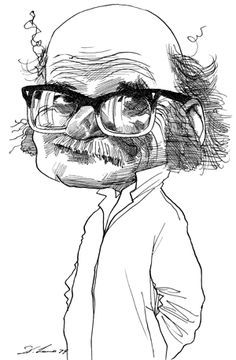
John Barth briefly studied "Elementary Theory and Advanced Orchestration" at Juilliard before attending Johns Hopkins University, received a bachelor of arts in 1951 and composed The Shirt of Nessus, a thesis for a Magister Artium in 1952. He served as a professor at Penn State University from 1953. Barth began his career with short The Floating Opera, which deals with suicide, and The End of the Road on controversial topic of abortion. Barth later remarked that these straightforward tales "didn't know they were novels." The life of Ebenezer Cooke, an actual poet, based a next eight-hundred-page mock epic of the colonization of Maryland of Barth. Northrop Frye called an anatomy, a large, loosely structured work with digressions, distractions, stories, and lists, such as two prostitutes, who exchange lengthy insulting terms. The disillusioned fictional Ebenezer Cooke, repeatedly described as an innocent "poet and virgin" like Candide, sets out a heroic epic and ends up a biting satire. He moved in 1965 to State University of New York at Buffalo. He visited as professor at Boston University in 1972. He served as professor from 1973 at Johns Hopkins University. He retired in 1995. The conceit of the university as universe based Giles Goat-Boy, a next speculative fiction of Barth comparable size. A half-goat discovers his humanity as a savior in a story, presented as a computer tape, given to Barth, who denies his work. In the course, Giles carries out all the tasks that Joseph Campbell prescribed in The Hero with a Thousand Faces. Barth meanwhile in the book kept a list of the tasks, taped to his wall. The even more metafictional Lost in the Funhouse, the short story collection, and Chimera, the novella collection, than their two predecessors foreground the process and present achievements, such as seven nested quotations. In Letters, Barth and the characters of his first six books interact. Barth meanwhile also pondered and discussed the theoretical problems of fiction, most notably in an essay, "The Literature of Exhaustion," first printed in the Atlantic in 1967, widely considered a statement of "the death of the novel" (compare with Roland Barthes's "The Death of the Author"). Barth has since insisted that he was merely making clear that a particular stage in history was passing, and pointing to possible directions from there. He later (1979) a follow-up essay, "The Literature of Replenishment," to clarify the point. Barth's fiction continues to maintain a precarious balance between postmodern self-consciousness and wordplay on the one hand, and the sympathetic characterisation and "page-turning" plotting commonly associated with more traditional genres and subgenres of classic and contemporary storytelling.
"Those rituals of getting ready to write produce a kind of trance state."- John Barth, America author born 1930
What’s the sound of one writer screaming? Well, what’s the sound of one reviewer screaming? Reviewing John Barth’s fourteen-page short story, Life-Story, is like playing a game of three-dimensional chess, since, I mean, what dimensions are we really dealing with here? As soon as I write down something about this story there appears to be another dimension of the story undercutting my words, pulling the metaphysical wool over my eyes at the same time as pulling the linguistic rug out from under my already not-so-steady feet.
Hey, John! What the heck are you doing? Sure, Life-Story is one story in your collection Lost in the Funhouse where you acknowledge right up front in your introduction how you were moved by Jorge Luis Borges, but do you truly expect a reviewer capable of getting their brain around a story when your brain was on Borges while walking through a hall of mirrors? And do you expect your reader to make it out of this funhouse?
Things are a bit wobbly right from the very first paragraph, as when we read: “He being by vocation an author of novels and stories it was perhaps inevitable that one afternoon the possibility would occur to the writer of these lines that his own life might be a fiction, in which he was the leading or an accessory character.” Ah, John, you weren’t joking, Jorge Luis Borges did make an impact, as in the tale Borges and I with all sorts of provocative ideas about the intertwining identity of author and character.
Perhaps we should ask: How is a fiction writer’s sense of self expanded or contracted when writing a work of fiction? In the act of writing, is an author’s identity less of a fiction than the characters created? Do these question make you feel dizzy? If so, recall how with Life-Story we are joining John Barth in his hall of mirrors funhouse.
More specifically, when Barth writes “the writer of these lines,” we may also ask: Who exactly is writing these lines? Is it John Barth himself or is it his character, the writer in his story, or perhaps both? And the plot thickens: John Barth writes about how his main character is writing about the writer C, who, in turn, is writing a short story about his main character D writing a story about character E. And that’s just for starters. We then have G (Barth’s main character?) who complains about being a fictional character concerned about J’s reaction and how he will get K through his story. And other characters make their entrées, in order of appearance: X, Y, U, T, V, L, K & M together, N and, lastly, M & O together. My guess is if Mr. Barth didn’t possess a keen sense of humor, at this point in his story he would have dropped his pen and run out of the room where he was penning Life-Story.
To pour a bit more metafictional fuel on this literary fire, the main character (along with Barth?) reflects on his story in progress: “Self-conscious, vertiginously arch, fashionably solipsistic, unoriginal – in fact a convention of twentieth-century literature. Another story about a writer writing a story! Another regressus in infinitum! Who doesn’t prefer art that at least overtly imitates something other than its own processes?” Actually, reflecting on John Barth’s Life-Story, John Gardner, author of On Moral Fiction, complained about such artistic self-consciousness and how current writers call noisy attention to themselves. Oh, lighten up, John Gardner!
More funhouse mirrors, anyone? The main character really doesn’t like overly metaphysical literature written by such as Samuel Becket’s, Marian Cutler’s, Jorge Borges’s; rather his favorite contemporary authors are John Updike, Georges Simenon and Nicole Riboud. Marian Cutler? Nicole Riboud? No such authors in our world but in this fictional world of Barth’s main character – why not? Further on: “If his life was a fictional narrative it consisted of three terms – teller, tale, told – each dependent on the other two but not in the same ways.” Goodness, I might need my textbook on logic as things are really getting complex.
And then toward the end of Life-Story, as if in exasperation, the spotlight is cast on the real culprit: “The reader! You, dogged, uninsultable, print-oriented bastard, it’s you I’m addressing, who else, from inside this monstrous fiction.” What’s the sound of one writer screaming? Well, what’s the sound of one reviewer screaming? Reviewing John Barth’s fourteen-page short story, Life Story, is like playing a game of three-dimensional chess since, I mean, what dimension are we really dealing with here? As soon as I write down something about this story there appears to be another dimension of the story undercutting my words, pulling the metaphysical wool over my eyes at the same time as pulling the linguistic rug out from my already not-to-steady feet . . . .
I racconti di John Barth sono una lettura piacevole e brillante, ma potrebbero infine risultare noiosi a causa della continua ripetizione degli stessi temi: la coppia tutto sommato felice, che attraversa la terza età sotto la spada di Damocle degli orrori imminenti della vecchiaia (vero leitmotiv del volume); il paradosso di Zenone; la frustrazione della generazione dei “baby boomers” allo scoccare della mezza età. Lo stile risulta sempre fluido e le interruzioni metanarrative, tipiche della prosa di Barth, non spezzano quasi mai l’armonia del testo – di sapore nabokoviano, ma all’acqua di rose. Essendo però questa una “compilation” appositamente selezionata dagli editor di minimum fax, non è dato sapere se la diffusa ricorrenza di temi e di personaggi sia una costante dell’intero corpus di short stories firmate da John Barth, o se sia invece caratteristica comune soltanto ai brani contenuti in questa antologia. Nel complesso, la raccolta alterna momenti affascinanti ad altri stucchevoli e ridondanti. Si distinguono i primi tre racconti, i più vecchi, dove gli esperimenti postmodernisti dell’autore sono contestualizzati alla genesi piuttosto che alla maturità dei personaggi; si hanno quindi gli struggimenti filosofici di un mai nominato spermatozoo, l’allattamento licenzioso del piccolo Ambrose e le sue prime – malinconiche – pulsioni erotiche adolescenziali. Il libro è aperto da due prefazioni, una a firma dello stesso Barth che presenta l’opera al lettore italiano profondendosi in sperticate lodi a Calvino e a Borges, le cui Finzioni sono qui chiamate in causa come ispiratrici della poetica di La vita è un’altra storia. Il racconto Perso nella casa stregata sarà oggetto della parodia di David Foster Wallace in Verso occidente l’impero dirige il suo corso.
L'antologia di racconti di John Barth è una selezione di discreto valore ma piuttosto mediocre e deludente nel merito dei contenuti. Senza la capacità di elevarsi né di distinguersi, lo stile si rivela monotono e informe, dando vita a quadri di vita e personaggi che ricorrono in modo arido e ripetitivo. La posizione dell'autore risulta piuttosto chiusa allo scorrere di possibilità narrative differenti; si percepisce un certo compiacimento accademico e un gioco di presuntuoso manierismo. Sono da leggere, deliziosi e notevoli, i primi tre racconti, innovativi e sperimentali (appartenenti alla raccolta "Lost in the Funhouse") e discreti anche quelli della seconda raccolta (da "On with the Story"); i successivi sei invece sono scontati, pesanti e superflui, in modo imbarazzante. Uno sguardo grigio e compassato che si acquieta sul benessere borghese, con una filosofia deprimente e approssimativa, senza passione e senza profondità. Una carriera letteraria con uno sviluppo poco attraente.
Raccolta iperscremata di racconti di Barth. I primi cinque starebbero bene in qualsiasi antologia planetaria, per quanto severa e sofisticata. Il “Viaggio nel mare della notte” mi ha entusiasmato. E anche commosso, si. “Ad infinitum: un racconto breve “ è un gioiellino. C’è anche il famoso “Perso nella casa stregata”. Che ce ne siano almeno due che gli stanno almeno alla pari dice tutto. Il postmodernismo qui non è solo esercizio di stile, ipersperimentalismo fine a se stesso: l’innesto nel racconto del racconto del raccontare aggiunge realismo, crea empatia, apre nuovi scenari all’interpretazione, accende sinapsi. Alcune pagine sono davvero incantevoli. I romanzi di Barth non mi avevano entusiasmo. Questo lo metto tra gli imperdibili.
Questi dodici ‘racconti scelti’ di John Barth sono stati scritti in tempi molto diversi, negli anni ’60 i primi, pochi anni fa gli ultimi. Questa distanza si sente decisamente nelle tematiche, con il Barth più vecchietto (oggi ha superato gli ottanta) che ovviamente si occupa molto - e si preoccupa - delle ultime curve insidiose della strada da percorrere, nonché del baratro finale. Lo stile narrativo rimane invece sostanzialmente lo stesso, caratterizzato dalla presenza fisica dello scrivente nel ‘suo’ racconto: la metanarrazione - questo il termine tecnico - è una modalità espressiva interessante, ma comporta necessariamente la dura rinuncia del lettore a quella sospensione dell’incredulità così appagante quando si impone, offrendo un mondo ‘nuovo’, da esplorare in proprio. Ecco, Barth te lo fa vedere a pezzetti, quel mondo, ma ti apre gli occhi, ripetutamente: attento, lettore, chi racconta non è altro che "un bugiardo professionista".
È una collezione strana, che raccoglie periodi molto distanti tra loro nella produzione di Barth, che arriva alla forma racconto soprattutto dopo il fabulism di Sotweed factor e Giles goat boy e (soprattutto) dopo aver scoperto Borges. Incuriosito da quest'ultimo punto e dalla lettura dei suoi saggi critici, riprendo in mano questa raccolta che avevo approcciato (un po' troppo precocemente) alle superiori. Quello che trovo in realtà è per la maggior parte un esercizio raffinatissimo di metafiction applicato perlopiù a scardinare cinicamente coppie e famiglie all'apparenza perfette, o metavagabondaggi su problematiche pre/post pensionamento. Forse non è proprio la metafiction imo più avventurosa o fantasmatica, ma forse anche per questo originale sconfinamento dai miei orizzonti ho apprezzato l'approccio che permea tutto il libro e che immagino sia stato guidato molto dalla scelta di questi specifici racconti. Sono pochi infatti quelli che esulano dalla ripetizione di certi motivi ricorrenti (certi motti di spirito, latinismi o allegorie riutilizzati in più racconti). Tra tutti il mio affetto va a perso nella casa stregata <3
“The reader! You, dogged, uninsultable, print-oriented bastard, it's you I'm addressing, who else, from inside this monstrous fiction. You've read me this far, then? Even this far? For what discreditable motive? How is it you don't go to a movie, watch TV, stare at a wall, play tennis with a friend, make amorous advances to the person who comes to your mind when I speak of amorous advances? Can nothing surfeit, saturate you, turn you off? Where's your shame?”
Autore fondamentale del modernismo. Ho preso e letto questa raccolta perchè un racconto è stato nominato nella biografia di dfw, e subito ho provato curiosità. I racconti secondo me più validi rimangono "perso nella casa stregata", "il detective e la tartaruga" e "noi/loro" che si collega con "toga party". John Barth spesso è estremamente brillante sul finale, e qui funziona benissimo, dove per lo più sono testi che raramente superano le 25 pagine; oltretutto lo stile è eccezionalmente moderno, l'opera è stata assemblata così per l'italia ma sono testi del 900. Avendolo letto, posso capire il perchè abbia fatto scuola a molti scrittori successivi, procederó sicuramente con "L'opera galleggiante".
John Barth è lo scrittore post-moderno per eccellenza: colui che si rende sempre palese al lettore, rompendo la finzione. La vita è un'altra storia e Barth sa dirci com'è in questi racconti scelti. E sa illuminare alcuni aspetti della vita, fermandoli nel loro movimento. Ferma l'adolescenza (nel racconto "Perso nella casa stregata"), una telefonata (memorabile, in "Ad infinitum, un racconto breve"), l'ispirazione di uno scrittore cercata in un sogno, la vita che fugge e la sensazione di averla esaurita tutta ("Toga party").
"Ad infinitum, un racconto breve" è il racconto che vale la raccolta. Indimenticabile.
This story is deliberately confusing, but if you strip away traditional storytelling conventions, a deeper logic emerges. It’s an inspiring exploration of how narratives function—not just in their construction, but in what happens after the final word is written. What if the characters become self-aware, realizing they exist only within the confines of a story? What if they begin to question their reality, their agency, their very existence? The concept is breathtaking. If I, too, were a fictional character, would anything truly matter? Where does fiction end and reality begin? And if the lines blur, does it even make a difference?
La maggior parte dei racconti molto ben riusciti, alcuni meno (che non considero nel voto). Praticamente tutti i brani raccontano di spezzoni di vita “ordinaria” dove l’autore scava cercando di trovare quell’elemento (spesso metanarrativo) che li renda interessanti sia dal punto di vista narrativo che del significato.
Depends if you like this sort of thing or not. Brilliant of its type. He's a great author. It's simply a matter of taste if his style if for you. I found it rather maddening.
Storie inutili, che se non le avessi lette, forse il mio cervello ne avrebbe giovato, dato che tanto ogni tentativo di capire di che cazzo parla in fondo è vano. Racconti diversi, con piccoli dettagli che si ripetono: è come se tu fossi in mezzo ad un vortice ed ogni tanto vedessi le stesse cose passarti davanti più volte; come quelle cose, i dettagli ripetuti delle storie non hanno una logica ne un senso, perciò è inutile provare a creare collegamenti tra i racconti per trarne un filo logico. Non c'è, anche se sembra che ci sia. Spezzo una lancia a favore della traduzione perché sono stati bravi a rendere i giochi di parole che funzionano solo in inglese, in italiano.