

What do you think?

Σαν τους λύκους
Μια οικογένεια λευκών κάπου στην Αλάσκα. Ο ονειροπόλος Έιμπ και τα τρία παιδιά του. Διαφορετικοί για τους Εσκιμώους, ξένοι για τους λευκούς. Άφησαν πίσω τους τη μεγαλούπολη και ζουν στη μέση της παγωμένης τούντρας. Σε μια γη αχανή και απρόβλεπτη, ανάμεσα σε λύκους, άλκες και αλεπούδες.
Όταν τα αδέρφια του εγκαταλείπουν την τούντρα για χάρη της πόλης, ο μικρότερος, ο Κουτούκ, αναρωτιέται αν πρέπει να κάνει και εκείνος το ίδιο. Το όνειρό του, να γίνει κυνηγός και να μείνει στη γη όπου μεγάλωσε, σκοντάφτει στις προκλήσεις του «έξω» κόσμου: που ζει αλλιώς, ερωτεύεται αλλιώς, μεγαλώνει αλλιώς, επιβιώνει αλλιώς. Ποια είναι τελικά η αληθινή ζωή; Ανάμεσα στη γενναιόδωρη σιωπή της φύσης και στο βουητό ενός κόσμου που τον πλησιάζει επικίνδυνα, ο Κουτούκ θα δώσει τη δική του μάχη για να ανακαλύψει το δρόμο του.
Όταν τα αδέρφια του εγκαταλείπουν την τούντρα για χάρη της πόλης, ο μικρότερος, ο Κουτούκ, αναρωτιέται αν πρέπει να κάνει και εκείνος το ίδιο. Το όνειρό του, να γίνει κυνηγός και να μείνει στη γη όπου μεγάλωσε, σκοντάφτει στις προκλήσεις του «έξω» κόσμου: που ζει αλλιώς, ερωτεύεται αλλιώς, μεγαλώνει αλλιώς, επιβιώνει αλλιώς. Ποια είναι τελικά η αληθινή ζωή; Ανάμεσα στη γενναιόδωρη σιωπή της φύσης και στο βουητό ενός κόσμου που τον πλησιάζει επικίνδυνα, ο Κουτούκ θα δώσει τη δική του μάχη για να ανακαλύψει το δρόμο του.
456 pages, Paperback
First published April 18, 2004
Ratings & Reviews
Friends & Following
Create a free account to discover what your friends think of this book!
Community Reviews
Displaying 1 - 30 of 352 reviews
February 16, 2012
OK, hang on... stop reading this review. Go to your "to read" shelf. Add this book. To the top of the list. Do it now. Got it on there? OK..... now I can tell you about it. This book is going to stay with me for a long time. This kind of writing is really like a gift. When you come across a book like this you just never want to be done reading it because it's just such a sheer pleasure to read such fine writing. Seth Katner creates dialogues and descriptions that instantly place you in the landscape. After having read a couple of books that made me wince at every other sentence as I noticed authors blatantly trying to trick me into sinking into their story, Ordinary Wolves was quite simply a relief and a delight to read because I sunk into the story as soon as I started reading, and I loved escaping completely into this world as I read along each night. This is a coming of age story that follows Cutuk, a white boy growing up with his sister and his single dad in an igloo on the Alaskan tundra. Not quite native, but not quite white, Cutuk struggles to fit in in various social settings while lingering on the sidelines, subconsciously trying to flatten his nose at every moment. In tandem with the human storylines, we also follow developments in the natural landscape throughout the narrative. You'll clearly picture the purple sky, the black icy water at spring breakup and the endless snow, and you'll wince as you hear the sound of "snowgos" (greatest nickname ever for a snowmobile) tearing across the landscape and leaving permanent marks of change. To me the mark of any great book is the feeling of wanting to turn back to page 1 and start all over again upon finishing. Ordinary Wolves is on my re-read list already. Read it.

January 29, 2018
This was a great read. Cutak and his family are living as natives in Alaska, but they are White, from Chicago, and therefore they face ridicule and serious discrimination. Their father, an artist, has them living off the land in a sod dwelling, and their mother has long fled back to the States. Their way of living is very outdated compared to the Indigenous children they encounter in town on infrequent visits, and they are mocked, bullied and worse because of this and their being White. It was very interesting because when I began reading it felt like the story was set a century earlier than it was, and that realization illustrated the oddness of this family's lifestyle. When Cutak heads for the city he faces true culture shock and is very much adrift in modern society. He struggles to figure out where he "belongs". As a reader I feared for him, he is so naive and vulnerable.
The scenes involving hunting and the use of sled dogs were quite disturbing to me. I had always read/learned that the Indigenous peoples were very respectful of the animals who "sacrificed their lives" to feed them. Here it seems that modern methods of killing animals, including long range rifles, snowmobiles and helicopters, has made that "old-fashioned" way disappear. They kill for pelts, they kill violently and indiscriminately. The treatment of the sled dogs is horrific and disgusting. The rampant use of drugs and any possible version of alcohol is described and it is not pretty, as is the sexual violence towards women.
All that being said it was a moving story, well written and very thought provoking!
The scenes involving hunting and the use of sled dogs were quite disturbing to me. I had always read/learned that the Indigenous peoples were very respectful of the animals who "sacrificed their lives" to feed them. Here it seems that modern methods of killing animals, including long range rifles, snowmobiles and helicopters, has made that "old-fashioned" way disappear. They kill for pelts, they kill violently and indiscriminately. The treatment of the sled dogs is horrific and disgusting. The rampant use of drugs and any possible version of alcohol is described and it is not pretty, as is the sexual violence towards women.
All that being said it was a moving story, well written and very thought provoking!

February 2, 2019
This was a hard book to read, not emotionally and not intellectually, but in sentence interpretation and meaning. I have never read a book written in this style and requiring such focus and attention. At times this felt like too much work, at others a delight and treasure. I loved reading about the lifestyle of the Eskimo hunter and their respect for the animals that they hunted. I was particularly intrigued by the description of the “dentist” hunter on page 307 whose hunting is only for the trophy. Although I only rated Wolves 3 stars, I think any nature lover would do well to give it a read.
October 30, 2007
This book is a stunningly honest and unsentimental look at contemporary life in Alaska. The book touches on big issues (racism, loss of wilderness, alcoholism), but it is fundamentally a coming of age story (semi-autobiographical, I think) about a white boy whose father drops out of the mainstream to raise his three children in a sod igloo in a remote part of Alaska. It is beautifully written, and will stay with you for a long time.

December 24, 2022
⭐️⭐️⭐️⭐️.5
This book won the Milkweed National Fiction Prize when it was published and I can see why. It’s a coming-of-age story but not like any I’ve ever read. The story begins when Cutuk is 5, he’s the youngest child of Abe Hawcly, being raised in far northern Alaska, in a location so remote it’s a two day dog sled drive to the nearest village with only 150 inhabitants. His mother left when he was a baby and his dad seeks to live with nature and to teach his values and beliefs to his children. This kid grows up and struggles to find his place in the world. He’s more “Eskimo” than the Inuits who live in Takunak but he doesn’t fit in with his blonde hair and blue eyes. In his late teens he goes to Anchorage to experience the white world and city life but he doesn’t fit in there either.
He does finally figure it out. This is an absolutely beautiful book about life on the tundra and a lost way of living as well as the irrevocable devastation of the Alaskan wilderness.
The 52 Book Club Reading Challenge - 2022
Prompt #42 - An indie read
This book won the Milkweed National Fiction Prize when it was published and I can see why. It’s a coming-of-age story but not like any I’ve ever read. The story begins when Cutuk is 5, he’s the youngest child of Abe Hawcly, being raised in far northern Alaska, in a location so remote it’s a two day dog sled drive to the nearest village with only 150 inhabitants. His mother left when he was a baby and his dad seeks to live with nature and to teach his values and beliefs to his children. This kid grows up and struggles to find his place in the world. He’s more “Eskimo” than the Inuits who live in Takunak but he doesn’t fit in with his blonde hair and blue eyes. In his late teens he goes to Anchorage to experience the white world and city life but he doesn’t fit in there either.
He does finally figure it out. This is an absolutely beautiful book about life on the tundra and a lost way of living as well as the irrevocable devastation of the Alaskan wilderness.
The 52 Book Club Reading Challenge - 2022
Prompt #42 - An indie read
April 7, 2008
I think this is the most realistic, romantic and unromantic depiction of Alaska that I have ever read.

May 5, 2014
This is a remarkable book. The Alaska Kantner explores is not the quirky Alaska of Northern Exposure fame. It is a book that almost reads as memoir, a picture of a place stripped clean of all the ideas outsiders have of the wilderness.
As I sloughed through the first section I thought I would barely survive. The descriptions of animal hunts, the lives of dogs and the extreme living conditions of the young narrator were almost too vivid. The next two sections, however, created a different perspective. The novel became a study of what it feels like to be displaced. The idea of displacement is examined through the eyes of the white male narrator, his sister, who is educated and comes back to teach, the Eskimos, the Alaskan city dwellers and the wolves.
The language is beautiful and authentic. The author manages to convince the reader that Alaska is both unbelievably brutal and magical in equal measure. I give it 4 stars rather than 5 because, as I said, some of the descriptions are not for the faint of heart(or stomach).
I highly recommend this book as a study of place and our connection to home.
As I sloughed through the first section I thought I would barely survive. The descriptions of animal hunts, the lives of dogs and the extreme living conditions of the young narrator were almost too vivid. The next two sections, however, created a different perspective. The novel became a study of what it feels like to be displaced. The idea of displacement is examined through the eyes of the white male narrator, his sister, who is educated and comes back to teach, the Eskimos, the Alaskan city dwellers and the wolves.
The language is beautiful and authentic. The author manages to convince the reader that Alaska is both unbelievably brutal and magical in equal measure. I give it 4 stars rather than 5 because, as I said, some of the descriptions are not for the faint of heart(or stomach).
I highly recommend this book as a study of place and our connection to home.

December 9, 2019
Good books tell a truth to the reader that they hadn't known before, but perhaps suspected.
This book reveals Bush Alaska like none other I've read. And it does it in compelling prose, with images as achingly beautiful as an arctic winter noonday sun.
Unlike the amazing readers on Goodreads, I don't get to read many books for pleasure. So to read one twice, like this one, is rare for me.
In my opinion, the three best books I've read on Alaska are Coming into the Country, Into the Wild, and Ordinary Wolves.
This book reveals Bush Alaska like none other I've read. And it does it in compelling prose, with images as achingly beautiful as an arctic winter noonday sun.
Unlike the amazing readers on Goodreads, I don't get to read many books for pleasure. So to read one twice, like this one, is rare for me.
In my opinion, the three best books I've read on Alaska are Coming into the Country, Into the Wild, and Ordinary Wolves.

January 14, 2011
"White people--everything talked to pieces until all the pieces had numbers. 'I get wolves,' Enuk would have said, 'back by mountains.' It would have been someone else's duty to fill in the story and any heroism."
"...Takunak, a speck in the wilderness, modern as microwaves, yet hissing with voices from a brand-new ten-thousand-year-old past: Kill every animal possible, every fur. Share. Avoid taboos. Don't get ahead. Never stand out. Live now. Takunak: generous and jealous, petty and cruel and somehow owning us; owning our decisions; calling us home to assassinate our ambitions. How strange my past, even farther back into the earth--the caribou skin entrance, flickering lamplight, dreams and the conviction to hunt the land for them..."
Such is the gritty and complicated reality of Alaska narrated by a white boy named Cutuk Hawckly from the rural NW Arctic in this novel. The book paints unsparing portraits of colonized and quickly-modernized Native village life--including, importantly, the kinds of half-glimpses that a young person might realistically get of the boarding school history and other reasons behind the problems so prevalent today. It also paints incredibly insightful and incisive portraits of modern consumeristic culture and of white Alaskan culture and anti-Native racism (as well as Native-worshipping white people). Some of the most devastating scenes that made me squirm were of white sport hunters from Anchorage and Fairbanks. But so uncomfortable too were the scenes of boys in the village drinking hairspray and Lysol, young girls getting pregnant. And observing it all, participating in parts of it from fear and insecurity, this white boy who constantly pushes down his nose to look Eskimo, to will himself into becoming Iñupiaq, who loves his family and loves the land, who desperately wants friends and acceptance and a purpose in life.
Perhaps most startling about this book was how it made me experience my own city. Cutuk, having never left the very rural Northwest Arctic, Cutuk who had to travel 2 days on dog sled to get to the village from the sod igloo he shared with his family, Cutuk arrives first in Kotzebue and then Anchorage. Running down the slushy snow in his winter muluks and soaking them through, trying to trap a lynx to eat where he is camped by the railroad tracks, wandering around Anchorage confused by cars and where all these white people are in such a hurry to go to, later navigating the social dynamic of car mechanics and astounded by how rude and stupid these white men are, confused as to why anyone would buy a dog in a mall...it's a fascinating view of my city, urban culture, etc. It is an important view for anyone working with youth or families from the villages who arrive in Anchorage disoriented and culture-shocked.
This is a novel of a boy who is stuck "crawling the crevasses in between" the Native Northwest Arctic and the culture he identifies with and yet is excluded from, and the white culture that is supposed to be his but bears no resemblance to his values or way of life. He ultimately finds peace and growth back in his connection to the land, but the troubling social dynamic never disappears. One of the best scenes was of a meeting at the tribal council in the village where outside presenters come to talk about online cultural preservation and grants. They, like so many other well-intentioned but removed people, talk in big words and without connection to the people, and therefore achieve nothing:
"The man glanced around quizzically, shuffled papers, and retreated into a forest of overgrown words and Accountant English. The meeting trailed into whispers and tittering. Back on the metal chairs, we chuckled at the man's pronunciation of Joe Smith's Eskimo name. We heard "my dick." We laughed, not because we were mean, but because laughing was traditional, it was something we were good at, and tonight we still remembered how."
I only wish that the character of Cutuk, and the author, Seth Kantner, could have met and included in the novel Native characters who managed multiple worlds skillfully, who reached back into tradition and worked modern jobs, or non-elder Native folks who were heroes like Enuk. Enuk, the old hunter who Cutuk idolizes, and Janet, the very good and loving mothering character, are not the only such Native men or women. I wished for the sake of showing Alaska's social dynamic that the character could have come across some more healthy and self-actualized Alaska Native individuals, such as the many I know, to show not only a white Hawckly family hybrid, but show that there are many Alaska Native people who have found ways to balance tradition and modernity.
"...Takunak, a speck in the wilderness, modern as microwaves, yet hissing with voices from a brand-new ten-thousand-year-old past: Kill every animal possible, every fur. Share. Avoid taboos. Don't get ahead. Never stand out. Live now. Takunak: generous and jealous, petty and cruel and somehow owning us; owning our decisions; calling us home to assassinate our ambitions. How strange my past, even farther back into the earth--the caribou skin entrance, flickering lamplight, dreams and the conviction to hunt the land for them..."
Such is the gritty and complicated reality of Alaska narrated by a white boy named Cutuk Hawckly from the rural NW Arctic in this novel. The book paints unsparing portraits of colonized and quickly-modernized Native village life--including, importantly, the kinds of half-glimpses that a young person might realistically get of the boarding school history and other reasons behind the problems so prevalent today. It also paints incredibly insightful and incisive portraits of modern consumeristic culture and of white Alaskan culture and anti-Native racism (as well as Native-worshipping white people). Some of the most devastating scenes that made me squirm were of white sport hunters from Anchorage and Fairbanks. But so uncomfortable too were the scenes of boys in the village drinking hairspray and Lysol, young girls getting pregnant. And observing it all, participating in parts of it from fear and insecurity, this white boy who constantly pushes down his nose to look Eskimo, to will himself into becoming Iñupiaq, who loves his family and loves the land, who desperately wants friends and acceptance and a purpose in life.
Perhaps most startling about this book was how it made me experience my own city. Cutuk, having never left the very rural Northwest Arctic, Cutuk who had to travel 2 days on dog sled to get to the village from the sod igloo he shared with his family, Cutuk arrives first in Kotzebue and then Anchorage. Running down the slushy snow in his winter muluks and soaking them through, trying to trap a lynx to eat where he is camped by the railroad tracks, wandering around Anchorage confused by cars and where all these white people are in such a hurry to go to, later navigating the social dynamic of car mechanics and astounded by how rude and stupid these white men are, confused as to why anyone would buy a dog in a mall...it's a fascinating view of my city, urban culture, etc. It is an important view for anyone working with youth or families from the villages who arrive in Anchorage disoriented and culture-shocked.
This is a novel of a boy who is stuck "crawling the crevasses in between" the Native Northwest Arctic and the culture he identifies with and yet is excluded from, and the white culture that is supposed to be his but bears no resemblance to his values or way of life. He ultimately finds peace and growth back in his connection to the land, but the troubling social dynamic never disappears. One of the best scenes was of a meeting at the tribal council in the village where outside presenters come to talk about online cultural preservation and grants. They, like so many other well-intentioned but removed people, talk in big words and without connection to the people, and therefore achieve nothing:
"The man glanced around quizzically, shuffled papers, and retreated into a forest of overgrown words and Accountant English. The meeting trailed into whispers and tittering. Back on the metal chairs, we chuckled at the man's pronunciation of Joe Smith's Eskimo name. We heard "my dick." We laughed, not because we were mean, but because laughing was traditional, it was something we were good at, and tonight we still remembered how."
I only wish that the character of Cutuk, and the author, Seth Kantner, could have met and included in the novel Native characters who managed multiple worlds skillfully, who reached back into tradition and worked modern jobs, or non-elder Native folks who were heroes like Enuk. Enuk, the old hunter who Cutuk idolizes, and Janet, the very good and loving mothering character, are not the only such Native men or women. I wished for the sake of showing Alaska's social dynamic that the character could have come across some more healthy and self-actualized Alaska Native individuals, such as the many I know, to show not only a white Hawckly family hybrid, but show that there are many Alaska Native people who have found ways to balance tradition and modernity.

October 29, 2011
Ordinary Wolves is about a young blond boy,Cutuk who is growing up in the Alaskan wilderness. I found it a bit hard to get into the narrative but other then that this was a great read. Cutuk lives with his dad, brother and sister in an igloo in the forest, dirt floors,dirt walls and no other people except for the odd hunter passing by. In the beginning Cutuk is only five and everything has the sparkle a five year old puts on things, which I found so endearing ,it also makes it interesting to see how his thinking evolves as Cutuk grows older and into an adult.
Its a good story but I think what worked for me was this one covered a couple of my interests . I like to read about winter and cold. I live in Canada and snow is a part of life in the winter(like 7 months of the year) and why complain about something I can do nothing about. Right? This is not really true I complain about EVERYTHING, but snow I have a soft spot for.
So I like snowmen

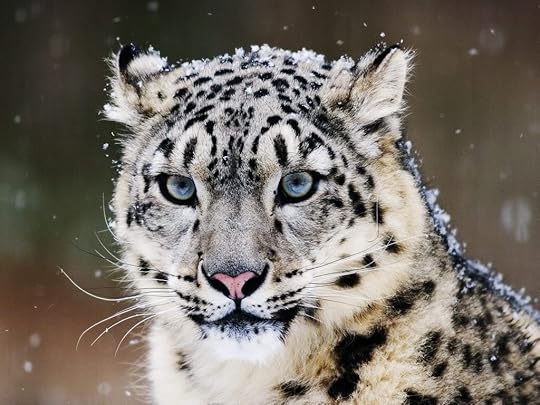
Snow leopards
Jon Snow
I like snow and I LOVE wolves .
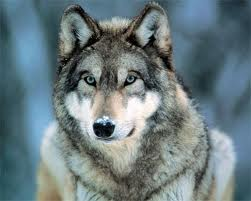
I adore anything about them, I watch my David Attenborough Wolf special like it's prozac. Wolves make me happy. In this story they are wild and beautiful beasts. One of my favourite lines in this book is when Enuk, a hunter and friend of the family, whom Cutuk idolizes from the start, is asked if he likes wolves? Enuk answers
"They got family. Smart. Careful. I like'em best then all'a animal"
Perfect. Yes this is what I am talking about, mind you the romance of living in Alaska among the wolves ended about the the third paragraph of the first page, it was around the "dirt walls and dirt floors" bit and lack of indoor plumbing. I will stick with my wolf DVD thanks .
Its a good story but I think what worked for me was this one covered a couple of my interests . I like to read about winter and cold. I live in Canada and snow is a part of life in the winter(like 7 months of the year) and why complain about something I can do nothing about. Right? This is not really true I complain about EVERYTHING, but snow I have a soft spot for.
So I like snowmen

Snow leopards

Jon Snow

I like snow and I LOVE wolves .

I adore anything about them, I watch my David Attenborough Wolf special like it's prozac. Wolves make me happy. In this story they are wild and beautiful beasts. One of my favourite lines in this book is when Enuk, a hunter and friend of the family, whom Cutuk idolizes from the start, is asked if he likes wolves? Enuk answers
"They got family. Smart. Careful. I like'em best then all'a animal"
Perfect. Yes this is what I am talking about, mind you the romance of living in Alaska among the wolves ended about the the third paragraph of the first page, it was around the "dirt walls and dirt floors" bit and lack of indoor plumbing. I will stick with my wolf DVD thanks .

May 28, 2008
I found myself sort of slogging through the purple passages, but as anthropology this book was fascinating. (a very cool clerk lady at cody's in berkeley recommended it to me because I bought Deep Survival-not normally my kind of book, but it's good to get out of your ruts sometimes.) It worked on me the same way the little house books did-as insight into a world beyond imagining, that some people just live. Squeamish about meat? read about living in the arctic! everytime you see any creature, you shoot it, skin it, then eat the best parts raw before they freeze! then put the rest in the cannibal pot! Hate to be cold? read about living in the arctic! curious about the effects of aqua net when inhaled? you get the picture!

October 30, 2019
A beautiful story... messy and imperfect, but deeply beautiful. Lots of little nuggets of wisdom.

August 16, 2010
I have read CALL OF THE WILD perhaps twenty times. It is one of my favorite books in the whole world. ORDINARY WOLVES has just entered that realm.
I loved this book!
A story about real life Alaska, conveying ice, caribou hair and wild meat, the dirt of a sod igloo floor littered with mouse turds, the smell and sound of sled dogs, and wolves in all their glory and tragedy. Told from the perspective of a little boy growing into a man in a vividly realized primitive environment, rife with the wonder, hope and insecurities of a human coming from a simple, sensible existence into the complex, often wasteful and illogical world of modern humans.
Cutuk is a blond haired, blue eyed five year old who longs for frostbite scars on his cheeks, a flat nose and dark features like the old eskimo hunter he idolizes. He has the barest memory of his mother, who has fled the hardships and prolonged darkness of winter. Raised by his somewhat eccentric and idealistic father
(a talented artist who doesn't like to kill and absolutely won't shoot wolves) along with his older brother and sister, they subsist almost entirely on the land, "....living in a way even eskimos would no longer live." Home schooled and exceptionally bright, their only contact with the outside world is a distant native village where they are ostracized and bullied for being white. They are witness to the dysfunction and decline of the indigenous population brought on by the influence of civilized culture in the form of rampant alcoholism, technology and materialism.
Cutuk's journey is like a reverse CALL OF THE WILD, experienced from a human perspective, as he eventually leaves the wilderness and has to learn the inexplicable ways of mankind in the urban environment. He is confronted with the choice of creature comforts, ease, and human companionship against the primitive, lonely, yet natural way he was bought up.
A great story can't translate without great writing, and Seth Kantner writes exceptionally in a style all his own. Writing from his own experience and similar upbringing I am reminded of James Galvins THE MEADOW, so real and thick with knowledge of the land and lifestyle that the reader is easily transported to another reality. I run out of words that adequately describe his prose and fall back on the same cliche terms, like beautiful, poetic, brilliant! A weaver of words and sentences, thought and emotion that moves me beyond the confines of myself, out to the Alaskan tundra and into the heart of Cutuk as he struggles within himself for a place in the world.
I loved this book!
A story about real life Alaska, conveying ice, caribou hair and wild meat, the dirt of a sod igloo floor littered with mouse turds, the smell and sound of sled dogs, and wolves in all their glory and tragedy. Told from the perspective of a little boy growing into a man in a vividly realized primitive environment, rife with the wonder, hope and insecurities of a human coming from a simple, sensible existence into the complex, often wasteful and illogical world of modern humans.
Cutuk is a blond haired, blue eyed five year old who longs for frostbite scars on his cheeks, a flat nose and dark features like the old eskimo hunter he idolizes. He has the barest memory of his mother, who has fled the hardships and prolonged darkness of winter. Raised by his somewhat eccentric and idealistic father
(a talented artist who doesn't like to kill and absolutely won't shoot wolves) along with his older brother and sister, they subsist almost entirely on the land, "....living in a way even eskimos would no longer live." Home schooled and exceptionally bright, their only contact with the outside world is a distant native village where they are ostracized and bullied for being white. They are witness to the dysfunction and decline of the indigenous population brought on by the influence of civilized culture in the form of rampant alcoholism, technology and materialism.
Cutuk's journey is like a reverse CALL OF THE WILD, experienced from a human perspective, as he eventually leaves the wilderness and has to learn the inexplicable ways of mankind in the urban environment. He is confronted with the choice of creature comforts, ease, and human companionship against the primitive, lonely, yet natural way he was bought up.
A great story can't translate without great writing, and Seth Kantner writes exceptionally in a style all his own. Writing from his own experience and similar upbringing I am reminded of James Galvins THE MEADOW, so real and thick with knowledge of the land and lifestyle that the reader is easily transported to another reality. I run out of words that adequately describe his prose and fall back on the same cliche terms, like beautiful, poetic, brilliant! A weaver of words and sentences, thought and emotion that moves me beyond the confines of myself, out to the Alaskan tundra and into the heart of Cutuk as he struggles within himself for a place in the world.

March 11, 2009
Last year, in my quest to read 100 books, I wouldn't stop reading a book, no matter how bad it was. I chugged my way through some real train wrecks. So it's rather novel (ha) that I can give up on books halfway through this year.
That said, I feel a little bad casting this one aside, especially because it started so promisingly. It opens with a young white boy living with his father and older siblings in northern Alaska. Dad is an artist who's shunned the materialism of the lower 48. He values education - the kids are taking correspondence courses - but he's not trying to keep connected to "civilization" in any other way.
Seth Kanter provides plenty of details about living off the land so far north. It's fascinating and fun (and sometimes gross) to learn about the lives the native people and white transplants lead. It reminds me of the kind of book you'd enjoy in sixth grade, like Hatchet or something.
But as the main character ages and heads off to Anchorage, the book starts plodding. Cutuk doesn't belong in either world. He feels awkward around other whites, but has never been welcomed by the Eskimo community either. The between-two-worlds theme has been explored more to my liking elsewhere. Once the interaction with animals and descriptions of the bitter cold tapered off, to be replaced by Cutuk learning to banter with his fellow mechanics, I began to lose interest and ultimately decided to move on.
It still gets three stars, though, because it started out as a fun world to get lost in.
That said, I feel a little bad casting this one aside, especially because it started so promisingly. It opens with a young white boy living with his father and older siblings in northern Alaska. Dad is an artist who's shunned the materialism of the lower 48. He values education - the kids are taking correspondence courses - but he's not trying to keep connected to "civilization" in any other way.
Seth Kanter provides plenty of details about living off the land so far north. It's fascinating and fun (and sometimes gross) to learn about the lives the native people and white transplants lead. It reminds me of the kind of book you'd enjoy in sixth grade, like Hatchet or something.
But as the main character ages and heads off to Anchorage, the book starts plodding. Cutuk doesn't belong in either world. He feels awkward around other whites, but has never been welcomed by the Eskimo community either. The between-two-worlds theme has been explored more to my liking elsewhere. Once the interaction with animals and descriptions of the bitter cold tapered off, to be replaced by Cutuk learning to banter with his fellow mechanics, I began to lose interest and ultimately decided to move on.
It still gets three stars, though, because it started out as a fun world to get lost in.

June 22, 2019
I read this slowly, picking it up and putting it down, sometimes feeling a little impatient, but also appreciating the intentional pacing, so different than most of what I read and my busy New York life.
A vivid and beautiful portrait of living in the Arctic—I was especially struck by the empathic portrayal of Cutuk’s shock and disorientation upon moving to Anchorage.
Kantner never differentiates between the ills of modernity and the ills of colonization. In this novel, Cutuk’s father brings in cash by selling paintings, so harsh and rugged as life is, the family still relies on the outside world it disdains. They have an unacknowledged backstop against starvation.
The attention to the changing of the seasons, animals, snow and ice were some of the most vivid I’ve read. And the nuanced portrayal of Cutuk’s friends and elders felt closely observed. A rare voice and perspective on an exceptional way of life.
A vivid and beautiful portrait of living in the Arctic—I was especially struck by the empathic portrayal of Cutuk’s shock and disorientation upon moving to Anchorage.
Kantner never differentiates between the ills of modernity and the ills of colonization. In this novel, Cutuk’s father brings in cash by selling paintings, so harsh and rugged as life is, the family still relies on the outside world it disdains. They have an unacknowledged backstop against starvation.
The attention to the changing of the seasons, animals, snow and ice were some of the most vivid I’ve read. And the nuanced portrayal of Cutuk’s friends and elders felt closely observed. A rare voice and perspective on an exceptional way of life.

December 8, 2019
This was a hard book for me to read, and I realized that I like my view of the Arctic to be romanticized, which this definitely wasn't (Kantner grew up in much the same circumstances as the protagonist). "In front the closest thing to my hometown squatted, beside gleaming white satellite dishes, in Pampers, on Pepsi, drunk, stoned, desperately addicted to dollars." The palpable anger expressed toward white folk, the complete hopelessness, the "reality of living where everybody tries to rape you", were all difficult; what wasn't was the beauty of the stark Arctic landscape and of the writing.

November 15, 2008
After living in Alaska for 26 years, part of that time in Bush Alaska, I can say this is an excellent depiction of 'real' Alaska and the people and other animals who live there. I've never seen it done so well; this book made me homesick. It's a great reflection on what is real and what is important and what is not and how that all changes from person to person. I wish I could give six stars.
March 15, 2020
Superb. Astoundingly good. Incredibly well-written without seeming effortful. Transports you to a part of the world and a perspective that is at the fringes of our maps. Shows the nuances of the destruction and benefits of modern “civilized” society vs traditional native Alaskan ways of life. I will likely read this again and recommend it to my dearest people.

March 12, 2022
Pure Alaska
I lived for five years in Alaska and spent a lot of time in the rural areas. This story captures everything about that extraordinary place and it's people in exquisite, poetic detail. This is seriously the most amazing book I've read in years.
I lived for five years in Alaska and spent a lot of time in the rural areas. This story captures everything about that extraordinary place and it's people in exquisite, poetic detail. This is seriously the most amazing book I've read in years.

July 28, 2017
Onvan : Ordinary Wolves - Nevisande : Seth Kantner - ISBN : 1571310479 - ISBN13 : 9781571310477 - Dar 344 Safhe - Saal e Chap : 2004

March 31, 2022
This novel deserves to replace Jack London on every list of "best novels about Alaska."

July 11, 2022
Ordinary Wolves: A Novel by Seth Kantner offers an extraordinary look at life in Alaska from the viewpoint of a white boy who longs to be native.
Cutuk Hawcley was born and raised in the Arctic. Before he was born, his parents moved to Alaska, built a sod igloo and subsisted in the wilderness. His father earned a living by hunting, trading, and selling his paintings. His mother grew weary of the Alaska wilds and abandoned the family, leaving the father to raise their three children. The novel is written in first-person in the voice of their youngest child, Cutuk.
Cutuk becomes expert in dealing with the hardships of the far north, the endless freezing cold, the caring for sled dogs, subsisting on caribou and bear they have killed, or berries they have gathered. Eventually his older brother leaves home, and then his sister leaves to attend college.
Although proficient at providing for himself, Cutuk is never accepted by many of the native peoples, especially the boys. When he travels to the nearby the Iñupiaq village, he is jeered and pummeled by the native children for being white. Cutuk observes how many of the native people live—excessive drinking, disinterest in planning for the future, and mismanagement of money. However, he idolizes the indigenous hunters who taught him how to survive.
As a young man Cutuk moves to Anchorage only to realize he doesn’t fit in with that society either. He gives up his Iñupiaq name and becomes known as Clayton. He is amazed by the consumer culture, and the appalling waste. He’s bewildered and confused by urban slang. Although he finds work, he never finds “home” in Anchorage.
When Cutuk returns to Alaska’s far north, he finds a different environment than when he left. He is disappointed in the Iñupiaqs’ adoption of American fast food, gadgets and fads. He’s angered by hunters who kill for the sake of killing, who shoot for sport from airplanes. Cutuk realizes he must make his own world, follow his own sense of living in the frozen tundra.
Ordinary Wolves is an amazing, insightful novel written by a man born and raised in northern Alaska. What he writes about Alaska rings true—the good and the bad. This is a coming-of-age story that people of all ages would enjoy.
Cutuk Hawcley was born and raised in the Arctic. Before he was born, his parents moved to Alaska, built a sod igloo and subsisted in the wilderness. His father earned a living by hunting, trading, and selling his paintings. His mother grew weary of the Alaska wilds and abandoned the family, leaving the father to raise their three children. The novel is written in first-person in the voice of their youngest child, Cutuk.
Cutuk becomes expert in dealing with the hardships of the far north, the endless freezing cold, the caring for sled dogs, subsisting on caribou and bear they have killed, or berries they have gathered. Eventually his older brother leaves home, and then his sister leaves to attend college.
Although proficient at providing for himself, Cutuk is never accepted by many of the native peoples, especially the boys. When he travels to the nearby the Iñupiaq village, he is jeered and pummeled by the native children for being white. Cutuk observes how many of the native people live—excessive drinking, disinterest in planning for the future, and mismanagement of money. However, he idolizes the indigenous hunters who taught him how to survive.
As a young man Cutuk moves to Anchorage only to realize he doesn’t fit in with that society either. He gives up his Iñupiaq name and becomes known as Clayton. He is amazed by the consumer culture, and the appalling waste. He’s bewildered and confused by urban slang. Although he finds work, he never finds “home” in Anchorage.
When Cutuk returns to Alaska’s far north, he finds a different environment than when he left. He is disappointed in the Iñupiaqs’ adoption of American fast food, gadgets and fads. He’s angered by hunters who kill for the sake of killing, who shoot for sport from airplanes. Cutuk realizes he must make his own world, follow his own sense of living in the frozen tundra.
Ordinary Wolves is an amazing, insightful novel written by a man born and raised in northern Alaska. What he writes about Alaska rings true—the good and the bad. This is a coming-of-age story that people of all ages would enjoy.

August 18, 2018
This is an amazing novel based on Seth Kantner's amazing life.
When Clayton is an infant, his father, Abe, chose to bring his family to a town in northern Alaska, in Inupiat territory. Many Inupiats, especially the kids, look down on whites who come there. Abe insists on living in a traditional dirt house and wearing traditional clothes though that's not what the Inupiats in their area do. Abe tries not to spend money, while many of the Inupiats are anxious to have money. All Clayton wants is to be one of the Native people. He uses only his Inupiat name, Cusuk.
Cusuk grows up learning how to hunt for survival. He despises people who do it for sport.
His brother and sister leave for Fairbanks. Most of his Inupiat friends try to live in the city. There had been lots of drinking and pot smoking in their village, but in the city cocaine is available. Cusuk goes to Anchorage and hates it. He loves the land.
Kantner loves animals and the land. It shows. He also writes beautifully. This novel is a good education in how hard a traditional life is in northern Alaska, and how contemporary life there isn't easier.
When Clayton is an infant, his father, Abe, chose to bring his family to a town in northern Alaska, in Inupiat territory. Many Inupiats, especially the kids, look down on whites who come there. Abe insists on living in a traditional dirt house and wearing traditional clothes though that's not what the Inupiats in their area do. Abe tries not to spend money, while many of the Inupiats are anxious to have money. All Clayton wants is to be one of the Native people. He uses only his Inupiat name, Cusuk.
Cusuk grows up learning how to hunt for survival. He despises people who do it for sport.
His brother and sister leave for Fairbanks. Most of his Inupiat friends try to live in the city. There had been lots of drinking and pot smoking in their village, but in the city cocaine is available. Cusuk goes to Anchorage and hates it. He loves the land.
Kantner loves animals and the land. It shows. He also writes beautifully. This novel is a good education in how hard a traditional life is in northern Alaska, and how contemporary life there isn't easier.
January 25, 2024
Not my jam, but…
This book wasn’t exactly what I was expecting, but I did enjoy the journey. There was language and sexual content, but given the subject matter it all felt appropriate. I appreciated the author’s gritty depiction of the harshness of Native life and the changes wrought by the government, as well as the harshness and unfriendliness of city life. I won’t read it again, but I think I’m glad I read it.
This book wasn’t exactly what I was expecting, but I did enjoy the journey. There was language and sexual content, but given the subject matter it all felt appropriate. I appreciated the author’s gritty depiction of the harshness of Native life and the changes wrought by the government, as well as the harshness and unfriendliness of city life. I won’t read it again, but I think I’m glad I read it.

October 11, 2022
The first half of Ordinary Wolves by Seth Kantner, the story of a young non-native boy growing up in the remote wilderness of Alaska, was a good and absorbing coming-of-age story and exploration of the collision of cultures. The second half felt like a long dysfunctional slog.

June 8, 2025
Very educational about the life and culture of Eskimos in northern Alaska. The author is white and was born there in an igloo. He writes the story not as a memoir, it is fiction, but obviously understands the wild tundra, the bitter cold, the dark days and nights, and survival by hunting. it's quite a book!

April 14, 2025
Kantner’s book Ordinary Wolves draws on his own boyhood and young adulthood. The story takes readers into Northwestern Alaska and contrasts those experiences with his times in Anchorage, Alaska. The juxtaposition is evident.
July 16, 2025
Read this while hiking in Alaska. Finished in a week. Pretty good. Was my only source of entertainment.


June 20, 2025
God, I loved this. I read part of it while living in the Arctic and I bet I'll revisit it sometime when I'm far far away from the Arctic.
Displaying 1 - 30 of 352 reviews