

What do you think?

Brian Boru #1
Lion of Ireland
Morgan Llywelyn's New York Times bestselling historical classic of the greatest Irish king
King. Warrior. Lover.
Brian Boru was stronger, braver, and wiser than all other men―the greatest king Ireland has ever known. Out of the mists of the country's most violent age, he merged to lead his people to the peak of their golden era.
Set against the barbaric splendor of the tenth century, this is a story rich in truth and legend, in which friends become deadly enemies, bedrooms turn into battlefields, and dreams of glory transform into reality.
King. Warrior. Lover.
Brian Boru was stronger, braver, and wiser than all other men―the greatest king Ireland has ever known. Out of the mists of the country's most violent age, he merged to lead his people to the peak of their golden era.
Set against the barbaric splendor of the tenth century, this is a story rich in truth and legend, in which friends become deadly enemies, bedrooms turn into battlefields, and dreams of glory transform into reality.
448 pages, Paperback
First published January 1, 1980
About the author
Morgan Llywelyn
73 books1,035 followersMorgan Llywelyn (born 1937) is an American-born Irish author best known for her historical fantasy, historical fiction, and historical non-fiction. Her fiction has received several awards and has sold more than 40 million copies, and she herself is recipient of the 1999 Exceptional Celtic Woman of the Year Award from Celtic Women International.
Ratings & Reviews
Friends & Following
Create a free account to discover what your friends think of this book!
Community Reviews
Displaying 1 - 30 of 286 reviews

November 17, 2011
MINI REVIEW This is a tale of history and legends as it focuses upon the origins of Brian Boru, the Charlemagne of Ireland who unified most of the Emerald Isle against the Norsemen and more importantly the bickering of petty Irish lords. It's on the slow side at first as we focus on Boru's early years but stick with it and it will pick up. There's a great deal of focus on the political intrigues, the bigger than life presence of Brian Boru and Boru's inner thoughts. The writing is lyrical and the imagery is breathtaking. Since our understandings of Boru are quite limited the author gets to take a creative license with some of the legends.
STORY/PLOTTING: B to B plus; CHARACTERS/DIALOGUE: B plus to A minus; HISTORICAL FEEL: B plus; OVERALL GRADE: B plus; WHEN READ: April to July 2011.
STORY/PLOTTING: B to B plus; CHARACTERS/DIALOGUE: B plus to A minus; HISTORICAL FEEL: B plus; OVERALL GRADE: B plus; WHEN READ: April to July 2011.

July 30, 2014

You know shit just got bad when an arrogant self centred and despicable prat like Gaston is correct.
Now.....

Oh Bloody hell where to start? I haven't been this disappointed in a novel since last year with the Red Tent and finished that one! Heck 'Lion of Ireland' has the dubious honour of being my first DNF of 2015. IMHO a book that fails so badly on several accounts-characterisation, historical accuracy, writing style, treatment of female characters, etcetera....
Lion of Ireland is the story of the one of Irelands most famous High Kings, Brian Boru of the Dal Ceis. The novel follows Brian from his early childhood in Thomond located in southern Munster and presumably ends with his iconic death at the over hyped Battle of Clontarf on the 23rd April 1014, a battle whose overall importance was grossly over exaggerated in both contemporary and modern times. I say 'presumably' as I could only take 127 pages; any more and there was a seizable chance of me using it for firewood. Highly drastic I know but personally the book was a train-wreck IMHO.
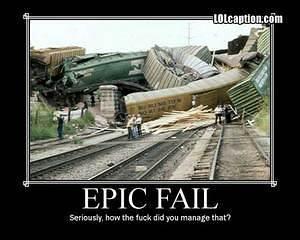
THERE WILL BE SPOILERS AHEAD. PROCEED WITH CAUTION
Lets start with the obvious. Brian Boru. Who is he? A chieftain? An Irish nobleman? A wealthy patron of arts? A shrewd and intelligent negotiator? A pragmatic and resourceful leader ready to form alliances with Viking rulers in order to destroy native Irish opposition to his tenure of High King of Ireland? A man who butchered, burned, raided and ravaged throughout Ireland, attacking both Irish and Viking, all pursuit of power?
If that's the portrait of Brian Boru you're looking for you certainly wont find it here!
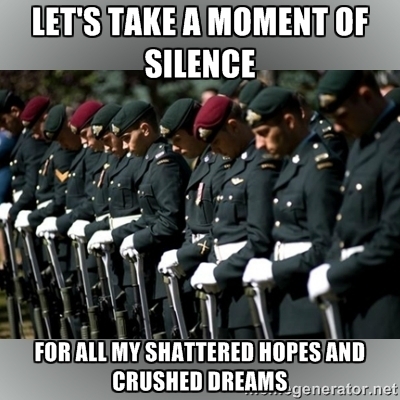
I had such hopes for this book. Such hopes for Brian Boru. And all I got was a Gary Stu. In a published novel. By a well respected author. Even now Brian's portrayal leaves me befuddled and dismayed. He's a caricature, a cypher, a cliché for the good aul days of Ireland before the Vikings and the English walked in and messed up Ireland and her people for a couple of centuries.
Its painfully clear that Llewellyn harbours great admiration and respect for Brian. And so she should. Any man who can claim the rank of High King in the politically murderous and hierarchy strict society of 10th century Ireland deserves a fuck load of respect.
Llewellyn, however, goes above and beyond in her quest to make Brain absolutely perfect. This is my image of Brian Boru from reading her novel.

Why yes that is He-man from the 1980s. Thanks to Llewellyn, he and Brian share more in common than reality should ever allow.
Brian Boru is perfect. A child prodigy. The Captain Marvel of 10th century Ireland. There is nothing he cannot accomplish and within the very first pages the adults of his tribe are awed and humbled by talent, maturity and nauseatingly perky attitude. He is a god among men; powerful, well-built, handsome, rugged, skilled on the battlefield and in the bedchamber (even though at twenty he has only slept with one woman and fought in only a few skirmishes) and who can inspire die hard devotion from his people for unreasonable and highly dangerous plans.
HE'S A GARY STU. NO FAULTS, NO CONSEQUENCES FOR DUMB ACTIONS AND HIS WORDS ARE ALWAYS OH-SO INSPIRING.
Blarg!
I don't want idealism and romanticism in my characters especially those who lived and breathed in the past. That's for fan-fiction and finding such characters in any novels always breaks my heart. I cant (and bloody wont) take them seriously. Why should I? Their real-counterparts would justly stab them through the heart. No one is ever that noble or flawless in reality and especially not in 10th century Ireland.
What I found most disbelieving about Lion of Ireland was the portrayal of the Vikings or Northmen as they are called here. Now I did a history module on early medieval Ireland in college so I'm probably over aware of Llwelleyns flawed reasoning in her characterisation of the Vikings. Needless to say, she followed the clichéd and thoroughly unoriginal route. The Vikings are evil, depraved, avaricious, cruel and savage raiders who live to pillage, rape and enslave the native Irish and its up to Brain to end their reign of tyranny.

Newsflash:
The Irish were not exactly known as the angels of mercy. Ireland was a vicious, unstable and cut-throat place before the Vikings ever set sight on Irish land. To portray the Vikings as the doom of a benevolent Christian Ireland and as the ultimate incarnation of evil is beyond inaccurate. The Vikings and the Irish were more alike than Llewellyn cares to admit. Its how they assimilated so well and thoroughly into Irish society as a whole. Eventually they became Christian, spoke the Irish language and raised the first true towns of Ireland, Limerick, Cork and Dublin to name but a few. In Lion of Ireland they are the depraved demons who plague and molest Ireland for their own gains; here Llewellyn conveniently forgets that the Irish were just as capable of cruelty and deceit. Ever heard of Dermot MacMurrough, King of Leinster? Hated for bringing the Normans over to Ireland to regain his lost kingdom in 1171, MacMurrough was banished for kidnapping a fellow king's wife, for burning down rival monasteries and pillaging holy artefacts. And he wasn't the only one. The Irish raided, pillaged, murdered and enslaved one another like there was no tomorrow; brothers slaughtered brothers to gain a crown, kings drowned annoying rivals in rivers, sold their own people into slavery and were constantly engaged in relentless war. What I am trying to say here is that the Irish were never corrupted by the marauding Vikings and needed to be rescued from their clutches. Honestly they didn't need to. They were perfect little savages by themselves and THATS why the Vikings joined Irish society so easily. They were just like them.
To simplify relationship between the native Irish and the Vikings into the cliché of good versus evil, Christian/Pagan, Native/Invader is just an unoriginal and untruthful way to tell an otherwise fascinating story.
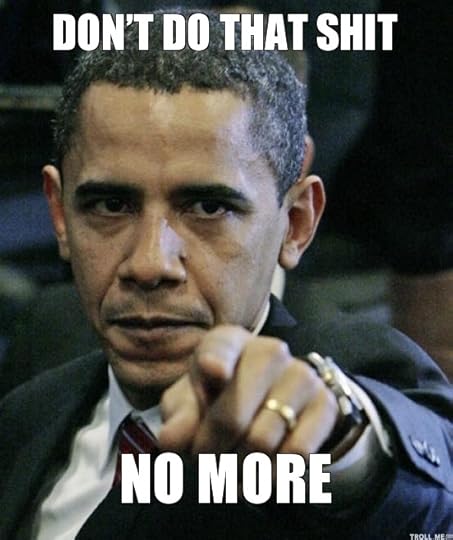
I'm going to quit while I'm ahead.
To summarize the writing style is uninspired, drawn out and has far too much telling. No suspense or complexity. Very workmanlike and boring.
In 127 pages Ive only encountered three female characters, Bebhin, Deirdre and Fiona- so far two have been raped, one murdered and one falls in insta love with Brian within seconds of their first meeting.


September 22, 2020
I read this one when it was first published in 1981, when I was in the first flush of exploring my Irish roots and Irish history in the whole. I remember loving it. I would have given it at least 4, if not 5 stars then.
I am older and wiser. I know more of the truth about ancient Irish history. I know how much Morgan Llywelyn made up out of whole cloth. Some of it fits with what might have happened, but a lot if it just doesn't match up with what we know now. Llywelyn wrote a nice fairy tale, but it doesn't even match my favorite ballads if Brian Boru.
Also, thanks to Ancestry, I have discovered I am less Irish than I thought. My so-called Irish great-grandmother was actually born in Wisconsin, as were her parents. Her grandparents probably were Irish, but we are having trouble finding them.
Scotland, however! Even the Germans in my family turn out to have really been Scots, by way if Belgium and Holland, *not* Germany. And my other *German* great grandfather was a Dane!
I am older and wiser. I know more of the truth about ancient Irish history. I know how much Morgan Llywelyn made up out of whole cloth. Some of it fits with what might have happened, but a lot if it just doesn't match up with what we know now. Llywelyn wrote a nice fairy tale, but it doesn't even match my favorite ballads if Brian Boru.
Also, thanks to Ancestry, I have discovered I am less Irish than I thought. My so-called Irish great-grandmother was actually born in Wisconsin, as were her parents. Her grandparents probably were Irish, but we are having trouble finding them.
Scotland, however! Even the Germans in my family turn out to have really been Scots, by way if Belgium and Holland, *not* Germany. And my other *German* great grandfather was a Dane!
February 5, 2008
Truly, the best book I have ever read. I keep going back to it over and over again and Brian Boru has become a hero of mine. In a time when Vikings were invading Ireland, tribes were warring and life was hard, it was highly improbable that a 12th born son would ever become King of Ireland. And yet Brian did the impossible - united the whole of Ireland for the only time in history. His vision, his determination and his passion for his country and his people were incredible.
And yet, Brian was alone in his personal life and had no one that he could turn to for the love and devotion he longed to have, except a Wiccan woman who had his heart but was impossible to have because of his Catholic faith.
And yet, Brian was alone in his personal life and had no one that he could turn to for the love and devotion he longed to have, except a Wiccan woman who had his heart but was impossible to have because of his Catholic faith.

August 21, 2008
Most people don't realize that the legend of King Arthur has a real life counterpart in Brian Boru, "the Emperor of all Ireland" at the beginning of the 11th century. This is a fictional account of his life based on what's known of him. Well researched and a compelling read, full of action and romance.

November 23, 2023
Handled well by a gifted storyteller, Brian Boru is larger than life, a super hero returned to us from the mists of time.

February 22, 2013
This is straight-up indulgent Irish Historical porn and I loved every minute of it. I feel spend and exhausted; my emotions were tossed back and forth, every which way as I followed Brian from early childhood to the end of the book. I just want to sit and bask in the glory of it all - how it made me feel. I want to cry that it's over. And when I recover, I know I'm going to want more.
If you're like me, you've at some point lost your voice after a night of drinking and yelling about the evils of the English during the Scottish Clearances. Reading this will only make you want to yell at the same decibel level in support of Ireland, for whatever they do. (But my goodness, they do seem to fight a lot for no good reason in this book).
Brian is as beautiful and flawed a character as ever there was one. His lifelong struggle with religion and constant doubts made him approachable and likeable. I didn't always understand his choice of women but the author handled that part well. I was even interested in the innumerable brutal battles that seemed to never end throughout the book.
Llywelyn deserves her reputation as an excellent historical researcher; the amount that went into this book is nothing short of astounding. How she could use so much source material from so many differing sources to come up with this novel amazes me. I truly, truly appreciate the essential "real" part of the story - where things don't tie together, where strands are left hanging, where characters you'd think would see each other again simply don't. Because that is real life and this is supposed to be true to history.
If you're like me, you've at some point lost your voice after a night of drinking and yelling about the evils of the English during the Scottish Clearances. Reading this will only make you want to yell at the same decibel level in support of Ireland, for whatever they do. (But my goodness, they do seem to fight a lot for no good reason in this book).
Brian is as beautiful and flawed a character as ever there was one. His lifelong struggle with religion and constant doubts made him approachable and likeable. I didn't always understand his choice of women but the author handled that part well. I was even interested in the innumerable brutal battles that seemed to never end throughout the book.
Llywelyn deserves her reputation as an excellent historical researcher; the amount that went into this book is nothing short of astounding. How she could use so much source material from so many differing sources to come up with this novel amazes me. I truly, truly appreciate the essential "real" part of the story - where things don't tie together, where strands are left hanging, where characters you'd think would see each other again simply don't. Because that is real life and this is supposed to be true to history.

December 3, 2011
If you are interested in one of the most fascinating figures in Irish history, or just want another good book about the Viking Age, I highly recommend Lion of Ireland.
The novel tells the story of Brian Boru, perhaps the greatest Irish king who ever lived. He ruled at the end of the Tenth Century, during a time when Norse and Danish Vikings controlled large portions of Ireland, including the Viking towns of Limerick and Dublin. Rich with natural resources and monasteries laden with silver, Ireland had lured the Vikings for two centuries, but their reign ended in large part because of Brian Boru.
The story begins when an eight-year old Brian, the youngest son of the King of Dal Cais, discovers his homestead burned and his mother and two of his brothers slain by Vikings. Brian’s hatred of the Vikings fuels his ambition. As a grown man, he leads skirmishes against the Limerick Vikings , luring many to their death, and in time becomes the King of Munster and ultimately High King (Ard Ri) of all of Ireland.
Llwelyn’s Boru is a hero much like Braveheart’s William Wallace, faced with as many enemies among the kings of Ireland as he has among the Danes and Norse. The novel is filled with treachery, intrigue, and conflicts, perhaps none more interesting than Brian’s volatile relationship with the sensual and cunning Irish queen Gormlaith. Her beauty transfixes Brian, and “looking into her face, he sees Ireland itself.”
In Gormlaith, however, Brian finds more than he bargained for. By the time they wed, she was already famous, having previously married two of Brian’s rivals: Olaf Cuaran, the Viking King of Dublin who left her a widow, and Malachi Mor, the High King of Ireland before Boru claimed the throne. Gormlaith also was the mother of Sitric Silkbeard, who succeeded Olaf as King of Dublin, and her fiery relationship with Brian ends up threatening the kingdom he has fought so hard to unite. For her son wants Brian dead, and to kill him Sitirc gathers a Viking army for a battle that will decide the fate of Ireland.
The novel tells the story of Brian Boru, perhaps the greatest Irish king who ever lived. He ruled at the end of the Tenth Century, during a time when Norse and Danish Vikings controlled large portions of Ireland, including the Viking towns of Limerick and Dublin. Rich with natural resources and monasteries laden with silver, Ireland had lured the Vikings for two centuries, but their reign ended in large part because of Brian Boru.
The story begins when an eight-year old Brian, the youngest son of the King of Dal Cais, discovers his homestead burned and his mother and two of his brothers slain by Vikings. Brian’s hatred of the Vikings fuels his ambition. As a grown man, he leads skirmishes against the Limerick Vikings , luring many to their death, and in time becomes the King of Munster and ultimately High King (Ard Ri) of all of Ireland.
Llwelyn’s Boru is a hero much like Braveheart’s William Wallace, faced with as many enemies among the kings of Ireland as he has among the Danes and Norse. The novel is filled with treachery, intrigue, and conflicts, perhaps none more interesting than Brian’s volatile relationship with the sensual and cunning Irish queen Gormlaith. Her beauty transfixes Brian, and “looking into her face, he sees Ireland itself.”
In Gormlaith, however, Brian finds more than he bargained for. By the time they wed, she was already famous, having previously married two of Brian’s rivals: Olaf Cuaran, the Viking King of Dublin who left her a widow, and Malachi Mor, the High King of Ireland before Boru claimed the throne. Gormlaith also was the mother of Sitric Silkbeard, who succeeded Olaf as King of Dublin, and her fiery relationship with Brian ends up threatening the kingdom he has fought so hard to unite. For her son wants Brian dead, and to kill him Sitirc gathers a Viking army for a battle that will decide the fate of Ireland.

January 25, 2018
DNF, circa pg 150. Sorry, but I'm bored with the episodic style & Brian's one-note Gary Stu routine. It's a shame; there are some well-written passages, but there's no depth to most of the characters & the time gaps are really annoying. The first couple chapters were intriguing, but since then it's been an onslaught of Things Are Doing Things. I feel like I've been slogging through a mire of words without making any progress.
Bye-bye. I got no interest in forcing myself through another 400 pgs.
Bye-bye. I got no interest in forcing myself through another 400 pgs.

September 17, 2008
3.0 stars. I liked this book but really thought I was going to love it. While well written and having a great larger-than-life main character, I never really connected with the story like I thought I would. This is one I may try to approach again sometime down the road and see if my opinion changes.

April 10, 2026
Brian Bóruma mac Cennétig, also known as Brian Bóramha (Brian Boru), was the High King of the Irish during the years 1002-1014. Boru is held in high regard by both the Norsemen he fought against and by the native Irish whom he tried to bond into one entity known as Ireland.
Morgan Llywelyn's "Lion of Ireland" reminds me very much of Mary Stewart's Crystal Cave series about Merlin and King Arthur. It is a historical fiction with an air of magic and fey in the background. This excellent story traces the youth of Brian, as the son of Cennétig mac Lorcáin, King of the Dalcassians. Yet, Cennétig is a vassal of the King of Munster. At this time, the Irish were under assault, as were the English, by Viking invasion and settlement. Operating out of Dublin, the Norsemen are terrorizing the island.
In time, Brian will rise to become King of Munster and then, eventually, High King of Ireland and one of the greatest Norsemen-killers in Irish history. I shall not spoil this story for you. But it is a great one.
The characters are memorable, though not always likable, and the actions that unfold show how fractious and divisive Irish politics were during this time. I really enjoyed his writing style, and this story was hard to put down. If you are a fan of the Mary Stewart series or would like to know about the story of the famous Brian Boru, then you can't go wrong with this superb book. A welcome addition to my library of good historical fiction.
Morgan Llywelyn's "Lion of Ireland" reminds me very much of Mary Stewart's Crystal Cave series about Merlin and King Arthur. It is a historical fiction with an air of magic and fey in the background. This excellent story traces the youth of Brian, as the son of Cennétig mac Lorcáin, King of the Dalcassians. Yet, Cennétig is a vassal of the King of Munster. At this time, the Irish were under assault, as were the English, by Viking invasion and settlement. Operating out of Dublin, the Norsemen are terrorizing the island.
In time, Brian will rise to become King of Munster and then, eventually, High King of Ireland and one of the greatest Norsemen-killers in Irish history. I shall not spoil this story for you. But it is a great one.
The characters are memorable, though not always likable, and the actions that unfold show how fractious and divisive Irish politics were during this time. I really enjoyed his writing style, and this story was hard to put down. If you are a fan of the Mary Stewart series or would like to know about the story of the famous Brian Boru, then you can't go wrong with this superb book. A welcome addition to my library of good historical fiction.

January 2, 2010
I enjoyed this book somewhat more than I have some of Ms. Llywelyn's other works. She managed to "hue" slightly closer to the historical bone in this one than in some others and still deliver a good fantasy adventure.
Brian Boru is a favorite "character" of mine. Or historical figure? To be honest yes, but I hesitate to go that route as he's one of the people in history who's myth is so closely entwined with his history that we need to be very careful. It's much like the line from The Man Who Shot Liberty Valence, "when the myth becomes fact, print the myth".
Just enjoy this larger than life story of Brian and Gormlaith (not to mention Deirdre and Fiona.....and Ireland). I don't know how much of Boru's legend as we know it is true...but I like heroes.
Like many I find Celtic and Irish myth and history touches me somewhere in my heart. They speak to me. Maybe growing up in green hills and valleys of the Appalachian Mountains has something to do with it. For whatever reason this book and others like it appeal to me.
This is another tragic Irish tale where love and evil intertwine to strike down a larger than life heroic figure leaving us with a sense of the "might have been".
I recommend it.
Brian Boru is a favorite "character" of mine. Or historical figure? To be honest yes, but I hesitate to go that route as he's one of the people in history who's myth is so closely entwined with his history that we need to be very careful. It's much like the line from The Man Who Shot Liberty Valence, "when the myth becomes fact, print the myth".
Just enjoy this larger than life story of Brian and Gormlaith (not to mention Deirdre and Fiona.....and Ireland). I don't know how much of Boru's legend as we know it is true...but I like heroes.
Like many I find Celtic and Irish myth and history touches me somewhere in my heart. They speak to me. Maybe growing up in green hills and valleys of the Appalachian Mountains has something to do with it. For whatever reason this book and others like it appeal to me.
This is another tragic Irish tale where love and evil intertwine to strike down a larger than life heroic figure leaving us with a sense of the "might have been".
I recommend it.

May 24, 2012
Outstanding Historical Fiction!
Morgan Llywelyn has done a fantastic job in this novel. She does outstanding research and builds a framework that will have you walk away from this book having a very good understanding of the history of Ireland in terms of its small kingdoms constantly warring with each other to where outside invaders can waltz in and mop up. The greatest king who accomplished what no other could was Brian Boru, Ard Ri (High King) and unfortunately his descendents proved incapable of maintaining what was created. If history had been different then, perhaps today's situation and recent past of continued fighting and occupation would have been different.
If that was all there was to offer in this situation, however, then Llywelyn's book would not stand out from much of the common fare in historical fiction. Far too often, characters are developed but left somewhat lacking and no real story develops and stands out.
This is not the case here. The characters are rich and personal and capture the spirit of the ages in a way that few historical fictional works ever do.
Llywelywn explores the conflict between druidic and Christian culture and religion and personifies it within her characters to where the discerning reader will pick up a lot that is caught more than told.
Be aware that some of the scenes are fairly adult in nature. It is not gratuitous. It does add to the story line, but some readers with sensitivities in this area will want to know that in advance.
Overall an excellent read with much to recommend it!
Morgan Llywelyn has done a fantastic job in this novel. She does outstanding research and builds a framework that will have you walk away from this book having a very good understanding of the history of Ireland in terms of its small kingdoms constantly warring with each other to where outside invaders can waltz in and mop up. The greatest king who accomplished what no other could was Brian Boru, Ard Ri (High King) and unfortunately his descendents proved incapable of maintaining what was created. If history had been different then, perhaps today's situation and recent past of continued fighting and occupation would have been different.
If that was all there was to offer in this situation, however, then Llywelyn's book would not stand out from much of the common fare in historical fiction. Far too often, characters are developed but left somewhat lacking and no real story develops and stands out.
This is not the case here. The characters are rich and personal and capture the spirit of the ages in a way that few historical fictional works ever do.
Llywelywn explores the conflict between druidic and Christian culture and religion and personifies it within her characters to where the discerning reader will pick up a lot that is caught more than told.
Be aware that some of the scenes are fairly adult in nature. It is not gratuitous. It does add to the story line, but some readers with sensitivities in this area will want to know that in advance.
Overall an excellent read with much to recommend it!

August 30, 2017
My actual rating is more like 2 1/2 stars. I enjoyed reading it mostly.
The writing was excellent, the author does have a way with words. However, it was a bit long and around page 400 I started to skim. I got tired of reading about battles, strategies, tired of trying to keep track of who was friend or foe to who and why.
Recommended to those interested in history and Irish history in particular, battles, strategy.
The writing was excellent, the author does have a way with words. However, it was a bit long and around page 400 I started to skim. I got tired of reading about battles, strategies, tired of trying to keep track of who was friend or foe to who and why.
Recommended to those interested in history and Irish history in particular, battles, strategy.

March 29, 2023
Weird book. Cool history and plenty of cool scenes, but odd romances and sexual escapades that make the whole book feel beyond strange. I could have lived without the magic. This book would have been better if it were straight historical fiction and not historical fantasy romance. Also could have been improved by being a bit shorter. It really dragged in places.
August 12, 2024
3.75 stars.
A little uneven in pace, but I enjoyed it. Pretty cool if you like Irish history, which I do.
BORU!!
Edit:
I REALLY wish this book came with period-accurate maps and a glossary. I think all of these kinds of books should.
A little uneven in pace, but I enjoyed it. Pretty cool if you like Irish history, which I do.
BORU!!
Edit:
I REALLY wish this book came with period-accurate maps and a glossary. I think all of these kinds of books should.
September 16, 2026
Romanticy porno fanfiction with the global story of Bóru, interrupted now and again between all the shagging scenes. Blast you chatgpt for recommending this to me!
June 20, 2013
This book is written really well if you're really into medieval history... it reminded me of an Irish "Game Of Thrones" but much more pulp. It was too long, that was my biggest problem, and I like long books if they can hold my interest, but I got tired of it by the time Gormlaith became a major character. It was just hard to care anymore. However it was interesting and did a good job of telling a multigenerational story with a lot of viewpoints across a characters' entire life. I like how it had diversity in religion (Christianity, Irish paganism and Norse paganism) and gave intros to the backgrounds of new characters before the protagonist met them - rather than them just coming out of nowhere. The rape aspect was uncomfortable, but the author did a really good job on not taking it likely and really expanding on the implications of it. However, I think some characters died out of convenience, that's a point against it.
The second half just really, really dragged and I got bored and moved onto other things then came back to it a few times. Luckily, it's the type of book that has so much story that just reading part of it is fulfilling. The descriptions of Ireland, especially the nature, are beautiful.
I would recommend it if:
You can read fast or have a lot of time for one book
You really love Irish history, medieval Ireland, or Irish history
You love Viking warfare
You love books with many characters
You are willing to spend a long time reading a book or can remember parts of a book well enough to read it in installments.
The second half just really, really dragged and I got bored and moved onto other things then came back to it a few times. Luckily, it's the type of book that has so much story that just reading part of it is fulfilling. The descriptions of Ireland, especially the nature, are beautiful.
I would recommend it if:
You can read fast or have a lot of time for one book
You really love Irish history, medieval Ireland, or Irish history
You love Viking warfare
You love books with many characters
You are willing to spend a long time reading a book or can remember parts of a book well enough to read it in installments.
September 24, 2007
You know you're in for a tiresome piece of biographical fiction when adults are taken aback by the power inherent in a child who defies them.

March 13, 2025
Decided to reread this again. It was one of the first books I read when I was younger and it's what got me interested in reading, Irish history, and history in general. It's not a perfect book but it's very enjoyable and a great overall story.
June 20, 2022
I liked reading a story that happened in Ireland...I found it very interesting this book and the plot is well written. :D

January 4, 2009
For all those I initially sent out recommendations to, disregard. Am on the last knockings and for Ireland would say that Rutherfurd's offerings are far, far superior. This was more a young adult thing.
---------------------------------------------
St Patrick's Day 2012
Dedication:
For CHARLES
For SEAN
For MICHAEL
Opening: The little boy sat on the crown of a rocky hill, his thin arms hugging his scabby knees. He tilted his head and gazed up into the immense vault of the sky, feeling wonderfully alone.
From wiki - The Fomoire (or Fomorians) are a semi-divine race said to have inhabited Ireland in ancient times. They are sometimes said to have had the body of a man and the head of a goat, according to an 11th century text in Lebor na hUidre (the Book of the Dun Cow), or to have had one eye, one arm and one leg, but some, for example Elatha, the father of Bres, were very beautiful. Bres himself carries the epithet "the Beautiful."
Now I will send a Plopp™ to anyone who can remember which of my books state that these African pirates were actually the diaspora from Amarna. One of those Lawrence books methinks. In that book it tells of the crowning stone going up to Ireland and into Scotland where there was a replacement in the form of the Scone stone. Myths and conspiracy theories - got to love 'em.

---------------------------------------------
St Patrick's Day 2012
Dedication:
For CHARLES
For SEAN
For MICHAEL
Opening: The little boy sat on the crown of a rocky hill, his thin arms hugging his scabby knees. He tilted his head and gazed up into the immense vault of the sky, feeling wonderfully alone.
From wiki - The Fomoire (or Fomorians) are a semi-divine race said to have inhabited Ireland in ancient times. They are sometimes said to have had the body of a man and the head of a goat, according to an 11th century text in Lebor na hUidre (the Book of the Dun Cow), or to have had one eye, one arm and one leg, but some, for example Elatha, the father of Bres, were very beautiful. Bres himself carries the epithet "the Beautiful."
Now I will send a Plopp™ to anyone who can remember which of my books state that these African pirates were actually the diaspora from Amarna. One of those Lawrence books methinks. In that book it tells of the crowning stone going up to Ireland and into Scotland where there was a replacement in the form of the Scone stone. Myths and conspiracy theories - got to love 'em.

February 7, 2012
Brian Boru was a real historical character who lived in 10th century Ireland. As the best historical novelists do, Llwellyn has taken the facts we know about him and breathed them to life. And how! From the boy dreaming on the hill, to the young man taking power, to the old man preparing for his final battle, this is a full-blooded epic with three-dimensional characters. There is conflict on the battlefield and off it, a powerful momentum that kept me turning the pages breathlessly, all written in Llywelyn's earthy poetic style.
Although this is a work of historical fiction, it would probably appeal to fantasy fans as well. It has many of the ingredients of the best fantasy: a strongly-drawn world, big themes, and larger-than-life characters.
Note 1: the blurb on the cover (at least the one I got) made the book sound like a bodice ripper. It's not. There are some sex scenes, but they are not gratuitous.
Note 2: Llywelyn has also written Brian Boru: Emperor of the Irish, which is the children's version of the story.
Although this is a work of historical fiction, it would probably appeal to fantasy fans as well. It has many of the ingredients of the best fantasy: a strongly-drawn world, big themes, and larger-than-life characters.
Note 1: the blurb on the cover (at least the one I got) made the book sound like a bodice ripper. It's not. There are some sex scenes, but they are not gratuitous.
Note 2: Llywelyn has also written Brian Boru: Emperor of the Irish, which is the children's version of the story.
August 22, 2014
Guerriero
Questo romanzo ha nelle sue fondamenta alcune premesse che mi sono care: ambientazione storica, personaggi fieri e umani, esempi di forza e magnanimità, grandi battaglie.
Racconta le gesta di Bian Boru, entrato nella leggenda per aver strenuamente combattuto, in nome della sua amata Irlanda, contro i vichinghi intorno all'anno mille.
Mi sono avvicinato con sincero affetto, ma devo ammettere che non sono riuscito a calarmi nell'atmosfera. È mancato un certo senso di potenza e imperiosità che il "genere" solitamente evoca, quel pizzico di adrenalina in più per mantenere viva l'attenzione.
La lettura è sicuramente scorrevole, con situazioni mai banali che aprono il loro raggio verso il cambiamento interiore del protagonista, provato dalle vicende che affronta; la sua umanità cresce col tempo e si mescola all'istinto del guerriero che lo ha sempre accompagnato.
Un buon libro sotto molti aspetti, ma non mi ha conquistato.
Questo romanzo ha nelle sue fondamenta alcune premesse che mi sono care: ambientazione storica, personaggi fieri e umani, esempi di forza e magnanimità, grandi battaglie.
Racconta le gesta di Bian Boru, entrato nella leggenda per aver strenuamente combattuto, in nome della sua amata Irlanda, contro i vichinghi intorno all'anno mille.
Mi sono avvicinato con sincero affetto, ma devo ammettere che non sono riuscito a calarmi nell'atmosfera. È mancato un certo senso di potenza e imperiosità che il "genere" solitamente evoca, quel pizzico di adrenalina in più per mantenere viva l'attenzione.
La lettura è sicuramente scorrevole, con situazioni mai banali che aprono il loro raggio verso il cambiamento interiore del protagonista, provato dalle vicende che affronta; la sua umanità cresce col tempo e si mescola all'istinto del guerriero che lo ha sempre accompagnato.
Un buon libro sotto molti aspetti, ma non mi ha conquistato.
January 19, 2014
Hmmm,a great story which was paced well and covered a lot of ground, which appeared to be well researched. However although Lywelyn's develops a solid structure to tell an epic story, she writes some ferociously clunky dialogue. Clients engage constantly in long winded exposition laced conversation, that are as a subtle as an instruction manual. The characters are broad 2 dimensional cliches acting as lifeless avatars for to move the plot rather than living breathing individuals. The only thing that got me through the book was listening to Clannad for atmosphere and picturing Boru as Roy Keane. Approach with caution.

February 28, 2013
Brilliant, the characters leap from the pages and instill themselves in your soul with all the passion and power of the Irish people. This is history and myth, truth and fiction, brought together for entertainment and to tell a message. The story of Brian Boru is one of anyone desiring with a fervency of the spirit to build a place of joy and prosperity, knowing at times that to do so begins with pain and battle. This is a story of humanity and in it is found a great deal to love and hold.

January 25, 2013
I spent the last several days reading Morgan Llywelyn's 'Lion of Ireland.' I couldn't put it down and so I did little else than read. This is the saga of Brian Boru and his struggle/fight to unite all of Ireland under one king. Would that I could give this book more than 5-Stars. If you love history told by a great storyteller, then this is a must read.

May 17, 2013
The Lion of Ireland is one of my favorite works for fiction. This is my second time through this book. Morgan Llewelyn is one of Ireland's treasures with regard to Irish historical fiction. She brings to life the history of it's people and the land on which they lived and struggled to make their own.

June 5, 2014
Would of been 5 stars if not for the repeated sex scenes.

January 19, 2018
A really beautiful tale about Brian Boru, Emperor of the Irish. I had never heard of this larger than life King, but Llywelyn shows how a smart leader can become a legend. There were some elements of the story that got old (some of the relationships)- but I was impressed with how readable the strategic battle plans were. I don't do well with gratuitous violence, so Llywelyn hit a perfect balance of capturing the bloodthirstiness of Irish vs Norse warfare, without going overboard on bloody details. Despite never knowing Boru before this book, I feel a tremendous loss after finishing this novel. I need more Brian Boru!! And a trip to Ireland!
Displaying 1 - 30 of 286 reviews