Jump to ratings and reviews
Rate this book
Rate this book
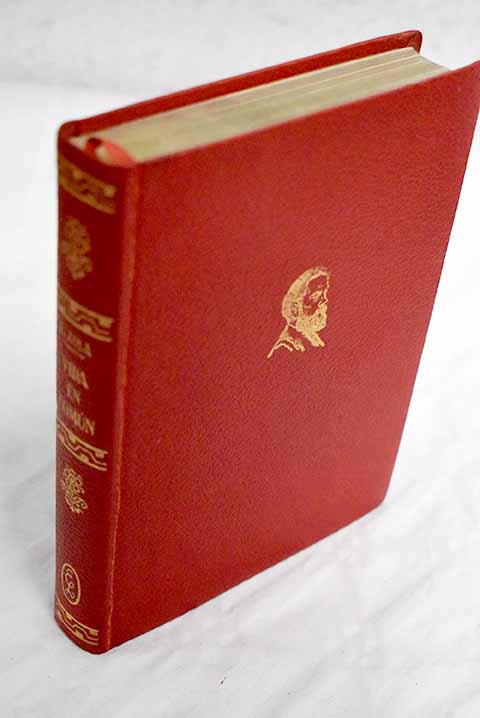
Pot-Bouille es el décimo volumen de la serie Rougon-Macquart . La palabra «pot-bouille» designaba en el siglo XIX, en lenguaje coloquial, la cocina doméstica ordinaria, básicamente sinónimo de cotidiana . Pero no es cuestión de cocina , si no en sentido figurado: Zola quiere en efecto, mostrar el reverso del decorado de un gran inmueble de París donde, detrás de una fachada de lujo, viven unas familias burguesas cuyo comportamiento diario es tan poco apetitoso como un caldo mediocre, una «olla hervida».

463 pages, Hardcover

First published January 1, 1882

107 people are currently reading
2932 people want to read

About the author

Émile Zola

2,698 books4,460 followers
Émile Zola was a prominent French novelist, journalist, and playwright widely regarded as a key figure in the development of literary naturalism. His work profoundly influenced both literature and society through its commitment to depicting reality with scientific objectivity and exploring the impact of environment and heredity on human behavior. Born and raised in France, Zola experienced early personal hardship following the death of his father, which deeply affected his understanding of social and economic struggles—a theme that would later permeate his writings.
Zola began his literary career working as a clerk for a publishing house, where he developed his skills and cultivated a passion for literature. His early novels, such as Thérèse Raquin, gained recognition for their intense psychological insight and frank depiction of human desires and moral conflicts. However, it was his monumental twenty-volume series, Les Rougon-Macquart, that established his lasting reputation. This cycle of novels offered a sweeping examination of life under the Second French Empire, portraying the lives of a family across generations and illustrating how hereditary traits and social conditions shape individuals’ destinies. The series embodies the naturalist commitment to exploring human behavior through a lens informed by emerging scientific thought.
Beyond his literary achievements, Zola was a committed social and political activist. His involvement in the Dreyfus Affair is one of the most notable examples of his dedication to justice. When Captain Alfred Dreyfus was wrongfully accused and convicted of treason, Zola published his famous open letter, J’Accuse…!, which condemned the French military and government for corruption and anti-Semitism. This act of courage led to his prosecution and temporary exile but played a crucial role in eventual justice for Dreyfus and exposed deep divisions in French society.
Zola’s personal life was marked by both stability and complexity. He married Éléonore-Alexandrine Meley, who managed much of his household affairs, and later had a long-term relationship with Jeanne Rozerot, with whom he fathered two children. Throughout his life, Zola remained an incredibly prolific writer, producing not only novels but also essays, plays, and critical works that investigated the intersections between literature, science, and society.
His legacy continues to resonate for its profound impact on literature and for his fearless commitment to social justice. Zola’s work remains essential reading for its rich narrative detail, social critique, and pioneering approach to the realistic portrayal of human life. His role in the Dreyfus Affair stands as a powerful example of the intellectual’s responsibility to speak truth to power.

Ratings & Reviews

What do you think?
Rate this book

Friends & Following

Create a free account to discover what your friends think of this book!

Community Reviews

5 stars
775 (29%)
4 stars
1,100 (41%)
3 stars
614 (23%)
2 stars
124 (4%)
1 star
40 (1%)
Displaying 1 - 30 of 215 reviews
Profile Image for Luís.
2,364 reviews1,344 followers
September 22, 2025
Ah, Zola!!! What a pleasure, each time renewed when we open one of his works. Here is no exception. We are following a Mouret this time, Octave, more precisely. Having left his campaign, he landed in Paris, intending to conquer it. It quickly takes its mark, but the ascent is not fast enough. There's a solution: to seduce, always, and a lot. But it will not be smooth. But what we like about him is his intelligent, lively, prickly feather. Zola is once again attacking the Haute and is not tender. His characters, which he knows very well, were presented and developed—a real treat.
Profile Image for Helga.
1,382 reviews465 followers
August 9, 2025
Émile, mon ami! Why is it that every time I finish one of your books and say goodbye to your (mostly) detestable characters, I feel I have lost a bunch of friends?
How in the name of all the bullies in the world did you come up with the ambitious Madame Josserand or the self-righteous Campardon?
How did you manage to create poor Adèle, the naïve Auguste, the weak but kind-hearted Monsieur Josserand, the bohemian Marie and the flirtatious Trublot; and last but not least Octave Mouret, the new ambitious and charming tenant in the Rue de Choisueul?
Every character is perfect even in their meanness and every character is loveable and memorable in their flaws and frailties.

The setting of this character-driven story is an apartment building with a handsome façade with a majestic air of bourgeois decorum.
Looking at the respectable tenants and the whitewashed house itself, one could never imagine the filth and grime and the corruption and vice that live behind closed doors of these so-called exemplary citizens.
Or one imagines but turns a blind eye. No use in besmirching the name and reputation of respectable citizens when you can condemn the working class, deny the maid food and throw out a pregnant ‘working girl’.

The story is about debauchery, adultery and sex; it’s about secrets, money and position.
And its about misery and injustice.

He wept for truth which was dead, for heaven which was void. Beyond the marble walls and gleaming jeweled altars, the huge plaster Christ had no longer a single drop of blood in its veins.

This is the 10th book in Zola’s 20 volume Les Rougon-Macquart series. I’m halfway through! 😌
Profile Image for Zahra.
252 reviews85 followers
December 6, 2023
دیگ دیزی دهمین رمان از مجموعه روگن ماکاره و دنباله کتاب فتح پلاسان محسوب میشه و بخش اول کتاب بهشت بانوانه. این کتاب نسبت به بقیه کتاب های زولا خیلی مهجور و گمنام مونده. شخصیت اصلی این کتاب، اوکتاو موره هست که در کتاب فتح پلاسان تا حدی با اون آشنا شدیم. تو این کتاب، اوکتاو وارد پاریس میشه و در یک آپارتمان در محله بورژوایی ساکن میشه و به دنبال اغوای زنان همسایه هستش تا بتونه وارد اجتماع و محفل های طبقه بورژوای پاریس بشه. اعتراف میکنم عنوان این کتاب اصلا جذاب و کنجکاوی برانگیز نیست. کلمه pot-bouille در فرانسوی اشاره به آشپزخانه یک خانواده داشته و در واقع زولا با انتخاب این عنوان میخواد با ما از اتفاقاتی که پشت درهای بسته این آپارتمان میفته حرف بزنه. زولا صفحات زیادی رو صرف توصیف نمای زیبا و مجلل این آپارتمان می‌کنه و در واقع این ظاهر باشکوه، زشتی و فساد ساکنان داخل این آپارتمان رو پنهان می‌کنه. ظاهری که از اون صداقت و پاکی و پایبندی به اخلاقیات تراوش می‌کنه. نویسنده به نقد تند طبقه متوسط بی بندار و فاسد و دوروی دوران امپراطوری دوم فرانسه میپردازه که به هر کاری چنگ مینداختن تا فقط اون ظاهر زیبا و باشکوهشون رو حفظ کنن. نکته جالب دیگه ای که این کتاب داشت پرداختن زولا به وضعیت زنان در قرن نوزدهم بود بخصوص امر آموزش دختران جوانی که در بی‌خبری و نادانی از جهان بیرون نگه داشته میشن تا زمانی که ازدواج کنن و نتایج فاجعه باری که این روش روی زندگی بزرگسالی اون‌ها داشته و بدرفتاری ها و بی‌عدالتی هایی که در حقشون میشه و انتظارت نابجا و رفتارهای ناعادلانه‌ای که باهاش مواجه میشن.
نکته آخر این که تو این کتاب با وجه طنز زولا هم آشنا میشیم که زیاد در رمان های دیگه نویسنده دیده نمیشه.
Profile Image for Greg.
558 reviews143 followers
April 23, 2023
Zola again writes with contempt and, at times, dark humor about the duplicity of all parts of society during the Second Empire. I can't think of one sympathetic or likeable character—much like his novel, The Kill —but found it thoroughly engaging nonetheless.

The setting is a modern apartment house and the plot revolves around Octave Mouret, son of Francois and Marthe Mouret, the key figures in The Conquest of Plassans , as he strives to seek his fortune, love conquests and station in life after moving to Paris. The extended family of the Vabres, whose father owns the building, the social climbing Jousserands, and the other tenants as well as their servants make up an ugly, two-faced menagerie. Marriages of convenience based on actual or promised dowries, affairs known by everyone but never uttered by anyone--in order to maintain their code of "honor"--and petty, carnal relationships abound.

Zola writes some gems that are worthy of Wodehouse, but much more ominously and cutting. For example, the advice of a mother to "above all, watch over your daughter; keep every foul breath from her; and do all you can to ensure that she remains ignorant" demonstrates his gift to express an essential kernel of truth of the era.

But my favorite scene is when the Vabre family gathers around the deathbed of the patriarch, all mournful and crying. His son-in-law, however, is not crying over the impending death, but instead laments losing his mistress. His "grief seemed the most inconsolable of all, as he stifled loud sobs with a handkerchief. No, he really could not live without Clarisse; he would rather die at once, like Vabre; and the loss of his mistress, coming in the midst of mourning, gave immense bitterness to his grief." A brilliantly staged scene indeed.

The plot is summed up by the priest, who, through confession, knows about all of the hypocrisies of his flock "as if he were some master of ceremonies, veiling the canker in an attempt to delay the final moment of decomposition." In this novel, the seventh of his recommended reading order of the Rougon-Macquart cycle, Zola rips off the veil to expose the filth underneath.
Profile Image for Janelle.
1,612 reviews342 followers
July 4, 2022
Octave Mouret arrives in Paris and moves into a new building in Paris. This book felt a natural follow on from Nana. In this novel it’s the bourgeoisie and their hypocrisies being exposed. The concierge constantly overlooks the obvious scandalous behaviours of the well off ‘what did not concern him did not concern him’ while attacking the working class boarders (the poor boot stitchers story is tragic) and the servants. It’s shocking, yet entertaining with almost no likeable characters and as the story finishes it comes full circle “Then Octave had the strange feeling that it was all beginning anew. His two years in the Rue de Choiseul were like a blank. There sat his wife, smiling at him, yet no change had come into his life; today was the same as yesterday, with neither pause nor stop.”
The church doesn’t escape “For a moment Father Mauduit stood alone in the middle of the empty drawing-room. Through the wide-open door he watched the throng of guests and, as though vanquished, smiled as once more he threw the cloak of religion over this corrupt bourgeois society, as if he were some master of ceremonies, veiling the canker in an attempt to delay the final moment of decomposition.”
Octave’s story continues in The Ladies' Paradise
Profile Image for Catherine Vamianaki.
488 reviews48 followers
September 10, 2020
Ενα ευχαριστο ανάγνωσμα. Πολλα τα ονοματα των ηρωων στο εργο αυτο. Βασικο στοιχείο η απιστία.. είναι η πρωτη μου επαφη με εργο του Ζολα.
Profile Image for David.
1,679 reviews
December 23, 2022
“Je suis une femme d’argent, n’est-ce pas ? ”

A woman of money? A reasonable woman? Or an honest woman?

Many in 19th century Paris were looking for an honest woman to marry, someone like Berthe Josserand. She was the youngest daughter of Madame Eleanore, on the hunt for a good husband for her daughter parading her around for the best offer. She was blonde, good looking, loved nice things, and claimed to be honest. Plus, her uncle Narcisse Bachelard promised to pay 50,000 francs for the dowry, although getting the money out of him might pose a challenge. What a deal. How can one resist? Berthe has a brother Saturnin, who has mental challenges. It’s best not to get on his bad side. Just a minor issue. Really.

The Josserands rented their apartment from M. Vabre, who made his fortune and invested it in the four story house in Paris. Vabre had a son, Auguste, who could marry Berthe. It was a done deal. And they all lived in that big house. Literally everyone.

Auguste’s sister Clotilde married Alphonse Duveyrier, who was a lawyer. She obsessed about playing the piano and so he took a lover, Clarisse. Her brother Theophile, married Valérie. Sadly Theophile was an “old man” at the age of 28. Berthe got more than she bargained with in this family.

Also living in this house was Achille Campabdon, an architect for the church. He was married but really attracted to her cousin, Gasparine. Then one day Octave Mouret, son of François Mouret, from the earlier books, “La Fortune des Rougon” and “La Conquete de Plassans,” came to live in the house. He was good looking and worked in “Bonheur des Dames,” a womenswear shop. He was a real ladies man.

Octave hit on his neighbour Marie, then Valérie the married woman, next the widow who owned the shop, Madame Hédouin (one ought to climb the ladder as best as one can), and Madame Pichón, another neighbour who threw great soirées (what one can do to raise one’s social position at any cost). The man got around. Finally, he had his eyes on our dear Berthe.

What could happen in this big house? A lot of trouble.

If you add in the servants,* the local priest and some of the other occupants, you have a great big recipe for a tasty meal, à la pot-bouille or a cooking pot which also translates to a slang for a “Melting Poot”or the English title “Restless House” or “Hot Pot.”

Zola is at his peak here. Is this a black comedy or a realist expose on the bourgeois of Paris? The characters are often either buffoons or half demented people, starved for love, had too much sex, greedy, obsessive, demanding, and preachy types. Honest people? Reasonable? One needs to read to see. Who knew that the servants hallways can double for dubious dealings in the dark?

A real slice of a 19th century Paris in one building. In one pot. In one bouillabaisse. Hmm, c’est délicieux!

*according to a annotated list there are 78 characters in this book. This list and I became best friends sorting out all these stories and people. Otherwise I would be lost.
Profile Image for Roman Clodia.
2,885 reviews4,630 followers
September 21, 2021
He spoke of creating an entirely new type of commerce, providing every kind of luxury for women in huge palaces of crystal, amassing millions in broad daylight, and at nighttime being brilliantly illuminated as if for some princely festival.

It was a scandal that had become the talk of Paris - a story of clandestine prostitution, fourteen year old girls procured for people in high places.

This may not be at all subtle but Zola exposes with cynical disgust the range of transactions that underpin bourgeois 'respectability' and decorum: on one side the drive of capitalism that creates and legitimises, even glamorises, material appetite for more and more things; on the other, the trade in women whether through marriage, prostitution (and Zola frequently conflates the two) or via sexual liaisons that pretty much always in this book give pleasure to the man but disadvantages the woman. That said, there is a conventional morality about this book which erases female agency and sexuality, though it's interesting to see Zola writing sympathetically about sexual coercion and behaviour that we would label harrassment, even assault.

For all that, this is a fast and entertaining read with scandals galore in a middle class apartment block that is all decency and up-market propriety on the outside but which seethes within with unbridled scandals, discontents, frigid marriages, unwanted pregnancies, people covering up their secret poverty by ostentatious tea parties and a constant scheming for marriage (on the part of women) and sexual opportunities (by the men).

Into this hot-house comes Octave Mouret, handsome, on the make, eager to get his full share of pleasures and with the plans, noted above, to create a top-end department store. In that sense, this is a prequel to Au Bonheur des dames/The Ladies’ Paradise. So not one of my favourite Zolas but seemingly important if planning to read Ladies' Paradise.

I can completely see why this was so scandalous on serialisation and why it had to be censored and bowdlerized before publication (that scene where Adèle gives birth, for example...) and the many ensemble pieces reminded me of the drawing room/soirée scenes in the opening La Fortune des Rougon/The Fortune of the Rougons with all their savage social comedy.
Profile Image for P.E..
957 reviews757 followers
March 31, 2024
Tohu-Bohu

[Review in progress]

See also:

La Curée, Au Bonheur des Dames, L'Assommoir, Nana — Émile Zola
Histoires désobligeantes — Léon Bloy
L'arrache-cœur — Boris Vian
Mythologies — Roland Barthes
Mort à crédit — Louis-Ferdinand Céline
La vie mode d'emploi - Georges Perec
Profile Image for Dagio_maya .
1,102 reviews347 followers
June 9, 2021
Pot-Bouille è il decimo libro pubblicato da Zola (1882) per il Ciclo dei Rougon-Maquart-*.
Titolo che , nelle edizioni italiane (difficili da trovare, a onor del vero...) lo troviamo tradotto con
“Quel che bolle in pentola” oppure “La solita minestra” o ancora “Dietro la facciata”.
Il termine Pot-bouille”, infatti, nel linguaggio popolare dell’Ottocento si riferiva al cibo ordinario, quel che si mangia in famiglia.

Ciò che porta in tavola Zola è una vera e propria minestra borghese:
un piatto all’apparenza invidiabile; dietro a quell'aria appetitosa, tuttavia, la penna avvelenata dell’autore, ci dimostra che quello che bolle in pentola è ” tutto il marciume e il rilassamento della morale”

Protagonista principale è Octave Mouret (appena intravisto ne La conquista di Plassans), che arrivato a Parigi alloggia in un condominio borghese di rue de Choiseul.
La storia da subito s’insinua in ogni appartamento svelandone ogni angolo e calcando la mano sulla spudorata ipocrisia di questa classe sociale.

Consigliatissimo (e speriamo sia ripubblicato)!

...................................................
-* Il Ciclo Rougon-Maquart è costituito da venti romanzi collegati fra loro.
In questo esperimento, l’autore vuole fornire la storia naturale e sociale di una famiglia (e nello stesso tempo dell’intera società francese), sotto l’impero di Napoleone III.
Viene narrato il destino di due famiglie con avventure e vicende spiacevoli.
L’obiettivo di Zola è dimostrare la tesi dell’ereditarietà: inclinazioni al vizio che diventano vere e proprie tare e si trasmettono di generazione in generazione (Alcoolismo, prostituzione, corruzione, istinto omicida).
Nonostante ciò ognuno dei venti romanzi può essere letto indipendentemente dagli altri.
Qui il Gdl -
Profile Image for Nataša Bjelogrlić .
122 reviews30 followers
May 25, 2021
"Jednog trenutka opat Madvi nađe se opet sam, usred opustelog salona. Gledao je kroz širom otvorena vrata tišmu gostiju, i pobeđen, smešio se, i opet plaštom religije zaogrtao ovu pokvarenu buržoaziju, kao glavni reditelj ceremonije koji je pokrivao živu ranu da bi usporio konačno raspadanje. Trebalo je spasavati crkvu, pošto se bog nije odazvao na njegov krik očajanja i bede".
Profile Image for Jörg.
473 reviews51 followers
May 21, 2025
Pot Luck is Zola's look at the middle class of Paris. Octave Mouret links the title to the Rougon-Macquart cycle. He was briefly featured in a previous volume from Plassans and is the main protagonist of the popular following volume Ladies' Paradise which I read right before this. Personally, I found it even more interesting to read this as a prequel already knowing about Octave's further progress in Ladies' Paradise.

In Pot Luck, he functions as liaison between the tenants of a middle-class house without getting much more attention than many other characters. Pot Luck mostly takes place in this one tenement. Octave newly arrives from his home town Plassans and for a short time is in awe of the proper Parisians living there. But quickly, the look behind the facades of the bourgeoisie reveals the hypocrisy. Appearance is more important than truth. Infidelity and dishonesty everywhere.

There is the proprietor of the house, the old Vabre and his three children. Two of them in unlucky marriages, the third running the silk shop on the ground floor after a fashion. They are deemed to be wealthy which turns out to be an illusion. When the old Vabre dies, they have to learn that he wasted all his money on speculations, leaving them only with the apartment building which is burdened with mortgages.

The Josserand family has two unmarried daughters and a mother who does her utmost to find them husbands, bordering on prostituting them to interested men. They pretend to own more than they do. The few available means go into keeping up the pretense of a solid background and a weekly salon while they live on paltry means, buying rotten butter and exploiting a poor dirty girl as servant.

A dozen more characters get their due. A priest, a doctor, more inhabitants of the building, their servants. Even Zola and his family live in the second floor, not interacting with any of the other tenants even though the name is never mentioned. None of the characters on its own is of great importance. Only together, they gain relevance as a representation of a whole class. I was expecting that the romance and consecutive marriage between Octave and madame Hédouin would form an important part of the plot but this key event for the following novel only happens in the background after Octave has to move out of the tenement when his affair with Berthe Vabre, née Josserand, is discovered.

Low motives abound. The Josserand women and the Vabre brothers only care about money. Most men cherchent la femme. Octave aims to instrumentalize his lust for women to achieve social ascension. The ones above are flattered, the ones below are chastened. Behind the backs slander is the name of the game.

The bourgeoisie is painted as a most dishonest class. Their servants for the most part aren't much better, stealing from their employers, having affairs and gossiping. Zola adds an interesting twist though by separating the classes through separate staircases, floors and an inner courtyard to which the servant rooms and the kitchens have their windows, giving insight into a parallel world that speaks out the truth which is covered in the official society.

Pot Luck is a period piece showing us a bourgeoisie that was dominated by etiquette and religion under which the same desires burned as nowadays. Due to these restrictions, society was even more dishonest than it is nowadays. The separation of society into workers, servants, bourgeoisie and gentry was unbreachable. There still is enough relevance to make Pot Luck worth reading even though it doesn't reach the importance of Germinal or Ladies' Paradise. Contrary to the latter, it gets lost less in lengthy descriptions of the environment and focuses more on the plot, sparing its characters no humiliation. Only the most humble, the hard working and the intellectuals (if you want to call the priest and the doctor so) remain unscathed.
Profile Image for AC.
2,195 reviews
July 28, 2025
Not one of his better known books, but no less enthralling for all that — a biting, hysterical jeremiad against the cant and hypocrisy of the petite bourgeoisie — discoursing on morals while all the while running up and down the backstairs of the apartment house in a whirlwind of adulterous escapades! And bawdy as hell…

I should add that Brian Nelson’s translations for the OWC editions are fabulous — as he manages to convey the Parisian slang of Zola’s often dubious characters without sounding like a cockney fool. I regret that his translation of L'Assommoir was not yet out when I read that volume — and so will try to read it again.
Profile Image for Silvia.
302 reviews20 followers
September 13, 2024
Ritratto corrosivo della borghesia parigina sotto il Secondo Impero: ipocrita, amorale, legata solo al vil denaro. Zola affonda con piacere il coltello letterario in una società senza etica ne valori.
Profile Image for Ilana (illi69).
630 reviews188 followers
November 1, 2018

Librairie Générale Française (1974),
Mass Market Paperback, 510 pages (French Edition)
Original publication date: 1882

I was rather amused to find that in the introduction to this cheap, badly printed paperback edition, Mr. D'Armand Lanoux, a writer who had received the Prix Goncourt, in what is an oh so very typical French fashion, rather than telling the reader what delights are in store for him or her, went about explaining everything that is wrong with this novel, and how this work is the 'dark' counterpoint to Zola's next novel in the Rougon-Macquart series, Au Bonheur des Dames (The Ladies' Paradise). It seems Pot Bouille was not originally included in the master plan for the Rougon-Macquart series which Zola had given his publisher from the outset, but was inserted once it had been completed. Originally, Au Bonheur des Dames was to be an optimistic novel. However, Zola was feeling anything but when came the time to write it, over a decade after the first novel of the series, The Fortune of the Rougons had been launched in 1871.

Lanoux explains that Pot Bouille was written when Zola was into his 40s and experiencing middle-age crisis, was generally unhappy with life, somewhat retired from society and raging and fulminating about everything, though he was by then a very successful author. With this novel, Zola was at the apogee of Naturalism: "Émile Zola's works had a frankness about sexuality along with a pervasive pessimism. Naturalistic works exposed the dark harshness of life, including poverty, racism, violence, prejudice, disease, corruption, prostitution, and filth. As a result, naturalistic writers were frequently criticized for focusing too much on human vice and misery." (Wikipedia). There is plenty of all that to be found here, and Zola's original readers were no doubt shocked by his approach. Zola spelled out his agenda for this novel in a personal note: "Talking about the bourgeoisie is to formulate the most violent accusation one can direct toward French society" [my translation]. According to Lanoux, Zola did this much too successfully indeed, and he leaves us as his final words that the bourgeoisie in Pot Bouille was no more representational of that hated social class than L'Assommoir was a faithful representation of the working classes of the faubourgs.

True enough, it's impossible to read this novel without getting a clear sense that Zola thought the middle-classes of business owners and their wives and children were nothing but hypocrites of the worst kind, touting the virtues of religion and fidelity while living completely depraved lives in private; keeping lovers on the side, even installing their mistresses in comfortable secondary households, and all the while harshly speaking and acting against anyone whose immoral activities were revealed, especially those of the lower classes.

This novel is about the inhabitants of a posh Parisian building, with a grandiose staircase with false marble walls (Zola points out this detail very neatly), where a wealthy shopkeeper and his married children live in different apartments. On one of the upper levels, lives Madame Josserand and her two unmarried daughters, Berthe and Hortense, whom she's been dragging around Paris from one sitting room to another, desperate to find them husbands. Her alcoholic and rich business owner brother has promised to provide a handsome dowry for the girls, but has never actually given them the money, and the Josserands are struggling, barely being able to afford to feed themselves and their undernourished maid Adèle, never mind having a decent dowry to offer potential husbands, so the prospects are few. But Madame Josserand is willing to make any sacrifice to keep up appearances, and she doesn't miss an occasion to berate her overworked husband, who, because of his too honest temperament, has never managed to advance much in his career, and is now forced to bring home piecemeal work at night to pay for the women's luxurious necessities. Into this building, Octave Mouret arrives from the provinces. He has great plans and intends to take Paris by storm. He's an attractive young man and intends to arrive to his ends by becoming the lover of the woman who is likeliest to advance his cause, though there is a bit of trial and error involved before he finds the right one, and a major scandal erupts in the process. What follows is a wonderful upstairs/downstairs spectacle (only in this case, the maids all live on the topmost level of the building in minuscule hovels) with the bourgeois apartment dwellers misbehaving in the most conspicuous ways, while the servants berate and abuse them behind their backs, with daily meetings at the windows of the inner courtyard, where all the master's dirty laundry and plenty of personal insults fly from one floor to the next.

The 'realities' exposed here are sordid enough, but to me it seemed like a logical progression from the world or prostitution and high-class mistresses described in his previous novel, Nana. Zola's powers as a fabulous writer of fictional drama are undiminished here, and this novel reads as a great entertainment. In Madame Josserand, he creates a truly villainous woman, vociferously berating her husband at every turn in her rage about her lack of material comforts; in fact, she continues berating him until he is literally on his death-bed. I found myself thinking about Jane Austen's novels, since Madame Josserand's avowed main concern is to see her daughters well married, which is of course one of the main themes in Austen's stories, though in her defence, there were little to no other options for well-bred girls in Jane Austen's time. Zola makes it clear here that this transaction among the bourgeoisie differed little from outright prostitution, and as I read, I felt like I was possibly getting an insight into what Jane Austen's personal notes might have been (had it been possible for her to keep any), on how her characters truly acted, had she allowed herself, or indeed been able, to give all the details of how crassly humanity can behave in its quest for the comforts of home sweet home.
Profile Image for Lisa.
3,776 reviews490 followers
September 6, 2014
Well, here we are at No 7 in the recommended reading order for those wanting to read Zola’s Rougon-Macquart cycle of novels. It’s Pot-Bouille, written in 1882 and translated variously as Pot Luck, Restless House, and Piping Hot though none of these really capture the metaphorical meaning of the original title, according to Brian Nelson, the translator of this Oxford World Classics edition. There isn’t really an English word which manages to convey the ‘melting-pot of sexual promiscuity’ which pervades the building, and the stewpot of swill as a metaphor for the moral and physical corruption of bourgeois Paris in the 19th century. But if you can’t read the novel in the original French, this translation is a most enjoyable version instead, even if the translator himself isn’t happy with his title!

In this novel, a smart new building is Zola’s metaphor for the hypocrisy of the bourgeois. Octave Mouret, known to me as a man with his eye on the main chance from my previous (out-of-order) reading of The Ladies’ Paradise (see my review), comes to Paris from Plassans to make his fortune. Through his connections with relations of M. Campardon, Octave rents a room on the fourth floor of a new apartment building. The building is distinguished by elegant surface features of fake marble and mahogany which mask shoddy workmanship, peeling paint and sleazy servants’ quarters.

To read the rest of my review please visit http://anzlitlovers.com/2014/08/02/po...
Profile Image for Josefina Wagner.
589 reviews
September 25, 2018
Zola gencligimin en sevdigi yazarlari arasindaydi ,butun kitaplarini zevkle okudugumu söyleyebilirim hepsinin ayri ayri izi var hala.
Eski Paris hayatinin isci ve burjuva kesiminin aralarindaki cekismeleri, sinif kavgalarini, aile kisilik kavramlarinin devamli degistigi ortamda toplumdaki calkantilari acimasiz bir dille anlatirken bazen yer yer insani karamsarliga dusurur fakat anlatimi edebiyati o kadar guclu bir yazar ki insan birakamaz elinden okudugu kitabi.
Yillar sonra tekrar basladim okumaya gördumku degisen fazla bir sey yok yine sevdigim yazarlar arasinda.
Profile Image for poline.
47 reviews4 followers
February 17, 2023
« Octave regardait l'entrée, aux panneaux de faux marbre, et dont la voûte était décorée de rosaces. La cour, au fond, pavée et cimentée, avait un grand air de propreté froide ; seul, un cocher, à la porte des écuries, frottait un mors avec une peau. Jamais le soleil ne devait descendre là. »
Profile Image for Dafne.
238 reviews37 followers
September 16, 2023
È una penna intinta nel veleno quella che Zola usa per scrivere il decimo volume del ciclo Rougon – Macquart.
Scritto di getto e pubblicato dapprima a puntate in un giornale periodico poi in volume unico nel 1882, Pot-bouille venne accolto con autentico sdegno (come altre sue opere d'altronde) dalla società francese. Il romanzo, infatti, suscitò un vespaio di polemiche e un'indignazione senza precedenti sia sulle pagine dei maggiori giornali francesi sia fra gli amici e i colleghi di Zola.
Pot-bouille è uno strano titolo per un romanzo; infatti, con questa parola nell'Ottocento ci si riferiva al cibo quotidiano, in particolare ad una minestra poco raffinata mangiata in famiglia; una brodaglia composta da vari ingredienti che si confondono e si mescolano tra loro proprio come i vari elementi che compongono questo romanzo. Una minestra anzi un intruglio all'apparenza semplice ma che nasconde, invece, una cucina equivoca e ingannatrice che in questo romanzo diviene metafora della borghesia francese.
Il romanzo si apre con l'arrivo di Octave Mouret a Parigi, per la precisione in un impeccabile palazzo di Rue de Choiseul, qui sarà ospite della famiglia Campardon, una conoscenza di vecchia data. Il palazzo è uno di quei palazzi costruiti durante la grande speculazione edilizia che investì Parigi proprio in quegli anni. È un palazzo di quattro piani, dalla facciata di pietra chiara, con le porte di mogano, uno scalone lussuoso, gradini di marmo, pareti con stucchi dorati, finti marmi e specchiere, riscaldato e illuminato, a cui si oppongono le scale e la corte di servizio fredda, disordinata, invasa da miasmi e rifiuti puzzolenti. Un palazzo in cui il proprietario e il custode desiderano conservare e mostrare una facciata di moralità e rispettabilità, che servono però solo a nascondere i vizi e le grettezze più orribili che accadono al suo interno.

Pot-bouille è un altro di quei romanzi che ormai (e purtroppo) manca da tanto tempo dagli scaffali delle librerie italiane e che meriterebbe di essere ripubblicato presto. Attualmente non lo si trova in volume singolo ma solo all'interno del secondo volume dei Meridiani dedicato all'autore francese (con il titolo La solita minestra) oppure all'interno del Mammut della Newton dedicato a Zola (con il titolo Dietro la facciata). Nel nostro paese è stato pubblicato tanti anni fa anche con il titolo Quel che bolle in pentola.
Dietro la facciata – questo il titolo della mia edizione – è un titolo azzeccatissimo per questo romanzo, perché fa comprendere fin da subito cosa racconta.
Zola ci guida tra i vari piani del palazzo abitato da impiegati, architetti, notai, commercianti; un palazzo borghese impeccabile e moralista, in cui nulla è fuori posto: nessun rumore, scale e androne puliti e ordinati, finestre tutte uguali. Ma si sa a volte – anzi spesso – l'apparenza inganna.
È un palazzo claustrofobico in cui tutti sanno tutto di tutti ma nessuno dice nulla e fa finta di non vedere quello che succede al suo interno; e al suo interno ne succedono di tutti i colori: adulteri senza passione, famiglie che risparmiano sul cibo per potersi permettere di dare delle serate in cui ostentare la propria ricchezza (che non esiste) con i vicini e conoscenti, madri pronte a tutto che insegnano alle proprie figlie a comportarsi come prostitute pur di accaparrarsi un marito benestante, frodi finanziarie, questioni ereditarie, odi parentali, promesse di donazioni di dote non mantenute, ambiguità taciute, scandali, matrimoni freddi, insoddisfazioni, gravidanze non desiderate, donne che vivono al di là delle loro possibilità sfruttando e approfittandosi degli uomini. Fatti e accadimenti, questi, che divengono argomento di chiacchiere e pettegolezzi della servitù, che nelle cucine, nei loro alloggi e nelle scale di servizio, durante la notte o nel bel mezzo delle faccende domestiche è pronta a dar voce e a deridere, usando un linguaggio scurrile e sguaiato, il marciume e i vizi dei loro padroni borghesi.
Nel romanzo Zola ci mostra un ventaglio di fatti, una serie di elementi che compongono la sua “minestra borghese” in cui la piccola borghesia parigina, con tutti i suoi vizi e le sue manie, viene osservata nella vita di tutti i giorni.
In questo libro il lettore spia la vita di questo palazzo apparentemente impeccabile, ma Zola non ci fa guardare dal buco della serratura o origliare da dietro una porta o attraverso le pareti, ma ci apre la porta degli appartamenti, ci porta lì sulla scena, ci fa vivere le varie situazioni descritte in prima persona grazie al personaggio di Octave Mouret, che è sempre al posto giusto al momento giusto. È proprio lui il componente della famiglia eponima che seguiamo in questo romanzo. Octave (figlio di Marthe Rougon e François Mouret) lo avevamo già conosciuto ne La conquista di Plassans dove era un ragazzo ancora adolescente, con poca voglia di studiare ma con tanta voglia di divertirsi e bighellonare. Il padre, per portarlo sulla retta via, lo aveva mandato a Marsiglia a lavorare presso una ditta che produce cotone stampato. Sono passati alcuni anni ed Octave è diventato un uomo appassionato di commercio di lusso che vuole sfondare in questo campo; per realizzare il suo sogno si reca a Parigi ed è qui che noi lo incontriamo all'inizio del libro. Octave è un giovane alto, bruno, dai baffi e barba perfettamente curati, per cui è importante essere sempre in ordine e pulito; ma è anche un seduttore incallito, uno sciupafemmine e vuole sfruttare questa sua caratteristica per scalare la società e realizzare il suo sogno. Calcolatore, sfruttatore, superficiale, cinico, attivo, creativo, ambizioso, ma scopriamo anche economo, ha il polso per gli affari, le idee chiare sul suo futuro ed è desideroso di ottenere la sua dose di piaceri e di riuscire a realizzare il suo progetto di aprire un grande magazzino di lusso, ma per il momento si accontenta di un lavoro da commesso in un negozio di stoffe.
Octave mi è parso più somigliante al ramo dei Rougon (soprattutto a Félicité e Aristide) che alla parte Macquart della famiglia, forse perché privo di quelle tare ereditarie più viziose che caratterizzano i membri della famiglia Macquart.
In Dietro la facciata lo scrittore francese sembra aver lasciato da parte lo sviluppo della sua tesi sull'ereditarietà per buttarsi a capofitto in un attacco feroce contro la borghesia francese, impegnata a mantenere una facciata di rispettabilità, austerità, dignità e decoro (che non hanno) a tutti i costi.
Romanzo corale anzi rappresentazione teatrale in cui si confondono e si mescolano vari personaggi, è un ritratto impietoso e crudele, un atto di accusa di Zola verso la piccola borghesia del secondo impero. Lo scrittore non ha peli sulla lingua e non si fa scrupoli a calcare la mano nella descrizione della spudorata ipocrisia e meschinità di questa classe sociale; ipocrita soprattutto nei confronti del popolo a cui fa la morale ma che poi si comporta alla stessa maniera, se non peggio.
L'autore francese è un acuto e minuzioso osservatore della realtà, il suo stile è come sempre fotografico, ricco di particolari sia nel descrivere i personaggi sia gli ambienti che si imprimono facilmente nella mente di chi legge. Una menzione speciale va ad alcune scene memorabili: il marito tradito che vaga per la città alla ricerca di due padrini per il duello con il rivale, la fuga precipitosa di Berthe svestita su e giù per le scale alla ricerca di un posto in cui nascondersi, il parto di una domestica.
In questo romanzo divertente, drammatico e perfido allo stesso tempo, dalla trama ben costruita e vivace, dallo stile scorrevole e coinvolgente, dai diversi registri narrativi, in cui non manca la critica all'educazione delle ragazze, scopriamo anche un lato di Zola che di solito rimane un po' nascosto: il suo graffiante umorismo, a tratti cinico e nero, e il suo amaro sarcasmo.

Al termine della lettura mi è venuto in mente un famoso slogan pubblicitario che parafrasato regala l'immagine della borghesia, ma anche del palazzo in cui questa vive: bella fuori ma sporca dentro, proprio come i famosi sepolcri imbiancati del Vangelo.


«Vedrete, caro, è una casa proprio coi fiocchi... È abitata solo da gente perbene.»
Profile Image for Елвира .
461 reviews80 followers
March 1, 2025
Фантастична!

ПС. Чуден превод и пак пропуски в коректурата от това издателство.
Profile Image for Hiba.
1,058 reviews412 followers
November 30, 2018
Toujours fidèle à Zola, particulièrement à la série des Rougon-Macquart, cette fois avec Pot-Bouille, où à l'aide de la narration magnifique d'Emile on découvre un immeuble Parisien, et ses habitants qui nous sert comme modèle pour toute Paris, ou plutôt la société Française.
Profile Image for Phrodrick slowed his growing backlog.
1,074 reviews68 followers
February 25, 2018
In the French Second Empire Middle Class respectability is not that respectable

And that is about all you need to know about Emile Zola’s Pot Luck. There is a certain sympathy for the Catholic Father and his counterpart the Doctor. Each will tend as best they can to the tenants of the per-maturely aging apartments on the Rue de Choiseul. I mention them not because there are major characters or because they are the first to appear, they are just about the only characters a reader may come to like. For the rest the book is about the various ways deliberate and casual that people betray their marriages, inflate their status and confront the various ugly realities they have helped to create.

The book opens with the arrival of the up and coming Octave Mourat. He is a small town town young man with big ideas. By Chapter two we will find that he is no respecter of women or marriage and not all that satisfied with his conquests. He will go one to be something more in The Ladies Paradise. In Pot Luck he is impressed with his new digs made available by his distant relationship to the owners, but we are told from the beginning that the facade and the gilt and the rest of the upper class touches are already flaking and crumbling.

The Author, Emile Zola is an early Naturalist and is writing in the tradition of Naturalism. In other words everything and everyone is going to depress you and mostly nothing is going to get better

Having summed up the plot a few asides.

Zola will make a bid deal about how the gossiping of the servants is like the backing of sewage, making everything in the courtyard stink of human waste. This being a distasteful image it will be repeated several times. What Zola may have been alluding to, which would have been well known to contemporary Parisian readers is that in the Summer, Paris had a tendency to reek of backed up sewage.

Another theme almost a promise, is that exposure to the public of all the corruption and immorality of the middle class will bring about the collapse of at least this part of society and perhaps the Second Empire. I think this is Zola giving himself too much importance.

Pot Luck is a best guess translation of the French title Pot-Bouille. The French title is a reference to some kind of stew like meal or serving pot. The literal translation is boiling pot. To me Pot Luck is ill fitting. ‘Boiling pot’ better describes the overheated strains and dramas in and among the families living in the Rue de Choiseul. I had planned to compare this to Payton Place [[ASIN:8087888677 Peyton Place]] or Hotel [[ASIN:B005O52ZJU Hotel]], but I now think this is unfair to the much later American pot boilers.

Pot Luck is book ten (of 20) in Zola’s serialized Rougon-Macquart books. It was inspired by (According to Wikipedia) Balzac’s Le Comadie Humaine. Zola’s is a study of the Second Empire and the more famous title is probably Nana [[ASIN:0199538697 Nana (Oxford World's Classics)]]. Wikipedia advises that there is no exact order to the 20 books. Next in the series is The Ladies Paradise [[ASIN:0199536902 The Ladies' Paradise (Oxford World's Classics)]] which I think will again center on Octave. At some point I will take up that book.
Profile Image for Elizabeth (Alaska).
1,566 reviews550 followers
September 3, 2016
I expected to like this and I was not disappointed. I did not read the new translation by Brian Nelson, but the description given for his translation aptly describes the basis for the story.

Zola called this Pot Bouille, which I knew does not translate Pot Luck; another English title is Piping Hot, which doesn't quite do it either. It literally means "pot boils" and I spent many pages trying to assimilate this "boils" to the novel. A bit over halfway, he says ... a lively woman who had been reared in the hothouse of false Parisian luxury, who played fast and loose with existence, so as to enjoy it all alone like a spoiled and selfish child. This is one aspect. Certainly both the the men and women are false; some also have hot tempers, while others are simply hot-blooded.

Zola manages to take his satire - and I usually miss the humor and thrust of satire - as far as comedic farce. He also displays a breadth of observation when he follows it with a serious sadness. The morals of Parisian society could not escape the sharpness of his pen.

In the edition I read is a preface by George Moore, who apparently was well acquainted with Zola. He has many fine compliments to pay Zola. He also includes a paragraph that expresses why it is I like this series so much:
I am convinced that the living history of no age has been as well written as the last half of the nineteenth century is in the Rougon-Macquart series. I pass over the question whether, in describing Renée's dress, a mistake was made in the price of lace, also whether the author was wrong in permitting himself the anachronism of describing a fête in the opera house a couple of years before the building was completed. Errors of this kind do not appear to me to be worth considering. What I maintain is, that what Emile Zola has done, and what he alone has done — and I do not make an exception even in the case of the mighty Balzac — is to have conceived and constructed the frame-work of a complex civilization like ours, in all its worse ramifications. Never, it seems to me, was the existence of the epic faculty more amply demonstrated than by the genealogical tree of this now celebrated family.
Nearly any of the books in this series can be read independently, but this should be read prior to The Ladies' Paradise. (I didn't, and rated that one 5 stars as well, but I might have appreciated it even more had I read this first.)
Profile Image for VoyagedeFumiko .
160 reviews8 followers
April 29, 2024
Drôle, percutant, nécessaire (nécessaire parce que témoignage de la société bourgeoise du 19e, ainsi que de son hypocrisie sans borne). J'ai envie de dire excellent mais je me répète trop avec Zola.
Profile Image for Emma.
23 reviews4 followers
February 6, 2022
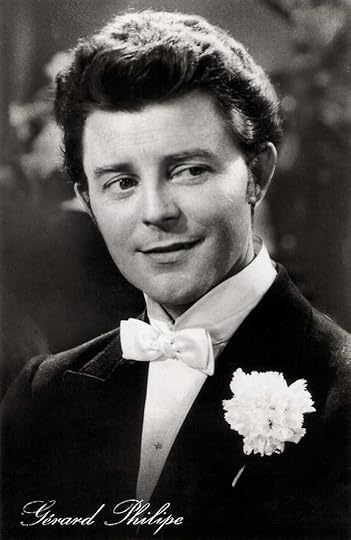
First, if you understand French and have read at least up to chapter 7, check out the first two episodes of the 1972 adaptation of Pot-Bouille on YouTube (you can subscribe to madelen.ina.fr to see the rest). It has a cast of faces familiar to French audiences of the late 20th century and seems reasonably faithful. Also, the chap who plays Octave (Roger van Hool) is a pet. I see Octave was also played by Gérard Philipe in a prior adaptation, so here are pictures of both of them:


Picturing either of them as the main character certainly made me enjoy the actual book that much more… speaking of which, back to the review...

Having dragged myself through Le Rêve, La Conquête de Plassans and La Faute de l'Abbé Mouret in succession, my star ratings dwindling all along, I must admit I was beginning to despair of Zola. The religious themes, the cardboard characters, the interminable descriptions were wearing me down. But no, I thought, I planned to read all the cycle, so I might as well persevere.

Fellow Goodreaders, the reward for my perseverance was Pot-Bouille!

In parts genuinely funny, while addressing serious themes, and, most of all, bereft of lengthy backstories and dreary descriptions of plants, this was a breath of fresh air. Or a breath of damp, sewage-scented Parisian air, anyway.

On the surface, this reads like a vaudeville play. Octave Mouret, miraculously spared both the mental health problems and the lack of personality that afflicts the rest of his close family, is a young man who comes up to Paris to make his fortune in commerce. He moves into a new apartment block in the rue de Choiseul (maybe this exact one on the corner with the rue Saint-Augustin?); on arrival, he is assured that this is a respectable house inhabited by honest people of the highest integrity. Within a few pages, we realise that its clean stone façade and polished acacia doors are just a physical manifestation of middle-class hypocrisy, concealing the usual cesspit of human behaviour that you find everywhere else.

Octave is young, handsome, ambitious and, for want of a better term for it, horny. In the course of the novel, he tries it on with pretty much every attractive woman in the building, excluding the servants (his friend Trublot sees to those). His original plan is to seduce women who can advance his career, though in the end, he's only successful with those who don't: his mousy neighbour Marie and the recently married Berthe. For all his enthusiasm, he's apparently not much of a lover: Marie only goes along with it because he gives her books to fill her bored existence as a housewife, and Berthe because he buys her the expensive trinkets her husband refuses to get her. (I’m beginning to think Zola thought nice girls don’t like sex anyway, tbh)

Older, more sensible women turn Octave down, or, in the case of Mme Juzeur, use him for their own purposes (she makes him kiss her a lot but go no further - you go girl). In the end, he marries his slightly older boss—someone else he'd failed to seduce—as a sensible business transaction between two people who like each other well enough to want a more permanent, potentially even reasonably equal partnership. I wish we'd seen a bit more of that relationship, actually, but I suppose being sensible, consensual and uncontroversial, it wasn't something Zola wanted to dwell on.

Octave isn’t, of course, the only one who is at it. Wives cheat on their husbands out of boredom; husbands gallivant across town with their mistresses; Octave’s friend Campardon even gets to keep his mistress, his wife’s cousin, at home with him (interestingly, this was written before Zola ended up in a similarly open domestic arrangement towards the end of his life). The main difference, it’s worth noting, is that the women put up with the mistresses silently (not that any of them seem too unhappy to see less of their husbands), while the men make a bit of a fuss about their wives’s lovers. Not too much of a fuss, though. Don’t want to cause a scene.

As usual, these shenanigans are hardest on the women, who can only really achieve anything in this society by attaching themselves to a man. At best, they can become a wife, or a kept mistress. If they’re unlucky, they’re a maid and fair game for anyone, apparently. There are also 14-year-old prostitutes elsewhere, dismissed with a well-meaning tut-tutting. The resident 14-year-old, meanwhile, gets to engage in shenanigans with the maid while everyone tries to hide naughty goings on from her. Marie’s parents advocate keeping girls in ignorance and preferably locked up; Marie wasn't even allowed to look out of the window. There’s still plenty of that attitude in the world today.

At the start of the novel, Berthe’s mother peddles her to every potential husband they meet, and she ends up attached for life to older, sickly Auguste; they immediately dislike each other very much. You can’t help feeling that maybe the mistresses get the better deal here, though that only lasts as long as they’re young; though she's a widow rather than a mistress as such, a middle-aged woman resorts to marrying her younger lover to her 16-year-old niece in an effort to keep him with her. Meanwhile, the child bride’s male counterpart, Berthe’s 16-year-old step-nephew, starts off his career as the ruiner of women’s lives by getting one of the servants pregnant. And so it continues.

But this is a Zola novel. Being a young man in a man’s world (lucky him), Octave is able to enjoy his affairs without a care in the world, but elsewhere, some of the worst consequences of sex—particularly for women—are laid out unflinchingly. From the start, we’re introduced to Rose, left permanently disabled by a difficult childbirth (and with what is probably a uterine prolapse - careful if you Google it); Marie is disowned by her parents when, much to her husband’s bewilderment and despite her parents’ order not to have any more children, Octave manages to get her pregnant twice (his daughters exist off-screen in the book, much as they do in his life); meanwhile, Berthe has to endure opprobrium and the hardship of…sharing a room with her unsympathetic sister, and then, worse still, has to put up with being reunited with her uncongenial husband to continue their life of misery together.

In even less fortunate quarters, and perhaps one of the most memorable scenes in the novel (the writer Colette said it traumatised her as a young girl), one of the maids who was repeatedly molested by her “masters” gives birth alone in her freezing attic room, before dumping her newborn daughter, wrapped in newspaper, out in the street. Another girl, turned out of the house while in labour, cuts her baby up into pieces and puts it in a hat box. If only contraception and terminations were freely available - and men were taught to treat women with respect. Never, ever let anyone tell you the last 100-year fight for women’s rights was for nothing. Or that it’s over yet.

Not that the men are left entirely unscathed either, for all their economic and legal power over women. Trapped in loveless marriages, women get their revenge by being emotionally abusive. Josserand lives a miserable, hen-pecked existence soured by his wife’s disappointment at his lack of ambition (given their relationship, I’m curious about them having four children…). Berthe’s brother-in-law Duveyrier is punished for cheating on his wife by having his mistress turn into her, including taking up music (which he hates) and expressing open disgust at his repulsive appearance. In despair, he shoots himself while sitting on the toilet. And misses. His wife’s only reaction is exasperation at him causing a fuss by injuring himself.

However, despite these stark details, this was a pleasure to read. I had to laugh out loud at Auguste’s attempt to find his witnesses for the duel that he, very temporarily, challenges Octave to when he discovers Berthe’s infidelity; the upshot of his day plodding around Paris in a hansom, full of righteous indignation, is everyone telling him not to make a fuss. As a British person, I know that frame of mind all too well.

In the end, nobody makes much of a fuss about anything, actually. Unfaithful wives and husbands stay together to continue to enjoy their paper-thin respectability; even the unfortunate maid goes straight back to work, arguing with her peers in the insalubrious inner courtyard without much of an afterthought after throwing her baby out. Octave and Marie's daughters are sent to the countryside to be forgotten. It is once again a world where nothing really matters but appearances. Even the priest begins to lose his faith in the midst of it all…

Coming up next Le Bon Marché Au Bonheur des dames (ETA: yep, I enjoyed that too)…

ETA: I've now summarised my (non-spoilery) thoughts on the entire series and listed some content warnings for all books on my review for the first volume
Profile Image for Daphné.
24 reviews7 followers
January 1, 2023
Très belle surprise, je suis étonnée que ce tome ne soit pas plus connu que ça.
Profile Image for Sotiris Karaiskos.
1,223 reviews122 followers
February 20, 2021
Continuing our tour of the French society of the second empire we reach a strange category of people. Members of the bourgeoisie, with aristocratic behavior, strong moral principles and a dignified appearance, with connections and ambitions that, however, are particularly difficult to maintain at this social level. You see, this image is actually a lie. There is no money, aristocratic behavior is just a theatrical role and as far as morality and dignity is concerned, it stops behind closed doors. So they resort to all kinds of dishonesty, from financial scams and promises they can not keep, to the actual prostitution of their daughters, in the hunt of the rich groom, who, however, probably hides his own secrets. Following their example, the servants follow a similar behavior and are carried away by their passions. The author describes these without chewing his words, in every detail, with a writing full of rawness and cynicism, full of irony, exposing this hypocrisy. Probably not the most versatile book in this cycle but definitely something very enlightening.

Συνεχίζοντας την περιήγηση μας στη γαλλική κοινωνία της δεύτερης αυτοκρατορίας φτάνουμε σε μία περίεργη κατηγορία ανθρώπων. Μέλη της αστικής τάξης, με αριστοκρατική συμπεριφορά, ισχυρές ηθικές αρχές και αξιοπρεπή εμφάνιση, με διασυνδέσεις και φιλοδοξίες που, όμως, δυσκολεύονται ιδιαίτερα να διατηρηθούν σε αυτό το κοινωνικό επίπεδο. Βλέπετε, αυτή η εικόνα είναι στην πραγματικότητα ένα ψέμα. Λεφτά δεν υπάρχουν, η αριστοκρατική συμπεριφορά είναι απλά ένας θεατρικός ρόλος και όσο για την ηθική και την αξιοπρέπεια σταματάει πίσω από τις κλειστές πόρτες. Έτσι καταφεύγουν σε κάθε είδους ατιμίες, από οικονομικές απάτες και υποσχέσεις που δεν μπορούν να τηρήσουν, μέχρι την ουσιαστική εκπόρνευση των θυγατέρων τους το κυνήγι του πλούσιου γαμπρού, ο οποίος, όμως, πιθανότατα κρύβει τα δικά του μυστικά. Παίρνοντας παράδειγμα από αυτούς, οι υπηρέτες ακολουθούν ανάλογη συμπεριφορά και παρασύρονται απο τα πάθη τους. Αυτά ο συγγραφέας τα περιγράφει χωρίς να μασάει τα λόγια του, με κάθε λεπτομέρεια, με μία γραφή γεμάτη ωμότητα και κυνισμό, γεμάτη ειρωνεία, ξεσκεπάζοντας αυτήν την υποκρισία. Ίσως όχι το πιο πολυεπίπεδο βιβλίο αυτού του κύκλου αλλά σίγουρα κάτι ιδιαίτερα διαφωτιστικό.
Author 6 books254 followers
February 21, 2013
"Pot Luck", according to a reviewer in Le Temps Moderne, was Zola's "all-about-the-fuckin'" installment of his 20-volume Les Rougons-Macquart chronicle. And there is plenty of fuckin'. In fact, the overarching theme is sex, adultery, and shitty, shitty people. Most of the action takes place in a bourgeois apartment block in the early 1860s where a bunch of wannabe, shiftless, pathetic middle class assholes live and pretend to be virtuous imperial citizens. But secretly they're all banging each other and everyone knows it. The R-M connection is the main character Octave, son of the protagonists of The Conquest of Plassans, who screws his way to the top. This is a brutal, brutal book and would be worth having a contemporary film update. Zola is amazing. When the only real sympathetic character dies, he writes: "He had lived a useless life, and went to death by the heartless conduct of all the human beings he had ever loved."
Displaying 1 - 30 of 215 reviews

Can't find what you're looking for?

Get help and learn more about the design.