An in-depth look at the work and career of this fascinating artist, who is having a profound impact on contemporary painting
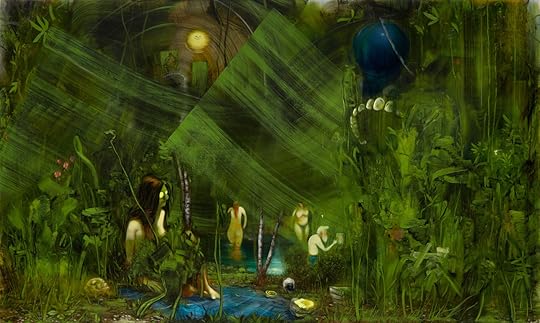
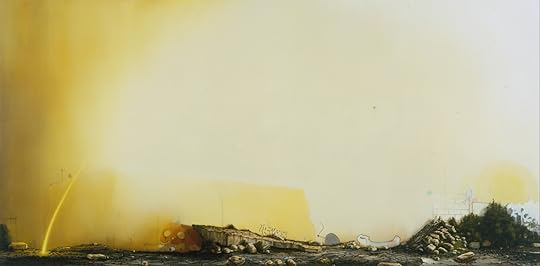
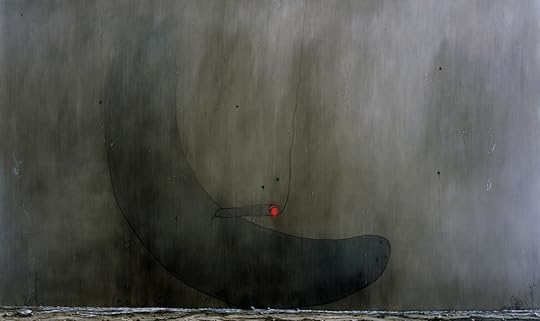
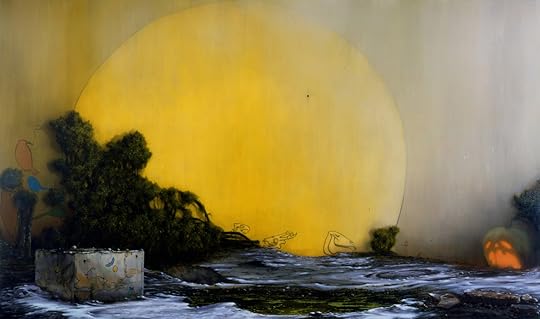
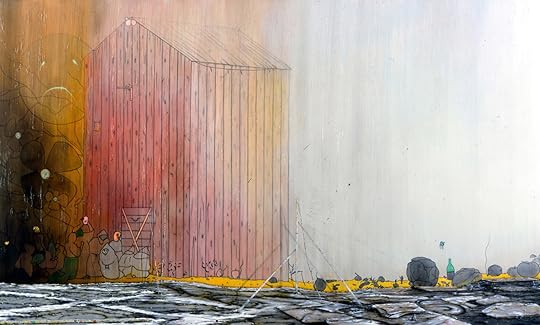
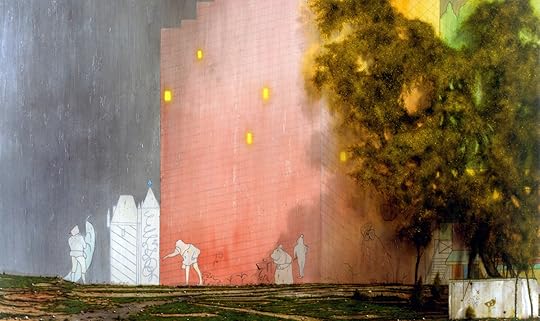
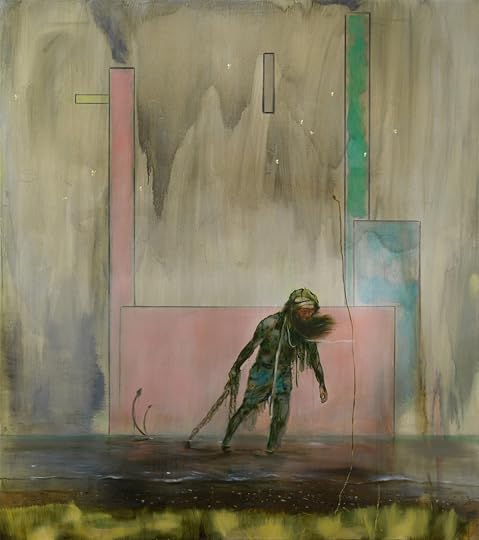
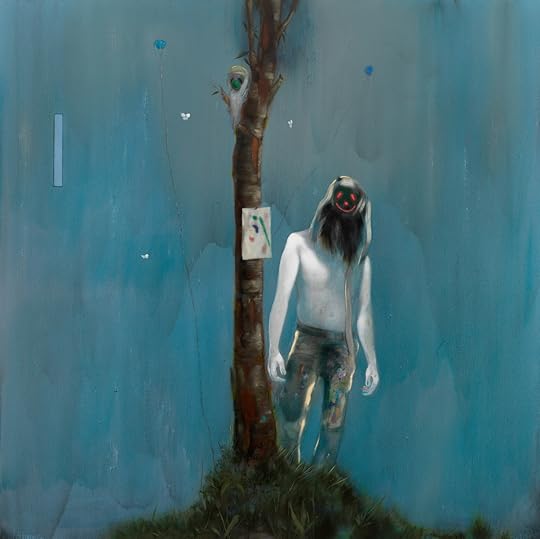
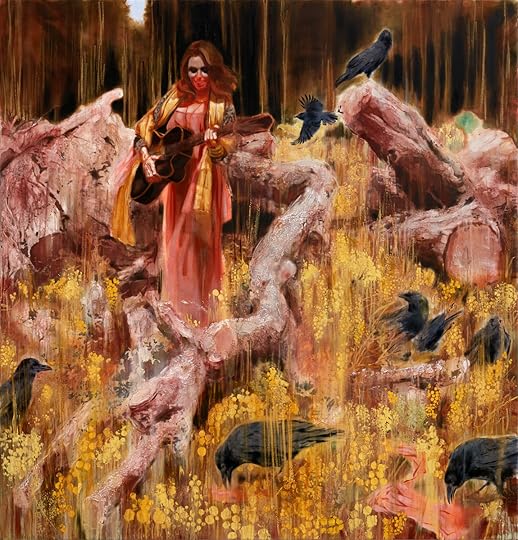
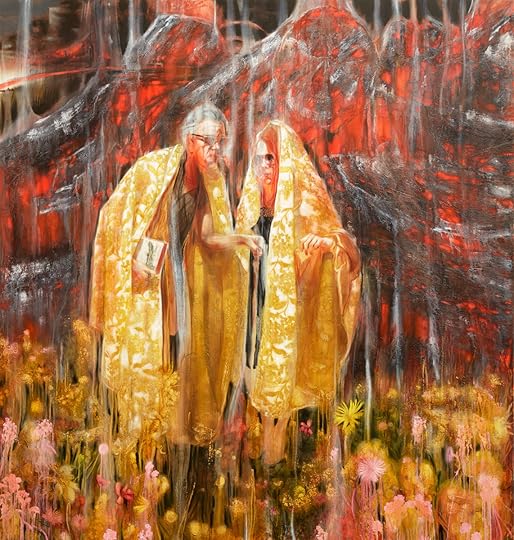
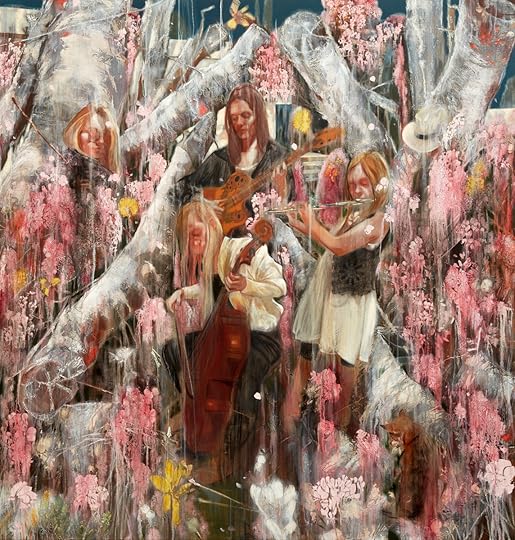
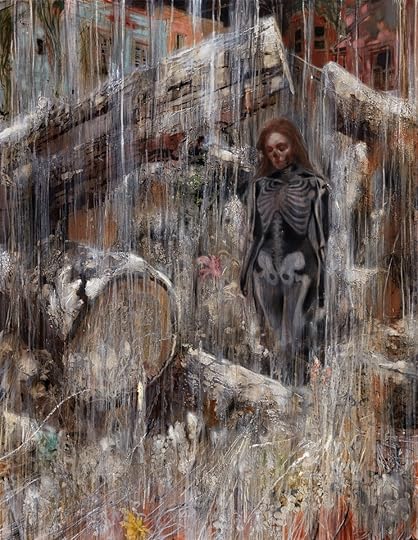
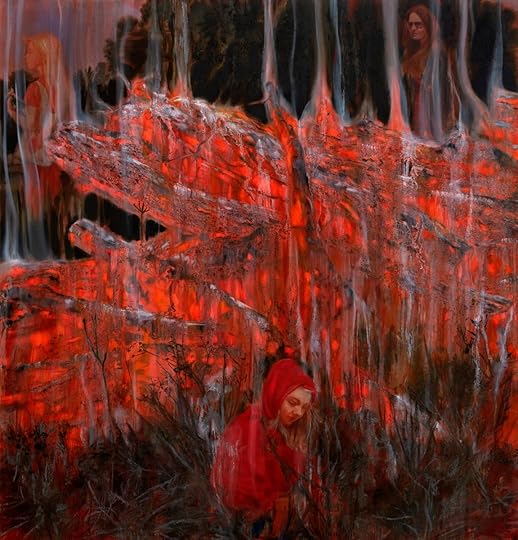
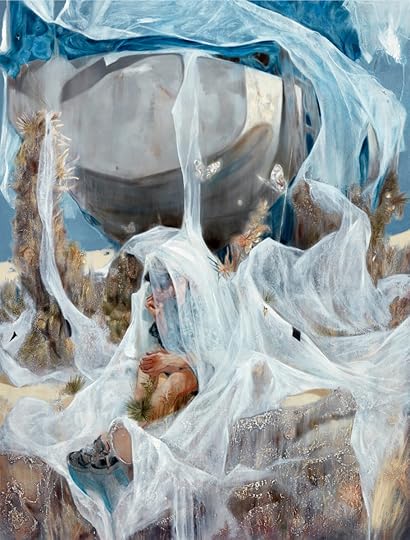
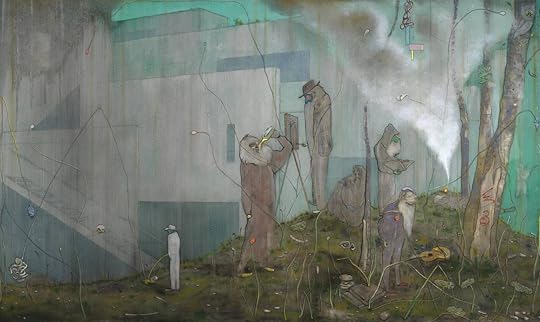
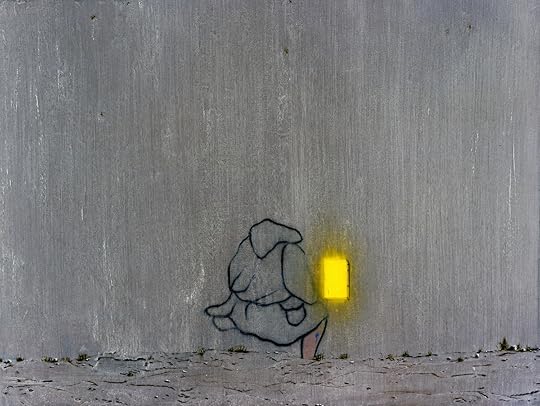
Nigel Cooke is known for his complex paintings, which thematically explore the meeting point between creative labour, consciousness, art history, consumer culture, and nature. Primarily centred on meticulously painted, large-scale urban landscapes, which he calls 'hybrid theatrical spaces', Cooke's work employs disparate styles, often integrating trompe l'oeil miniature rocks and trees with backdrops of graffiti-marked buildings, to create scenes conveying obscure and macabre narratives. This survey of Cooke’s career to date explores the artist's style, approach, and impact on contemporary art and includes his very latest works, completed shortly before publication.
Darian Leader is a British psychoanalyst and author. He is a founding member of the Centre for Freudian Analysis and Research (CFAR).
Darian Leader is President of the College of Psychoanalysts, a Trustee of the Freud Museum, and Honorary Visiting Professor in Psychoanalysis at Roehampton University.
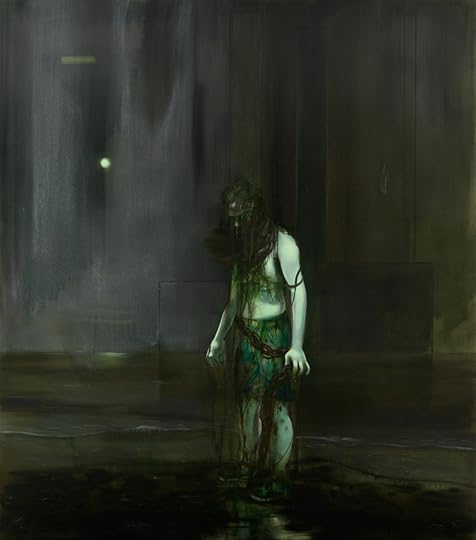
A Quarter-Century of Paintings by Nigel Cooke, Collected in Three Monographs Nigel Cooke had already caught the attention of critics before he launches into the experimental oil paintings that define his career from 2001-2006, but these whimsical, surrealist variations on Caspar David Friedrich's 'Monk by the Sea' are what cement his status as an artist of note. In this technically impressive, conceptually ambitious, transparently existentialist period, Cooke created a series of large Oil Paintings I've collectively dubbed the 'Tiny, Lonely Heads against a Sky-Wall-Canvas of Impossible Graffiti & Murals'; it's collected in his Monograph 'Nigel Cooke: Paintings 2001-2006', pictured below. The book itself is a small yet comprehensive - 9.25" x 10", 252 pages - and handsomely bound hardcover, with multiple full-page details for every one of the large & small-scale oil paintings.
Between 2006-2010, Nigel Cooke finished the first decade of the millennium with a looser approach, executed using oils-on-linen backed by sail-cloth. The comic-art & cartoon influenced style has moments of brilliance, but the works collected in the monograph below are largely place-holders for the slicker, smarter, more accessible vibrancy of the compositions that have made him popular in the last few years. There is a sense of impatience bleeding through the linen in many of the paintings making up this 'transitional period', but this monograph has grown on me in the last couple readings...
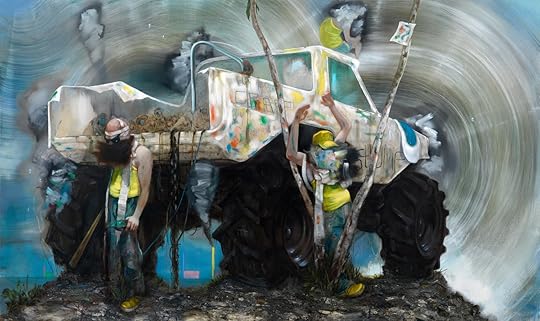
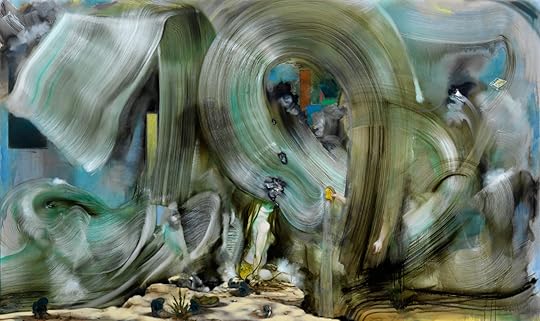
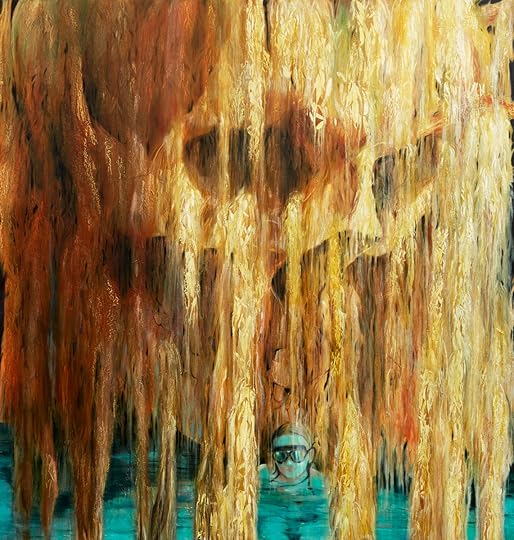
By 2011, Cooke breaks through the occasional tedium of the 00's to navigate a dramatic aesthetic departure from the concept-driven exercises & surrealist compositions, realizing his creative potential, and abandoning the fallow periods punctuated by glimmers of an impressive vision for a stunning, sustained brilliance. Combining minutely detailed realism & carefully-executed expressionistic bursts of controlled, colorful abstraction, Cooke has found a style that bears similarities to a handful of Figurative & Abstract Contemporary artists, like Vincent Desiderio, Darren Waterston, Ali Banisadr, & some of the best of the Pop Surrealists. The entire feel of these large-scale newer works, however, are destined to be considered his 'mature' style, in terms of technique and aesthetic power. Given that he's quietly been painting away for over a quarter-century, his new-found fame & appreciation is hard-won... & he still has his critical haters & shit-talkers. The monograph I'd recommend starting with is the career retrospective by Phaidon, one of the most recent titles in a series of softcover art-books providing a decent representation of the biggest names in contemporary art; the 'Luc Tuymans', 'Peter Doig', & 'Wilhelm Sasnal' entries are all highly recommended, but the 'Nigel Cooke' monograph is the best of the four. It features a large number of his newest works, as well as a nice sampling of his older styles & phases.
Donating this to free up shelf space, I was halfway through reading the first interview when I put this book down months ago. I remember finding Cooke's way of thinking about the artistic process was illuminating. Skimmed through and bookmarked the pieces I liked. There weren't many, but I did find the ones I liked to be quite good. A matter of preference, really. Cooke has a developed style which I find dreary and (honestly) a bit depressing. Pieces I liked: Circus Lady (2002); Vomiting Monkey (2002); 1989 (2009); Chef on Dung Mountain (2010). I wish I had a scanner large enough to copy these before I donate this book. I tried finding JPEGs online with no luck. I forget if the large format scanners at the library are big enough, I'm making a note to look into this. I've used them before, I think they are.