

What do you think?

Betwixt & Between: Exploring the Faery Tradition of Witchcraft
"Storm Faerywolf deftly shares powerful teachings and techniques for those who would seek to know the way of Faery, helping Witches on any path find their way deeper into the mysteries."―Christopher Penczak, author of the Temple of Witchcraft series
Faery (also known as Feri) is a tradition of great power and beauty. Originating in the West Coast of the United States separately from the Wicca tradition in England, Faery's appeal is grounded in its focus on power and results. This book provides the tools you need to begin your own Faery-style magical practice. Discover the foundational mythology and rites of the Faery tradition as well as steps and techniques
Creating an Altar * Summoning the Faery Fire * Engaging the Shadow * Exploring the Personal Trinity * Purifying the Primal Soul * Working with the Iron Pentacle * Aligning Your Life Force * Developing Spirit Alliances * Journeying Between the Worlds * Exploring Air, Fire, Water & Earth * Enhancing Faery Power
Personal experimentation and creative exploration are the heart and soul of Faery. The rituals, recipes, exercises, and lore within will help you project your consciousness into realms beyond this world, opening you to the experience of spiritual ecstasy.
Faery (also known as Feri) is a tradition of great power and beauty. Originating in the West Coast of the United States separately from the Wicca tradition in England, Faery's appeal is grounded in its focus on power and results. This book provides the tools you need to begin your own Faery-style magical practice. Discover the foundational mythology and rites of the Faery tradition as well as steps and techniques
Creating an Altar * Summoning the Faery Fire * Engaging the Shadow * Exploring the Personal Trinity * Purifying the Primal Soul * Working with the Iron Pentacle * Aligning Your Life Force * Developing Spirit Alliances * Journeying Between the Worlds * Exploring Air, Fire, Water & Earth * Enhancing Faery Power
Personal experimentation and creative exploration are the heart and soul of Faery. The rituals, recipes, exercises, and lore within will help you project your consciousness into realms beyond this world, opening you to the experience of spiritual ecstasy.
360 pages, Paperback
Published January 8, 2017
About the author
Storm Faerywolf
22 books100 followersWith a name gifted by vision and dream, Storm Faerywolf is a professional warlock. He has studied and been initiated into various streams of practical witchcraft, most notably the Faery tradition, where he holds the Black Wand of a Master. He is the chancellor of Modern Witch University, co-founder of Black Rose Witchcraft, and a columnist for The Wild Hunt. He has given lectures, taught classes, and led rituals all across the US and Europe, in a career spanning over three decades.
A Master/Teacher in several lineages of Reiki, and a trained folk magician, he is also a published author having penned several books including “The Stars Within the Earth”, “Awakening the BlueLotus”, “Betwixt & Between”, “Forbidden Mysteries of Faery Witchcraft”, “The Satyr’s Kiss,” and "The Witch’s Name."
A proud queer poly man, he lives in the beautiful San Francisco Bay Area with his loving partners, where together they run an online magical boutique, Datura Trading Co., surrounded by dogs, cats, chickens, and a plethora of trees and plants. He believes in beauty, kindness, equality, true love, and magic.
A Master/Teacher in several lineages of Reiki, and a trained folk magician, he is also a published author having penned several books including “The Stars Within the Earth”, “Awakening the BlueLotus”, “Betwixt & Between”, “Forbidden Mysteries of Faery Witchcraft”, “The Satyr’s Kiss,” and "The Witch’s Name."
A proud queer poly man, he lives in the beautiful San Francisco Bay Area with his loving partners, where together they run an online magical boutique, Datura Trading Co., surrounded by dogs, cats, chickens, and a plethora of trees and plants. He believes in beauty, kindness, equality, true love, and magic.
Ratings & Reviews
Friends & Following
Create a free account to discover what your friends think of this book!
Community Reviews
Displaying 1 - 30 of 32 reviews

January 9, 2020
What an amazing read! Not read - experience.
I had been looking, unsuccessfully, for years to find a place in the pagan and Witchcraft communities. A place where I felt accepted for both who I am as well as who I aspired to be. I had no idea I would find that through Storms beautifully written and elegant book: Betwixt and Between.
Though jam packed with some amazing spells, how-tos, and rituals, this book is so much more! It's also a knowledge repository of an entire tradition. It's a mesmerizing introduction to one of the most inclusive and powerful lineages of magic I've ever read.
Pick this one up. At the very least you'll have some incredible new tools in your arsenal, but you may just also walk away with the next phase of your life.
I had been looking, unsuccessfully, for years to find a place in the pagan and Witchcraft communities. A place where I felt accepted for both who I am as well as who I aspired to be. I had no idea I would find that through Storms beautifully written and elegant book: Betwixt and Between.
Though jam packed with some amazing spells, how-tos, and rituals, this book is so much more! It's also a knowledge repository of an entire tradition. It's a mesmerizing introduction to one of the most inclusive and powerful lineages of magic I've ever read.
Pick this one up. At the very least you'll have some incredible new tools in your arsenal, but you may just also walk away with the next phase of your life.

March 8, 2017
Note: This is the same review I wrote on Amazon.
I really and honestly love this book from start to finish, download it in my kindle for simple curiosity, and really get lost between its pages, beyond the fantastic and elegant cover (which totally breaks with the most traditional), the Book opens with the spacious and very complex foreword of Orion Foxwood, which is a real anteroom to a beautiful book, a book that will immerse you in a fantastic world, Storm has a sophisticated vocabulary, complex and above all, very educational, at times You perceive that it is not you who is reading it, rather you perceive, page by page, that is someone else who is reading the pages in front of you, as a didactic class, or a mystical workshop, beyond reading it, is a book that You will want to embrace and share, and even carry with you everywhere as a powerful amulet, rather as a portal to other worlds.
The collection of spells and rituals is truly fantastic, and the enchantments, I find the most curious, are full of art and poetry of the most organic, I recommend this book to all those curious and practitioners of the esoteric arts, it is fantastic to read from Someone whose experience transcends his age, and more importantly, his teachings are truly unique, what is found in this book, you will not find it in any other.
I really and honestly love this book from start to finish, download it in my kindle for simple curiosity, and really get lost between its pages, beyond the fantastic and elegant cover (which totally breaks with the most traditional), the Book opens with the spacious and very complex foreword of Orion Foxwood, which is a real anteroom to a beautiful book, a book that will immerse you in a fantastic world, Storm has a sophisticated vocabulary, complex and above all, very educational, at times You perceive that it is not you who is reading it, rather you perceive, page by page, that is someone else who is reading the pages in front of you, as a didactic class, or a mystical workshop, beyond reading it, is a book that You will want to embrace and share, and even carry with you everywhere as a powerful amulet, rather as a portal to other worlds.
The collection of spells and rituals is truly fantastic, and the enchantments, I find the most curious, are full of art and poetry of the most organic, I recommend this book to all those curious and practitioners of the esoteric arts, it is fantastic to read from Someone whose experience transcends his age, and more importantly, his teachings are truly unique, what is found in this book, you will not find it in any other.

July 24, 2019
This book will be helpful to those who have an interest in Feri, even though it will not allow you to become an initiate. Feri is a sex-based tradition and in that sense anyone who wishes to incorporate this form of ecstatic practice within their own spirituality may also find this book helpful.
As for me, this book was an incredibly bumpy ride. I am not a proponent for initiatory witchcraft and frankly have no interest in these lineage based systems, however I was interested in reading this book for several reasons:
1. To gain a better understanding of Feri because there have been prominent initiates whose work I have admired
2. Feri claims to have ties to Faery and to work closely with what we know of as the Fae, which is particularly of interest to me
3. Many of my friends have liked this book and Faerywolf's writings in general.
I guess I was expecting it to be something rather different than what it is and on top of that there were just things that didn't sit quite well with me. Some of these things include attaching the names of certain gods to the gods of Feri Tradition and saying they are one and the same without any explanation as to why they are thought to be that- and also sometimes rather inappropriately which made it all sound rather muddled; ignoring the folklore of certain spirits i.e. Black Annis- not every hag, and spirit is some demonized Ancient Pagan Mother Goddess, and if it is please give some actual evidence of this; the idea that sex is the heart of witchcraft; the claim that Feri is somehow unique in having a rather large amount of artists among its initiates, when the Modern Pagan/Esoteric/Occult/Witchcraft community has a high number of artists/singers/creative people in general; the use of Paradox to explain away any inconsistencies.
Faerywolf writes early on about "Resonance" when he speaks of Elemental air, and this book, and its contents simply did not resonate with me. I do not find his writing to be particularly engaging, and for all the claims that this book is going to offer something "more than the current public model of Modern Witchcraft generally allows for" it really didn't offer anything anything new or evocative to me.
All that being said, I am sure that some people will find something useful and interesting in this book, it just didn't do anything for me, and I feel I could have spent my very limited reading time better.
As for me, this book was an incredibly bumpy ride. I am not a proponent for initiatory witchcraft and frankly have no interest in these lineage based systems, however I was interested in reading this book for several reasons:
1. To gain a better understanding of Feri because there have been prominent initiates whose work I have admired
2. Feri claims to have ties to Faery and to work closely with what we know of as the Fae, which is particularly of interest to me
3. Many of my friends have liked this book and Faerywolf's writings in general.
I guess I was expecting it to be something rather different than what it is and on top of that there were just things that didn't sit quite well with me. Some of these things include attaching the names of certain gods to the gods of Feri Tradition and saying they are one and the same without any explanation as to why they are thought to be that- and also sometimes rather inappropriately which made it all sound rather muddled; ignoring the folklore of certain spirits i.e. Black Annis- not every hag, and spirit is some demonized Ancient Pagan Mother Goddess, and if it is please give some actual evidence of this; the idea that sex is the heart of witchcraft; the claim that Feri is somehow unique in having a rather large amount of artists among its initiates, when the Modern Pagan/Esoteric/Occult/Witchcraft community has a high number of artists/singers/creative people in general; the use of Paradox to explain away any inconsistencies.
Faerywolf writes early on about "Resonance" when he speaks of Elemental air, and this book, and its contents simply did not resonate with me. I do not find his writing to be particularly engaging, and for all the claims that this book is going to offer something "more than the current public model of Modern Witchcraft generally allows for" it really didn't offer anything anything new or evocative to me.
All that being said, I am sure that some people will find something useful and interesting in this book, it just didn't do anything for me, and I feel I could have spent my very limited reading time better.

March 26, 2017
I love this book and its a great place for those interested in Faery. There are many tools in it for a spirituality that encourages boldness, freedom, and self awareness. It covers the history of the tradition. Working with the 3 souls, and the Pentacles, the Kala rite which are great tools, as well as working with the gods of the tradition.

February 2, 2017
Overall, a pretty cool Faery based Pagan guidebook. Definitely heavy on rituals and exercises, it features a variety of Faery witchcraft practices, and includes tips on all aspects of Faery ritual work. I did find parts of it kind of dry and difficult to muddle through, but that may be just because there are some aspects of technical witchcraft I myself am not all that interested in, even though I do enjoy Faery based Pagan beliefs (I find the spiritual, esoteric parts of Pagan belief and practice more interesting in general than the highly ritualistic stuff). I am still rating the book fairly high though because it is well-written and organized and I think most of my issues with it are just personal taste, not anything against the author or subject matter.
January 31, 2020
A dear friend had recommended Betwixt and Between to me and so I picked up a copy. I was not disappointed! I had been intrigued by Victor and Cora Anderson and the Feri tradition although I didn’t have much knowledge of the tradition itself. Suffice it to say that the book is very well written. Storm is quite amazing, being highly intelligent and also esoteric at the same time. I learned so much about the Feri (Faery) Tradition! I highly recommend this book.

April 11, 2024
I find that many areas of the Faery Tradition closely echo my own Path and areas of study, yet it also has some significant and beautiful differences. That's the beauty of Paganism, our similarities, and our differences. Storm is a beautiful writer and a master ritualistic. I enjoyed this very much, and it gave me things to think about going forward.

August 29, 2026
Betwixt & Between presents one of my favorite ideas in Witchcraft: spiritual development does not have to mean sanding away everything wild, complicated, sexual, angry, ecstatic, or strange about ourselves until we become some perfectly serene version of a spiritual person. Storm Faerywolf presents a path where those forces can become sources of power when they are brought into consciousness and relationship.
That quality immediately distinguishes Faery from a lot of contemporary spiritual writing. There is plenty of discussion about healing, purification, alignment, and self-development here, but the goal never feels like becoming harmless or perpetually peaceful. Faerywolf's Witchcraft has teeth.
The Iron Pentacle is probably the clearest expression of this. Sex, Pride, Self, Power, and Passion are all concepts that can make people uncomfortable, particularly when spiritual traditions have taught them to associate holiness with self-denial. Here they become powers that must be reclaimed, balanced, and embodied.
I found that incredibly refreshing. Power itself is not treated as spiritually suspicious, sexuality does not need to be sanitized, and having a strong sense of Self is not automatically confused with selfishness. The work asks what these forces become when they are flowing properly rather than suppressed or distorted.
The Personal Trinity adds another dimension to that process. The different aspects of the soul are approached as powers with their own functions and needs, and spiritual development involves creating greater alignment between them. Instead of imagining ourselves as a single uncomplicated consciousness, Faery offers a more interesting psychological and magical anatomy.
That makes many of the exercises feel almost initiatory even when practiced outside formal initiation. Faery Fire, cleansing practices, elemental work, shadow engagement, spirit relationships, trance, and journeying between worlds gradually build upon one another. This is one of those books where reading about the exercises and actually doing them are completely different experiences.
Faerywolf is also very clear that the book is presenting material from a specific stream of the broader Faery/Feri tradition rather than declaring itself the single authoritative version of it. I appreciated that enormously because living initiatory traditions are rarely as uniform as books make them appear. Different lines develop different teachings, emphases, language, and practices.
The writing itself suits the material beautifully. There is poetry and sensuality alongside practical instruction, which prevents the tradition from becoming a sterile collection of techniques. Faery is presented as ecstatic, artistic, embodied, queer, dangerous, beautiful, and deeply concerned with direct experience.
That combination gives Betwixt & Between an atmosphere I rarely find in introductory books. It teaches foundational material without making the mysteries feel ordinary.
I also appreciate that someone does not necessarily need to be pursuing Faery initiation to benefit from reading it. Practices involving the soul, shadow, personal power, elemental forces, spirit relationships, and self-possession can provoke valuable questions for witches working in completely different traditions.
The book certainly made me question some assumptions about what spiritual growth is supposed to look like. There is a version of spirituality that imagines development as continually becoming softer, quieter, calmer, and less troublesome, but Faerywolf offers something much more compelling to me.
Sometimes becoming whole means becoming more fully alive.
Betwixt & Between presents Witchcraft as a way of recovering parts of ourselves that have been exiled, distorted, neglected, or surrendered. The resulting witch is not purified into blandness but brought into greater alignment with their own power, desire, spirit, and sacred fire.
That is a vision of spiritual development I can actually get excited about.
That quality immediately distinguishes Faery from a lot of contemporary spiritual writing. There is plenty of discussion about healing, purification, alignment, and self-development here, but the goal never feels like becoming harmless or perpetually peaceful. Faerywolf's Witchcraft has teeth.
The Iron Pentacle is probably the clearest expression of this. Sex, Pride, Self, Power, and Passion are all concepts that can make people uncomfortable, particularly when spiritual traditions have taught them to associate holiness with self-denial. Here they become powers that must be reclaimed, balanced, and embodied.
I found that incredibly refreshing. Power itself is not treated as spiritually suspicious, sexuality does not need to be sanitized, and having a strong sense of Self is not automatically confused with selfishness. The work asks what these forces become when they are flowing properly rather than suppressed or distorted.
The Personal Trinity adds another dimension to that process. The different aspects of the soul are approached as powers with their own functions and needs, and spiritual development involves creating greater alignment between them. Instead of imagining ourselves as a single uncomplicated consciousness, Faery offers a more interesting psychological and magical anatomy.
That makes many of the exercises feel almost initiatory even when practiced outside formal initiation. Faery Fire, cleansing practices, elemental work, shadow engagement, spirit relationships, trance, and journeying between worlds gradually build upon one another. This is one of those books where reading about the exercises and actually doing them are completely different experiences.
Faerywolf is also very clear that the book is presenting material from a specific stream of the broader Faery/Feri tradition rather than declaring itself the single authoritative version of it. I appreciated that enormously because living initiatory traditions are rarely as uniform as books make them appear. Different lines develop different teachings, emphases, language, and practices.
The writing itself suits the material beautifully. There is poetry and sensuality alongside practical instruction, which prevents the tradition from becoming a sterile collection of techniques. Faery is presented as ecstatic, artistic, embodied, queer, dangerous, beautiful, and deeply concerned with direct experience.
That combination gives Betwixt & Between an atmosphere I rarely find in introductory books. It teaches foundational material without making the mysteries feel ordinary.
I also appreciate that someone does not necessarily need to be pursuing Faery initiation to benefit from reading it. Practices involving the soul, shadow, personal power, elemental forces, spirit relationships, and self-possession can provoke valuable questions for witches working in completely different traditions.
The book certainly made me question some assumptions about what spiritual growth is supposed to look like. There is a version of spirituality that imagines development as continually becoming softer, quieter, calmer, and less troublesome, but Faerywolf offers something much more compelling to me.
Sometimes becoming whole means becoming more fully alive.
Betwixt & Between presents Witchcraft as a way of recovering parts of ourselves that have been exiled, distorted, neglected, or surrendered. The resulting witch is not purified into blandness but brought into greater alignment with their own power, desire, spirit, and sacred fire.
That is a vision of spiritual development I can actually get excited about.

May 25, 2020
I read books like this not necessarily to become a practicing member of the belief system - but rather to glean some insights on spirituality and/or life in general that could be useful to me. As such, it did just that, and I'm plenty satisfied with my journey through the concepts of Faery witchcraft.
This being said, it felt like a mere introduction to a world with all sorts of intricacies that I have not fathomed. I suppose this became particularly clear to me toward the end as Faerywolf starts describing different psychic layers/dimensions/creatures, the likes of which it seemed could fill up a whole book on their own. Looks like this author does have other works... and I have another one of his checked out from the library which will hopefully delve into this more.
So, all in all, I think this book is pretty great, for magical passers-by and for the committed alike!
This being said, it felt like a mere introduction to a world with all sorts of intricacies that I have not fathomed. I suppose this became particularly clear to me toward the end as Faerywolf starts describing different psychic layers/dimensions/creatures, the likes of which it seemed could fill up a whole book on their own. Looks like this author does have other works... and I have another one of his checked out from the library which will hopefully delve into this more.
So, all in all, I think this book is pretty great, for magical passers-by and for the committed alike!

April 8, 2019
Meh...
There is some interesting material in this book, I'll grant that, but overall it felt to me like the supposed creators of this branch of neo-paganism just wanted to take little bits and pieces from the world's pre-established religions and belief systems and make "the one real path of witchcraft". Or something.
And, yeah, here we have another of those types of Craft in which you pretty much HAVE to be in a coven to, as far as this author seems to be concerned, properly practice. My views of that may have much to do with my naturally solitary personality, but it bothers me when interested people are told they have to be in a group setting or they can't do it. But, hey, if that's how you roll and you're not socially awkward and such like I happen to be and you manage to find a coven of this particular type of witches, then go for it.
Mostly, the author just seemed to go on and on but majorly dragged his feet about getting to the bloody point. The writing style, in my opinion, is just too dull. Other authors on books about witchcraft have managed to develop a style that is highly readable and is always interesting even when they repeat information that is common knowledge or was already talked about in another book they wrote. Not this one. His style is stiff and cold and gave me a headache.
Even with other books about witchcraft in which I don't agree with what the authors say all the time, I still manage to find something useful to take away for my own practices. I didn't feel that way with this book at all. There is nearly nothing in this book that I thought could use useful to myself or possibly any other solitary, with the possible exception of the meditation practices. Even at that, I'm sure I could find something more effective elsewhere.
I just didn't like this. Because I'm always looking for as much information from as many different perspectives as I can find when it comes to the Craft, I'm not altogether sorry that I read this book, but I admit I could have used the time and energy I spent on reading it to read more enjoyable and more useful books on witchcraft.
There is some interesting material in this book, I'll grant that, but overall it felt to me like the supposed creators of this branch of neo-paganism just wanted to take little bits and pieces from the world's pre-established religions and belief systems and make "the one real path of witchcraft". Or something.
And, yeah, here we have another of those types of Craft in which you pretty much HAVE to be in a coven to, as far as this author seems to be concerned, properly practice. My views of that may have much to do with my naturally solitary personality, but it bothers me when interested people are told they have to be in a group setting or they can't do it. But, hey, if that's how you roll and you're not socially awkward and such like I happen to be and you manage to find a coven of this particular type of witches, then go for it.
Mostly, the author just seemed to go on and on but majorly dragged his feet about getting to the bloody point. The writing style, in my opinion, is just too dull. Other authors on books about witchcraft have managed to develop a style that is highly readable and is always interesting even when they repeat information that is common knowledge or was already talked about in another book they wrote. Not this one. His style is stiff and cold and gave me a headache.
Even with other books about witchcraft in which I don't agree with what the authors say all the time, I still manage to find something useful to take away for my own practices. I didn't feel that way with this book at all. There is nearly nothing in this book that I thought could use useful to myself or possibly any other solitary, with the possible exception of the meditation practices. Even at that, I'm sure I could find something more effective elsewhere.
I just didn't like this. Because I'm always looking for as much information from as many different perspectives as I can find when it comes to the Craft, I'm not altogether sorry that I read this book, but I admit I could have used the time and energy I spent on reading it to read more enjoyable and more useful books on witchcraft.
July 22, 2021
Faery is not for me, but Faerywolf’s writing is
Faery is a difficult tradition to write on, not least of all because some aspects of it seem silly to outsiders, and the origins of Faery are shamelessly born from the personal revelations of one enigmatic self-proclaimed priest during the 1960’s. While so much of occultism and especially paganism was birthed in modern times, many pagan authors delight in professing the ancient origins of their faith and practice. Faerywolf’s honesty is refreshing, as is his enthusiasm in not only admitting but *embracing* the changing, bardic, revelatory nature of his tradition. Faerywolf’s voice is encouraging, reflective, and approachable, and he addresses many of the troubling things newcomers notice in this tradition (such as instances of sexual interactions of underage children and child-coded beings in Faery lore).
I still take some issues with this book. Some exercises are confusingly written or over-long, and while Faerywolf includes footnotes, citations, and research, he makes some claims which I would like to know his sources for— personal revelation, traditional teaching, cultural mythology, or other writing?
While Faerywolf emphasizes the poetic way Faery is passed down, he backs up his claims with sources in some places and not others, which drives me nuts because he’s such a good writer and such an approachable resource. Poetry is not enough for me. Perhaps that is a personal preference.
I also take some issue with Faerywolf’s passage on cultural appropriation. I truly appreciate that he encourages “paying back” cultures by volunteering and donating towards those cultures’ causes, and that he doesn’t want to divorce cultural practices from their traditions, but I do think that the latter sentiment is not put into practice throughout this book, and is actually contradicted in the same passage. He mentions not experiencing entities like Djinn the same way people from their native culture would, which to me seems like he’s not insisting on learning how to do something “their way,” and as a Native American person whose cultural practices have been co-opted by new age spiritualities, that kind of loosey-goosey vague-effort-at-respect kind of rhetoric has done a lot of harm by enabling extremely problematic people to appropriate whatever they like from our cultures while continuing to support systems which kill us and destroy our rights. So I’d ask Faerywolf to possibly reconsider that passage and examine who he is unintentionally enabling. He’s clearly trying to be respectful, but there are still potentially harmful consequences of that rhetoric which need to be considered. Cultural appropriation is an extremely tricky topic in pagan circles, especially in North America, where any efforts at either reconstructionism or creating new spiritualities are bound to demand borrowing from cultures and traditions outside of one’s own. The mixed heritages of American people, the mixed heritages of American spirituality, and the enormous amount of inspiration the New Age movement took from various non-Western esoteric belief systems which are forever ingrained in all Western witchcraft make it nearly impossible to avoid appropriating in some way. While I’m not sure it’s possible to have a completely unproblematic take on this subject, I still think Faerywolf could have done better.
Overall, this book is better than many other occult books, and the only book on Faery that has ever made any sense to me or enticed me to explore the tradition. While it did not sell me on Faery itself, Faerywolf’s many exercises and rituals are inspiring and enchanting, and his writing style is easy to read and amiable. The later chapters are somewhat repetitive, but overall it’s very enjoyable, very informative, and definitely the best book on Faery I’ve ever read.
Faery is a difficult tradition to write on, not least of all because some aspects of it seem silly to outsiders, and the origins of Faery are shamelessly born from the personal revelations of one enigmatic self-proclaimed priest during the 1960’s. While so much of occultism and especially paganism was birthed in modern times, many pagan authors delight in professing the ancient origins of their faith and practice. Faerywolf’s honesty is refreshing, as is his enthusiasm in not only admitting but *embracing* the changing, bardic, revelatory nature of his tradition. Faerywolf’s voice is encouraging, reflective, and approachable, and he addresses many of the troubling things newcomers notice in this tradition (such as instances of sexual interactions of underage children and child-coded beings in Faery lore).
I still take some issues with this book. Some exercises are confusingly written or over-long, and while Faerywolf includes footnotes, citations, and research, he makes some claims which I would like to know his sources for— personal revelation, traditional teaching, cultural mythology, or other writing?
While Faerywolf emphasizes the poetic way Faery is passed down, he backs up his claims with sources in some places and not others, which drives me nuts because he’s such a good writer and such an approachable resource. Poetry is not enough for me. Perhaps that is a personal preference.
I also take some issue with Faerywolf’s passage on cultural appropriation. I truly appreciate that he encourages “paying back” cultures by volunteering and donating towards those cultures’ causes, and that he doesn’t want to divorce cultural practices from their traditions, but I do think that the latter sentiment is not put into practice throughout this book, and is actually contradicted in the same passage. He mentions not experiencing entities like Djinn the same way people from their native culture would, which to me seems like he’s not insisting on learning how to do something “their way,” and as a Native American person whose cultural practices have been co-opted by new age spiritualities, that kind of loosey-goosey vague-effort-at-respect kind of rhetoric has done a lot of harm by enabling extremely problematic people to appropriate whatever they like from our cultures while continuing to support systems which kill us and destroy our rights. So I’d ask Faerywolf to possibly reconsider that passage and examine who he is unintentionally enabling. He’s clearly trying to be respectful, but there are still potentially harmful consequences of that rhetoric which need to be considered. Cultural appropriation is an extremely tricky topic in pagan circles, especially in North America, where any efforts at either reconstructionism or creating new spiritualities are bound to demand borrowing from cultures and traditions outside of one’s own. The mixed heritages of American people, the mixed heritages of American spirituality, and the enormous amount of inspiration the New Age movement took from various non-Western esoteric belief systems which are forever ingrained in all Western witchcraft make it nearly impossible to avoid appropriating in some way. While I’m not sure it’s possible to have a completely unproblematic take on this subject, I still think Faerywolf could have done better.
Overall, this book is better than many other occult books, and the only book on Faery that has ever made any sense to me or enticed me to explore the tradition. While it did not sell me on Faery itself, Faerywolf’s many exercises and rituals are inspiring and enchanting, and his writing style is easy to read and amiable. The later chapters are somewhat repetitive, but overall it’s very enjoyable, very informative, and definitely the best book on Faery I’ve ever read.

August 28, 2026
There are traditions of Witchcraft that primarily give you a set of beliefs and practices.
Faery has always struck me as something stranger than that.
At its best, it feels less interested in giving you a comfortable spiritual identity than in changing the way you experience yourself, power, spirit, and the world around you. Betwixt & Between captures that beautifully.
Storm Faerywolf manages something difficult here. He opens a door into a tradition that has historically been transmitted through relationships between teachers and students without pretending that reading a book is the same thing as receiving initiation into a lineage. What he offers instead is a substantial body of practices derived from his own stream of Faery that can actually be engaged with.
And there is a lot to engage with.
The Personal Trinity, the Iron Pentacle, Kala, the Faery Fire, the elements, shadow work, spirit alliances, trance, journeying between worlds, and the cultivation and alignment of magical power all appear here. These aren't simply interesting pieces of occult philosophy. They're practices that begin interacting with one another the longer you work with them.
The three-souls material is particularly important to me. I have always been fascinated by models of the self that refuse to reduce consciousness to one single thing, and Faery gives us a remarkably useful way of approaching the different dimensions of our being. Once you begin thinking in those terms, spiritual development becomes less about forcing the entire self into conformity and more about establishing relationship between different aspects of consciousness.
The Iron Pentacle is another one of those deceptively simple teachings that can become an entire practice unto itself. Sex, Pride, Self, Power, and Passion are not treated as qualities to transcend or suppress, but as powers that need to flow freely and cleanly through us. That alone tells you something important about the worldview underlying this tradition.
Faery does not seem particularly interested in making the witch smaller.
It asks what happens when we stop apologizing for being alive.
Storm is also exceptionally good at communicating the poetic and ecstatic dimensions of magic. His ritual language has beauty to it, but that beauty isn't decorative. Poetry, trance, imagery, sensuality, spirit contact, and altered consciousness become technologies for reaching places that purely analytical language often cannot.
That is one of the reasons I think this book deserves to be practiced rather than merely read.
You can understand the definition of the Iron Pentacle in an afternoon. Living with it is another matter entirely. You can memorize a cosmology, but that isn't the same thing as encountering it through trance and ritual. You can intellectually understand the idea of multiple souls without ever learning to recognize their movements inside yourself.
Betwixt & Between gives you enough structure to begin having those experiences.
And importantly, it doesn't pretend that Faery is gentle simply because it is beautiful. There is shadow here. There is confrontation. There is power. There is the possibility that the person who emerges from the work will not be exactly the person who began it.
For me, that is part of what makes Faery so compelling.
Some magical systems teach you how to perform Witchcraft.
Faery keeps asking a much more dangerous question:
What would happen if you allowed Witchcraft to transform the witch?
Faery has always struck me as something stranger than that.
At its best, it feels less interested in giving you a comfortable spiritual identity than in changing the way you experience yourself, power, spirit, and the world around you. Betwixt & Between captures that beautifully.
Storm Faerywolf manages something difficult here. He opens a door into a tradition that has historically been transmitted through relationships between teachers and students without pretending that reading a book is the same thing as receiving initiation into a lineage. What he offers instead is a substantial body of practices derived from his own stream of Faery that can actually be engaged with.
And there is a lot to engage with.
The Personal Trinity, the Iron Pentacle, Kala, the Faery Fire, the elements, shadow work, spirit alliances, trance, journeying between worlds, and the cultivation and alignment of magical power all appear here. These aren't simply interesting pieces of occult philosophy. They're practices that begin interacting with one another the longer you work with them.
The three-souls material is particularly important to me. I have always been fascinated by models of the self that refuse to reduce consciousness to one single thing, and Faery gives us a remarkably useful way of approaching the different dimensions of our being. Once you begin thinking in those terms, spiritual development becomes less about forcing the entire self into conformity and more about establishing relationship between different aspects of consciousness.
The Iron Pentacle is another one of those deceptively simple teachings that can become an entire practice unto itself. Sex, Pride, Self, Power, and Passion are not treated as qualities to transcend or suppress, but as powers that need to flow freely and cleanly through us. That alone tells you something important about the worldview underlying this tradition.
Faery does not seem particularly interested in making the witch smaller.
It asks what happens when we stop apologizing for being alive.
Storm is also exceptionally good at communicating the poetic and ecstatic dimensions of magic. His ritual language has beauty to it, but that beauty isn't decorative. Poetry, trance, imagery, sensuality, spirit contact, and altered consciousness become technologies for reaching places that purely analytical language often cannot.
That is one of the reasons I think this book deserves to be practiced rather than merely read.
You can understand the definition of the Iron Pentacle in an afternoon. Living with it is another matter entirely. You can memorize a cosmology, but that isn't the same thing as encountering it through trance and ritual. You can intellectually understand the idea of multiple souls without ever learning to recognize their movements inside yourself.
Betwixt & Between gives you enough structure to begin having those experiences.
And importantly, it doesn't pretend that Faery is gentle simply because it is beautiful. There is shadow here. There is confrontation. There is power. There is the possibility that the person who emerges from the work will not be exactly the person who began it.
For me, that is part of what makes Faery so compelling.
Some magical systems teach you how to perform Witchcraft.
Faery keeps asking a much more dangerous question:
What would happen if you allowed Witchcraft to transform the witch?
July 25, 2021
As a queer pagan, I have been very curious about this work. I have been drawn to a magickal tradition that places an emphasis on methods other than the polarity of female and male energies to make things happen. Although I am an ardent polytheist who works with sìthichean, I am aware that the theology of this tradition is not consistent with my own. Their Gods are a spectrum, and their approach to the Fae is contemporary and universal. I can still appreciate these approaches without having to adopt them, and still get a lot out of this well written book.
I often have a hard time with contemporary witchcraft theology because of its eclectic nature, and a concern for cultural appropriation. I also understand how practices and whole cultures evolve as they come into contact with other cultures. When you’re talking about Feri, you’re talking about a contemporary American form of Witchcraft, however. Contemporary American culture is an amalgam of all the peoples that makeup that milieu, and only the most isolated cultures can even come close to being called “pure.”
This is not a blanket allowance for cultural appropriation. Storm Faerywolf does a good job of telling you from where he is sourcing these concepts and practices, often times having to search them out himself as the founders of his tradition cobbled them together in a time that had no concern for such things.
I have been excited for this work because the classical culture from which I source my own practice was robbed of much of its pagan and magickal context, and all of its queer context; and I am myself from the American South, lacking a context for the contemporary culture that the classical developed.
So, this book, and it’s words are beautiful. Storm uses stories to teach, and I love that. He has taken liberties with the traditional tales, with wisdom and grace, keeping the core teaching, while updating the words to remove ideas or wording that no longer serve them.
As other reviewers have said, the author expects that the reader will do the work to get anything out of this book, but he does not leave the reader needing for context or process.
I gave it 4 stars because I do feel the practices white wash many marginalized cultural concepts. It will take many decades more of individuation before this is no longer a problem. It also wraps so much into its very contemporary theology that adapting the practices and techniques into methods divorced from them requires an advanced understanding of one’s own practice, as well as those sourced cultures. It’s many more extra layers of work. This isn’t just an issue for those like me that do not wish to adopt this theology; but also for anyone incapable of meeting a teacher in this tradition to seek from them initiation, or afford the near $1,000 it takes to learn at a distance from the author. For those left floating beyond these barriers this work can be frustrating and disheartening.
I often have a hard time with contemporary witchcraft theology because of its eclectic nature, and a concern for cultural appropriation. I also understand how practices and whole cultures evolve as they come into contact with other cultures. When you’re talking about Feri, you’re talking about a contemporary American form of Witchcraft, however. Contemporary American culture is an amalgam of all the peoples that makeup that milieu, and only the most isolated cultures can even come close to being called “pure.”
This is not a blanket allowance for cultural appropriation. Storm Faerywolf does a good job of telling you from where he is sourcing these concepts and practices, often times having to search them out himself as the founders of his tradition cobbled them together in a time that had no concern for such things.
I have been excited for this work because the classical culture from which I source my own practice was robbed of much of its pagan and magickal context, and all of its queer context; and I am myself from the American South, lacking a context for the contemporary culture that the classical developed.
So, this book, and it’s words are beautiful. Storm uses stories to teach, and I love that. He has taken liberties with the traditional tales, with wisdom and grace, keeping the core teaching, while updating the words to remove ideas or wording that no longer serve them.
As other reviewers have said, the author expects that the reader will do the work to get anything out of this book, but he does not leave the reader needing for context or process.
I gave it 4 stars because I do feel the practices white wash many marginalized cultural concepts. It will take many decades more of individuation before this is no longer a problem. It also wraps so much into its very contemporary theology that adapting the practices and techniques into methods divorced from them requires an advanced understanding of one’s own practice, as well as those sourced cultures. It’s many more extra layers of work. This isn’t just an issue for those like me that do not wish to adopt this theology; but also for anyone incapable of meeting a teacher in this tradition to seek from them initiation, or afford the near $1,000 it takes to learn at a distance from the author. For those left floating beyond these barriers this work can be frustrating and disheartening.

August 20, 2026
Some traditions are easiest to explain by listing their beliefs and practices. Faery isn't really one of them. It is ecstatic, poetic, initiatory, embodied, and sometimes deliberately paradoxical. Trying to capture it neatly can be a little like trying to pin down something that derives much of its power from refusing to stay still.
That is why I think Storm Faerywolf accomplished something special with Betwixt & Between.
Faerywolf doesn't attempt to turn the Faery Tradition into a standardized system or pretend that a tradition composed of different lines, teachers, influences, and evolutions has always spoken with one voice. Instead, he offers a window into the tradition as he has received, practiced, and developed it. That distinction gives the book both integrity and intimacy. We aren't being handed “the official version.” We are being invited into a living current.
The material itself is wonderfully rich. The Iron and Pearl Pentacles, the Three Souls, the Black Heart of Innocence, the Gods and spirits, the elements, the Guardians, ritual practices, exercises, prayers, poetry, and lore gradually reveal a worldview in which witchcraft is not simply something one performs. It becomes a way of experiencing the self and the world.
I was particularly drawn to the Three Souls material. The idea that different aspects of ourselves possess different needs, languages, and ways of knowing has enormous implications for magic. Rather than imagining spiritual development as the triumph of a supposedly higher self over everything messy and instinctual, the work moves toward relationship and alignment between the parts of the self. That alone provides material worth spending years exploring.
And then there is the Black Heart of Innocence, one of those deceptively beautiful concepts that resists being reduced to a tidy definition. There is something fierce in Faery's understanding of innocence. It isn't naïveté or purity in the conventional moral sense. It points toward a state beneath shame and imposed conditioning, something wild, present, and capable of meeting experience directly.
That wildness runs through the entire book.
Betwixt & Between can be read as an introduction, but I don't think it behaves like an ordinary beginner's book. It doesn't feel like Witchcraft 101 with Faery terminology substituted in. There are ideas here that become more interesting the longer you sit with them, practices that invite repetition, and concepts whose implications may not reveal themselves immediately.
Perhaps appropriately, I finished it without feeling that Faery had been completely explained to me.
Instead, I felt that I had been shown a doorway.
For a tradition concerned with the power found betwixt and between things, that seems exactly right.
That is why I think Storm Faerywolf accomplished something special with Betwixt & Between.
Faerywolf doesn't attempt to turn the Faery Tradition into a standardized system or pretend that a tradition composed of different lines, teachers, influences, and evolutions has always spoken with one voice. Instead, he offers a window into the tradition as he has received, practiced, and developed it. That distinction gives the book both integrity and intimacy. We aren't being handed “the official version.” We are being invited into a living current.
The material itself is wonderfully rich. The Iron and Pearl Pentacles, the Three Souls, the Black Heart of Innocence, the Gods and spirits, the elements, the Guardians, ritual practices, exercises, prayers, poetry, and lore gradually reveal a worldview in which witchcraft is not simply something one performs. It becomes a way of experiencing the self and the world.
I was particularly drawn to the Three Souls material. The idea that different aspects of ourselves possess different needs, languages, and ways of knowing has enormous implications for magic. Rather than imagining spiritual development as the triumph of a supposedly higher self over everything messy and instinctual, the work moves toward relationship and alignment between the parts of the self. That alone provides material worth spending years exploring.
And then there is the Black Heart of Innocence, one of those deceptively beautiful concepts that resists being reduced to a tidy definition. There is something fierce in Faery's understanding of innocence. It isn't naïveté or purity in the conventional moral sense. It points toward a state beneath shame and imposed conditioning, something wild, present, and capable of meeting experience directly.
That wildness runs through the entire book.
Betwixt & Between can be read as an introduction, but I don't think it behaves like an ordinary beginner's book. It doesn't feel like Witchcraft 101 with Faery terminology substituted in. There are ideas here that become more interesting the longer you sit with them, practices that invite repetition, and concepts whose implications may not reveal themselves immediately.
Perhaps appropriately, I finished it without feeling that Faery had been completely explained to me.
Instead, I felt that I had been shown a doorway.
For a tradition concerned with the power found betwixt and between things, that seems exactly right.

September 27, 2024
Betwixt & Between invites readers to embark on an extraordinary journey into the enigmatic world of the Faery Tradition of Witchcraft, offering a rare glimpse into one of the most powerful and alluring paths within modern magic. With this book, Storm Faerywolf has crafted an intricate guide for those who seek not only to understand Faery but to live it. Unlike many texts that merely scratch the surface of their subject matter, Betwixt & Between goes straight to the heart of the tradition, providing a wealth of knowledge and techniques that serve as a solid foundation for developing a personal practice.
The Faery Tradition, with its roots in the West Coast of the United States and its distinct identity separate from Wicca, has long been shrouded in mystery and often misunderstood. Faerywolf’s approach, however, is refreshingly clear and deeply respectful of its complexities. He lays out the foundational concepts—such as the Personal Trinity and the Iron Pentacle—while avoiding overly prescriptive interpretations, encouraging readers to engage in creative exploration and personal experimentation. This emphasis on experiential learning is what gives the book its power and makes it a valuable resource for both newcomers and those more familiar with Faery lore.
The book is structured to gradually build the reader’s understanding and skill, beginning with the basics of creating an altar and establishing spirit alliances, and moving into more advanced techniques such as journeying between worlds and harnessing the elusive Faery Fire. Faerywolf’s writing is accessible and direct, yet layered with a depth that reveals more with each reading. His discussions on the Primal Soul and the Shadow reflect a nuanced understanding of the deeper currents within the Faery Tradition, making this book more than a simple manual of rituals. Instead, it becomes a map for navigating one’s own inner landscapes.
What sets Betwixt & Between apart is its focus on integrating the magical and mundane aspects of life. Faerywolf teaches readers to align their energy and consciousness with the forces of Air, Fire, Water, and Earth, blending myth and magic in a way that is practical yet imbued with a sense of wonder. His exploration of the Faery Tradition’s unique cosmology is complemented by detailed rituals, exercises, and meditations that allow practitioners to engage directly with these powerful energies. These practices do more than simply teach—they invite transformation.
The Faery Tradition, with its roots in the West Coast of the United States and its distinct identity separate from Wicca, has long been shrouded in mystery and often misunderstood. Faerywolf’s approach, however, is refreshingly clear and deeply respectful of its complexities. He lays out the foundational concepts—such as the Personal Trinity and the Iron Pentacle—while avoiding overly prescriptive interpretations, encouraging readers to engage in creative exploration and personal experimentation. This emphasis on experiential learning is what gives the book its power and makes it a valuable resource for both newcomers and those more familiar with Faery lore.
The book is structured to gradually build the reader’s understanding and skill, beginning with the basics of creating an altar and establishing spirit alliances, and moving into more advanced techniques such as journeying between worlds and harnessing the elusive Faery Fire. Faerywolf’s writing is accessible and direct, yet layered with a depth that reveals more with each reading. His discussions on the Primal Soul and the Shadow reflect a nuanced understanding of the deeper currents within the Faery Tradition, making this book more than a simple manual of rituals. Instead, it becomes a map for navigating one’s own inner landscapes.
What sets Betwixt & Between apart is its focus on integrating the magical and mundane aspects of life. Faerywolf teaches readers to align their energy and consciousness with the forces of Air, Fire, Water, and Earth, blending myth and magic in a way that is practical yet imbued with a sense of wonder. His exploration of the Faery Tradition’s unique cosmology is complemented by detailed rituals, exercises, and meditations that allow practitioners to engage directly with these powerful energies. These practices do more than simply teach—they invite transformation.
September 6, 2026
There is something almost refreshing about a Witchcraft book that tells you, fairly early on, that the tradition in question may change you in ways you cannot entirely control. Faery has never struck me as particularly interested in making people comfortable, and Storm Faerywolf does not sand that edge off here. The practices around the Iron Pentacle, the Personal Trinity, Faery Fire, and the primal soul all point toward a Witchcraft concerned with power in the older sense of the word. Power here means becoming more fully present in yourself, including the parts you would much rather negotiate away.
Coming to this from Wicca, I found some of the similarities almost more interesting than the obvious differences. Both traditions can speak the language of polarity, the elements, gods, spirits, trance, and ritual, yet Faery rearranges the furniture so completely that familiar ideas start behaving differently. The Iron Pentacle is a good example. Sex, Self, Passion, Pride, and Power are not exactly qualities respectable religion has historically encouraged gay men to claim without qualification. Working with them as sacred forces rather than moral hazards gives the practice a charge that I suspect some readers will understand immediately and others may need to sit with for a while.
Faerywolf is particularly good when he writes about the parts of Witchcraft that cannot be reduced to correspondences. The material on spirit contact, the Fetch, shadow, and moving between worlds has teeth because he expects these things to be experienced rather than merely understood. I also appreciate that he presents Faery as an American Witchcraft tradition with a complicated, syncretic history instead of inventing an immaculate descent from antiquity. That does not make the tradition less magical. If anything, I find an honestly acknowledged history considerably more mysterious than another story about secrets surviving unchanged for two thousand years.
This is not the book I would give someone who wants Witchcraft to reassure them that everything they already believe is sacred. It is much more interested in asking what happens when the sacred parts of you include appetite, pride, sexuality, shadow, danger, and power. I have spent enough years around modern Paganism to know how nervous some of those words can make us, particularly power. Storm does not seem especially interested in making them safer. I think the book is better for it.
Coming to this from Wicca, I found some of the similarities almost more interesting than the obvious differences. Both traditions can speak the language of polarity, the elements, gods, spirits, trance, and ritual, yet Faery rearranges the furniture so completely that familiar ideas start behaving differently. The Iron Pentacle is a good example. Sex, Self, Passion, Pride, and Power are not exactly qualities respectable religion has historically encouraged gay men to claim without qualification. Working with them as sacred forces rather than moral hazards gives the practice a charge that I suspect some readers will understand immediately and others may need to sit with for a while.
Faerywolf is particularly good when he writes about the parts of Witchcraft that cannot be reduced to correspondences. The material on spirit contact, the Fetch, shadow, and moving between worlds has teeth because he expects these things to be experienced rather than merely understood. I also appreciate that he presents Faery as an American Witchcraft tradition with a complicated, syncretic history instead of inventing an immaculate descent from antiquity. That does not make the tradition less magical. If anything, I find an honestly acknowledged history considerably more mysterious than another story about secrets surviving unchanged for two thousand years.
This is not the book I would give someone who wants Witchcraft to reassure them that everything they already believe is sacred. It is much more interested in asking what happens when the sacred parts of you include appetite, pride, sexuality, shadow, danger, and power. I have spent enough years around modern Paganism to know how nervous some of those words can make us, particularly power. Storm does not seem especially interested in making them safer. I think the book is better for it.

September 26, 2026
The combination of spiritual ecstasy and serious self-examination is what draws me to Betwixt & Between. Storm Faerywolf presents witchcraft as something that involves your whole being, including the parts you might prefer to leave outside the ritual space. That gives the book an appealing intensity. I like a magical practice with enough room for beauty and enough honesty to acknowledge that bringing yourself into it can get complicated.
The Three Souls material is particularly interesting because it gives that complexity a structure to explore. Alignment becomes a practice you can return to as your understanding develops. There’s something useful in considering that the part of you explaining your intentions may have a very different perspective from the part responding instinctively. My ability to produce a convincing explanation for myself is, unfortunately, extremely well developed.
The Iron Pentacle offers another substantial area of work. I appreciate a magical tool that invites repeated examination of your relationship with yourself, especially alongside the book’s attention to shadow. These are subjects where recognizing the vocabulary can feel deceptively like understanding the material. Having exercises gives you a way to investigate what those ideas mean in practice and where your comfortable explanations begin to unravel.
I’m equally drawn to the spirit alliances and journeys between worlds. The book keeps its otherworldly dimension present while giving readers practical ways to approach it. Personal experimentation has an important place here, which makes the structure feel inviting. There’s guidance to work with and room to discover how an experience unfolds for you, including when it refuses to behave like the tidy account you had in mind.
I’d recommend this to someone who wants to spend time with a particular approach to witchcraft and let its ideas develop through practice. Faerywolf offers plenty to explore, and I appreciate that the emotional and psychic work belong within the same larger undertaking. The appeal goes well beyond learning another ritual. It’s the possibility of finding unexpected depth in something you thought you already understood, including yourself.
The Three Souls material is particularly interesting because it gives that complexity a structure to explore. Alignment becomes a practice you can return to as your understanding develops. There’s something useful in considering that the part of you explaining your intentions may have a very different perspective from the part responding instinctively. My ability to produce a convincing explanation for myself is, unfortunately, extremely well developed.
The Iron Pentacle offers another substantial area of work. I appreciate a magical tool that invites repeated examination of your relationship with yourself, especially alongside the book’s attention to shadow. These are subjects where recognizing the vocabulary can feel deceptively like understanding the material. Having exercises gives you a way to investigate what those ideas mean in practice and where your comfortable explanations begin to unravel.
I’m equally drawn to the spirit alliances and journeys between worlds. The book keeps its otherworldly dimension present while giving readers practical ways to approach it. Personal experimentation has an important place here, which makes the structure feel inviting. There’s guidance to work with and room to discover how an experience unfolds for you, including when it refuses to behave like the tidy account you had in mind.
I’d recommend this to someone who wants to spend time with a particular approach to witchcraft and let its ideas develop through practice. Faerywolf offers plenty to explore, and I appreciate that the emotional and psychic work belong within the same larger undertaking. The appeal goes well beyond learning another ritual. It’s the possibility of finding unexpected depth in something you thought you already understood, including yourself.

June 12, 2022
Betwixt and Between: Exploring the Faery Tradition of Witchcraft
by Storm Faerywolf
9780738750156
360 Pages
Publisher: Llewellyn Worldwide, Llewellyn Publications
Release Date: January 8, 2017
Nonfiction (Adult), Religion, Spirituality, Magic, Faeries
This is a book about the Faerie Tradition and working with the Fae. I found it unusual they do not have a “harm none” or “Rule of Three.” Instead, they base each action on the moral code of the practitioner. The author discusses the importance of time management and having dedicated sacred time. This includes keeping a journal and having an altar.
There are many examples of rituals and exercises. The author gives caution when working with blue flame magic. This is a good book for anyone interested in learning more of the Faerie Tradition.
by Storm Faerywolf
9780738750156
360 Pages
Publisher: Llewellyn Worldwide, Llewellyn Publications
Release Date: January 8, 2017
Nonfiction (Adult), Religion, Spirituality, Magic, Faeries
This is a book about the Faerie Tradition and working with the Fae. I found it unusual they do not have a “harm none” or “Rule of Three.” Instead, they base each action on the moral code of the practitioner. The author discusses the importance of time management and having dedicated sacred time. This includes keeping a journal and having an altar.
There are many examples of rituals and exercises. The author gives caution when working with blue flame magic. This is a good book for anyone interested in learning more of the Faerie Tradition.

September 1, 2026
Betwixt & Between is appropriately difficult to place, belonging somewhere among witchcraft, poetry, trance, queer spirituality, ecstatic practice, and the peculiar geography of Faery. Storm Faerywolf leads the reader through the Iron and Pearl Pentacles, the Black Heart of Innocence, the Godsoul, Fetch, elemental work, spirits, possession, and exercises designed to make these ideas something experienced rather than merely admired. The tradition presented here has teeth and beauty in roughly equal measure, with an emphasis on paradox, personal power, desire, and direct encounter that makes the magic feel wonderfully alive. Faerywolf gives structure without trying to tame the mysteries inside it. This is witchcraft practiced at the crossroads of several worlds, where contradictions are allowed to kiss and occasionally bite.
September 14, 2020
In late 2019 a series of events lead me to have an interest in learning more about the Feri Tradition. After researching creditable sources of information I was drawn to read this book by Storm Faerywolf.
I must say that it is not so much a book to just read as one to digest and work through. By doing the work you unlock understanding not only in the Feri Tradition but in yourself. As you go through the exercises take your time to allow the ideas to seep into your very cells. It will be worth it!
Betwixt & Between is an excellent way to learn about this well-guarded tradition of witchcraft. I will definitely be re-reading this book and I am putting it on my reference shelf for future use.
I must say that it is not so much a book to just read as one to digest and work through. By doing the work you unlock understanding not only in the Feri Tradition but in yourself. As you go through the exercises take your time to allow the ideas to seep into your very cells. It will be worth it!
Betwixt & Between is an excellent way to learn about this well-guarded tradition of witchcraft. I will definitely be re-reading this book and I am putting it on my reference shelf for future use.
February 16, 2021
That's a curious one! I maybe need to give a second chance to this book, because in the first reading i wasn't delighted after a few review. The basic idea is good, but the personal path of the author make this book much full of arguments and elements. It's too much!
In plus, i want to spend some words about the sexual energies. Are a great point for a powerful spirit, but isn't the only way. Reading this book i've find many sexual advices for growing "in the energies": le blue God, the chakras (in particular 1 and 2) etc.
So... maybe i need to another read, with a different point of view i think.
In plus, i want to spend some words about the sexual energies. Are a great point for a powerful spirit, but isn't the only way. Reading this book i've find many sexual advices for growing "in the energies": le blue God, the chakras (in particular 1 and 2) etc.
So... maybe i need to another read, with a different point of view i think.
This entire review has been hidden because of spoilers.
September 11, 2026
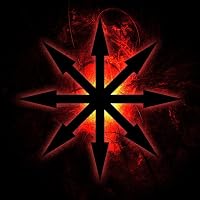
Faerywolf manages to explain Feri without sanding all the weird edges off it, theres the Iron Pentacle, Personal Trinity, Faery Fire, shadow work, spirit alliances and a cosmology that gets considerably stranger the deeper you go. What I liked most is the emphasis on power and direct experience, your supposed to actually do this stuff and see what happens instead of memorizing somebody elses theology, which obviously sits pretty well with my chaos magick brain. Some parts are more tradition specific than Id ever personally use but the whole thing feels alive in a way alot of modern witchcraft books dont, slightly dangerous even which is probably healthy.
April 17, 2019
This is an excellent book for folks desiring to learn about F(a)eri(e), particularly if they are interested in practice, as this work is full of rich exercises. Storm has a gift for presenting mystical content in an approachable, accessible fashion, and he writes beautiful poetry too, which makes the journey through this material a joy. He also offers a lot of practical information for seekers, which provides a strong container and grounding for the material and work.
July 25, 2021
(Same review that I wrote on amazon:)
I found this book to be incredibly insightful and helpful. I have not had a chance to work through it entirely (and I feel that this could and should take awhile) but I read it all the way through. It is well written and the exercises are easy to understand. I think this could help anyone understand witchcraft better. It's also a lot of material which is awesome!
I found this book to be incredibly insightful and helpful. I have not had a chance to work through it entirely (and I feel that this could and should take awhile) but I read it all the way through. It is well written and the exercises are easy to understand. I think this could help anyone understand witchcraft better. It's also a lot of material which is awesome!

February 16, 2019
Intermediate Material
I think this is an amazing feri book, but a lot of the concepts I would label as intermediate if they haven’t already studied energy work. Took a star from this review because the gods described in this book can get a bit confusing.
I think this is an amazing feri book, but a lot of the concepts I would label as intermediate if they haven’t already studied energy work. Took a star from this review because the gods described in this book can get a bit confusing.
July 25, 2021
I’m really happy that I found Storm’s work. His writing is honest, forthright and informative. He balances respect for the history of the tradition while remaining fully cognizant of the reality that a truly effective practice meets the present-day needs and sensibilities of its practitioners.
May 1, 2022
This book is my favorite by this author so far, don’t get me wrong I have enjoyed everything he has written and it’s all relevant, well written, and I can’t recommend the author enough to people, but this book in particular is my favorite so far!
May 20, 2022
I read this book,and liked it so much, I loaned it to a friend. Who loaned it to another friend, who loaned it to someone else. I have no idea who has it anymore,but I hope who ever it is, loves it the way the rest of us have.

June 23, 2022
Beautiful and Moving
Storm Faerywolf continues to be one of the best authors and teachers I’ve encountered, and I always look forward to reading his new books!
Storm Faerywolf continues to be one of the best authors and teachers I’ve encountered, and I always look forward to reading his new books!

August 21, 2024
I have to admit I did not finish reading this but I went along further than I normally would have. It was not for me.
Displaying 1 - 30 of 32 reviews