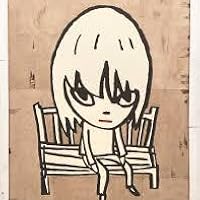
"پاک شده" در داوناسترز (طبقهی پایین) تئاتر رویال کورت در سال 1998 با کارگردانی جیمز مکدونالد برای اولین بار به روی صحنه رفت. این نمایشنامه، پرخرجترین اثر در تاریخ تئاتر رویال کورت بهشمار میرود. کین اثر را تحتتاثیر جملهی رونالد بارت نوشته بود: "عاشق بودن مانند این است که در آشوویتس باشی." پاک شده در فضای دانشگاه میگذرد اما درحقیقت چهارچوب آن بیشتر شبیه سالن شکنجه یا کمپ کار اجباری است و تینکِر، یک سادیست، آنجا را اداره میکند. تینکر در اینجا زنی جوان و برادر او، یک پسربچهی آسیبدیده، یک زوج همجنسگرا و یک رقاص را در جهانی لبریز از خشونت رار میدهد و در اینجا ابراز نفرت از عشق را با قساوت تمام از این افراد میخواهند. این اثر محدودیتهای صحنهی نمایشنامه را کنار میزند: توصیفهای صحنه شامل میشوند بر یک آفتابگردان بر زمین میافتد و به گلی بلندتر از همه تبدیل میشود و موشهای پای کارل را با خود میبرند
Sarah Kane was an English playwright. Her plays deal with themes of redemptive love, sexual desire, pain, torture—both physical and psychological—and death. They are characterised by a poetic intensity, pared-down language, exploration of theatrical form, and, in her earlier work, the use of stylized violent stage action. Kane battled with depression, and her life was brought to a premature end when she committed suicide at London's King's College Hospital. Her published work consists of five plays and one short film, Skin.
What is very interesting about reading Kane is that there is no in-between to how one feels about her works; one either likes them or completely dislikes them. And believe me, it has nothing to do with grasping what it all means, for her plays are both absurd and overwhelming, at the same time. The more I read her, the more I am intrigued by how such a mind worked, and what tragedy led to her extraordinarily dim creations.
At first, it is always intense and shocking, till, the shock factors gradually diminish, and the unfamiliar becomes usual; from incest, to eating dead babies, to raping a dead man, to decapitating someone… Kane never fails at placing our sense before the most violent hedges of human nature, thus, staging the unstageable.
Yet, again, is real life any less cruel than this?
In this particular work, -which, unfortunately, happens to be my last Sarah Kane read- a group of people cut-out from society, make a community that tries to “cope” with its distinctions. Supervised and even punished by Tinker in the most inconceivable ways, every one of the characters seeks his aid out of their own distress. “You’re a doctor, help me!” Tinker proceeds to reap Carl and Rod’s -the gay couple- lives away from them before even killing them, through torturous methods, abusing the suicidal and vulnerable Robin, and allowing unidentified voices to beat and rape Grace who is deeply infatuated with her dead brother, to the point of wanting to be “Graham from outside, as Graham from inside”.
It all clothes the play in a sense of circularity of doom, where characters are in constant search of Redemption, yet end up at loss of everything [Themselves, their lives, meaning, purpose …] One of the rawest reads, ever. And, I could not stop wondering how these stage directions could be/were made, for they’re near impossible.
{Will definitely revisit to try and trace the flowers bursting into life metaphor.}
مطلبی که در مورد کتاب نوشتم مربوط به دو سال پیش هست و امروز نظرم در مورد این نمایشنامه عوض شده و دوباره دربارهش خواهم نوشت، ولی علیالحساب امتیازم رو به این کتاب تغییر میدم (از یک به سه)
شکنجه و تجاوز و توحش در بیست پرده
اینکه نمایشنامه جز آثار مطرح نمایشی پست مدرن ه، اینکه پرخرج ترین نمایش اجرا شده در رویال کورت معروف ه و حتی اینکه سارا کین، خالق اثر یک سال بعد از نوشتن این نمایشنامه خودش رو با بند کفش حلق آویز کرده، هیچ کدوم دلیل نمی شه بیش از یک ستاره به این نمایشنامه بدم. سارا کین این نمایشنامه رو تحت تاثیر این جمله از بارت نوشته: عاشق بودن مانند این است که در آشویتس باشی. هرچند که فضای اجرای نمایش از حیث توحش و خشونت دست کمی از آشویتس ندارد، اما این پیام زیر صحنه های خشن تجاوز و رابطه جنسی و شکنجه گم شده
امتیاز به ترجمه مهیار کاغذی: یک امتیاز به ترجمه رامتین شهرزاد: دو
Roland Barthes once said that "being in love was like being in Auschwitz". According to The Guardian, this was the line that inspired Sarah Kane to write Cleansed. Kane appears to have taken this line very, very seriously, peppering her play with the most horrific of images, attempting to stun the audience with how horrific love can be and how beautiful it is at the same time.
Graham and Grace are deeply in love, and their love is all-consuming. In fact, their love is so endless and devouring that Grace loses herself in the abyss of her passion, spending the entire play seeking to look like her brother, wearing his clothes and changing her manner of speaking to suit his. The two are so in love that they have become one, eternally intertwined, both in life and death.
Their love is destructive and horrific, as reflected in its incestuousness. Although their love is intense and heartrending, as can be observed from the towering sunflower that sprouts from the ground during one of their numerous acts of love, the monstrous nature of the flower with its unnatural height and rate of growth add a certain phantasmagoric, nightmarish element to their mutual adulation. The way Grace carries the spectre of her dead brother with her throughout the play is horrifying in its devotion. Perhaps the horrific nature of this love is best revealed when Grace is assaulted and subsequently raped by a faceless mob. The scene is ostensibly framed as one of empowerment, where Grace's love for Graham allows her to endure the abuse of the relentless crowd. However, this is not the case - the violence enacted on Grace is clearly illustrated with the sounds of the crowd beating her up resounding throughout the scene. With Grace and Graham, Kane depicts the terrifying strength of obsessive, reciprocated love.
In contrast, the romacne between Carl and Rod feels more tentative. Carl pretends to love his partner more than himself, bursting into hyperbolic expressions of love constantly. However, these expressions feel more cliched than authentic. Carl needs to be told to remember Rod's name, to be in love with the man before him and not simply in love with love itself. Additionally, Carl defaults to conventional ideas and traditions through the use of a ring as a symbol of dedication. Carl's love is simply an imitation of what he's observed and has come to expect from romance, not an authentic expression of love. This is exposed by the Tinker, who threatens to sodomise Carl with a pole, causing Carl to lash out and scream for the Tinker to assault Rod and not him. This leads to Rod's death. The Tinker cuts off Carl's tongue and makes him swallow his own ring, a rather unsubtle suggestion that Carl's earlier declarations of love were false and inauthentic. In a way, Rod and Carl's status as a homosexual couple adds to this portrayal due to the persecution homosexuals face in our society, with Carl's betrayal of Rod possibly reflecting the way homosexual couples in reality might forsake one another out of fear for their own lives.
Throughout the play, Carl is punished repeatedly with dismemberment, losing his hands and legs and eventually his genitals. The loss of Carl's hands and legs might reflect the paralysing nature of his guilt. while the loss of his genitals is perhaps the ultimate symbol of emasculation, a physical representation of his lack of courage. These genitals are then given to Grace, who dared to love, but in so doing, became a freakish being with an uncertain and unstable identity. Such a "happy ending" where the loyal and faithful are rewarded whilst the insincere and traitorous are punished might seem ideal initially, which reflects the way the sun rises in the final scene. However, the final image we are left with is one of blinding light, of love so passionate it blisters and scars.
The figure of Robin wears Grace's clothing, a representation of his one-sided affection. Grace smells like a flower, with this fragrance representing the hint, the elusive possibility of love that Robin is pursuing. This most crushing of crushes (lmao) haunts him in the same way that Grace's haunts her - with one key difference. Robin's love is unreciprocated. His attempts to win her favour are unsuccessful. His attempt to forget about her by paying to see an exotic dancer eventually ends in distress as he is unable to forget his love. Eventually, Robin gives up on real love and attempts to pursue Grace by imitating the now dead Graham and buying chocolates for her. However, the Tinker forces him to stuff himself by eating the entire box of chocolates, leaving him in tears. In a way, this reflects the intoxicatingly sweet nature of one-sided love and its suffocating nature, the paradoxical idea that so many pieces of heaven could make life itself seem like hell. The image of Robin counting the days before Grace and Carl are released from the hospital is particularly haunting. Robin demonstrates his ability to use the abacus to impress Grace, his chief tutor, but as he painstakingly does his various calculations, the audience has no choice but to watch painfully as Grace pays him no attention whatsoever. Eventually, Rod hangs himself with Grace's stockings, in a way, dying by her hand, the ultimate expression of his despair.
However, though horrific, these images are beautiful. The giant sunflower emerging from the stage, a blanket of daffodils rising from the ground, the almost poetic way in which Carl is punished and Robin's love punishes him - all of these things add a certain beauty to the horror and pain of the play. Although love can be painful and scary and frightening, it's also pulchritudinous, and should hence be appreciated.
If there is a character that represents love as it should be, it's Rod. Rod is faithful to Carl, but not deceptively so. He has a realistic view of their love and means more than he promises. He is unwilling to like to Carl, no matter the situation. Love, then, should be an authentic expression of the self coupled with a certain self-respect and self-awareness.
(I might elaborate on The Tinker and the exotic woman later if I figure out what they're about. But for now, I've been putting off this review for far too long, and it's already a thousand words, so I don't feel like continuing... sorry, Ms Kane!)
Την Σάρα Κέιν την γνώρισα μέσω μιας φίλης. Συγκεκριμένα μου είπε ότι ήταν ένας άνθρωπος πολύ ιδιαίτερος. Στο Cleansed κατάλαβα πόσο ιδιαίτερη ήταν. Στο έργο αυτό μπορείς να καταλάβεις τόσο τον εσωτερικό κόσμο της συγγραφέας όσο και της εμπειρίες της που σίγουρα δεν ήταν οι καλύτερες. Επίσης στο έργο υπάρχουν πολλά κρυμμένα μηνύματα... Θα μπορούσε να είναι και 5 αστέρια απλά για μένα, το συγκεκριμένο, ήταν πολύ βαρύ-σκληρό ώστε να το κατανοήσω 100%...
Another one I will have to re-read: the densest of the plays so far. Not only would I love to see this performed, I don't know anyone who would come with me, haha.
A harrowing series of tortures, which take place with the apparent, vague excuse of being part of some sort of academic study—takes place on a university campus, performed by a "doctor". A doctor named Tinker, suggesting someone lowly—but also a tinker-er, an unwanted meddler in the lives of others. Synonymous, maybe, with the universe itself? (Oh, I just happened upon it now: theatre critic Jack Tinker is the one who came up with the famous "a disgusting feast of filth" criticism of Blasted!)
There are also war-specific methods of torture described, and a firing squad as well. There's a veritable kaleidoscope of evil here.
In wondering if Kane's depression had led her to be skeptical of doctors, I discovered this article, which seems to place the blame on hospital staff for not checking up on her enough, giving her the chance to commit suicide. I wonder if the way in which we live life, and what happens to us, is the self-fulfilling result of our perspective on life. Or whether life is what informs our perspective. Probably the more set in our ways we become, the more life demonstrates itself to be closer to what we want to see, for better or worse. Sometimes life batters people so relentlessly that they can't help but be the shape they have been battered into. Or they have a tougher time of being anything else. (Speaking of "set in your ways", I now find myself back in my apartment, on the same couch where I sat typing thoughts on Beckett's novel trilogy to myself—something I'll be perpetually inclined to do, it seems, for whatever reason.)
But I'm a perpetual proponent of Camus' invincible summer theory. (Kane's sunshine and sunflowers, as in Cleansed.) Where there's life, there's hope. There is the capacity for change, even if it's rarely used. On one hand it makes no sense to react to the world based on what has happened to us personally—that is, why only become suspicious, for example, of getting cheated on, only after it has happened to us? It makes no sense. In the scheme of who is out there and what propensity they have for exacting whatever upon us, a single bad experience is barely usable statistical data at all. On the other hand, if we had to behave in accordance with how we logically tallied up what was objectively happening in the world, or what had happened, we'd all curl up screaming forever. We just don't work like that. Maybe that's for the better. Either way, it's just how it is.
Oh! In the writing of this now, I wonder if Cleansed is some commentary on Unit 731, or the torture that has been done in the name of science. In this interview, she mentions one type of torture in "Cleansed" once again being inspired by events during The Breakup of Yugoslavia ("Blasted" similarly a commentary on this particular conflict.)
Then there's the title: ethnic cleansing? Religious flagellation? Something about the apparent purity of pursuing knowledge? Are we cleansed by love? Are we cleansed by the relief of death?
Of Kane's plays that I've read so far (Blasted, Phaedra's Love and this), Cleansed has the highest number of redeemable characters in it. These are the first seemingly innocent characters that Kane herself doesn't scorn, as she seemed to do to Cate seemed in Blasted—or rather, the scorn of Cate has more weight to it given that Cate only appears with one other character, Ian, who spends a lot of time mocking her. And yet in these three plays, Kane seems to deeply understand and affirm the sacrifices that love require. But this wasn't immediately evident, since one way in which she reveals the profundity of this is through intense brutality. But in spare worlds filled with violence, love and forgiveness reveal themselves even further to be all we've really got. While I'd thus far suspected this was part of her agenda, it's no more apparent than in this particular play. There is love, beauty, forgiveness and redemption—even, maybe especially, in worlds like that of Cleansed, where books burn, but still produce a beautiful fire.
Heavily inspired by Beckett—I don't feel schooled enough to call her his worthy successor, but posterity seems to have pronounced on that regardless.
Anyways I'm so enjoying my copy of the collected works of Sarah Kane—it's far better than anything else I've tried to read lately, and I have that eagerness to get back to it that books so rarely offer. now that I'm in my thirties, I only want to study/ follow my curiosity about writers who pull me in like this (not that I've been doing anything else for years anyway, haha.)
Once again Kane's work seems to click with me—I'm glad it does with so many others, because I don't know what it would say about me otherwise!
Disturbing events unfold around a university. There are overdoses and dismemberments. People are raped and tortured. Throughout the senseless identities appear fluid and roles are exchanged, especially by means of dance. The scene with Grace and Graham will likely linger.
Rats have some sophisticated stage directions to follow.
I didn’t like this one. Blasted appeared much more coherent.
این نمایشنامه روایت انسانهایی است که نوع روابط و آمال و آرزوهای آنها با هنجارهای جامعه سنخیت ندارد و سعی در بیان این دارد که اگر همرنگ جماعت نباشی توسط جامعه مجازات میشوی. تینکر نماد جامعهای است که دنیا را برای کسانی امثال کارل، گراهام، گریس و راد زندان و شکنجهگاهی میکند که تنها راه فرار از آن خودکشی است.
۲.۵ نمایشنامه برای اجرا نوشته شده است. شاید اگر اجرای این نمایشنامه را می دیدم نظر متفاوتی داشتم. در هر صورت، آستانه شوک پذیری ما بسیار بالا رفته. به همین سادگیها با قطع دست و الت تناسلی و قطع سینه و... شوکه نمی شویم. ما واقعیات بسیار شوکه کننده تر و سوررئال تری را در اخبار خودمان به صورت روزانه می بینیم. به قول کتاب فلسفه ترس: " واقعیات بسی عظیم تر از داستان است و قتل واقعی واکنش زیبایی شناختی قوی تری از قتل داستانی به بار می آورد،" ما بی عدالتیها ی دهشتناک تر از این دیده ایم. So bring it on!
یک موسسه ی درمانی ساخته شده است تا جامعه را از شرّ چهره های نامطلوب خود خلاص کند، گروهی از زندانی ها سعی میکنند با کمک عشق، خودشان را از این مهلکه نجات دهند...
I don't fully understand what I just read... Interesting read, dealing with issues of sexuality and gender, so if you're interested in those subjects and absurd-esque theatre you may enjoy it but be warned that it is very graphic in terms of scenes of violence. I'm morbidly curious as to how they would stage this so I may try to find a production of it (or at least clips) online.
It's punch to the gut after punch to the gut. Each scene brings its lot of violence, moral or physical. Crude sex scenes are also in there.
At times, the scenic informations make no sense at all. I can't imagine how it would have been rendered on stage (for instance: "The rats carry Carl's feet away." 🫠).
Once again, a play I would have loved to see live, even if I would no doubt have ended shocked, as intended.
[۳.۵] خشونت فیلمها و داستانها (هرجایی غیر از اخبار!) معمولاً آزارم نمیده. شاید یکی از معدود دفعاتی که واقعاً شوکه شدم، دو-سهسال پیش و موقع اولین مواجههم با سارا کین بود. (البته به لطف حافظهٔ خیلی خیلی قویم، نمایشنامه که هیچ، احساسم رو هم درست بهیاد نمیآرم.) فکر میکردم دیگه خشونت کین هم برام عادی شده باشه که با موقعیت جدیدی روبهرو شدم: صبح، خسته و گرسنه توی مترو ایستاده بودم و سعی میکردم نیفتم روی سر مردم. با روند داستان همراه شده بودم که رسیدم به اولین سیلی داستان؛ و برای اولینبار، خشونت یه داستان بهم احساس ضعف داد. بهسختی اون صحنه رو تموم کردم. ادامه دادم تا به صحنهٔ خشن بعدی رسیدم. نتونستم ادامه بدم. توان ذهنی نه، جسمیش رو نداشتم. صبر کردم تا برسم به مقصد. با نوشیدنی شیرین نشستم و اینبار مثل همیشه، عادی ادامه دادم.
غیر از خشونت، صحنههای عریان جنسی هم امضای کینه. با این حال، رابطهای بود که انتظارش رو نداشتم. (دارم سعی میکنم داستان رو لو ندم.) نسبت به کارهای قبلی، تابوتر (نمیدونم این وصف درسته یا نه.) بود. احتمالاً اکثر کسایی که میخوننش، بهش بگن «مشمئزکننده». (مثل خودم. شاید بعداً از این حرفم برگردم.) جوری ذهنم دربرابرش مقاومت میکرد که اول فکر کردم شخصیتها رو اشتباه گرفتهم ولی جلوتر دیدم که هیچ اشتباهی نشده. :)
ترجمهٔ آقای مهیار کاغذی رو خوندم و فکر میکنم خوب بود. برعکس کارهای قبلی که از مترجمهای دیگه خونده بودم و ایرادهای واضحی داشتن.
نظرم دربارهٔ خود کین بمونه برای وقتی که اون یه کار باقیمونده رو خوندم. (شاید اون نمایشنامهای که فراموش کردهم رو هم دوباره بخونم. نمیدونم.)
“I love you now. I'm with you now. I'll do my best, moment to moment, not to betray you. Now. That's it. No more. Don't make me lie to you.”
Changed it to five stars. The more I read it and talk about it, the more I like it... which is weird but very entertaining and interesting. I can't even explain why I love it so much.
god, i'm speechless. i'm mindless & dumb. kane is such a religious experience, so raw and gritty and dirty and disgusting and holy and healing and everything in the world. i really am cleansed.
I don't know where to start or end but yah, this is important. will be rereading to understand more past the shockness of it all. the ending prose, I understand that...
خیلی اتفاقی به این نمایشنامه نویس برخورد کردم . سارا کِینِ آوانگارد و پست مدرن نویس ! و صد البته به نظرم چرت و پرت نویس ! این نمایش نامه اش پرخرج ترین نمایش نامه ایی بوده که تو رویال کورت به صحنه رفت ه . برای من هم تبدیل به اولین نمایشنامه ایی شد که "هیچ" ارتباطی نتونستم باهاش برقرار کنم . تلفیق احمقانه ایی از خشونت و مسائل جنسی و ... از نظر من اصلا به نمایشنامه هاش نزدیک نشید که اتلافِ کاملِ وقت است .
“I will always love you. I will never lie to you. I will never betray you. On my life.”
okay wow yes. sarah kane really loved her shocking and grotesque themes but this show was sooo good. it was very heavy and a lot of messed up stuff happened but at the same time it was intriguing and complex. it’s funny to think that all of her plays deal with love when they are so messed up but this one you can really see what she is trying to do and how everyone is punished for any act of love they do and how they keep doing them even though they know they will be punished. it was beautifully twisted and sooo well written. sarah kane had an amazing talent for writing and pushing the limits of theatre.
I read this three times. its not a waste of time im doing the hot spoon thing. Reading it a fourth time would close the portal (personal superstition), but i dont want to. after reading more of her work im really starting to appreciate how Kane writes dialogue. its so sparse but brutal, and overlapping too, it feels like being beat over the head by someone and you can feel desperation in every blow. I also love how people are constantly losing body parts (eyes in blasted, hands and tongues here). but of her work that ive read something about this one seems special. there was a line that was almost identical to one in a poem I've been writing. also the academic turned psychiatric environment feels like home. I dont like it here but I belong here so the portal stays open.
Certainly her most disturbing and depressing out of the three I’ve read so far. Also the best.
A “doctor” working at a university kills and tortures a set of undesirables - drug addicts, sex workers, gay men, a incestuous couple. All these people initially seek help from him. He uses his supposed credentials to take advantage of these characters in a Holocaust-like fashion, and as they are slowly dismembered, tortured, killed, they begin the seek solace among each other instead. It is as if the world is out to rid itself of them, and there is no one else but themselves that can help. The play perfectly encapsulates both the inhumanity and the humanity of man.
There’s much more to unpack here. But I’d rather not think of this one any more today or else I may not sleep.
This entire review has been hidden because of spoilers.
I don't know what to think of this piece. It's absolutely horryfying but impactful. When it starts with an OD, and that's the most normal part, just wow. Don't know if I love or hate it, that's why I can't give a rating.
anche se sarah kane non può essere valutata a stelline e numeri. è una lettura disturbata e disturbante, ma non riesco a staccarmi. so cosa troverò eppure sono sempre scioccata, so che non ci si andrà per niente leggeri eppure non riesco a smettere di leggere, devo sapere e devo farmi sconvolgere. vorrei smettere, ma non ci riesco. mi lascia una sensazione di "cosa cavolo ho appena letto" eppure appena chiudo il libro continuo a ripensarci e poi passo alla sua seguente opera