

What do you think?

Isadora Wing #4
Paura di morire
Superati (anche se non sappiamo esattamente da quanto!) i cinquanta, Vanessa Wonderman si divide tra le cure ai genitori ormai anziani, una figlia incinta da accompagnare alle periodiche visite mediche e un marito, Asher, di quindici anni più anziano di lei, meno abile di un tempo a soddisfare il desiderio ancora vivo di Vanessa. Con gli anni dei suoi successi come attrice alle spalle, Vanessa inizia a comprendere che tutto sommato gli inizi sono facili, mentre i finali possono rivelarsi assai più complicati. Che la fonte delle sue fantasie giovanili possa essere colmata da Zipless.com? Un sito ispirato dai libri della sua migliore amica, Isadora Wing, e che promette incontri “senza impegno” che daranno a Vanessa la possibilità di provare qualsiasi esperienza. Seguito ideale di Paura di volare, questo nuovo romanzo di Erica Jong è il ritratto coraggioso, pieno di humor e ferocemente onesto, di una donna matura del ventunesimo secolo, che ama la vita e ama sentirsi amata, che non rinnega il suo passato e pensa ancora che il futuro possa riservare delle felici sorprese.
245 pages, Kindle Edition
First published September 8, 2015
About the author
Erica Jong
124 books895 followersErica Jong—novelist, poet, and essayist—has consistently used her craft to help provide women with a powerful and rational voice in forging a feminist consciousness. She has published 21 books, including eight novels, six volumes of poetry, six books of non-fiction and numerous articles in magazines and newspapers such as the New York Times, the Sunday Times of London, Elle, Vogue, and the New York Times Book Review.
In her groundbreaking first novel, Fear of Flying (which has sold twenty-six million copies in more than forty languages), she introduced Isadora Wing, who also plays a central part in three subsequent novels—How to Save Your Own Life, Parachutes and Kisses, and Any Woman's Blues. In her three historical novels—Fanny, Shylock's Daughter, and Sappho's Leap—she demonstrates her mastery of eighteenth-century British literature, the verses of Shakespeare, and ancient Greek lyric, respectively. A memoir of her life as a writer, Seducing the Demon: Writing for My Life, came out in March 2006. It was a national bestseller in the US and many other countries. Erica’s latest book, Sugar in My Bowl, is an anthology of women writing about sex, has been recently released in paperback.
Erica Jong was honored with the United Nations Award for Excellence in Literature. She has also received Poetry magazine's Bess Hokin Prize, also won by W.S. Merwin and Sylvia Plath. In France, she received the Deauville Award for Literary Excellence and in Italy, she received the Sigmund Freud Award for Literature. The City University of New York awarded Ms. Jong an honorary PhD at the College of Staten Island.
Her works have appeared all over the world and are as popular in Eastern Europe, Japan, China, and other Asian countries as they have been in the United States and Western Europe. She has lectured, taught and read her work all over the world.
A graduate of Barnard College and Columbia University's Graduate Faculties where she received her M.A. in 18th Century English Literature, Erica Jong also attended Columbia's graduate writing program where she studied poetry with Stanley Kunitz and Mark Strand. In 2007, continuing her long-standing relationship with the university, a large collection of Erica’s archival material was acquired by Columbia University’s Rare Book & Manuscript Library, where it will be available to graduate and undergraduate students. Ms. Jong plans to teach master classes at Columbia and also advise the Rare Book Library on the acquisition of other women writers’ archives.
Calling herself “a defrocked academic,” Ms. Jong has partly returned to her roots as a scholar. She has taught at Ben Gurion University in Israel, Bennington College in the US, Breadloaf Writers’ Conference in Vermont and many other distinguished writing programs and universities. She loves to teach and lecture, though her skill in these areas has sometimes crowded her writing projects. “As long as I am communicating the gift of literature, I’m happy,” Jong says. A poet at heart, Ms. Jong believes that words can save the world.
In her groundbreaking first novel, Fear of Flying (which has sold twenty-six million copies in more than forty languages), she introduced Isadora Wing, who also plays a central part in three subsequent novels—How to Save Your Own Life, Parachutes and Kisses, and Any Woman's Blues. In her three historical novels—Fanny, Shylock's Daughter, and Sappho's Leap—she demonstrates her mastery of eighteenth-century British literature, the verses of Shakespeare, and ancient Greek lyric, respectively. A memoir of her life as a writer, Seducing the Demon: Writing for My Life, came out in March 2006. It was a national bestseller in the US and many other countries. Erica’s latest book, Sugar in My Bowl, is an anthology of women writing about sex, has been recently released in paperback.
Erica Jong was honored with the United Nations Award for Excellence in Literature. She has also received Poetry magazine's Bess Hokin Prize, also won by W.S. Merwin and Sylvia Plath. In France, she received the Deauville Award for Literary Excellence and in Italy, she received the Sigmund Freud Award for Literature. The City University of New York awarded Ms. Jong an honorary PhD at the College of Staten Island.
Her works have appeared all over the world and are as popular in Eastern Europe, Japan, China, and other Asian countries as they have been in the United States and Western Europe. She has lectured, taught and read her work all over the world.
A graduate of Barnard College and Columbia University's Graduate Faculties where she received her M.A. in 18th Century English Literature, Erica Jong also attended Columbia's graduate writing program where she studied poetry with Stanley Kunitz and Mark Strand. In 2007, continuing her long-standing relationship with the university, a large collection of Erica’s archival material was acquired by Columbia University’s Rare Book & Manuscript Library, where it will be available to graduate and undergraduate students. Ms. Jong plans to teach master classes at Columbia and also advise the Rare Book Library on the acquisition of other women writers’ archives.
Calling herself “a defrocked academic,” Ms. Jong has partly returned to her roots as a scholar. She has taught at Ben Gurion University in Israel, Bennington College in the US, Breadloaf Writers’ Conference in Vermont and many other distinguished writing programs and universities. She loves to teach and lecture, though her skill in these areas has sometimes crowded her writing projects. “As long as I am communicating the gift of literature, I’m happy,” Jong says. A poet at heart, Ms. Jong believes that words can save the world.
Ratings & Reviews
Friends & Following
Create a free account to discover what your friends think of this book!
Community Reviews
Displaying 1 - 30 of 401 reviews

March 22, 2022
الرفيو رقم ٤٠٠ لى طبقا لحسابات الجودريدز 😄🎉
مع رواية يبدأ اسمها بأكثر المشاعر التى أعاني منها دائما 💔
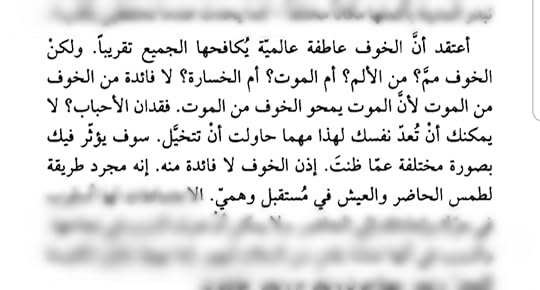
من فترة وأنا اعرف عن روايات اريكا يونغ وأرغب في قرائتهم ، وتبدأ الثلاث روايات التى تمت ترجمتهم بكلمة الخوف (الخوف من الطيران ، الخوف من الخمسين ، الخوف من الموت )

عشان كده هبدأ كلامى بكلمة الخوف ، اللى بشوف انه من المشاعر اللى قادرة تدمر حياتنا.
الخوف يتوارى داخل الكثير من المشاعر ويمنع عنا أشياء كتيرة، الخوف ليس فقط من المشاعر السيئة مثل :
الخوف من الموت، من الخسارة ، من الفراق ، من الهجر ،من الألم ، من الكره ،من الغضب ، من الضلمة ، من الوحدة ، من المرض ،من النهايات ، من البعد ، من الفشل، من الخسارة ومشاعر أخرى كتيرة سيئة نشعر بالخوف منها.
لكن كثيرا جدا ما نشعر بالخوف من أشياء ومشاعر جيدة في حياتنا ،كالخوف من اللقاء، من الحب ، من البدايات ، من الضحك ، من الفرح ،من النجاح ، من القرب .
(ده احنا شعب اما بنفرح بنقول اللهم اجعله خير . )
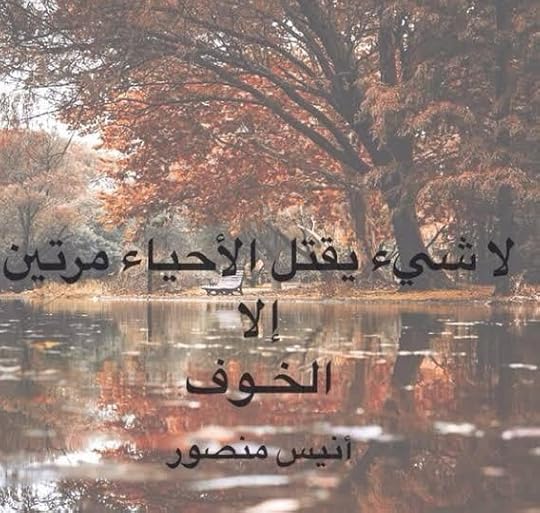
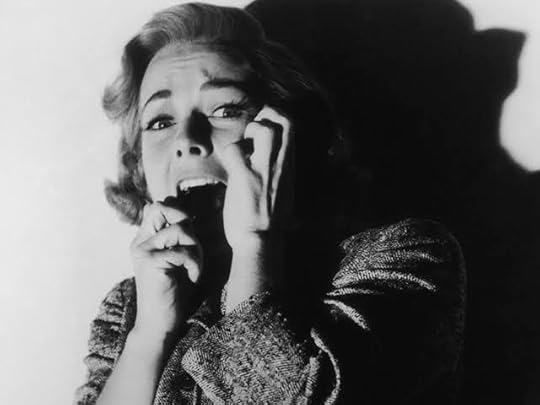
أحيانا ما تاتينا المشاعر الجيدة مغلفة أو تحمل بين طياتها مشاعر الخوف ،ربما الخوف من خسارتها ، الخوف ان نشعر بالصدمة في أشخاص أحببناهم ووثقنا بهم ، الخوف ان نستيقظ لنجد ان ماكنا نحلم به قد تحول إلى كابوس .
وللاسف حينها نكمل حياتنا في قمقم من الخوف . تضيع أيامنا ونحن أسري في سجن الخوف ، سجن صنعناه بإيدينا .ونقضى أيامنا نبحث عن شئ يجعلنا نشعر بالأمان حتى وإن كان أماناً مؤقت . وأحيانا كثيرة نستكمل حياتنا في حالة دائمة من خوف .واحيانا يتسبب الخوف في أن نخسر بالفعل ما نخاف من خسارته وتضيع منا لحظات كان من ممكن ان تصبح راحة من ضغوط الحياة. لكن للأسف يقوم الخوف بتدمير سعادتنا وقد يصبح السبب في تدمير علاقتنا بكثير من الأشخاص في حياتنا.

دائما ما أتذكر جملة نجيب محفوظ في رواية اولاد حارتنا
الخوف لا يمنع من الموت و لكنه يمنع من الحياة"
لذا أحاول أن انصح نفسى وانصحكم معي أن نحاول أن نتغلب على خوفنا ، أن لا نظل أسري ، مسجونين في سجون الخوف ، سواء السجون التي قمنا ببنائها او قام الأخرون ببنائها، فلنحاول أن نهدمها او على الأقل ان نصنع بها باباً او نافذة تسمح بدخول الهواء لنا.
نعود للرواية لنتحدث عن الخوف من الموت ،الخوف من موتك انت شخصياً . الخوف ان تموت قبل ان تعيش ، قبل ان تقوم بالكثير من الامور التى لازلت ترغب في القيام بها ،الخوف من شكل النهاية .لكن في النهاية:
"أنا كائن بشري سوف يموت. وما أفعله قبل ذلك قد يكون مهماً أو لا يكون. وحدهم الذين يأتون بعدنا سوف يعلمون هذا"
وهذا بجانب الخوف من وفاة المقربين منا .الخوف من الحياة وحيداً دون أحبائك . وفي هذه الجزئية بالذات كنت أشعر معها بالخوف الذي يلازمنى بالفعل في حياتي دون ان اكون بحاجة لرواية لتذكرني به.شعرت انى أحيا معها خوفي مضاعفاً.
" هل سأتمكن أبداً من تحمل غيابهما؟ هل يستطيع أحد ذلك ؟"
"إن الموت حاضر دائما هنا في الحياة. كنا نريده خفياً لأننا لا نتحمله كما لا نتحمل نبأ يقول إن شمسنا سوف تنطفئ ذات يوم "
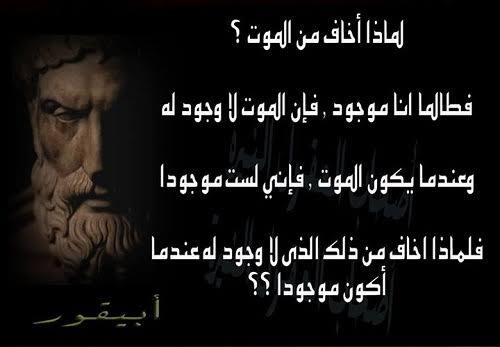
" إن الموتى يعيشون داخلنا. ونحن نبقيهم أحياء .إنهم لا يموتون أبداً"
لكن هل كان الموت هو الموضوع الوحيد في الرواية بالطبع لا. فالموت جزء من مواضيع وتفاصيل الرواية وربما يكون هو الجزء الأكثر سهولة في الحديث عنه لأن هناك تفاصيل أخرى شائكة و جريئة خاصة لمجتمع شرقي كمجتمعنا .
" إنني أكره أن أتقدم في السن. لا أرى أي شئ جيد في ذلك.إن منحدر الحياة مملوء بالصخور .آفاقك مُبهمة وكتل الثلج الأسود تظهر في كل مكان ، تتربصِ بك لجعلك تنزلقين . ربما كانت موجودة من قبل لكنك لم تلاحظيها. والآن هى تكمن لكٍ عند كل منزلق "
الموت والتقدم في السن والرغبة في الحياة والجنس والحديث عنهم بهذه الصراحة والوضوح من الموضوعات الشائكة وبالنسبة لمجتمعنا من الموضوعات المرفوض والمستهجن جدا الحديث عنها في العلن . فكيف يمكن لأمراة ان تتحدث عن حاجتها إلى الجنس ؟ فما بالك بأمراة في الستين من عمرها مثلا وتعبر عن هذه الرغبة بشدة ، ترفض الموت ، تحب الحياة وترغب ان تعيش وتدخل في مغامرات لآخر دقيقة .
اعتقد اذا صرحت امراة في مجتمعنا بهذا سيتم رجمها ورفع سياط الغضب عليها . وسيتم لعنها وستستمع لكلمات جارحة كثيرة بجانب محاولات لاستغلال رغباتها . احنا في الغالب مجتمع يري انه لما يكبر الانسان في السن وخصوصا المرأة فمن الوقار والاحترام والأدب ان لا تتحدث عن بعض الامور والرغبات وان تقضى ايامها من أجل ابناءها واحفادها او تعيش بمفردها في صمت دون اى رغبات حتى تموت . و ان تترك هذه الرغبات لصغار السن فهم فقط المسموح لهم بهذه الرغبات ( ملحوظة : حتى صغار السن غير مسموح لهم أيضا بالحديث عنها بصوت عالى ) اما كبار السن فكيف لهم ان يفكروا بهذه الأمور!!
جاءت اريكا يونغ على لسان بطلتها فانيسا لتكسر وتدمر هذا التفكير.
طبعا ليس الجنس هو الموضوع الوحيد الذي تتناوله الرواية لكنها تتناول ايضا الحب ايا كان السن من خلال علاقة فانيسا بآشر ، فقد تظل تبحث وتحيا قصص حب فاشلة حتى تلتقي حبك الحقيقى وربما يحدث هذا بعد الخمسين مثلا
- لم يعرفني أحد حقا قط قبل أن أقابلك.
- ولا أنا أيضا حدث معي هذا.وأردت أن تعرفني من كل قلبي.
"
" لقد بدأت أفهم أنني إذا فقدت آشر فإن حياتي كلها سوف تصاب بالذهول. إنني لم أدرك أبداً كم أنا في حاجة إليه، كم أحبه."
وتتناول ايضا العلاقات بين الأبناء وابائهم سواء من خلال علاقة فانيسا بابنتها غليندا او من خلال علاقة فانيسا واخواتها بأبيها وأمها.
أحببت علاقتها بإبنتها فهى تحبها وتحاول مساعدتها والتواجد بجانبها دائما وترغب في حمايتها وتخاف عليها لكنها تعلم ان من الجيد تتركها لتتخذ قراراتها بنفسها . تعلم ان كثير من الحب يكمن في الإصغاء . ان أحيانا كثيرة كل ما يرغب فيه الأبناء هو تقبل الآباء لهم دون انتقادهم والغضب منهم طوال الوقت .اعجبني طريقة تعاملها حين احتاجت إليها ابنتها. وتعرفنا على فانيسا حين تصبح جدة.

" لقد كانت الأمل المشع وسط عاصفة حياتي، ابنتي التي أحببت أكثر من اى مخلوق بشري على الأرض، ابنتي التي في استطاعتها أن تجعلني أشدّ غضباً من أى مخلوق بشري على الأرض، ابنتي الحبيبة الممثلة التي في وسعها أن تدفعني إلى الضحك حتى البكاء، ابنتي شوكة قلبي وبلسَمُه"
هناك بعض الاجزاء الجريئة والصريحة بشكل صادم نوعا ما لكن كمجمل الرواية اعجبتنى ، وأعجبني أسلوب السرد .
وهكذا تم اخيرا اللقاء الاول لى مع اريكا يونغ ولن يكون الأخير، سأستكمل باقي مخاوفها.
٢٢ / ٣ / ٢٠٢٢
مع رواية يبدأ اسمها بأكثر المشاعر التى أعاني منها دائما 💔
من فترة وأنا اعرف عن روايات اريكا يونغ وأرغب في قرائتهم ، وتبدأ الثلاث روايات التى تمت ترجمتهم بكلمة الخوف (الخوف من الطيران ، الخوف من الخمسين ، الخوف من الموت )
عشان كده هبدأ كلامى بكلمة الخوف ، اللى بشوف انه من المشاعر اللى قادرة تدمر حياتنا.
الخوف يتوارى داخل الكثير من المشاعر ويمنع عنا أشياء كتيرة، الخوف ليس فقط من المشاعر السيئة مثل :
الخوف من الموت، من الخسارة ، من الفراق ، من الهجر ،من الألم ، من الكره ،من الغضب ، من الضلمة ، من الوحدة ، من المرض ،من النهايات ، من البعد ، من الفشل، من الخسارة ومشاعر أخرى كتيرة سيئة نشعر بالخوف منها.
لكن كثيرا جدا ما نشعر بالخوف من أشياء ومشاعر جيدة في حياتنا ،كالخوف من اللقاء، من الحب ، من البدايات ، من الضحك ، من الفرح ،من النجاح ، من القرب .
(ده احنا شعب اما بنفرح بنقول اللهم اجعله خير . )
أحيانا ما تاتينا المشاعر الجيدة مغلفة أو تحمل بين طياتها مشاعر الخوف ،ربما الخوف من خسارتها ، الخوف ان نشعر بالصدمة في أشخاص أحببناهم ووثقنا بهم ، الخوف ان نستيقظ لنجد ان ماكنا نحلم به قد تحول إلى كابوس .
وللاسف حينها نكمل حياتنا في قمقم من الخوف . تضيع أيامنا ونحن أسري في سجن الخوف ، سجن صنعناه بإيدينا .ونقضى أيامنا نبحث عن شئ يجعلنا نشعر بالأمان حتى وإن كان أماناً مؤقت . وأحيانا كثيرة نستكمل حياتنا في حالة دائمة من خوف .واحيانا يتسبب الخوف في أن نخسر بالفعل ما نخاف من خسارته وتضيع منا لحظات كان من ممكن ان تصبح راحة من ضغوط الحياة. لكن للأسف يقوم الخوف بتدمير سعادتنا وقد يصبح السبب في تدمير علاقتنا بكثير من الأشخاص في حياتنا.
دائما ما أتذكر جملة نجيب محفوظ في رواية اولاد حارتنا
الخوف لا يمنع من الموت و لكنه يمنع من الحياة"
لذا أحاول أن انصح نفسى وانصحكم معي أن نحاول أن نتغلب على خوفنا ، أن لا نظل أسري ، مسجونين في سجون الخوف ، سواء السجون التي قمنا ببنائها او قام الأخرون ببنائها، فلنحاول أن نهدمها او على الأقل ان نصنع بها باباً او نافذة تسمح بدخول الهواء لنا.
نعود للرواية لنتحدث عن الخوف من الموت ،الخوف من موتك انت شخصياً . الخوف ان تموت قبل ان تعيش ، قبل ان تقوم بالكثير من الامور التى لازلت ترغب في القيام بها ،الخوف من شكل النهاية .لكن في النهاية:
"أنا كائن بشري سوف يموت. وما أفعله قبل ذلك قد يكون مهماً أو لا يكون. وحدهم الذين يأتون بعدنا سوف يعلمون هذا"
وهذا بجانب الخوف من وفاة المقربين منا .الخوف من الحياة وحيداً دون أحبائك . وفي هذه الجزئية بالذات كنت أشعر معها بالخوف الذي يلازمنى بالفعل في حياتي دون ان اكون بحاجة لرواية لتذكرني به.شعرت انى أحيا معها خوفي مضاعفاً.
" هل سأتمكن أبداً من تحمل غيابهما؟ هل يستطيع أحد ذلك ؟"
"إن الموت حاضر دائما هنا في الحياة. كنا نريده خفياً لأننا لا نتحمله كما لا نتحمل نبأ يقول إن شمسنا سوف تنطفئ ذات يوم "
" إن الموتى يعيشون داخلنا. ونحن نبقيهم أحياء .إنهم لا يموتون أبداً"
لكن هل كان الموت هو الموضوع الوحيد في الرواية بالطبع لا. فالموت جزء من مواضيع وتفاصيل الرواية وربما يكون هو الجزء الأكثر سهولة في الحديث عنه لأن هناك تفاصيل أخرى شائكة و جريئة خاصة لمجتمع شرقي كمجتمعنا .
" إنني أكره أن أتقدم في السن. لا أرى أي شئ جيد في ذلك.إن منحدر الحياة مملوء بالصخور .آفاقك مُبهمة وكتل الثلج الأسود تظهر في كل مكان ، تتربصِ بك لجعلك تنزلقين . ربما كانت موجودة من قبل لكنك لم تلاحظيها. والآن هى تكمن لكٍ عند كل منزلق "
الموت والتقدم في السن والرغبة في الحياة والجنس والحديث عنهم بهذه الصراحة والوضوح من الموضوعات الشائكة وبالنسبة لمجتمعنا من الموضوعات المرفوض والمستهجن جدا الحديث عنها في العلن . فكيف يمكن لأمراة ان تتحدث عن حاجتها إلى الجنس ؟ فما بالك بأمراة في الستين من عمرها مثلا وتعبر عن هذه الرغبة بشدة ، ترفض الموت ، تحب الحياة وترغب ان تعيش وتدخل في مغامرات لآخر دقيقة .
اعتقد اذا صرحت امراة في مجتمعنا بهذا سيتم رجمها ورفع سياط الغضب عليها . وسيتم لعنها وستستمع لكلمات جارحة كثيرة بجانب محاولات لاستغلال رغباتها . احنا في الغالب مجتمع يري انه لما يكبر الانسان في السن وخصوصا المرأة فمن الوقار والاحترام والأدب ان لا تتحدث عن بعض الامور والرغبات وان تقضى ايامها من أجل ابناءها واحفادها او تعيش بمفردها في صمت دون اى رغبات حتى تموت . و ان تترك هذه الرغبات لصغار السن فهم فقط المسموح لهم بهذه الرغبات ( ملحوظة : حتى صغار السن غير مسموح لهم أيضا بالحديث عنها بصوت عالى ) اما كبار السن فكيف لهم ان يفكروا بهذه الأمور!!
" كان الجنس يعتبر مشكلة في كل سن .ولكن بحلول الستين_ فجأة ،تخليت عنه، كان قد اصبح نكتة .إذ لا يُسمح للنساء بأن يكون لهن شغف في سن الستين .كان يُفترض بنا أن نُصبح جدات ونتراجع إلى منطقة اللاجنس الهادئة. كان الجنس مخصصاً لسنوات العشرين، والثلاثين، والأربعين وحتى الخمسين أما الجنس في الستين فيسبب الحرج. حتى وإن كان شكلك جيدا."
جاءت اريكا يونغ على لسان بطلتها فانيسا لتكسر وتدمر هذا التفكير.
طبعا ليس الجنس هو الموضوع الوحيد الذي تتناوله الرواية لكنها تتناول ايضا الحب ايا كان السن من خلال علاقة فانيسا بآشر ، فقد تظل تبحث وتحيا قصص حب فاشلة حتى تلتقي حبك الحقيقى وربما يحدث هذا بعد الخمسين مثلا
- لم يعرفني أحد حقا قط قبل أن أقابلك.
- ولا أنا أيضا حدث معي هذا.وأردت أن تعرفني من كل قلبي.
"
" لقد بدأت أفهم أنني إذا فقدت آشر فإن حياتي كلها سوف تصاب بالذهول. إنني لم أدرك أبداً كم أنا في حاجة إليه، كم أحبه."
وتتناول ايضا العلاقات بين الأبناء وابائهم سواء من خلال علاقة فانيسا بابنتها غليندا او من خلال علاقة فانيسا واخواتها بأبيها وأمها.
" مع تقدمك في العمر، تزداد الخسائر من حولك بصورة مُذهلة.والناس الذين يدورون في فلكك يقتربون في العمر أكثر فأكثر من عمرك. ويموت الأصدقاء والأقرباء الأكبر سناً، ويتركونك مذهولة.
ويُصبح صعباً باطراد أن تنكري موتك. "
أحببت علاقتها بإبنتها فهى تحبها وتحاول مساعدتها والتواجد بجانبها دائما وترغب في حمايتها وتخاف عليها لكنها تعلم ان من الجيد تتركها لتتخذ قراراتها بنفسها . تعلم ان كثير من الحب يكمن في الإصغاء . ان أحيانا كثيرة كل ما يرغب فيه الأبناء هو تقبل الآباء لهم دون انتقادهم والغضب منهم طوال الوقت .اعجبني طريقة تعاملها حين احتاجت إليها ابنتها. وتعرفنا على فانيسا حين تصبح جدة.
" لقد كانت الأمل المشع وسط عاصفة حياتي، ابنتي التي أحببت أكثر من اى مخلوق بشري على الأرض، ابنتي التي في استطاعتها أن تجعلني أشدّ غضباً من أى مخلوق بشري على الأرض، ابنتي الحبيبة الممثلة التي في وسعها أن تدفعني إلى الضحك حتى البكاء، ابنتي شوكة قلبي وبلسَمُه"
هناك بعض الاجزاء الجريئة والصريحة بشكل صادم نوعا ما لكن كمجمل الرواية اعجبتنى ، وأعجبني أسلوب السرد .
وهكذا تم اخيرا اللقاء الاول لى مع اريكا يونغ ولن يكون الأخير، سأستكمل باقي مخاوفها.
" يجب أن تعيشي حياتك. لا تخافي. إن الخوف مضيعة للحياة"
٢٢ / ٣ / ٢٠٢٢

March 23, 2015
4 stars plus for some parts and 2 stars – perhaps less – for others. I haven’t read Fear of Flying or anything else by Erica Jong to compare it with, but I’m not sure what I just read. I feel like I read a long meditation – perhaps a thinly veiled autobiographical one – about aging and death. Sometimes it felt like satire and sometimes it felt very serious and sincere. There’s no real story, but a series of vignettes and thoughts from the 60 year old narrator’s point of view about her aging and dying parents, her older ailing wealthy husband, her pregnant formally addicted daughter, her dying dog, her desire to find a sexual partner, etc… What worked was that some of the scenes and thoughts – especially about her 90 plus year old parents – were brilliantly written and really resonate. What didn’t work was so much of the rest. Vanessa is a wealthy former actress living in the upper east side of Manhattan, and to my ear with not much irony everything she says is very much anchored in that world. And so some of the concerns and observations come across as the petty complaints of the overly pampered—exhibit A: the reflections on the obligatory face lift. Also, her quest for a sexual partner – through a no strings attached website that has echoes of the currently infamous Ashley Madison – comes across as cartoonish and silly. I know much of this is meant to be funny but it didn't quite work for me. In other words, this felt like a bit of a mess – not clear what genre it fits into nor the audience it is meant to appeal to – but some occasional flashes of brilliance. 3 stars then becomes a generous averaging of strong reactions – positive and negative – and is sustainable because this is a very short book. Thank you to Netgalley and the publisher for an opportunity to read an advance copy.

March 31, 2019
الإعجاب عادة ما يأتي من المبادئ المجردة من المصالح التي عادة ما تطغى على سلوك البشر وهذا يتضح جلياً من خلال شخصية "إريكا يونغ" حينما سئلت عن أمور تلتها إجابات تبدد كل الغيوم الملبدة فهي ترى أن الألم والإعاقة أشد وطأً من الموت وتكره النرجسية وتعشق ذوي العزم وهي تكذب فقط لتحمي مشاعر من تحبهم وتزداد إعجاباً بنفسها كلما تقدمت في السن والأهم من ذلك أنها عندما سئلت عن من تبغض فأجابت بدون تردد "دونالد ترامب عاشق المال، الكذاب المريض،قاتل الأطفال.حسناً فلنصف الرواية
فهي بعد عقدين كاملين تقرر "إريكا؛أن تكتب سيرة متبقية من حياتها وهي في السبعين من عمرها بعد أن كتبت "الخوف من الخمسين" وقبلها " الخوف من الطيران" وللحق فقد أتت السيرة آسرة ،ماجنة،صريحة ،حالمة ،حكيمة ،تقية،وفي نفس الوقت رافضة وكافرة
سيرة مجنونة بكل ما تعبر عن من شجاعة وثبور فهي وبعد هذا العمر تقول أن الإنسان يرى الآن الأمور السرية عادية عابرة لا تستحق الكتمان
تقوا إريكا حرفياً "إنني أكره أن أتقدم في السن ،لا أرى شيئ جيد في ذلك ،إن منحدر الحياة مملوء بالصخور ،آفاقك مبهمة وكتل الثلج الأسود تظهر في كل مكان ،تتربص بك لجعلك تنزلقين .ربما كانت موجود من قبل لكنك لا تلاحظيها.والان هي تكمن لك عند كل منزلق.
تسعدك بأخبار جميلة حيث أنها تعتقد أن حال تسعينيات هي السبيعينيات الجديدة وحال السبيعينيات هي الخمسينيات الجديدة فقد تطور العلم وزاد حال الرخاء هذا مالم تتلف الحروب شعوبها وتدثرهم
تتحدث عن أولئك الحكماء الذين يختارون ساعات موتهم والطاقة التي تفيض عند البعض وعن تلك السنوات التي تطير مهرولة على أوراق الروزنامة كما في الأفلام القديمة
في حديثها عن والديها ألم واضح وحب جارف فهي وإن تدرك حكمة الحياة في سلبية شعور العمر في أرذله إلا أن الفطرة لا تقبل الفقد تقول في إحدى زوايا كتابها
"ليس لدينا شعائر للموت. لذلك الأمر صعب،فمن الممفترض آن نختفي عندما لا نعود شباباً،آباؤنا يزعجوننا لاأنهم يذكروننا بقدرنا،ونحن نزعجهم لأننا نذكرهم بما فقدوه،إننا في حاجة إلى شعائر جديدة،وفلسفاتجديدة.ليتنا فقط نؤمن؟
هذههي المشكلة كيف يمكن الإيمان بالله بعد المحرقة،وحرب فيتنام ،والعراق،وأفغانستان
سيرة طويلة فيها من الجرأة والحكمة والشهوة والصراحة الكثير كتبت كي تستفيد منها الأجيال بقلم كاتبة موسرة غنية وممثلة بارعة وقاصة ماهرة ..رائع
فهي بعد عقدين كاملين تقرر "إريكا؛أن تكتب سيرة متبقية من حياتها وهي في السبعين من عمرها بعد أن كتبت "الخوف من الخمسين" وقبلها " الخوف من الطيران" وللحق فقد أتت السيرة آسرة ،ماجنة،صريحة ،حالمة ،حكيمة ،تقية،وفي نفس الوقت رافضة وكافرة
سيرة مجنونة بكل ما تعبر عن من شجاعة وثبور فهي وبعد هذا العمر تقول أن الإنسان يرى الآن الأمور السرية عادية عابرة لا تستحق الكتمان
تقوا إريكا حرفياً "إنني أكره أن أتقدم في السن ،لا أرى شيئ جيد في ذلك ،إن منحدر الحياة مملوء بالصخور ،آفاقك مبهمة وكتل الثلج الأسود تظهر في كل مكان ،تتربص بك لجعلك تنزلقين .ربما كانت موجود من قبل لكنك لا تلاحظيها.والان هي تكمن لك عند كل منزلق.
تسعدك بأخبار جميلة حيث أنها تعتقد أن حال تسعينيات هي السبيعينيات الجديدة وحال السبيعينيات هي الخمسينيات الجديدة فقد تطور العلم وزاد حال الرخاء هذا مالم تتلف الحروب شعوبها وتدثرهم
تتحدث عن أولئك الحكماء الذين يختارون ساعات موتهم والطاقة التي تفيض عند البعض وعن تلك السنوات التي تطير مهرولة على أوراق الروزنامة كما في الأفلام القديمة
في حديثها عن والديها ألم واضح وحب جارف فهي وإن تدرك حكمة الحياة في سلبية شعور العمر في أرذله إلا أن الفطرة لا تقبل الفقد تقول في إحدى زوايا كتابها
"ليس لدينا شعائر للموت. لذلك الأمر صعب،فمن الممفترض آن نختفي عندما لا نعود شباباً،آباؤنا يزعجوننا لاأنهم يذكروننا بقدرنا،ونحن نزعجهم لأننا نذكرهم بما فقدوه،إننا في حاجة إلى شعائر جديدة،وفلسفاتجديدة.ليتنا فقط نؤمن؟
هذههي المشكلة كيف يمكن الإيمان بالله بعد المحرقة،وحرب فيتنام ،والعراق،وأفغانستان
سيرة طويلة فيها من الجرأة والحكمة والشهوة والصراحة الكثير كتبت كي تستفيد منها الأجيال بقلم كاتبة موسرة غنية وممثلة بارعة وقاصة ماهرة ..رائع

November 26, 2017
With this, as with Fear of Flying, Jong sets up a not-entirely-likeable character who voices a lot of truths along with a bunch of annoying stuff. In this way, Jong portrays us all as we are, which is that we're all a mix of good and bad, smart and confounding. This book is worth the read for the topics it brings up. Be prepared, however, to wade through a protagonist so self-absorbed and self-centered as to be barely relatable and frequently offputting.

May 17, 2015
I am so glad to know that Erica Jong still has something to say to me. This book is probably not for everyone, but it will speak to midlife women. I highlighted more lines in this book than probably anything I've read this year.
Vanessa Wonderman, a "happily married" actress turning 60, is trying to cope with her parents' end-of-life issues and the death of a beloved dog-- (On the bone-shaped silver tag we purchased for her collar we inscribed: “I take care of Vanessa and Asher. ‘Pray tell me sir, whose dog are you?’”) And then her husband collapses with an aneurysm.
The concept of the 'zipless f***' first introduced in Fear of Flying has become a website, zipless.com; and Isadora Wing, still flitting around Manhattan, is full of sage advice but is regretting she ever invented the term. Vanessa is still looking for enlightenment, sometimes through anonymous sexual experiences facilitated by technology.
Chapters begin with a lovely assortment of quotes drawn from literary and religious texts, like this one: "Days pass and the years vanish, and we walk sightless among miracles. Lord, fill our eyes with seeing and our minds with knowing; Let there be moments when Your Presence, like lightning, illumines the darkness in which we walk. Help us to see, wherever we gaze, that the bush burns unconsumed. And we, clay touched by God, will reach out for holiness, and exclaim in wonder, “How filled with awe is this place and we did not know it!”
This is a book for the open-minded person, as Vanessa draws wisdom from a patchwork of belief systems, but it works for her. It worked for me. Here's another one: What is magic but the deep intent to change?”
Here is how she says goodbye to her mother: “Thank you for the books, the plays, the music, the poetry, the movies. Thank you for Gershwin and Mozart and Cole Porter and Beethoven. Thank you for Duke Ellington, Gilbert and Sullivan, Mitropoulos, and Bernstein. Thank you for Yeats and Dickinson and Millay. Thank you for Leonardo and Michelangelo and Hogarth and Vigée Le Brun. Thank you for stuffing our heads full of your amazing knowledge of everything.” And I kiss the air as I have kissed her before."
Thank you to Netgalley for providing an advance review copy. Now I will go back and revisit Fear of Flying.
Vanessa Wonderman, a "happily married" actress turning 60, is trying to cope with her parents' end-of-life issues and the death of a beloved dog-- (On the bone-shaped silver tag we purchased for her collar we inscribed: “I take care of Vanessa and Asher. ‘Pray tell me sir, whose dog are you?’”) And then her husband collapses with an aneurysm.
The concept of the 'zipless f***' first introduced in Fear of Flying has become a website, zipless.com; and Isadora Wing, still flitting around Manhattan, is full of sage advice but is regretting she ever invented the term. Vanessa is still looking for enlightenment, sometimes through anonymous sexual experiences facilitated by technology.
Chapters begin with a lovely assortment of quotes drawn from literary and religious texts, like this one: "Days pass and the years vanish, and we walk sightless among miracles. Lord, fill our eyes with seeing and our minds with knowing; Let there be moments when Your Presence, like lightning, illumines the darkness in which we walk. Help us to see, wherever we gaze, that the bush burns unconsumed. And we, clay touched by God, will reach out for holiness, and exclaim in wonder, “How filled with awe is this place and we did not know it!”
This is a book for the open-minded person, as Vanessa draws wisdom from a patchwork of belief systems, but it works for her. It worked for me. Here's another one: What is magic but the deep intent to change?”
Here is how she says goodbye to her mother: “Thank you for the books, the plays, the music, the poetry, the movies. Thank you for Gershwin and Mozart and Cole Porter and Beethoven. Thank you for Duke Ellington, Gilbert and Sullivan, Mitropoulos, and Bernstein. Thank you for Yeats and Dickinson and Millay. Thank you for Leonardo and Michelangelo and Hogarth and Vigée Le Brun. Thank you for stuffing our heads full of your amazing knowledge of everything.” And I kiss the air as I have kissed her before."
Thank you to Netgalley for providing an advance review copy. Now I will go back and revisit Fear of Flying.

October 30, 2015
This new novel from the acclaimed author of Fear of Flying doesn’t quite live up to expectations. Fear of Flying was such a ground-breaking work with its liberated and open attitude towards sex that I guess that revisiting old ideas was bound to be a let-down. Somehow I’d expected Erica Jong to have matured somewhat. But she hasn’t and is as obsessed with sex as she was in the 70s and now sees it as a way to overcome her own mortality and fend off the aging process. Really? Is that really what we should be obsessed by as we grow older? Some of the novel I could relate to. The protagonist Vanessa is watching her parents approach their death. Her much older beloved husband has heart trouble – although she even sees that in terms of their decreased love life. Her dog dies. This is all narrated with perception and is recognisable to all of those of us who are also facing such events and sadnesses. But not all of us see the answer in the “zipless fuck”, the theme of the earlier novel, in the hope that such encounters might stave off getting older. And might in the process make her feel young again, wilfully ignoring the moral and ethical issues this raises when she is in a relationship with someone she supposedly loves. This I could not relate to and ultimately found it tiresome. Such a self-indulgent attitude to life doesn’t quite cut it anymore. The book is readable, admittedly, and I stayed with it. But does it amount to very much in the end? I don’t think so.

March 1, 2022
Not my go to type of book but was a decent read. The main character is very quirky and relatable. Had some sad sincere moments as well as some fun moments. The ending was beautiful.

August 13, 2015
Erica Jong is a miracle. Her voice speaks to my generation like no other, and in words and situations so recognizable, there are times my eyes would lift from the page, and I'd think (as I did 40 years ago), how does she know me? Vanessa, her central character, made a name for herself as maybe an Erica Kane, a soap opera villainess who captured the imaginations of women with her power to be herself. The real Vanessa finds herself vulnerable, dealing with the deaths of her parents, her beloved dog, and the illness of her husband. How she copes with these challenges with the support of her BFF Isadora Wing (remember her?) is at times hilarious, at times, touching, but always human, humane and recognizable.

July 13, 2015
I was 21-years-old when Erica Jong’s FEAR OF FLYING was published, and I remember being mesmerized by the way she wrote about sex. This was 1973, and while the woman’s movement was definitely going strong, female sexuality was still something mysterious and not totally acceptable to talk about. But Jong’s narrator, Isadora Wing, longed for what she called the “zipless ****,” a spontaneous sexual encounter with a nameless stranger that would be pure experience without attachments, strings, or obligations. And now, over four decades later, Jong revisits Isadora’s world in FEAR OF DYING, which focuses on the vast changes in women’s lives as we grow old and face our own mortality. This time, the narrator is 60-year-old Vanessa Wonderman, a “darling friend” of Isadora’s who is dealing with her aging parents, her 85-year-old husband, and a beloved standard poodle also nearing his end. The story Vanessa tells is somber and difficult, but also uplifting and affirming in surprising ways. I’m just a few years older than Vanessa, and I totally identify with her struggles to deal with her dying parents, her fears about her husband’s health issues, and her oddly beautiful attachment to her poodle Belinda. It’s just the sex talk that doesn’t quite work for me this time around. And there’s lot of it!
The one thing I remember most about FEAR OF FLYING was what happened when Isadora finally found herself in a position to experience the “zipless ****.” Instead of leaping into it with open arms, she rebuffed the stranger’s advances, realizing only much later that she had missed her chance. In FEAR OF DYING, Vanessa is a former soap opera actress who has had many zipless experiences, as well as countless “zipped-up” ones. She’s been married several times, had an abundance of lovers, and sees herself as a sexually free woman. She’s also super wealthy, as is her billionaire husband. But as she watches her parents grow weaker and weaker in their final months of life, it’s sex she hopes will save her from the “fear of dying.” She runs an ad on a fantasy sex website. She contacts former lovers. What does she want, Jong asks? “I wanted sex to prove that I would never die,” Vanessa says.
Like Vanessa and Isadora (and like Erica Jong), I’ve changed a lot in the past 40-plus years. What titillated and intrigued me in 1973 doesn’t quite do the same today. I, too, am dealing with the end of my parents’ lives. Like Vanessa’s Asher, my own husband has health issues that threaten to cut short his life. And my own beloved cat (like Vanessa’s dog, Belinda) is showing signs that her life, too, may be nearing its end. It’s all very hard, and very real, and very much a part of all of our lives. But I can’t quite identify with Vanessa’s delight in sexual dalliances, her love of sexually charged words I can’t imagine using in casual speech, or her conviction that through orgasm she can immunize herself against death. The novel’s first line is, “I used to love the power I had over men,” which is all about sex. By the end, however, Vanessa realizes that “We give [sex] much more power than it perhaps deserves.”
I loved parts of FEAR OF DYING, because it spoke to me of things I, myself, am pondering these days. What gives us purpose? How can we forgive ourselves our shortcomings? How can we forgive those who have hurt us? And how can we face the end of life, when we’re never quite sure what living is in the first place? As Vanessa finally says, “Death is fearlessness. It’s the anticipation of our dying that’s the problem.” In some ways, Vanessa begins this novel believing that life is a huge joke, with death as its ultimate punch line. She longs for sex as a means of anaesthetizing herself against the punch in the gut she knows will eventually come. But she learns pretty much the same thing her friend Isadora did years before – life and death are the same thing. The very act of living is also the act of dying, since every step we take, every move we make, brings us that much closer to the end. It’s not sex that ends up saving Vanessa, but living. “Don’t be afraid,” Jong tells us. “Fear is a waste of life.” And that is something we can all celebrate.
This is an intelligent and literary novel with a believable and identifiable protagonist. She may be a bit more sexually super-charged than many of us in our sixties, but her journey is in many ways all of ours. I do recommend FEAR OF DYING.
[Please note: I was provided a copy of this novel for review; the opinions expressed here are my own.]
The one thing I remember most about FEAR OF FLYING was what happened when Isadora finally found herself in a position to experience the “zipless ****.” Instead of leaping into it with open arms, she rebuffed the stranger’s advances, realizing only much later that she had missed her chance. In FEAR OF DYING, Vanessa is a former soap opera actress who has had many zipless experiences, as well as countless “zipped-up” ones. She’s been married several times, had an abundance of lovers, and sees herself as a sexually free woman. She’s also super wealthy, as is her billionaire husband. But as she watches her parents grow weaker and weaker in their final months of life, it’s sex she hopes will save her from the “fear of dying.” She runs an ad on a fantasy sex website. She contacts former lovers. What does she want, Jong asks? “I wanted sex to prove that I would never die,” Vanessa says.
Like Vanessa and Isadora (and like Erica Jong), I’ve changed a lot in the past 40-plus years. What titillated and intrigued me in 1973 doesn’t quite do the same today. I, too, am dealing with the end of my parents’ lives. Like Vanessa’s Asher, my own husband has health issues that threaten to cut short his life. And my own beloved cat (like Vanessa’s dog, Belinda) is showing signs that her life, too, may be nearing its end. It’s all very hard, and very real, and very much a part of all of our lives. But I can’t quite identify with Vanessa’s delight in sexual dalliances, her love of sexually charged words I can’t imagine using in casual speech, or her conviction that through orgasm she can immunize herself against death. The novel’s first line is, “I used to love the power I had over men,” which is all about sex. By the end, however, Vanessa realizes that “We give [sex] much more power than it perhaps deserves.”
I loved parts of FEAR OF DYING, because it spoke to me of things I, myself, am pondering these days. What gives us purpose? How can we forgive ourselves our shortcomings? How can we forgive those who have hurt us? And how can we face the end of life, when we’re never quite sure what living is in the first place? As Vanessa finally says, “Death is fearlessness. It’s the anticipation of our dying that’s the problem.” In some ways, Vanessa begins this novel believing that life is a huge joke, with death as its ultimate punch line. She longs for sex as a means of anaesthetizing herself against the punch in the gut she knows will eventually come. But she learns pretty much the same thing her friend Isadora did years before – life and death are the same thing. The very act of living is also the act of dying, since every step we take, every move we make, brings us that much closer to the end. It’s not sex that ends up saving Vanessa, but living. “Don’t be afraid,” Jong tells us. “Fear is a waste of life.” And that is something we can all celebrate.
This is an intelligent and literary novel with a believable and identifiable protagonist. She may be a bit more sexually super-charged than many of us in our sixties, but her journey is in many ways all of ours. I do recommend FEAR OF DYING.
[Please note: I was provided a copy of this novel for review; the opinions expressed here are my own.]
May 17, 2023
لم يكن العنوان خادعاً هذه المرة..
انه كتاب عن كل مخاوفنا التي نهرب منها فيما يخص الموت والشيخوخة والفناء..
سألت نفسي وانا اقرأه في اي لحظة تهور قررت ان اشتري كتاباً موضوعه الموت، وكأن أحداً تمكن او سيتمكن من حل اللغز..
هي تساؤلات امرأة ستينية تشهد رحيل والديها، لتعترف أخيراً بأنها اصبحت في الواجهة، نعم عندما يرحل الابوين فانهم يضعونا في مهب الريح، امام الحياة والموت على حدٍّ سواء..
هل بوجودهم نحتمي من الموت؟
يبدو ان "طفولة الانسان تنتهي عندما تموت أمه "فعلاً..
"كتاب اريكا يونغ هستيري ومؤثر، ساحرٌ ويثير الحزن"
ورأيي انه كاشفٌ وواضح وحقيقي جداً، وأحياناً نحنُ نكونُ بأمسِ الحاجةِ للإحتماءِ بالوهم..
رغم ان الكاتبة ختمته بخاتمة جيدة رفقاً بنا، الا انه كتاب لايُنصح به المتفائلين ..
هل أحببته أنا..
نعم..
انه كتاب عن كل مخاوفنا التي نهرب منها فيما يخص الموت والشيخوخة والفناء..
سألت نفسي وانا اقرأه في اي لحظة تهور قررت ان اشتري كتاباً موضوعه الموت، وكأن أحداً تمكن او سيتمكن من حل اللغز..
هي تساؤلات امرأة ستينية تشهد رحيل والديها، لتعترف أخيراً بأنها اصبحت في الواجهة، نعم عندما يرحل الابوين فانهم يضعونا في مهب الريح، امام الحياة والموت على حدٍّ سواء..
هل بوجودهم نحتمي من الموت؟
يبدو ان "طفولة الانسان تنتهي عندما تموت أمه "فعلاً..
"كتاب اريكا يونغ هستيري ومؤثر، ساحرٌ ويثير الحزن"
ورأيي انه كاشفٌ وواضح وحقيقي جداً، وأحياناً نحنُ نكونُ بأمسِ الحاجةِ للإحتماءِ بالوهم..
رغم ان الكاتبة ختمته بخاتمة جيدة رفقاً بنا، الا انه كتاب لايُنصح به المتفائلين ..
هل أحببته أنا..
نعم..

September 3, 2017
I had several reasons for not expecting to like this novel, which I had bought two years ago at the annual Decatur Book Festival after seeing the author interviewed by Roxanne Gay. I thought the occasion was more a pretext for Ms. Gay's presence, and I thought that Erica Jong sucked up to her there and in an interview for a book review in the local paper. That impression made me fear for the book, but, no worries, Ms. Jong's writing in the book was, well, fearless. Also, I had read Fear Of Flying back in the '70s and, as I best I can recall, liked it just fine. (I think you have to have read it then.) Then I had tried another of her books, set in the England (?) of a century or two ago, and had found that one nothing but pornography, hence boring. So, for that reason as well I had approached Fear of Dying with trepidation--or, rather, not approached it. There it sat, buried under my stack for two long years. Then I found myself with a few spare minutes at my local library and used that time to go through the audiobook shelves. So happy to have come across it and to be able to say I've read all my old DBF purchases--or most of them.... Vanessa is the main character and holds forth about life, the universe and everything--and of course, sex, now and then, while, all the while, she is having to go on with her life--and for the most part that works, such that the particularities of her life tap into the reservoir of universality, And, amusingly, Isadora from Fear of Flying is her best friend. I will say the end is a little wobbly, but, no matter, the book is just fine.

September 8, 2015
I'm a fan of the classic FEAR OF FLYING, so I was expecting a similar identification when I read this book. But unfortunately, I struggled to finish it. For one thing, it was so "talky." Much of it seemed to be the narrator's stream-of-consciousness, unconnected, random thoughts. Very little is set in scene.
The problem may be me. I did not like the narrator. As a Midwesterner, I have a very difficult time identifying with a New York Upper-East-Side type of person -- rich beyond rich, a frequent visitor to the therapist, and condescending. Perhaps it didn't help that Vanessa visited Minnesota when her daughter went to Hazelden and didn't think much of the state.
I also made the mistake of reading a review and was led to believe Vanessa was an uninhibited character seeking hedonism before she got too old. I'll be frank: I liked Isadora's flings in FEAR OF FLYING. There's hardly any of that in this book; don't let reviews lead you to believe there are. Vanessa tries a couple of hookups but ends up meeting only crazy perverts.
The book focuses more on Vanessa's role as both a mother and a daughter of aging parents. The title is quite reflective of the book's tone -- it makes me feel pretty pessimistic about aging. Perhaps if I were older, this book would have resonated with me more. But I think I still more closely identify with Isadora than with Vanessa. If you are 50 or younger, give FEAR OF FLYING another read before tackling this one.
The problem may be me. I did not like the narrator. As a Midwesterner, I have a very difficult time identifying with a New York Upper-East-Side type of person -- rich beyond rich, a frequent visitor to the therapist, and condescending. Perhaps it didn't help that Vanessa visited Minnesota when her daughter went to Hazelden and didn't think much of the state.
I also made the mistake of reading a review and was led to believe Vanessa was an uninhibited character seeking hedonism before she got too old. I'll be frank: I liked Isadora's flings in FEAR OF FLYING. There's hardly any of that in this book; don't let reviews lead you to believe there are. Vanessa tries a couple of hookups but ends up meeting only crazy perverts.
The book focuses more on Vanessa's role as both a mother and a daughter of aging parents. The title is quite reflective of the book's tone -- it makes me feel pretty pessimistic about aging. Perhaps if I were older, this book would have resonated with me more. But I think I still more closely identify with Isadora than with Vanessa. If you are 50 or younger, give FEAR OF FLYING another read before tackling this one.

April 22, 2015
Don't let the cover, title or summary misguide you. This is just astounding! A booklover's book! It's a must read for those who get older. So, euhm, everybody...

December 28, 2018
إن المحظوظين يموتون في المطاعم بعد تناول وجبة دسمة، أو يموتون وهم نائمون في السرير في اثناء حلم جنسي عن محبوب انتقل منذ زمن بعيد آلى العالم الآخر، ليتني استحق هذه الميتة

April 5, 2020
الكاتب المتصالح مع ذاته، والصادق حتى وإن كان يخالفك في الرأي يتنزع الإعجاب
وزاد إعجابي بها حين سئلت: من أكثر شخصية حية تكرهينها؟ قالت: ترامب
وزاد إعجابي بها حين سئلت: من أكثر شخصية حية تكرهينها؟ قالت: ترامب

March 19, 2022
في كل عام يمر عليك يوم موتك وانت لاتعلمه
يوم تأبينك
الموت حقيقه كلنا نموت اكثر من مره

العزله موت للبعض
الفراق موت للبعض
النفي موت للبعض
المرض موت للبعض
الخيانه موت للبعض
التجاهل موت للبعض
كل الصفات السيئه موت
ولكن لان الانسان مرواغ جيد ومتلاعب عاطفي محترف عندما يتعلق الأمر بالتواصل مع الآخرين والشعور بالتهديد الاجتماعي، والإنسان ما عندوش مشكلة يتنازل عن كثير، ويغض الطرف عن كثير، بل ويصل به الأمر أحيانا للتظاهر بأنه لا يرى، كضمان غير موثوق به أنه لن يُتخلى عنه.
أظن أن «التواصل» هو غريزة أشد فتكا من غريزة «البقاء» بدليل أن الواحد منا ما عندوش مشكلة يموت في حرب أو موقف شجاع، بس هو يخاف يفكر في سيناريو محتمل «العزلة»، حتى الخوف من الموت هو تصريح غير مباشر عن الخوف من الوحدة.
وتقريبا أشد العقوبات قسوة على مر العصور وتقريبا كل الثقافات والحضارات هي «النفي» أو العزلة بأشكال مختلفة بقى، الخوف من أن نكون وحيدين كان له وظيفة تطورية، ومؤشر رئيس في معرفة فرصة نجاة الإنسان.
وتقريبا دلوقتي «الخوف من أن نكون وحيدين» دي ما بقاش ليها نفس المنافع خلاص، ولا هي حاجة تستاهل تسخير الأجهزة الحيوية، أو «طقسنة» كل ما نستطع كي نتواصل، أظن أن الإنسان المعاصر ونتيجة لمتغيرات كتيرة ما بقاش يقتنع بالنجاة وفقط، الإنسان أصبح يبحث عن معنى للنجاة دي أصلا!
يوم تأبينك
الموت حقيقه كلنا نموت اكثر من مره
العزله موت للبعض
الفراق موت للبعض
النفي موت للبعض
المرض موت للبعض
الخيانه موت للبعض
التجاهل موت للبعض
كل الصفات السيئه موت
ولكن لان الانسان مرواغ جيد ومتلاعب عاطفي محترف عندما يتعلق الأمر بالتواصل مع الآخرين والشعور بالتهديد الاجتماعي، والإنسان ما عندوش مشكلة يتنازل عن كثير، ويغض الطرف عن كثير، بل ويصل به الأمر أحيانا للتظاهر بأنه لا يرى، كضمان غير موثوق به أنه لن يُتخلى عنه.
أظن أن «التواصل» هو غريزة أشد فتكا من غريزة «البقاء» بدليل أن الواحد منا ما عندوش مشكلة يموت في حرب أو موقف شجاع، بس هو يخاف يفكر في سيناريو محتمل «العزلة»، حتى الخوف من الموت هو تصريح غير مباشر عن الخوف من الوحدة.
وتقريبا أشد العقوبات قسوة على مر العصور وتقريبا كل الثقافات والحضارات هي «النفي» أو العزلة بأشكال مختلفة بقى، الخوف من أن نكون وحيدين كان له وظيفة تطورية، ومؤشر رئيس في معرفة فرصة نجاة الإنسان.
وتقريبا دلوقتي «الخوف من أن نكون وحيدين» دي ما بقاش ليها نفس المنافع خلاص، ولا هي حاجة تستاهل تسخير الأجهزة الحيوية، أو «طقسنة» كل ما نستطع كي نتواصل، أظن أن الإنسان المعاصر ونتيجة لمتغيرات كتيرة ما بقاش يقتنع بالنجاة وفقط، الإنسان أصبح يبحث عن معنى للنجاة دي أصلا!

November 29, 2015
Moments of profundity but otherwise a mess. Rambling, disjointed and tedious.

September 18, 2015
I was excited to hear about this book and anxious to read it. Sadly, it was a mixed bag. I couldn't get into it and almost abandoned it early on. Then it picked up as she began to talk about the difficulty coming to terms with her changing sexuality and the other losses that accompany a woman of a certain age. But then it lagged again ... and picked up .. and when all was said and done, it just didn't hold together very well.
Others have commented that it seemed more like a series of disconnected vignettes rather than a coherent story. I didn't even think it played well as a stream-of-consciousness diary. There have been other books that have made her point better than I think she did. In the end, I didn't feel anything for the protagonist or any of her friends and family either. Isadora was the most interesting of the bunch.
This is a quick read so not much time required if you are interested in what she has to say. However, I wouldn't recommend you run right out and read it. (BTW, I'm in my late 60s and remember Fear of Flying well ... a much better book).
Others have commented that it seemed more like a series of disconnected vignettes rather than a coherent story. I didn't even think it played well as a stream-of-consciousness diary. There have been other books that have made her point better than I think she did. In the end, I didn't feel anything for the protagonist or any of her friends and family either. Isadora was the most interesting of the bunch.
This is a quick read so not much time required if you are interested in what she has to say. However, I wouldn't recommend you run right out and read it. (BTW, I'm in my late 60s and remember Fear of Flying well ... a much better book).

September 13, 2022
"أمي العزيزة،
أرجوك لا تموتي، أنا أعلم أنك نائمة، وتقضين معظم وقتك في الحلم -ليتني أعرف أحلامك- وأعلم أنه لم يعد بمقدورك أن تكلميني أو تسمعيني. ومع ذلك أريدك أن تعيشي إلى الأبد لأنني لست مستعدة أن أستمر من غيرك. هل هذه أشد الرغبات أنانية؟ أنت تقولين نعم. وأنتِ أيضاً لا تريدين أن تموتي. إنك تتماسكين لأنك تخشين الفناء -وتضيع فرادتك المطلقة إلى الأبد. أنا أتفهم هذا. أنا أيضاً لا أريد أن أفقد فرادتك، ولكن لا أريد أن أفقد فرادتي أنا، أكثر من أى شيء آخر."
__
قرأت الكثير من الروايات تتناول نفس فكرة هذه الرواية -فترة منتصف العمر- وما تمر به النساء؛ سواء جسدياً أو عاطفياً أو حتى اجتماعياً.
علاقتها بزوجها -أو طليقها في أغلب الأحيان- وبأبنائها -الذين تركوها في الغالب- وبأبيها وأمها و و و ..
بالرغم من تشابه الفكرة، إلا أن كل رواية تناولتها بصورة مغايرة وفريدة. وكل رواية تكشف جوانب أكثر من سابقتها!
ألهذا الحد حياة النساء معقدة وزخمة!!
*ملحوظة: الغلاف ليس له علاقة بالرواية لا من قريب ولا من بعيد.
تمت
١٣ سبتمبر ٢٠٢٢
أرجوك لا تموتي، أنا أعلم أنك نائمة، وتقضين معظم وقتك في الحلم -ليتني أعرف أحلامك- وأعلم أنه لم يعد بمقدورك أن تكلميني أو تسمعيني. ومع ذلك أريدك أن تعيشي إلى الأبد لأنني لست مستعدة أن أستمر من غيرك. هل هذه أشد الرغبات أنانية؟ أنت تقولين نعم. وأنتِ أيضاً لا تريدين أن تموتي. إنك تتماسكين لأنك تخشين الفناء -وتضيع فرادتك المطلقة إلى الأبد. أنا أتفهم هذا. أنا أيضاً لا أريد أن أفقد فرادتك، ولكن لا أريد أن أفقد فرادتي أنا، أكثر من أى شيء آخر."
__
قرأت الكثير من الروايات تتناول نفس فكرة هذه الرواية -فترة منتصف العمر- وما تمر به النساء؛ سواء جسدياً أو عاطفياً أو حتى اجتماعياً.
علاقتها بزوجها -أو طليقها في أغلب الأحيان- وبأبنائها -الذين تركوها في الغالب- وبأبيها وأمها و و و ..
بالرغم من تشابه الفكرة، إلا أن كل رواية تناولتها بصورة مغايرة وفريدة. وكل رواية تكشف جوانب أكثر من سابقتها!
ألهذا الحد حياة النساء معقدة وزخمة!!
*ملحوظة: الغلاف ليس له علاقة بالرواية لا من قريب ولا من بعيد.
تمت
١٣ سبتمبر ٢٠٢٢
September 30, 2015
Jong has written some of my favorite lines, and I've always admired the way she handled The Group who hissed at her for writing mainstream fiction. We're included in her thoughts about death and dying in this book, albeit it's written from the privileged top floors of NY. Fear is fear, regardless of whether you wear the Blahniks or the Clergeries for your husband's open heart surgery. This is a treatise on American humanity - whose particular genus copes with aging by mostly not. Her good humor beams into the bleakness of parents' last years, our own research on how to get out of here alive, and the intense love for a new grandchild. I didn't wince much at Vanessa Wonderman running in high heels at age...ah hem, 60. It's America, after all.
July 1, 2015
meh. I was disappointed in this mishmash of self indulgence, especially since, as always, she is writing based on her own life. There are too many things going on in this which do not make for a coherent story. A good editor would have torn this apart and remade it into something of value. A copy editor would have also fixed the early mistake in their ages- if Asher was 25 years older he would have been 70 to her 45 when they married, not 65. I read Fear of Flying when it came out and was looking forward this but it just wasn't good. THanks to Netgalley, though, for the ARC.
September 18, 2015
I think Woody Allen's review describes Fear of Dying best - "How Erica is able to deal with all these sensitive issues and still make the book funny is amazing." Erica Jong says what so many of us think as we get older but are reticent to say aloud which is what makes it so relatable. This is not a "romp" but a thoughtful, intelligent yet surprisingly funny take on the inevitable issues we all face as we look at youth in the rear view mirror. Well-written and highly recommended.

September 3, 2015
Fear of Dying left its sticky fingerprints on my core. When I read Fear of Flying back in the day, I had a joyful, laugh-out-loud journey of liberation that left me feeling feisty and unstoppable. Now with Fear of Dying, Erica Jong has done it again but in the context of a more mature, experienced life. Instead of giving you the challenge to fight the status quo, this book frees you to embrace gratitude, appreciation and acceptance. I thoroughly enjoyed the read even though the big question still remained at the end: "Why do women always need permission to be ourselves?"
Don't miss this book.
Don't miss this book.

April 24, 2015
Now I remember why I dislike Erica Jong's writing. She gets into a meaningful conversation, then slams you with sex. And not nice sex - words no one I know would use. Trying to get around that part, you continue reading. It gets better - almost understandable when you get hit again! Besides the fact that the main character is filthy rich so that her life is foreign to normal people, her language is sickening. Her fear of dying is ridiculous since she's mainly concerned about her ninety some parents' dying.
December 16, 2015
I love Erica Jong. I read Fear of Flying when I was 19 and visiting my high school boyfriend in Arizona where he was attending ASU. The visit was a disaster but the book changed my life. I have since read most of her books and enjoyed them all.
Fear of Dying is a wonderful book. It has so much insight into the mind of women of a certain age (me) that I almost don't want to mention what ruined it for me. But I will because it's important.
When her grandson is circumcised the main character talks about how much worse male circumcision is than female circumcision. Cause men are more fond of their penises than women are of their vaginas. REALLY? First...I'm pretty fucking fond of my vagina. Second...female circumcision is FEMALE MUTILATION. The clitoris and labia are REMOVED. Women never feel sexual stimulation or orgasm ever again after FEMALE MUTALATION. So...great book except how could my idol Erica Jong not know this.
Fear of Dying is a wonderful book. It has so much insight into the mind of women of a certain age (me) that I almost don't want to mention what ruined it for me. But I will because it's important.
When her grandson is circumcised the main character talks about how much worse male circumcision is than female circumcision. Cause men are more fond of their penises than women are of their vaginas. REALLY? First...I'm pretty fucking fond of my vagina. Second...female circumcision is FEMALE MUTILATION. The clitoris and labia are REMOVED. Women never feel sexual stimulation or orgasm ever again after FEMALE MUTALATION. So...great book except how could my idol Erica Jong not know this.

July 13, 2016
Erica Jong, suorasuu, laukoo kirjassaan Elä ja uneksi totuuksia vanhenevan naisen elämästä, vanhuksista, vanhusten hoidosta, sairauksista, rakkauden ja seksin tarpeesta, himosta, isovanhemmuudesta. Väliin piti haukkoa henkeä, sillä Jong ei juurikaan ujostele kertoa asioista niiden oikeilla nimillä. Vauhtia piisasi ja mielipiteitä laidasta laitaan. Ja nainen kun on, niin mielipiteet voivat vaihtua.
Kirjan päähenkilö halusi nuoremman miehen seksihommiin, koska oma mies oli 20-vuotta vanhempi ja 60-kymppinen päähenkilö eli puutteessa. Niinpä hän laittoi ilmoituksen netin hakupalstalle. Eihän se niin helppoa ole kuin luulisi. Lukekaa, naurakaa, itkekää, sillä ilman tunteita tätä kirjaa ei pysty lukemaan. Tämä voi suututtaa, loukata, ihmetyttää, hellyttää, naurattaa... jatka listaa itse. Mitä tunsit kirjan seurassa?
Kirjan päähenkilö halusi nuoremman miehen seksihommiin, koska oma mies oli 20-vuotta vanhempi ja 60-kymppinen päähenkilö eli puutteessa. Niinpä hän laittoi ilmoituksen netin hakupalstalle. Eihän se niin helppoa ole kuin luulisi. Lukekaa, naurakaa, itkekää, sillä ilman tunteita tätä kirjaa ei pysty lukemaan. Tämä voi suututtaa, loukata, ihmetyttää, hellyttää, naurattaa... jatka listaa itse. Mitä tunsit kirjan seurassa?
September 9, 2019
"Koliko mi se samo puta desilo da me privuče naslov, a onda shvatim da mi tekst ništa nije rekao?"- rečenica iz knjige koju bih iskoristila kao moj utisak o njoj.

November 10, 2015
I am one of the many, many women who enjoyed "Fear of Flying" and who have read most of Erica Jong's subsequent books, fiction and non-fiction. But I feel very ambivalent about them. Take this latest effort, for instance. The heroine, Vanessa, is a sixty-ish actress whose parents are dying and whose much-older husband suffers a serious health scare. Oh, and her dog dies as well. Meanwhile, her daughter has a baby. Inbetween taking care of the dying and the sick, Vanessa tries to find a lover by putting an ad on zipless.com, the website inspired by the book written by her friend Isadora Wing (inside joke). And finds- surprise- that sex is no substitute for love.
This is the same sentiment that has been explored in the 3 books of the Isadora Wing trilogy. And so that brings me to the reason why I found this book boring. It's deja-vu all over again. Sex vs. love, old age vs. youth, our love-hate relationship with our parents. It seemed to me that everything Erica Jong had to say on these topics, she's already said. So a book like this, which is essentially one long philosophical ramble with very little narrative structure, is repetitive. It is so repetitive (and so poorly edited) that the myth of Tinothus, whom Zeus kept immortal but not young, is told twice in the book. There is no plot - it's just a string of scenes out of Vanessa's life, interspersed with meditations on love, life and the universe.
Many of the familiar storylines of Erica Jong's other books are here : the glamorous, beautiful protagonist with the vigorous romantic life. The glamorous and rich parents. The squabbling sisters and the beloved child. The guest appearances of real-life characters - I think I recognized unflattering pen-portraits of Philippe de Montebello (former director of the New York Metropolitan Museum) and of Naomi Wolf (author and feminist), and there was a scene that seems to have come straight out of Vanity Fair's article on Catherine Robbe-Grillet.
In summary : I think that Erica Jong can write. She can write sentences, and she can write paragraphs. She just seems to have given up on the effort of stringing these building blocks together in a story.
This is the same sentiment that has been explored in the 3 books of the Isadora Wing trilogy. And so that brings me to the reason why I found this book boring. It's deja-vu all over again. Sex vs. love, old age vs. youth, our love-hate relationship with our parents. It seemed to me that everything Erica Jong had to say on these topics, she's already said. So a book like this, which is essentially one long philosophical ramble with very little narrative structure, is repetitive. It is so repetitive (and so poorly edited) that the myth of Tinothus, whom Zeus kept immortal but not young, is told twice in the book. There is no plot - it's just a string of scenes out of Vanessa's life, interspersed with meditations on love, life and the universe.
Many of the familiar storylines of Erica Jong's other books are here : the glamorous, beautiful protagonist with the vigorous romantic life. The glamorous and rich parents. The squabbling sisters and the beloved child. The guest appearances of real-life characters - I think I recognized unflattering pen-portraits of Philippe de Montebello (former director of the New York Metropolitan Museum) and of Naomi Wolf (author and feminist), and there was a scene that seems to have come straight out of Vanity Fair's article on Catherine Robbe-Grillet.
In summary : I think that Erica Jong can write. She can write sentences, and she can write paragraphs. She just seems to have given up on the effort of stringing these building blocks together in a story.

October 2, 2015
How many of us grew up in some ways with Erica Jong and Fear of Flying? For me, coming back to Erica Jong felt a bit like hearing a song from your college days on the radio; it brings back memories that make you happy, maybe just because you were younger then.
Indeed, it’s hard to feel like you have left the Seventies when you are reading this book. It even includes a trip to India to gain enlightenment.
Fear of Dying is narrated by Vanessa Wonderman, a 60-year-old former actress dealing with some difficult issues: a daughter who is struggling with substance abuse problems and suicidal tendencies; dying parents; and a husband who is 25 years older and no longer much of a sexual partner. Being surrounded by all these signs of aging and death makes Vanessa almost desperate to affirm life. She feels “despondent, deranged, depressed.” She muses about how as you get older, many people who have been a part of your life start dying off:
“It gets harder and harder to deny your own death. Do we hold on to our parents, or are we holding on to our status as children who are immune from death?”
She acknowledges:
“Death is always here in life yet willed invisible because we cannot bear it any more than we can bear news that our sun will someday go out.”
She loves her husband Asher, but has been experimenting with the website "zipless.com," trying to find someone with whom to have sex. So far, all the men she has encountered are weirdos and/or perverts.
Eventually, Vanessa finds a way to absorb all the changes in her life in an ending that seemed a bit over the top to me. In any event, it felt to me like the plot was mostly an excuse to riff on letting go of fear of death and learning to focus on living and enjoying the moment.
Evaluation: This book has gotten mixed reviews, and I would agree there are both good and disappointing aspects to it. Nevertheless, I’m glad I read it; there is much I could relate to, and moments of insight and humor that made the book worth reading.
Indeed, it’s hard to feel like you have left the Seventies when you are reading this book. It even includes a trip to India to gain enlightenment.
Fear of Dying is narrated by Vanessa Wonderman, a 60-year-old former actress dealing with some difficult issues: a daughter who is struggling with substance abuse problems and suicidal tendencies; dying parents; and a husband who is 25 years older and no longer much of a sexual partner. Being surrounded by all these signs of aging and death makes Vanessa almost desperate to affirm life. She feels “despondent, deranged, depressed.” She muses about how as you get older, many people who have been a part of your life start dying off:
“It gets harder and harder to deny your own death. Do we hold on to our parents, or are we holding on to our status as children who are immune from death?”
She acknowledges:
“Death is always here in life yet willed invisible because we cannot bear it any more than we can bear news that our sun will someday go out.”
She loves her husband Asher, but has been experimenting with the website "zipless.com," trying to find someone with whom to have sex. So far, all the men she has encountered are weirdos and/or perverts.
Eventually, Vanessa finds a way to absorb all the changes in her life in an ending that seemed a bit over the top to me. In any event, it felt to me like the plot was mostly an excuse to riff on letting go of fear of death and learning to focus on living and enjoying the moment.
Evaluation: This book has gotten mixed reviews, and I would agree there are both good and disappointing aspects to it. Nevertheless, I’m glad I read it; there is much I could relate to, and moments of insight and humor that made the book worth reading.
November 19, 2015
Loved it - a 4.5, debated on a 5 rating. Will appeal to more mature 'ladies' - think didn't hurt that I fall into the category of "dirty little old lady"! Great insights on what's in the future once one comes to that 'certain' age: desire for sexual fulfillment even though one's body does not attract as it once did and one's mate may not be physically able to 'come up to par'; facing the loss of one's parents; confronting one's role in life when amount of future ahead is limited; and yes, facing one's mortality.
Found many many sections in this book that I underlined. Such as the following:
"All my life there had been war. And what had it accomplished? Inflated the price of oil and Halliburton stock and killed the brown-skinned children. The younger the children, the more they died. And the women died. And the youngest men."
Heavy subject matter, however quite enough irreverence sprinkled throughout to provide smiles and even giggles, albeit my sometimes dysfunctional sense of humor was quite tickled.
Found many many sections in this book that I underlined. Such as the following:
"All my life there had been war. And what had it accomplished? Inflated the price of oil and Halliburton stock and killed the brown-skinned children. The younger the children, the more they died. And the women died. And the youngest men."
Heavy subject matter, however quite enough irreverence sprinkled throughout to provide smiles and even giggles, albeit my sometimes dysfunctional sense of humor was quite tickled.
Displaying 1 - 30 of 401 reviews